Health
Discover facts about health. Small discoveries that change the way you see familiar things.
Health

Brown adipose tissue actively wastes precious energy
Some fat acts less like a pantry and more like a heater. Brown fat uses stored energy to generate heat, helping maintain core temperature while deliberately…
Discover more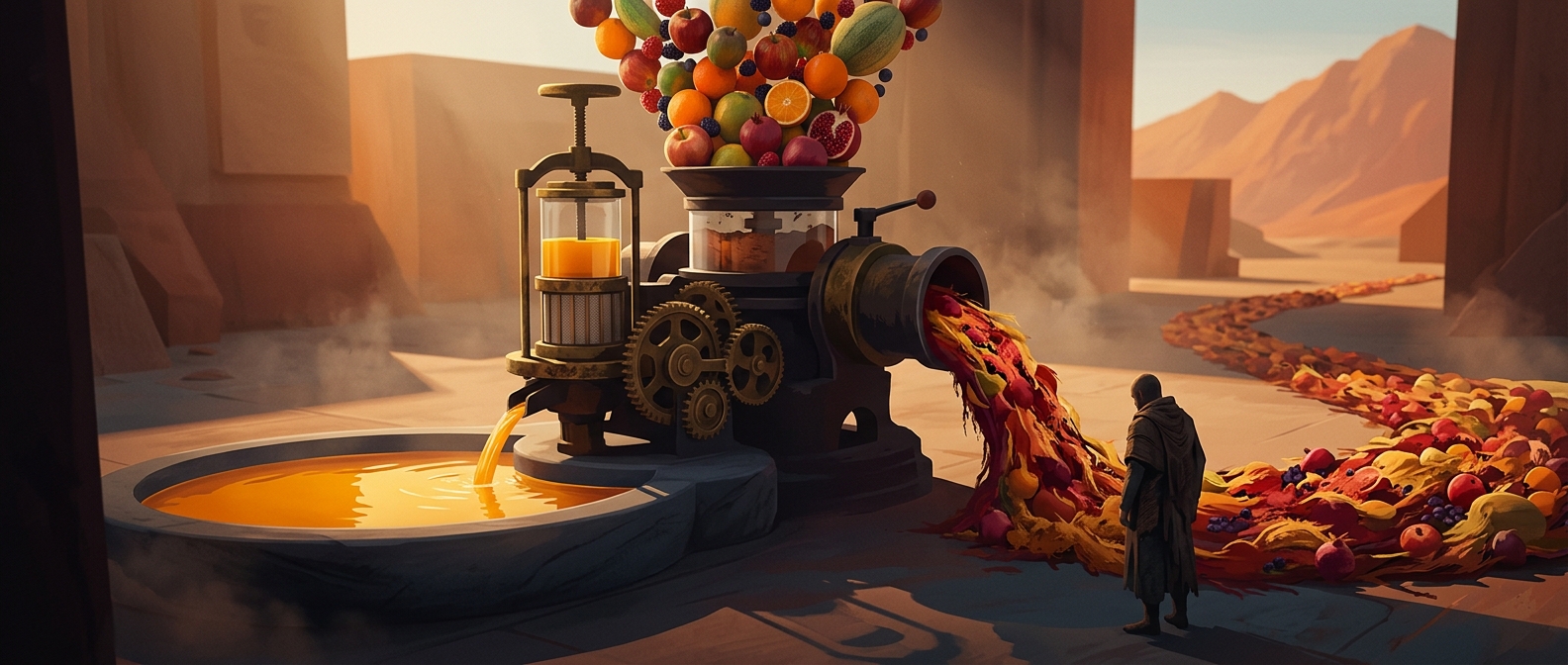
Why juicing fruit throws away its best part
Juicing squeezes out liquid but leaves much of the fruit’s fibrous pulp behind. Without that fiber, juice is easier to drink quickly and may not feel as…
Discover more
Humans retain a tiny structure linked to scent sensing in other animals
The vomeronasal organ, or its remnants, can be found near the front of the nasal septum. In many other animals it belongs to a specialized chemical-sensing…
Discover more
Cortisol actively suppresses immune responses
Cortisol helps make energy available for immediate demands, but it also turns down some immune activity. When cortisol stays elevated, that short-term…
Discover more
Plucking one gray hair won't make two grow back
A plucked hair comes from one follicle; its neighbors do not respond by growing two hairs apiece. The real risk is to the follicle you keep pulling from,…
Discover more
Perineum separates the digestive and reproductive exits
The perineum is the strip of tissue between the anus and the external genitals.
Discover more STACKY FOR IPHONE
A bigger world.
One discovery
at a time.
Keep discovering with Stacky. Interesting facts in an app that is always within reach.
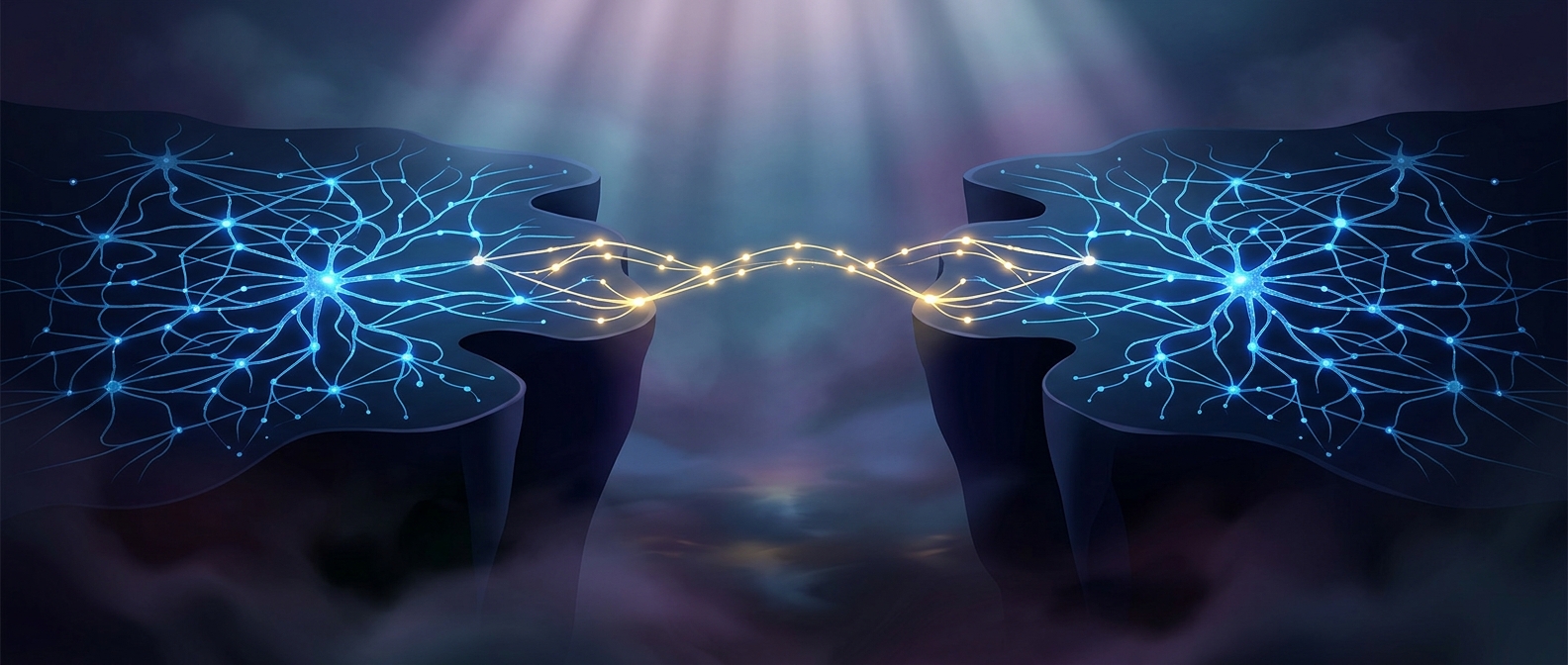
Interneurons strictly bridge divided neural nets
A sensory nerve can carry news inward, while a motor nerve carries a command outward; interneurons link the two within the brain and spinal cord. They help…
Discover more
Elizabeth I received a flushing toilet centuries before most homes did
Her godson John Harington described a water-flushing design in 1596 and presented one to the queen. It used a tank to wash waste into a pit, which still…
Discover more
Slow twitch muscles are physically built for pure endurance
Slow-twitch fibers make less force in a sudden burst, but they can keep contracting without tiring as quickly. They help you hold your posture or keep moving…
Discover more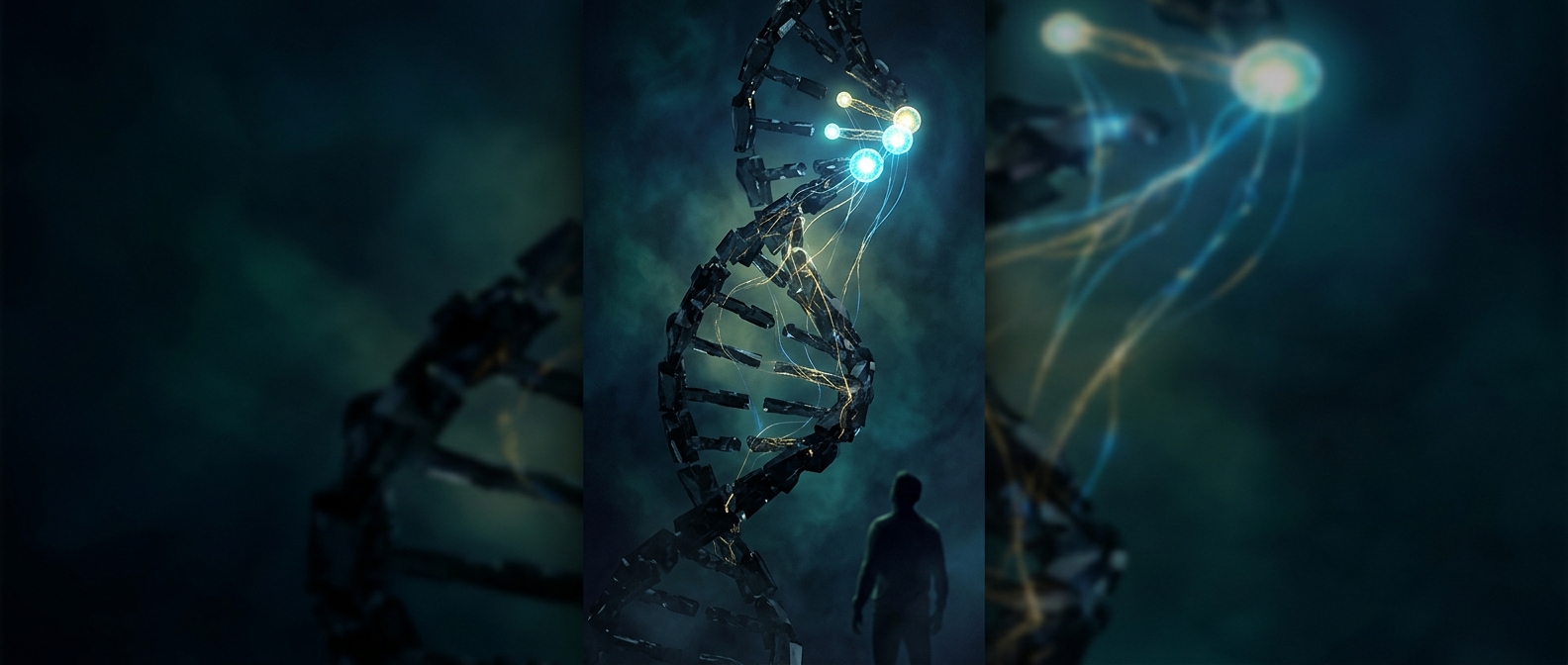
The 'junk DNA' that helps control your genes
Protein-coding DNA supplies recipes; other DNA can help decide when those recipes get used. That regulatory role is why some stretches once dismissed as…
Discover more
Gamma aminobutyric acid acts as a neural brake
Nerves constantly pass signals, and GABA helps keep that traffic from speeding up too much. It reduces the chance that nerve cells will fire, acting less like…
Discover more
Your strongest bone is also your longest
The femur carries weight from hip to knee through a dense outer shell of bone. Breaking its shaft usually takes substantial force, such as a serious…
Discover more
Your chin doesn't follow a simple dominant-gene rule
Cleft chins range from shallow dimples to deep grooves, with plenty of faces between clearly cleft and smooth. Family studies don't fit the tidy classroom…
Discover more
Large intestine follows strict vertical and horizontal paths
The colon runs up the right side of the abdomen, crosses toward the left, then travels down to the rectum. Material moving through it follows that long,…
Discover more
Why people freezing to death sometimes undress
In severe hypothermia, the body’s effort to keep heat in can fail: blood vessels near the skin relax and let warmer blood flow outward. That sudden warmth can…
Discover more
Your nose can remember thousands of different smells
Smell signals travel from the nose to brain areas involved in emotion and memory, including the hippocampus and amygdala. A familiar scent can therefore bring…
Discover more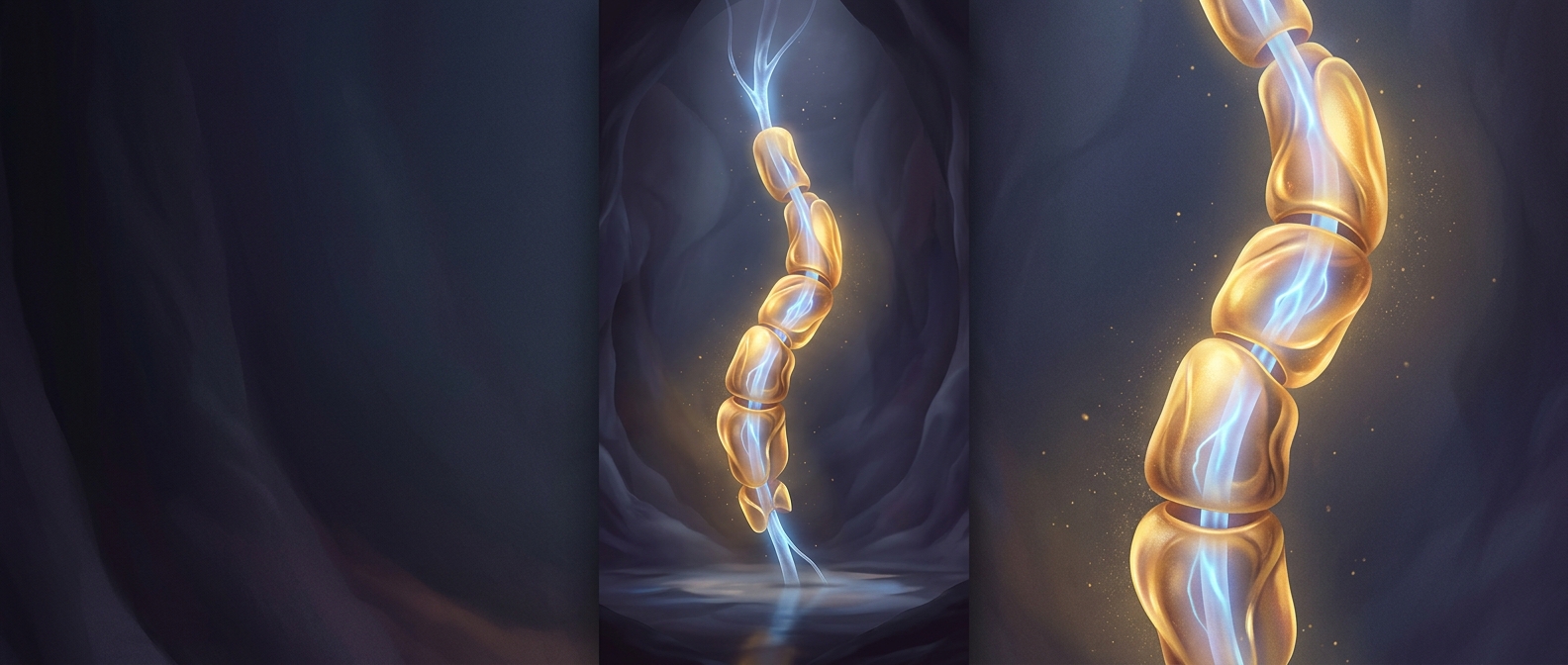
Myelin sheaths insulate fragile nerve fibers
A nerve’s axon carries a signal, and myelin covers sections of it with a fatty insulating layer. The signal can move quickly from gap to gap along the axon,…
Discover more
Cutting an onion starts a tiny chemical alarm
The knife breaks cells open, bringing substances together that generate an airborne eye irritant. When that gas reaches your eyes, tears help wash it away.…
Discover more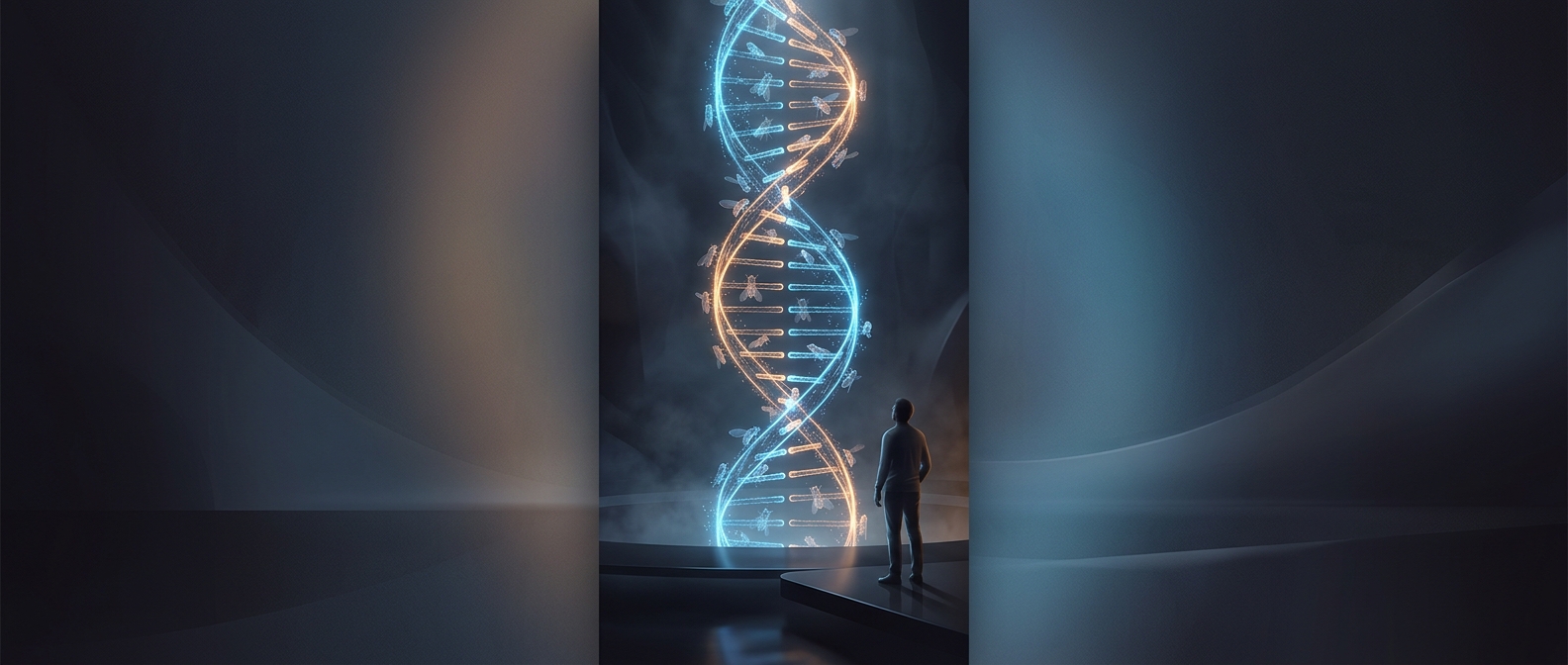
Humans share surprisingly much DNA with fruit flies
About 60% of human genes have counterparts in fruit flies, including genes that help guide basic development. Studying the fly versions can reveal clues about…
Discover more
A rare mutation can block HIV from entering cells
CCR5 is a doorway on some immune cells that certain strains of HIV use to get inside. The CCR5-Δ32 mutation can disable that doorway, making it harder for…
Discover more
When your nose smells something that isn't there
With phantosmia, the brain interprets activity in the smell system as an odor even though there’s no matching smell in the surroundings. That’s why someone…
Discover more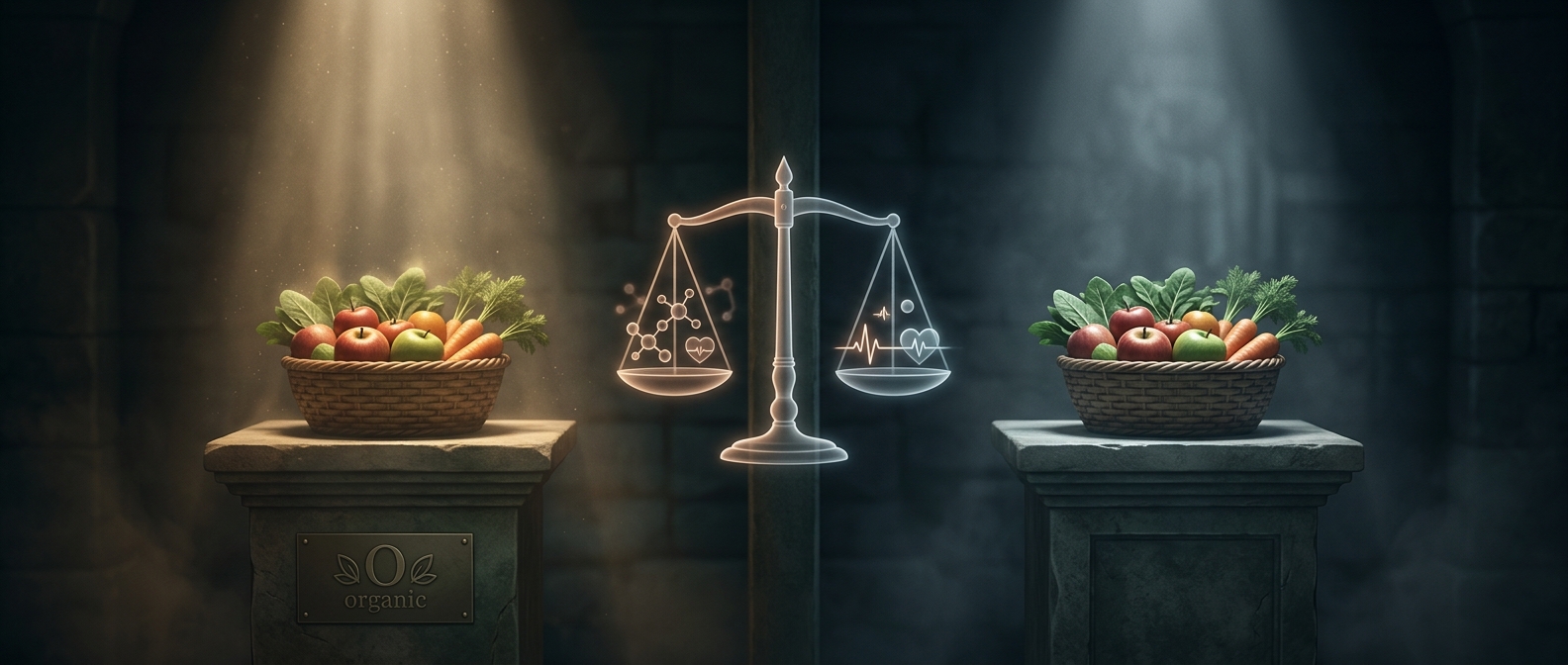
Organic food isn't always more nutritious
Organic farming describes how a crop is grown; it doesn’t guarantee that the crop contains more nutrients. Organic and conventional crops have broadly similar…
Discover more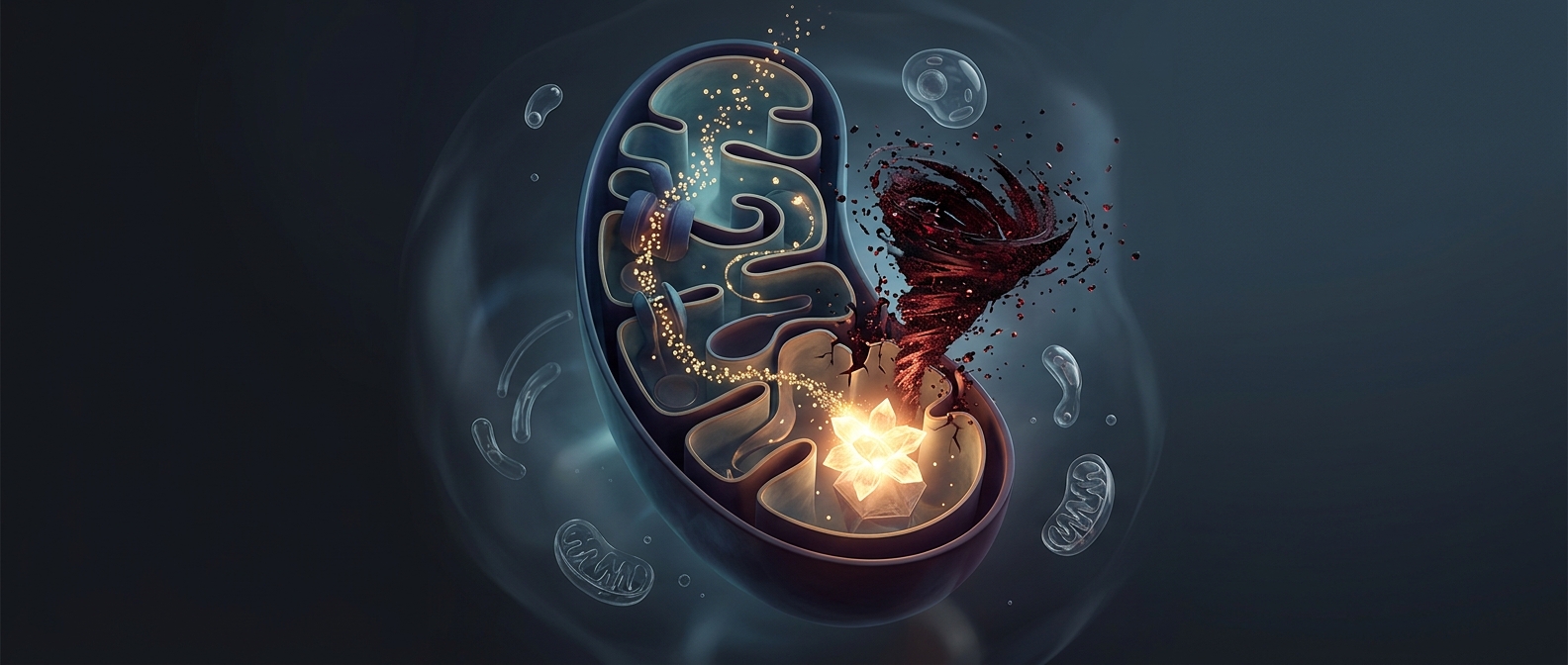
Oxidative phosphorylation is a dangerous energy source
As cells make usable energy, electrons pass through a chain of reactions; a few can escape and react with oxygen. That creates reactive byproducts that can…
Discover more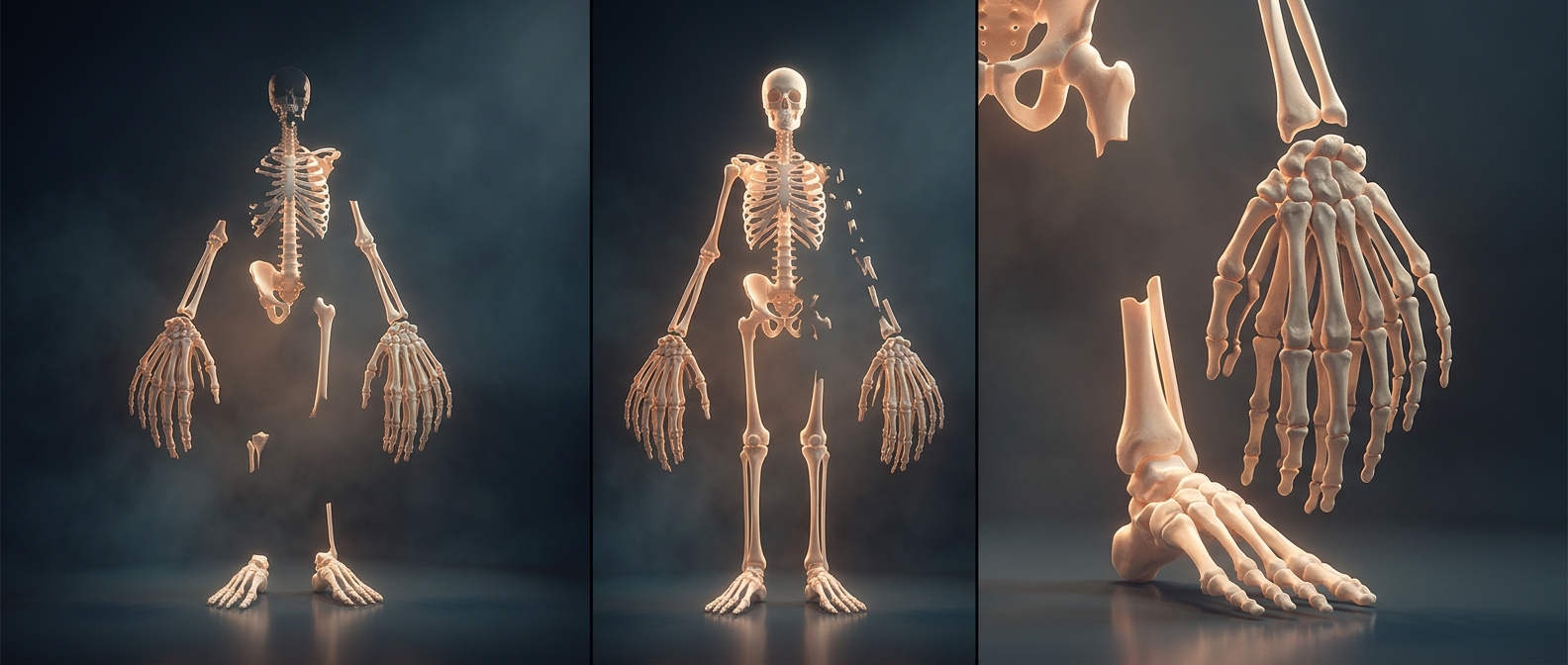
Why your hands and feet hold over half your bones
Your hands need to shape a grip, and your feet need to flex and steady you as you move. Their many small bones form intricate, adjustable frameworks for those…
Discover more