Health
Discover facts about health. Small discoveries that change the way you see familiar things.
Health

Your little finger contributes much more to a strong grip than its size suggests.
Your little finger contributes much more to a strong grip than its size suggests. Together with the ring finger, it helps wrap the hand around a handle and…
Discover more
Olfactory fatigue, commonly known as nose blindness, is your brain's way of filtering out constant smells so you do not go completely insane from sensory overload; after a few…
Olfactory fatigue, commonly known as nose blindness, is your brain's way of filtering out constant smells so you do not go completely insane from sensory…
Discover more
Music has reduced pain ratings in studies of surgical recovery.
Music has reduced pain ratings in studies of surgical recovery. A large review of trials found that music was associated with lower postoperative pain and…
Discover more
Eyelid myokymia is the involuntary spasming of your orbicularis oculi muscle, typically brought on by chronic sleep deprivation, massive caffeine consumption, or overwhelming psychological stress.
Eyelid myokymia is the involuntary spasming of your orbicularis oculi muscle, typically brought on by chronic sleep deprivation, massive caffeine consumption,…
Discover more
Scratching can briefly drown out an itch by activating pain pathways.
Scratching can briefly drown out an itch by activating pain pathways. Those signals interact with itch circuits in the spinal cord and brain, reducing the…
Discover more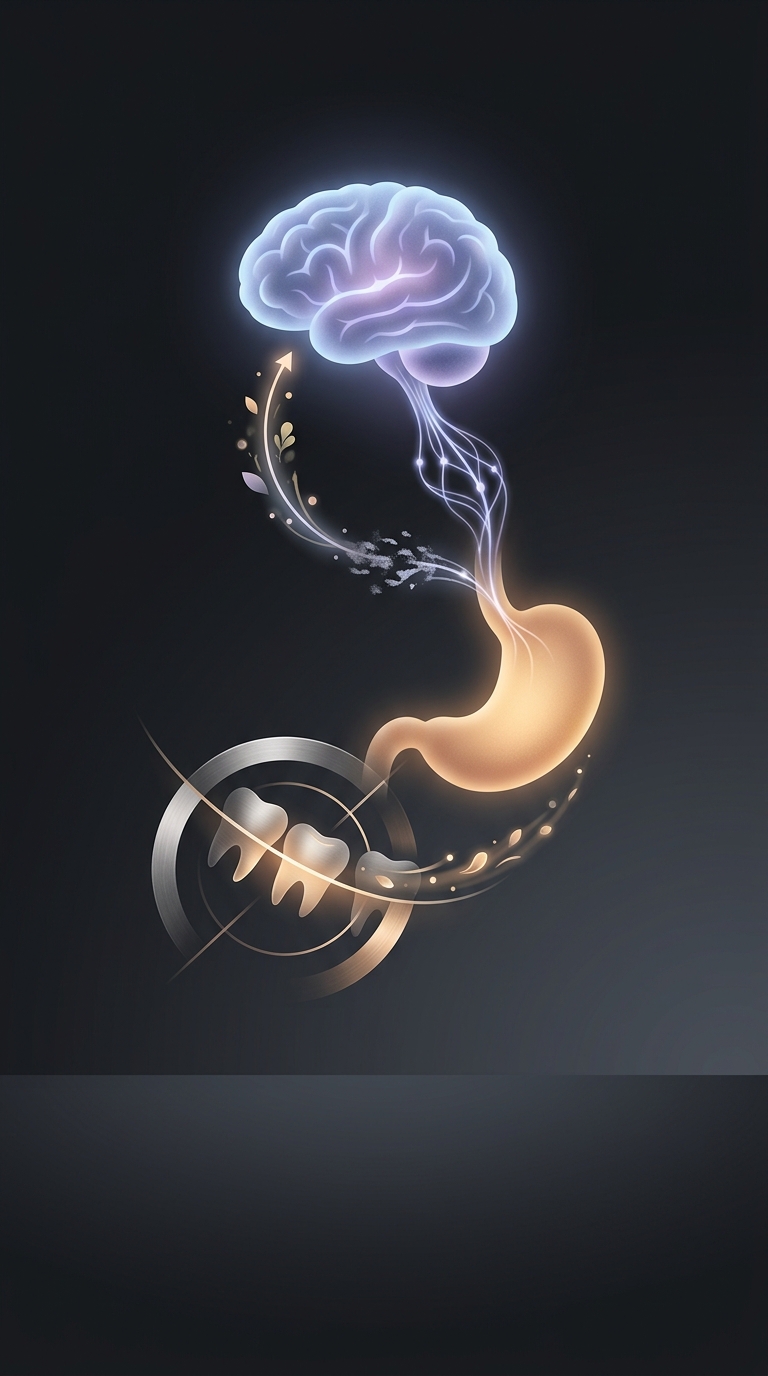
Chewing is part of the meal's feedback system.
Chewing is part of the meal's feedback system. Eating involves more than getting food into the stomach: texture, time in the mouth, and digestive signals all…
Discover more STACKY FOR IPHONE
A bigger world.
One discovery
at a time.
Keep discovering with Stacky. Interesting facts in an app that is always within reach.
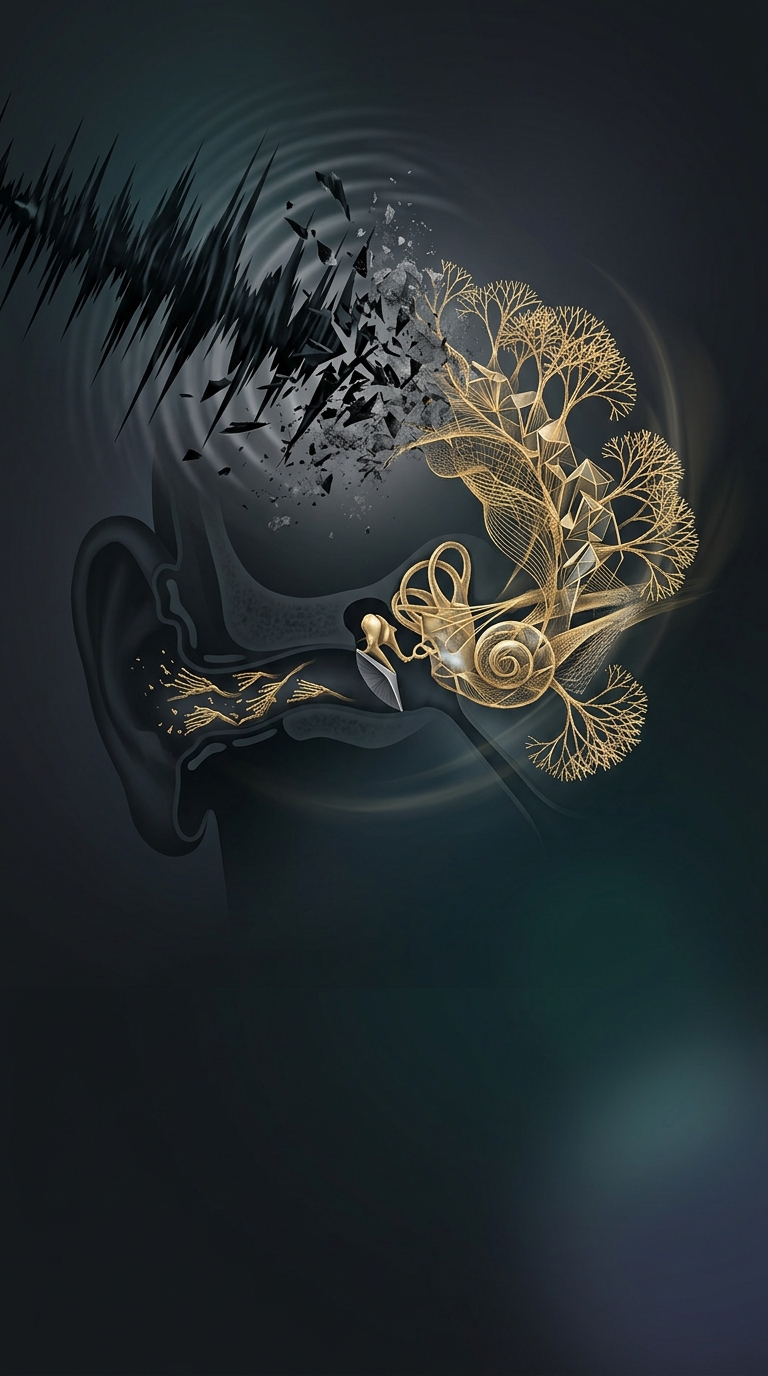
The ear's tiny sound sensors do not grow back.
The ear's tiny sound sensors do not grow back. Sound bends microscopic bundles on the inner ear's hair cells, helping turn vibration into electrical signals.…
Discover more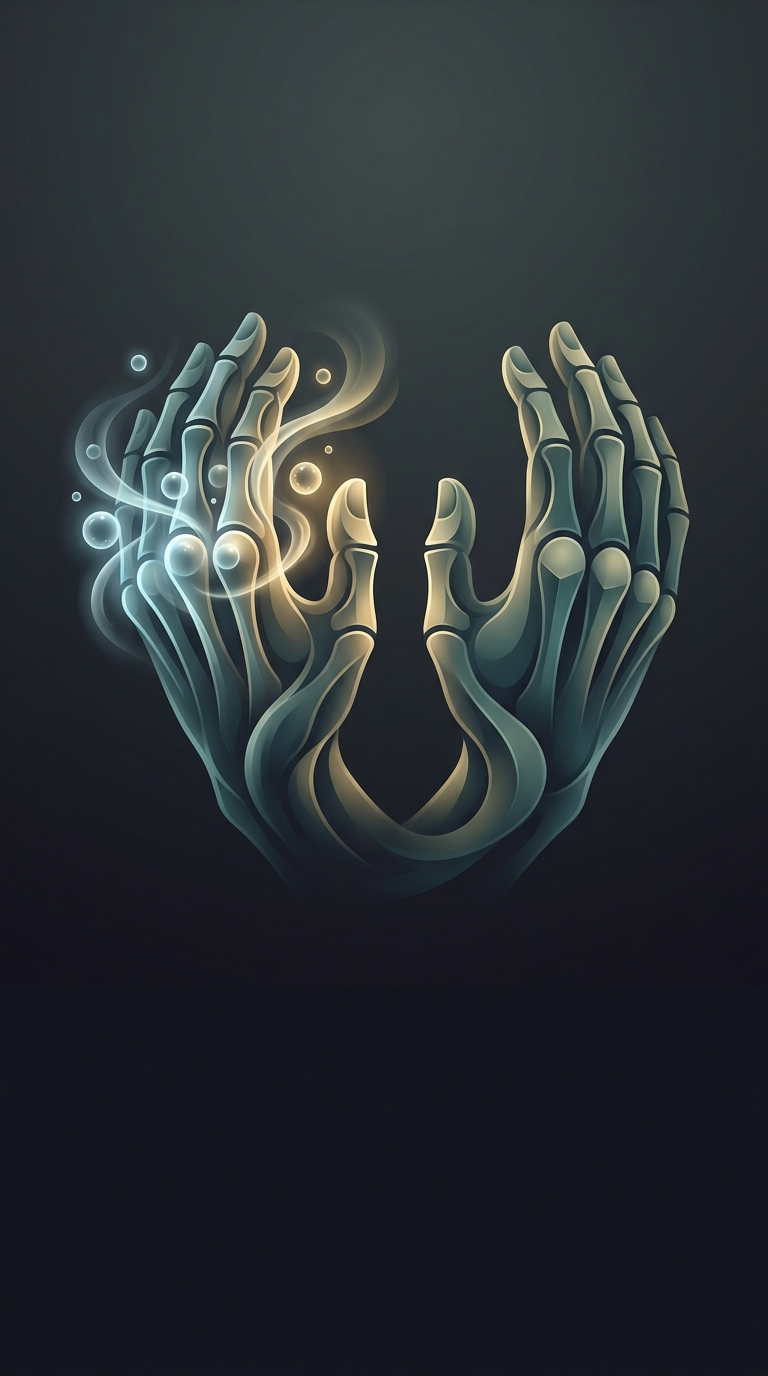
A doctor used his own hands to test a warning about knuckle cracking.
A doctor used his own hands to test a warning about knuckle cracking. Donald Unger reported cracking the knuckles of one hand for decades while leaving the…
Discover more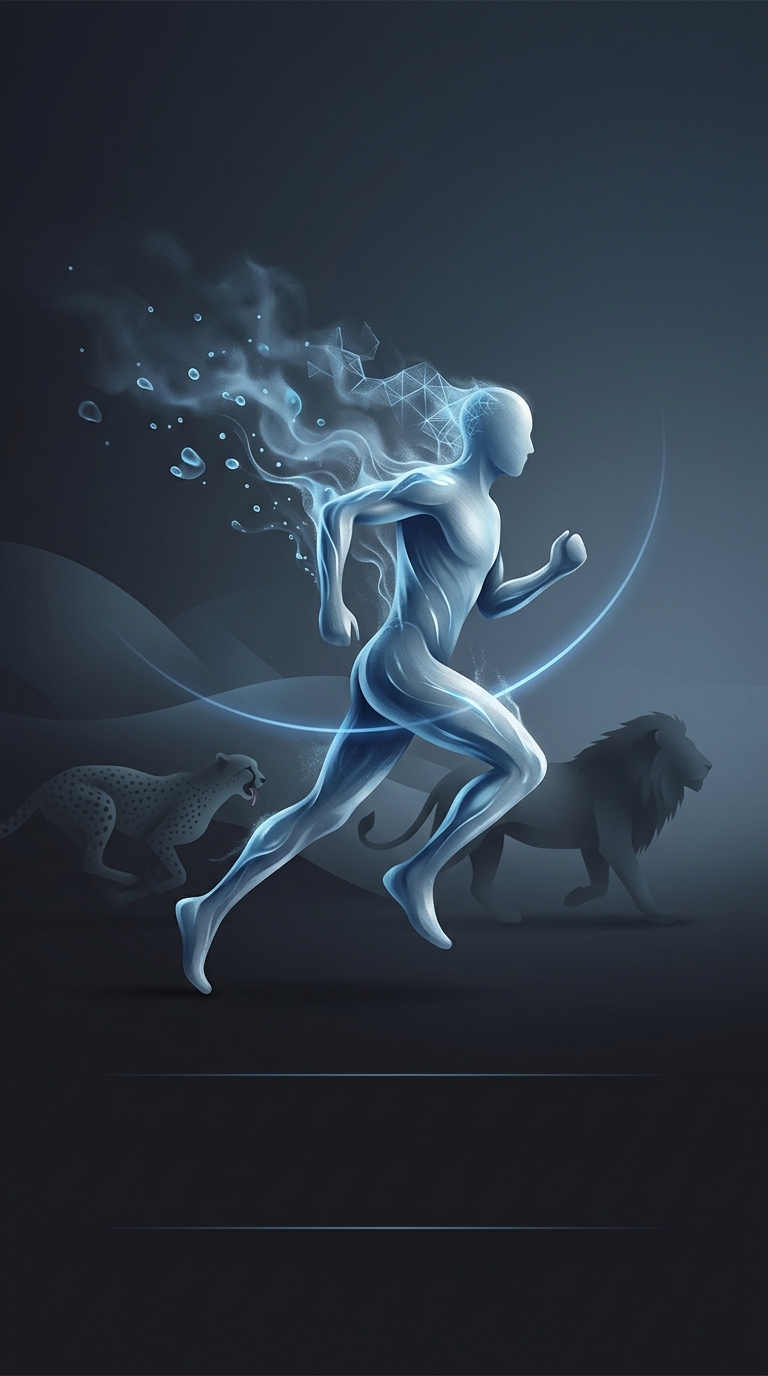
Sweating lets humans shed heat while they keep moving.
Sweating lets humans shed heat while they keep moving. Evaporation carries heat away from the skin, helping support prolonged effort in suitable conditions.…
Discover more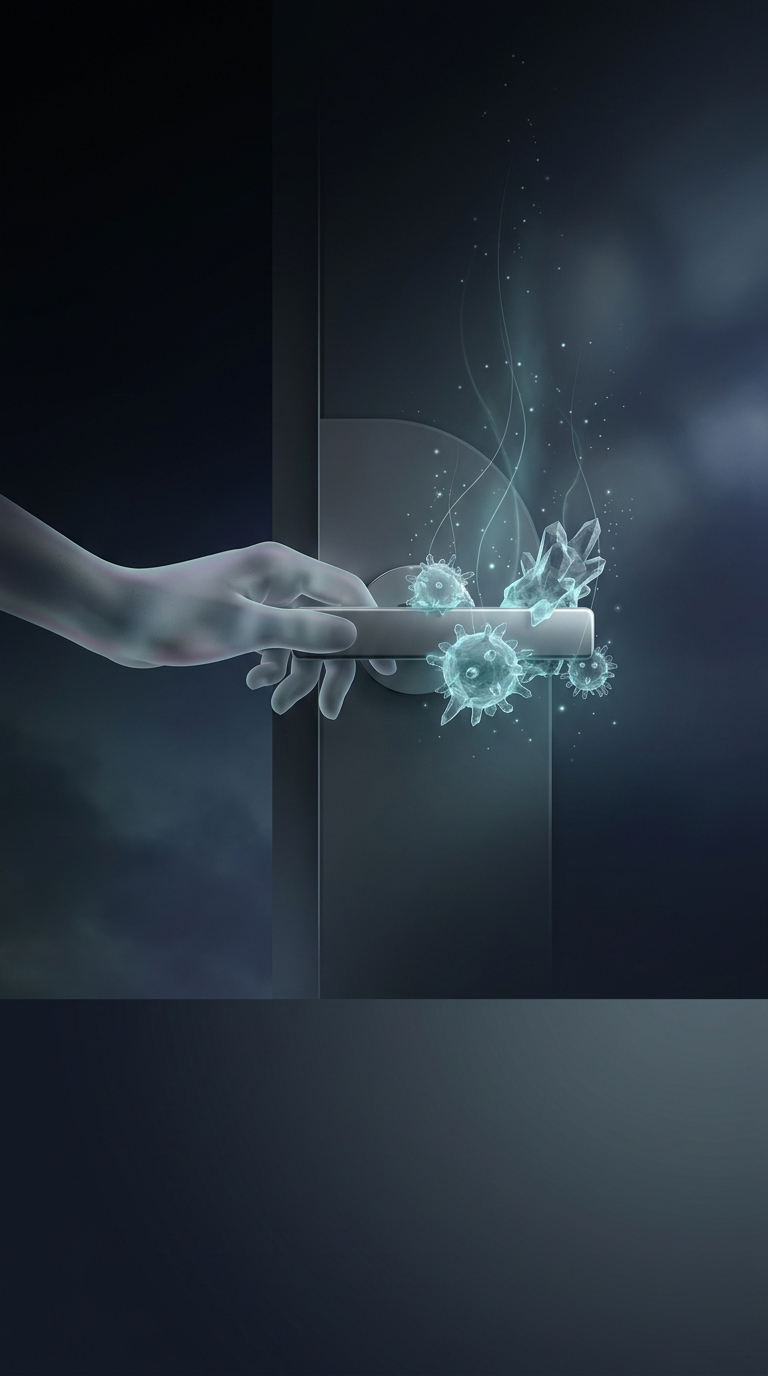
Rhinoviruses, which are responsible for the common cold, can survive on hard indoor surfaces like doorknobs and elevator buttons for up to seven full days.
Rhinoviruses, which are responsible for the common cold, can survive on hard indoor surfaces like doorknobs and elevator buttons for up to seven full days.…
Discover more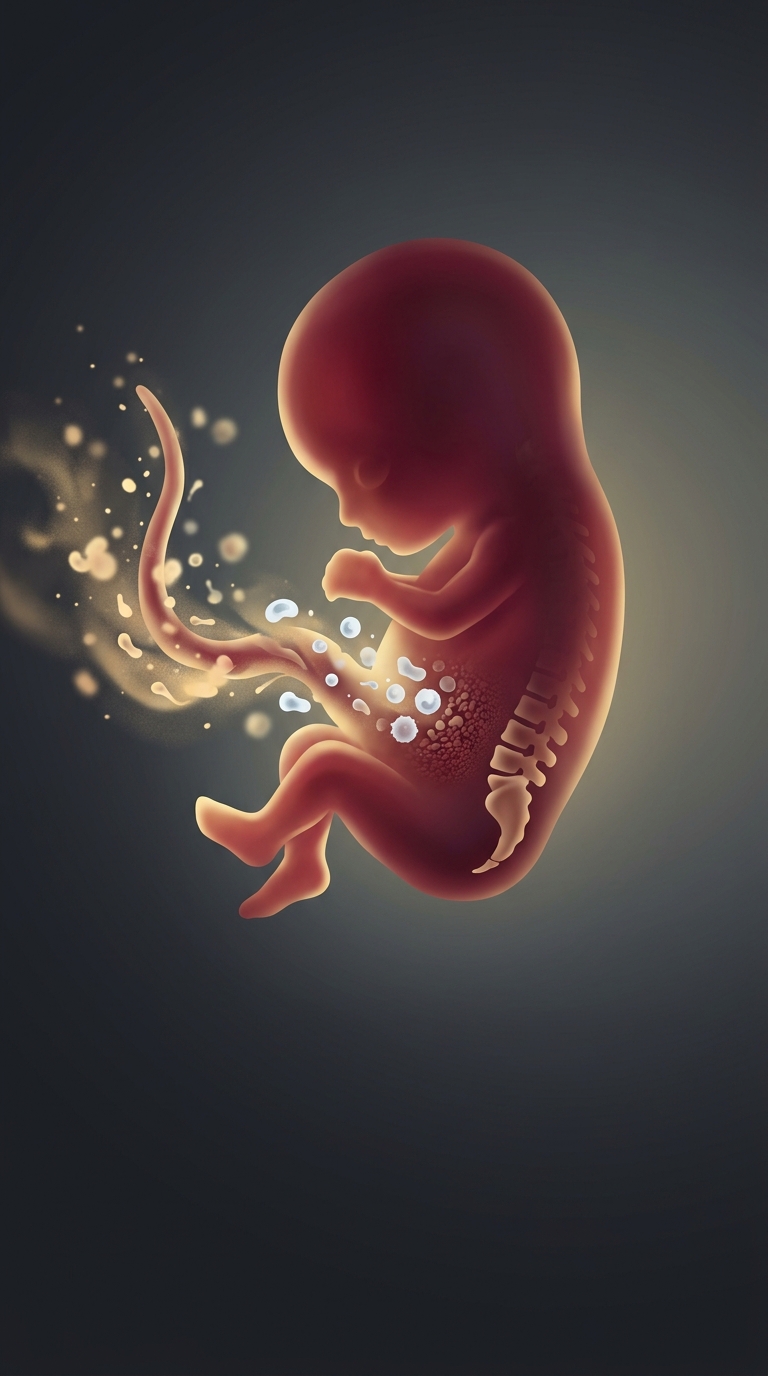
Human embryos briefly develop a tail.
Human embryos briefly develop a tail. Early development produces a tail projecting beyond the forming body. As development proceeds, tissues regress through…
Discover more
Breaking down alcohol briefly creates another toxic chemical.
Breaking down alcohol briefly creates another toxic chemical. Liver enzymes convert alcohol into acetaldehyde, then other enzymes convert that into acetate.…
Discover more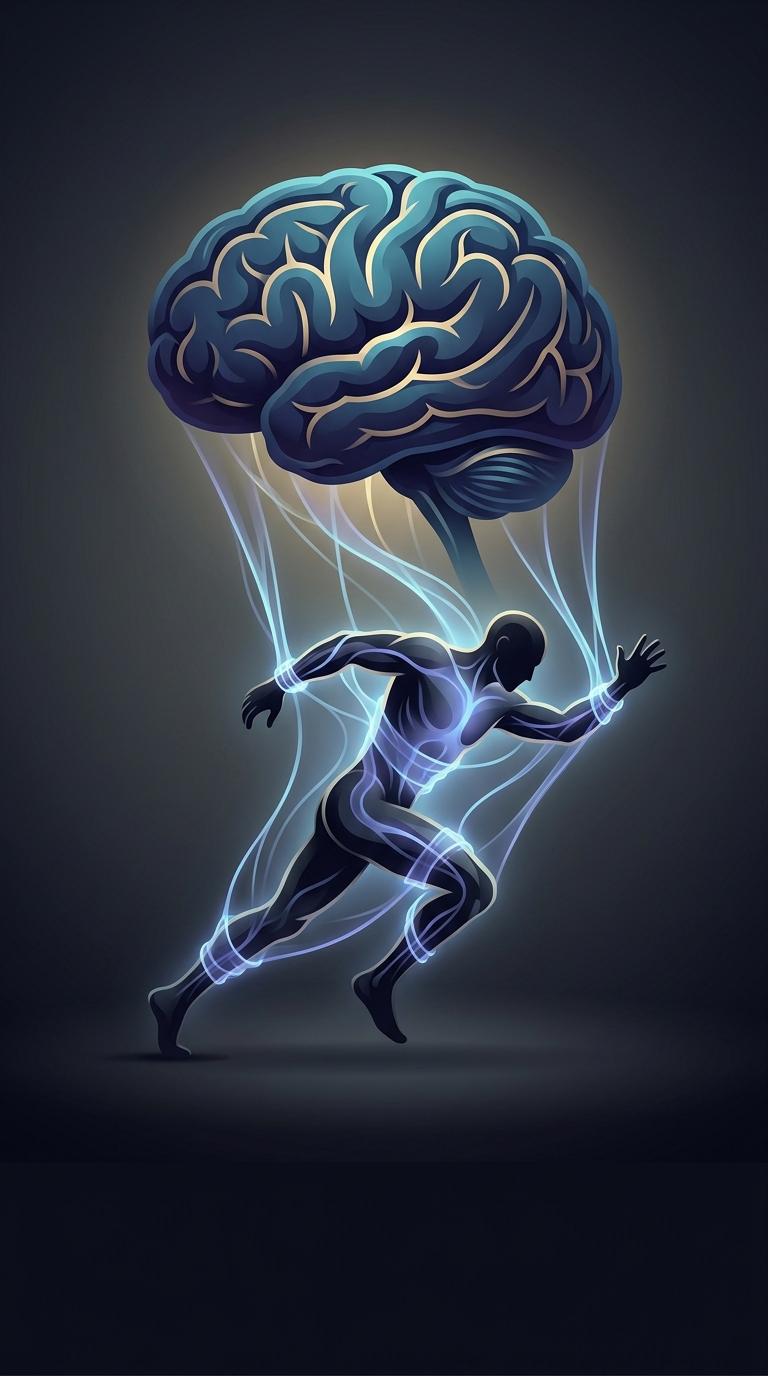
Your muscles are not the only thing deciding when a workout feels impossible.
Your muscles are not the only thing deciding when a workout feels impossible. Fatigue reflects both changes inside working muscles and the nervous system's…
Discover more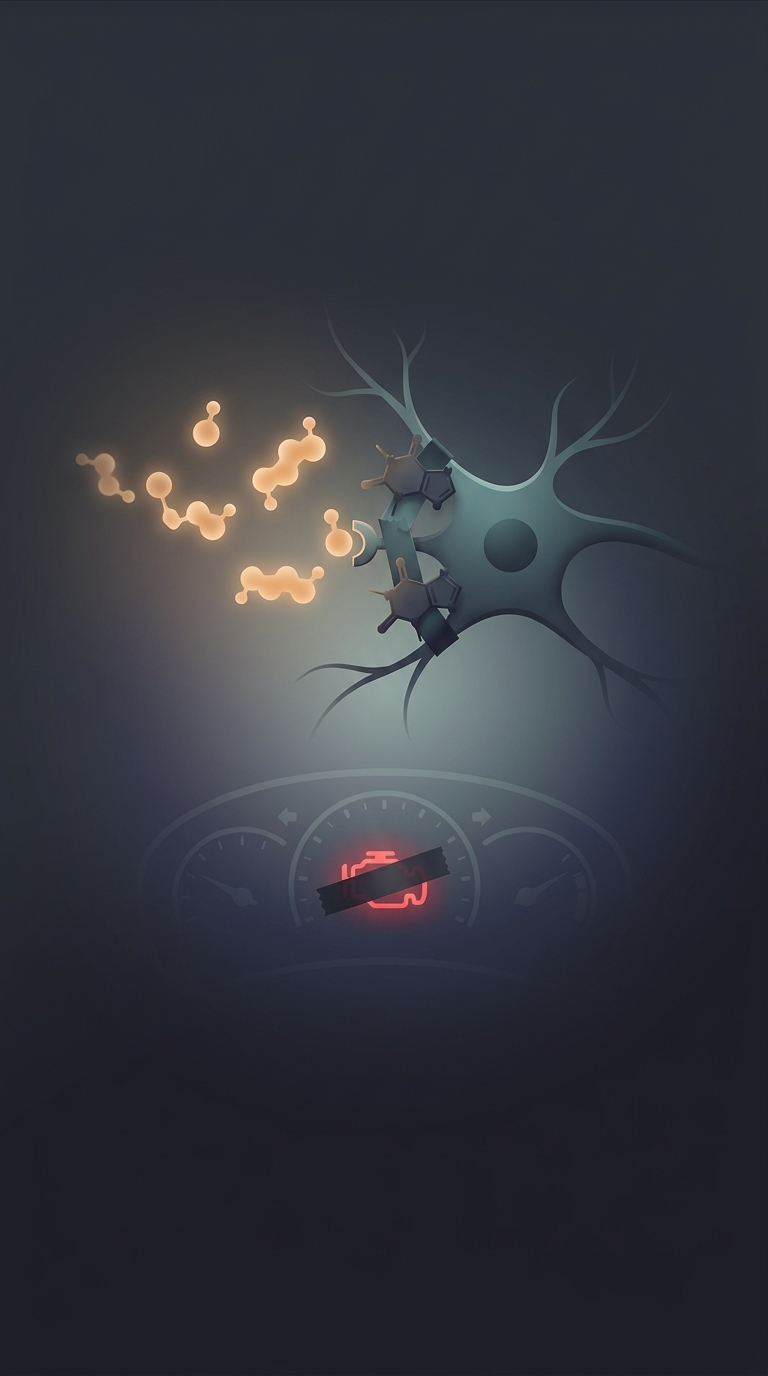
Caffeine works by impersonating a neurotransmitter called adenosine, sneaking into your brain's receptors and blocking the actual chemical that tells your body it is time to feel tired.
Caffeine works by impersonating a neurotransmitter called adenosine, sneaking into your brain's receptors and blocking the actual chemical that tells your…
Discover more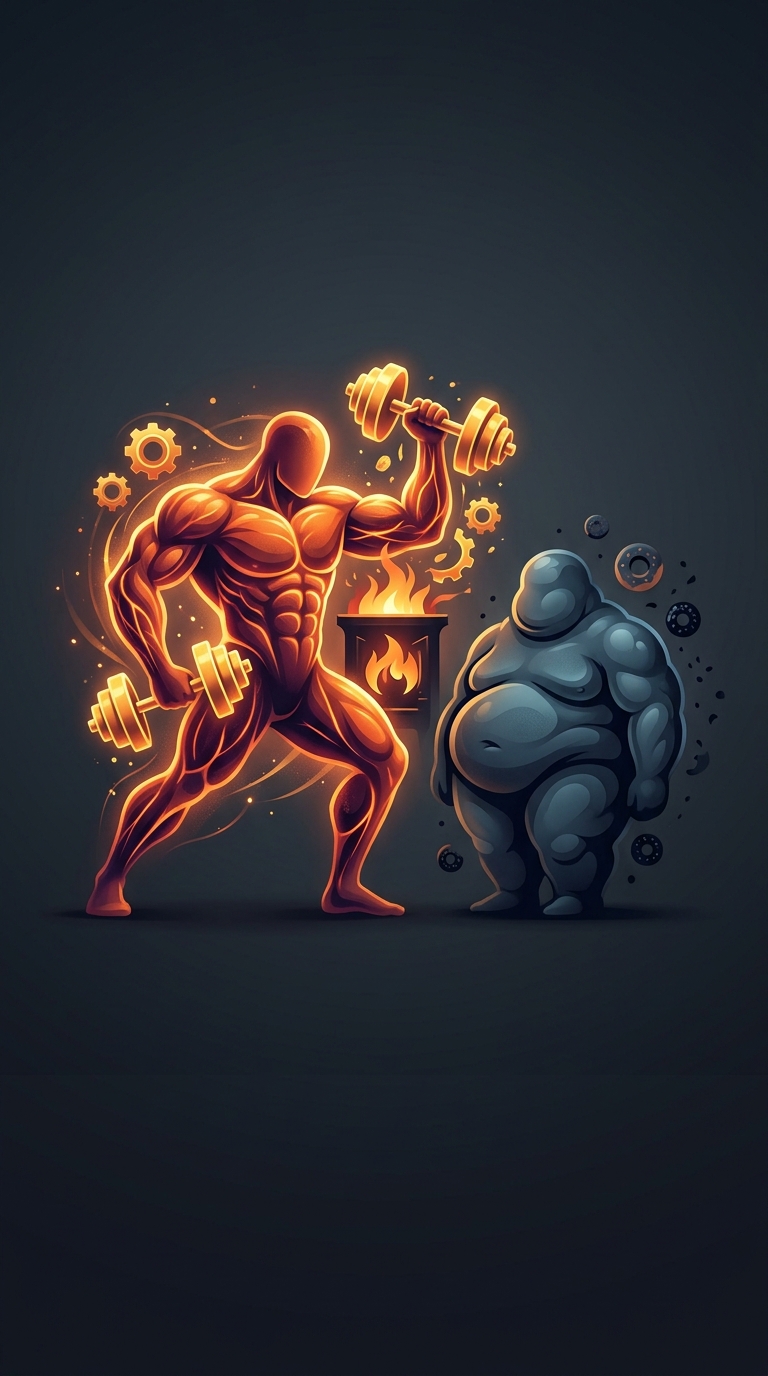
Skeletal muscle tissue is significantly more metabolically active than adipose fat tissue, burning roughly three times as many calories just to simply exist while you are completely at rest.
Skeletal muscle tissue is significantly more metabolically active than adipose fat tissue, burning roughly three times as many calories just to simply exist…
Discover more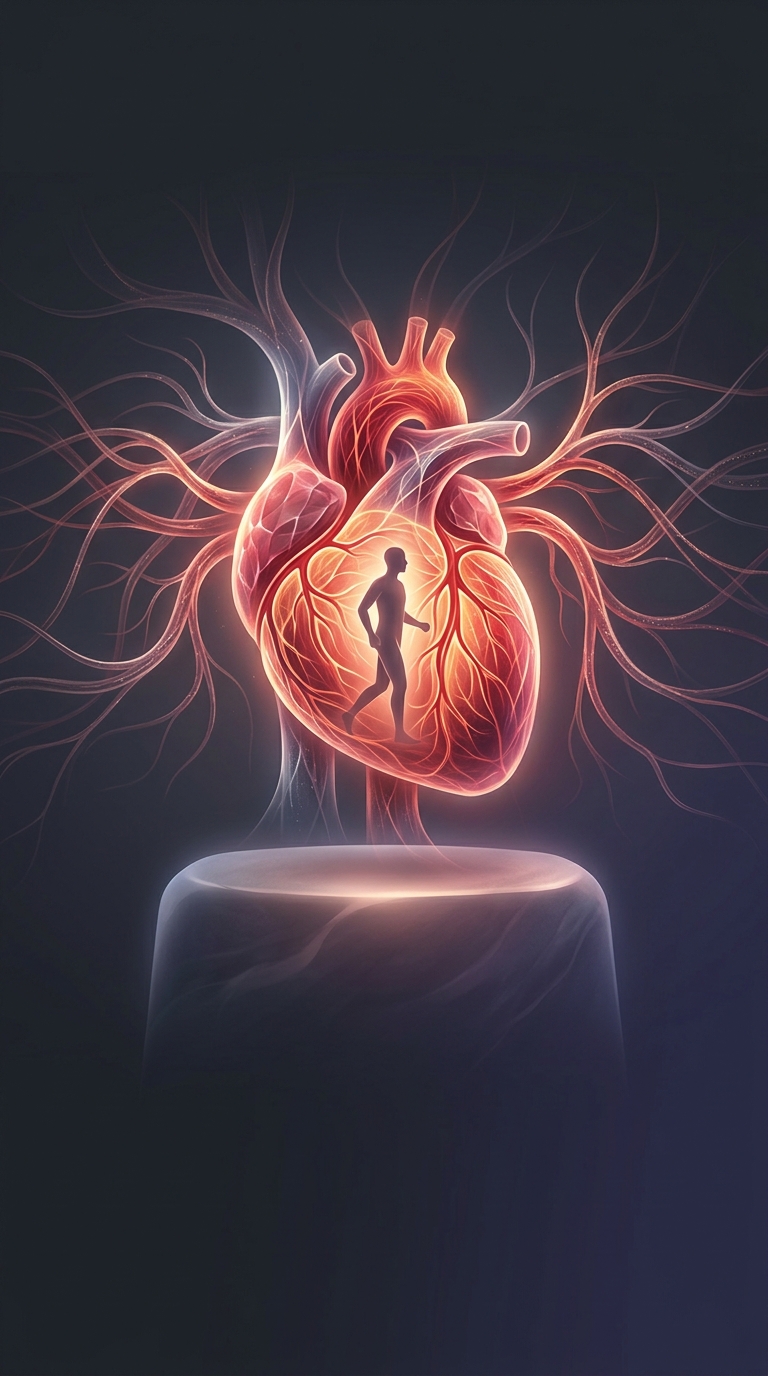
Cardiac muscle contractions occur approximately one hundred thousand times per day, meaning your heart pumps roughly two thousand gallons of blood through sixty thousand miles of blood vessels.
Cardiac muscle contractions occur approximately one hundred thousand times per day, meaning your heart pumps roughly two thousand gallons of blood through…
Discover more
Your mouth makes roughly half a liter to 1.5 liters of saliva a day.
Your mouth makes roughly half a liter to 1.5 liters of saliva a day. Most is water, but dissolved substances help digest food, lubricate tissues, and buffer…
Discover more
Armpit bacteria help turn sweat into body odor.
Armpit bacteria help turn sweat into body odor. Fresh secretions provide compounds that microbes on the skin can break down into smelly molecules. The…
Discover more
Cold water can switch on your body's alarm before you decide to react.
Cold water can switch on your body's alarm before you decide to react. Sudden immersion can trigger a gasp, rapid breathing, and a rise in heart rate as the…
Discover more
Your eyes restrain immune reactions to protect delicate tissue.
Your eyes restrain immune reactions to protect delicate tissue. Barriers limit what enters, and local signals help control inflammation. That restraint…
Discover more
An absent limb can still feel painfully present.
An absent limb can still feel painfully present. After amputation, changes in remaining nerves, the spinal cord and brain can contribute to sensations…
Discover more
Inflammation sends repair resources to an injury—and can make the area hurt.
Inflammation sends repair resources to an injury—and can make the area hurt. Blood vessels widen and become leakier, allowing fluid and immune cells into the…
Discover more
Your chin is a surprisingly human feature.
Your chin is a surprisingly human feature. Modern humans have a distinct bony projection at the front of the lower jaw that our close relatives lack. One…
Discover more
An aging brain is not simply losing a fixed quota of cells.
An aging brain is not simply losing a fixed quota of cells. Healthy aging can change brain volume, connections and processing speed without the large-scale…
Discover more