Culture & entertainment
Discover facts about culture & entertainment. Small discoveries that change the way you see familiar things.
Culture & entertainment
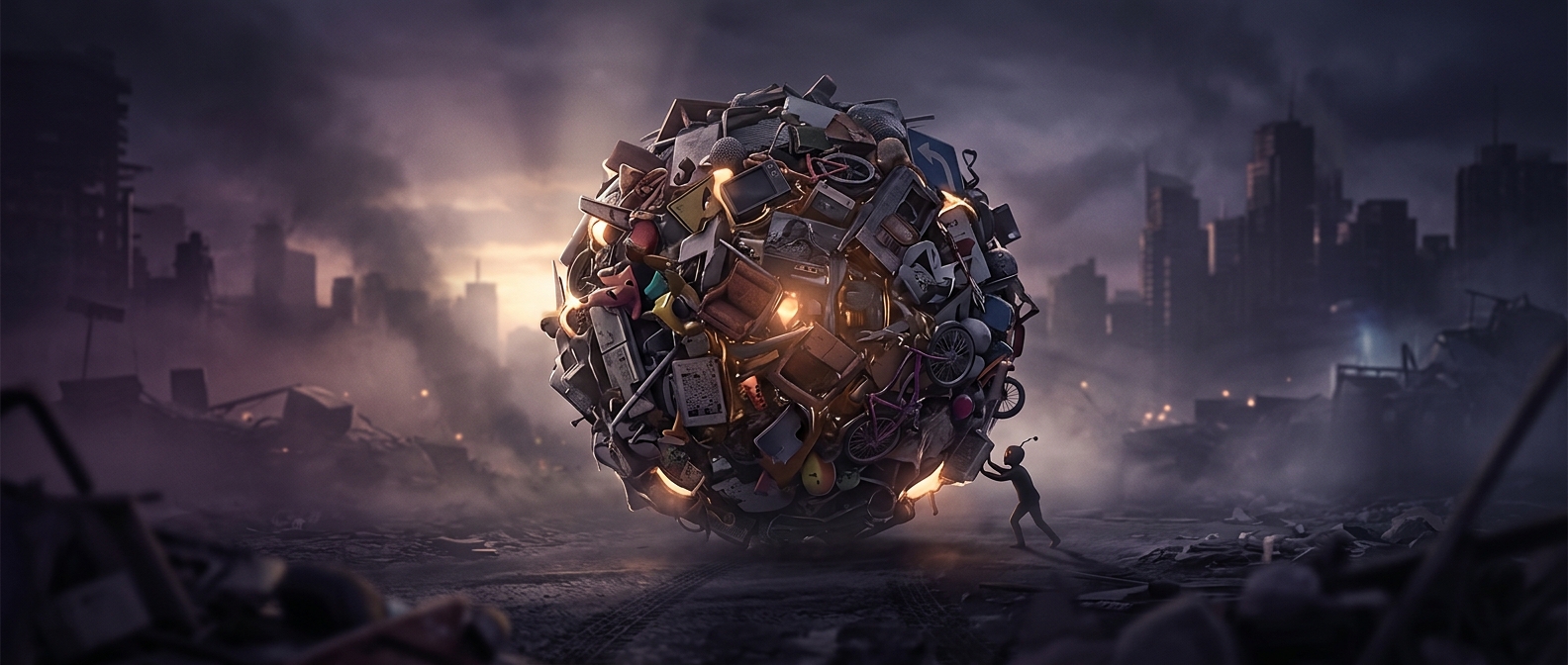
Katamari rolling uses sticky physics to hoard junk
In Katamari, anything small enough for the ball to pick up sticks to it, making it grow until it can collect larger objects—from paper clips to skyscrapers.
Discover more
Why AM radio travels farther after dark
After dark, changes in the ionosphere let AM signals travel farther, sometimes carrying stations from hundreds of miles away.
Discover more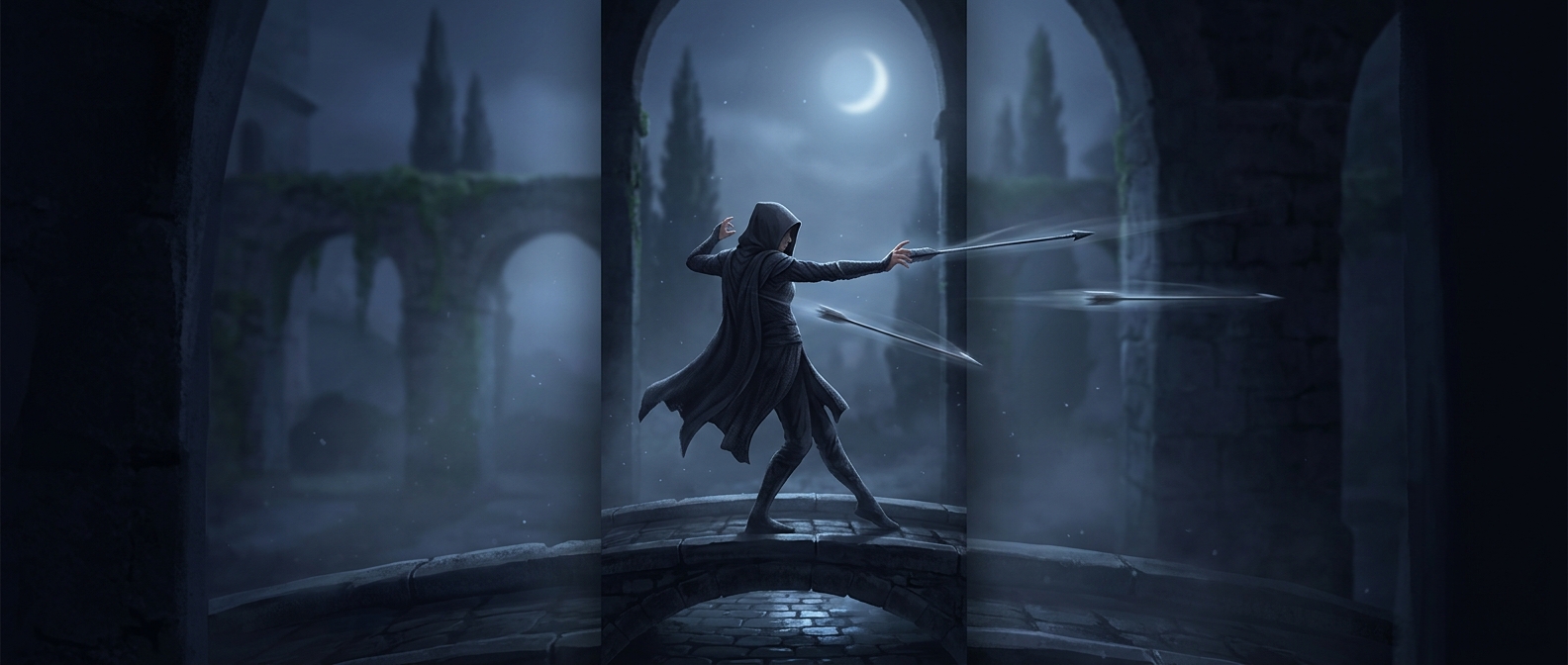
Snatching speeding arrows out of the air
Some illusionists attempt to catch a sharp, speeding arrow just before it reaches their chest—a stunt where a mistimed grab could cause severe injury.
Discover more
A museum exit can compete with the exhibit beside it
Exhibition designer Jonathan Alger describes a visible-exit problem: once visitors see the way out, their attention can shift toward leaving. Designers can…
Discover more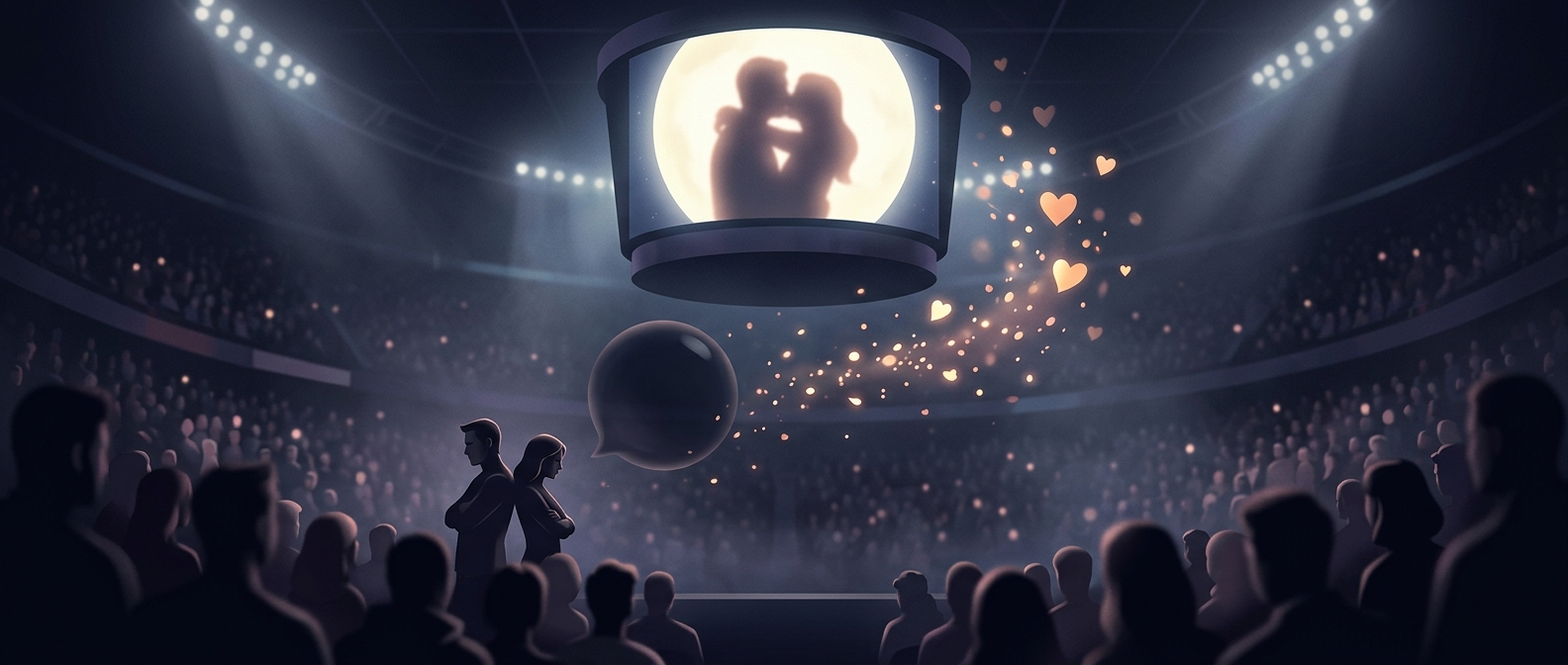
Why kiss cams skip couples who look unhappy
Camera operators look for affectionate, smiling pairs and avoid people who seem upset or are arguing, so the screen doesn’t turn a private conflict into arena…
Discover more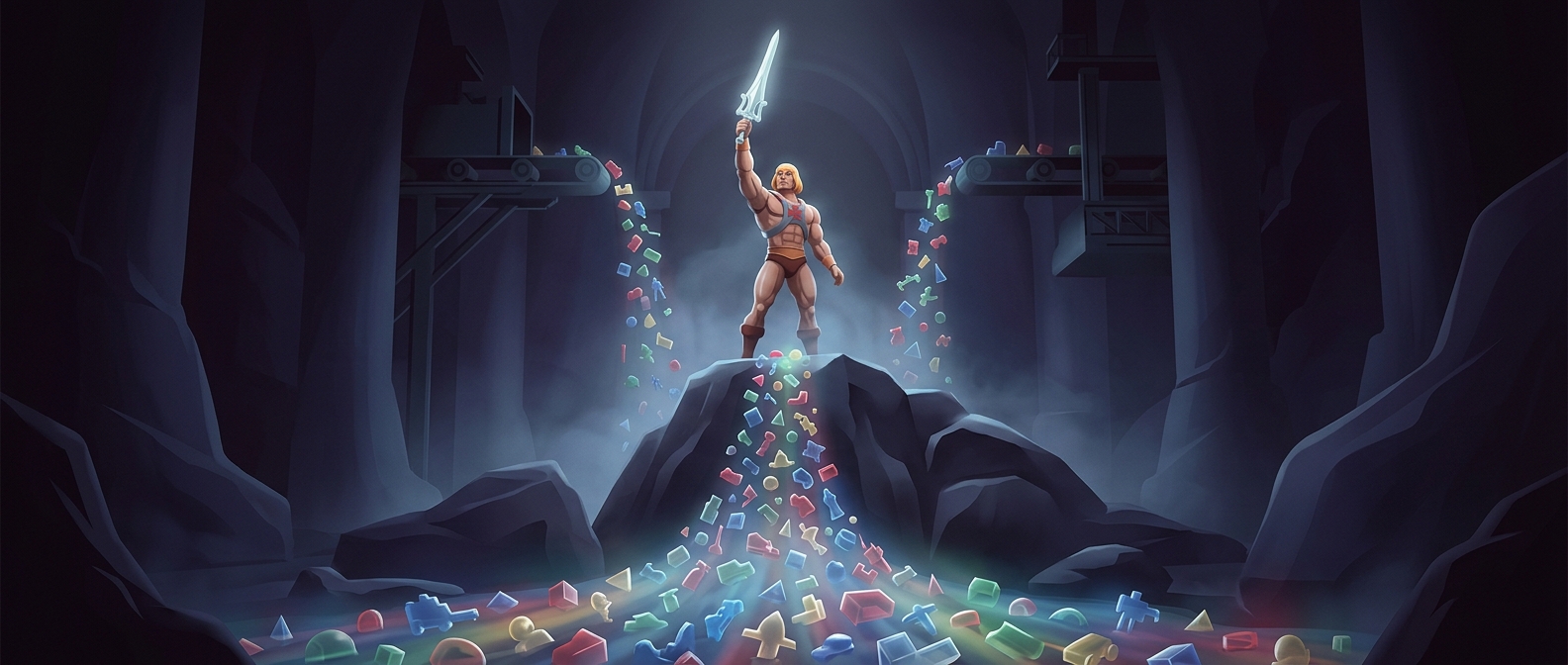
He-Man was created to sell action figures
The toy line came first; the lore of Eternia and the battle for Castle Grayskull supplied a story to help sell bulky, minimally articulated figures.
Discover more STACKY FOR IPHONE
A bigger world.
One discovery
at a time.
Keep discovering with Stacky. Interesting facts in an app that is always within reach.

Jurassic Park shows surprisingly little of its dinosaurs
The 127-minute film shows dinosaurs for only about 15 minutes, leaving most of its runtime to human characters and suspense.
Discover more
Podcast editing can remove the breathing room without removing the words
An editor can shorten long gaps and repeated hesitations to keep a conversation moving. Overdo it and speech begins to feel strangely relentless, because…
Discover more
Aggressive wall pinning inevitably leads to intimacy
In romance scenes, the trope turns a threatening gesture into instant attraction: the pinned character is written as kissing the aggressor instead of…
Discover more
Dubbing has to fit a performance into somebody else's mouth
Translators work with meaning, timing, breath, and visible mouth movements at once. A literal translation may be too long or put a conspicuous sound where the…
Discover more
A harmonica hides two directions of sound in one small instrument
Blowing and drawing air activate different reeds, so a single hole can produce different notes. That packs a useful range into something small enough for a…
Discover more
Why baking shows test ovens with sponge cake
Crews bake a basic sponge cake in each oven before filming to check how evenly they bake.
Discover more
Numbers stations broadcast cryptic numerical sequences
Their automated voices and chimes broadcast number sequences over shortwave, providing spies with a one-way communication channel.
Discover more
Idea expression divide means concepts cannot be owned
A general concept, such as a futuristic space battle, can't be owned on its own; intellectual-property protections apply to a specific expression of an idea.…
Discover more
Circus promoters sold racist stories alongside the people they displayed
In 1883, Indigenous Australians were exhibited in Barnum's touring shows under sensational claims about supposedly primitive peoples. The advertising turned…
Discover more
Why Shirley Temple feared losing her baby teeth
She had been kept away from ordinary children, so when her baby teeth fell out, she feared illness or punishment. The studio covered the gaps with fake caps.
Discover more
Samuel L. Jackson wanted to spot himself in the lightsaber crowd
He asked for Mace Windu's blade to be purple, making his character stand out among the many combatants in Attack of the Clones. A personal request became an…
Discover more
The Super Nintendo design Americans never got
The Japanese controller’s four action buttons were red, yellow, green, and blue; the American version replaced them with two shades of purple.
Discover more
The Blair Witch actors thought the legend was real
The directors gave the actors a fabricated witch legend as if it were real, then left them in the woods, where they were starved and harassed at night to draw…
Discover more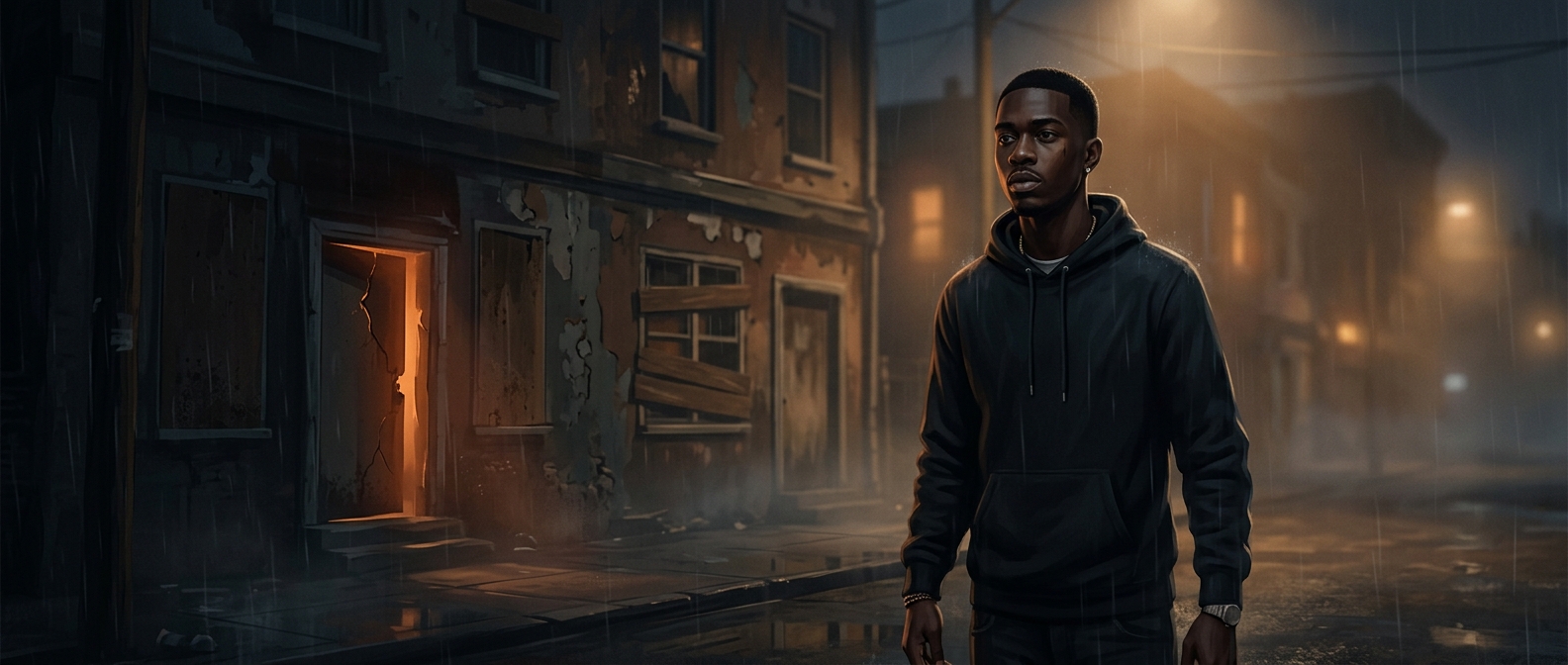
Trap music takes its name from a place, not a drum machine
The term refers to 'trap houses' associated with drug dealing. The music developed around accounts of that environment before its bass and rapid hi-hat…
Discover more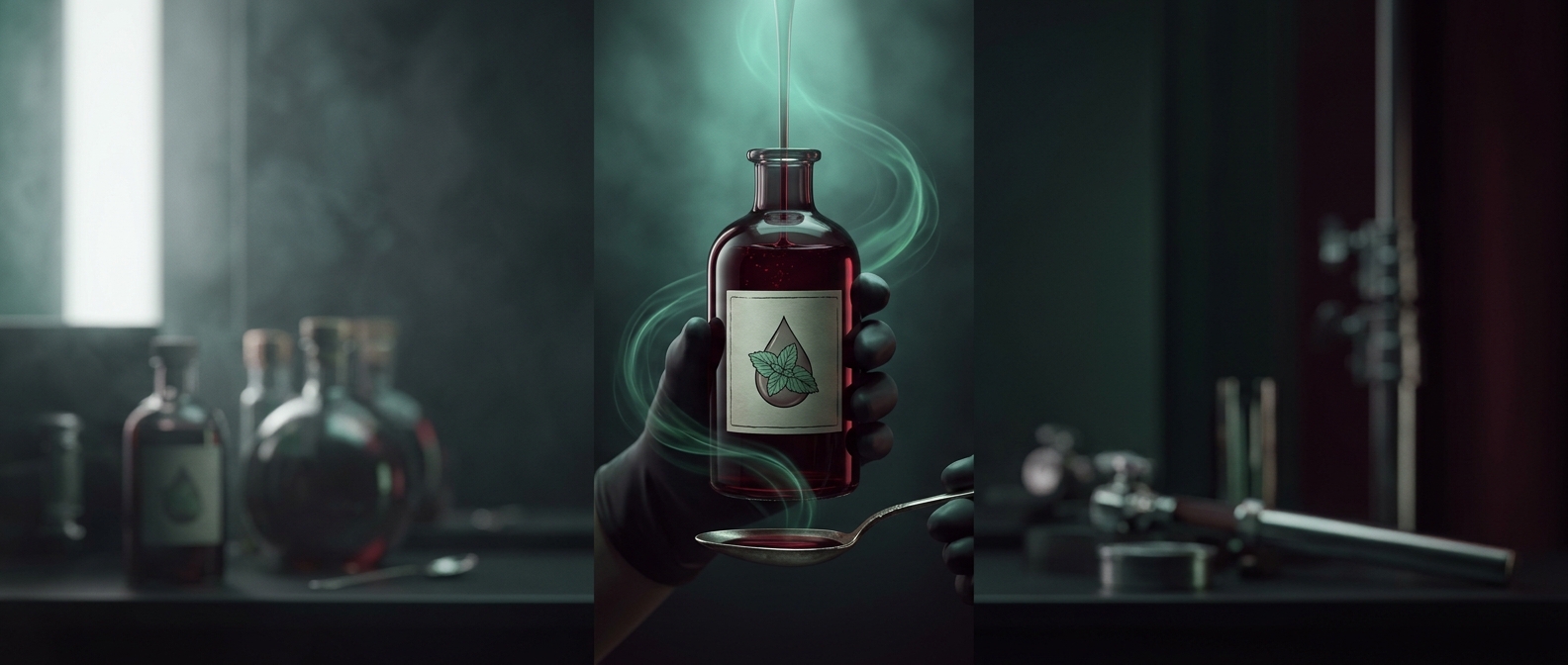
Why fake blood tastes like mint
Fake blood often uses thick corn syrup, so productions may add mint extract to make it less unpleasant for actors who have to keep it in their mouths.
Discover more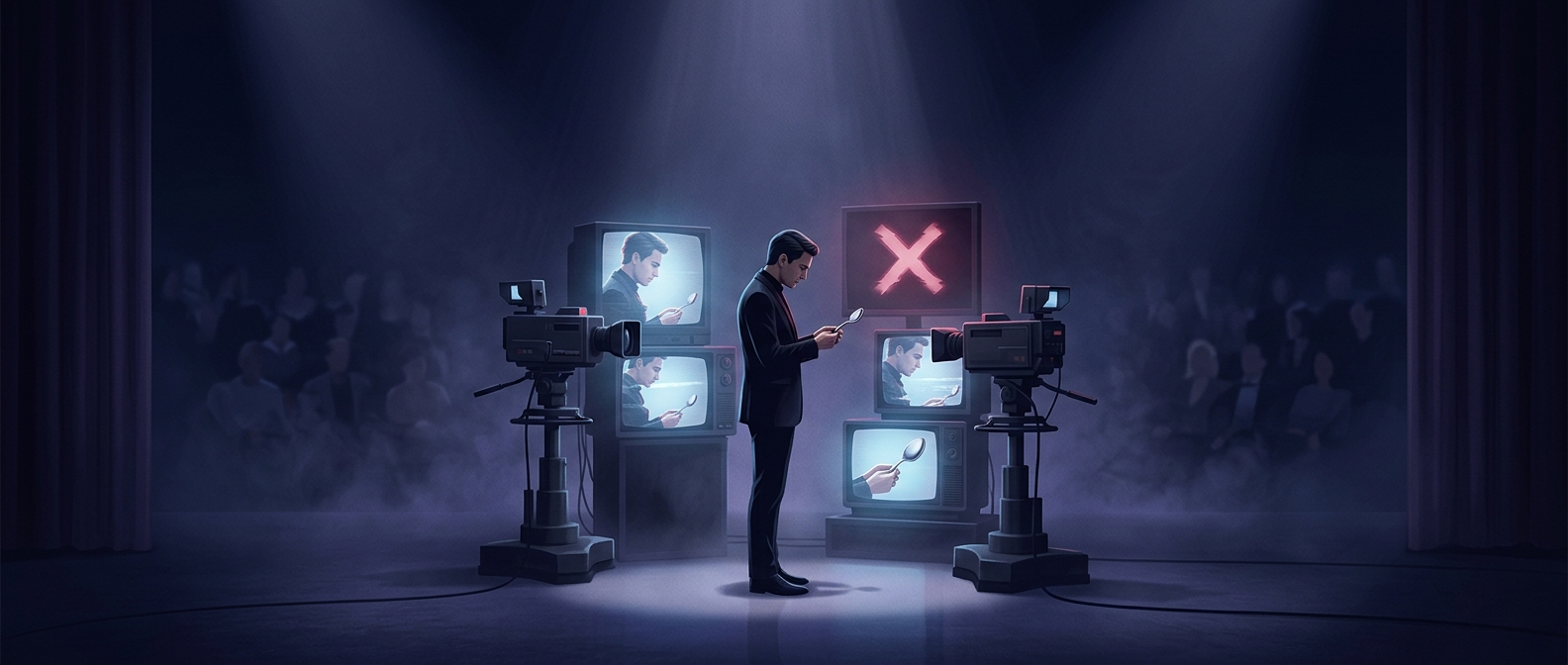
The spoon-bending trick that failed on live TV
His spoon-bending routine failed on a major talk show because he wasn’t allowed to use his own spoons.
Discover more
Fictional MacGuffins are fundamentally meaningless objects
A MacGuffin is an object that drives a story by giving characters something to pursue; its practical use often matters less than the conflict it creates.
Discover more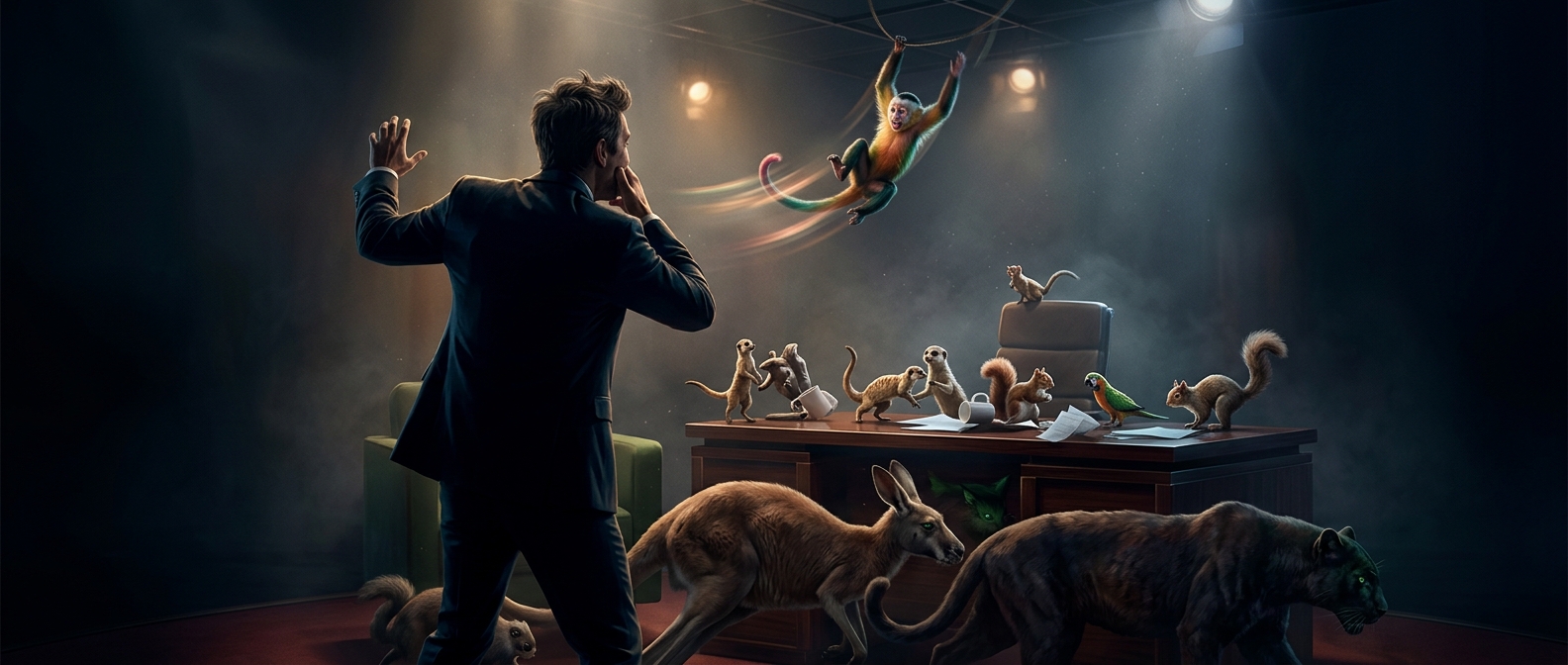
Why late-night TV puts animals on live sets
Unpredictable animals can turn a tense live set into unscripted television, drawing viewers with the possibility that one might surprise the host.
Discover more