Myths & mysteries
Discover facts about myths & mysteries. Small discoveries that change the way you see familiar things.
Myths & mysteries

Believing nobody can see you in a crowd
Some practitioners believe they can become unnoticed in crowds by drawing their “energetic field” inward. Usually, others are just politely ignoring them.
Discover more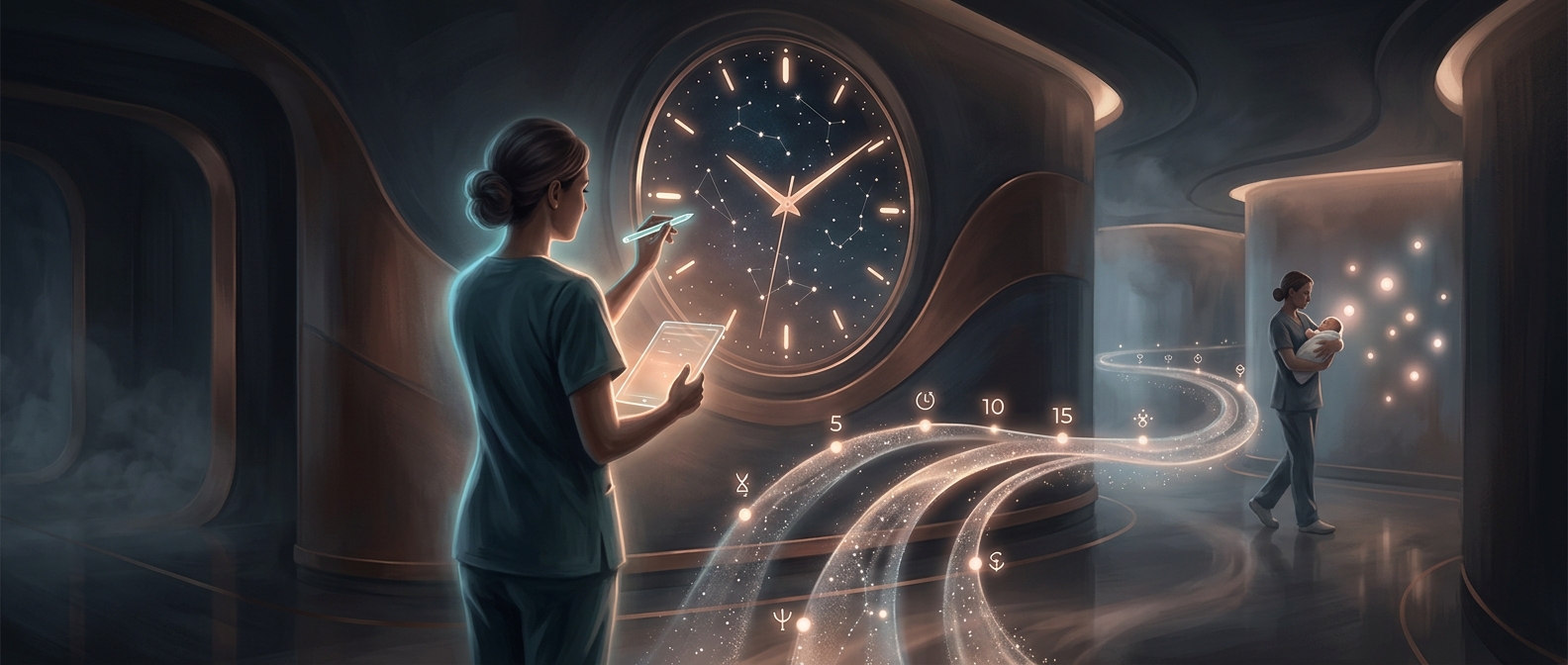
Nurses round birth times to nearest five
Nurses may round recorded birth times to the nearest five or 10 minutes while prioritizing medical care, leaving astrology charts based on exact times less…
Discover more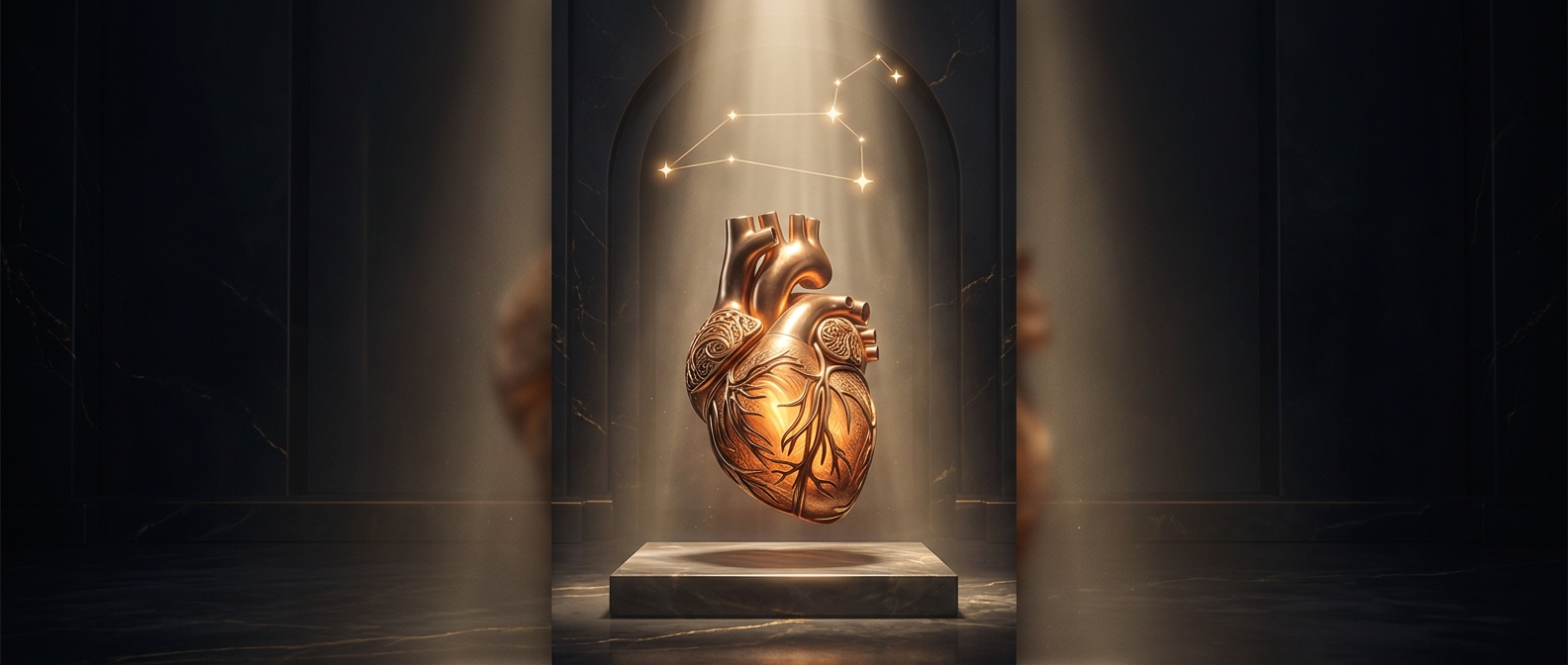
Leo energy is directly tied to the physical heart
Astrology also links Leo to the upper back, alongside the heart.
Discover more
Glitching computer screens are literal messages from space
The practice is called digital apophenia: interpreting corrupted files, frozen screens or audio glitches as meaningful messages from the universe.
Discover more
Gurdjieff made simple enlightenment ridiculously complicated
He taught that people could “wake up” only through intense, continual self-observation, making the practice deliberately demanding.
Discover more
Scientology founder L. Ron Hubbard stole a friend's boat right after helping him summon a dark magical antichrist
After taking part in Parsons's occult rituals in Pasadena, Hubbard persuaded him to invest in a yacht venture, then sailed away with the money, the boat and…
Discover more STACKY FOR IPHONE
A bigger world.
One discovery
at a time.
Keep discovering with Stacky. Interesting facts in an app that is always within reach.
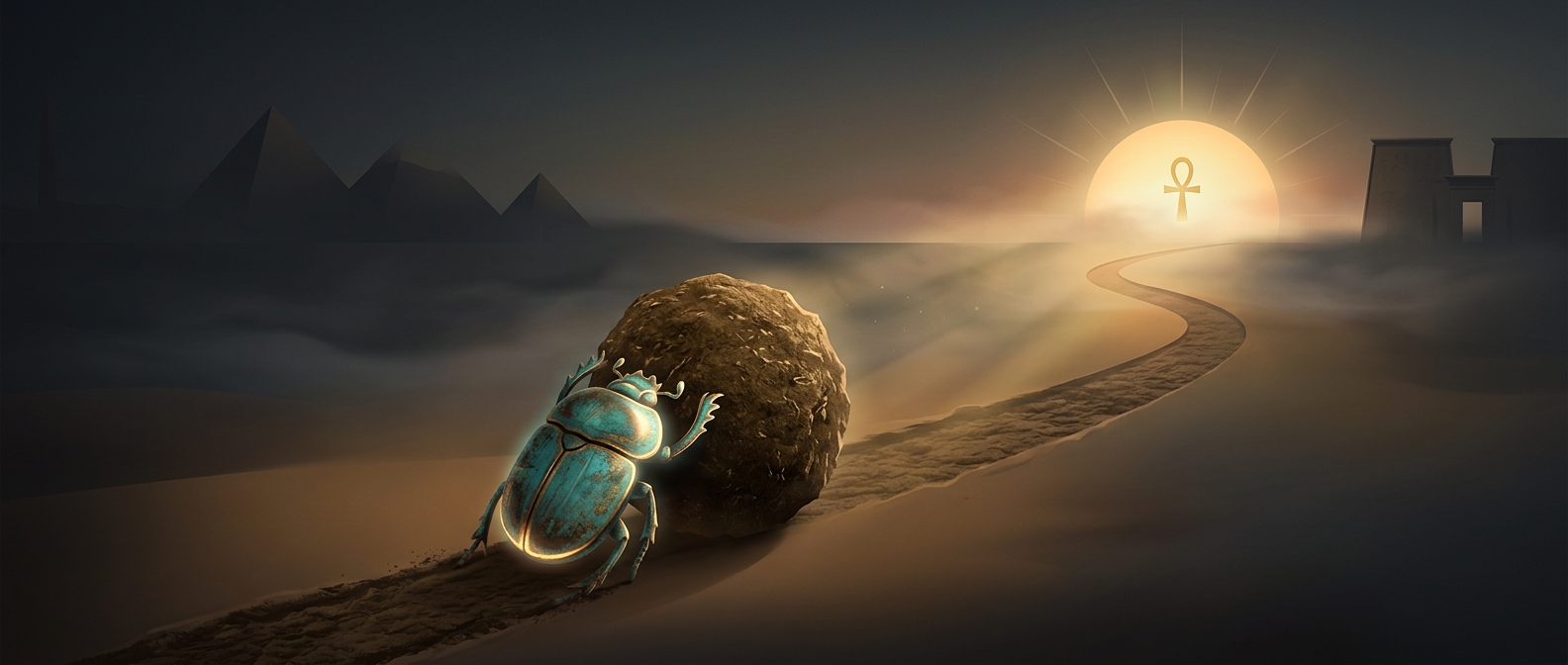
Ancient Egyptians enthusiastically wore dung beetle amulets because they rolled poop exactly like the sun
Ancient Egyptians associated the scarab's dung ball with the sun's movement across the sky, making the beetle a symbol of rebirth.
Discover more
Avoiding mirrors during a seasonal shift
Some people avoid seeing their reflection during certain calendar transitions, even brushing their teeth in the dark to be safe.
Discover more
Agnosticism and gnosticism are literal polar opposites
Agnosticism, coined in the 19th century, is uncertainty about whether ultimate truths can be known. Early Gnosticism, by contrast, claimed access to secret…
Discover more
Cataphatic theology describes the divine using analogies
It describes the divine through affirmative names and images—such as a rock, a father, or fire—while recognizing that none fully captures the divine.
Discover more
Air dominants overanalyze their worst personal traits
Air dominants are said to analyze their flaws in detail, sometimes treating self-awareness as if it were a substitute for personal growth.
Discover more
Alchemical Alkahest dissolves everything
Alchemists imagined the alkahest as a solvent capable of dissolving every substance—but that raised a practical problem: what could hold it?
Discover more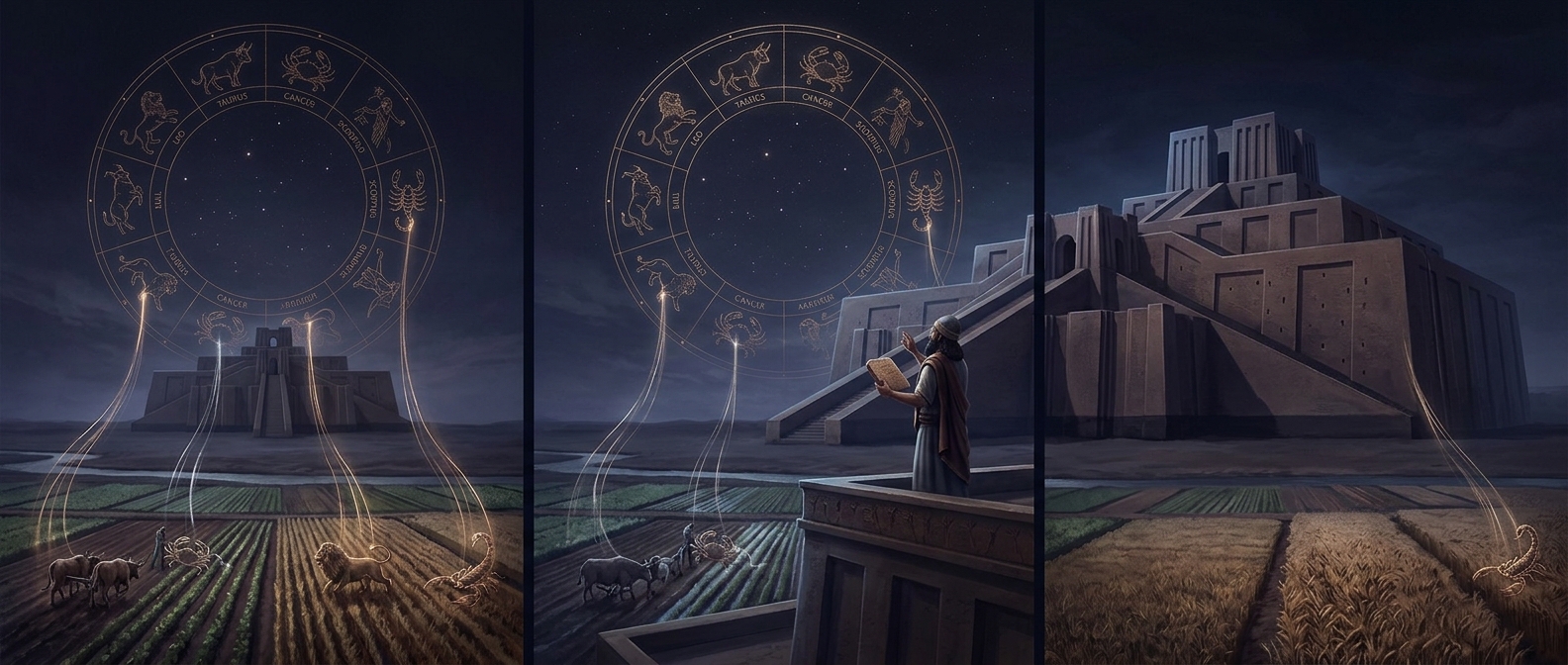
Babylonians invented the zodiac purely to track agricultural seasons rather than your love life
They divided the sky into 12 sections tied to the months to track the seasons, including planting times and expected floods. Only later did astrology tie the…
Discover more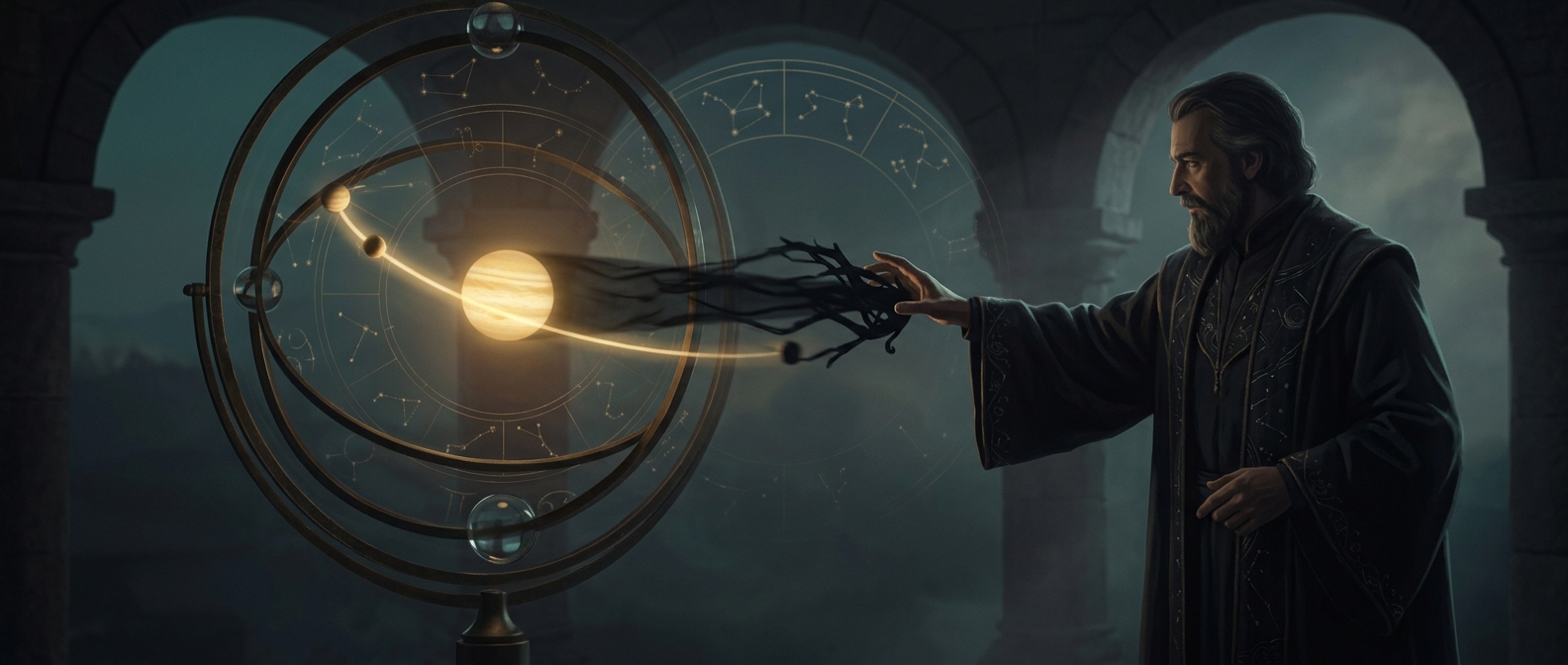
Astrologers invented retrograde shadow periods to blame planets for bad things before they even reverse
A shadow period is the stretch before and after a retrograde when a planet crosses the degrees it will later retrace. This lets astrologers extend the time…
Discover more
Sir Isaac Newton allegedly defended his study of astrology to a doubting colleague by stating he actually read about it
The exchange is probably apocryphal, but Newton did own extensive esoteric and alchemical texts. The famous comeback may be legend, even if his interest in…
Discover more
Enneagram type fours are individualists
In the Enneagram, Type Fours are described as individualists who value emotional authenticity and fear being ordinary.
Discover more
Aquamarine is just pale and washed out beryl
Aquamarine is a pale-blue variety of beryl, the same mineral family as emerald.
Discover more
Earth elements demand an invoice for emotional labor
Earth signs are portrayed as practical: they may offer support but expect favors and effort to be reciprocated.
Discover more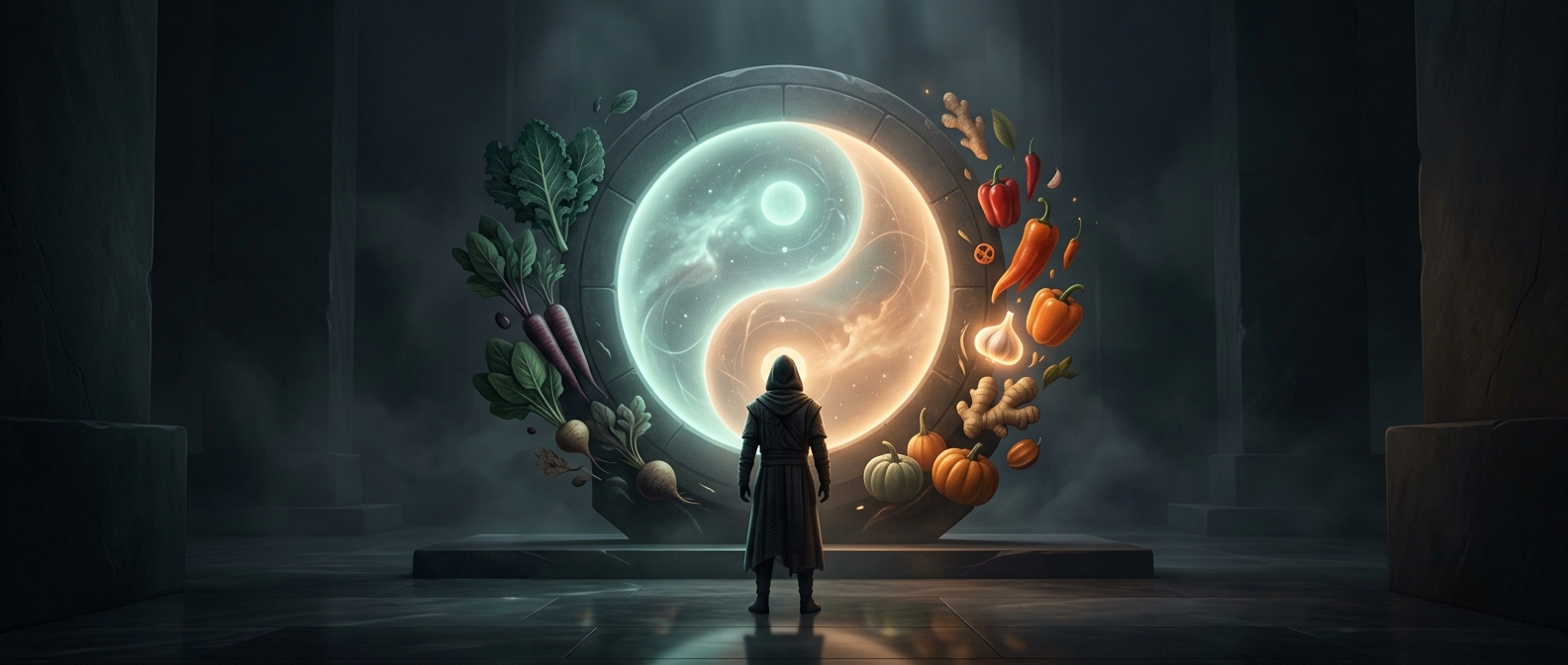
Dividing vegetables into yin and yang for cosmic balance
In macrobiotic eating, foods are classified by yin and yang qualities, and meals are planned to balance them. A plate of vegetables becomes part of a broader…
Discover more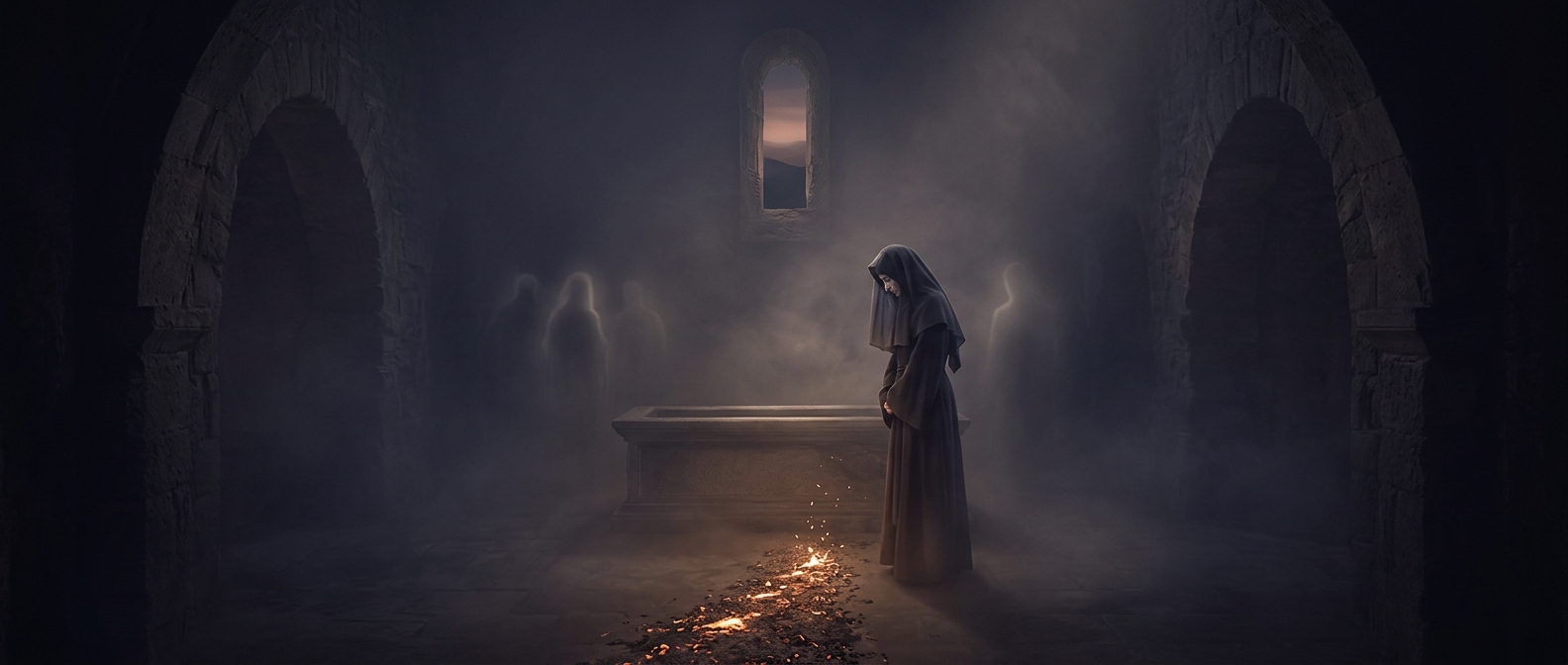
Anchorites attended their own funerals before isolation
Before being enclosed in a tiny room attached to a church, some anchorites attended a funeral service held for them. The church treated them as dead to the…
Discover more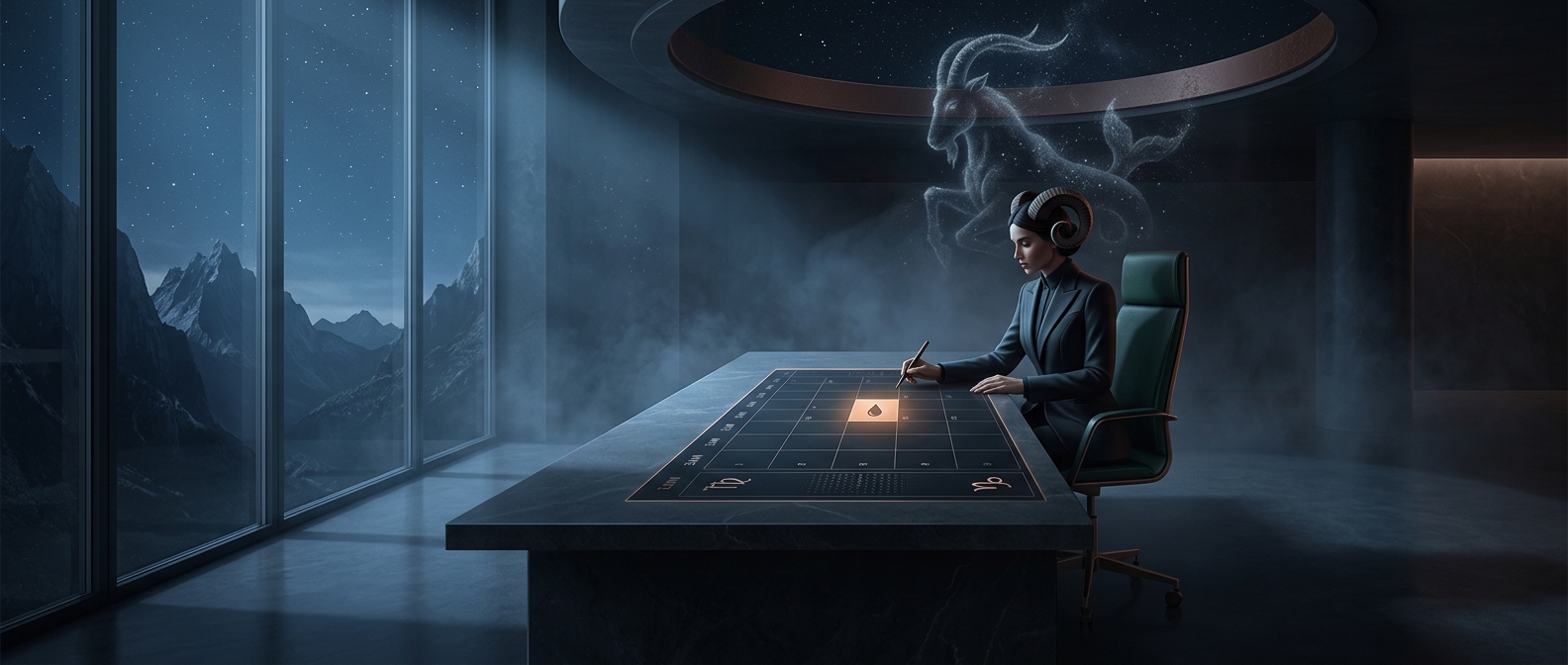
Capricorn schedules their brief moments for crying
Capricorns are stereotyped as scheduling even their emotions, treating vulnerability like an interruption to work. They might pencil in a five-minute…
Discover more
Pulao screams loudly when attacked by angry whales
Pulao was said to shriek at the sight of whales; artists carved his panicked likeness atop large bronze bells.
Discover more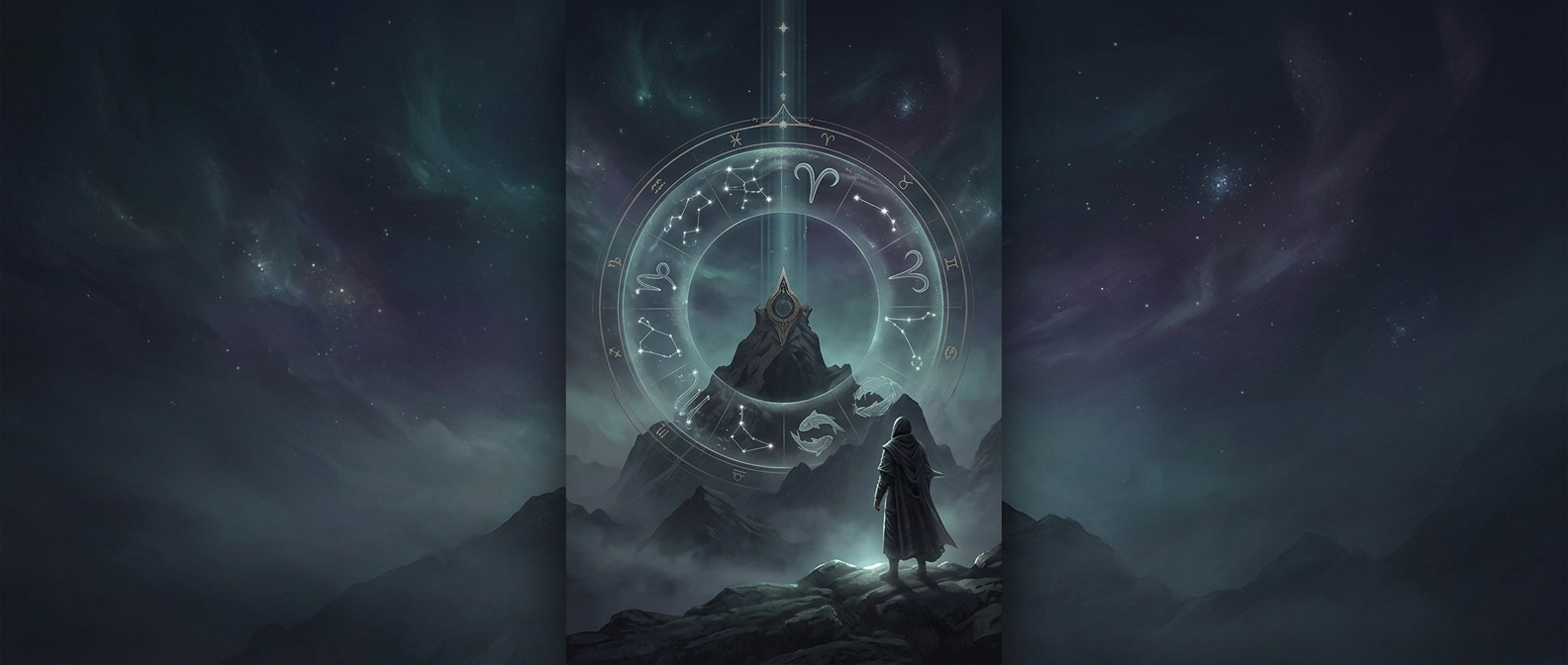
Sidereal astrology pushes every sign back almost a month
Because it accounts for the precession of the equinoxes, sidereal astrology places most people in the zodiac sign before the one they know.
Discover more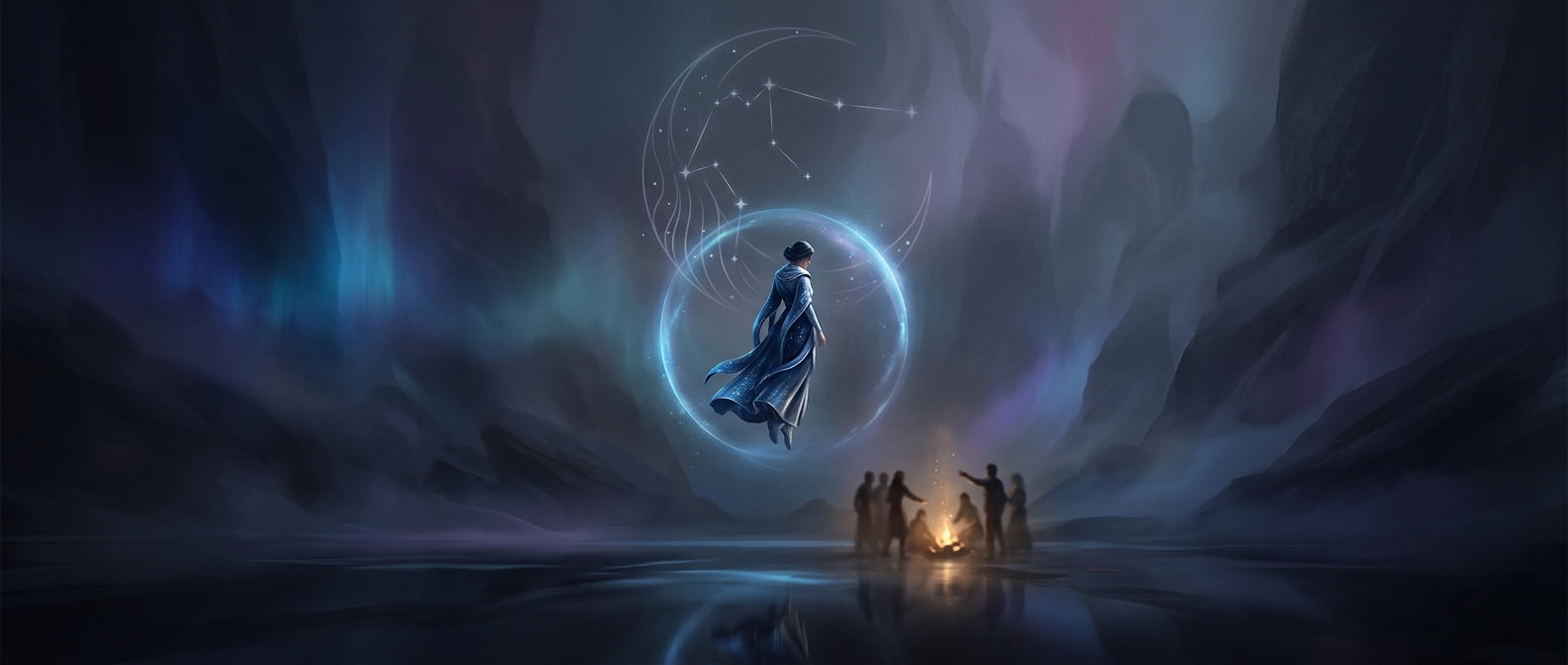
Aquarius avoids normal human connection
Astrology portrays Aquarius as devoted to humanity in the abstract but distant from individuals, favoring rebellious ideals and eccentric visions of the future.
Discover more