Transport
Discover facts about transport. Small discoveries that change the way you see familiar things.
Transport
Those safety demonstrations you ignore?
Why has your pre-flight safety demo turned into a comedy act with rapping flight attendants or shadow-puppet seatbelt instructions? Because psychology…
Discover moreCar sun visors hide warnings in strange fine print, reflecting decades of lawsuits about airbags and safety glass.
Flip down a car sun visor and suddenly you’re not just blocking the sun—you’re staring into a tiny museum of legal battles. Those odd blocks of text about…
Discover moreEarly cars used hand-cranks instead of keys.
Starting an early car was like wrestling a stubborn beast—you had to jab a hand-crank into its snout and twist with brute force. Sometimes, instead of purring…
Discover moreTiny triangle windows in vintage cars weren’t just decorative—they were 'vent windows' designed to funnel fresh air before air conditioning.
Imagine cruising in a vintage car, hand resting against the door, when a small triangular window swings open like a secret hatch to the wind. These were vent…
Discover moreIn 1954, pilots described glowing green fireballs chasing planes at night — phenomena many suspected linked to experimental weapons.
In the skies of 1954, commercial pilots reported an eerie sight: glowing green fireballs darting alongside their planes at night, vanishing with uncanny…
Discover moreEver wondered why car trunks are called 'boots' in the UK?
Why is a trunk a 'boot' in the UK? The answer clops back to horse-drawn coaches. Travelers once strapped chests to the back, like bulky boots on the feet of a…
Discover more STACKY FOR IPHONE
A bigger world.
One discovery
at a time.
Keep discovering with Stacky. Interesting facts in an app that is always within reach.
Golden Gate Bridge hums like a giant instrument in heavy wind — recent railing updates accidentally gave it a new eerie resonance.
Next time a strong wind rushes through San Francisco, the Golden Gate Bridge might sing to you. Its massive new railings, reshaped by engineers, act like the…
Discover moreCar door ‘thunks’ are engineered psychology: brands tune the close-sound to whisper safety and luxury, proving vehicles aren’t only metal and rubber; they are emotional theaters…
That satisfying ‘thunk’ of a car door closing? It wasn’t an accident—it was staged. Engineers spend weeks tuning that sound like a musician adjusting chords,…
Discover morePilots privately admit they sometimes execute landings heavier than regulations allow, because diverting costs tens of thousands.
Every thump you’ve felt on landing tells a secret: pilots sometimes land harder than the ‘rulebook’ whispers is ideal. Why? Because one rough touchdown is…
Discover more
Seaweed fuel for ships: a futuristic yet ancient echo resurfacing in transport sustainability talk
Beneath the waves grows an unexpected treasure—seaweed. To ancient communities, it was food, medicine, even fertilizer. Today, visionaries imagine it…
Discover more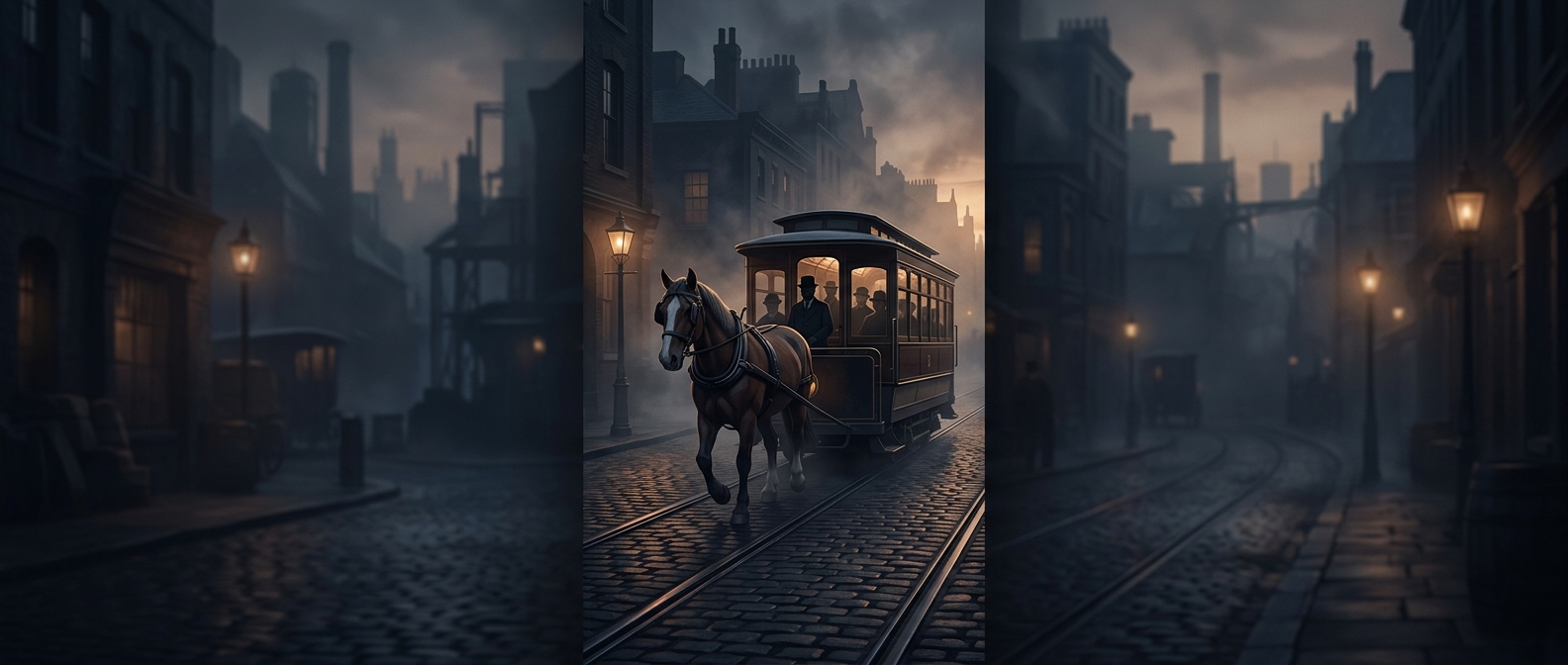
Before electric trams, cities ran on horse power
It’s easy to imagine cities buzzing with buses and Ubers, but a century ago, the kings of the streetcar lines had four legs. Horse-drawn trams were carriages…
Discover more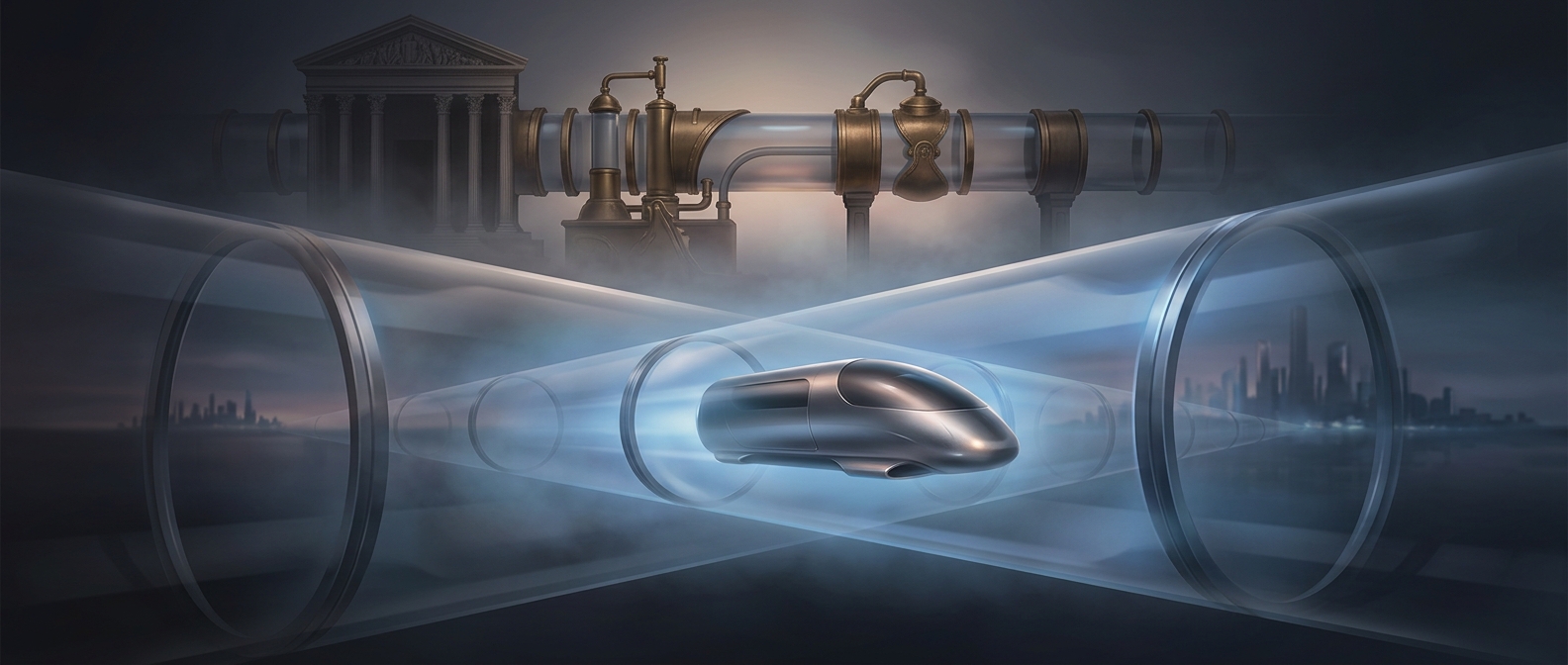
The Hyperloop dream is over 200 years old
When Elon Musk mentioned the Hyperloop, it sounded sci-fi, as if humans had finally learned to fire pods through tubes like bullets. But the obsession…
Discover more
Why turbulence can vanish without warning
Here’s a skyborne riddle: why does turbulence that shakes a plane one moment disappear in the next? Why do storm walls, tall and furious, sometimes split just…
Discover more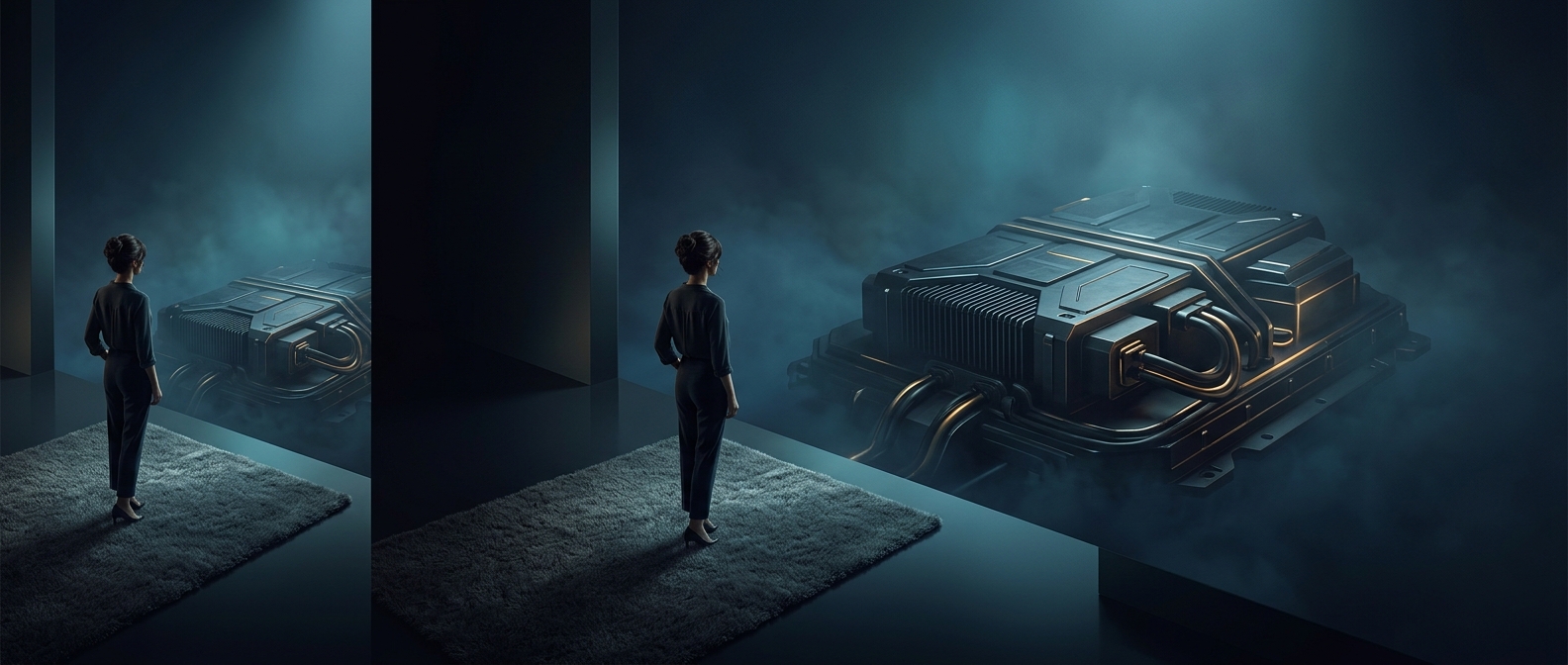
The giant slab hiding beneath an electric car
Peek under an electric car and you won’t find pistons or fuel tanks—you’ll see a giant slab that’s bigger than your living room rug. That’s the battery pack,…
Discover more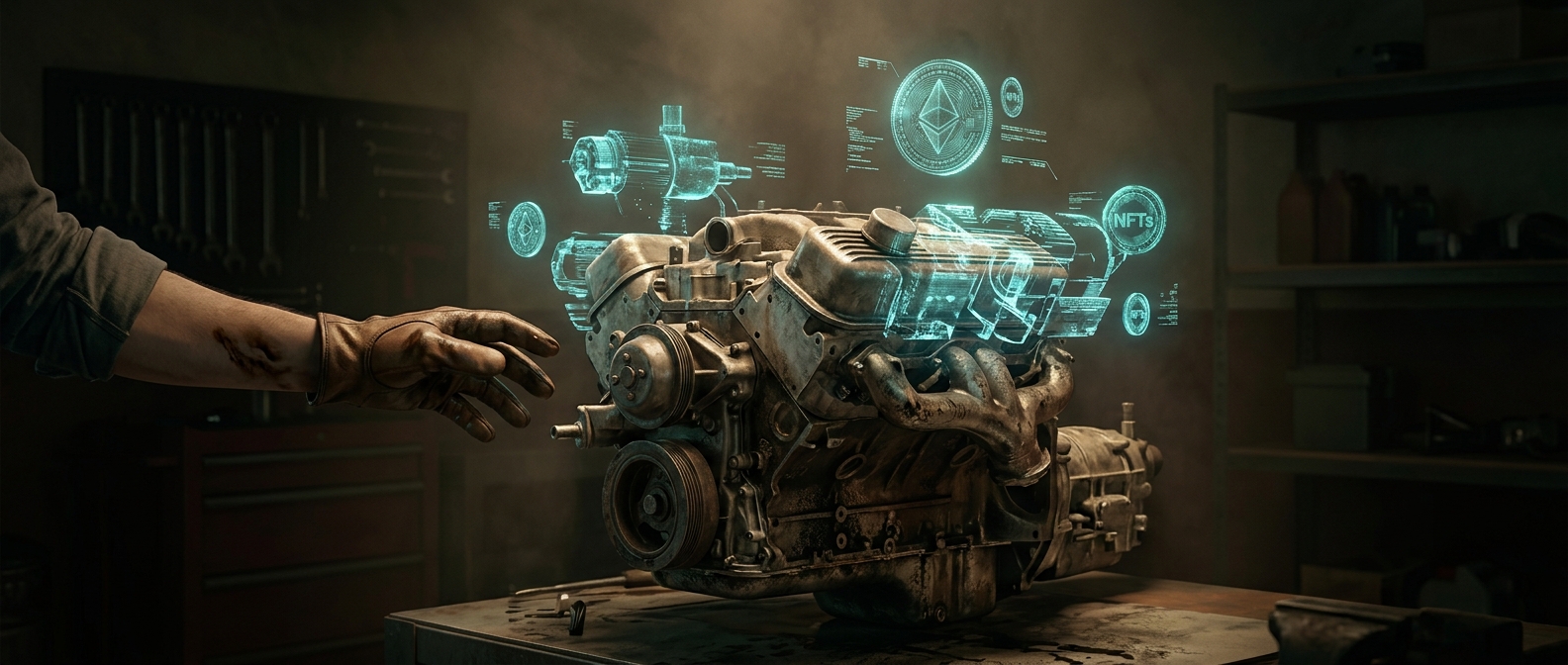
Car collectors now swap NFTs of engines—but nothing beats the smell of grease and gasoline in old garages
While traders argue over digital tokens of engines stored in distant servers, car collectors know there is something electric in the real smell of oil-stained…
Discover more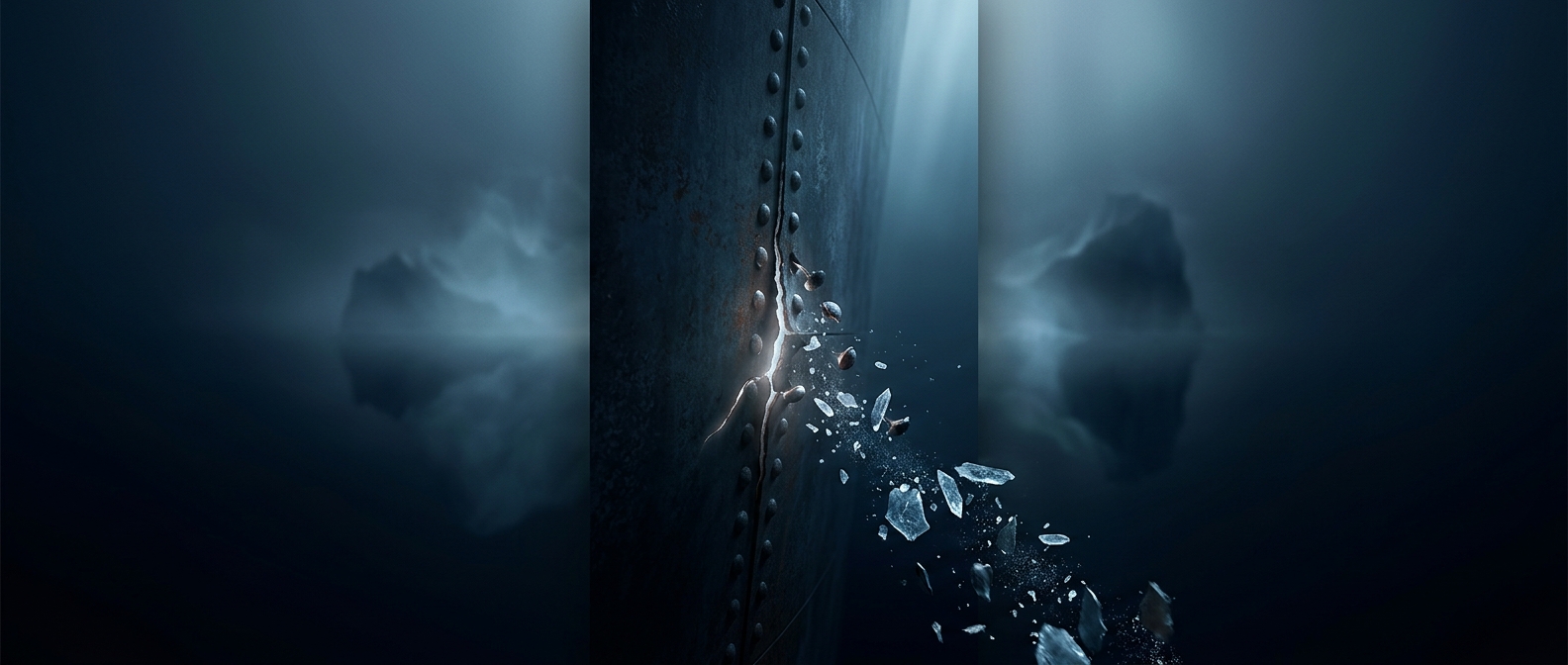
The tiny Titanic parts that became dangerously brittle
Everyone remembers the iceberg, but few know of the tiny iron soldiers—rivets—that joined the Titanic’s steel plates. In the freezing night of 1912, those…
Discover more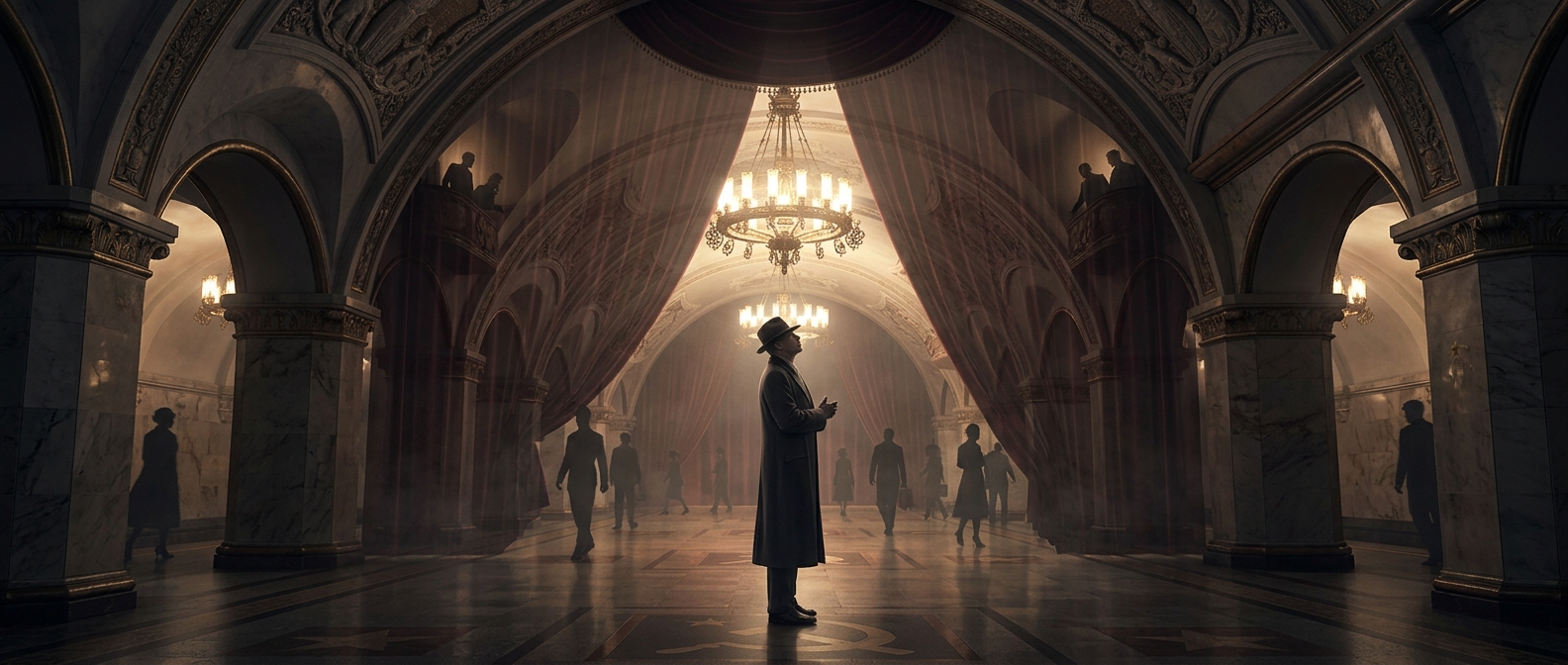
Why Moscow's metro looks like a palace
Step into Moscow’s metro and you might mistake it for a tsar’s palace: marble walls, chandeliers dripping light, mosaics that glitter like jewels. Why so…
Discover more
The hidden arrows hiding in car logos
Look closely at some car brand logos and you’ll find arrows sneaking through them like winked secrets. The FedEx-style trick isn’t new—automakers have long…
Discover more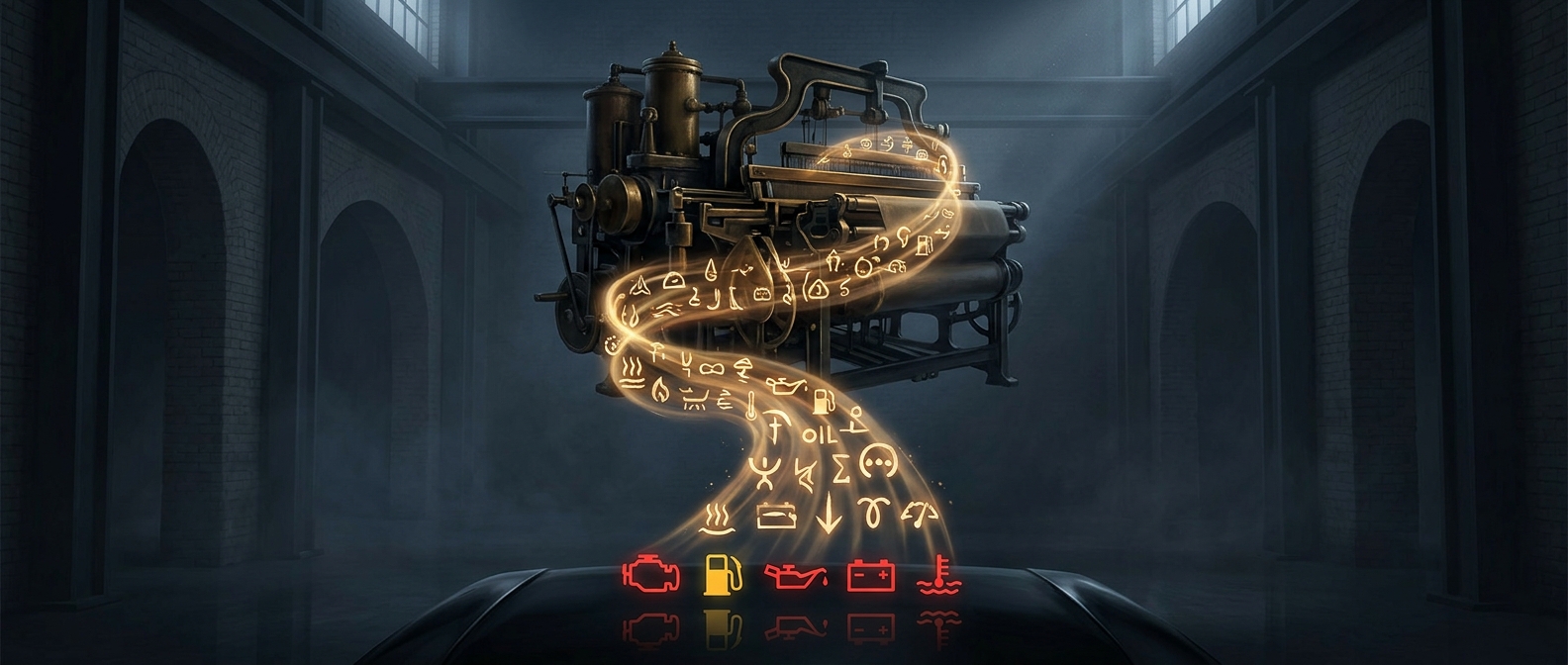
Why your dashboard icons look the way they do
Those cryptic little icons glowing on your dashboard aren’t just random doodles dreamed up by designers—they actually carry the DNA of the industrial…
Discover more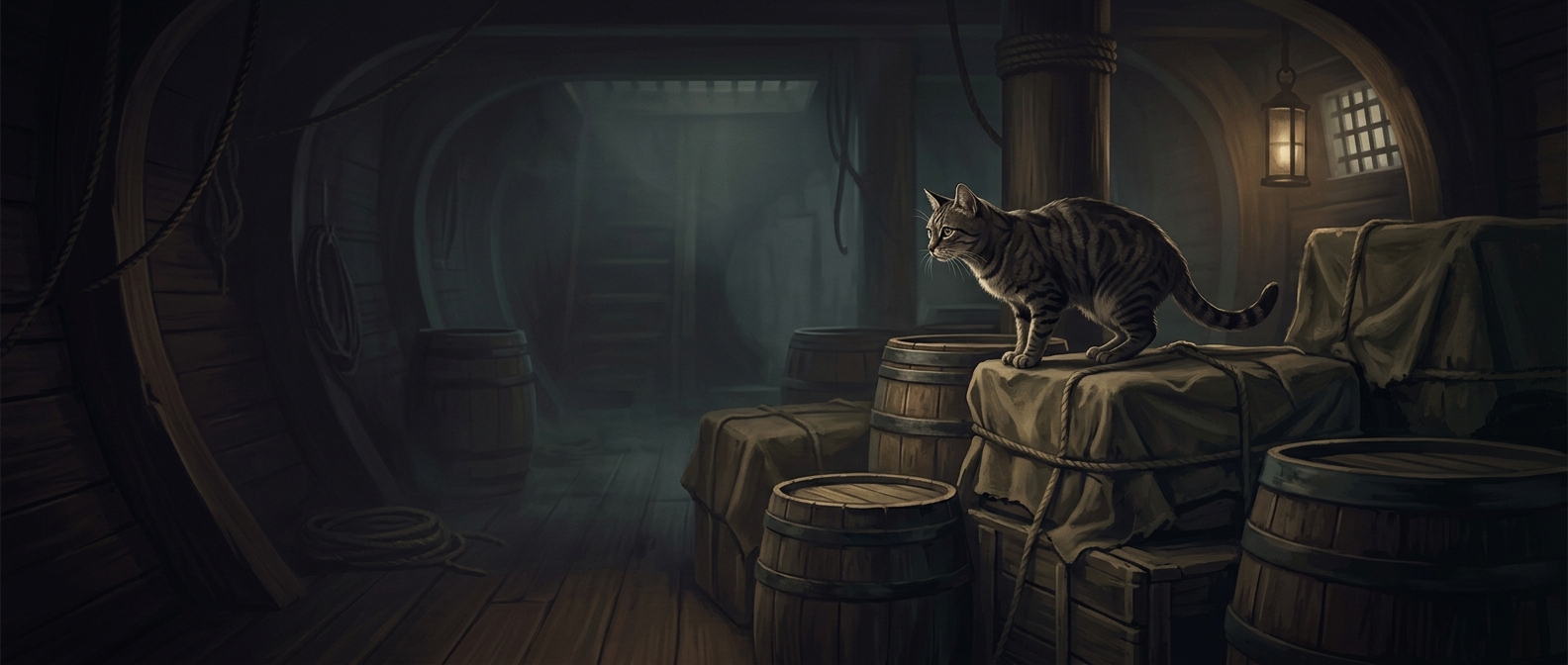
Why sailing ships kept cats on board
Picture a wooden vessel rocking across the oceans, its treasure not gems but barrels of rice, cheese, and dried biscuits. These riches attracted unwelcome…
Discover more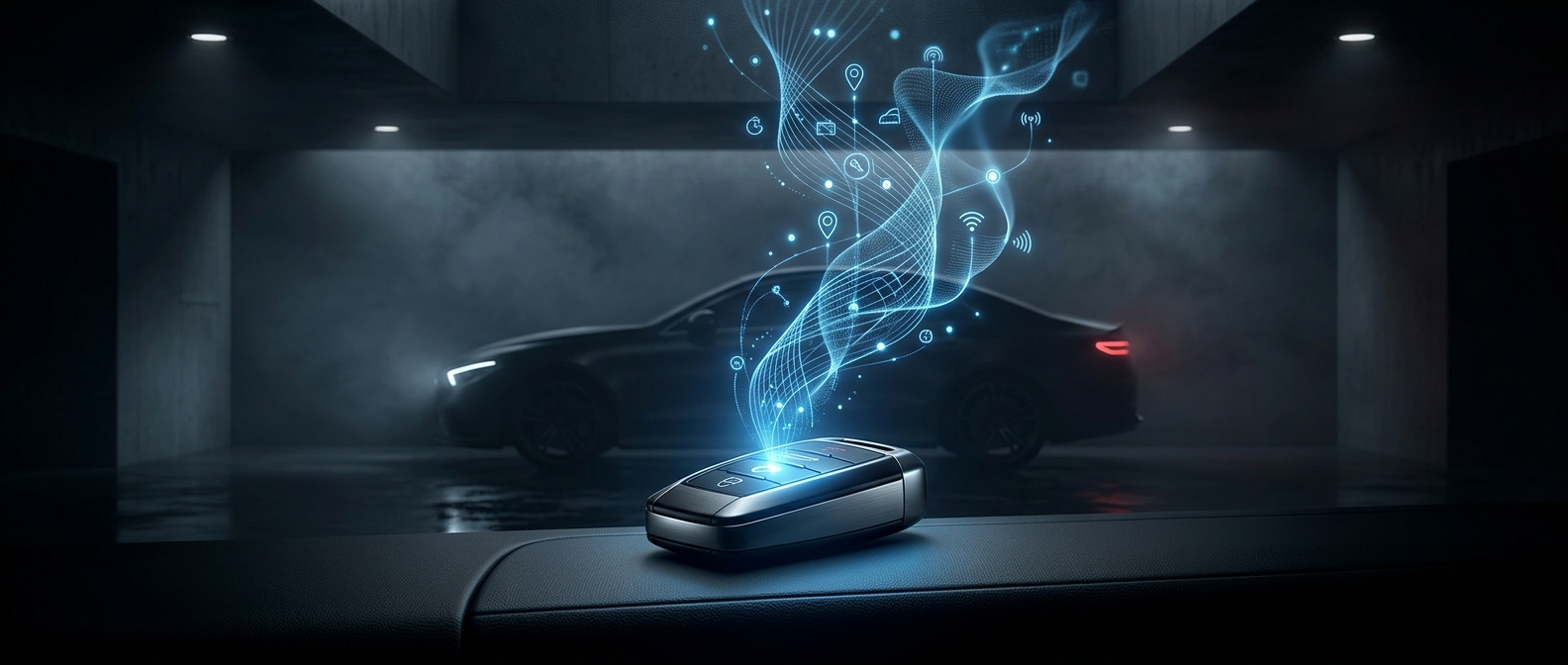
Your car may keep collecting data after you park
Long after you’ve parked and walked away, your car is still whispering in digital language. A key fob isn’t just a button-pusher; it’s a miniature…
Discover more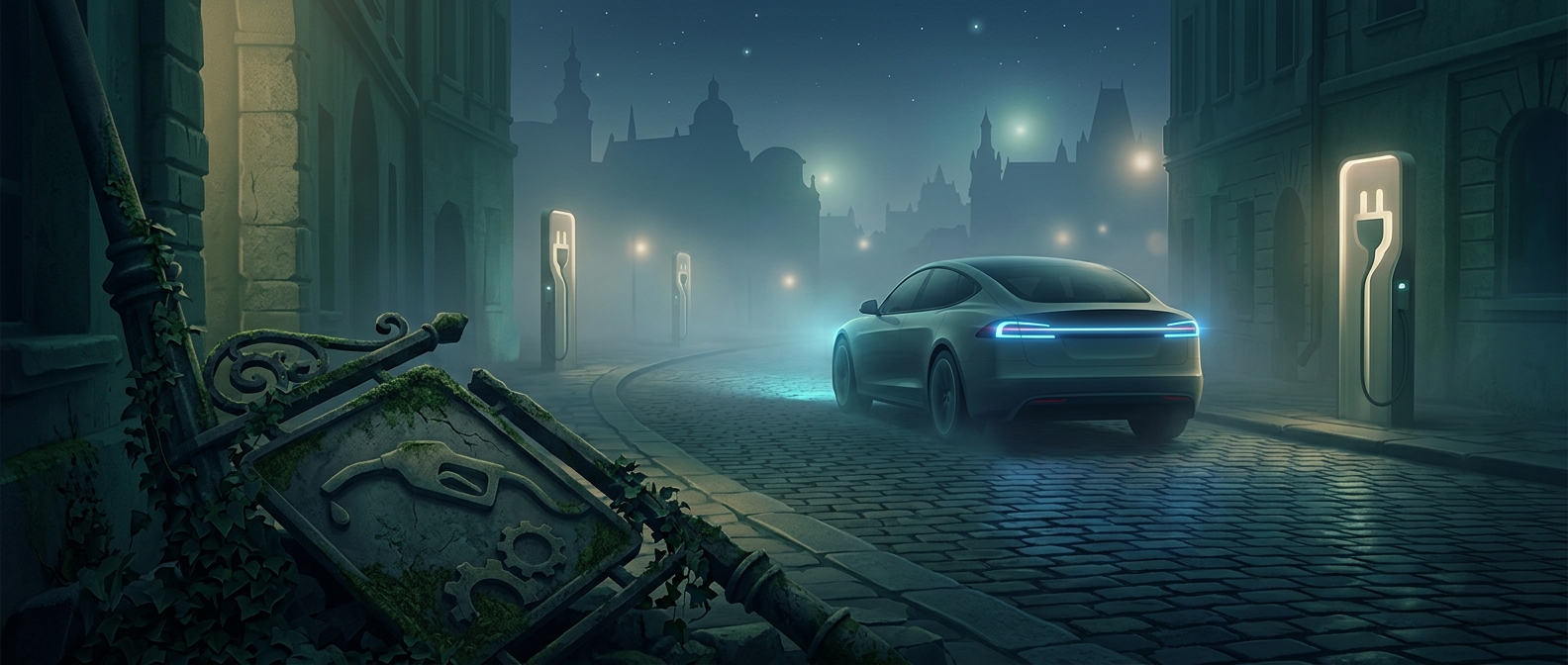
Electric cars are already beating diesels in parts of Europe
For decades, the diesel engine ruled like a stubborn monarch of Europe’s roads. Today, a quiet revolution hums instead of growls: electric cars are outpacing…
Discover more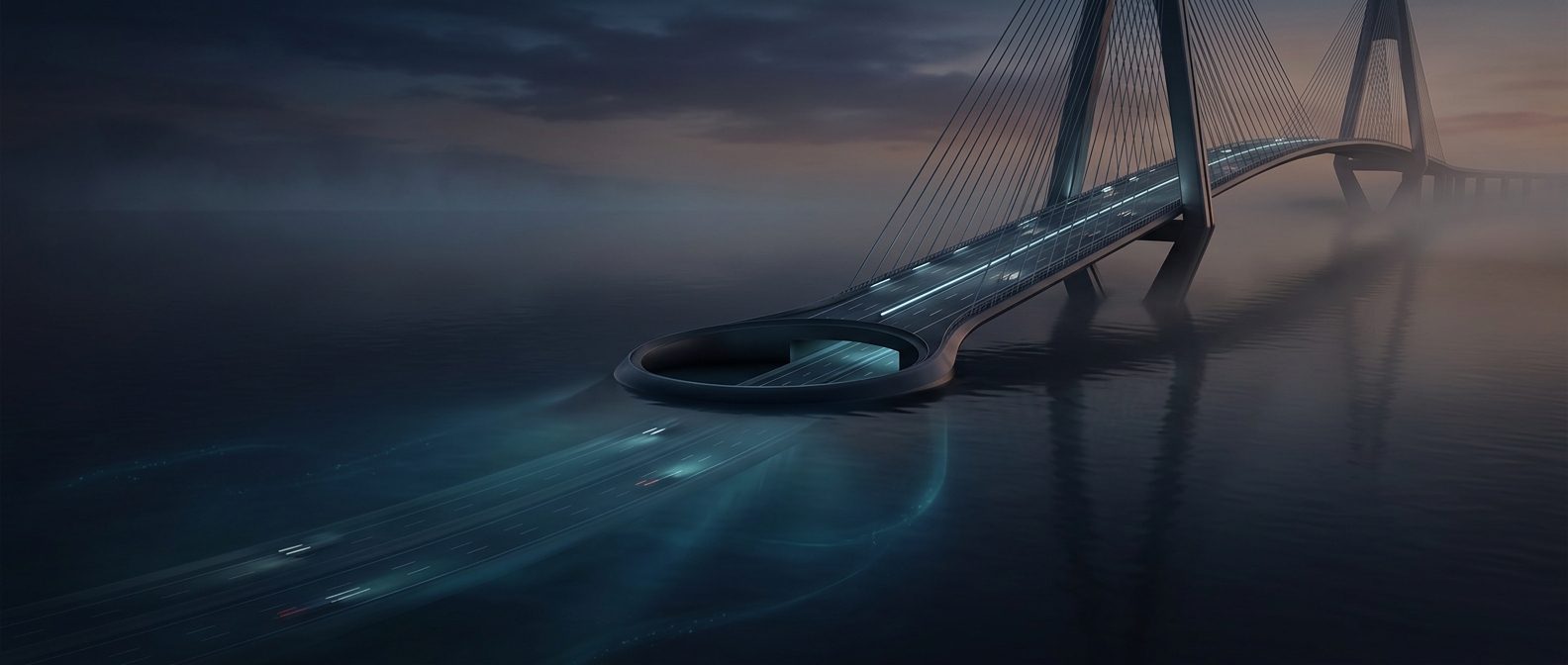
The road that becomes a tunnel underwater
Imagine starting your journey driving across a bridge, sky above and sea beneath you, only to find the road suddenly plunging into the water and transforming…
Discover more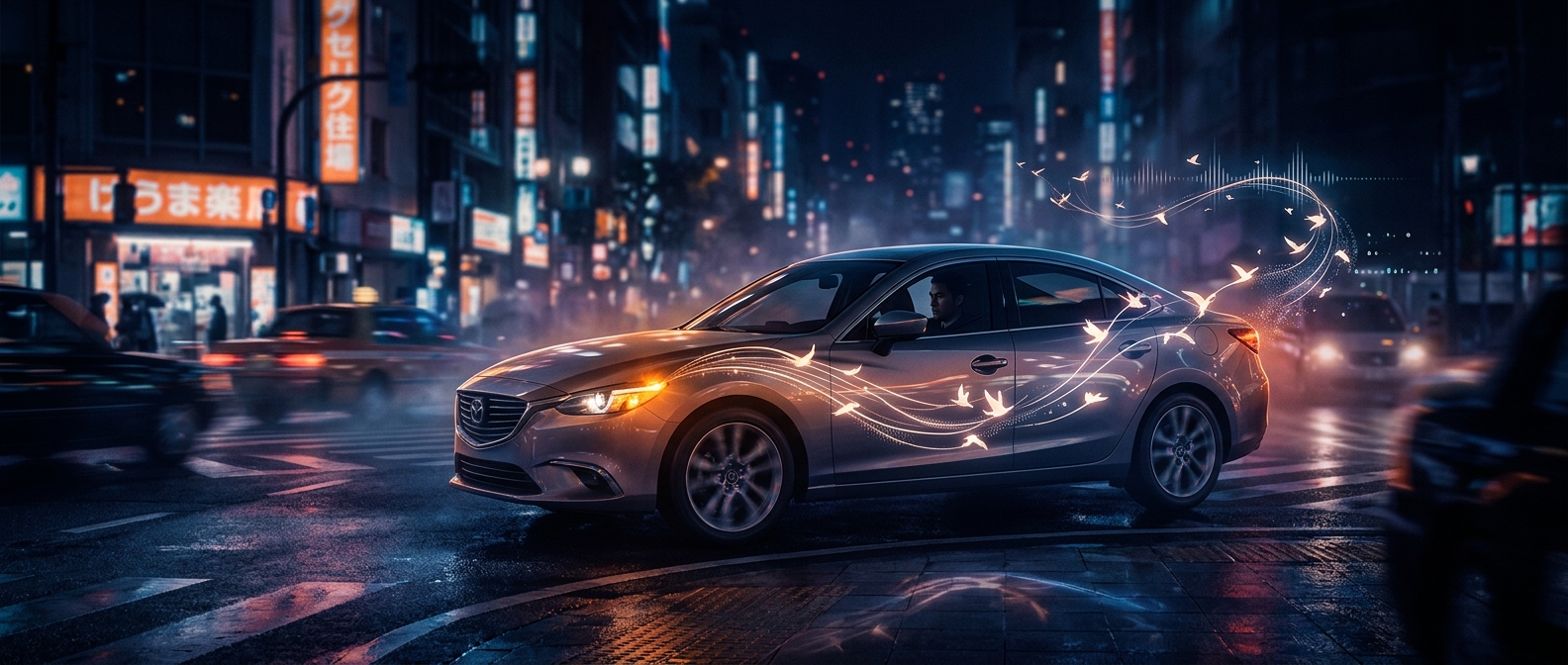
Why some cars chirp like birds
Cars may look similar everywhere, but each country secretly gives them its own 'personality.' In Japan, some turn signals chirp like tiny birds—a nod to…
Discover more