Transport
Discover facts about transport. Small discoveries that change the way you see familiar things.
Transport
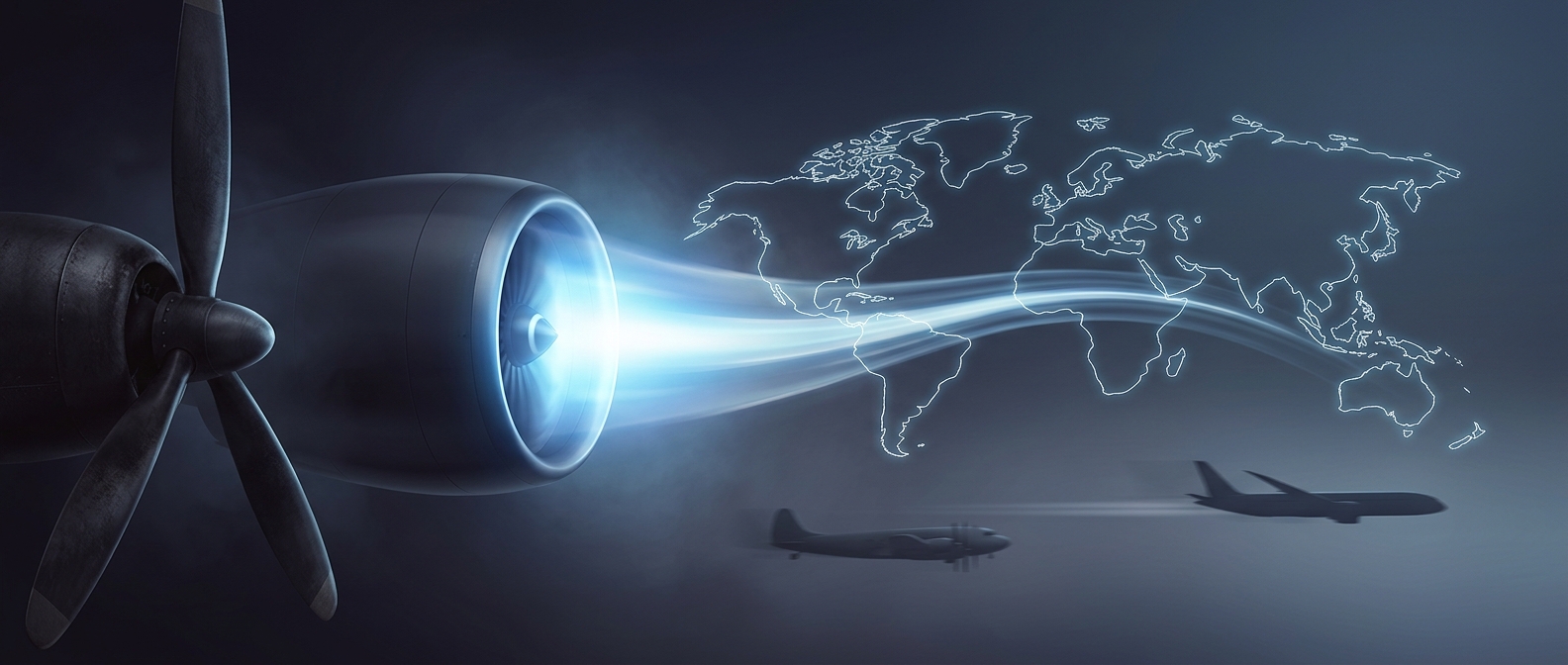
How jet engines made oceans feel smaller
Jets made long-distance flight fast enough to turn an ocean crossing into a scheduled trip rather than an expedition. The Atlantic shrank on the map; your…
Discover more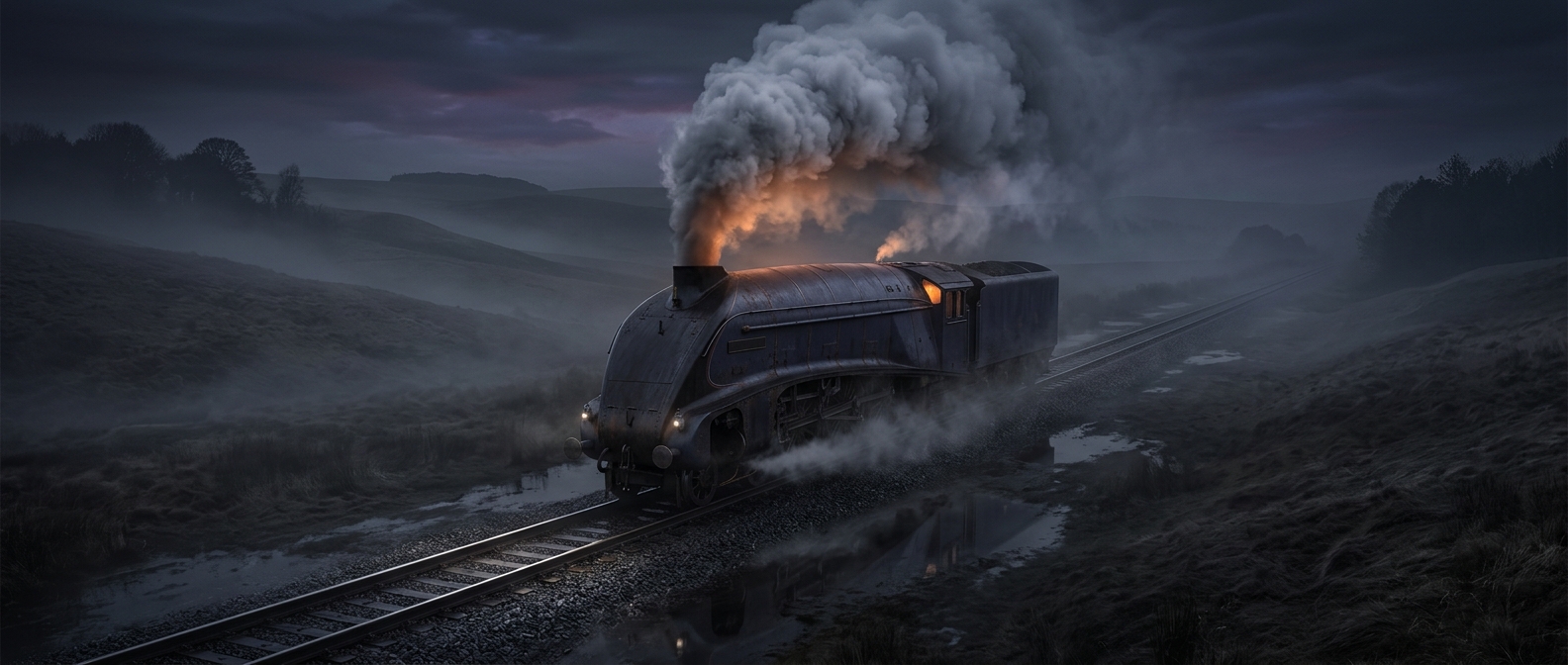
The steam locomotive speed record still standing after 1938
Mallard’s 1938 run hit 126 mph, a record for a steam locomotive. Then steam locomotives gave way to newer power, and the challengers stopped entering the same…
Discover more
New York’s experimental subway had a piano in the station
Alfred Ely Beach opened a short pneumatic railway demonstration beneath Broadway in 1870. Its waiting area included elegant furnishings and a piano,…
Discover moreOdd bump behind many car roofs isn’t random—it’s a shark fin antenna, carrying GPS, phone, even satellite radio signals.
At first glance it looks like a quirky design flourish, a fin breaking the smooth curve of a car’s roof. But it’s not there for decoration—it’s a shark fin…
Discover more
When ocean liners raced for the Blue Riband
Liners chased the Blue Riband by crossing the Atlantic faster than their rivals. Speed meant bragging rights and a stronger selling point for passengers, so…
Discover more
Why the ocean can hide an entire airplane
Once an aircraft sinks, radar and satellites lose sight of it; the search shifts to sonar, which scans the seabed in narrow swaths. The ocean is so vast that…
Discover more STACKY FOR IPHONE
A bigger world.
One discovery
at a time.
Keep discovering with Stacky. Interesting facts in an app that is always within reach.

A test pilot flew into his own cannon fire
In 1956, Tom Attridge fired a Grumman F11F Tiger’s guns during a descending test flight. Drag slowed the rounds while the jet continued down their path,…
Discover moreSoviet Union once built a plane so massive it could carry multiple tanks—The Antonov An-225.
The Antonov An-225 wasn’t just a plane—it was a flying continent. Created during the Soviet era, this giant was so enormous that entire tanks rode inside as…
Discover more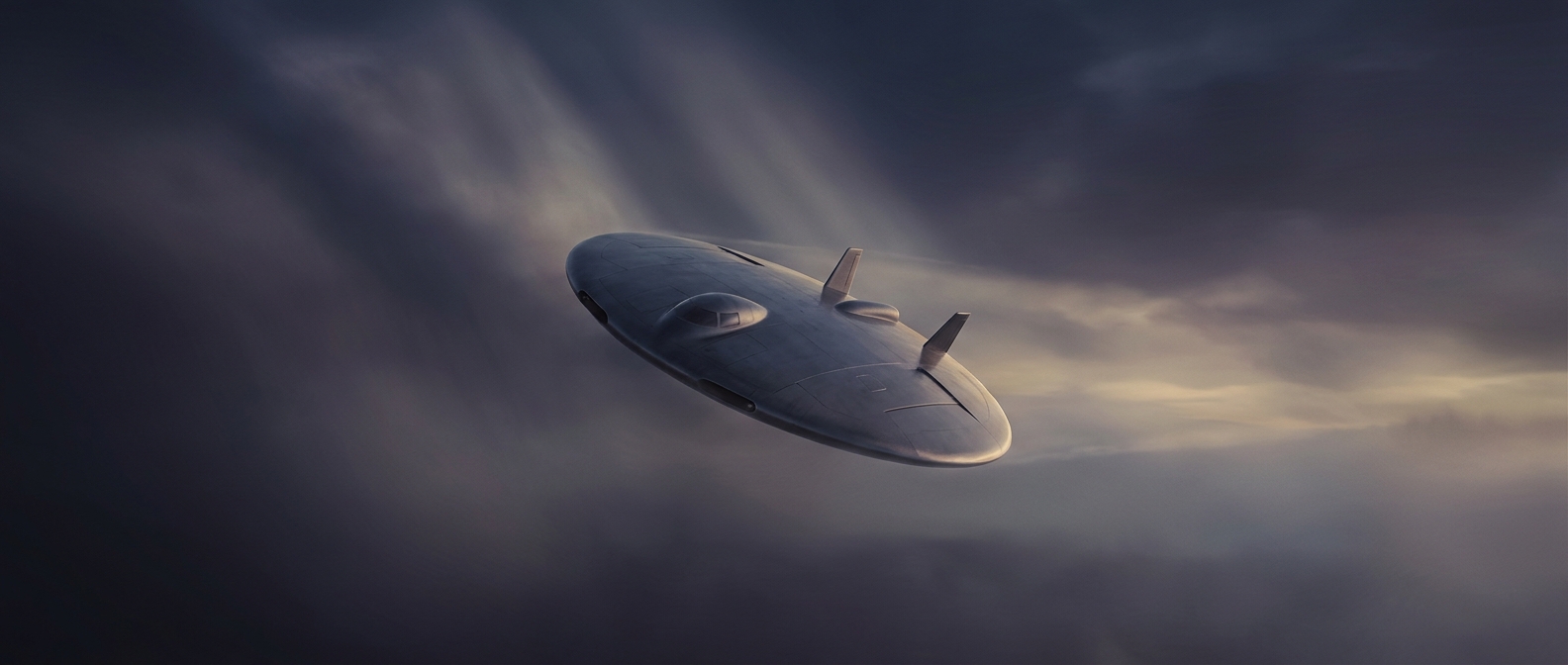
The round, flat airplane that actually flew
Its broad, round wing generated lift across a huge area, while propellers pushed air over the wing to help it fly slowly. That odd disc was the Vought V-173,…
Discover more
The fragile tiles that shielded space shuttles from reentry heat
The shuttle’s tiles were packed with tiny air pockets, which made them excellent heat insulators and heartbreakingly easy to break. They kept reentry heat…
Discover more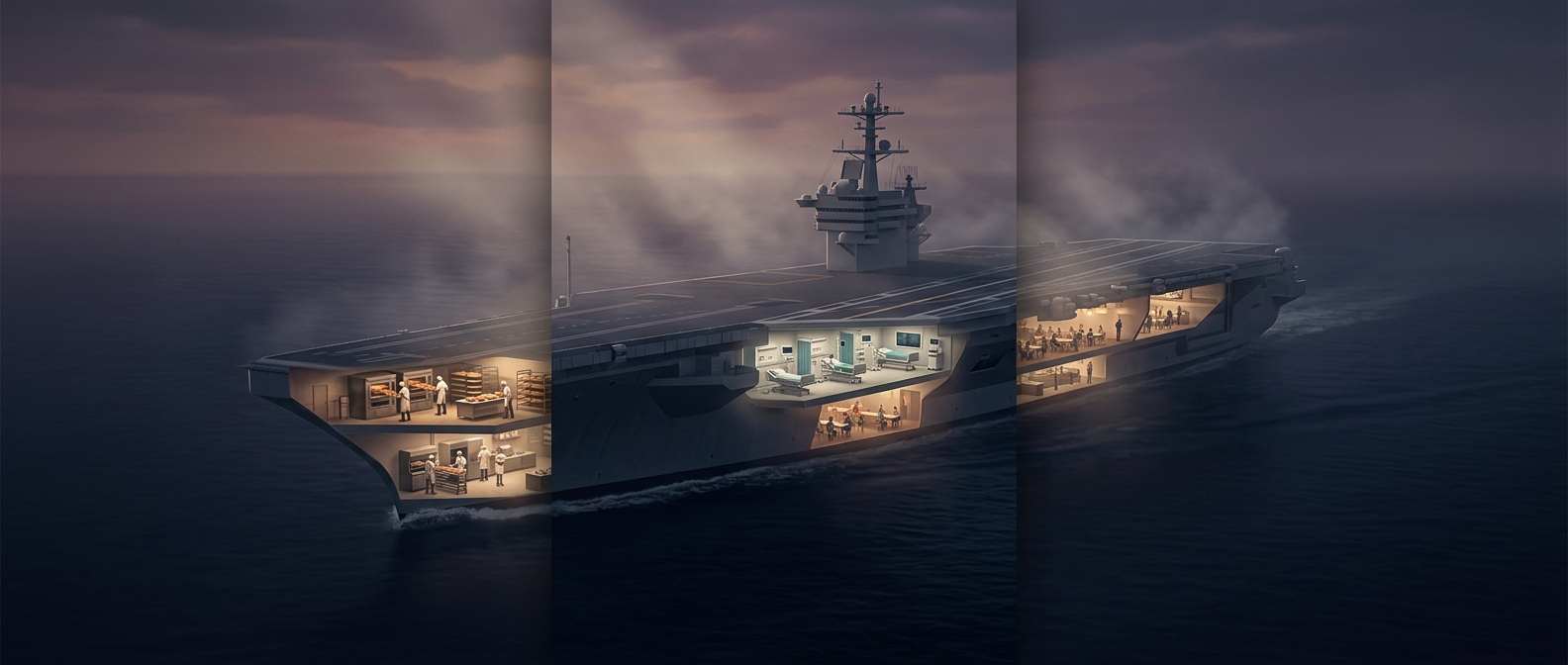
An aircraft carrier is a city at sea
A carrier has to feed and house thousands of people while fueling, repairing, and launching aircraft far from shore. Its flight deck is only the roof of a…
Discover moreSome ancient sailors feared iron nails cursed ships, preferring wooden joints to hold vessels together.
Picture a ship carved entirely of wood—even the joints—because sailors once believed iron nails carried bad luck, like a curse riding the waves. This…
Discover more
Fastest car records are broken by machines that almost no one can drive in real city traffic safely
Record cars trade everyday manners for one job: crossing a measured course at absurd speed. Their long, low bodies cut air resistance, while a straight,…
Discover more
Longest train bridges span dozens of miles over water, carrying thousands across without stopping
A bridge dozens of miles long isn’t one heroic leap over water. It’s a string of shorter spans resting on piers, which carry the train’s weight down into the…
Discover more
Why airport benches have those uncomfortable armrests
Those dividers turn one long bench into separate seats, stopping a traveler from stretching across the whole row. The trade-off is that everyone gets a metal…
Discover more
Why climate change is revealing old shipwrecks
Hotter conditions and prolonged drought lower water levels in lakes and rivers, exposing wrecks that were hidden beneath the surface. The shoreline retreats…
Discover more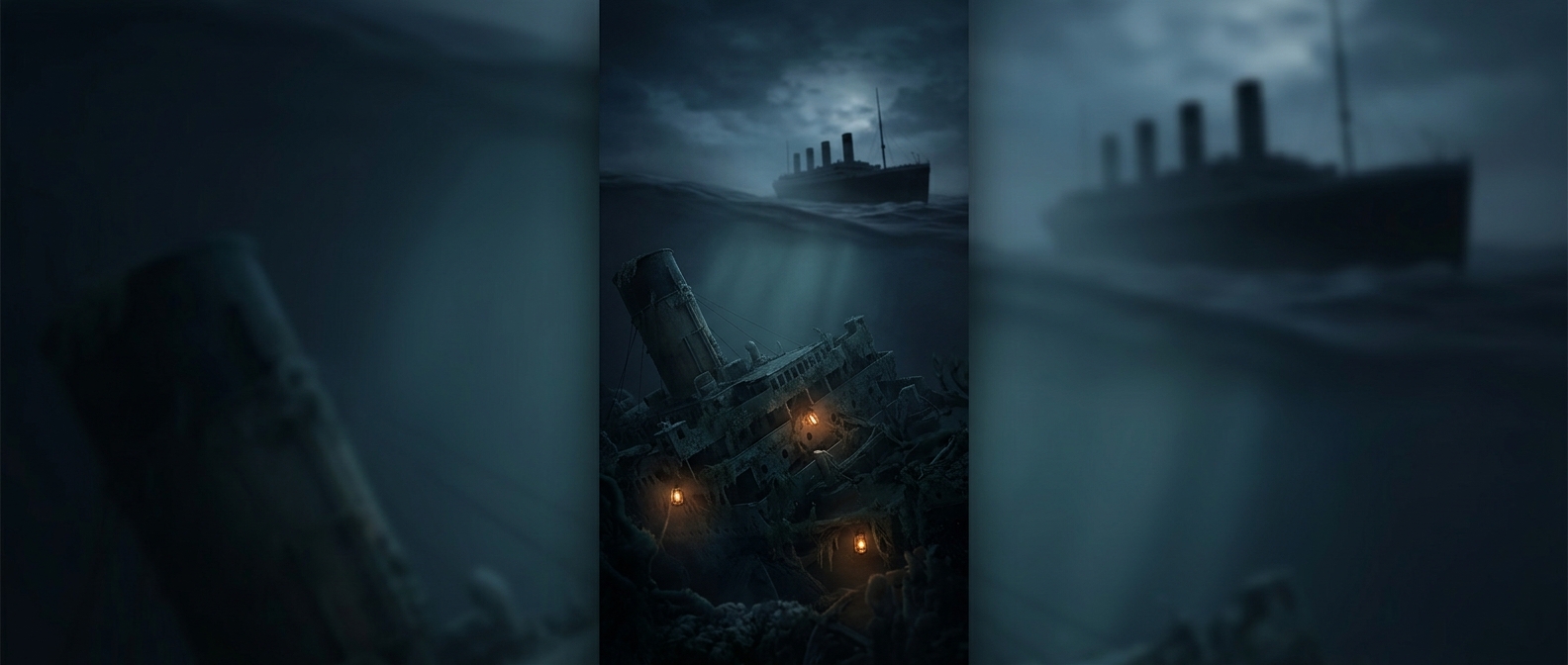
An ocean liner upgraded comfort by moving the expensive rooms
The 1871 Oceanic placed first-class accommodation amidships rather than at the stern. That reduced the motion and propeller vibration passengers experienced.…
Discover more
A stone arch turns weight into its own support
Wedge-shaped stones press against one another, sending the load outward and down into the supports. Stone handles that squeezing well. The clever part is the…
Discover more
The Thames Tunnel put workers inside a shield beneath the river
Its tunneling shield divided the excavation face into small compartments, supporting unstable ground while workers dug and the structure advanced. Water could…
Discover more
Cargo drones promise city deliveries skipping traffic jams but regulation hurdles slow launches
A delivery drone skips the street queue, but it still needs permission to share the sky. Regulators set rules for where it flies, how operators track it, and…
Discover more
How the penny-farthing helped set bicycles free
On a penny-farthing, the pedals turned the front wheel directly, so making that wheel bigger meant traveling farther per turn. The tradeoff was a rider…
Discover moreCar culture wasn’t born in showrooms but backyards: teenagers in 1950s America modifying engines, painting flames, and parading their creations.
The heart of car culture didn’t pulse in polished dealerships—it thumped in cluttered garages and driveways during the 1950s. Teenagers grabbed old engines,…
Discover more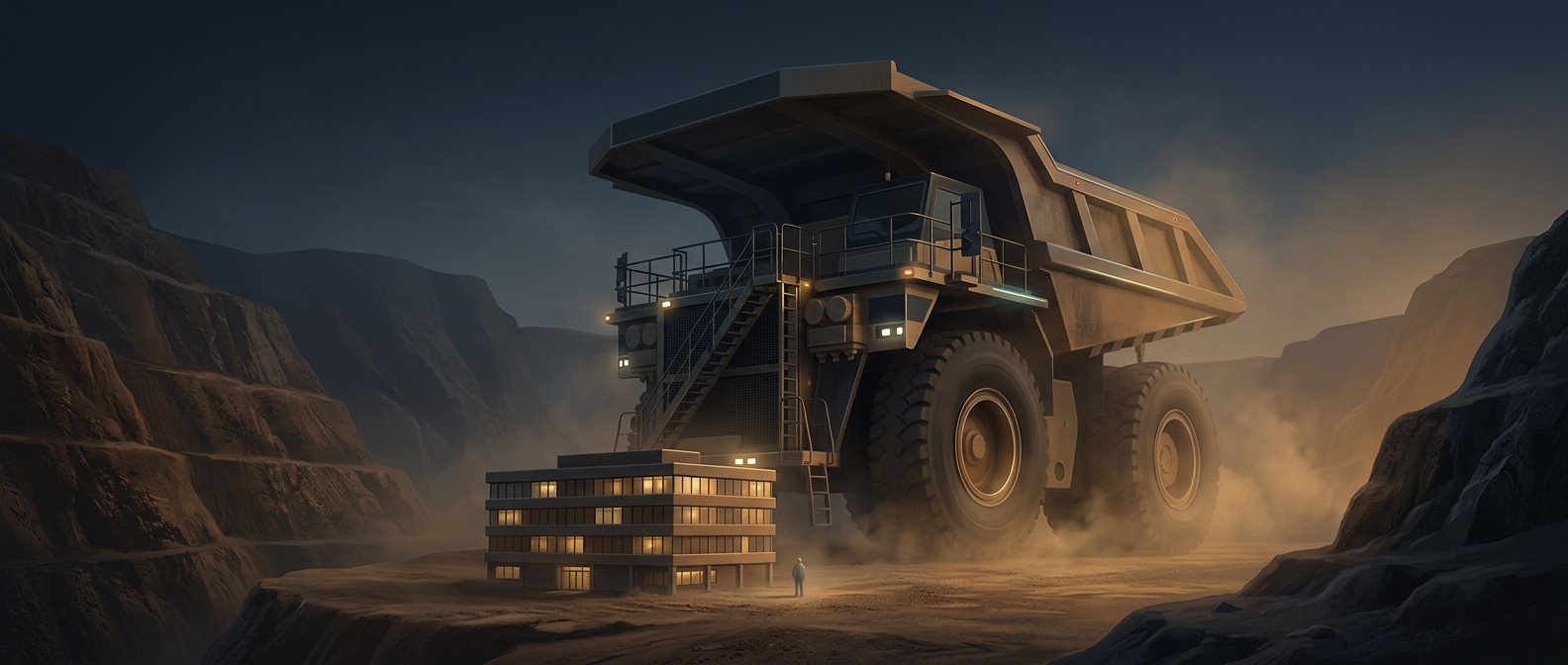
A mining truck makes its cab look like a balcony
Everything is scaled around moving enormous loads: huge tires, a tall chassis, and a cargo bed that dwarfs the driver. The empty vehicle must already be…
Discover moreFirst car race in 1895 wasn’t about speed—it was about not breaking down.
Today’s races boast sleek machines battling at breakneck speed, but the very first organized car race in 1895 resembled more a trial of endurance than of…
Discover more