Transport
Discover facts about transport. Small discoveries that change the way you see familiar things.
Transport
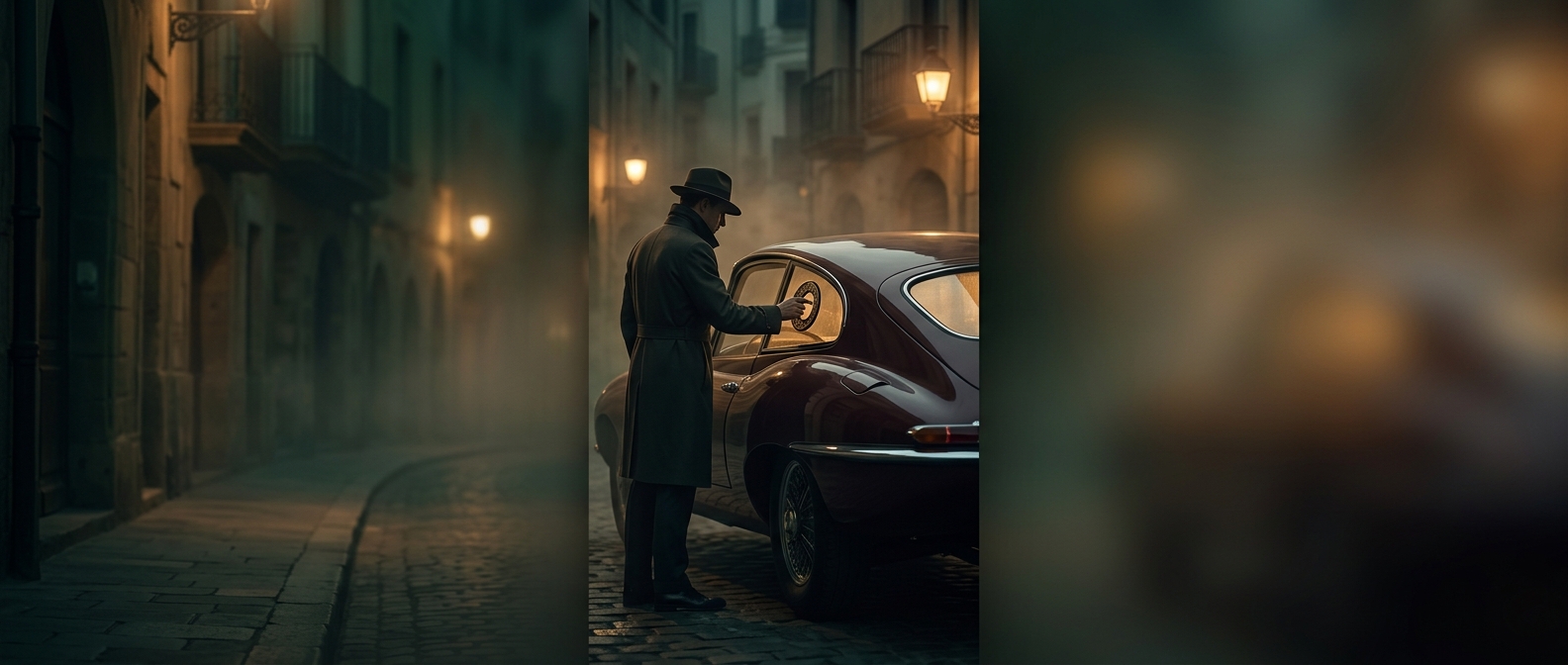
Why do cars have those tiny triangular windows
You may have spotted them – those little triangular windows tucked in the corners of European cars. But why on Earth are they there? The answer lies in a…
Discover more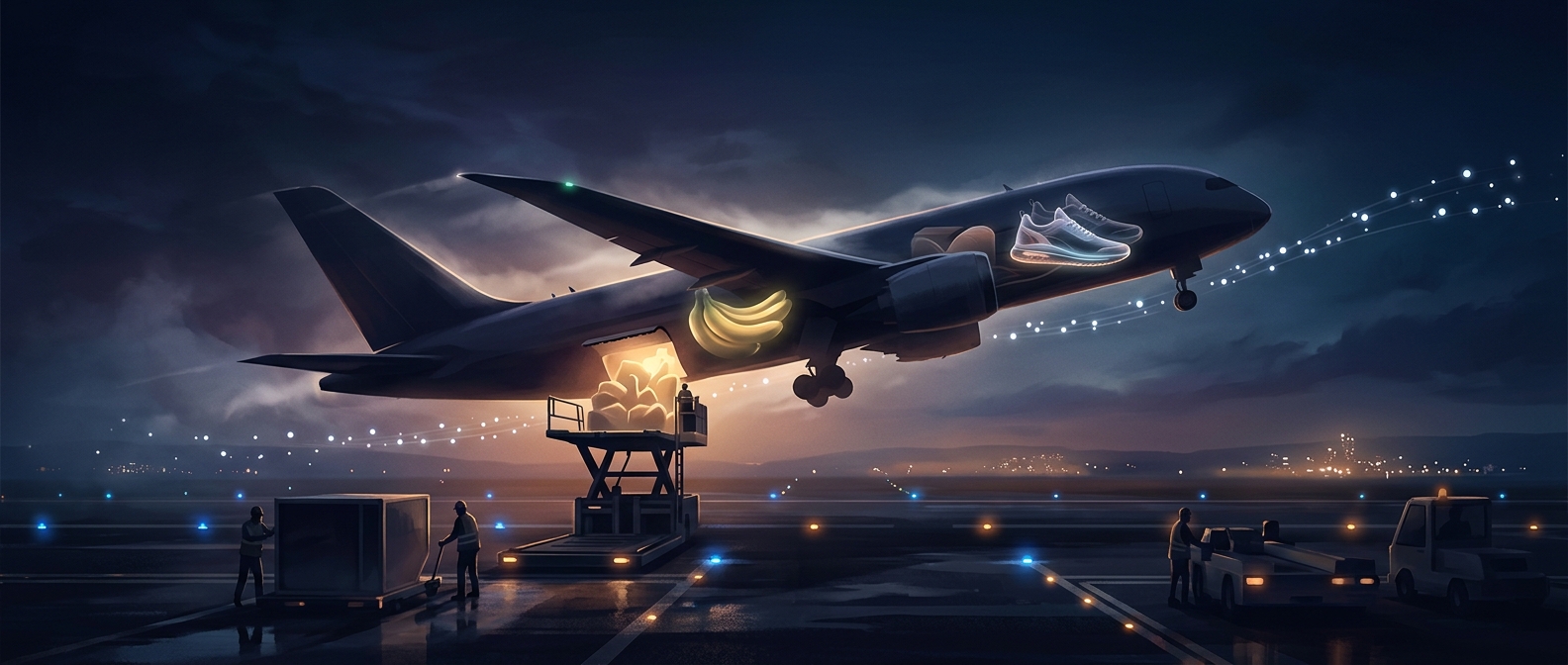
How bananas cross oceans while you sleep
Have you ever wondered how that bunch of bananas in your fruit bowl still looks sunny and yellow, even though it grew halfway across the globe? The secret is…
Discover more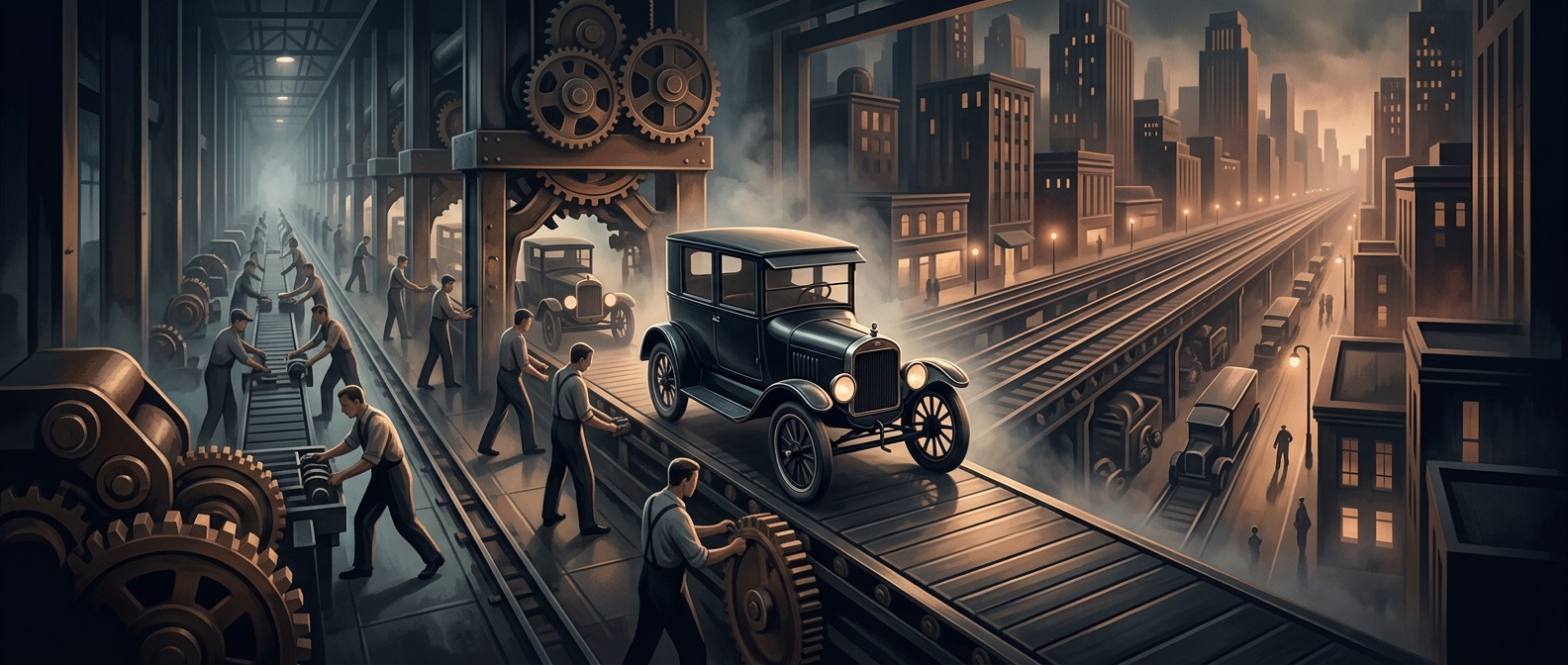
How the Model T synchronized modern life
The Model T wasn’t just a car—it was a tick-tock factory in disguise, quietly changing how humans organized their days. By making automobiles affordable,…
Discover moreA Formula 1 car can accelerate from 0 to 100 km/h in less than three seconds, but what’s stunning is the braking system—capable of literally pulling the driver’s body at forces close to fighter jets.
Speed grabs the headlines—but in Formula 1, the real heart-stopper is how they stop. Imagine hurtling faster than most supercars can even dream, only for the…
Discover more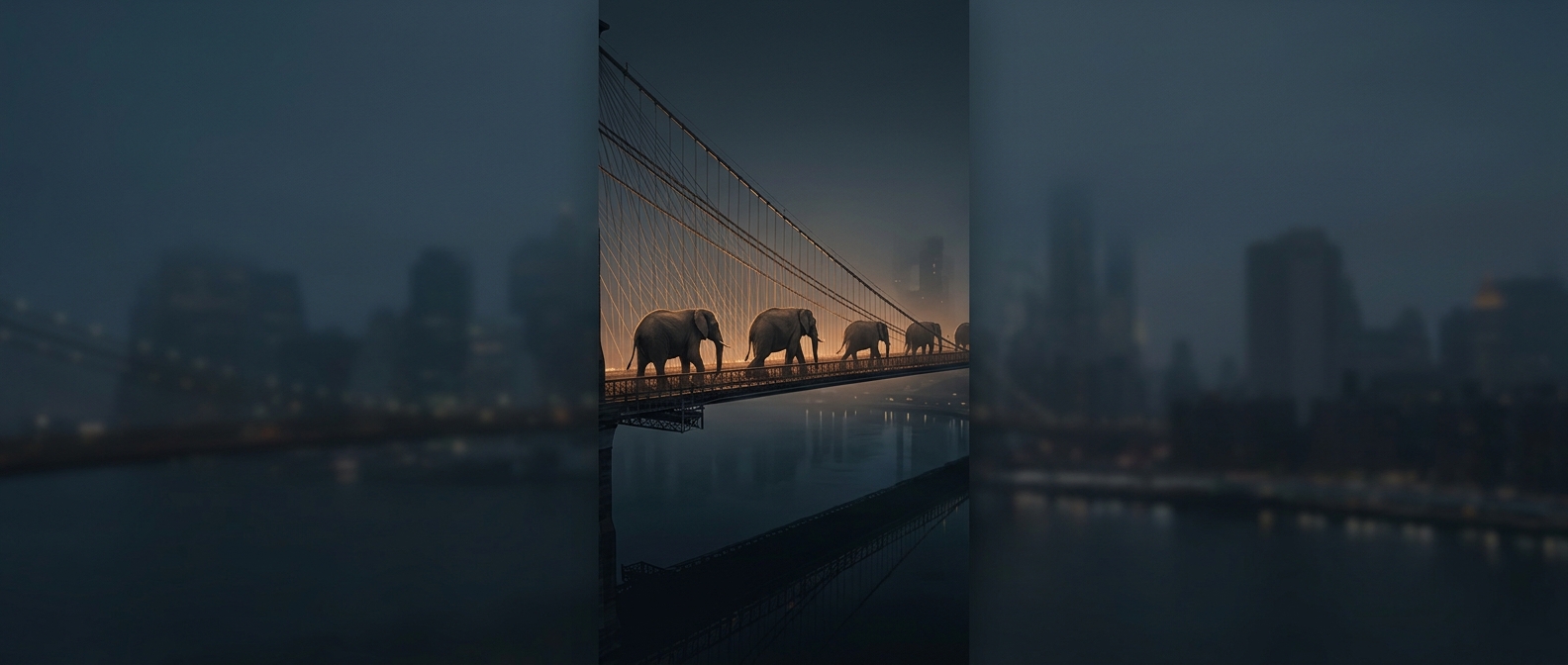
Why elephants marched across the Brooklyn Bridge
When the Brooklyn Bridge first stretched across the East River in 1883, people stood in awe—and doubt. Could a web of steel cables really hold up an entire…
Discover moreWorld’s first car to break 100 km/h wasn’t powered by gasoline but by electricity—way back in 1899.
Picture the year 1899: carriages still ruled the streets, and the horse was king of speed. Then comes a cigar-shaped machine gleaming like a silver rocket—the…
Discover more STACKY FOR IPHONE
A bigger world.
One discovery
at a time.
Keep discovering with Stacky. Interesting facts in an app that is always within reach.

How empty fishing nets helped fuel Somali piracy
When we think of pirates, we imagine treasure chests and black flags, but the story of Somalia’s piracy peak begins with fishing nets, not gold. Foreign…
Discover more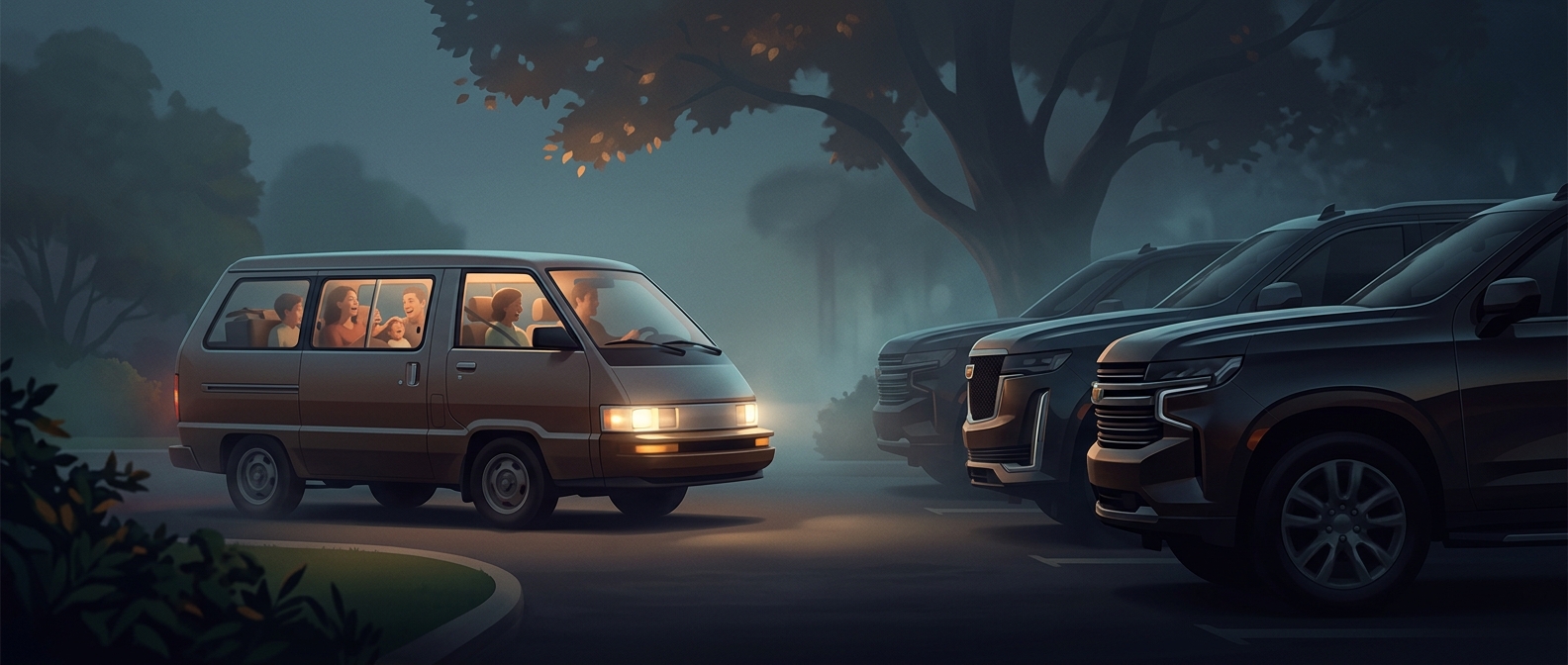
How the mocked minivan became a family icon
Boxy, clunky, and the butt of jokes—it was never born cool. And yet, the minivan was a miracle disguised in rectangles: sliding doors for chaos-filled…
Discover more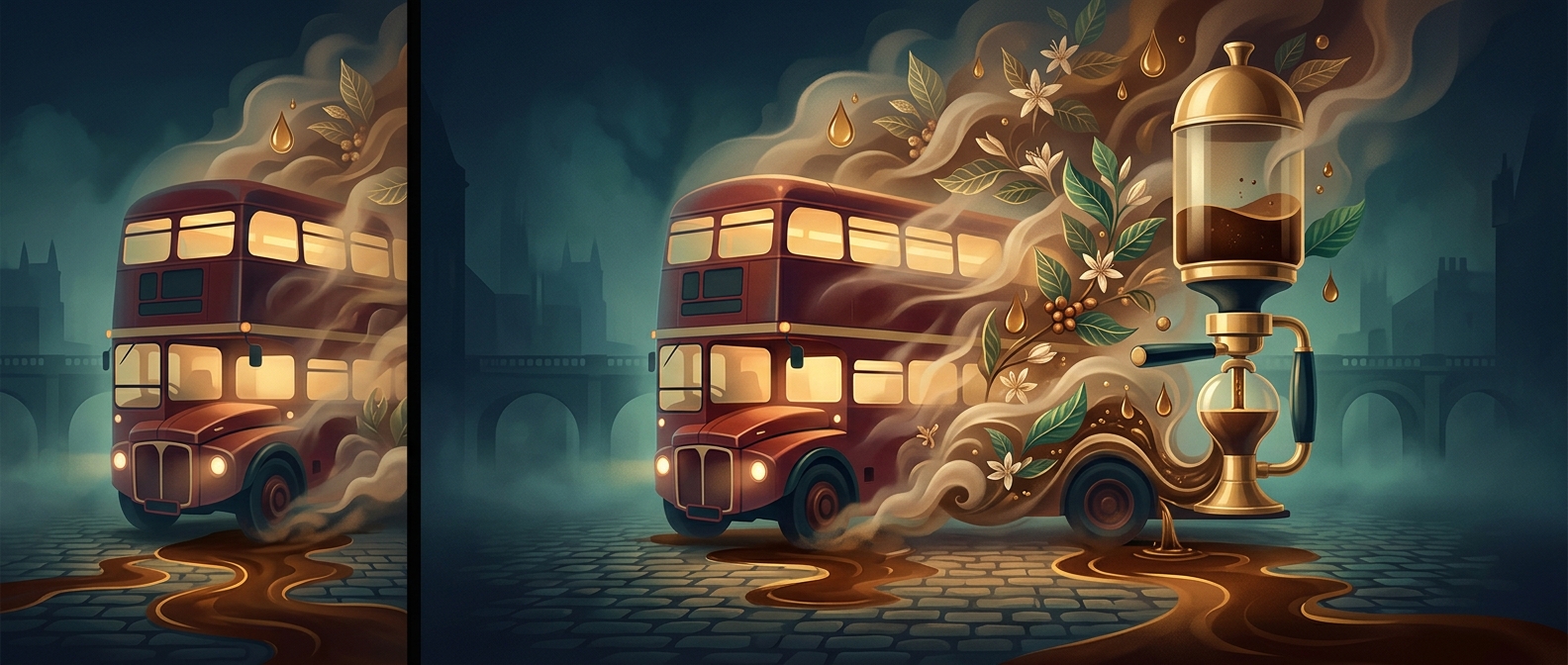
London buses can run on used coffee grounds
Next time someone asks if you run on coffee, London’s buses might beat you to the punch—because some literally do. Engineers discovered that discarded coffee…
Discover more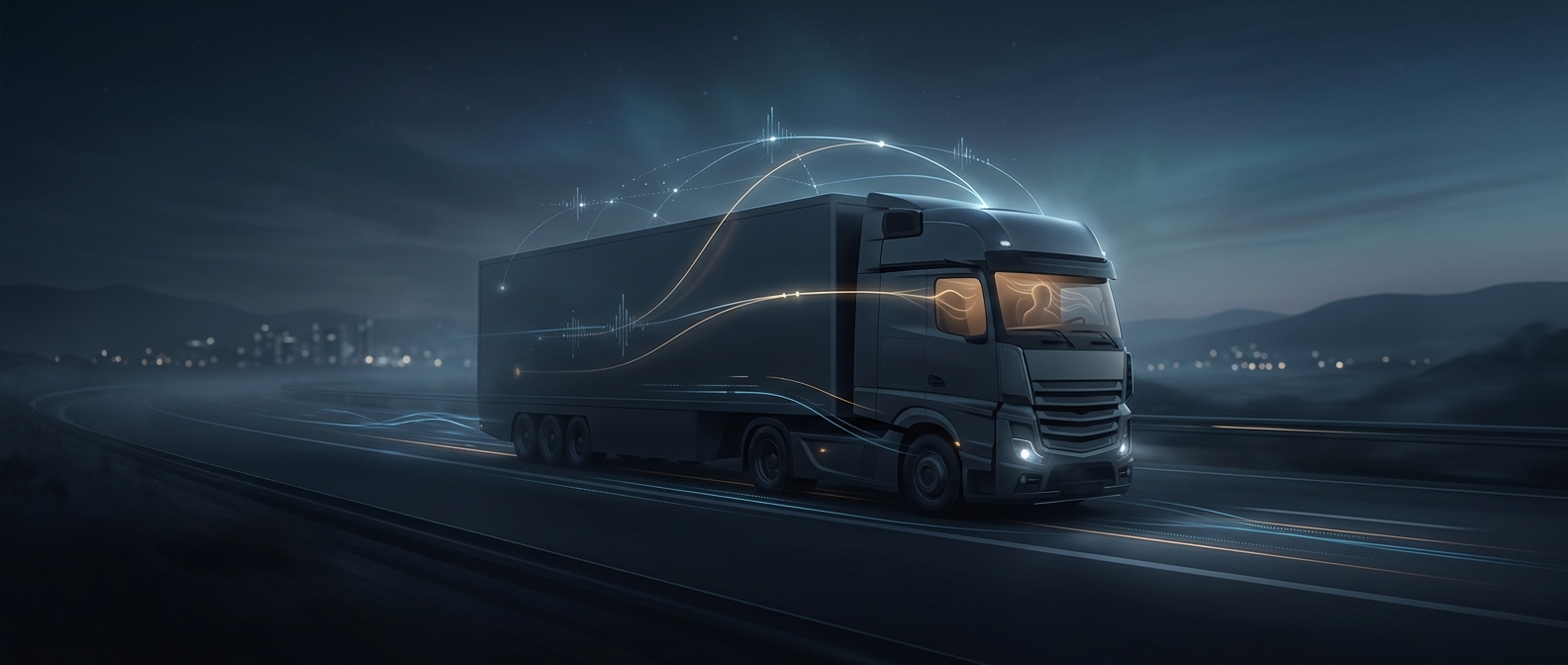
Why modern trucks are rolling data hubs
Look at a truck and you might see only a roaring beast of metal hauling goods. But modern trucks are more like rolling laboratories, silently collecting tiny…
Discover more
Tourists can now explore coral reefs by submarine
Tourism used to mean climbing up into the sky, but now it’s diving into the deep. Passenger submarines are offering everyday people the chance to slip below…
Discover moreWorld’s fastest boat isn’t a modern marvel but a decades-old design that skimmed above water like a skipping stone.
You might picture sleek new machines ruling speed records, but the fastest boat ever built still hails from decades past. Its trick wasn’t brute horsepower…
Discover more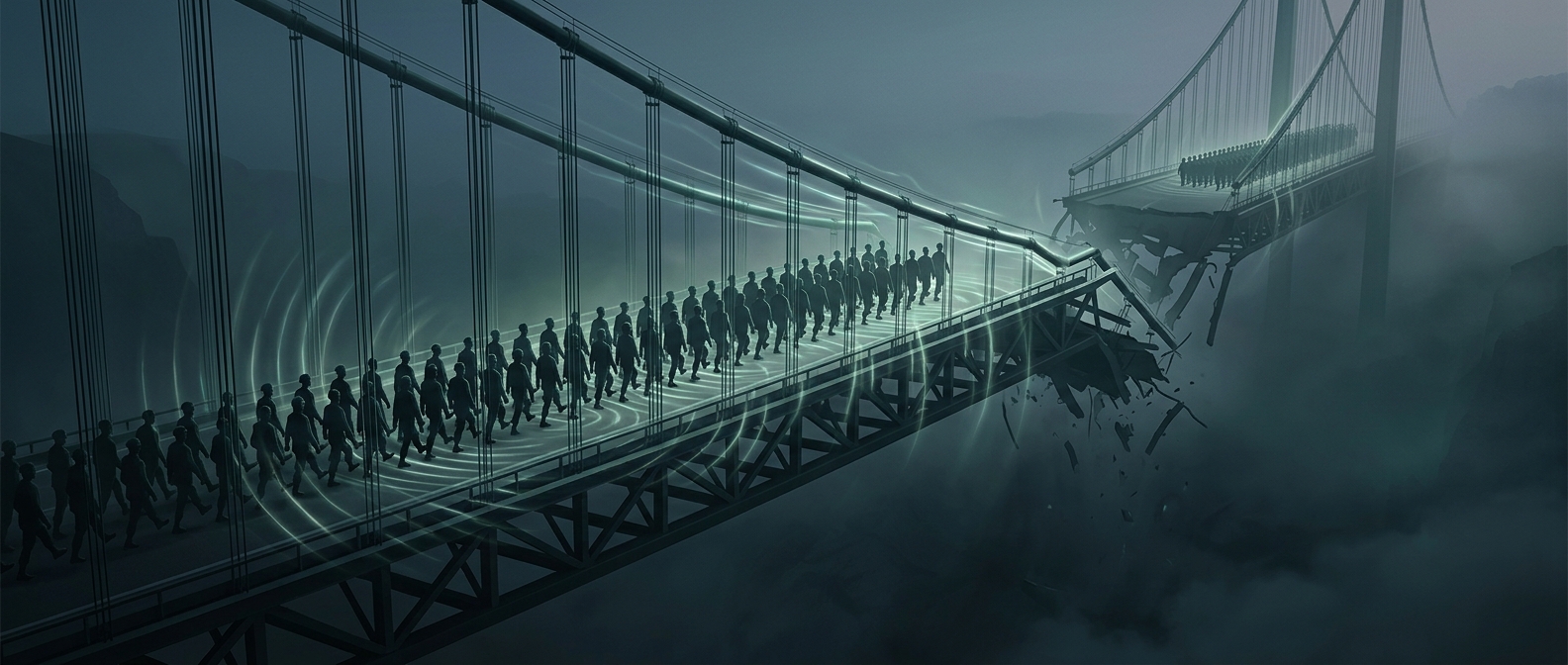
Why soldiers break step on bridges
Why would a sturdy bridge suddenly shatter beneath marching soldiers? The answer lies in rhythm. When soldiers walk in perfect synchrony, their steps create…
Discover more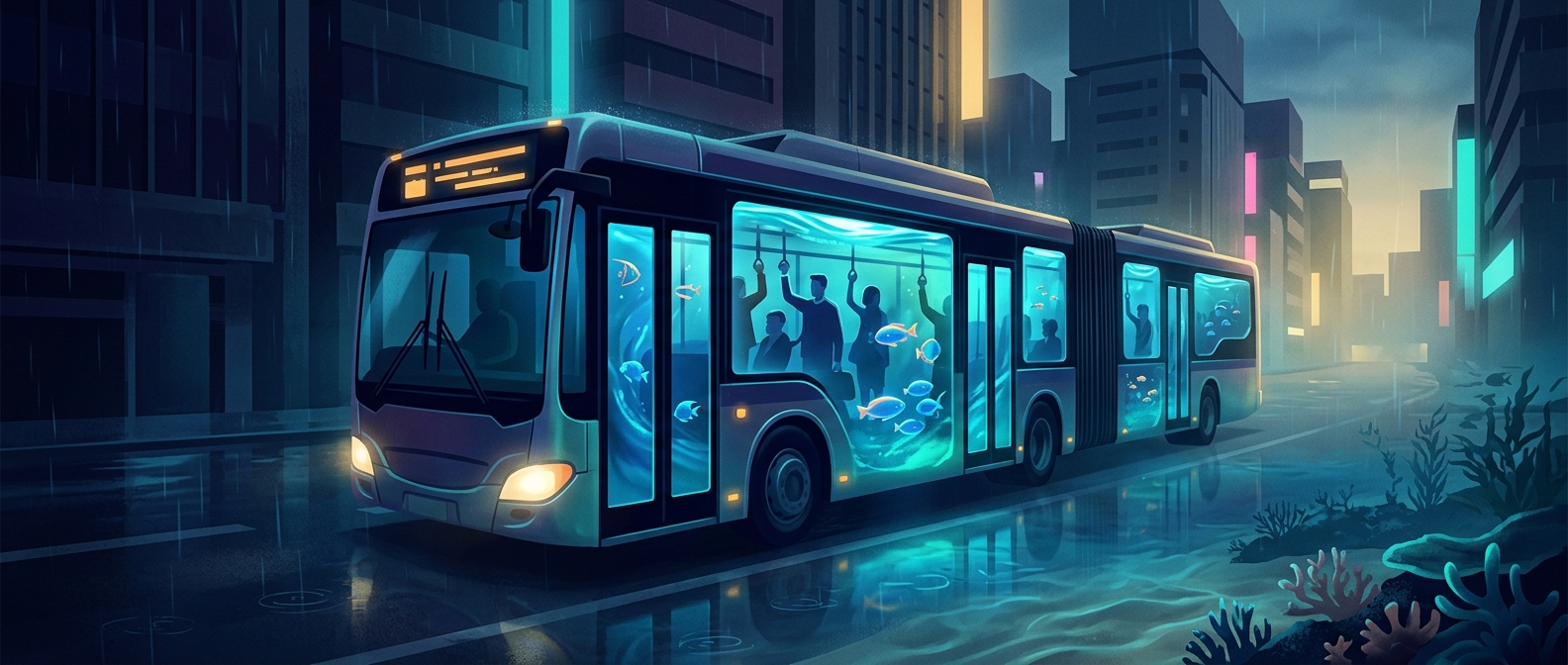
The Japanese bus that looked like a glowing aquarium
Picture yourself boarding a city bus and instead of staring out at traffic jams and office blocks, you’re gliding through a glowing underwater realm. In…
Discover moreOld Soviet cars once came with toolkits because breakdowns were expected, while some luxury brands today ship cars so digitized that owners can’t even change headlights themselves.
Once, stepping into a Soviet car was half driving, half mechanical trust fall—the glove compartment often hid a toolkit, like a first aid kit for engines that…
Discover more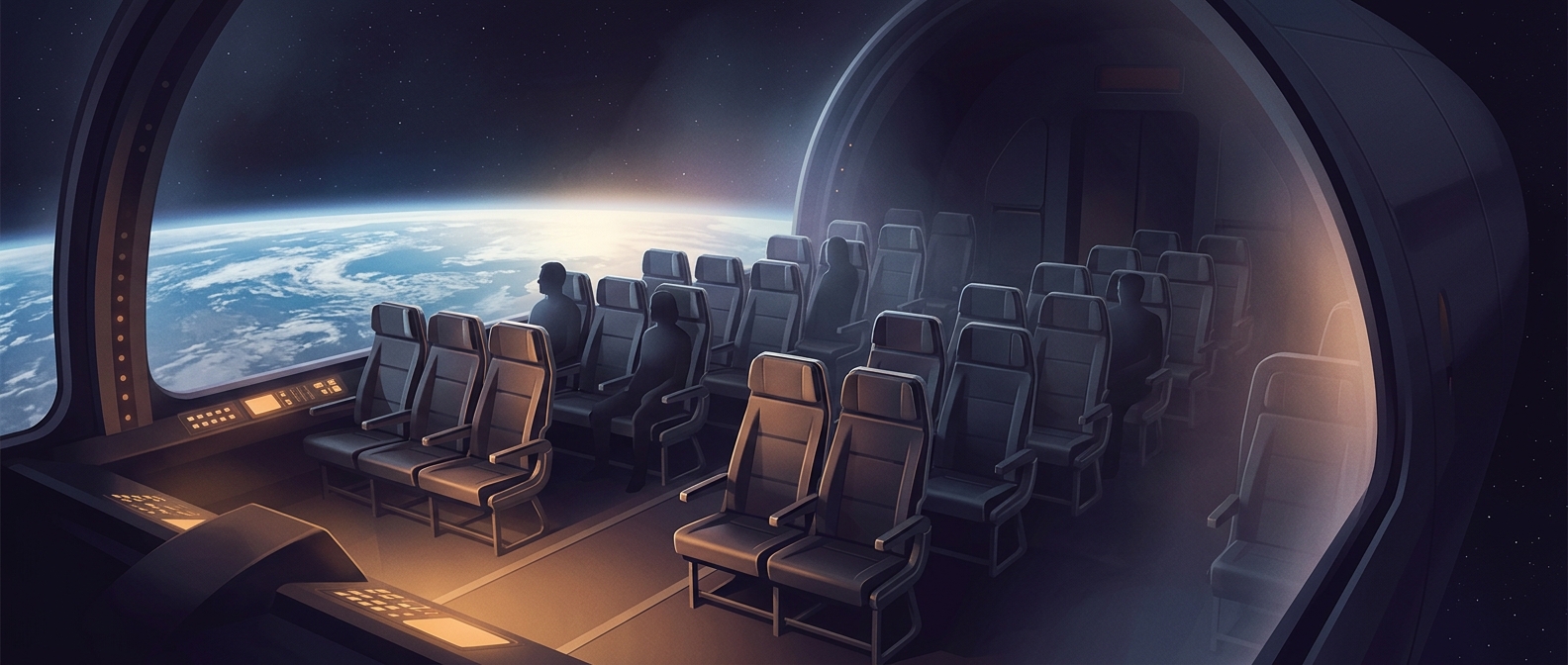
Why spacecraft seats look like a bus at rush hour
Looking inside today’s space capsules, you won’t see the sleek lounges of science fiction movies—you’ll find compact seats crammed like a bus at rush hour.…
Discover moreFirst car to break the sound barrier, ThrustSSC in 1997, showed that engines designed for fighter jets could power wheels beyond imagination.
Picture a desert floor, flat and endless, suddenly transformed into an arena where speed itself is challenged. In 1997, ThrustSSC, looking more like a missile…
Discover moreFastest Formula One pit stop ever recorded was 1.8 seconds, quicker than blinking three times.
Imagine a ballet performed at lightning speed, where precision clatters like thunder and victory dangles on fractions of a second. That’s a Formula One pit…
Discover more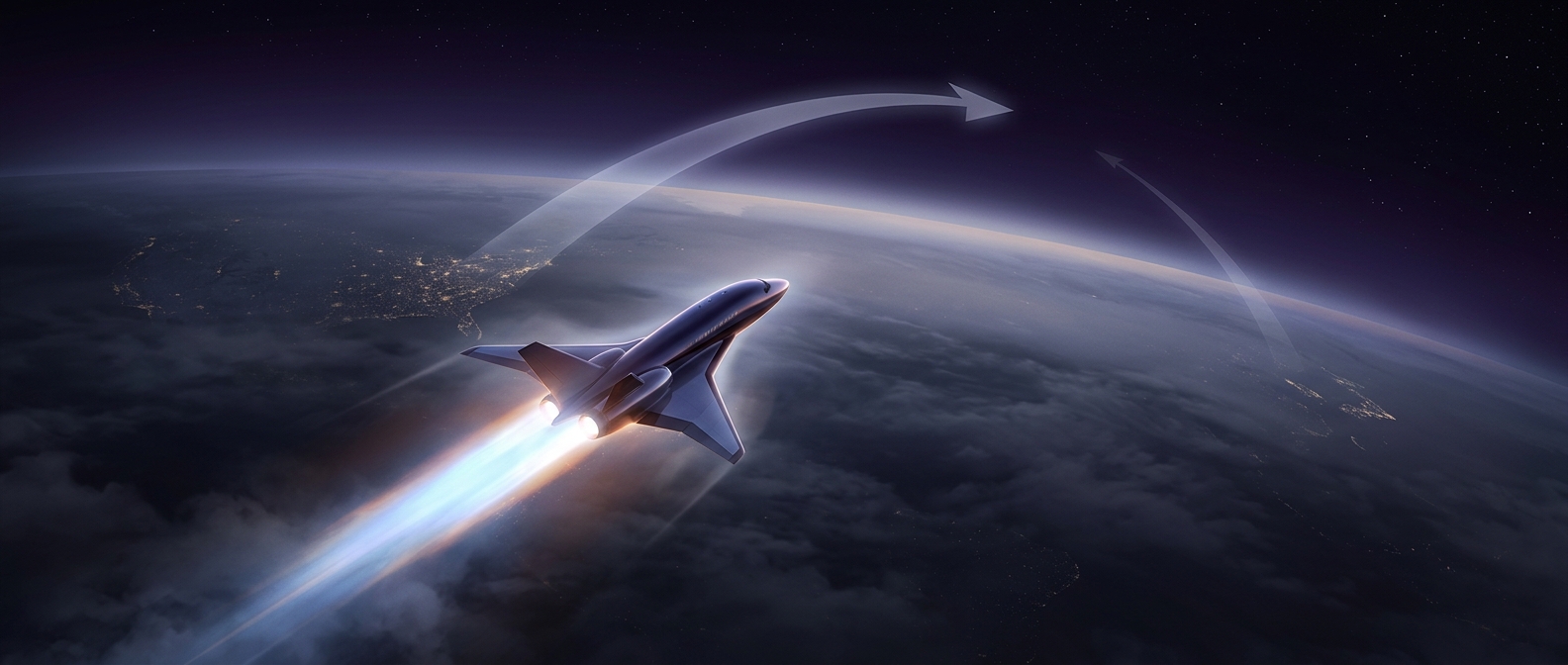
The space planes meant to fly New York to Tokyo in an hour
Space planes were once the dream machines that promised to redraw the world map. Half airplane, half rocket, these hybrids aimed to launch travelers into the…
Discover more
The tunnels and bridges built to save train passengers minutes
Railways have always chased one dream: speed. To shave mere minutes off a journey, builders carved holes in unforgiving granite and strung bridges across…
Discover moreTitanic’s fame isn’t just from tragedy; it symbolized humanity’s hubris that technology had conquered nature.
The Titanic wasn’t just a ship—it was a floating castle built on confidence, the iron heartbeat of an era certain it had conquered nature. So secure was this…
Discover more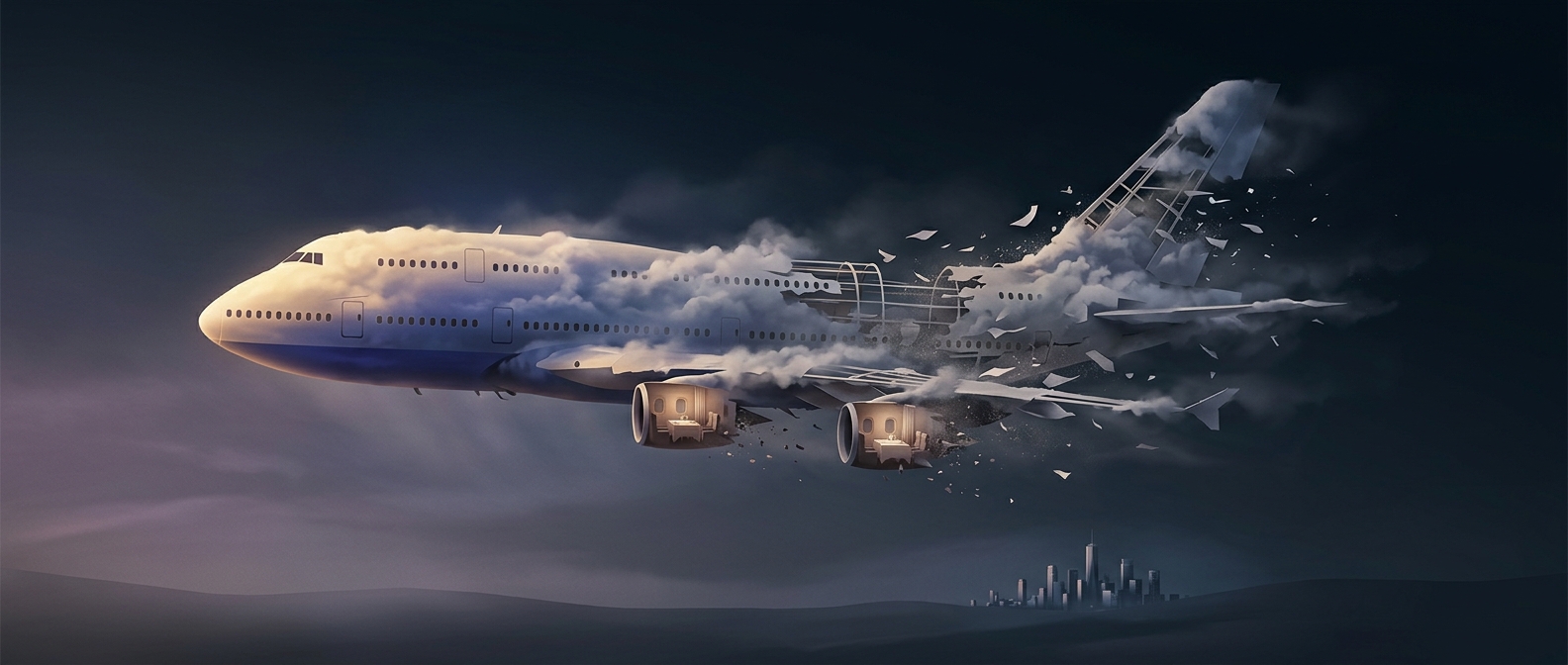
Why the double-decker jumbo jet disappeared
It looked like a flying castle—the double-decker jumbo jet with twin aisles large enough to host cocktail bars and lounges. The dream was bold: make air…
Discover more
EV craze is no longer just about carbon footprints—it has become a fashion statement.
EV craze is no longer just about carbon footprints—it has become a fashion statement. Ten years ago, early adopters bought electric cars to signal…
Discover more
Subway isn’t just transport—it’s a pressure cooker of humanity.
Subway isn’t just transport—it’s a pressure cooker of humanity. In New York, Seoul, or Paris, strangers pretend to be invisible while packed…
Discover more