Transport
Discover facts about transport. Small discoveries that change the way you see familiar things.
Transport
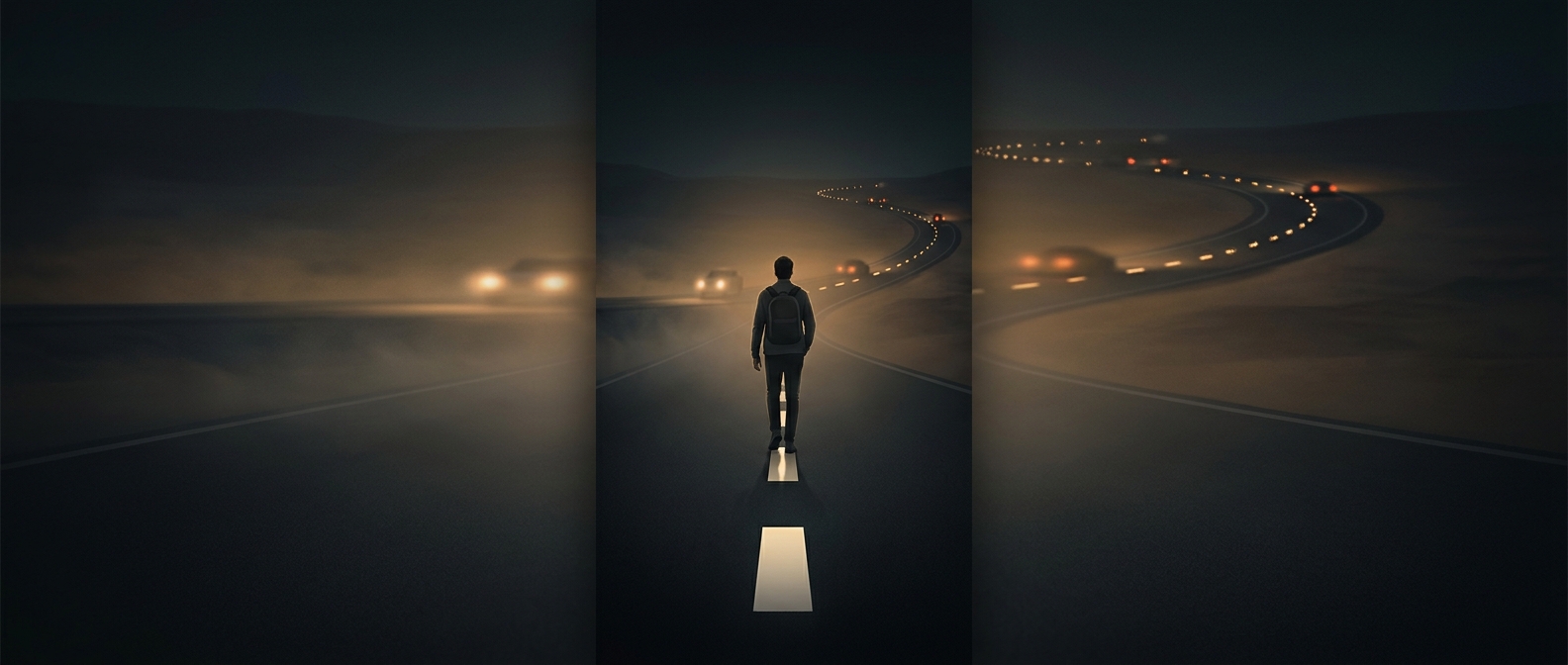
A standard U.S. highway dash can be ten feet long
A common broken-lane pattern uses a ten-foot stripe followed by a thirty-foot gap. From a moving car, distance and perspective make each stripe look…
Discover more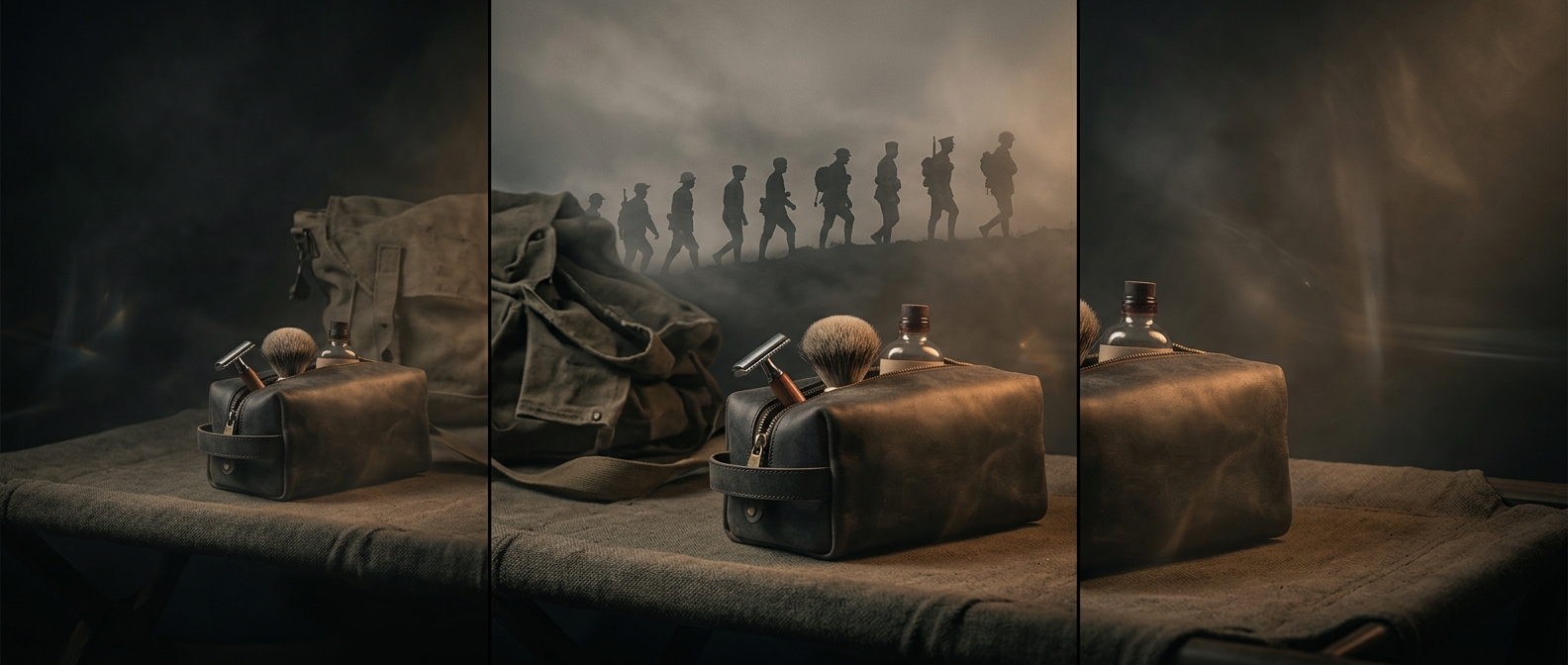
How the Dopp kit became a military essential
The Dopp kit gave soldiers one compact place for razors, soap, and other grooming gear. The U.S. military issued toiletry kits during World War II, turning a…
Discover more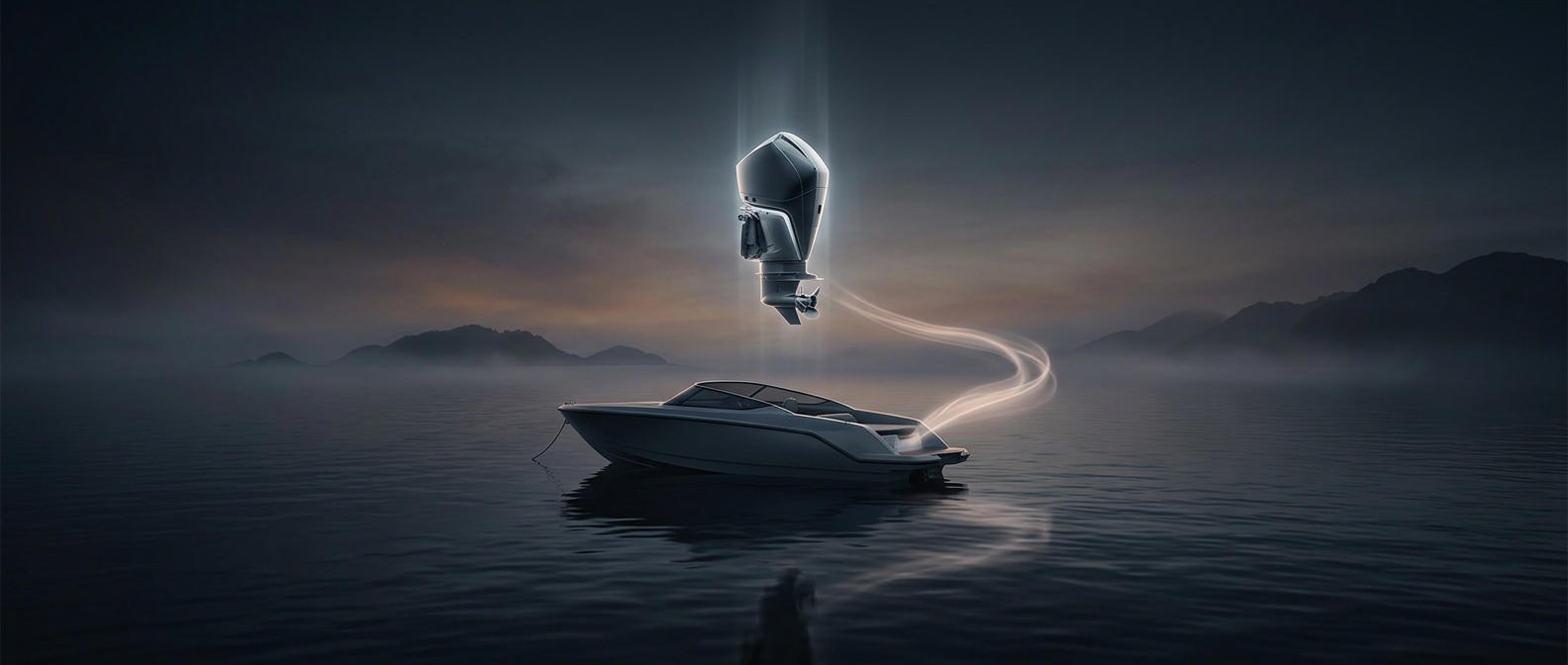
Outboard units are detachable all-in-one powerplants
An outboard bolts the engine, gearbox, and propeller into one unit on the boat’s stern. Turn the whole motor to steer, lift it off for service—the boat’s…
Discover more
Why flip-flops make your toes scrunch
A flip-flop hangs on by a strap between your toes, so your toes curl to keep it from flying off with every step. Your foot ends up gripping its footwear like…
Discover more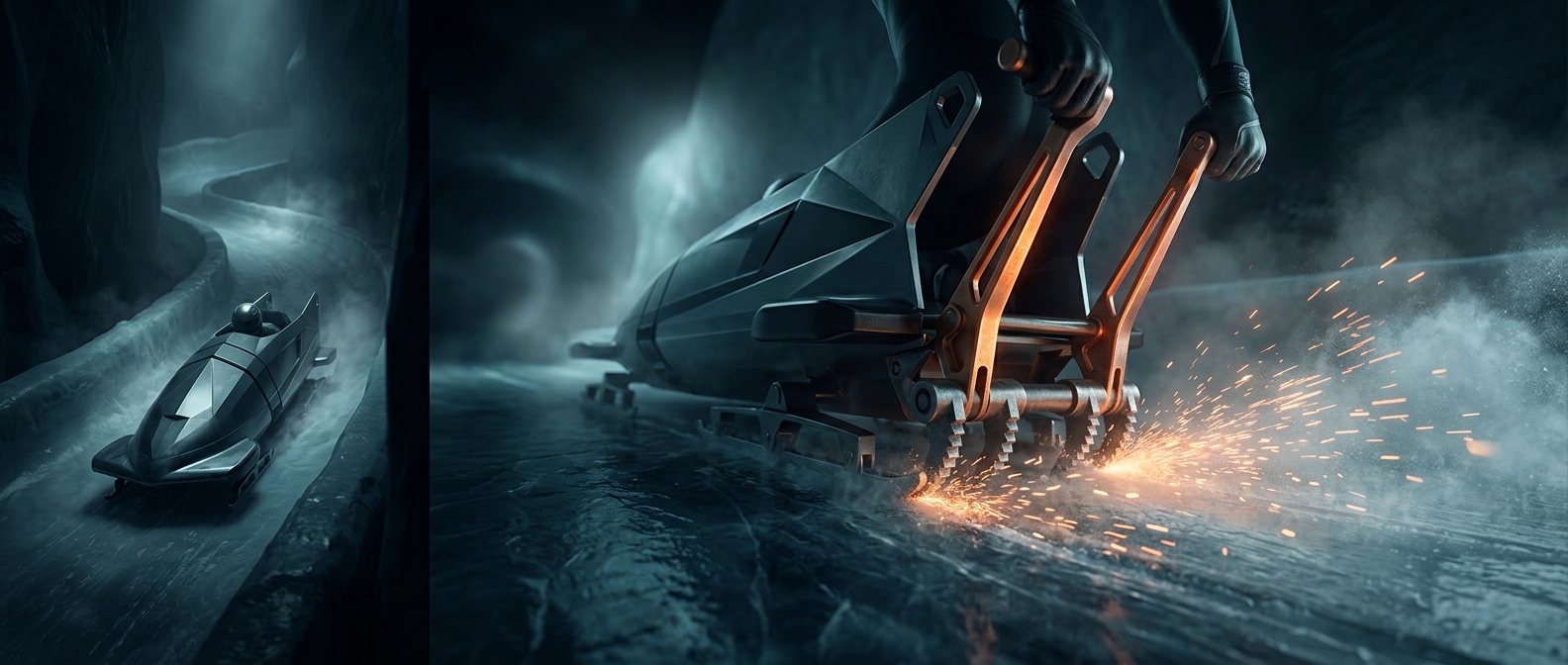
How bobsleds stop after reaching top speed
During a run, the crew leaves the brake alone so it does not steal speed. After the finish, the brakeman presses a toothed metal bar onto the ice; the sled…
Discover more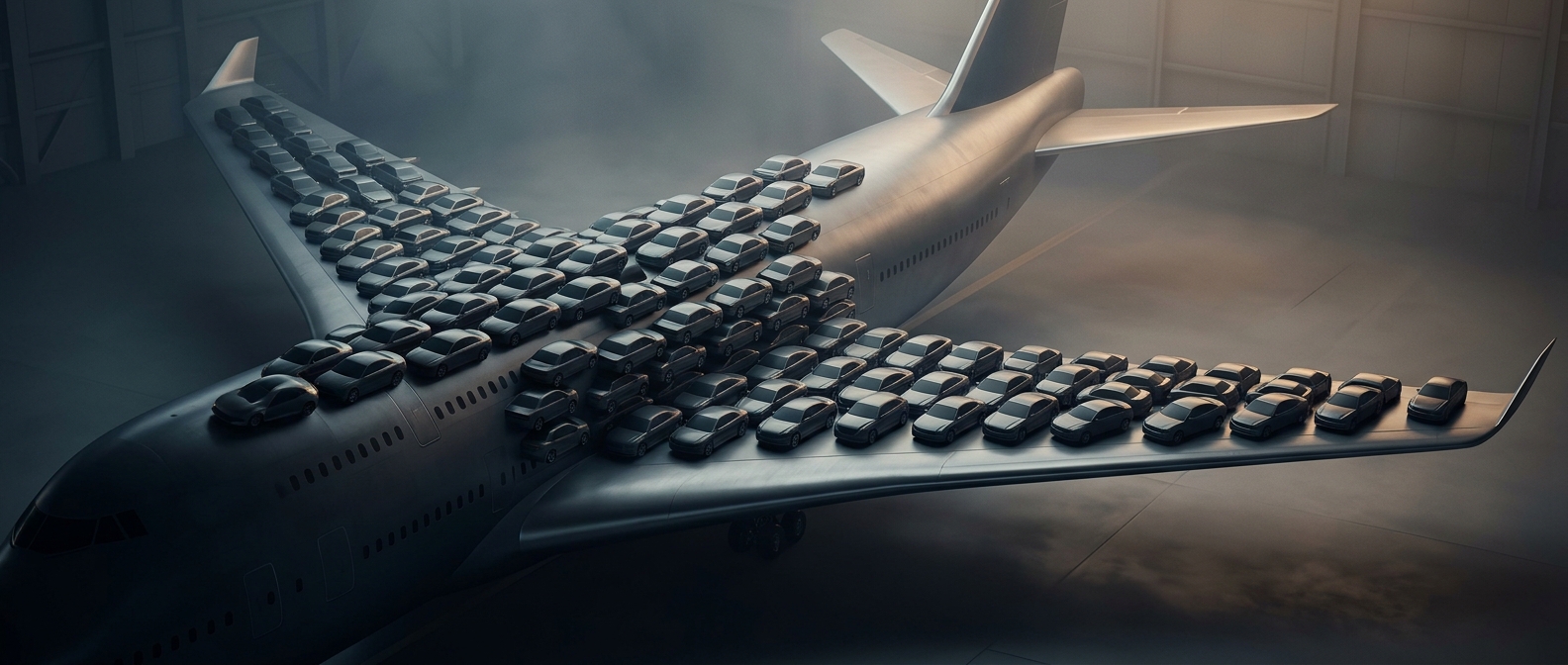
A jumbo jet carries much of its fuel inside its wings
Wing tanks use space within the aircraft's load-bearing structure instead of treating fuel as ordinary cabin cargo. Boeing's 747-8 layout also includes a…
Discover more STACKY FOR IPHONE
A bigger world.
One discovery
at a time.
Keep discovering with Stacky. Interesting facts in an app that is always within reach.

The airplane window you touch isn't the main pressure barrier
Passenger windows use multiple panes. The inner one mainly protects the assembly from people in the cabin; the stronger outer layers handle the pressure…
Discover more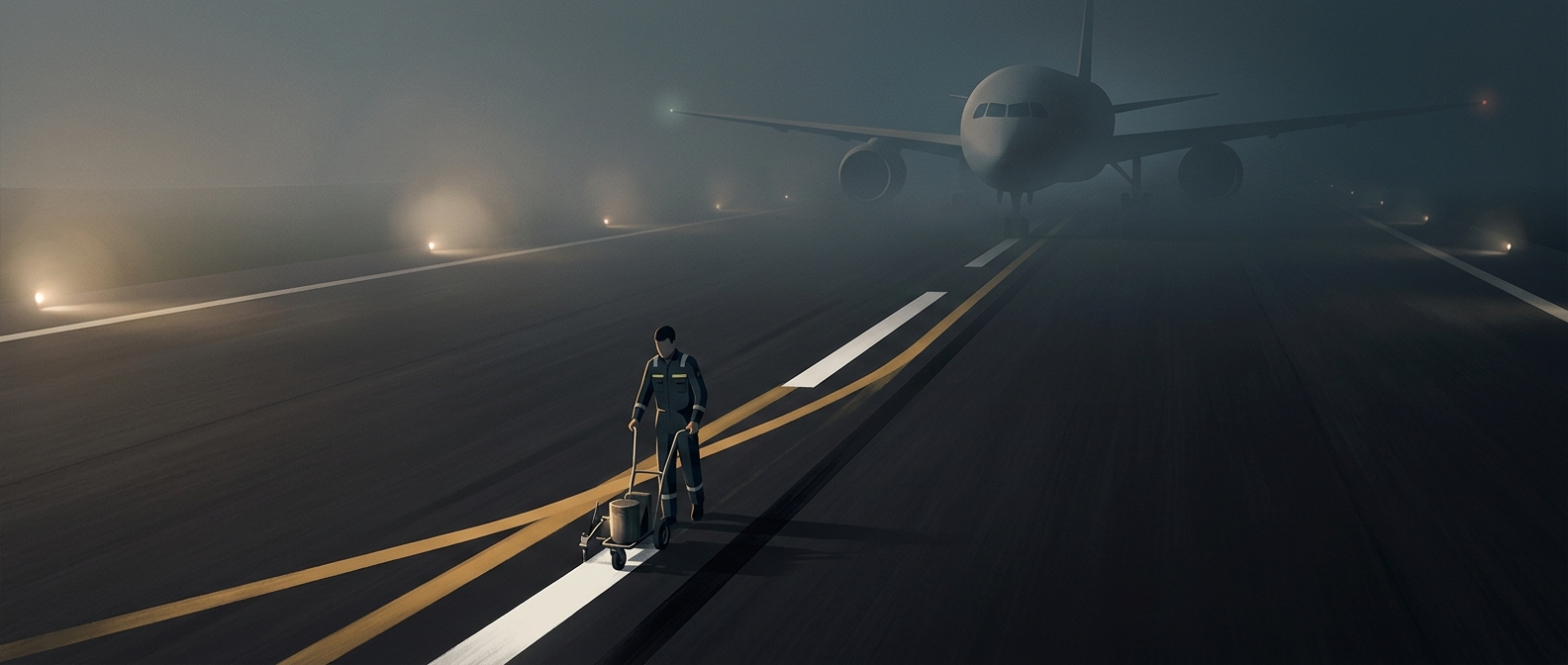
Airport runways utilize only a few specific paint colors
Runway markings are white, while taxiway markings are yellow, so pilots can tell the landing strip from the routes leading to it. The paint is doing…
Discover more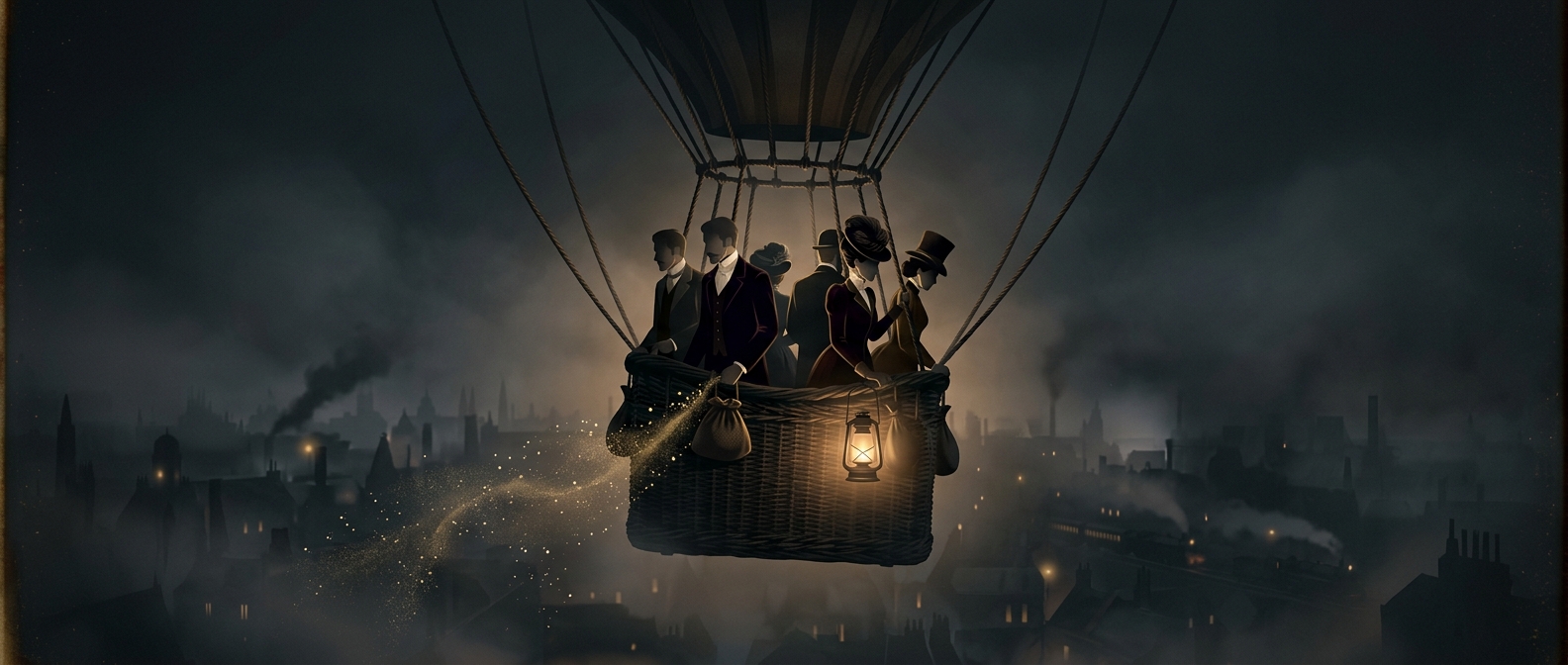
Why early balloon flights cost a fortune
Early hydrogen balloons needed enormous silk envelopes coated to hold the gas, plus a huge supply of hydrogen. Making and sealing that much fabric turned a…
Discover more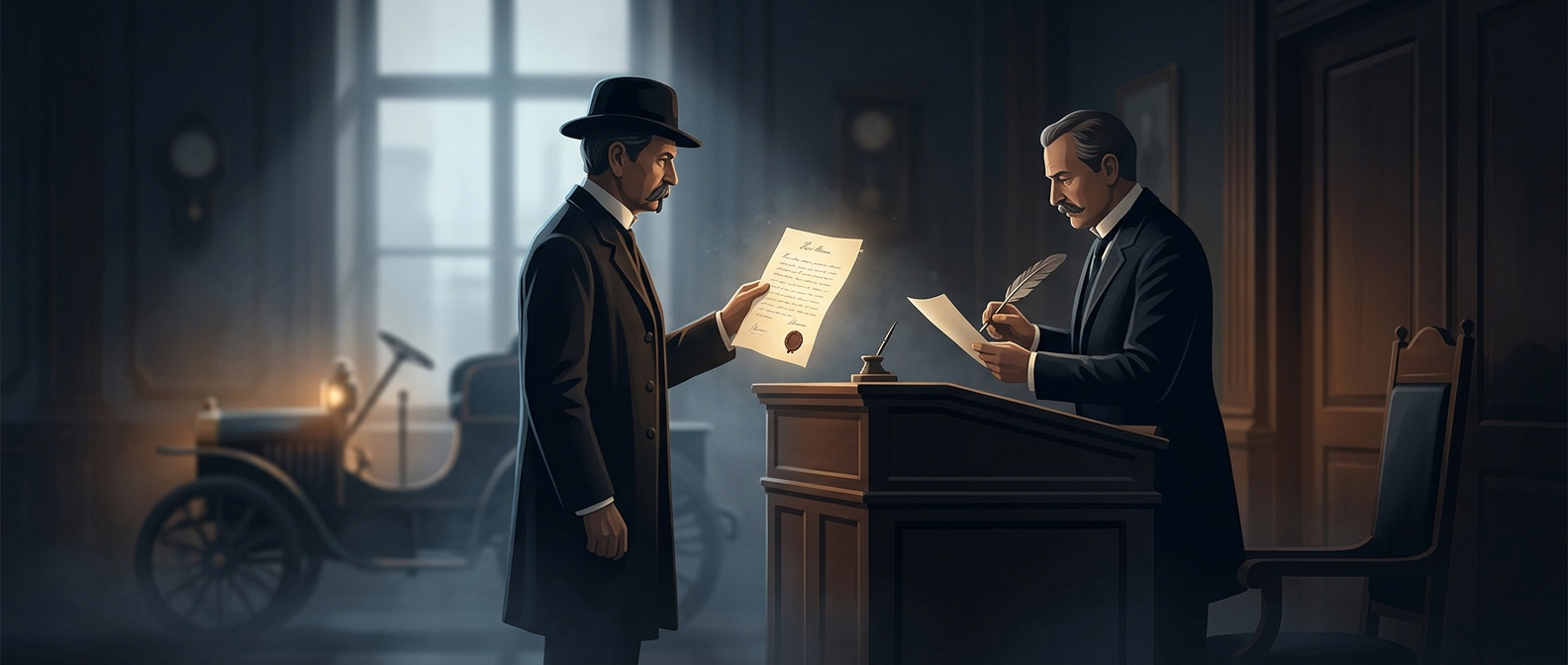
Karl Benz needed a permit to drive the first car
A motorcar on public roads was so new that the rules had not caught up with the machine. Benz needed official permission to test his noisy invention; the…
Discover more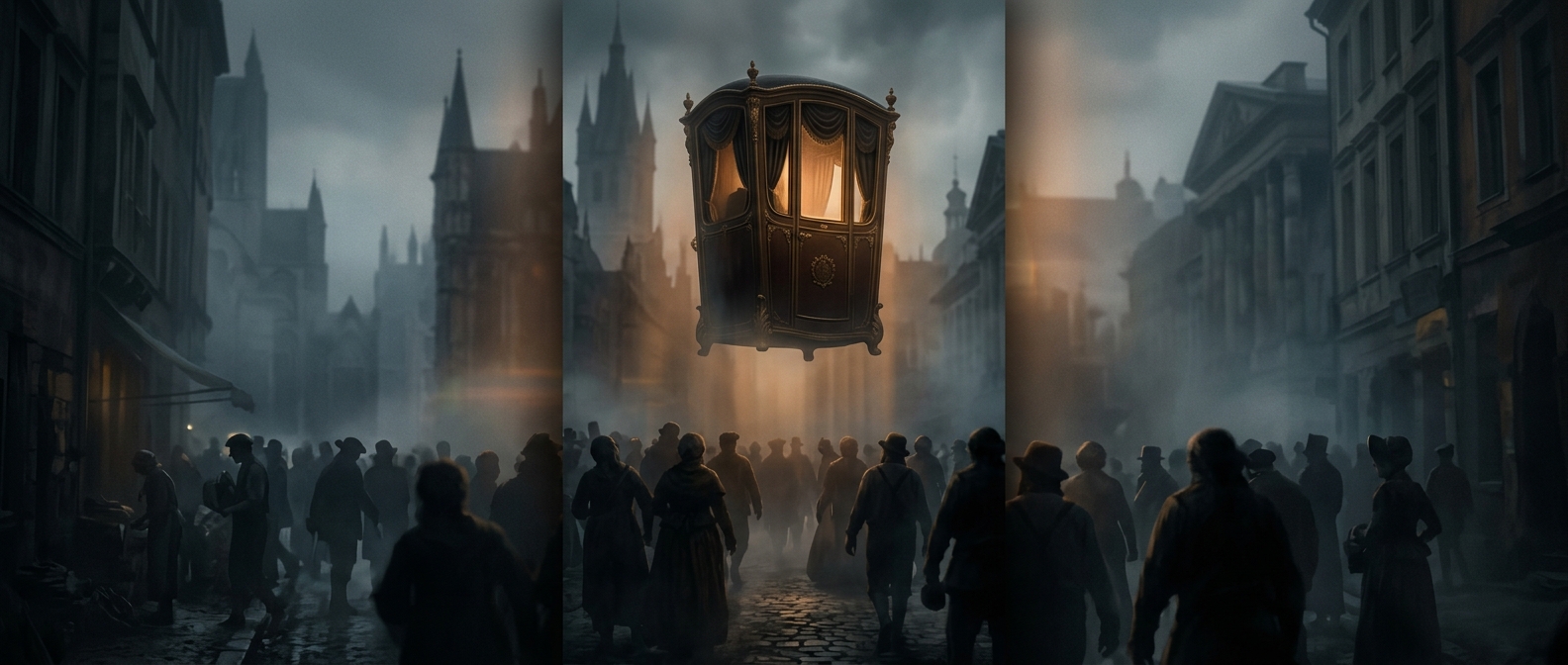
Why aristocrats treated walking as a disgrace
Walking signaled that you had no horse or carriage to carry you, and aristocrats treated that as a public display of modest means. Their status traveled on…
Discover more
Why rickshaws are built so lightly
A rickshaw’s light frame means a person has less weight to pull, leaving more effort for the passenger and the wheels. Every unnecessary pound becomes extra…
Discover more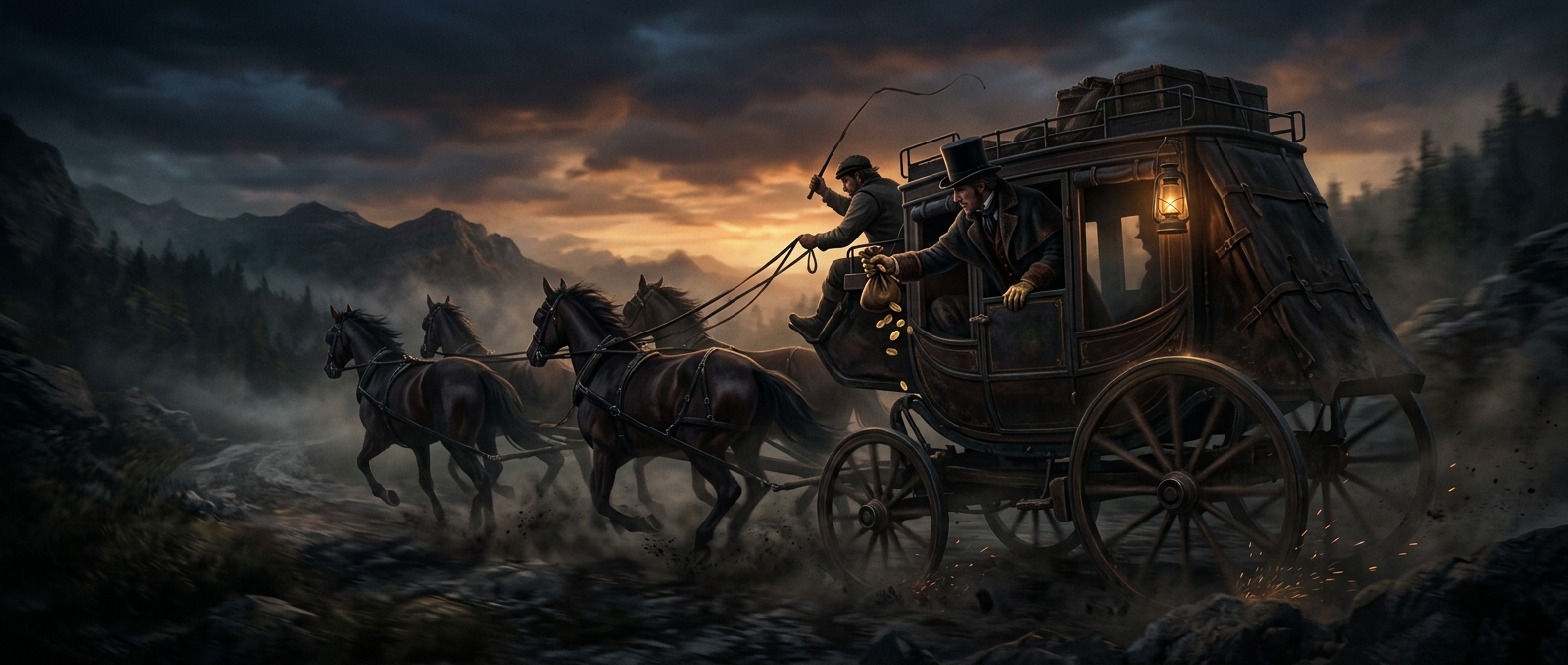
Rich passengers paid to make stagecoaches go faster
A stagecoach moved at the pace of its horses, so faster travel meant changing tired teams for fresh ones and keeping stops short. Wealthy passengers paid for…
Discover more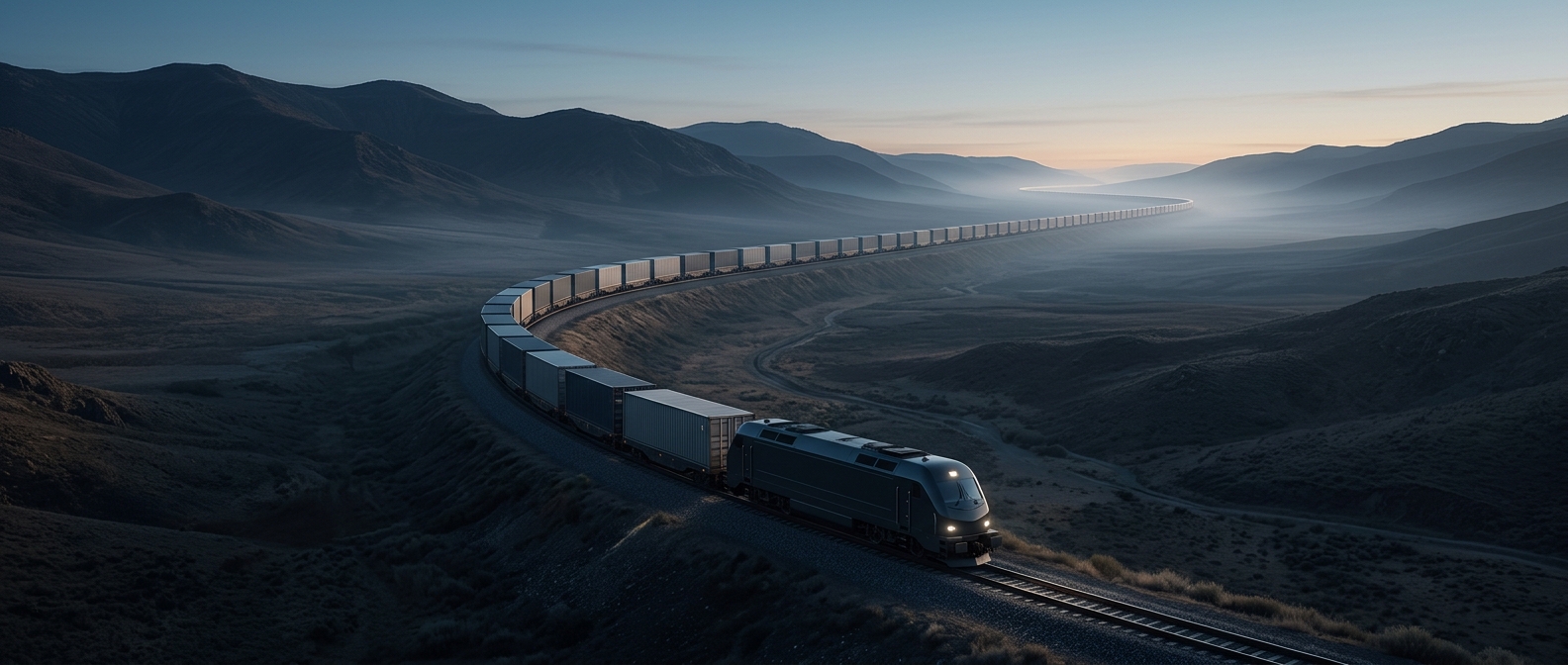
Some freight trains stretch for more than two miles
Long trains move more cargo with fewer crews, but pulling every car from the front puts enormous force on the couplers. Distributed locomotives share the load…
Discover more
Why cross-country skiing burns so much energy
Cross-country skiing turns your arms and legs into one continuous engine. Each push drives you forward, then your whole body works to keep balance and climb;…
Discover more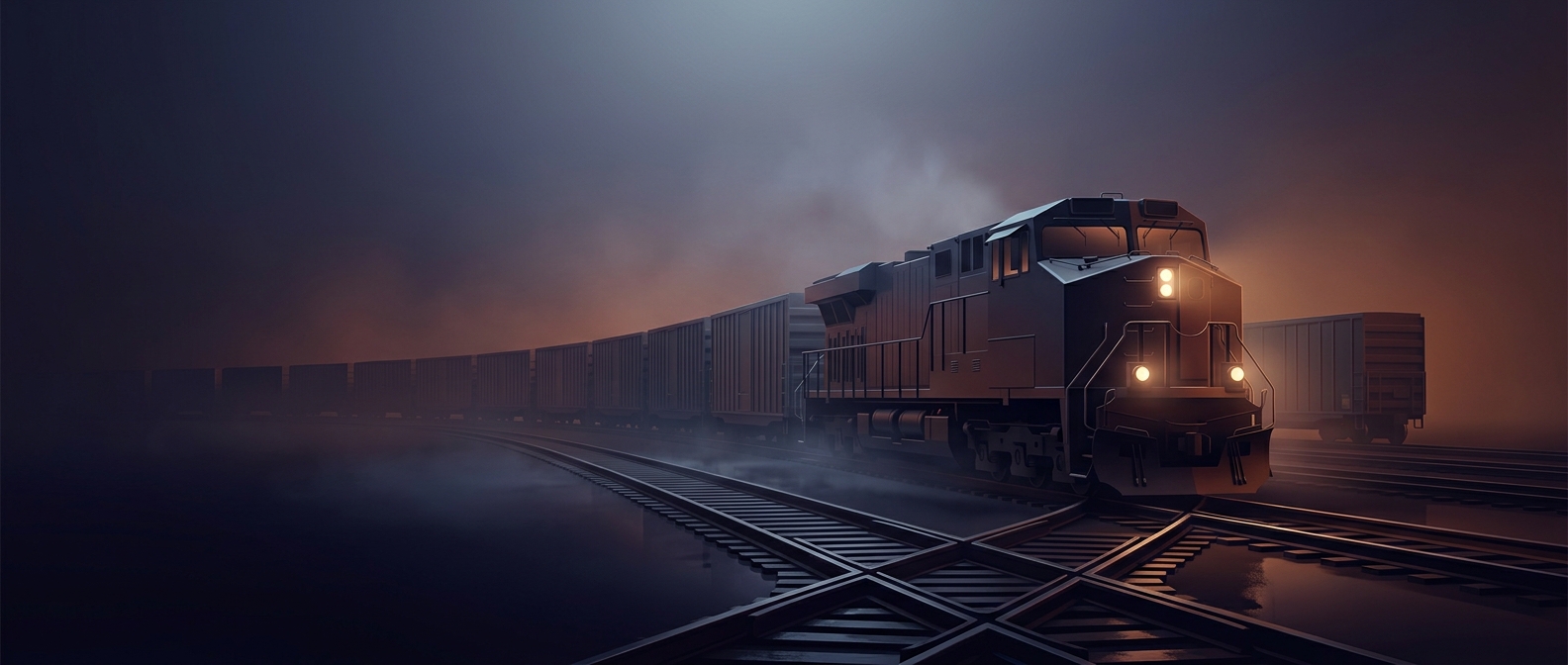
Road switchers haul freight and shunt cars
A road switcher runs freight on the main line, then shuffles individual cars around a yard. Its job is to be useful at highway-speed distances and crawl-speed…
Discover more
Zeppelins navigate at much lower altitudes than jet planes
The airship’s lift comes from pushing aside heavy surrounding air, so it needs enough density beneath its envelope. Jets seek thin air to cut drag; Zeppelins…
Discover more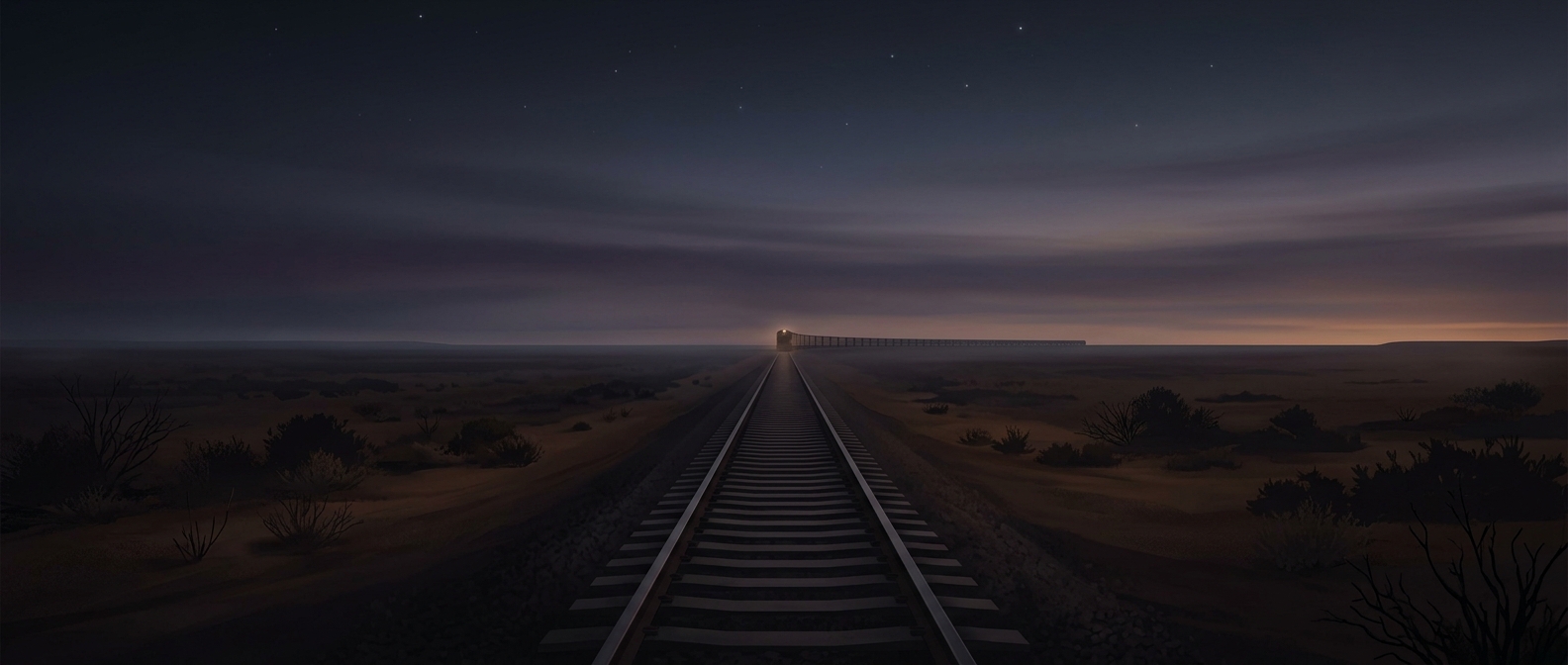
Australia's railway runs straight for 297 miles
The track crosses the flat Nullarbor Plain, where the landscape offers little reason to bend the route. The result is a 297-mile straight stretch—enough time…
Discover more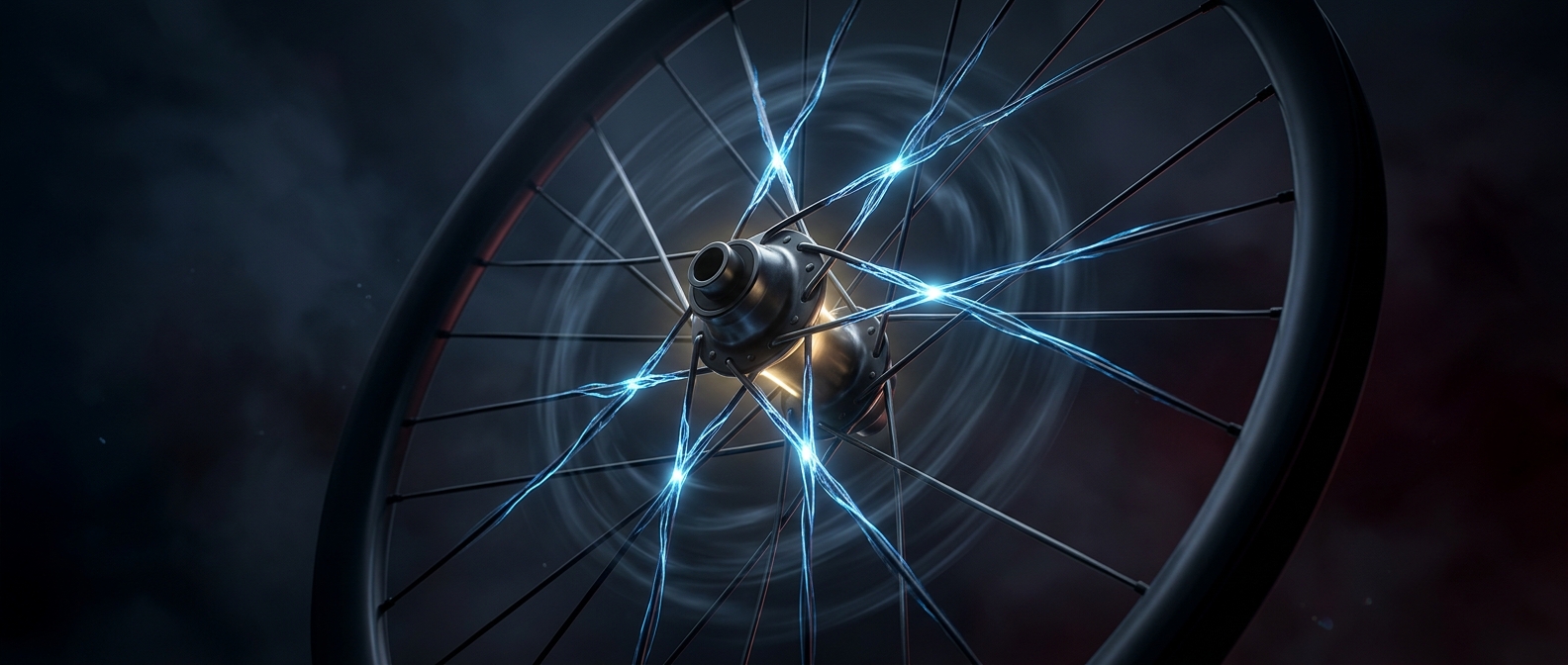
Crossed spokes handle rotational wheel torque
A crossed spoke pattern lets spokes pull on the rim at an angle, so the hub’s turning force reaches the wheel instead of merely holding it round. The spokes…
Discover more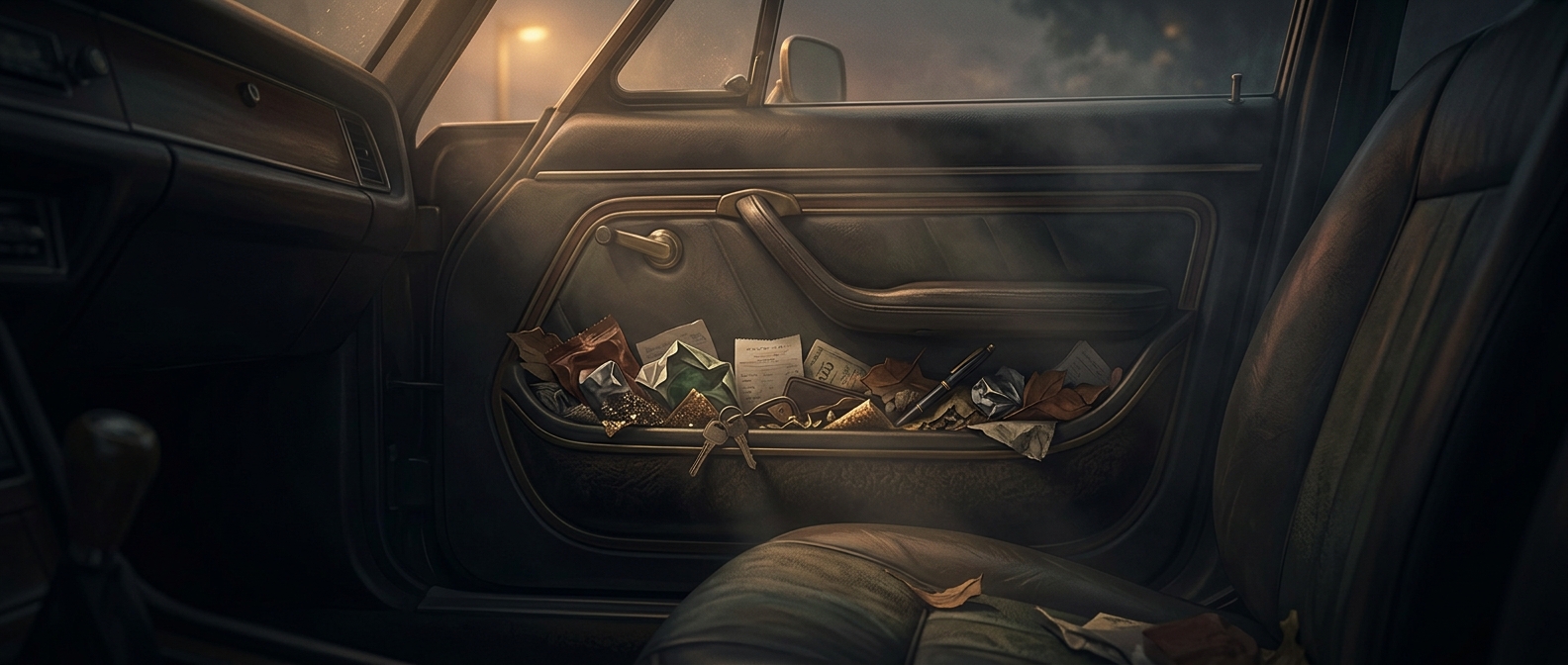
Your car door pockets are trash traps
A door pocket catches whatever your hand drops into it, then hides the evidence below the armrest. Since it’s handy but out of sight, receipts and wrappers…
Discover more
A ship feels a wave differently from the side
Waves arriving across the beam drive rolling, while those met bow-on tend to drive pitching and can cause heavy slamming. Height alone does not describe the…
Discover more
Your check-engine light tells you almost nothing
The light reports that the engine computer spotted a problem; it does not name the broken part. A scanner reads the stored code, which points toward a system…
Discover more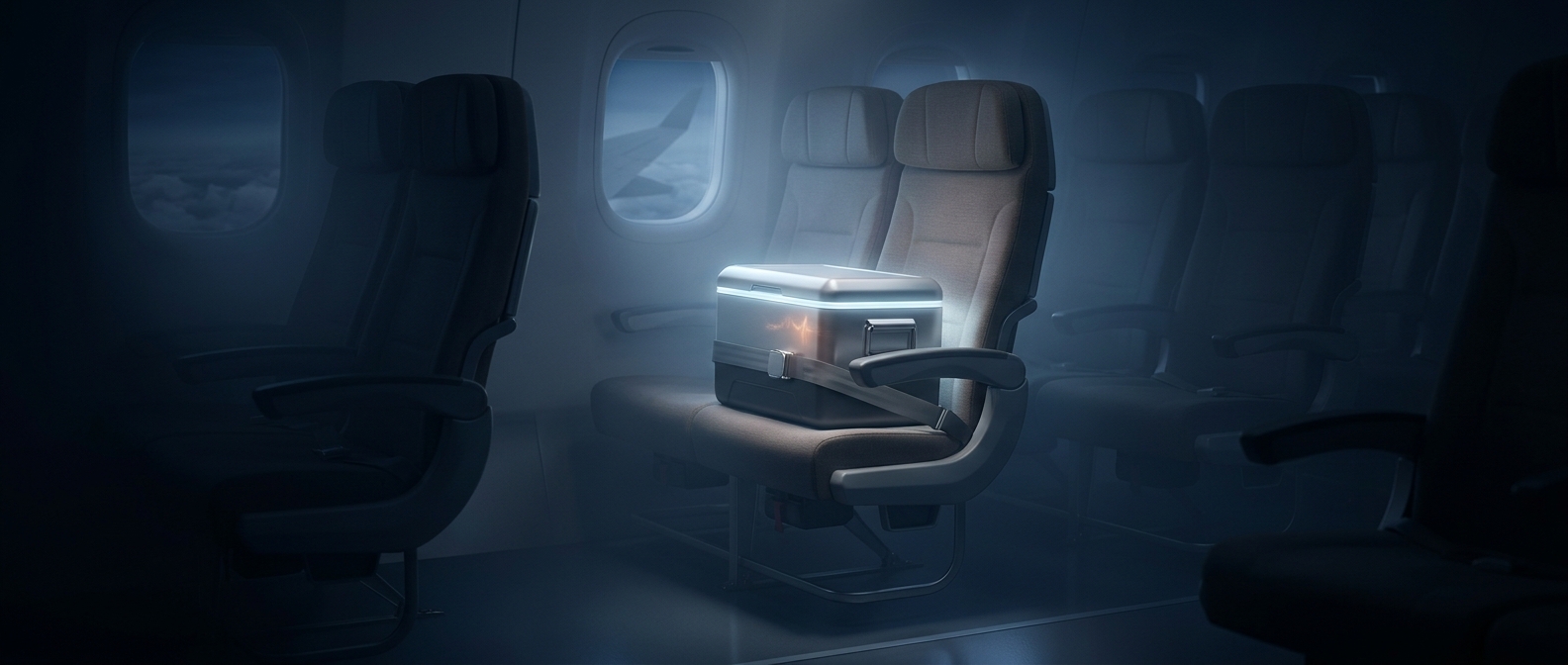
The passenger carrying a cooler may be transporting an organ
A cooler keeps a donated organ chilled while a courier gets it to the transplant team. It looks like someone packed lunch; inside is a tightly timed delivery…
Discover more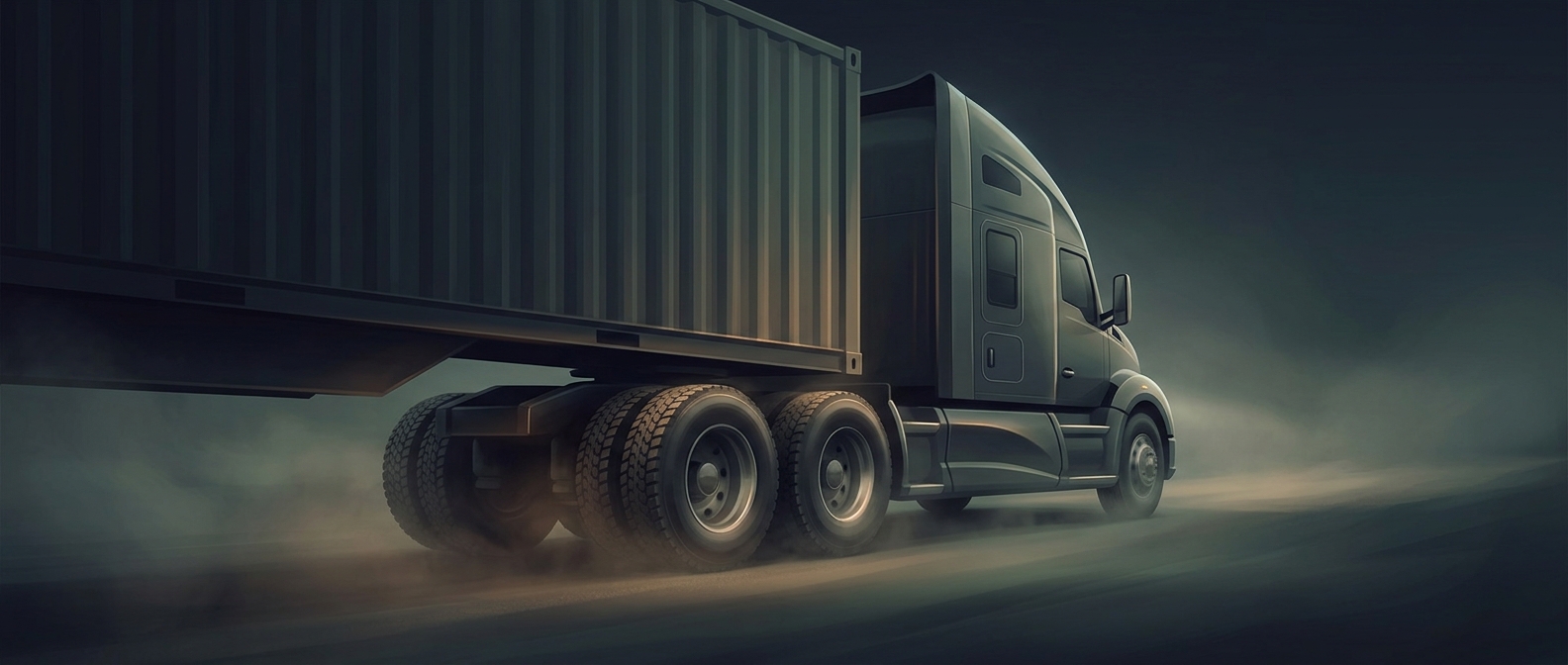
Semi-trucks use dual tires for heavy loads
Two tires share the load at each wheel position, spreading weight over more rubber and giving the truck extra grip. It’s a sensible solution to hauling a…
Discover more