Transport
Discover facts about transport. Small discoveries that change the way you see familiar things.
Transport
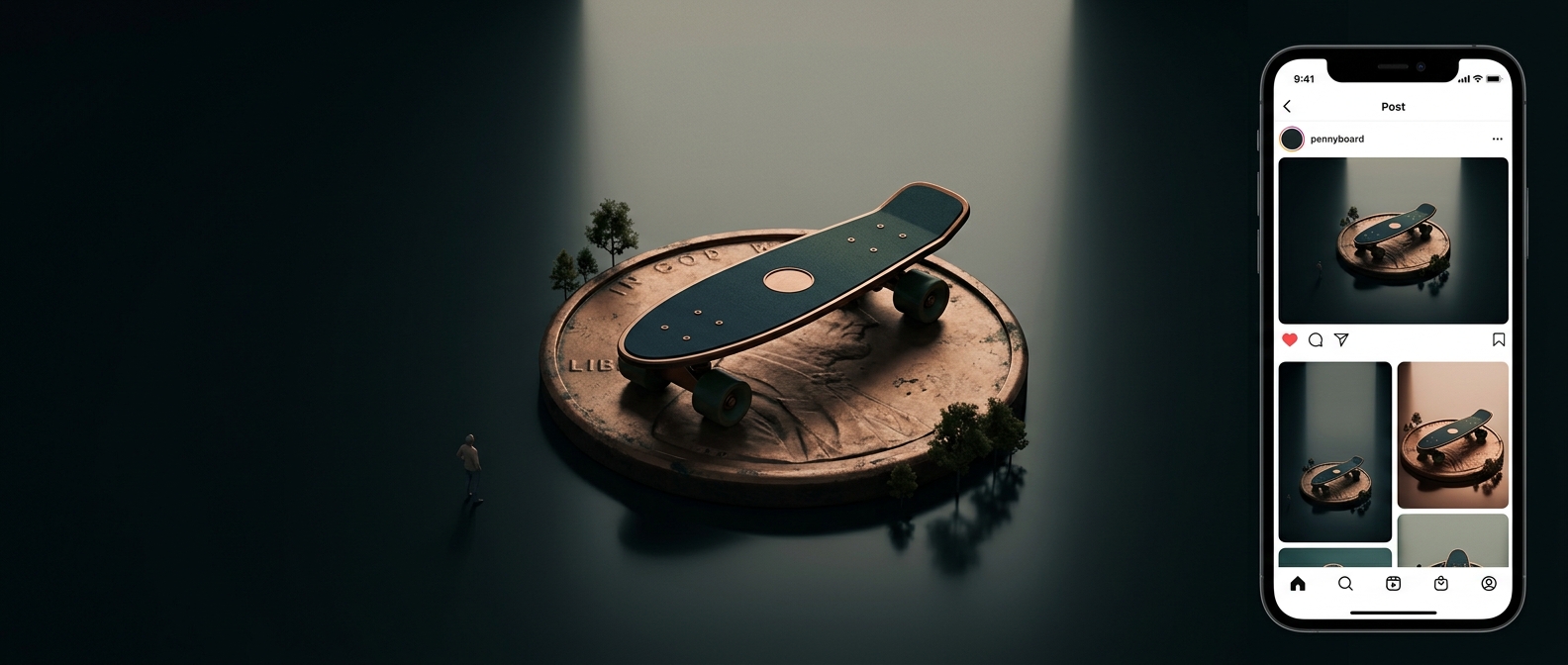
Penny boards are named entirely for their small size
A Penny board’s short, compact deck is the whole point: it’s easy to carry and quick to steer through tight spaces. It’s less a rolling platform than a…
Discover more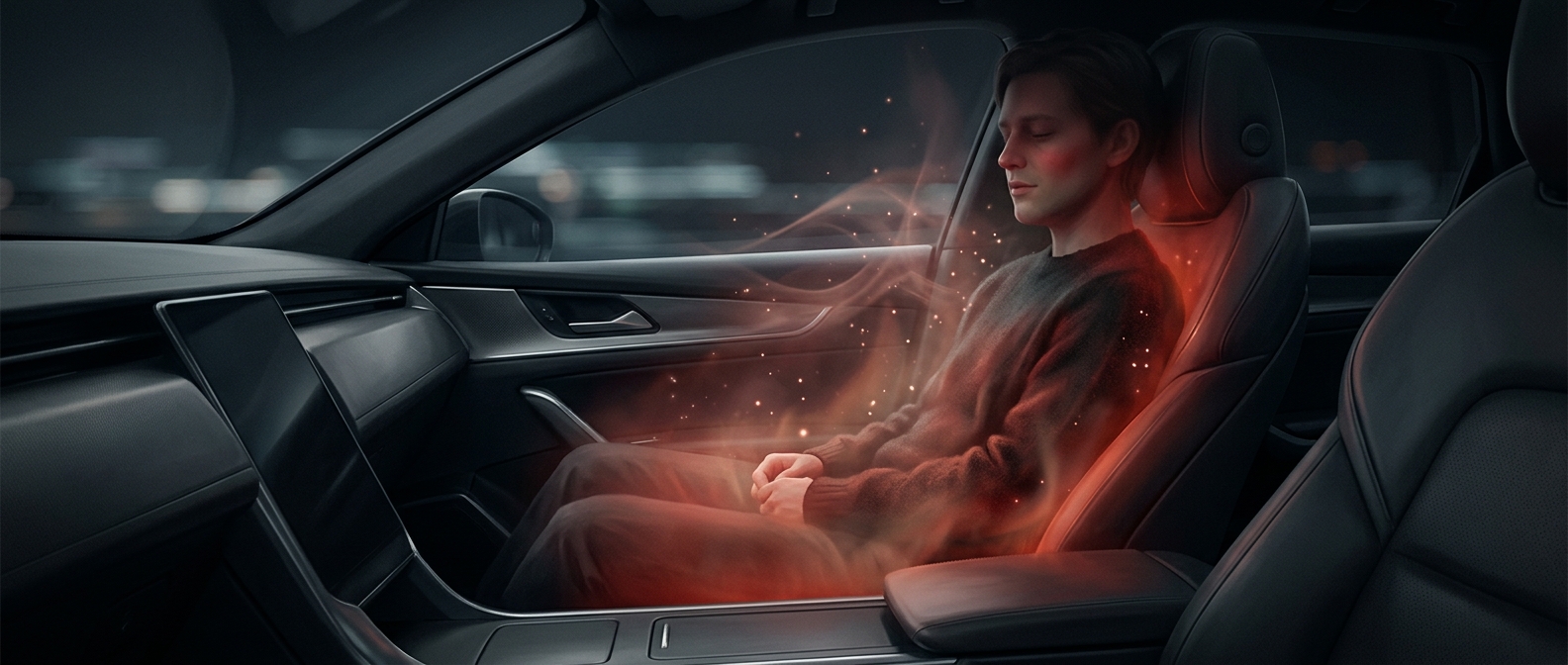
Why heated car seats can feel like a fever
A heated seat warms a broad patch of your back and legs directly, even while the cabin air stays cool. Your skin registers that sudden heat, so you can feel…
Discover more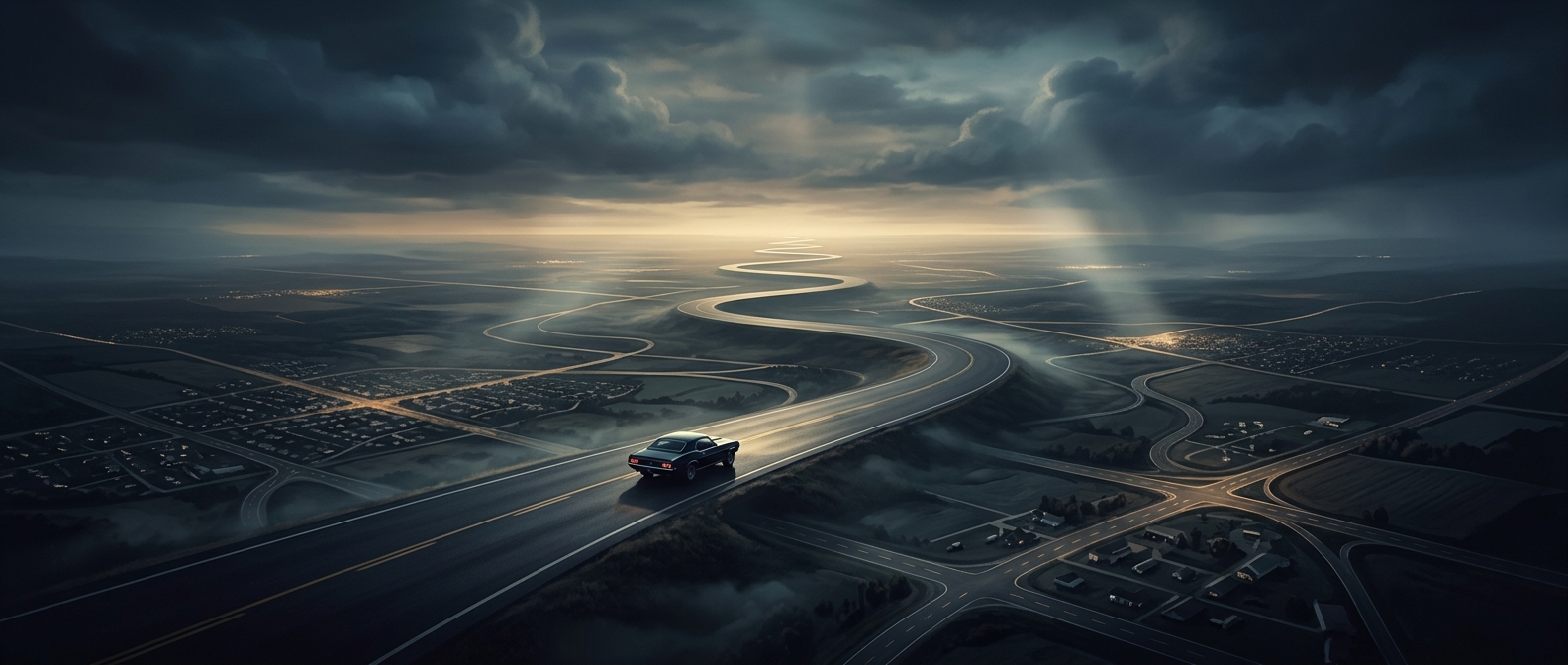
America has enough roads to circle Earth 160 times
That total adds up every kind of road, from interstates to neighborhood streets and rural lanes. Stack the miles end to end and the network circles Earth 160…
Discover more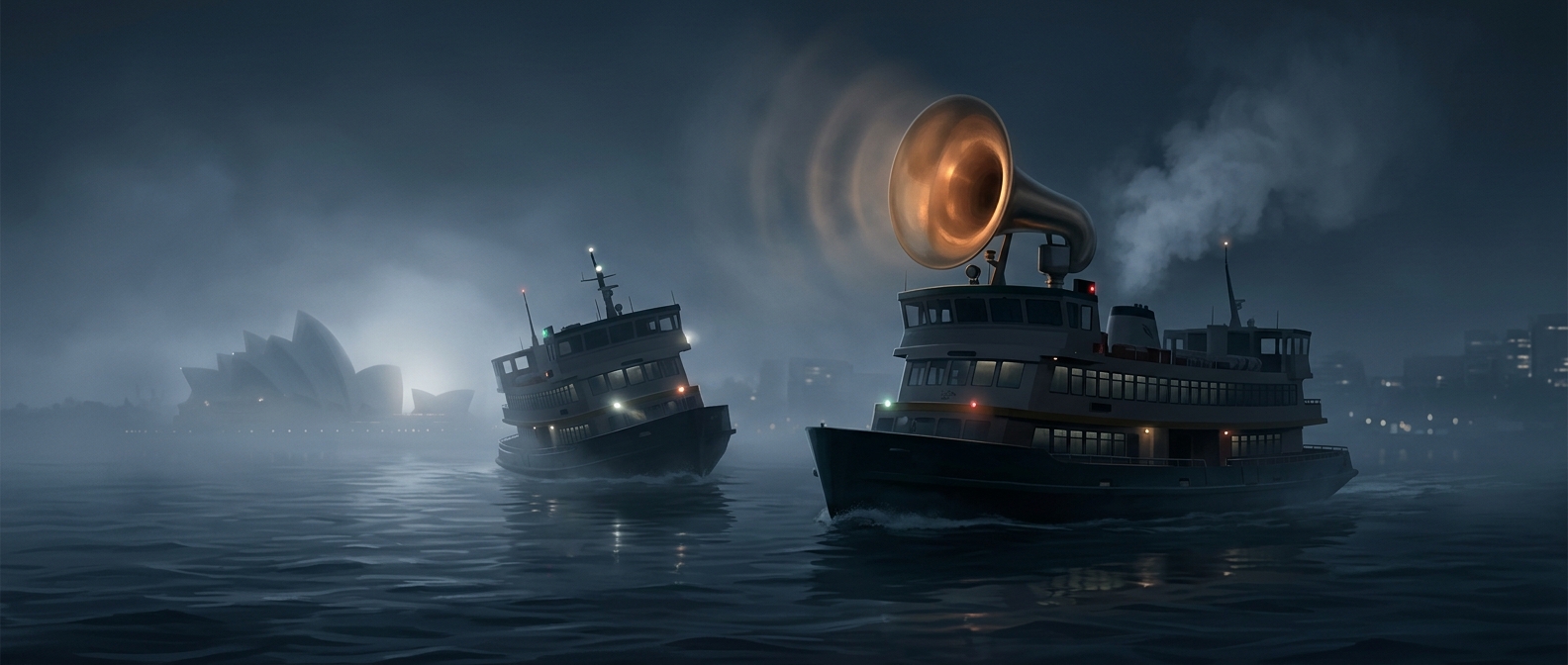
A ferry's horn announces what the fog hides
Fog can turn Sydney Harbour into a game of hide-and-seek with ferries. Their powerful horns let other boats hear them before they appear, which is useful when…
Discover more
That seatbelt light is more than a suggestion
The warning light and chime remind occupants to buckle up before the car moves; seat sensors and belt latches tell the system who still needs the reminder.…
Discover more
Boston water transit moves downtown crowds across the bay
A ferry carries passengers straight across the water instead of funneling them onto roads that bend around the bay. Boston’s harbor becomes a transit…
Discover more STACKY FOR IPHONE
A bigger world.
One discovery
at a time.
Keep discovering with Stacky. Interesting facts in an app that is always within reach.

Ocean navigation buoys rely on massive concrete sinkers
The concrete sinker’s weight holds the buoy’s anchor chain against the seabed, keeping the marker near its assigned spot. The buoy gets to bob around; the…
Discover more
Why speeding can make you hit every red light
Traffic lights are often timed for the posted speed, so driving faster can put you out of sync with the green wave and leave you stopping at the next red.
Discover more
Why delivery trucks avoid left turns
A left turn across oncoming traffic means waiting, idling, and crossing more lanes of conflict. Delivery companies plan routes with fewer left turns to save…
Discover more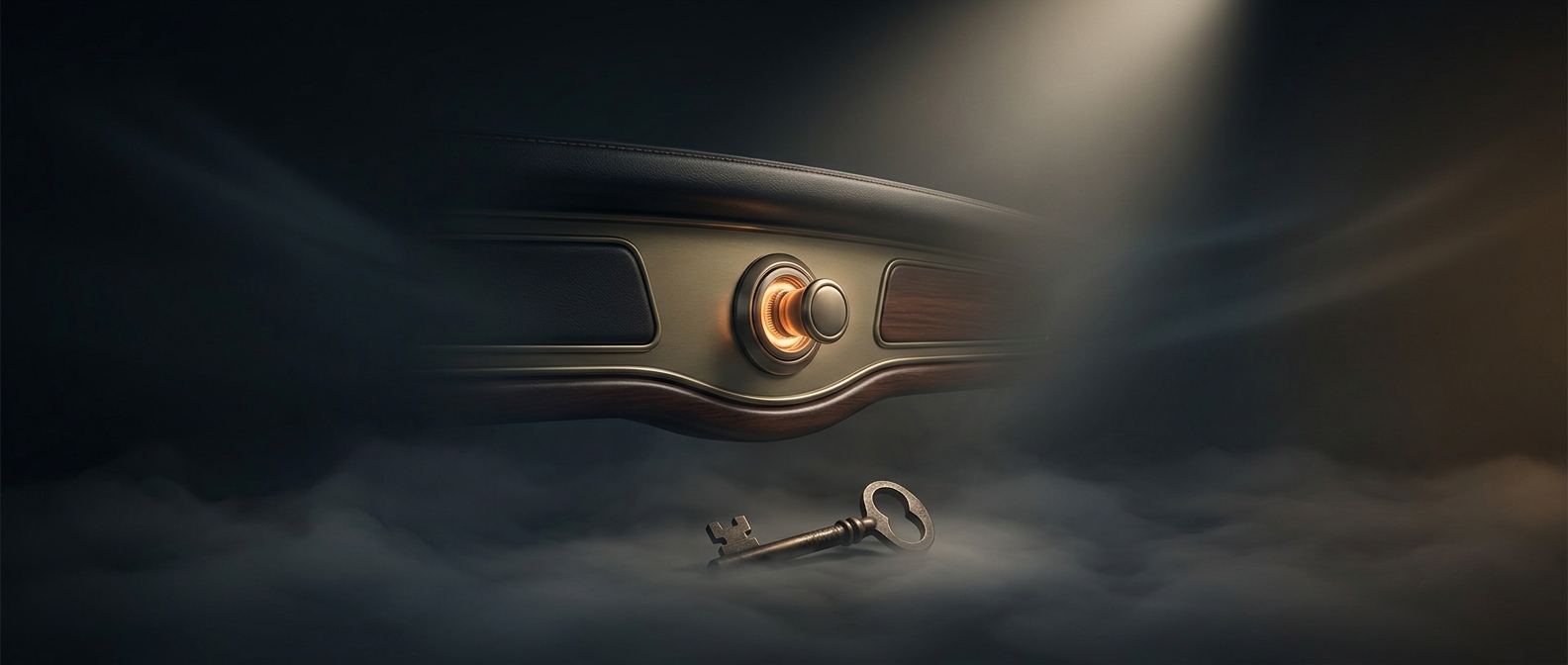
Your car’s start button is older than you think
Early cars often started with switches and a floor-mounted button; turn-key ignition later caught on as a way to prevent joyriding. Modern key fobs made…
Discover more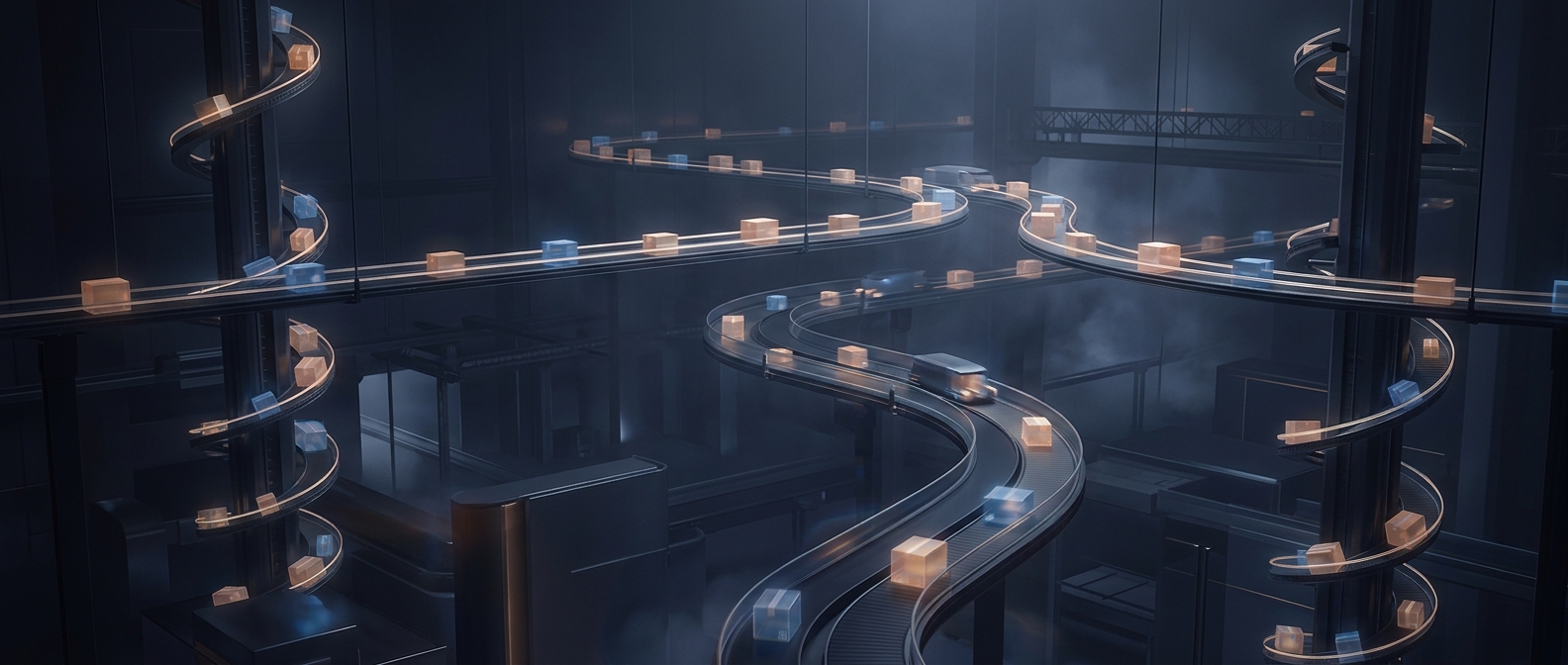
Postal sorting centers utilize complex overhead track systems
Overhead tracks let carriers whisk mail tubs between sorting stations without clogging the floor. The letters take the high road; the workers keep theirs.
Discover more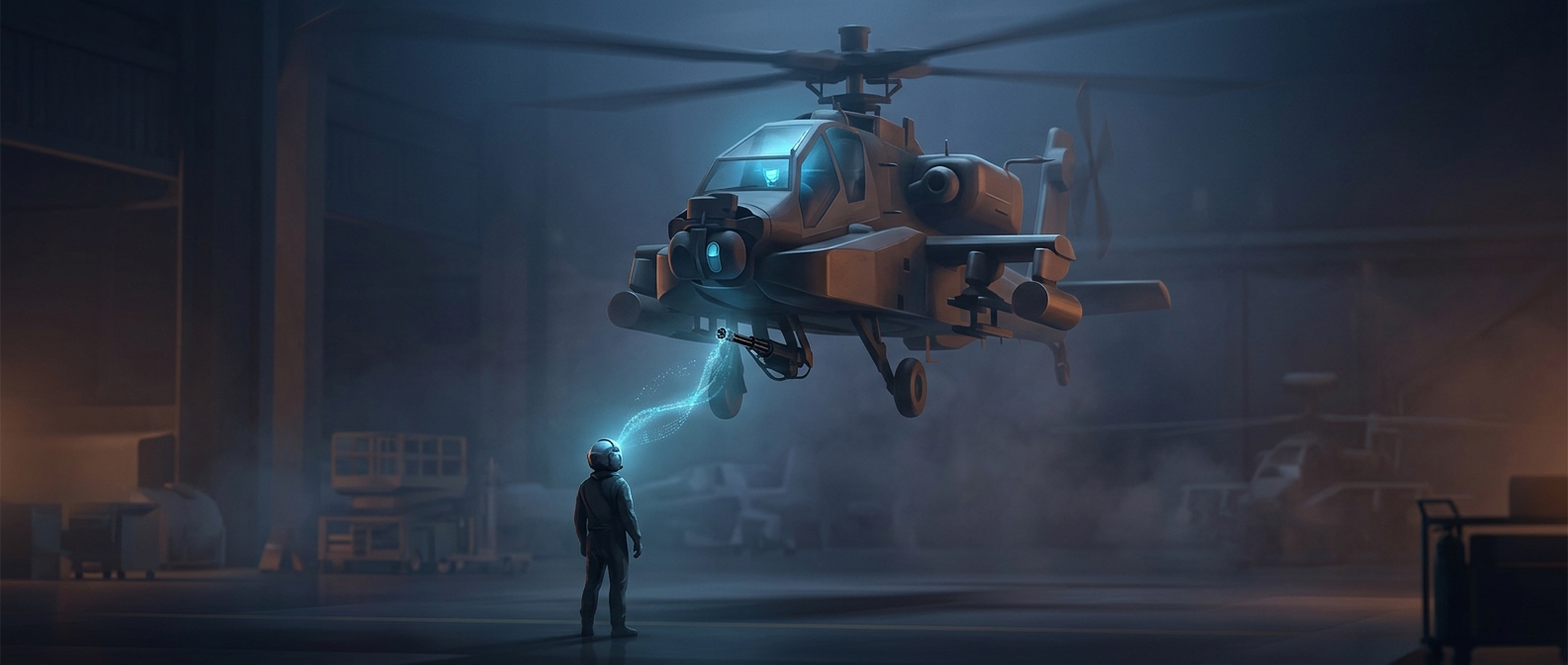
An Apache's cannon can follow the crew member's helmet
Its sighting system tracks helmet orientation and can align the gun with that direction. The important input is the movement of the head, not a camera reading…
Discover more
Paraglider harnesses double as protective seats
The harness holds the pilot comfortably under the wing, while its padded seat and back help protect them during a hard landing. It looks like a chair for the…
Discover more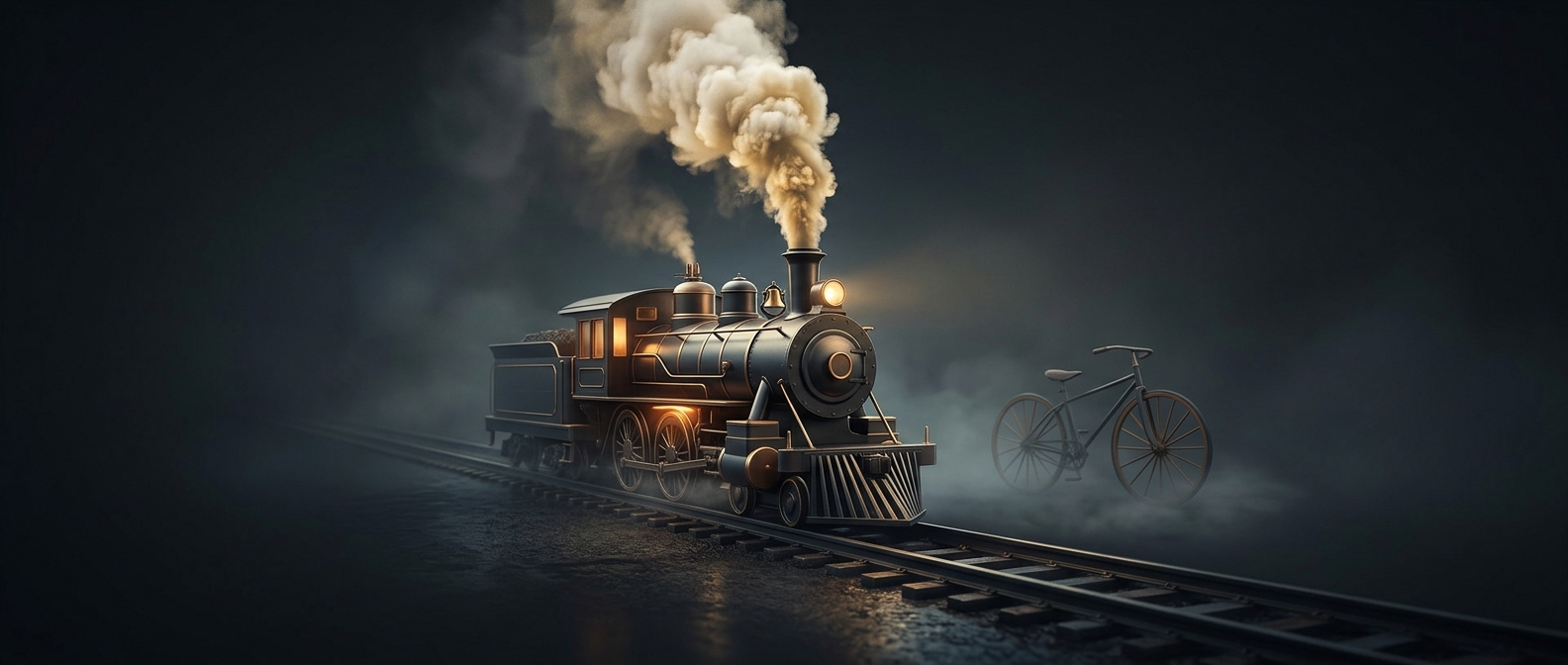
Steam trains came before the modern bicycle
The first practical steam locomotives predated the modern safety bicycle by decades. Trains had mastered the commute while bicycles were still negotiating the…
Discover more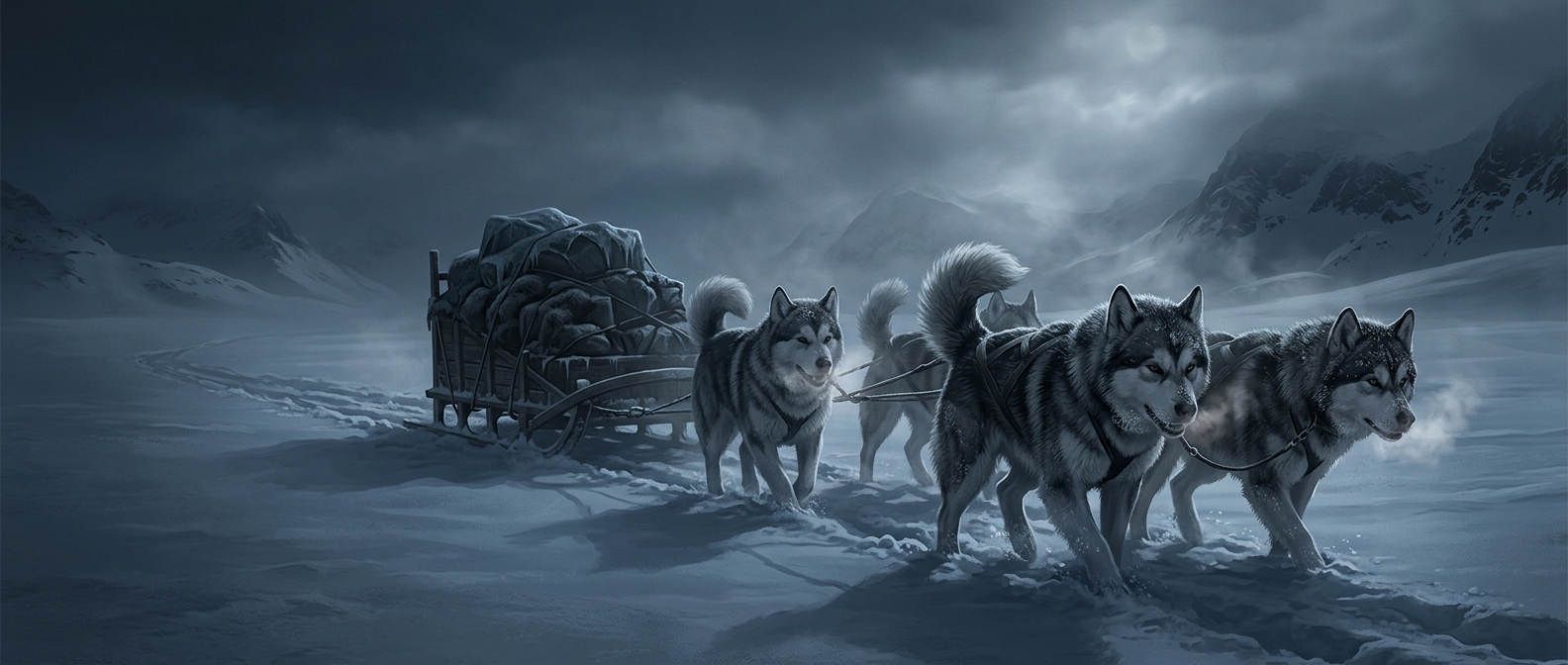
Alaskan Malamutes pull heavy freight over speed
Malamutes are built for steady pulling over long distances, not quick sprints. A freight sled rewards the dog that keeps the load moving mile after mile, not…
Discover more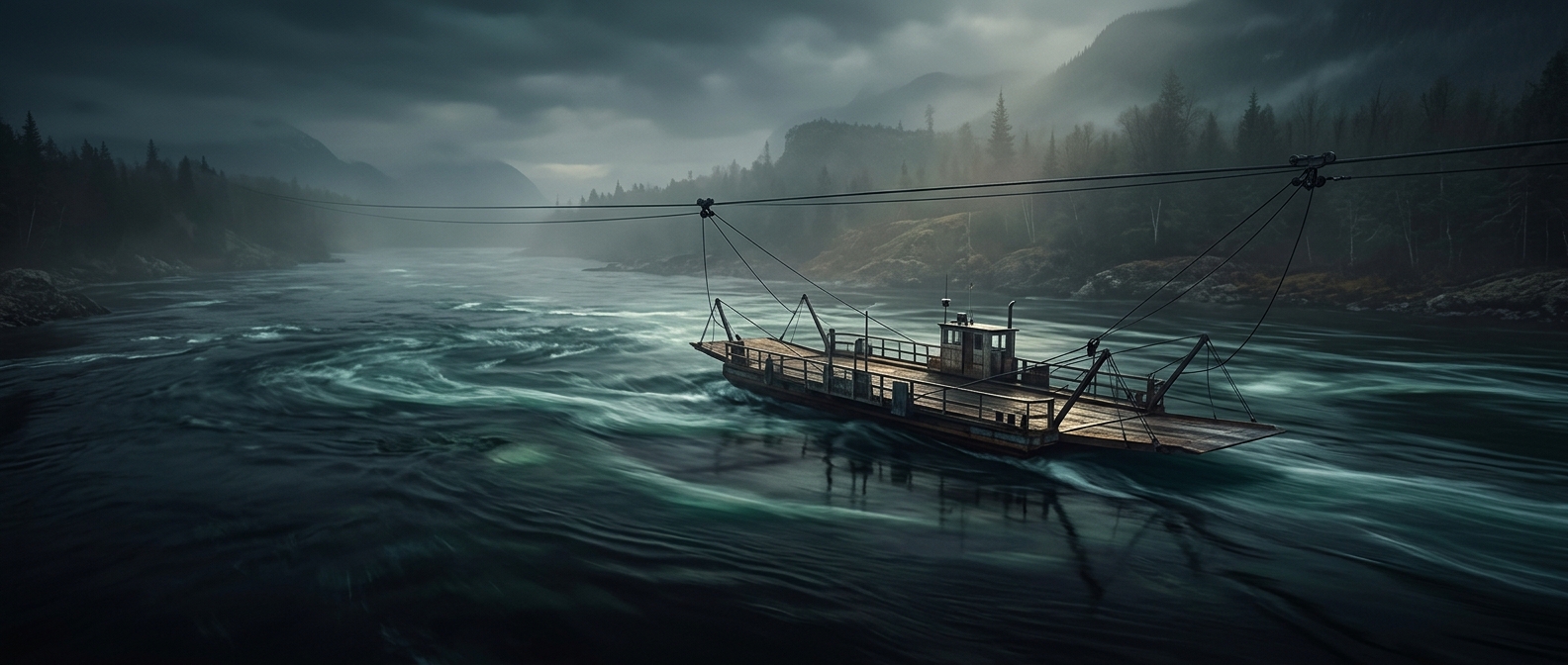
This ferry borrows its engine from the river
The ferry points its hull at an angle to the current. Flowing water pushes it sideways across the river, while a cable keeps it from being swept downstream.…
Discover moreJohn Travolta owned an airliner with a previous career
His Boeing 707 had entered service with Qantas in 1964 before being converted for private use. Travolta announced its donation to Australia's Historical…
Discover more
Jungle elephants physically bulldoze dense pathways
An elephant’s weight and strength turn thick vegetation into something closer to a curtain than a wall. It pushes branches aside and tramples plants…
Discover more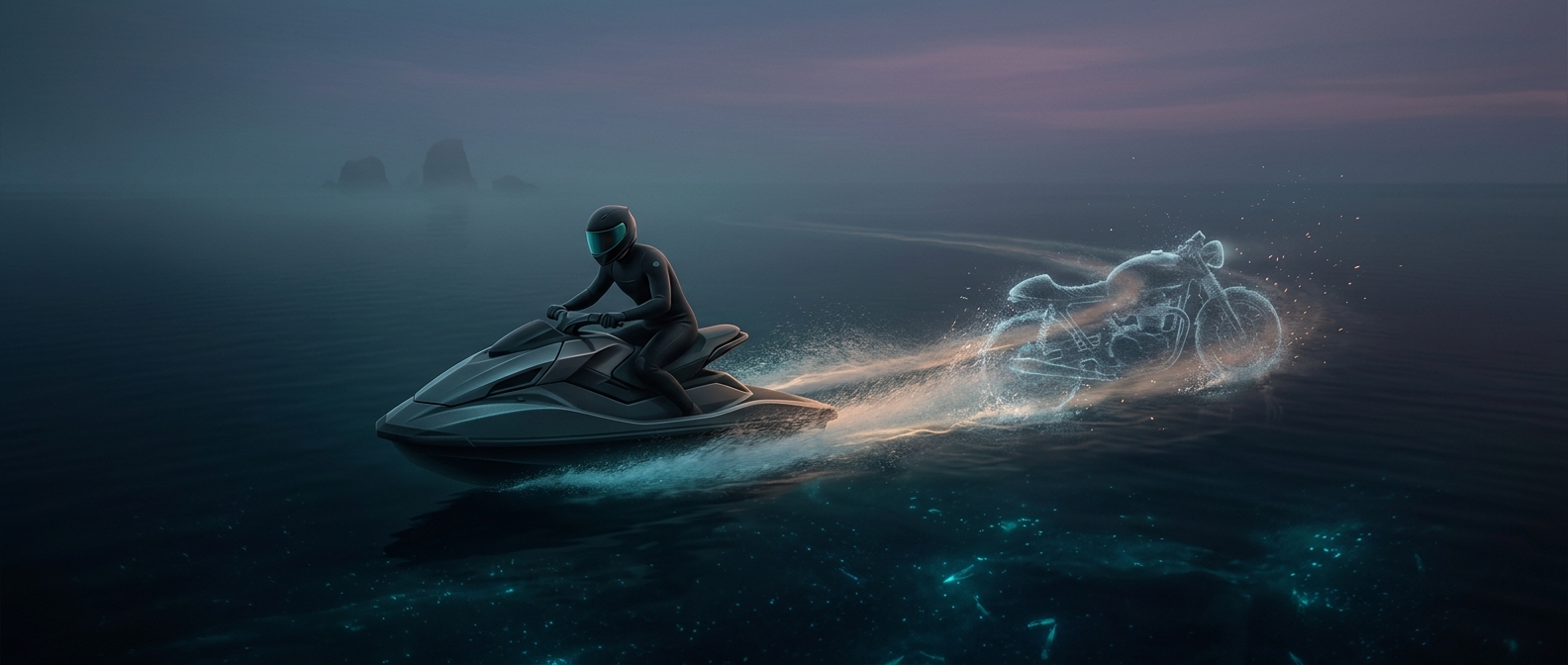
Jetskis operate essentially like water motorcycles
The engine doesn’t push a jetski along with a propeller; an impeller gulps water and shoots it out behind. The steering nozzle aims that stream, so the whole…
Discover more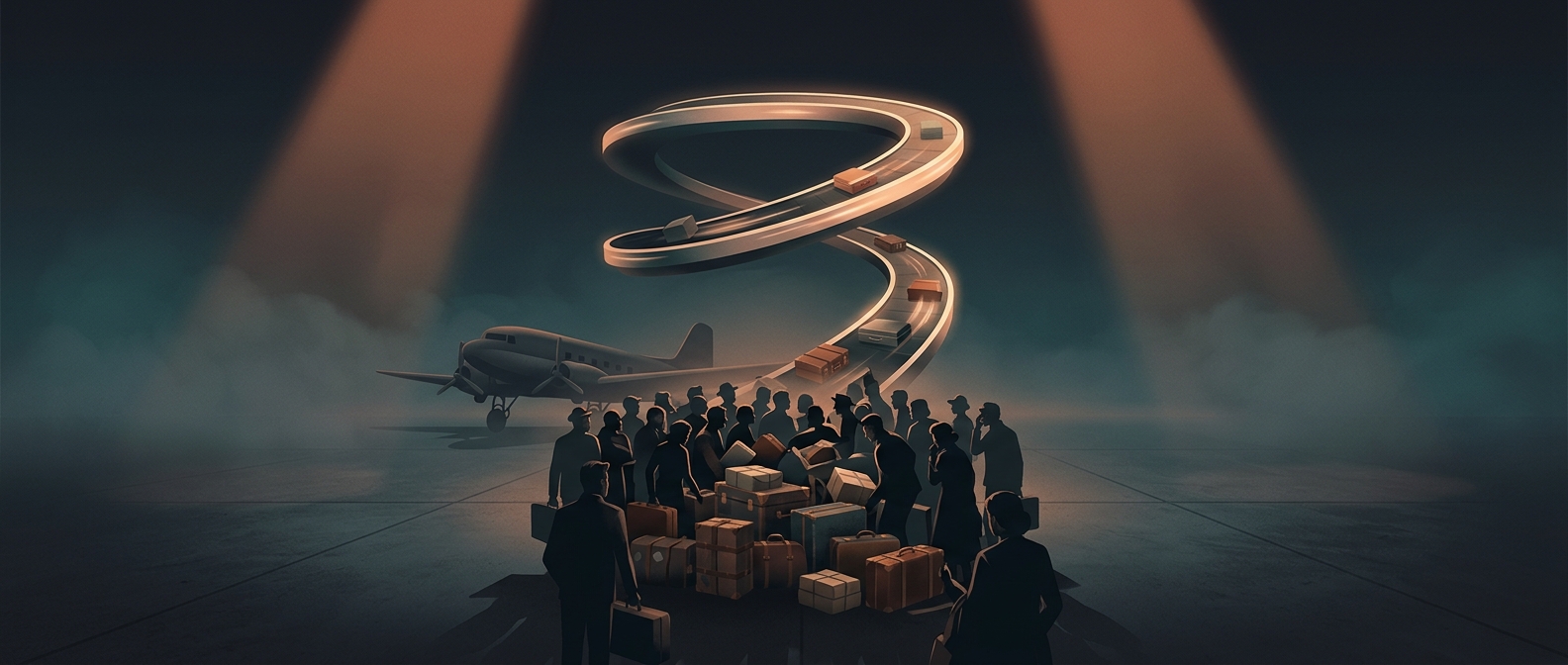
Airport baggage gets a transport network of its own
Conveyors, sorting systems, carts, and loading equipment move bags along routes separate from their passengers. The difficult part isn't just lifting a…
Discover more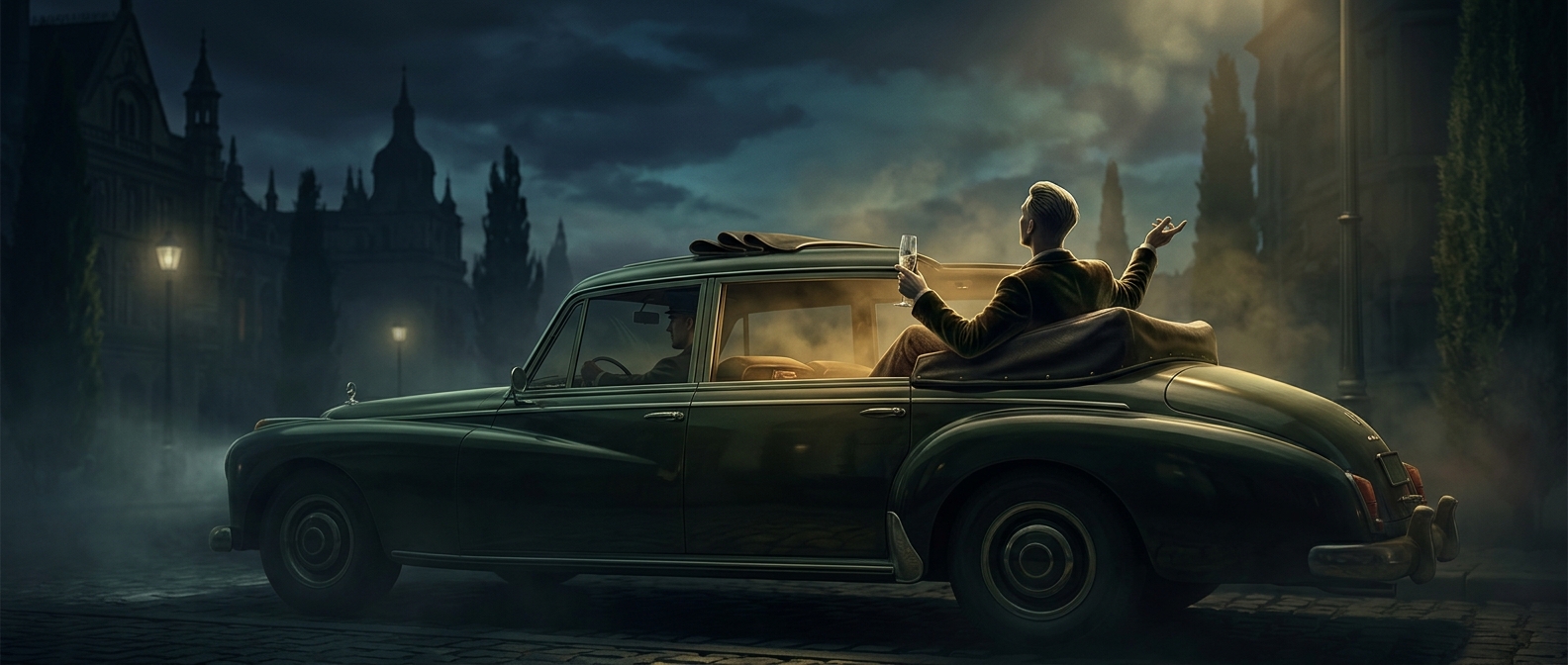
A cheap stagecoach ticket could put you on the roof
In eighteenth-century Britain, the enclosed seats cost more; outside places could be about half the price. Early outside passengers perched around the roof…
Discover more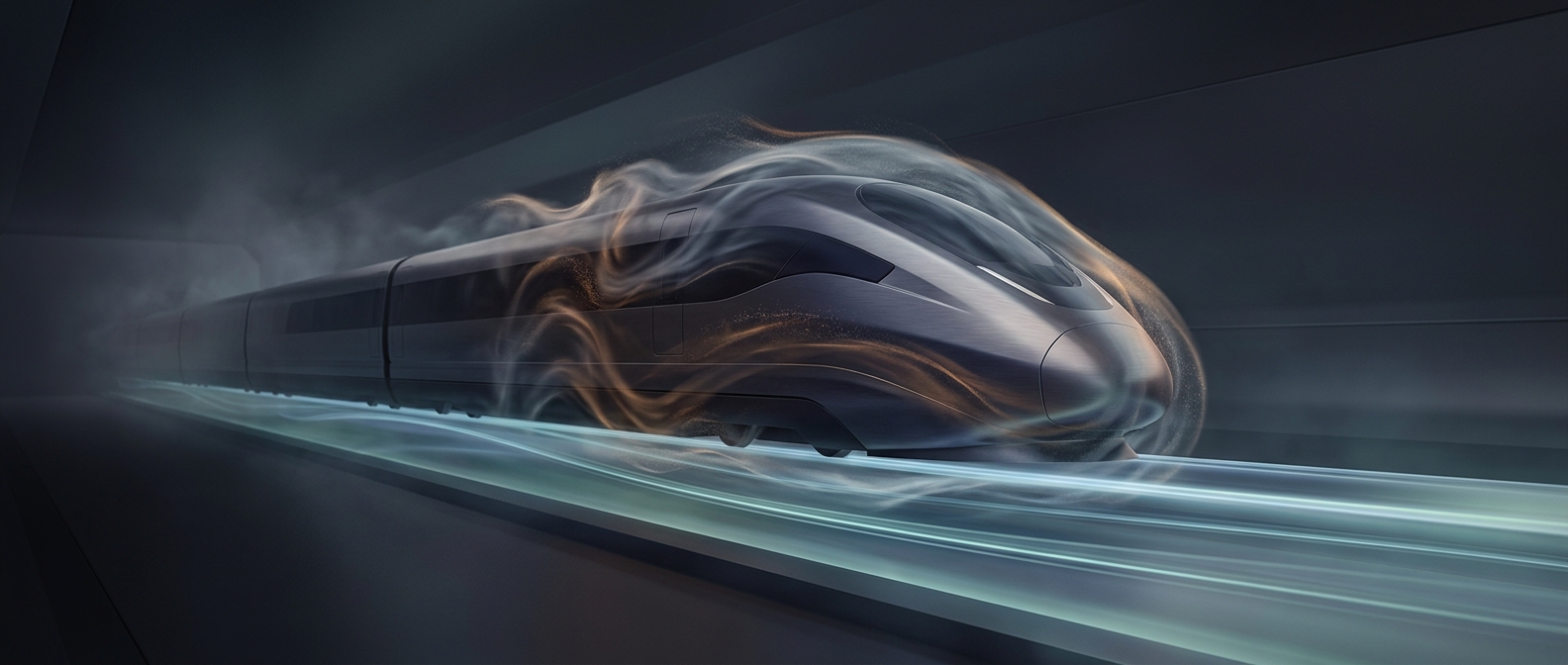
Maglev trains beat track friction—then hit an invisible wall
Magnetic levitation removes wheel-on-track friction, but the train still has to shove air out of its way. At high speed, air resistance surges, so the train…
Discover more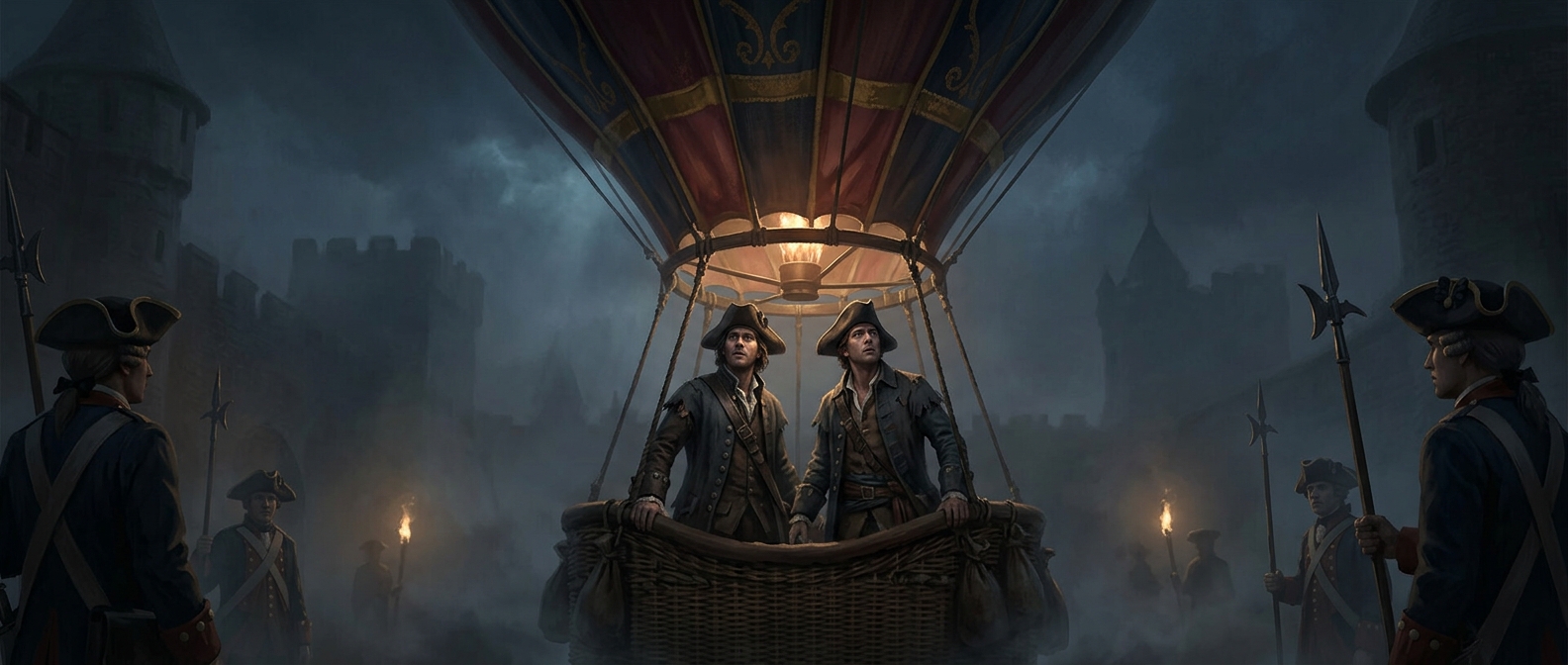
The Montgolfiers sent a sheep, a duck, and a rooster aloft
The animal flight at Versailles in 1783 preceded the celebrated human free flights later that year. A balloon demonstration therefore carried a remarkably…
Discover more
When surfers turned roller skates into skateboards
When the surf refused to cooperate, surfers put roller-skate wheels under boards and practiced on land. They traded waves for sidewalks—and discovered that…
Discover more