Transport
Discover facts about transport. Small discoveries that change the way you see familiar things.
Transport
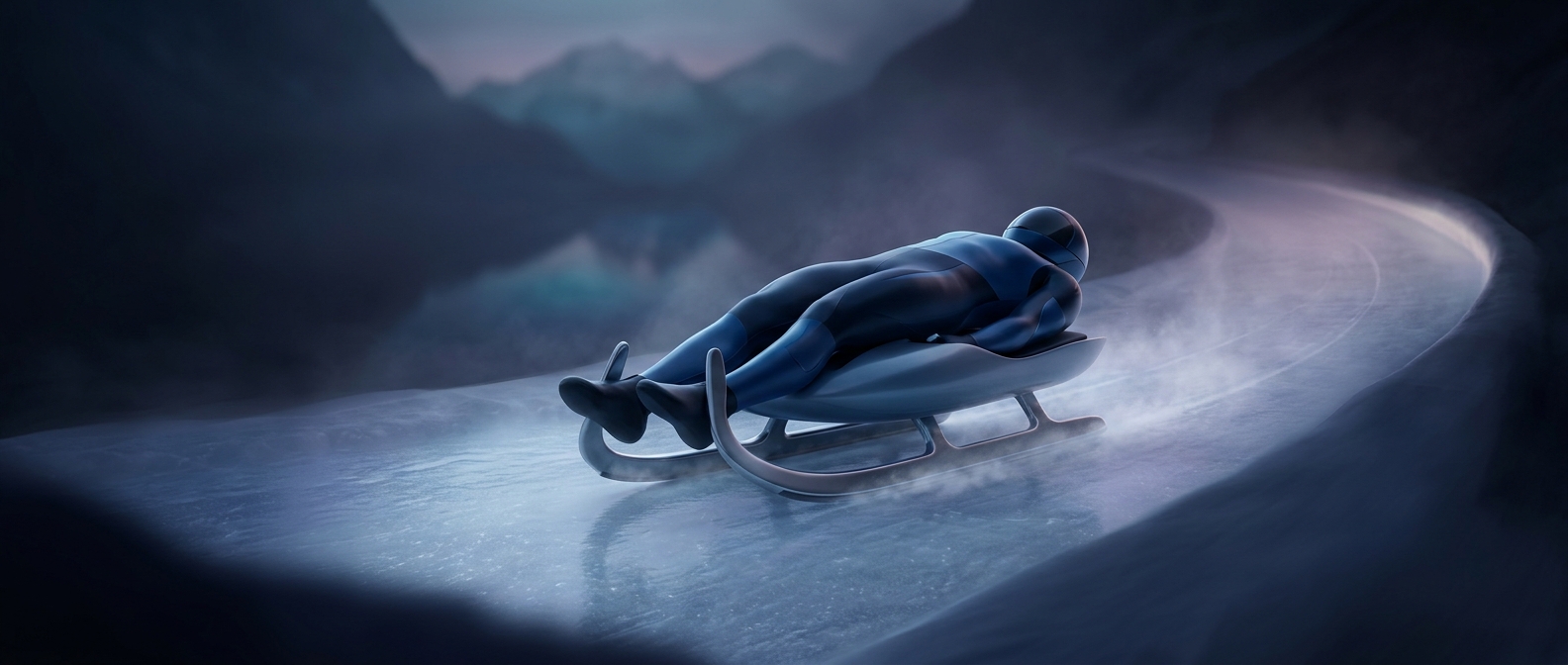
Luge sleds entirely lack steering wheels or tillers
Luge riders steer by shifting their weight and pressing their legs against the sled’s runners. No wheel, no tiller—just a person trying to persuade two strips…
Discover more
A bicycle can tell a traffic light it is waiting
Some signals use buried wire loops that detect a change in electrical inductance when metal is above them. A bicycle has much less metal than a car, so…
Discover more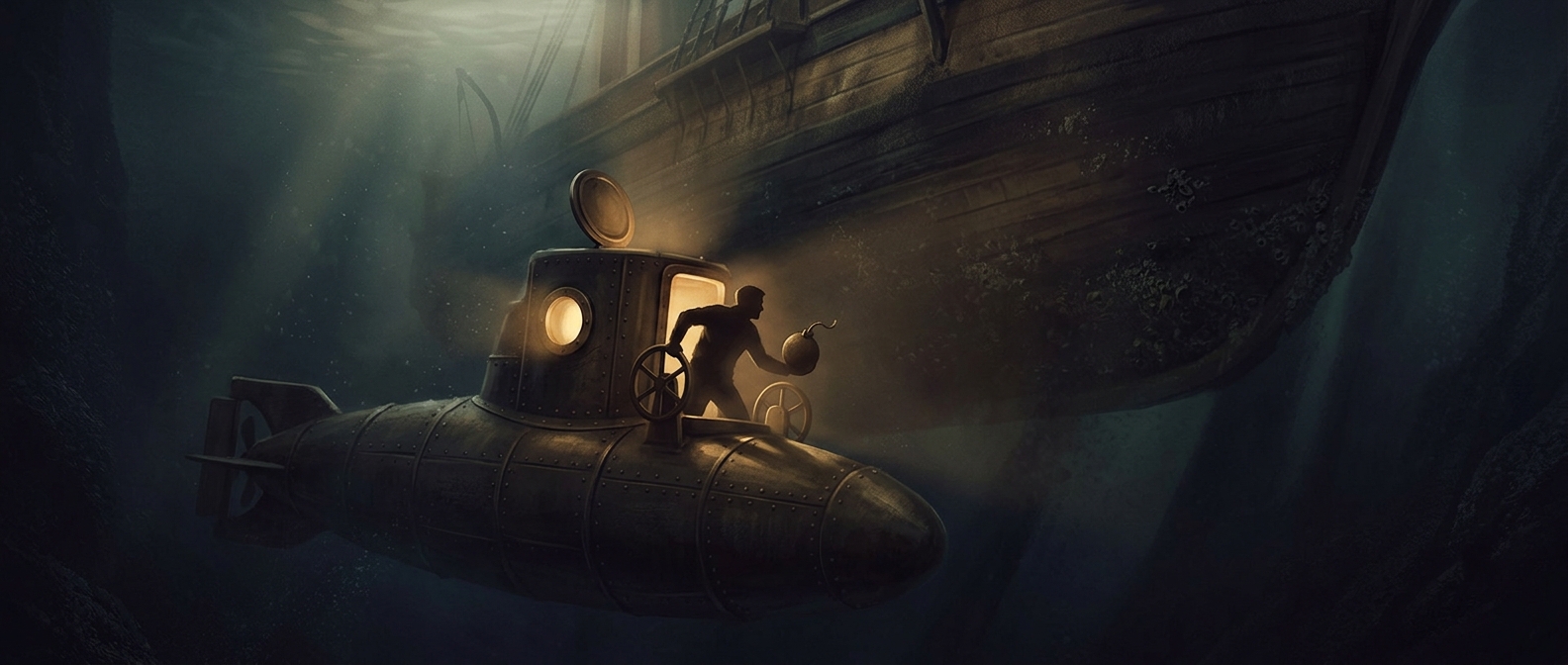
The first combat submarine ran on a hand crank
The Turtle used a hand-cranked screw to move through the water, with another screw helping it rise or sink. One person supplied the power for a stealthy trip…
Discover more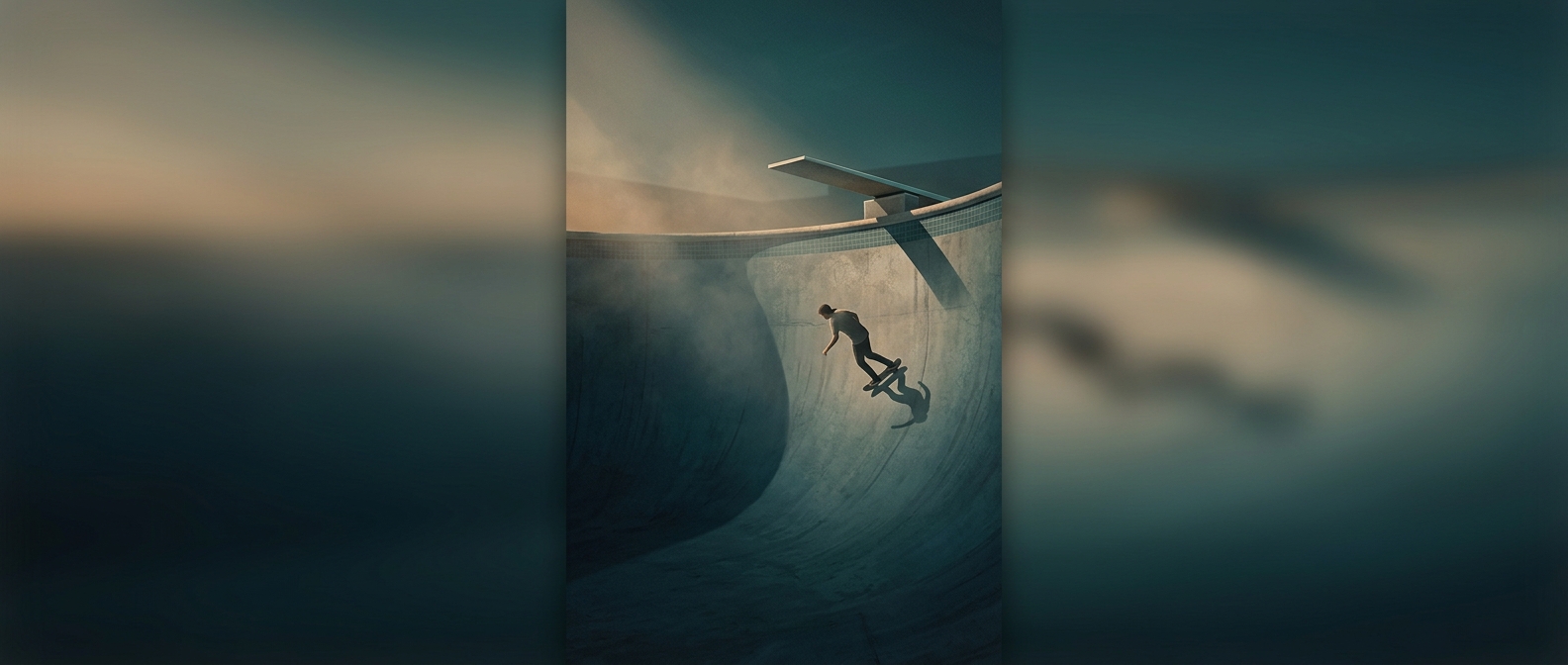
How empty pools launched vertical skateboarding
A drained pool’s curved bowl let skateboarders ride up one wall and carve back down the other, carrying speed through the turn. The empty backyard swimming…
Discover more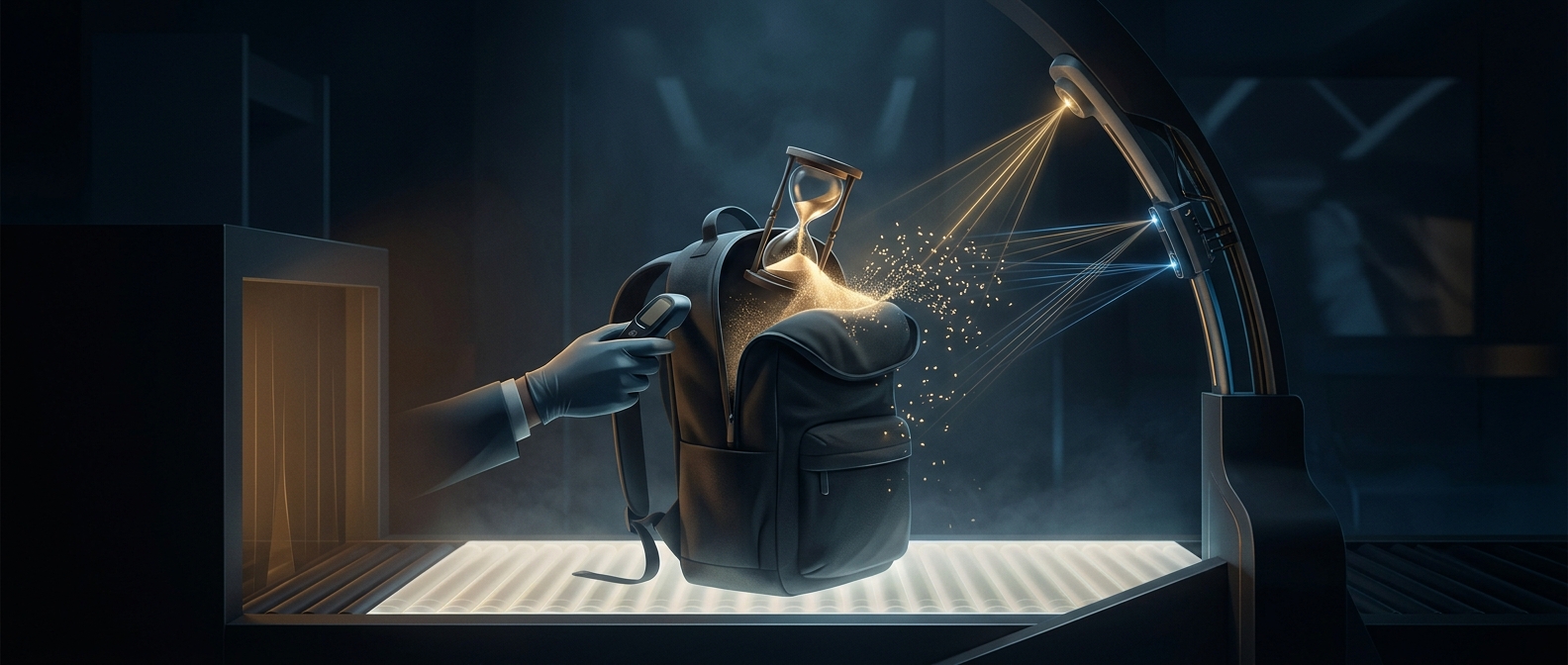
Why airport scanners distrust beach sand
Packed sand absorbs X-rays and can hide what’s behind it in a bag, so scanners get a dense, hard-to-read patch instead of a clear picture. Security staff take…
Discover more
A league once meant about an hour's walk
A league began as a rough measure of how far a person could walk in about an hour. It measured travel in human effort, not tidy map units—basically the…
Discover more STACKY FOR IPHONE
A bigger world.
One discovery
at a time.
Keep discovering with Stacky. Interesting facts in an app that is always within reach.
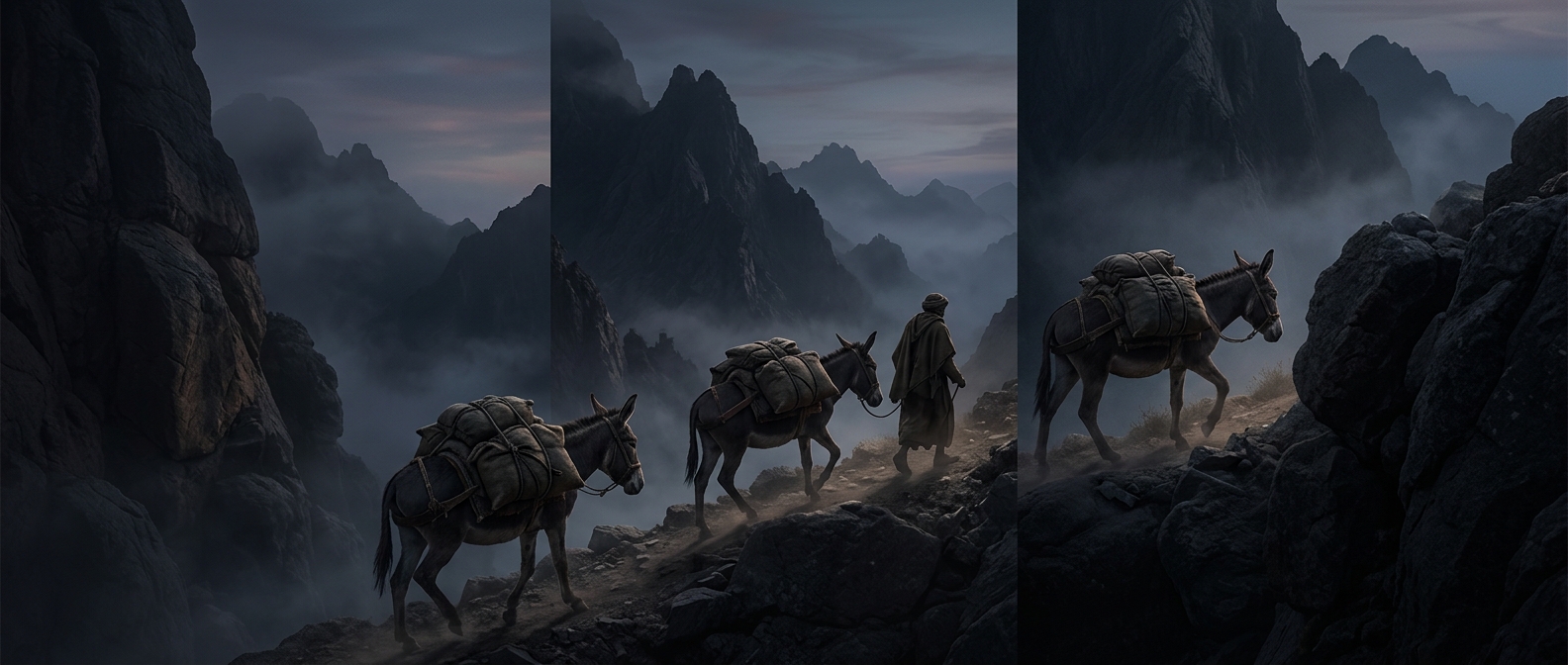
Donkeys were historically utilized as the primary mode of moving heavy cargo across rugged mountain terrains
Donkeys carried packs along narrow, steep paths where carts had no room to pass and wheels had little use. Their sure footing made them mountain freight…
Discover more
The plan to tow icebergs for drinking water
A floating iceberg is a giant block of fresh water, so the scheme was to tow one toward a dry region and melt it there. A protective skirt around the berg…
Discover more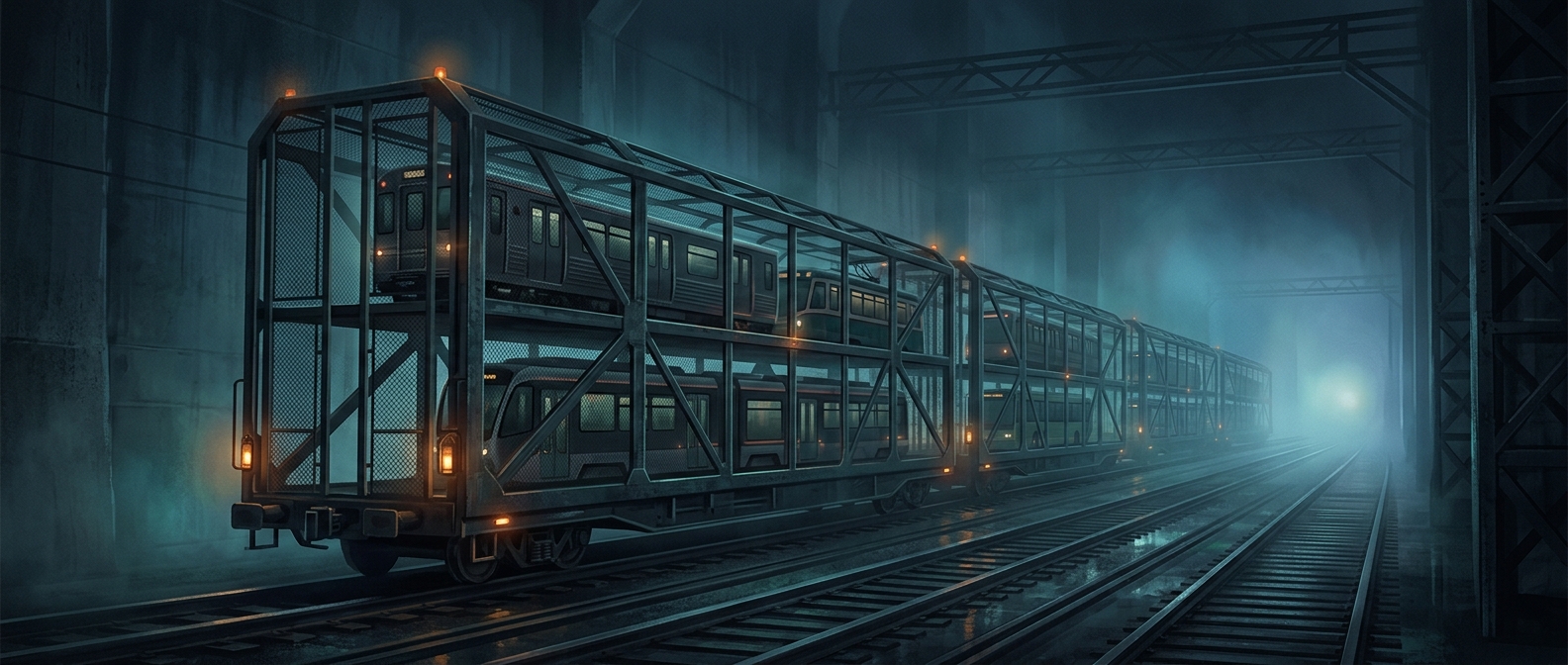
Autoracks completely enclose transit vehicles
An autorack is a tall railcar with decks inside for carrying cars, wrapped in panels that shield them from road debris and curious hands. The openings let air…
Discover more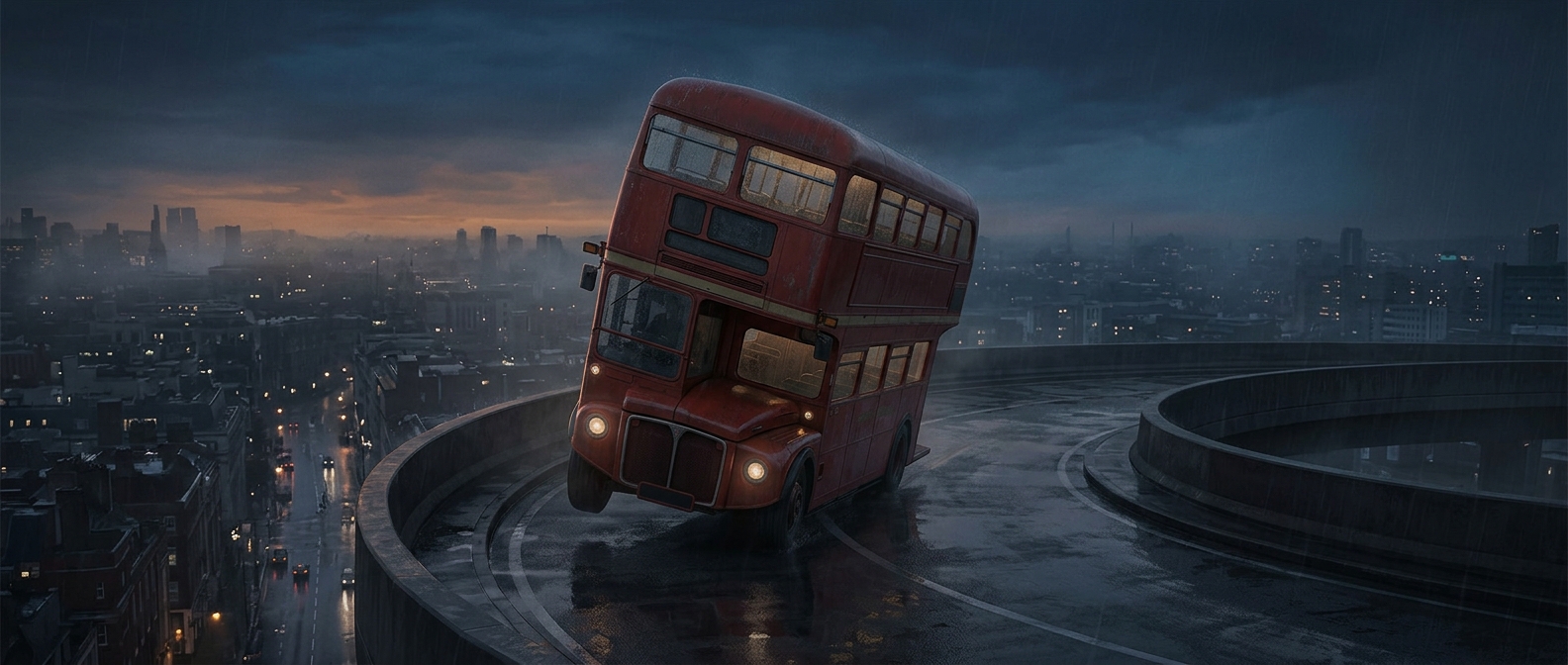
Why London buses are tilted nearly 30 degrees
The steep tilt is part of a stability test, not a London bus’s daily commute. Engineers angle a double-decker to check that its high center of gravity does…
Discover more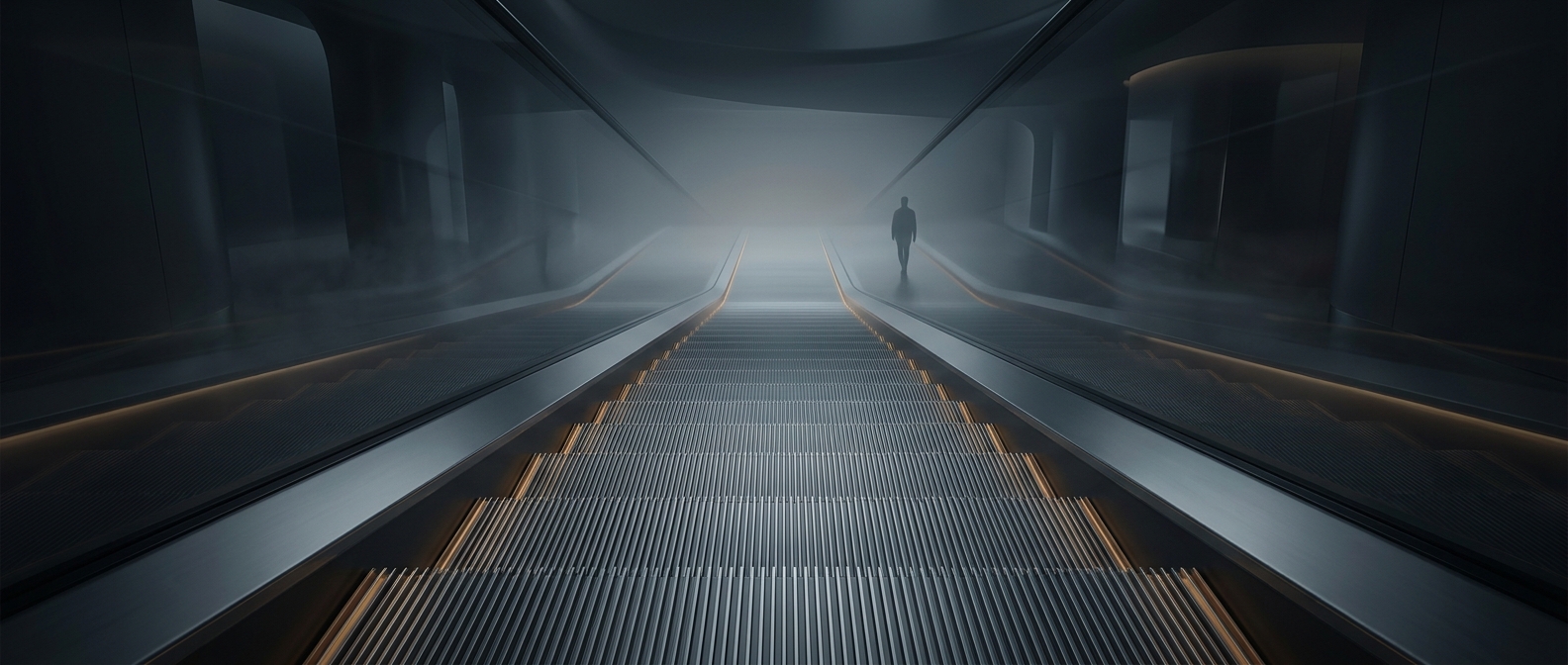
Escalator steps precisely flatten out at both ends
Each step rides a track that guides it from a tilted staircase position into a level platform at the top and bottom. The comb plate meets the step grooves,…
Discover more
Isle of Wight hovercraft is a loud way to cross the water
A powerful fan blows air beneath the craft, lifting it onto a cushion while another propels it forward. The skirt traps that air; the engines make sure nobody…
Discover more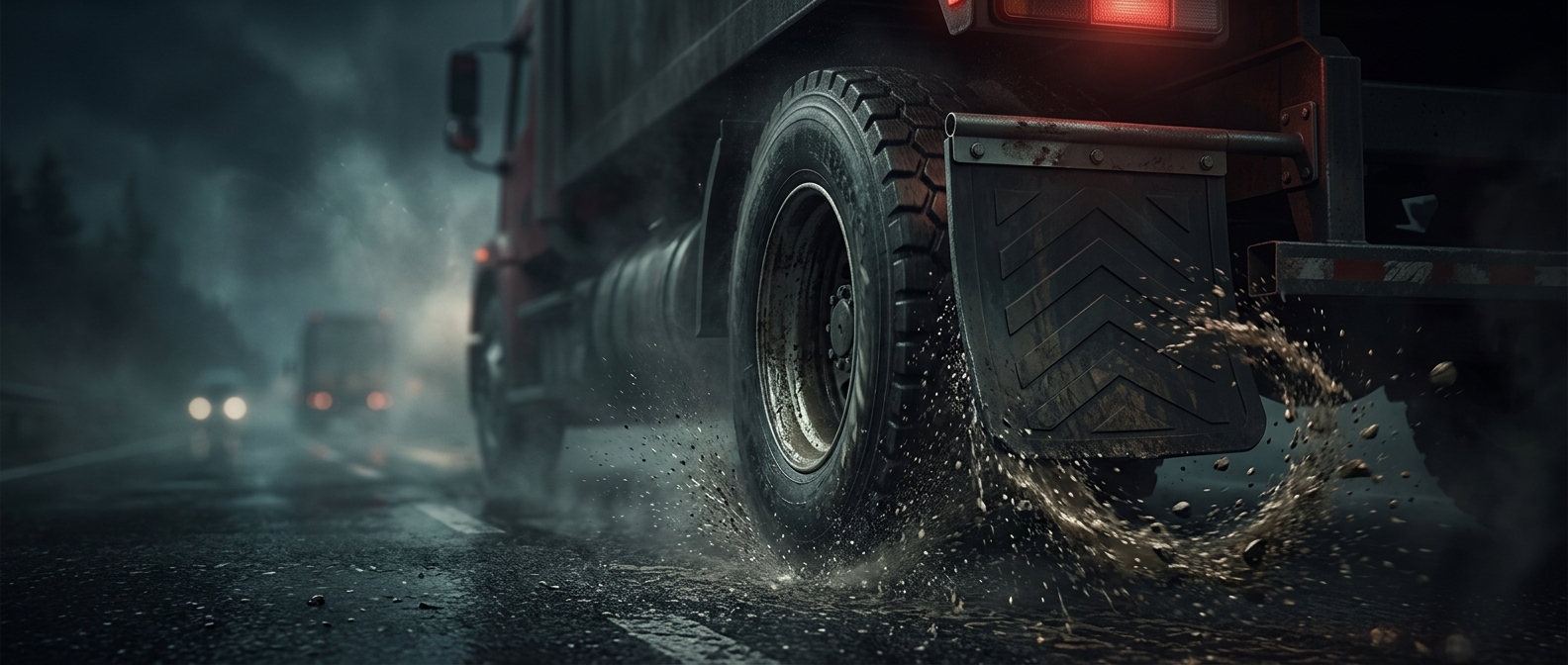
Semi-truck mud flaps intercept road debris
The flap hangs behind the wheel to intercept stones and muddy spray thrown off the rotating tire. Its job is to keep the truck from turning every wet road…
Discover more
Cross-country skis leave the skier's heel fully detached
The boot stays attached at the toe while the heel lifts free, letting the skier push backward against the snow and glide forward. That hinge turns each step…
Discover more
At a four-way stop, politeness can scramble the rules
If two vehicles reach a four-way stop together, U.S. driver guidance generally gives the vehicle on the right priority. Trouble starts when both drivers…
Discover more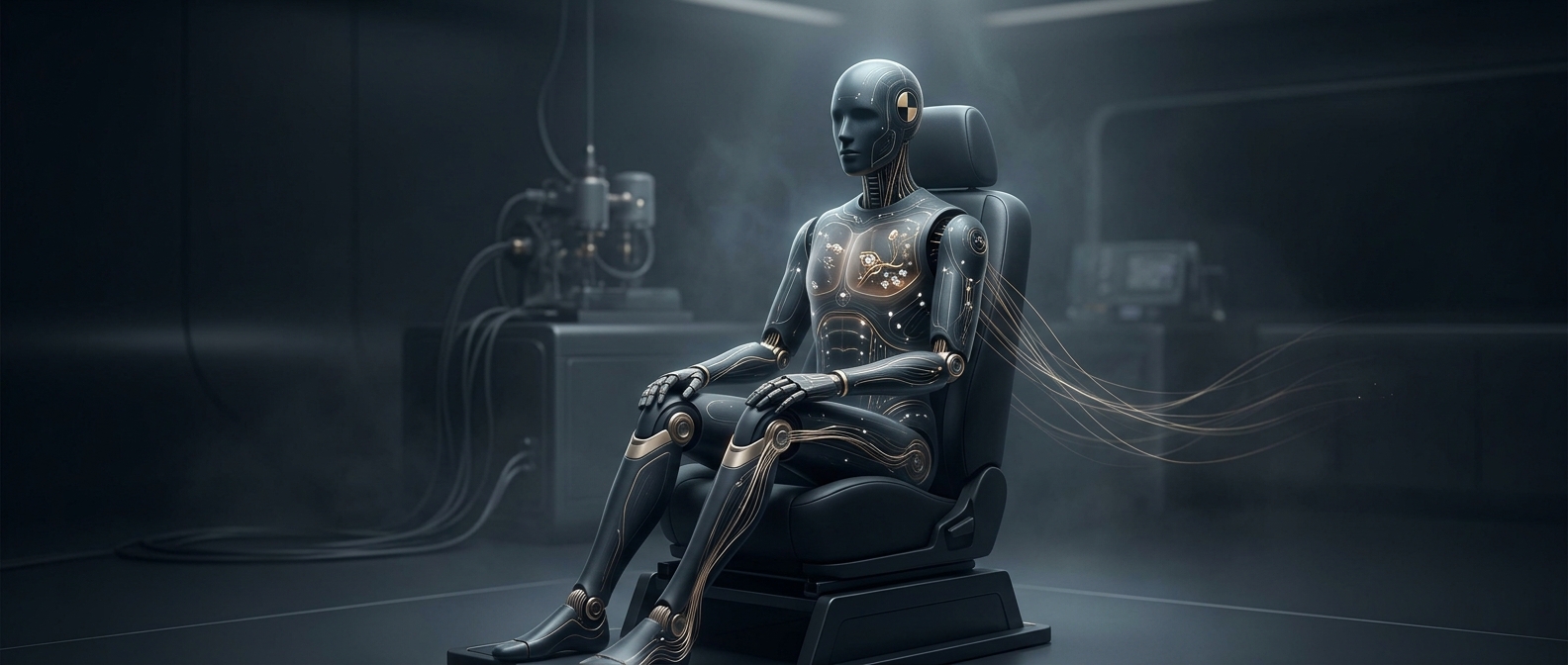
Why crash-test dummies cost more than luxury cars
A crash-test dummy is a precision measuring instrument shaped like a person. Sensors record forces through its head, chest, and limbs, then engineers use the…
Discover more
Travel insurance once focused on lost luggage
Early travel policies focused on luggage: lose a trunk full of clothes and valuables, and the trip lost more than its handle. Modern policies cover a wider…
Discover more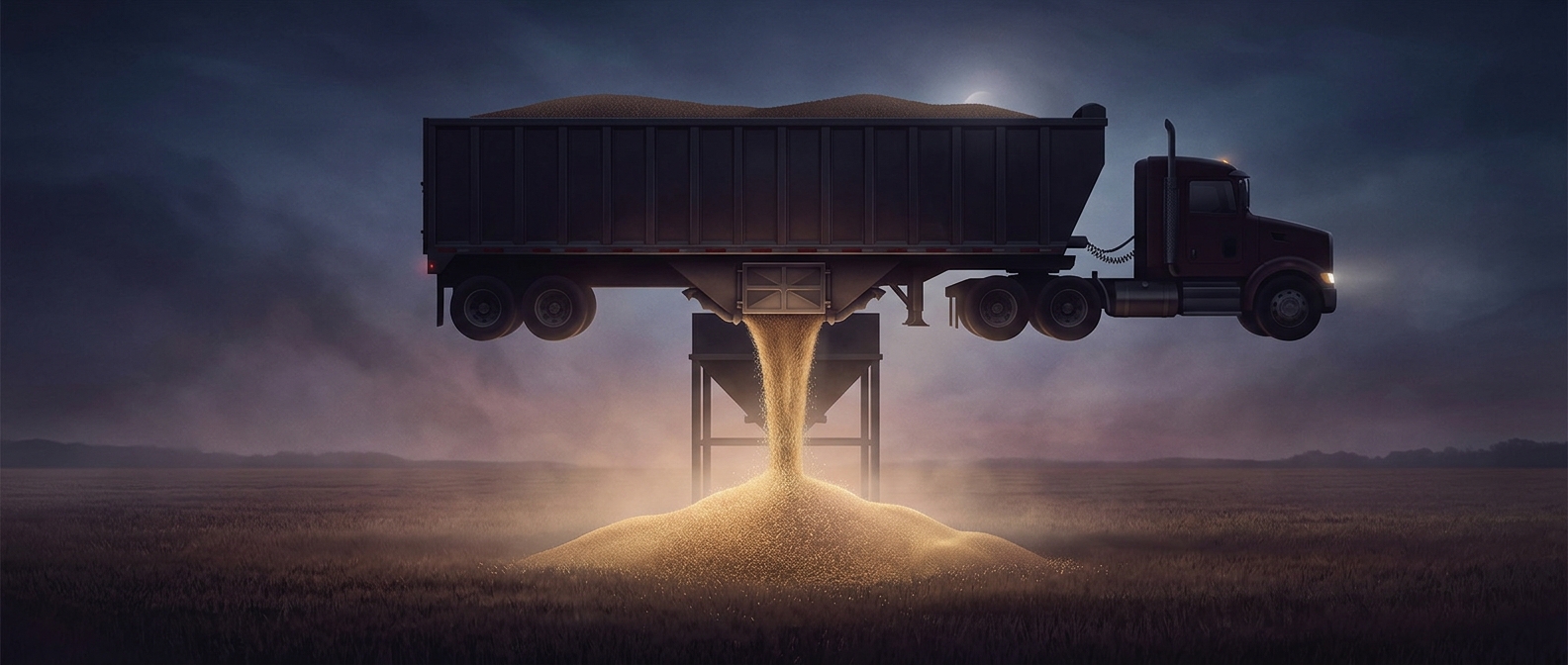
Hopper trailers empty out of the bottom
Hopper trailers have gates underneath, so gravity pulls bulk cargo out through the bottom. No tipping the whole trailer to unload it—just open the hatch and…
Discover more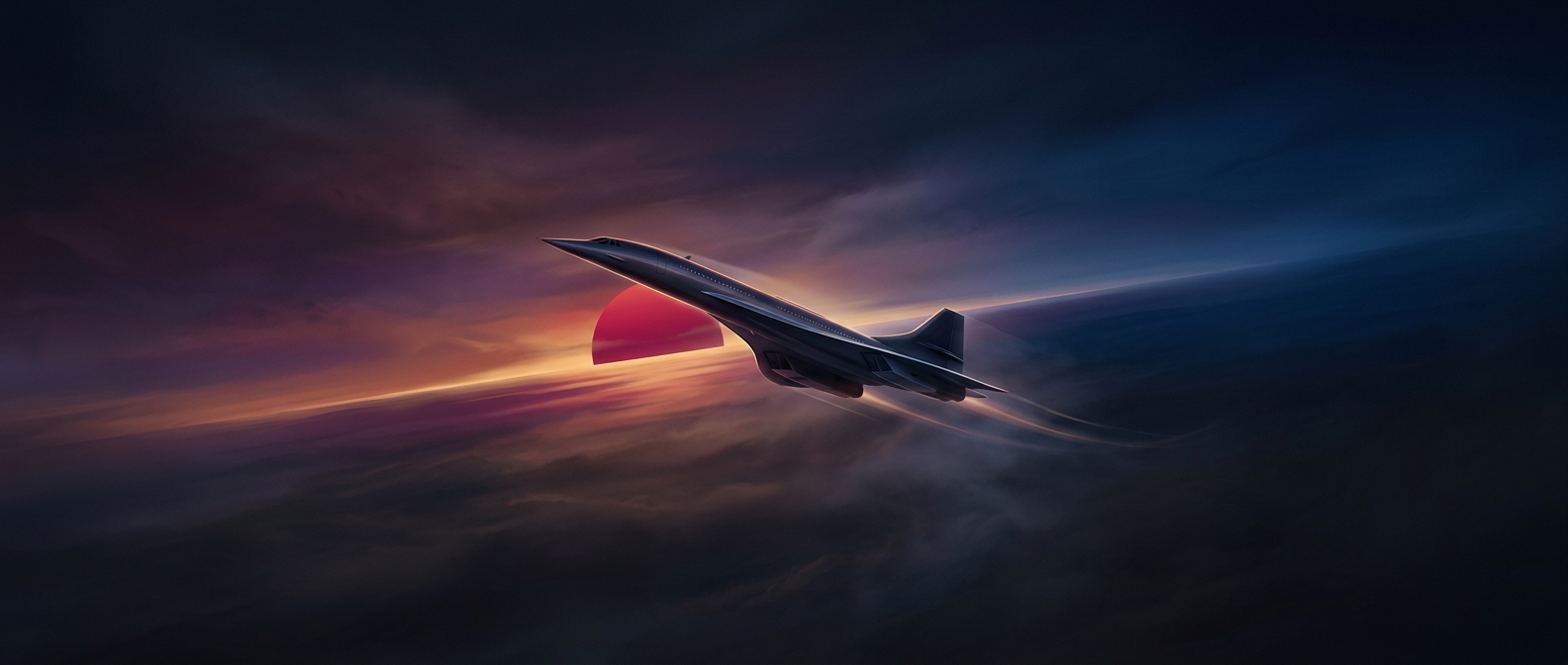
How Concorde passengers watched the sun rise in the west
Concorde flew west faster than the ground turned beneath it. As Earth spun east, the supersonic jet raced west even faster, making the sun appear to slide…
Discover more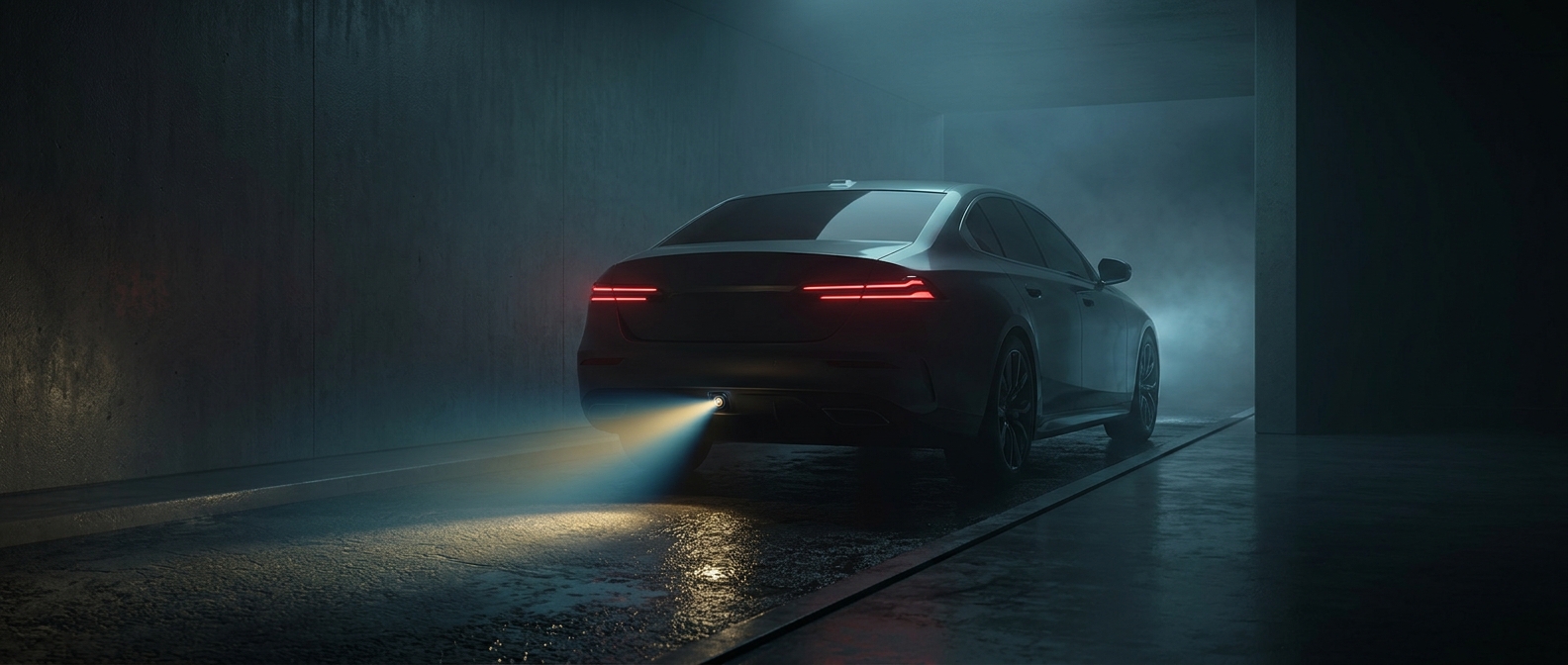
Reversing modern vehicles relies entirely on tiny cameras
A small rear camera gives the driver a view from the bumper, while a wide-angle lens squeezes a broad patch behind the vehicle onto the screen. The car backs…
Discover more
Why some unicycles tower over you
A tall unicycle uses a chain to connect the pedals to the wheel, letting the rider sit far above it. The extra height comes with extra wobble: it’s a bicycle…
Discover more
Why ferries around the Canaries watch for sleeping whales
Sperm whales rest near the surface, where fast ferries can strike them. Around the Canary Islands, operators use sonar, thermal cameras and speed limits to…
Discover more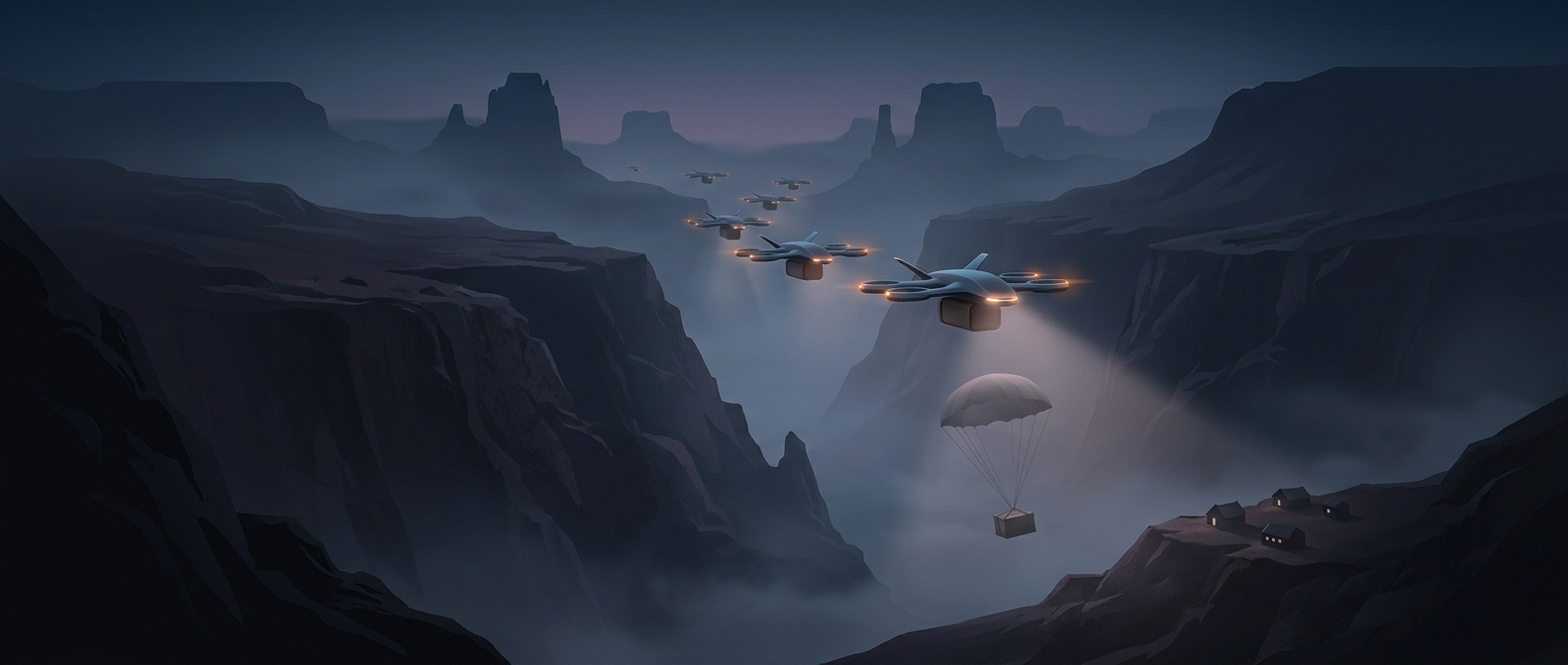
Drones parachute medicine into remote towns
A delivery drone flies to a location, releases a medicine package, and lets a parachute slow its descent. That avoids the need for a landing strip or a clear…
Discover more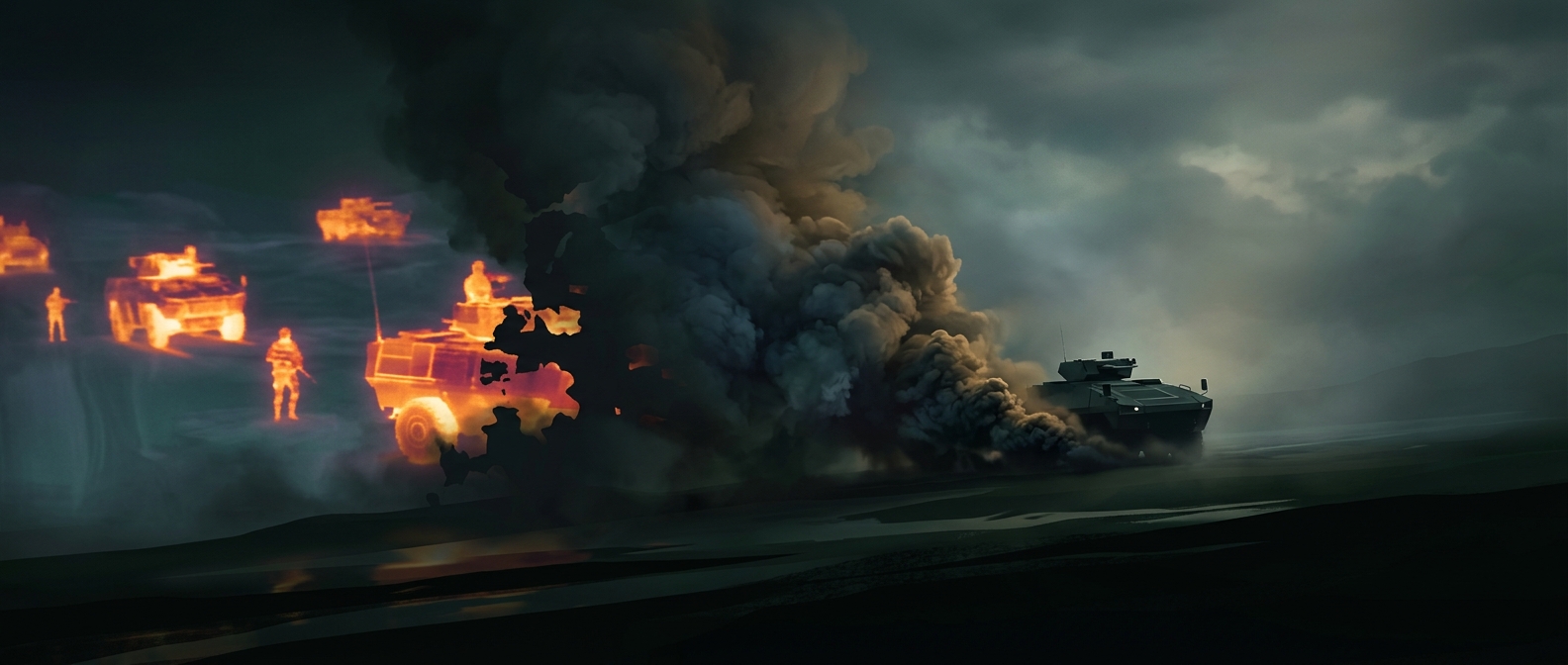
How tanks hide from thermal cameras
Thermal cameras pick out temperature contrasts, so tanks use insulating layers to mask hot spots such as the engine and exhaust. The aim is to blend the…
Discover more