Transport
Discover facts about transport. Small discoveries that change the way you see familiar things.
Transport
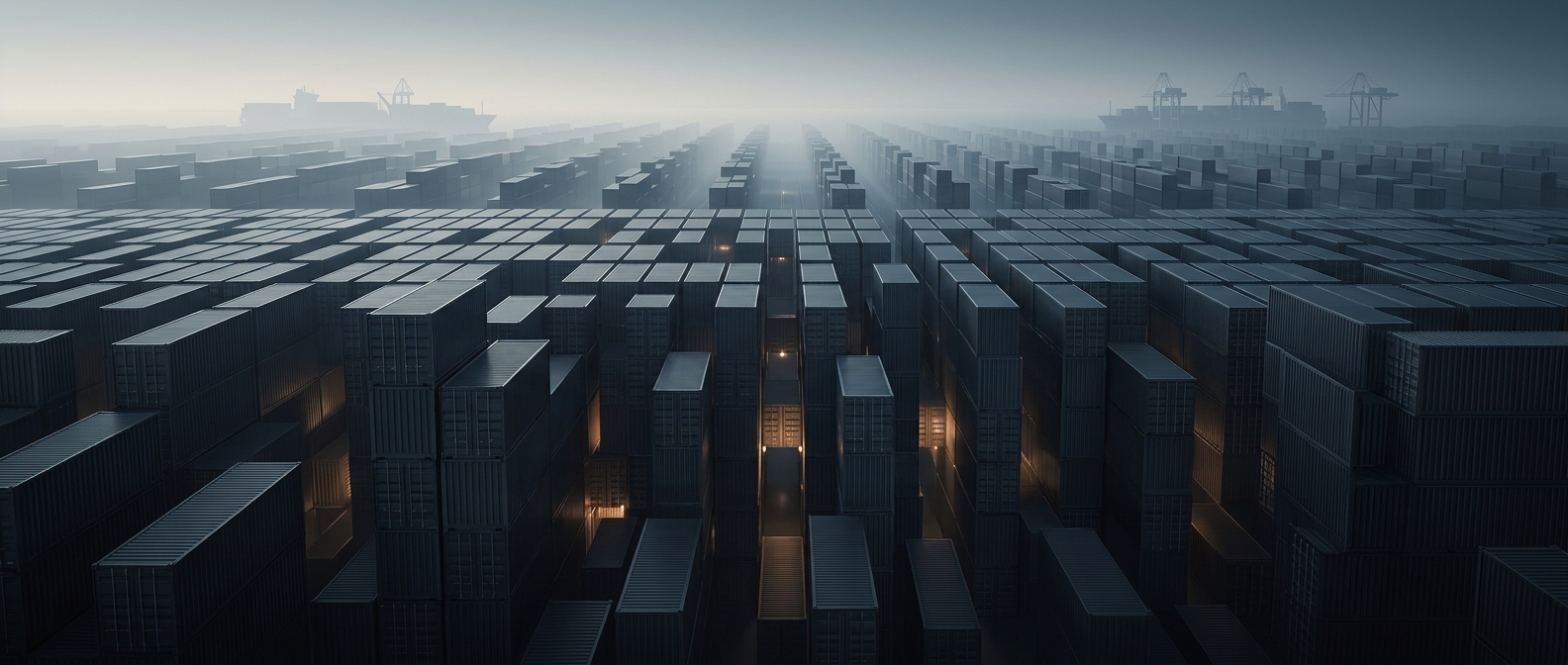
Metal boxes dictate global supply chains completely
Standard-sized containers move from ship to train to truck without anyone unpacking the goods. Once the box fits the cranes and trailers, the world's freight…
Discover more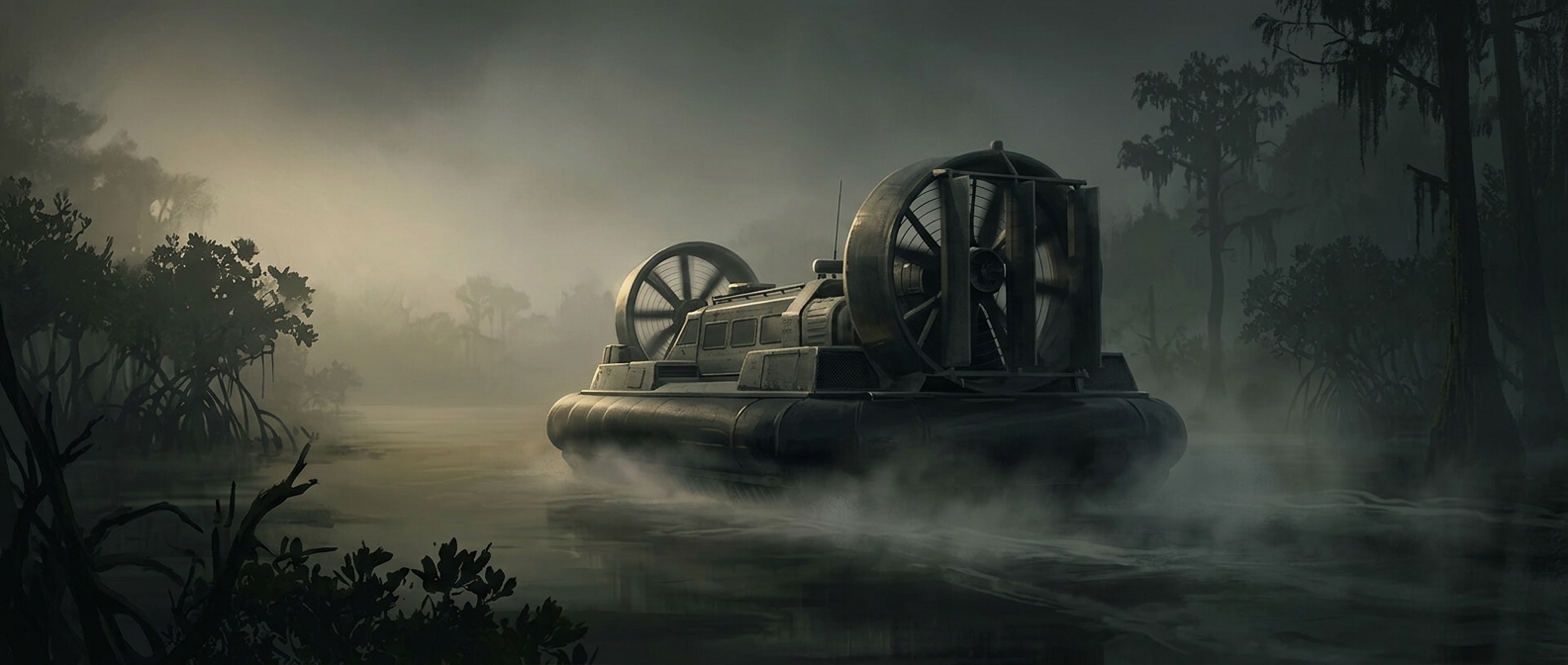
Gliding over murky swamps on a noisy inflatable cushion
A hovercraft fan blasts air beneath a flexible skirt, lifting the craft on a cushion that skims over swamp water and mud. The fan makes a racket; the ground…
Discover more
Postal carriers had refill points before delivery apps existed
Some postmasters placed mail distribution boxes along routes so carriers could collect the next load without returning to the post office. Carts and bicycles…
Discover more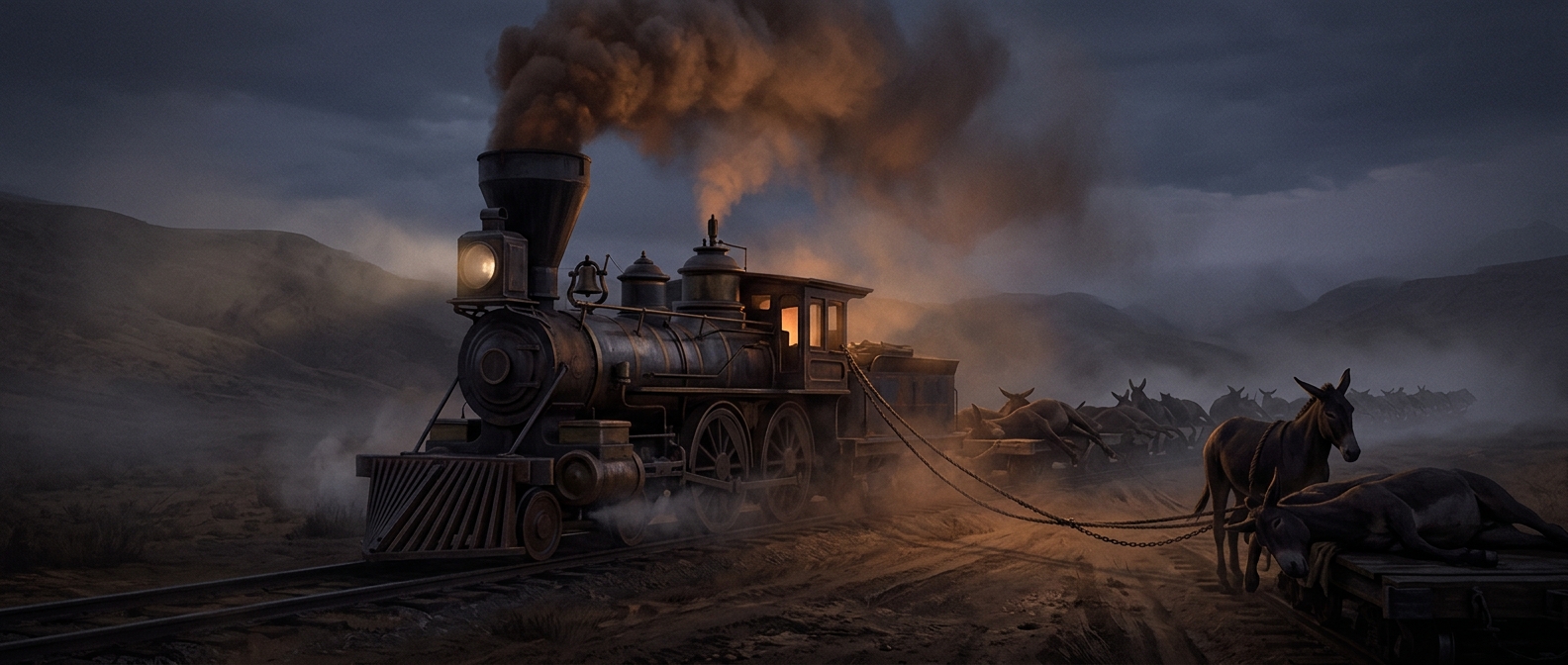
A cowcatcher was built to push trouble off the tracks
The pilot beneath a locomotive's nose deflects obstacles away from the wheels. The name evokes cattle, but catching them was not the goal: keeping something…
Discover more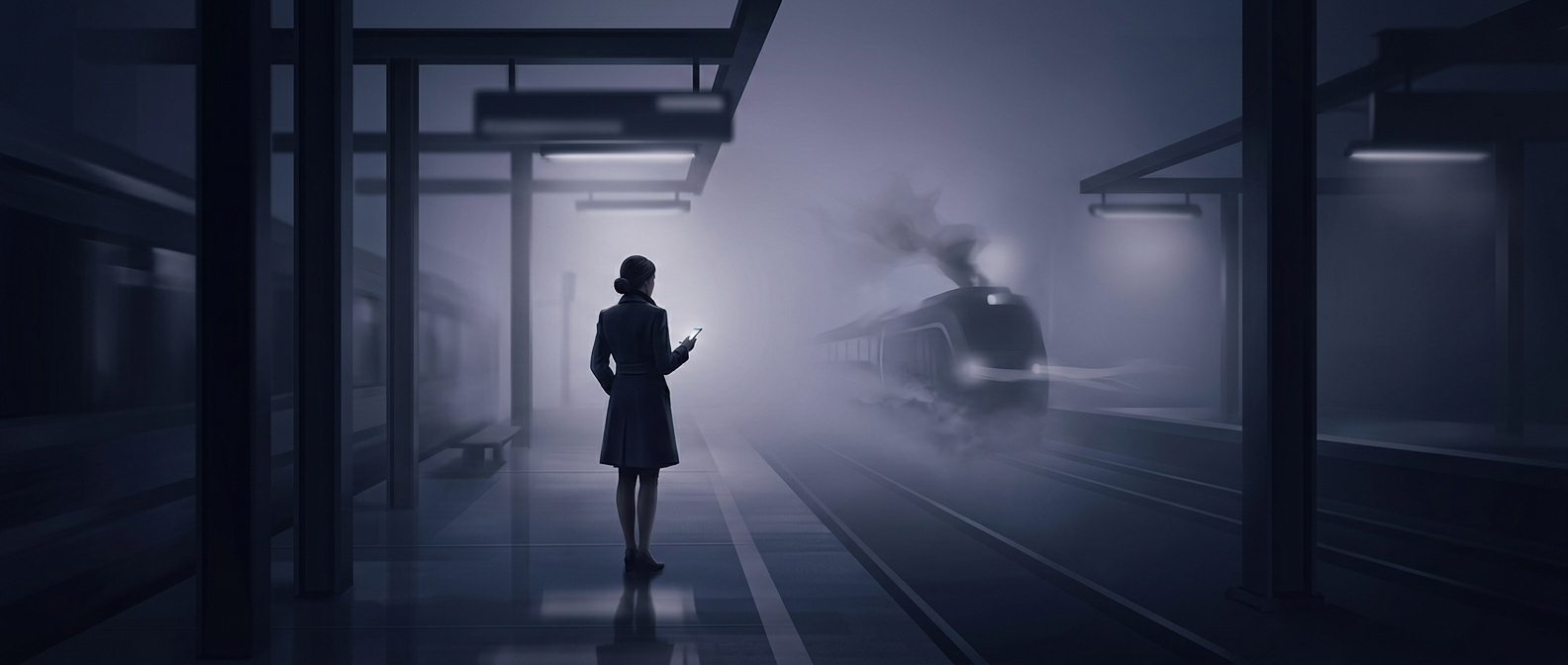
Waiting for trains that never arrive
A canceled train leaves no vehicle to follow the timetable, even if its scheduled time still glows on a board. Until the display updates, passengers wait for…
Discover more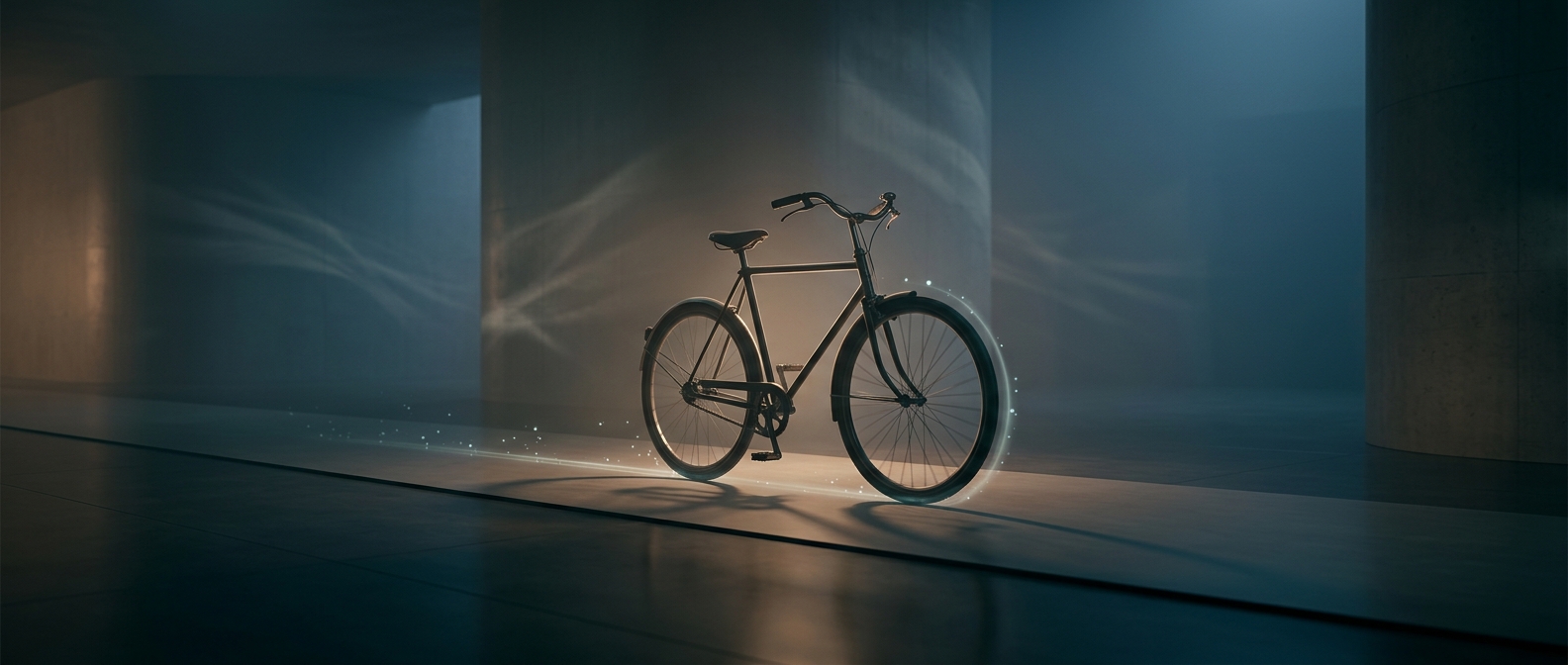
How a bicycle stays upright without a rider
A riderless bicycle steers into its own fall. As the frame tips, the front wheel’s steering geometry turns it toward the low side, sliding the wheels back…
Discover more STACKY FOR IPHONE
A bigger world.
One discovery
at a time.
Keep discovering with Stacky. Interesting facts in an app that is always within reach.
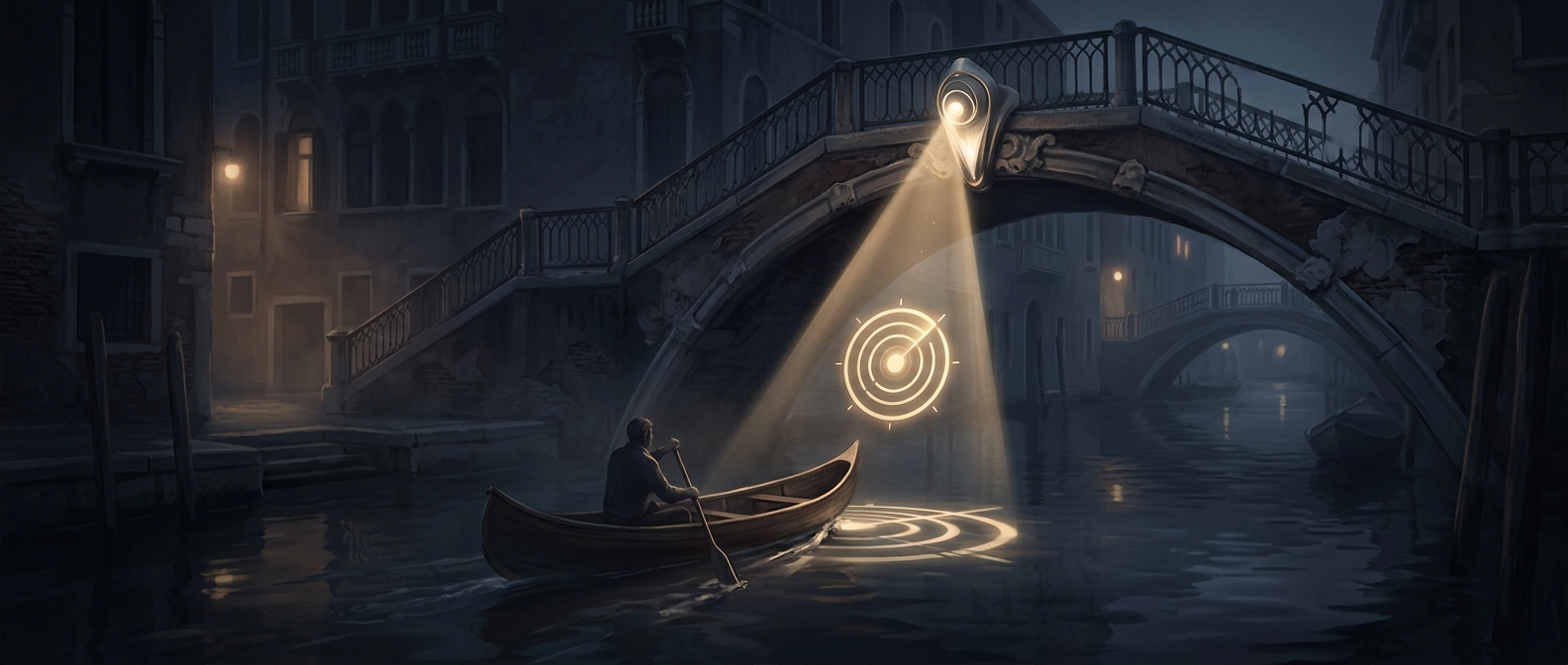
Venice's boat traffic can wear down the city it serves
Motorboats create repeated waves in confined waterways, contributing to erosion and damage to structures. The problem is not one spectacular wave but many…
Discover more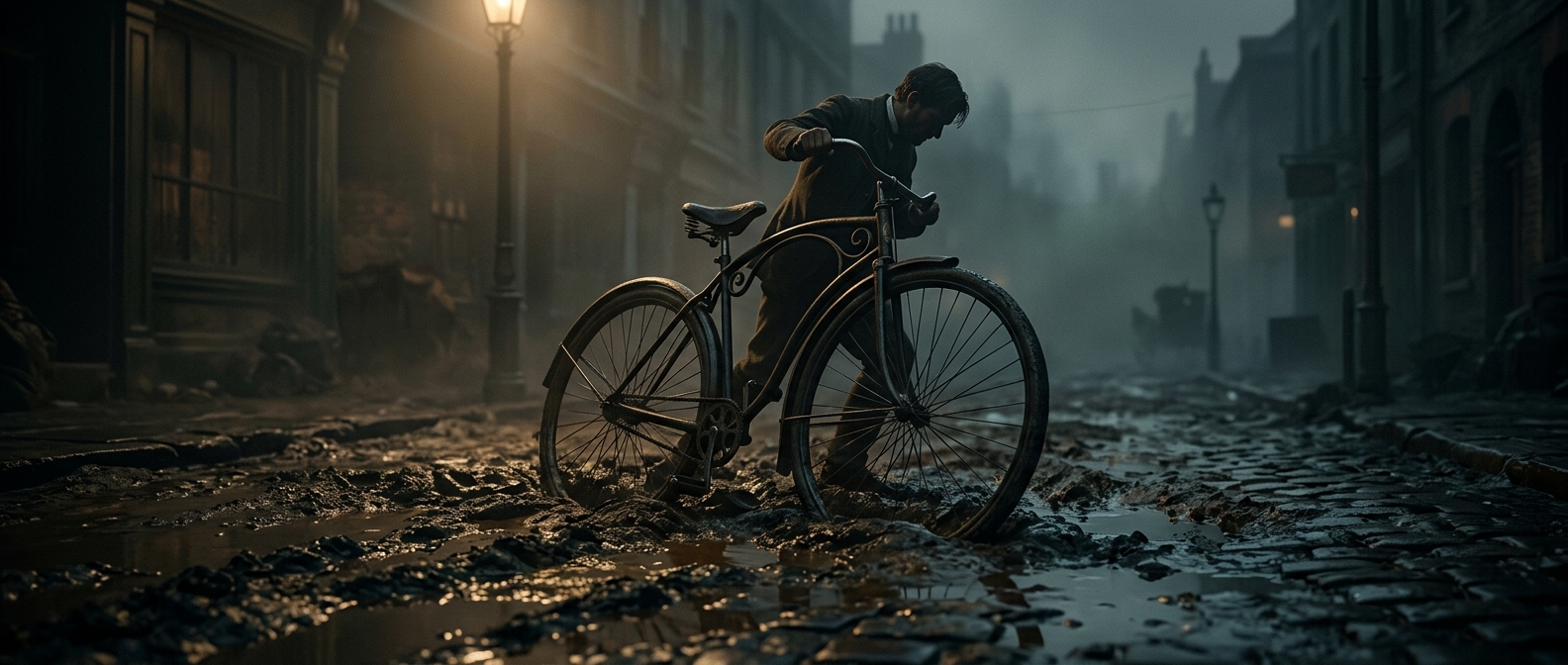
Why bicycles took so long to catch on
Early bicycles were awkward, rough, or perched the rider high over a huge front wheel. The safety bicycle brought equal-sized wheels and a chain drive, making…
Discover more
One man walked thousands of miles backward
Guinness credits Plennie L. Wingo with an 8,000-mile backward-walking journey in 1931–32. Ordinary travel became an endurance stunt by reversing the direction…
Discover more
Massive fleets consist of wooden rowboats
Rowboats turn human muscle into propulsion, and wood keeps the hulls simple to build and repair. A fleet of them looks low-tech until you count the boats—and…
Discover more
Why tunnel builders freeze the ground
Tunnel crews circulate cold brine or liquid nitrogen through pipes in the soil, freezing groundwater into a solid wall around the excavation. That frozen…
Discover more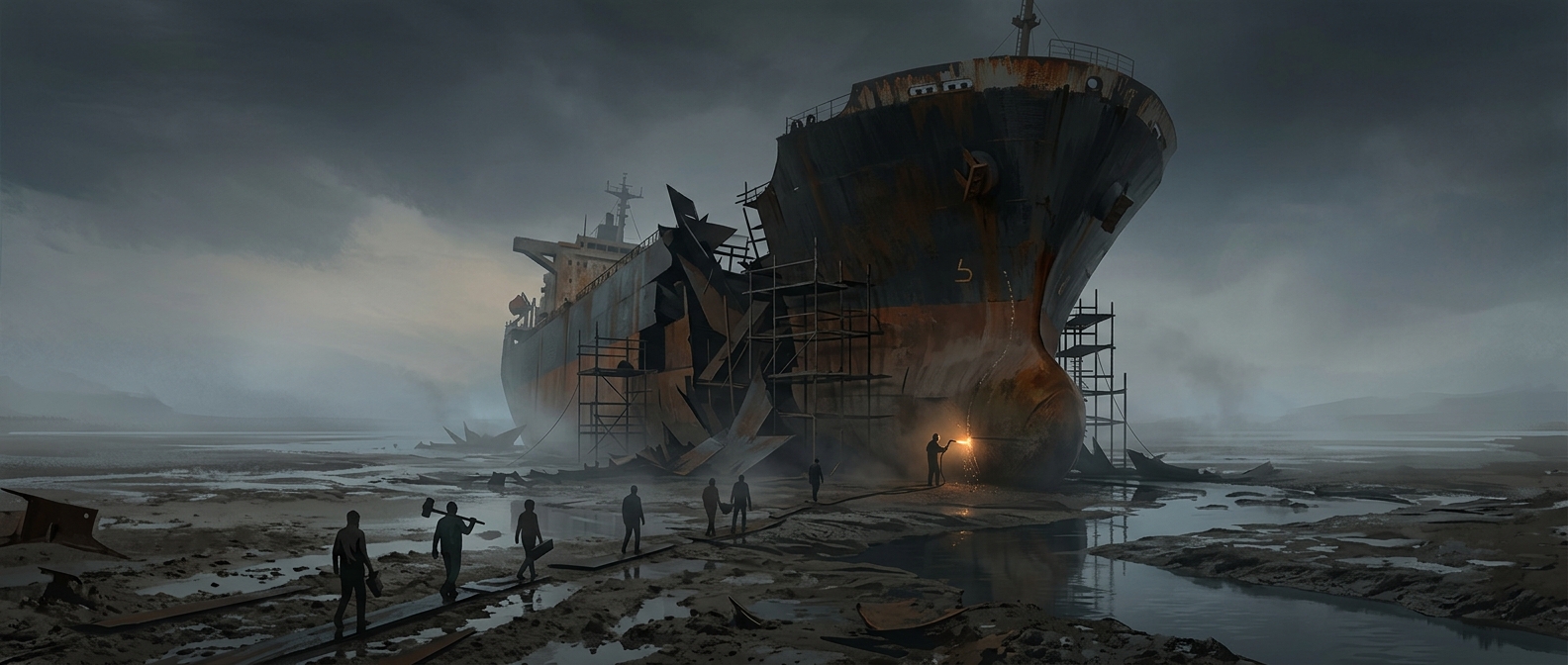
Why retired ships are driven onto beaches
A shallow beach lets a ship ride in on a high tide, then settle onto the sand as the water falls. Workers can dismantle it there without a dry dock. The…
Discover more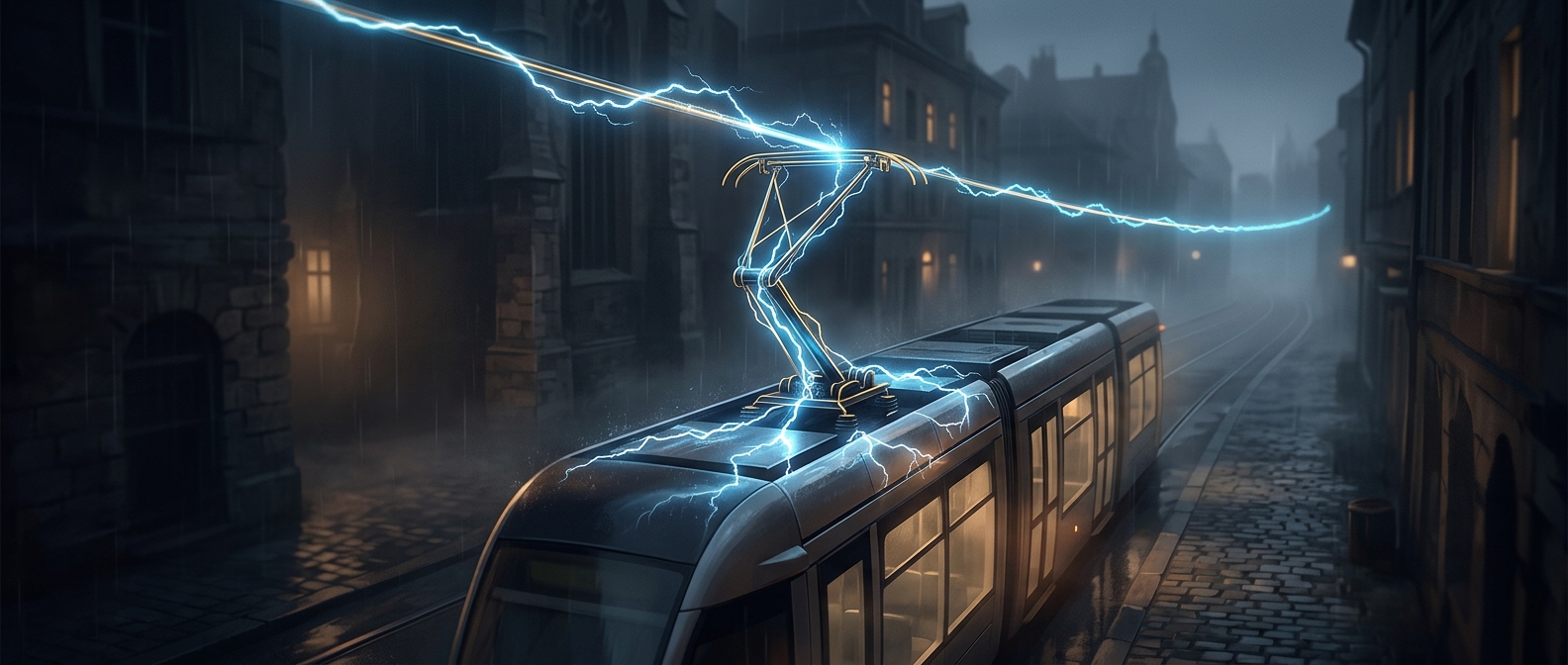
Trams pull electrical currents from continuous overheads
A tram’s collector slides along the overhead wire, drawing electricity as the car moves. The wire keeps the motors fed without loading the tram with a giant…
Discover more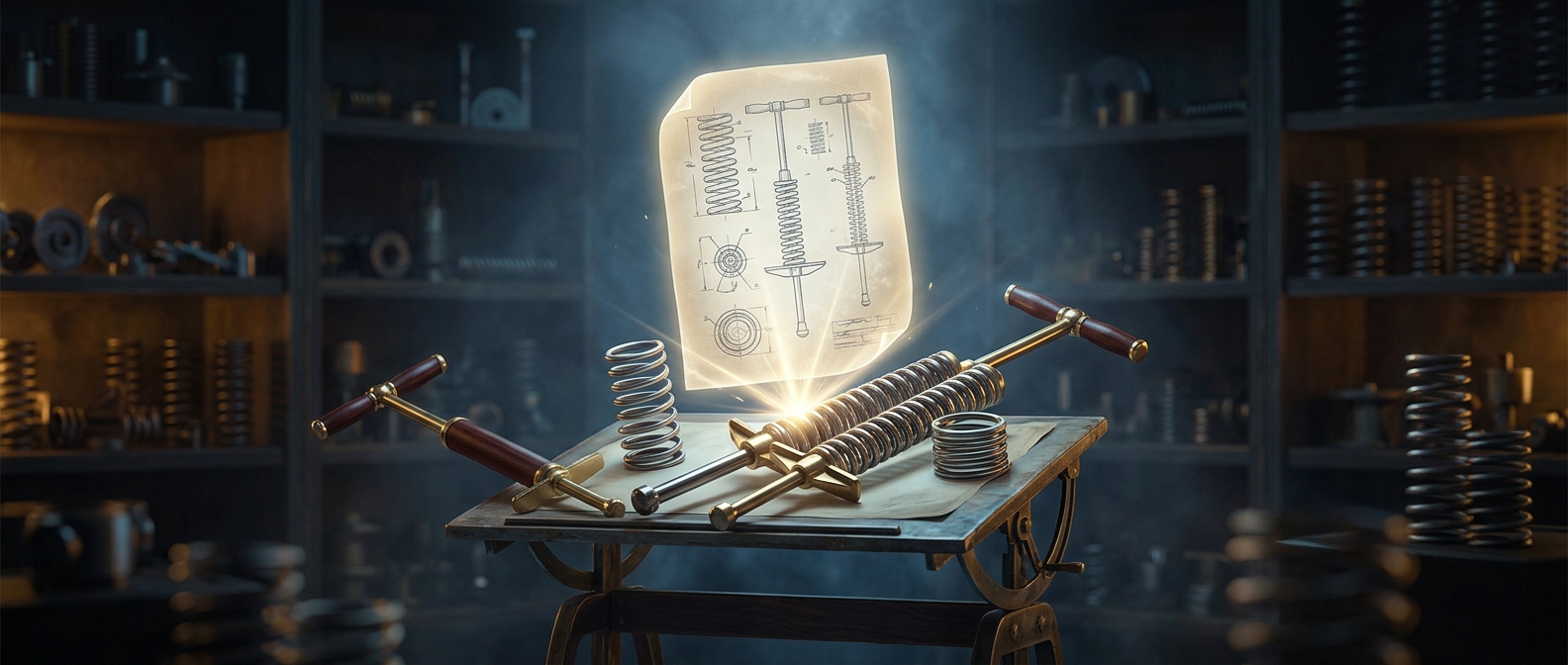
Pogo sticks were fully patented by eager spring makers
A pogo stick stores a rider’s downward shove in a steel coil, then springs it back as a hop. Spring makers patented the trick: apparently even bouncing needed…
Discover more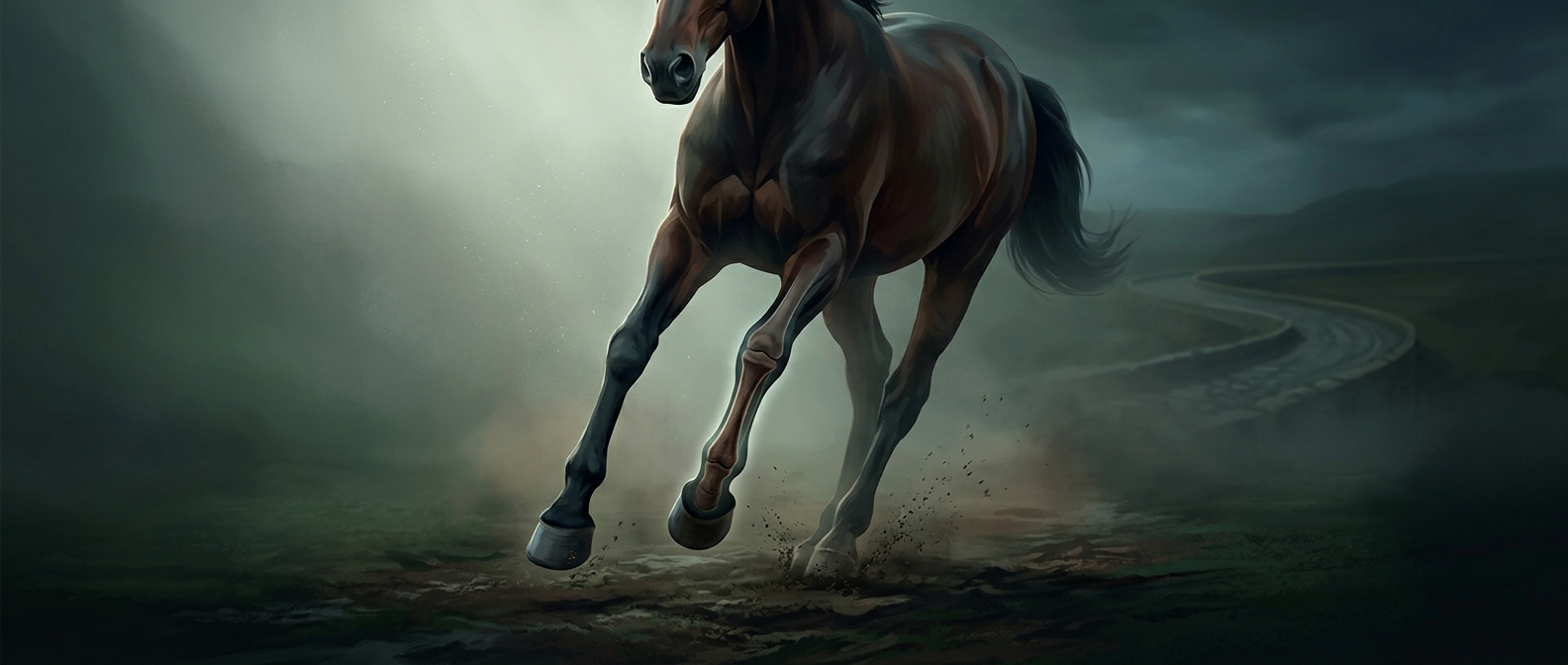
A horse's hoof is really one giant toe
A horse's hoof covers its single remaining toe; its ancestors had several toes on each foot. That means a horse runs on one large central digit on each leg.
Discover more
Why parallel parking feels impossible when watched
Your brain knows the routine until an audience shows up. Then you start consciously checking each turn and pause, interrupting the smooth automatic sequence…
Discover more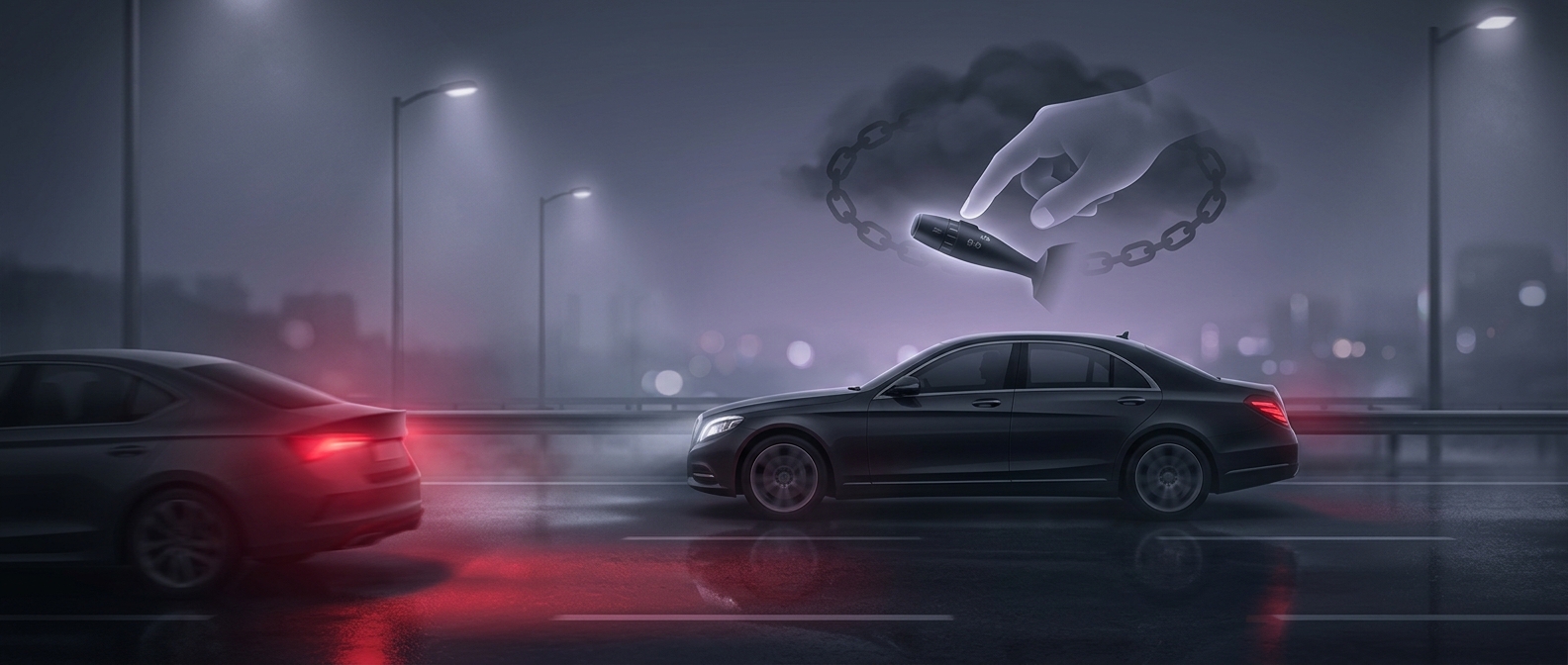
Refusing to use a turn signal out of sheer laziness
The stalk sits right by the steering wheel, so signaling is a small motion with a big payoff: nearby drivers learn where you’re headed. Refusing to use it…
Discover more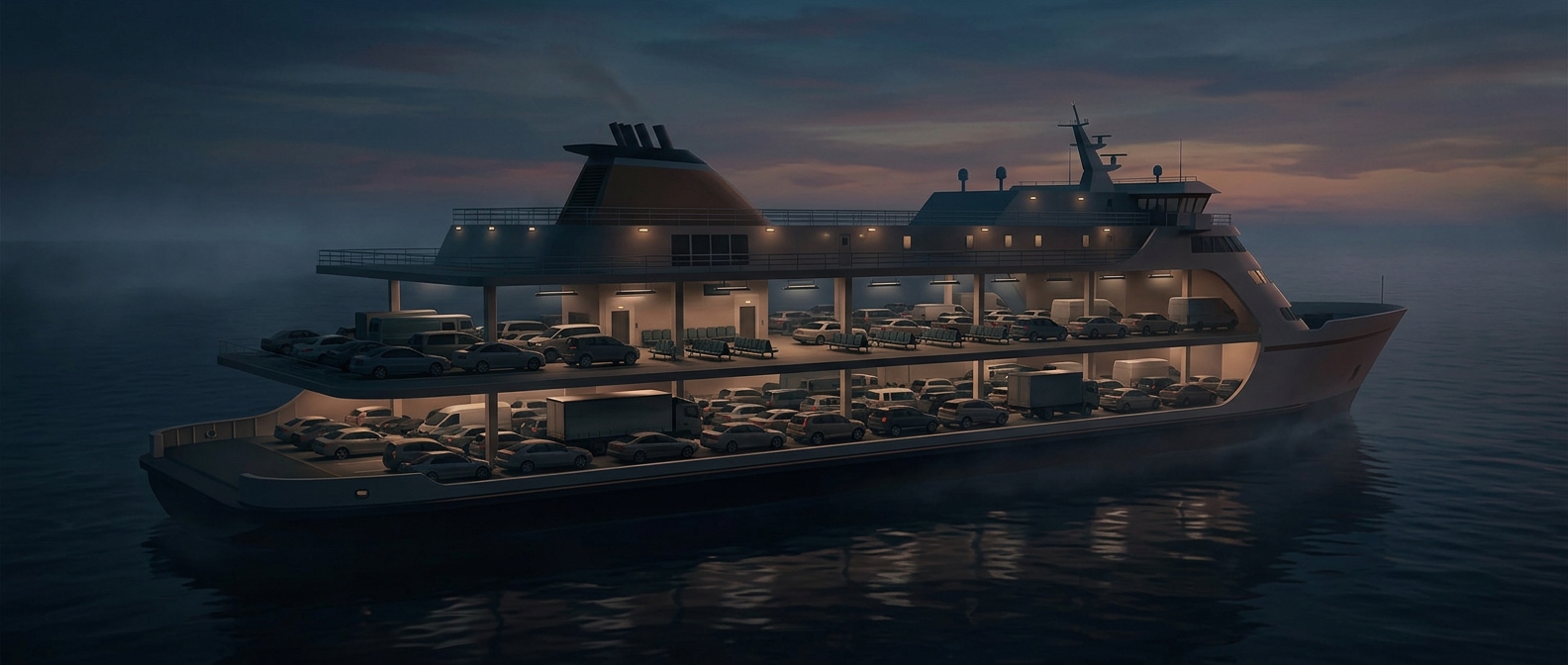
Ferries are floating parking lots
Cars roll aboard over a ramp, park on a broad deck and get secured for the crossing. The ferry carries them like cargo, only with better paint jobs and a lot…
Discover more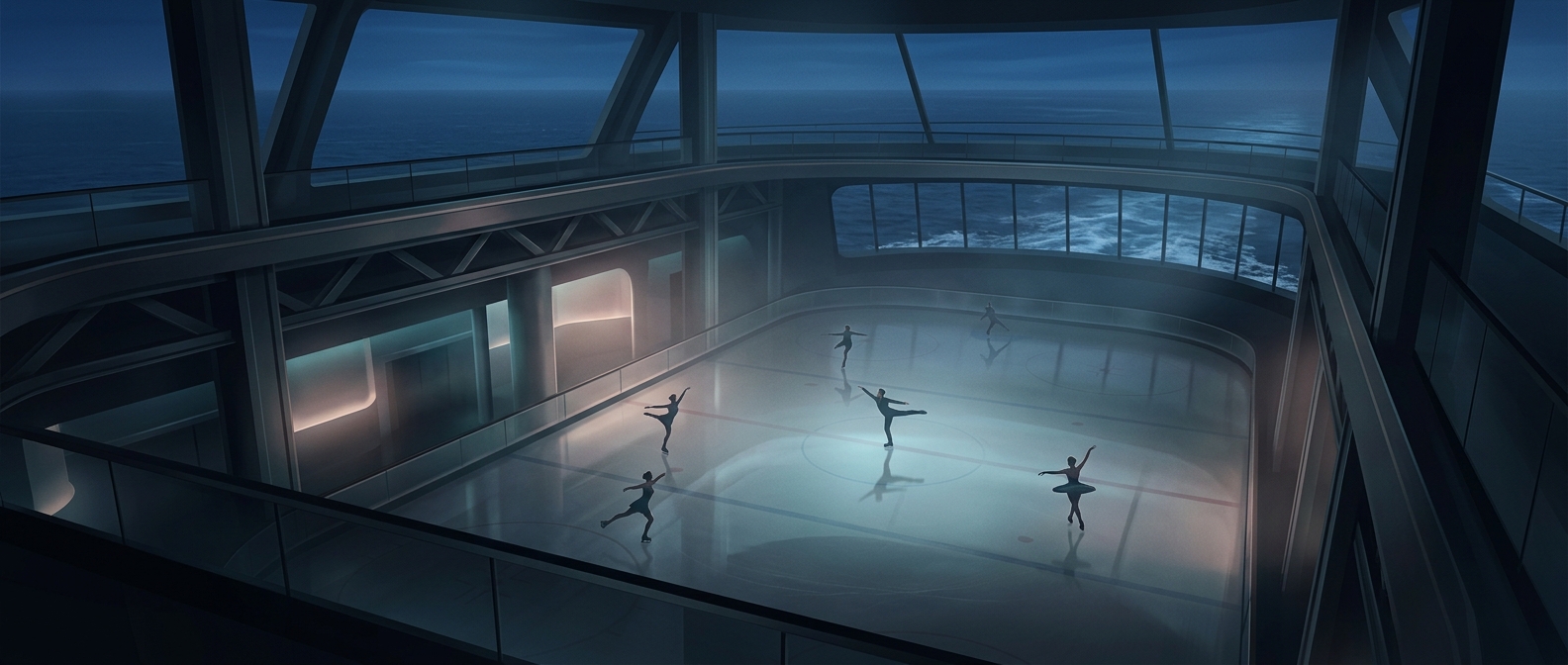
Mega cruise ships feature fully indoor ice skating rinks
A refrigeration system chills the rink’s floor, carrying heat away so skaters get ice instead of a puddle. The ship brings its own winter indoors, then sails…
Discover more
Unicycles strictly require constant pedaling to stay upright
Most unicycles have their pedals fixed directly to the wheel, with no freewheel to let it coast. Pedal forward, the wheel rolls; pedal back, it checks your…
Discover more
The folded silk that makes jumping from a plane survivable
Silk made a parachute canopy light and strong enough to catch a huge volume of air when it opened. The drag slowed the fall; the fabric’s job was to turn a…
Discover more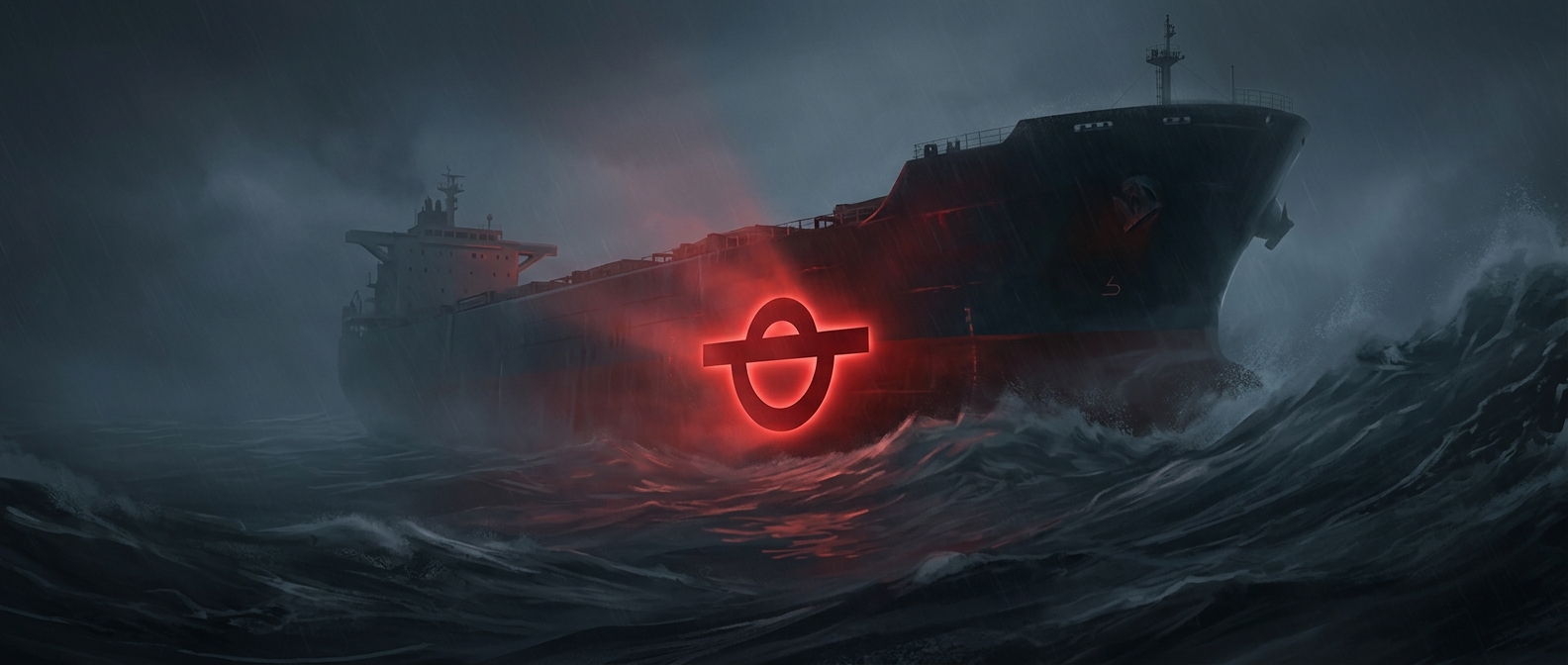
The painted lines that keep ships from sinking
The painted load line marks how deep a ship is allowed to sit in the water. Cargo pushes the hull lower; load it past the mark and the ship has less…
Discover more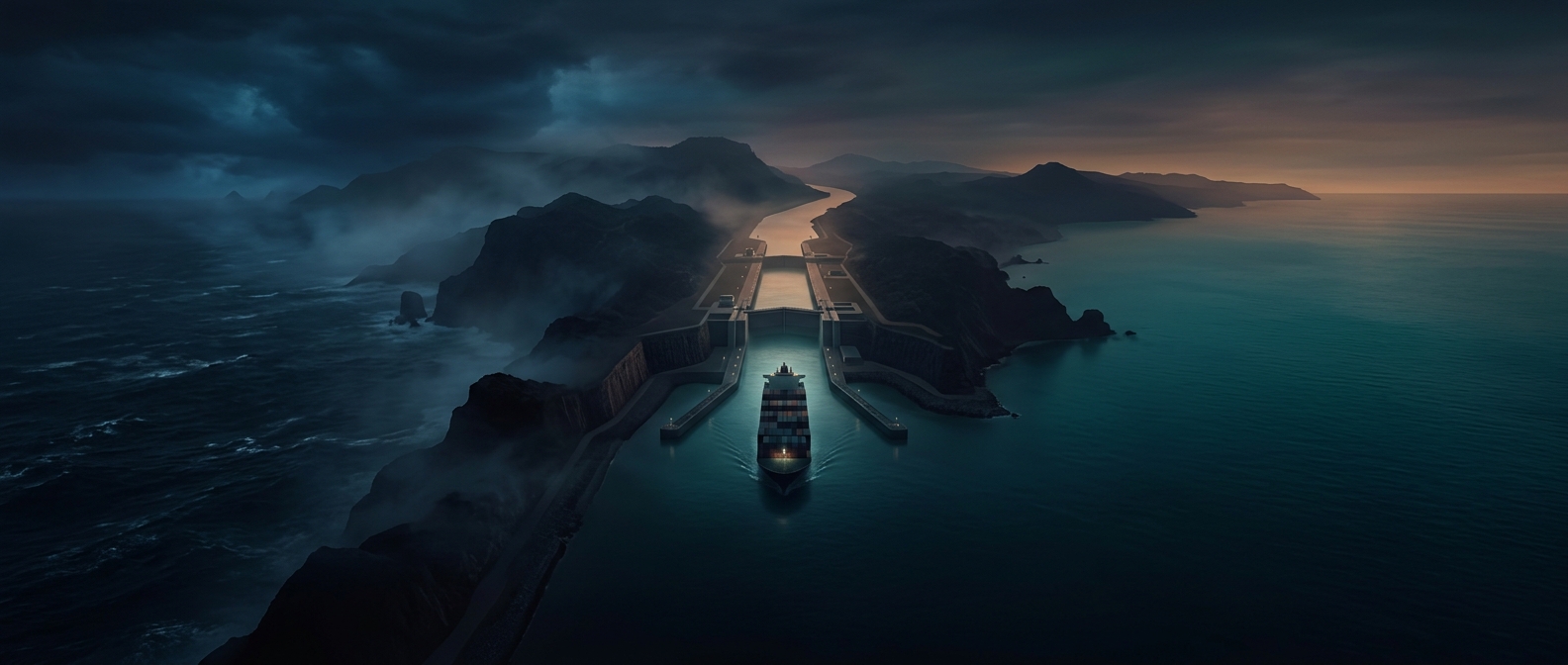
Canals connect entirely different oceans
A canal cuts a ship route through land that would otherwise force a long trip around a continent. At Panama, locks lift vessels over higher ground and lower…
Discover more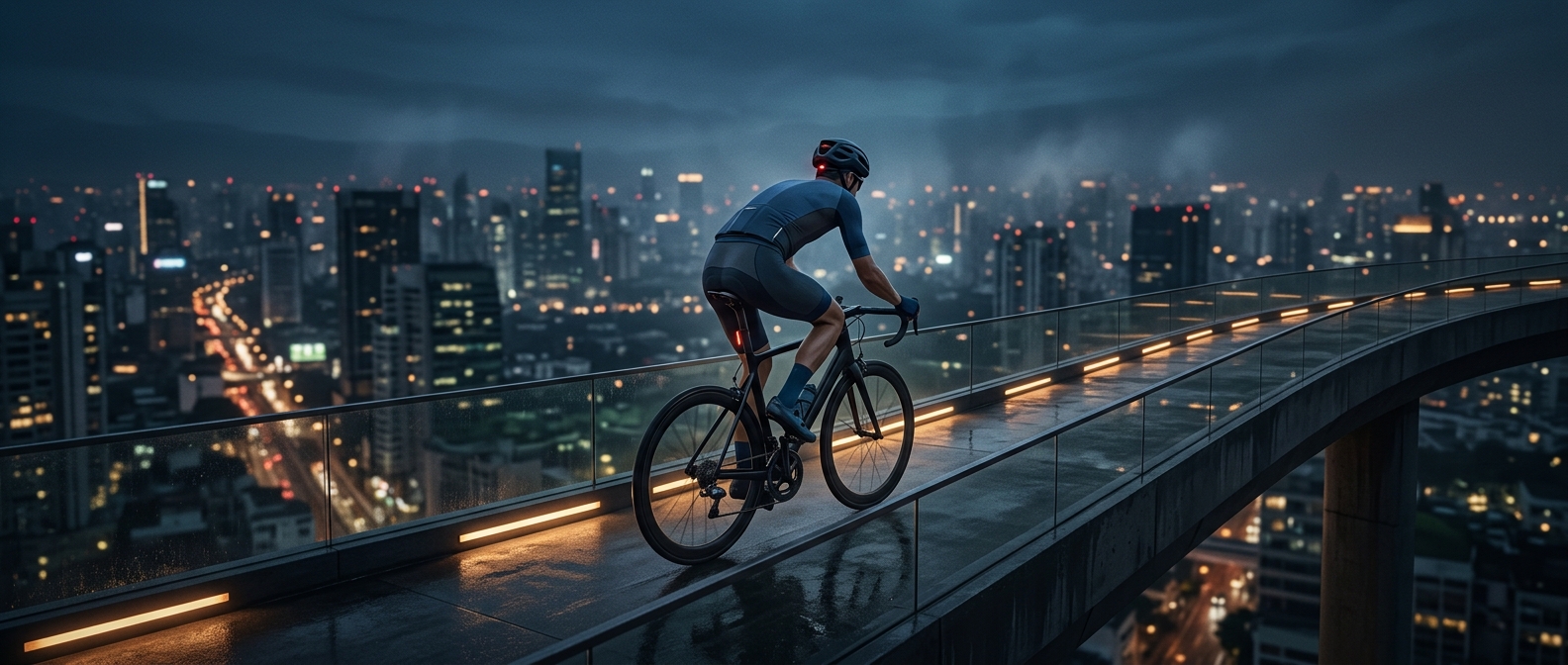
Adults wear spandex to pedal bikes on weekends
At cycling speed, air resistance pushes against the rider, and loose fabric flaps like a tiny parachute. Spandex hugs the body to cut that drag and move sweat…
Discover more