Transport
Discover facts about transport. Small discoveries that change the way you see familiar things.
Transport
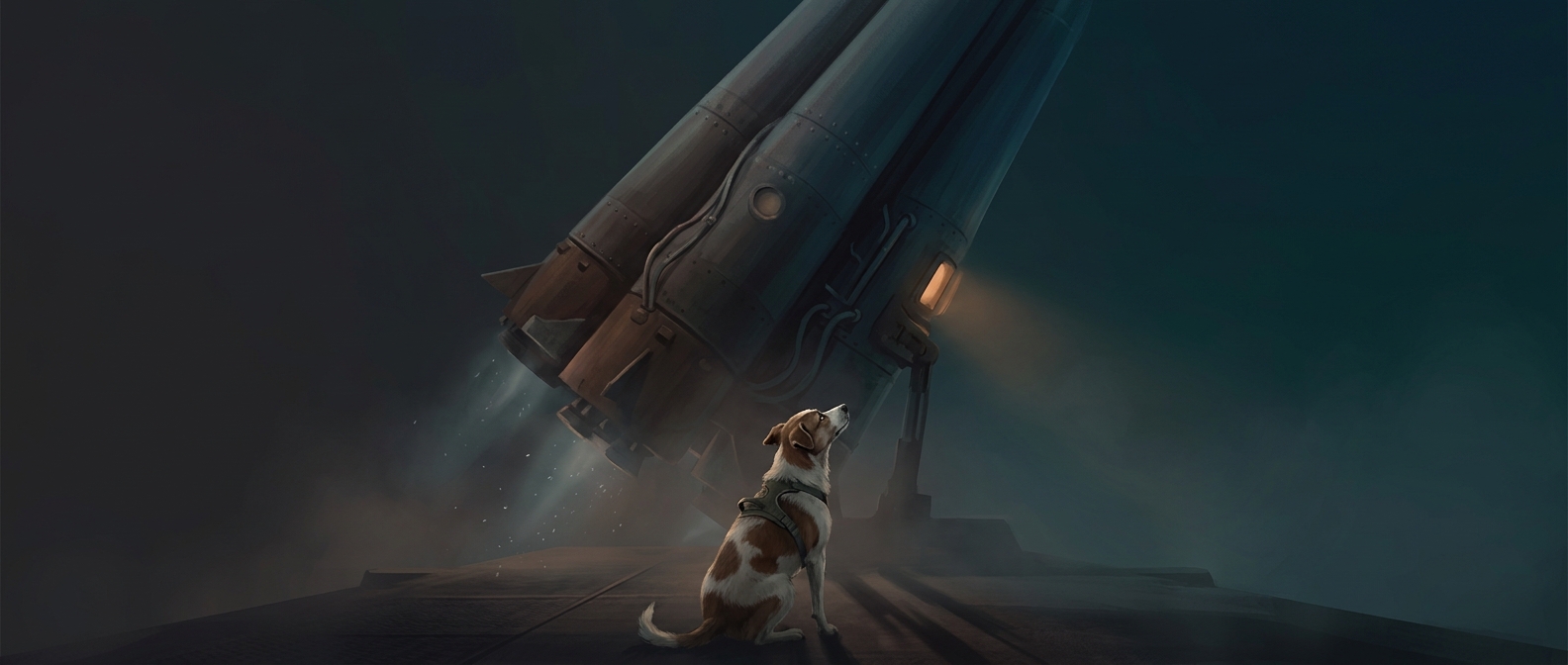
Why the Soviet space program chose stray dogs
Street dogs were small enough for cramped capsules and tough enough to handle cold, noise, and confinement. Soviet trainers prepared them for flight, where…
Discover more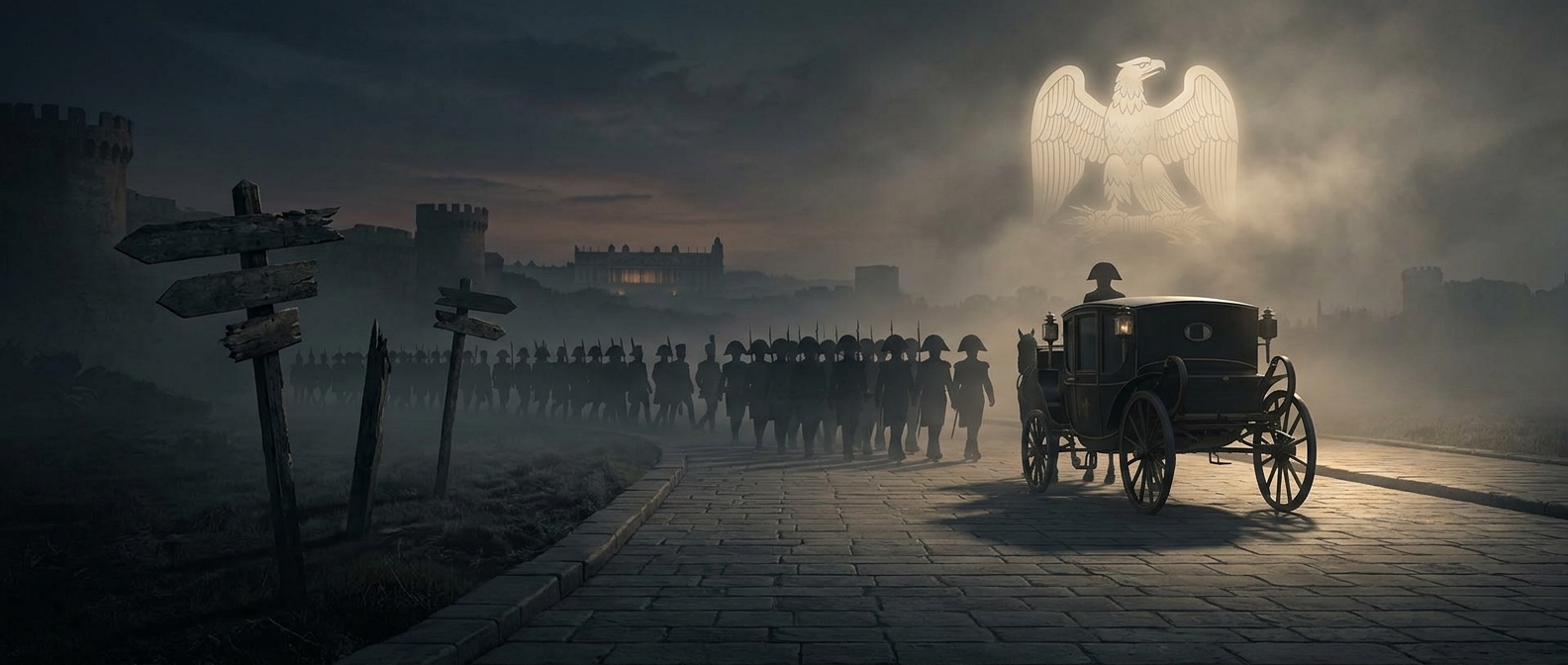
Did Napoleon decide which side Europe drives on
The story says Napoleon, who was left-handed, ordered his armies to march on the right to keep their sword arms free, helping spread right-side traffic across…
Discover more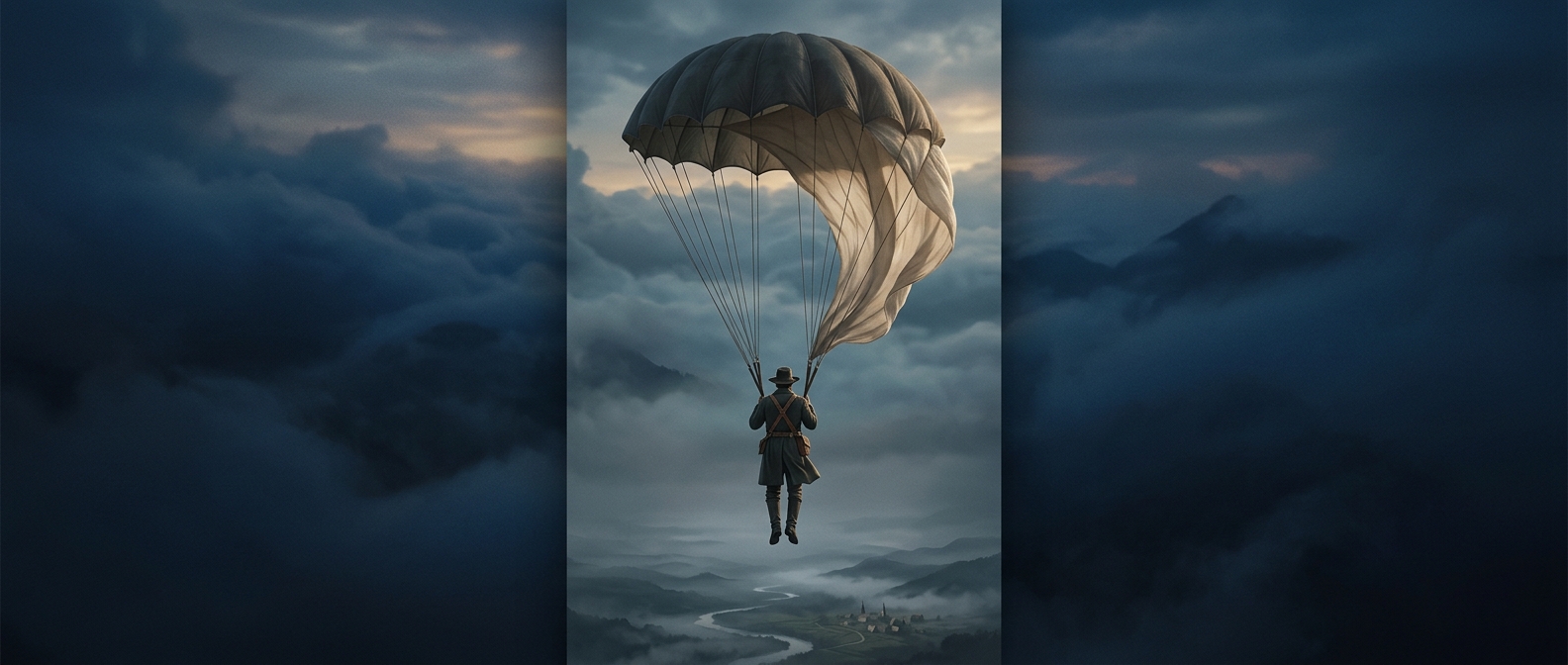
Garnerin brought a parachute down from a balloon in 1797
Above Paris, André-Jacques Garnerin separated from his balloon and descended beneath a canopy. The achievement demonstrated that a person did not need to stay…
Discover more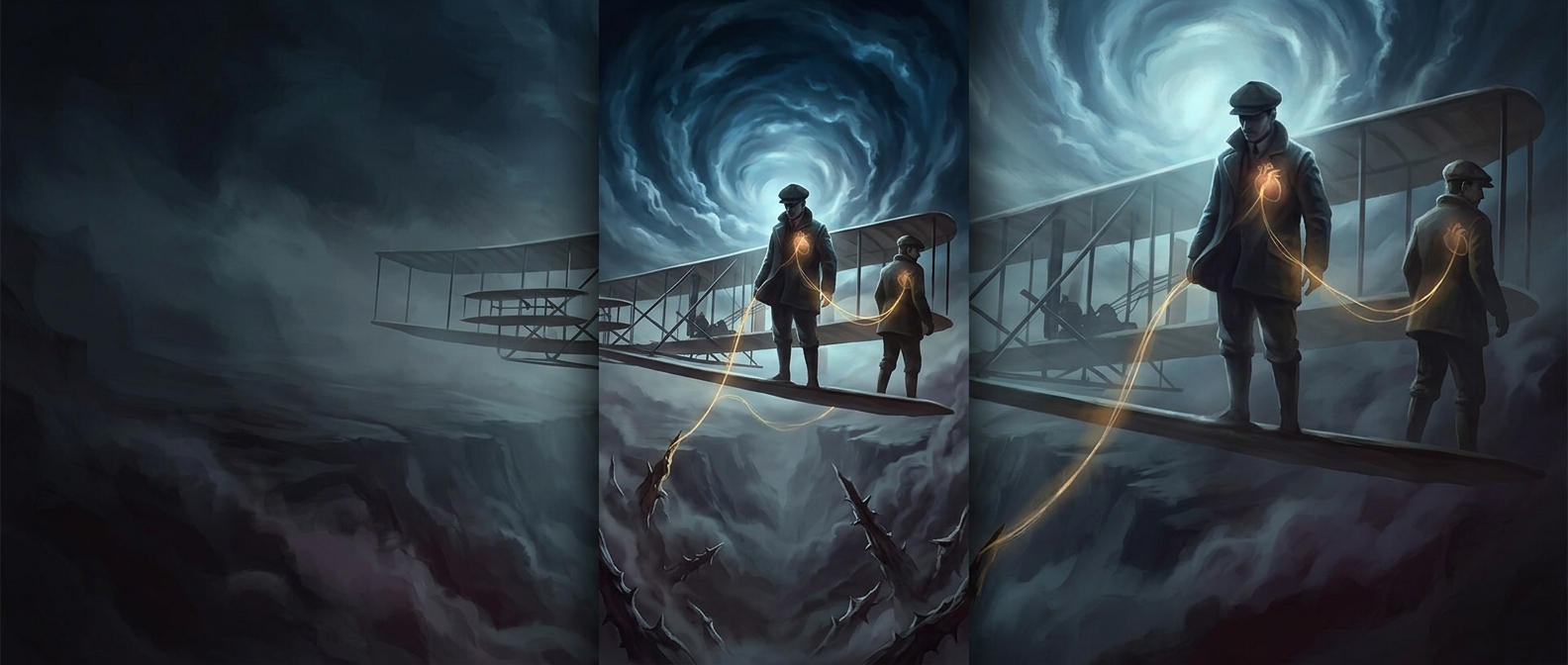
The Wright brothers broke their rule and flew together once
They had promised their father not to fly together, so one accident would not take both sons. In 1910 he allowed an exception: Orville piloted while Wilbur…
Discover more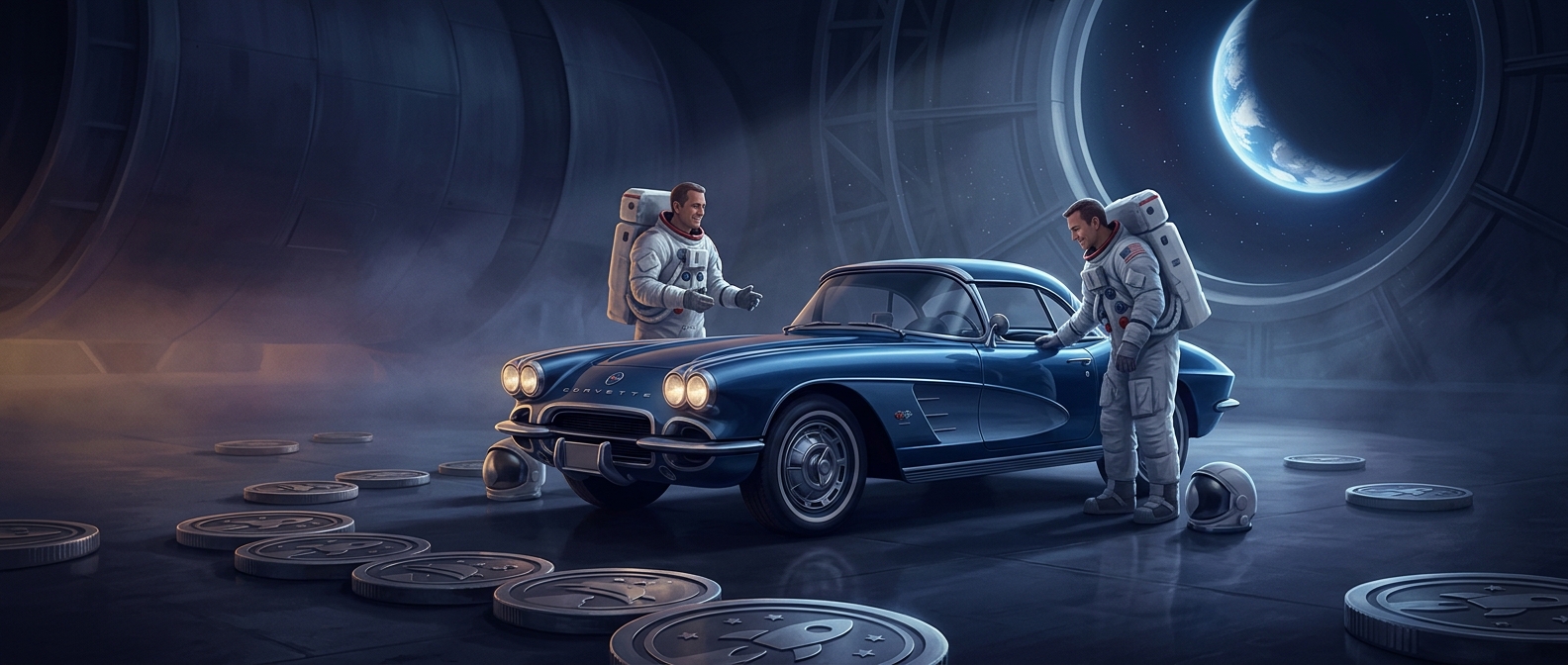
Apollo astronauts could lease a Corvette for $1 a year
The bargain was a publicity deal: astronauts drove Corvettes, and the dealership got the kind of attention no billboard could buy. A dollar a year was the…
Discover more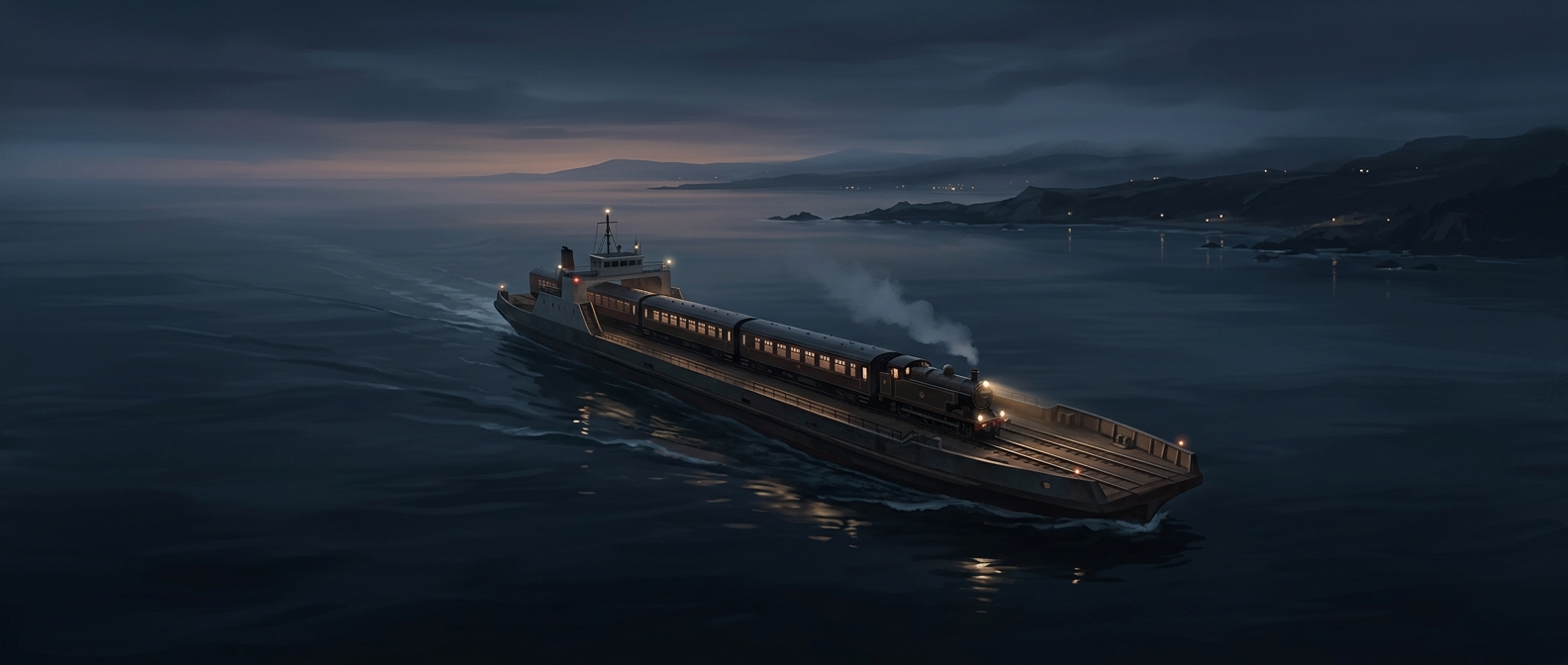
When trains had to board ferries
Before bridges and tunnels crossed wide waterways, a train could roll onto a rail ferry and ride across aboard ship. Tracks lined up with a shore ramp,…
Discover more STACKY FOR IPHONE
A bigger world.
One discovery
at a time.
Keep discovering with Stacky. Interesting facts in an app that is always within reach.
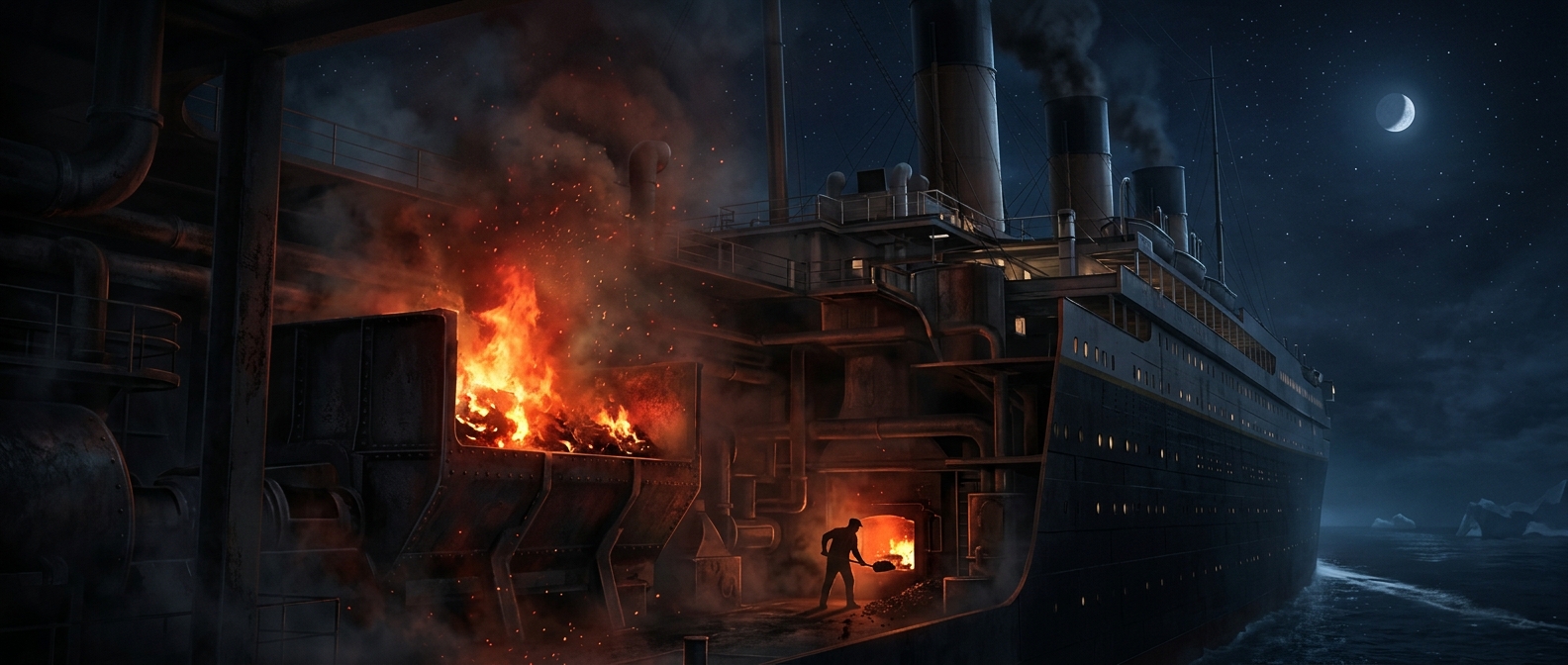
Titanic was already burning before it hit the iceberg
A coal-bunker fire was burning aboard Titanic before the collision, and crew members shifted coal to reach and manage it. Coal fires were a known hazard on…
Discover more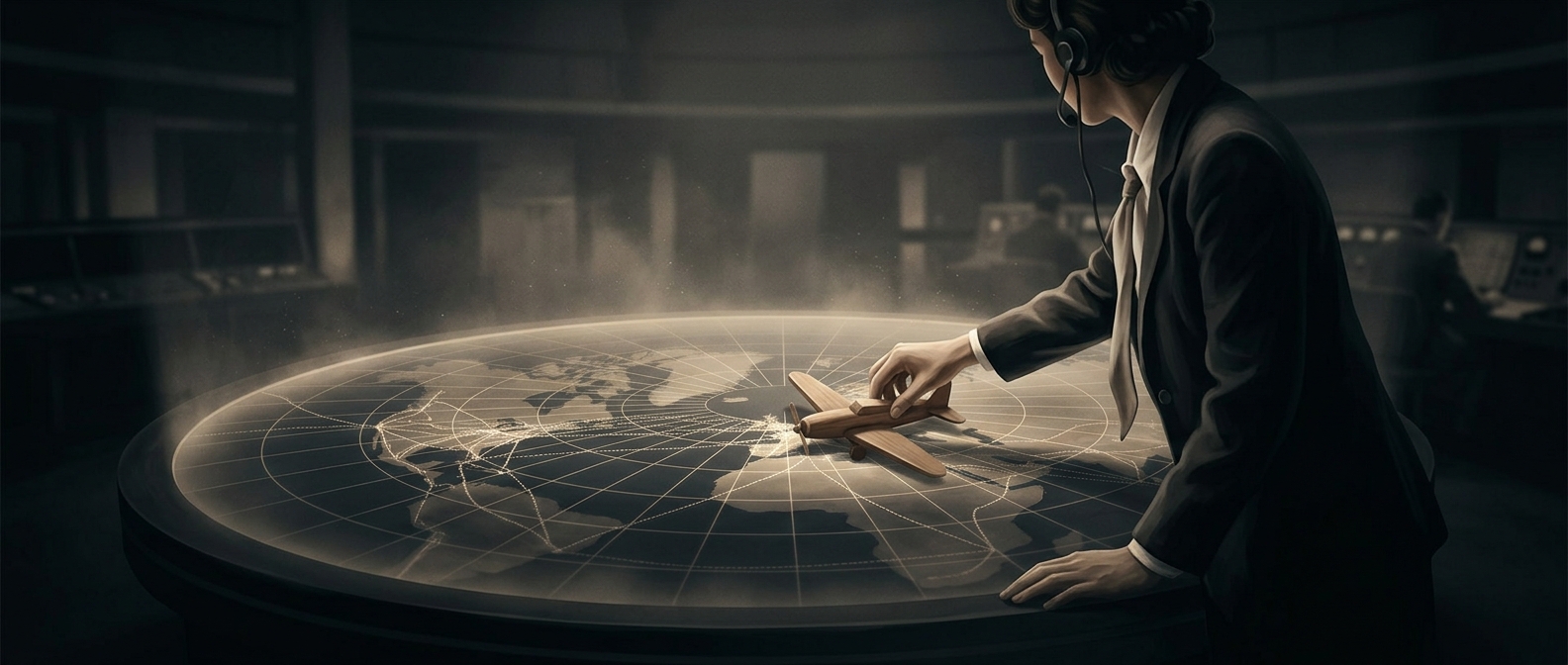
Before radar, air traffic control had to build an invisible map
Controllers combined pilots' position reports, planned routes, altitudes, and timing to track aircraft they could not see. Separation depended on where each…
Discover more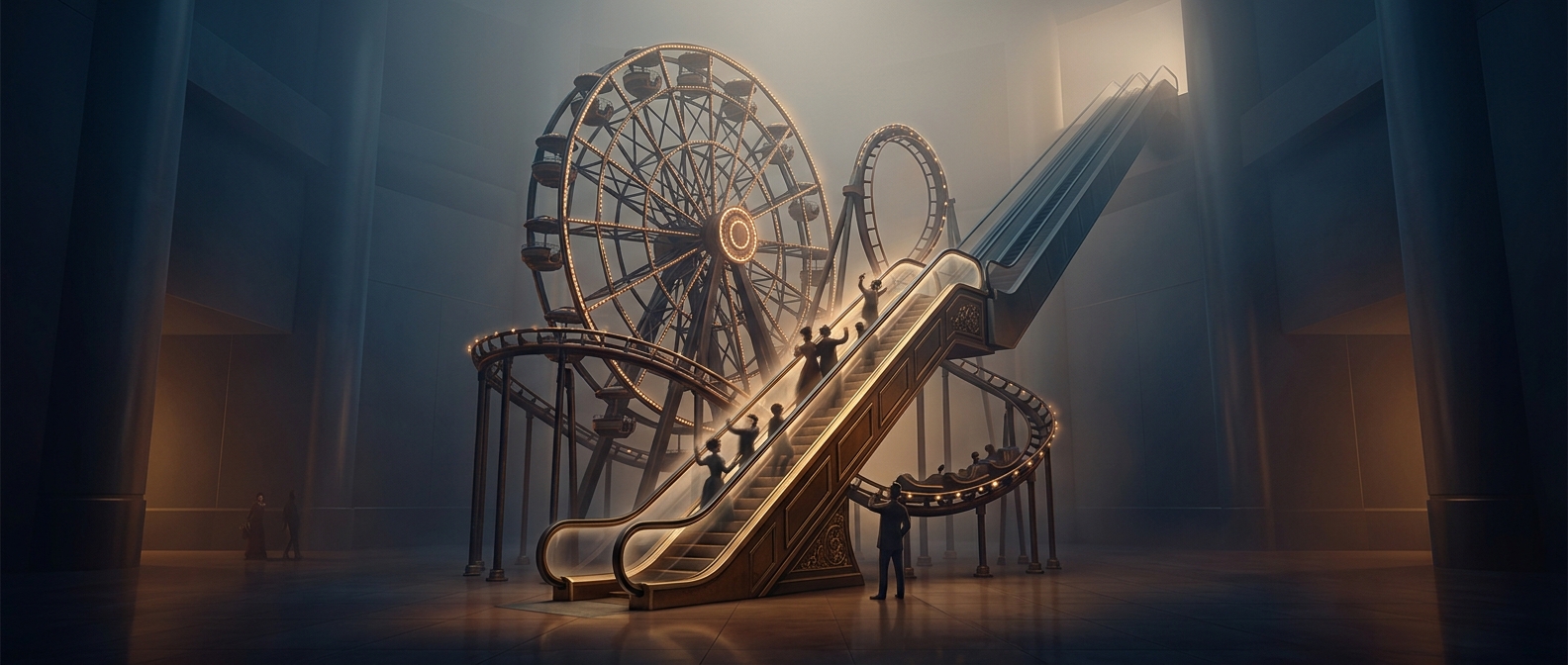
An early escalator was a Coney Island attraction
Jesse Reno demonstrated his inclined elevator at Coney Island in 1896. It used a moving cleated surface rather than the familiar stair-shaped steps of modern…
Discover more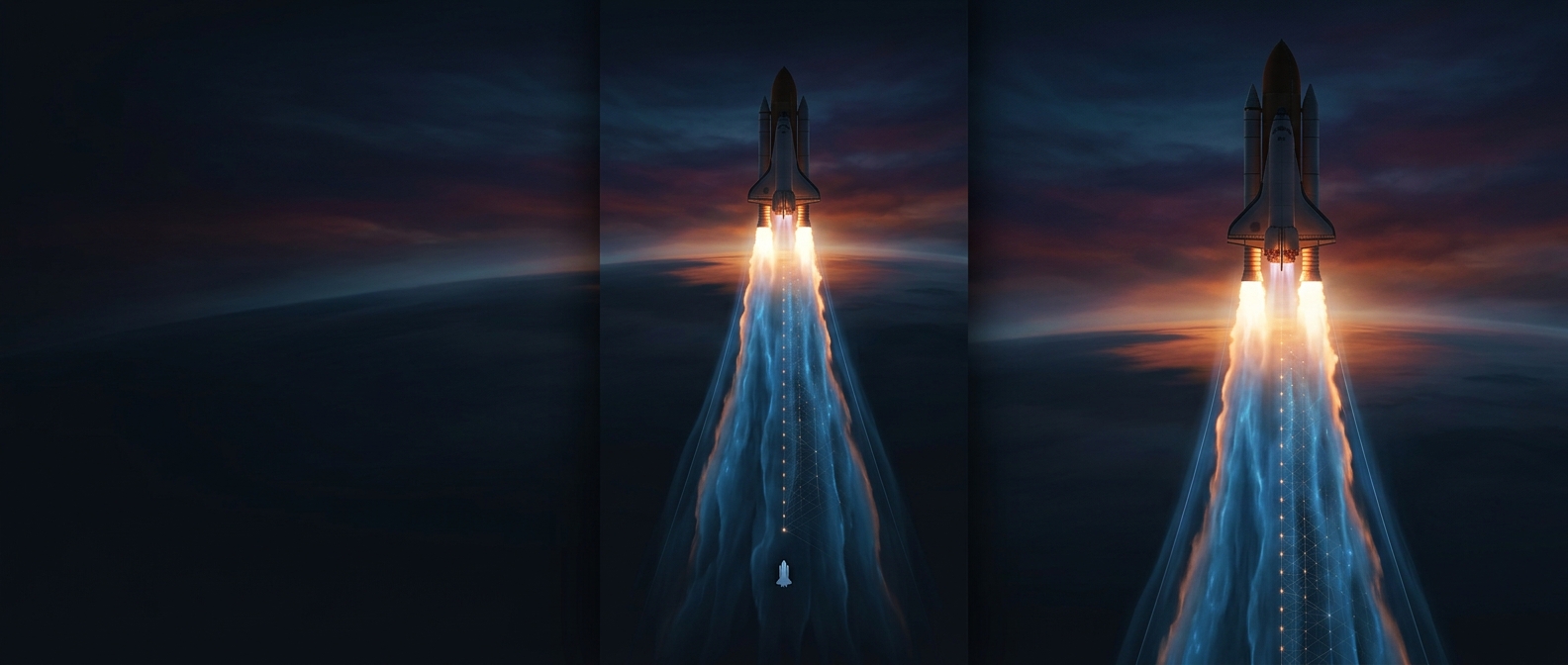
The space shuttle got seven inches per gallon
The shuttle spent its fuel climbing out of Earth’s gravity, not cruising down a highway. Divide that short launch distance by all the propellant needed to…
Discover more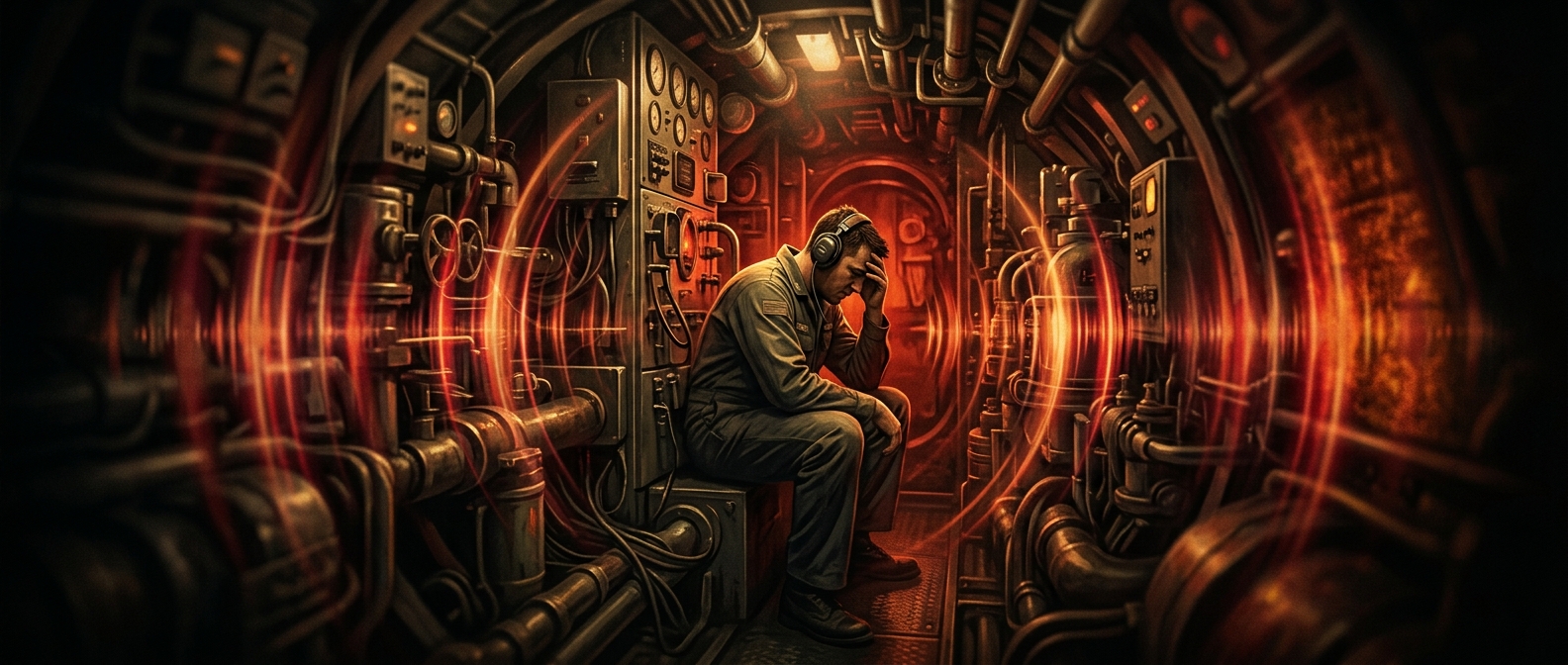
A submarine must keep its machinery from advertising its location
Pumps, motors, and rotating equipment produce vibration that can reach the hull and radiate into the water. Isolation mounts, balancing, and careful…
Discover more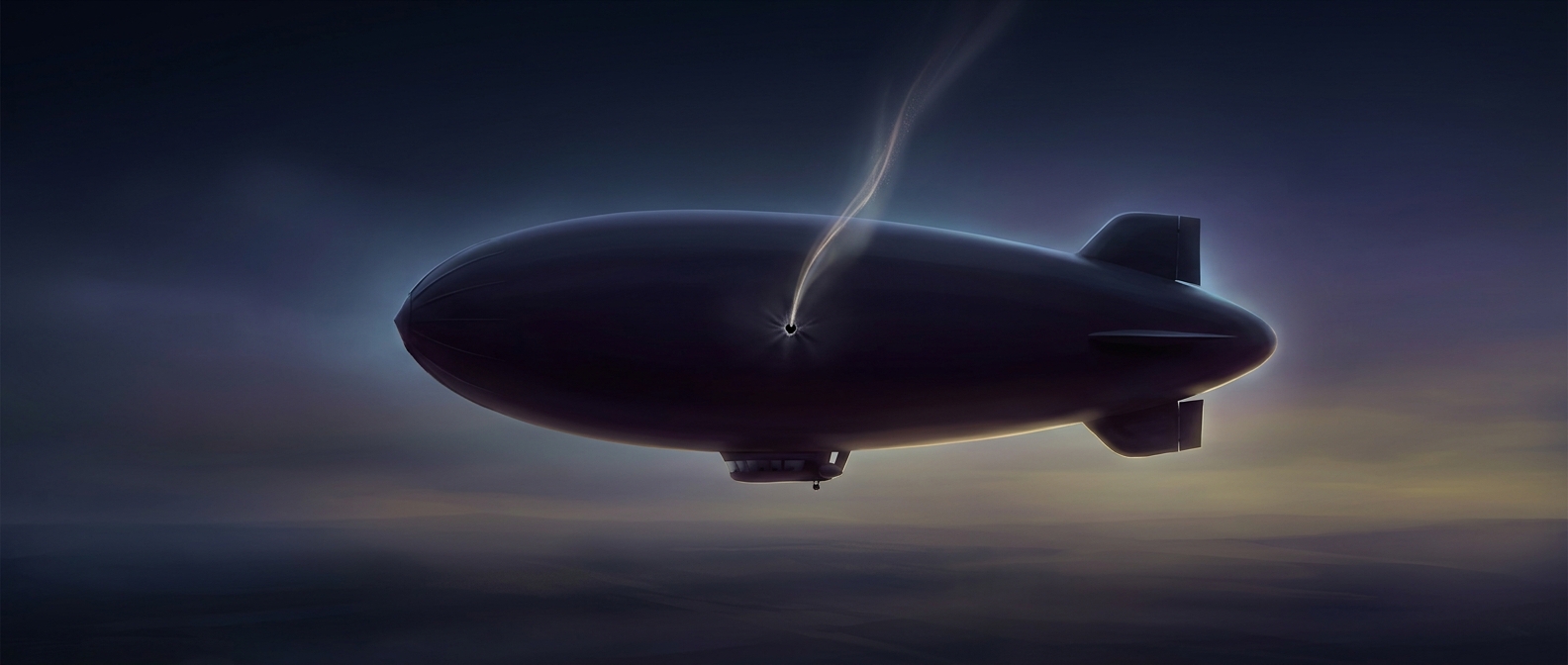
Why a Bullet Hole Usually Won't Pop a Blimp
Helium airships are kept at very low internal pressure, so a bullet hole would let gas escape slowly rather than make the craft burst.
Discover more
A submarine's outer hatch is part of its pressure barrier
An opening through the pressure hull needs a strong closure, seal, and reinforced structure to resist the sea outside. Keeping that opening compact helps make…
Discover more
ZIP codes were created to make mail transport manageable
ZIP codes give mail sorters a quick geographic clue, grouping letters by delivery area so they move through the right facilities and routes. Five digits turn…
Discover more
Auto-rickshaws have their top speeds restricted for safety
A speed limit gives a light, three-wheeled rickshaw more time to stop and less reason to tip in a sharp maneuver. Its job is carrying passengers through…
Discover more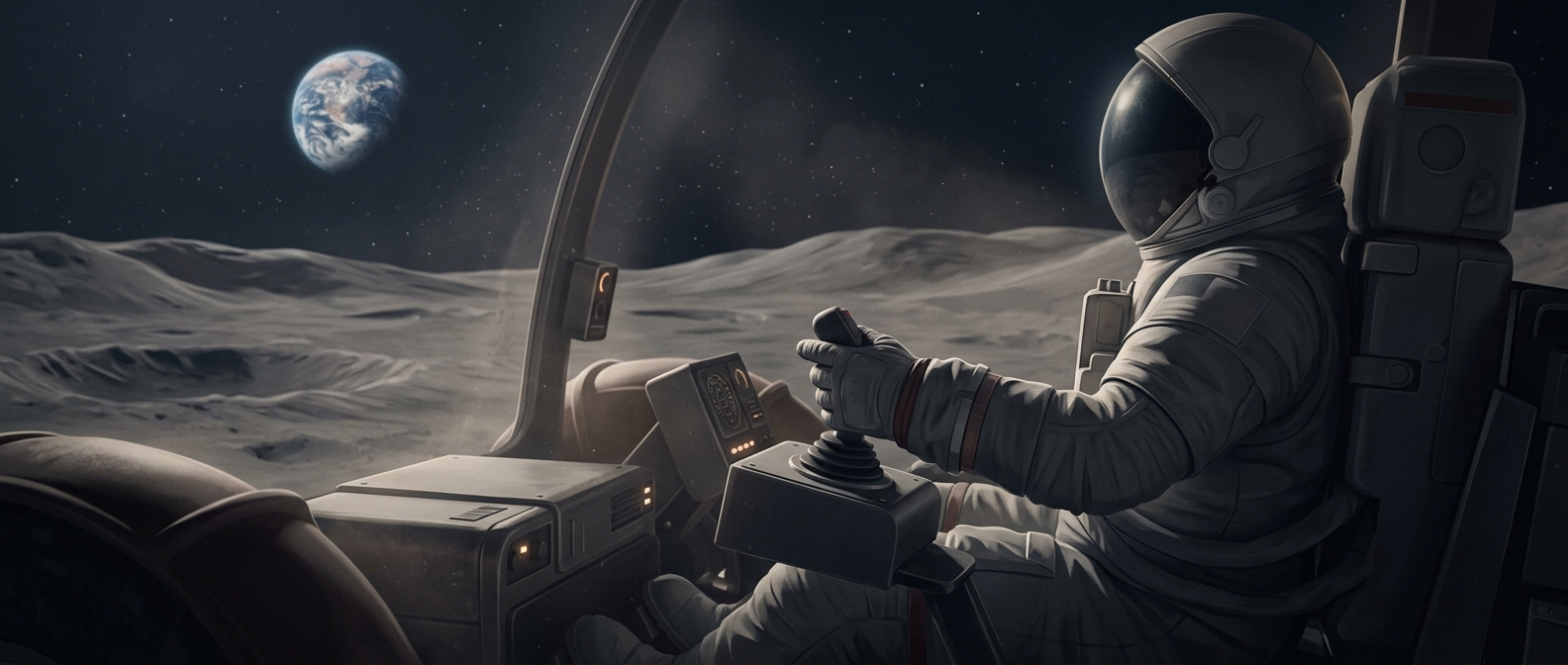
Apollo's Moon tires did not need air
The lunar rover rolled on flexible wire-mesh wheels with metal traction strips. The mesh could deform over rough ground without an inflated rubber tire,…
Discover more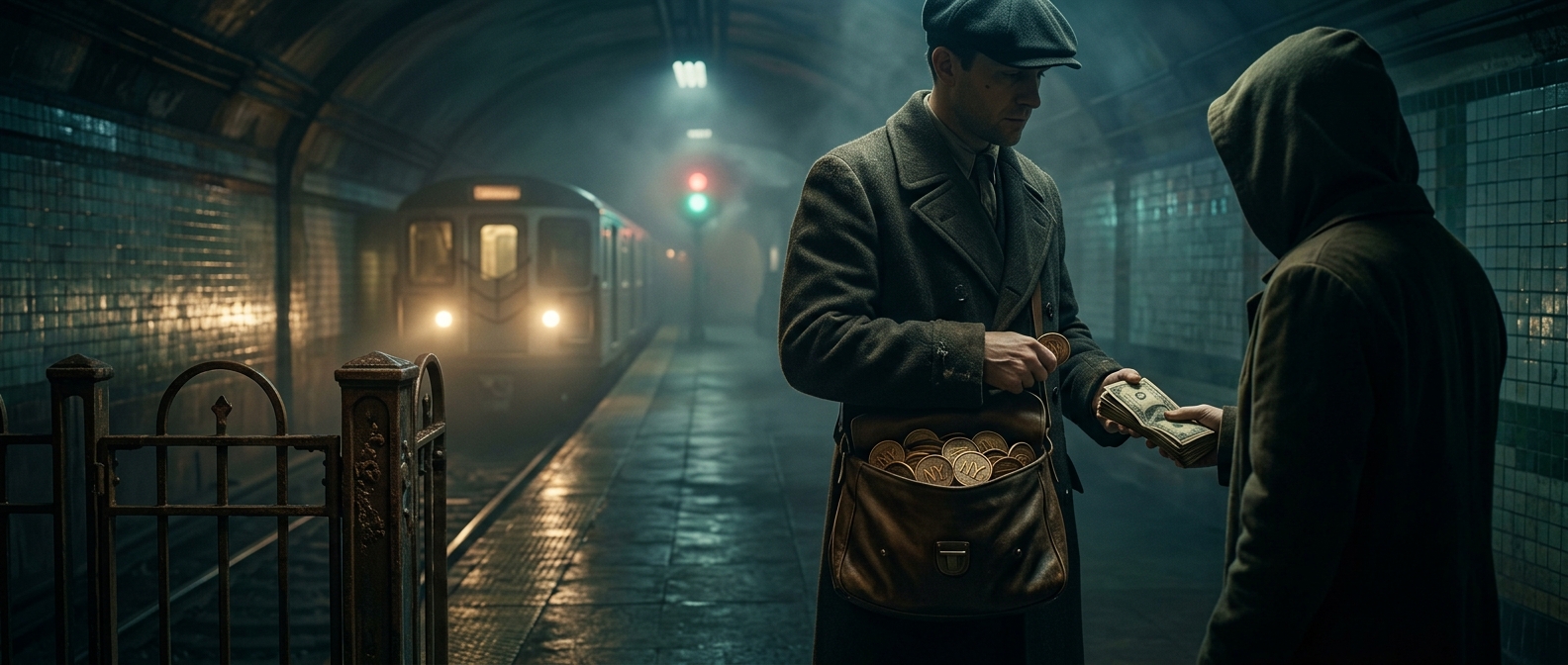
When subway tokens became a shadow currency
A token bought a ride, but its fixed fare made it worth holding onto when prices changed. People traded and hoarded the little metal discs like pocket-sized…
Discover more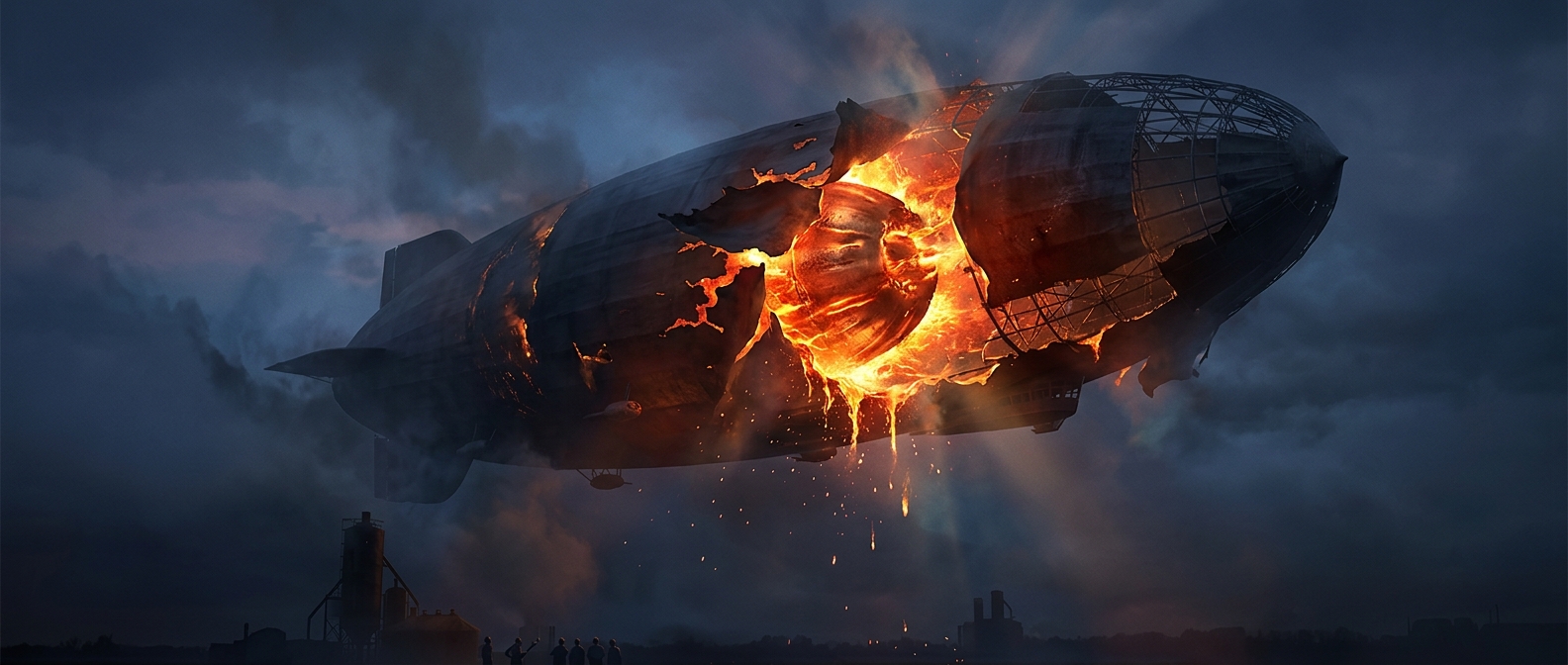
The rocket-fuel ingredients in the Hindenburg's skin
Its fabric was coated with iron oxide and aluminum powder, ingredients also used in solid rocket boosters.
Discover more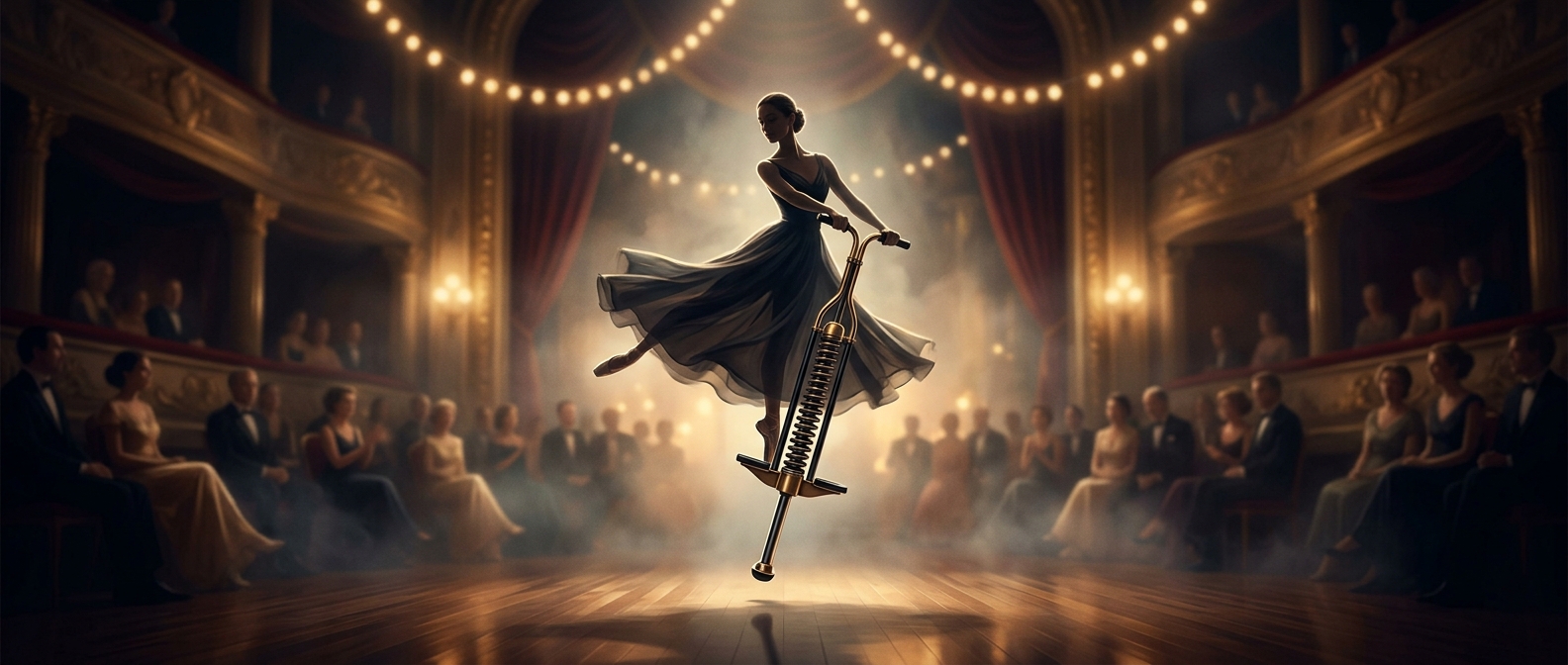
Pogo sticks bounced their way onto the theatrical stage
The Strong museum traces a 1920s craze that included jumping contests, performances, and even weddings on pogo sticks. George Hansburg taught members of the…
Discover more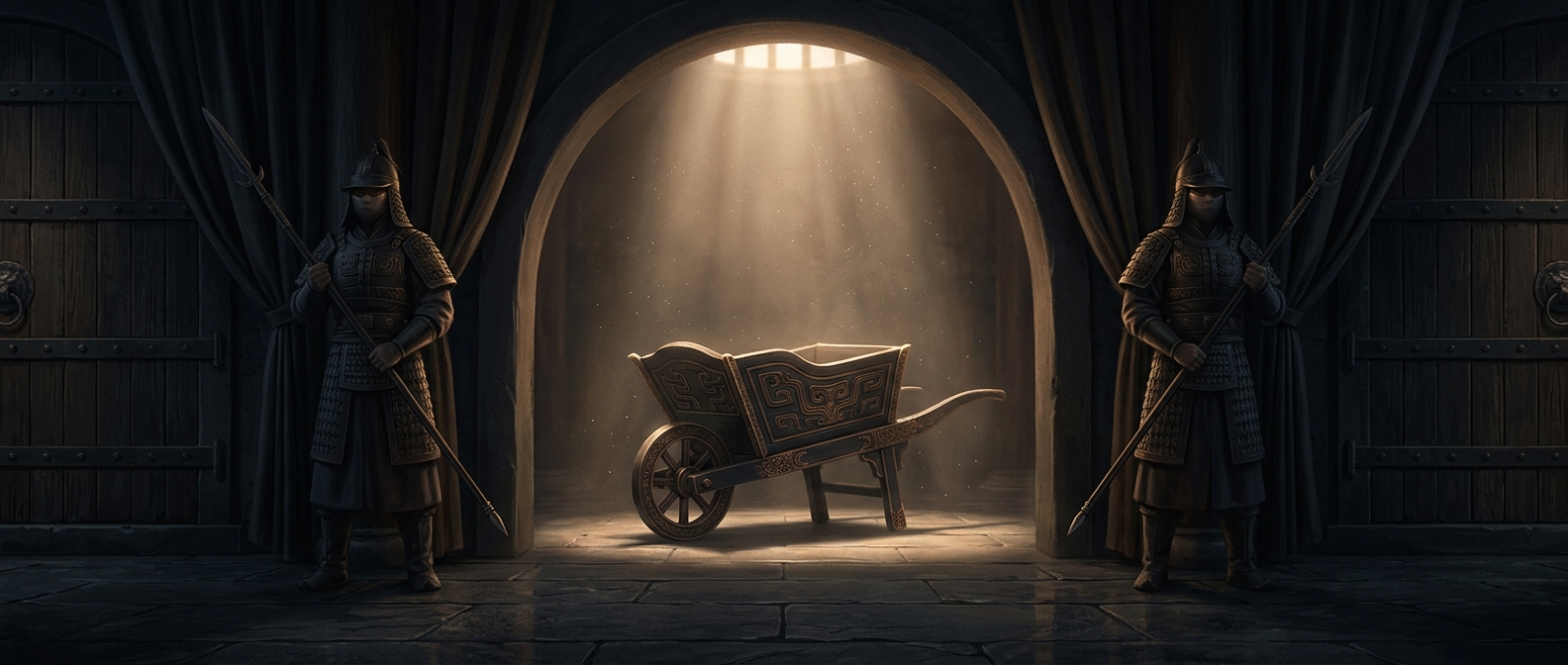
A wheelbarrow lets the ground carry most of the load
Put a wheel near the load’s center and the person moving it no longer has to lift all that weight. The handles control balance and direction while the wheel…
Discover more
A sidewalk cannot make a distant destination close
In car-oriented parts of Los Angeles, homes, shops, and jobs can be separated by long blocks, wide roads, and parking lots. A paved path may exist without…
Discover more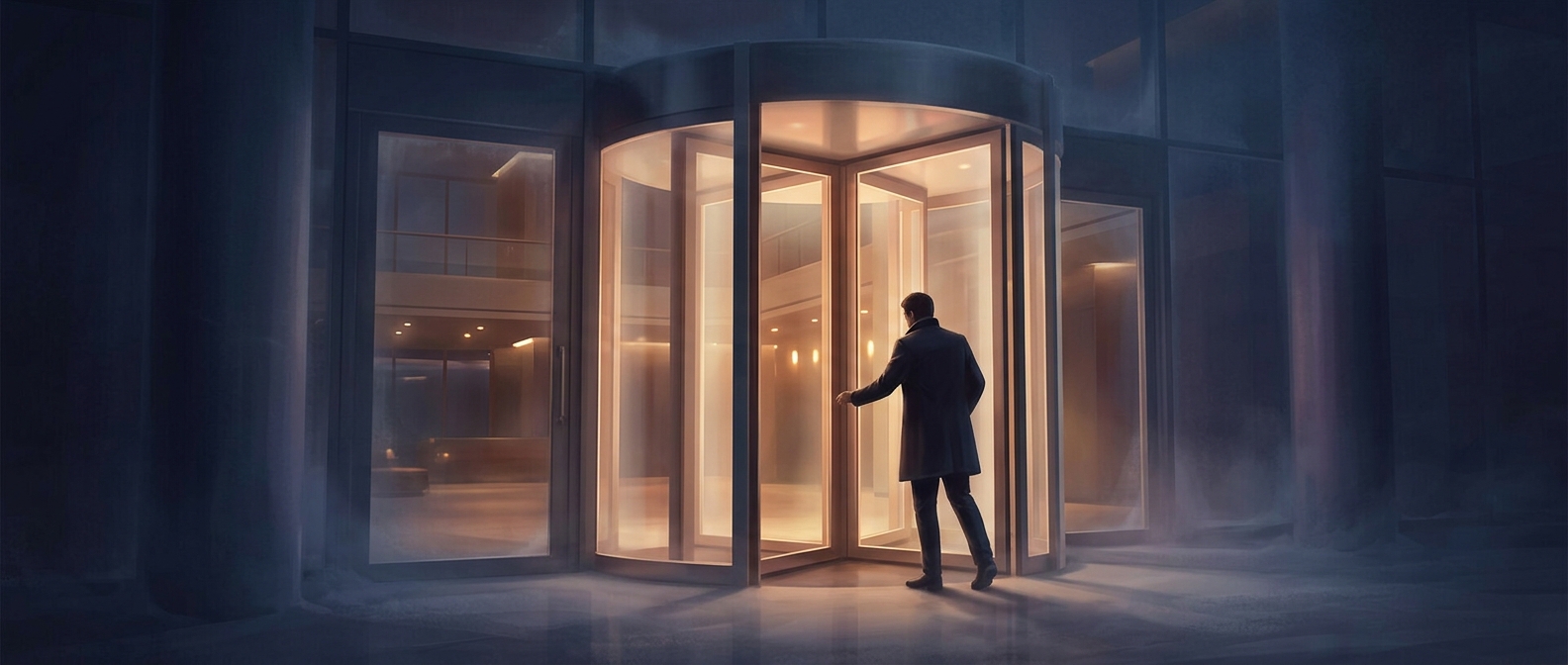
Why revolving doors save energy
Each panel acts like a moving wall: as people pass through, it blocks a direct opening for outside air to rush in. Passengers get through; the building's…
Discover more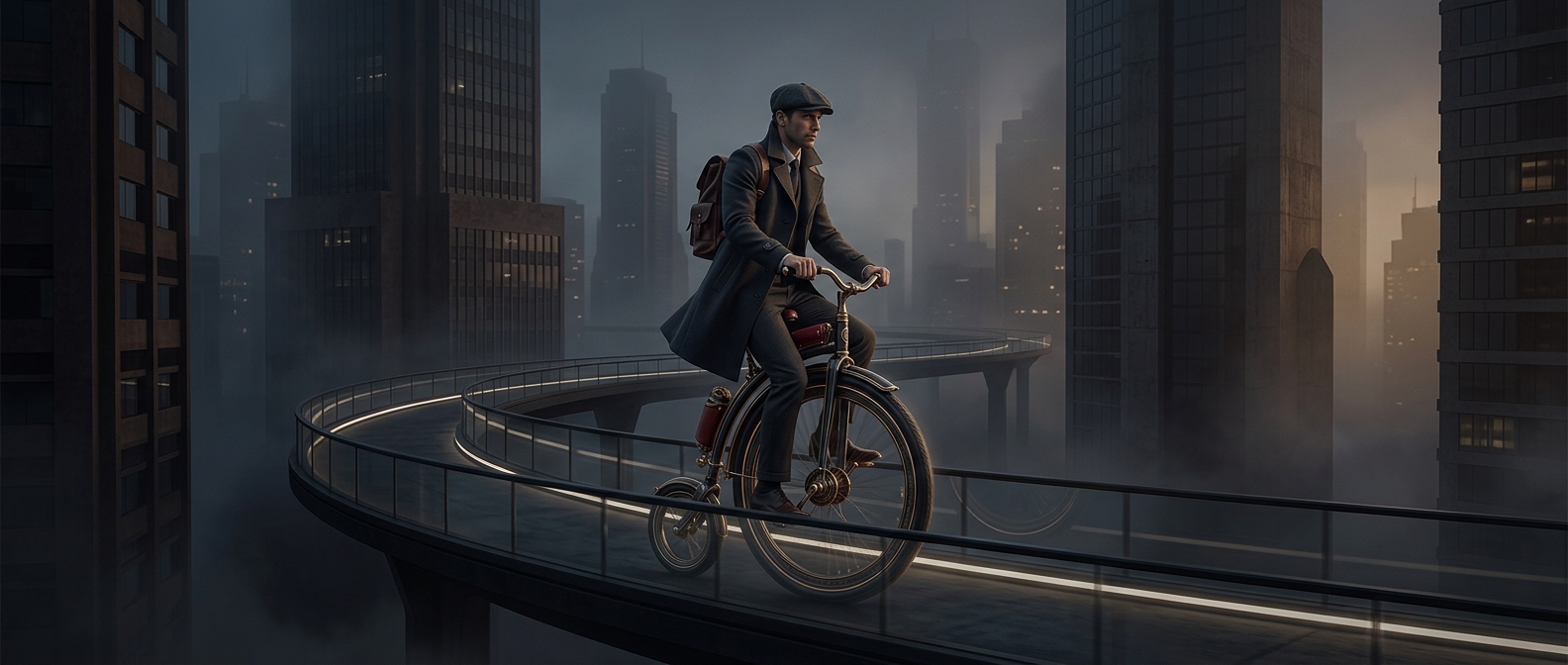
A unicycle makes the rider do the job of the missing wheel
Pedaling changes where the wheel sits beneath the rider's center of mass. Lean forward and the wheel must move forward to catch up; steering also involves…
Discover more
Why the prime meridian runs through Greenwich
British ships already used Greenwich to map longitude, so giving its meridian the world’s zero line spared navigators a thousand competing starting points.…
Discover more