Transport
Discover facts about transport. Small discoveries that change the way you see familiar things.
Transport
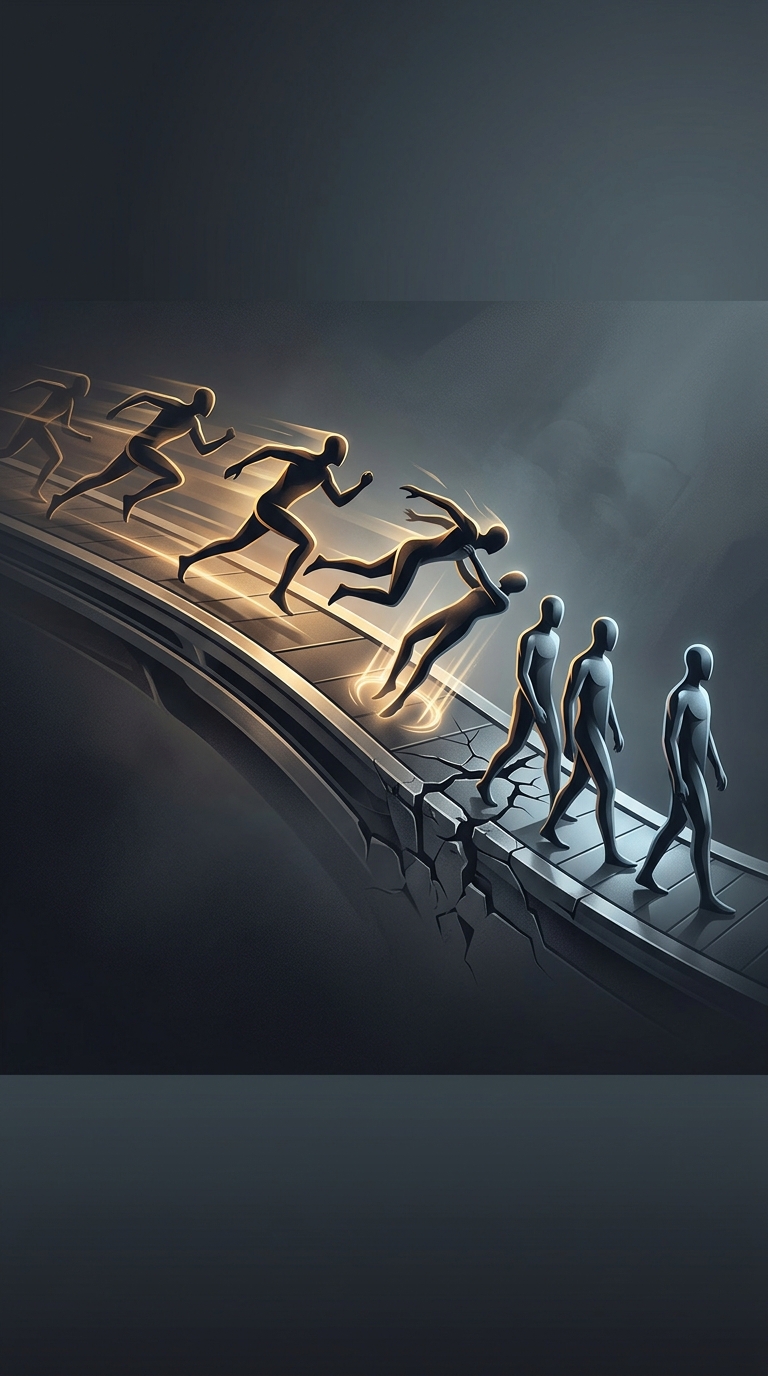
Paris tried a moving walkway fast enough for a slow run.
Paris tried a moving walkway fast enough for a slow run. The high-speed walkway at Montparnasse used acceleration and deceleration sections to get passengers…
Discover more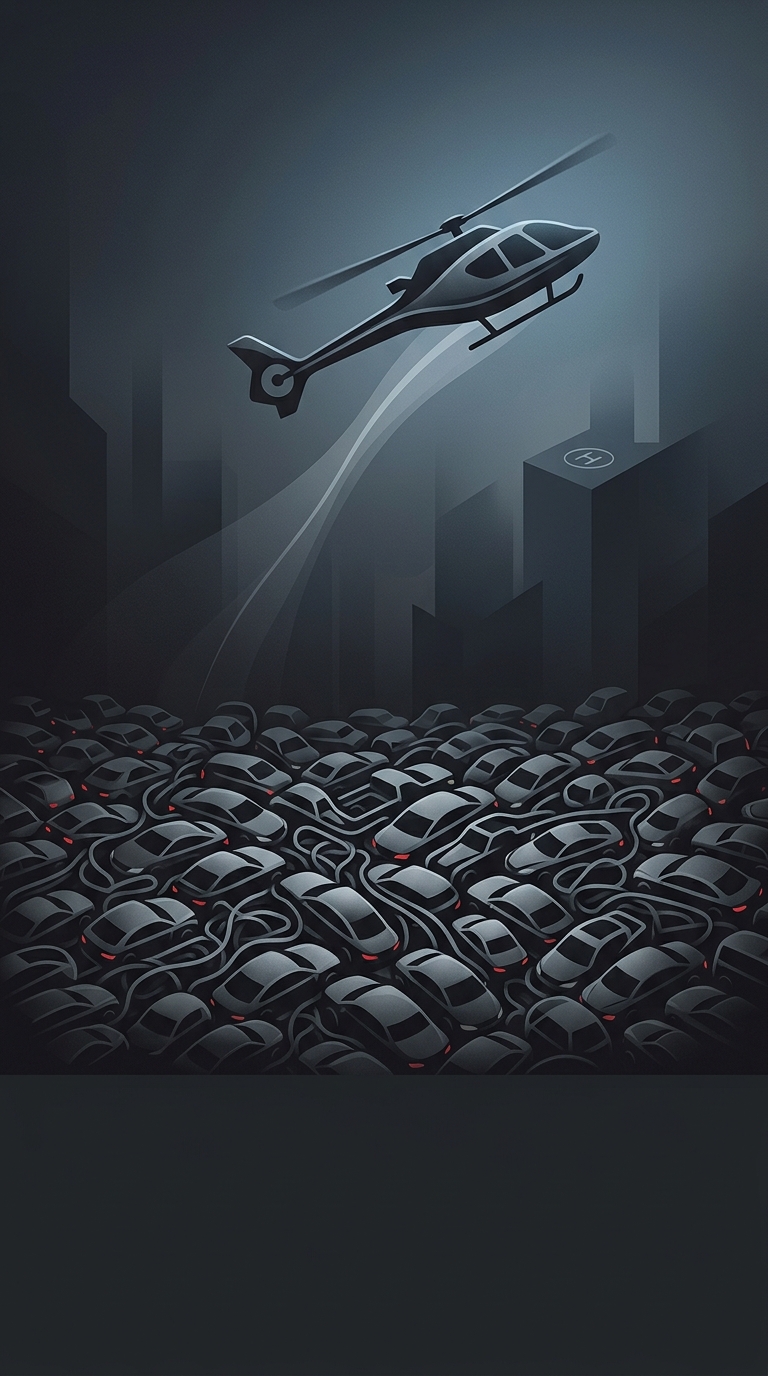
Sao Paulo, Brazil, holds the record for some of the world's worst traffic jams, with a historic gridlock on November 15, 2013, stretching an apocalyptic 192 miles.
Sao Paulo, Brazil, holds the record for some of the world's worst traffic jams, with a historic gridlock on November 15, 2013, stretching an apocalyptic 192…
Discover more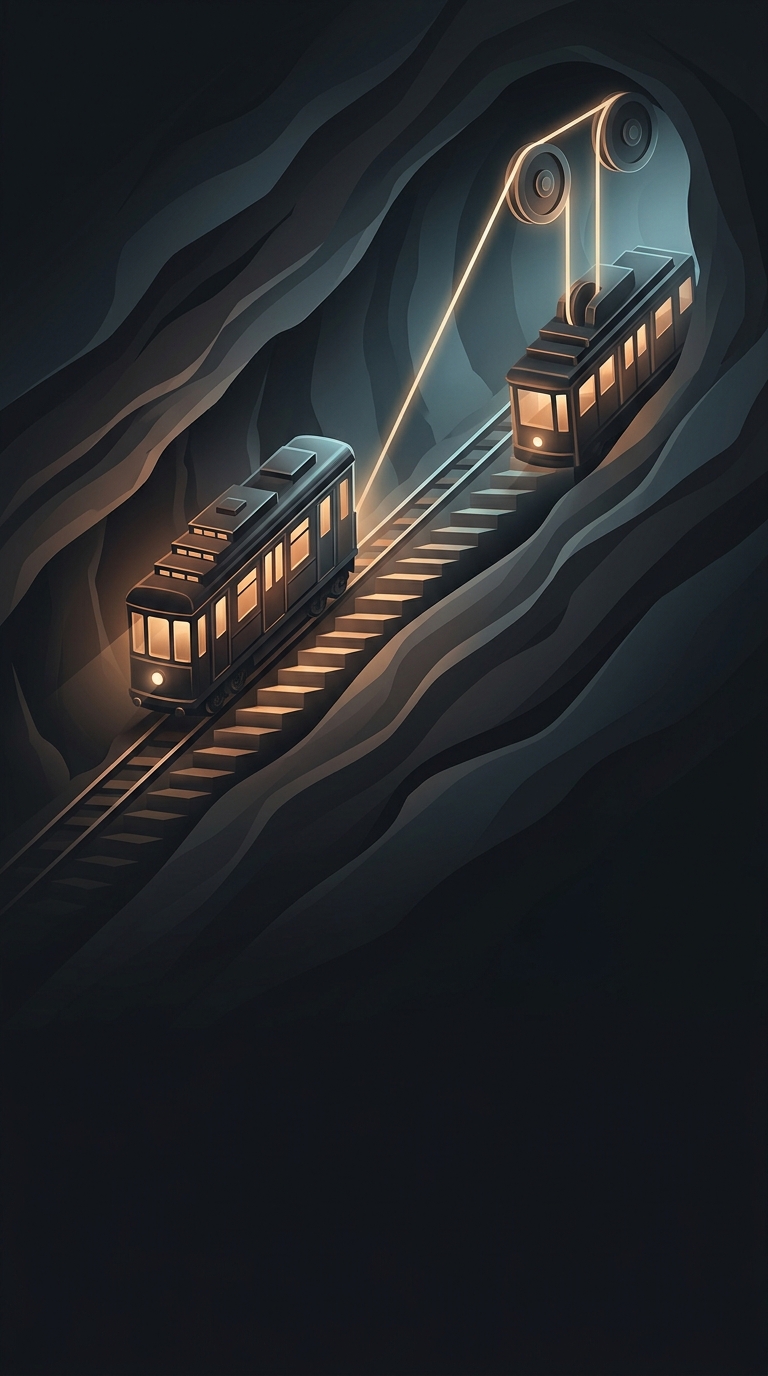
Carmelit in Haifa, Israel, is arguably the most bizarre underground transit system on Earth because it is essentially a subterranean funicular functioning as a subway.
Carmelit in Haifa, Israel, is arguably the most bizarre underground transit system on Earth because it is essentially a subterranean funicular functioning as…
Discover more
Homing pigeons were officially used by the Indian police force in Odisha until 2002 to transport emergency messages across remote mountainous areas where radio signals consistently failed.
Homing pigeons were officially used by the Indian police force in Odisha until 2002 to transport emergency messages across remote mountainous areas where…
Discover more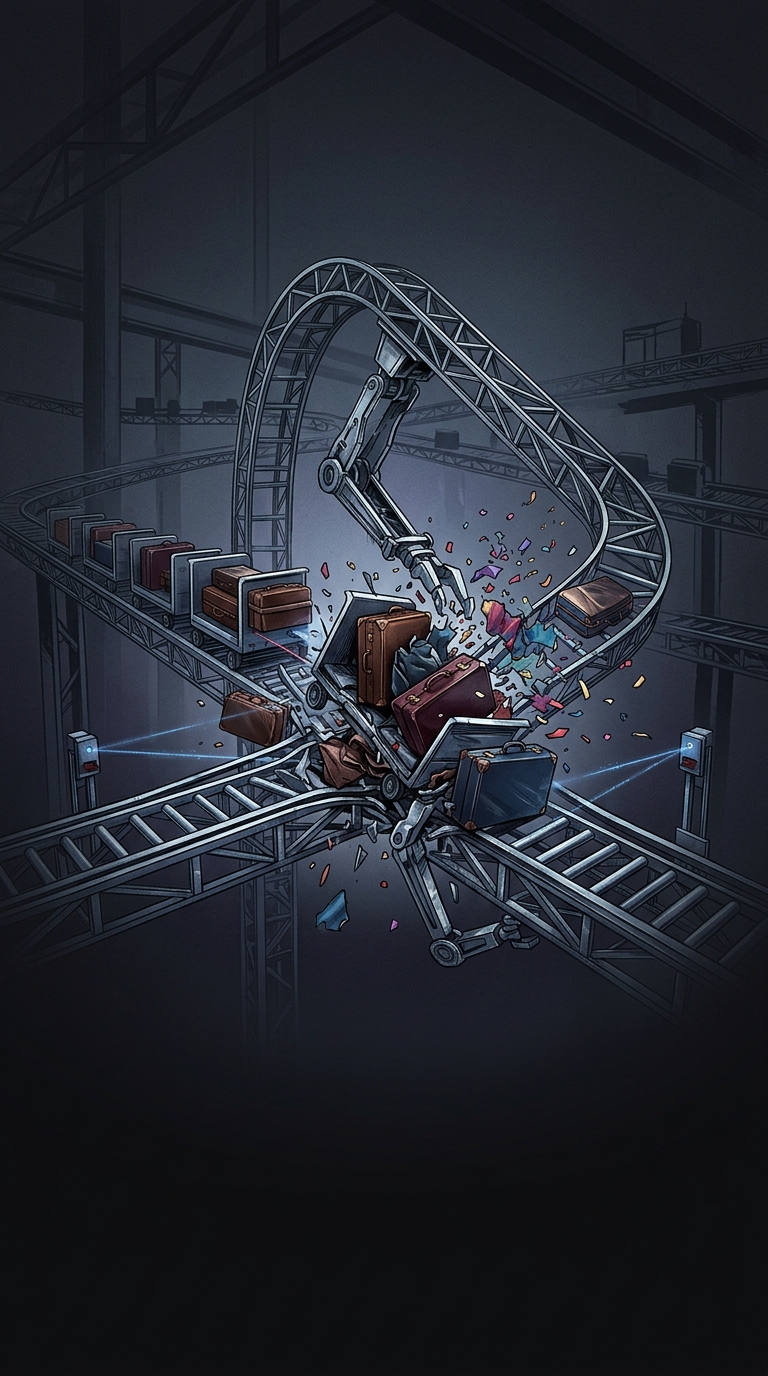
Denver International Airport attempted to build the most advanced automated baggage system in the world during the 1990s, only to create a massive machine that mercilessly chewed up and spat out luggage.
Denver International Airport attempted to build the most advanced automated baggage system in the world during the 1990s, only to create a massive machine…
Discover more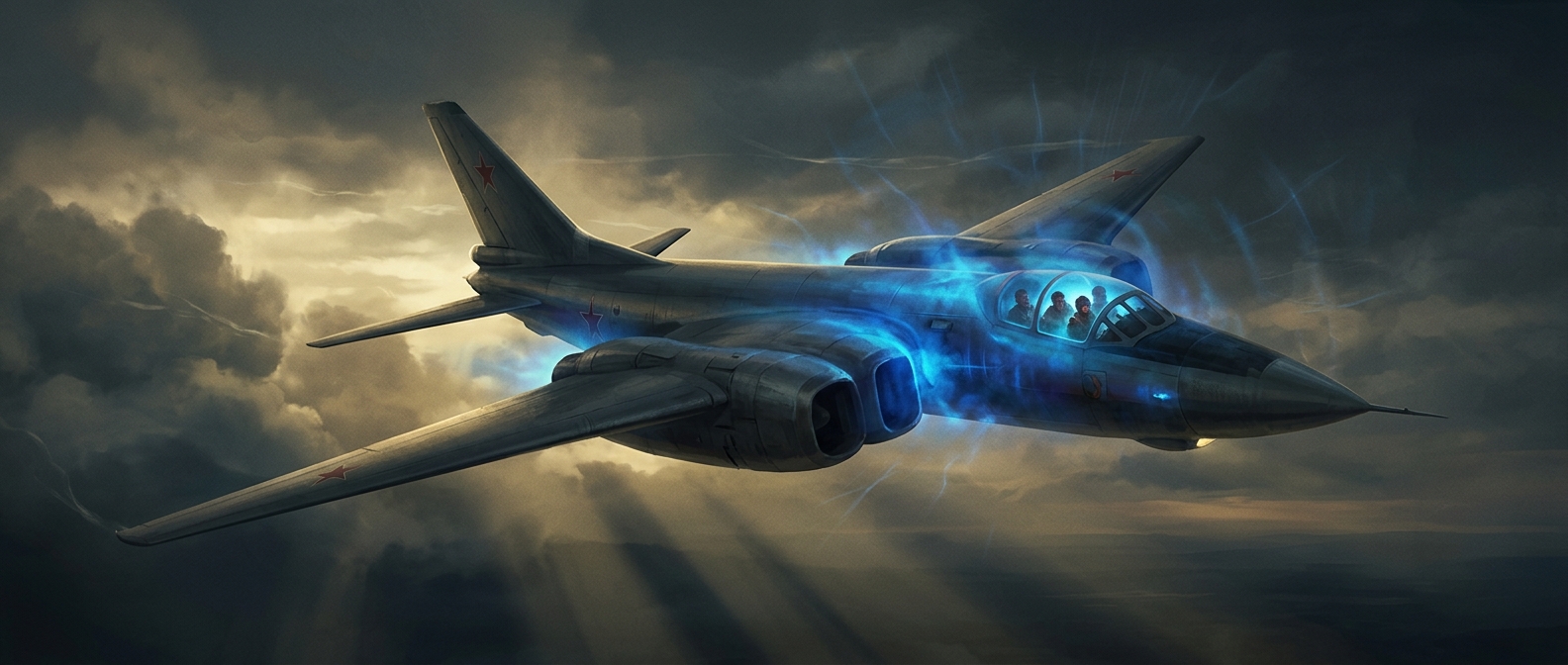
A nuclear reactor flew aboard a bomber to test its shielding
The reactor aboard the NB-36H was there to test shielding, not to push the bomber through the sky. The crew sat behind protective barriers while instruments…
Discover more STACKY FOR IPHONE
A bigger world.
One discovery
at a time.
Keep discovering with Stacky. Interesting facts in an app that is always within reach.
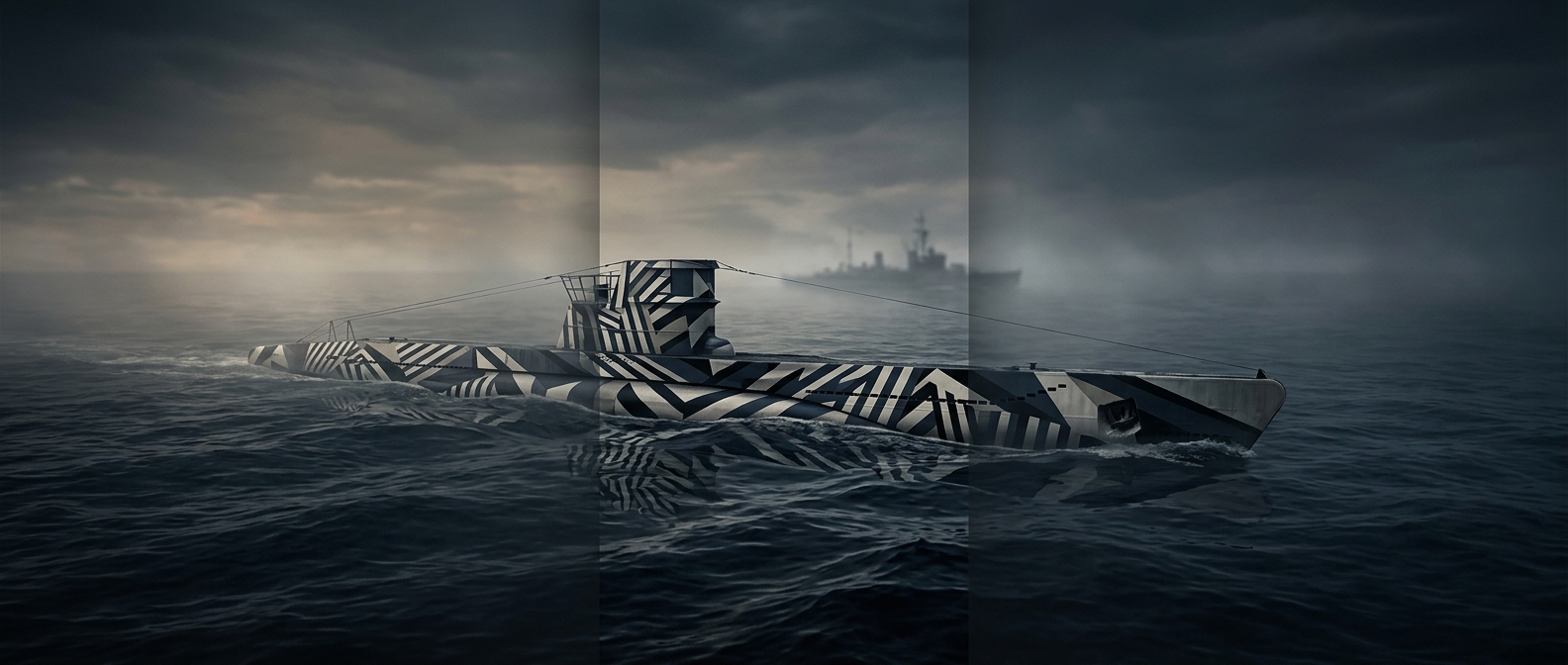
Why British warships were painted like optical illusions
Dazzle camouflage broke a ship's outline into bold, mismatched shapes. It was designed to confuse estimates of direction and speed, making a torpedo's…
Discover more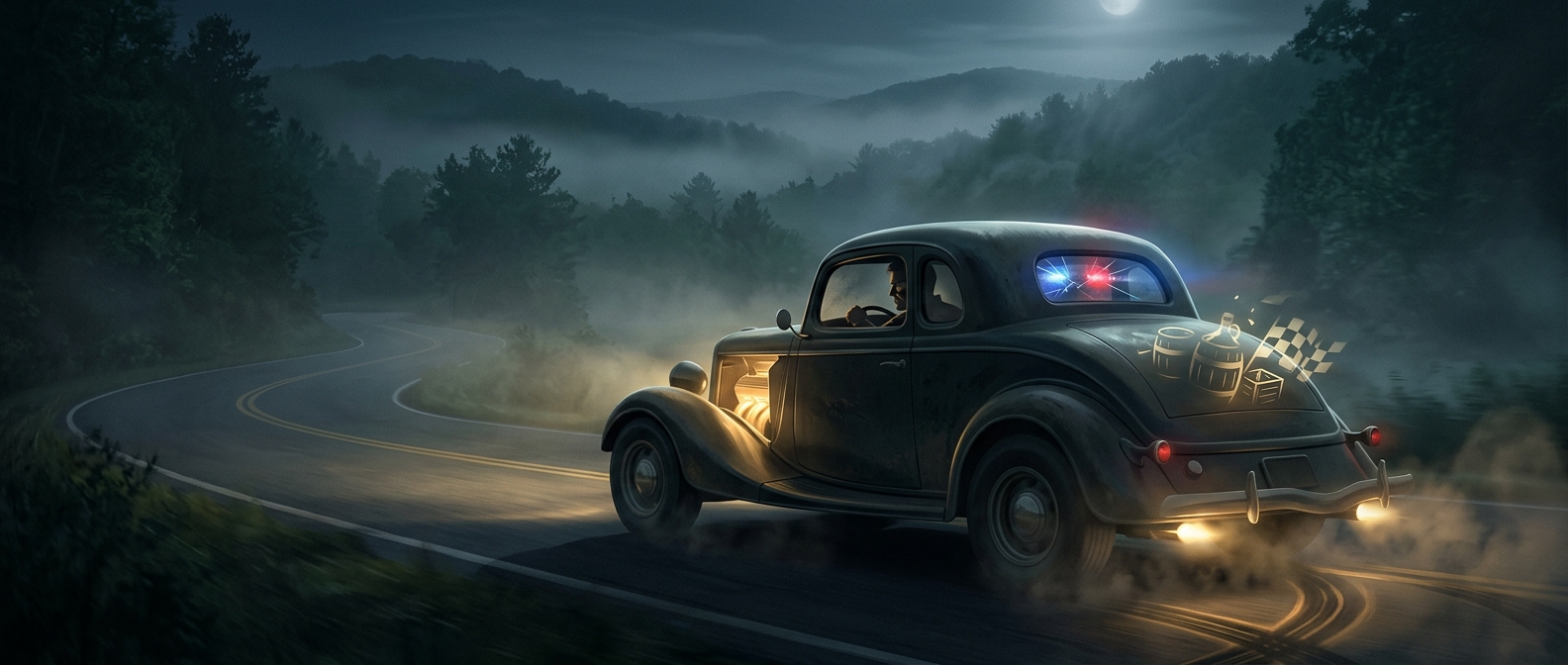
NASCAR began with cars built to outrun police
Southern bootleggers modified cars to carry illegal liquor quickly while looking ordinary enough to avoid attention. Some drivers then brought that mechanical…
Discover more
A pothole grows when a small crack starts letting water in
Water enters damaged pavement and weakens the material beneath it. Freezing can widen the damage, while passing wheels keep breaking and removing the loosened…
Discover more
Motorola introduced the first commercially successful car radio in 1930, initially selling it for around one hundred and thirty dollars, which was roughly one-fifth the price of an entire automobile back then.
Motorola introduced the first commercially successful car radio in 1930, initially selling it for around one hundred and thirty dollars, which was roughly…
Discover more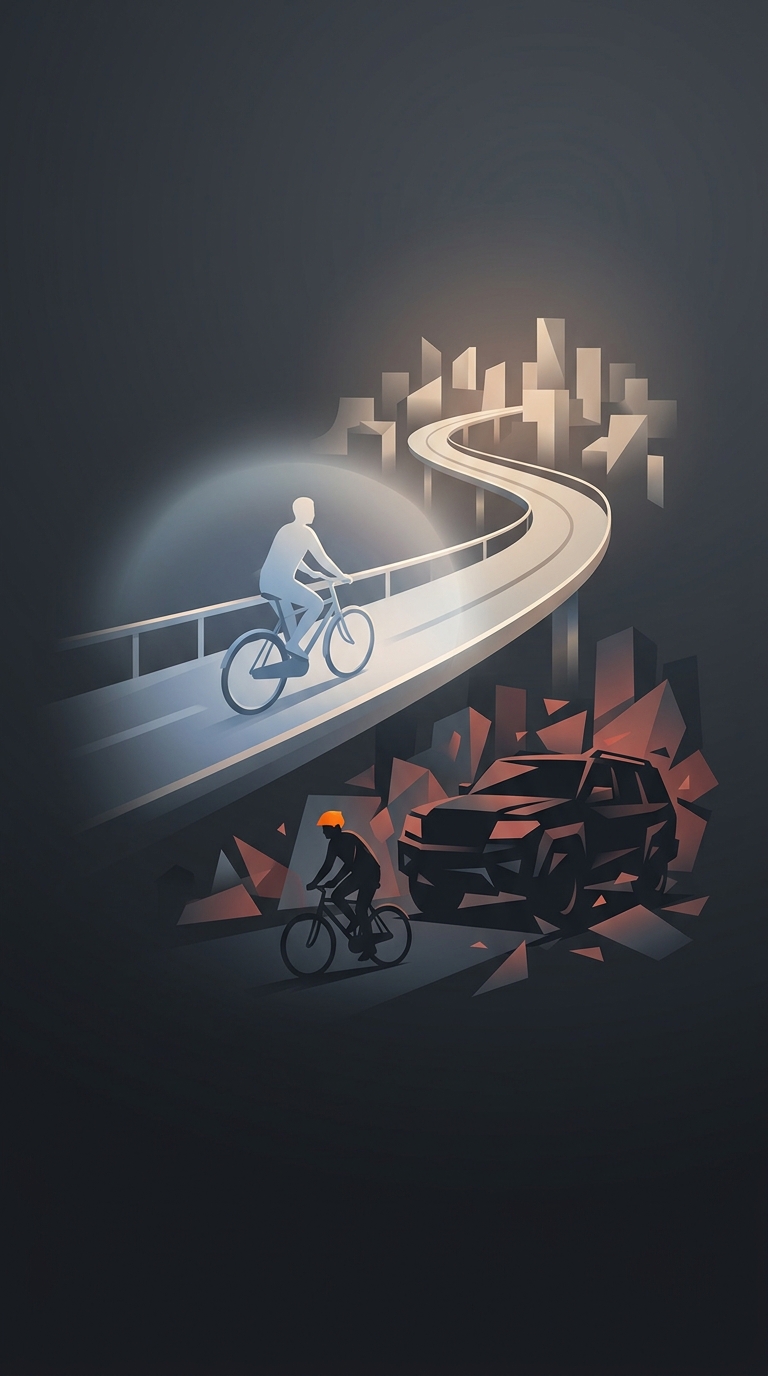
Netherlands boasts more bicycles than actual human residents, with an estimated twenty-three million bikes compared to a population of just seventeen million.
Netherlands boasts more bicycles than actual human residents, with an estimated twenty-three million bikes compared to a population of just seventeen million.…
Discover more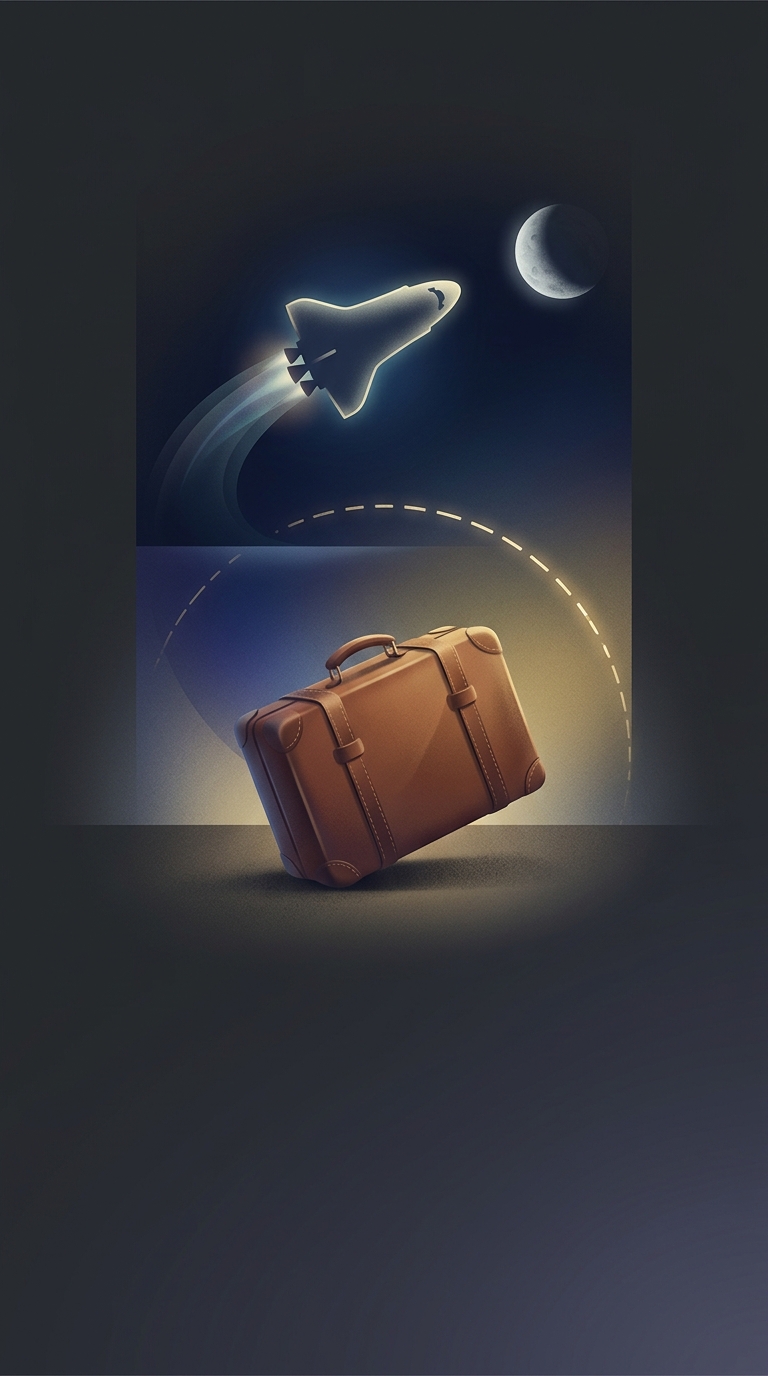
A 1972 patent described a suitcase that could be pulled on rollers instead of carried.
A 1972 patent described a suitcase that could be pulled on rollers instead of carried. Bernard Sadow's design put wheels beneath conventional luggage and…
Discover more
New York City dumped thousands of obsolete subway cars into the Atlantic Ocean between 2001 and 2010 to create artificial reefs for marine life.
New York City dumped thousands of obsolete subway cars into the Atlantic Ocean between 2001 and 2010 to create artificial reefs for marine life. Before the…
Discover more
Volvo engineer Nils Bohlin invented the modern three-point seatbelt in 1959, fundamentally changing vehicle safety by securing both the upper and lower body during a crash.
Volvo engineer Nils Bohlin invented the modern three-point seatbelt in 1959, fundamentally changing vehicle safety by securing both the upper and lower body…
Discover more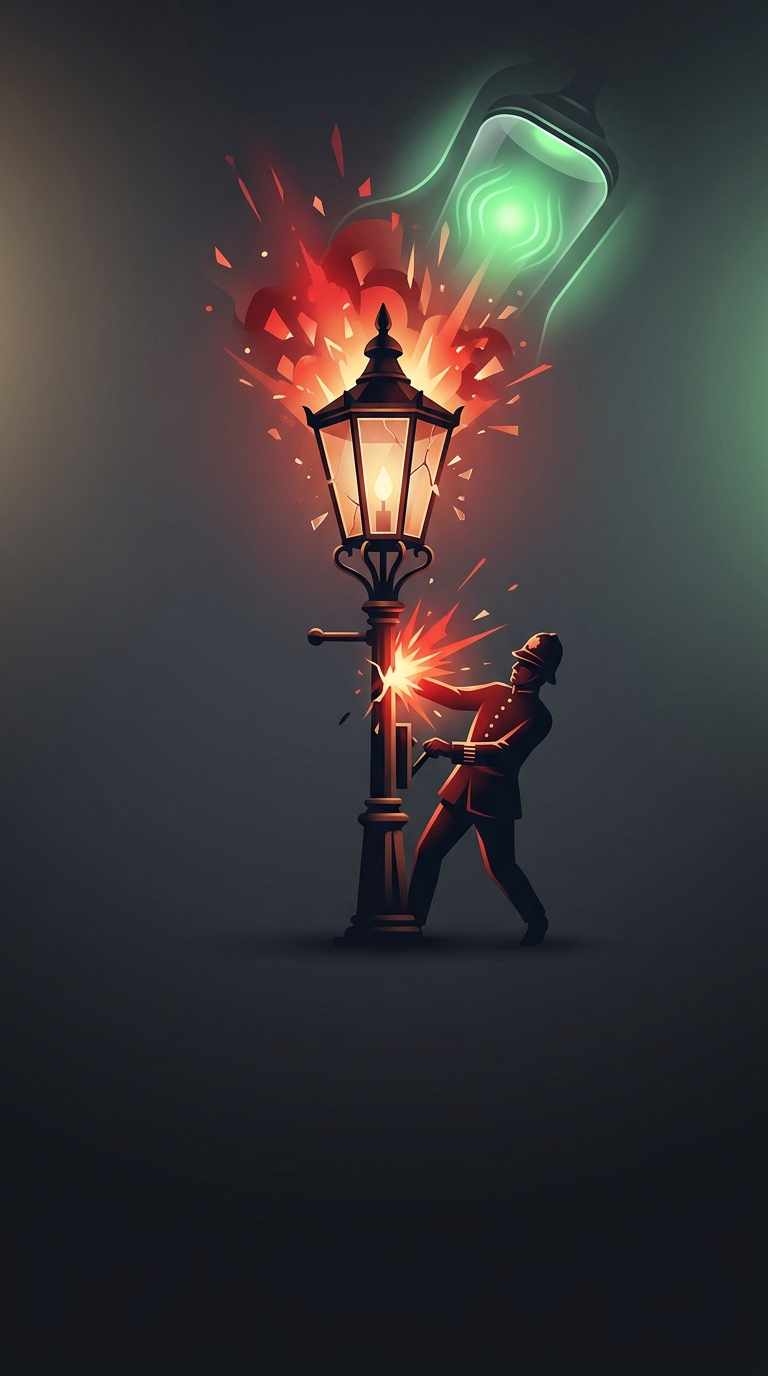
London installed traffic lights for a horse-powered city in 1868.
London installed traffic lights for a horse-powered city in 1868. Outside Parliament, a police officer controlled semaphore arms by day and gas-lit colored…
Discover more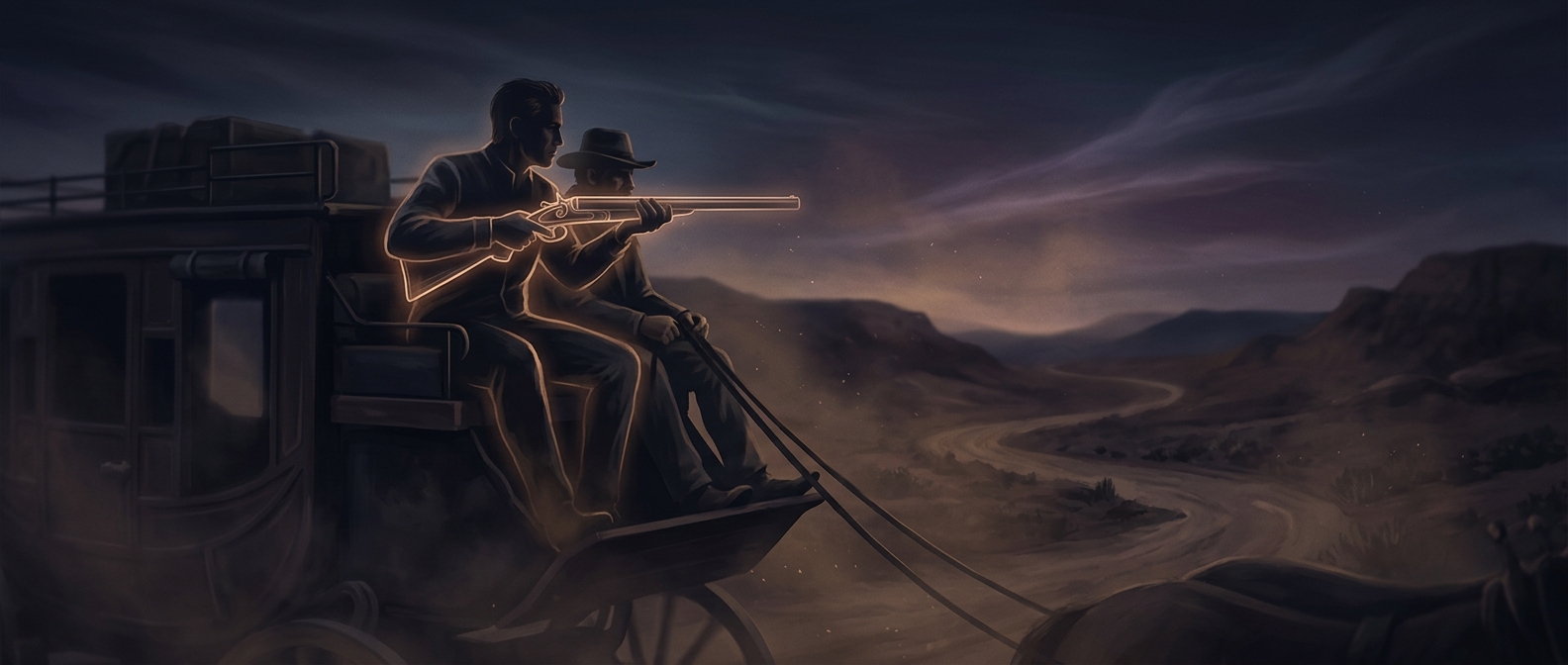
Why the passenger seat is called shotgun
Stagecoach drivers needed a guard beside them, shotgun ready when bandits appeared. The seat kept the name after the bandits—and the shotgun—left the commute.
Discover more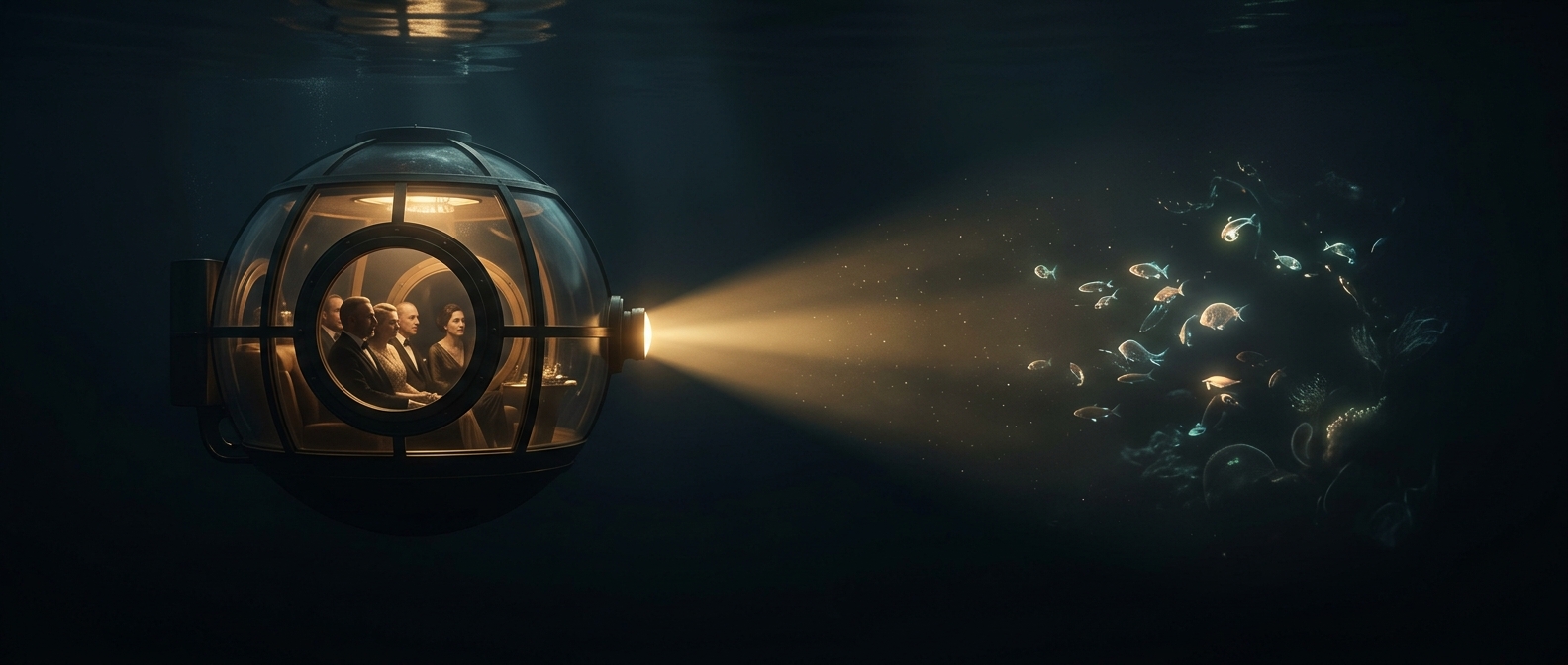
A sightseeing submarine takes the window seat underwater
Passengers stay in a sealed pressure hull while the vessel controls its depth using ballast and other buoyancy systems. The water remains outside the viewing…
Discover more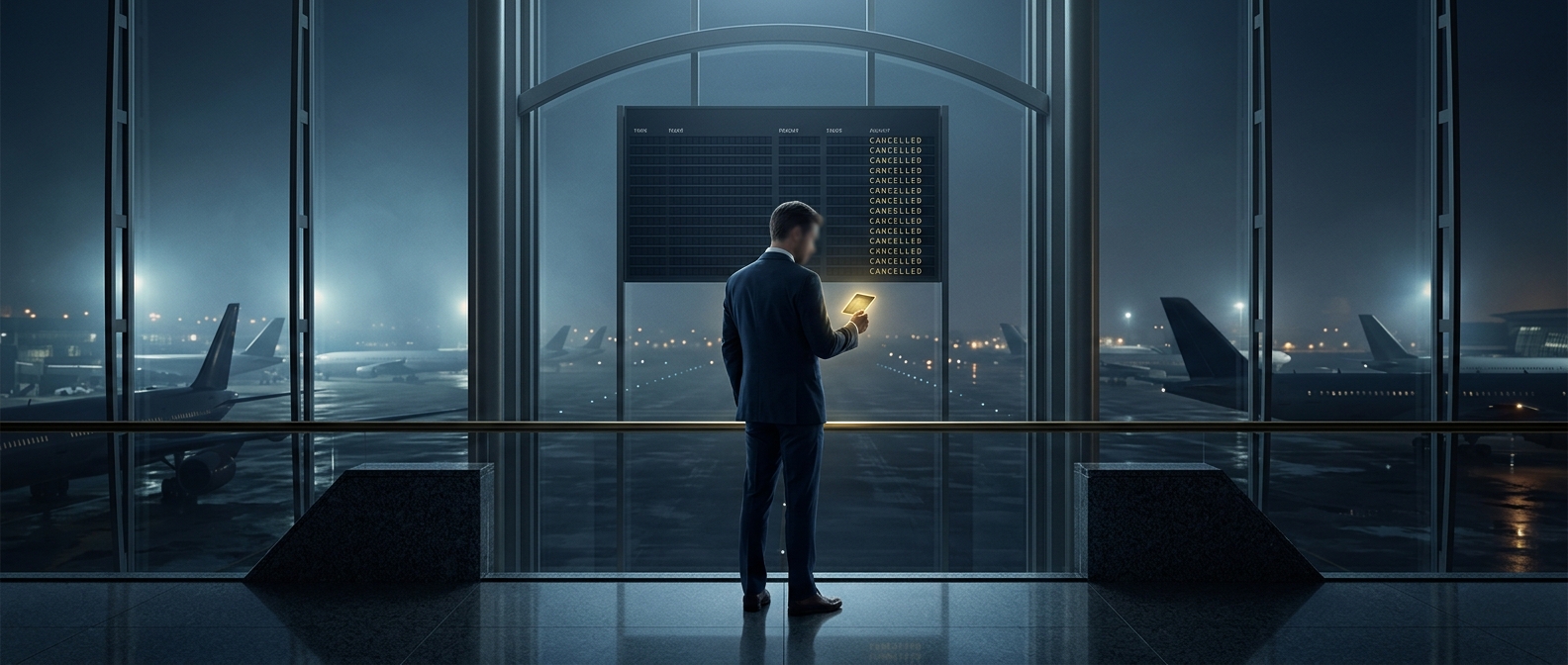
The unlimited flight pass that cost an airline millions
American Airlines sold lifetime AAirpass memberships for a large upfront fee, letting holders book extraordinary amounts of travel afterward. Heavy users…
Discover more
The US speed limit reaches 85 mph in Texas
Texas’s 85-mph limit applies to a stretch of State Highway 130, a toll road built with long, open sections and gentle curves. Its design leaves room for…
Discover more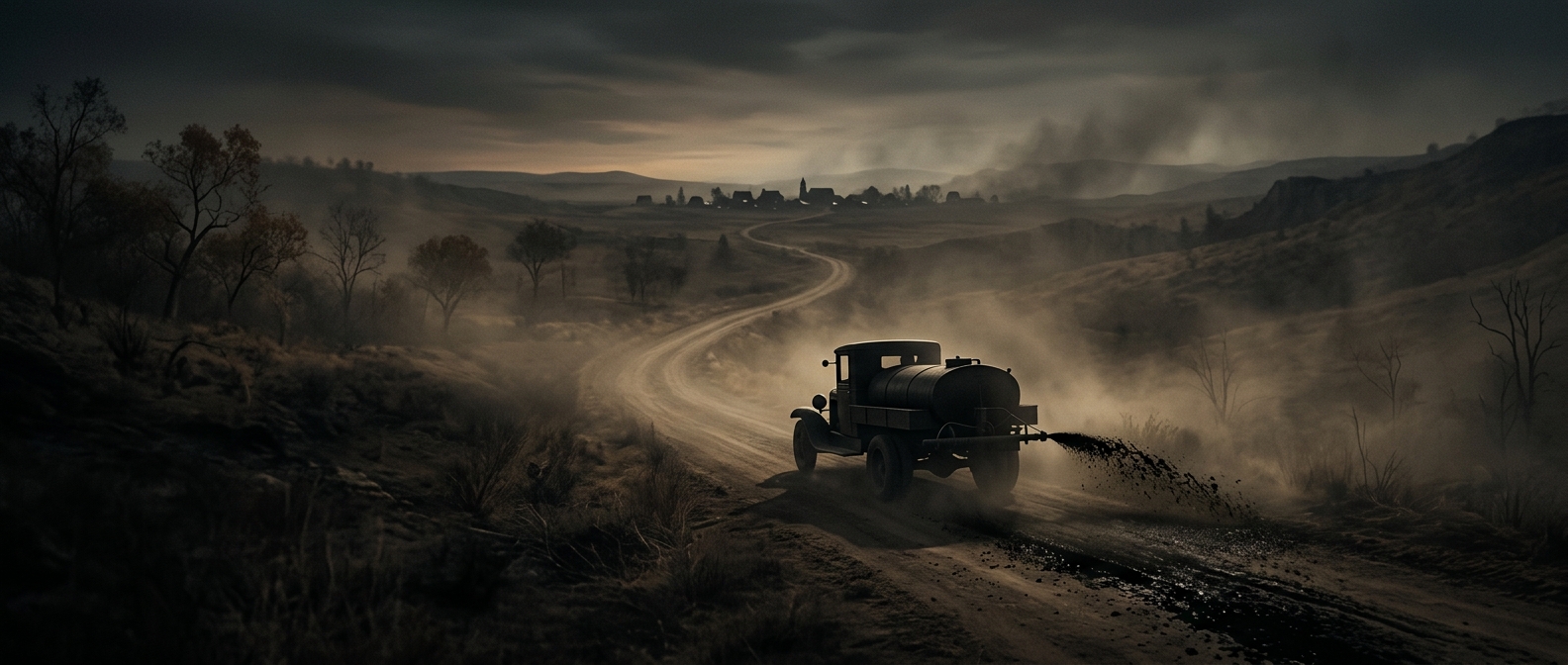
When towns sprayed oil on dirt roads
Oil bound the fine particles on dirt roads, so traffic raised less dust as it passed. It worked by making the ground stick together—less airborne grit, more…
Discover more
Why Hawaii has Interstate highways
The federal government funds the Interstate Highway System for national defense, not because every highway connects states. That’s why Hawaii has highways…
Discover more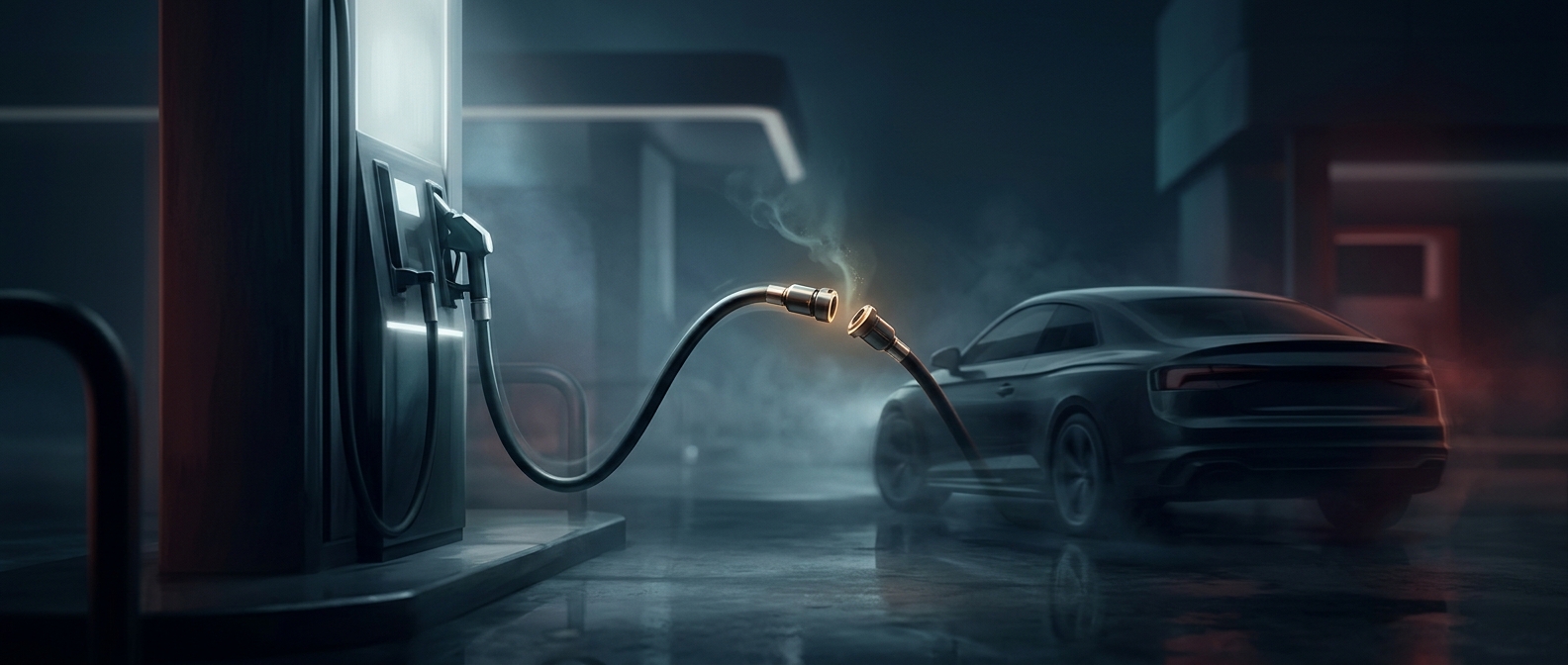
Why gas pump hoses are designed to break away
A breakaway coupling snaps apart if a driver pulls away with the nozzle still in the car. Valves seal both sides, stopping the hose from dragging the pump…
Discover more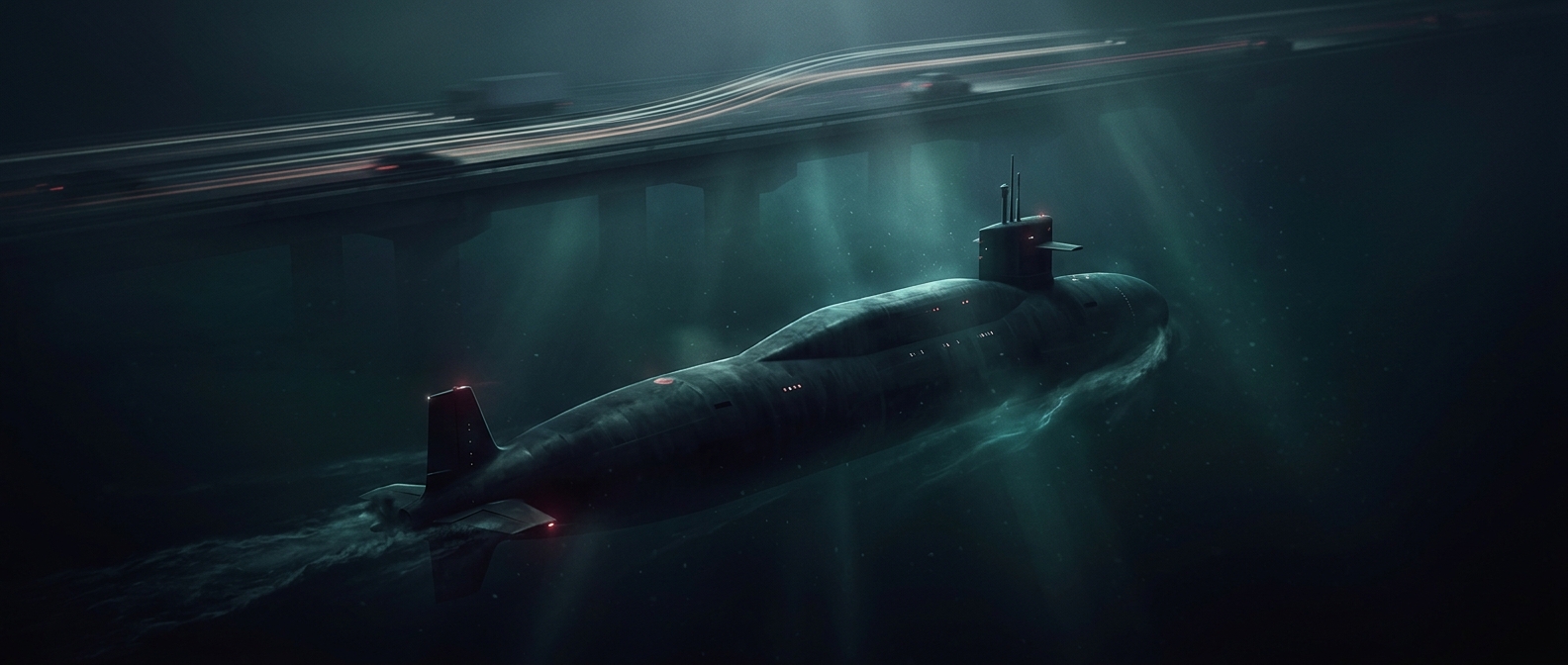
Nuclear submarines move slower than you might think
Most modern attack submarines reach about 30 to 40 miles per hour underwater; going faster can create cavitation bubbles and noise that gives away their…
Discover more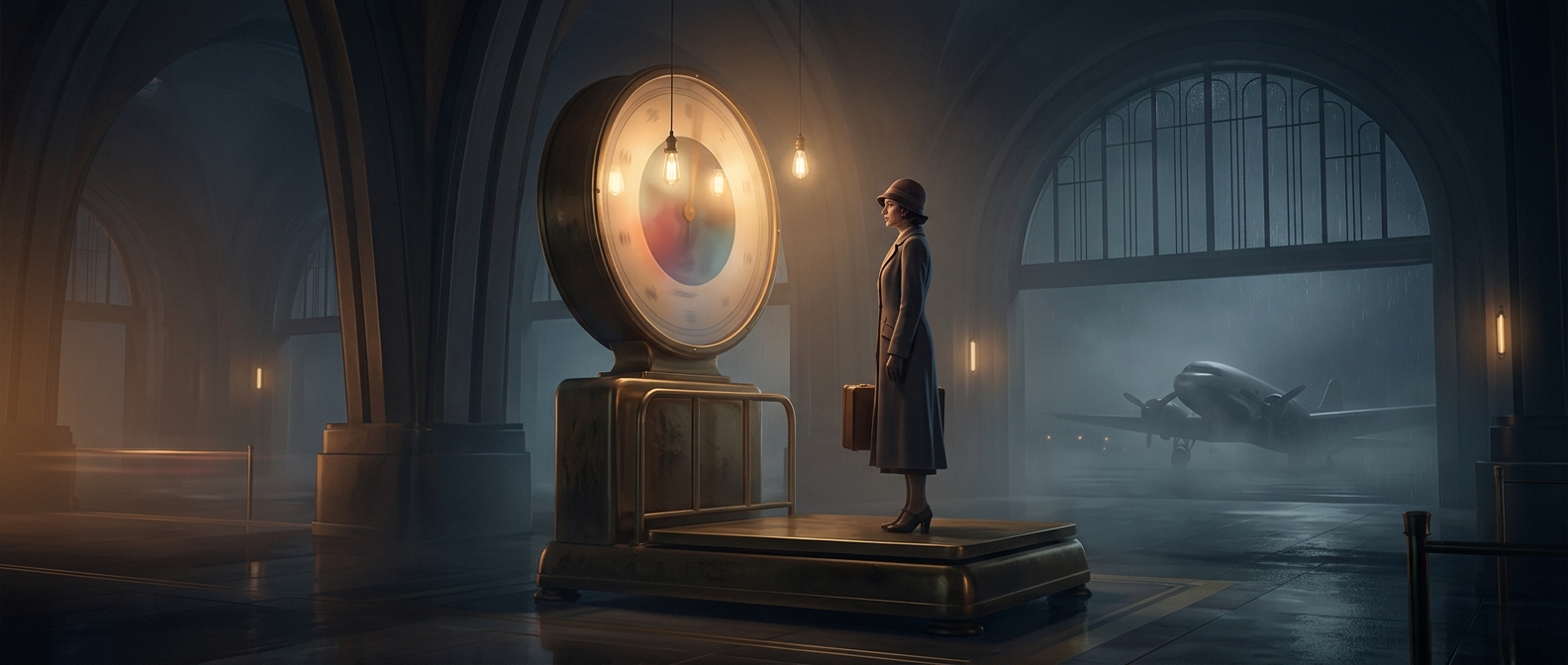
Finnair asked passengers to step on the scales
In 2024, volunteers at Helsinki Airport were weighed with their carry-on luggage to update flight-planning averages. The measurements were anonymous, not a…
Discover more