Transport
Discover facts about transport. Small discoveries that change the way you see familiar things.
Transport
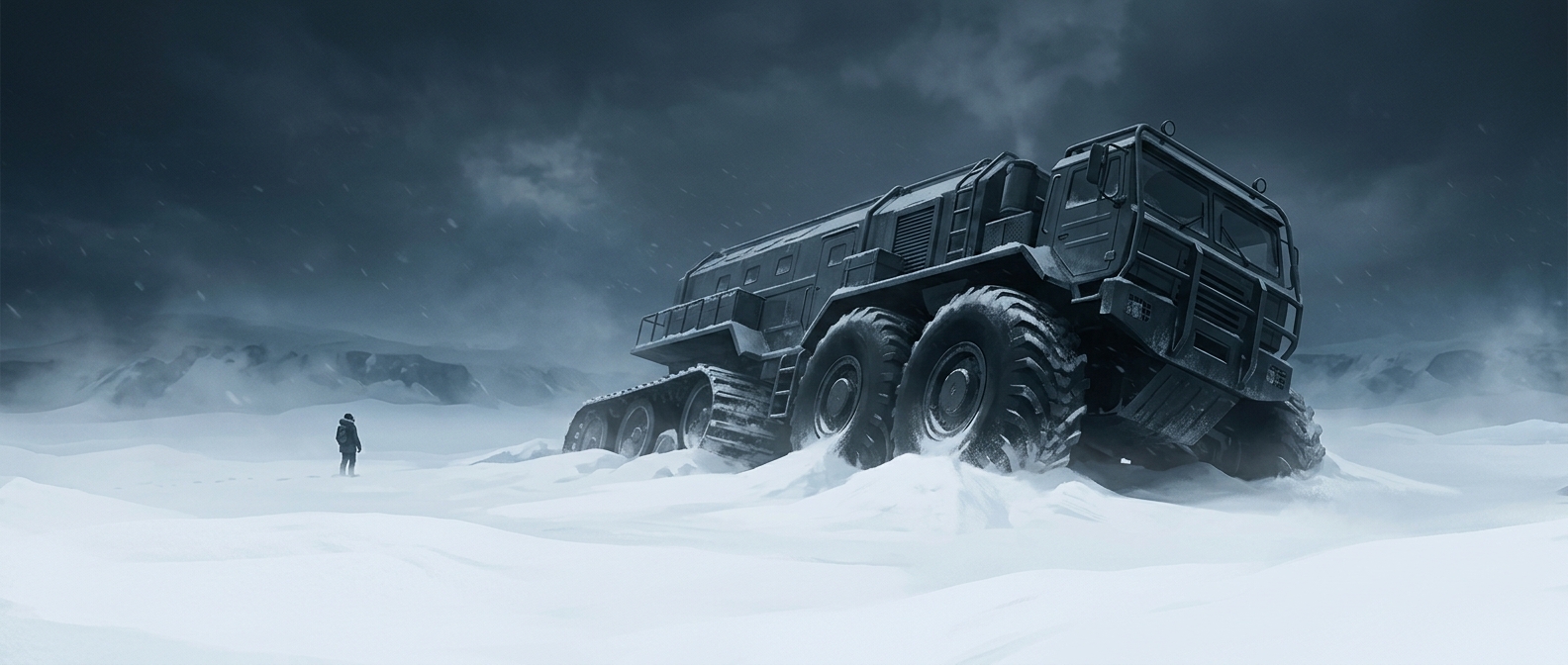
This Antarctic vehicle sank on its first trip
The Antarctic Snow Cruiser weighed about 34 tons, and its huge, smooth tires struggled to grip soft snow. They spun and sank instead of hauling the vehicle…
Discover more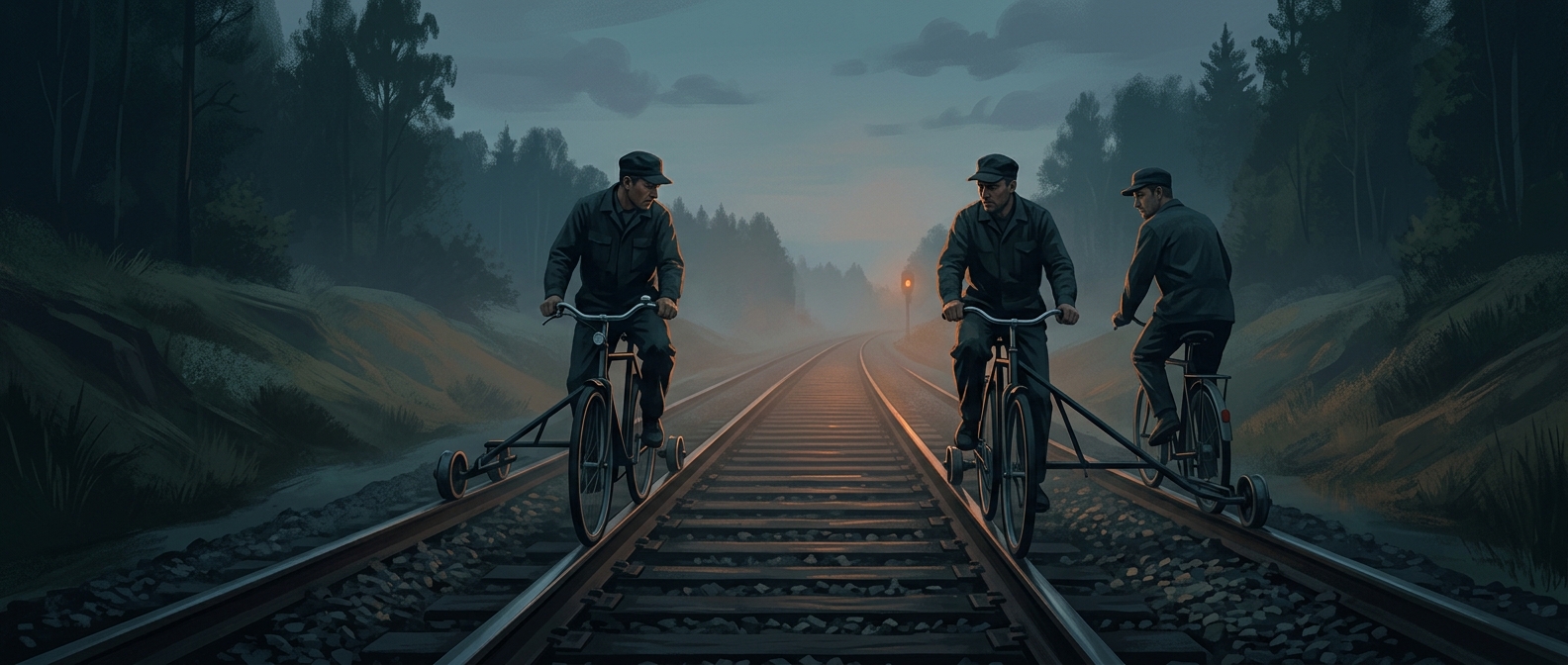
Inspectors once pedaled along active railway tracks
Inspectors pedaled rail bicycles along the track to examine the rails and nearby equipment. It was a practical way to cover a long stretch on foot-powered…
Discover more
Camels have built-in sandstorm goggles
A camel’s transparent third eyelid sweeps across the eye, while long lashes help block blowing sand. The lid keeps the animal’s view partly protected without…
Discover more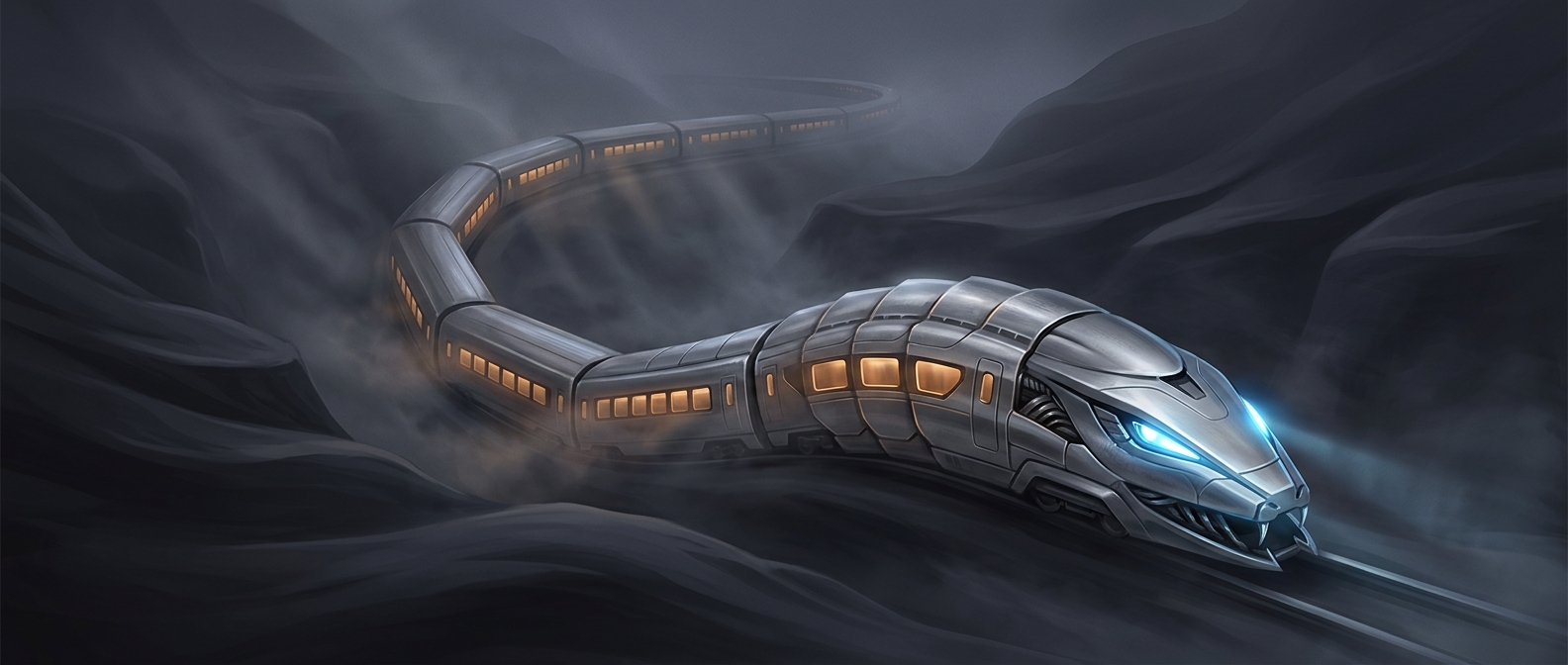
Modern trains are essentially giant metal snakes
Each car pivots on its own bogies, while flexible couplings let the line bend through curves. The cars follow one another like a metal snake, except this…
Discover more
Why a bicycle stays upright while you ride
A moving bike stays upright through constant small adjustments: the rider steers toward a lean, shifting the wheels beneath the body. Balance isn’t a magic…
Discover more
Why a short ferry ride can cost so much
The ferry must keep its vessel, crew and docks ready whether the trip lasts ten minutes or an hour. Those fixed costs get divided among the passengers on the…
Discover more STACKY FOR IPHONE
A bigger world.
One discovery
at a time.
Keep discovering with Stacky. Interesting facts in an app that is always within reach.
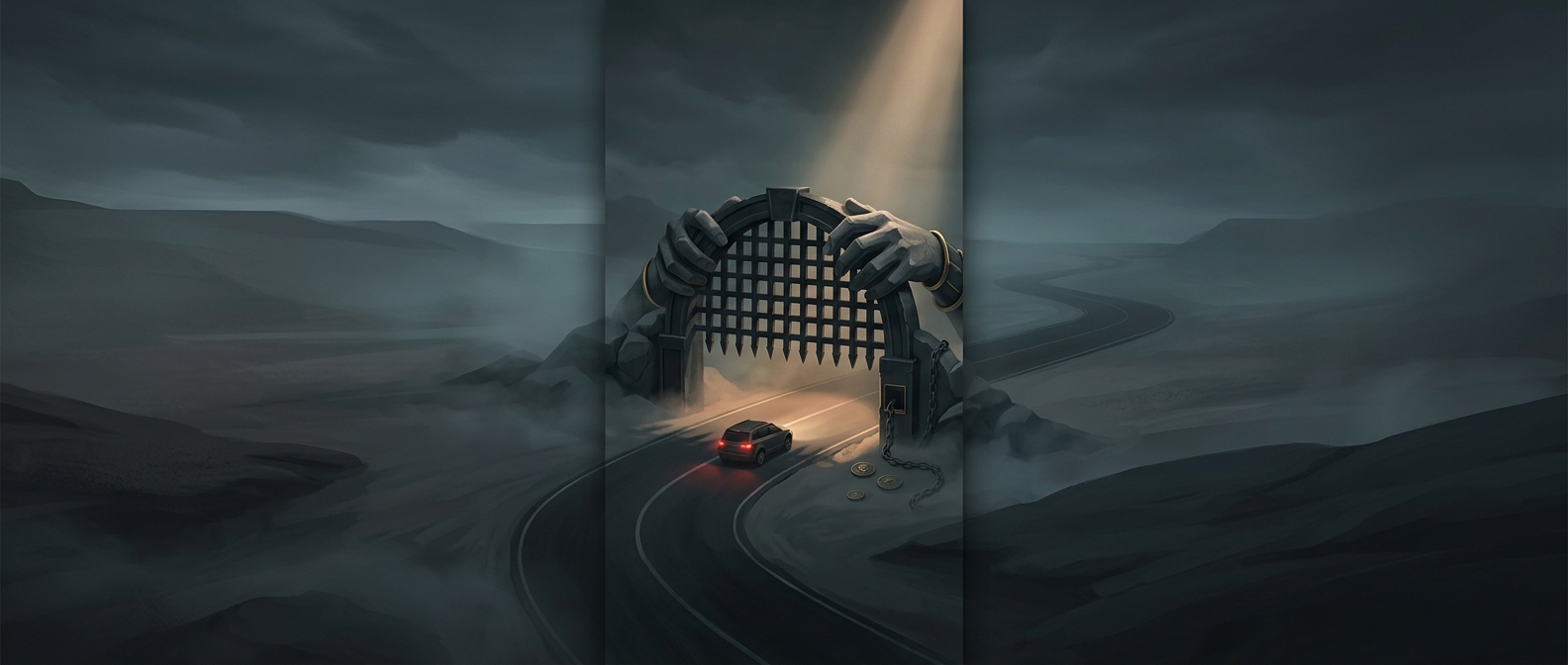
Toll roads are basically highway extortion
A toll charges drivers who use a particular road, helping fund its construction or upkeep. The gate turns pavement into a pay-per-use service—less romantic…
Discover more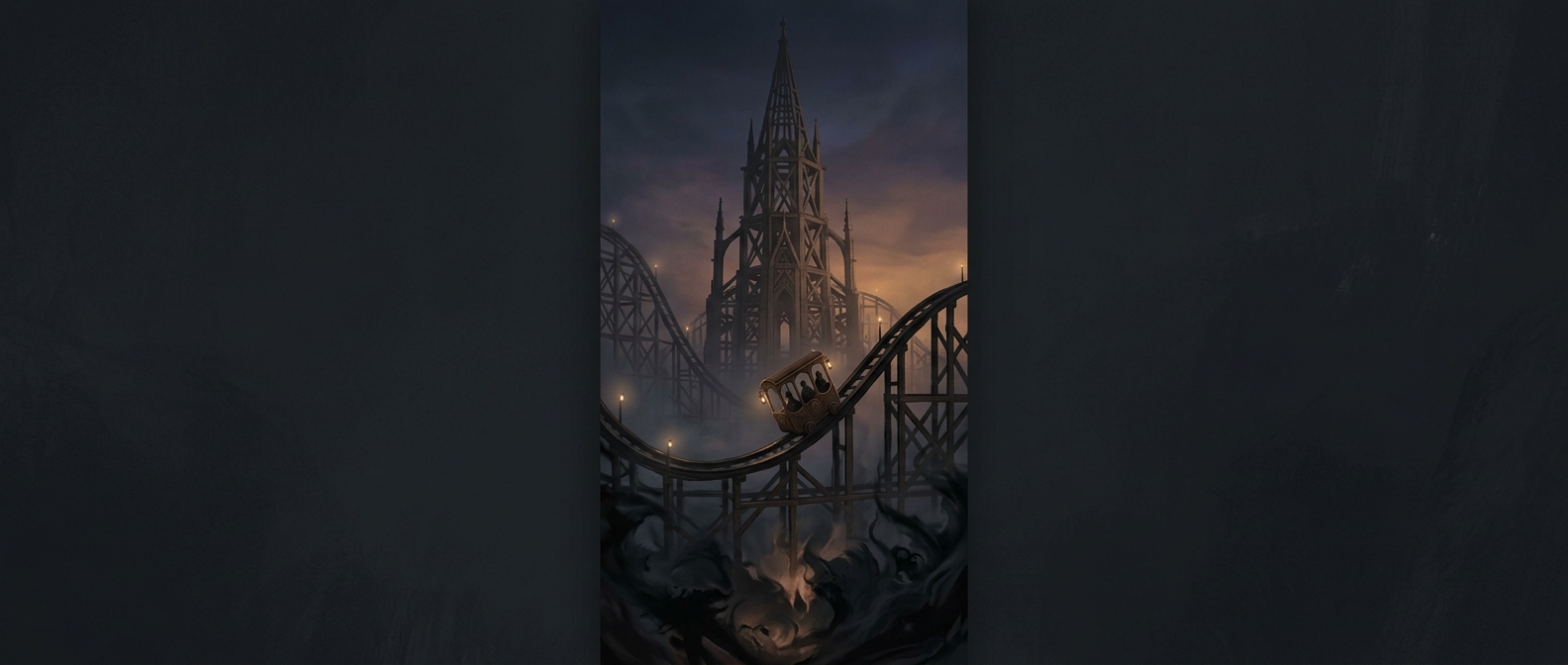
Why roller coasters were meant to replace saloons
Reformers promoted early roller coasters as wholesome thrills that could draw people away from saloons. The ride delivered speed and a stomach drop without a…
Discover more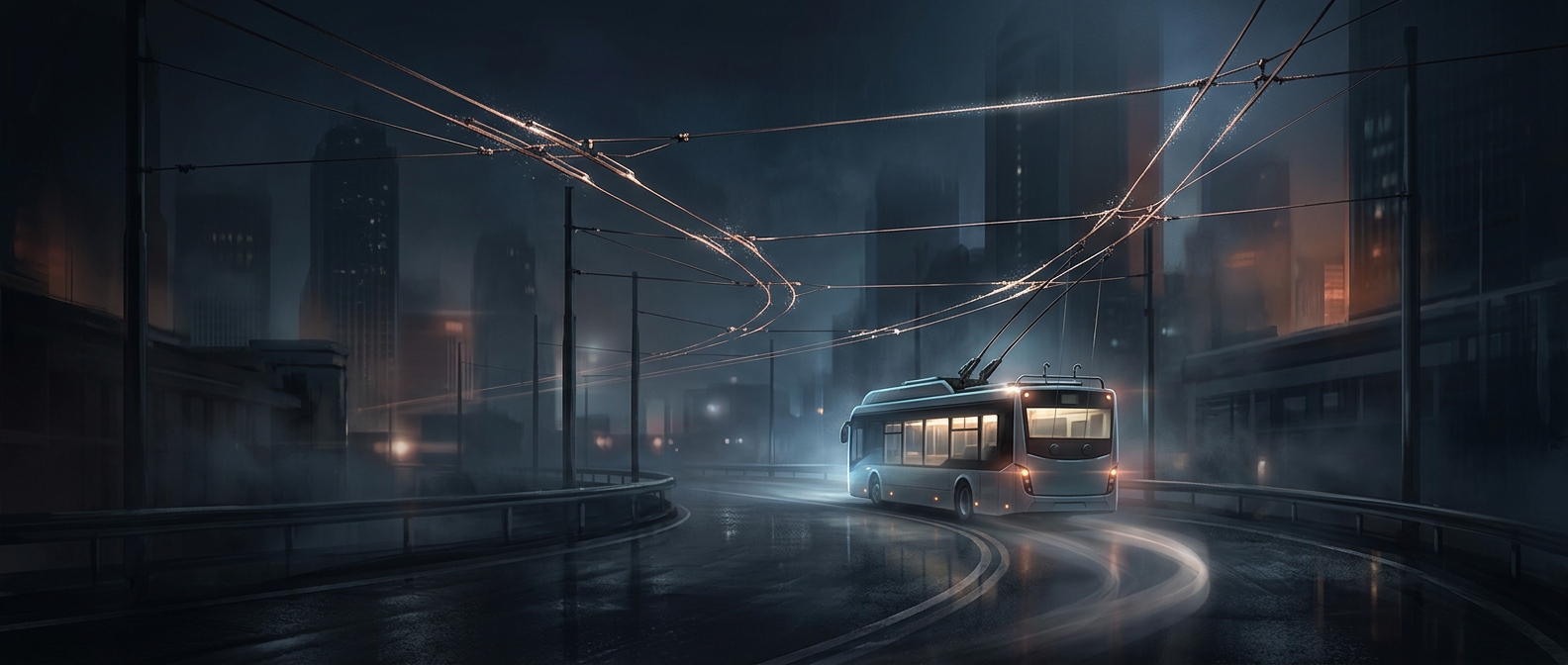
Trolleybuses run smoothly on electric wires without rails
A trolleybus gets power from two overhead wires: one feeds electricity to the motor, and the other carries it back. Rubber tires do not conduct electricity…
Discover more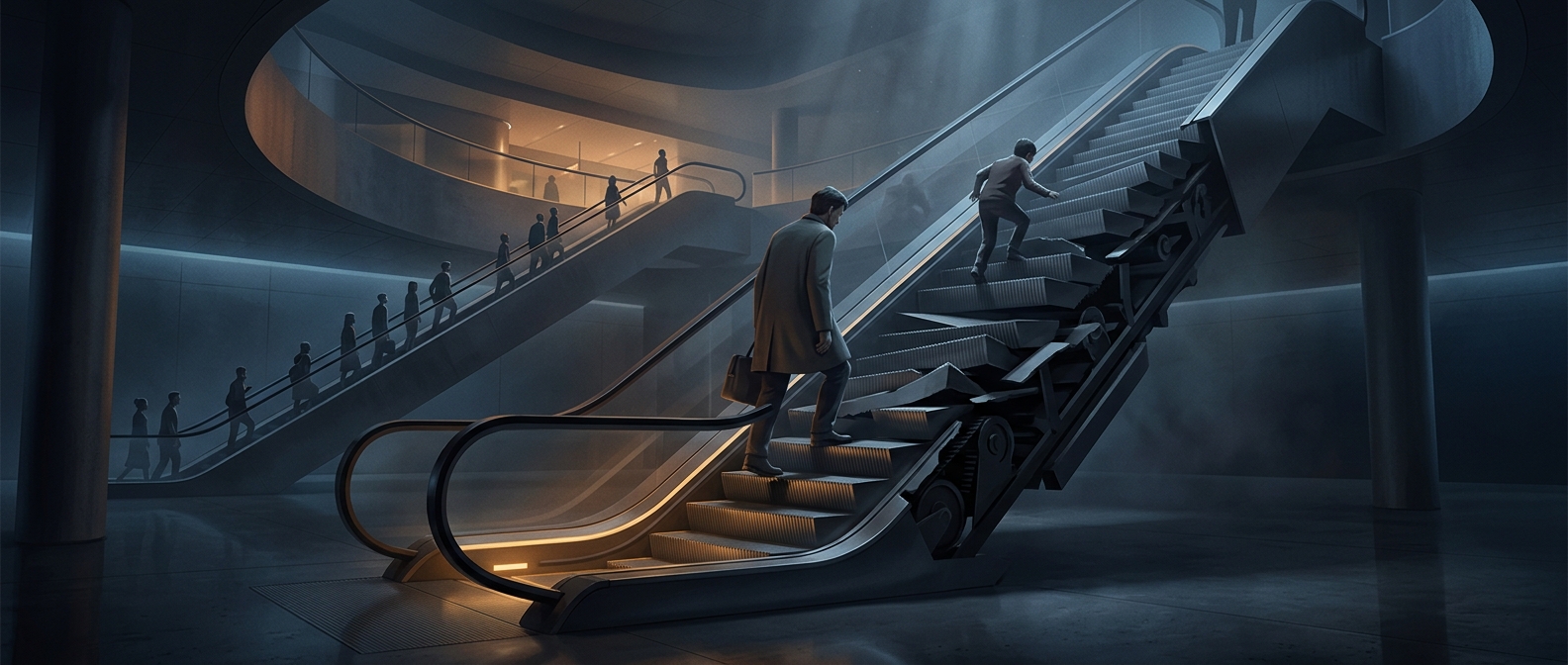
When a broken escalator becomes stairs
When the motor stops, each escalator step stays locked in its staircase shape. The moving staircase has become a regular staircase—less glamorous, but at…
Discover more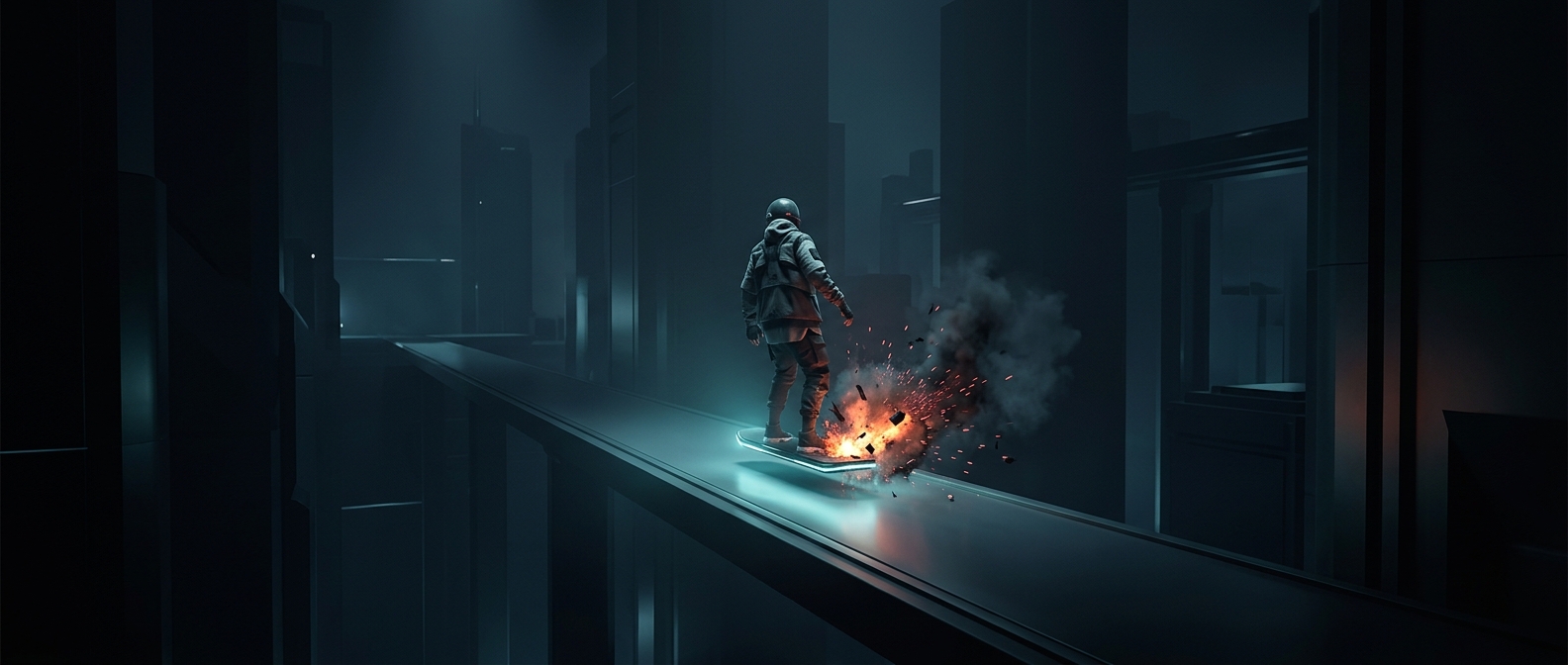
Hoverboards could send riders into walls
Gyrosensors detect when a rider leans, and electric motors roll the board to catch that shift. Lean too far while learning and the board obediently shoots…
Discover more
Sliding down a massive steel rope for an adrenaline rush
A harness clips the rider to a pulley that rolls along the steel cable. Gravity pulls the rider downhill, turning height into speed; a brake at the end brings…
Discover more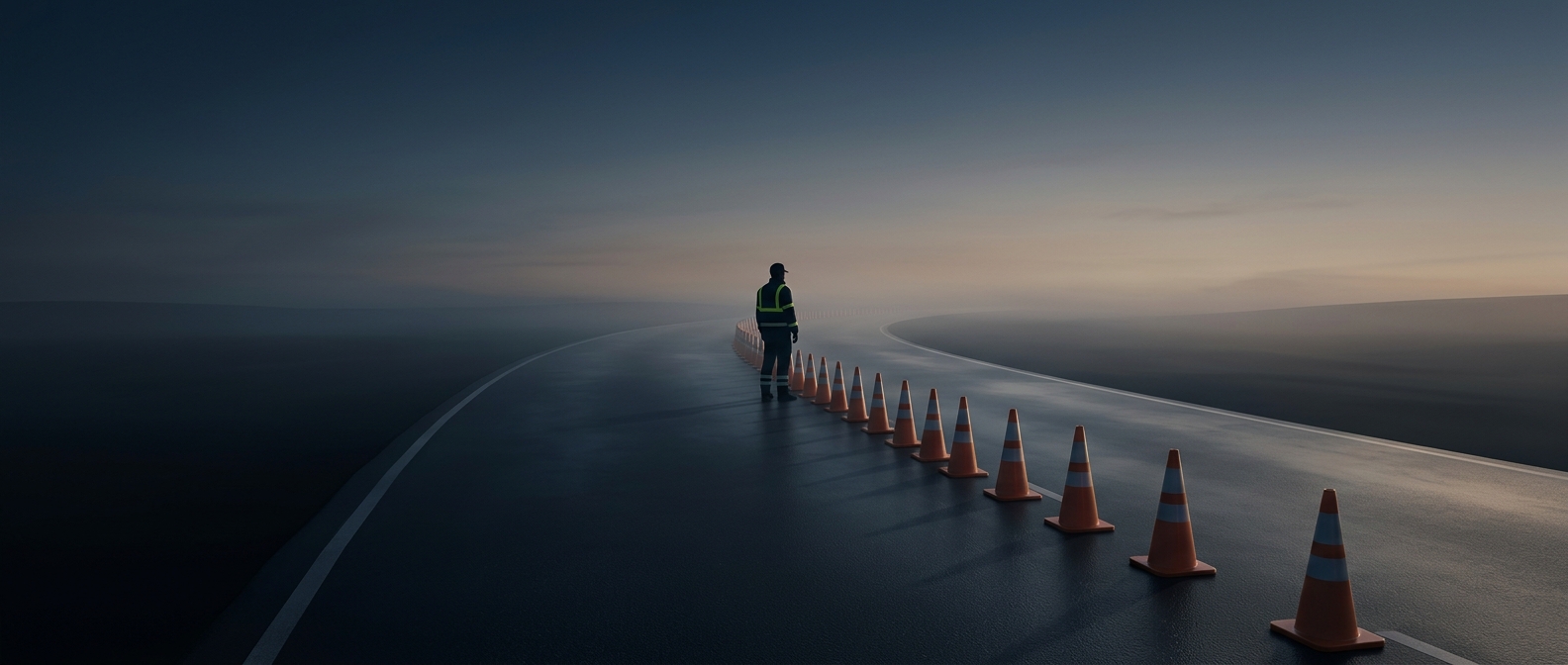
Guarding completely empty street asphalt
Fresh asphalt has to cool before traffic rolls over it, so crews block the road while the blacktop firms up. Those guards aren’t protecting an empty street…
Discover more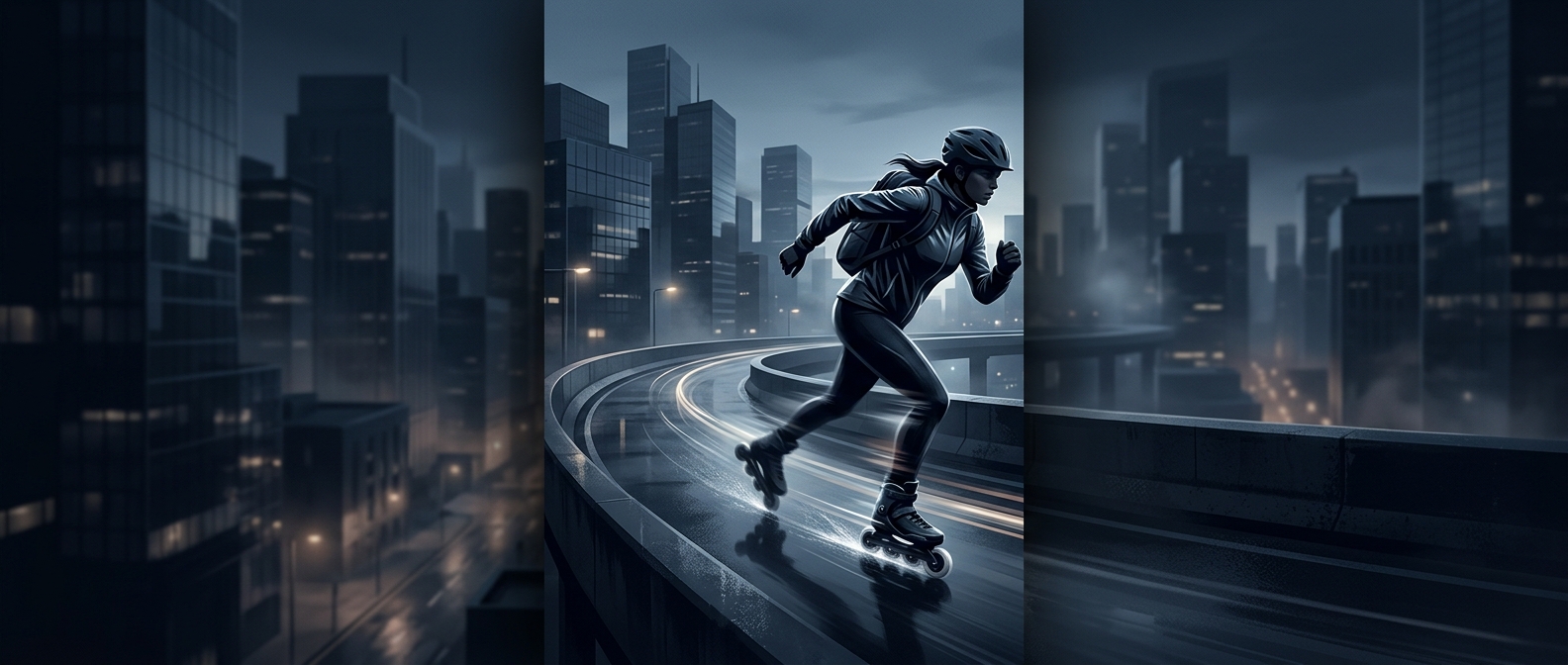
Commuting aggressively on inline rollerblades
The wheels keep rolling between pushes, so a skater glides instead of lifting and planting a foot with every step. Add a strong side-to-side stride and the…
Discover more
Why people tossed tokens at moving toll booths
A toll token stood in for exact cash: drivers tossed one into a collector’s basket as they rolled past, keeping the line moving without a change-counting…
Discover more
Rowing slowly through flooded city streets
When floodwater covers the street, a boat still has a surface to travel on while cars lose their road. Oars push water backward to move the boat forward—a…
Discover more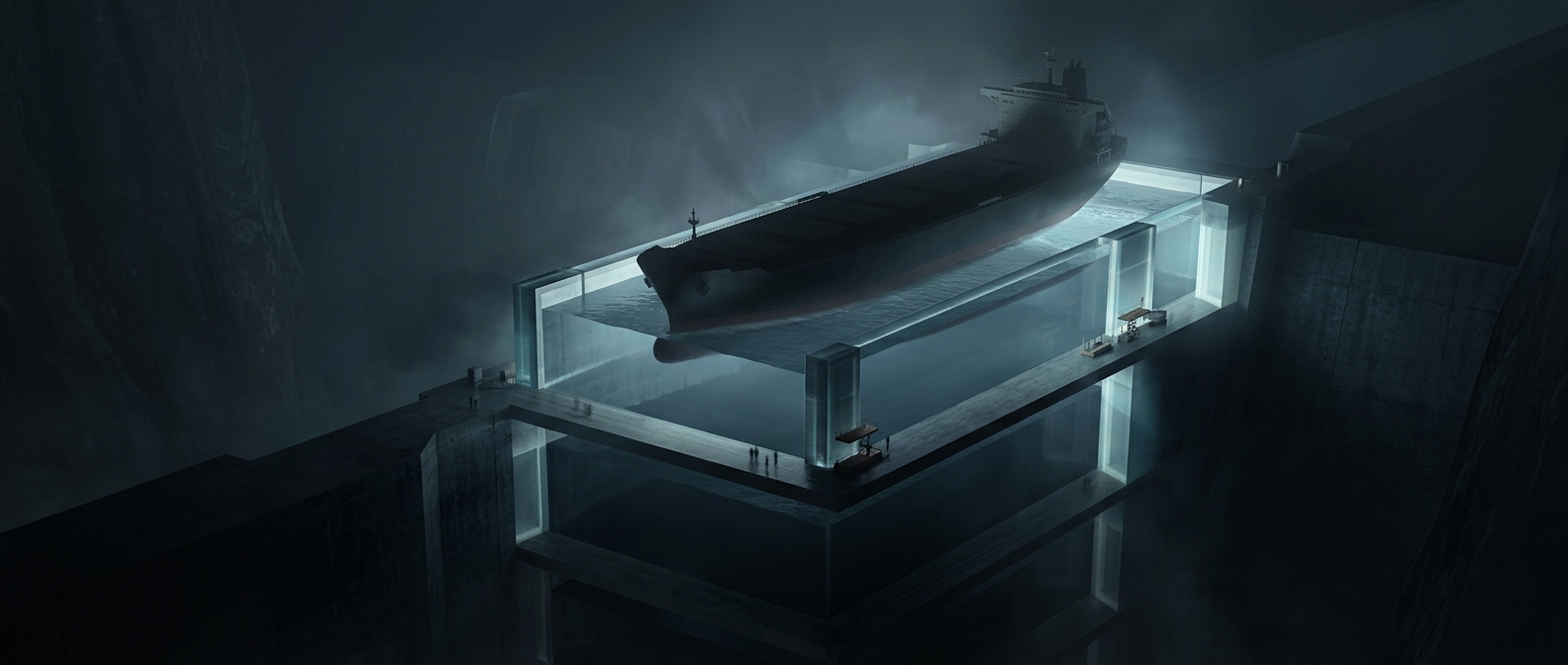
Using water boxes to lift massive ships
A ship enters a water-filled caisson, a giant floating box, and the lift raises that box along a channel. Because the ship displaces water, the loaded caisson…
Discover more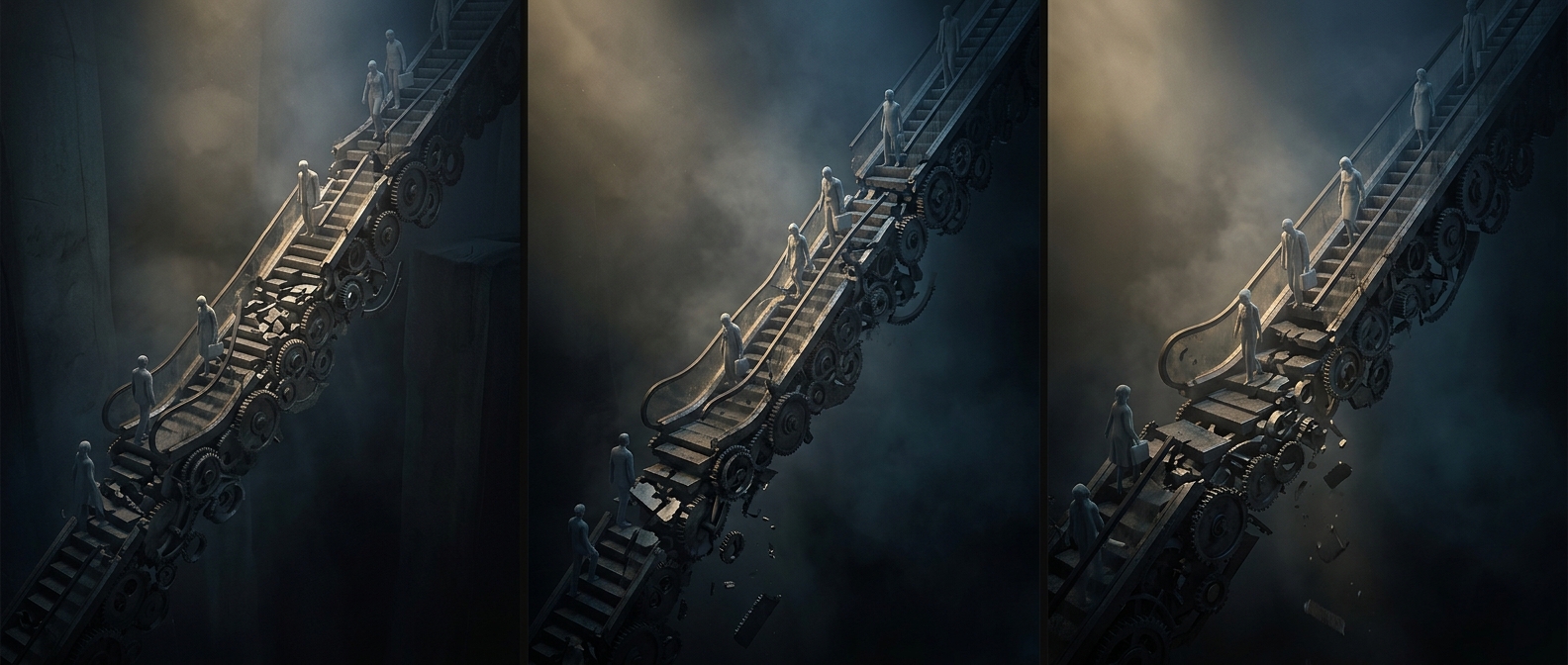
Mechanical steps constantly break down globally
The steps ride on a moving chain, while motors, gears, sensors, and handrails all have to keep pace. One small fault stops the whole staircase, turning a…
Discover more
Wooden boards on wheels remain a public nuisance
Hard skateboard wheels transmit every crack and bump into the pavement, while rolling boards move quickly through pedestrian space. That combination makes a…
Discover more
The ferries with no real front or back
A double-ended ferry has ramps at both ends, so it unloads, loads, and heads back without turning around. On a short crossing, skipping the U-turn saves…
Discover more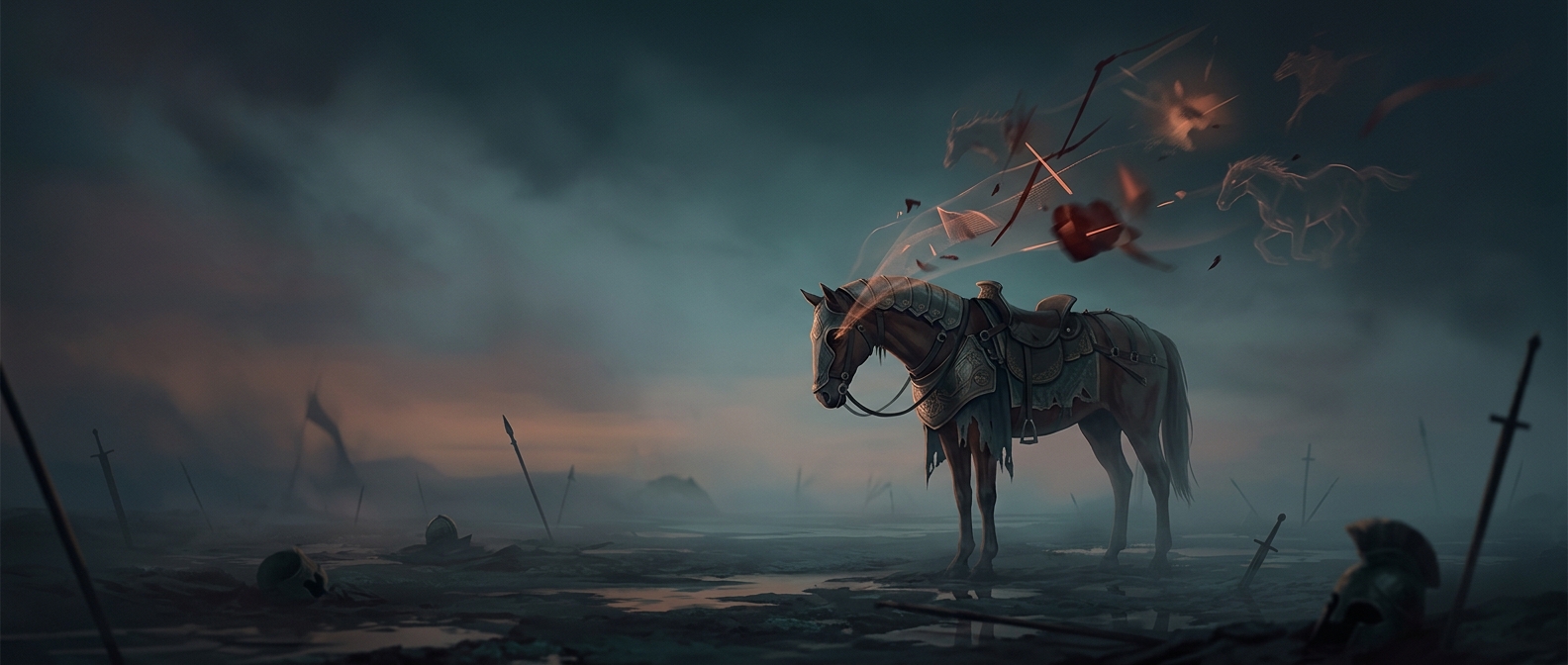
Riding animals into battle was terrible
A horse trained for riding still reacts to loud, sudden danger; the battlefield supplied plenty of both. A frightened mount could throw off its rider or carry…
Discover more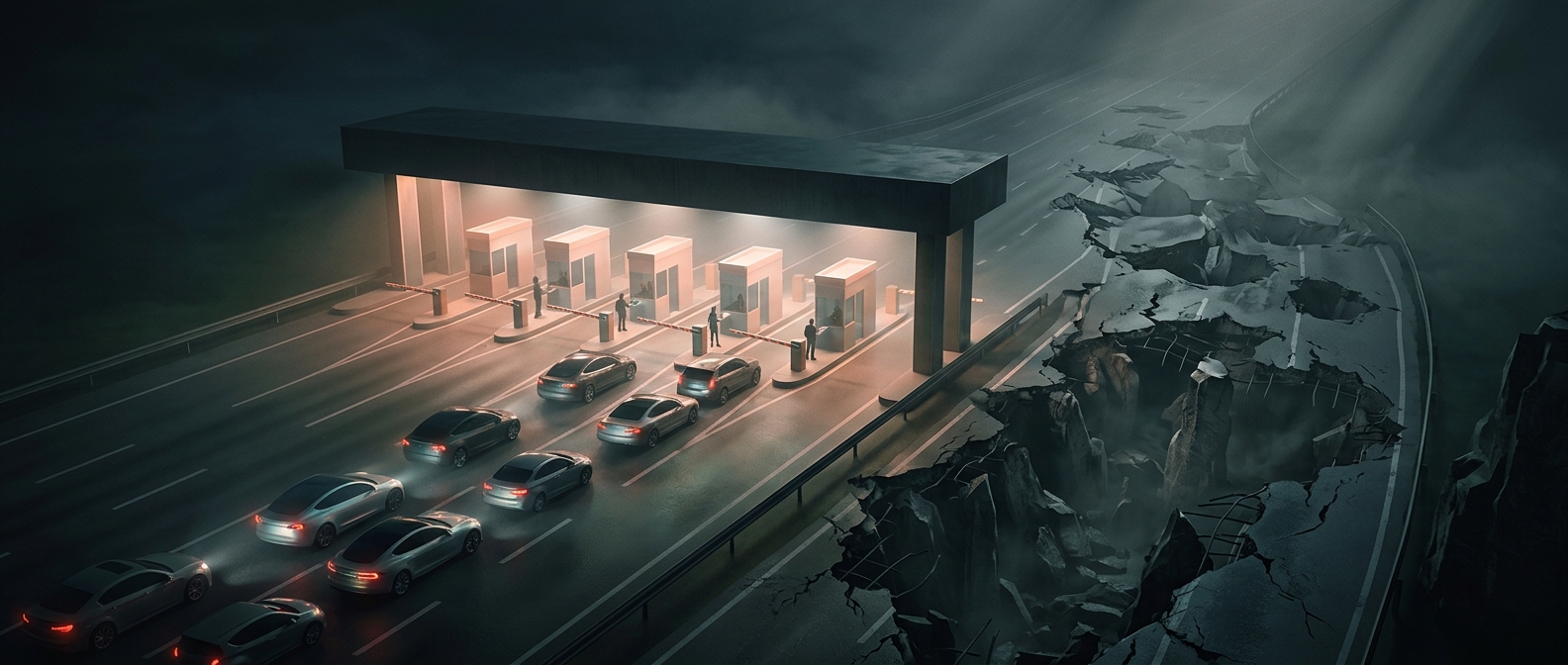
Highway booths charging for terrible roads
Tolls collect money to operate and maintain a road, but every passing truck still wears down the pavement and weather keeps attacking it. Paying at the booth…
Discover more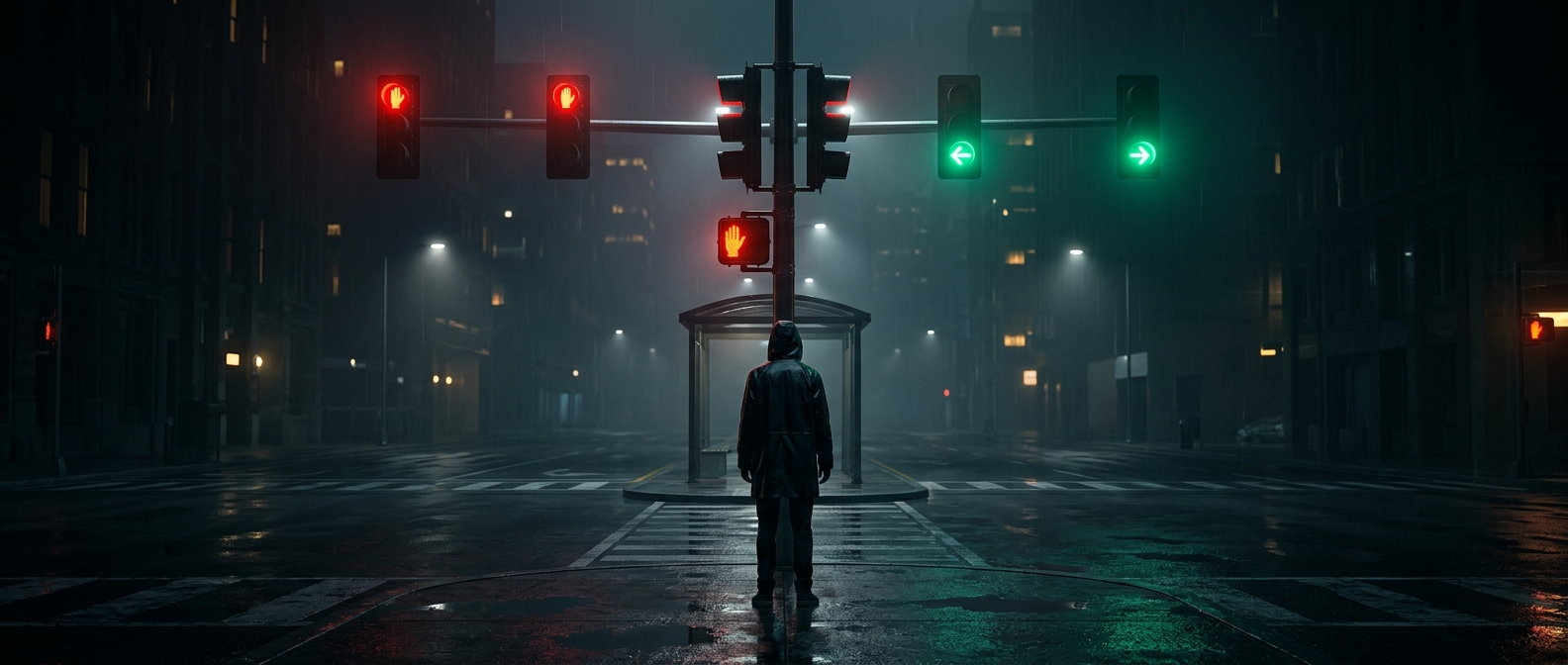
Why an empty intersection keeps you waiting
Signals hold a green long enough for traffic to move and pedestrians to cross, then cycle through the other approaches. So an empty junction can still make…
Discover more
Some regular commutes require literal boat rides
A boat commute makes sense when the water route beats a long detour by road. The ferry carries people straight across the barrier instead of asking them to…
Discover more