Transport
Discover facts about transport. Small discoveries that change the way you see familiar things.
Transport
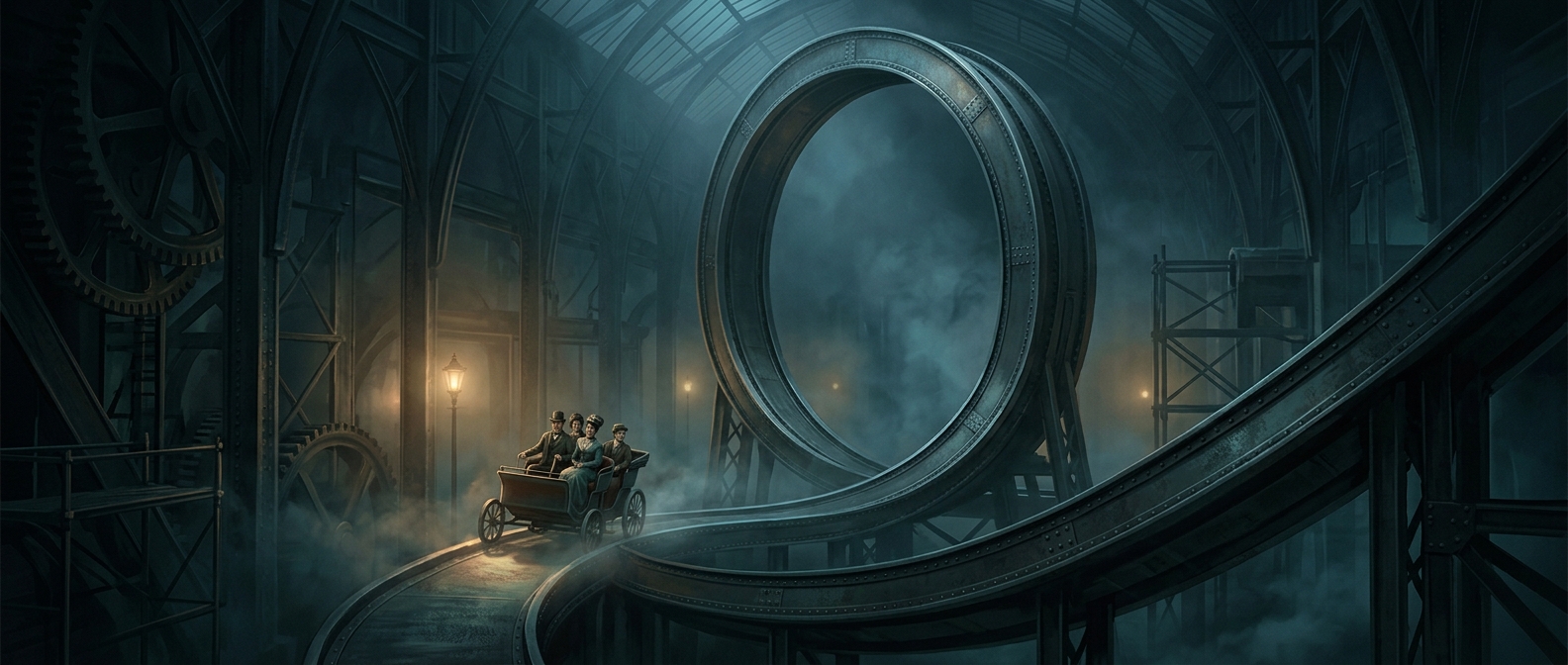
Victorian engineers sent passenger trains through loops
The line loops around the landscape to climb without making the rails too steep for the train. Victorian engineers gave the locomotive extra distance,…
Discover more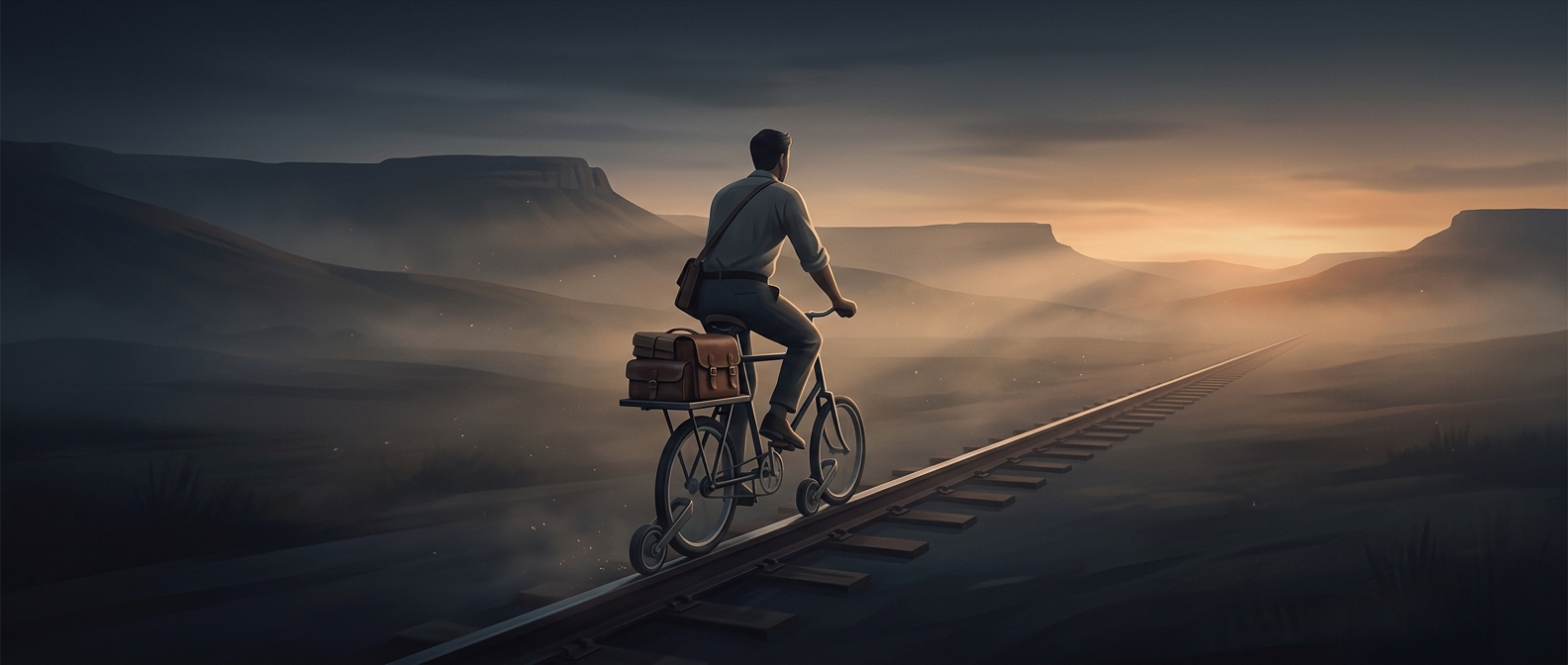
A South African siege put a young bicycle messenger on a stamp
During the 1900 siege of Mafeking, a locally produced stamp showed cadet messenger Warner Goodyear with a bicycle. The design recorded the role young…
Discover more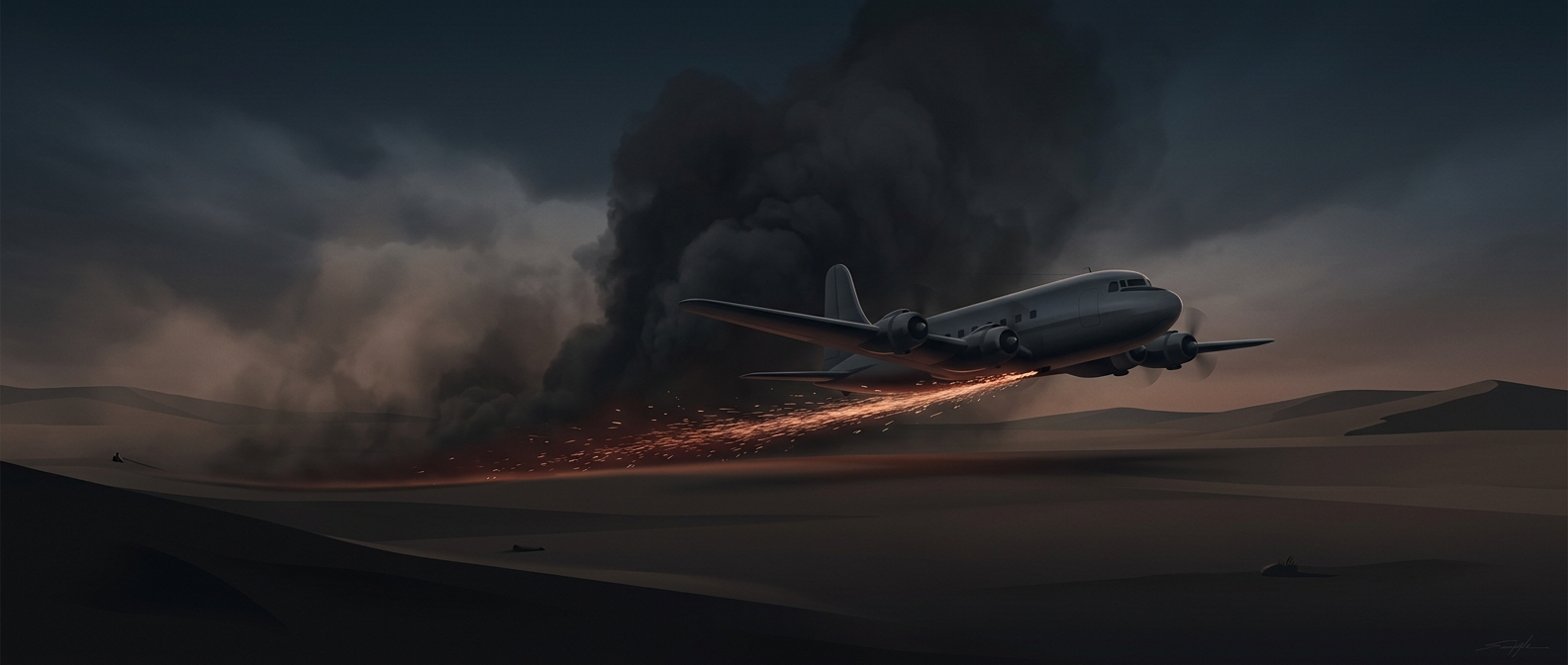
Belly landing a DC-4 without modern fire foam
With the landing gear retracted, the DC-4’s belly slid along the runway instead of having wheels to absorb the contact. The crew had to manage fuel and…
Discover more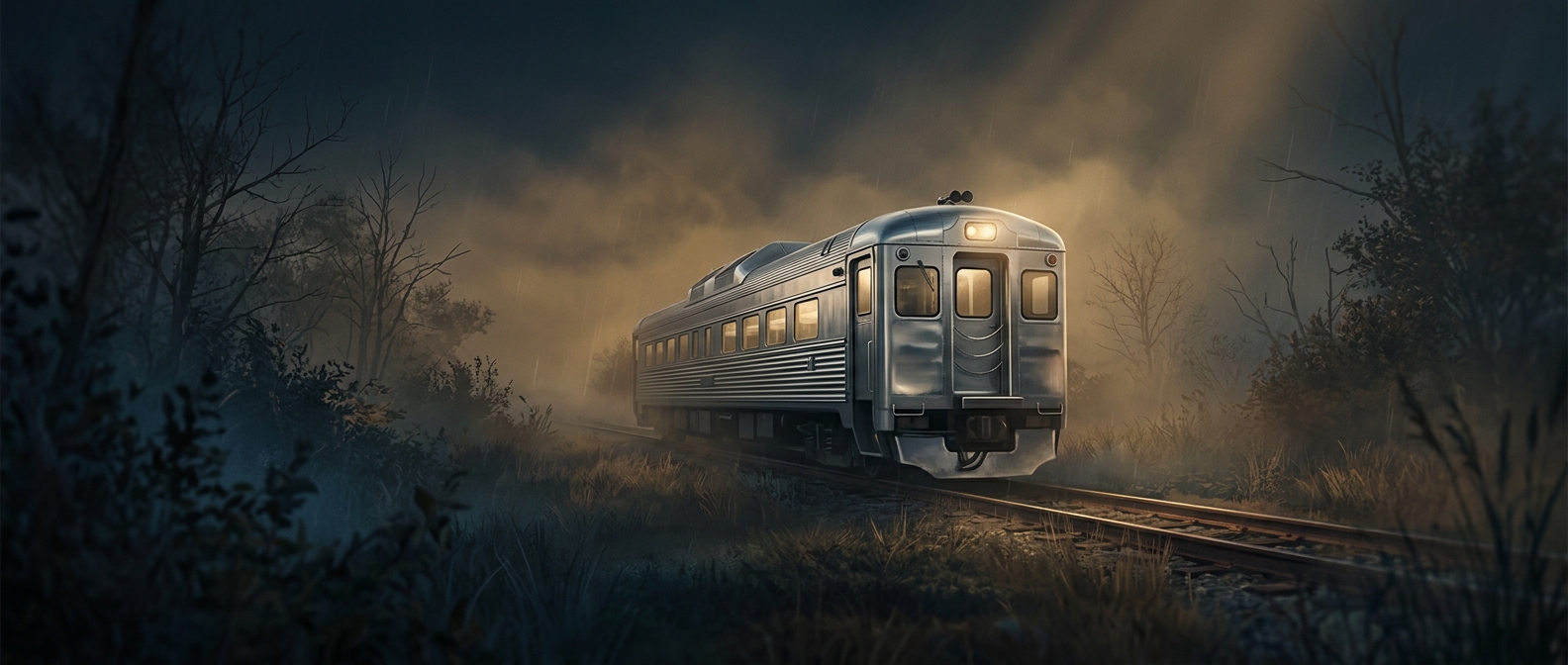
The railcar that kept rural trains running
A lightweight railcar carried passengers with its own engine, instead of needing a locomotive to haul a whole train. That made quiet rural routes cheaper to…
Discover more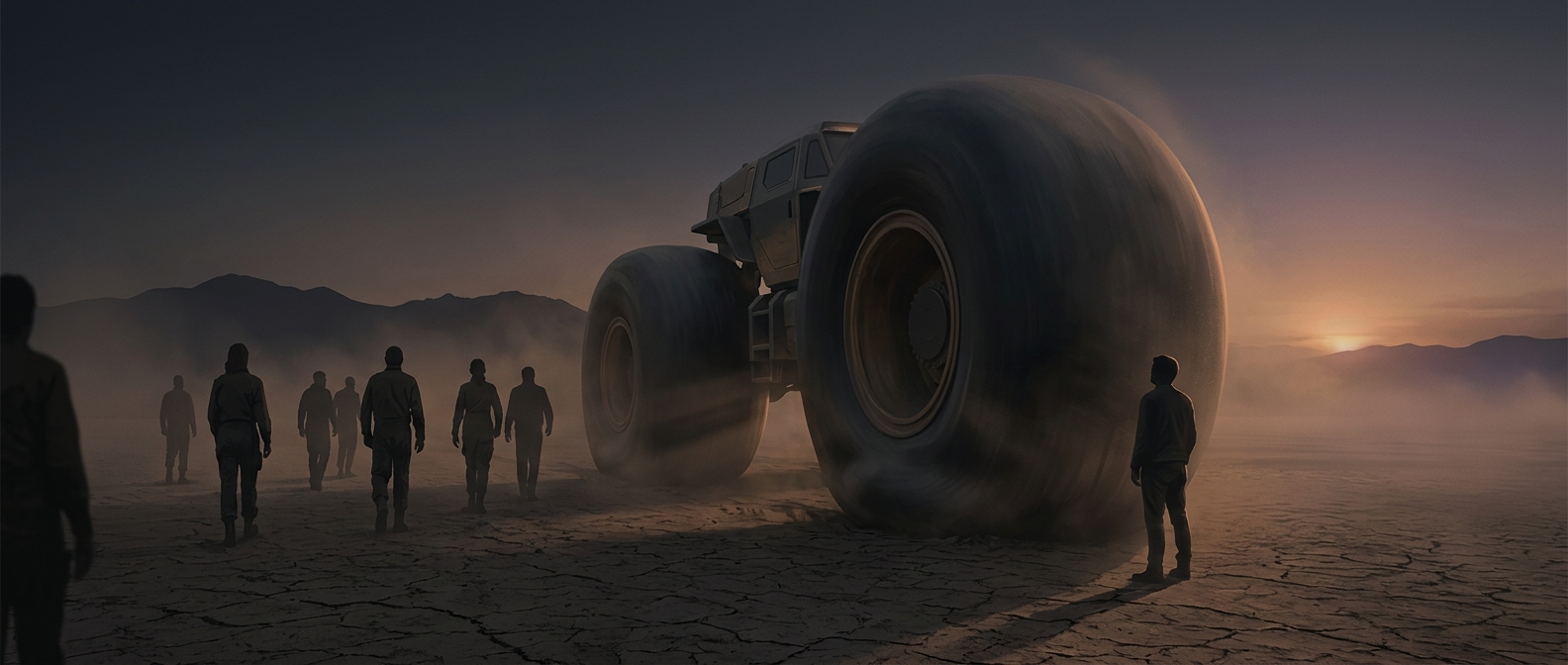
A truck's ground clearance can defeat a car's crash protection
In an underride collision, a smaller vehicle slides beneath a truck or trailer instead of meeting it bumper to bumper. That can bypass the structures designed…
Discover more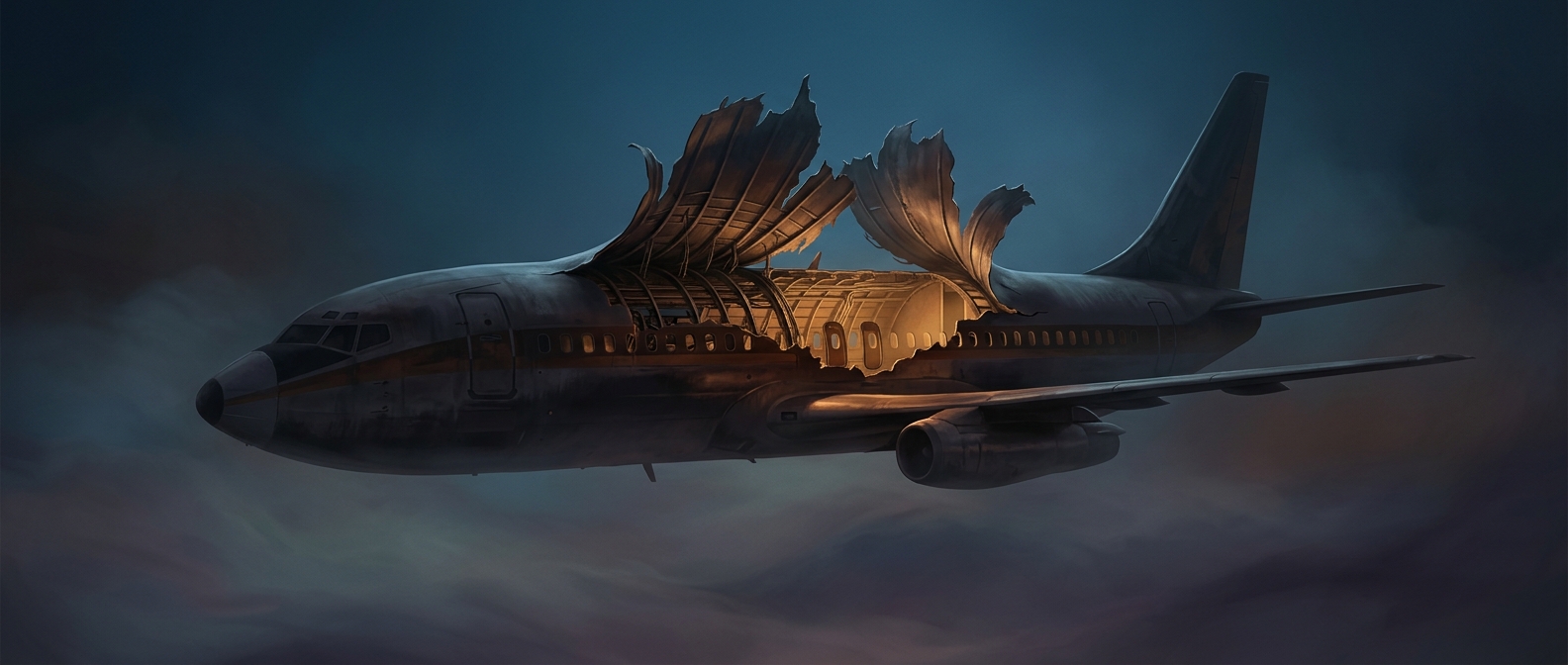
A jet landed after losing a huge section of its roof
In 1988, Aloha Airlines Flight 243 suffered an explosive decompression that tore open the upper fuselage. The crew landed the damaged Boeing 737 in Hawaii. A…
Discover more STACKY FOR IPHONE
A bigger world.
One discovery
at a time.
Keep discovering with Stacky. Interesting facts in an app that is always within reach.
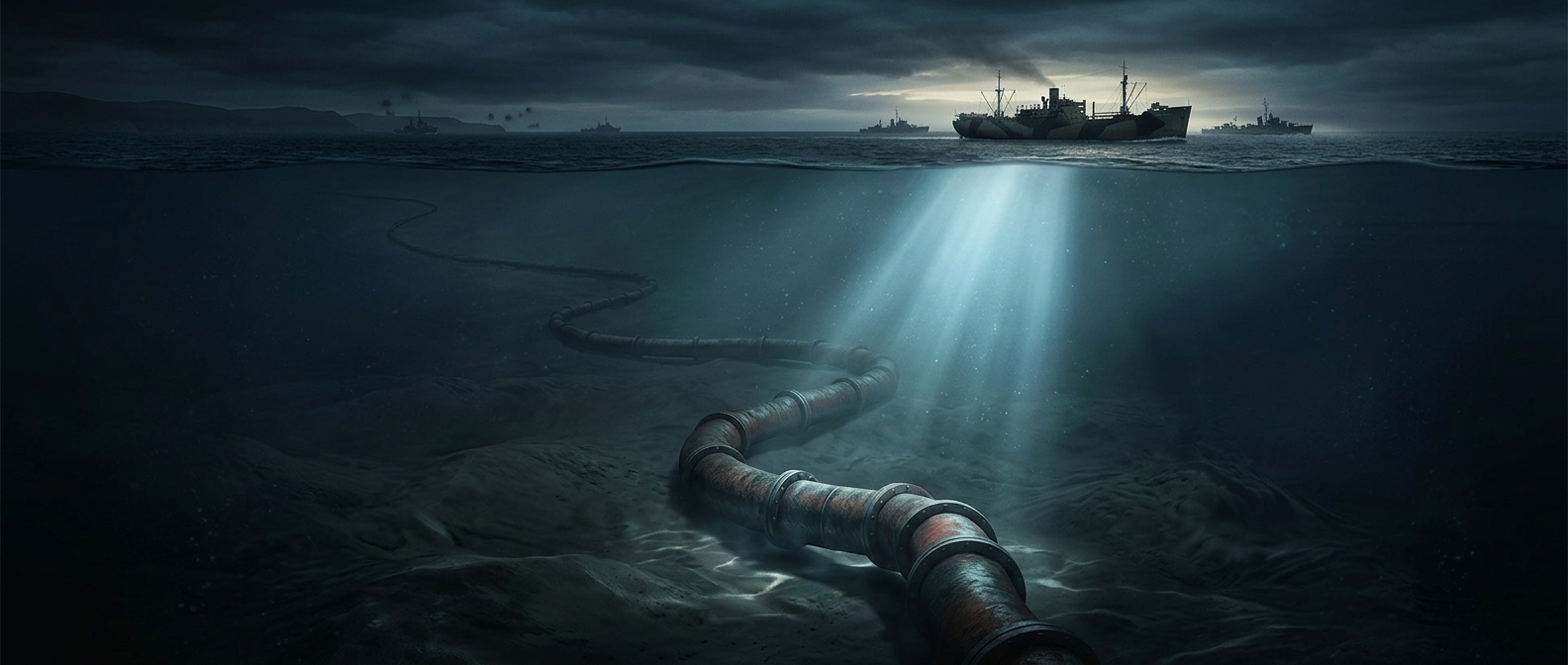
The secret fuel pipeline beneath the English Channel
During World War II, Operation PLUTO pumped fuel through pipes laid beneath the Channel to supply Allied forces in France. It was a hidden hose for an…
Discover more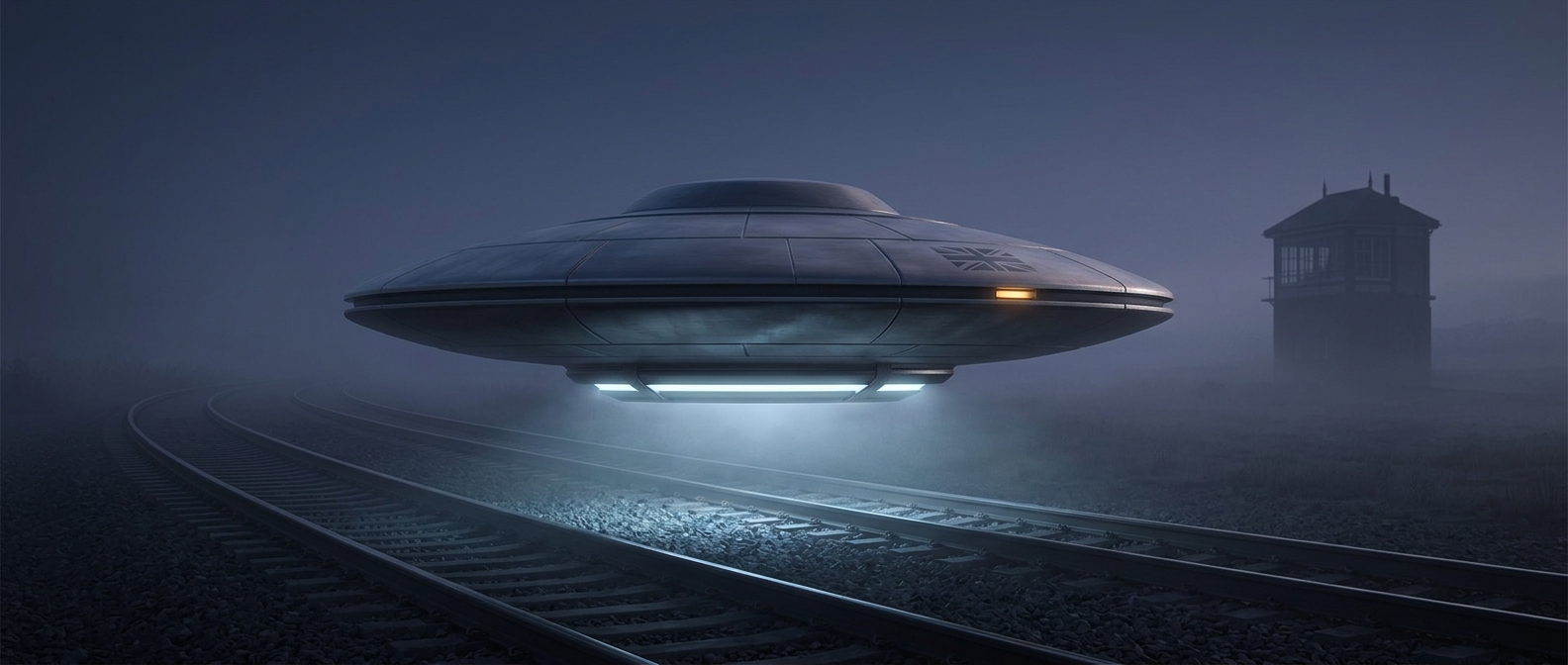
British Rail once patented a nuclear-powered flying saucer
The patent described a saucer-shaped craft using nuclear fusion for propulsion. A patent records a proposed design, not a working vehicle, so British Rail’s…
Discover more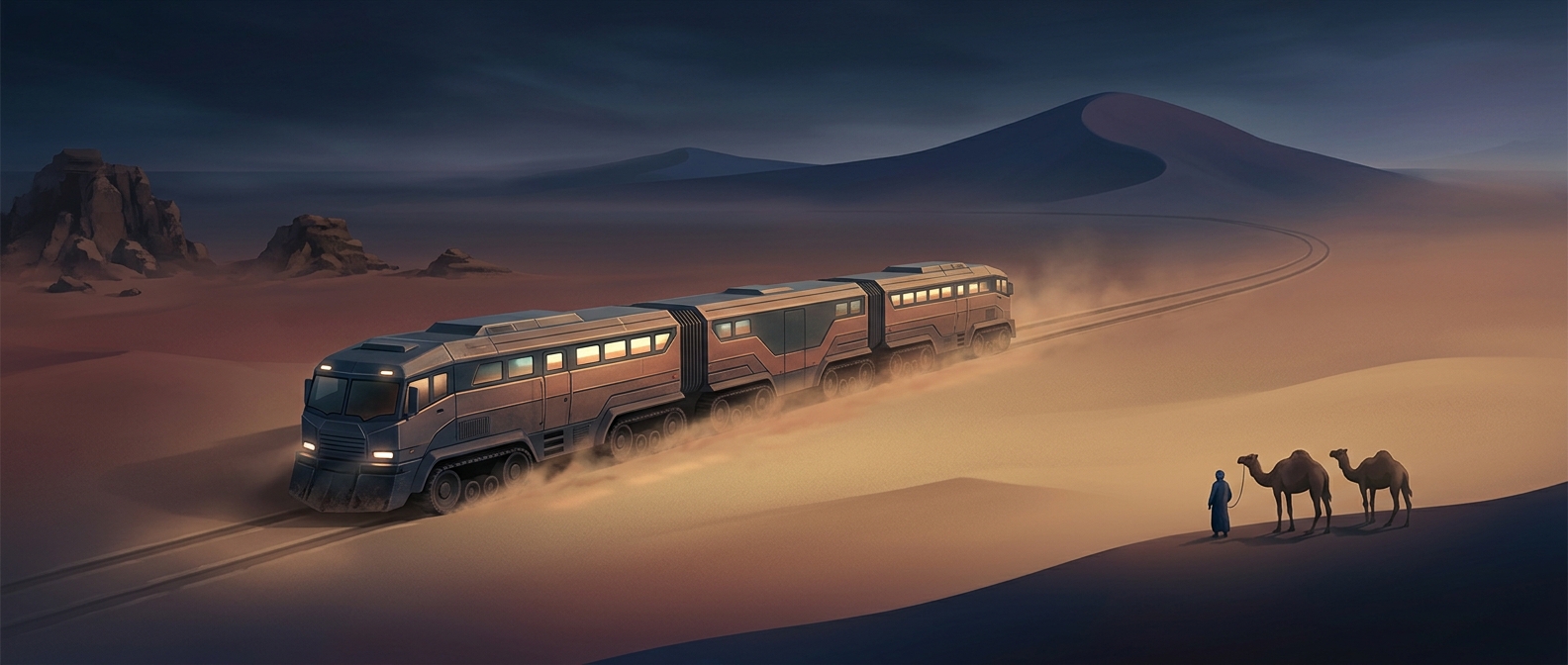
The desert train that crossed the Sahara
Mauritania’s iron-ore train hauls ore across the Sahara from the mines near Zouérat to the Atlantic coast. Its freight cars also carry local passengers riding…
Discover more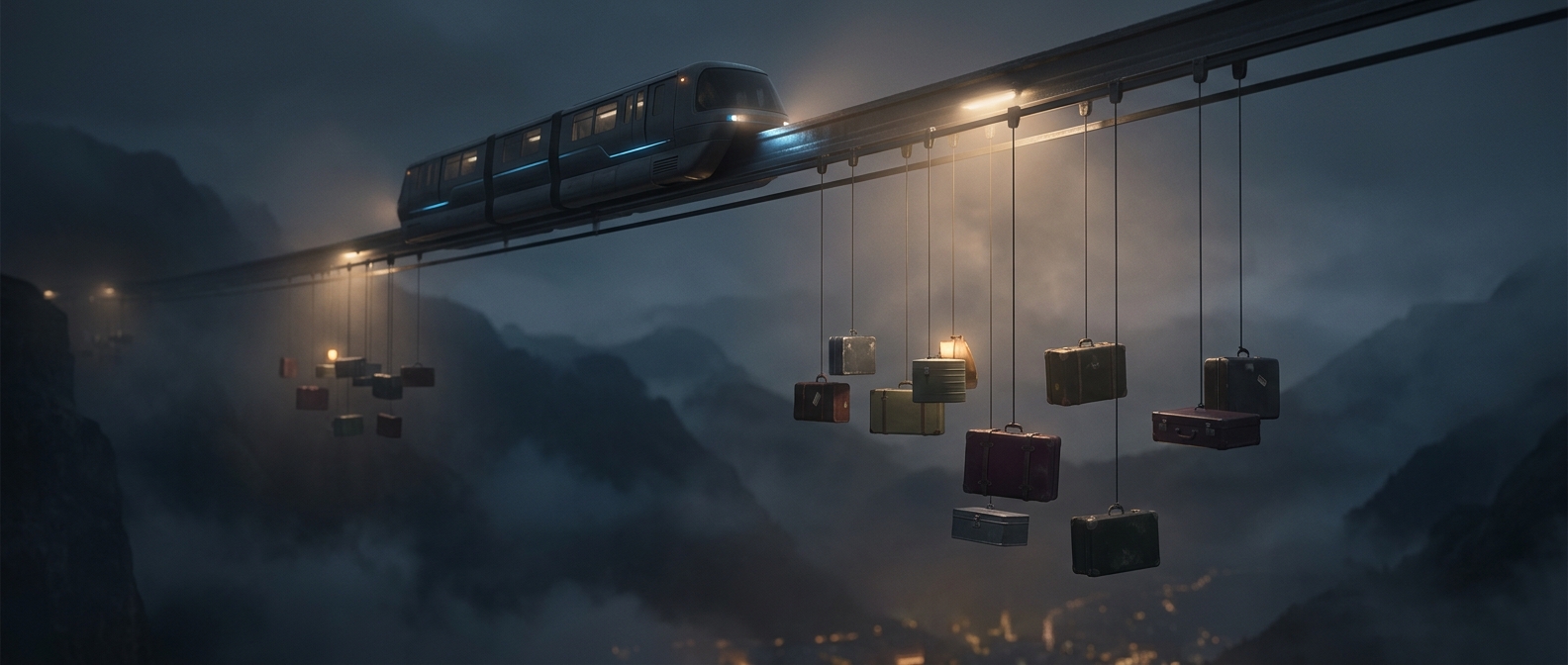
Early train luggage rode on the roof
In the early railway era, trunks could be strapped above the carriages and covered with tarpaulins. Later, dedicated luggage space and guarded vans gave…
Discover more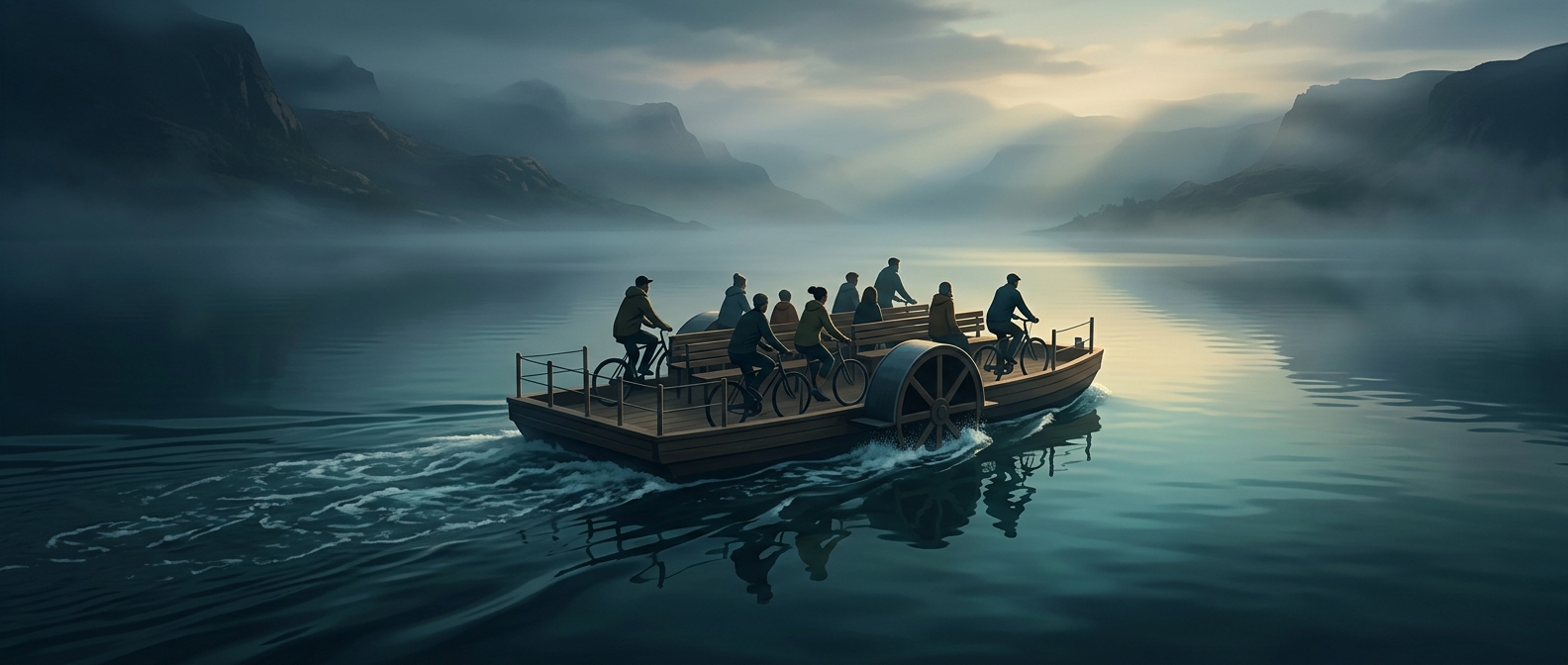
The ferry powered by its own passengers
A cable stretched across the water gives passengers something to pull against; their hand-over-hand effort draws the ferry to the opposite bank. The fare…
Discover more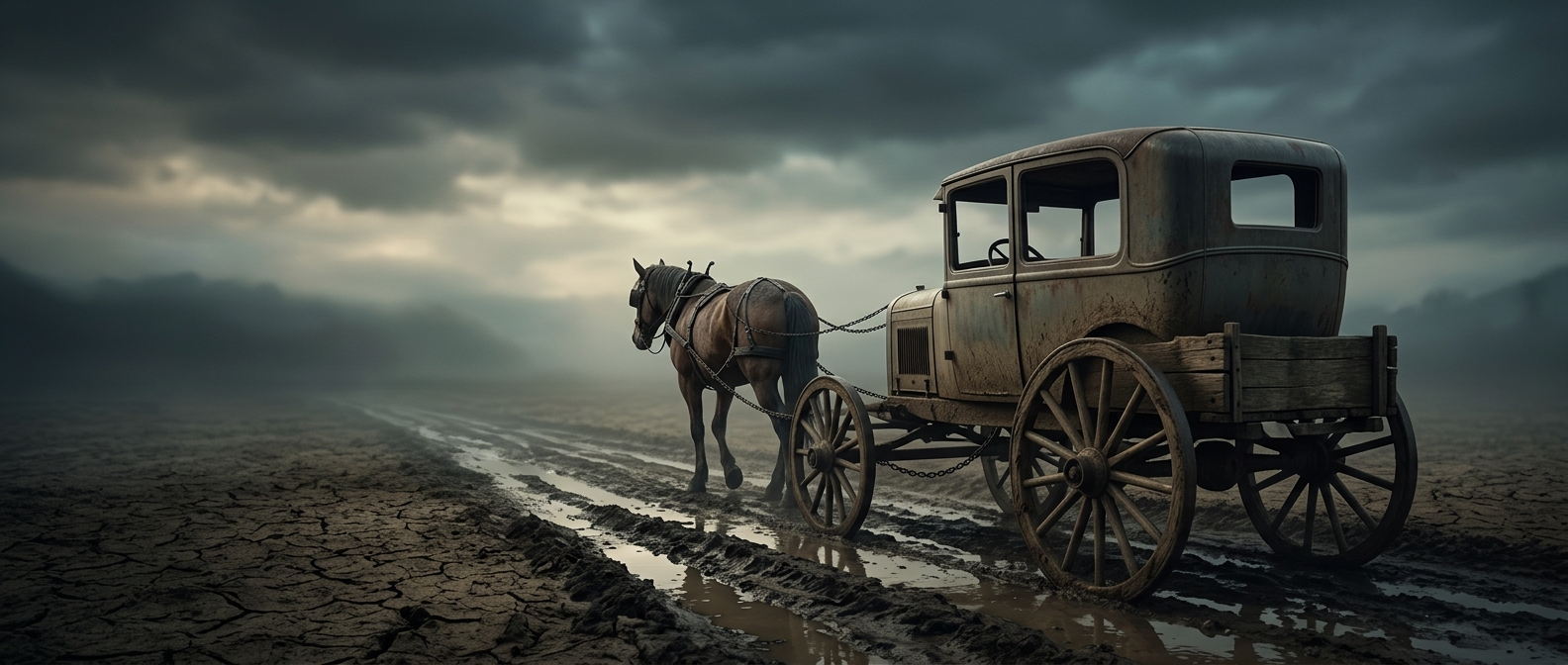
When cars had to be pulled by horses
When an early car’s engine quit, a horse supplied the dependable power still missing from the machine. Before tow trucks became routine, a stalled automobile…
Discover more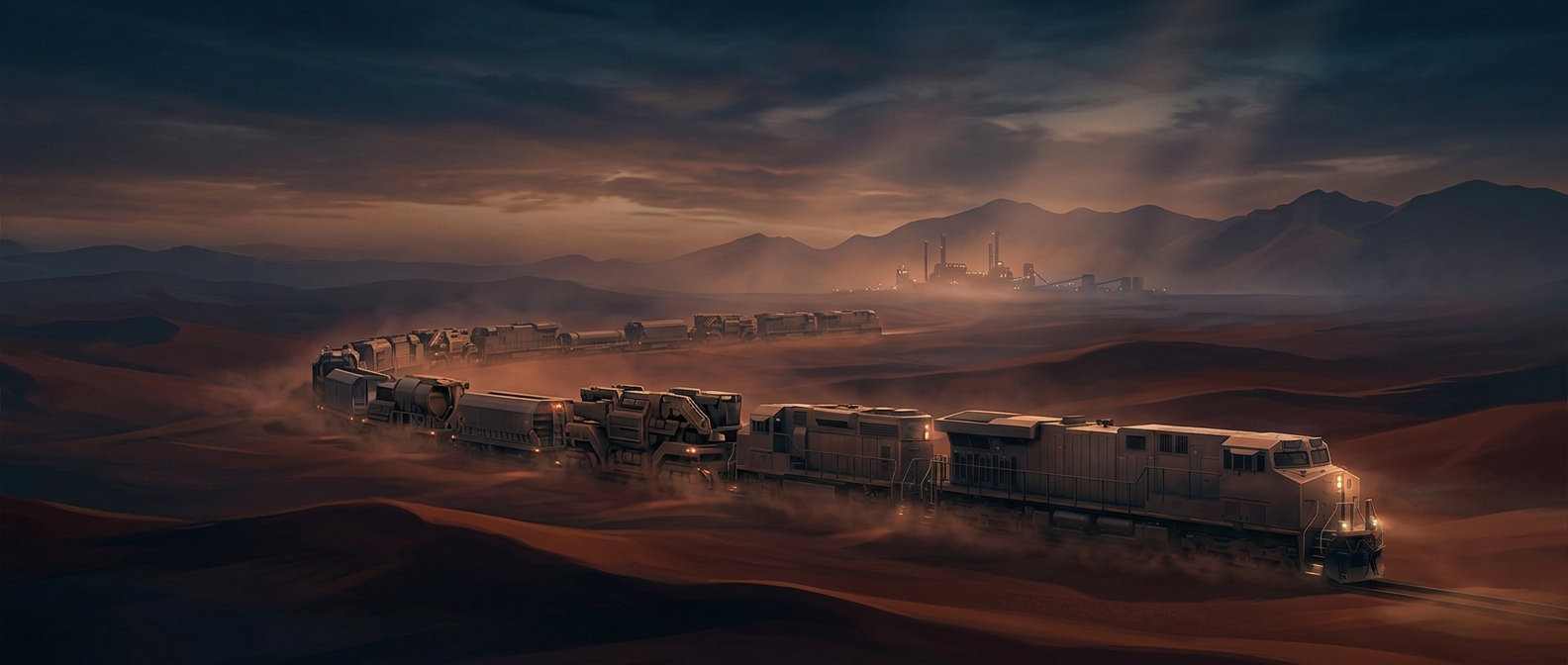
The Army tested a train that didn't need tracks
LeTourneau's overland train linked wheeled cargo units behind a powered control vehicle, aiming to move heavy loads across remote terrain. Unlike a railway,…
Discover more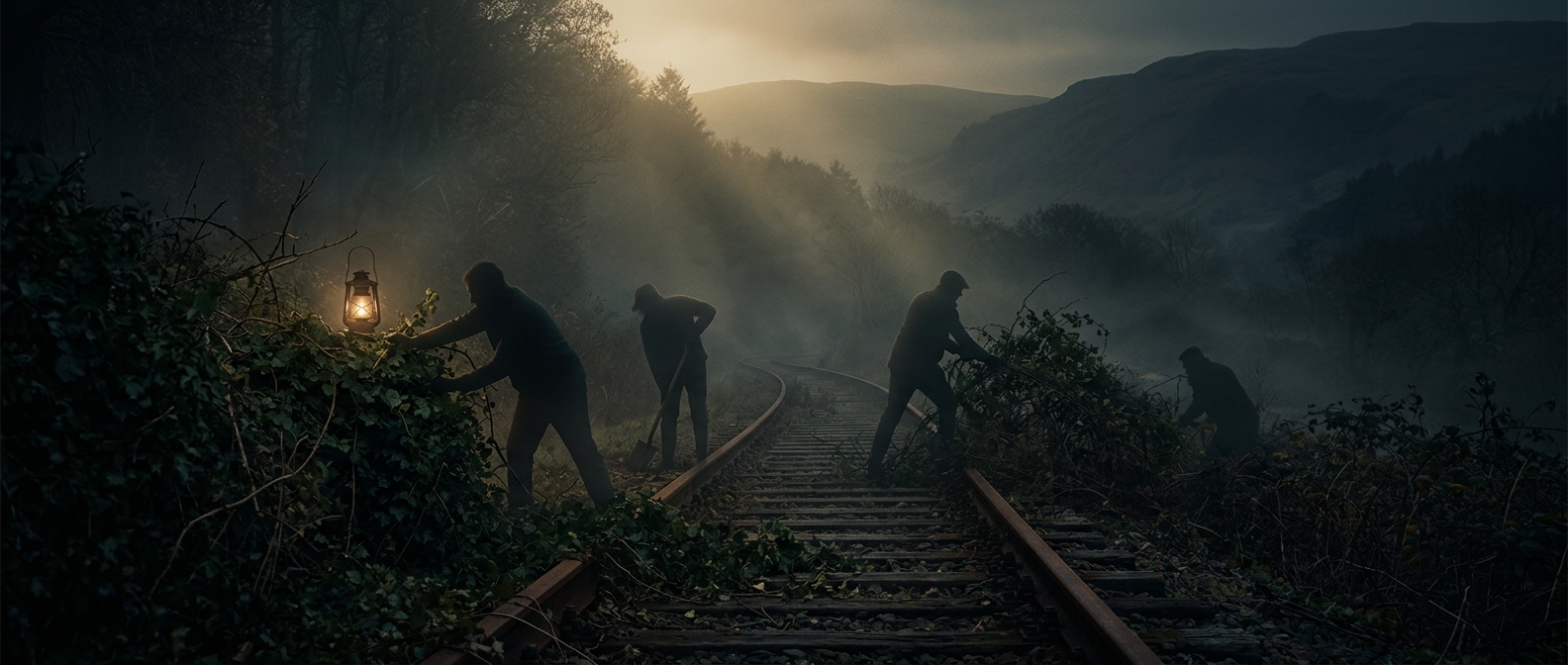
Railway fans saved a line by becoming its workforce
In 1951, the Talyllyn Railway Preservation Society took over the Welsh narrow-gauge line. Members supplied money and labor, and the society ran its first…
Discover more
The hovertrain traded wheels for an entirely new track problem
An air cushion could lift the vehicle clear of its guideway, reducing wheel contact. But it still needed a specially built route and equipment to maintain…
Discover more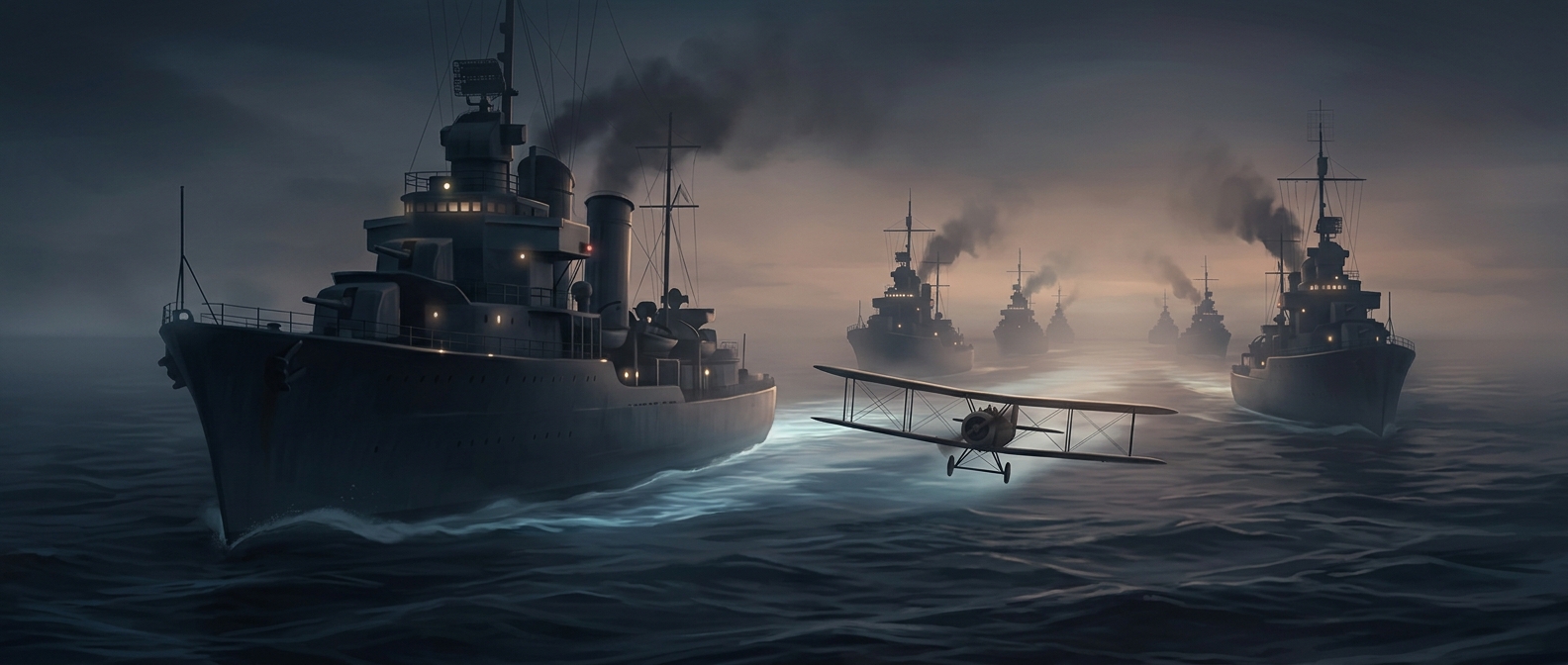
Navy destroyers babied the first ocean crossing
A destroyer’s narrow, low hull cuts through water quickly but gives a rough ocean plenty to throw around. The first crossing called for careful handling,…
Discover more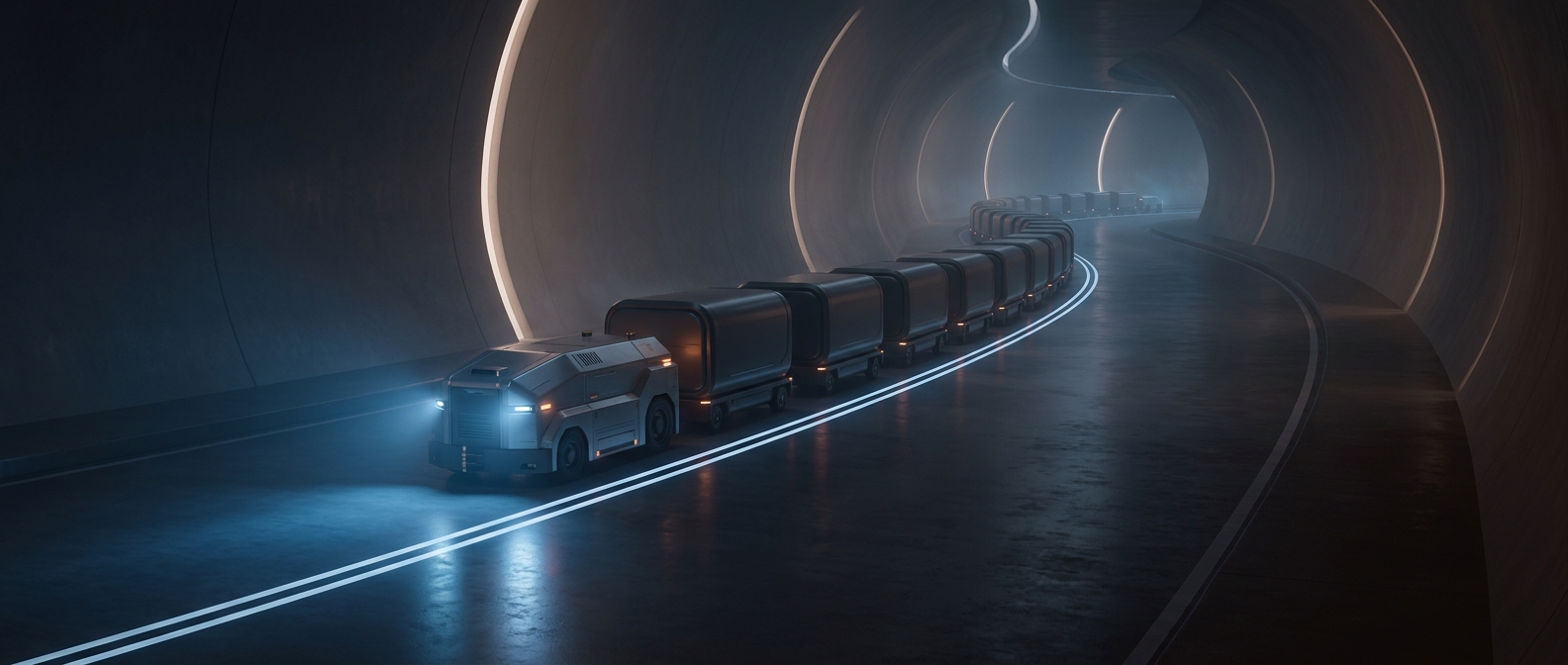
Before self-driving cars, robots followed painted lines
Early line-following robots used light sensors to spot a painted stripe against the floor. If the line drifted under one side, the robot changed its wheel…
Discover more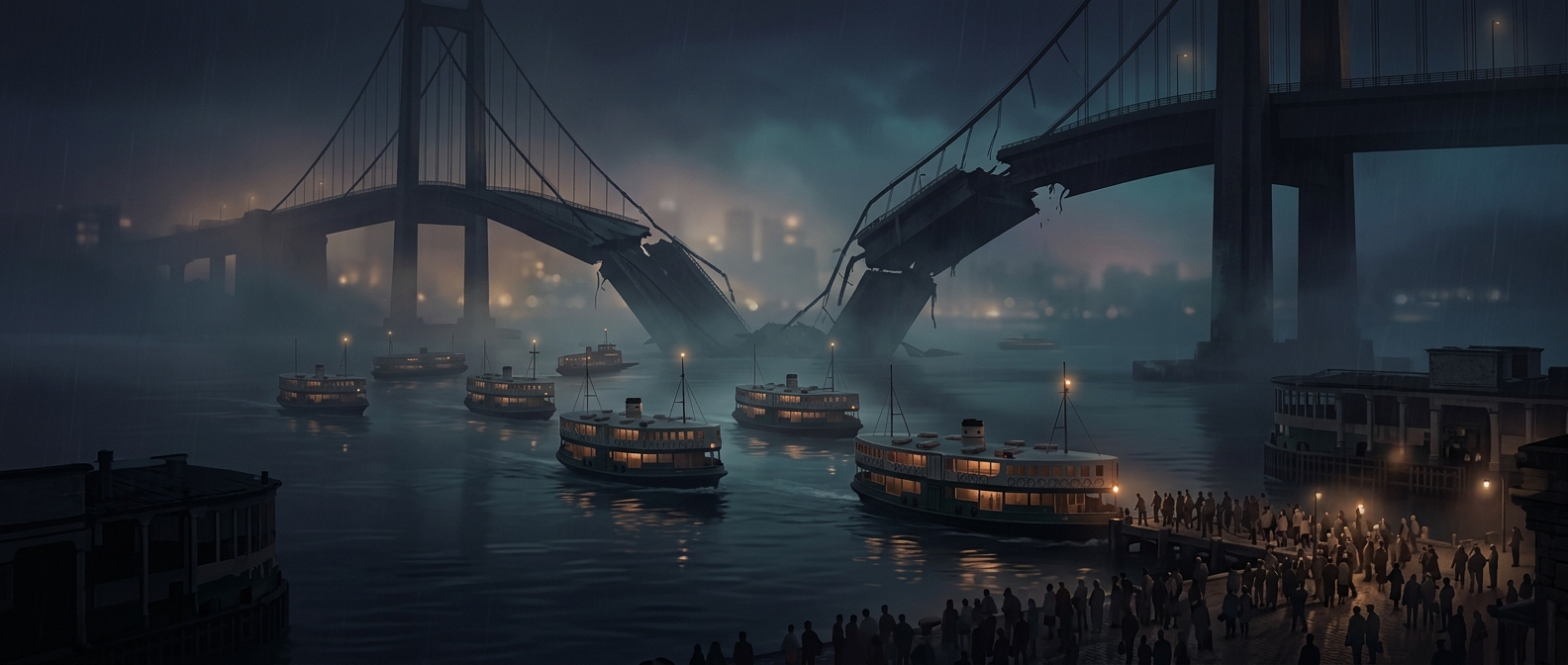
One ship collision split Hobart's daily commute
In 1975, the bulk carrier Lake Illawarra struck the Tasman Bridge, bringing sections of the crossing down. People who had depended on a short route across the…
Discover more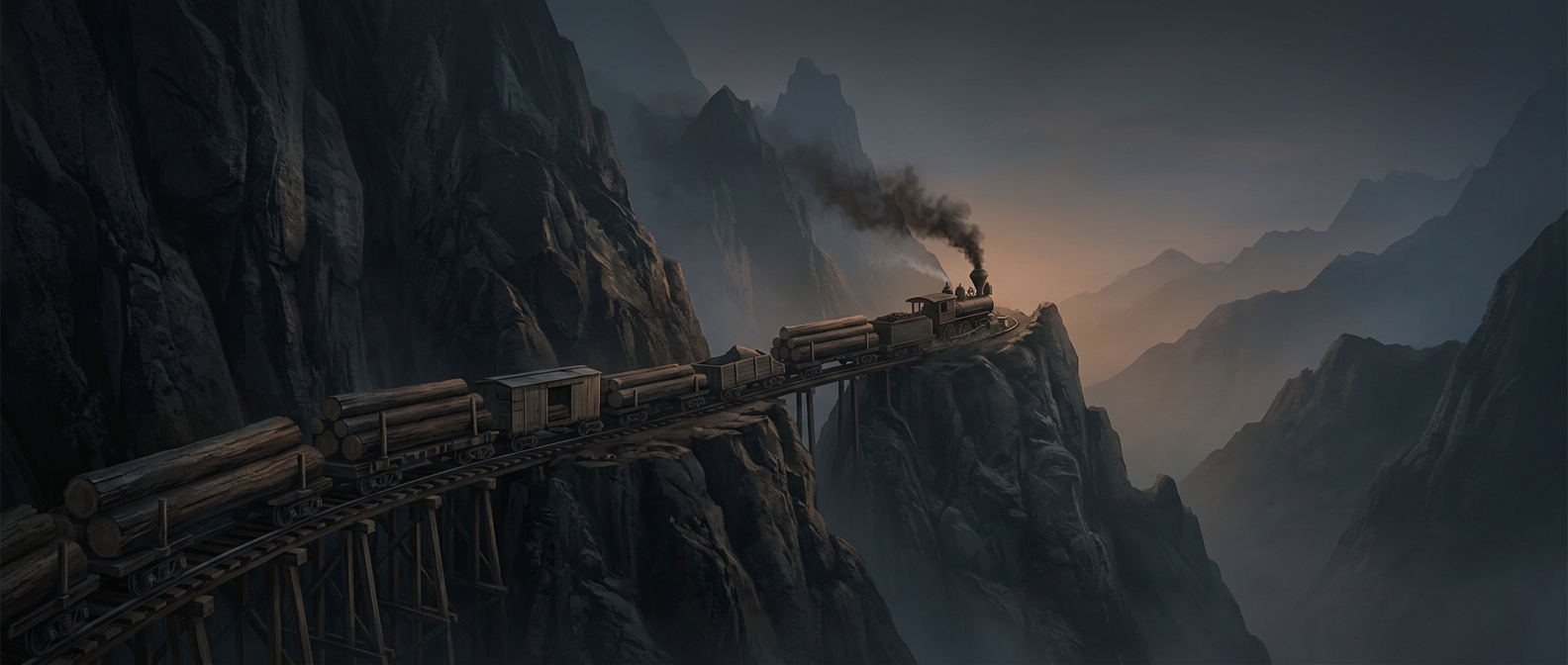
This Swiss railway climbs a 48% slope by gripping teeth
The Pilatus railway gains up to 48 meters in height for every 100 meters measured horizontally. Cogwheels engage a toothed rack, overcoming the limits of…
Discover more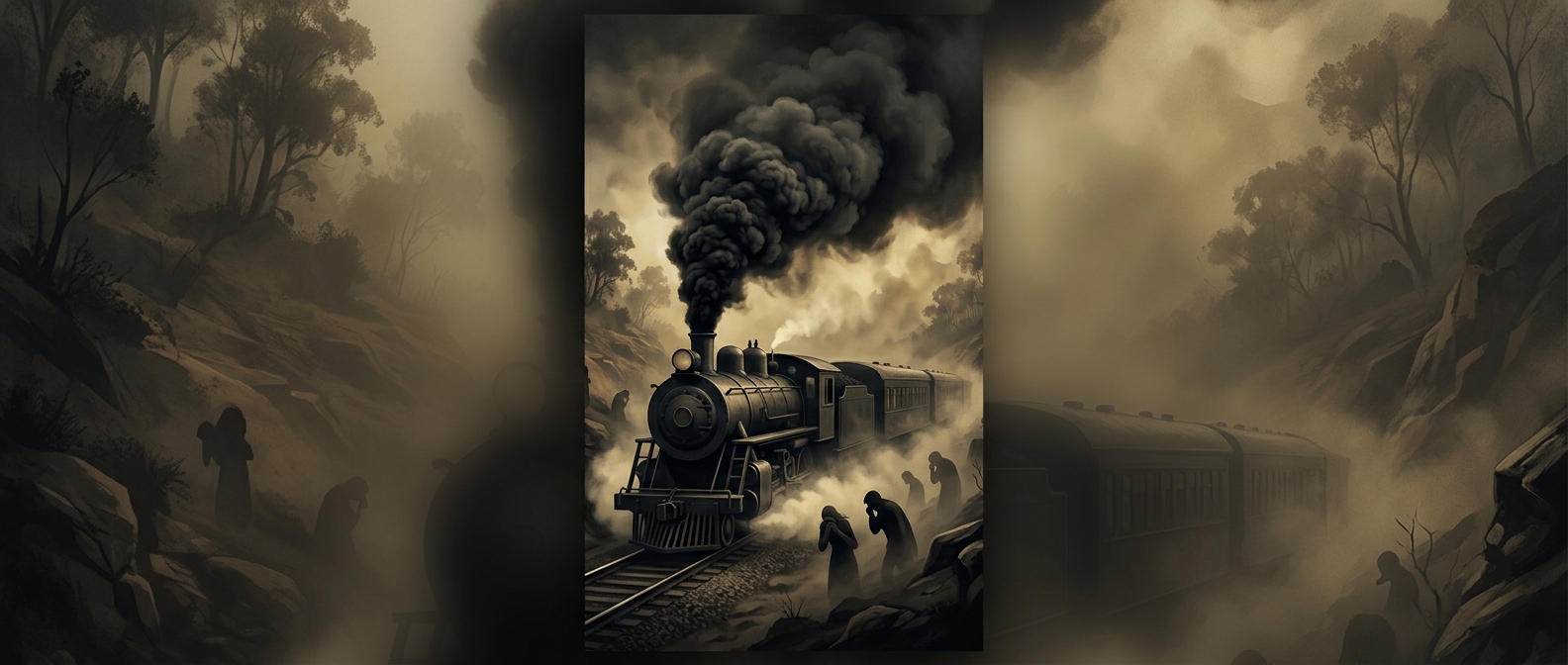
A stalled train turned an Italian tunnel into a gas trap
In the 1944 Balvano disaster, a heavily loaded train became stuck in a tunnel while its steam locomotives produced carbon monoxide. Poor ventilation let the…
Discover more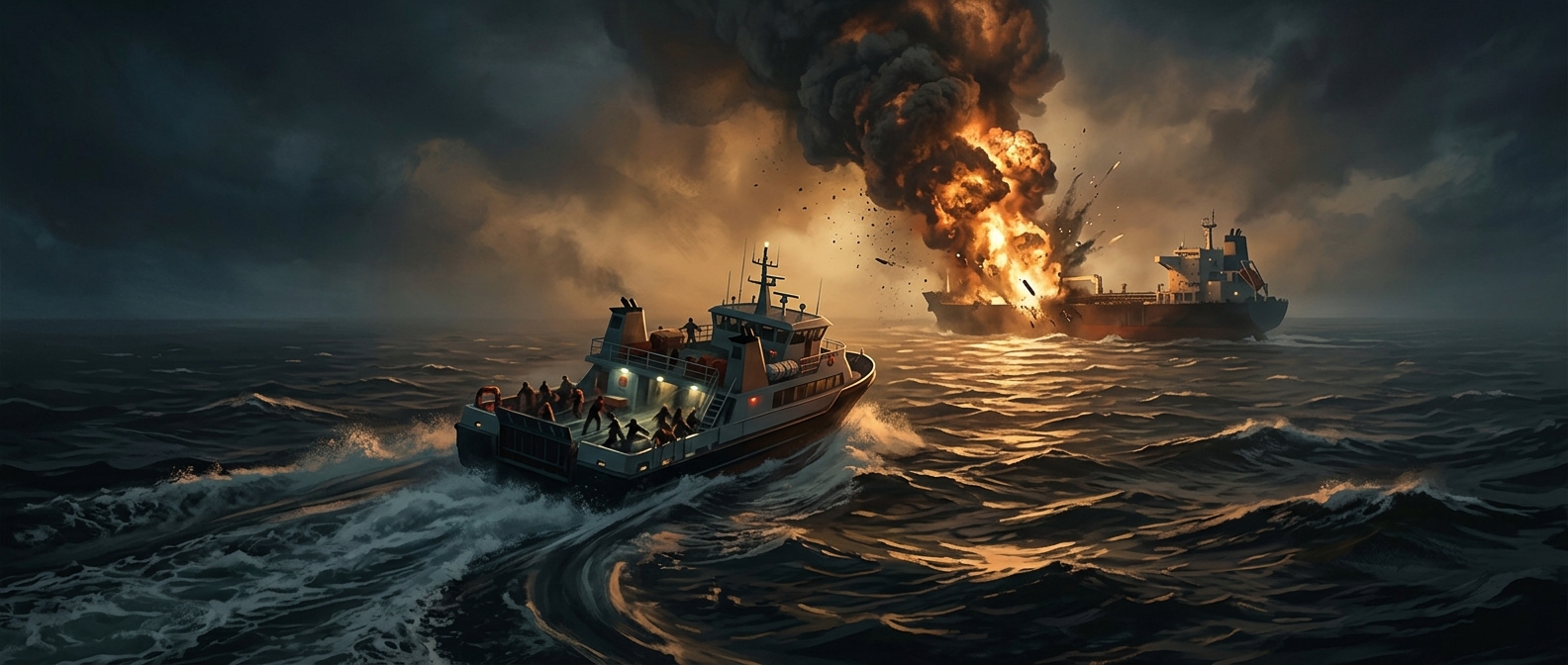
Fishing boats became emergency ferries after an explosion
When an explosion wrecked roads and disrupted ordinary transport, fishing boats became rescue craft and ferries. Their shallow drafts let them reach…
Discover more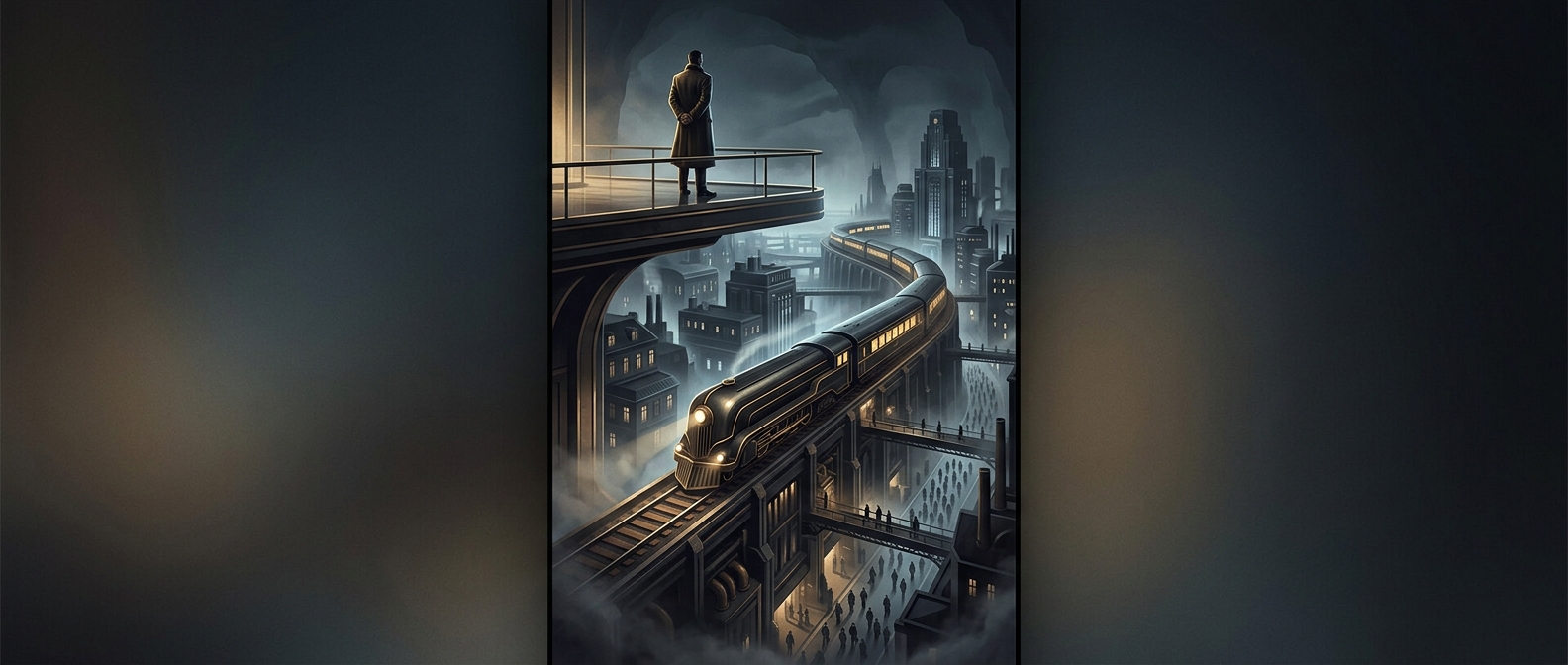
George Pullman cut workers' pay but kept rents high
Pullman cut wages while keeping rents in his company town high. Because the company owned the homes as well as the jobs, workers took the pay cut without…
Discover more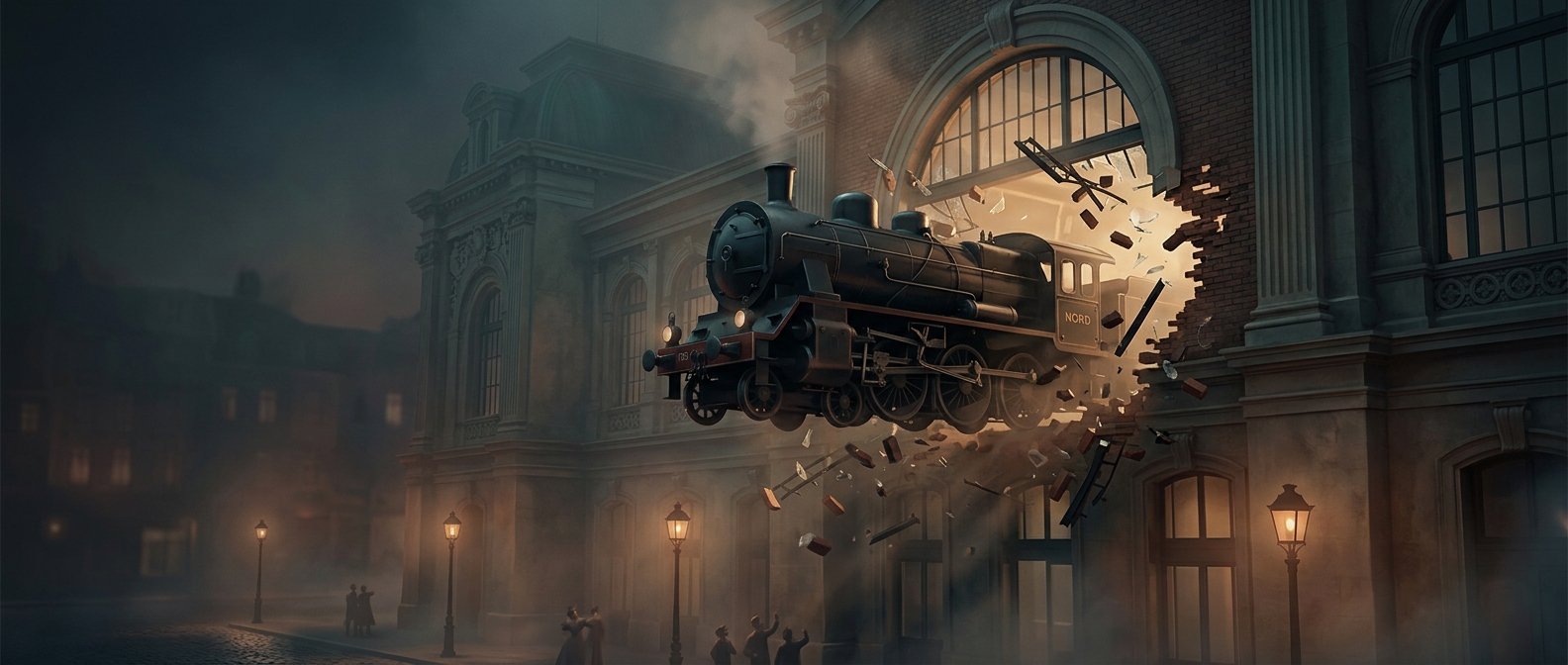
A Paris train overshot the platform—and the building
In 1895, an arriving train at Montparnasse failed to stop in time, crossed the concourse, and broke through the station's exterior wall. The locomotive came…
Discover more
The Le Mans crash that changed racing safety
The 1955 crash at Le Mans showed that a fast car leaving the track turned the crowd into part of the danger zone. The disaster drove changes to track layouts…
Discover more