Transport
Discover facts about transport. Small discoveries that change the way you see familiar things.
Transport
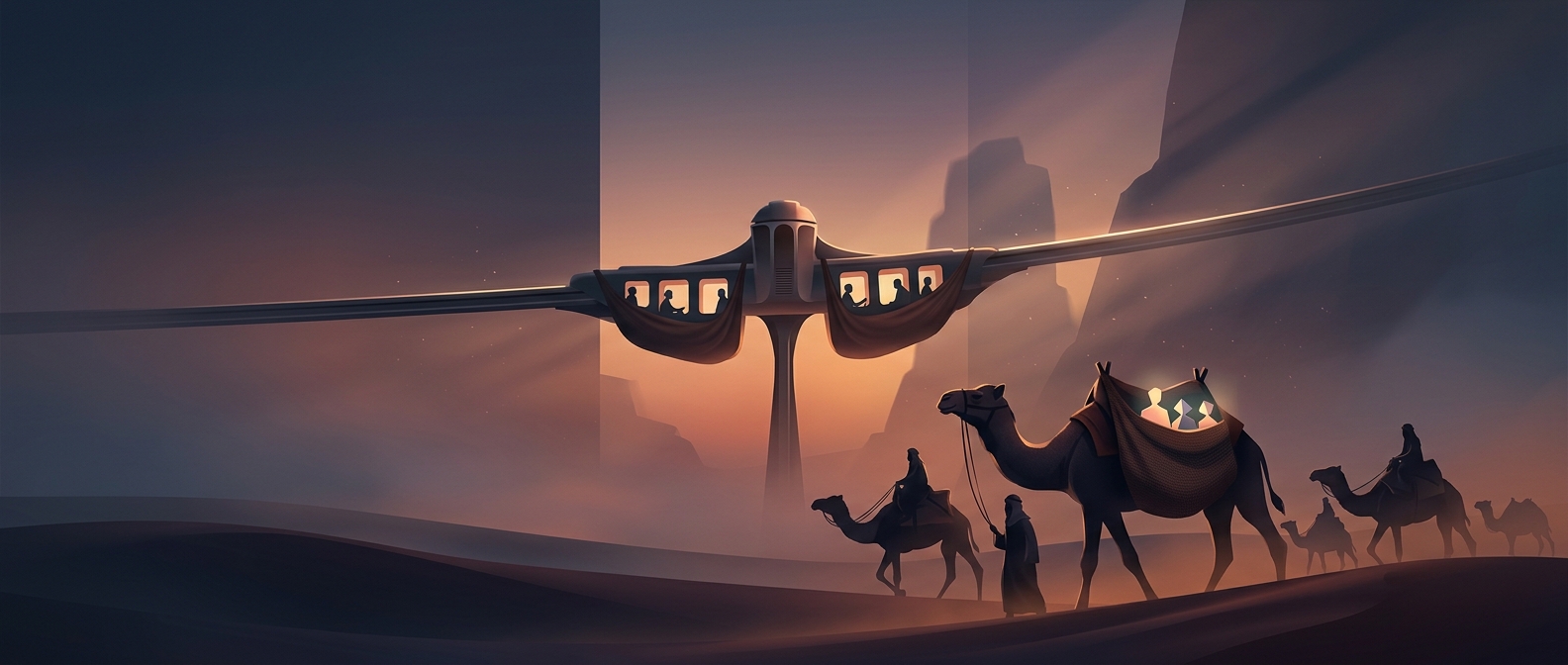
This Irish train had to balance its passengers
The Listowel and Ballybunion monorail carried its load on both sides of a raised rail, like panniers on an animal. Uneven loading could upset the balance, so…
Discover more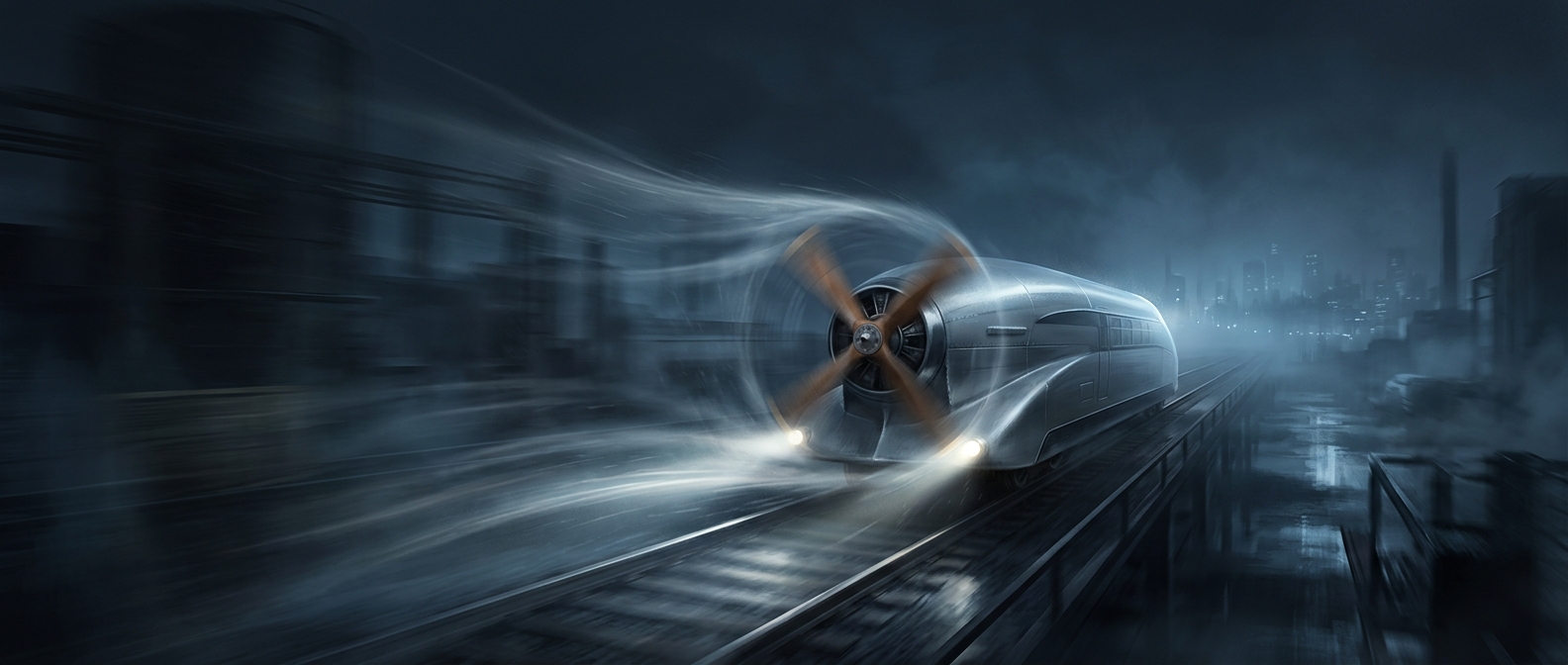
The train that raced at 143 mph with a propeller
The Schienenzeppelin used an aircraft-style engine to spin a propeller at the rear, pushing the streamlined railcar forward. With no locomotive hauling a…
Discover more
Los Angeles once made rooftop helicopter access a high-rise rule
For decades, the city's fire-safety approach required landing facilities on many tall buildings, helping shape their flat rooflines. The requirement was later…
Discover more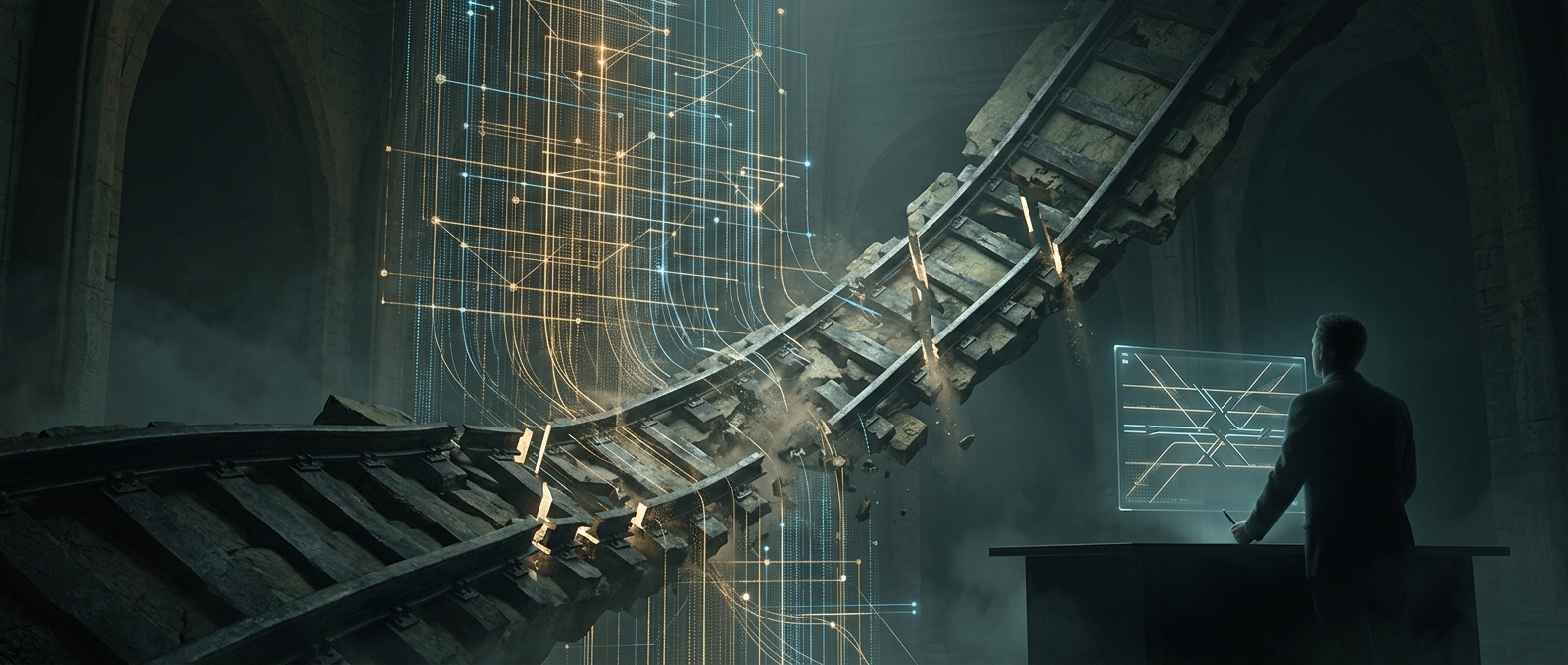
The report that reshaped Britain's railways
The 1963 Beeching Report proposed closing thousands of miles of rail lines that lost money, then concentrating investment on the routes left standing.…
Discover more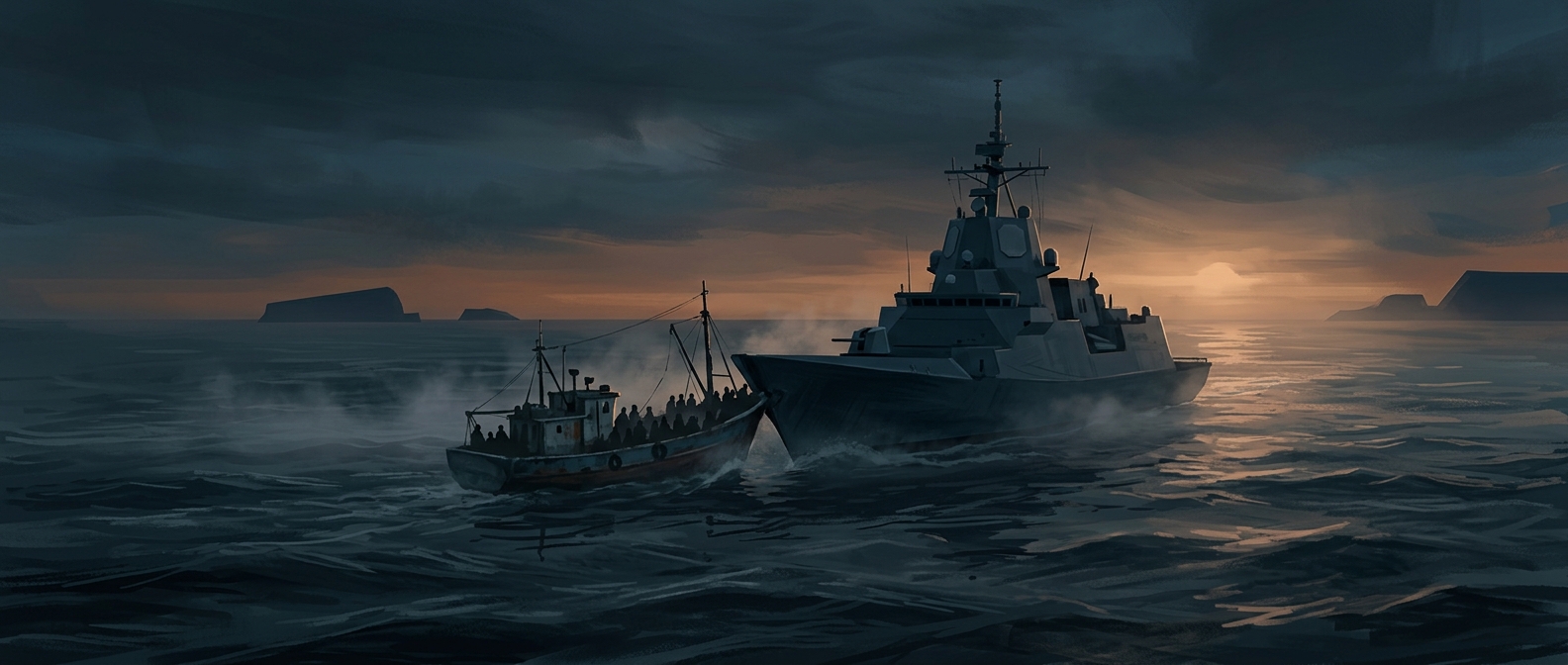
Britain rammed a ship carrying Holocaust survivors
After World War II, Holocaust survivors aboard the ship Exodus tried to reach Palestine, then under British rule. British forces rammed and boarded the…
Discover more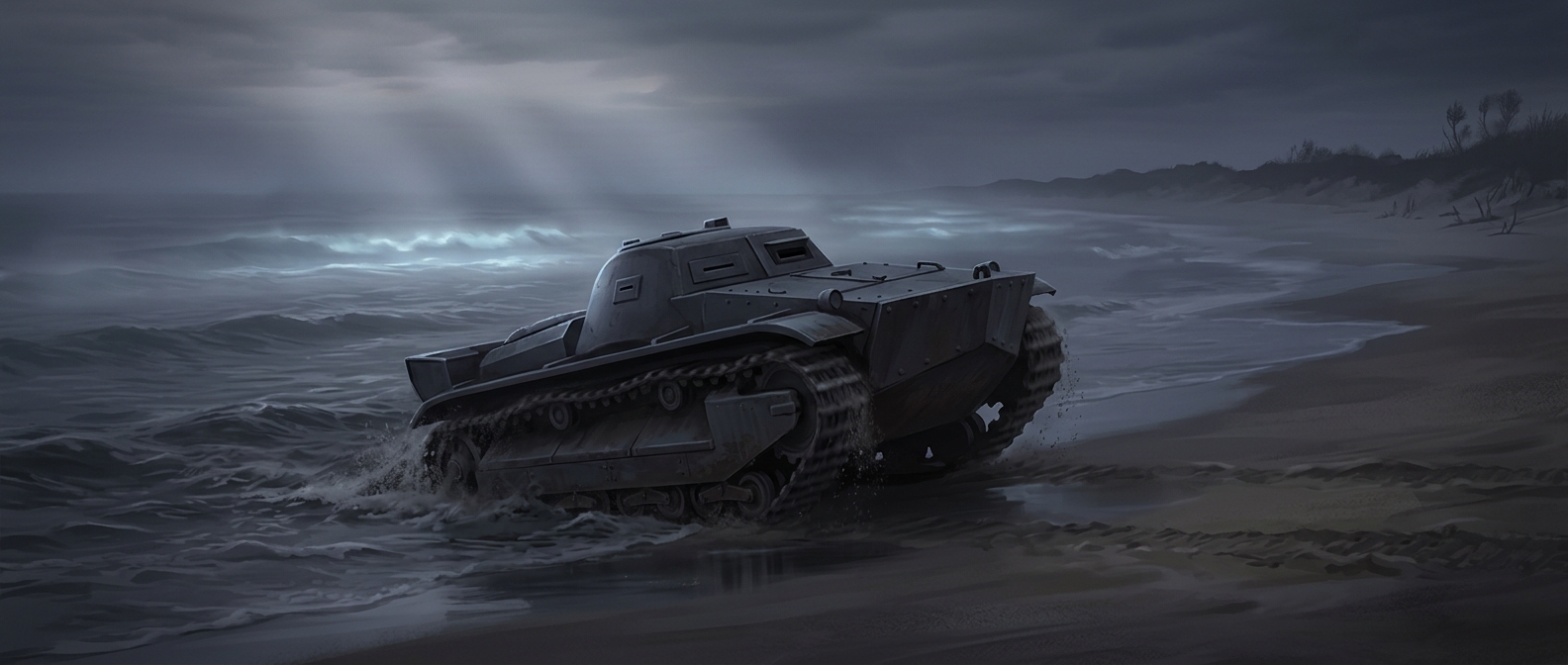
The D-Day tank that wore a flotation screen
A Duplex Drive tank unfolded a tall canvas screen around its hull to trap enough air to float, while propellers driven by the tank’s engine pushed it toward…
Discover more STACKY FOR IPHONE
A bigger world.
One discovery
at a time.
Keep discovering with Stacky. Interesting facts in an app that is always within reach.
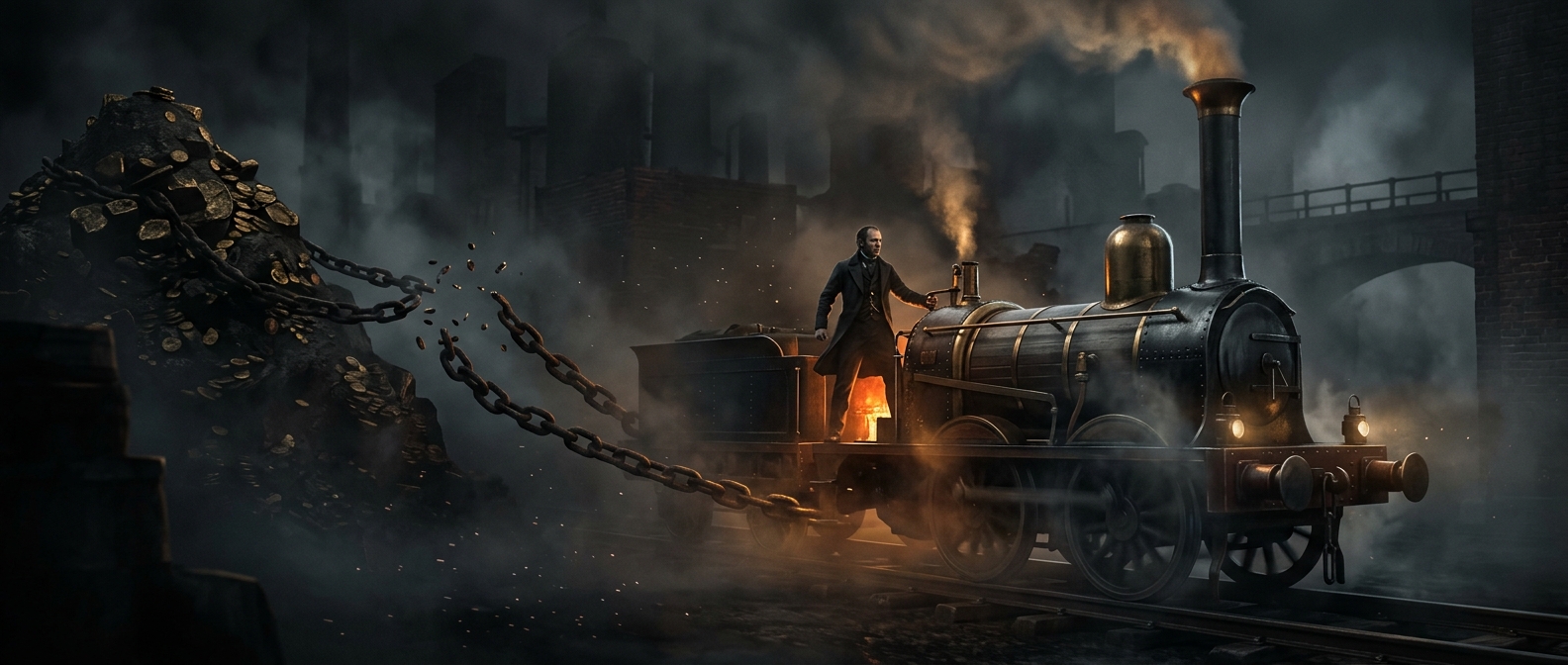
The cash prize that launched the Rocket
The Rainhill Trials offered a £500 prize for a locomotive that could haul a load quickly and reliably on the new Liverpool and Manchester Railway. George…
Discover more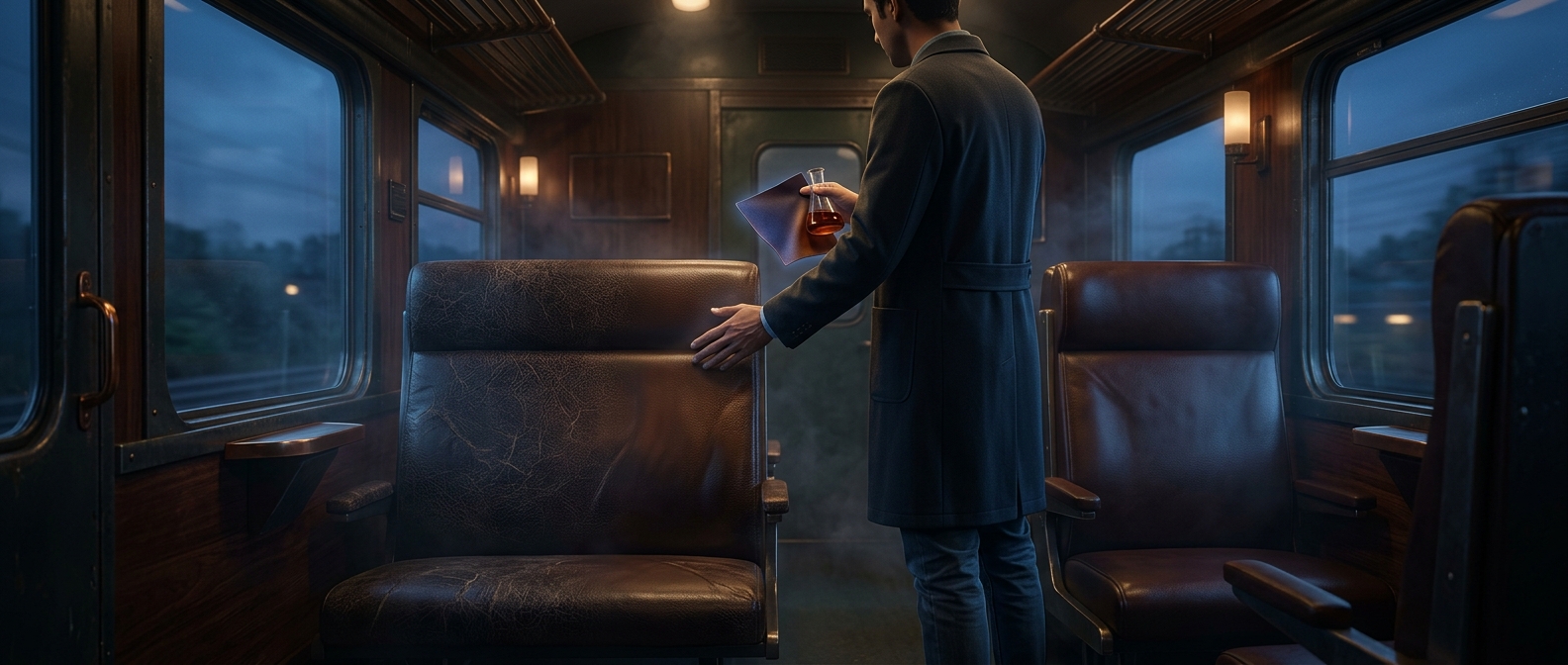
One leather chemist casually saved Indian rail seats
Leather seats take a beating from bodies, heat and grime, then dry and crack. A leather chemist’s treatment restored the material and kept Indian rail seats…
Discover more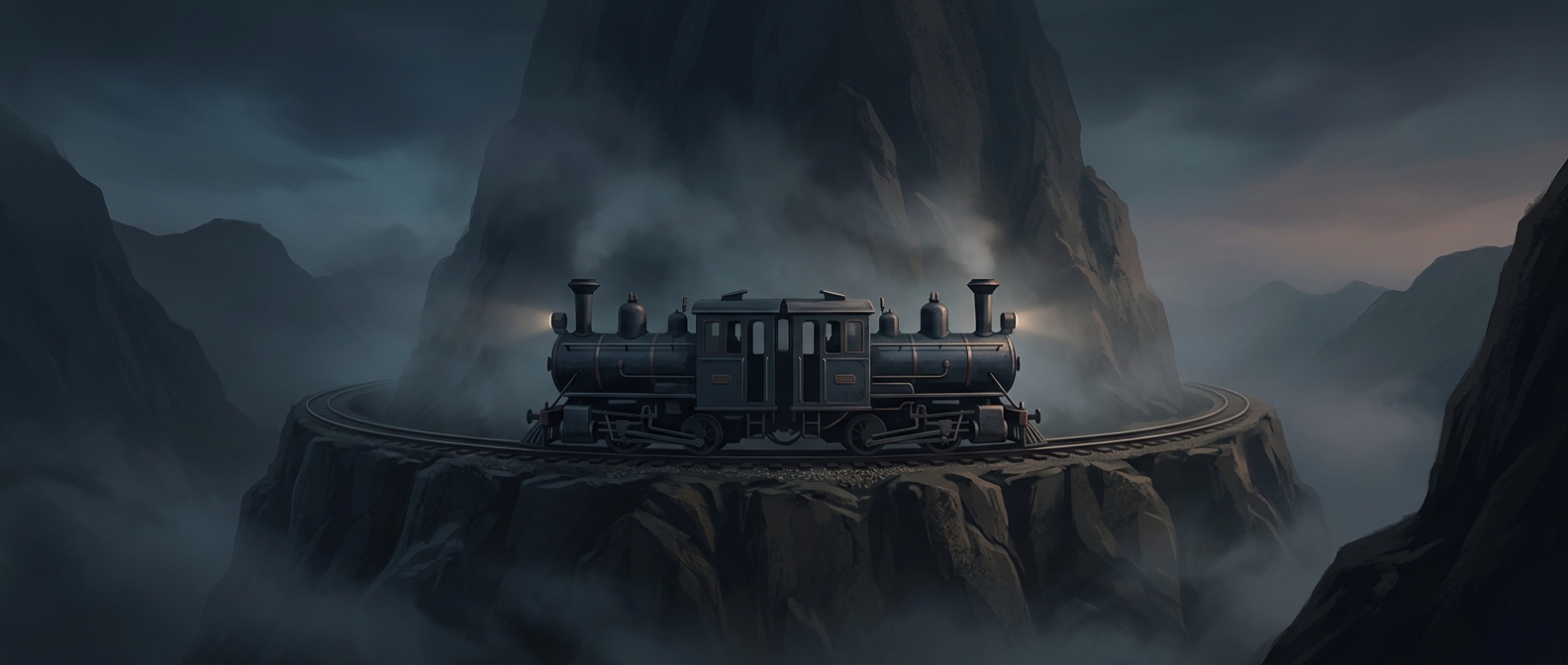
The locomotive built to never turn around
With controls at both ends, the locomotive changes direction by switching cabs instead of turning on a giant turntable. It treats a turnaround as an optional…
Discover more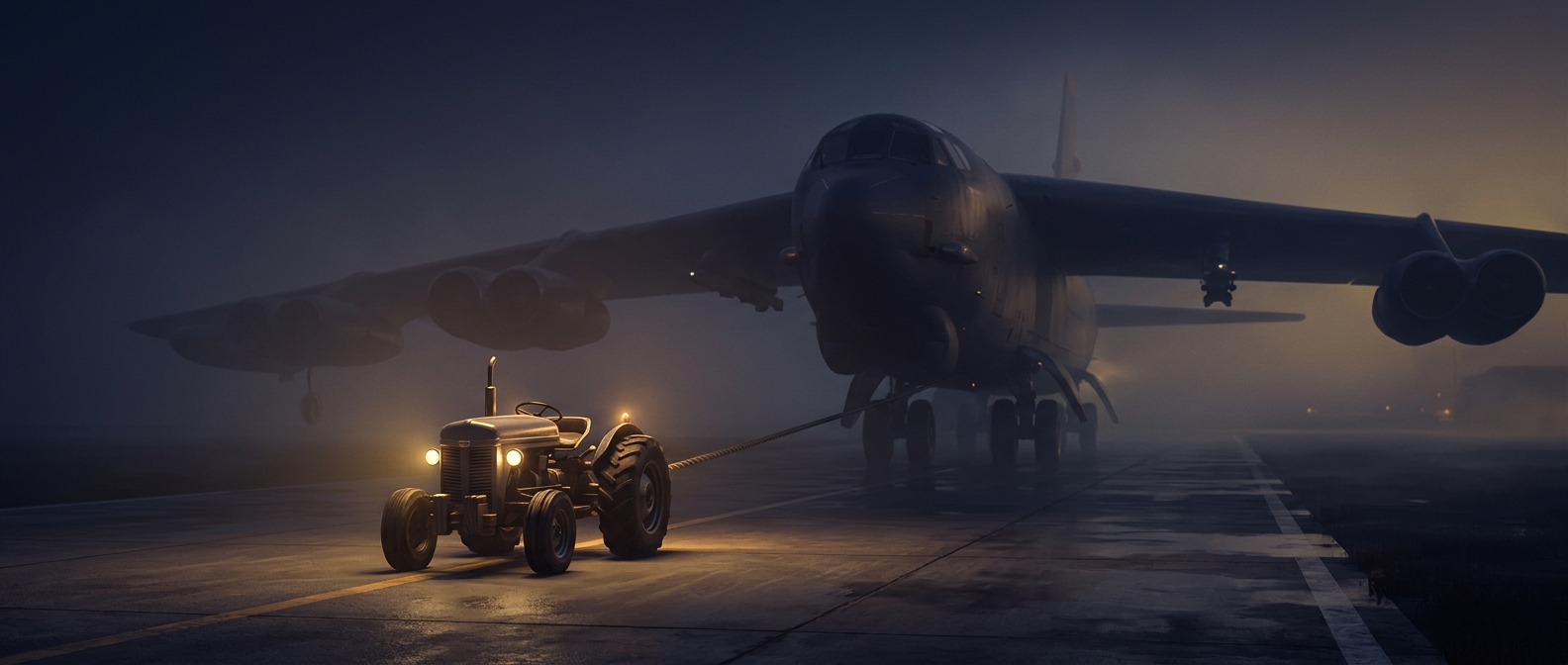
A small airport tug moves a bomber without lifting its weight
The aircraft's wheels support most of the load; the tug mainly has to overcome rolling resistance and start it moving. Low gearing multiplies wheel torque,…
Discover more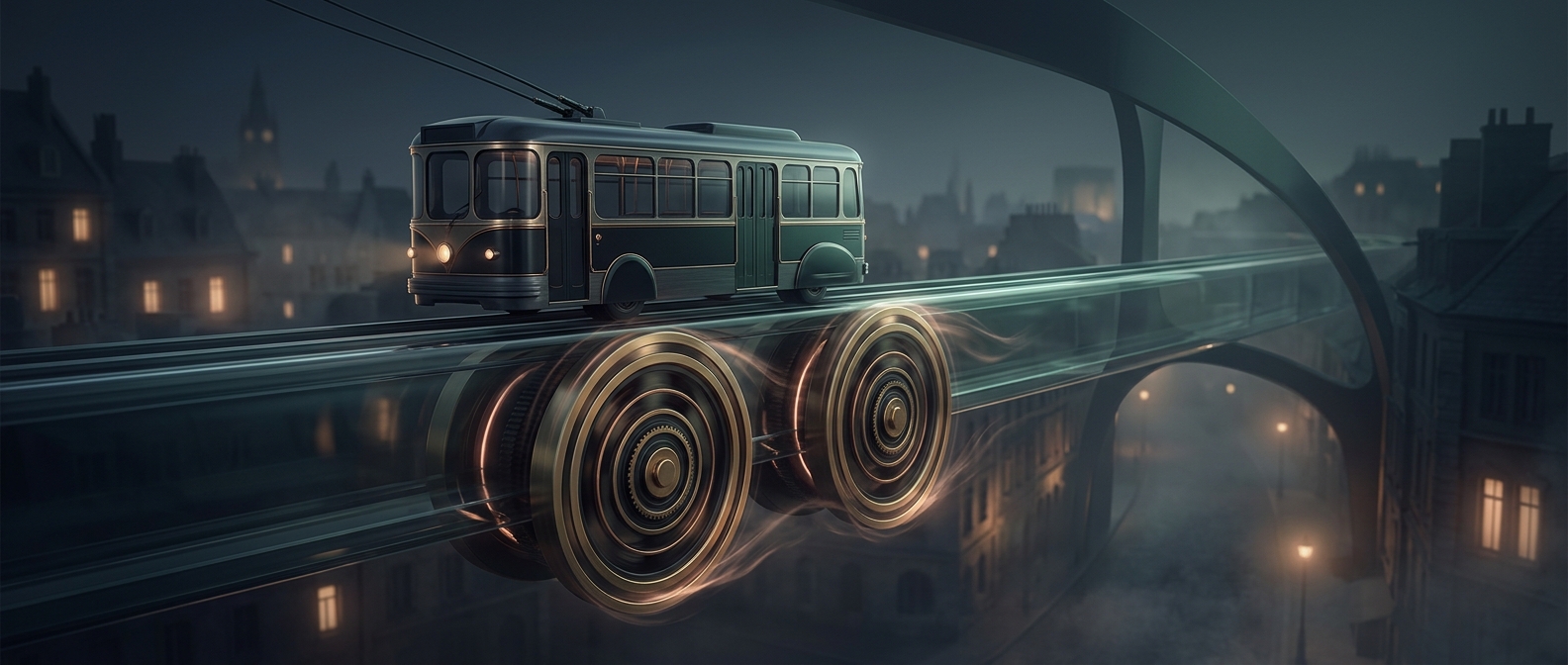
The buses that ran on spinning flywheels
A motor spins a heavy flywheel, storing energy as rotation; later, the spinning wheel drives a generator that powers the bus. It’s a battery that prefers to…
Discover more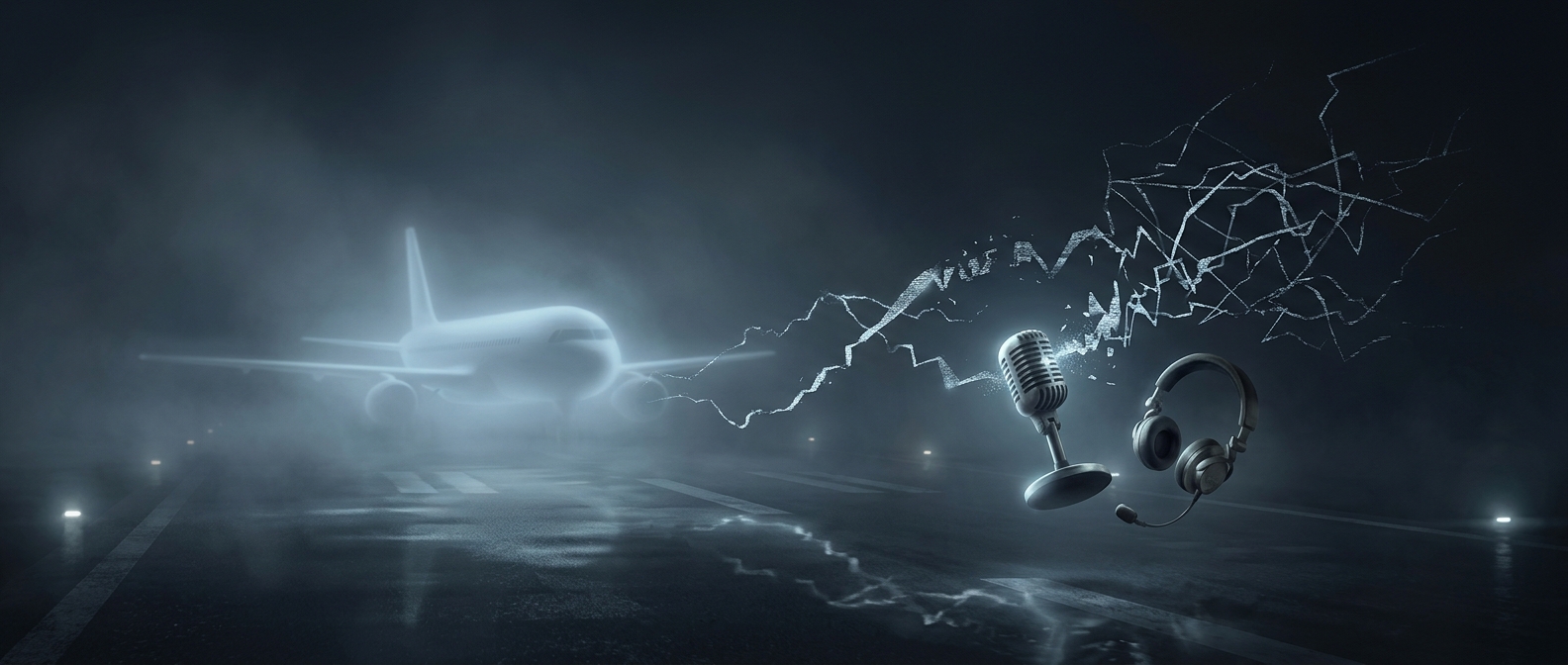
Two radio messages collided before two jumbo jets did
At Tenerife in 1977, simultaneous radio transmissions obscured a crucial warning while fog hid a Pan Am jet still on the runway. The KLM aircraft began taking…
Discover more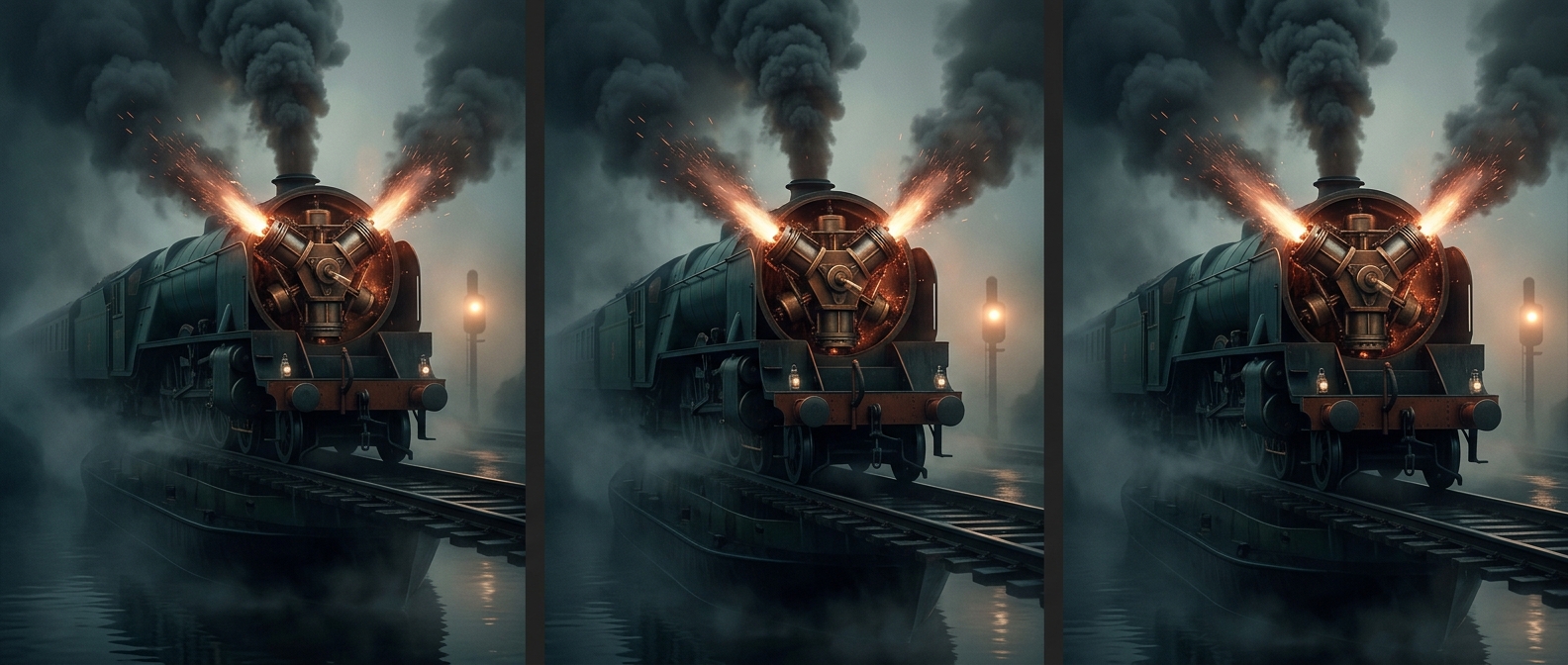
The train engine borrowed from a torpedo boat
The Napier Deltic began as a compact, powerful engine for torpedo boats. Its unusual three-sided layout packed three crankshafts into a light engine, then…
Discover more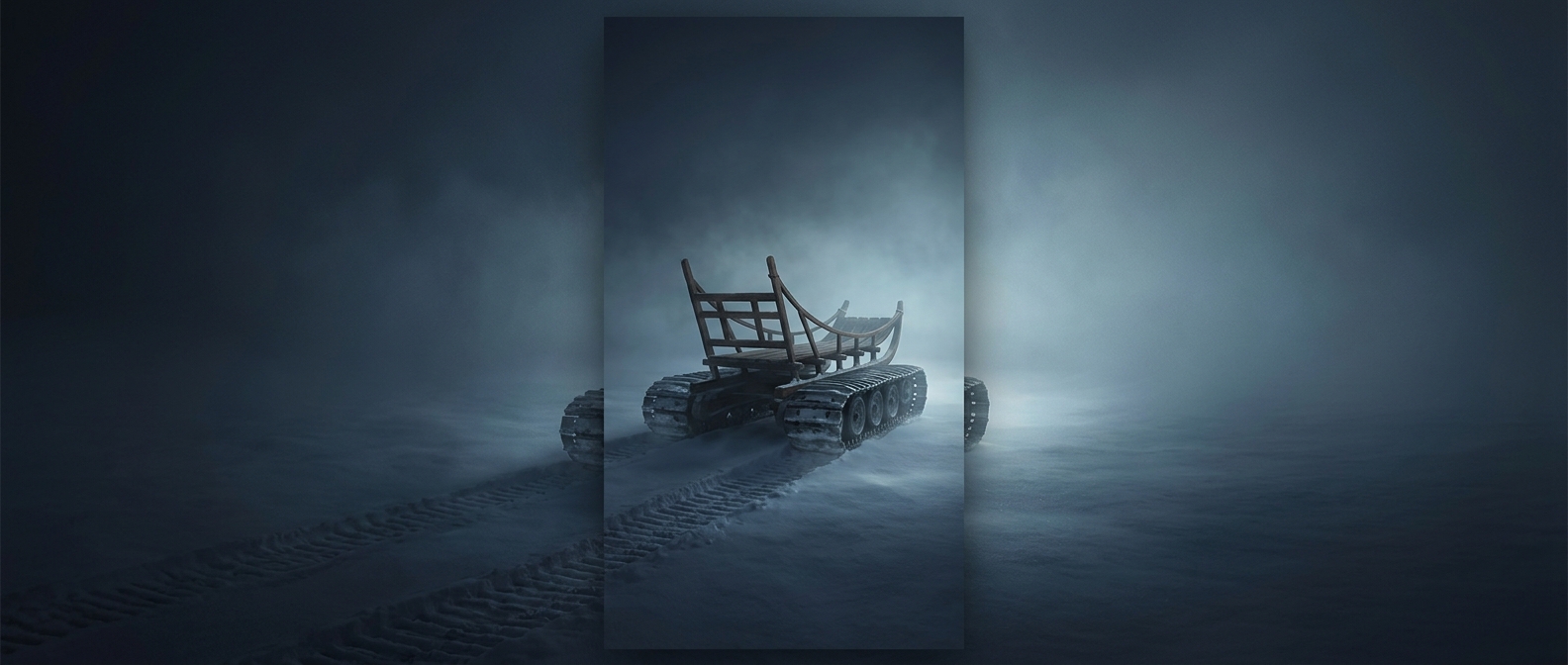
Bombardier put seven passengers on tracks and skis
Joseph-Armand Bombardier's B7 snow vehicle used front skis for steering and rear tracks for propulsion. Its rubber-covered sprocket system helped the tracks…
Discover more
A glacier hid a missing plane for 50 years
The pilots misjudged their position after flying into the jet stream, then descended into a glacier. An avalanche buried the wreckage, which remained hidden…
Discover more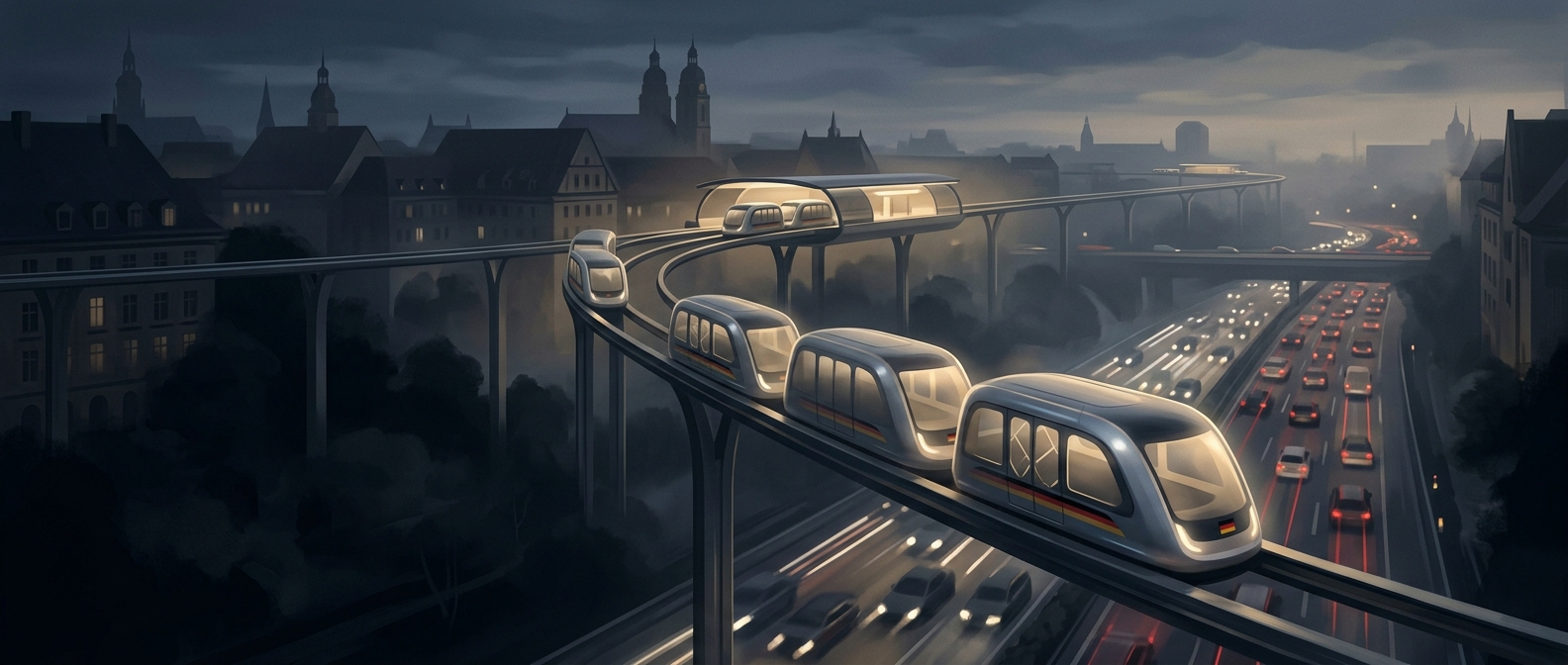
Germany once tested driverless pods above traffic
The pods ran on an elevated guideway, so they skipped traffic instead of joining it. Computer control handled their movement along a fixed route, with small…
Discover more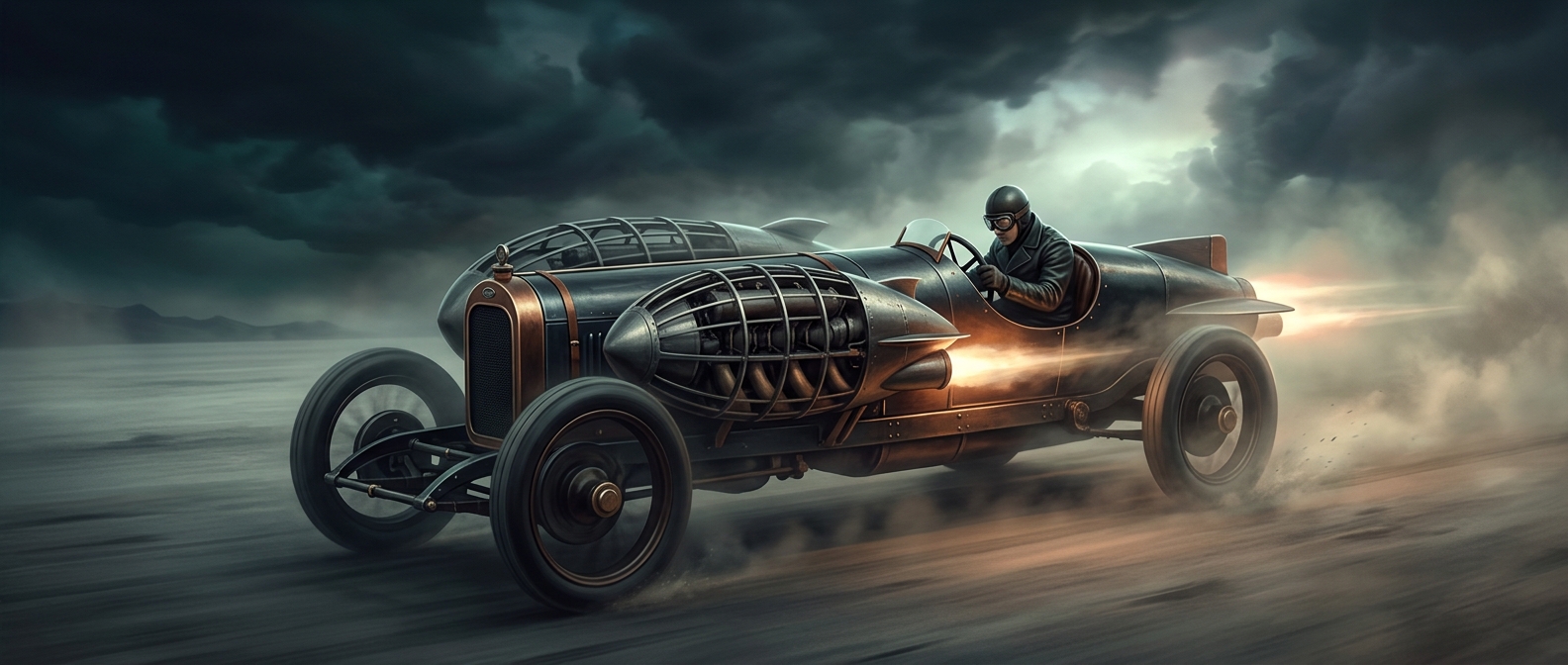
Chitty Bang Bang had a 23-liter aircraft engine
Count Louis Zborowski's first Chitty racing car combined a Mercedes chassis with a giant six-cylinder Maybach aero engine in the 1920s. Instead of squeezing…
Discover more
Before smartphones, Cincinnati told time with a giant ball
A time ball high above the city dropped at a set hour, giving people below a visible signal to set their clocks. Before phones put the time in every pocket,…
Discover more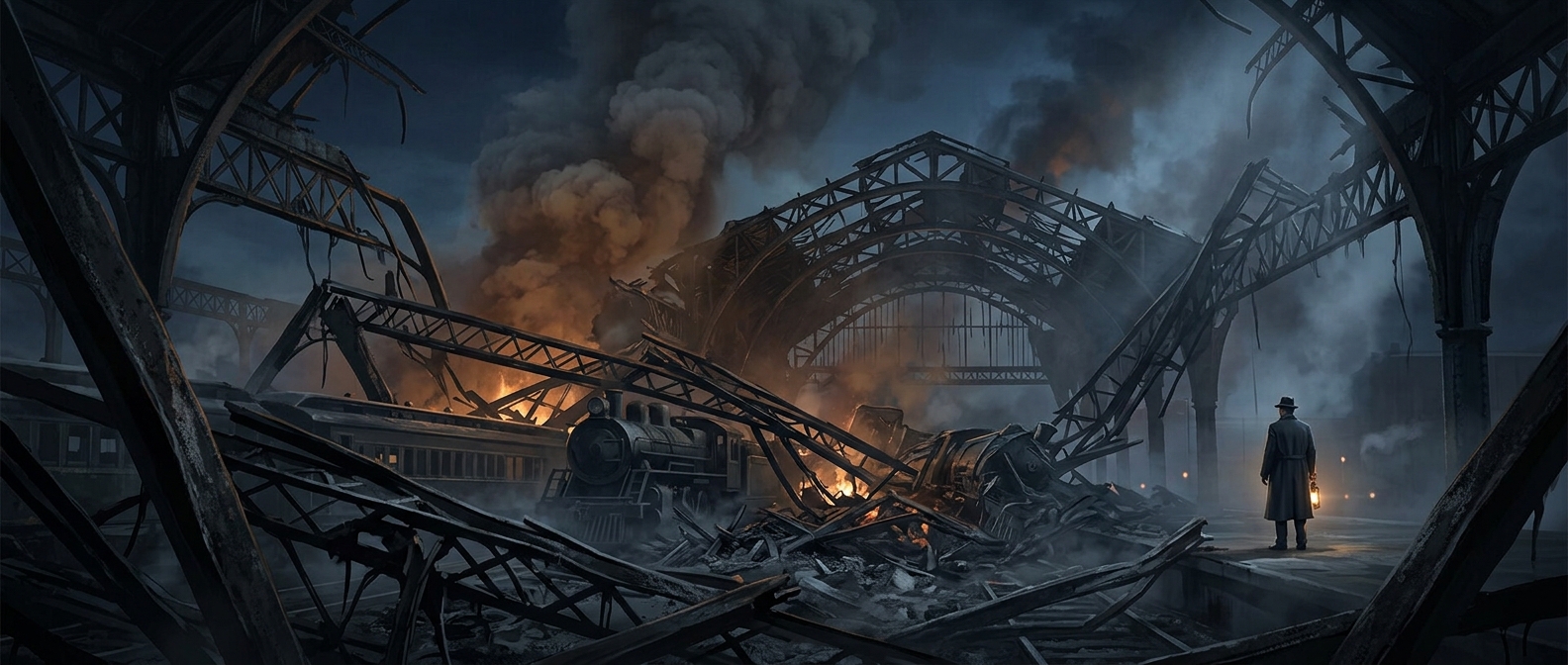
Philadelphia's train-shed fire destroyed the ground beneath the trains
In June 1923, fire consumed timber in Broad Street Station's huge covered shed. Supporting tracks buckled and collapsed, and at least one train fell with…
Discover more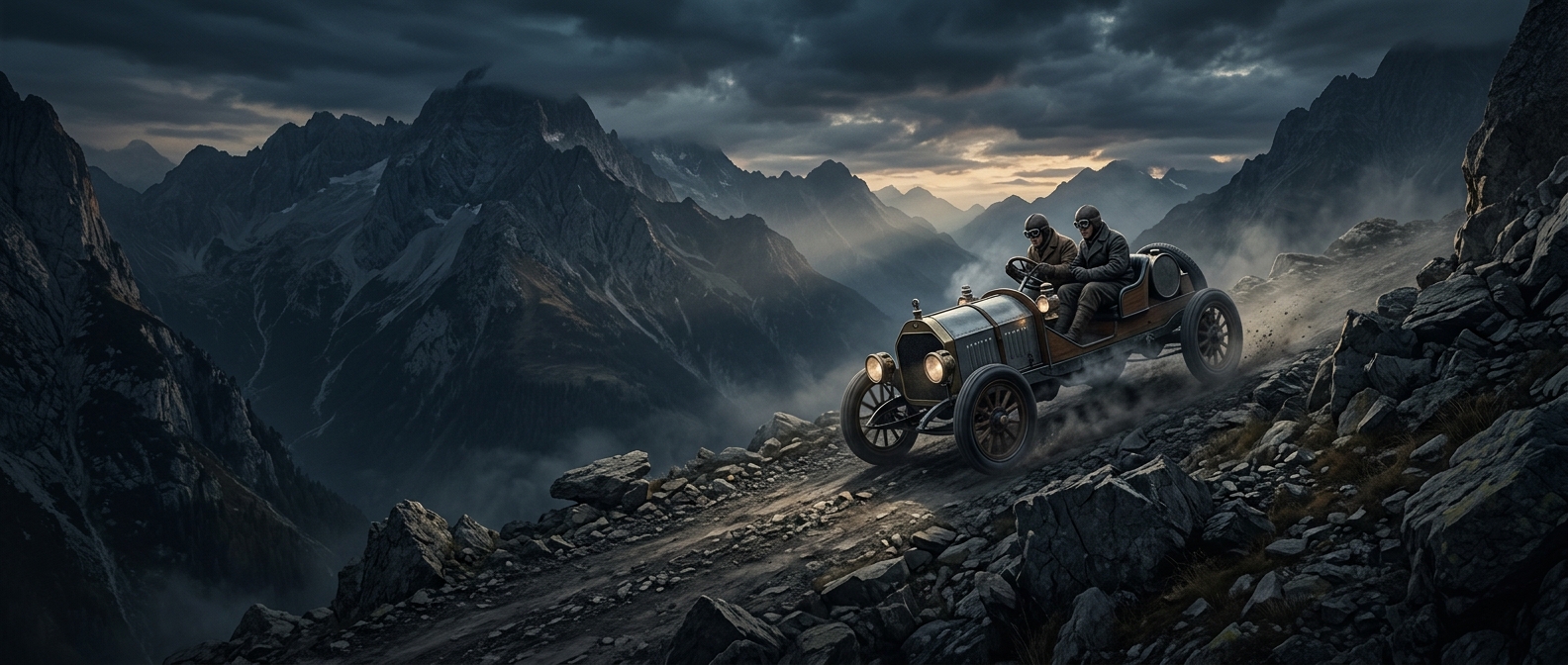
The Mongol Rally makes finding the route part of the race
Drivers choose their own path rather than follow a closed racing circuit. Borders, road conditions, and breakdowns become part of the adventure. It is not a…
Discover more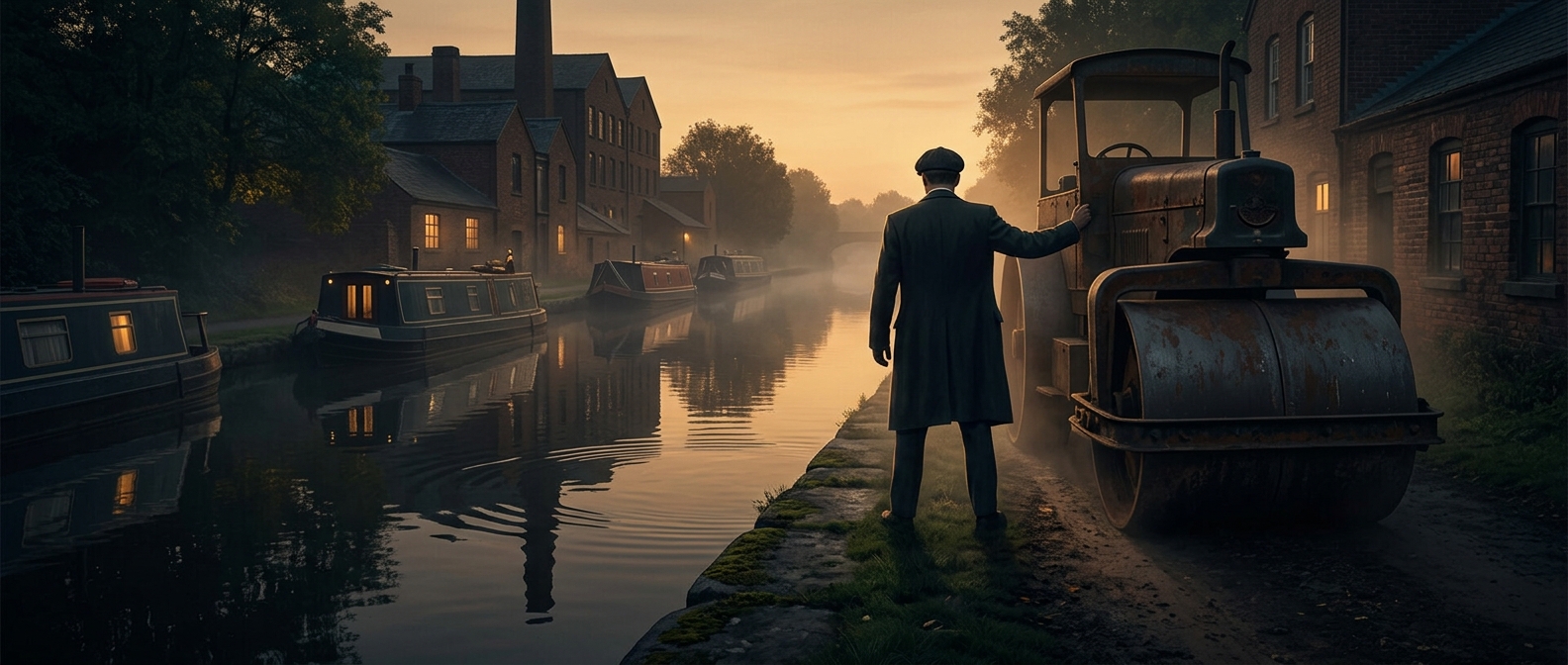
The man who saved Britain's canals from roads
Tom Rolt took Britain’s canals from nostalgia to organized action. His book about living aboard a narrowboat helped inspire the Inland Waterways Association,…
Discover more
The Nile once had pedal-powered ferries
Pedals turned a propeller or paddle mechanism, trading passengers’ leg power for an engine. The ferry crossed the Nile one rotation at a time: a commute with…
Discover more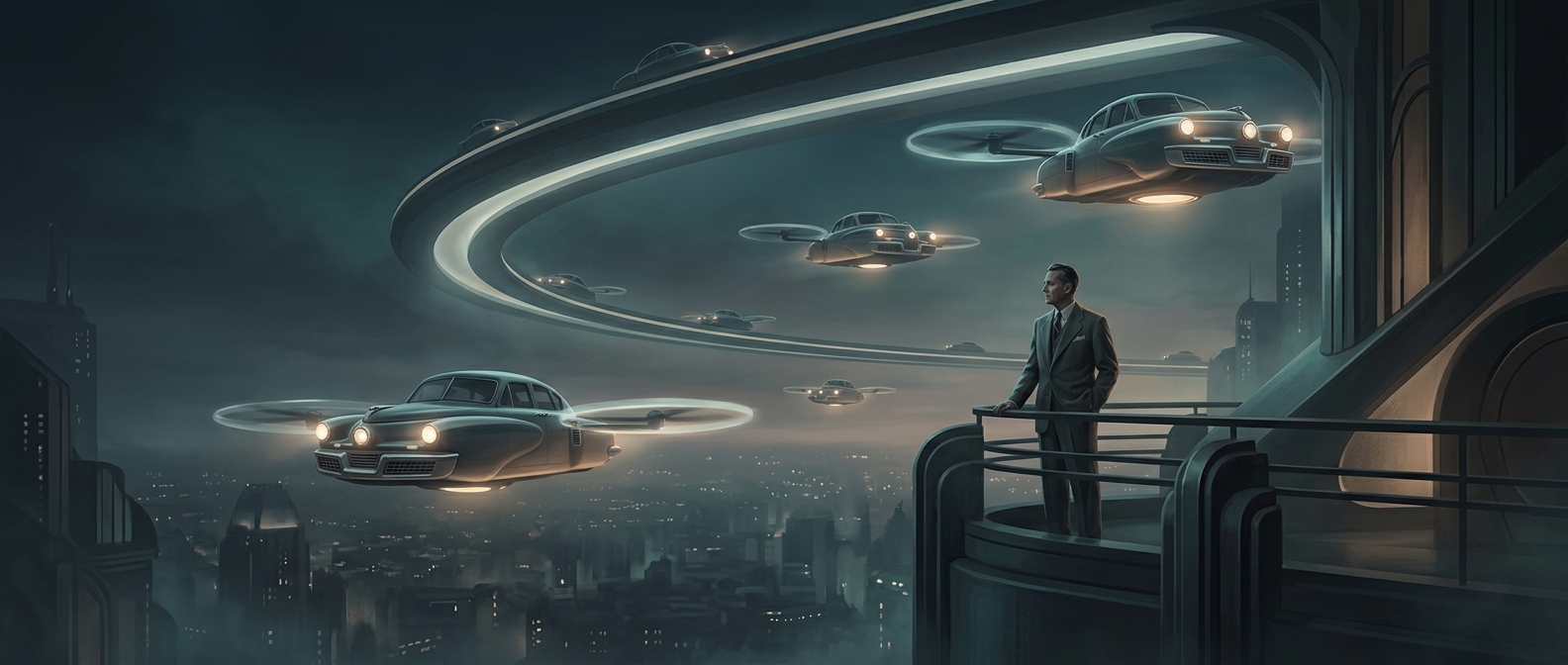
This flying car could tow its own wings home
Moulton Taylor's Aerocar converted between a road vehicle and an aircraft. Its detached wings and tail assembly could be folded and towed behind the car, so…
Discover more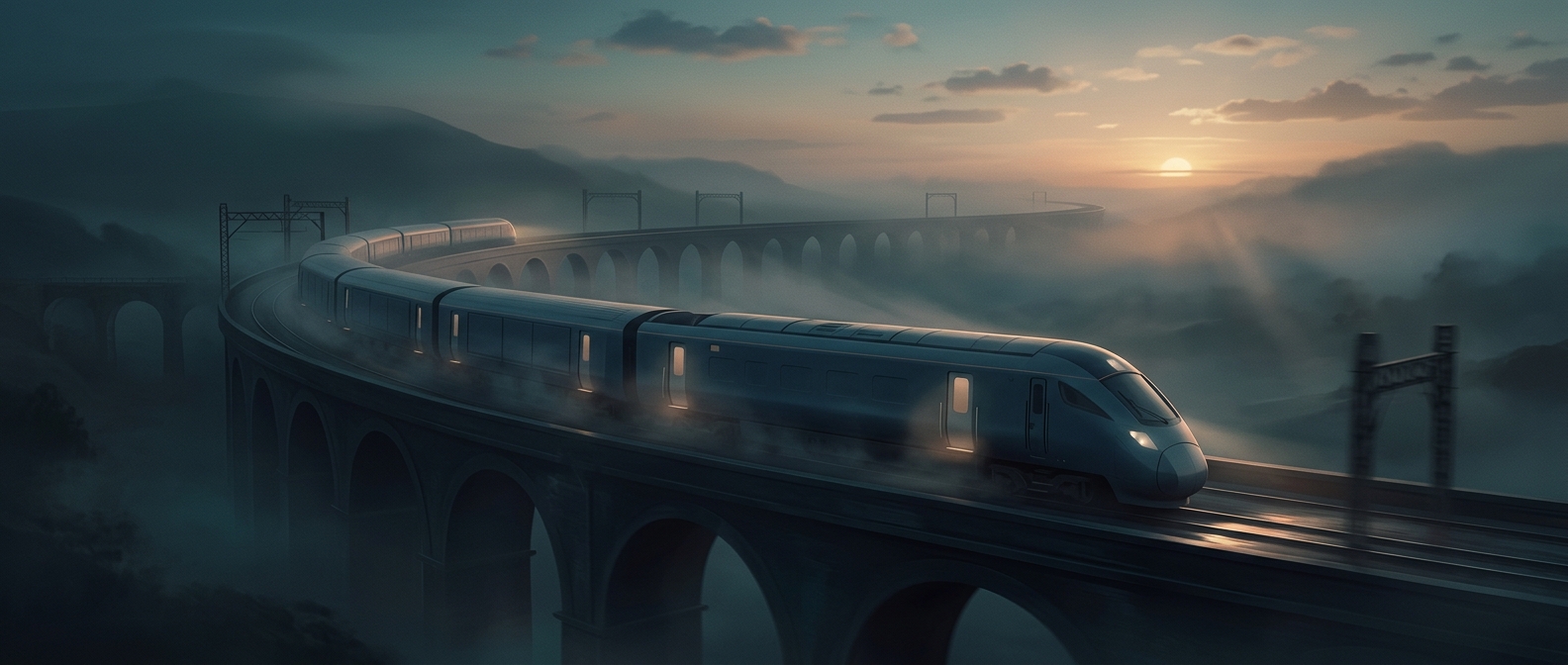
British Rail converted passenger trains for cargo
Passenger trains already had the wheels and rail access; British Rail repurposed their carriage space to move cargo. A people-mover became a freight train…
Discover more