Transport
Discover facts about transport. Small discoveries that change the way you see familiar things.
Transport
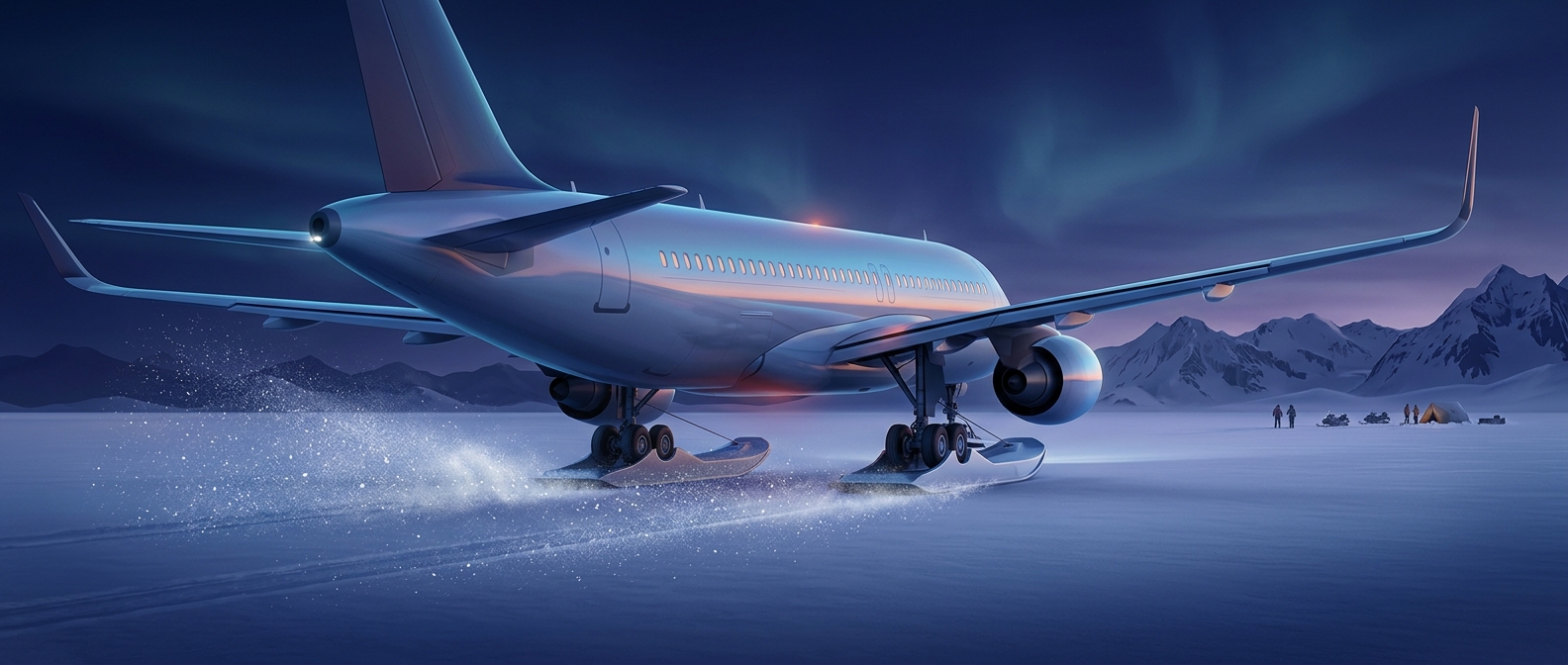
When passenger planes landed on frozen lakes
A frozen lake offered a broad, flat surface where roads and runways were scarce. Crews cleared snow and checked the ice before ski-equipped aircraft used it…
Discover more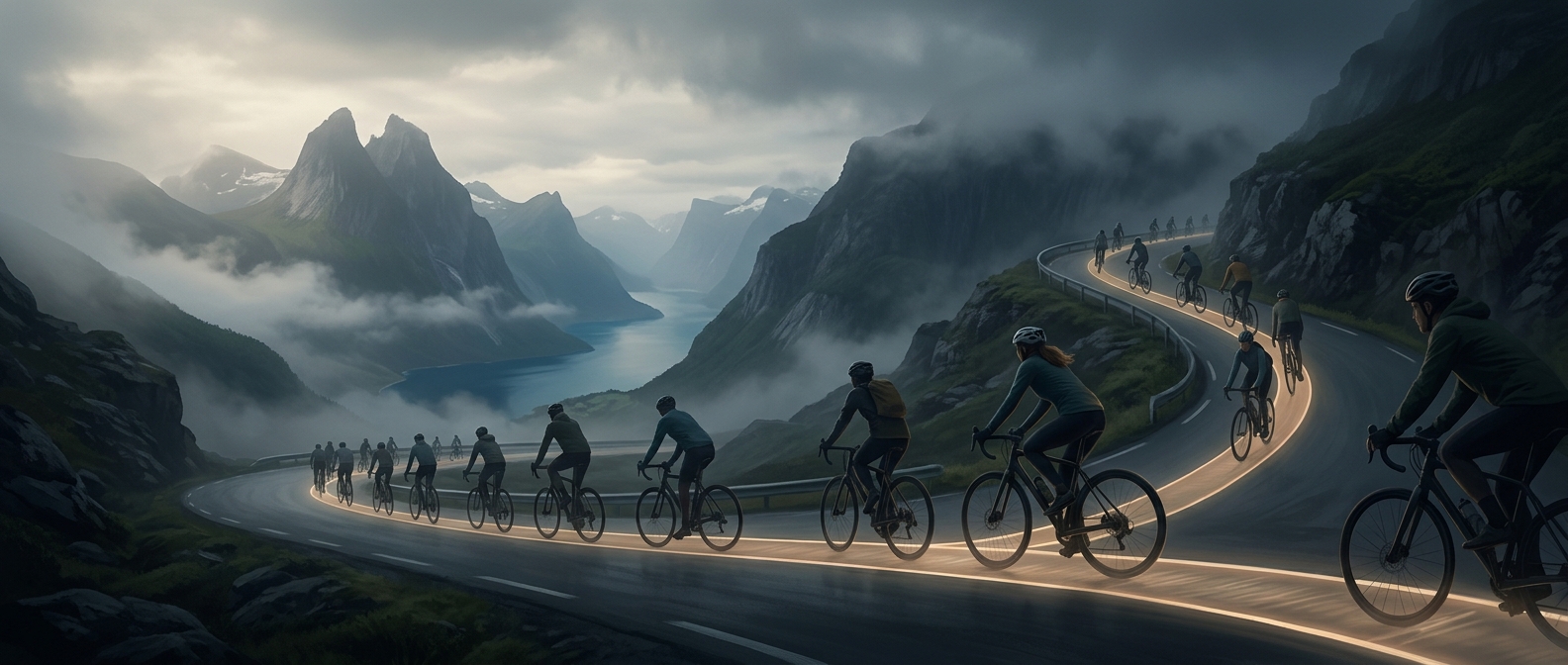
Trondheim's bike lift pushes the rider's foot uphill
The Trampe lift uses a moving footplate beside the road: the cyclist keeps one foot on a pedal and rests the other on the plate. The mechanism pushes the…
Discover more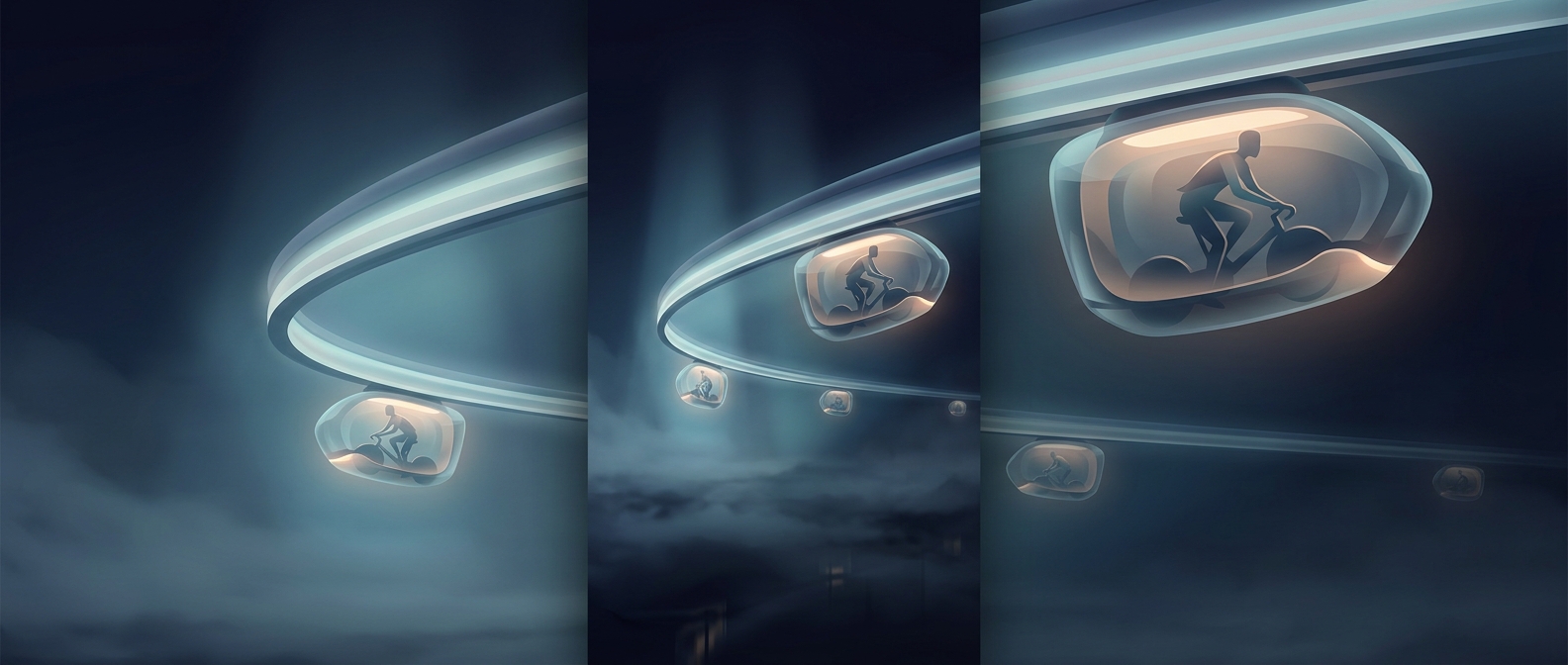
A velomobile puts a streamlined shell around a pedal-powered rider
The enclosure lets air flow around the vehicle more smoothly than around an exposed rider, reducing drag at speed. It also adds weight and changes how the…
Discover more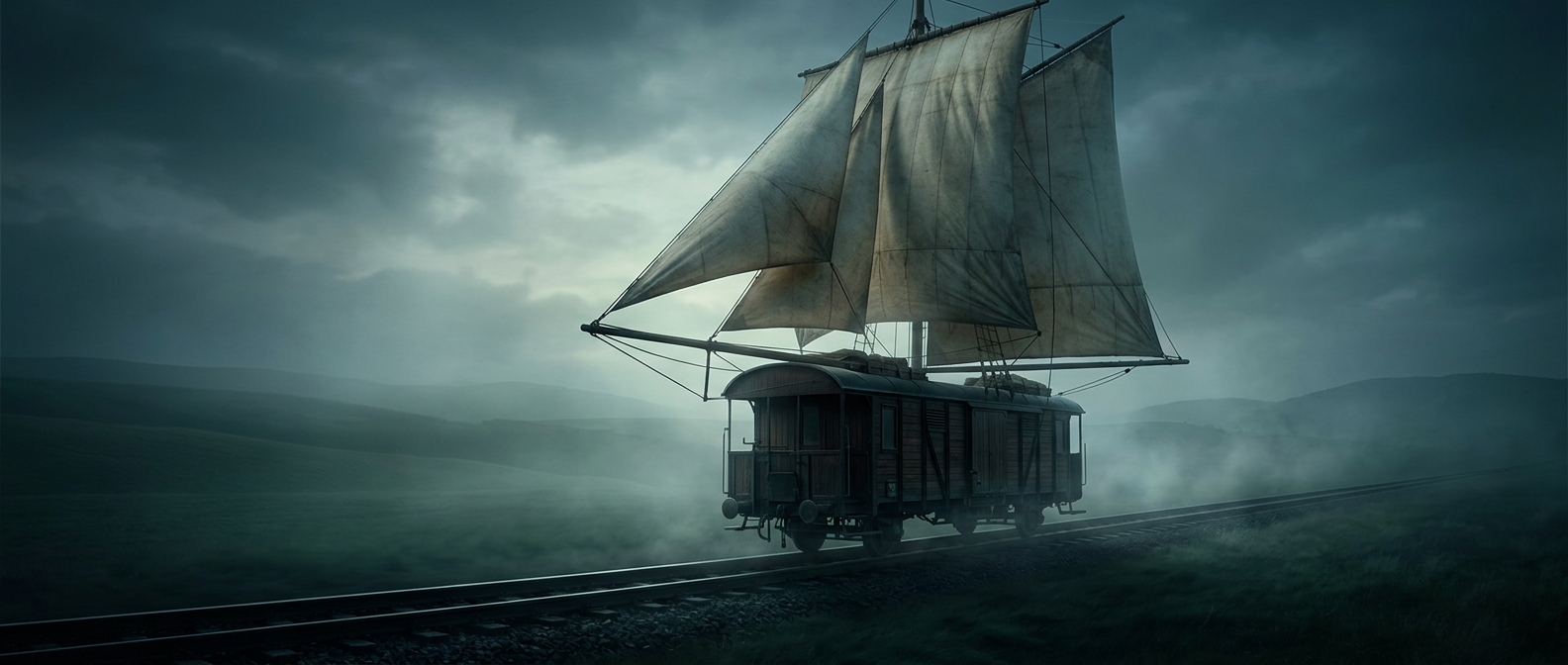
An early railway tested a sail-powered railcar
Evan Thomas built the Aeolus for the Baltimore and Ohio Railroad's early experiments. A sail provided the force while rails guided the vehicle, so it could…
Discover more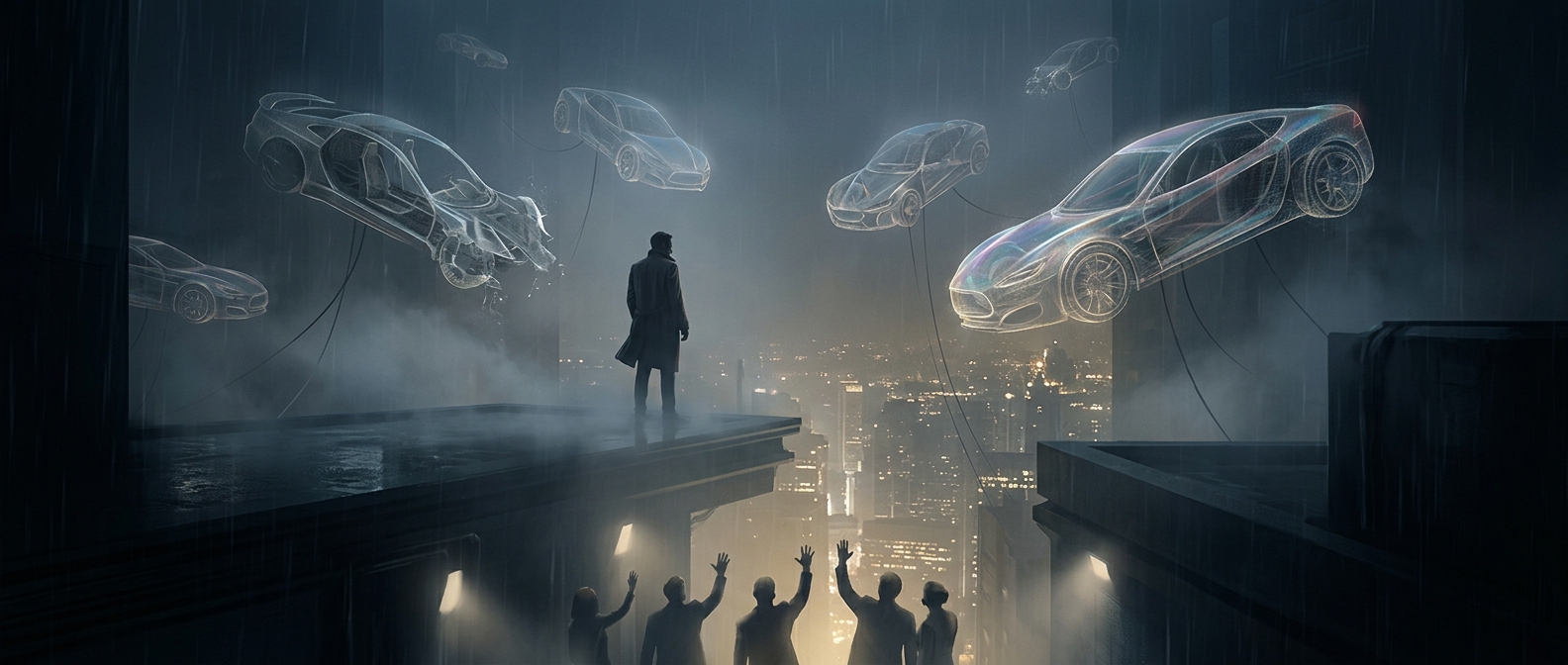
The Skycar pitch led to a securities-fraud case
In 2003, the SEC brought a settled civil action against Moller International and Paul Moller over fundraising claims about the proposed personal aircraft. The…
Discover more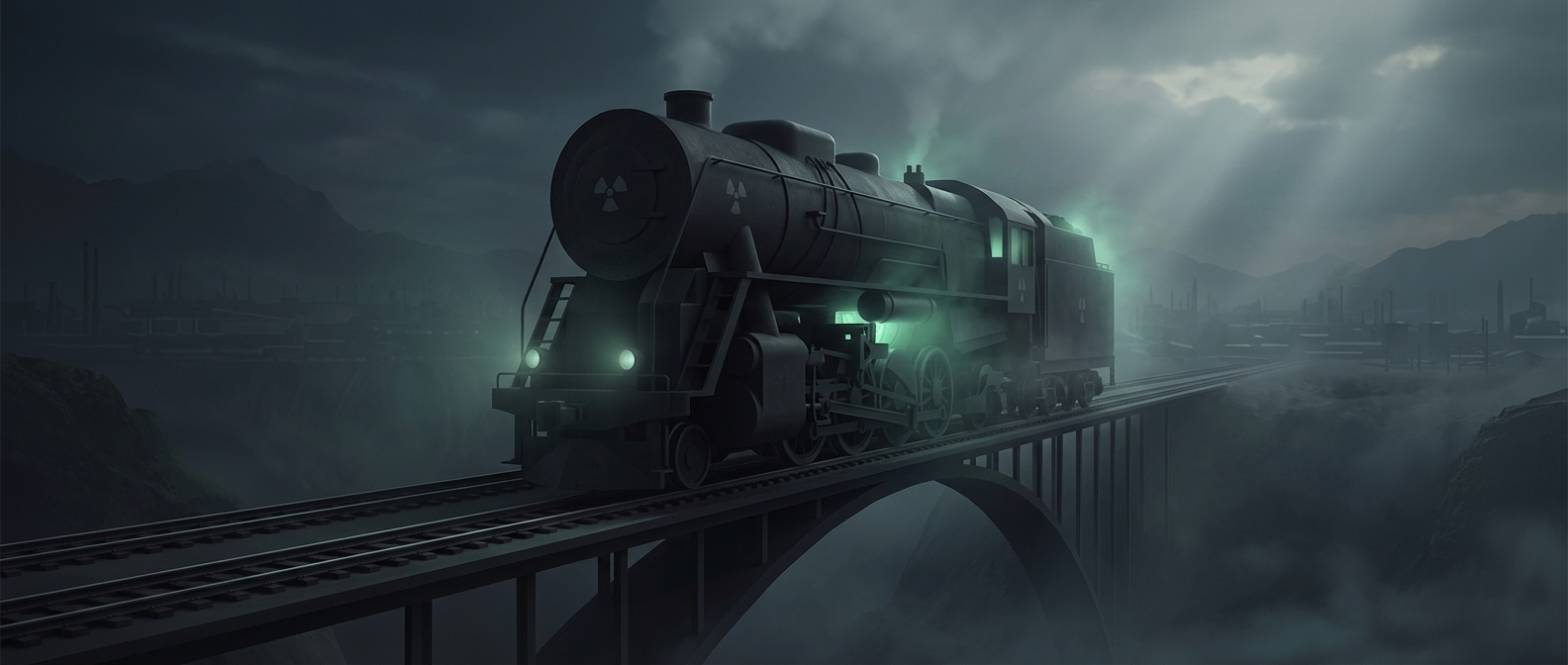
Why nuclear trains never made it to the tracks
A nuclear reactor needs heavy shielding, cooling gear, and protection around its fuel. Put all that on a train and the power source starts eating the…
Discover more STACKY FOR IPHONE
A bigger world.
One discovery
at a time.
Keep discovering with Stacky. Interesting facts in an app that is always within reach.
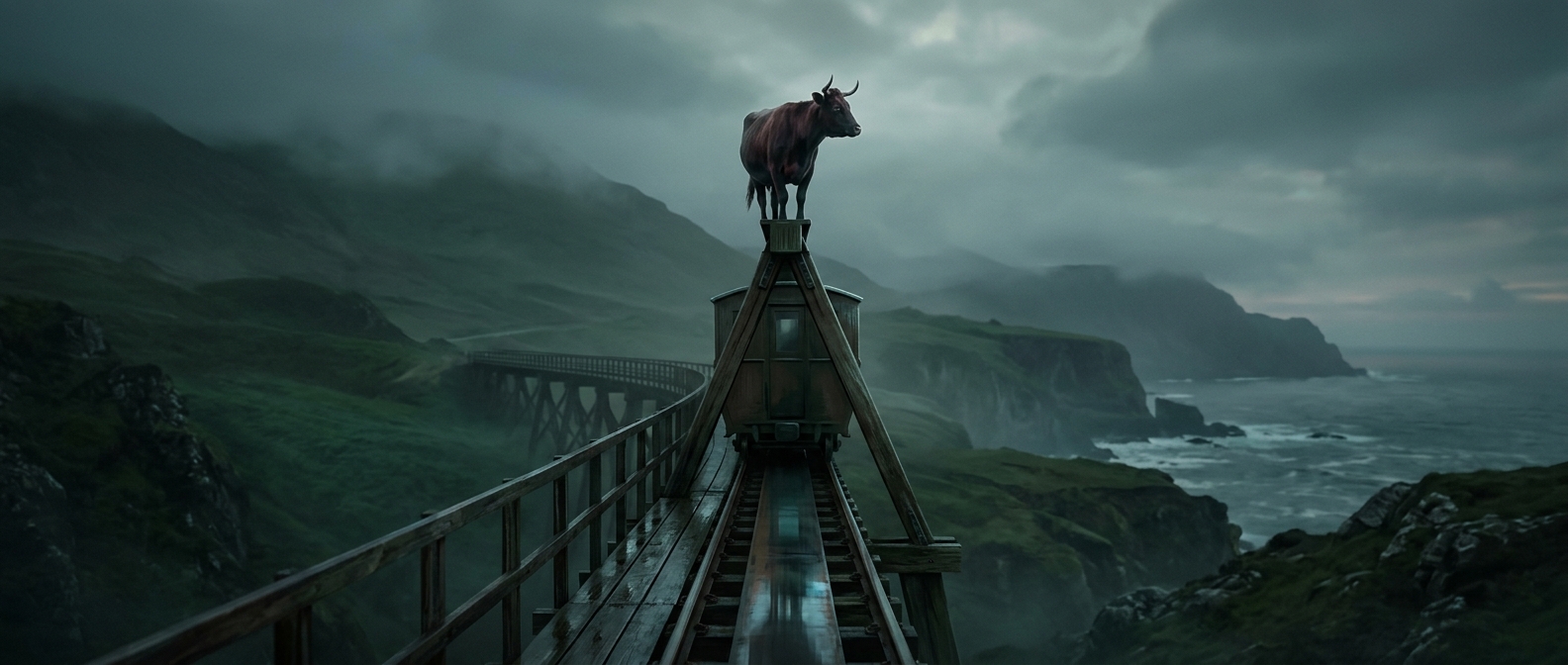
A livestock wagon's capacity changes with the passengers' age
India's animal-transport rules specify different limits for adult cattle and calves; an ordinary broad-gauge goods wagon is limited to ten adults or fifteen…
Discover more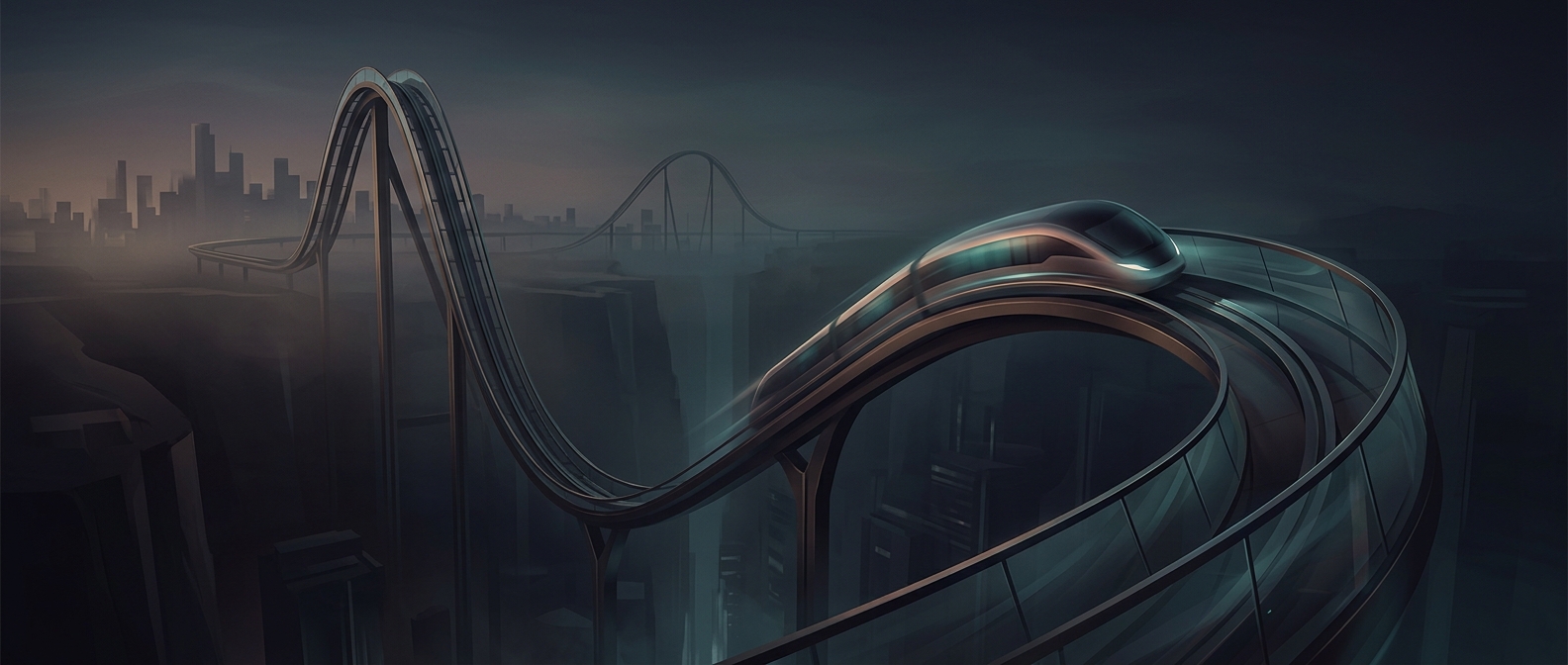
The proposed subway that would work like a roller coaster
The idea uses gravity: cars roll downhill out of a station, then carry their momentum up toward the next one. Motors handle the rest, turning the route into a…
Discover more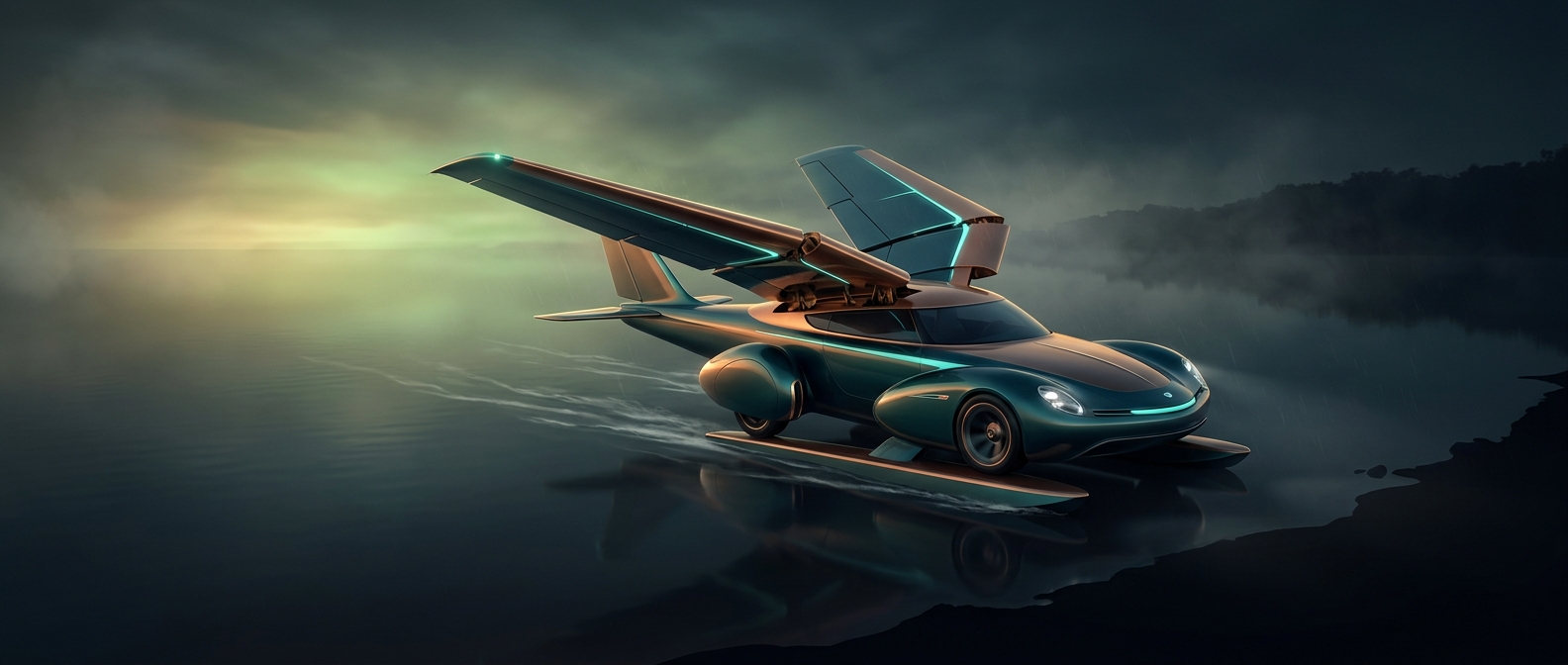
Blériot's airplane got a procession through Paris
After his 1909 Channel crossing, the aircraft was displayed and taken through the streets to the Musée des Arts et Métiers. A machine celebrated for leaving…
Discover more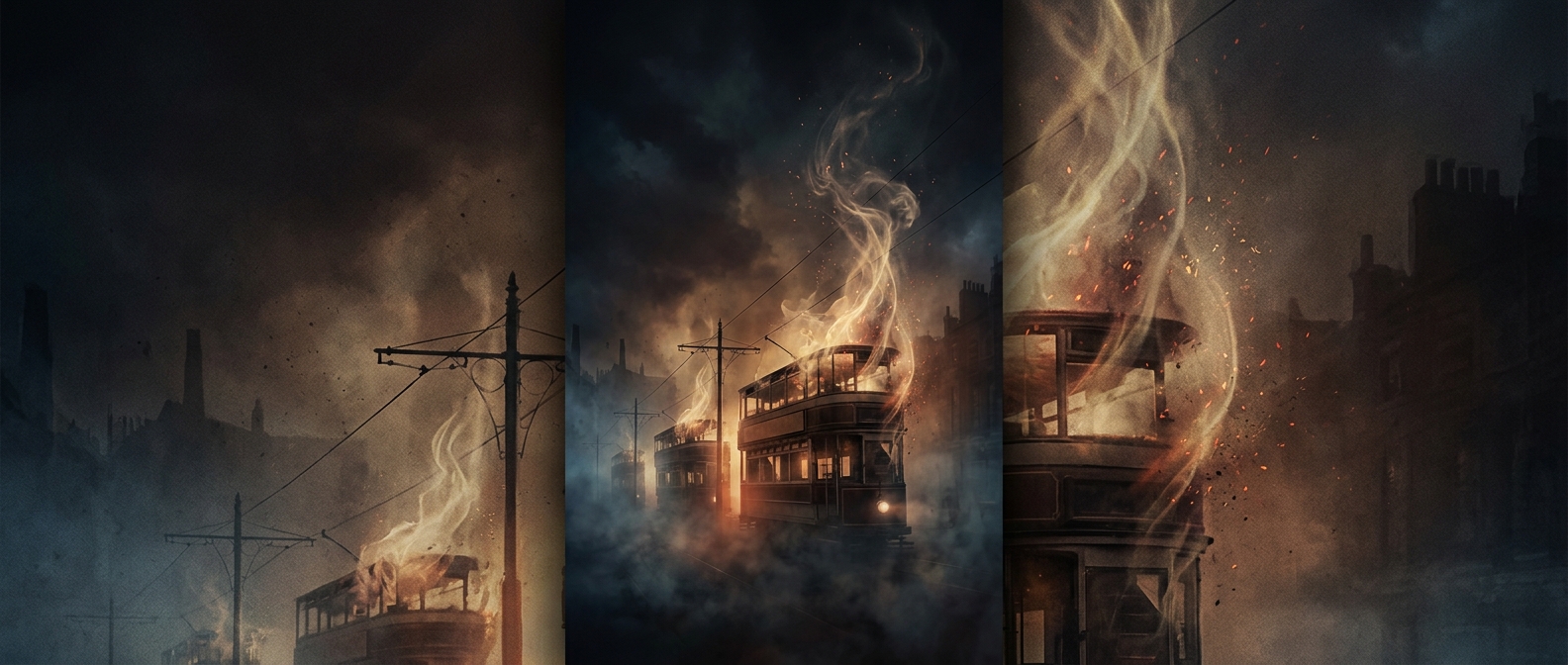
A wartime factory explosion shattered a London neighborhood
In January 1917, a fire at a Silvertown TNT refinery caused an enormous blast that killed 73 people. The explosives were being processed in a densely…
Discover more
Snow blocked medical help for Bombardier's young son
In 1934, Joseph-Armand Bombardier's two-year-old son died when the family could not reach a hospital through the snow. Bombardier was already experimenting…
Discover more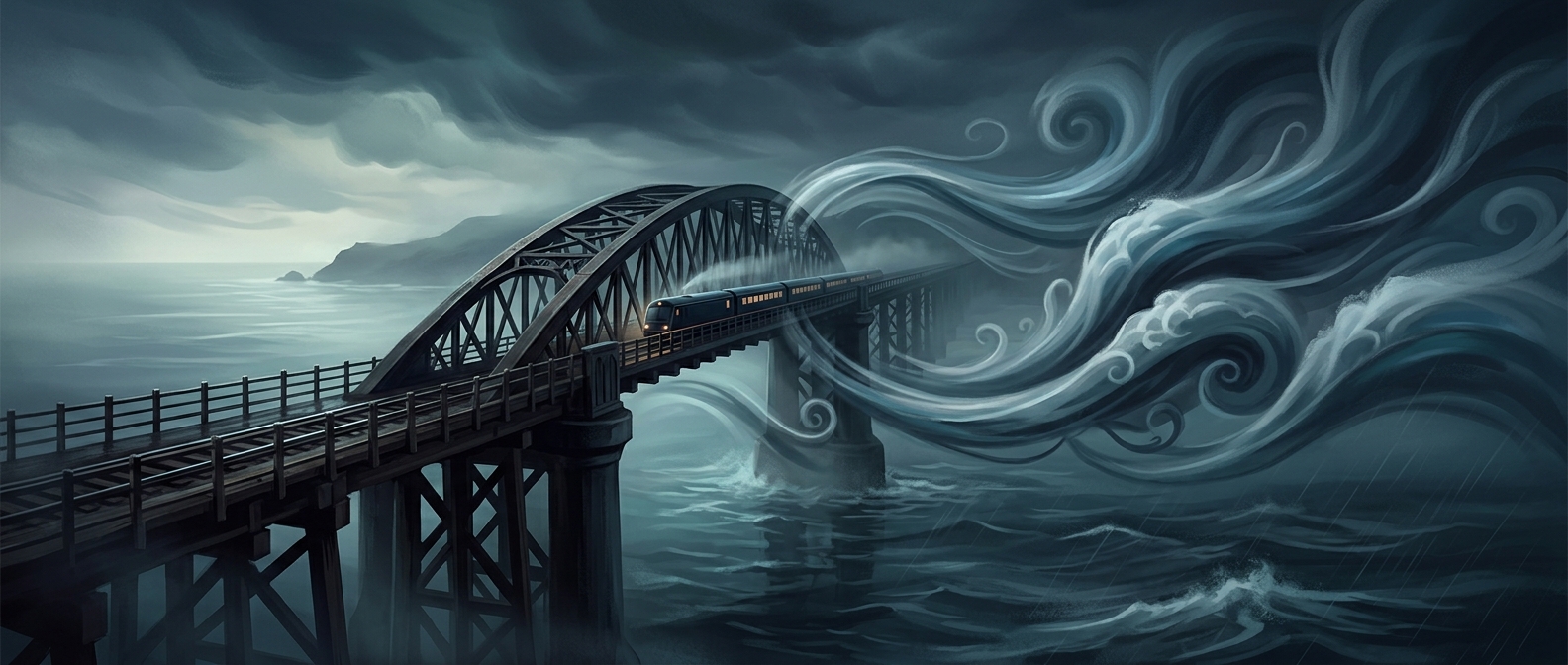
Why high winds can stop trains on Barmouth Bridge
Barmouth Bridge crosses an exposed estuary, where strong crosswinds push against a train's broad sides. Wind sensors trigger a stop when the gusts become…
Discover more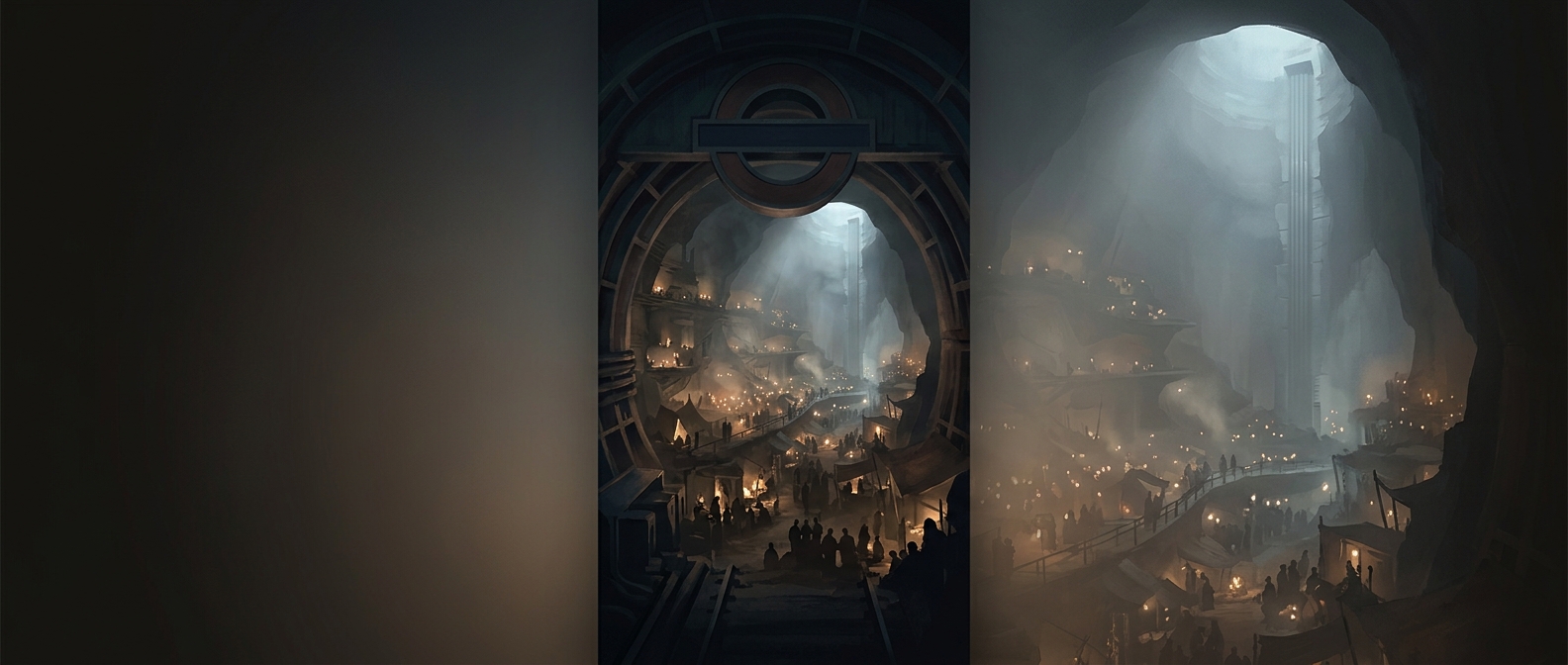
When Londoners turned the Tube into bunkers
During World War II air raids, Londoners sheltered in the Tube’s deep stations and tunnels, below the streets where bombs were falling. The Underground became…
Discover more
New York erased a street after a deadly train crash
The 1918 Malbone Street subway wreck killed scores of people in Brooklyn. Much of the street was later renamed Empire Boulevard, distancing the neighborhood…
Discover more
The Sailboat You Steer Without a Rudder
The sail does the steering: shift it so wind pushes ahead of the boat’s center of resistance and the bow turns one way; move the pressure behind that point…
Discover more
The London Underground train named Sarah Siddons
Sarah Siddons was a real person: an acclaimed 18th-century stage actress whose name went onto a London Underground electric locomotive. The locomotive later…
Discover more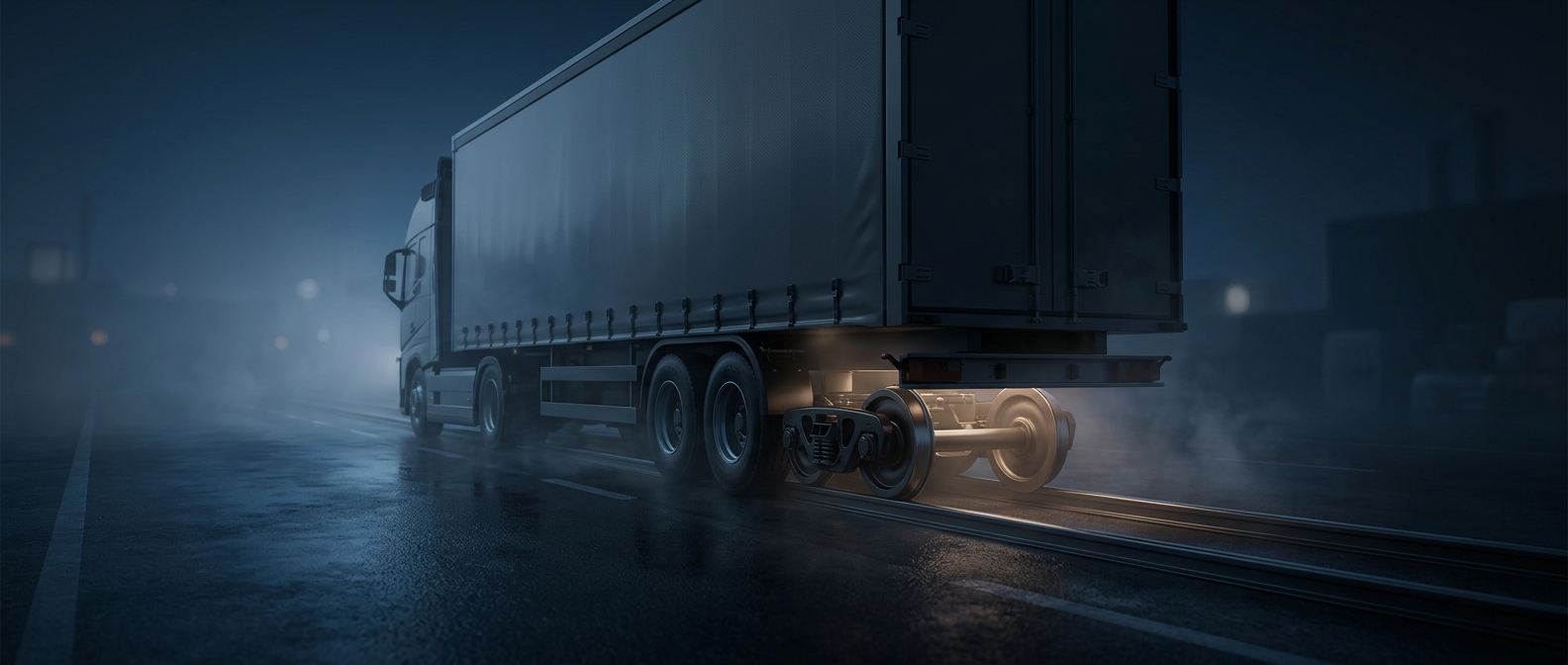
The trailer that tried to be a truck and a train
The RoadRailer used rubber tires on highways and rail wheels on train tracks. Raise one set and lower the other, and the same trailer shifted between road and…
Discover more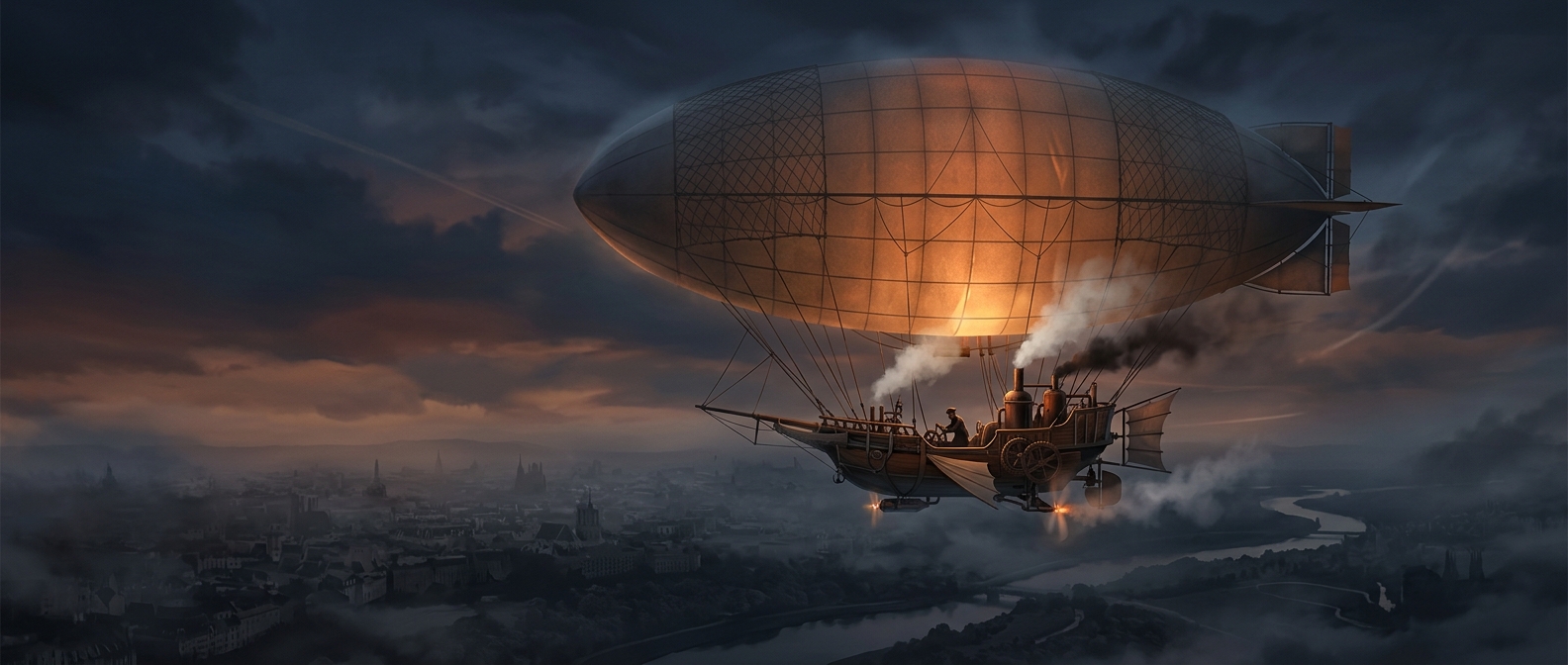
The hydrogen balloon that made flight steerable
Hydrogen lifted the balloon, while a steam engine spun a propeller to push it forward. The propeller gave the craft control over its direction instead of…
Discover more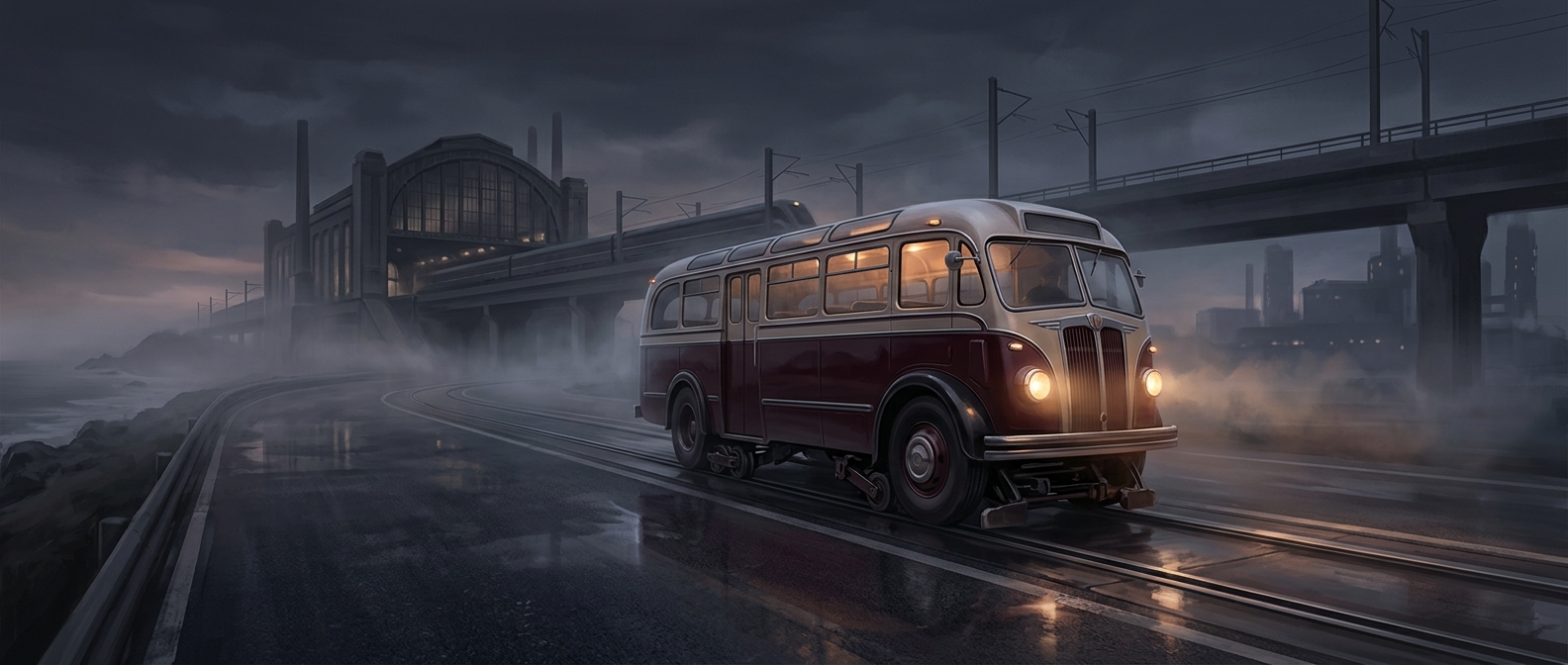
The bus that could switch from roads to rails
The vehicle carries road wheels for ordinary driving and a second set of guide wheels that lower onto rails. The guide wheels steer it along the track, while…
Discover more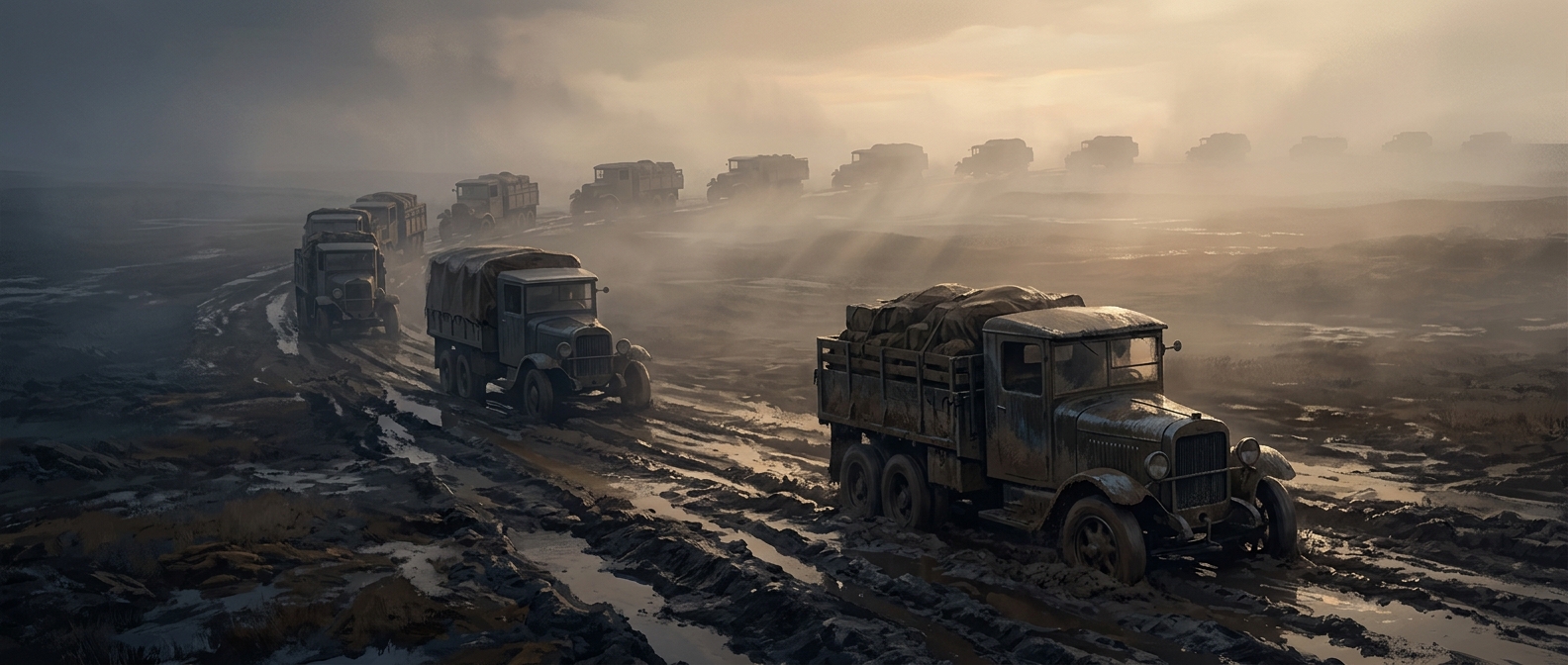
The 62-day military road trip across America
The 1919 convoy took 62 days, with trucks bogging down in mud and wooden bridges collapsing; the trip later inspired Eisenhower’s push for the Interstate…
Discover more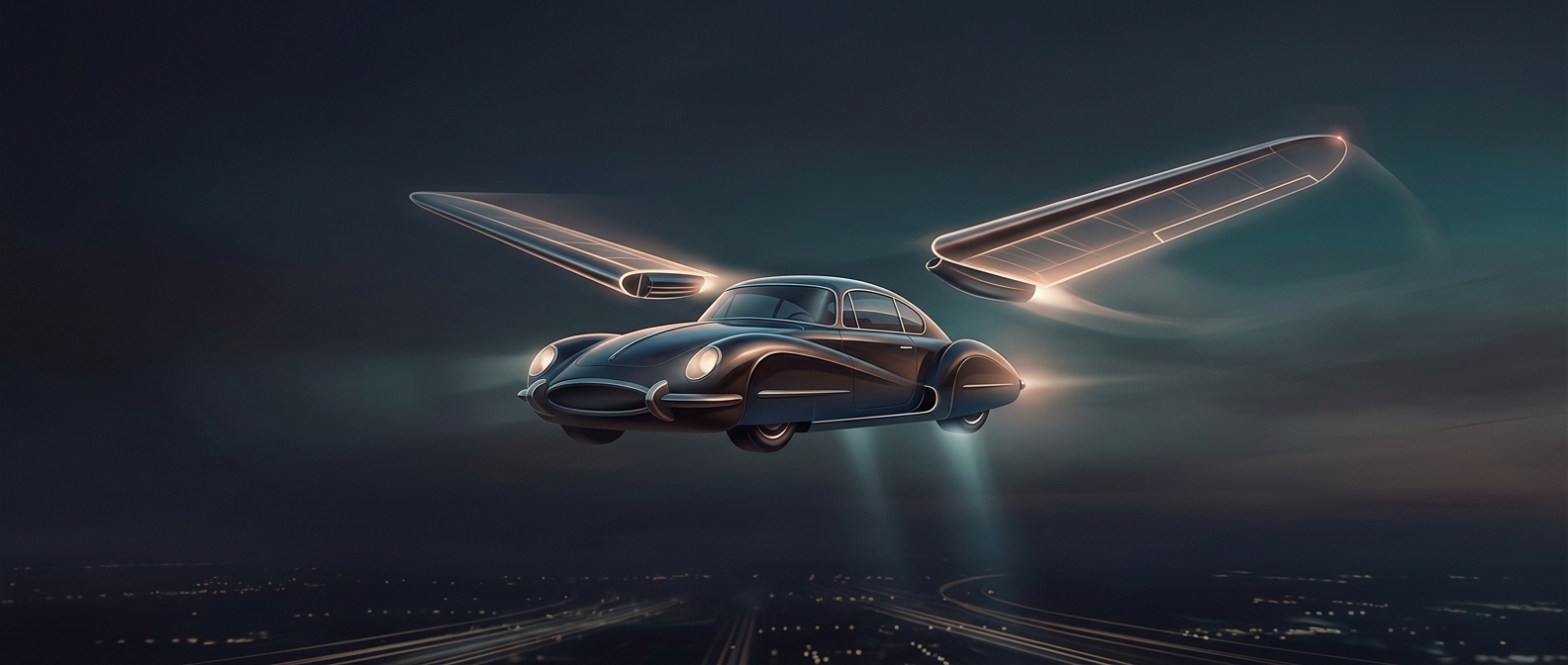
The flying car with detachable wings
A detachable wing assembly let the car drive on roads without carrying its wings, then reconnect for flight. The clever part was also the catch: your airplane…
Discover more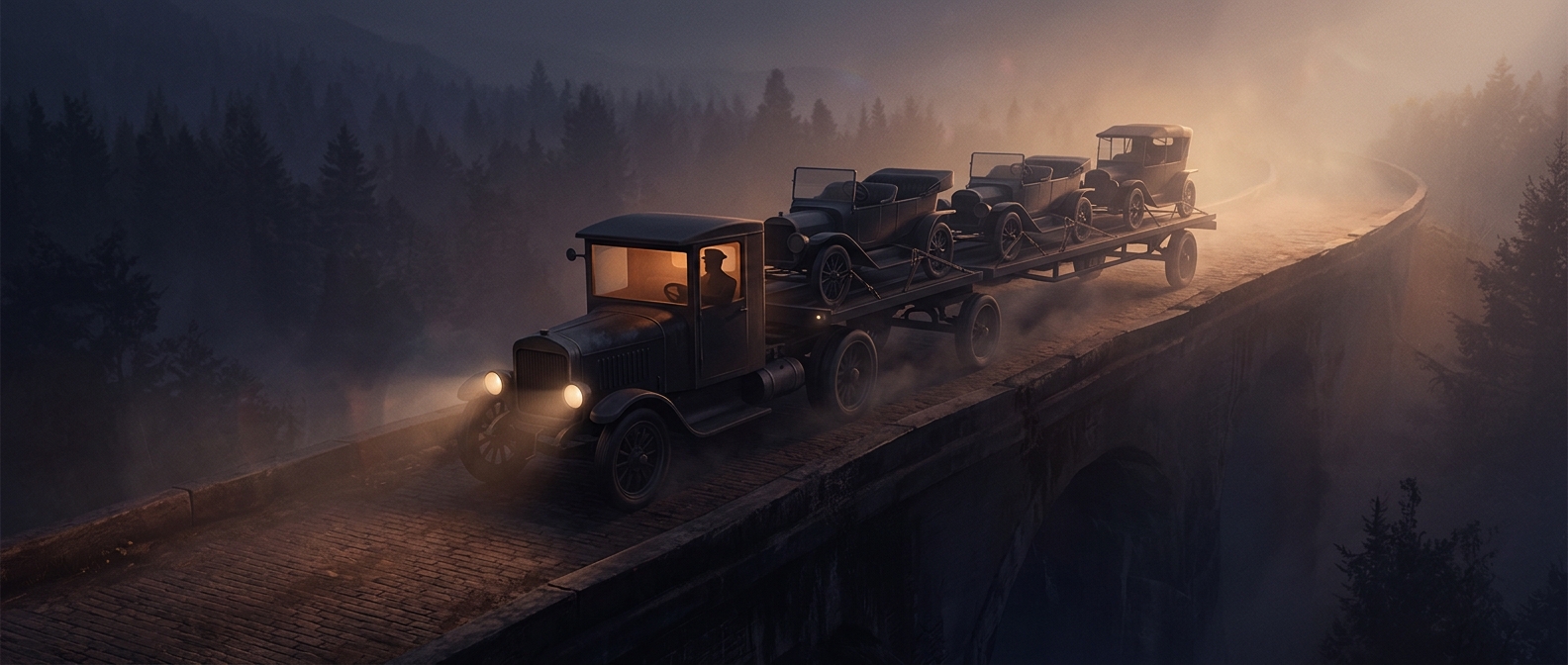
Alexander Winton invented the first semi-truck car hauler
Winton built a powered tractor unit that hauled a separate trailer, letting him deliver cars without driving each one all the way to its buyer. The car stayed…
Discover more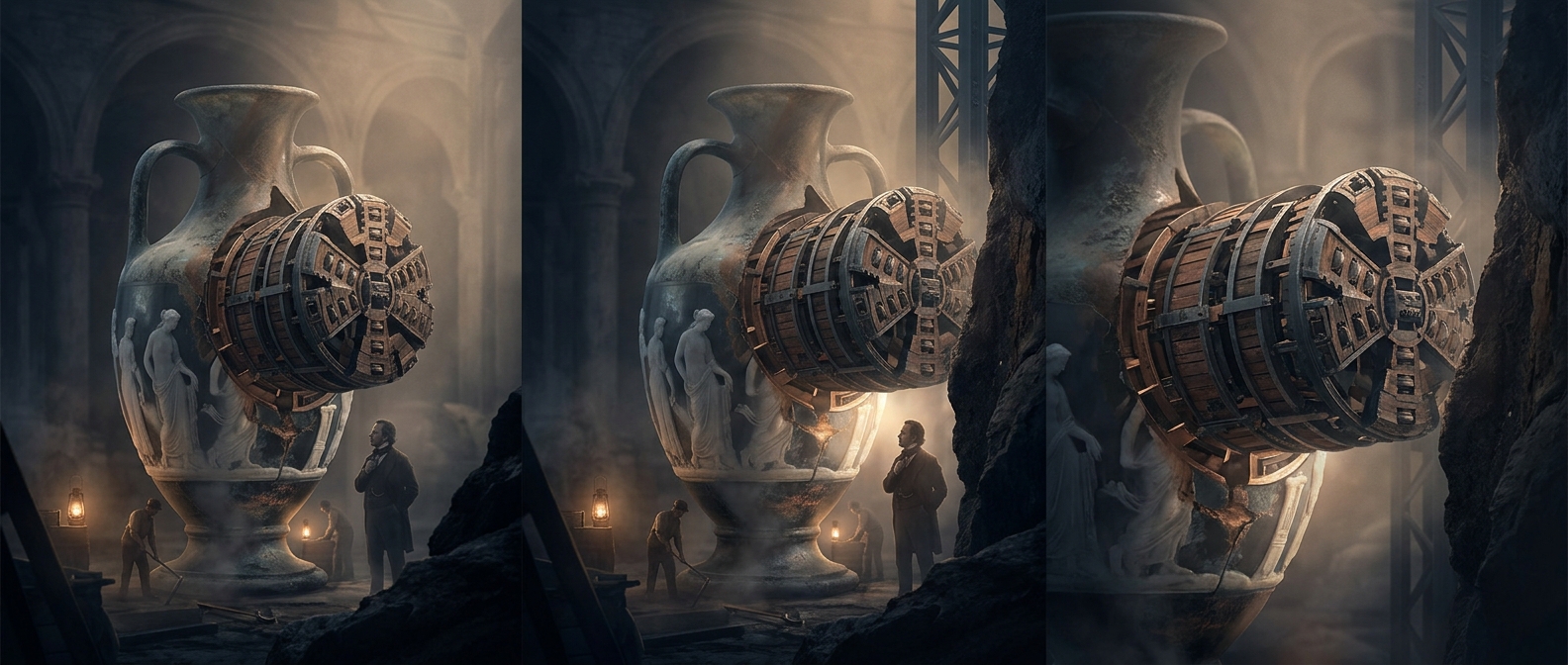
Brunel conceptualized tunnel shields via the Portland Vase
The Portland Vase offered Brunel a model of a strong outer shell protecting delicate work inside. A tunnel shield applies that idea underground: its iron…
Discover more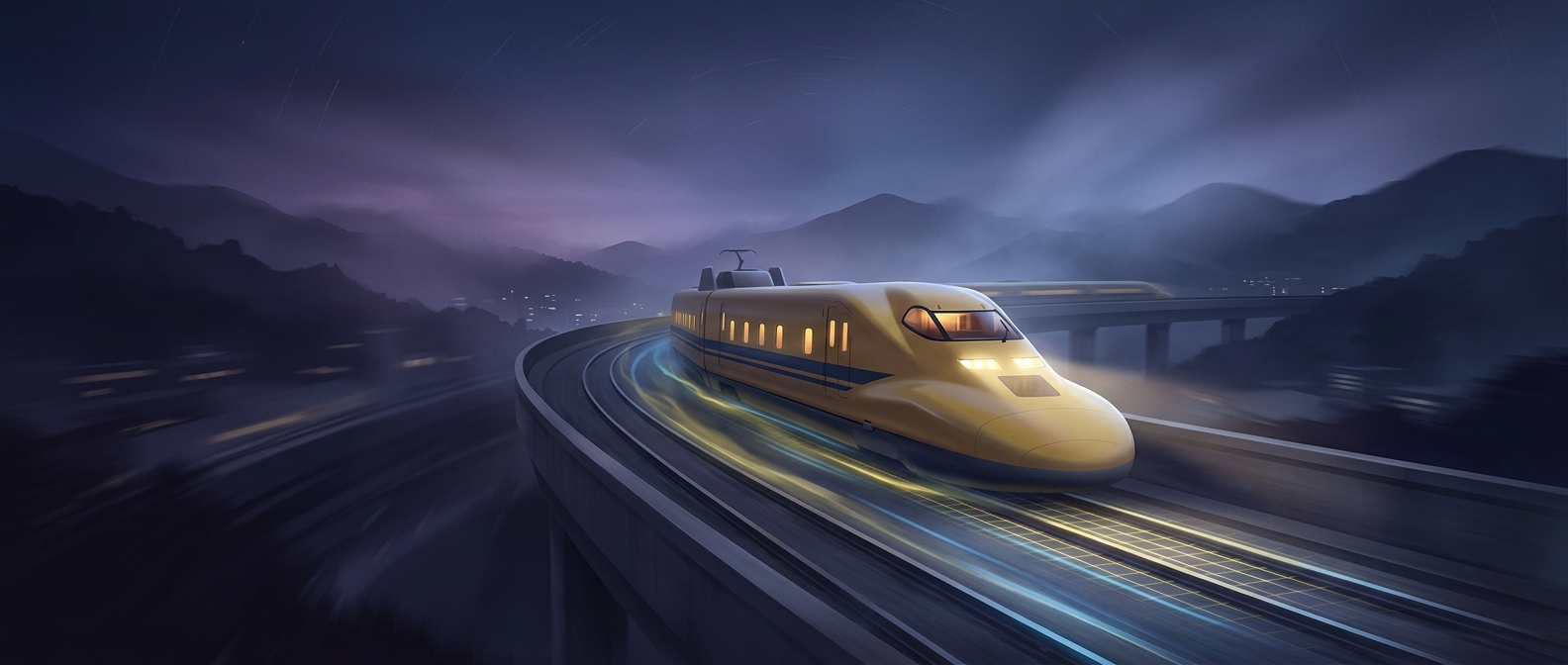
Doctor Yellow gives a railway its checkup at speed
Japan's yellow inspection trains were built to measure track and overhead-wire conditions while traveling along the Shinkansen network. JR Central retired its…
Discover more