Transport
Discover facts about transport. Small discoveries that change the way you see familiar things.
Transport
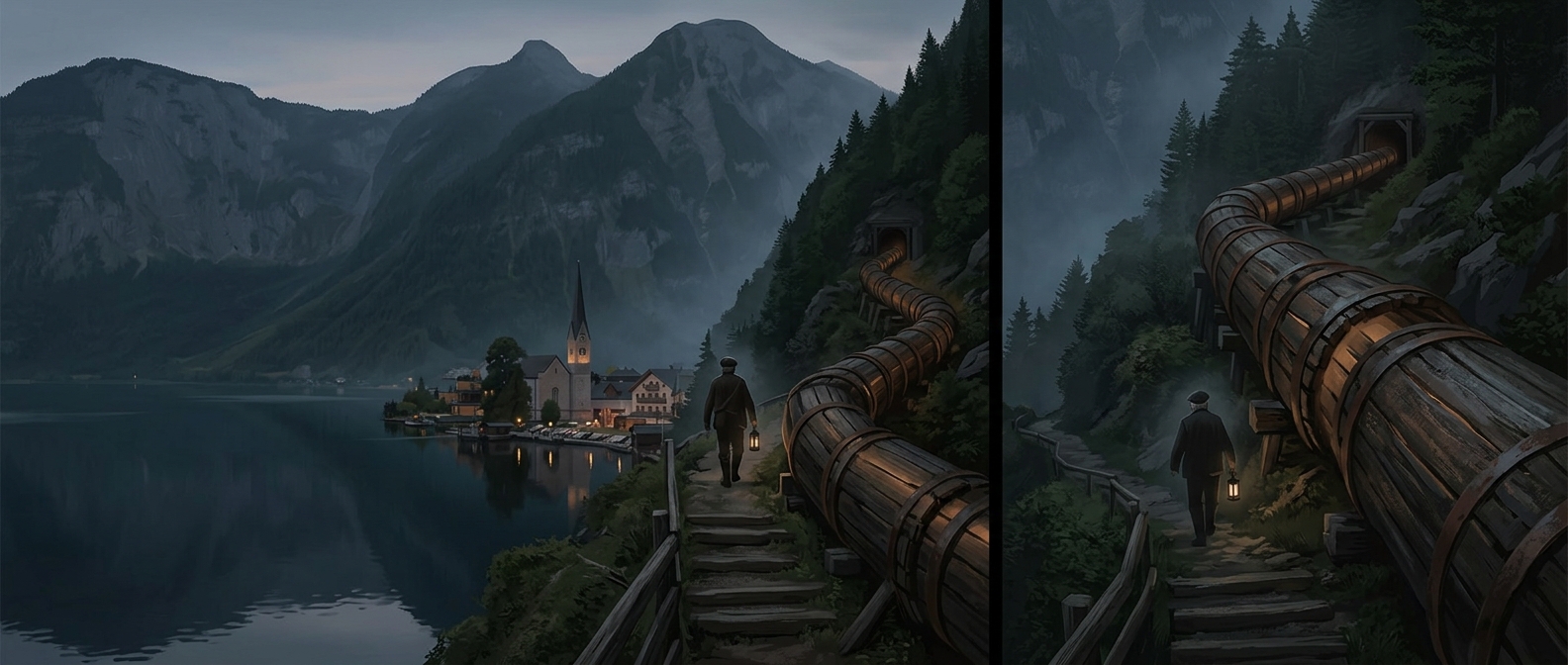
Why Hallstatt sent salt through tree trunks
Instead of hauling heavy salt over the mountains, Hallstatt dissolved it in water and sent the brine downhill through hollowed tree trunks. The pipeline…
Discover more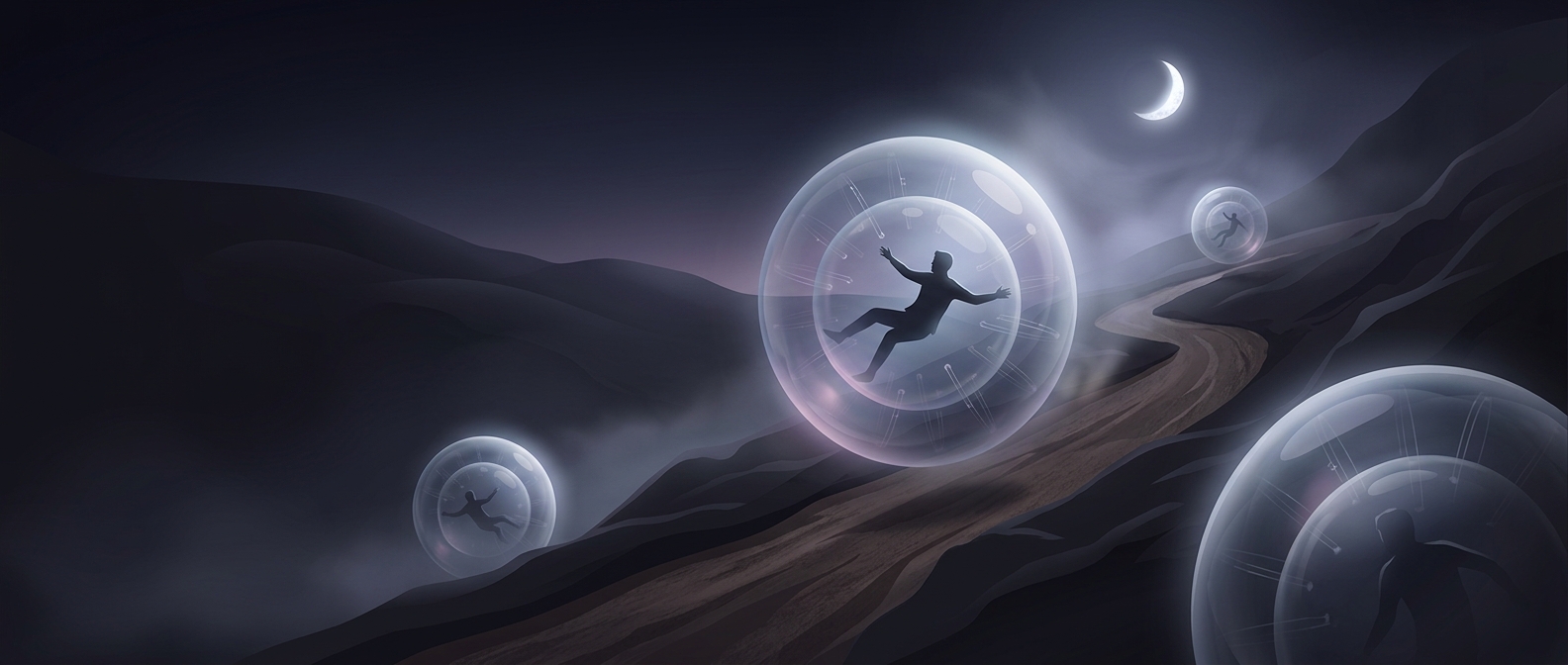
Zorb balls encase humans in giant transparent plastic
A zorb puts the rider inside an inner sphere, with air between it and the outer plastic shell. When the shell rolls and bumps the ground, that cushion softens…
Discover more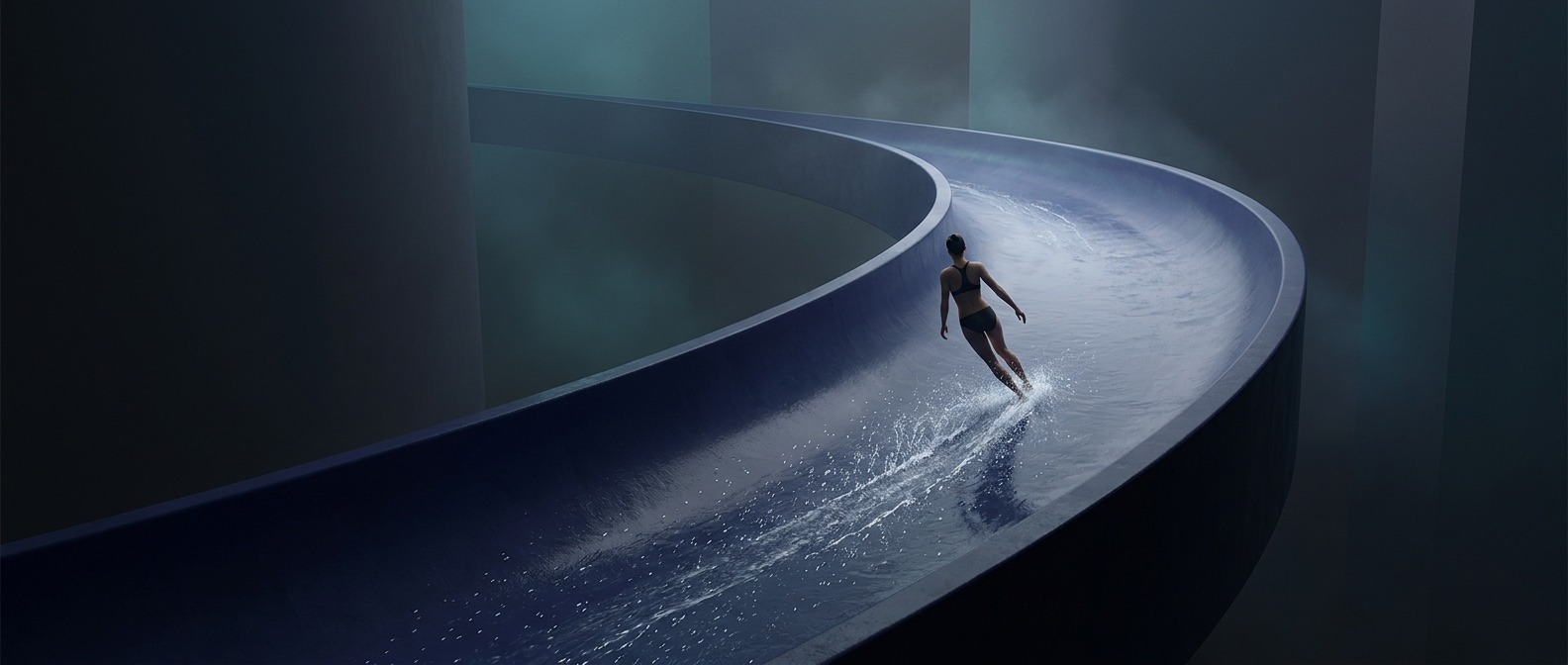
Slip and slides require perfectly wet painted concrete
Water forms a slippery film over smooth painted concrete, cutting the friction that would otherwise slow a slide. Let the film break and the pavement grabs…
Discover more
Carousels began as knight-training machines
Mounted knights practiced combat by riding in circles and spearing suspended rings with their lances.
Discover more
An early snowboard was two children's skis tied together
In 1965 Sherman Poppen improvised a standing snow toy for his children, adding a rope at the front. His wife Nancy combined snow and surf into the name…
Discover more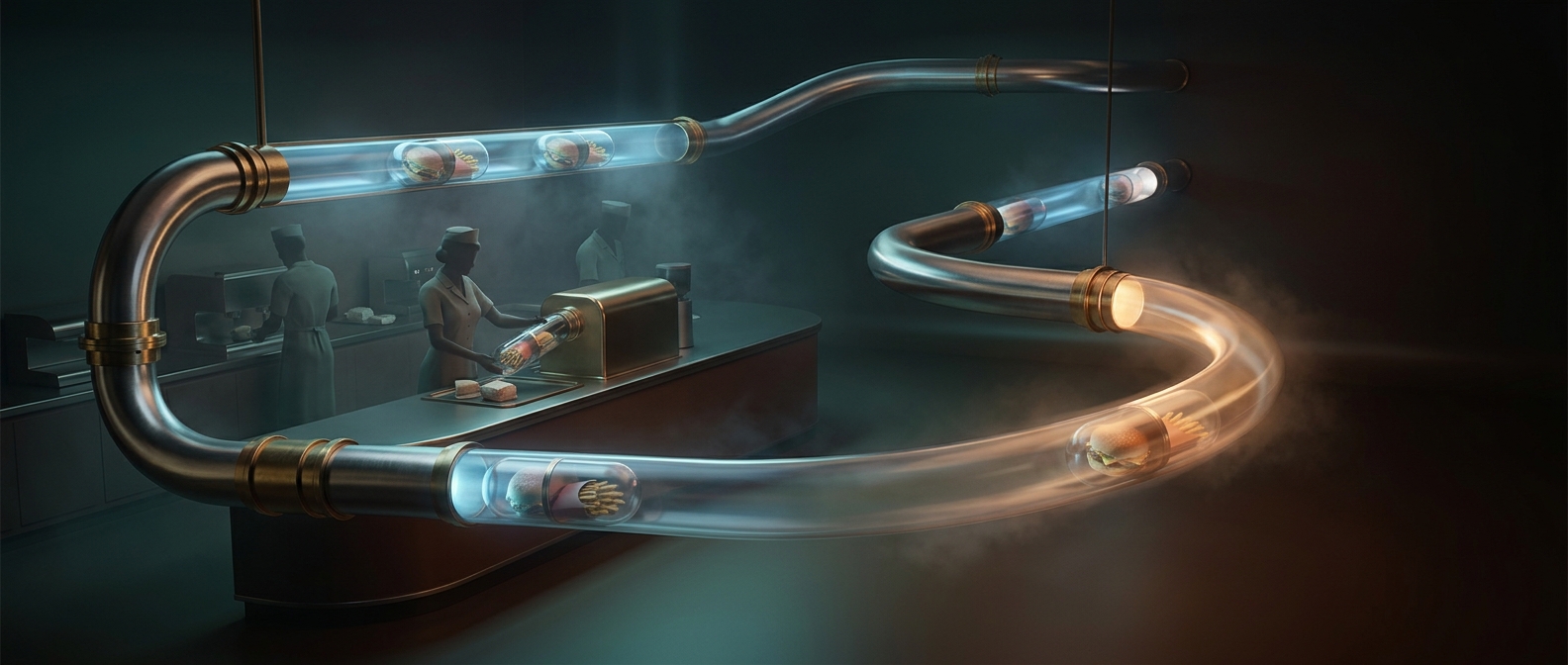
A Christchurch café delivers burgers through tubes
At C1 Espresso, burgers and fries can travel to customers through a pneumatic delivery system. Air pressure moves a carrier along the pipe instead of a server…
Discover more STACKY FOR IPHONE
A bigger world.
One discovery
at a time.
Keep discovering with Stacky. Interesting facts in an app that is always within reach.

Stand-up paddleboarding gave instructors better vision
Standing above the water gives an instructor a better view of students, boards, and nearby obstacles than sitting low in a boat. A paddleboard also moves…
Discover more
Pogo sticks bounce you around on a single heavy spring
When you land on a pogo stick, your weight compresses its spring; the spring rebounds and launches you upward. One metal coil turns a step into a tiny…
Discover more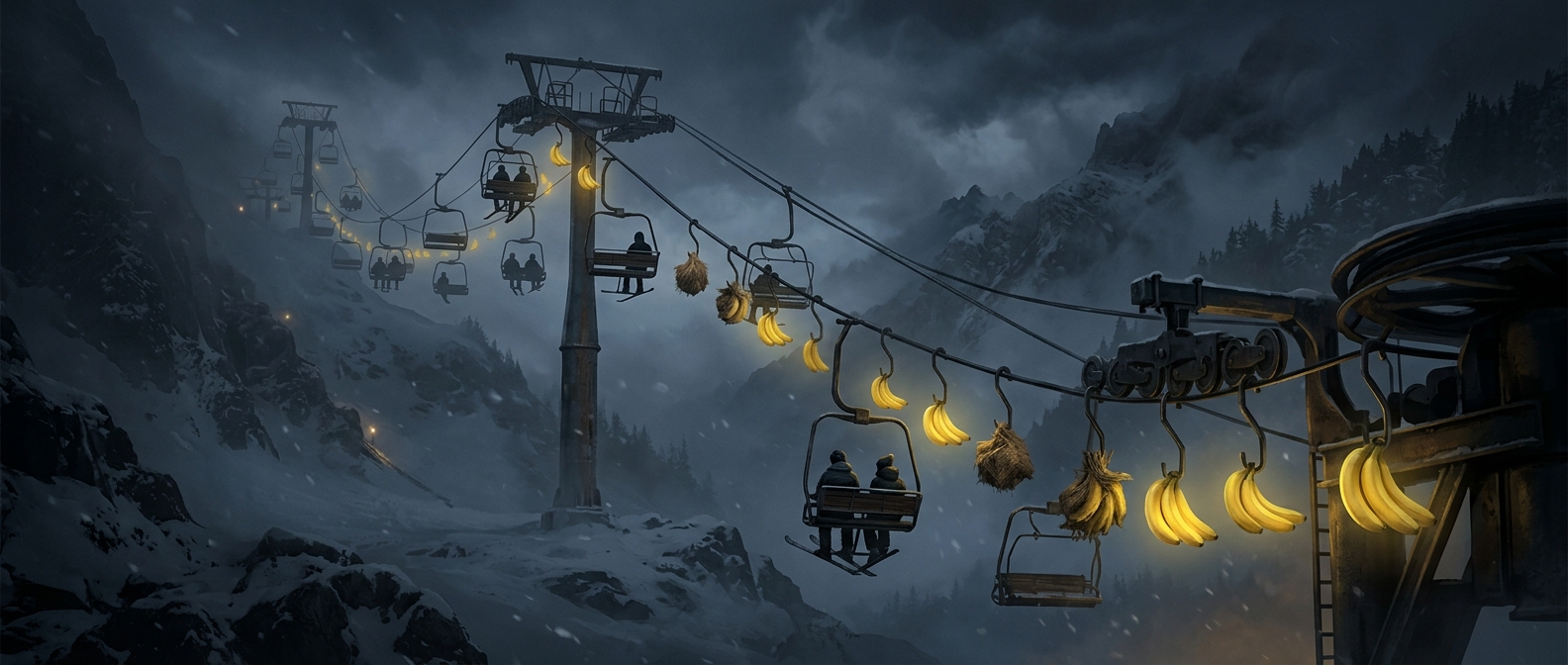
Ski chairlifts were inspired by banana loaders
Engineer James Curran adapted the hooks on banana-loading conveyors into seats that carried skiers uphill. The same basic idea that moved fruit onto ships…
Discover more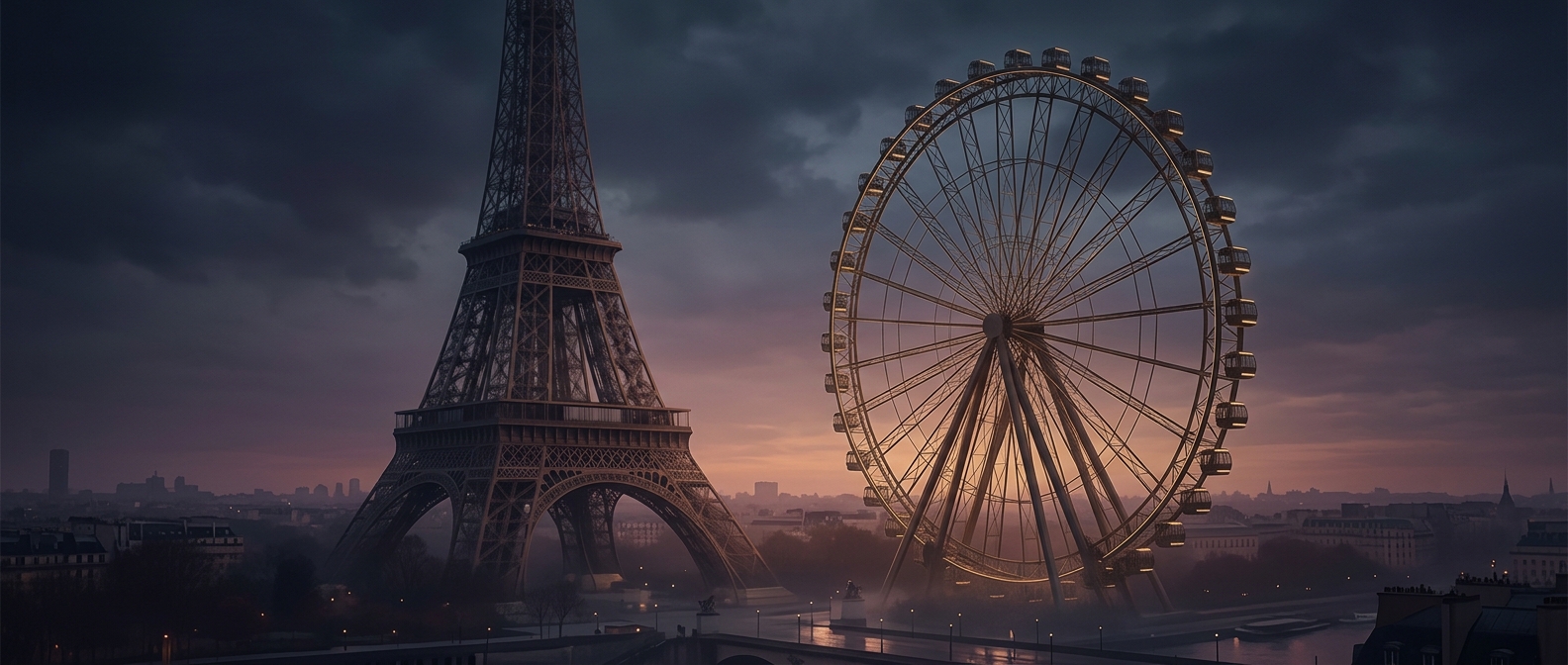
The Ferris wheel built to challenge the Eiffel Tower
Rather than build upward in a straight line, engineer George Ferris built a 264-foot wheel that hauled riders skyward in hanging cars. The gondolas swung to…
Discover more
The cable car with a roof you can stand on
Some historic cable cars turn the roof into an open passenger deck, with seats and rails for the view. Beneath the car, a grip reaches through a slot and…
Discover more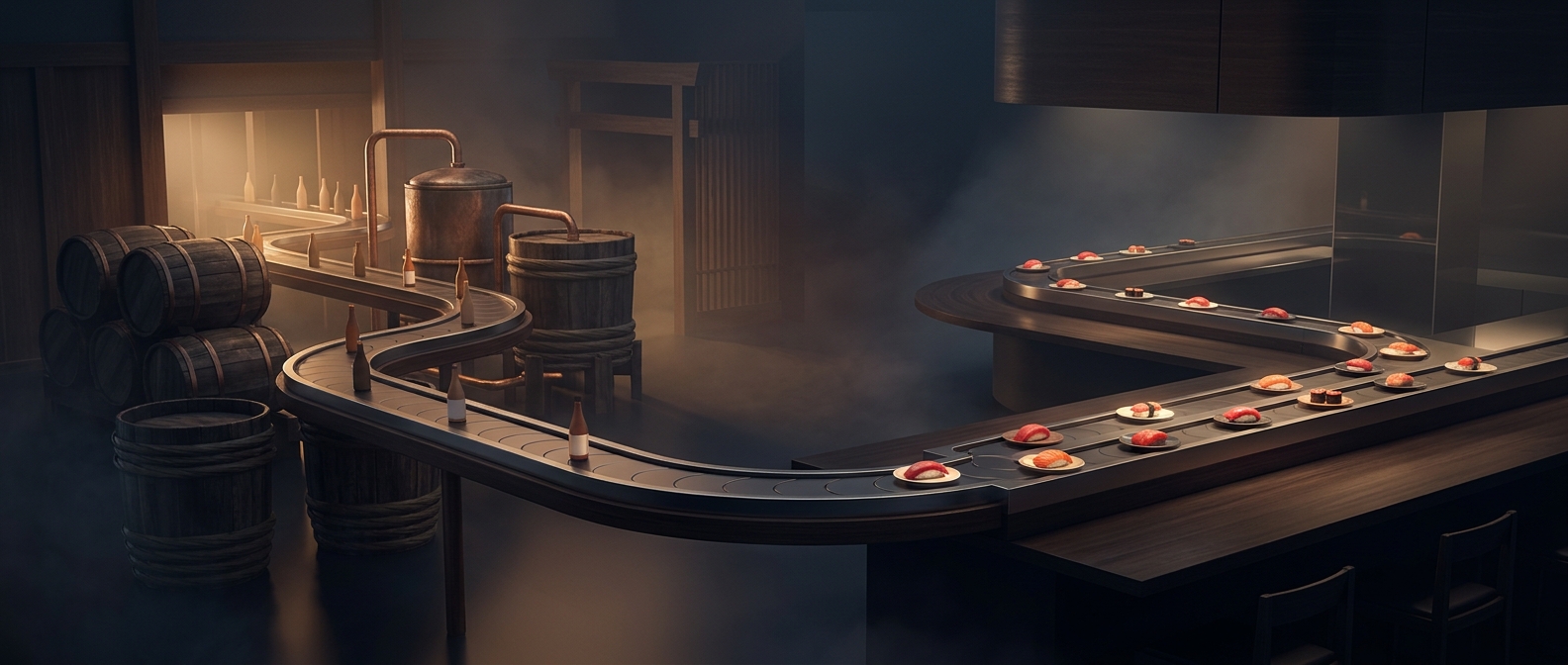
How conveyor belts changed sushi restaurants
A moving belt carried plates past diners, so cooks could send out small dishes without a server ferrying each one. Guests picked what looked good as it rolled…
Discover more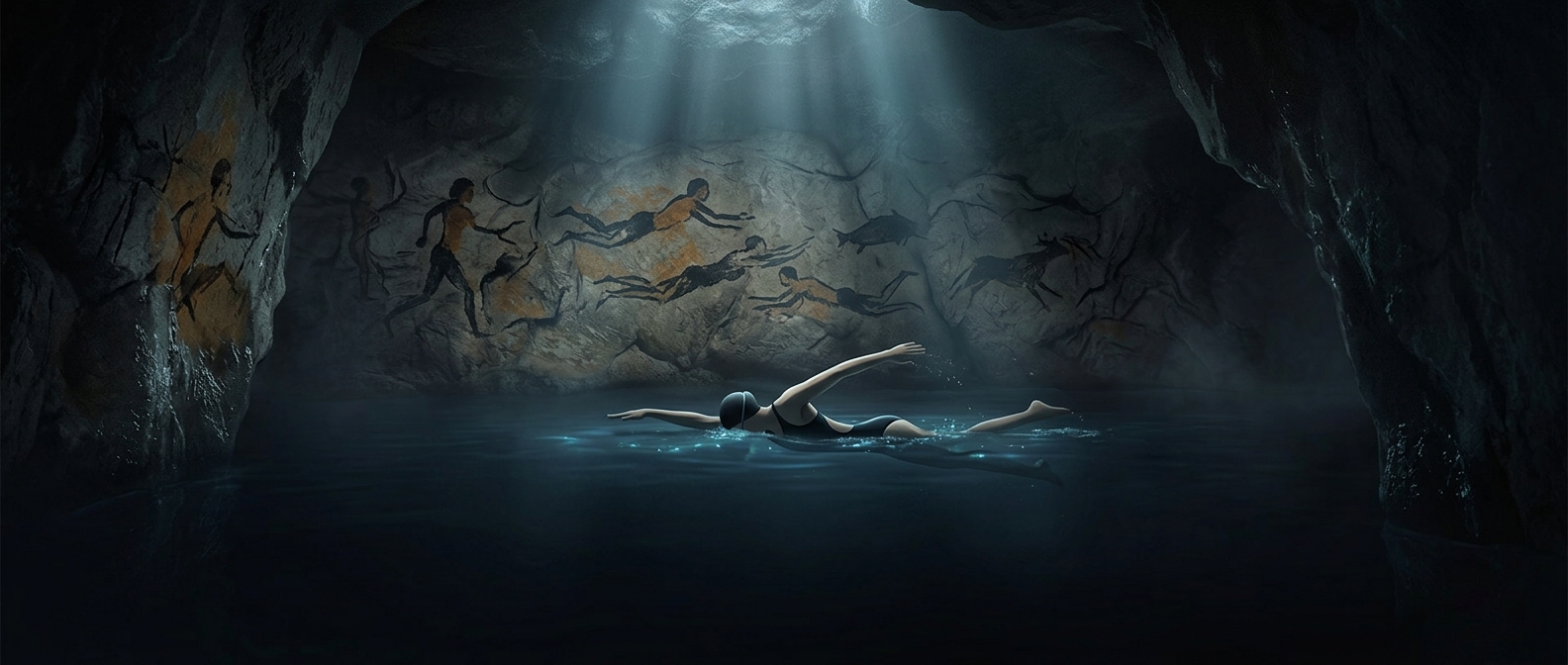
The Sahara has a cave named for figures that look like swimmers
At Wadi Sura in Egypt, painted human figures have bent limbs that gave the rock shelter its famous name. Their exact meaning remains debated, alongside other…
Discover more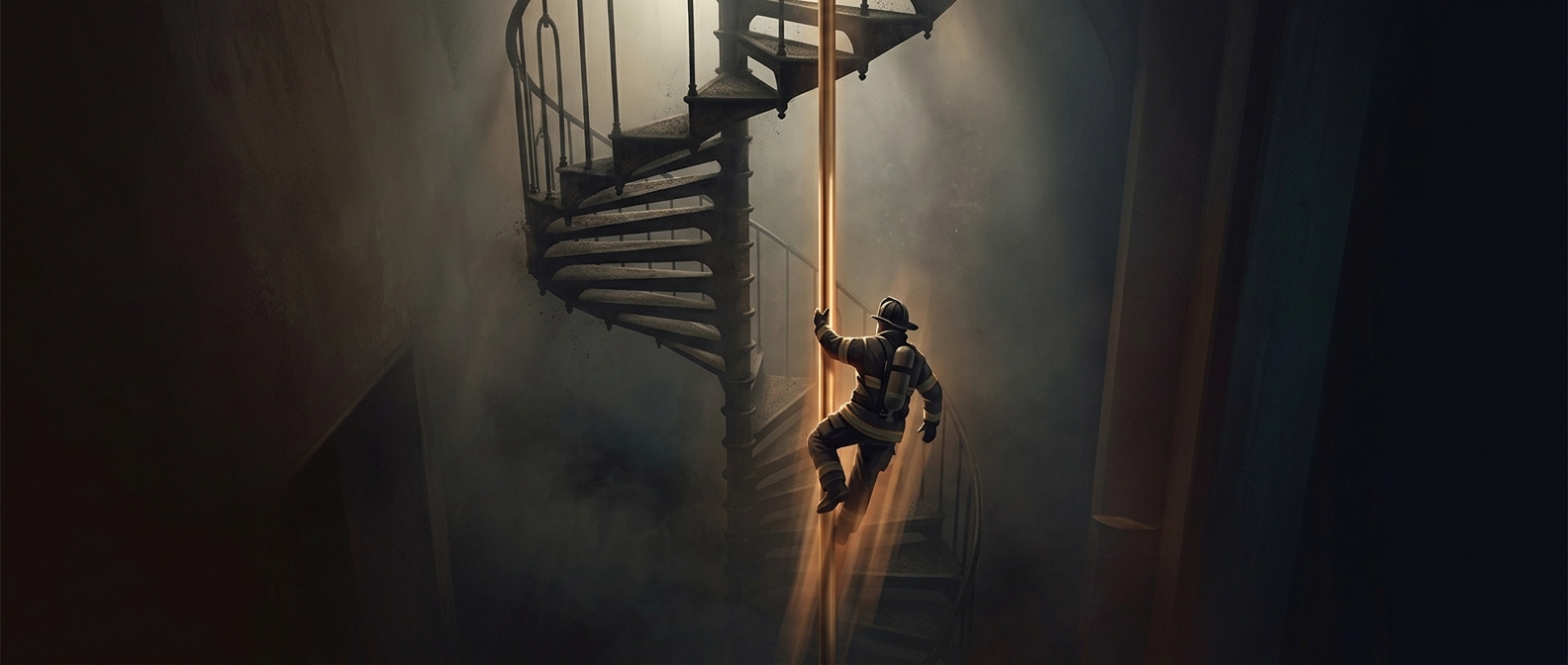
Why firefighters slide down brass poles
Fire stations put sleeping quarters above the garage, and stairs cost precious seconds when a call came in. A brass pole gave firefighters a direct slide to…
Discover more
The terrifying origins of water slides
The first attempts used sharp roofing materials slicked with cold hose water.
Discover more
An escape chute turns a vertical drop into a controlled slide
Fabric escape systems use friction and their internal design to slow a descending person. They offer an alternative route out of a building when other exits…
Discover more
Inline skates are older than the four-wheel kind
Early roller skates put their wheels in a row, much like an ice-skate blade. Plimpton's paired-wheel design made turning easier in the 1860s; the inline…
Discover more
An ice resurfacer shaves the rink before it paints on new ice
The machine first removes the rough upper layer, collects the shavings, and washes the surface. It then spreads water that freezes into a smoother sheet. Hot…
Discover more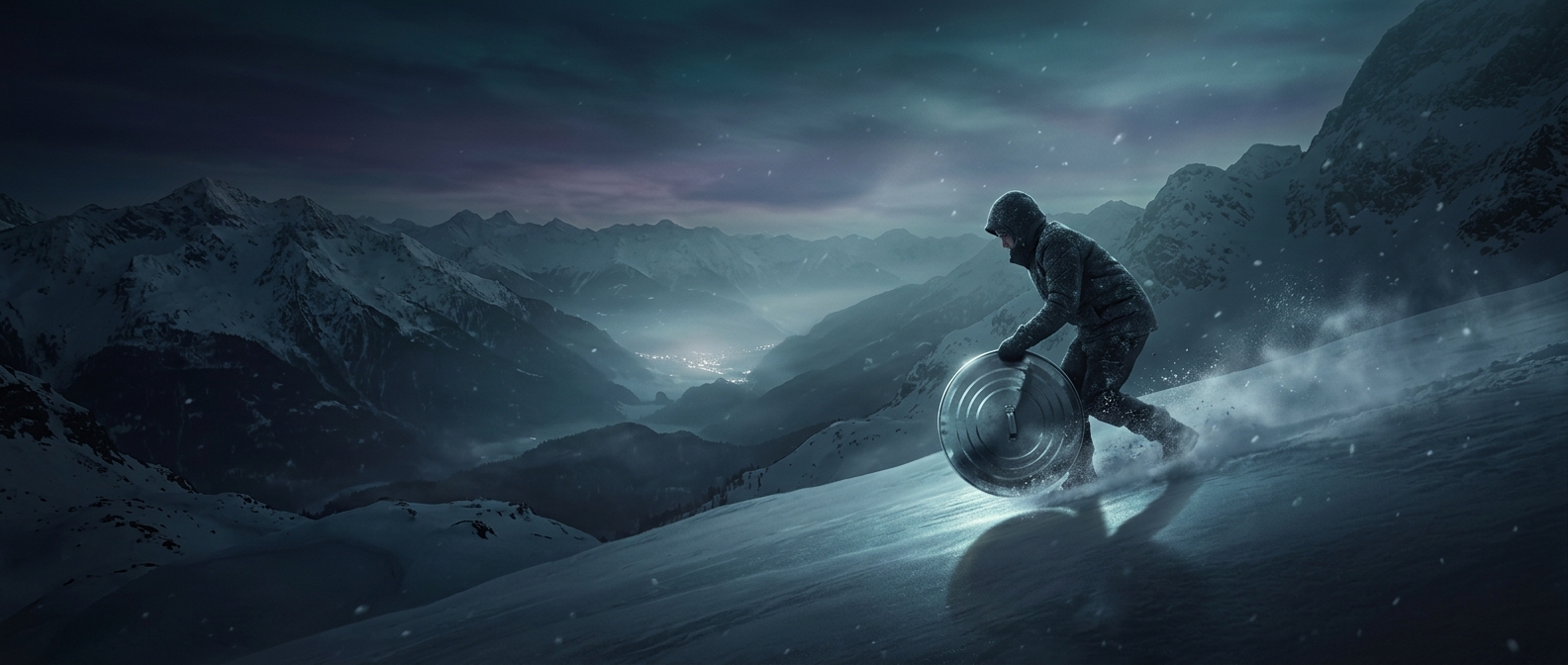
Sledding once meant stealing a trash-can lid
The lid’s flat metal underside glides over snow, while gravity supplies the engine. With no runners to steer, the rider gets a fast lesson in the difference…
Discover more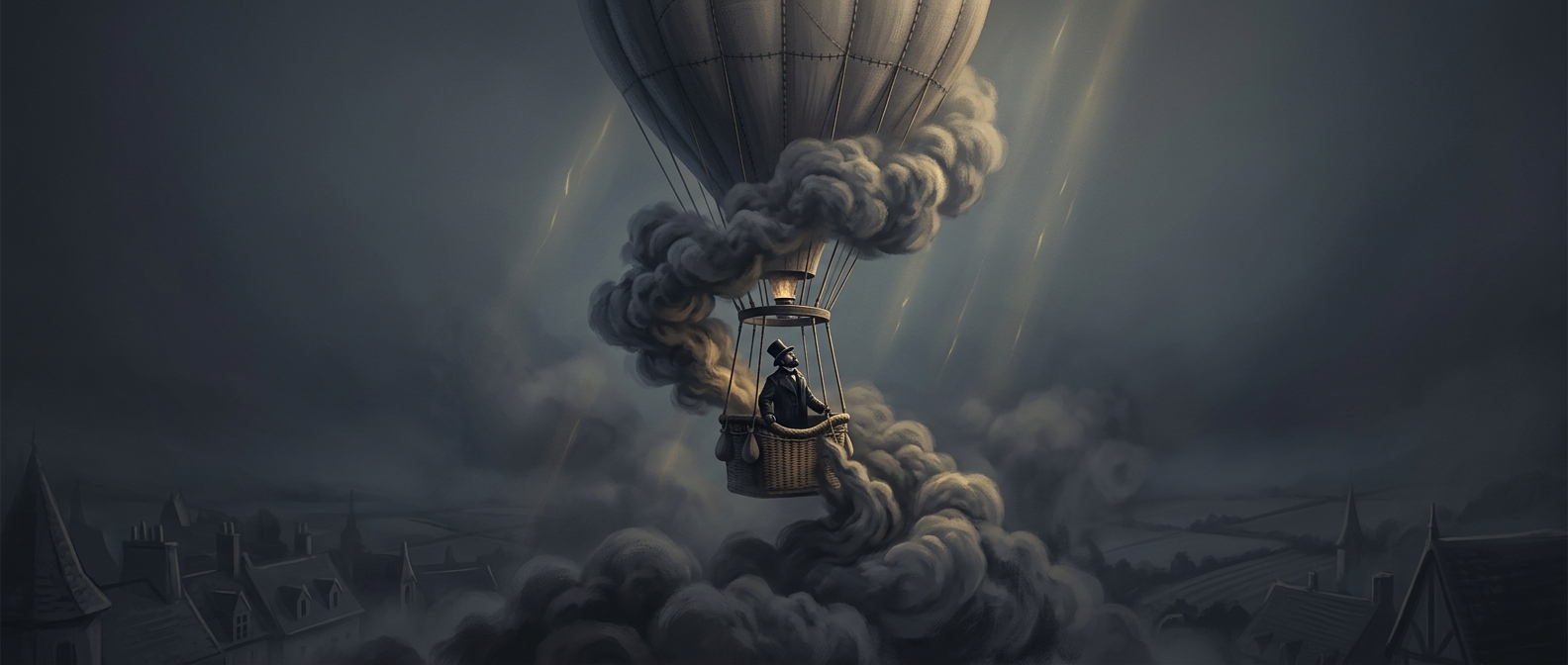
Why early balloonists burned straw and wool
Straw and wool fed the fire beneath early hot-air balloons, heating the air inside the envelope until it rose. The smoke looked like the magic ingredient, but…
Discover more
Water skiing needed a lumberyard and a boiling kettle
After unsuccessful attempts with barrel staves and snow skis, Ralph Samuelson bought two long boards and softened their tips in his mother's kettle. He bent…
Discover more
Base jumping strictly requires leaping from fixed objects
BASE stands for Building, Antenna, Span, Earth: the fixed launch points are cliffs, towers, bridges, and similar structures. Unlike skydiving, the jumper…
Discover more
Wingsuits increase human surface area for long gliding
The fabric between a wingsuit pilot’s arms and legs turns the body into a larger airfoil. Gravity still supplies the speed, but the added surface pushes…
Discover more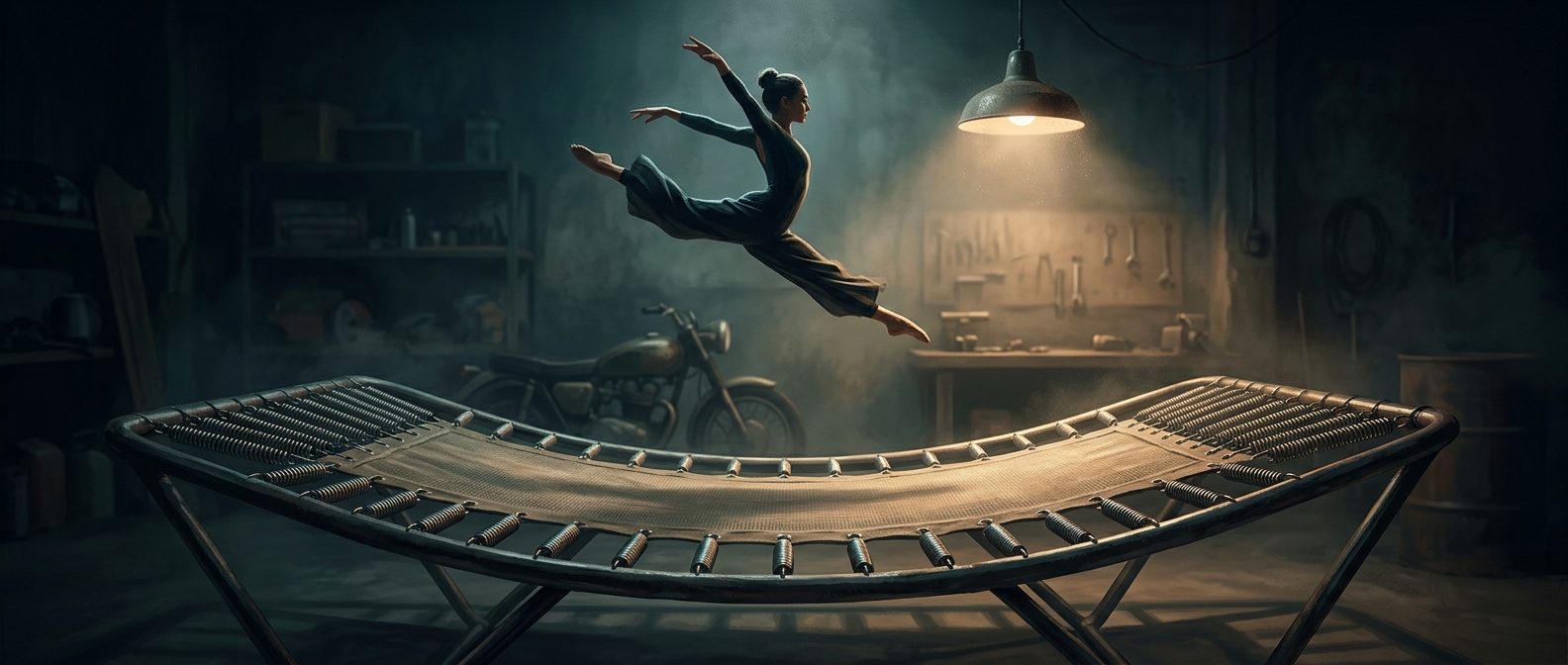
A trampoline stores the energy of your landing
On a spring trampoline, the bed pulls on springs around its edge as you descend. Those springs stretch, storing energy, then return it as they contract. Your…
Discover more