Transport
Discover facts about transport. Small discoveries that change the way you see familiar things.
Transport
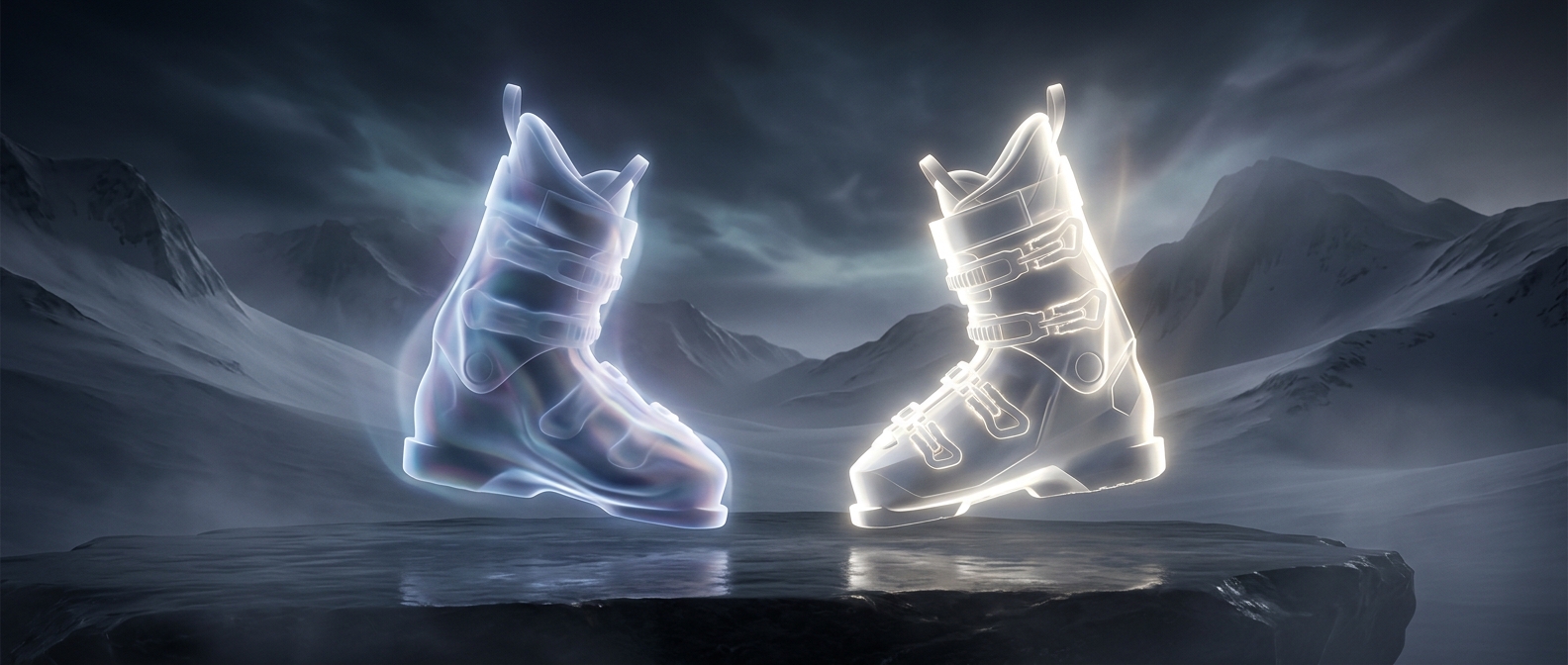
Ski boot flex ratings indicate the rigidity of the plastic
A ski boot’s flex rating describes how much force it takes to bend the plastic forward. A stiffer boot passes movements to the ski with less squish; a softer…
Discover more
Most of the world's roads are unpaved
Paving a road takes money, machinery and upkeep, so low-traffic routes often get by with packed earth or gravel. The world’s road network has a lot more…
Discover more
A zipline needs a stopping system as much as a cable
Gravity supplies speed on the descent, but the rider's motion has to be controlled at the end. Designs use systems such as friction brakes, spring buffers, or…
Discover more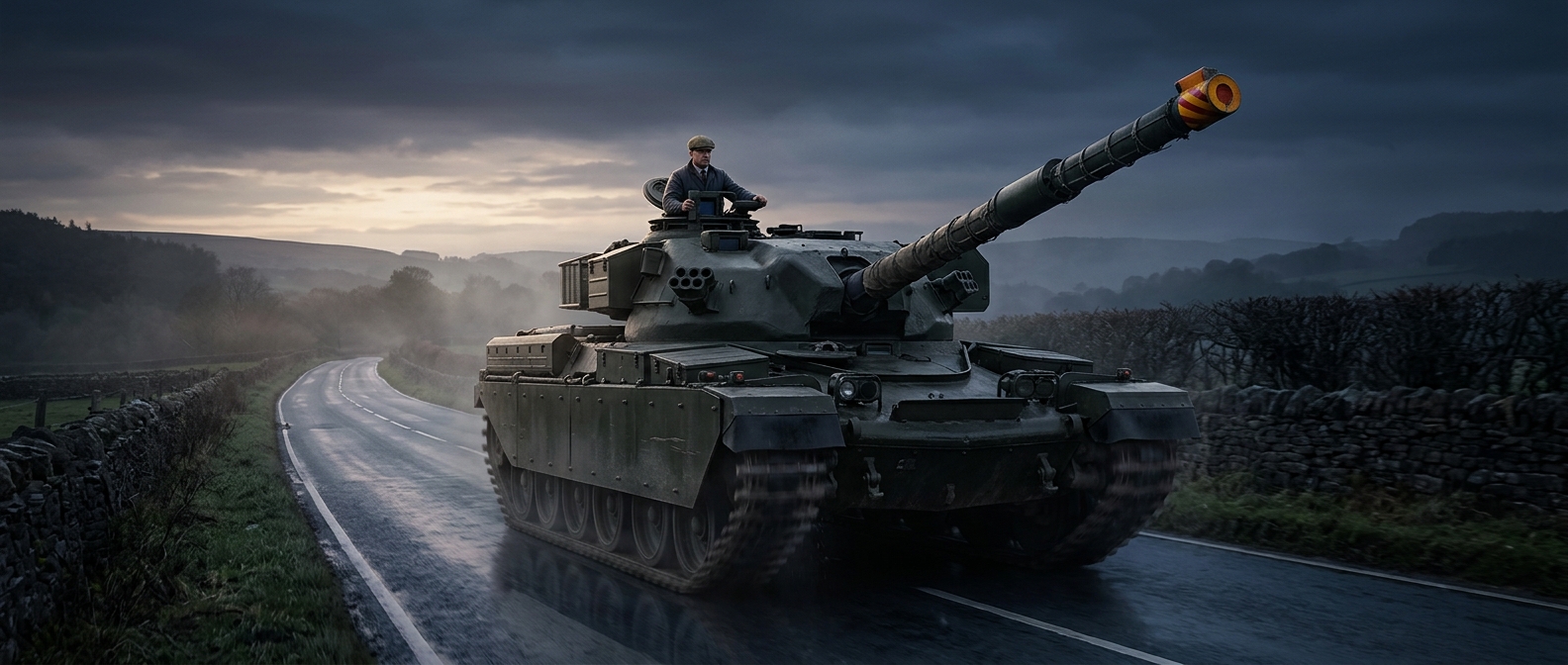
You can legally drive a tank on British roads
British roads don’t ban a vehicle just for looking like it has a very serious commute. A tank needs registration and the right road equipment, including track…
Discover more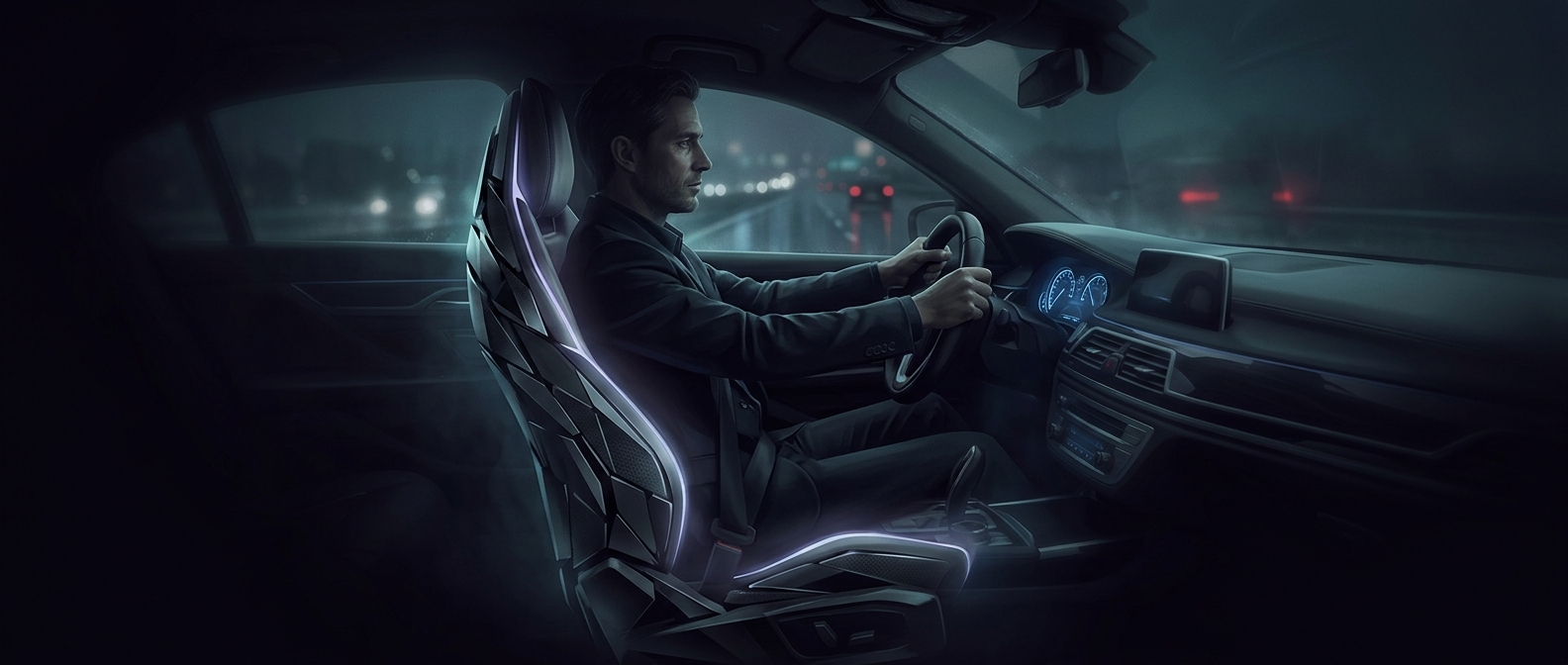
Why car seats aren't as comfortable as they look
A car seat has to hold you steady through turns and sudden stops, so its firm foam and side bolsters do more work than plush-looking upholstery suggests. The…
Discover more
A cockpit nap can be part of the safety procedure
Where controlled rest is permitted, one pilot can rest while another remains responsible for the aircraft. European guidance limits the rest period and…
Discover more STACKY FOR IPHONE
A bigger world.
One discovery
at a time.
Keep discovering with Stacky. Interesting facts in an app that is always within reach.
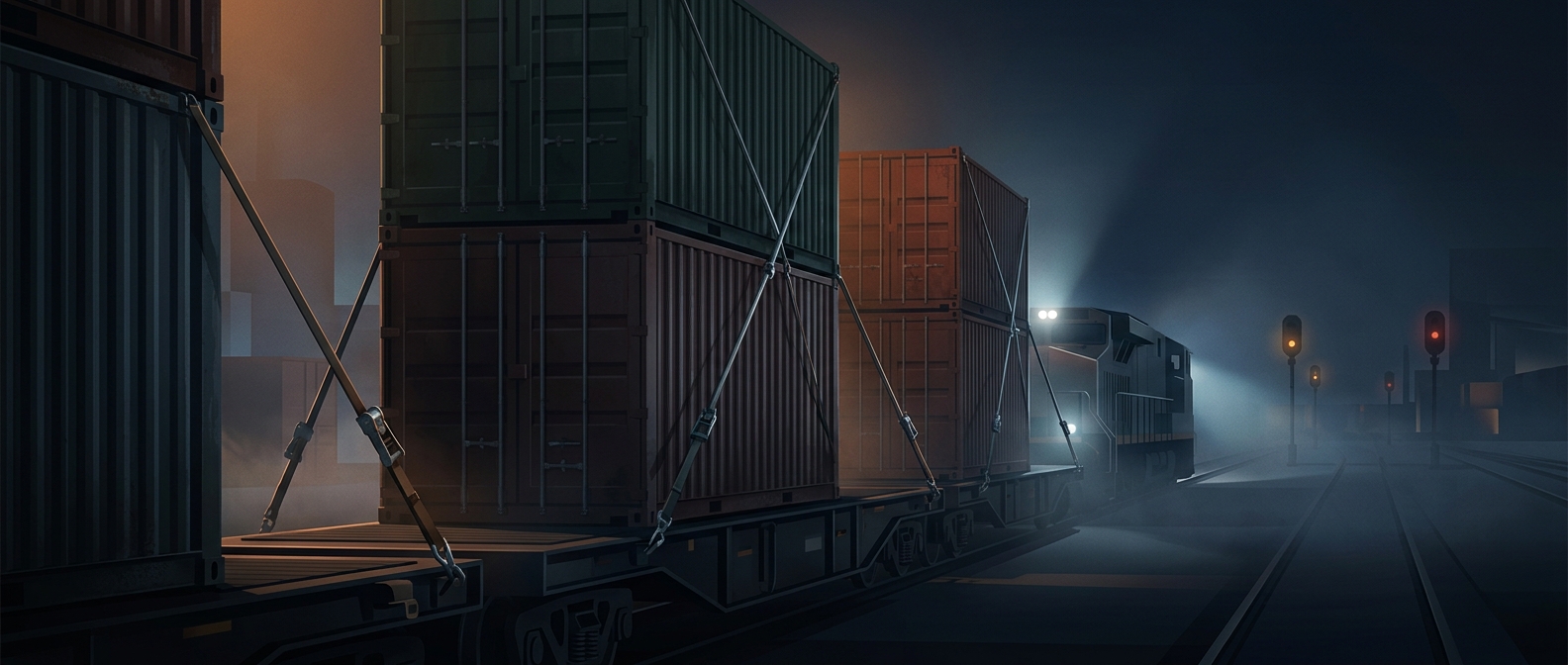
Lashing rods strap containers to flatcars
A lashing rod hooks the container to the flatcar and pulls it down tight. That tension keeps the box from shifting when the train sways or brakes—because a…
Discover more
Tandem sliding moves rear trailer axles
Sliding a semitrailer’s tandem axles shifts how its weight lands on the truck and trailer axles. It’s a few feet of adjustment with the power to keep a loaded…
Discover more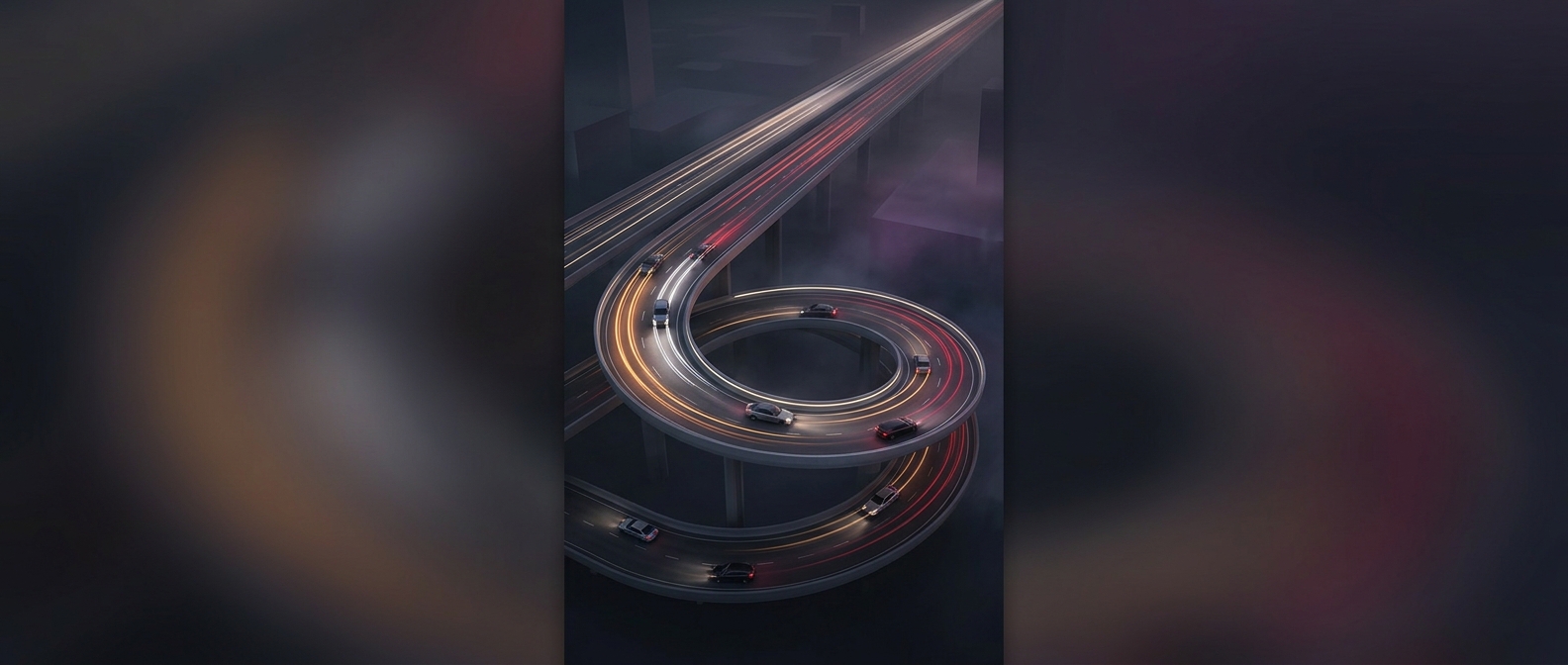
Highway exit ramps are curved to force speed drops
The curve puts a sideways demand on the tires: go too fast, and they run out of grip for the turn. The ramp’s shape tells your foot to ease off the gas before…
Discover more
Why Atlanta is the world's busiest air hub
Atlanta’s airport thrives as a hub: Delta gathers passengers there, then sends them onward on connecting flights. Its location in the southeastern United…
Discover more
Jet suits put miniature engines on your arms
Jet suits turn the pilot’s arms into steering controls: small turbines push downward, and changing their angle redirects the thrust. It’s flight by muscle…
Discover more
Twin-tip skis curve upwards at both the front and back
A twin-tip ski lifts at both ends, so the tail doesn’t dig in when a skier travels backward. The same ski works forward or switch, sparing the skier a very…
Discover more
Why jetboards sink when they stop moving
A hydrofoil beneath the board lifts it above the water as it moves; the flowing water over the foil supplies the lift. Stop the board and that lift…
Discover more
Why pontoons are floating outdoor patios
Sealed pontoons displace water and hold a deck above the surface, giving the platform its own buoyant foundation. It’s a patio that brought its own ground.
Discover more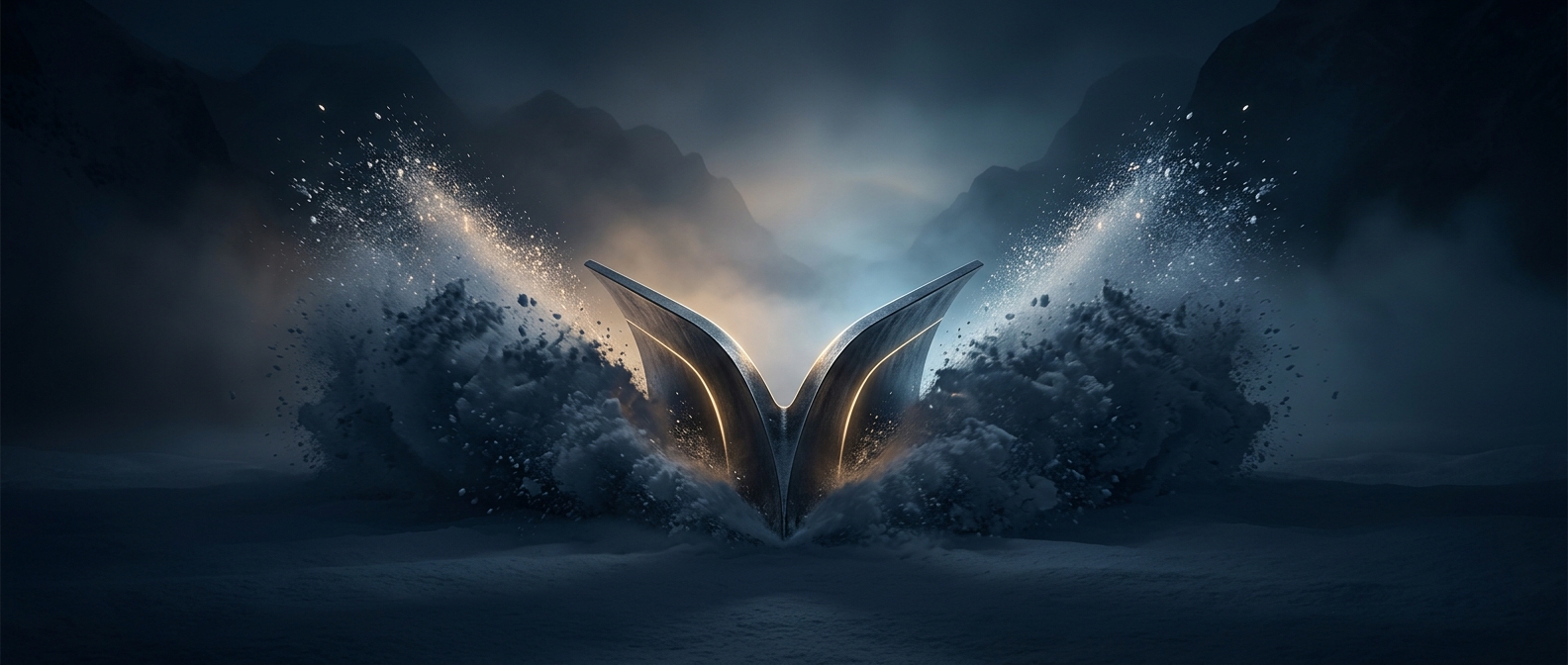
Snowplow V-blades split resistance in two directions
The point of the V cuts into the drift, then the angled wings sweep snow away from the center. Instead of asking the truck to bulldoze the whole pile forward,…
Discover more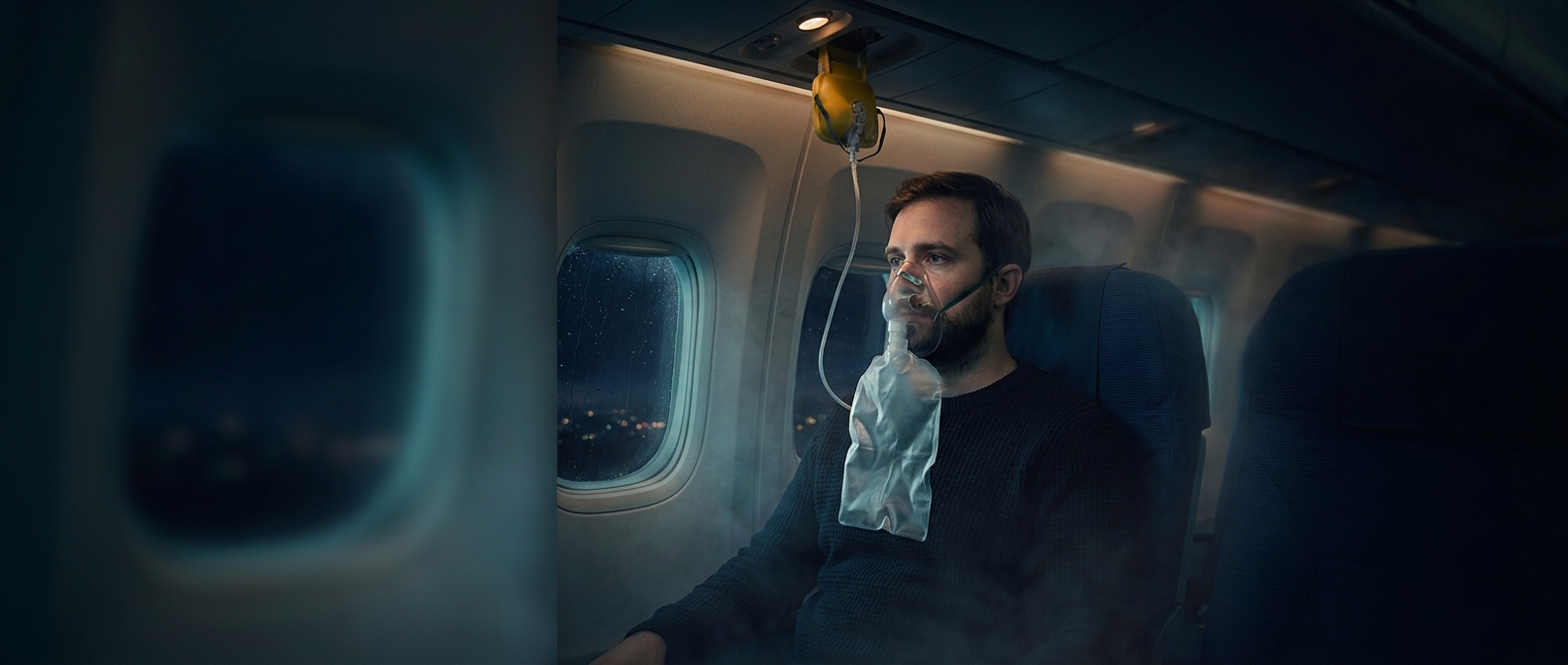
Why airplane oxygen bags stay flat
Those bags are reservoirs, not balloons. Oxygen trickles in as you breathe, so the mask can work perfectly while its bag hangs limp—the least…
Discover more
Segways accelerate through aggressive leaning
A Segway measures how far the rider leans and drives its wheels to bring the base underneath. Tip forward, it rolls forward; the whole vehicle is a polite…
Discover more
Britain once considered a nuclear-powered hovercraft
A nuclear reactor would power the hovercraft’s fans without relying on frequent fuel stops. But a reactor adds heavy shielding and demanding safety rules to a…
Discover more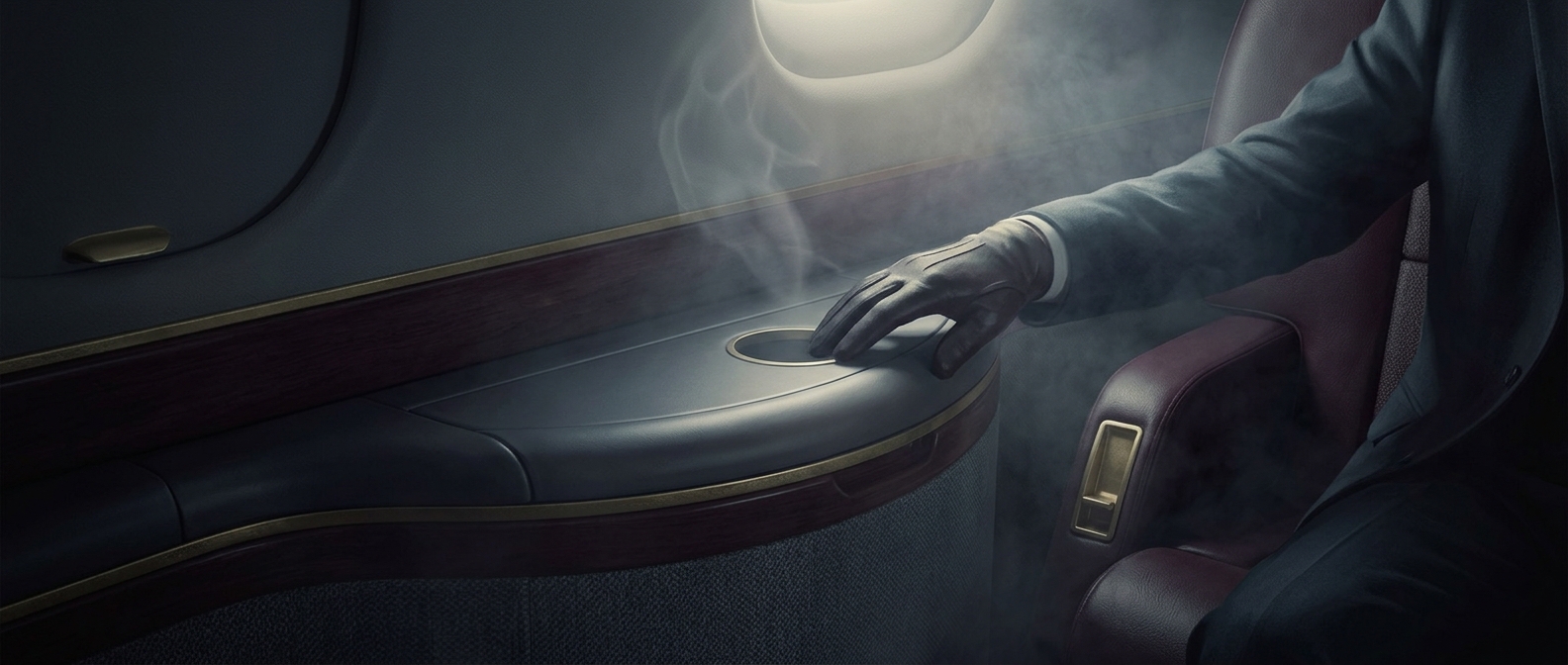
Ash trays vanished due to shifting cultural habits
As fewer people smoked in cars, ashtrays lost their job. Automakers reclaimed the little compartments for cupholders, storage, and charging ports—a cultural…
Discover more
Steam cars were once the fastest—and dangerously explosive
A Stanley Steamer reached 127 mph in 1906, but its high-pressure boiler made water management critical: if water levels dropped, the car could become a…
Discover more
Cardboard box fluting acts as structural arches
The wavy paper between cardboard’s flat sheets forms a row of little arches. Those arches resist crushing and spread a hit across the box—architecture, but…
Discover more
When a ship becomes a lighthouse
When a dangerous stretch of water is too remote or deep for a fixed tower, a lightship anchors nearby and flashes a beacon; a foghorn helps when the view…
Discover more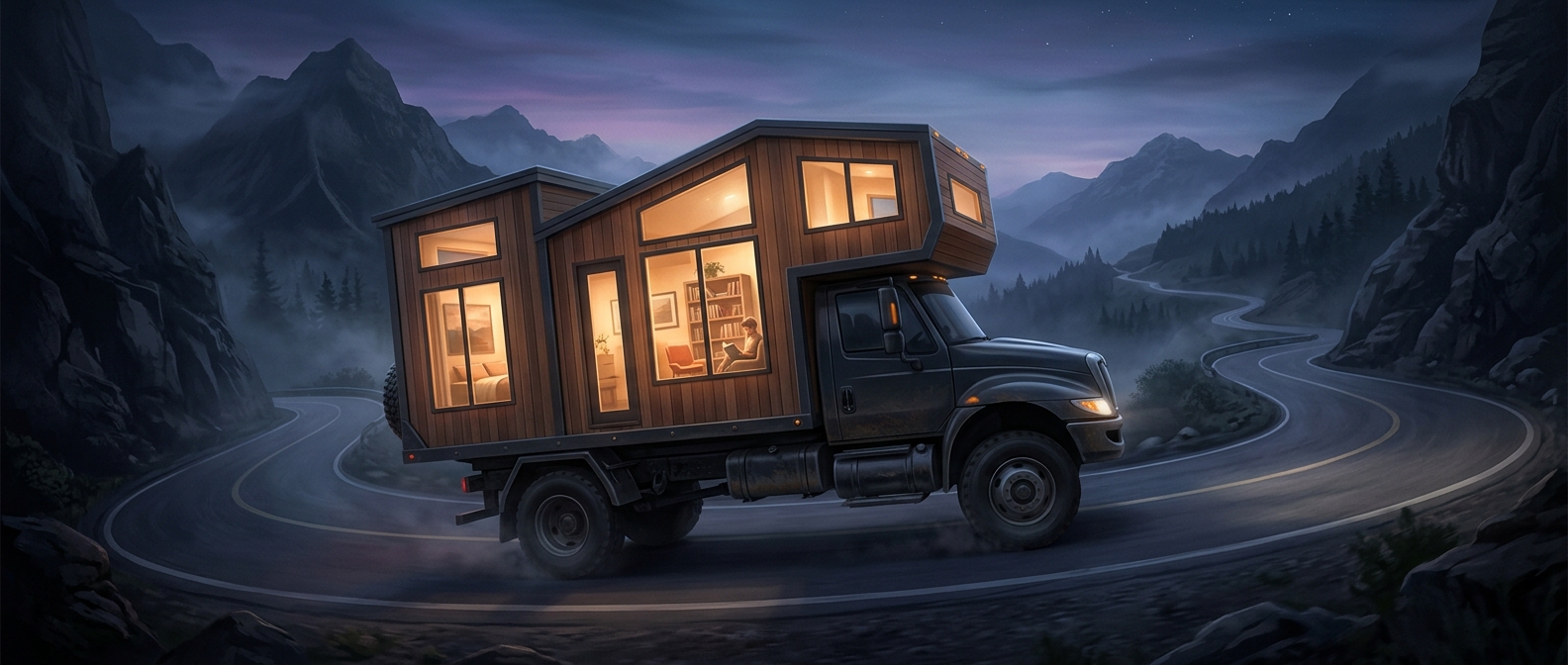
Motorhomes are small apartments bolted to a truck chassis
A motorhome puts a living space on a vehicle chassis, so the same frame has to carry beds, cupboards, water, and a road’s worth of bumps. It’s an apartment…
Discover more
Why traffic lights use red to mean stop
Red became the stop signal on railways before it took over roads. Its long wavelength stays visible through haze better than shorter colors, and its old…
Discover more