Transport
Discover facts about transport. Small discoveries that change the way you see familiar things.
Transport

Some children get to school by zipline
Some students cross a 1,200-foot-deep canyon on a zipline to get to school.
Discover more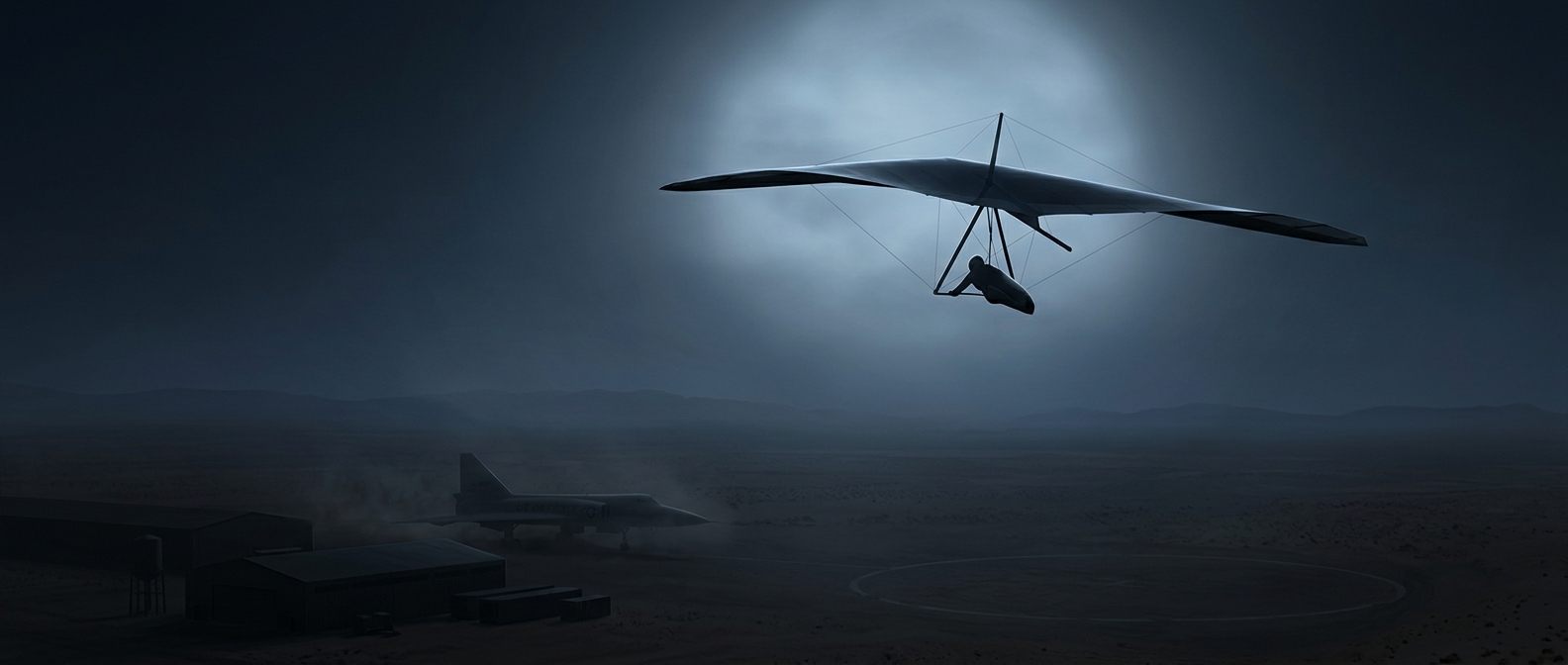
NASA tested a wing that helped inspire modern hang gliding
The Rogallo flexible-wing concept was investigated as a way to land Gemini capsules on land instead of splashing down. That capsule system never became…
Discover more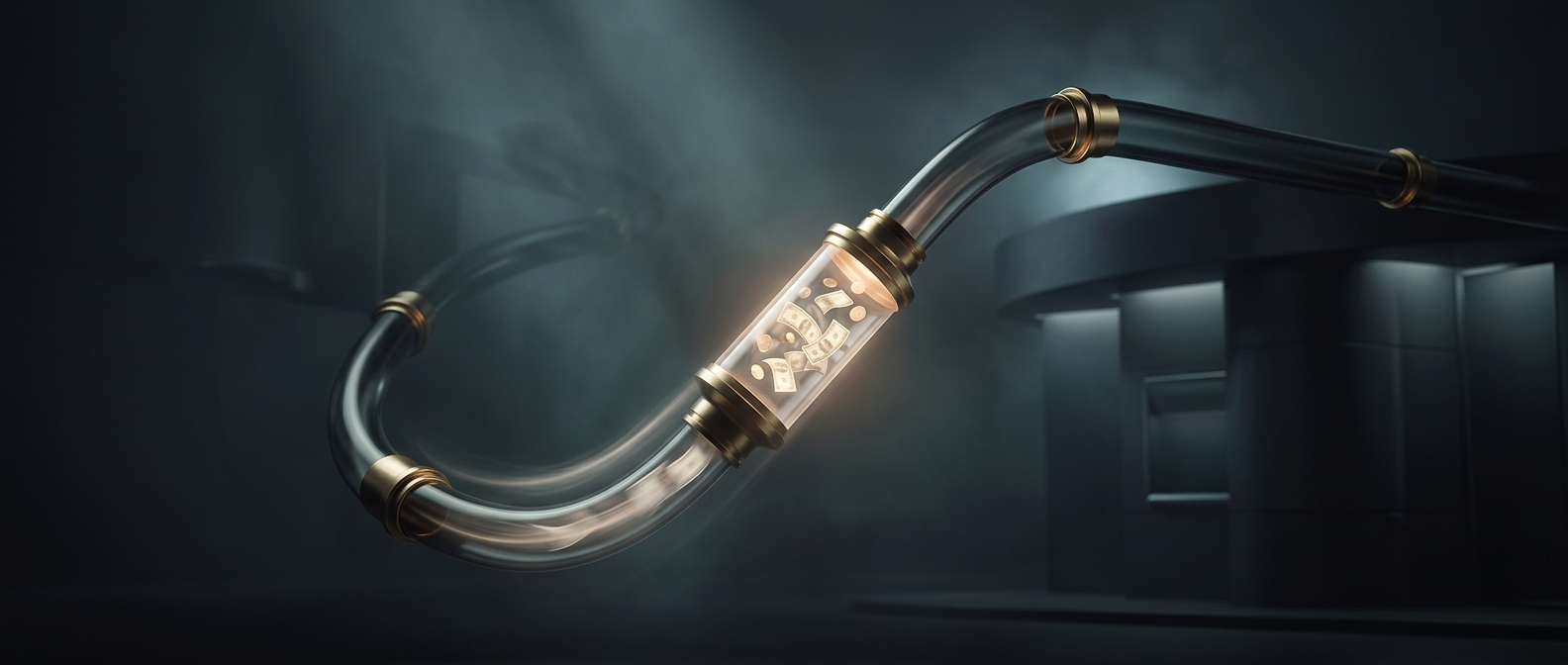
Banks fire your cash through tubes
A pneumatic tube system sends a sealed carrier through pipes using moving air. The bank loads cash into the capsule, then pressure races it to a…
Discover more
Wakeboarding requires an external motorized watercraft
The boat pulls the rider by a rope, keeping the board moving fast enough to plane across the water. Its wake gives the rider a ramp to cross; the board itself…
Discover more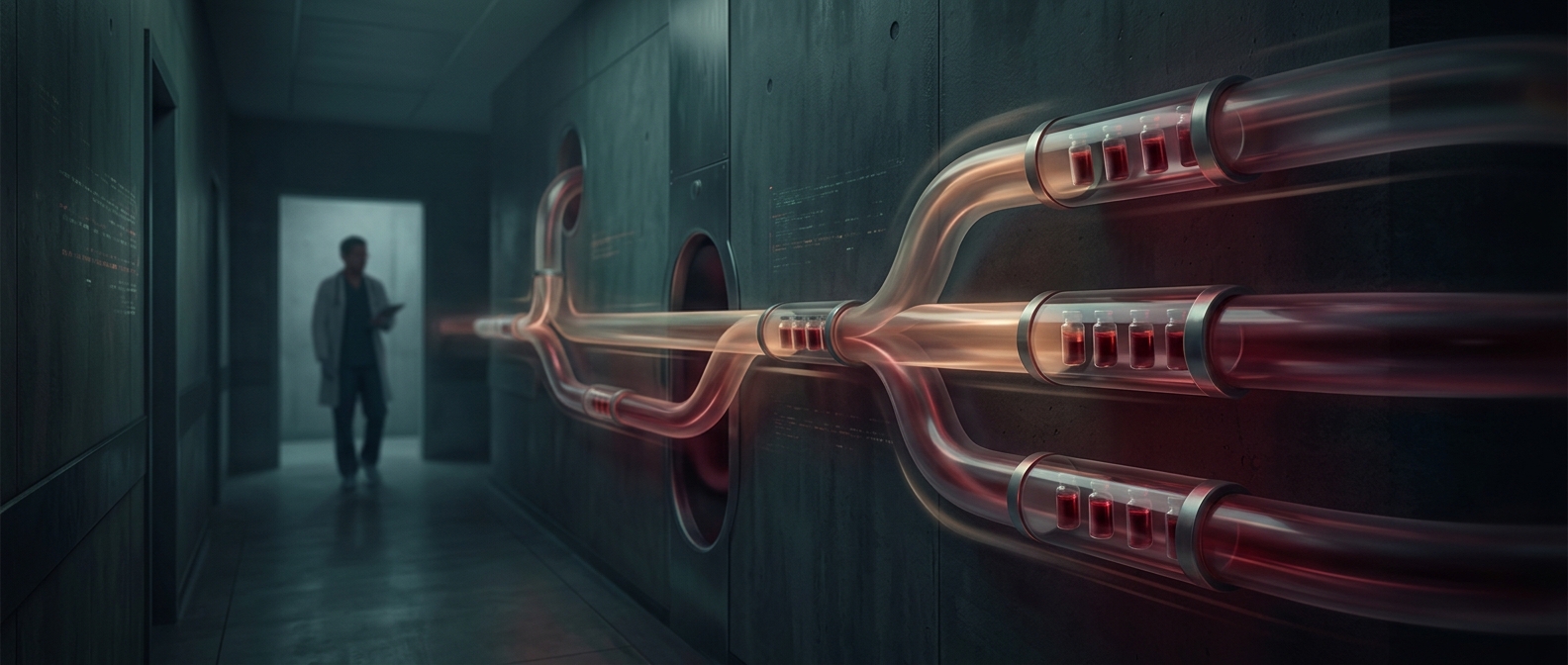
How hospitals send blood samples through the walls
A sealed capsule carrying the sample shoots through a tube network, pushed or pulled by air pressure. The lab gets blood in minutes without a staff member…
Discover more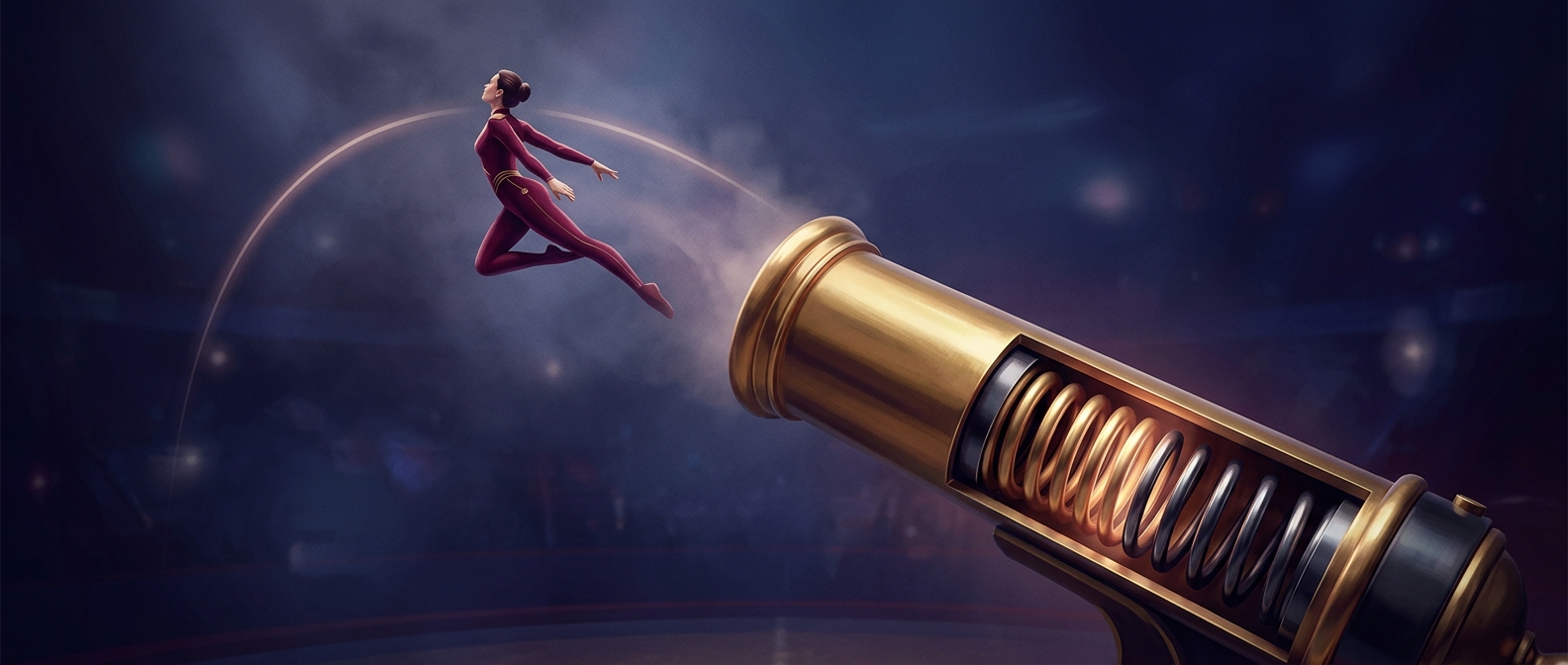
Human cannonballs are launched by a giant piston
Compressed air drives a piston forward, and the piston shoves the launch platform beneath the performer. The person gets accelerated by a moving floor rather…
Discover more STACKY FOR IPHONE
A bigger world.
One discovery
at a time.
Keep discovering with Stacky. Interesting facts in an app that is always within reach.
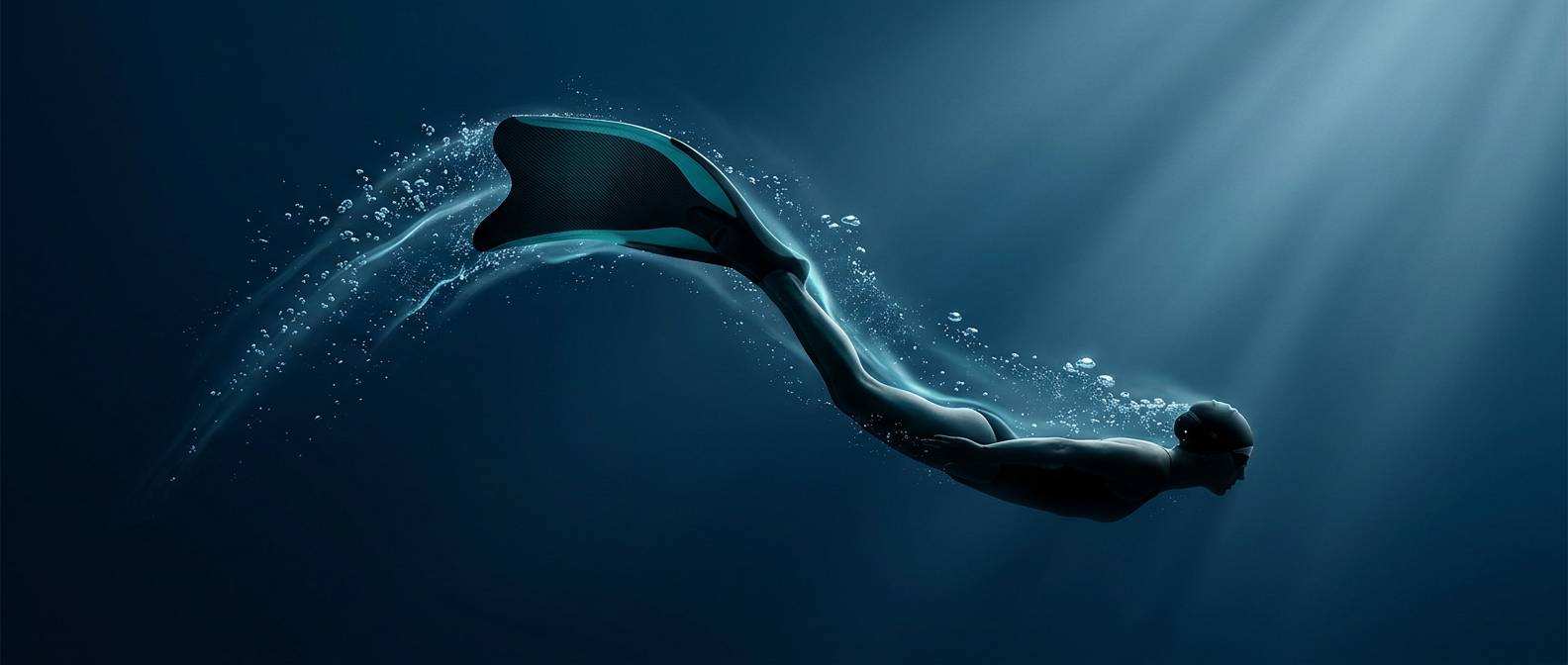
Why monofins make swimmers move like dolphins
A monofin joins both feet to one broad blade. Kick from the hips and the blade pushes a big sheet of water backward, sending the swimmer forward in a…
Discover more
Quebec forests pump maple sap through tubes
Each maple tap connects to tubing that funnels sap toward a central tank. Vacuum pumps lower the pressure in the lines, drawing out more sap than gravity…
Discover more
Paragliding began as a shortcut down mountains
Early paragliders grew out of parachutes used by climbers who wanted a quicker way down. A steerable canopy turned the descent into a glide, trading a long…
Discover more
People used wooden skis thousands of years ago
Long wooden boards spread a skier’s weight across the snow, turning deep drifts from traps into a route. The ancient upgrade was beautifully simple: if…
Discover more
Early surfboards were astonishingly heavy
Before foam cores made boards light, surfers rode solid wooden planks. The wood floated, but it did not pretend to be featherweight; getting the board to the…
Discover more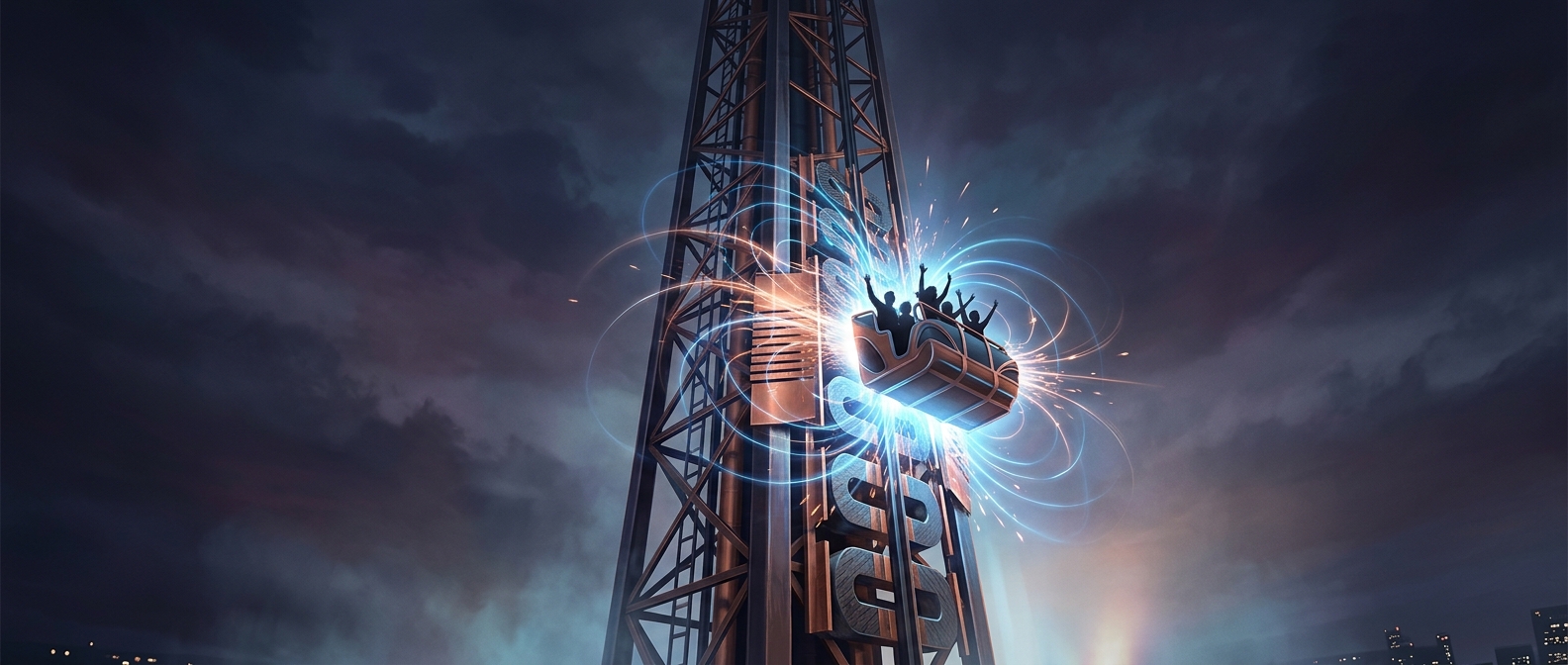
A drop tower can brake with magnets that need no power supply
As metal fins pass permanent magnets, electric currents form inside the metal and oppose its motion. The faster the movement, the stronger this braking…
Discover more
Laundry chutes use pure gravity to transport dirty clothes
Drop clothes into a smooth vertical shaft and gravity carries them to a collection bin below—no motor, stairs, or laundry-basket parade required. It’s express…
Discover more
Ancient wheelbarrows were kinder to your arms
A wheelbarrow puts the load over one wheel, so the wheel carries much of the weight while your arms steer and lift the handles. Instead of hauling the whole…
Discover more
Longboards are specifically shaped for high-speed coasting
A longboard’s stretched wheelbase steadies it at speed, while its low deck keeps the rider’s weight closer to the pavement. The board is built to coast…
Discover more
Flyboards use pressurized water hoses to lift you up
A pump blasts water through a hose aimed downward from the board. The water pushes down, the rider gets pushed up, and a very long garden hose becomes an…
Discover more
Grocery checkout lines use motorized belts for your food
The moving belt carries each item toward the cashier, so groceries arrive in a steady stream instead of requiring a basket-by-basket handoff. It turns…
Discover more
Magic carpets slowly roll beginners up tiny snow hills
A slow-moving belt carries beginners up the slope, so their first trip is uphill without the exhausting hike. It’s a ski lift with its feet firmly on the…
Discover more
When hearses doubled as ambulances
Before ambulances were common, funeral homes already had horse-drawn vehicles with room for a stretcher. They repurposed hearses to carry the sick or injured…
Discover more
The first driverless cars followed wires under the road
A wire buried beneath the road sent a signal that sensors on the car followed, steering it along a preset route. The road became the driver, and the car just…
Discover more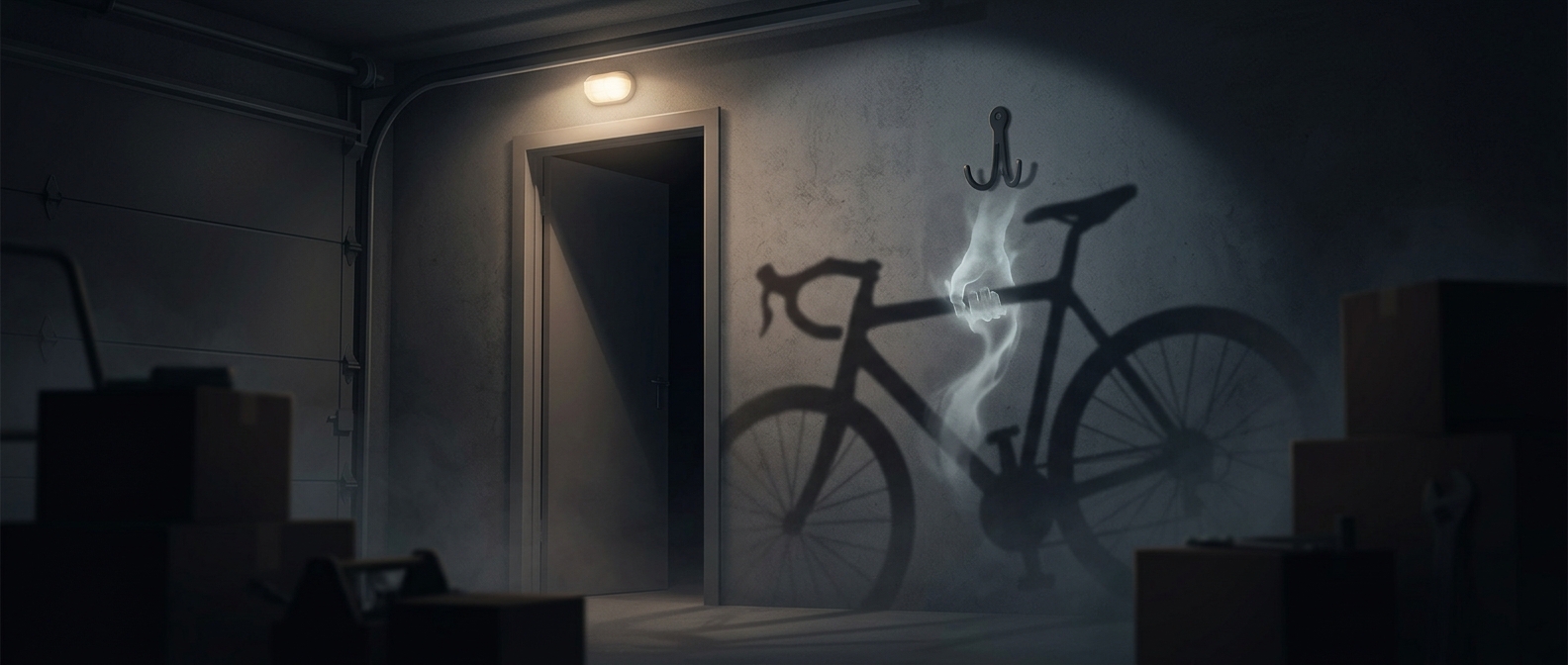
Your garage may be more dangerous to your bike
More than half of reported bicycle thefts happen in the owner's garage or shed, not on the street. A sturdy bike lock may not protect it once it's home.
Discover more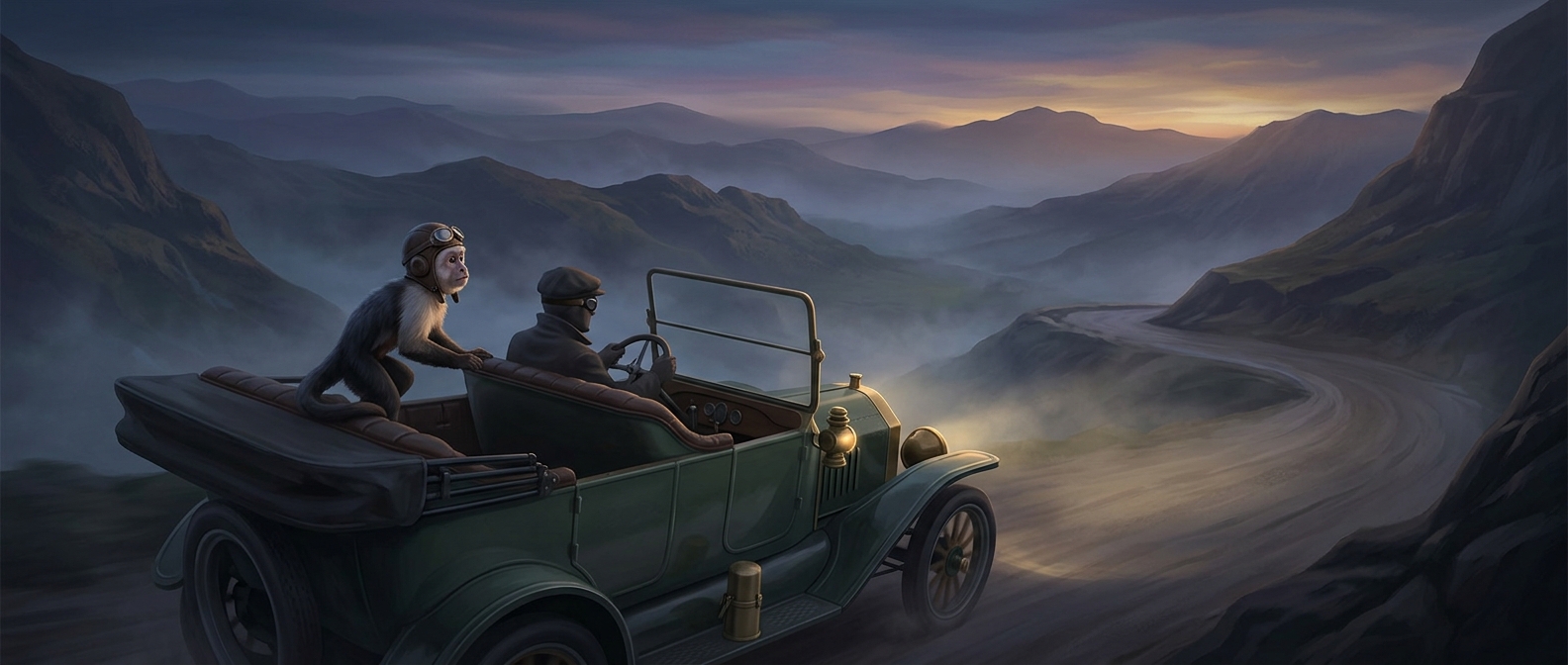
The woman who drove a Model T around the world
Aloha Wanderwell crossed continents in a Model T because its simple engine was easier to repair far from a garage. She carried tools and spare parts, turning…
Discover more
Why fighter jets are built to be unstable
An unstable jet turns quickly because it doesn’t fight a change in direction. Its flight computer keeps nudging the controls to stop that agility from…
Discover more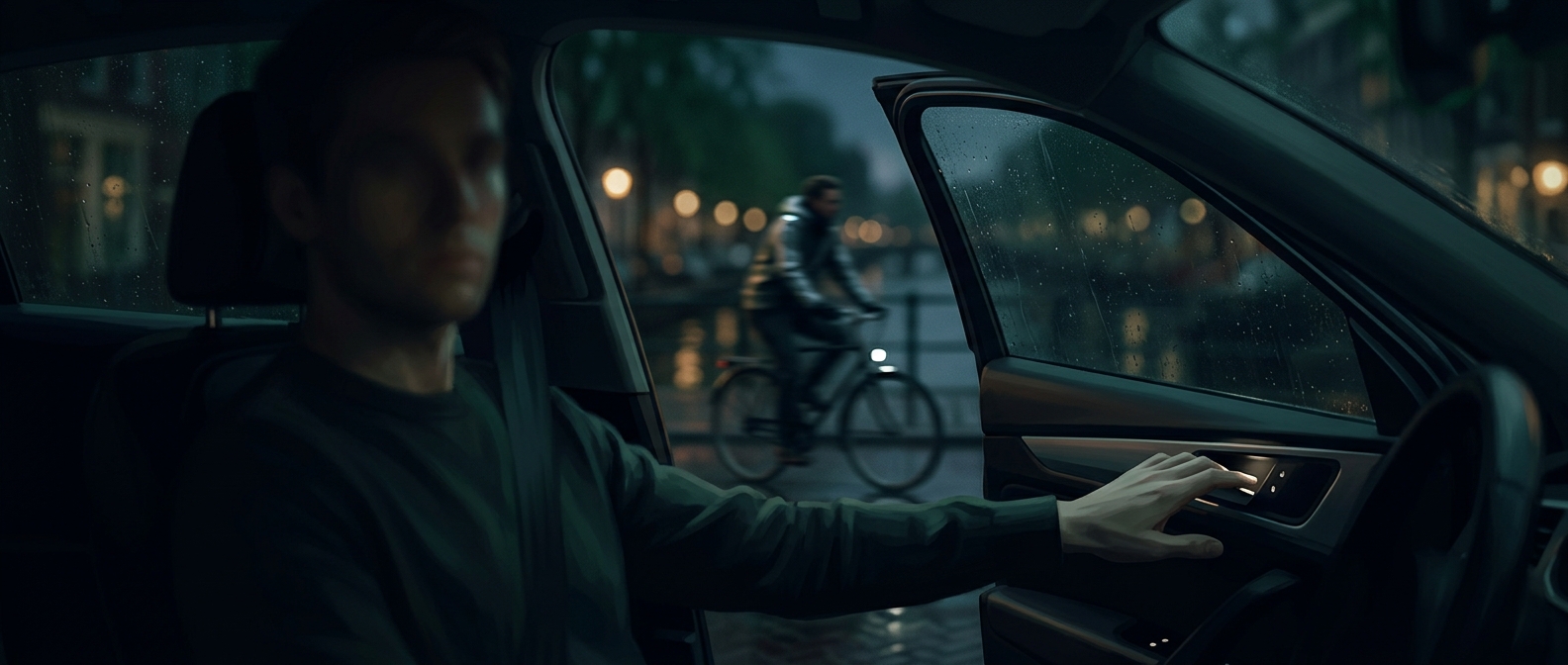
Dutch drivers open car doors with their opposite hands
A driver reaches across with the hand farthest from the door, twisting the shoulders toward the window. That turn brings the eyes around to check for cyclists…
Discover more