Transport
Discover facts about transport. Small discoveries that change the way you see familiar things.
Transport
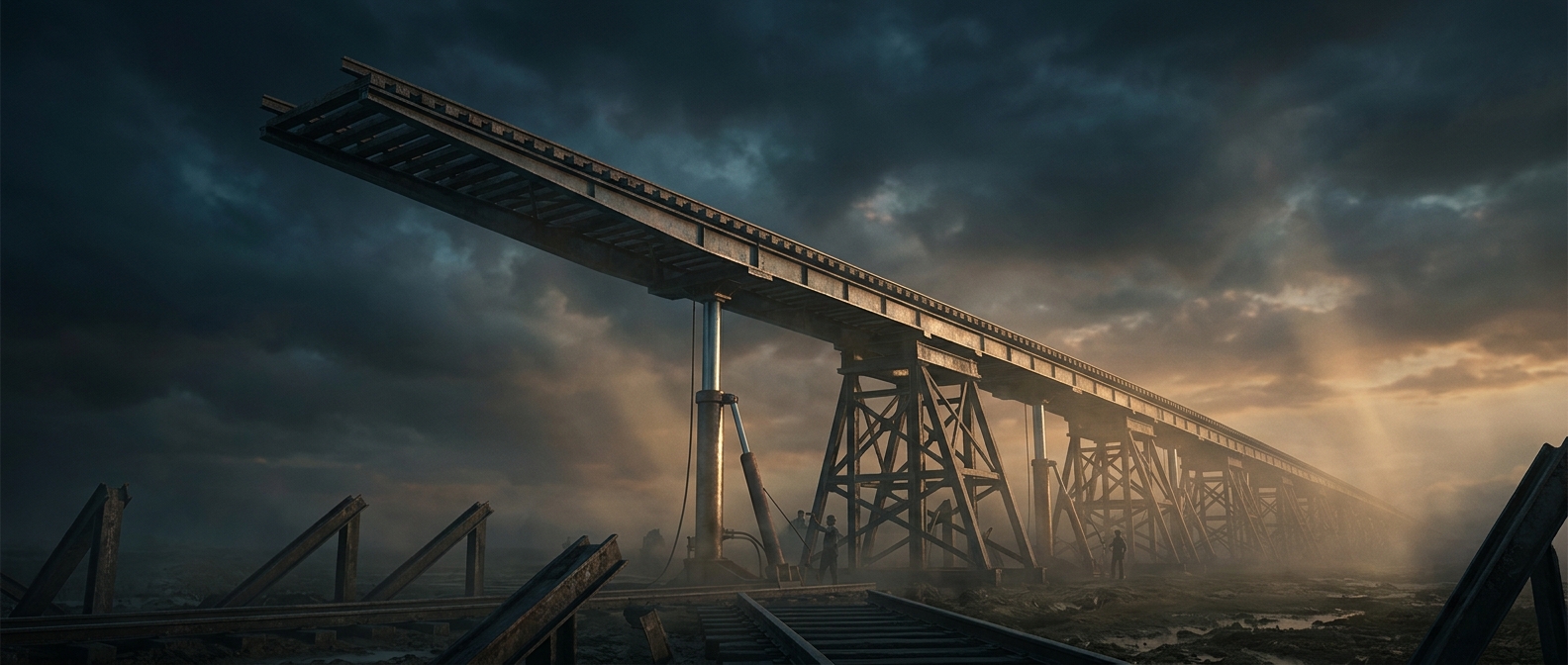
A hurricane turned Florida's ocean railway into a road project
The 1935 Labor Day hurricane wrecked sections of the railway to Key West and ended its train service. Surviving bridges and the right-of-way then helped form…
Discover more
Egypt flooded ancient routes and supplied bad ferries
Lake Nasser swallowed old Nubian roads beneath its reservoir, leaving some communities dependent on ferries. When the boats were slow or unreliable, a short…
Discover more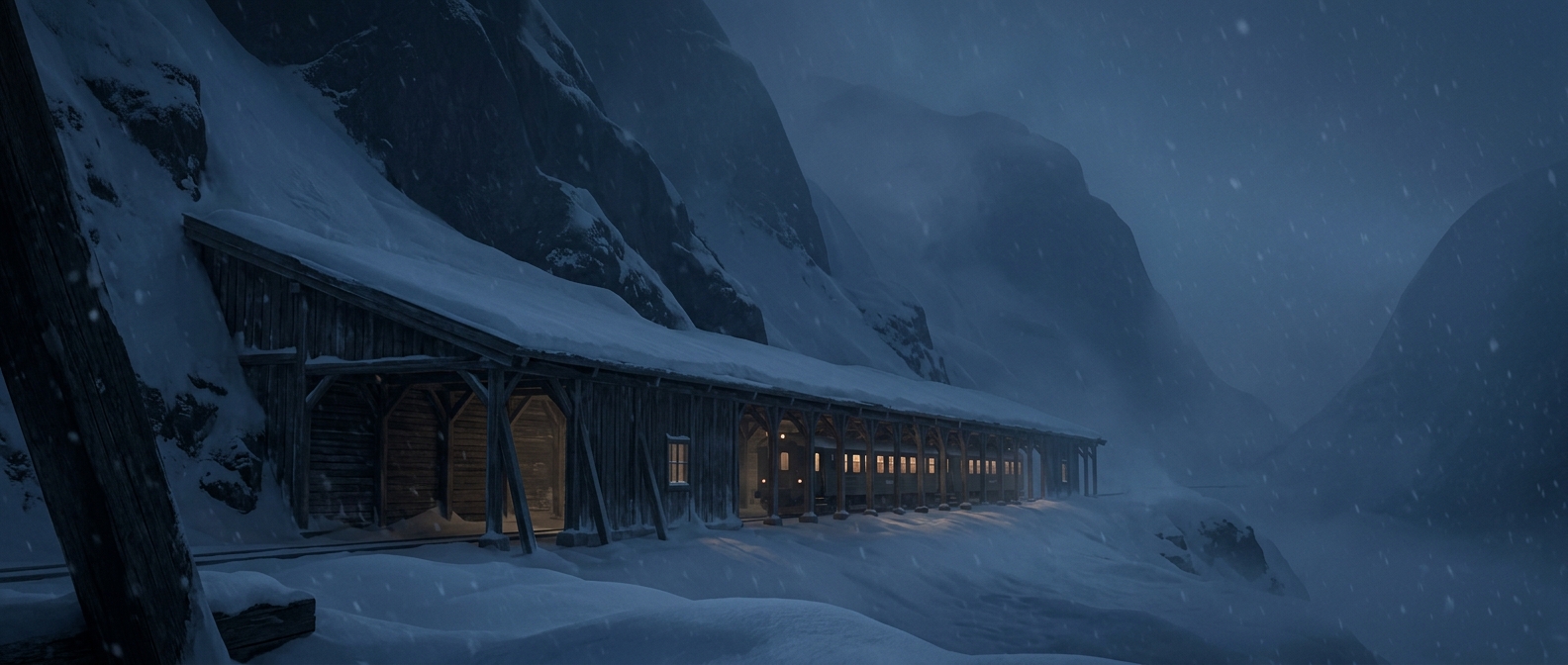
Norway puts roofs over railways to keep snow out
Snow sheds shelter exposed stretches of track where drifting snow would otherwise pile up. The structures still need attention: heavy snow on the roof can…
Discover more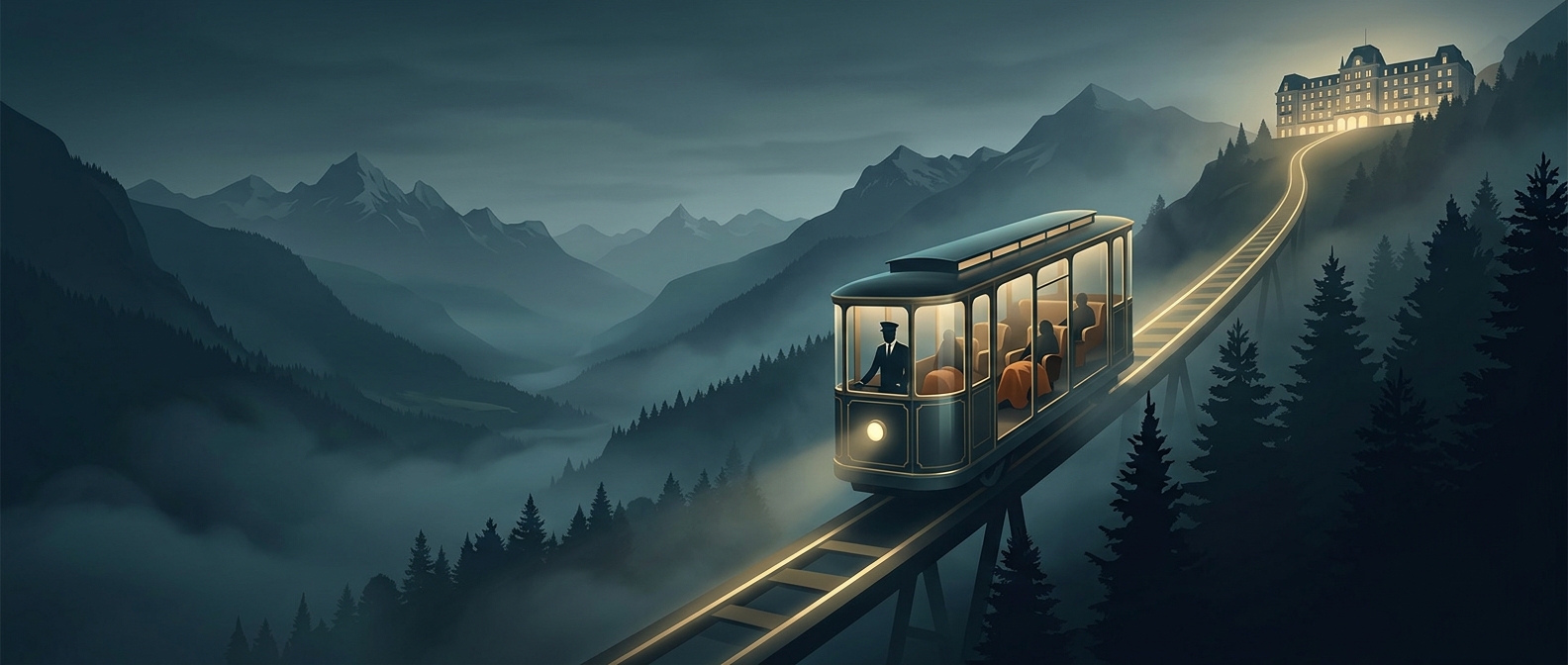
Évian built a funicular for spa guests
A cable hauled spa visitors up the steep slope between Évian’s lakeside hotels and baths. The funicular turned a sweaty climb into a short ride—because a spa…
Discover more
Engineers studied trains that would ride on air
Federal Railroad Administration research examined tracked air-cushion vehicles: a guideway would direct the vehicle while pressurized air supported it. The…
Discover more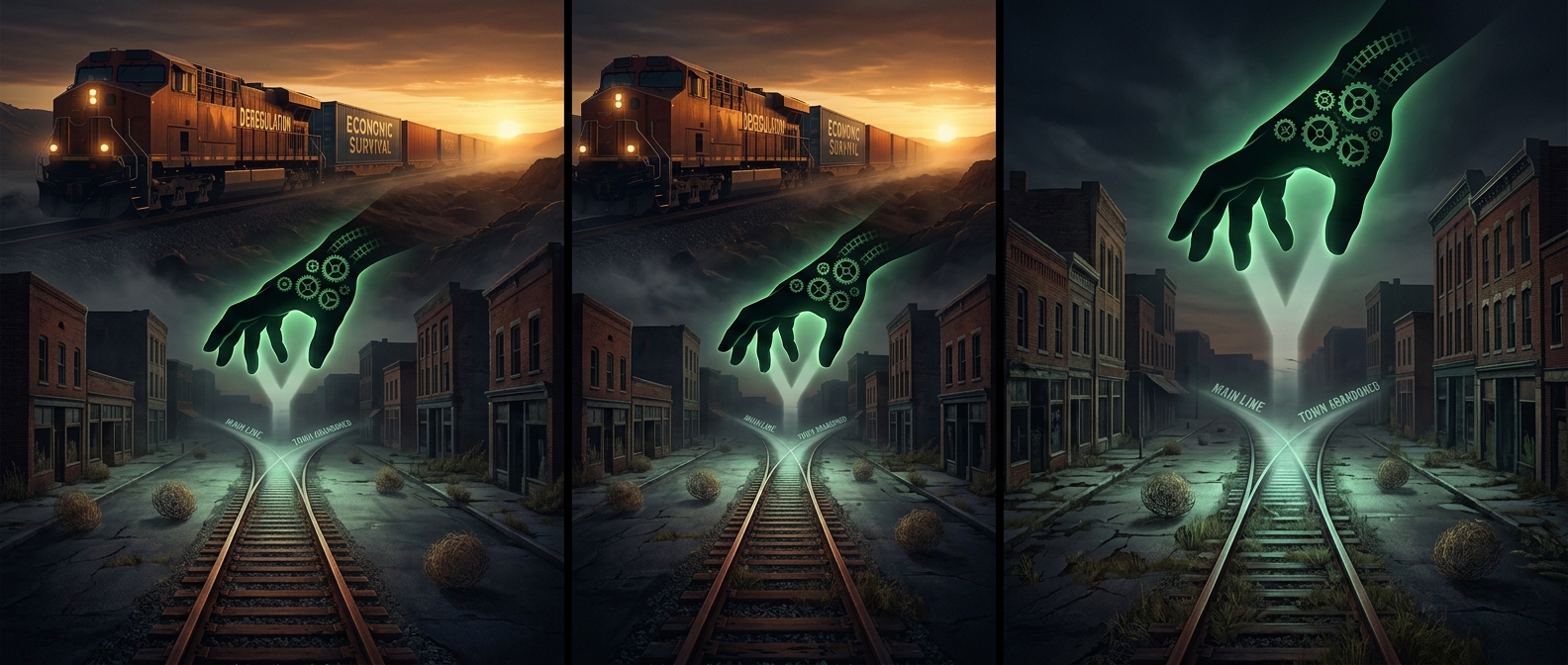
Why rural rail lines were abandoned
Tracks, bridges, and signals need upkeep even when the train is nearly empty. As travelers and freight shifted to roads, rural lines kept their full…
Discover more STACKY FOR IPHONE
A bigger world.
One discovery
at a time.
Keep discovering with Stacky. Interesting facts in an app that is always within reach.
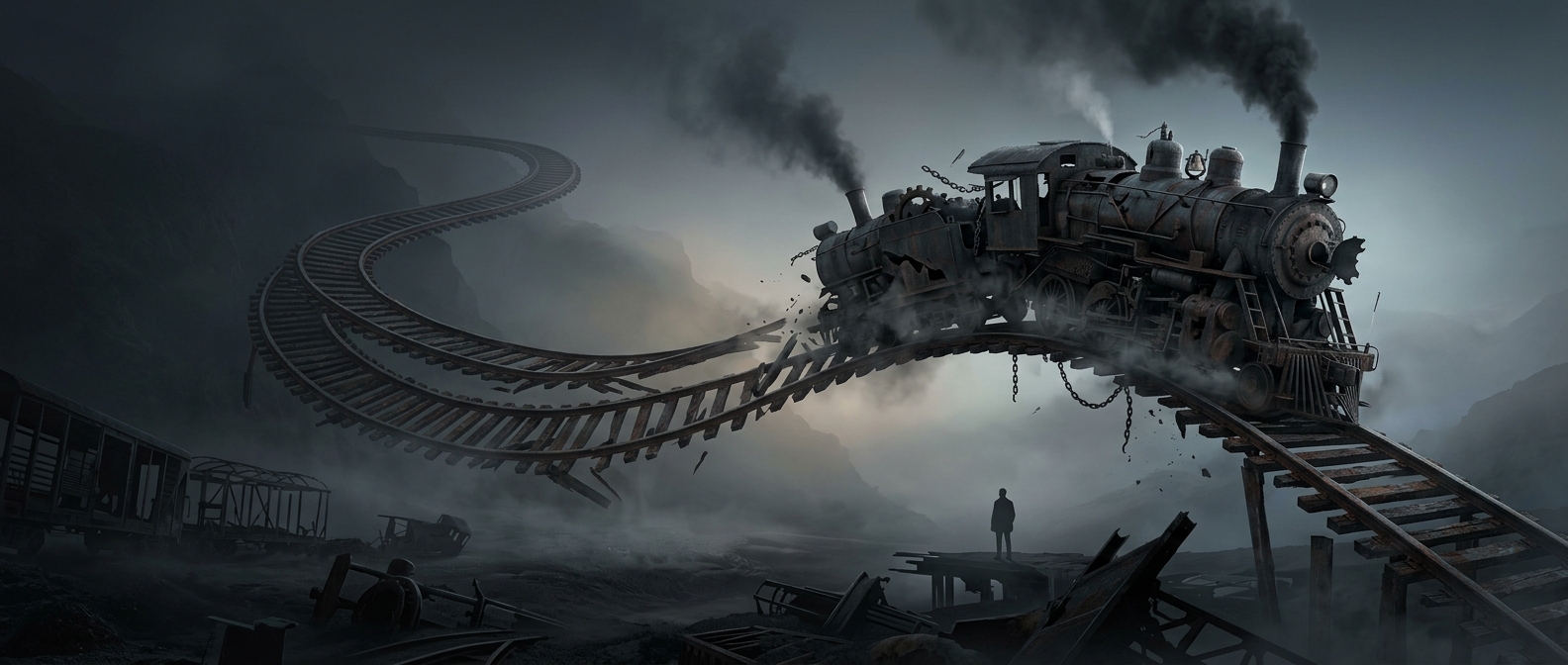
How a railroad merger became the biggest bankruptcy in US history
Penn Central tried to weld two struggling railroads into one giant company, but their tracks, equipment, and finances didn’t fit together neatly. Passenger…
Discover more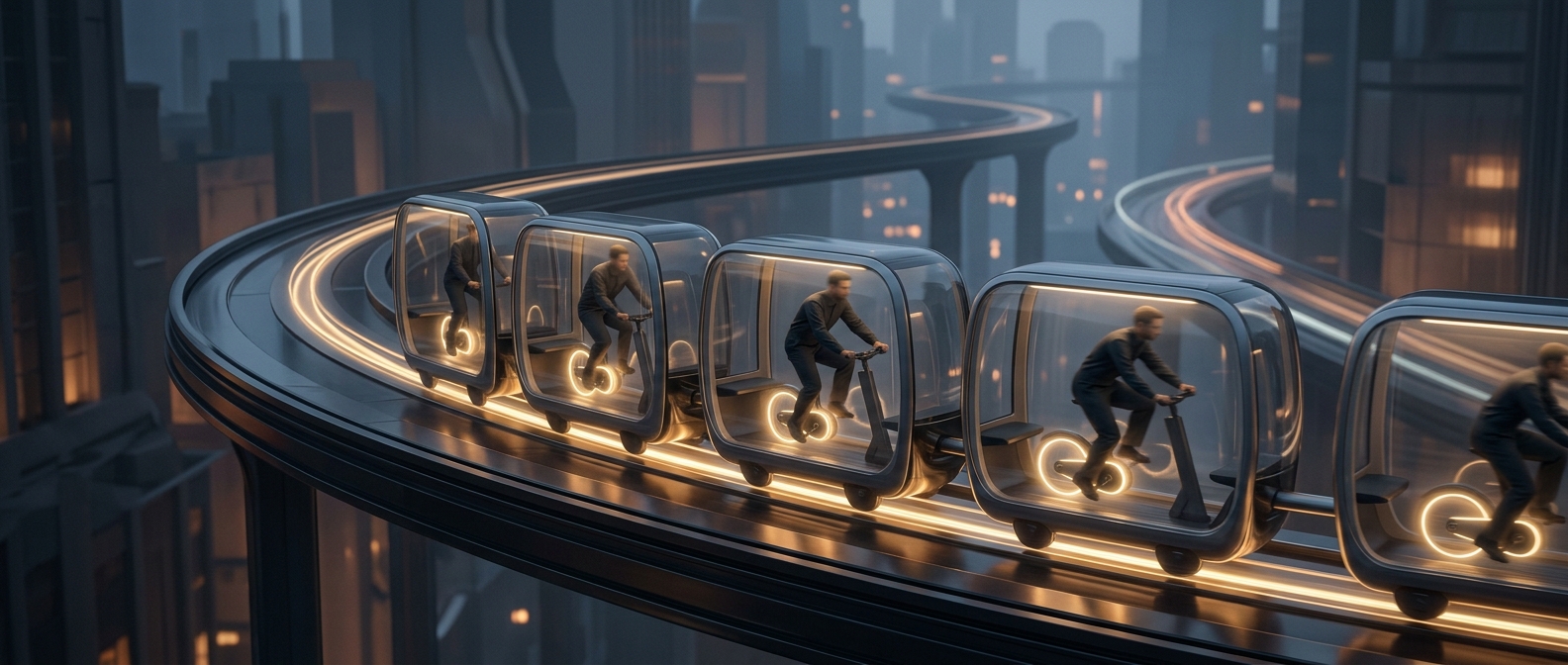
The 1892 monorail powered by its passengers
Workers could pedal between New Jersey towns on a wooden-track monorail, but ordinary bicycles eventually won out because they didn’t need a special route.
Discover more
Driving a primitive automobile across trackless sand
Soft sand piles up in front of narrow tires, so early drivers needed steady momentum and gentle steering to keep moving. A primitive car crossing open sand…
Discover more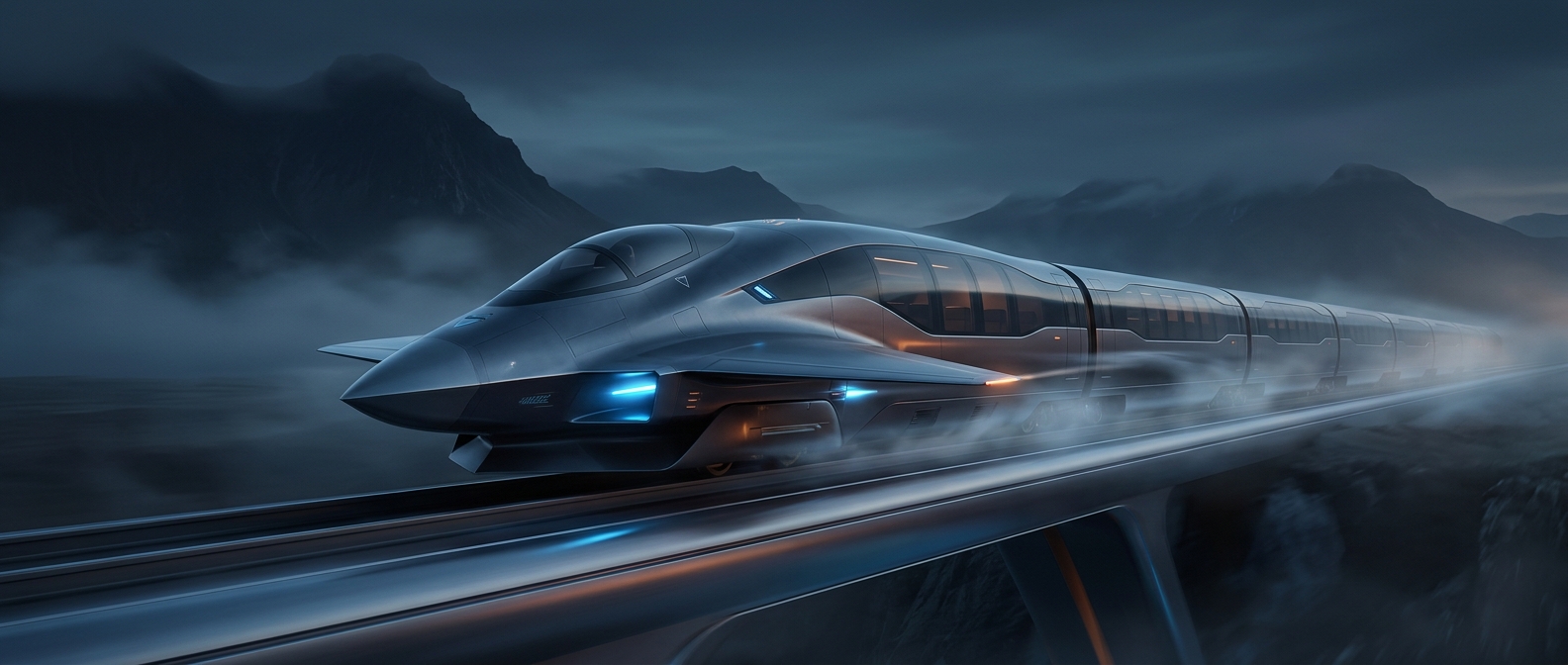
A propeller pushed this train to 143 mph in 1931
Franz Kruckenberg's Schienenzeppelin used an aircraft-style rear propeller to drive a lightweight railcar. It reached about 230 km/h on the line between…
Discover more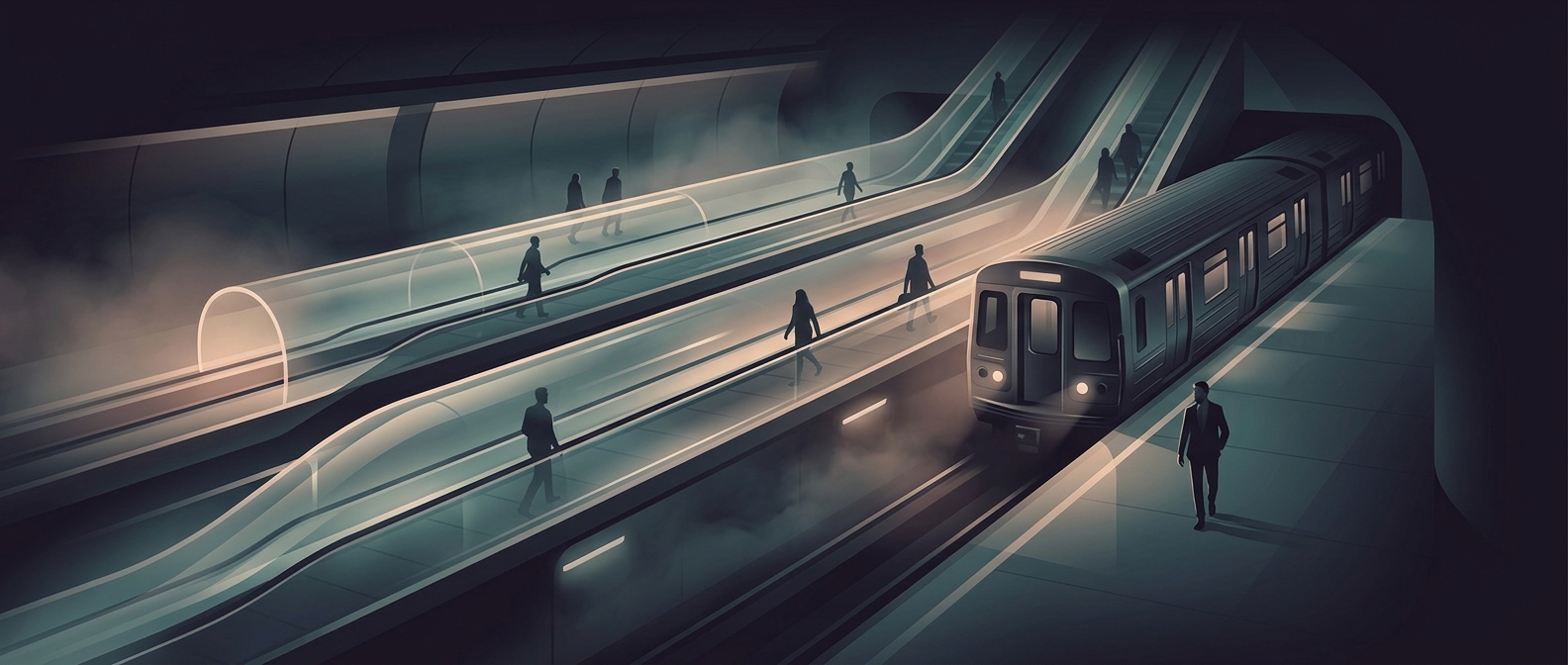
Proposing subway stations with high-speed conveyors
The proposal uses fast-moving belts to carry passengers through station corridors instead of making them walk the whole distance. The hard part is stepping…
Discover more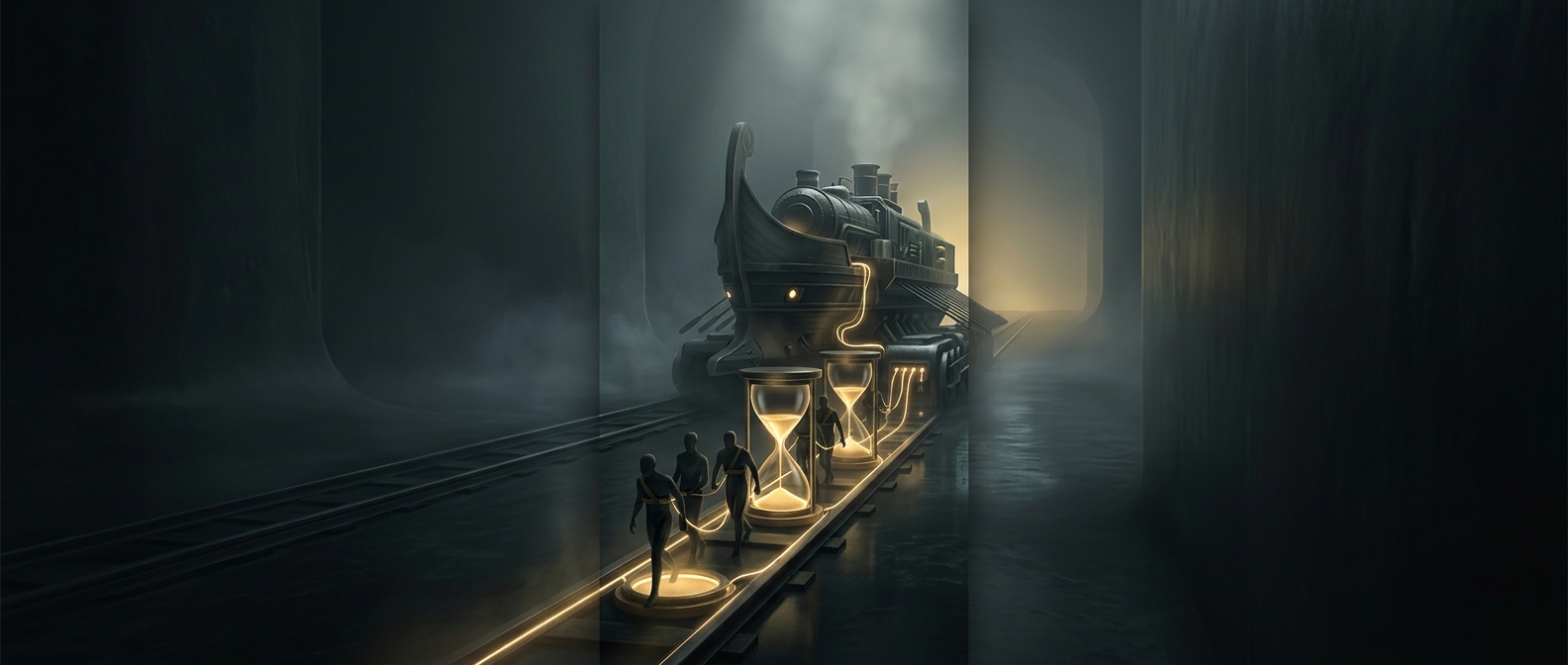
The store where labor became money
The company store turned a worker’s labor into store credit, then turned that credit into groceries and tools. When one company controlled both the paycheck…
Discover more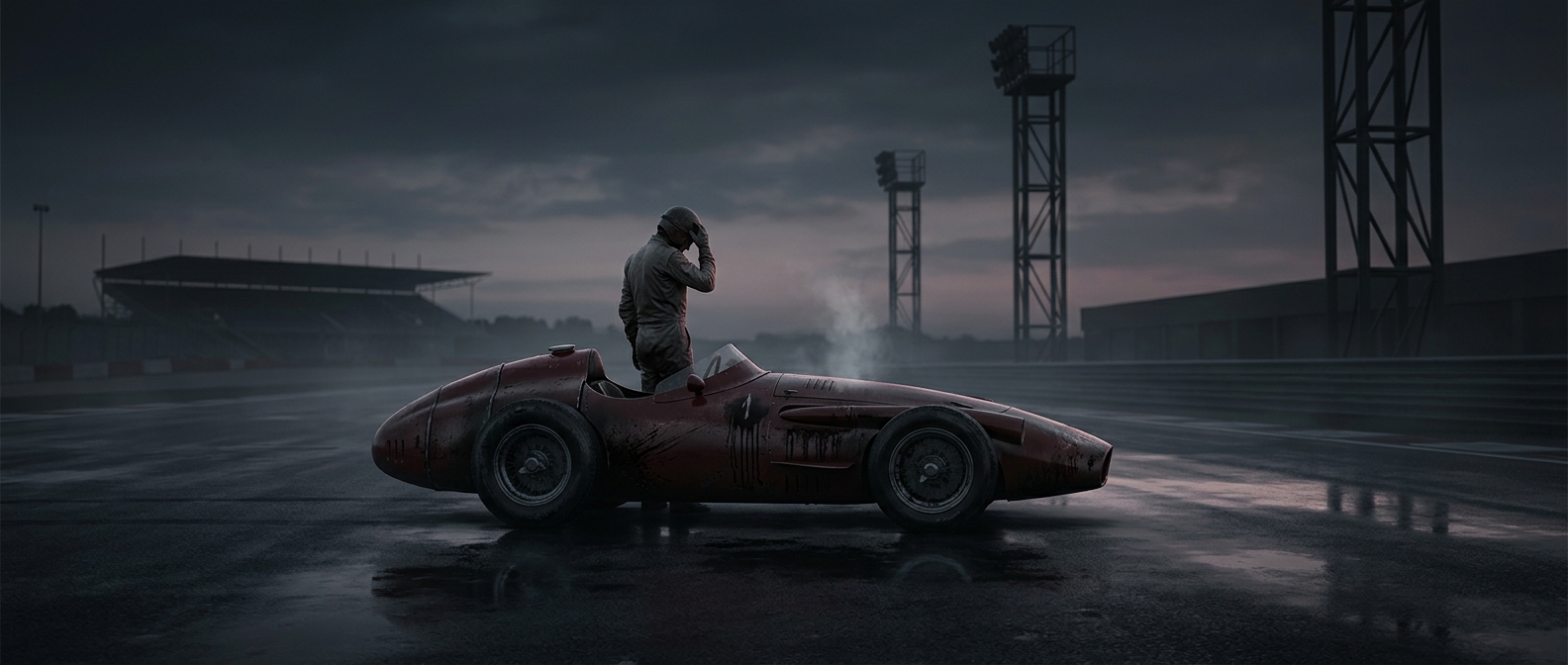
Vettel lost a podium because officials couldn't extract enough fuel
After the 2021 Hungarian Grand Prix, officials obtained only 0.3 liters from Sebastian Vettel's car instead of the required one-liter sample. His second-place…
Discover more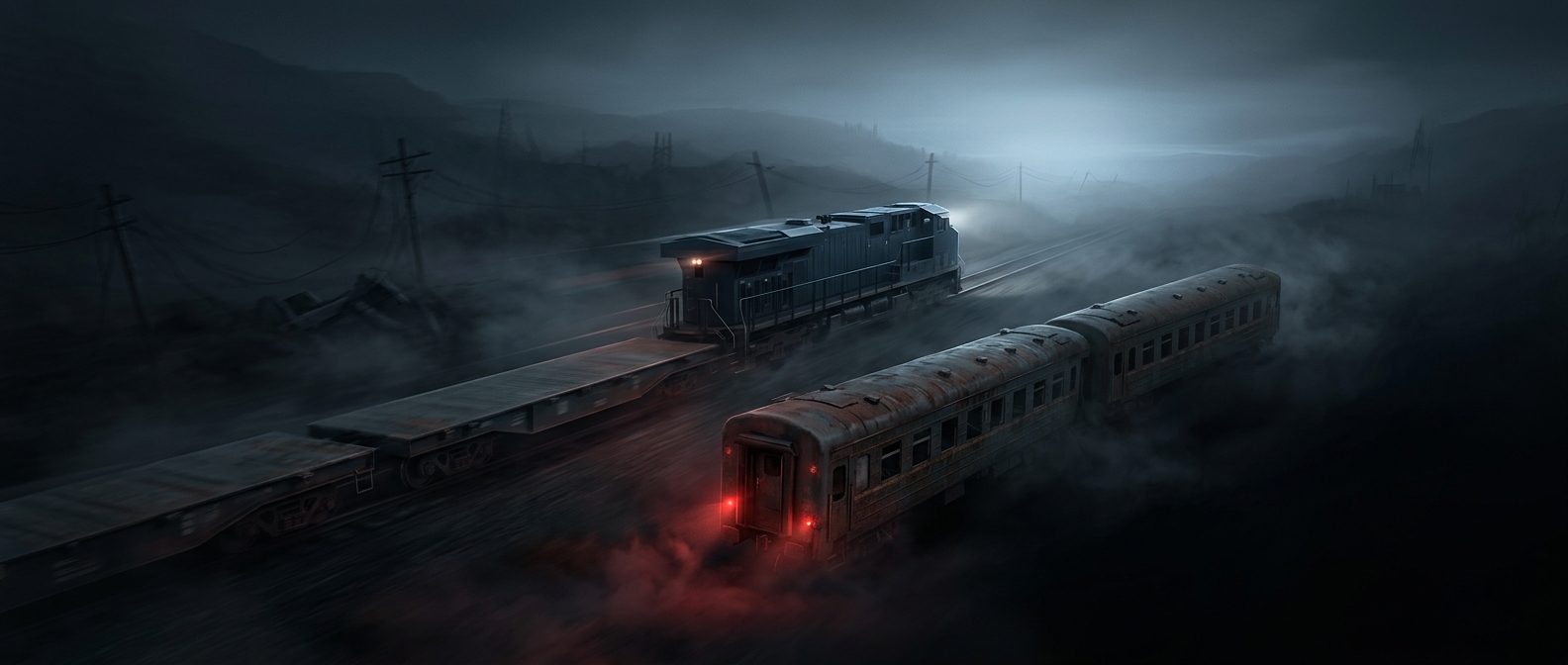
Victorian trains dropped carriages while moving
A guard released a special coupling and braked the detached coach as the locomotive carried on. The coach rolled into the station on its own, saving the main…
Discover more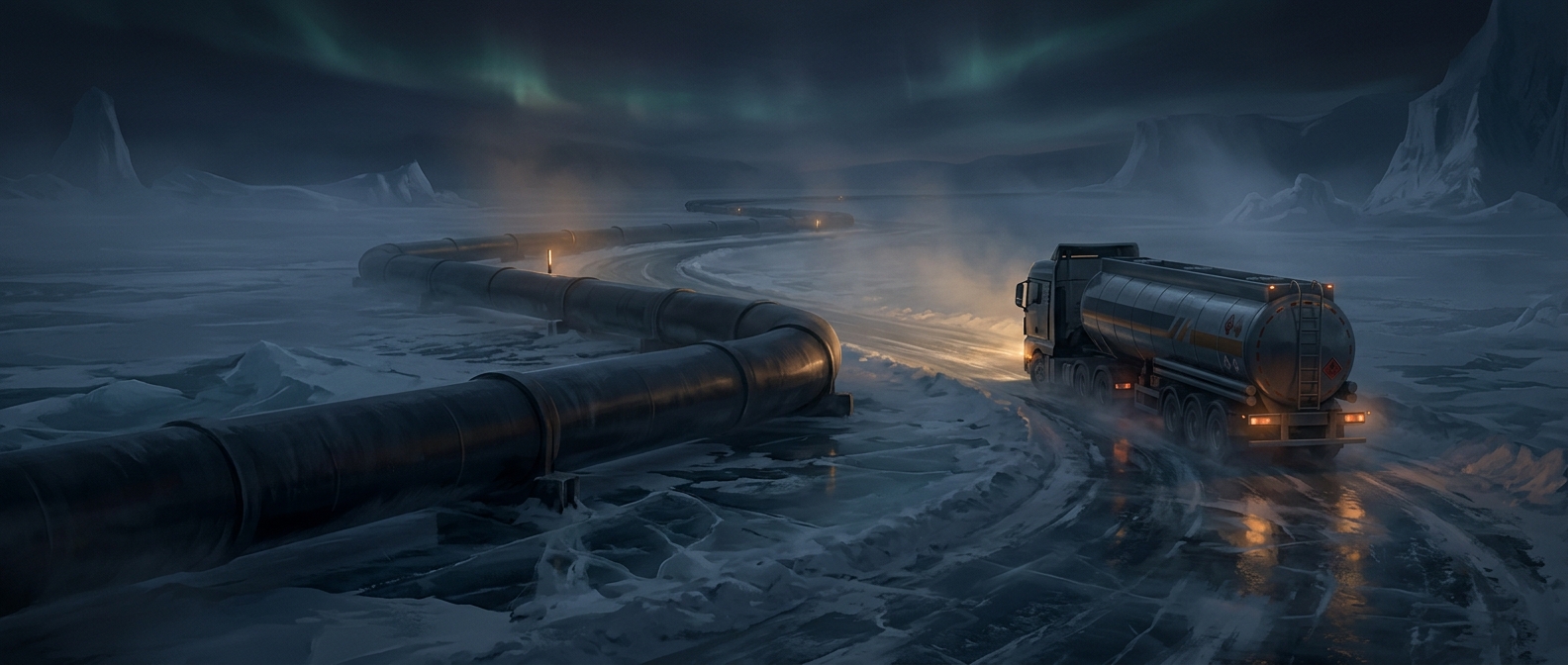
The highway built for Alaska's oil pipeline
The Dalton Highway was built to move workers and supplies during construction of the Trans-Alaska Pipeline, then support its upkeep. It runs through remote,…
Discover more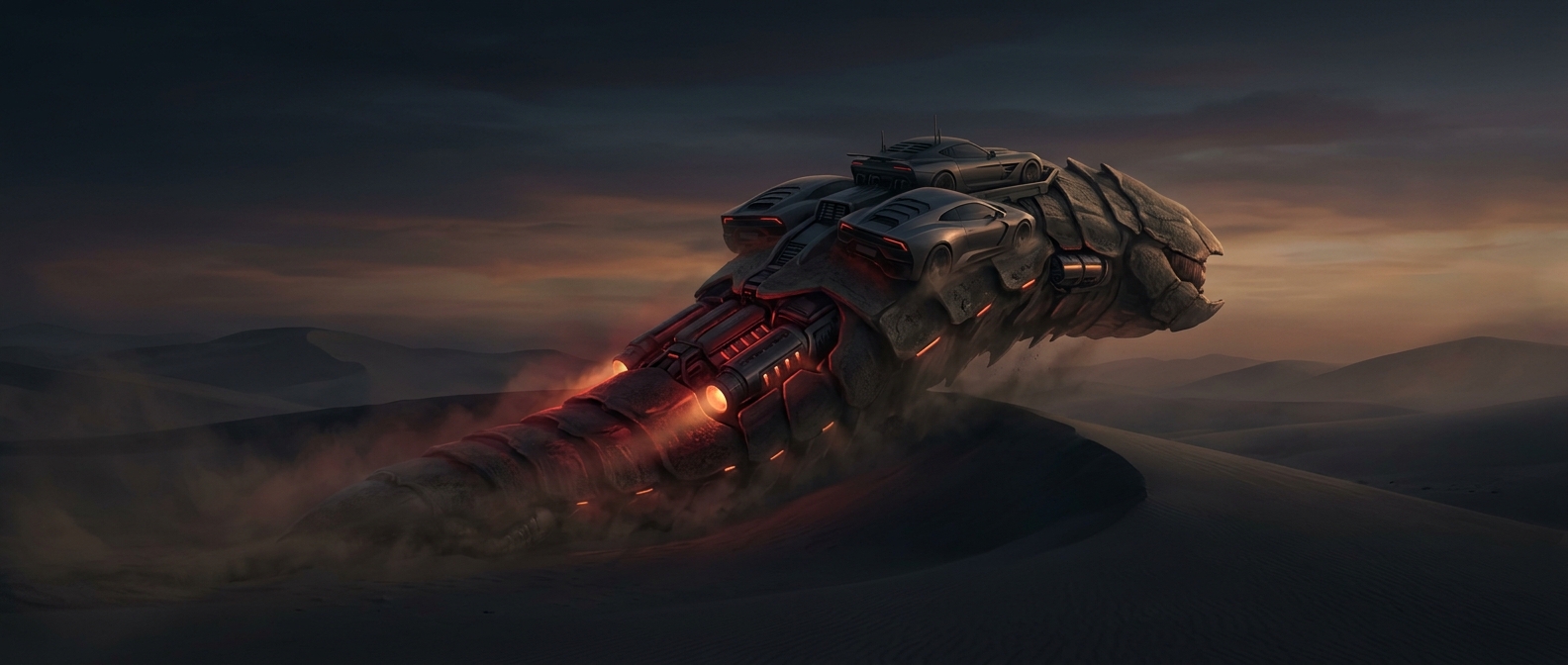
The U.S. Army tested a land train over 500 feet long
LeTourneau's TC-497 linked a control car, cargo trailers, and power units into an overland convoy. Unlike an ordinary train, it was intended to carry loads…
Discover more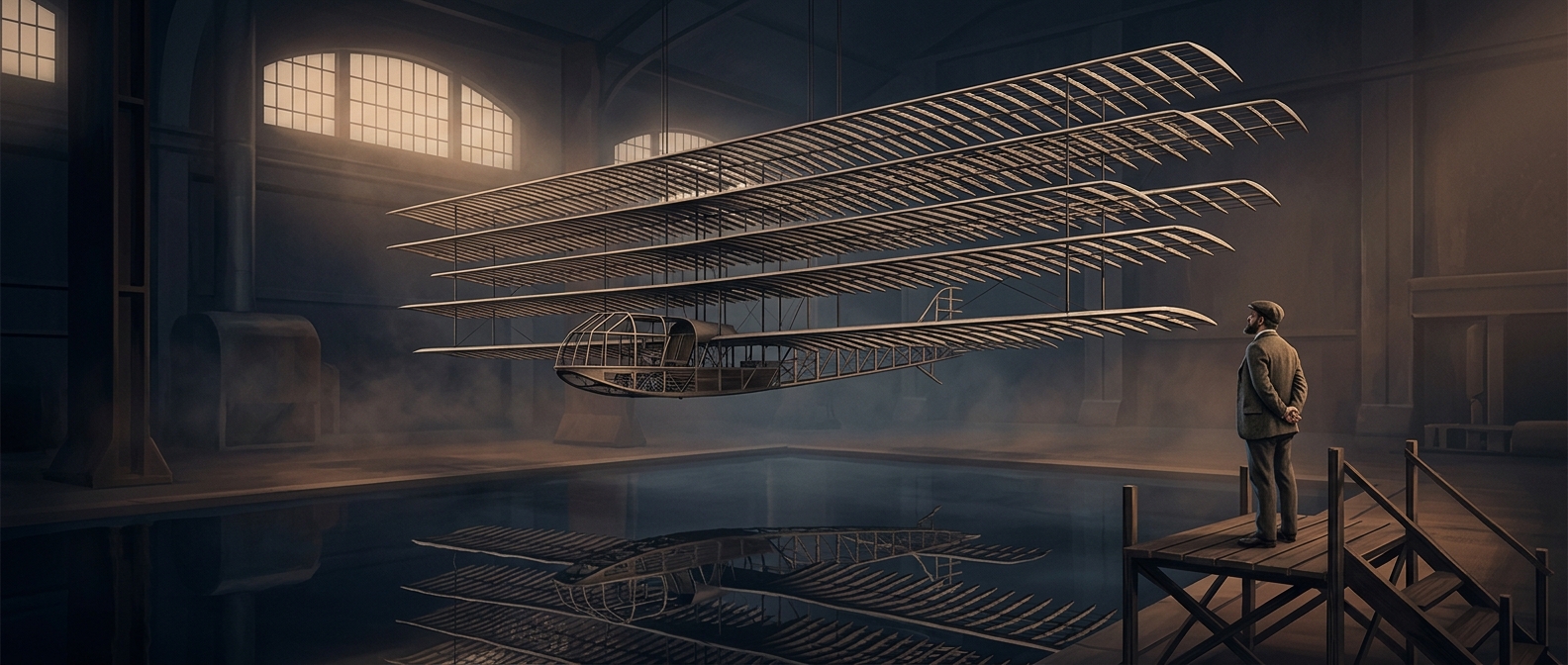
The airplane built with 200 wings
Horatio Phillips stacked about 200 narrow lifting surfaces to create a large total wing area in a compact span. The forest of wings did lift his experimental…
Discover more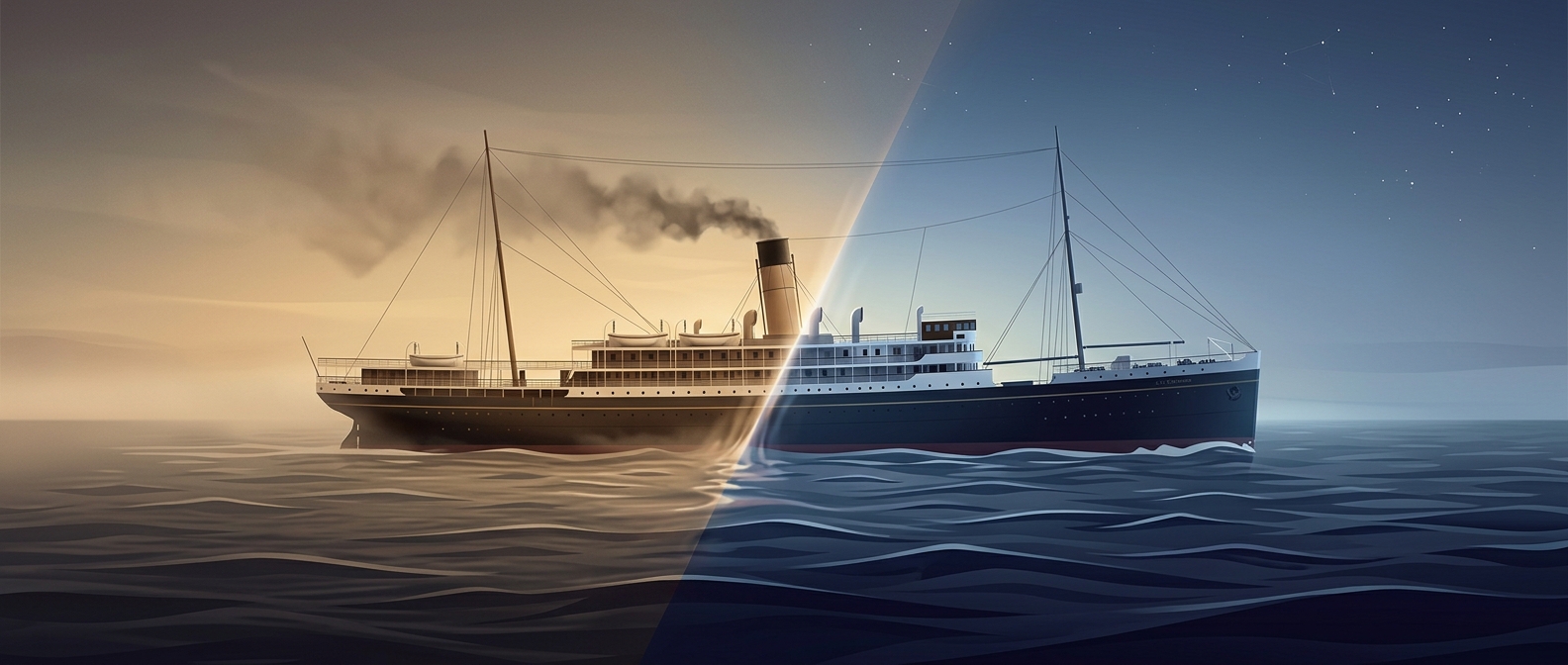
One ship's legend puts it between two years at once
The story of SS Warrimoo places it at the equator's intersection with the date line at the end of 1899. Its exact positioning is difficult to establish, but…
Discover more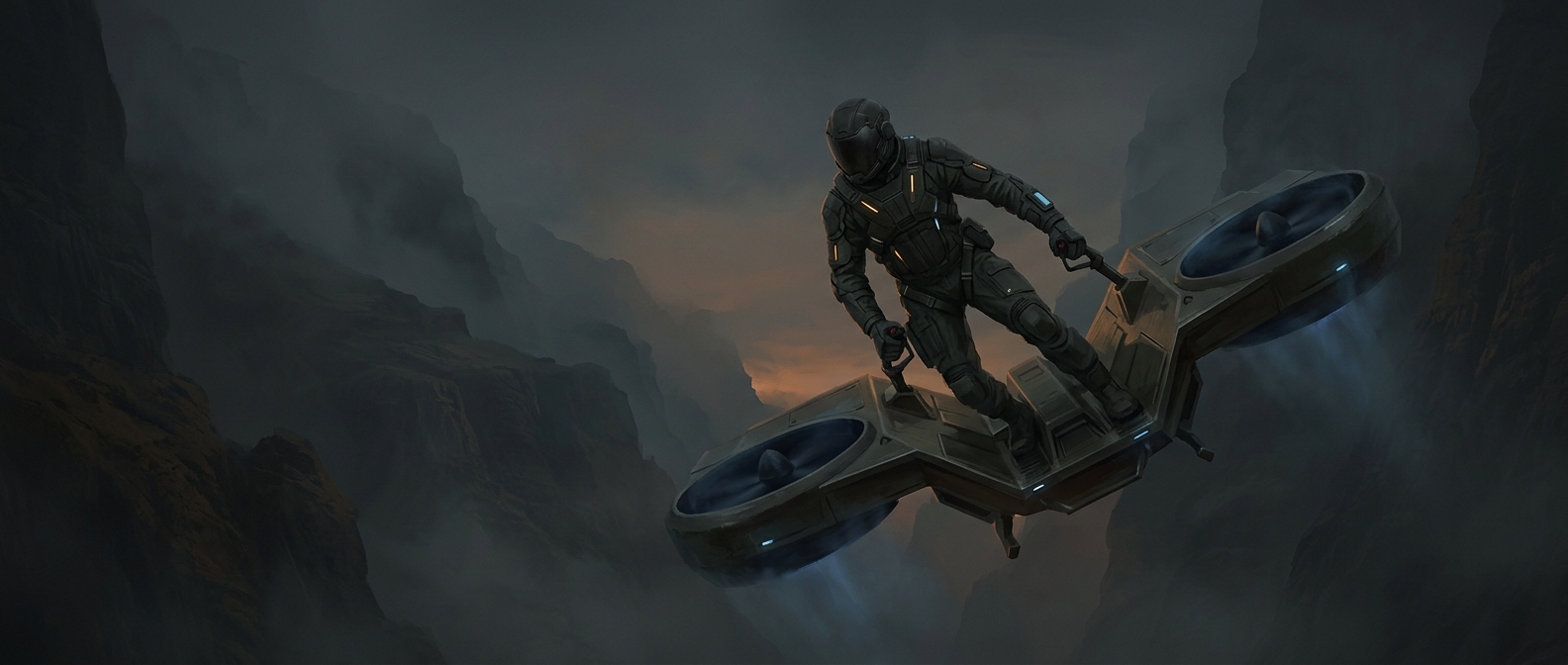
Military flying platforms required leaning to steer
With no steering wheel, the pilot leaned to shift the platform’s balance, and the machine followed the change in weight. The whole aircraft was a giant…
Discover more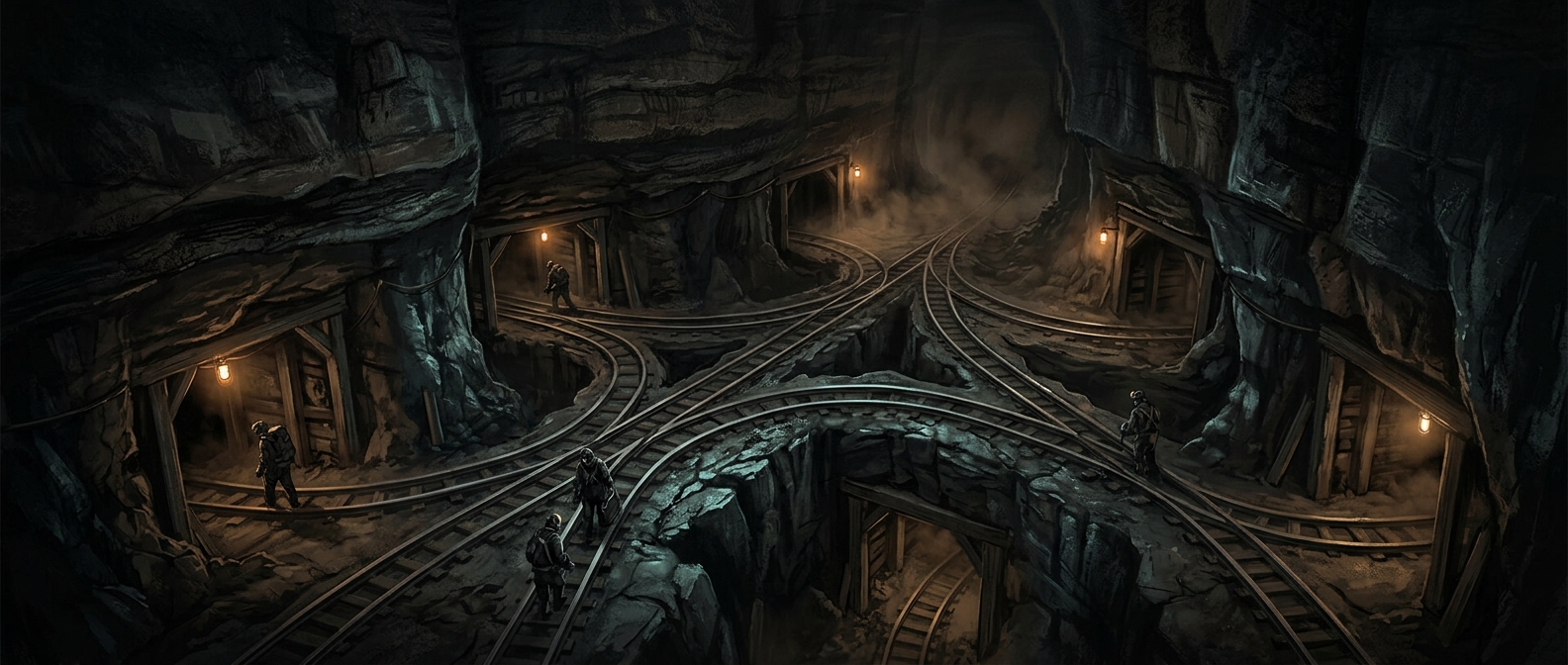
How efficient tunnels turned a mine disaster deadly
Mine tunnels move coal and air efficiently, but their connected passages also give an explosion a route to race through. Burning coal dust can carry the blast…
Discover more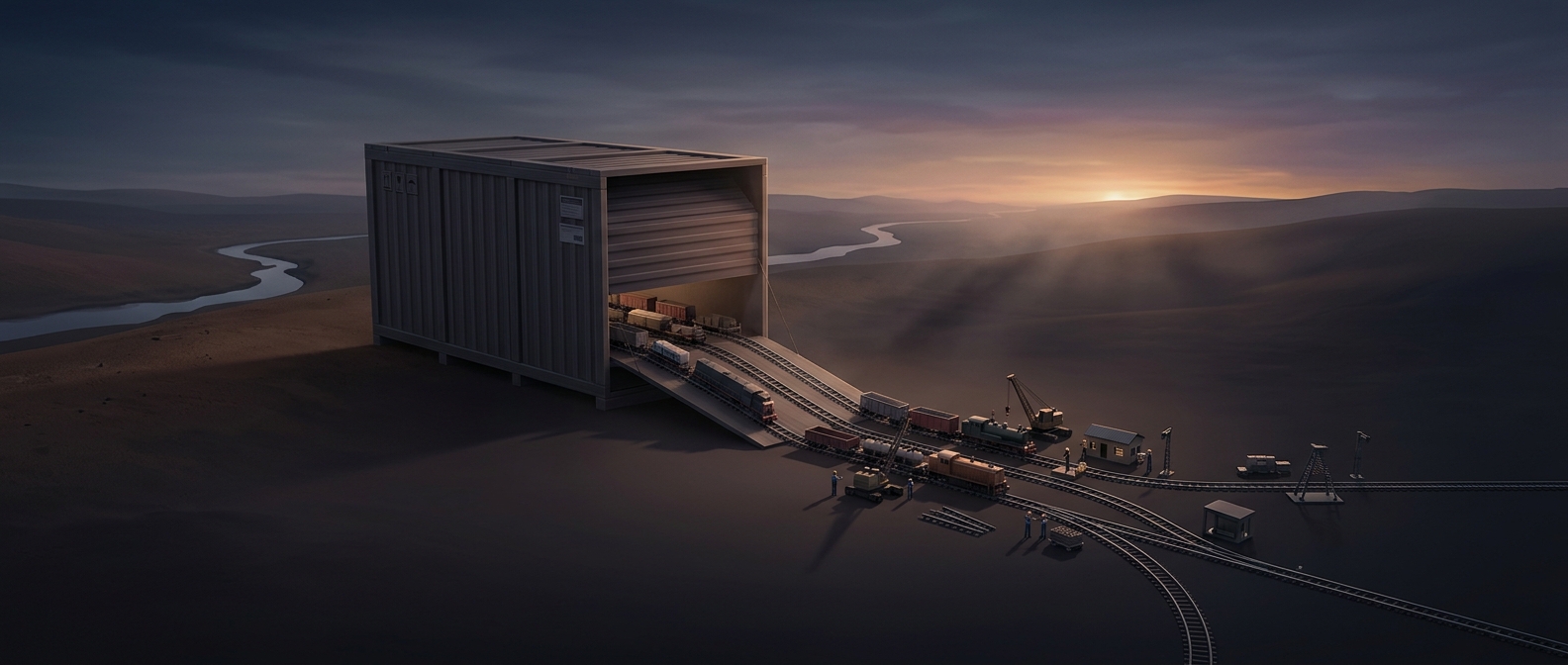
These railway tracks were designed to be picked up and moved
Paul Decauville's portable railway system used short, lightweight track sections that workers could carry and connect where needed. Developed for moving…
Discover more
Buster Keaton crashed a real train for one movie scene
For The General, the crew built a trestle over Oregon's Row River, then sent a locomotive through it as the bridge collapsed. The 1926 shoot turned a…
Discover more
Trondheim's bicycle lift pushes the rider's foot uphill
A cyclist keeps one foot on a pedal and rests the other on a moving footplate beside the road. The plate pushes rider and bicycle up the slope without…
Discover more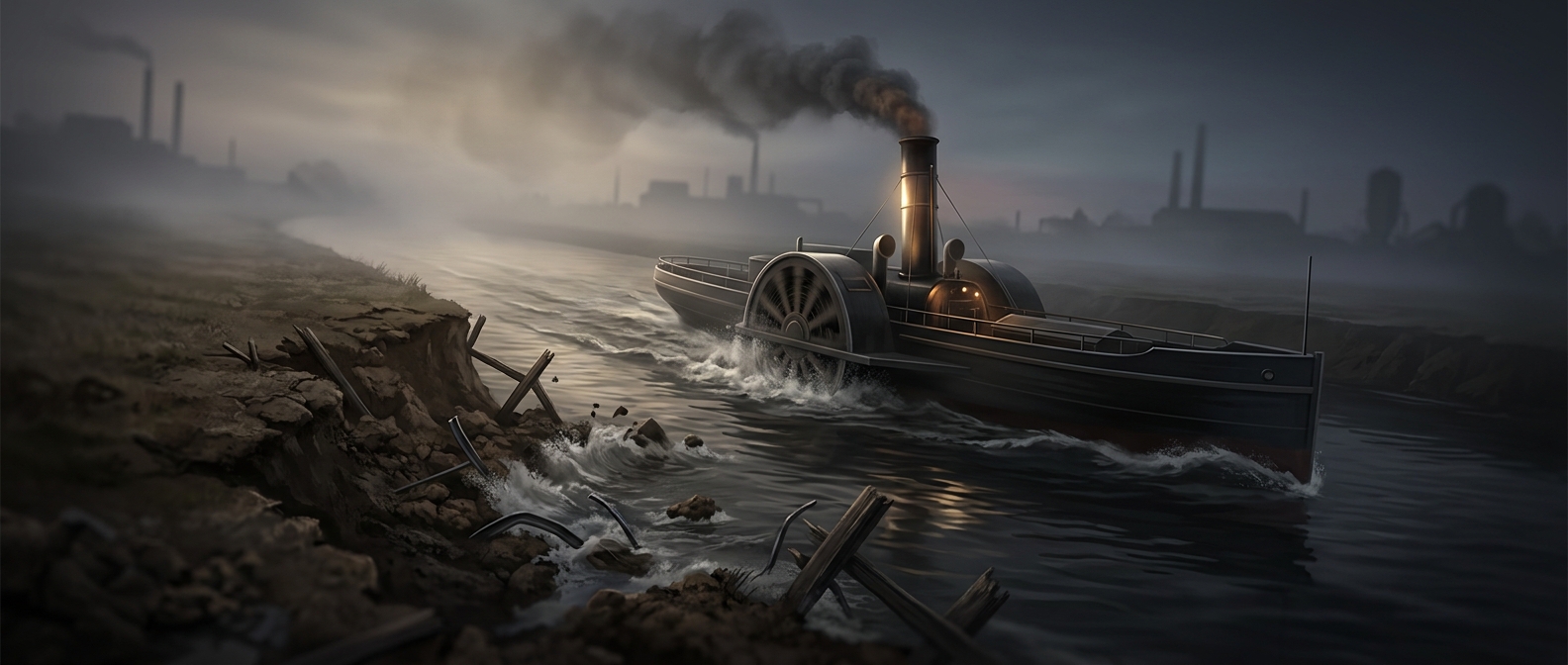
The steam boats that destroyed their own canals
A steamboat’s wake hit the banks of a narrow canal again and again, washing away the earth that held the water in. The boats brought speed, then sent the…
Discover more