Transport
Discover facts about transport. Small discoveries that change the way you see familiar things.
Transport
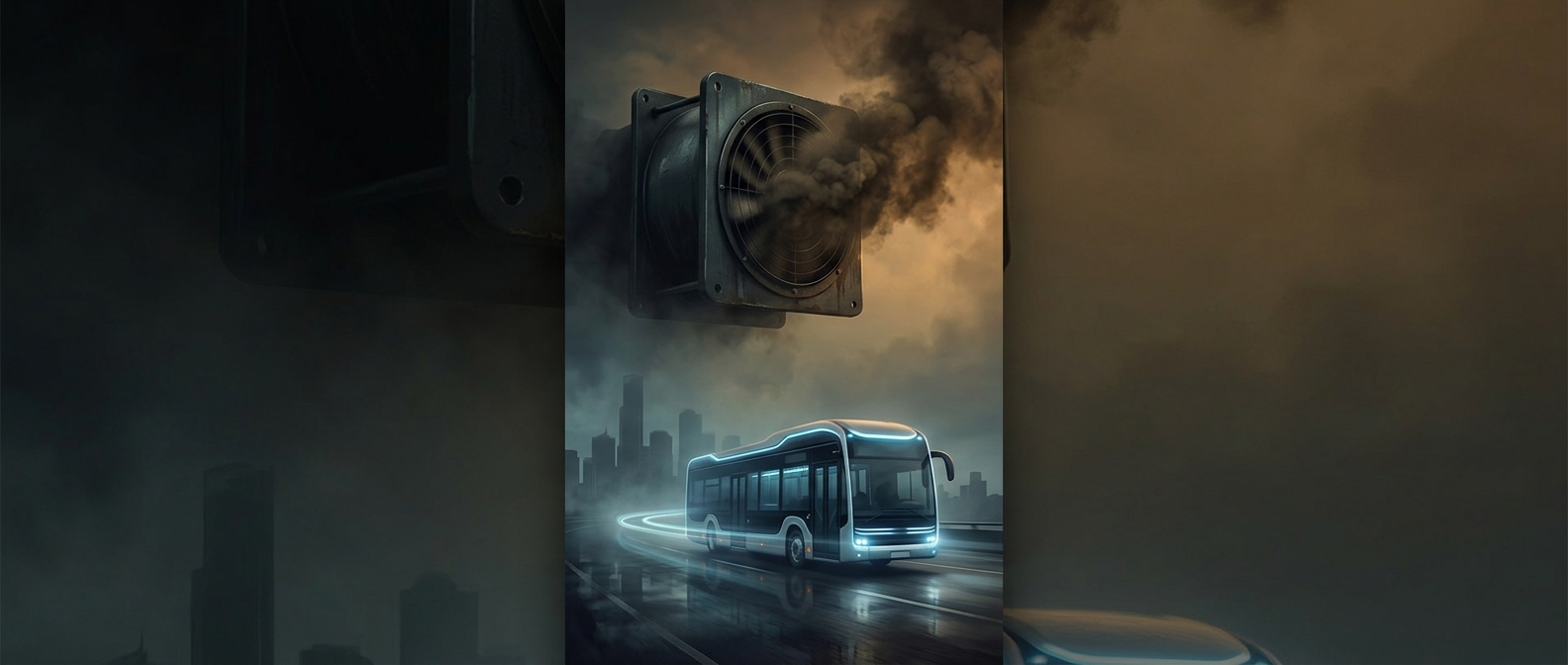
Brisbane ditches exhaust fans for e-buses
Diesel buses pump exhaust into enclosed busways, so fans have to keep the air moving. E-buses have no tailpipe fumes to clear, letting Brisbane retire those…
Discover more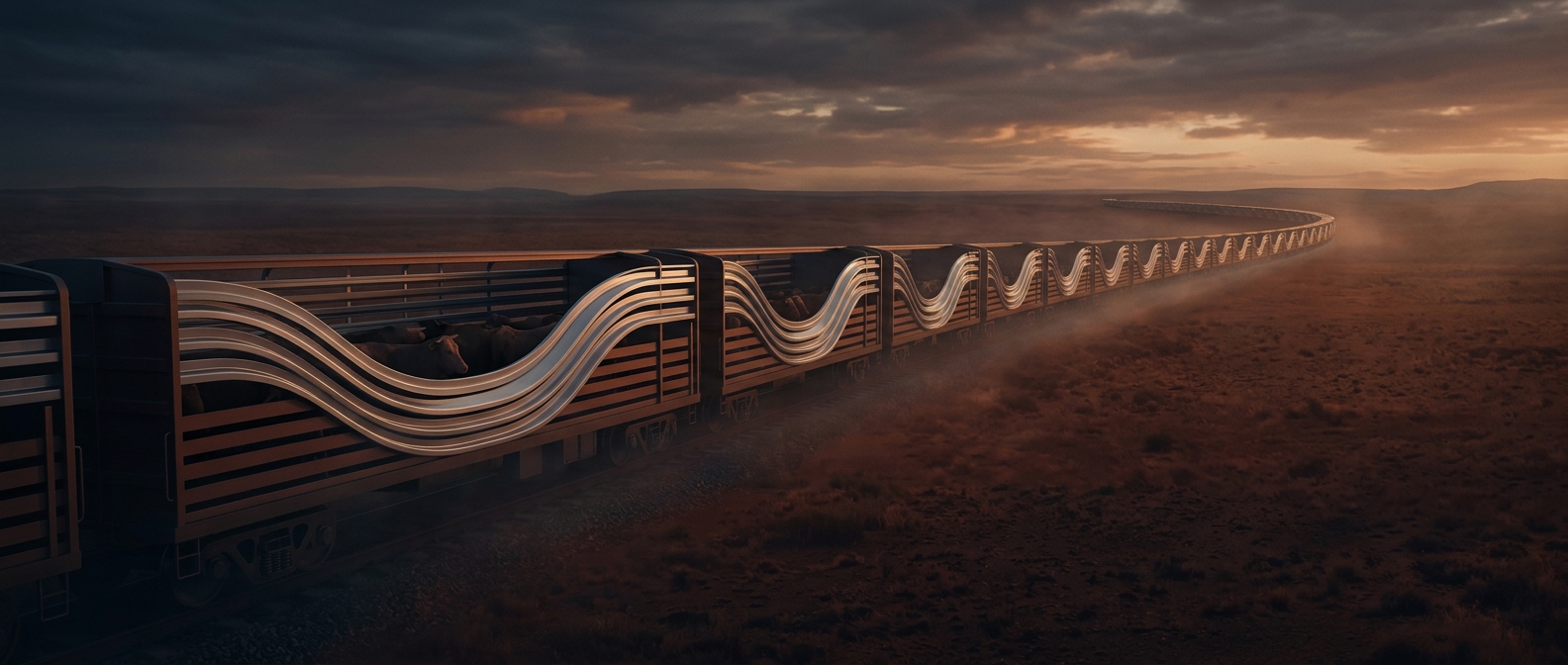
How Australian cattle trains keep cows from bruising
Partitions divide the cattle cars into smaller spaces, limiting how far animals slide when the train sways or brakes. Non-slip floors give their hooves a…
Discover more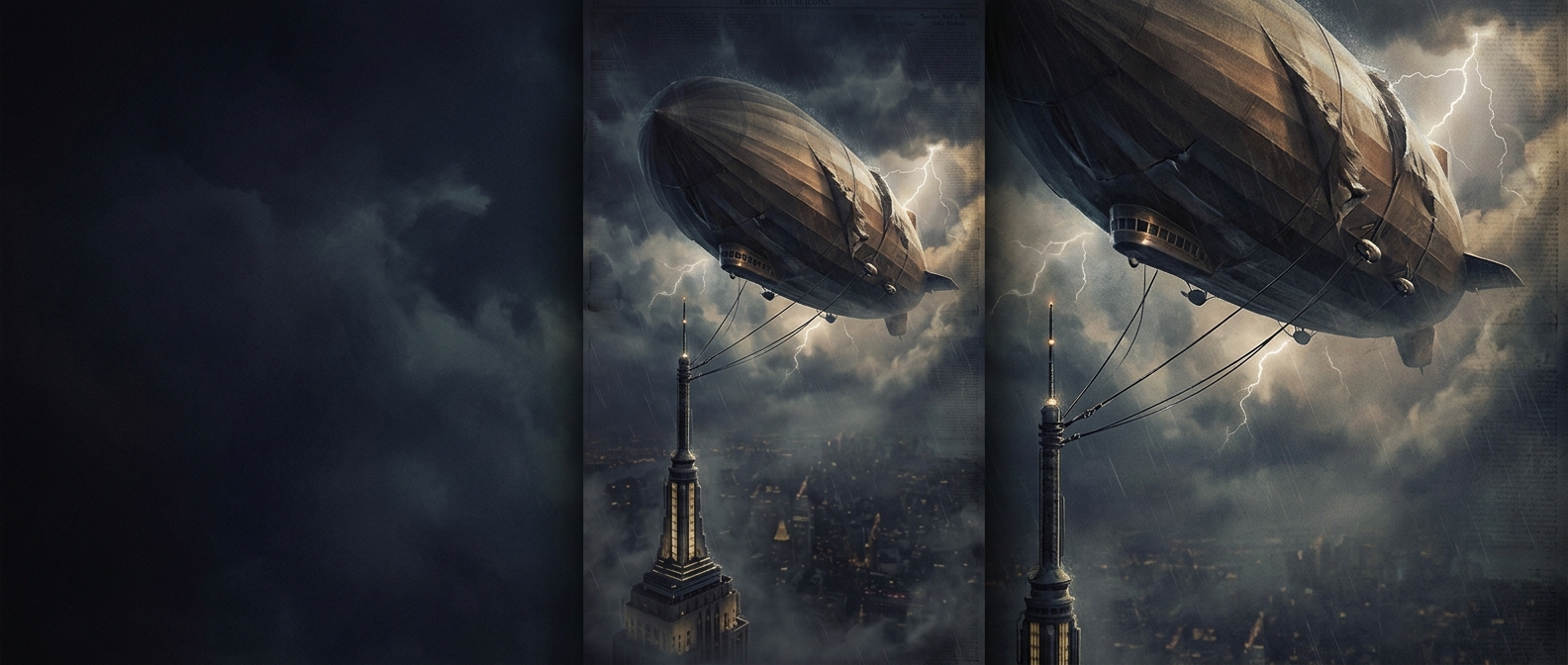
Why airships couldn’t dock at the Empire State Building
Strong winds and urban updrafts could toss airships around, making it unsafe to hold one steady at the building’s mooring mast.
Discover more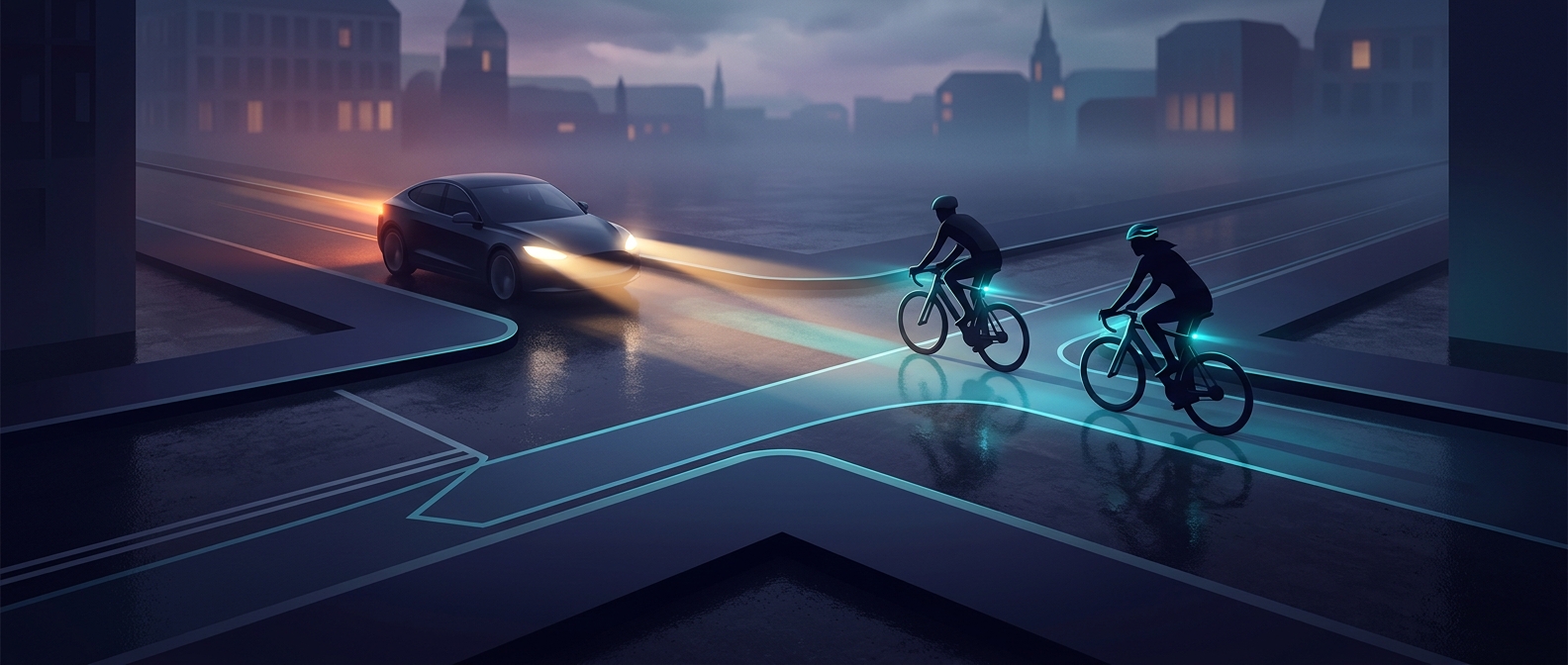
Copenhagen gives cyclists their own path through junctions
Marked crossings and dedicated cycle tracks help show where bikes will travel through an intersection. Predictable paths let drivers and riders anticipate one…
Discover more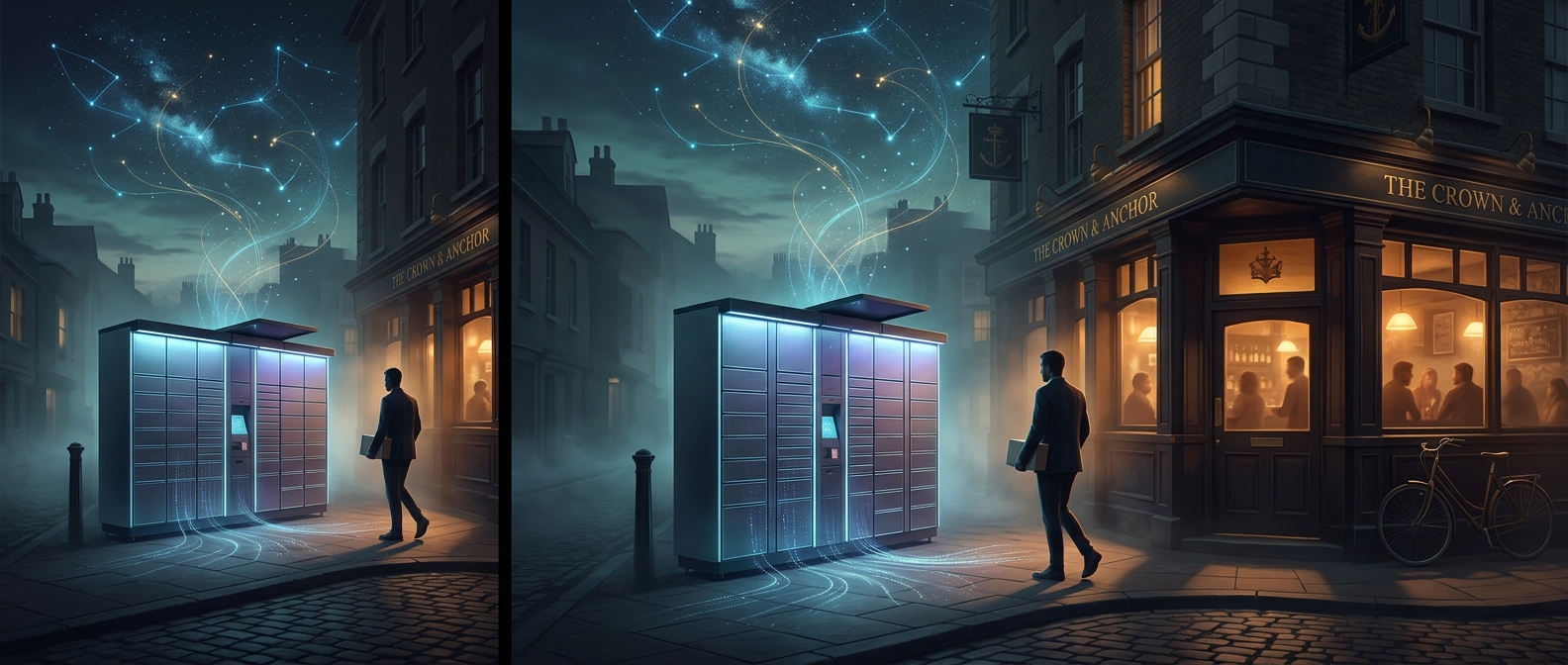
Why parcel lockers appear where you shop
A locker turns a delivery into one stop instead of a doorbell chase. The carrier drops several parcels at a shop or other busy location, and customers collect…
Discover more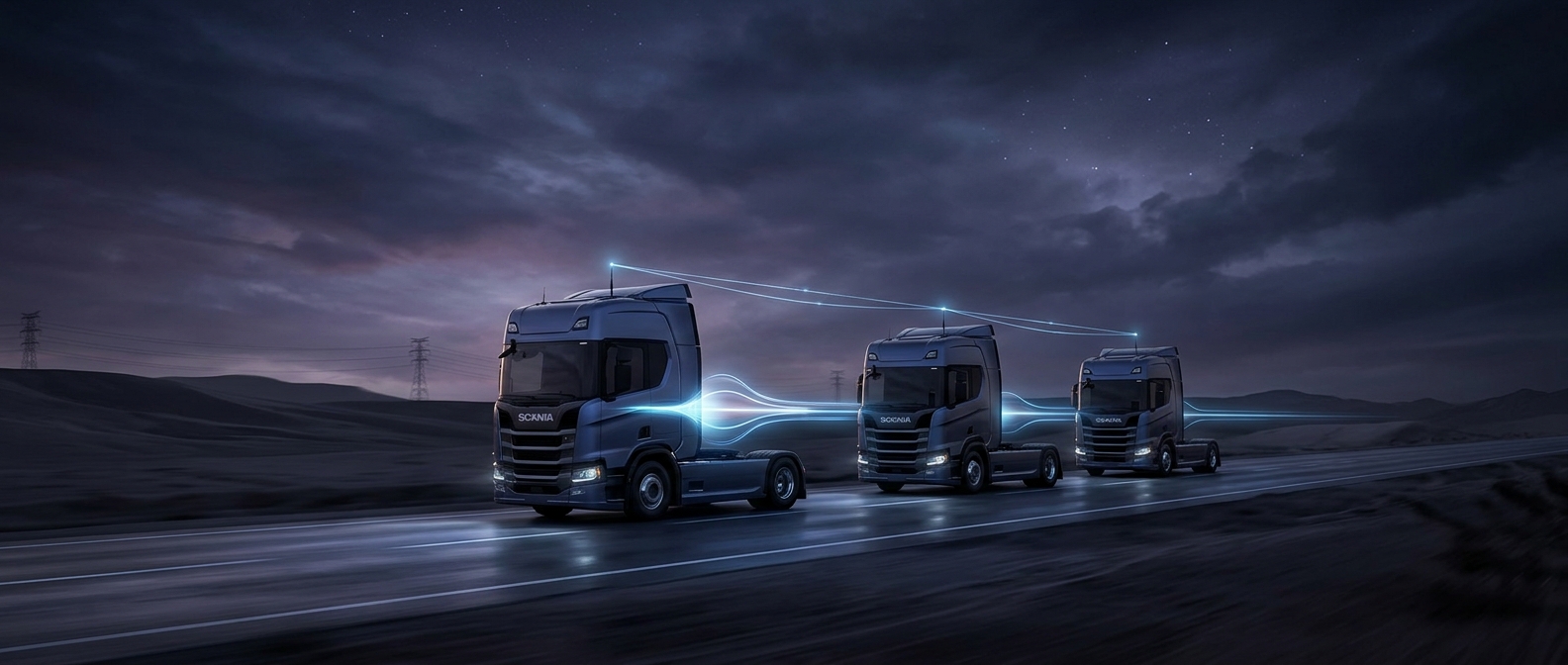
Connected trucks can share the decision to brake
In platooning systems, wireless communication passes information between vehicles so following trucks can respond in coordination. Closer spacing can reduce…
Discover more STACKY FOR IPHONE
A bigger world.
One discovery
at a time.
Keep discovering with Stacky. Interesting facts in an app that is always within reach.
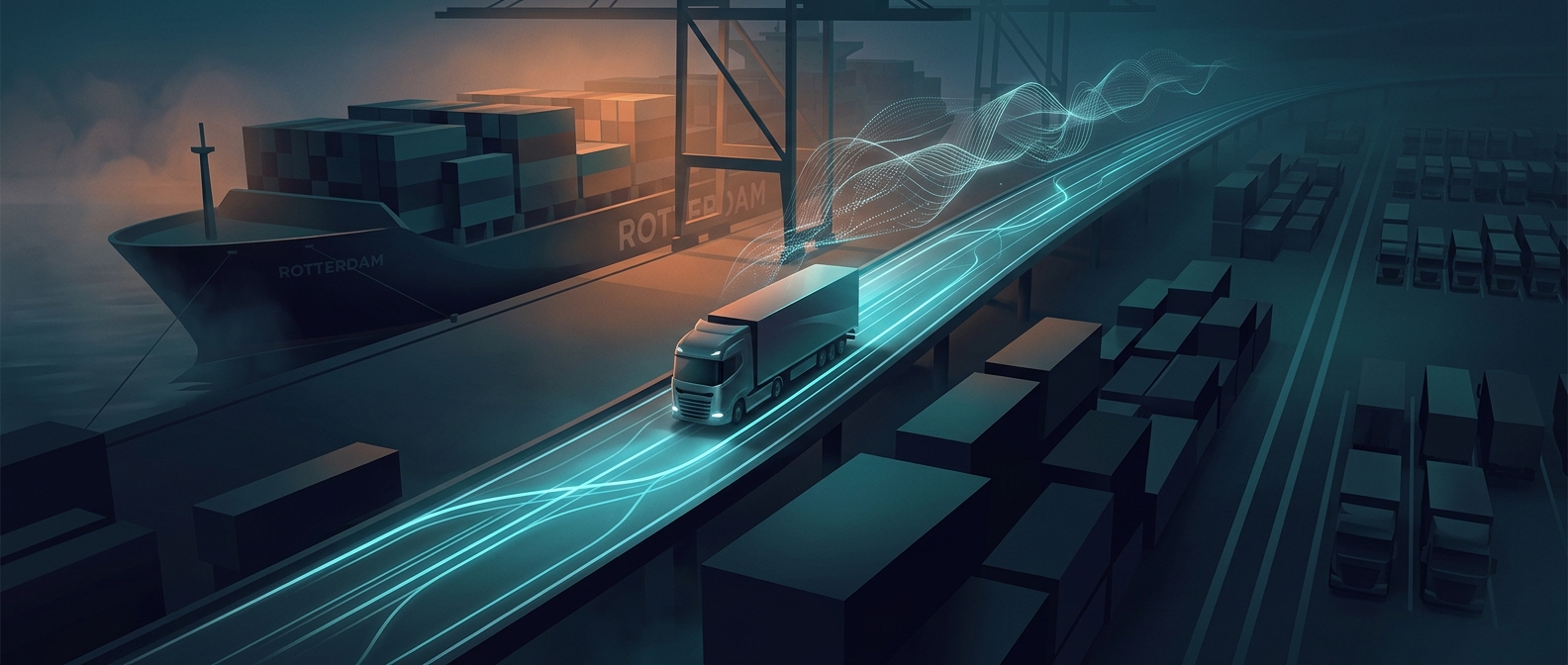
How Rotterdam cut truck wait times with algorithms
Port algorithms schedule trucks into appointment slots using terminal capacity, spreading arrivals instead of sending everyone to the gate at once. The aim is…
Discover more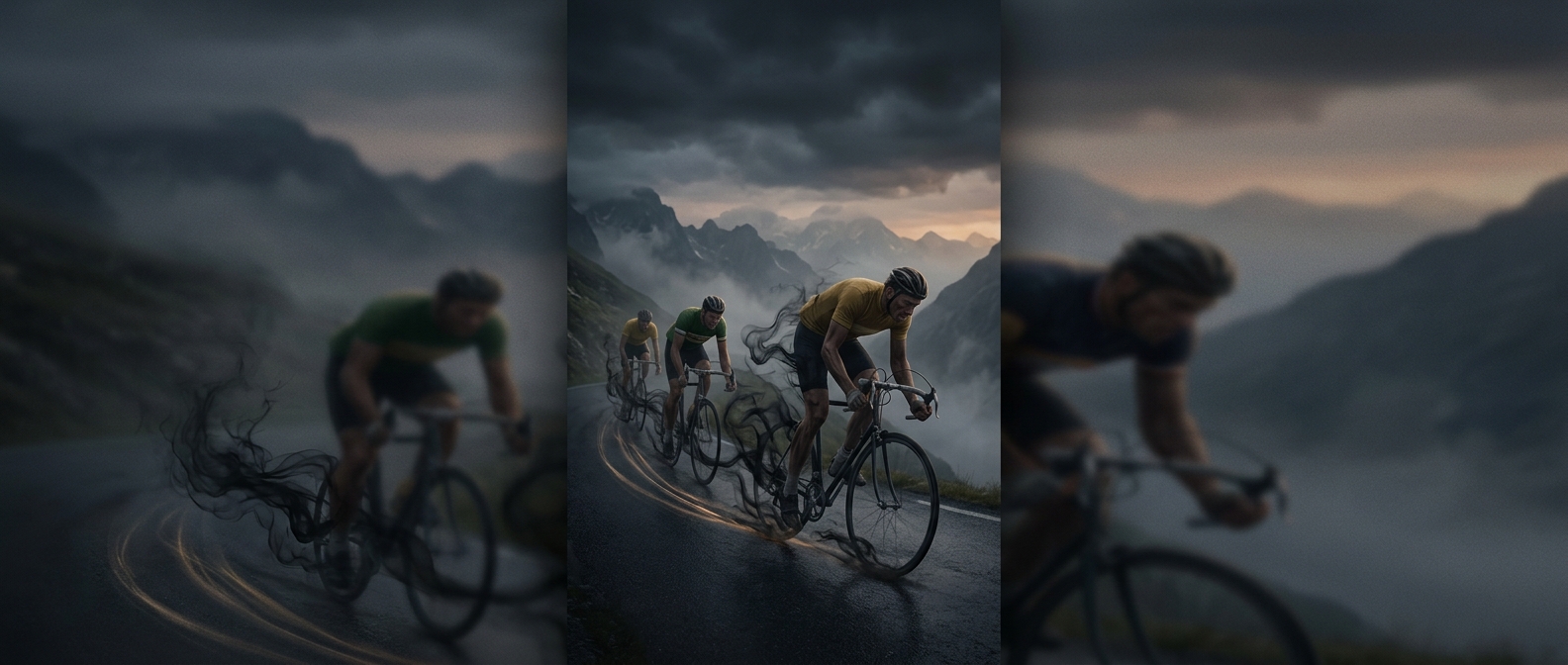
How a dirty bike chain steals your power
Road grit sticks to chain oil and turns it into grinding paste. As the chain bends around the gears, that gritty mixture adds friction and wears both chain…
Discover more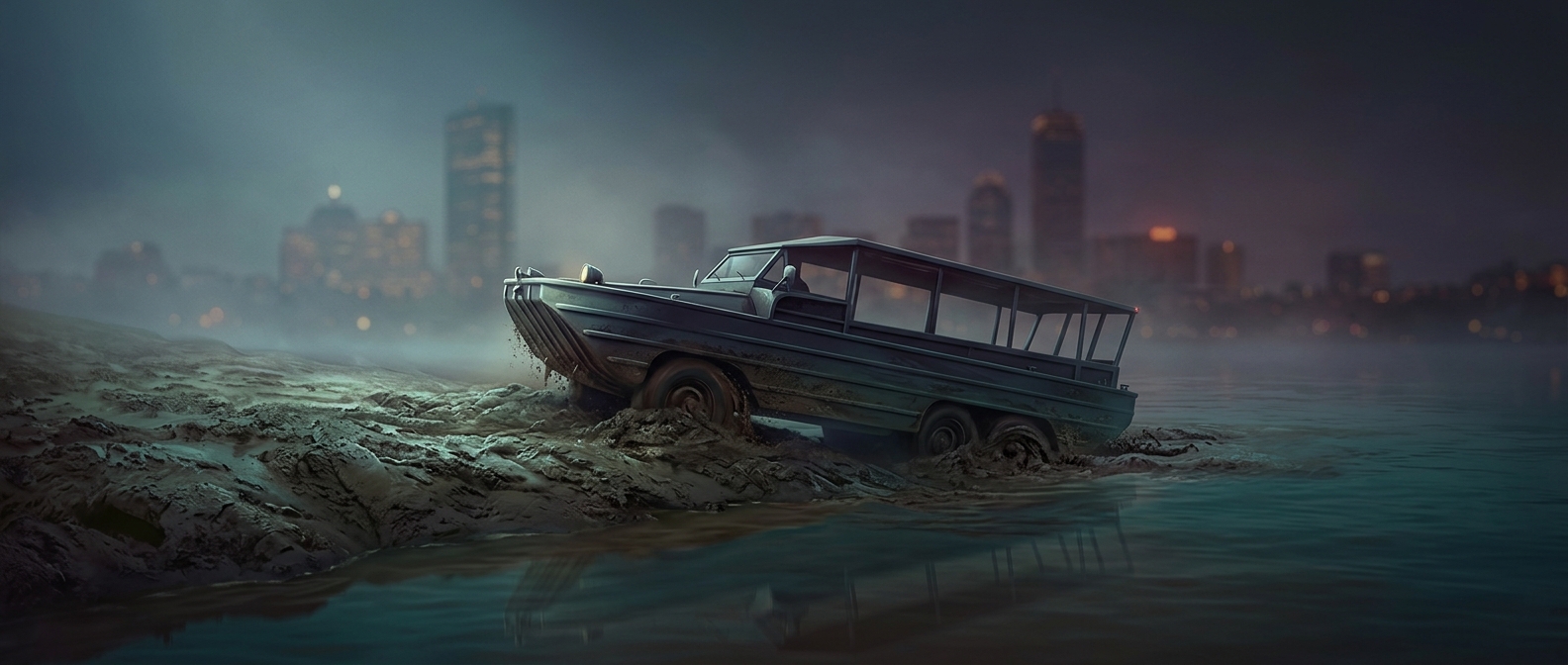
Boston Duck boats struggle with muddy riverbank entries
A Duck boat changes from road wheels to a water propeller, but the handoff happens at the muddy bank. Its tires spin before the propeller gets a proper bite…
Discover more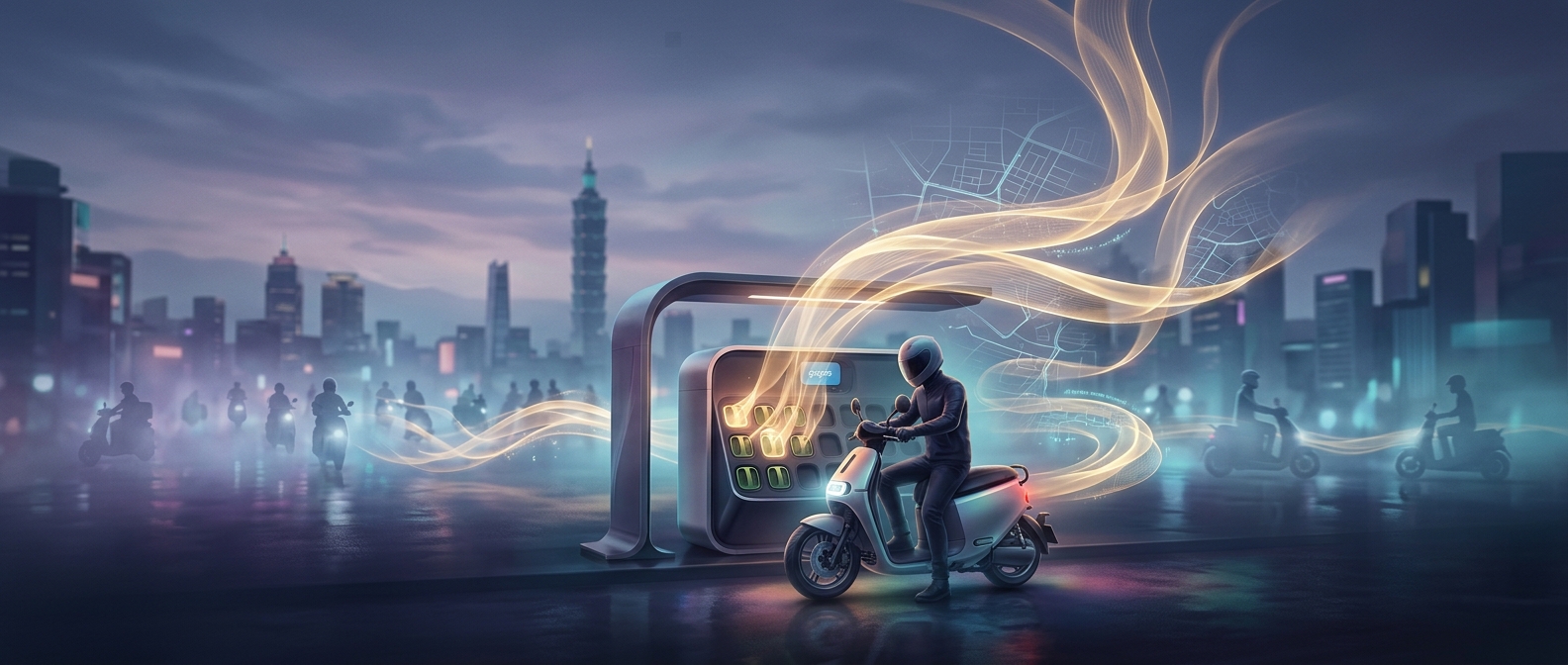
Taipei's scooter riders can swap a battery instead of charging
A depleted pack goes into a battery cabinet, and a charged replacement comes out. The rider buys back time by using a shared stock of batteries already…
Discover more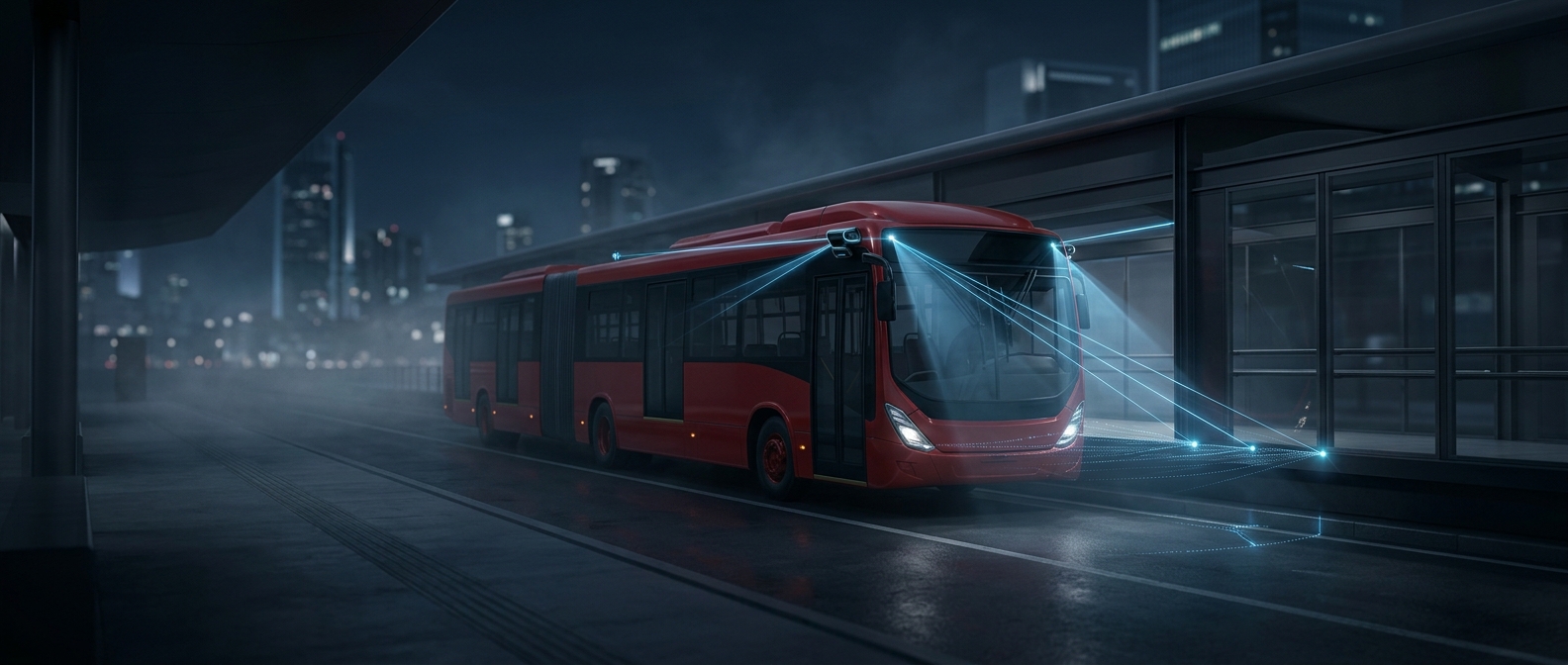
TransMilenio buses deploy optical sensors for docking
The bus follows optical markers near the station to dock close to the platform. That precise alignment makes boarding faster and reduces the step across the…
Discover more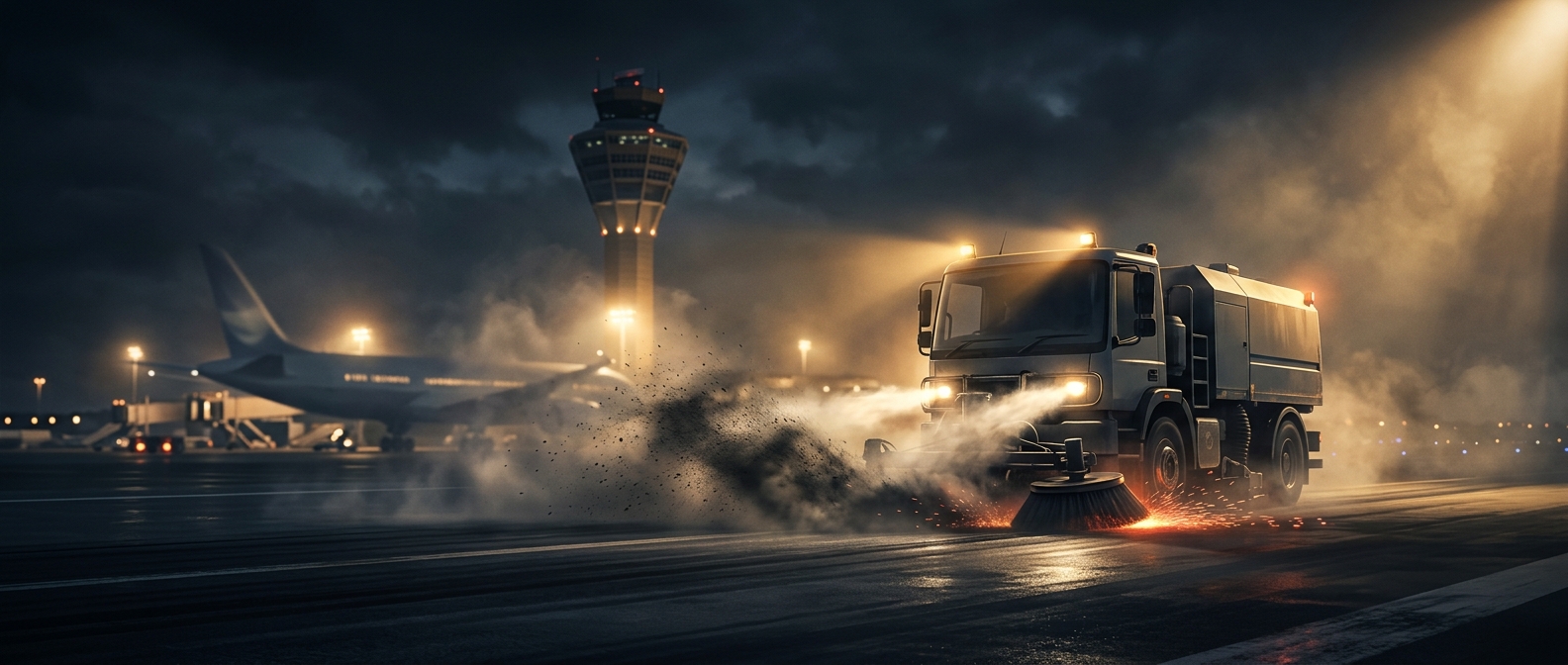
Landing planes leave rubber on the runway that crews must blast away
At touchdown, the runway rapidly spins the tire up to match the aircraft's ground speed. That skid deposits rubber in the landing zone. As it builds up, it…
Discover more
The green highway built across the Taklamakan Desert
The highway’s green edge is a planted shelterbelt: rows of hardy shrubs held in place by drip irrigation fed from solar-powered wells. Their roots anchor…
Discover more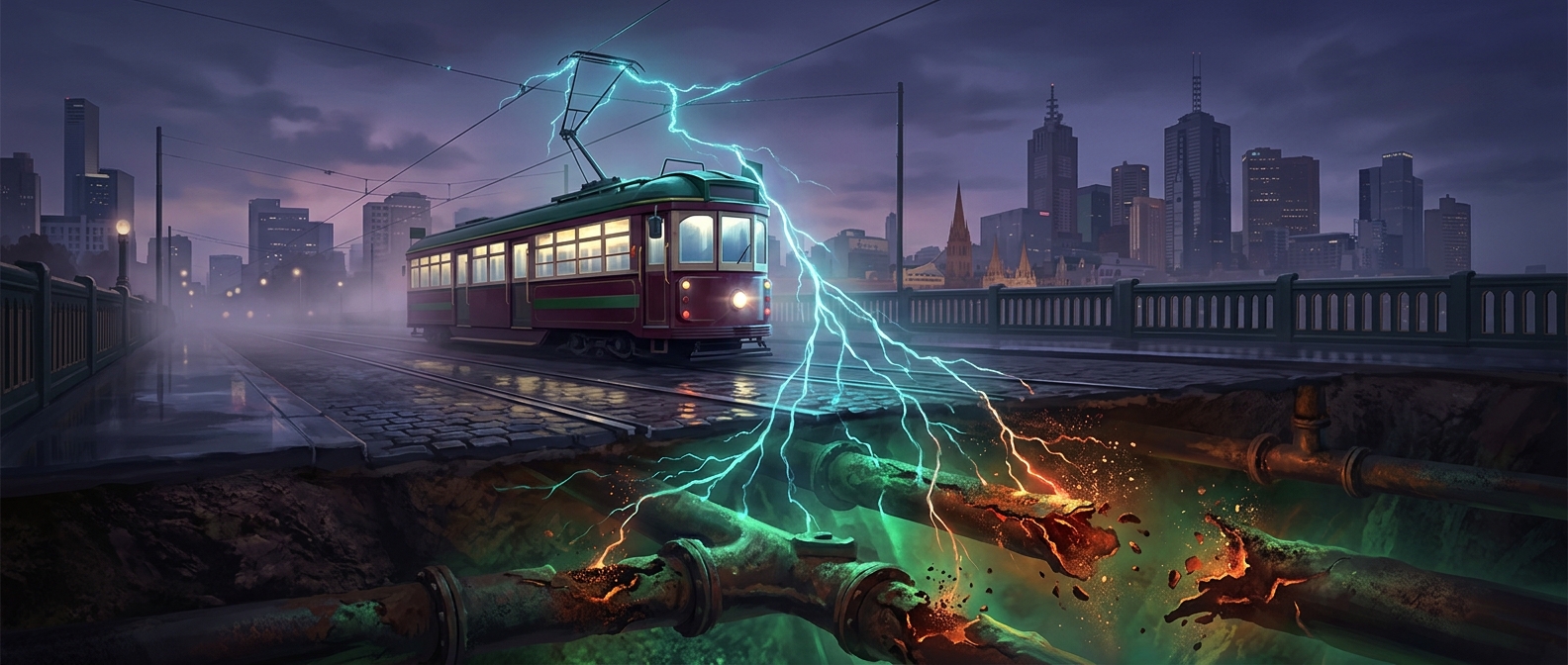
How Melbourne trams eat through water pipes
Electric current is meant to return through the tram’s rails, but some leaks into the ground and follows buried metal pipes. That current drives electrolysis,…
Discover more
How London plans buses for drunken crowds
When pubs and clubs empty, passengers arrive in a rush rather than a steady trickle. London plans night-bus routes around those busy spots and closing times,…
Discover more
A bus may wait deliberately so it doesn't catch the one ahead
A delayed bus collects more waiting passengers, slowing it further, while the bus behind finds fewer people to pick up and gains on it. Holding the following…
Discover more
How algorithms route trains carrying hazardous cargo
An algorithm compares legal routes and the people or places along them, then chooses a path that reduces exposure to danger. It is a navigation app with a…
Discover more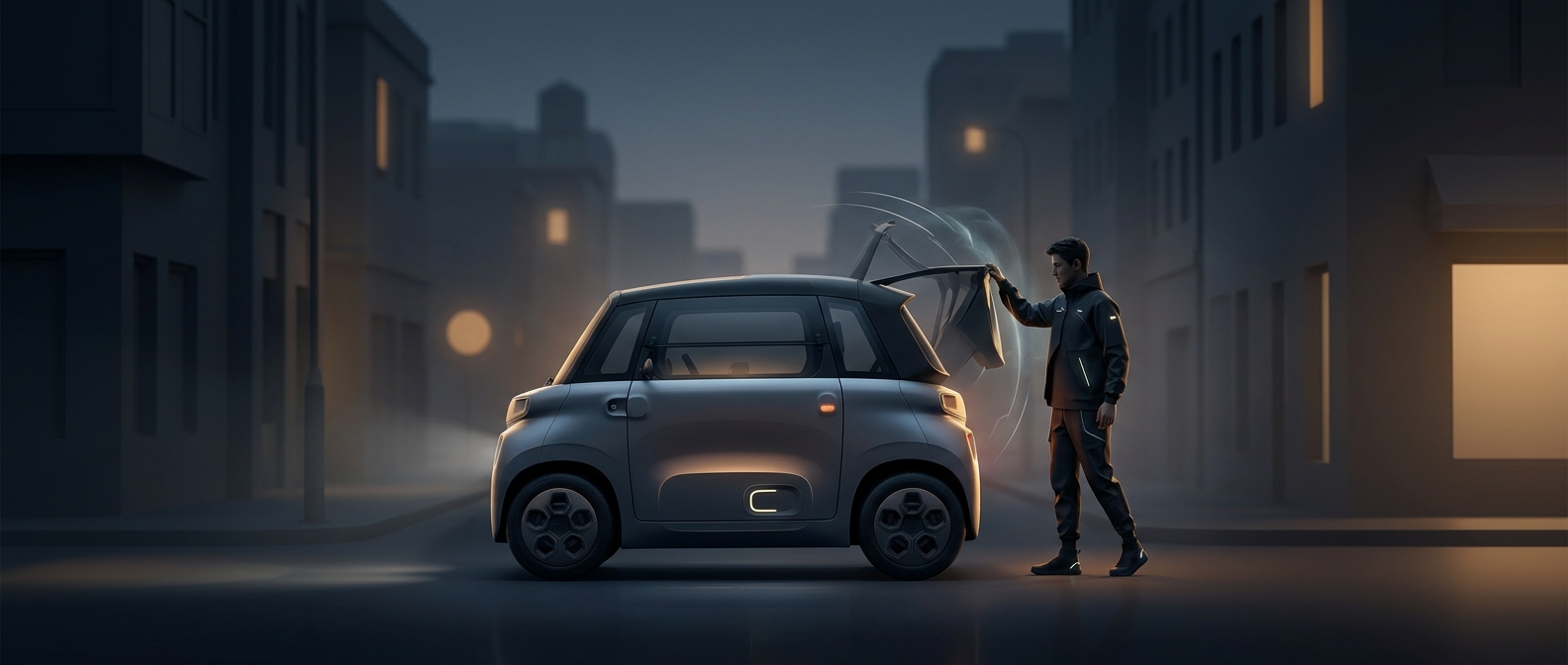
The 1929 car designed to come apart for storage
Engelbert Zaschka's prototype could be dismantled into sections so it could be stored without a conventional garage. The design treated parking as a problem…
Discover more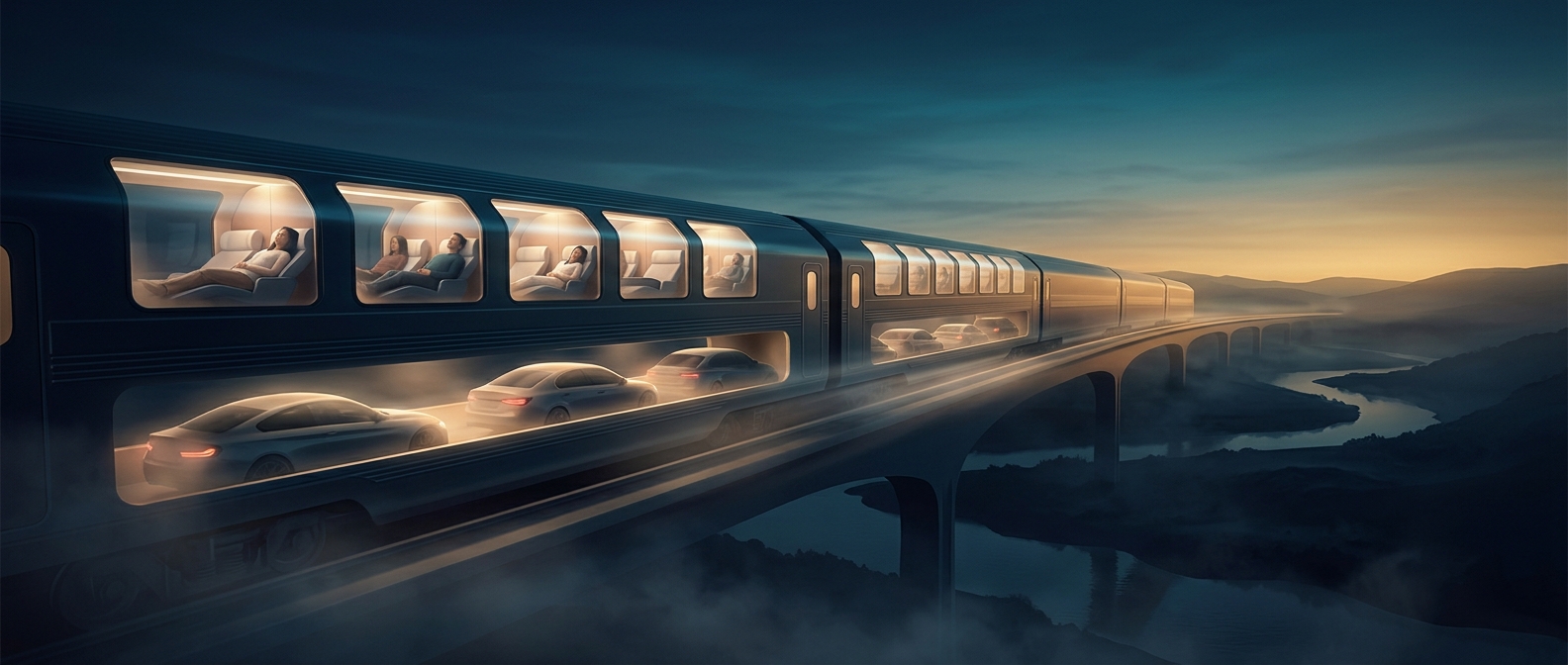
Australia put iron-ore trains on the tracks without onboard drivers
Rio Tinto deployed its AutoHaul system in Western Australia in 2018 after testing autonomous heavy-haul operations. The trains run between mines and ports…
Discover more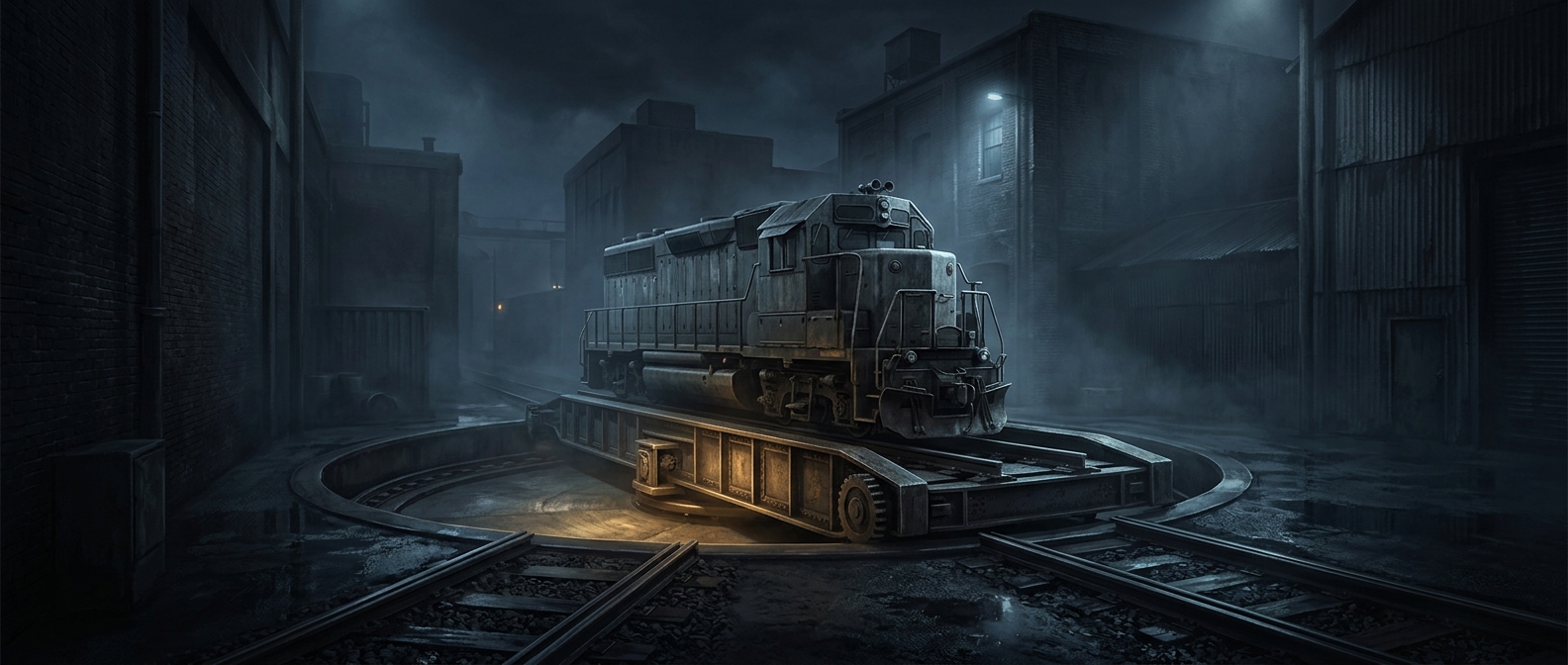
Shrinking massive train turntables for tiny yards
A turntable pivots a locomotive onto another track, so a yard needs room for the rotating bridge, not a sprawling loop of rail. Shrink the bridge and the…
Discover more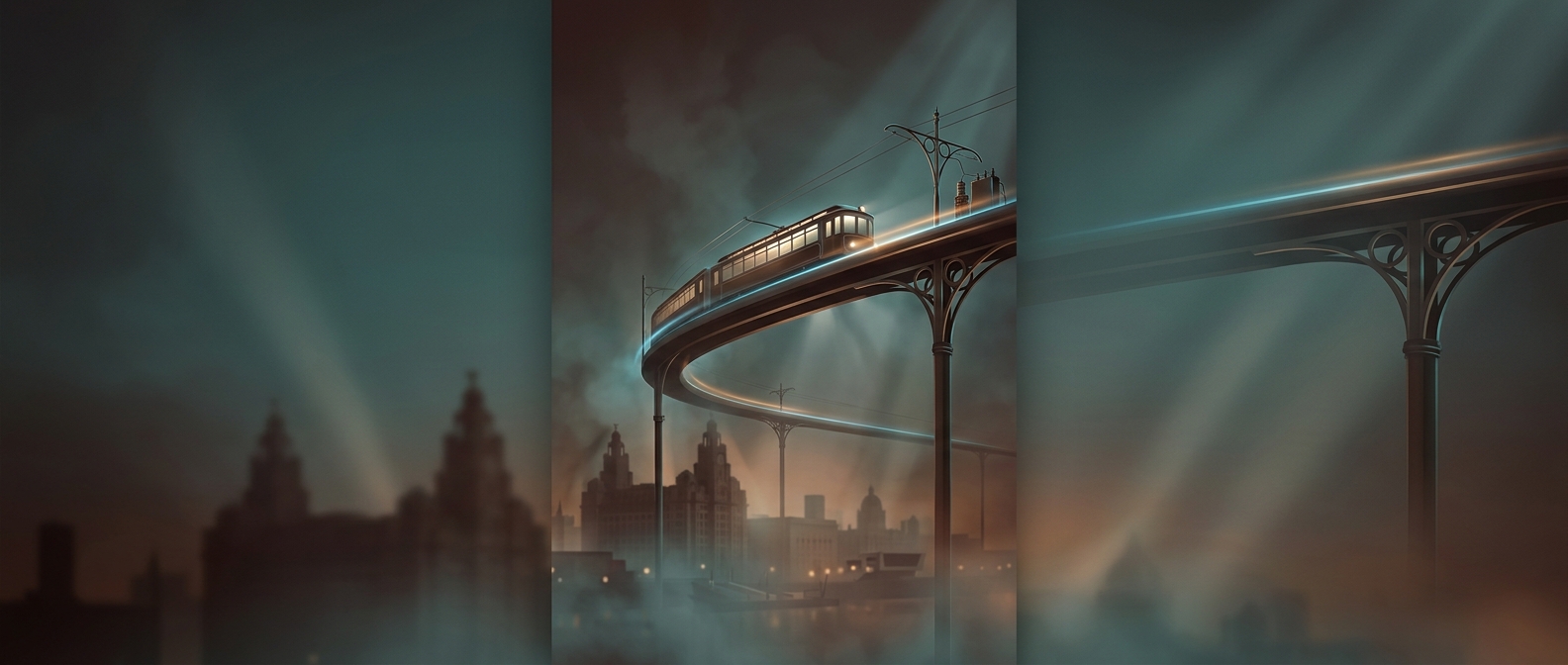
Liverpool put electric trains above its flammable docks
The Overhead Railway opened in 1893, carrying passengers above a busy waterfront. Electricity avoided the smoke and sparks of steam locomotives among…
Discover more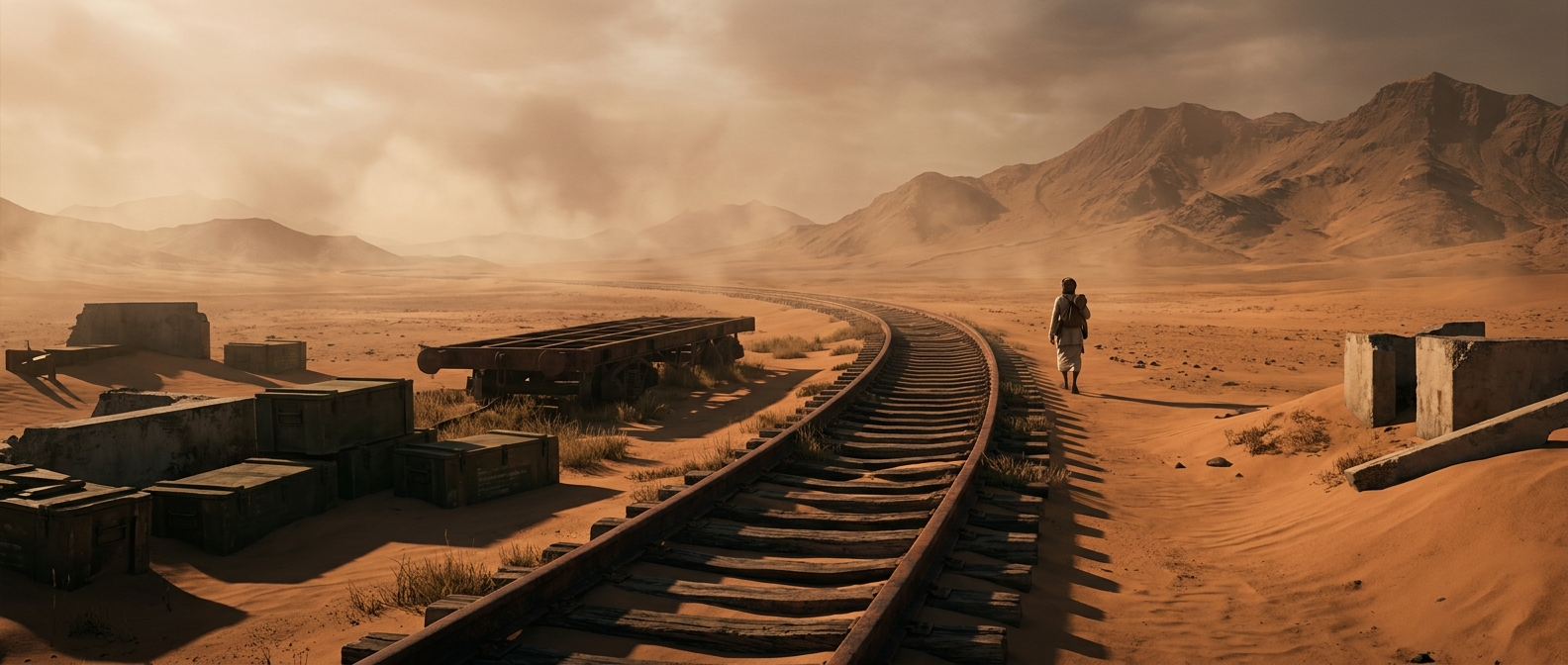
British Somaliland abandoned a totally useless railway
A railway earns its keep by carrying people or freight between useful places. When the track fails to connect enough traffic to pay for its upkeep, the rails…
Discover more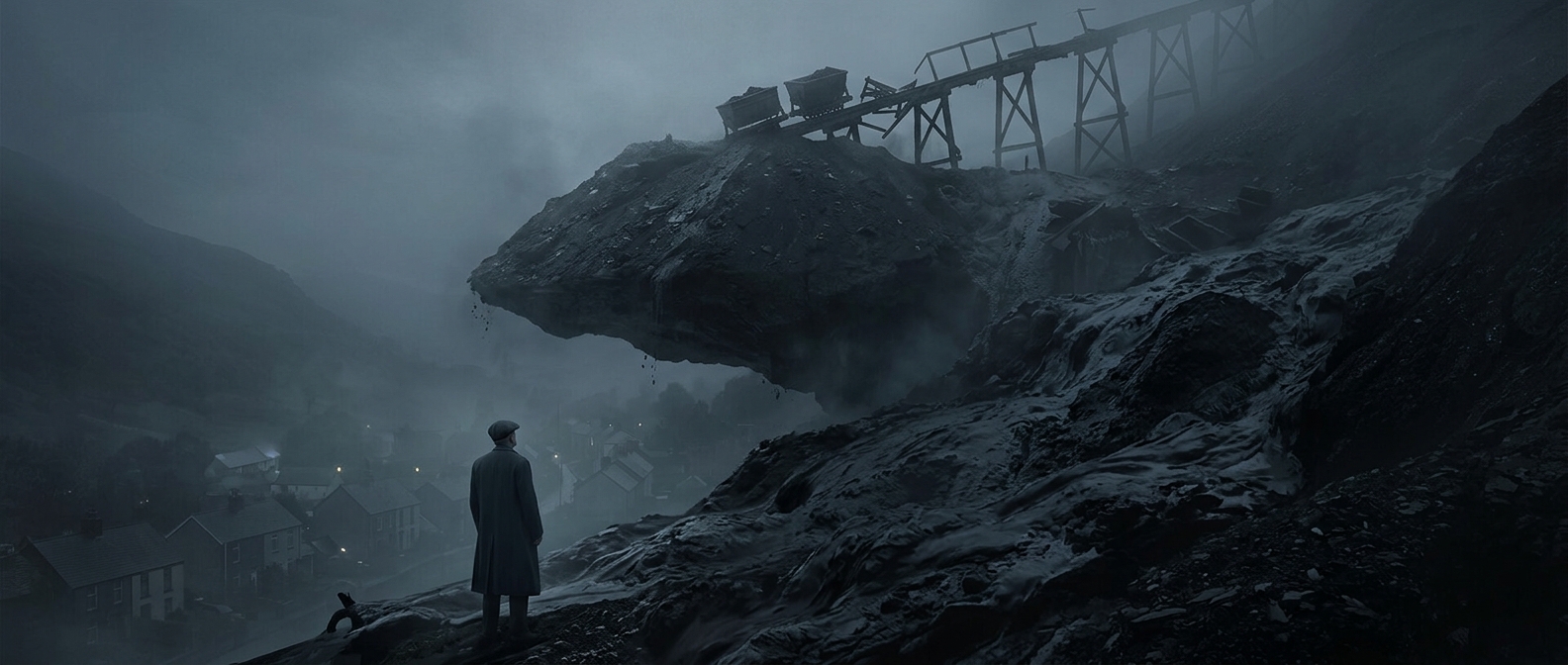
Negligent rail mining infrastructure buried Aberfan
Mining waste piled above Aberfan became deadly when rain saturated the tip and turned its contents into a sliding mass. The slurry rushed into the village and…
Discover more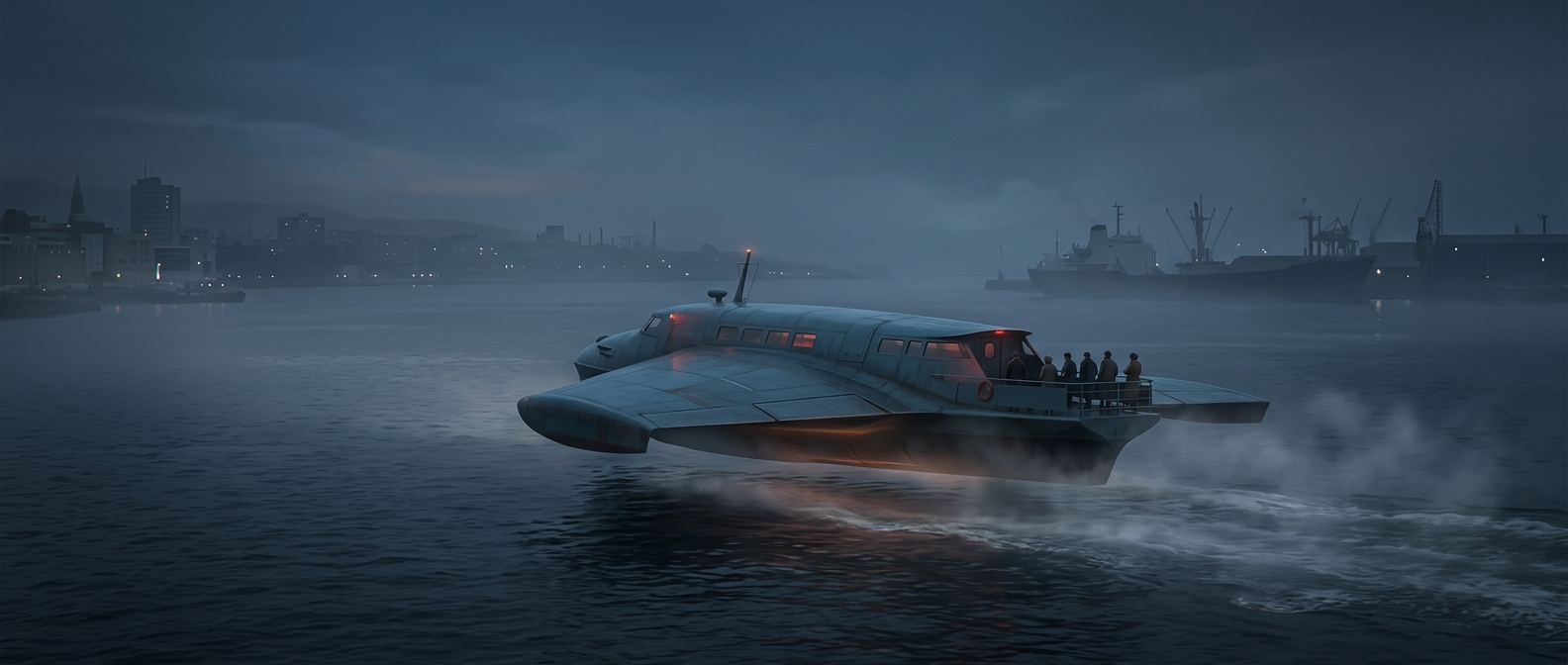
The boat that skimmed like a plane
The boat’s flat hull pushes water down as it speeds up, lifting most of the boat clear of the waves. Less hull rubbing the water means less drag—and suddenly…
Discover more