Transport
Discover facts about transport. Small discoveries that change the way you see familiar things.
Transport
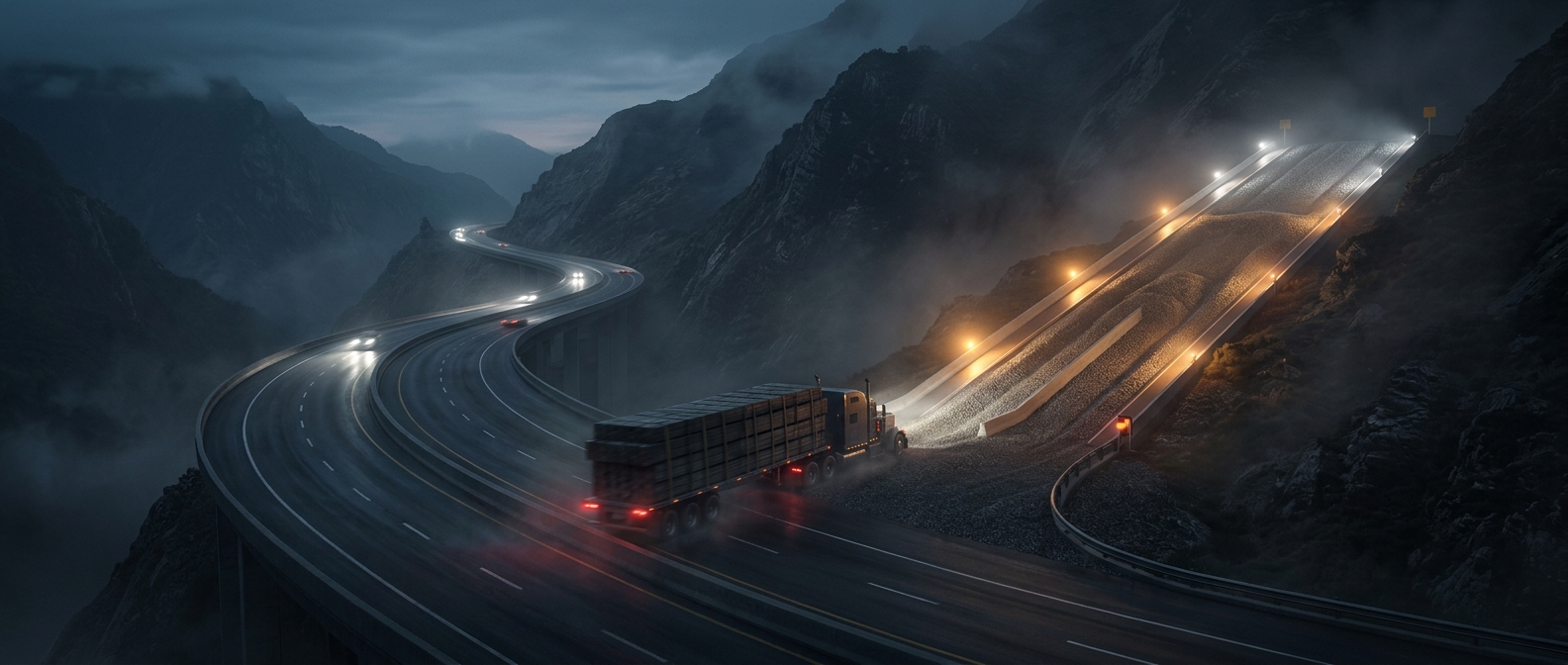
How runaway-truck ramps stop 18-wheelers
Those steep gravel ramps you see branching off mountainous highways are marvels of kinetic energy dissipation. If an eighteen-wheeler completely loses its air…
Discover more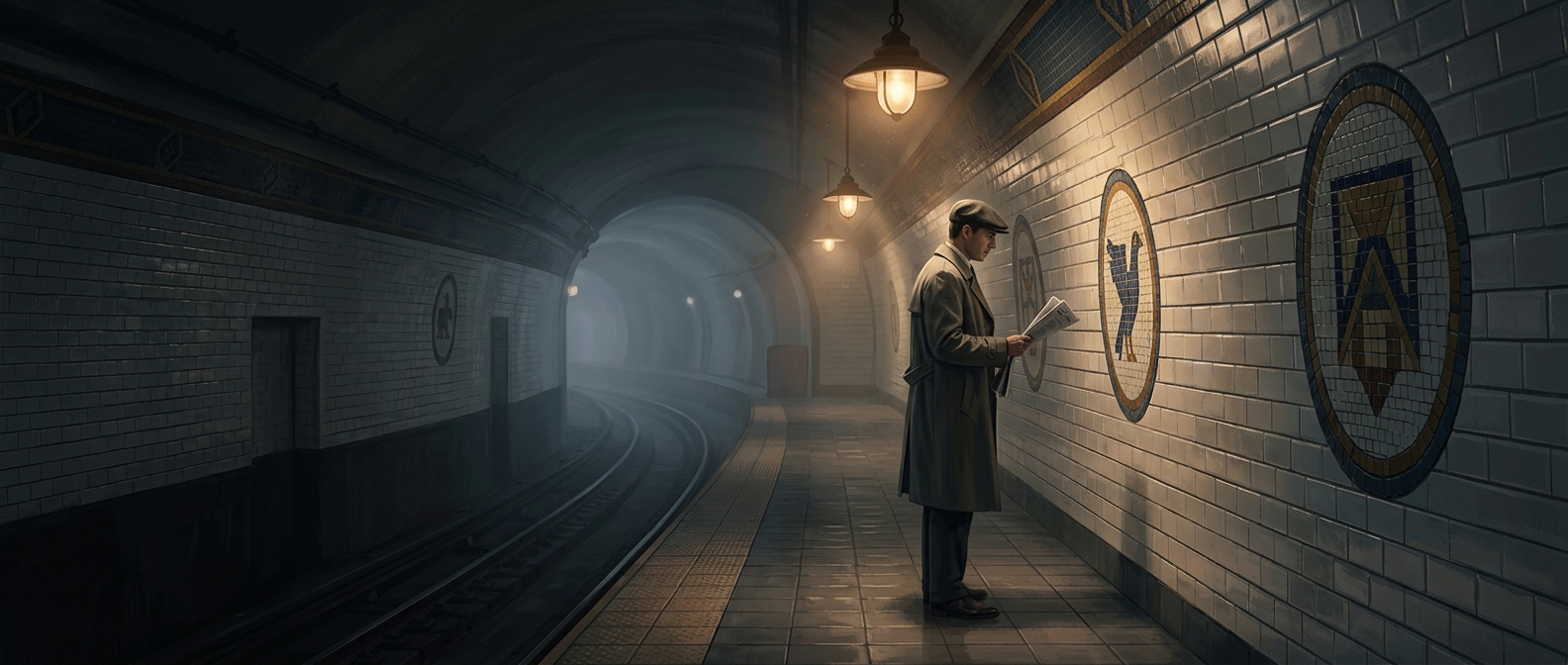
How colorful tiles helped commuters find stations
During the chaotic Victorian expansion of underground public transit, a massive portion of the urban working class could not read station signs. Architects…
Discover more
Rome's streets are paved with ancient lava
When you walk the historic streets of Rome, you are stepping on stones known as sampietrini. Instead of using modern asphalt, the city has traditionally paved…
Discover more
The real-life road maze called Spaghetti Junction
The Gravelly Hill Interchange in the United Kingdom is a masterclass in wildly complex traffic engineering, earning the famous nickname Spaghetti Junction. To…
Discover more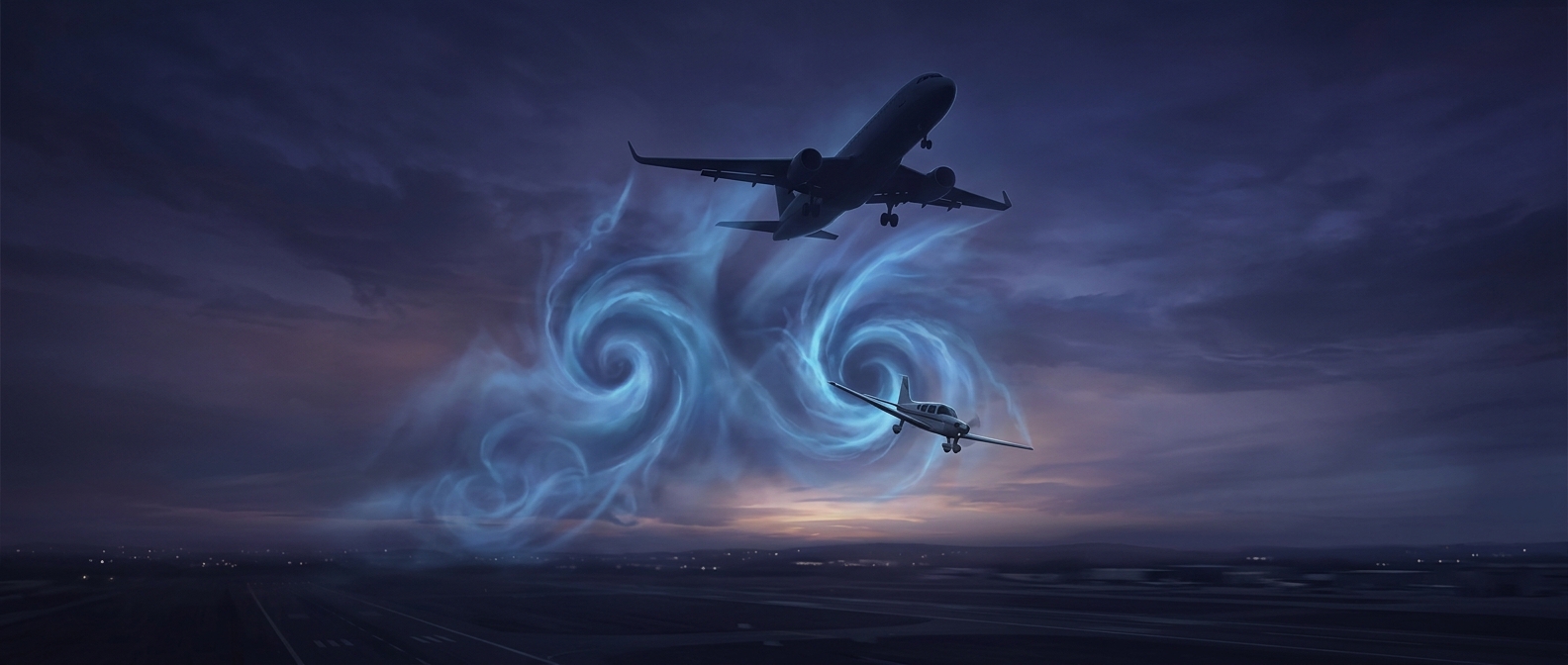
Strange physical phenomenon of aircraft wake turbulence
When heavy airplanes slice through the sky, they violently displace massive amounts of air, generating aggressive, invisible tornadoes spiraling directly…
Discover more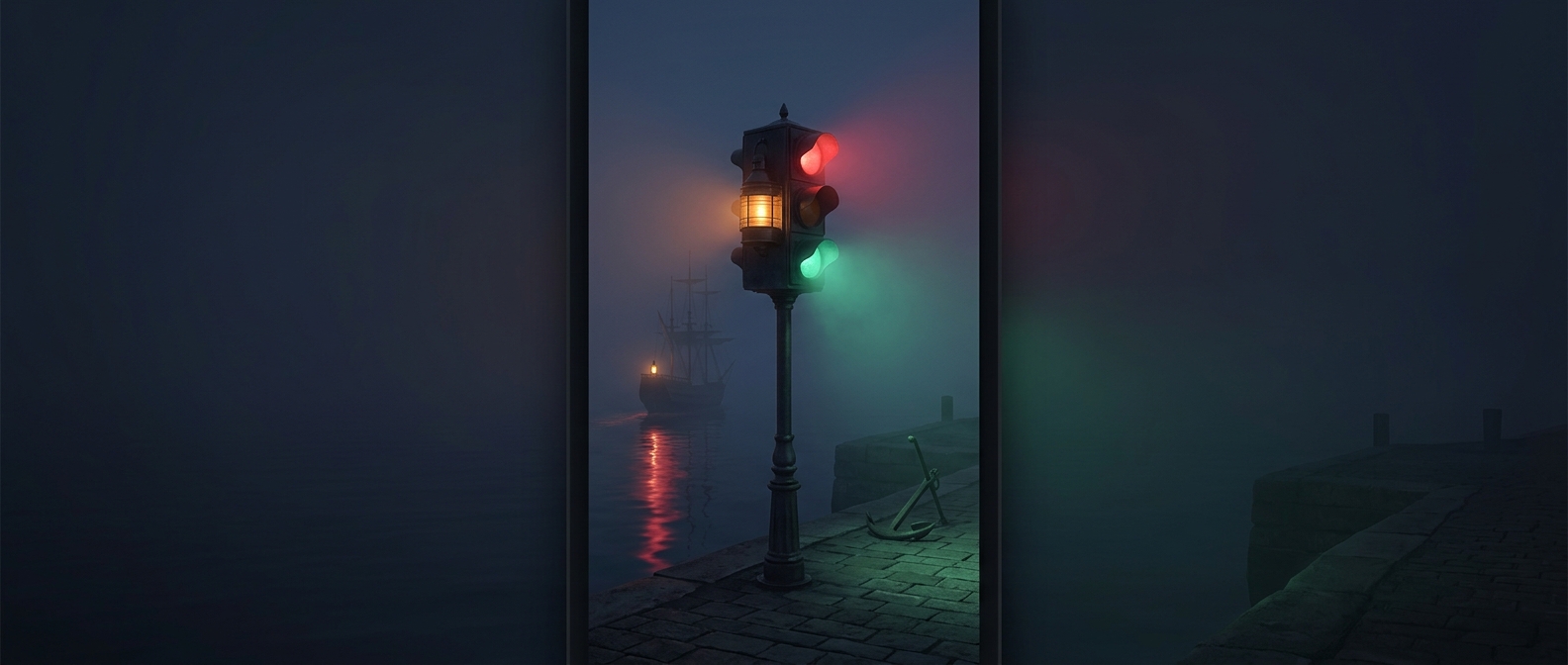
Why traffic lights use red and green
The ubiquitous red and green colors controlling global car traffic were directly copied from nineteenth-century nautical signaling. Long before automobiles,…
Discover more STACKY FOR IPHONE
A bigger world.
One discovery
at a time.
Keep discovering with Stacky. Interesting facts in an app that is always within reach.

Why Japan’s bullet trains produce no operational emissions
The iconic Shinkansen high-speed rail network completely eschews fossil fuels for direct electric power. Because these sleek aerodynamic machines rely on…
Discover more
Fishing boats stranded in the Aral Sea desert
Due to catastrophic Soviet irrigation projects, the Aral Sea was drained of nearly all its water over a few decades. Today, rusted hulks of massive fishing…
Discover more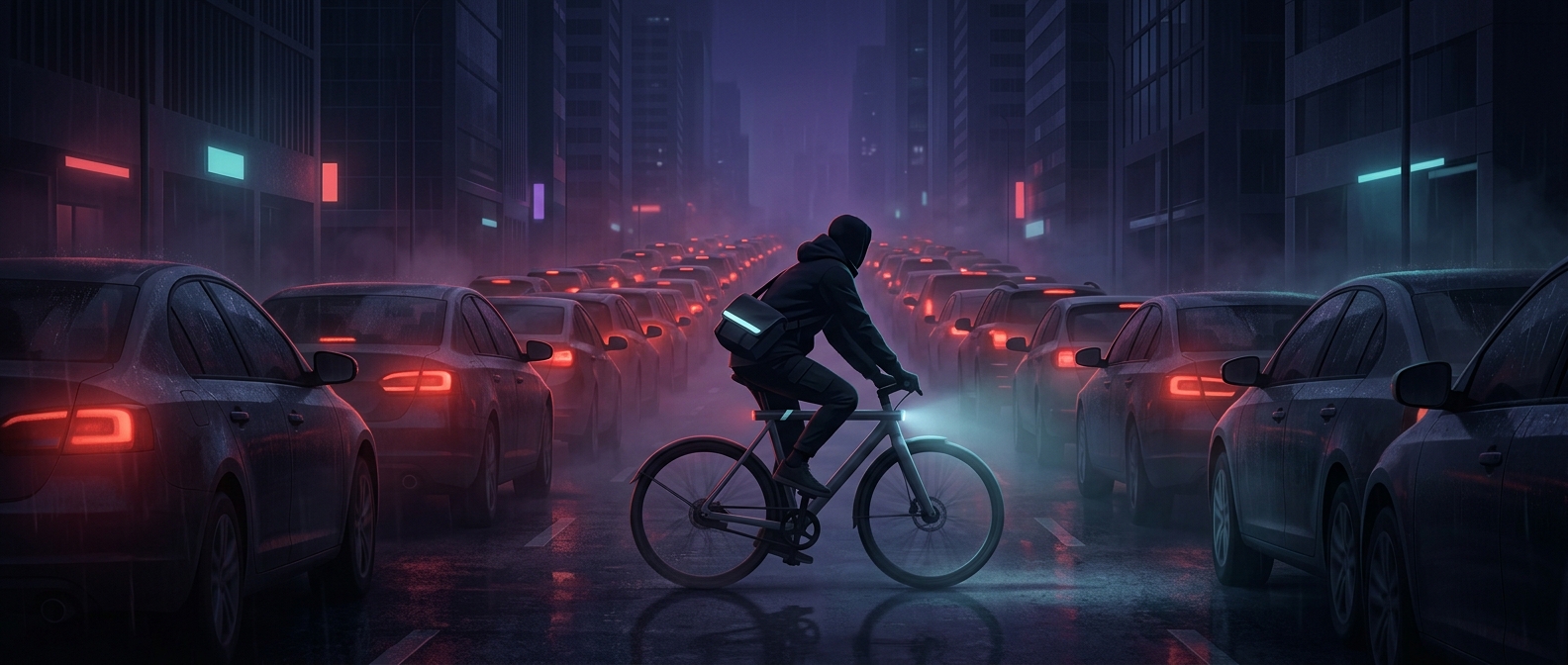
Why bicycles beat cars through city traffic
Urban traffic studies consistently show that during rush hour in major European cities, commuting by bicycle significantly cuts travel time. Cyclists easily…
Discover more
Escalators may be safer than you think
Statistically speaking, the everyday escalator is the safest mode of mechanized transportation on the planet. Your chances of suffering a fatal accident while…
Discover more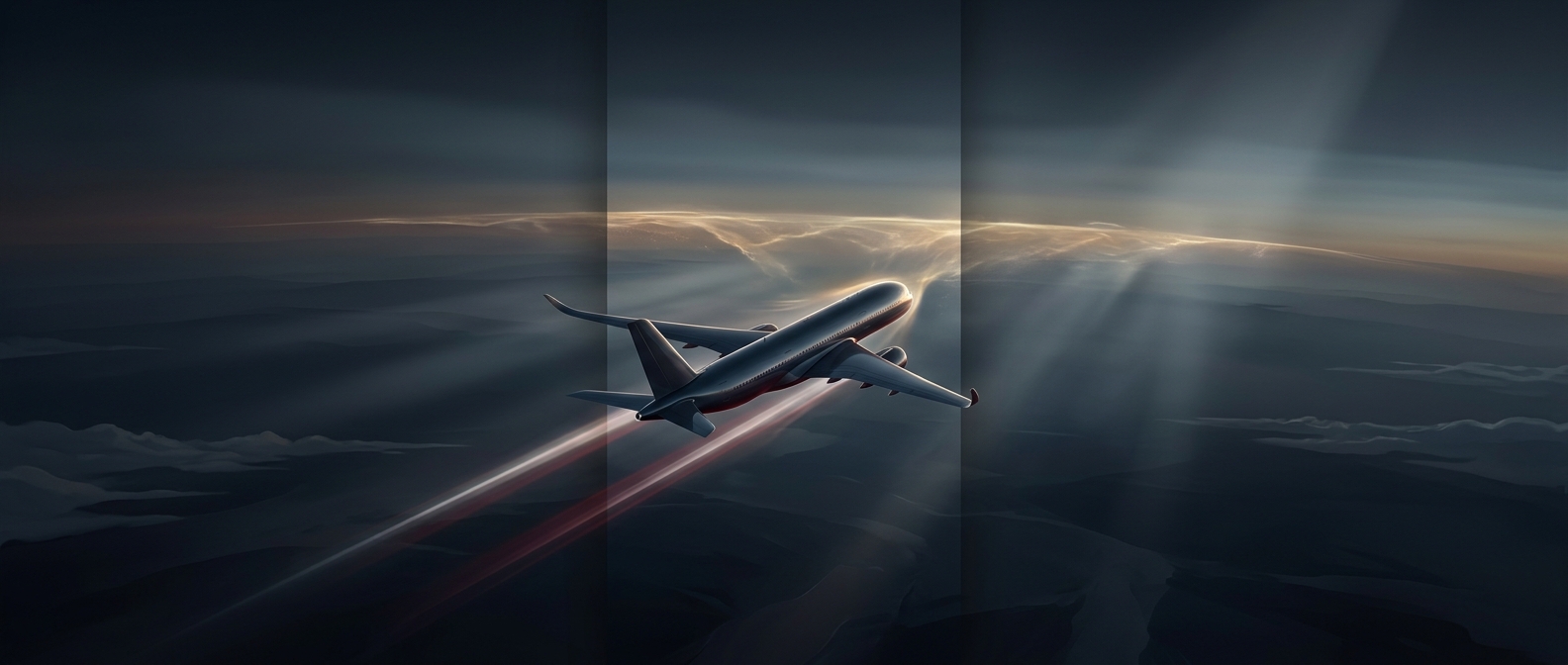
Why passenger jets don't fly much faster
Passenger jets purposely cruise at around 550 mph to maintain incredible fuel efficiency. Pushing them any faster drastically increases air resistance and…
Discover more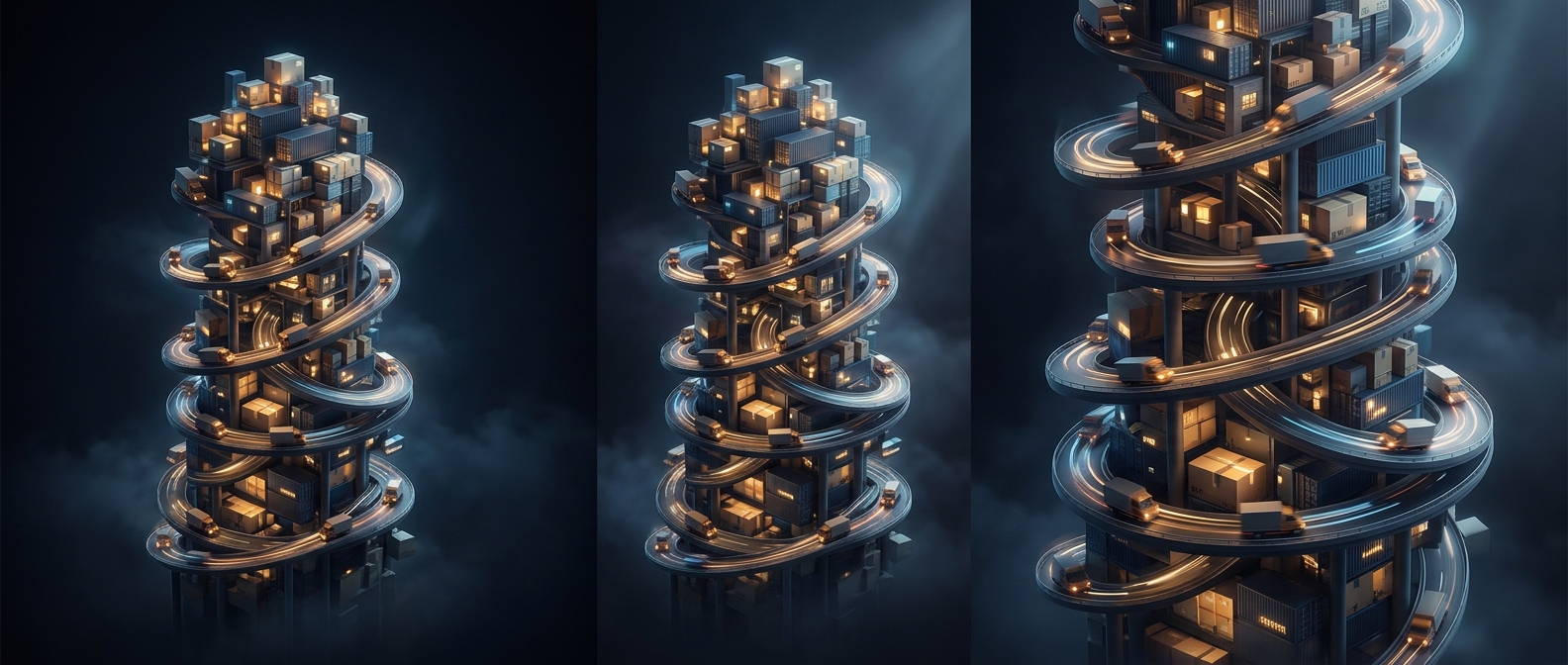
What it takes to deliver a package overnight
Getting a package in 24 hours requires a frantic, choreographed ballet of long-haul trucking happening while you sleep. Drivers navigate pitch-black highways,…
Discover more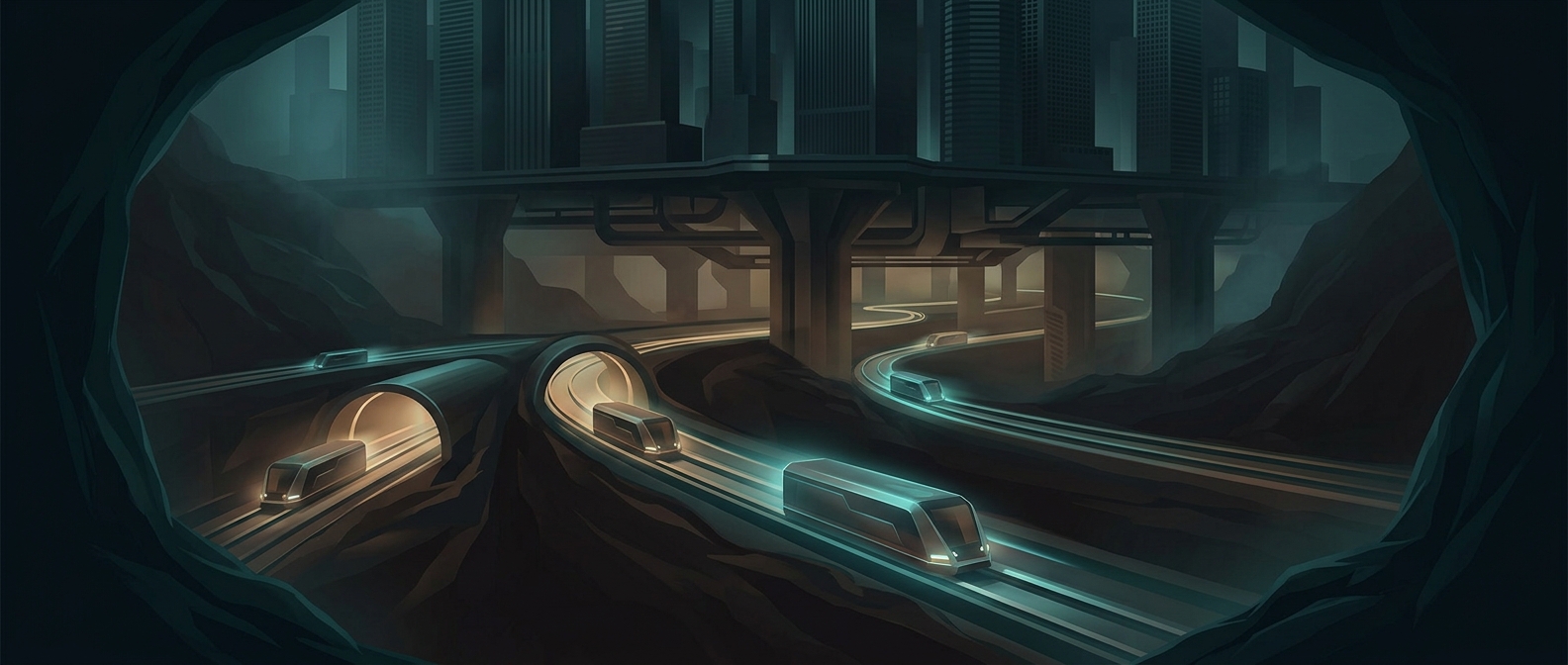
Switzerland is building an underground freight railway
To fix severe surface-level traffic, engineers in Switzerland are literally taking logistics underground. They are currently constructing a massive, fully…
Discover more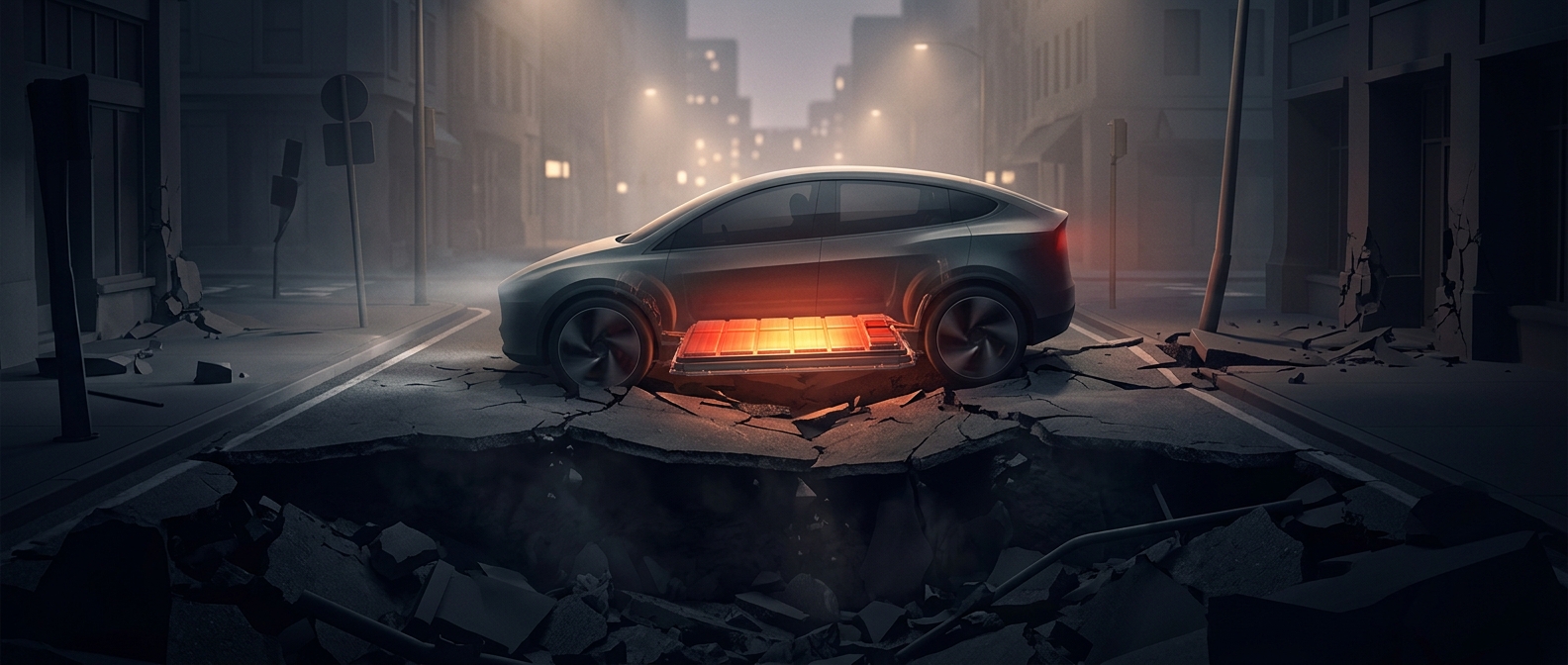
Why electric cars put more strain on roads
Electric vehicles are brilliant for reducing emissions, but they harbor a heavy secret: their massive battery packs make them significantly heavier than…
Discover more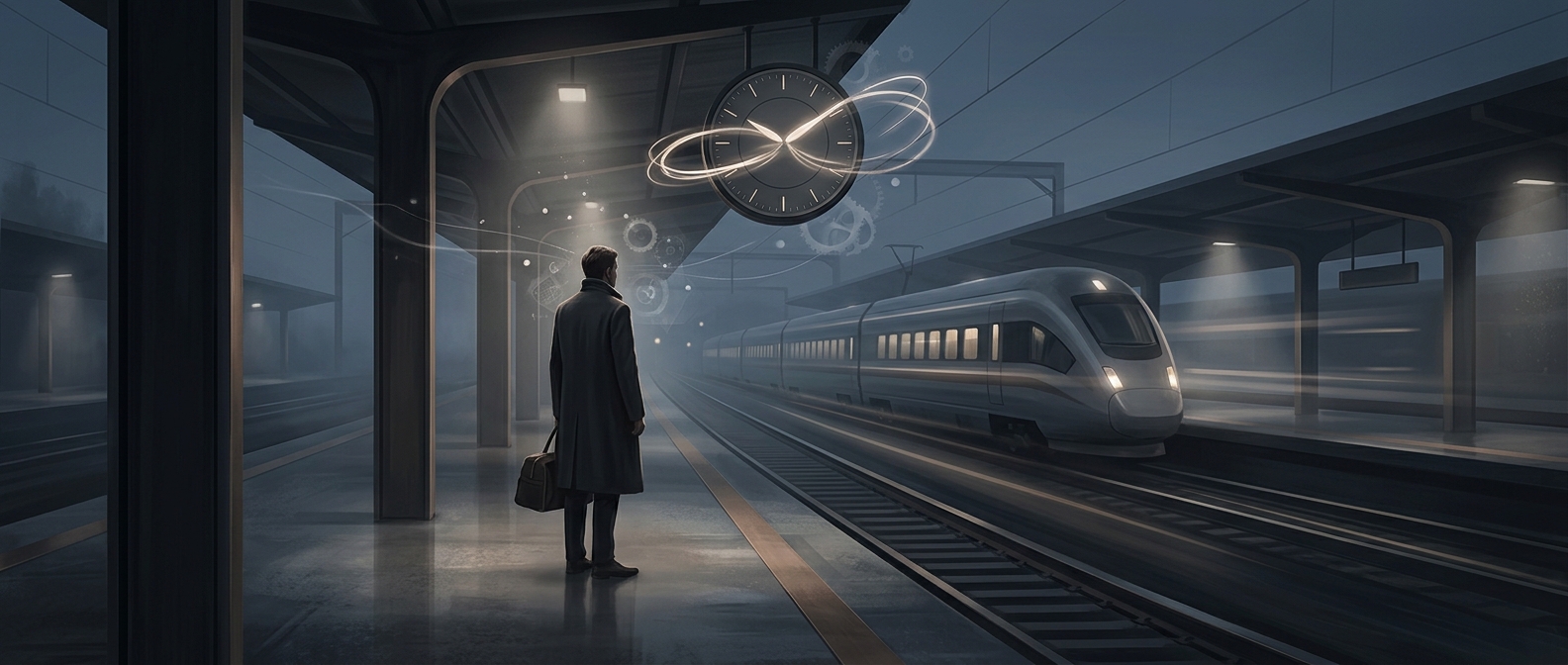
Why an unpredictable train wait feels so long
When you are heavily delayed on a subway platform, three minutes can agonizingly stretch out to feel like half an hour. Transport psychologists have…
Discover more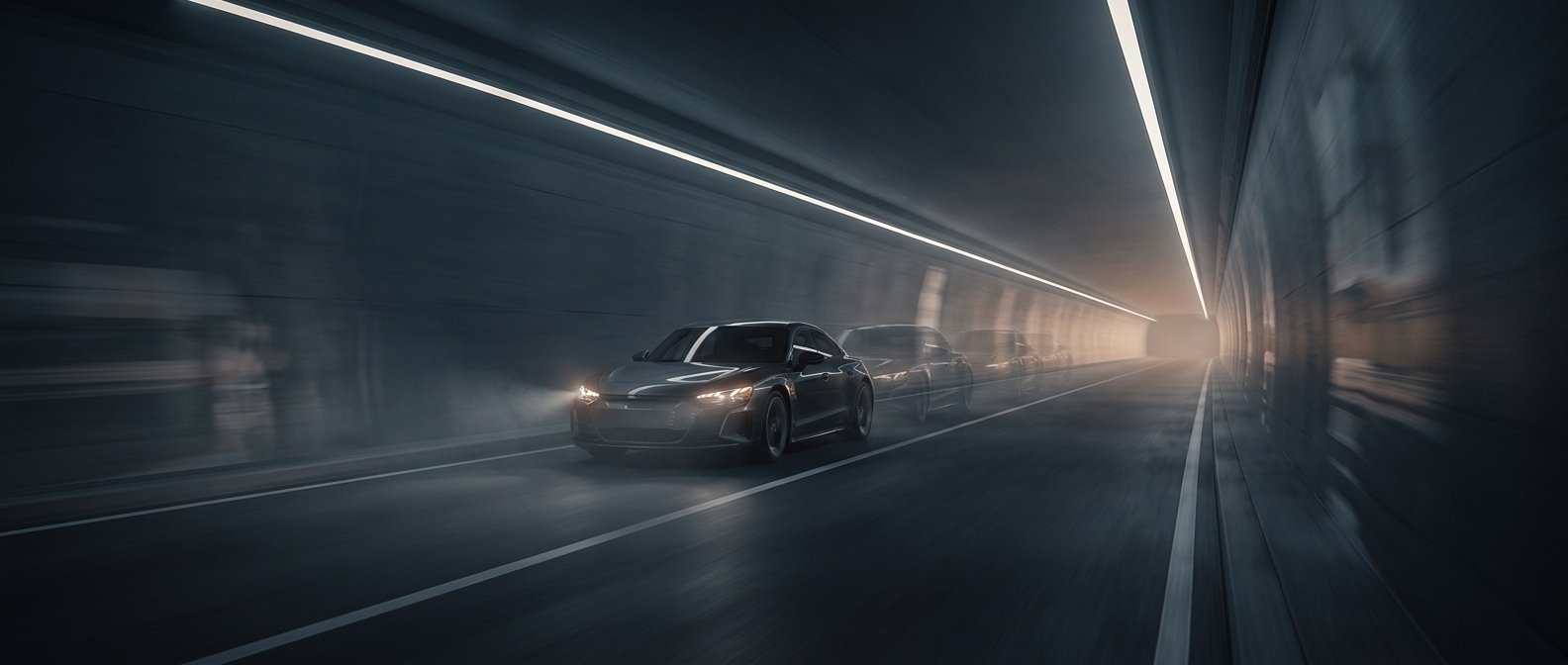
Why tunnels make you speed up
When you drive into a tunnel, the visual cues you normally use to judge speed disappear, creating a dangerous optical illusion. The close walls rushing past…
Discover more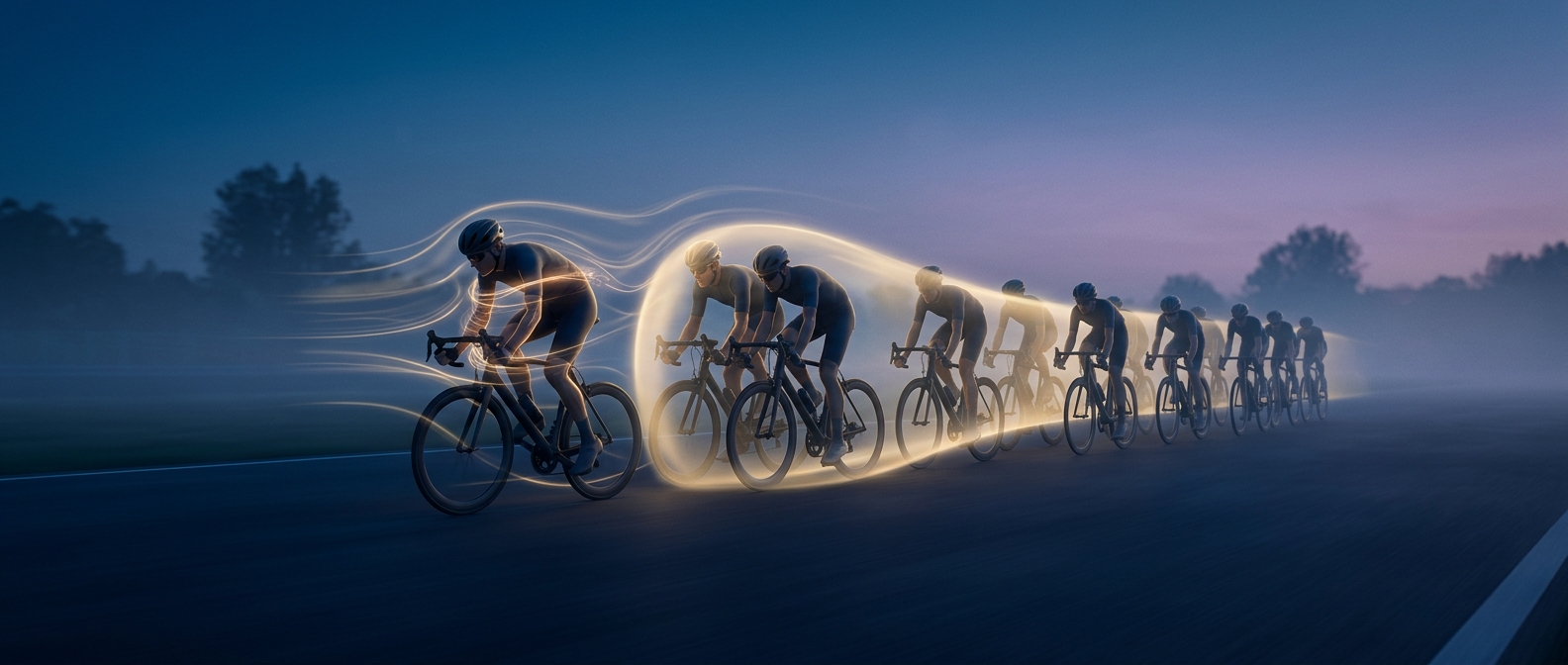
Why cyclists ride so close together
By riding tightly behind a competitor, a cyclist can reduce their aerodynamic drag by up to fifty percent. This critical energy-saving tactic turns individual…
Discover more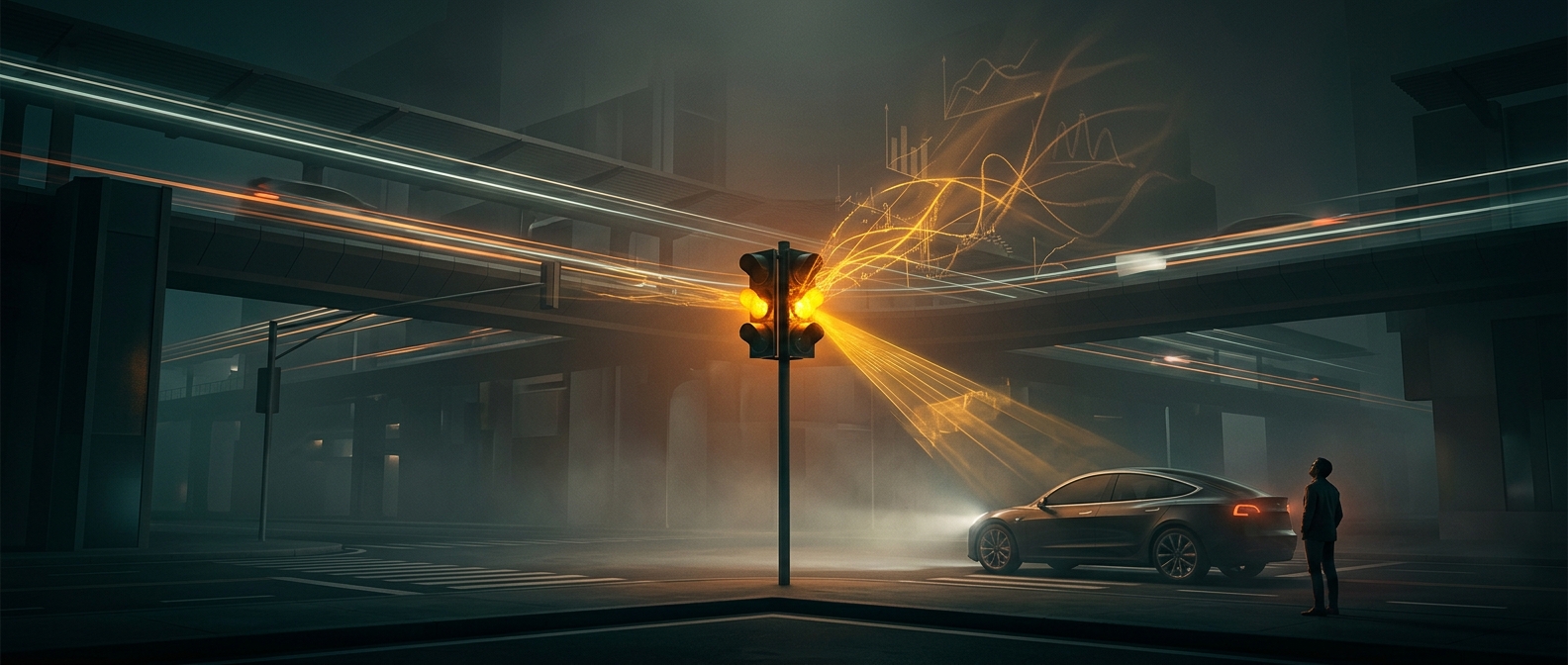
Why traffic-light yellow phases are so carefully timed
The duration of a yellow light is calculated using the dilemma zone equation. If it is a fraction of a second too short, rear-end collisions skyrocket. It is…
Discover more
Why airplane seats are almost always blue
Have you ever noticed that almost every major airline uses varying shades of blue for their cabin seats? This is a deliberate psychological design choice, as…
Discover more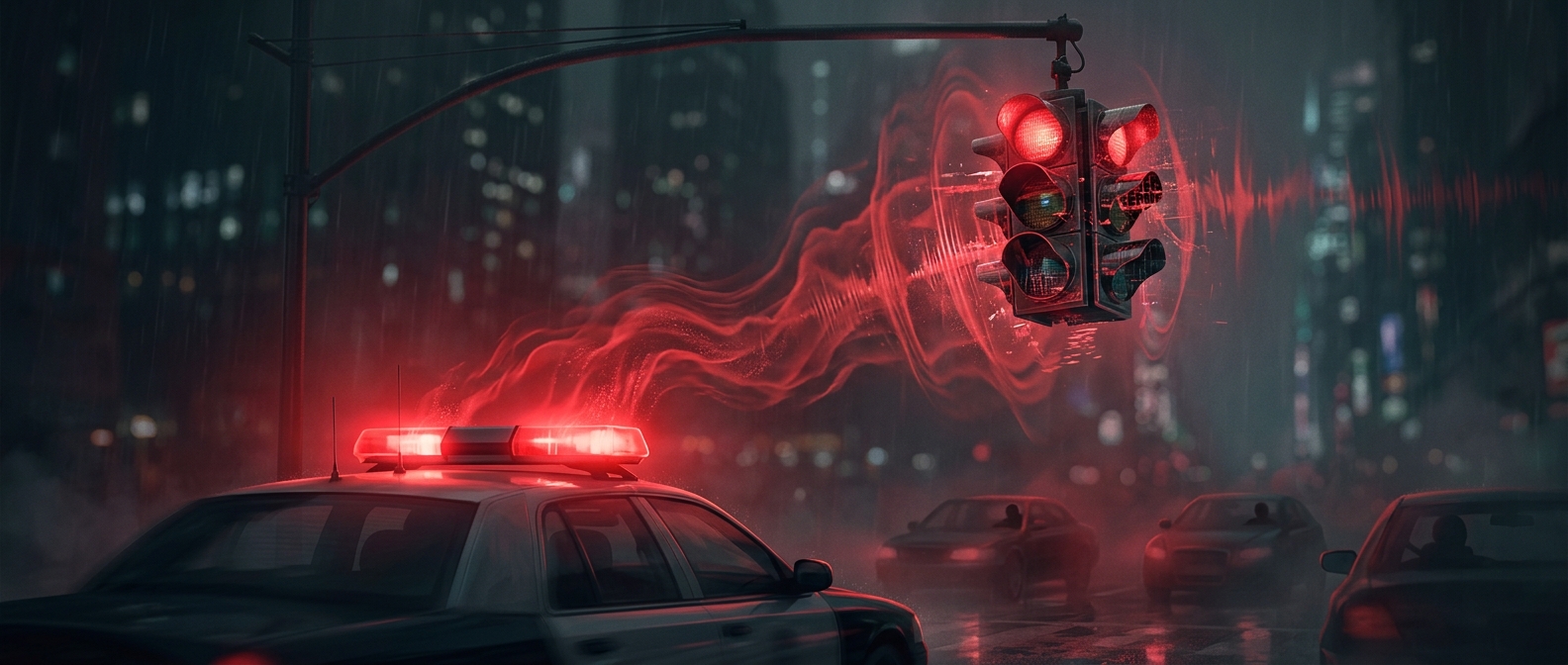
How emergency vehicles make traffic lights turn green
Fire trucks and ambulances use specialized strobe lights and radio transmitters to force traffic signals to turn green. This hidden urban infrastructure hack…
Discover more
Why London’s black cabs can make such tight turns
The legendary turning radius of a classic British taxi is legally required to be exactly twenty-five feet. This hyper-specific regulation was implemented just…
Discover more
How planes navigate when GPS goes down
When satellites lose connection over vast oceans, modern jets don't fly blind. They rely on Inertial Reference Systems, highly advanced internal gyroscopes…
Discover moreFierce race to develop fully autonomous electric vehicles is fundamentally transforming our urban infrastructure, forcing smart city planners to redesign massive intersections…
The transition to electric and autonomous transit extends far beyond the vehicles themselves. It demands a complete overhaul of how modern cities are…
Discover moreStaggering logistical wizardry of the global aviation network ensures that at any given moment there are roughly a million people suspended high in the stratosphere inside…
Air travel has become so routine that we completely ignore the sheer physical impossibility of it all. Coordinating tens of thousands of daily flights…
Discover more