Transport
Discover facts about transport. Small discoveries that change the way you see familiar things.
Transport
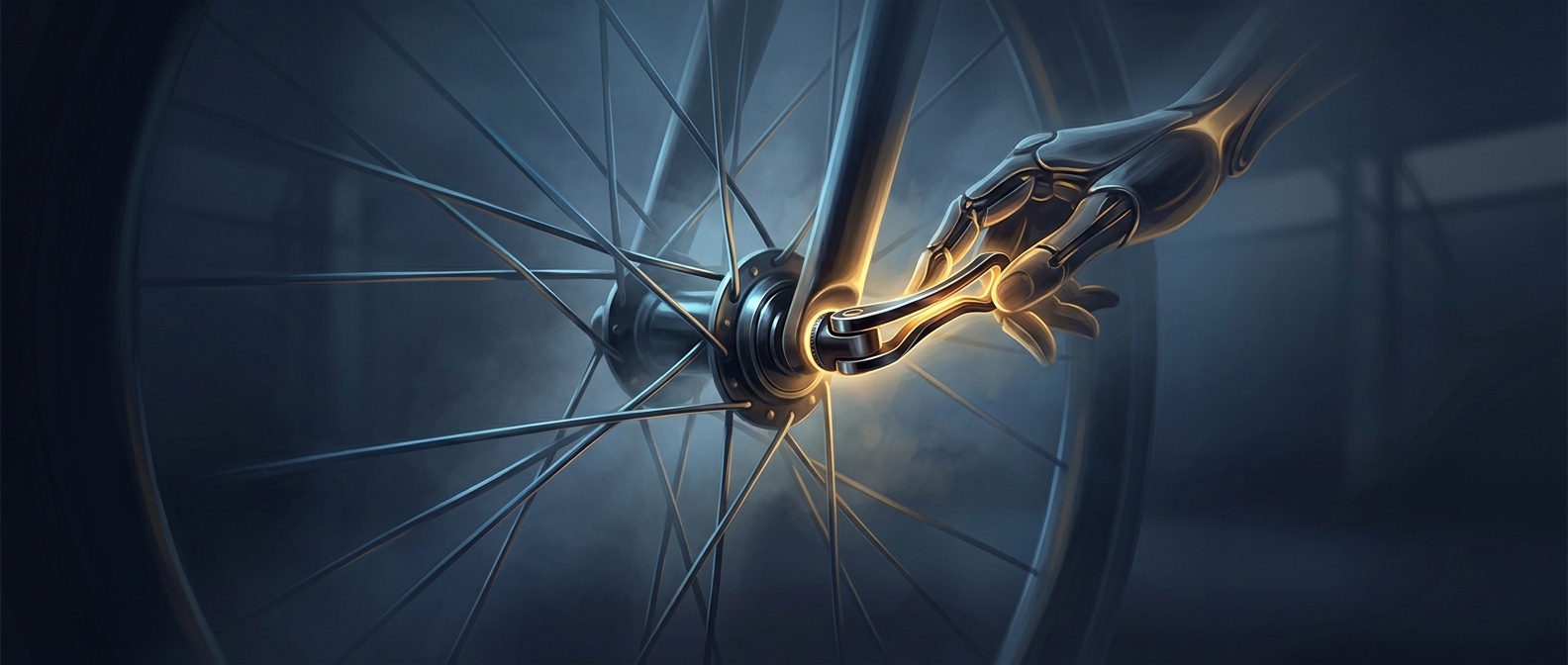
Quick-release skewers use a cam tension lever
Flip the skewer’s lever and its cam presses against the fork, tightening the wheel without winding a nut around the axle. One quick hand motion locks it; the…
Discover more
Your ski wax depends on the snow
Snow temperature and moisture change how much friction builds beneath a ski, so wax formulas change with the conditions. Harder wax suits cold, abrasive snow;…
Discover more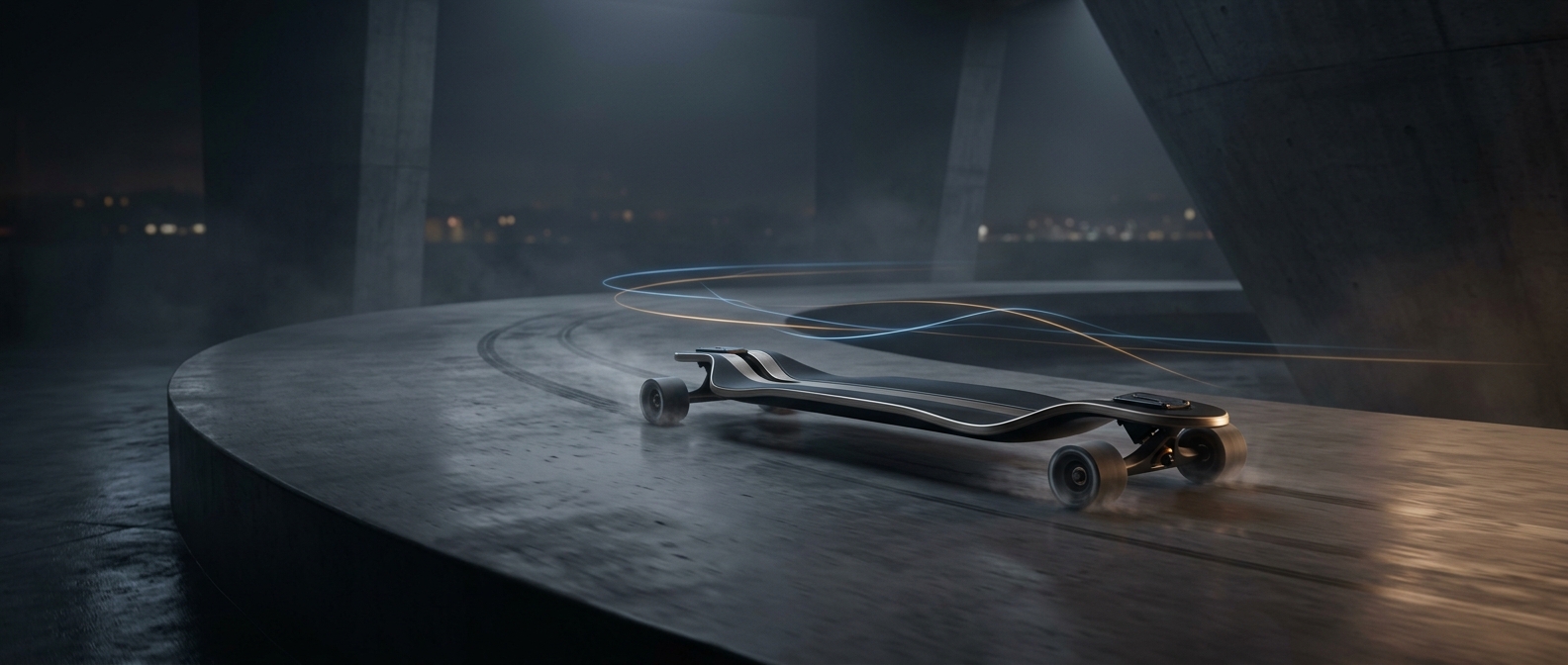
Longboards drop their decks to increase stability
A dropped longboard deck sits closer to the ground, lowering the rider’s center of gravity. That makes the board feel steadier at speed—and makes every push a…
Discover more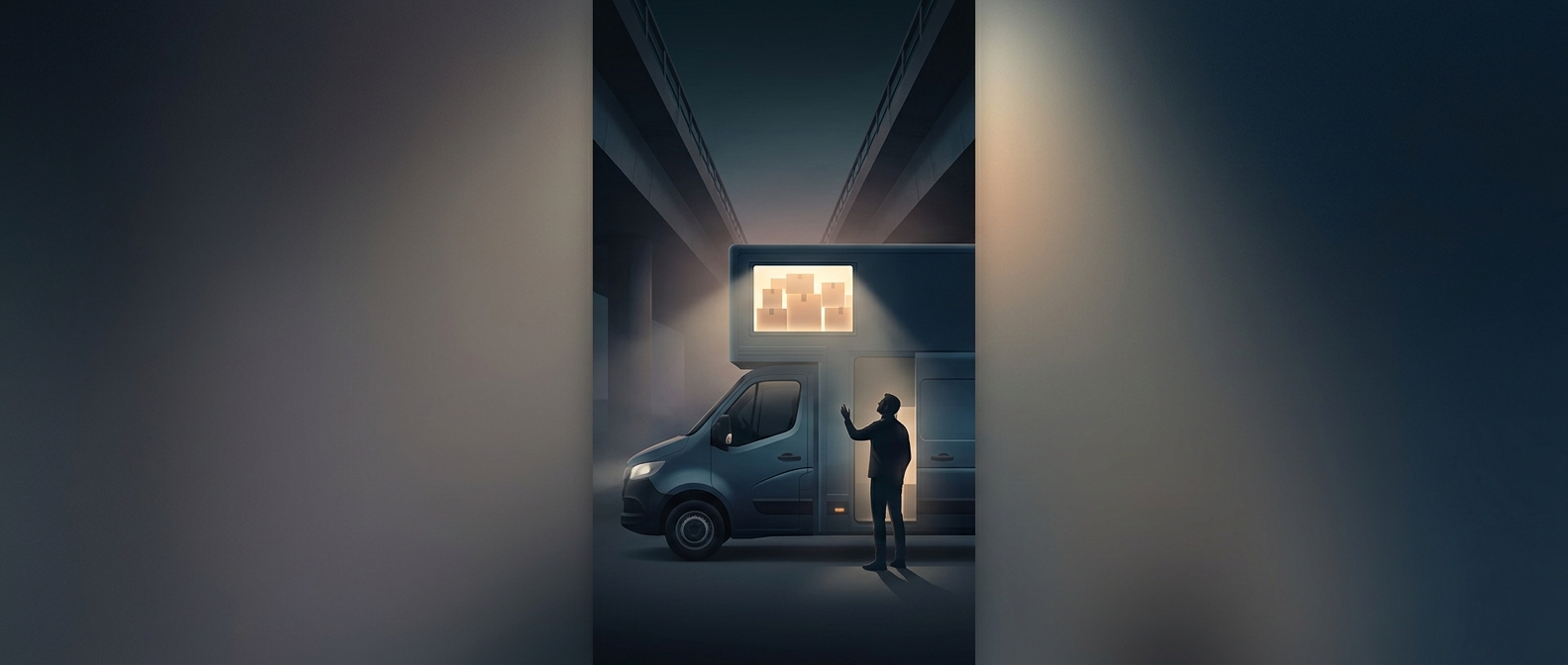
Luton vans have storage above the cab
A Luton van’s box body extends over the cab, turning the otherwise empty space above the driver into cargo room. The load gets a bonus floor; the van gets to…
Discover more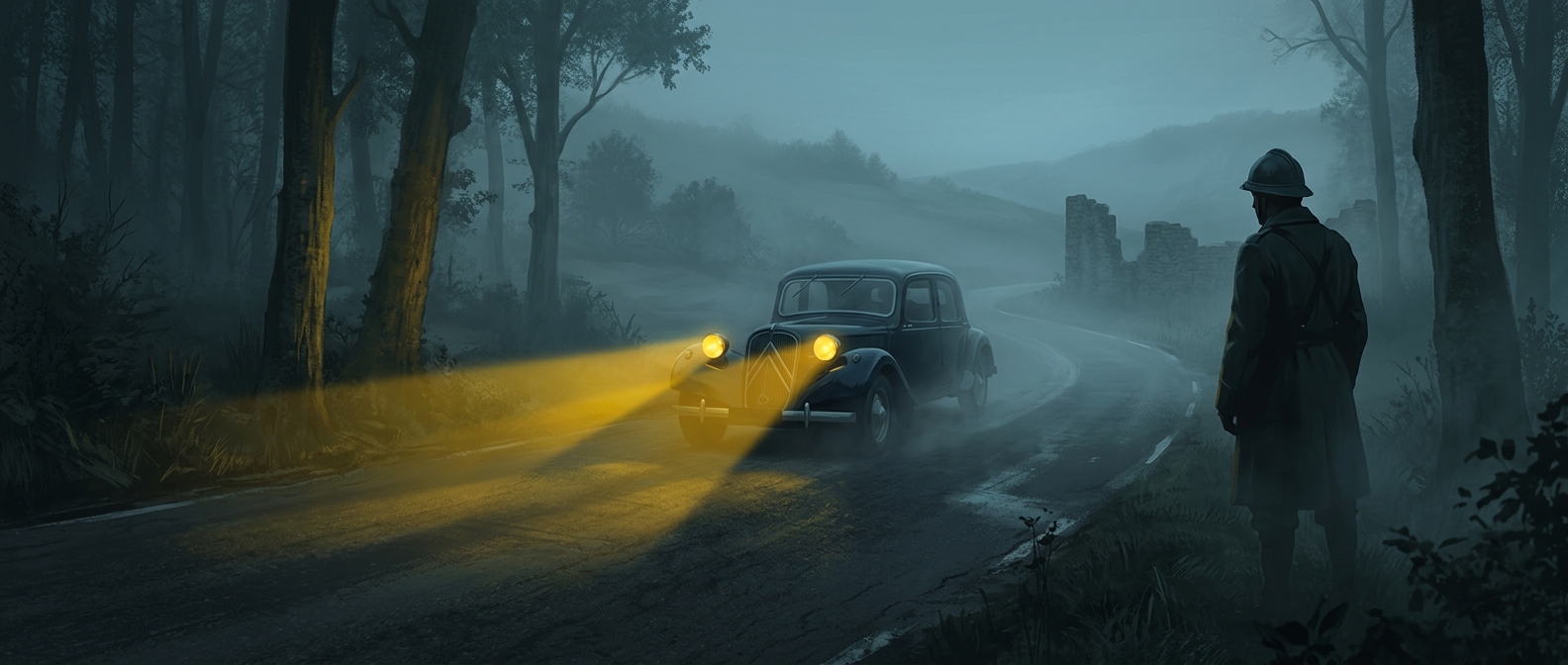
France gave its night traffic a yellow signature
A 1936 regulation required yellow headlights, giving French cars a distinctive glow for decades. White headlights became permitted from January 1993 as…
Discover more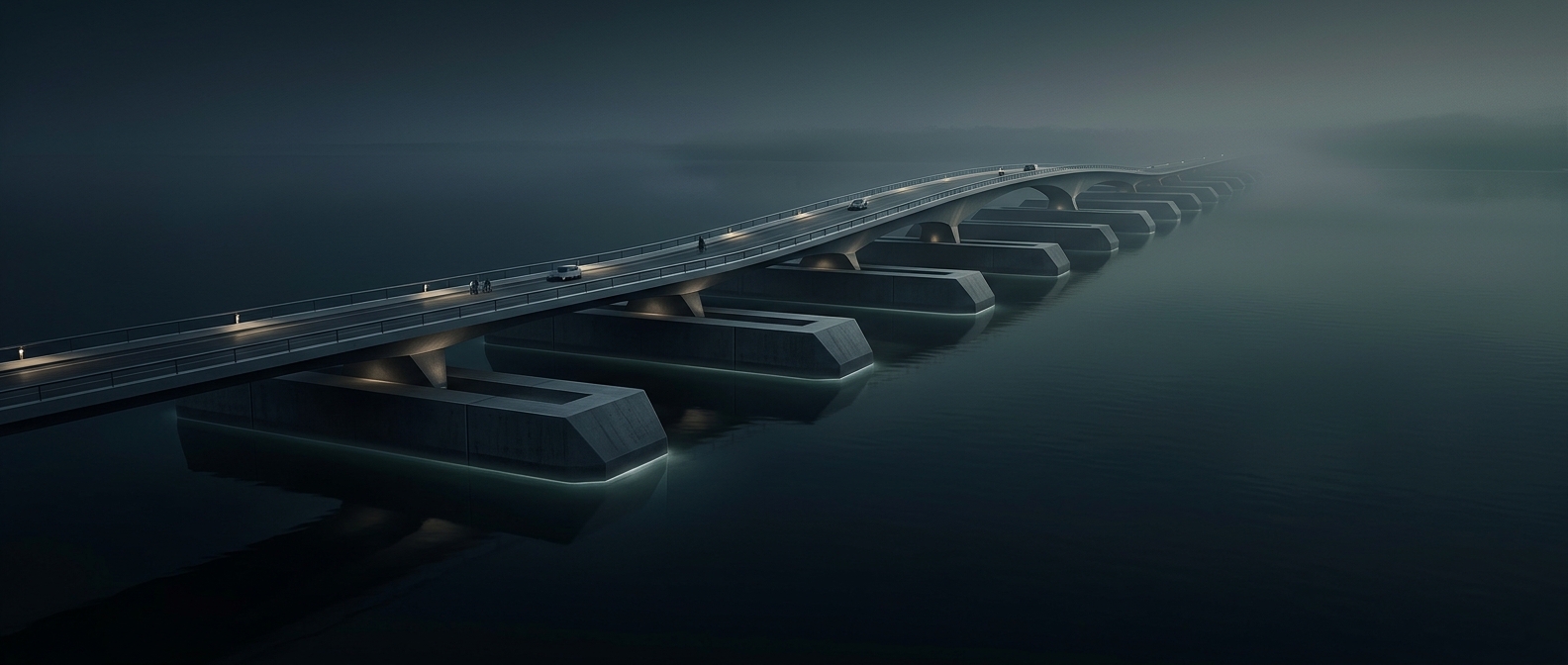
How concrete can float beneath a highway
Concrete pontoons float because their hollow chambers trap air and displace water. Joined together, they support the roadway like a line of enormous sealed…
Discover more STACKY FOR IPHONE
A bigger world.
One discovery
at a time.
Keep discovering with Stacky. Interesting facts in an app that is always within reach.
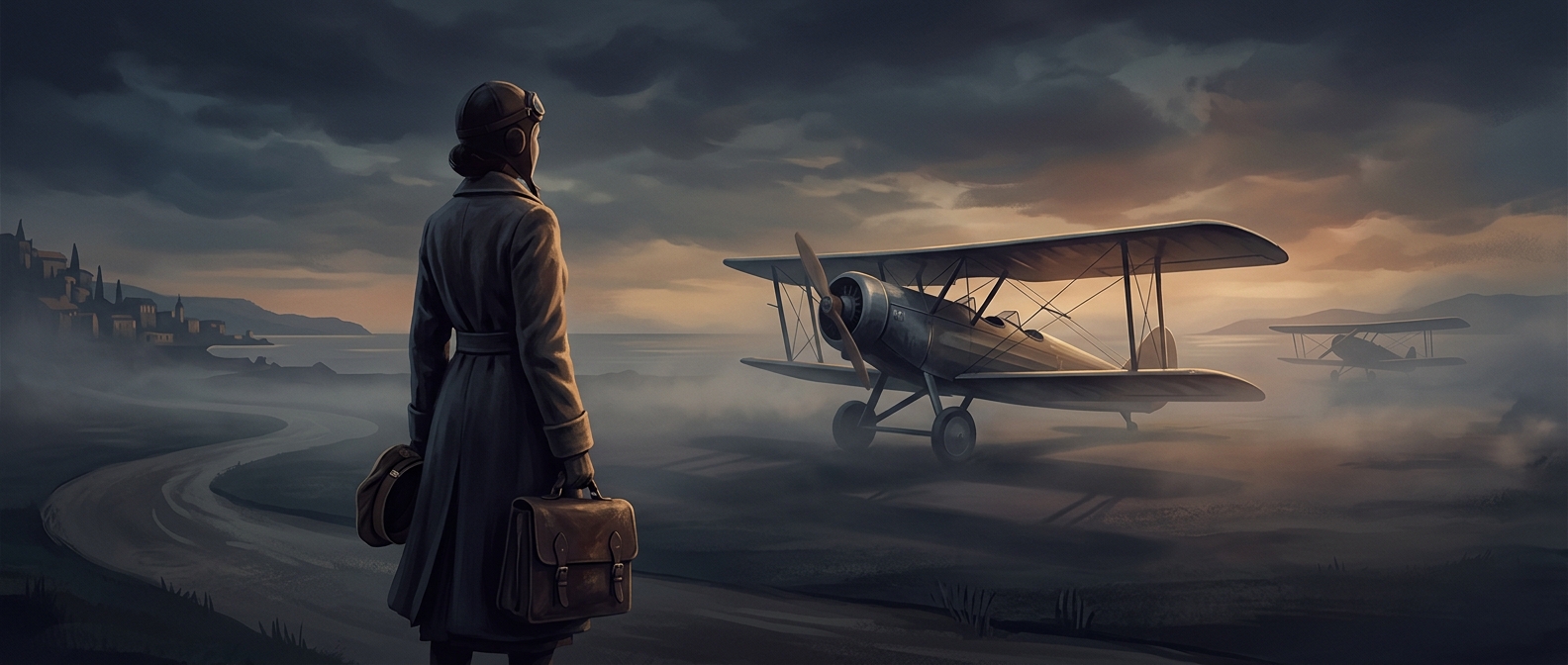
Why some pioneering women learned to fly abroad
Some countries offered women access to flight training that schools at home denied them. Learning to fly began with a passport, because the biggest obstacle…
Discover more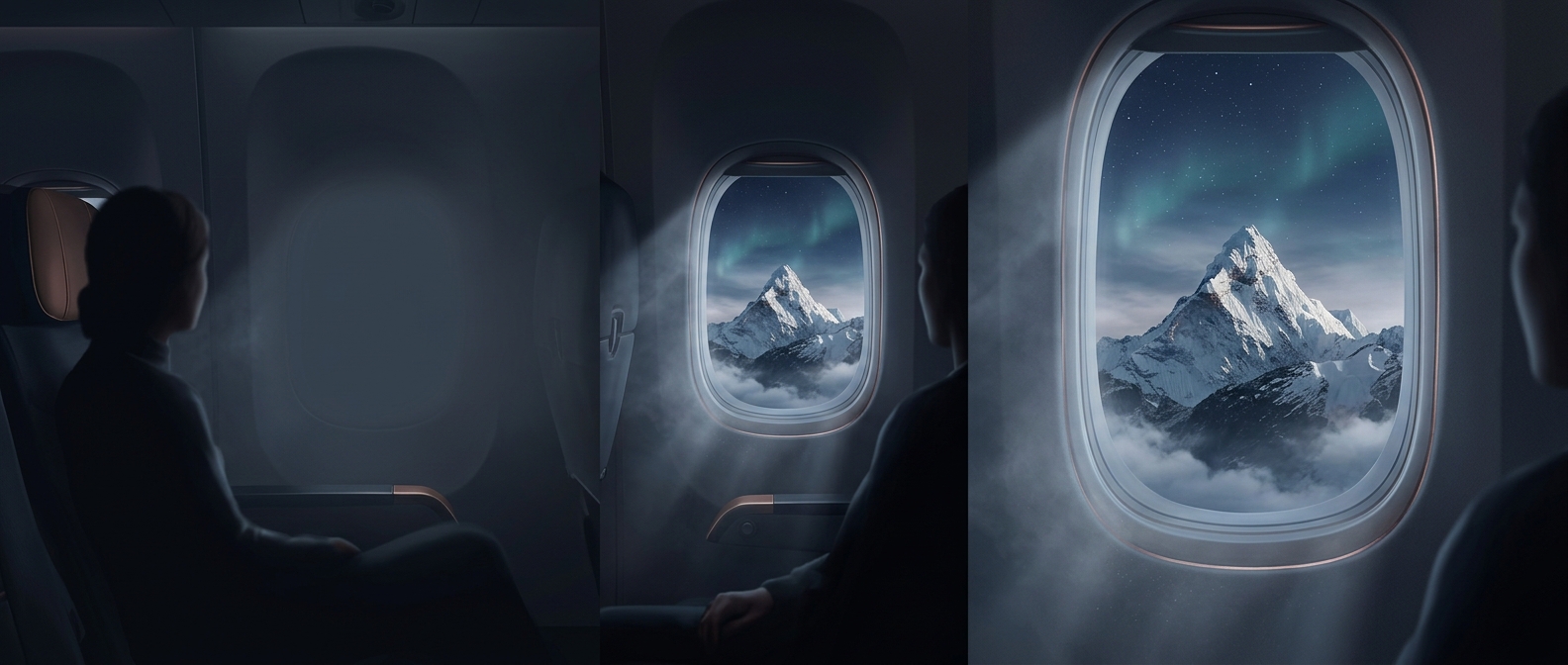
Cabin pressure simulates extreme elevations
A jet cabin stays pressurized, but not to sea-level pressure: the air feels like being several thousand feet up a mountain. The plane brings its own…
Discover more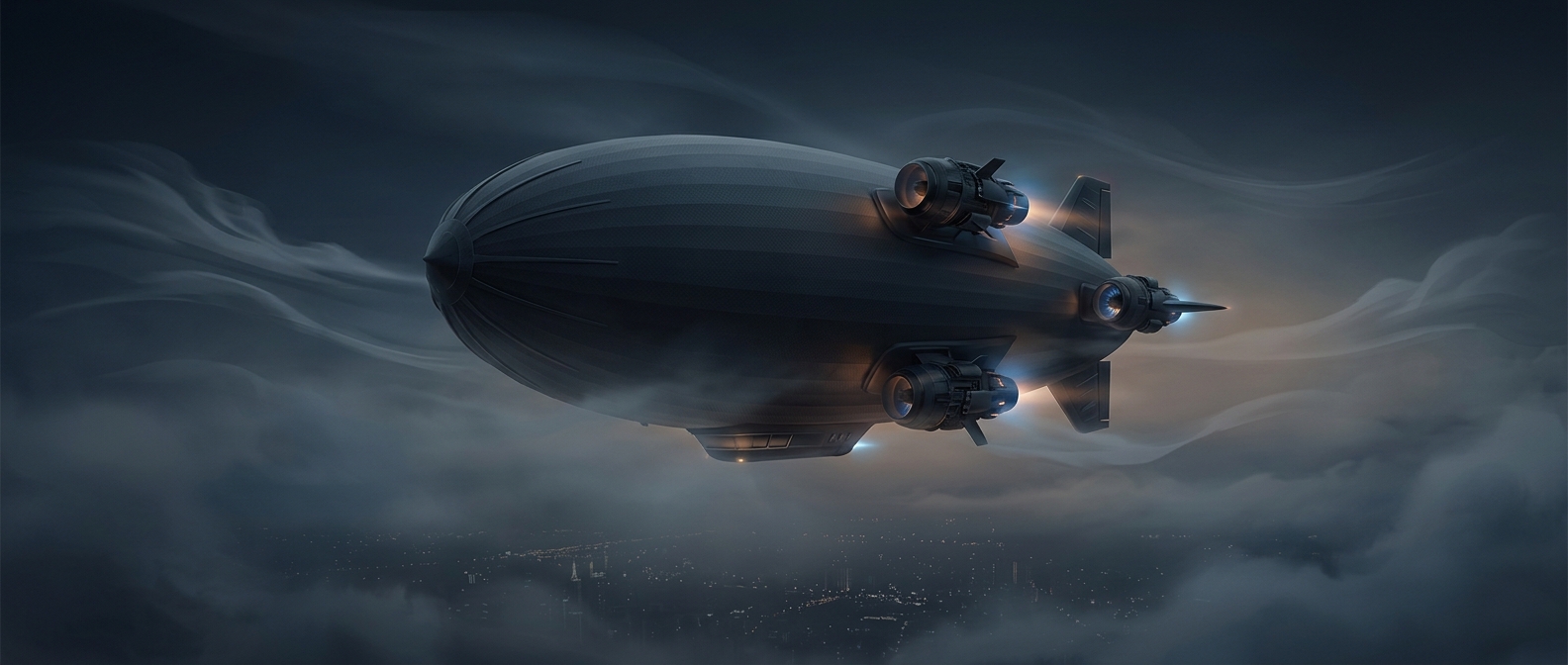
Modern blimps utilize vectoring engines to hover motionless
When wind nudges a blimp, its engines swivel their thrust to push back and hold the airship in place. Buoyancy handles the lifting; the vectoring engines…
Discover more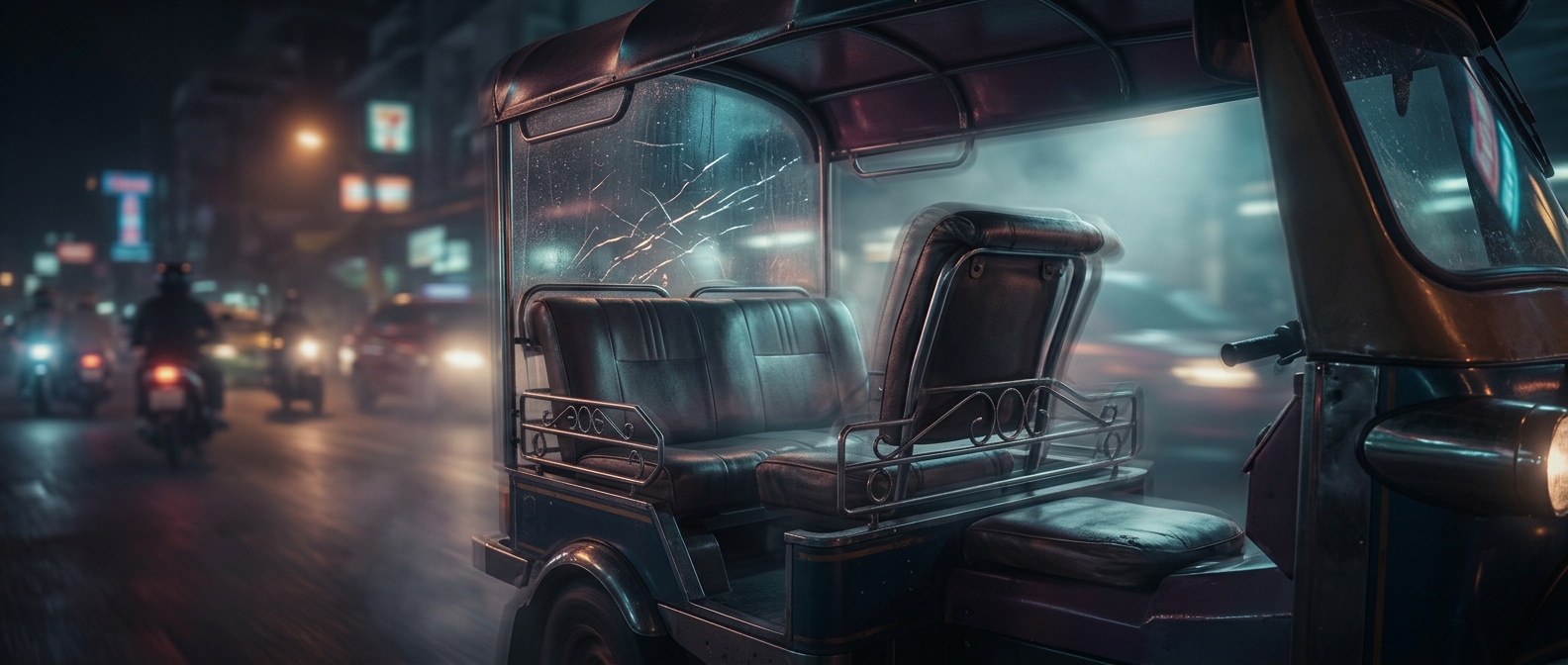
Why tuk-tuks shake at every stoplight
Many tuk-tuks use small engines that vibrate strongly at low idle. Their light frames pass that shudder straight to the seats, so waiting at a red light feels…
Discover more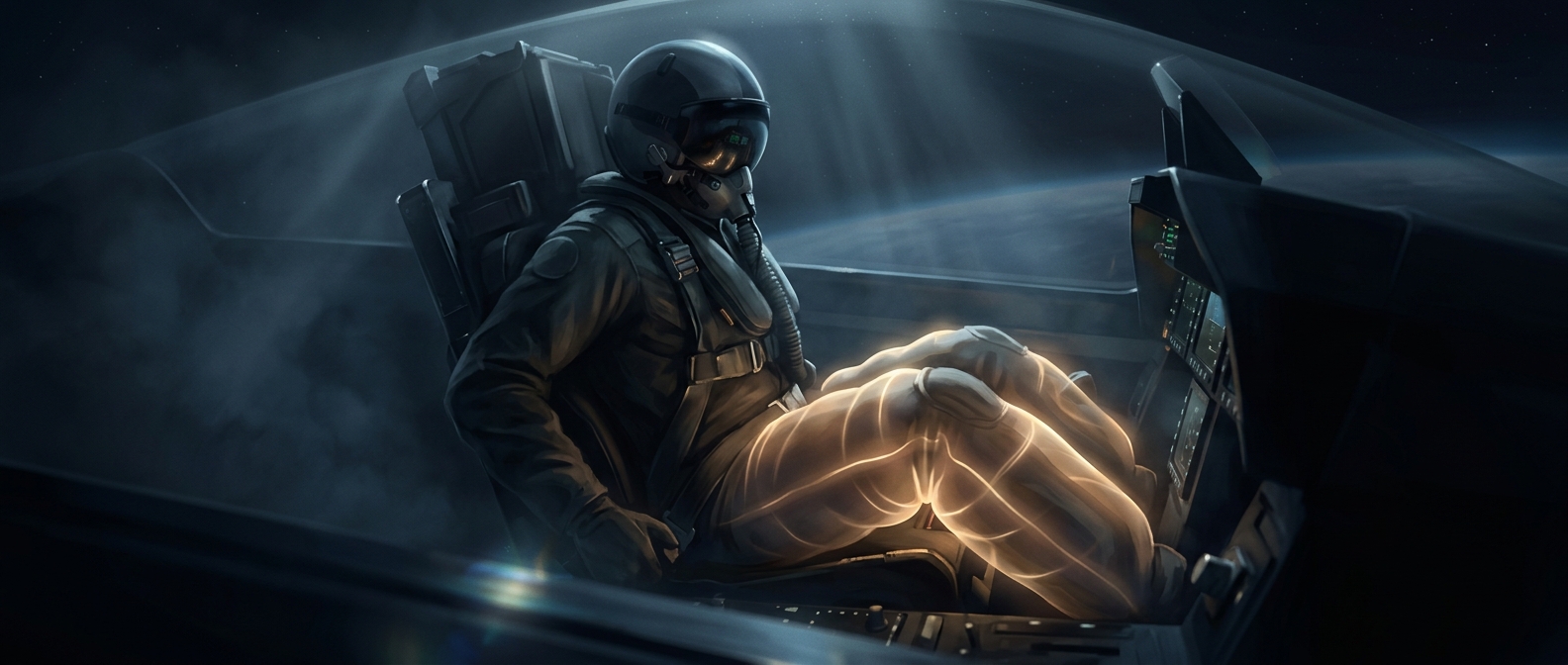
Why fighter pilots wear inflatable trousers
At high G-forces, blood gets pulled toward a pilot’s legs, leaving less for the brain. Inflatable trousers squeeze the legs and abdomen to help keep blood…
Discover more
NASA flew a helicopter where the air is barely there
Ingenuity used long, fast-spinning rotors and a very light body to fly in Mars's thin atmosphere. It also controlled itself: the radio delay made live…
Discover more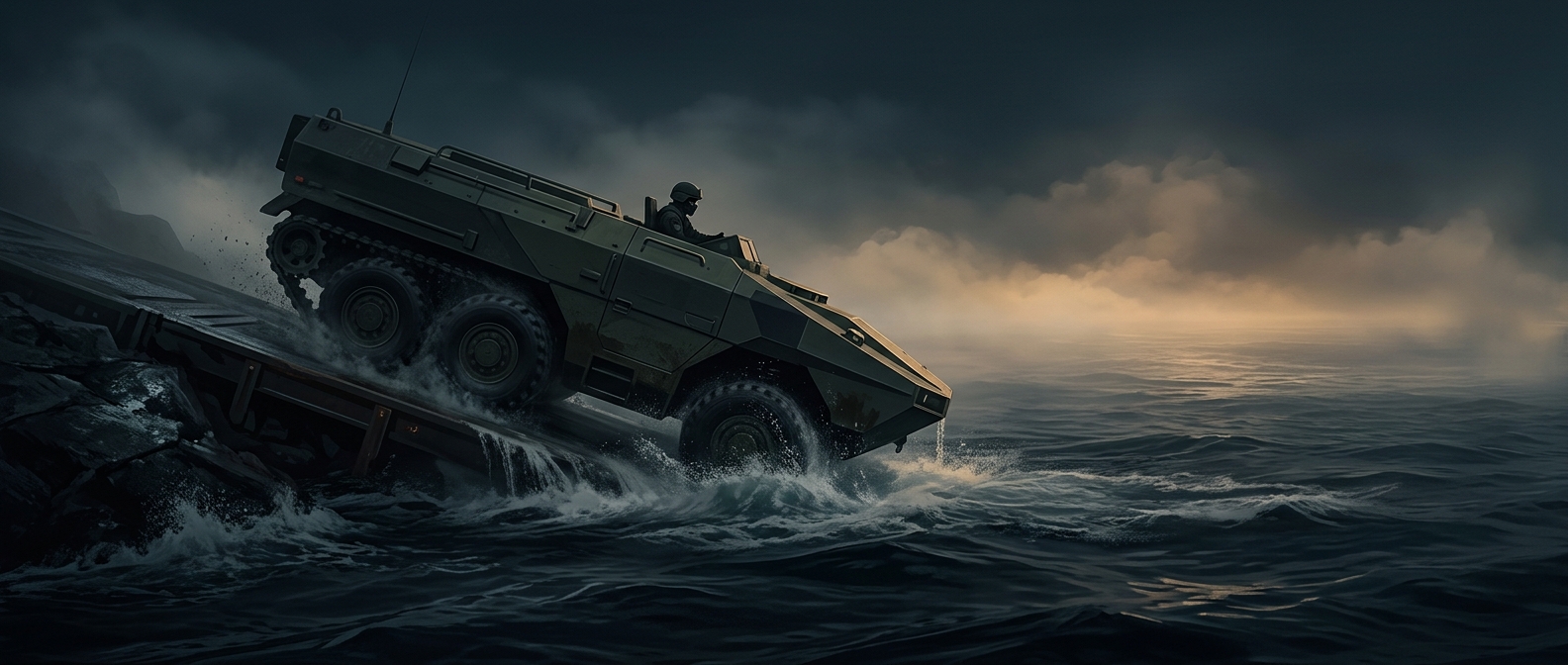
Military amphibious transports roll straight into open water
The vehicle rolls down the bank until its sealed hull floats; then a propeller pushes it forward. The tires brought it to the water’s edge, but the boat part…
Discover more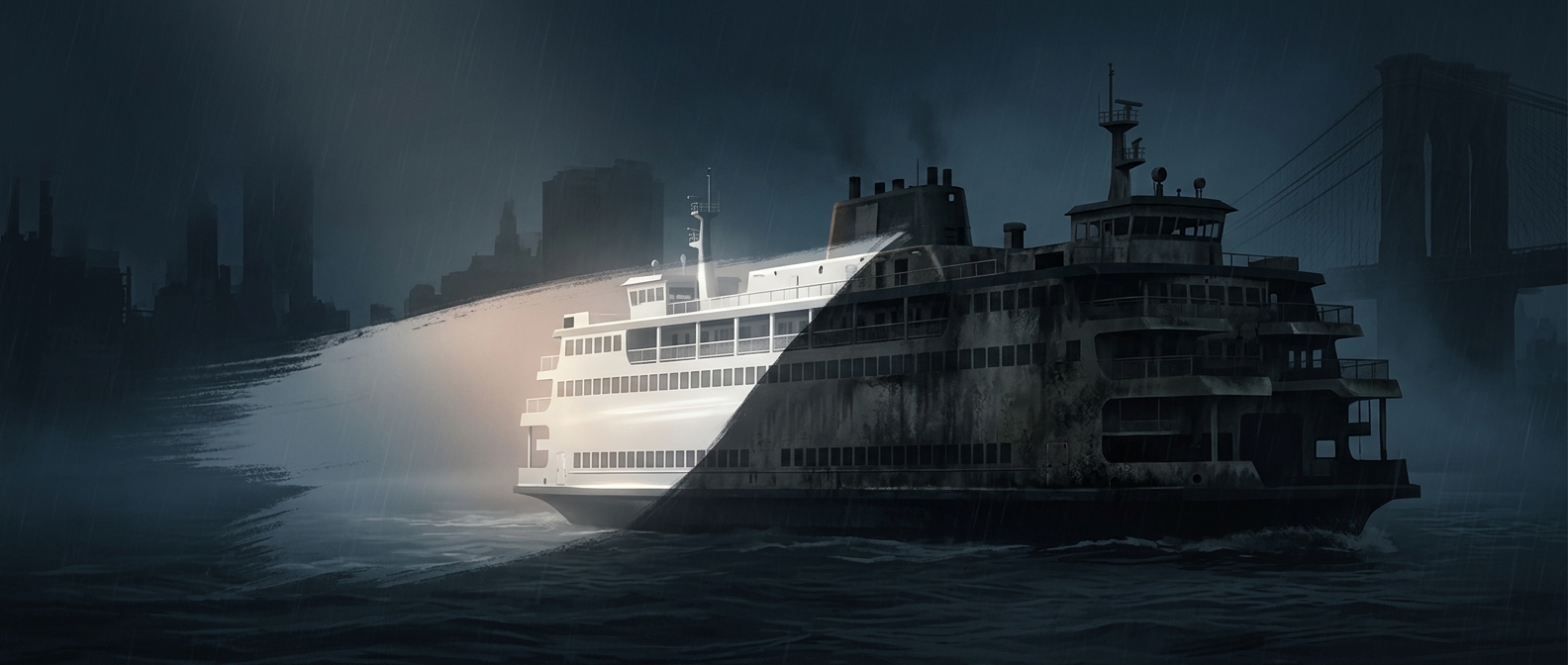
Why Staten Island ferries turned orange
Orange stands out against gray water and fog, making the ferries easier to spot. It is a practical safety color with a side benefit: nobody mistakes the boat…
Discover more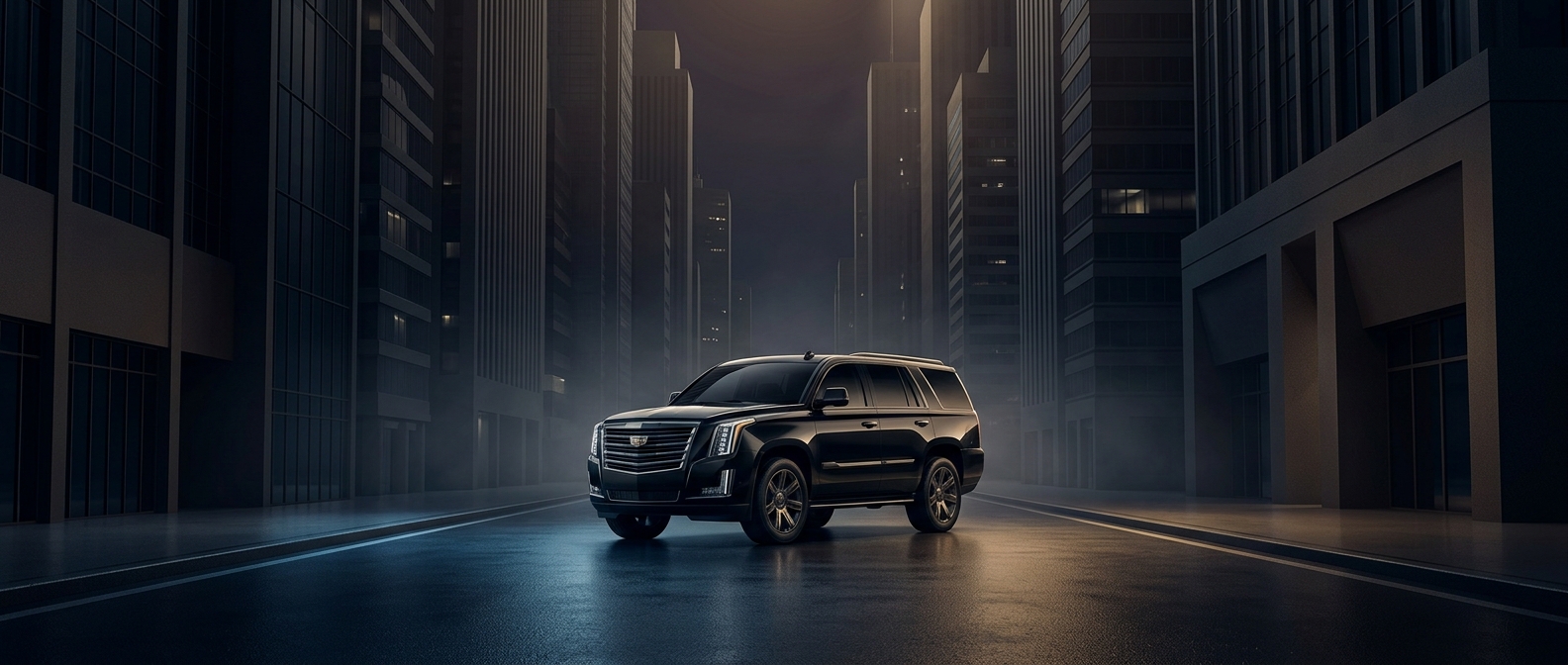
Where massive SUVs actually spend most of their time
Most giant SUVs spend their days on ordinary roads, making ordinary trips, then squeezing into parking spaces designed by someone with a sense of humor. Their…
Discover more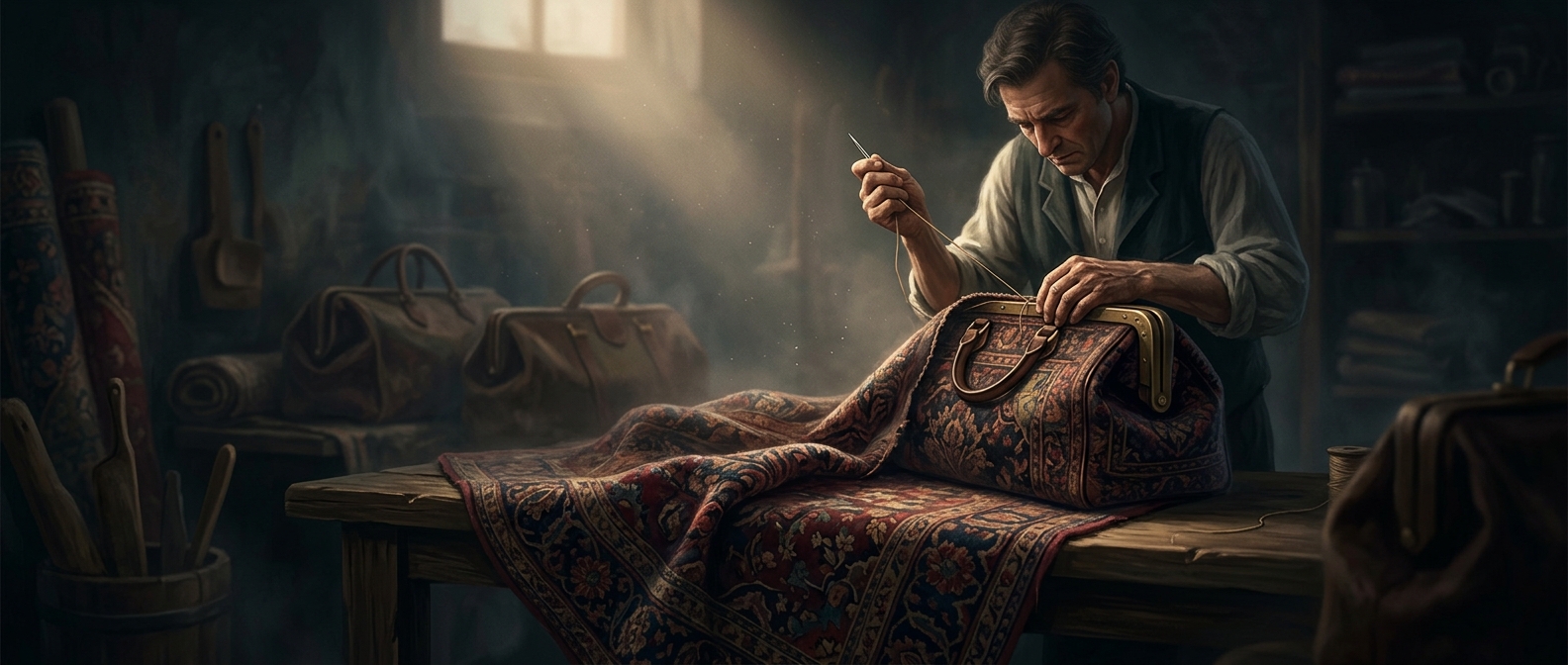
When travelers made luggage from old rugs
Thick carpet fabric made sturdy bags that handled rough travel better than flimsy cloth. Travelers turned old rugs into luggage, so the baggage carousel once…
Discover more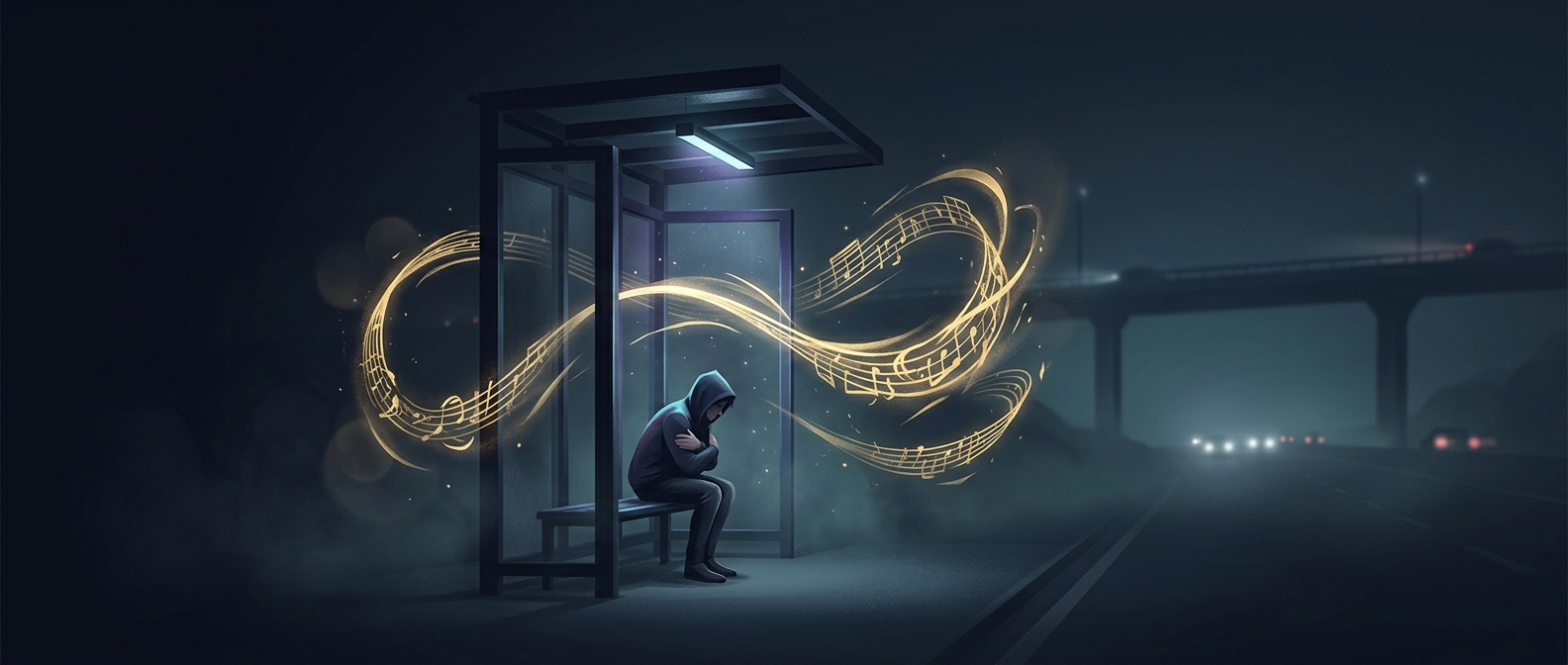
The Underground tried classical music as crowd control
London stations played classical recordings as part of efforts to discourage antisocial behavior. The idea was to change who wanted to linger, not merely…
Discover more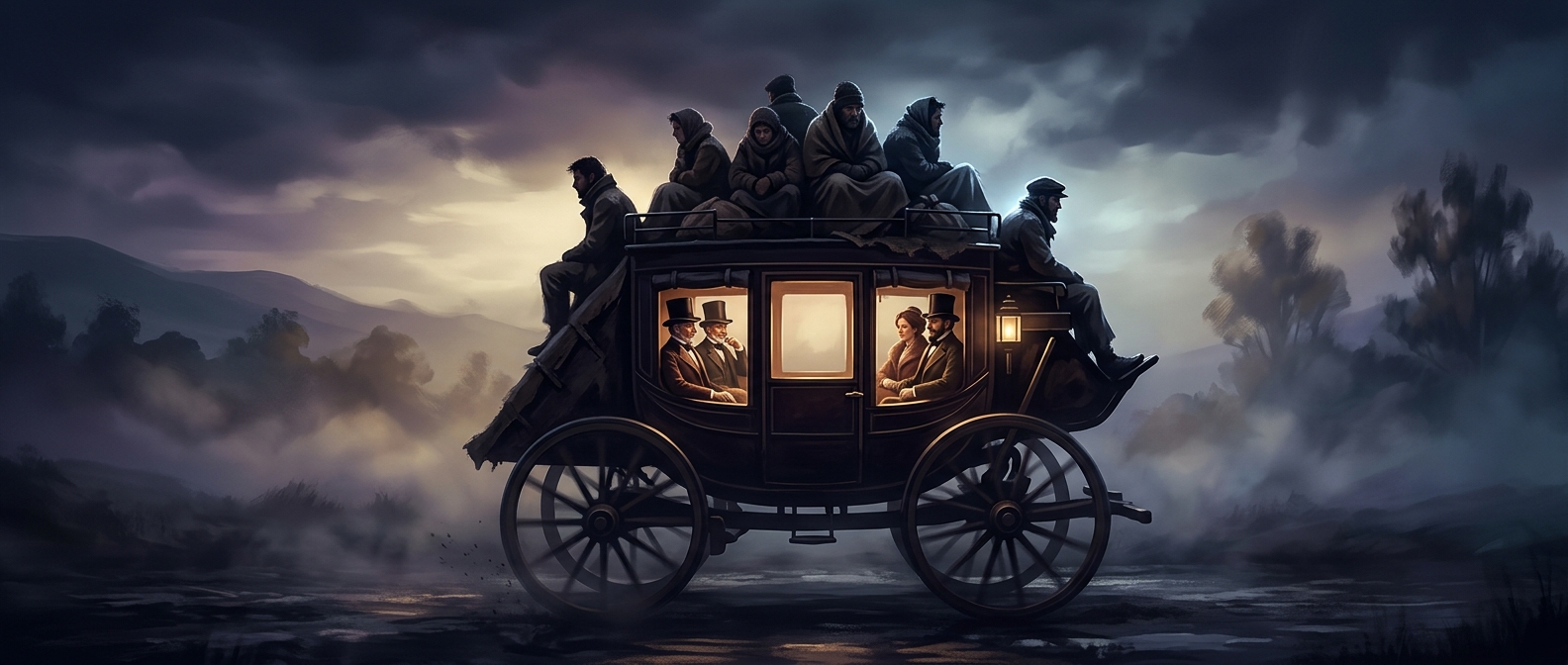
Rich stagecoach riders sat inside while the poor sat up top
Inside the coach, passengers paid for shelter and a proper seat. The cheaper spot on top left riders exposed to wind and weather. The stagecoach had class…
Discover more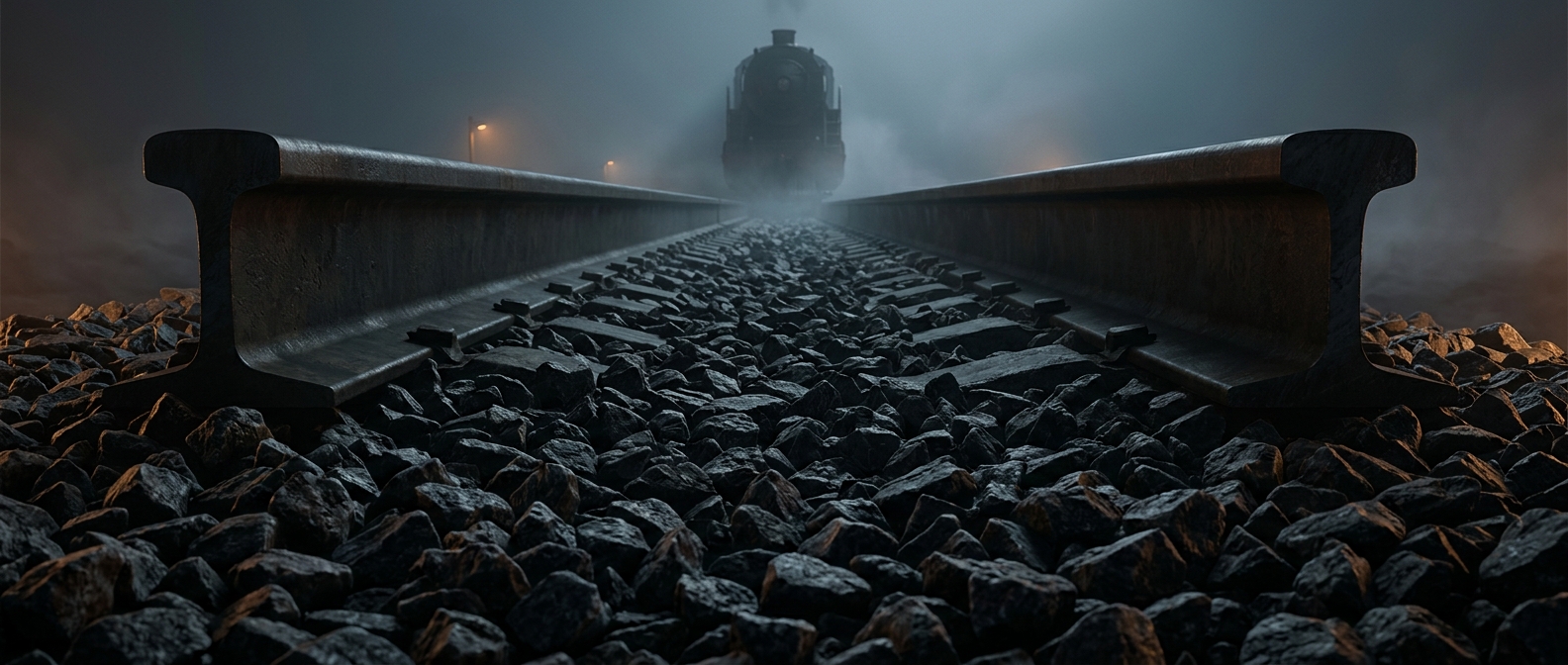
Why train tracks are covered with jagged stones
Those stones spread the train’s weight across the ground and lock the sleepers—the crosspieces under the rails—in place. Their sharp edges interlock like a…
Discover more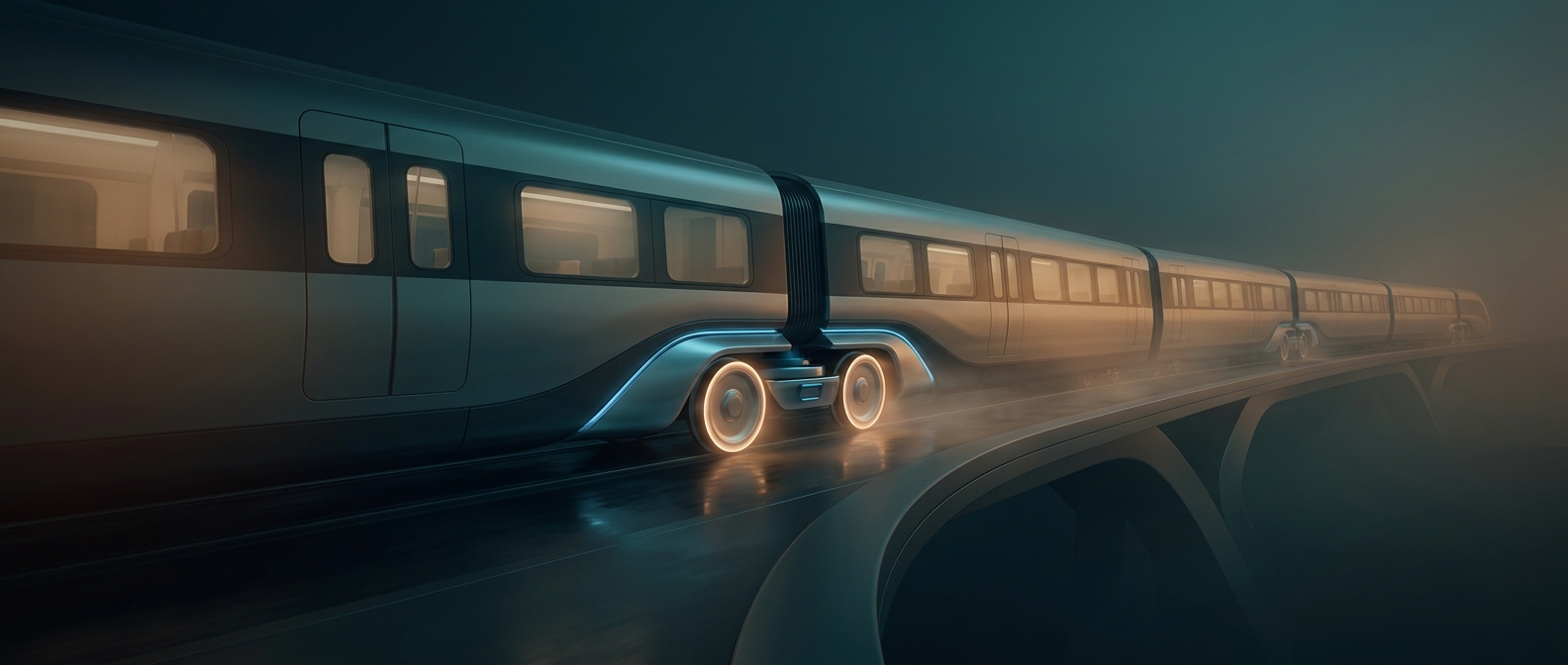
Articulated passenger carriages share center wheels
An articulated train puts a shared set of wheels beneath the ends of two linked carriages. That saves a whole wheel assembly and lets the cars bend through…
Discover more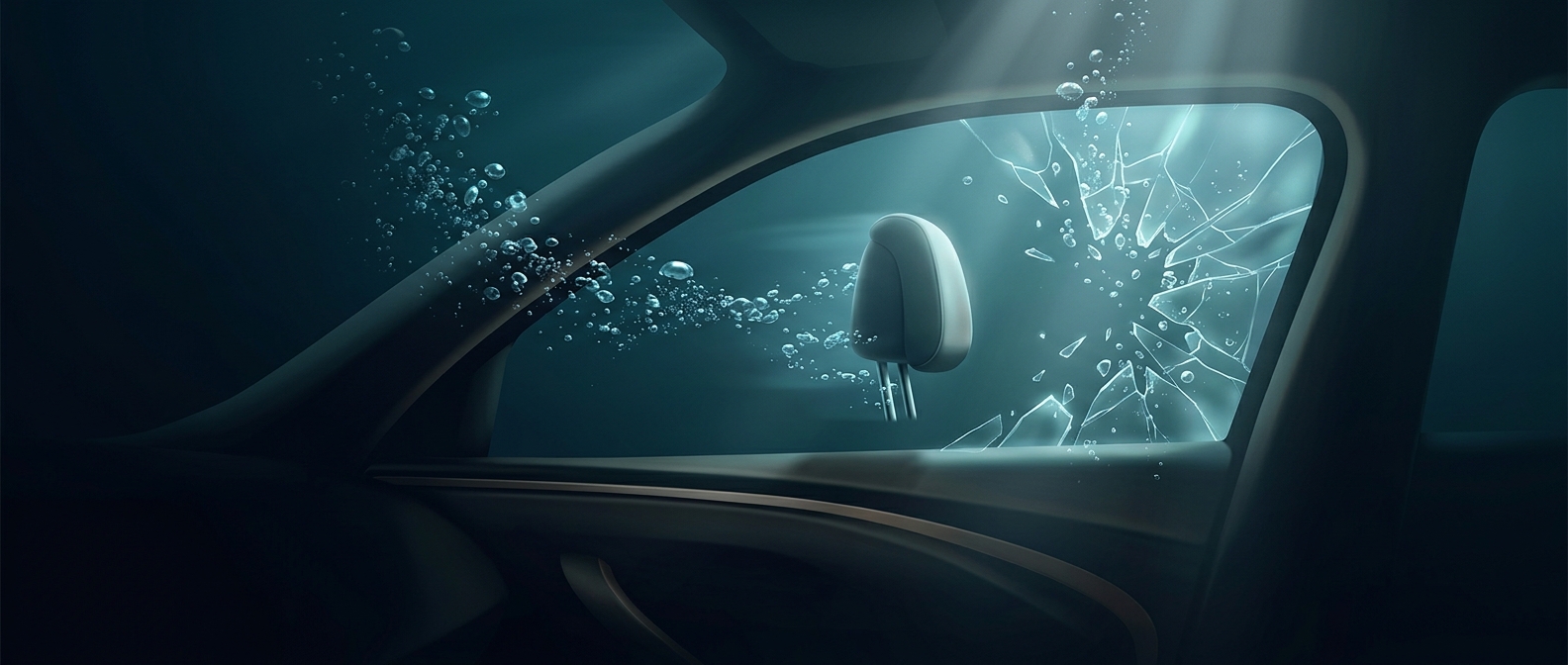
Your car's window glass changes the escape problem
Tempered side windows can shatter into fragments; laminated windows hold together around a plastic layer. AAA tests found escape tools that broke the first…
Discover more
Why blimps depend on fossil fuel drilling
The gas that lifts blimps is extracted from deep underground fossil-fuel deposits, so these quiet airships depend on drilling.
Discover more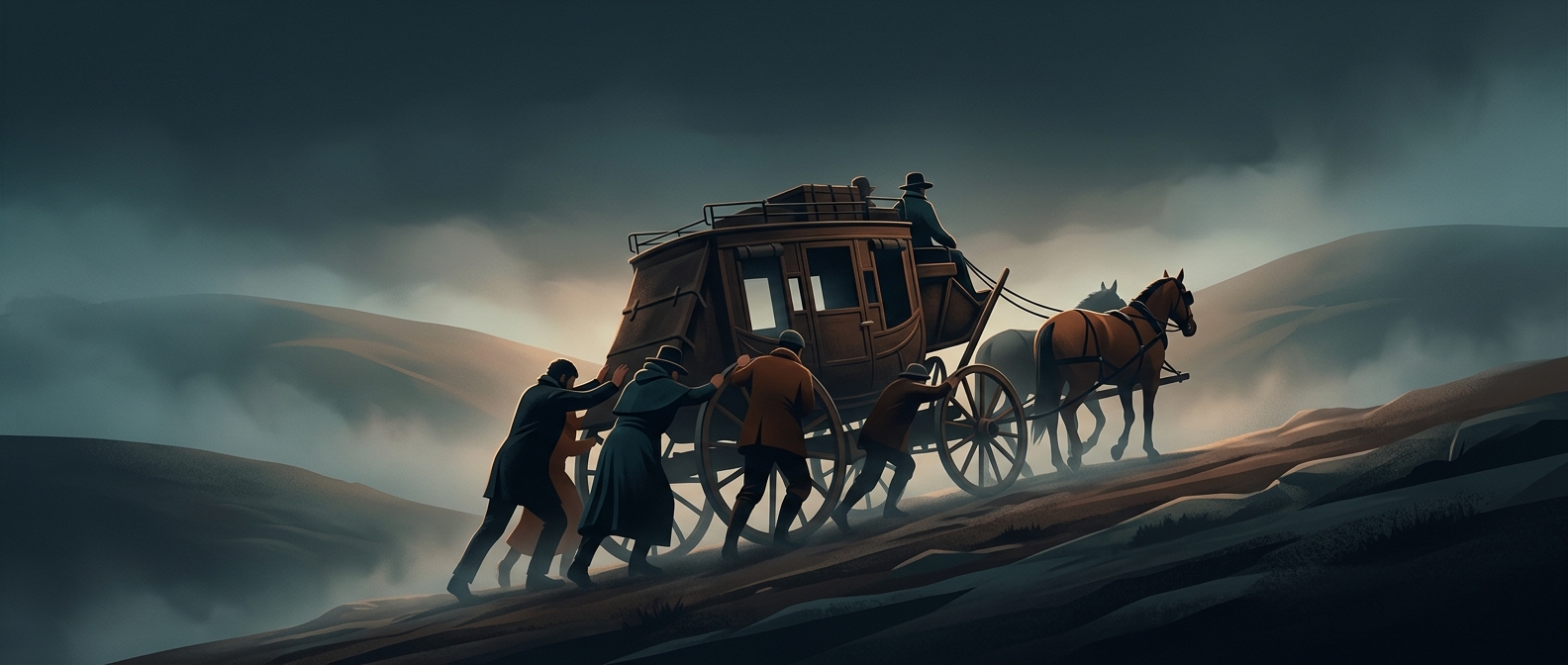
When stagecoach passengers had to push uphill
A loaded coach put a heavy pull on its horses, so passengers got out on steep climbs to lighten the load—and push. It was the original ride-share surcharge:…
Discover more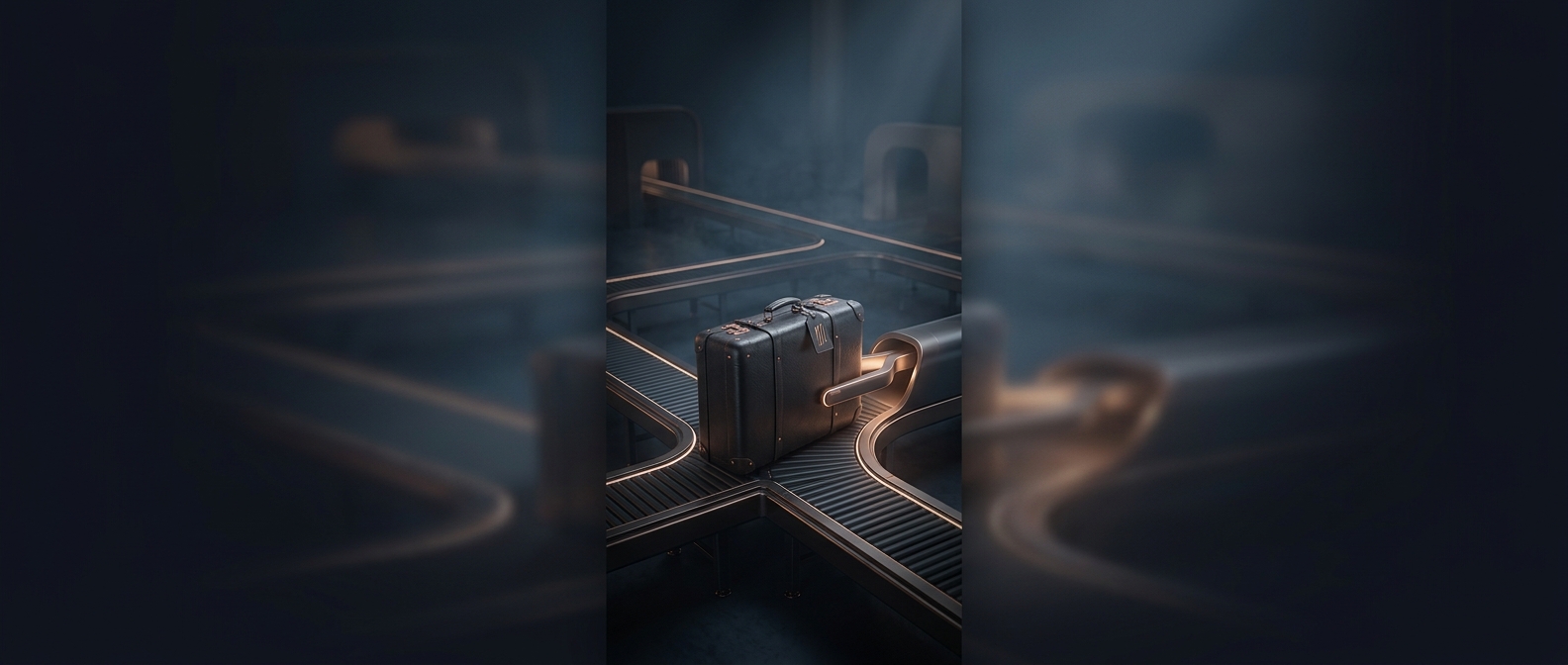
How airports fling your luggage onto new belts
A baggage system tracks each bag’s destination and steers it at conveyor junctions with moving trays or angled rollers. The bag rides straight until the…
Discover more