Transport
Discover facts about transport. Small discoveries that change the way you see familiar things.
Transport
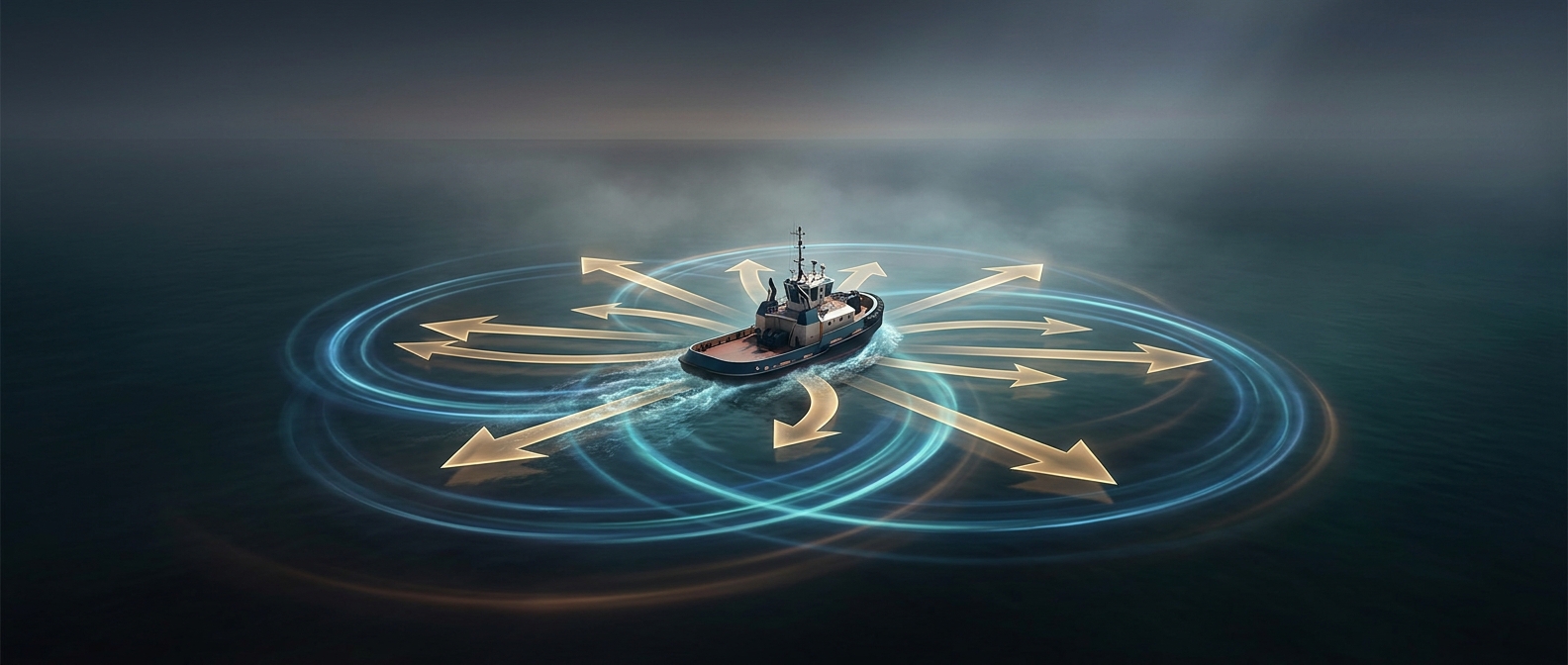
How tugboats move sideways
A tugboat points its propellers in different directions, so their thrust pushes the hull sideways instead of only forward or backward. That lets it nudge a…
Discover more
Halifax transit ferries cross the harbor in just minutes
The ferry cuts directly across Halifax Harbour instead of sending passengers around it by road. The water looks like an obstacle from a car; from a boat, it’s…
Discover more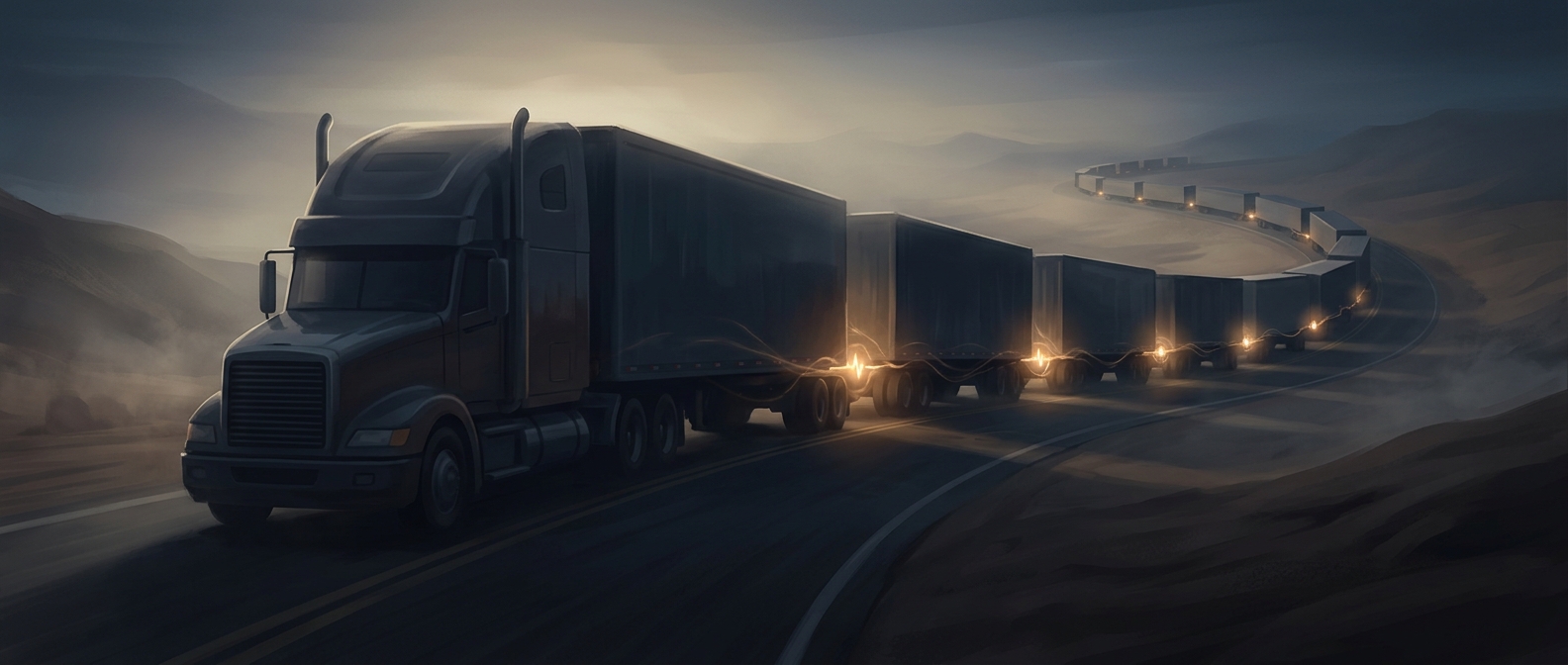
Dollies link multiple trailers together
The dolly gives the trailer behind a set of wheels and a hitch of its own, so several trailers follow one truck. Think train cars without rails, held together…
Discover more
Outrigger canoes utilize side floats to prevent flipping
An outrigger float widens the canoe’s support, much like a table leg set far out from the table. As the canoe leans, the float presses into the water and…
Discover more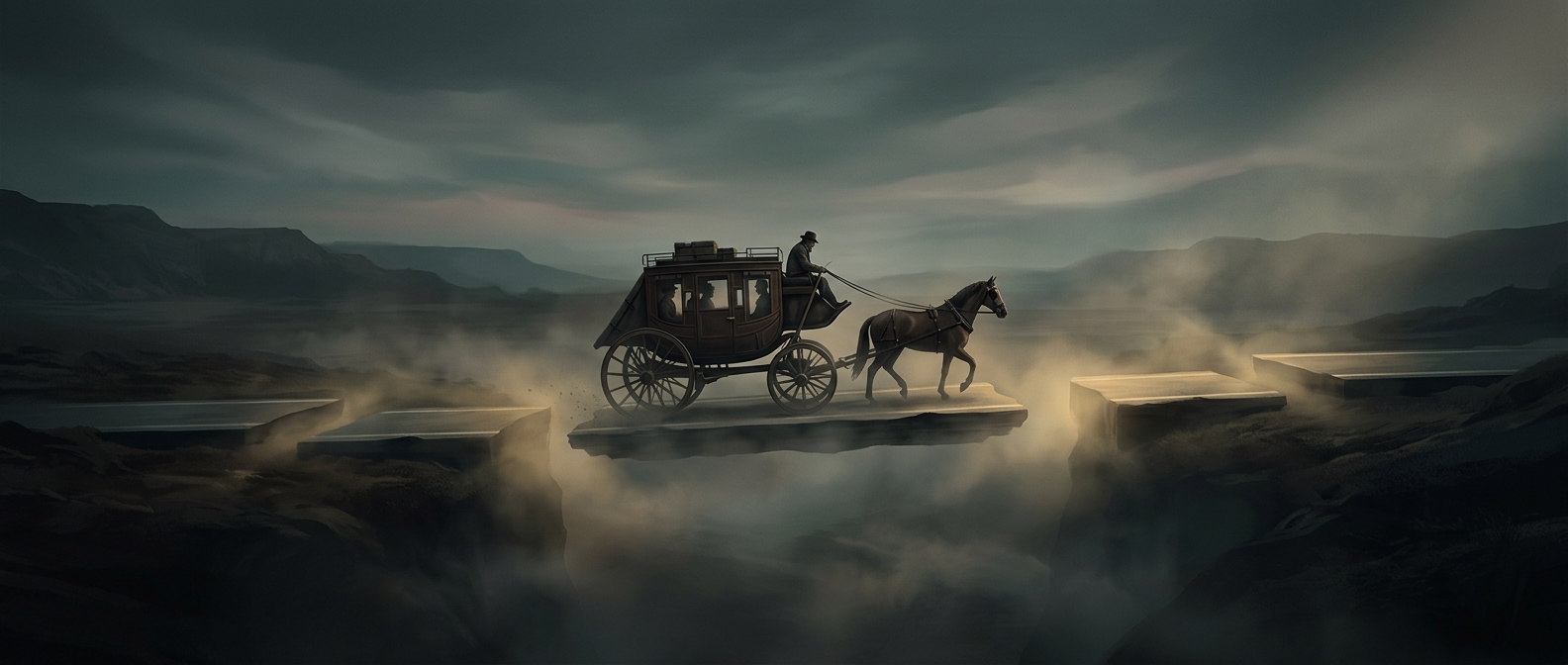
Why stagecoach journeys were divided into stages
At each stage stop, tired horses were replaced with fresh ones, so the coach could keep moving without asking one team to haul it all day. The passengers…
Discover more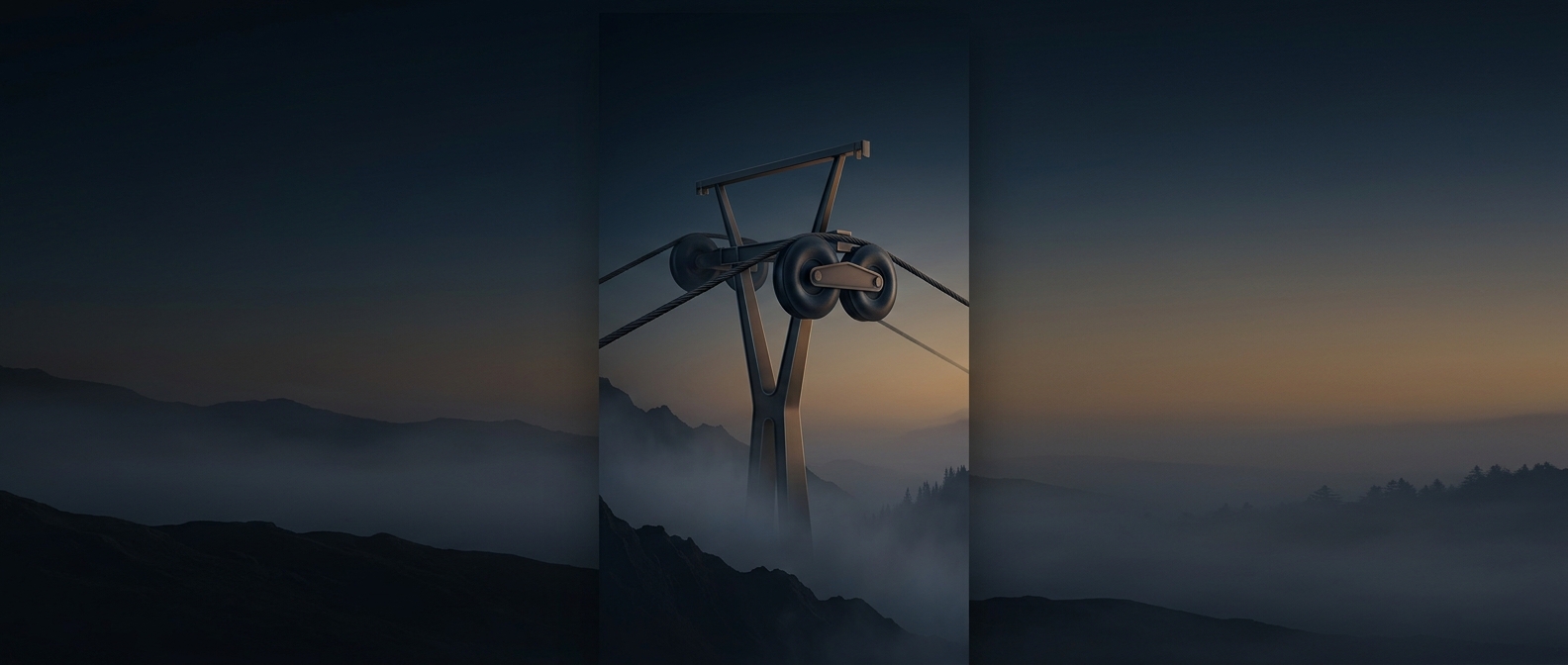
Gondola lift towers feature rubber wheels to guide the rope
At each tower, the cable rolls through grooved sheaves that keep it aligned. Rubber linings cushion the moving rope, cutting clatter and wear; the wheels act…
Discover more STACKY FOR IPHONE
A bigger world.
One discovery
at a time.
Keep discovering with Stacky. Interesting facts in an app that is always within reach.

Why deep-sea explorers used gasoline for buoyancy
Gasoline is lighter than seawater, so deep-sea explorers used it as a float material: it supplied lift without a pocket of air that would be crushed by…
Discover more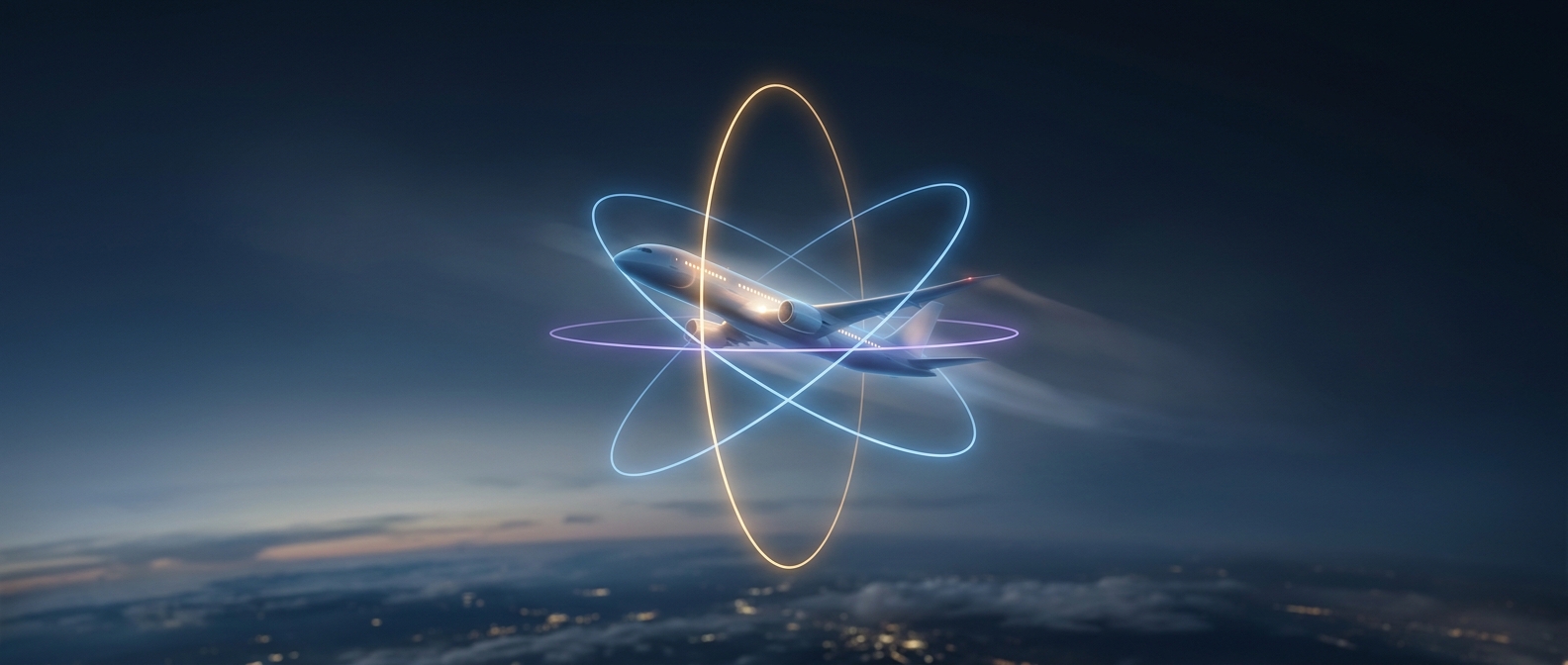
Airplanes rotate around three invisible intersecting lines
An airplane pitches nose-up or down, rolls from wingtip to wingtip, and yaws left or right around three axes through its center. Elevators, ailerons, and the…
Discover more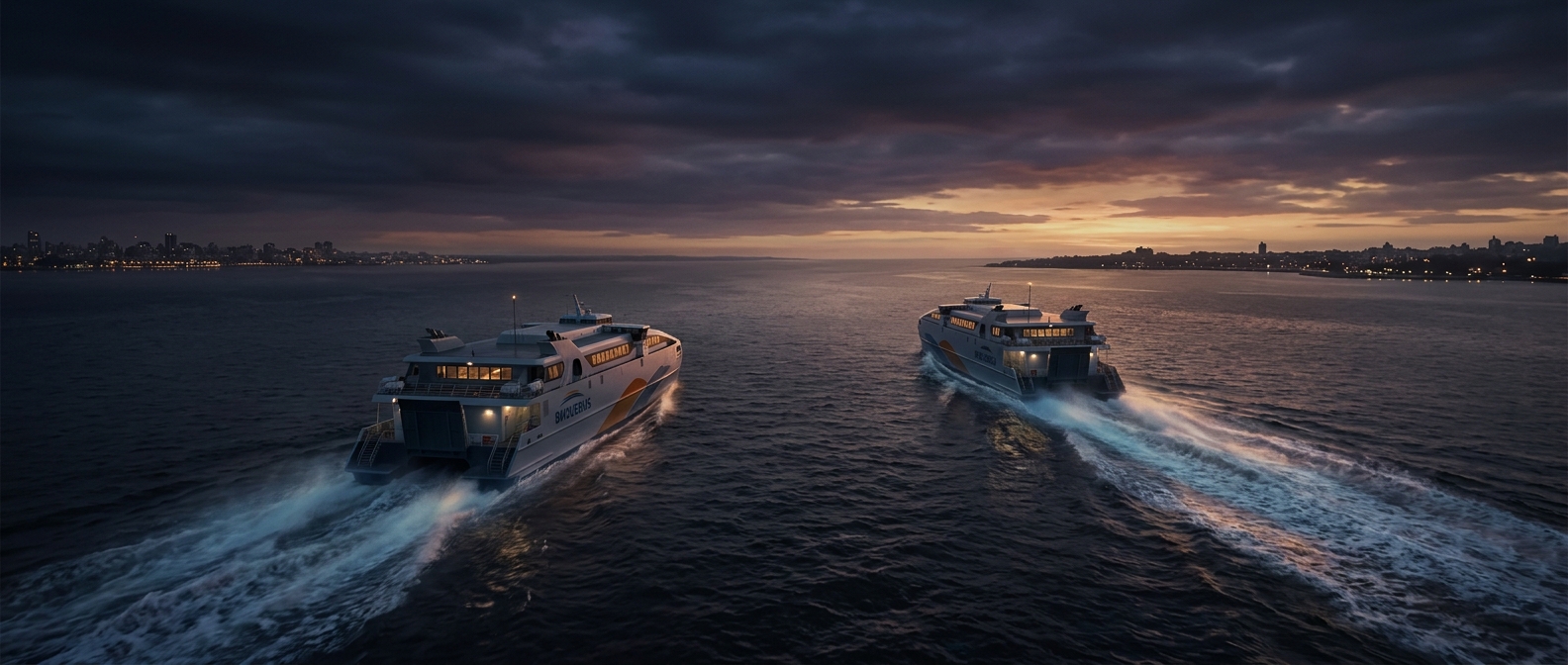
Buquebus passenger ferries race from Argentina to Uruguay
Fast Buquebus ferries cross the broad Río de la Plata with powerful engines and hulls designed to move quickly through water. The river is wide enough to make…
Discover more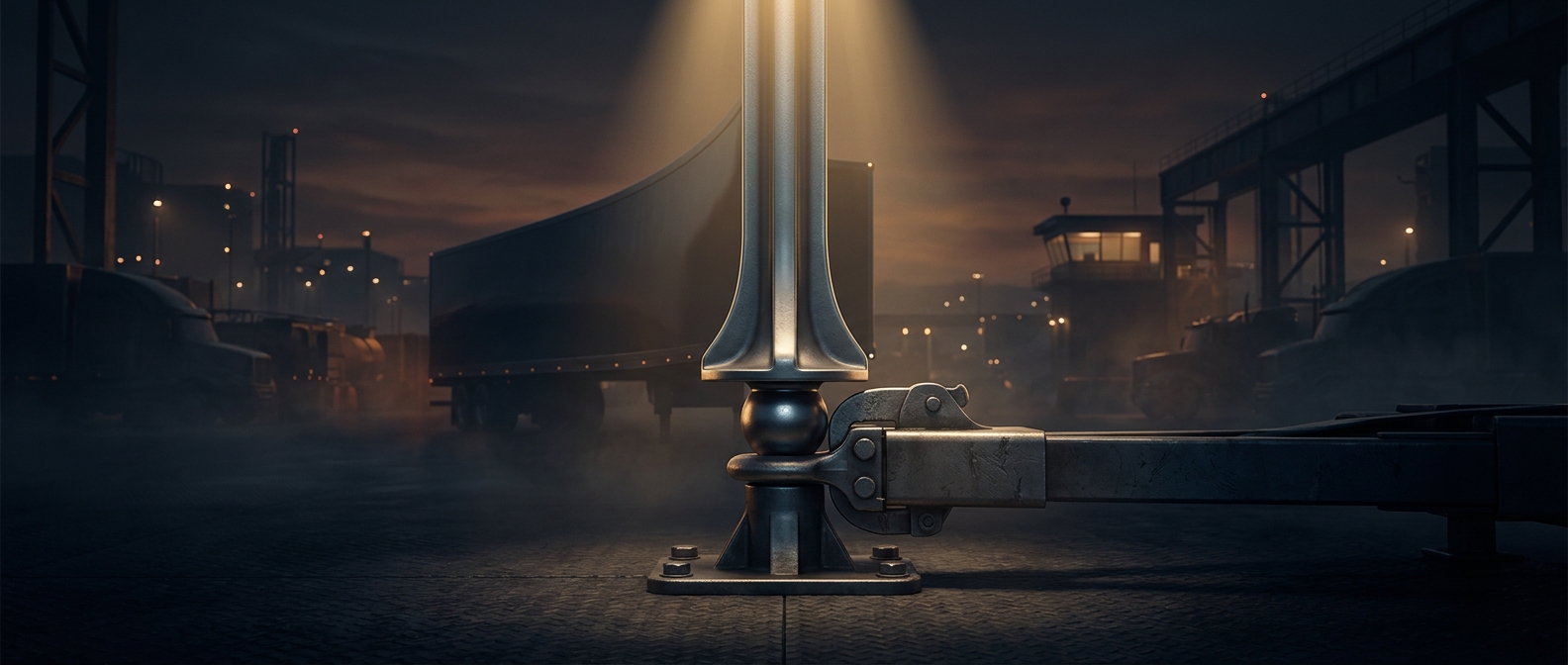
Kingpins are the main truck coupling point
A trailer’s kingpin is the stout vertical pin that locks into the truck’s fifth wheel. The jaws hold it fast while the joint swivels around corners: a steel…
Discover more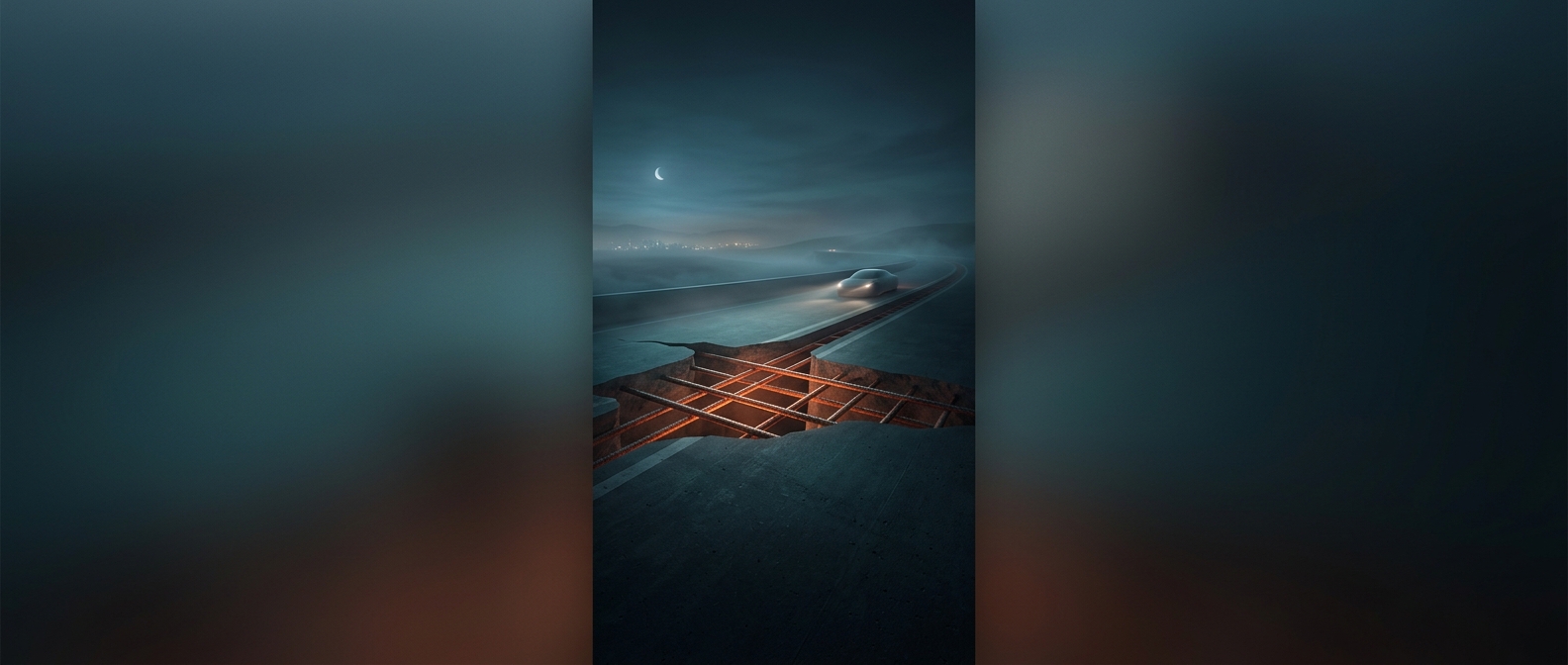
Concrete roads hide thick steel bars inside to stop cracks
Concrete handles squeezing forces well but is weak when pulled apart. Steel bars inside take that tension and help keep cracks from spreading, like a hidden…
Discover more
Why submarines avoid the famous sonar ping
An active sonar ping sends sound into the water, then listens for the echo—and announces the submarine’s presence to anything listening back. Submarines favor…
Discover more
Why roll-on ferries let drivers avoid reversing
Roll-on ferries have ramps at both ends, so cars drive aboard one way and roll off the other. No tight turning, no reversing down a crowded deck—just a…
Discover more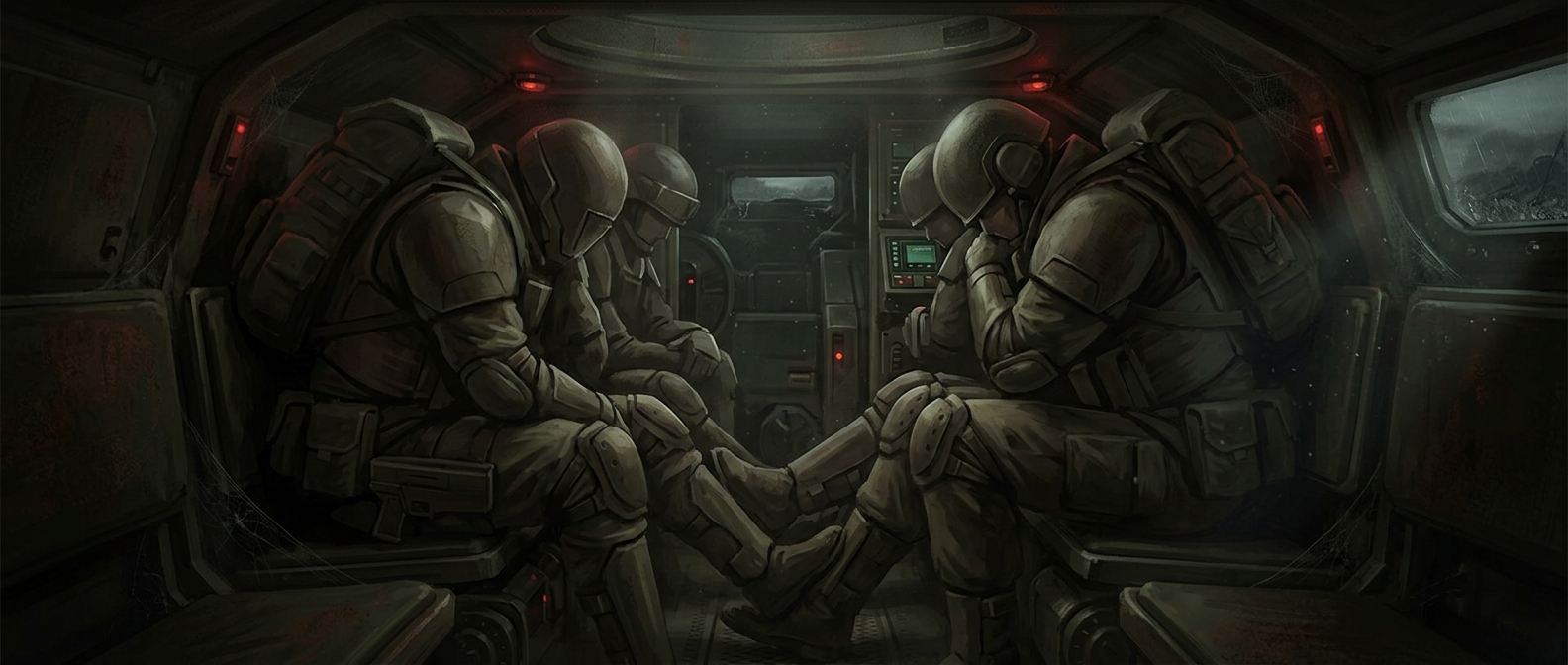
Infantry fighting vehicles provide extremely cramped seating
Armor and weapons take up space, leaving the troop compartment cramped. Soldiers sit packed among gear because the vehicle’s first job is to carry them…
Discover more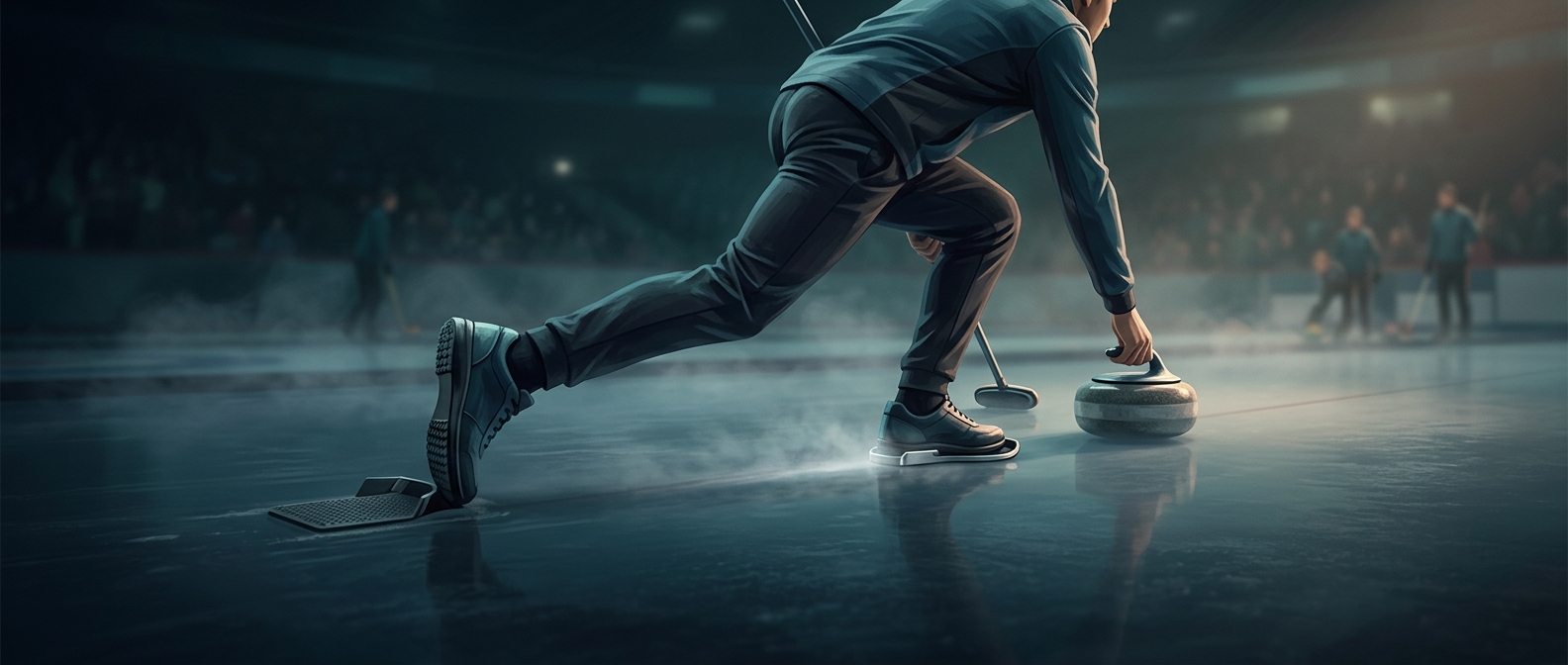
Why curlers put a slider on only one shoe
The slider goes on the foot that travels forward during delivery, while the other shoe grips the ice for the push. Curling splits the job between two feet:…
Discover more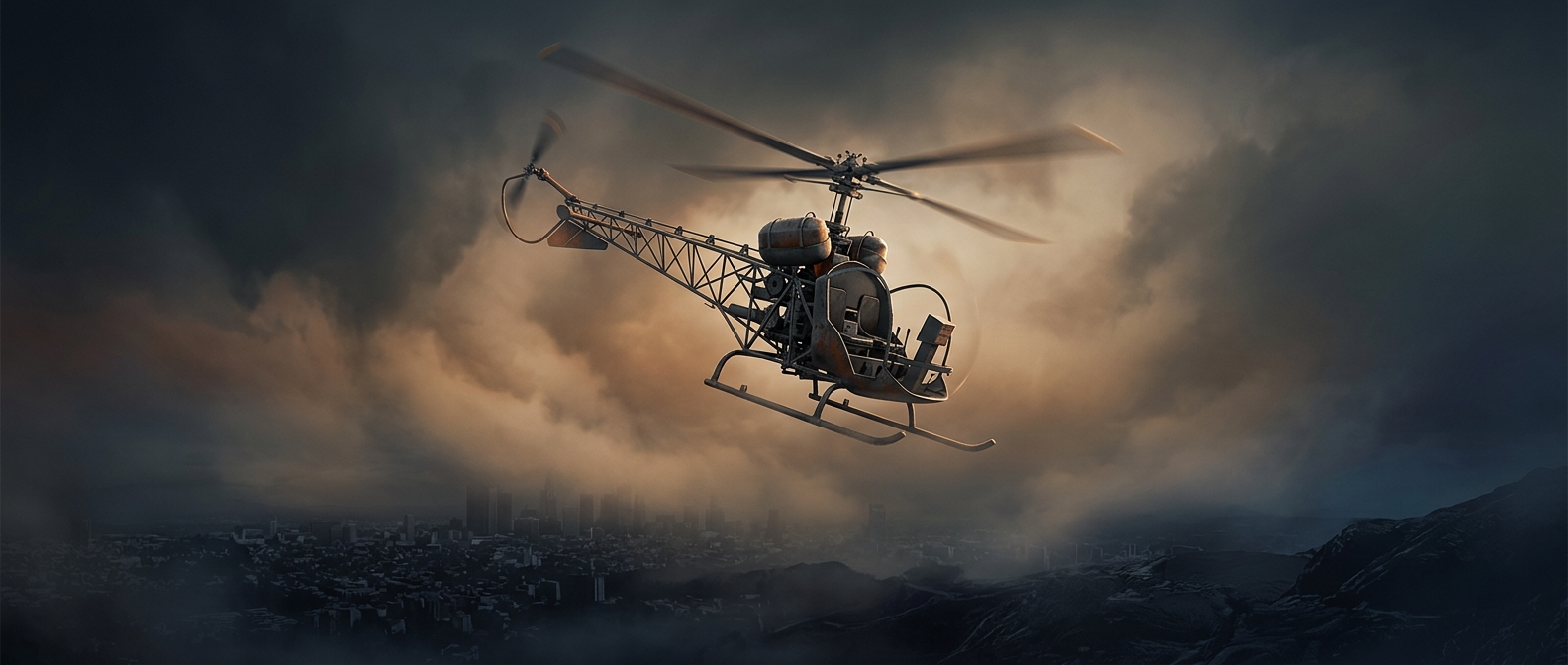
The first helicopters looked like flying death traps
A helicopter rotor has to lift the aircraft while its spinning force tries to twist the body the other way. Early designs used complicated rotor arrangements…
Discover more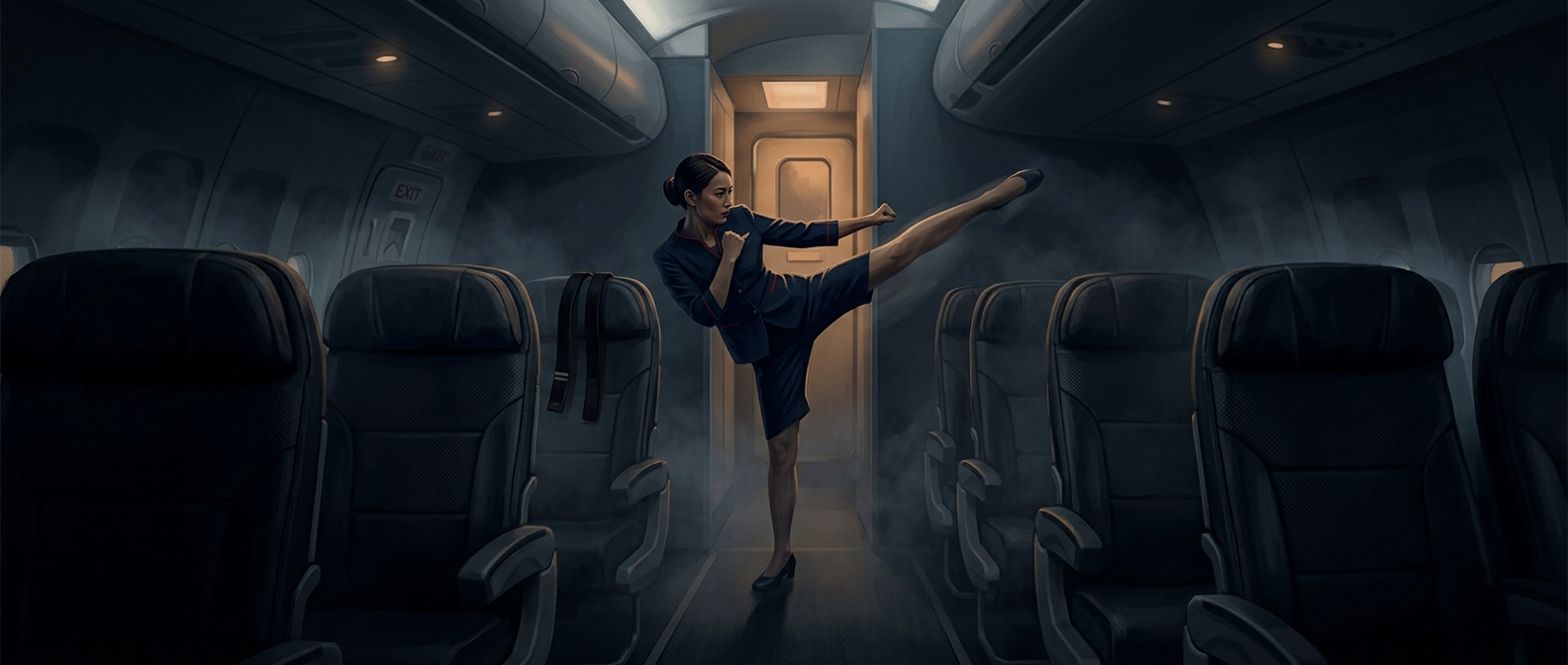
Flight attendants learn to restrain passengers
Many international airlines train cabin crew to restrain aggressive passengers, including securing them with flex-cuffs.
Discover more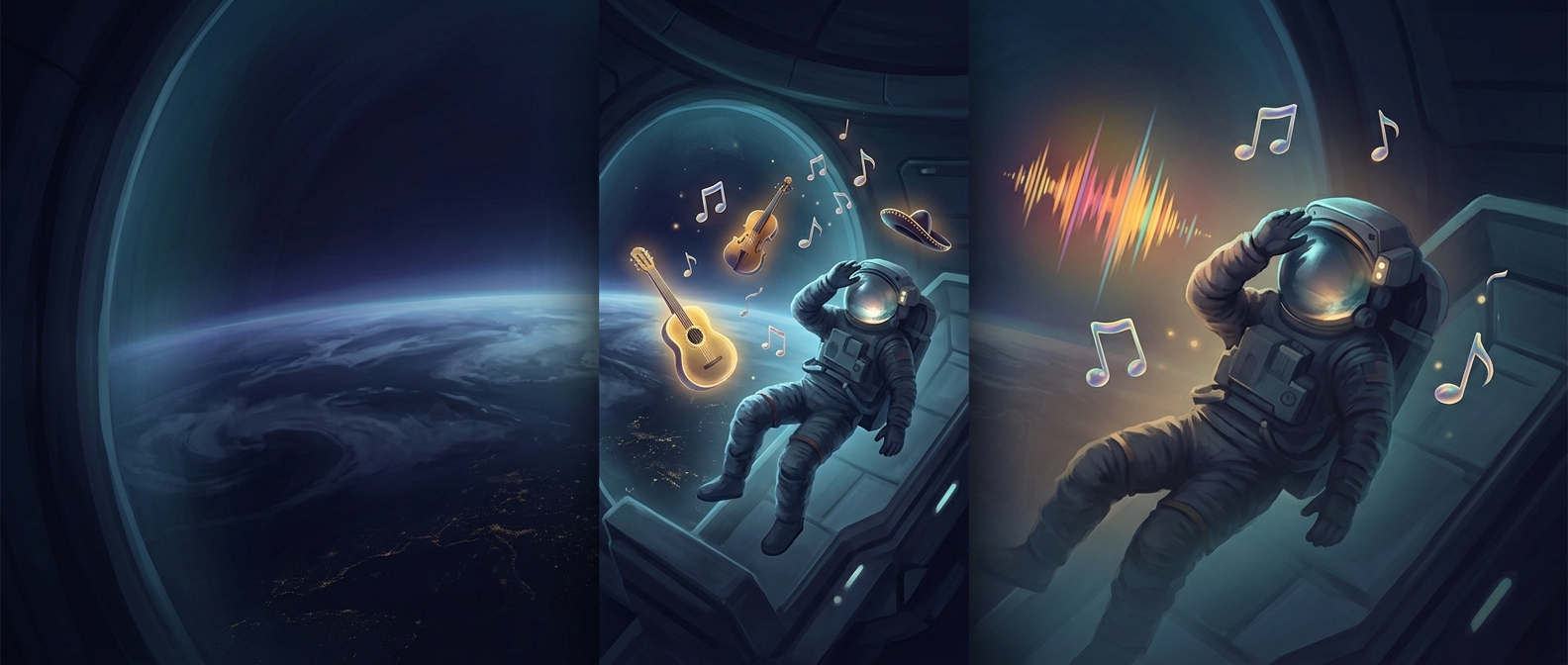
Space-shuttle crews could start the day with a song from Earth
Mission Control sent wake-up music selected for the astronauts, often with a connection to their families or the day's work. A familiar tune could travel over…
Discover more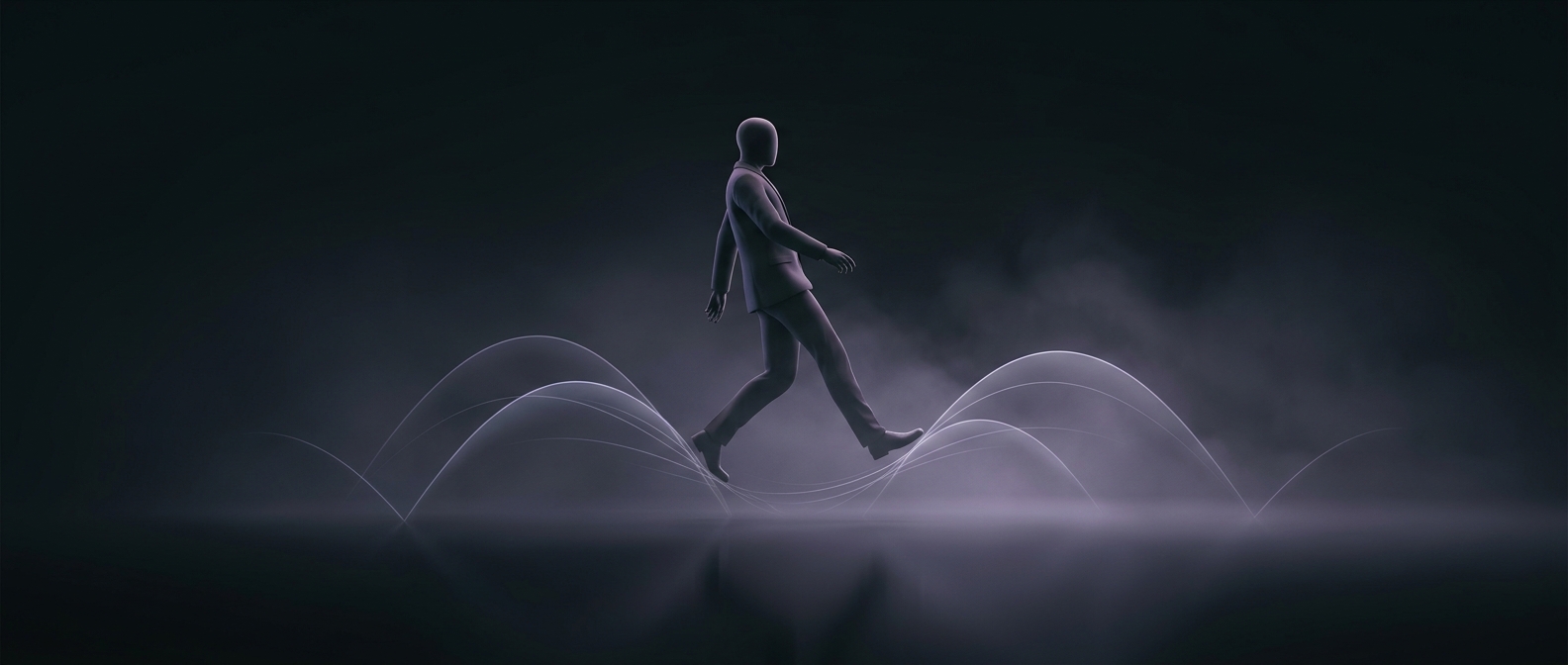
Every step is a controlled fall
Each step begins with your body leaning forward, letting gravity pull you ahead. A leg reaches out and catches your weight, then the next one repeats the…
Discover more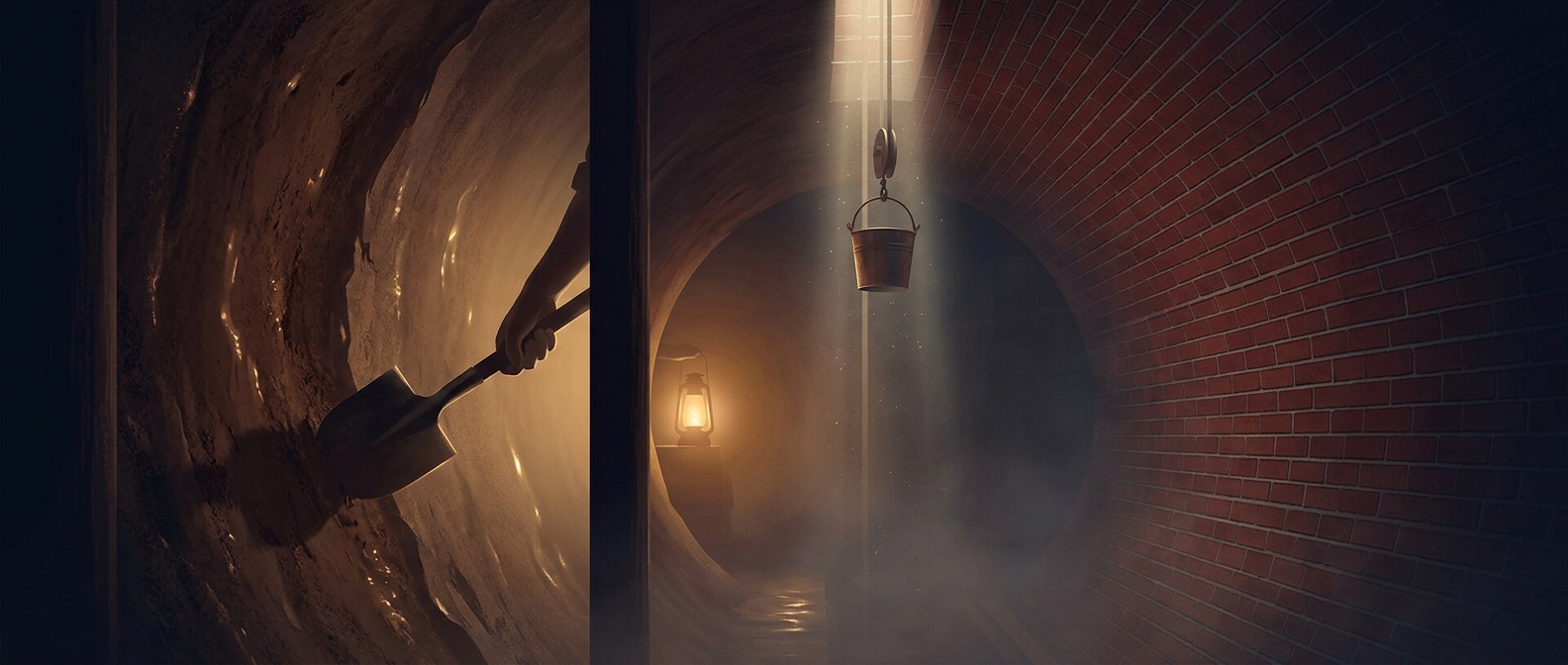
London’s first subway was dug by hand
Workers dug a trench through London’s streets, laid tracks, built brick walls and an arched roof, then covered the road again. It was less tunneling than…
Discover more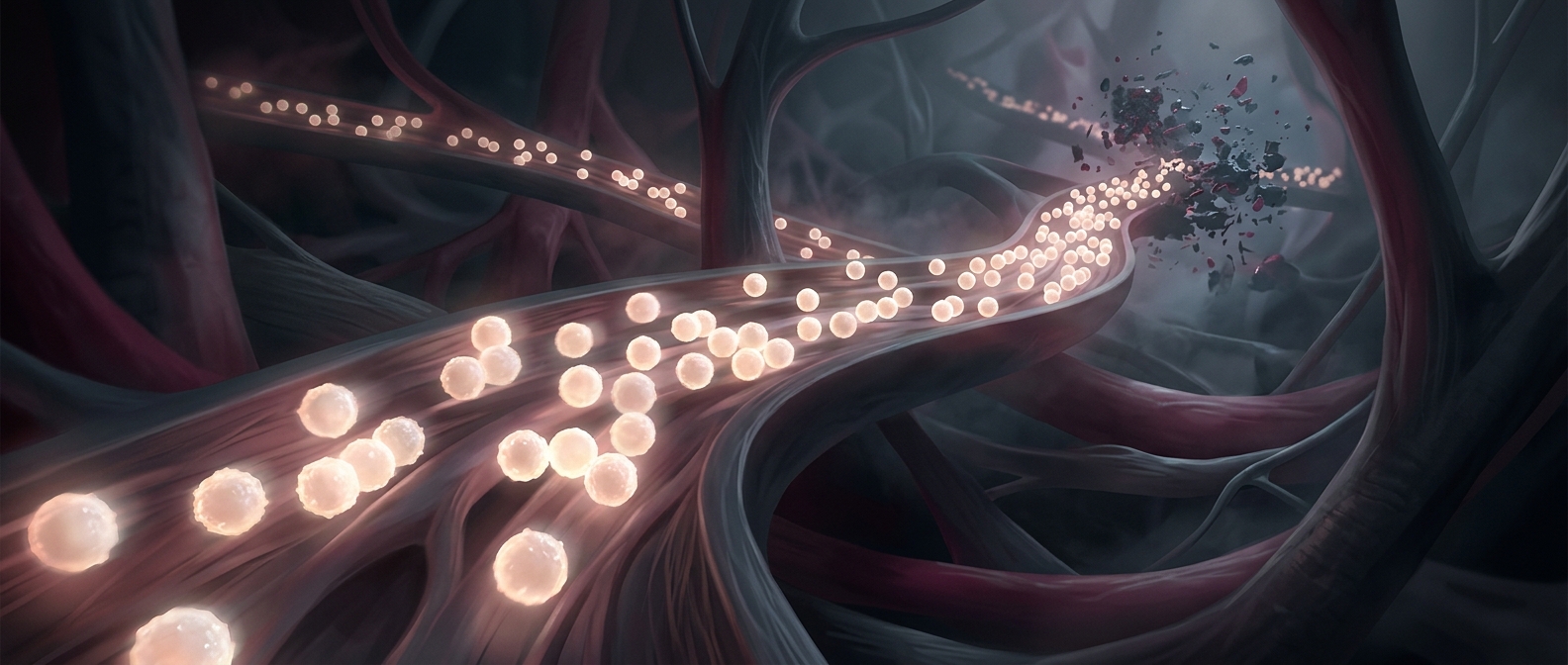
White blood cell transport skyrockets during infections
When infection strikes, the body sends more white blood cells into circulation. Signals at the affected tissue draw them out of the bloodstream and toward the…
Discover more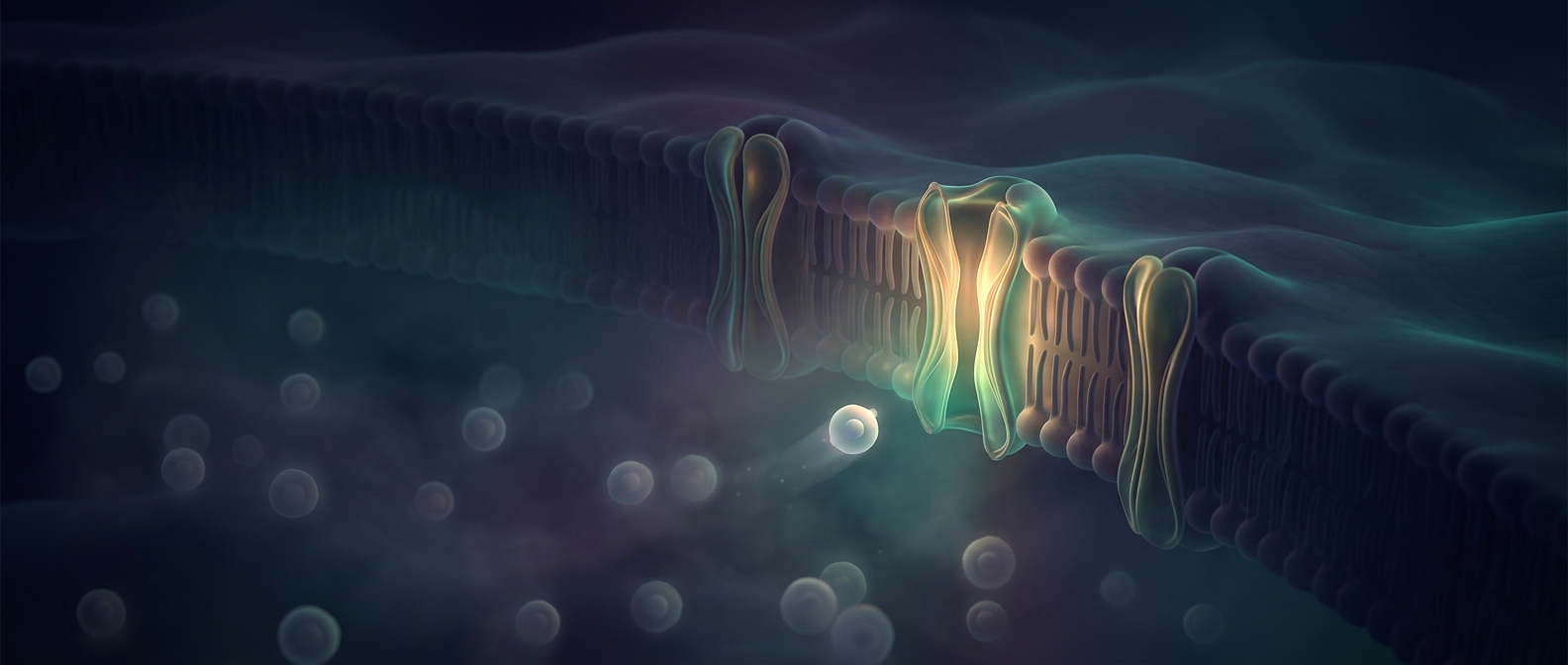
Lazy molecules needing special protein doors
The cell membrane is oily, so many water-loving molecules struggle to cross it. Special proteins open channels or carry them through—tiny doormen for…
Discover more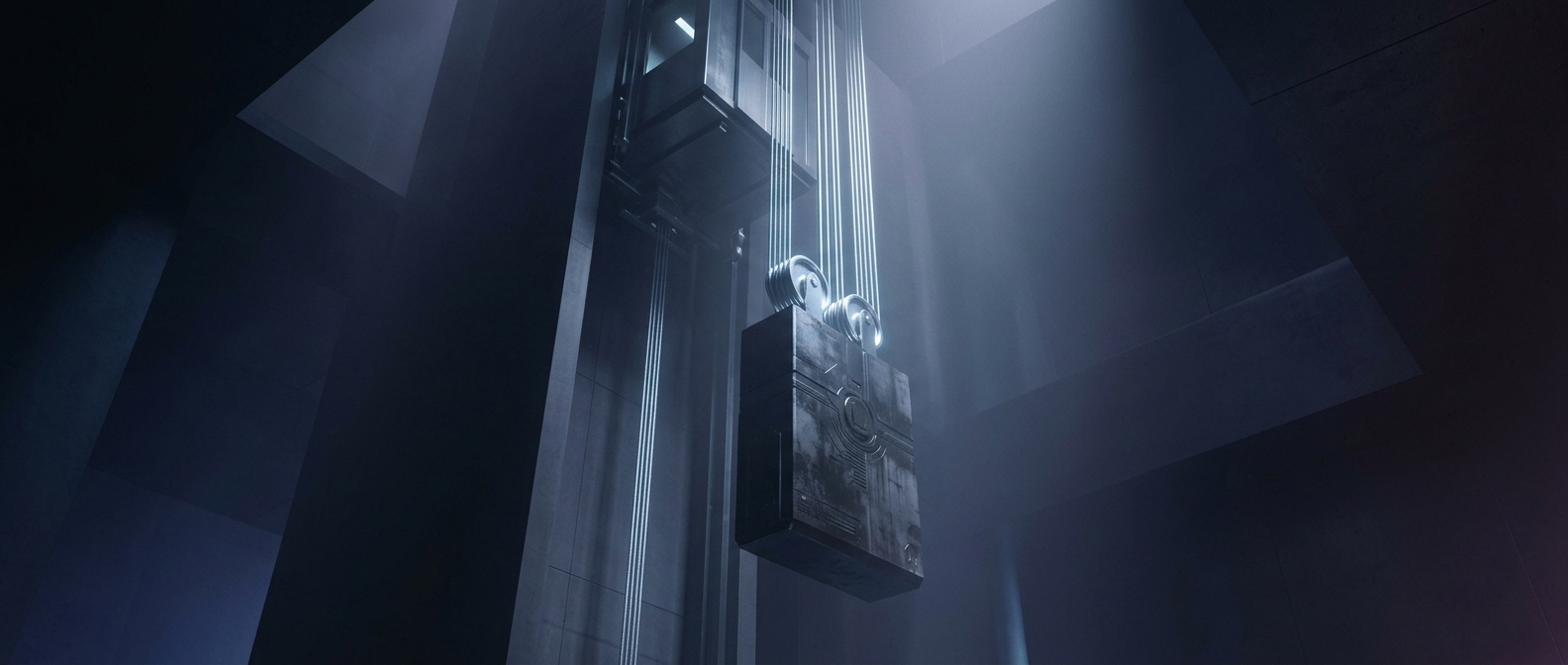
Elevators pull heavy metal blocks to assist the main motor
A counterweight rises as the elevator car descends, balancing much of the car’s weight. The motor moves the leftover imbalance instead of hauling the whole…
Discover more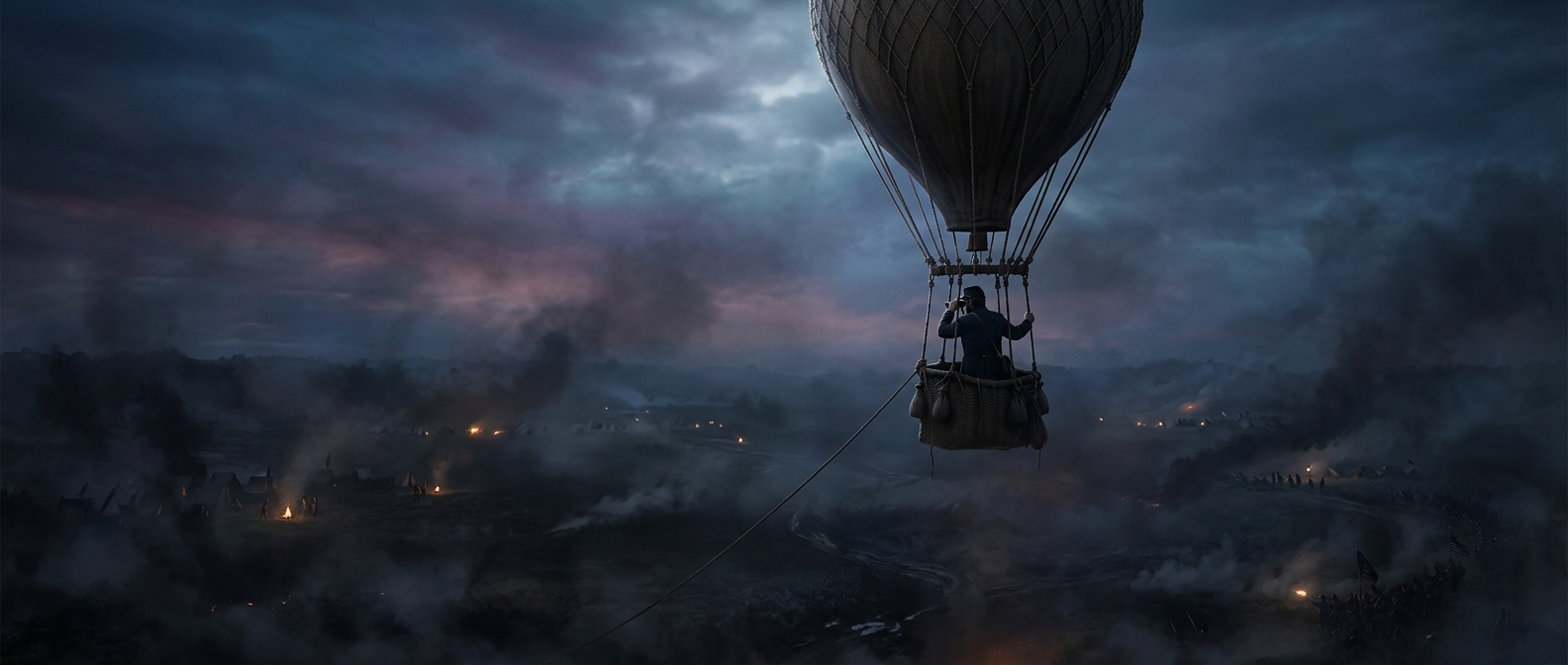
Civil War observers sent battlefield reports down from balloons
Tethered balloons raised observers above obstacles that blocked the view from the ground. They could report troop positions through telegraph connections,…
Discover more