Transport
Discover facts about transport. Small discoveries that change the way you see familiar things.
Transport
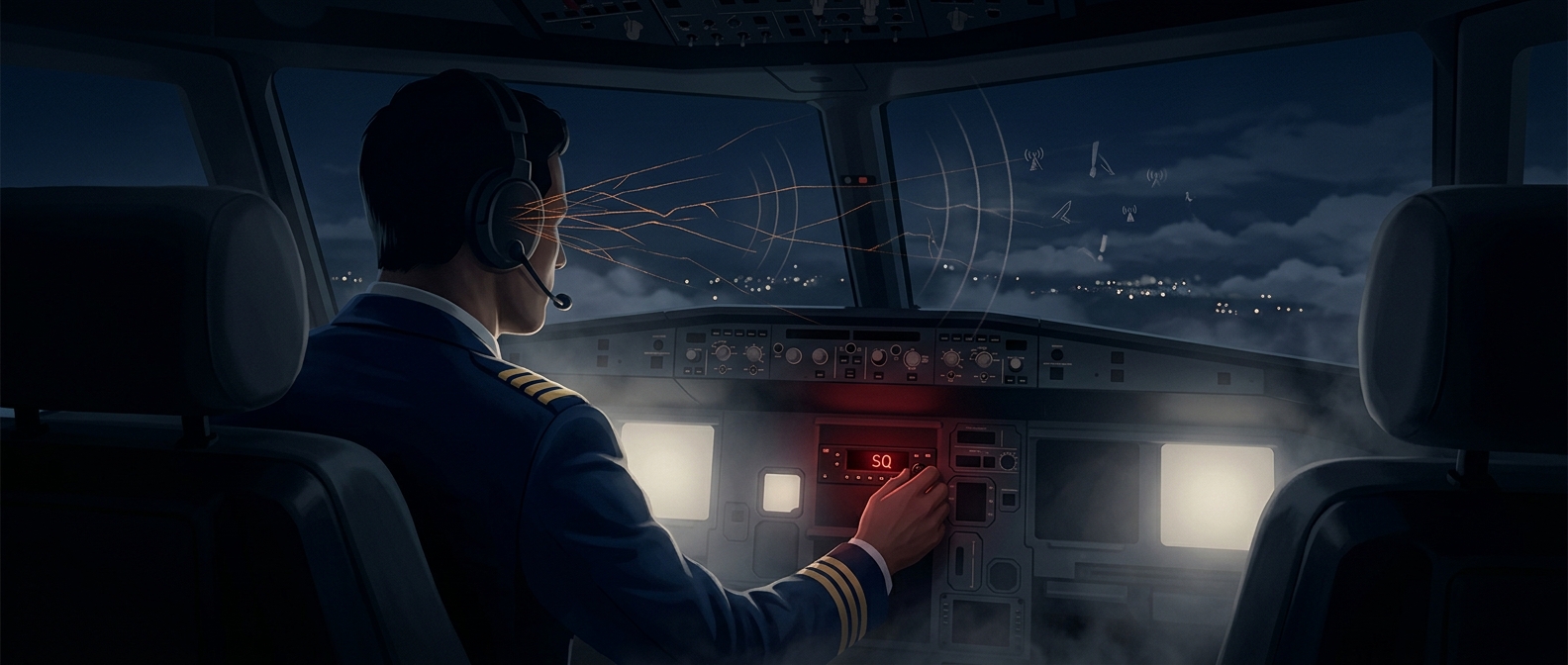
How pilots signal a hijacking without speaking
A pilot signals a hijacking by setting the aircraft’s transponder to code 7500. The code appears to air traffic controllers without a spoken announcement,…
Discover more
Why lowered cars make potholes feel enormous
Lowered cars have less suspension travel, so the wheels have less room to rise when they hit a pothole. Low-profile tires add less cushioning, sending more of…
Discover more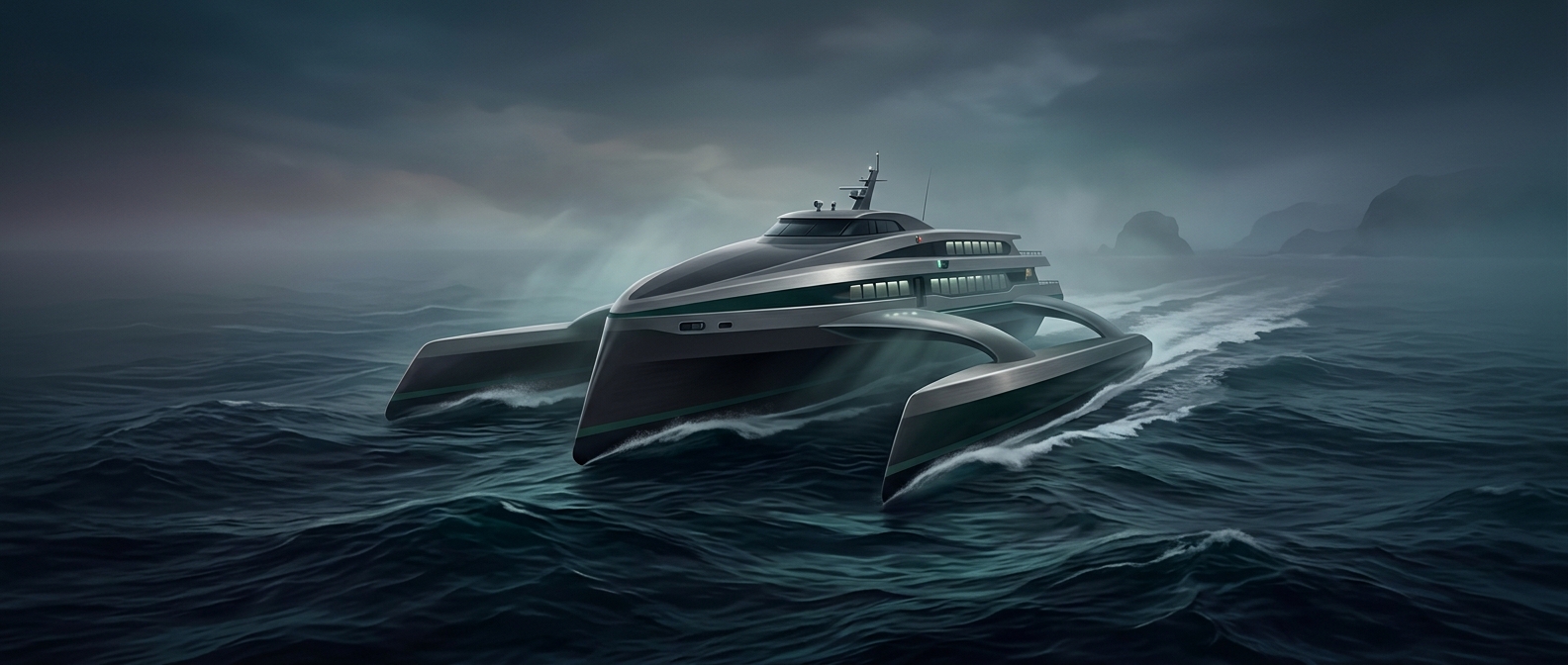
Trimaran fast ferries slice through waves using three hulls
A trimaran puts a slim main hull between two smaller outriggers. The wide stance resists tipping while the narrow center hull parts the water with less drag—a…
Discover more
Sperm cells rely entirely on flagella for fluid transport
A sperm cell’s tail whips from side to side, pushing fluid backward so the cell moves forward. No tiny propeller, no legs—just one microscopic tail doing the…
Discover more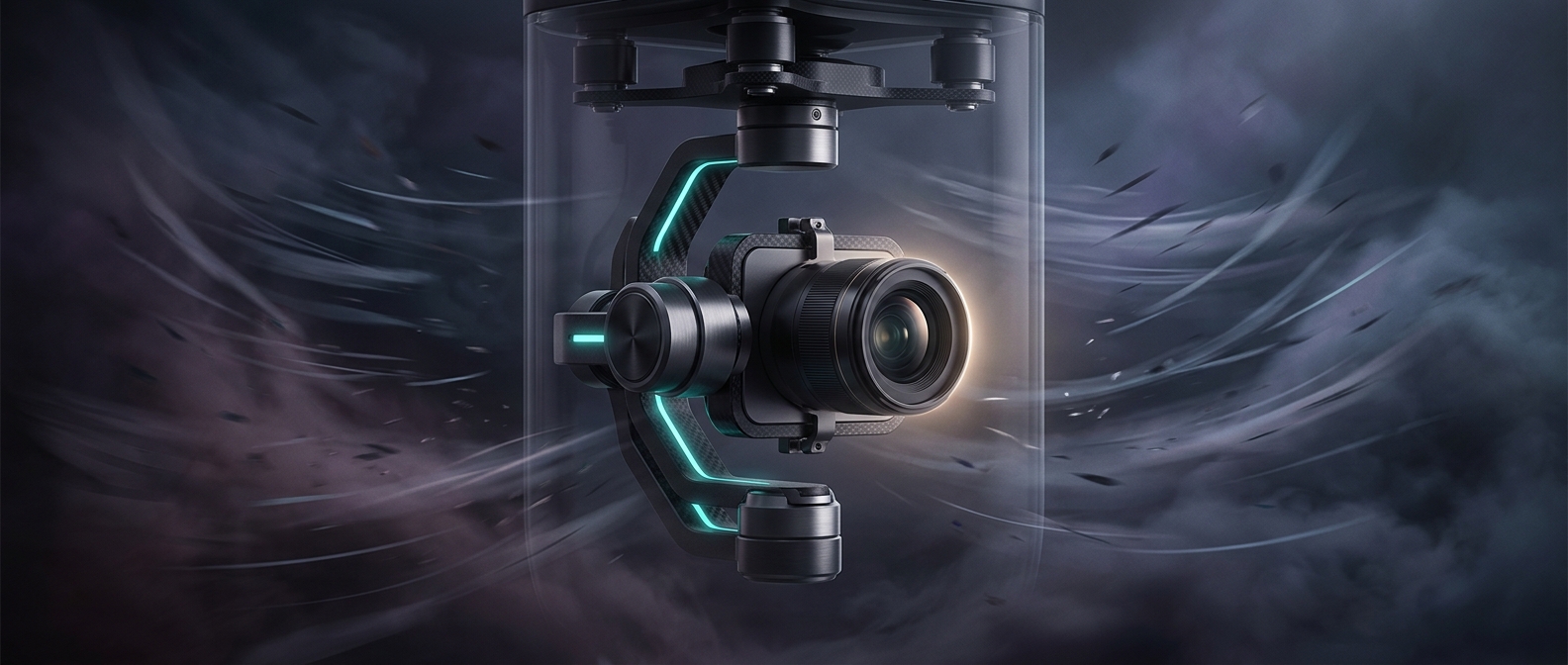
Drone gimbal stabilizers actively fight movement
A gyroscope senses when the drone tilts or turns, and motors rotate the camera the other way. The aircraft gets to wobble; the footage doesn’t have to join in.
Discover more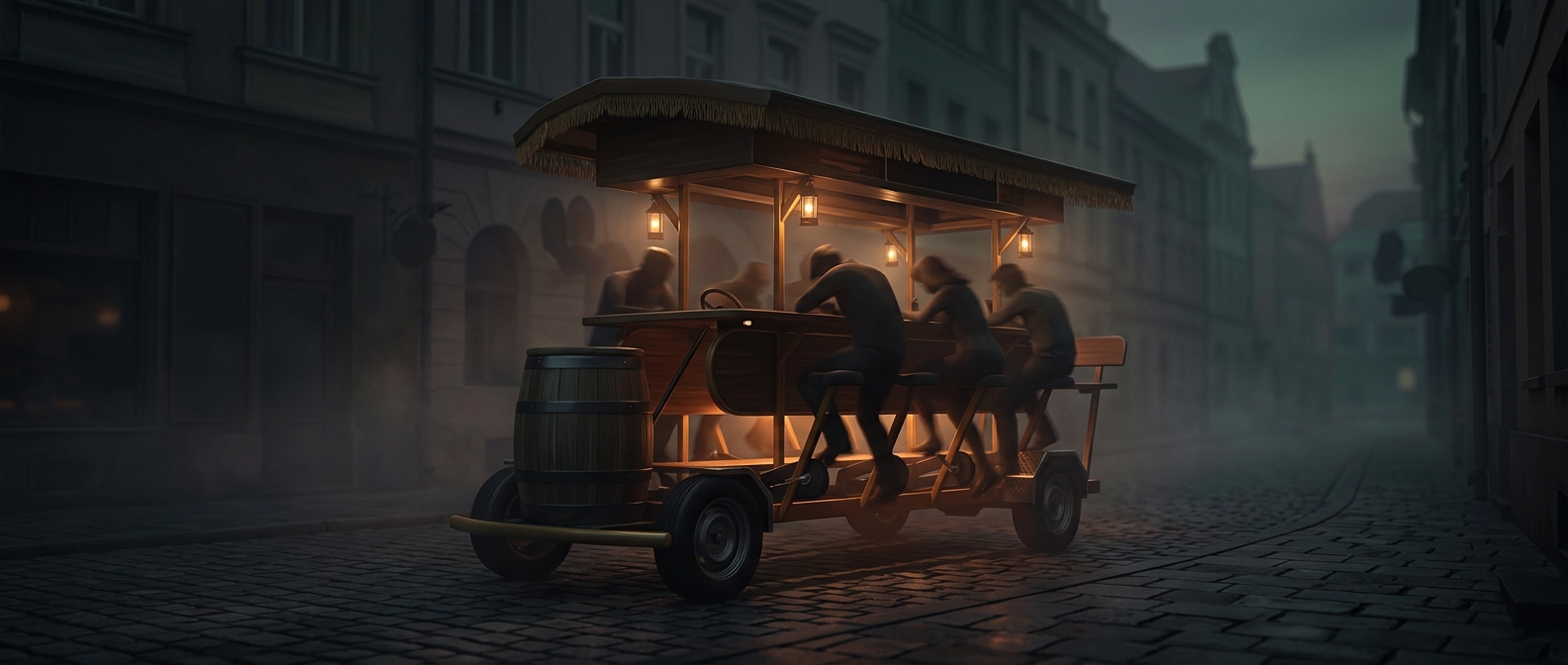
Some bar bikes need customers to pedal
Passengers pedal to power the bar bike, while a driver handles steering and braking. The group supplies the horsepower, so the first round comes with a…
Discover more STACKY FOR IPHONE
A bigger world.
One discovery
at a time.
Keep discovering with Stacky. Interesting facts in an app that is always within reach.

Rickshaw pullers once ran barefoot through ice and heat
Barefoot rickshaw pullers faced hot pavement and icy streets because footwear cost money and their work demanded constant running. The rickshaw’s comfort had…
Discover more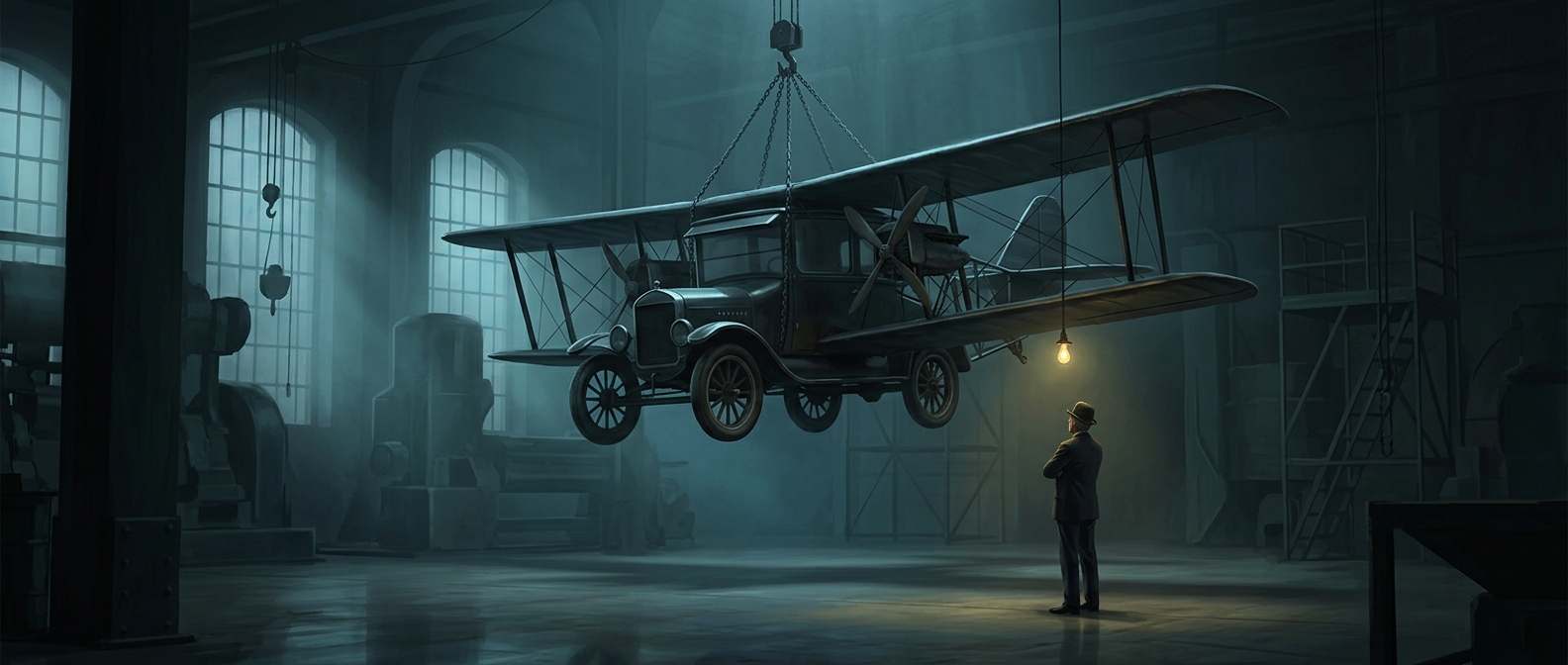
Henry Ford tried to make personal flying as ordinary as driving
Ford’s Flivver was a tiny single-seat airplane, built around the idea that personal flying should feel as simple as driving a Model T. The carmaker made a…
Discover more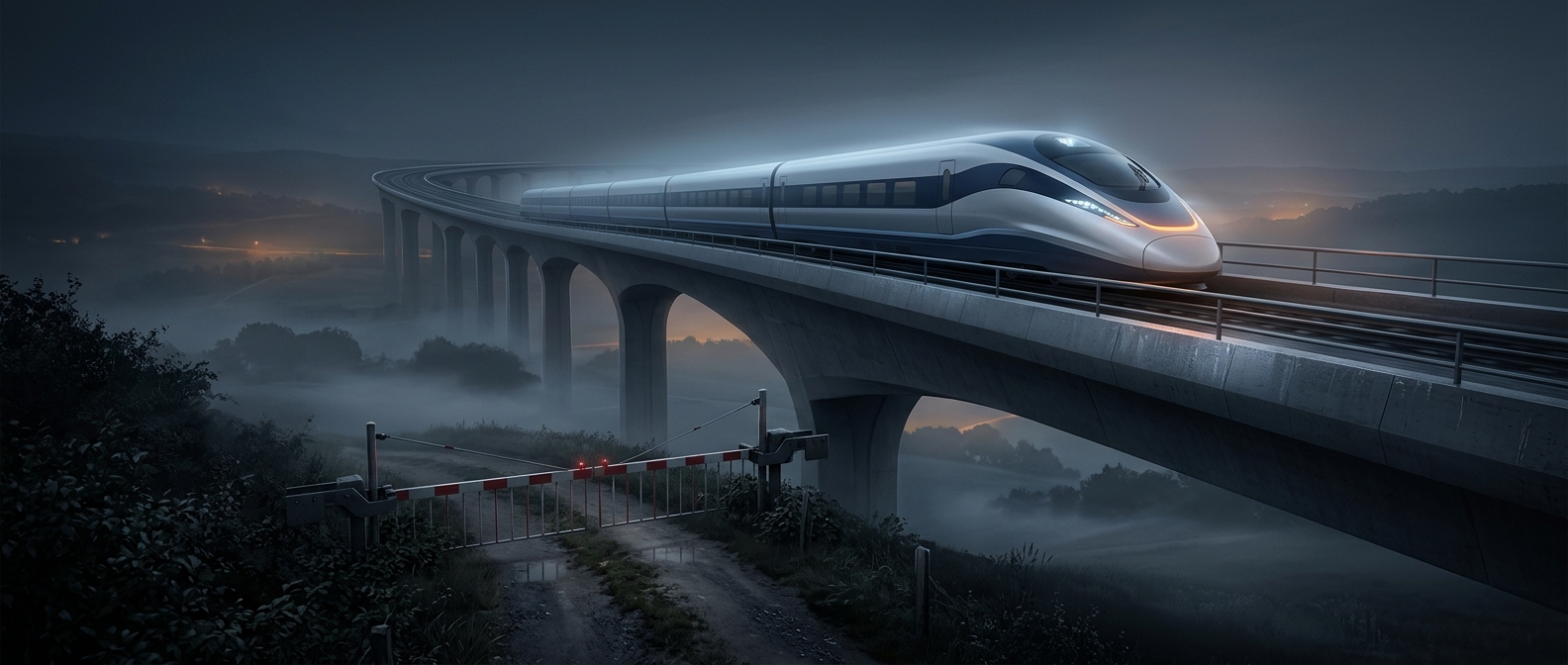
High speed rail systems strictly eliminate level crossings
At high speed, a train needs a clear path because stopping takes far more distance than a road vehicle needs. Bridges and tunnels carry roads over or under…
Discover more
Why airport lounges serve champagne at dawn
Airports run on flight schedules, not normal breakfast hours, and passengers arrive from time zones where dawn means something else. So a lounge pours…
Discover more
Why parts of the German autobahn have no speed limit
Some autobahn sections have no posted speed limit, a policy choice made workable by controlled access, separated traffic, and long sightlines. Germany still…
Discover more
One early coast-to-coast trip mixed daytime flying with overnight trains
Transcontinental Air Transport's 1929 service combined the two modes instead of asking passengers to fly the entire route. Rail handled overnight stretches…
Discover more
Crawling is hilariously inefficient for anyone over age one
Walking lets each leg swing forward like a pendulum; crawling makes the arms help carry the body too. For an adult, that turns a commute into a moving push-up…
Discover more
Some boats ride on a cushion of air
An air-cushion craft uses fans to pump air beneath its hull, where a flexible skirt traps enough pressure to lift it above the surface. With less hull rubbing…
Discover more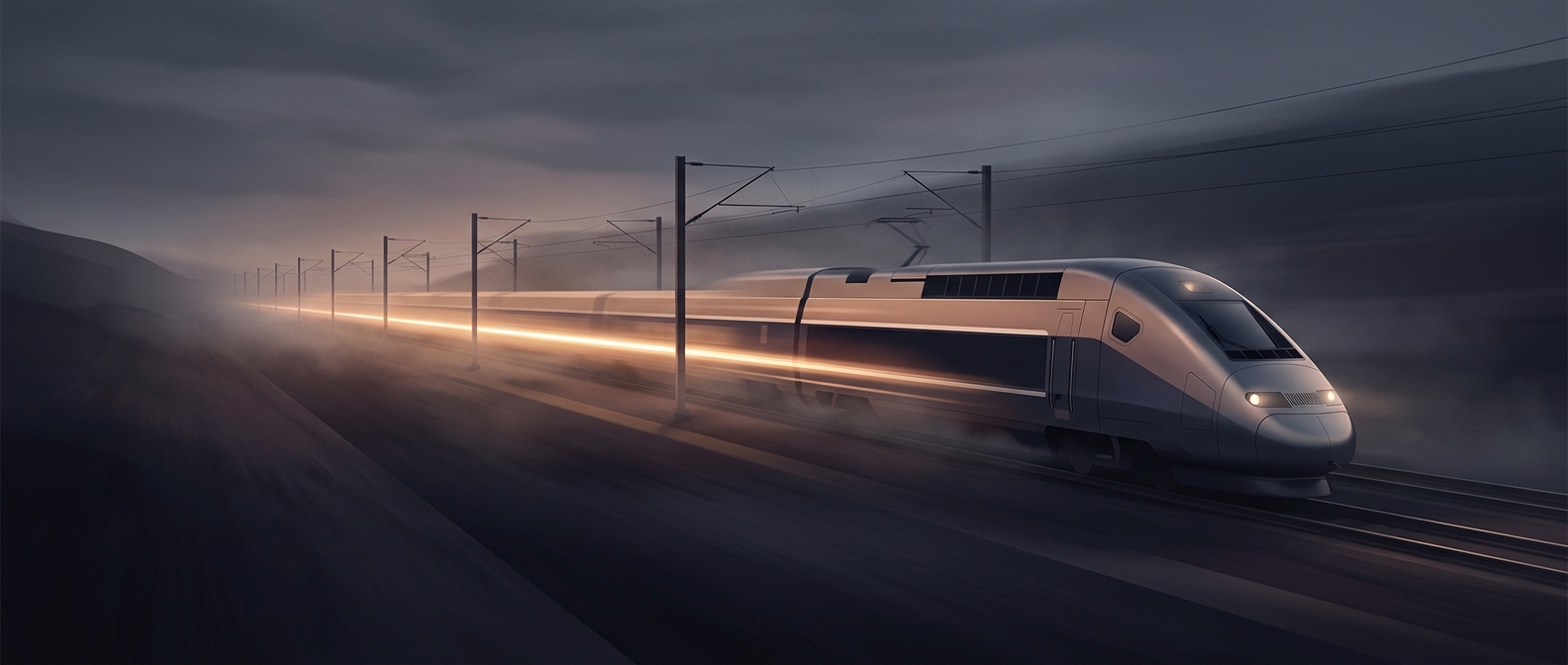
The train that hit 357 mph
A specially modified French TGV reached 357 mph in 2007, using larger wheels, extra power and a streamlined shape to cut through the air. It was still running…
Discover more
Presta valves rely on internal air pressure
A Presta valve uses the tire’s own air as a bouncer, pressing the valve closed. The pump pushes harder to get in; unscrew the little tip first, or your pump…
Discover more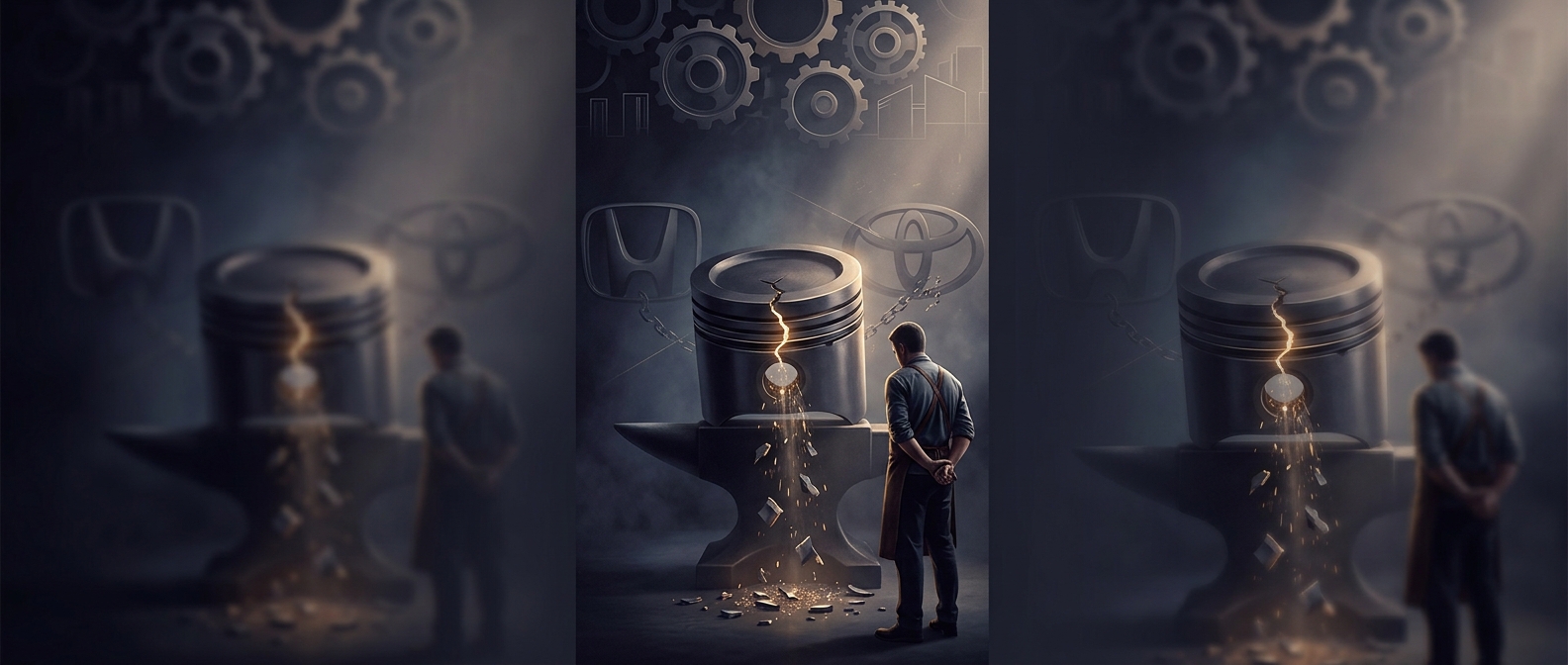
Honda's first big break began with a rejection
Toyota rejected Soichiro Honda’s early piston rings for failing its standards. He studied metallurgy, improved the design, and won the contract later—turning…
Discover more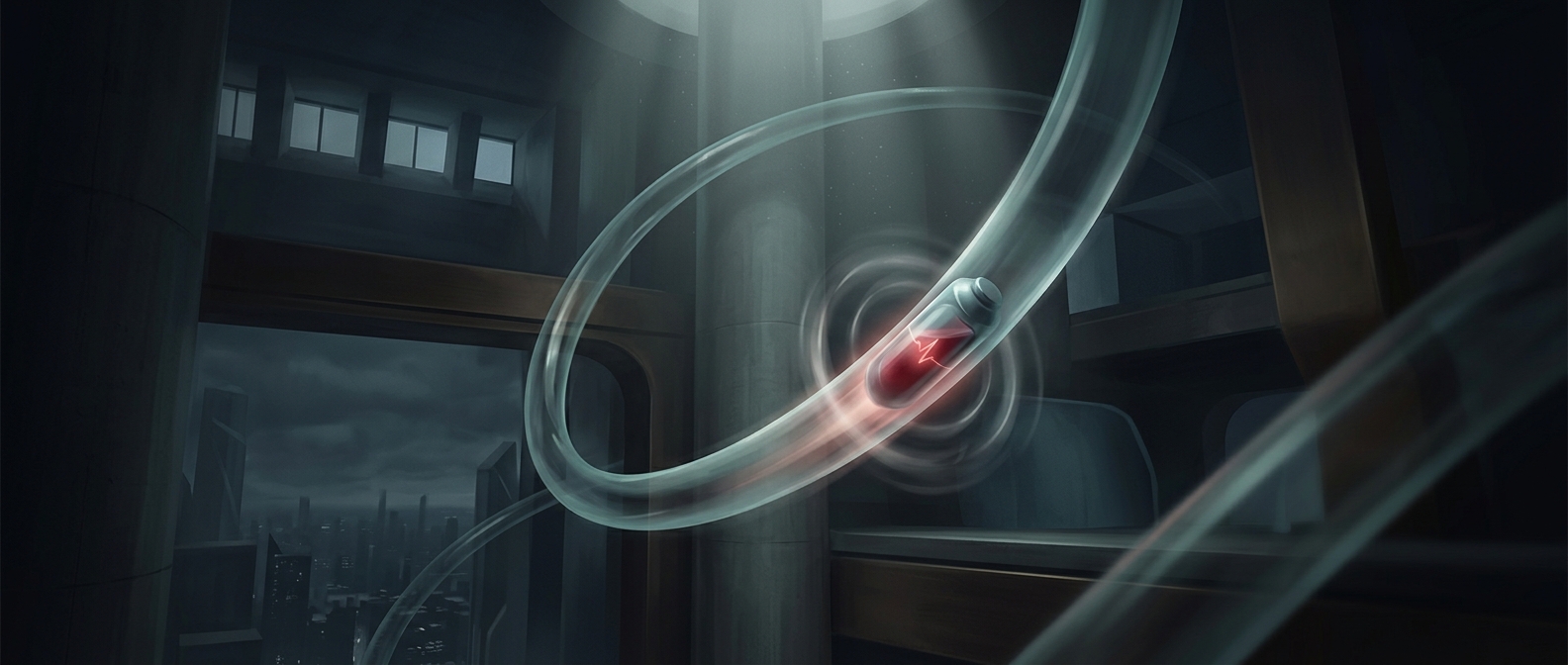
Why hospitals still use pneumatic tubes
The tube system sends capsules through pipes by pushing or pulling them with air pressure. A blood sample gets its own express lane through the hospital—no…
Discover more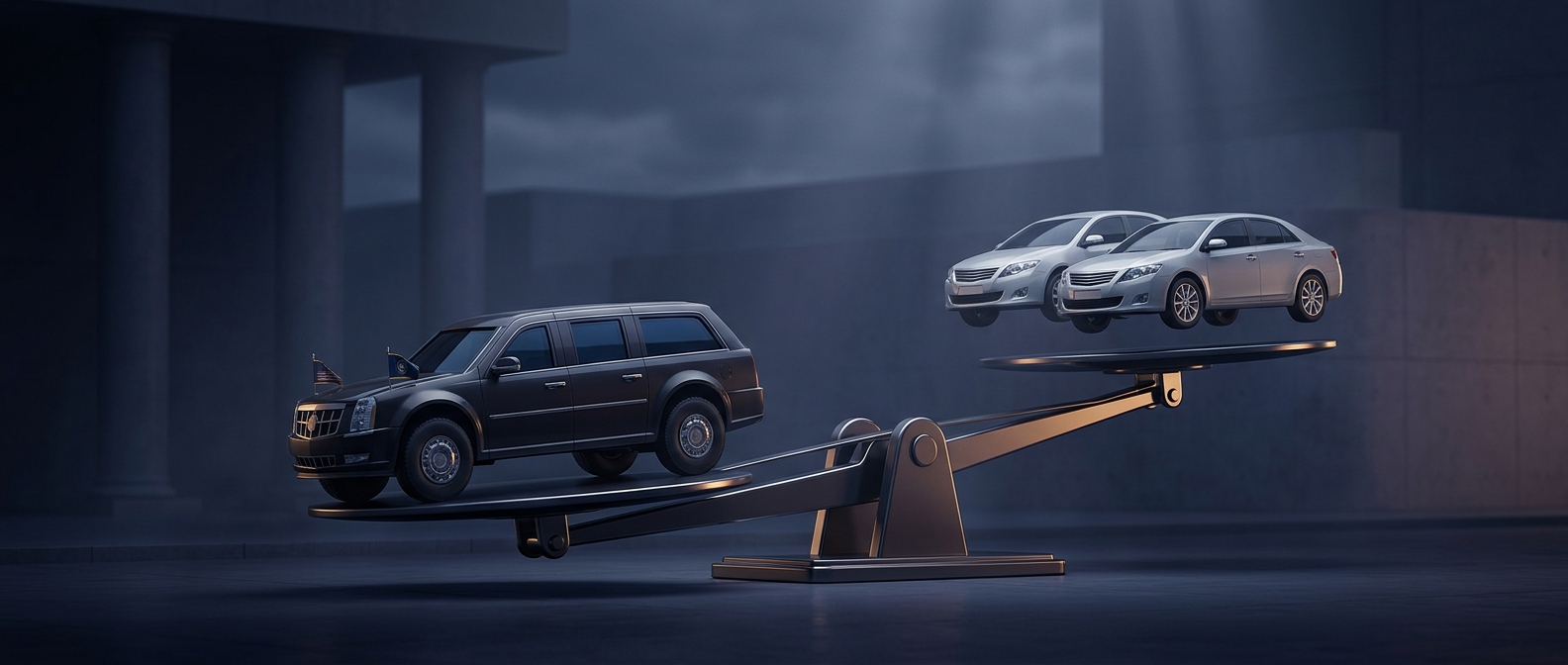
Why diplomatic cars weigh more than a ton
Armor adds weight: thick protective glass, reinforced doors, and body panels turn a regular car into a rolling safe. The suspension and brakes need beefing up…
Discover more
Headwinds drastically alter high altitude flight times
A plane’s speed through the air is not the same as its speed over the ground. A headwind subtracts from the second, so a fast jet can spend extra time going…
Discover more
Why flying exposes you to more cosmic radiation
At cruising altitude, there’s less atmosphere above the plane to absorb cosmic rays before they reach you. The atmosphere is Earth’s built-in radiation…
Discover more
Toboggans slide directly on snow without runners
A toboggan’s broad, smooth underside spreads its weight across the snow and slides over the surface without runners cutting tracks. It’s less a sled with…
Discover more
Trimarans employ three hulls for maximum deck room
The three hulls give a trimaran a wide, stable footprint, while the deck bridges the space between them. It’s a clever bargain: lots of room above, narrow…
Discover more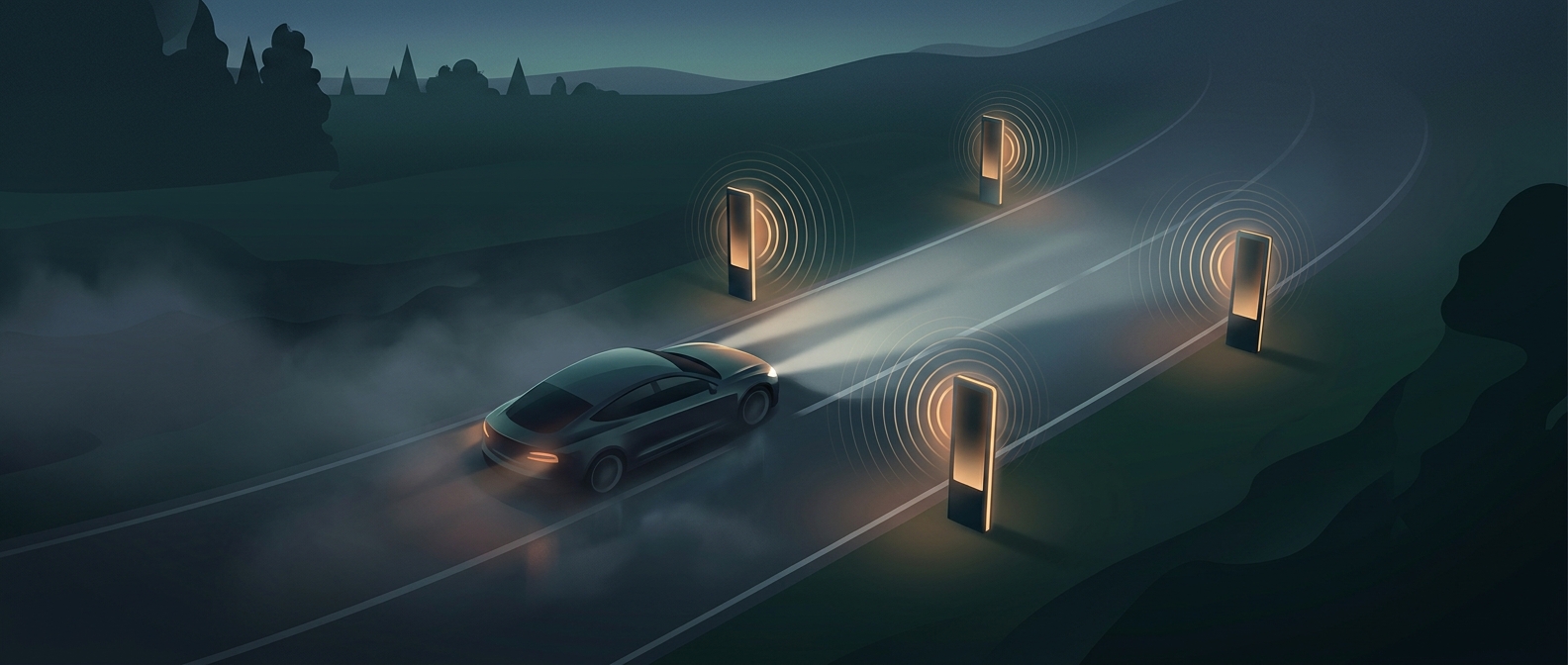
Digital radar signs simply flash numbers at passing drivers
Radar bounces a signal off a moving car and uses the returning signal to measure its speed. The sign flashes the number back at the driver: a tiny public…
Discover more