Transport
Discover facts about transport. Small discoveries that change the way you see familiar things.
Transport
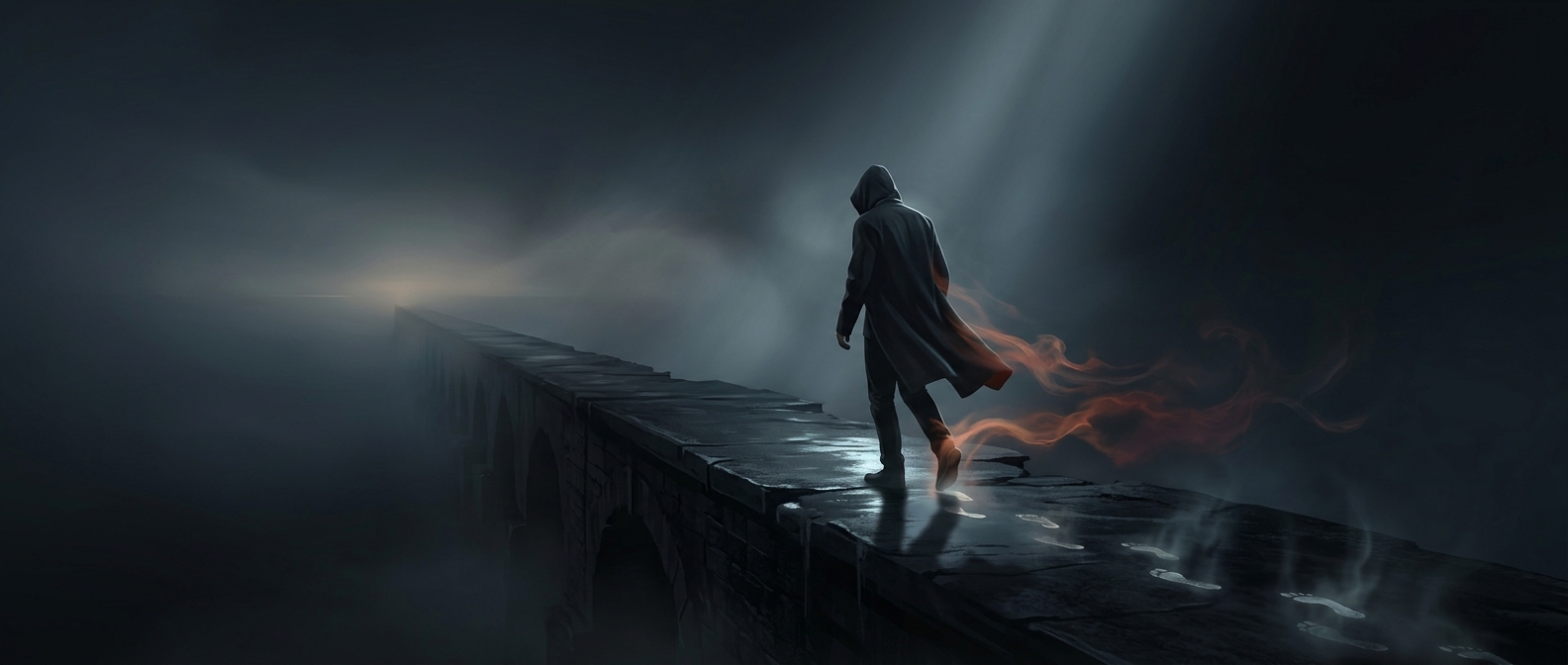
Why walking backward takes more energy
Your eyes help your feet plan the next step when you walk forward. Turn around and that easy rhythm disappears: shorter, more careful steps recruit extra…
Discover more
Shared surfaces help norovirus spread among cruise passengers
Norovirus spreads through contaminated hands, food, and shared surfaces, and crowded cabins give it a lot of people to meet. One sick passenger leaves germs…
Discover more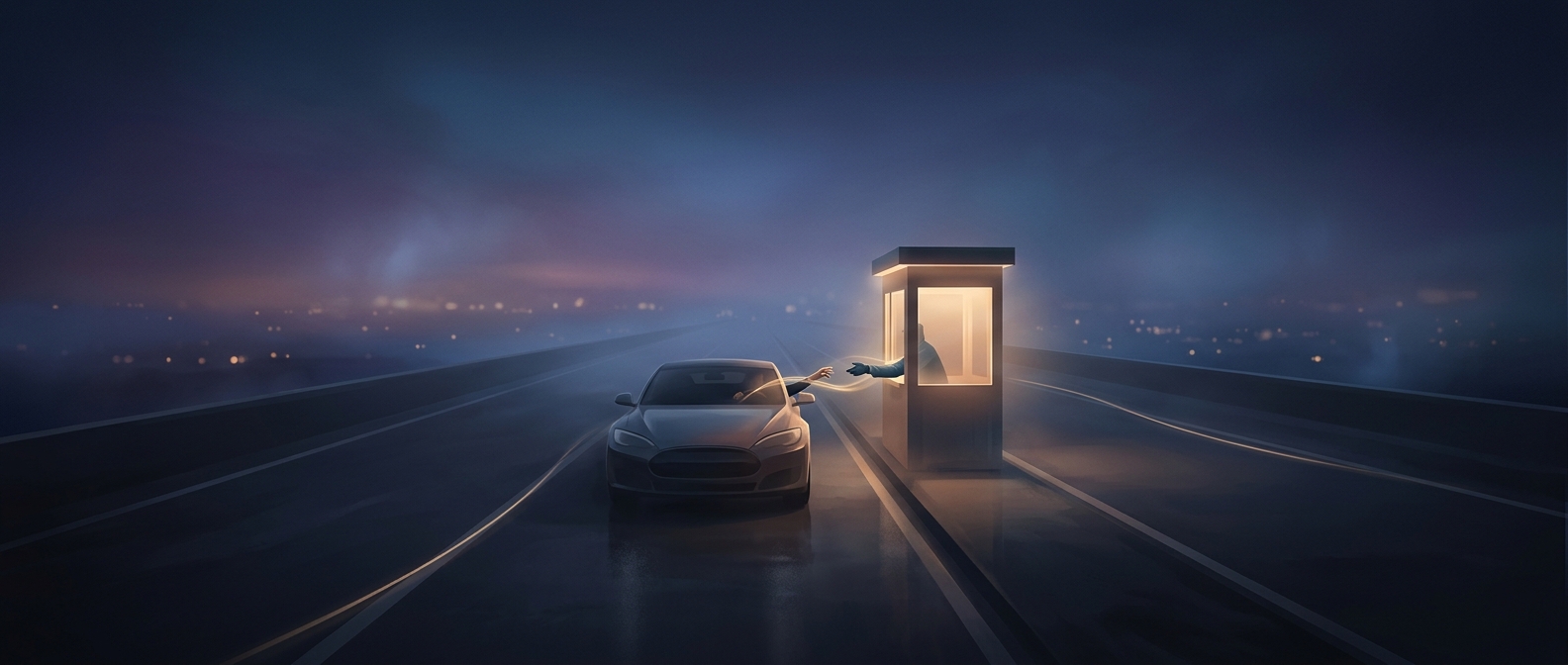
Paying a stranger in a tiny booth just to drive on a road
That booth is the road’s checkout counter: drivers pay a toll, and the money helps fund the route they’re using. The attendant collects a few seconds of your…
Discover more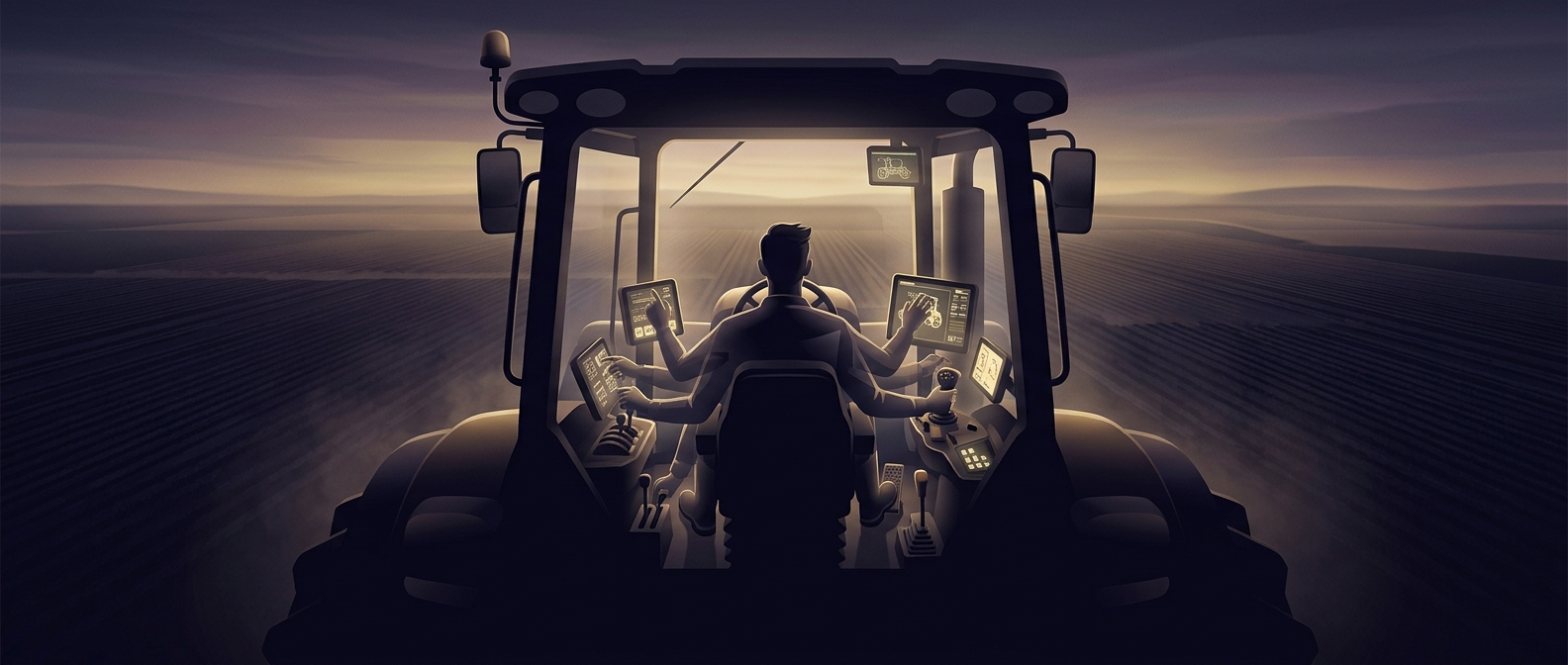
Driving a huge farm tractor requires ridiculous coordination
The driver steers the tractor while setting its speed and controlling the equipment it pulls or powers. Those jobs happen together, not in a polite queue. The…
Discover more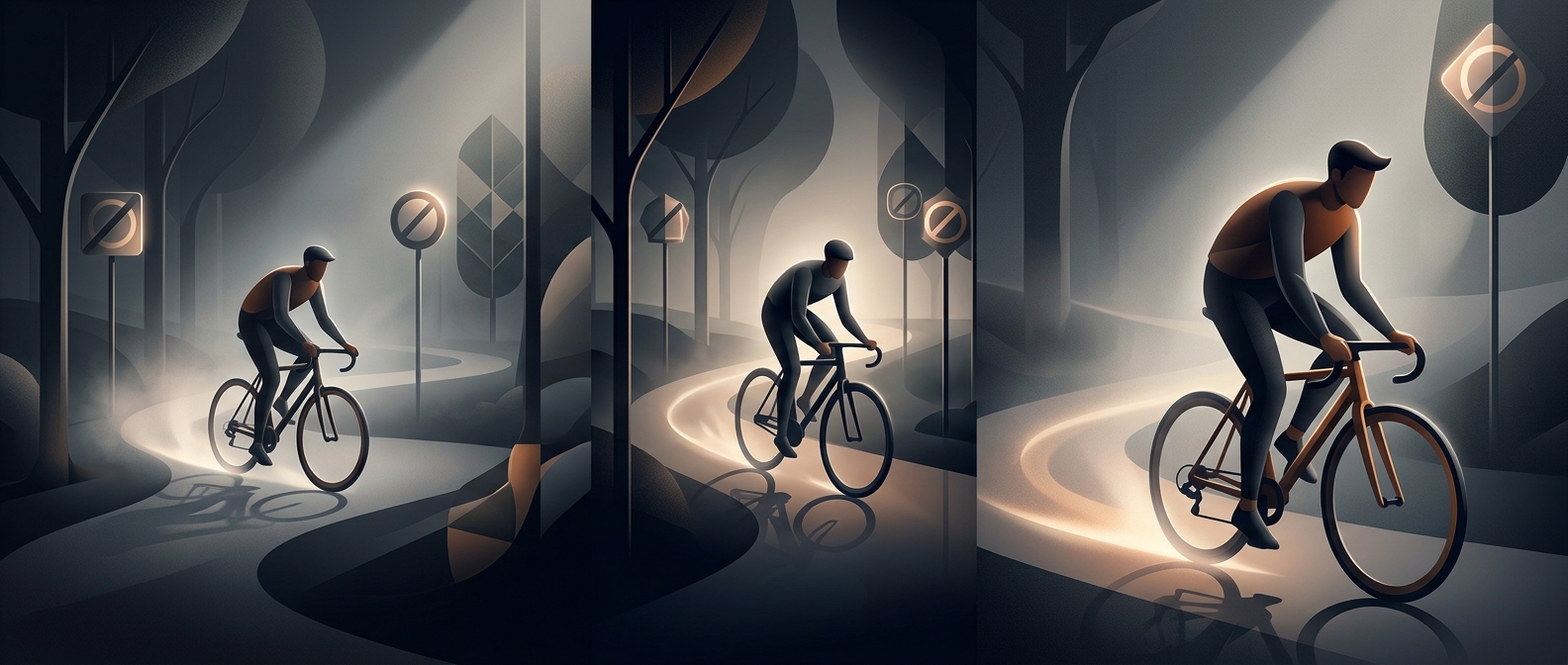
You can be stopped for cycling too fast in Central Park
The park’s 15-mph cycling limit gives walkers and riders room to share crowded paths. At higher speeds, a bike covers ground faster than a pedestrian can…
Discover more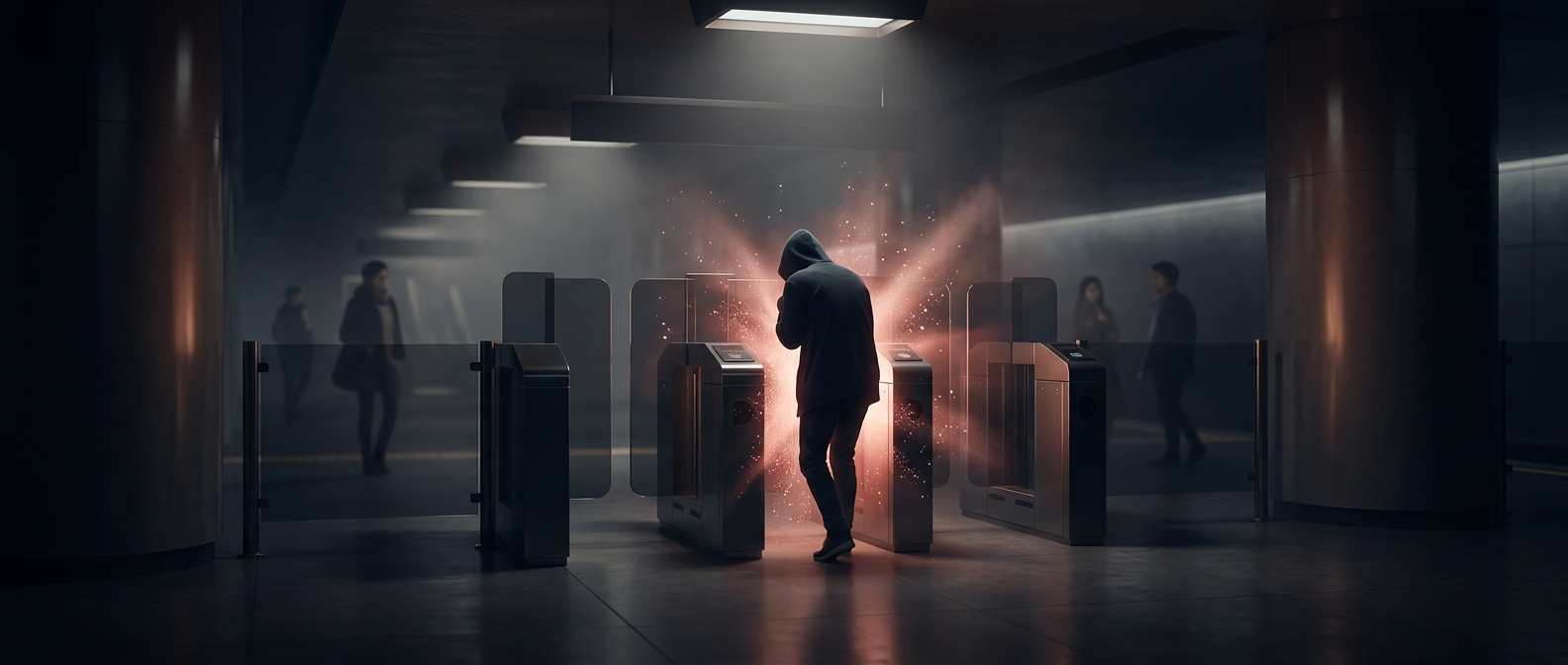
A transit gate's rejection beep is an audible receipt
A distinct sound tells a passenger that the attempted entry did not go through, even when they are looking away from the display. It also alerts nearby staff…
Discover more STACKY FOR IPHONE
A bigger world.
One discovery
at a time.
Keep discovering with Stacky. Interesting facts in an app that is always within reach.
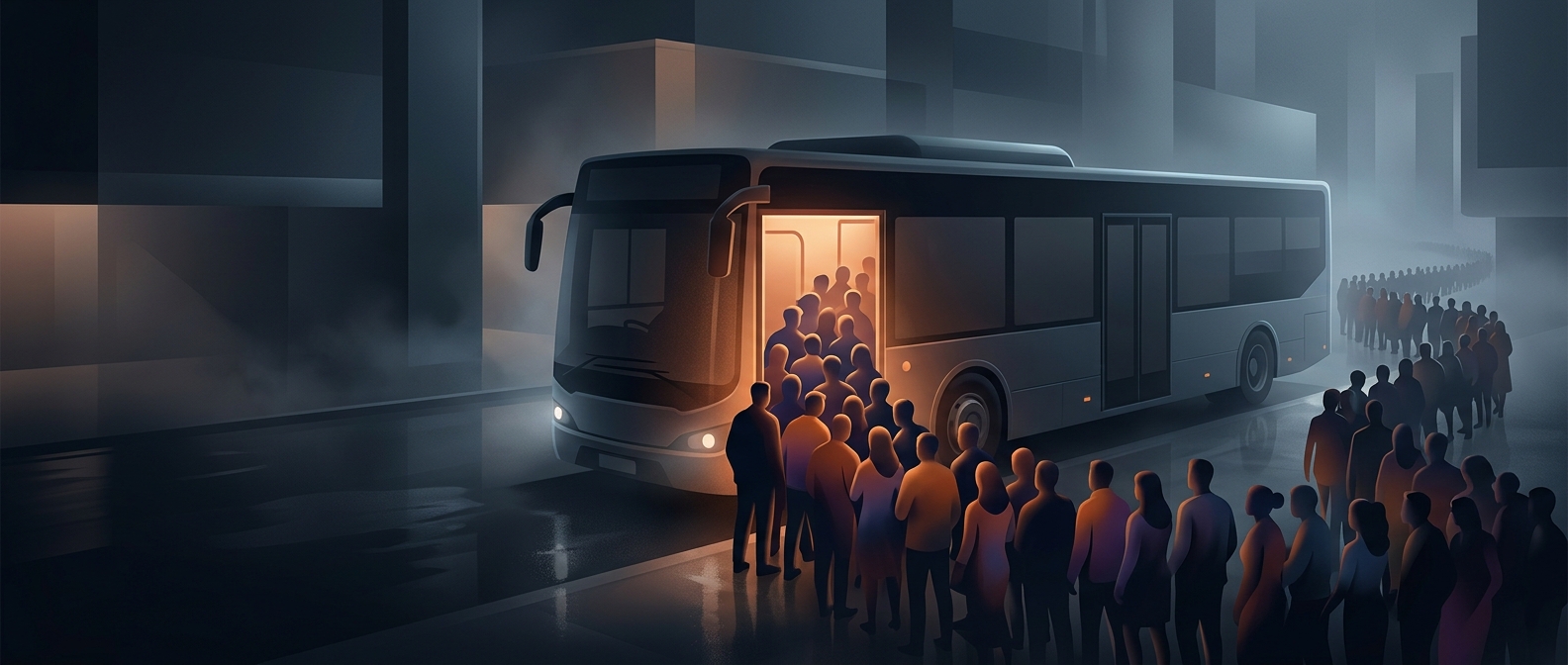
Boarding transit buses from the front creates bottlenecks
Front-door boarding funnels everyone past the driver, where fares and tickets slow the queue one rider at a time. The bus has plenty of floor space; the…
Discover more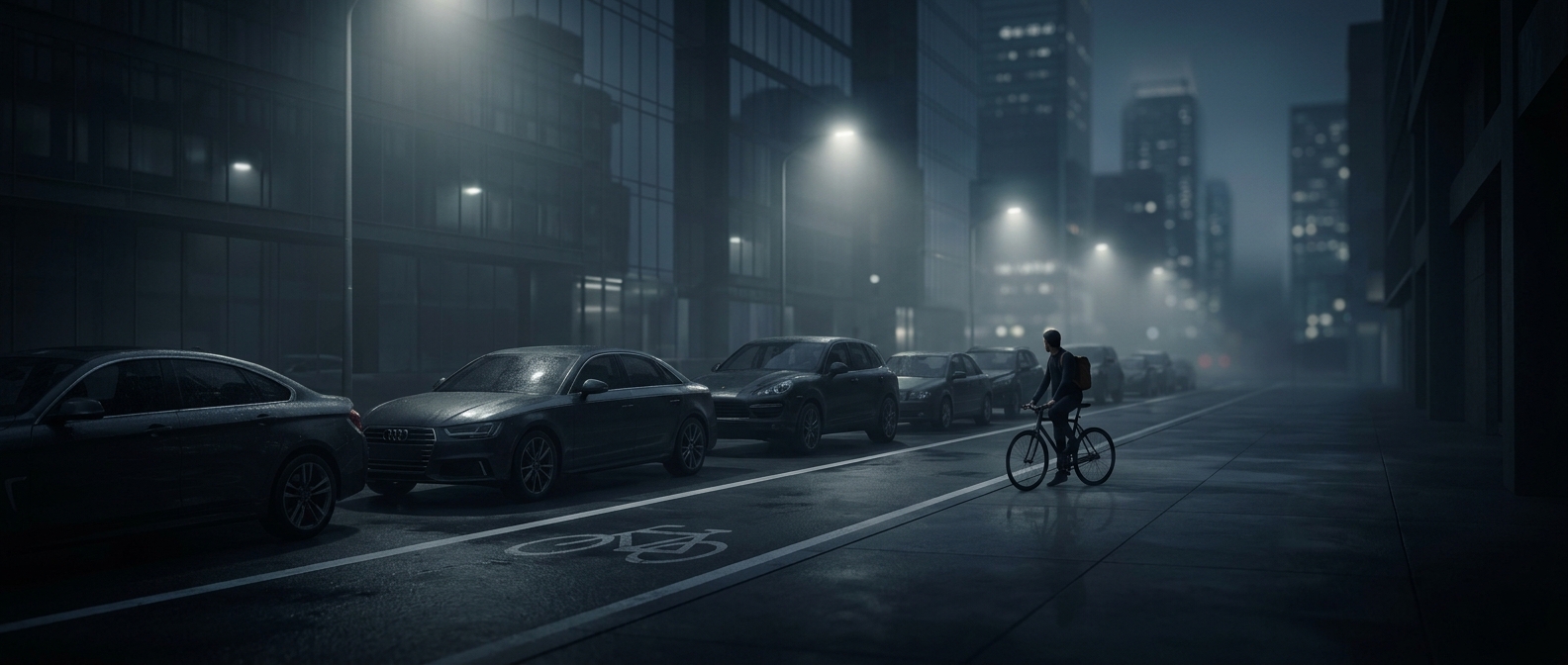
When bike lanes become delivery zones
When streets lack loading space, delivery drivers pull into the bike lane to reach the curb. That turns a protected cycling route into a temporary loading…
Discover more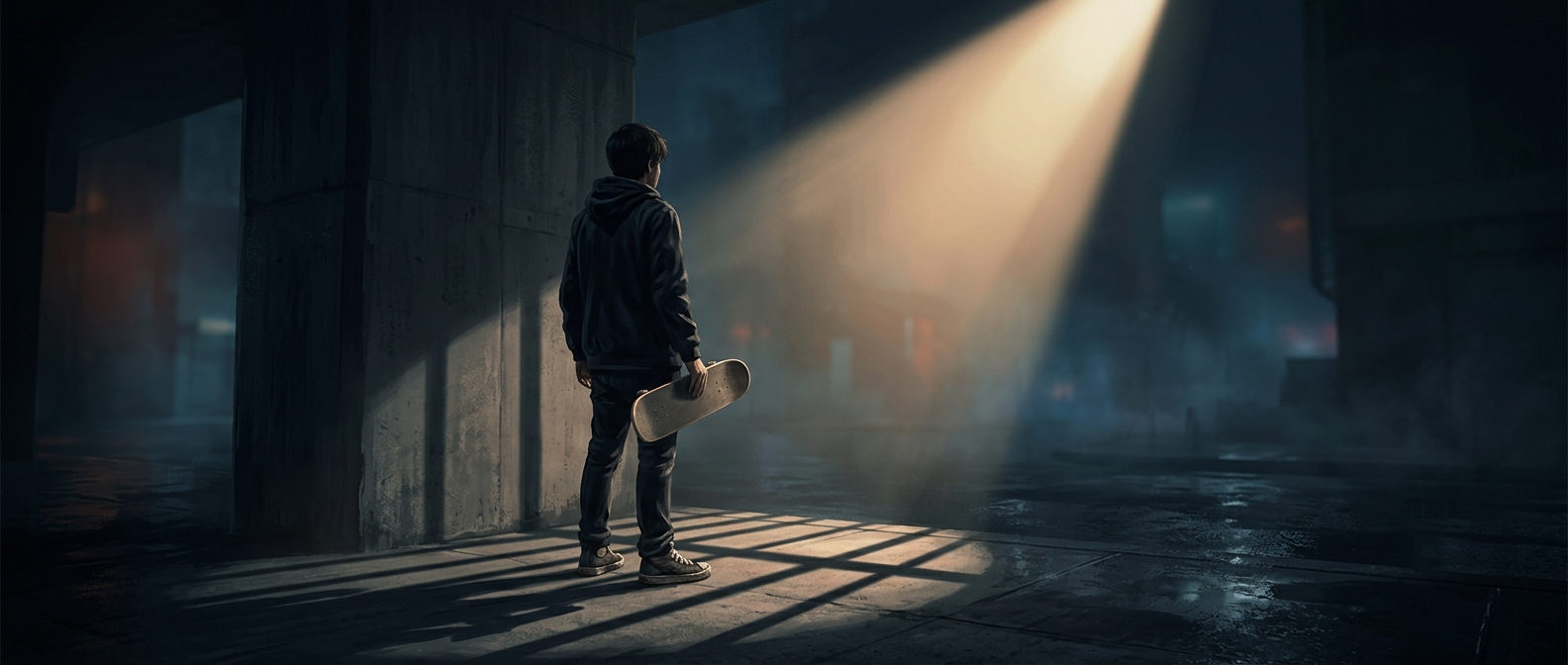
Skateboarding was considered a crime
When skateboards moved onto streets and sidewalks, fast wheels met pedestrians, traffic, and property rules. Authorities treated skating as a public-order…
Discover more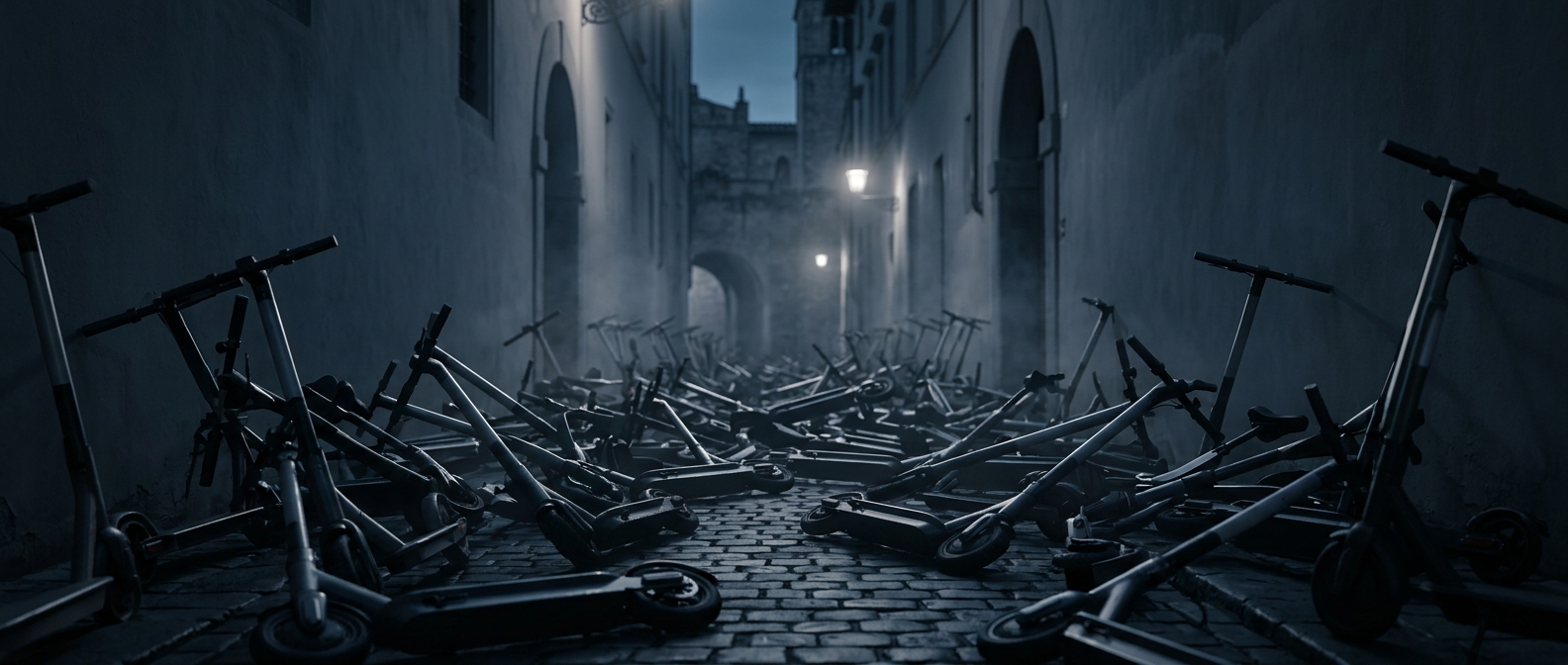
Rental scooters litter the streets
A phone unlocks the scooter, and GPS helps the rental system track where it goes. Without a docking station to send it home, the scooter’s final parking spot…
Discover more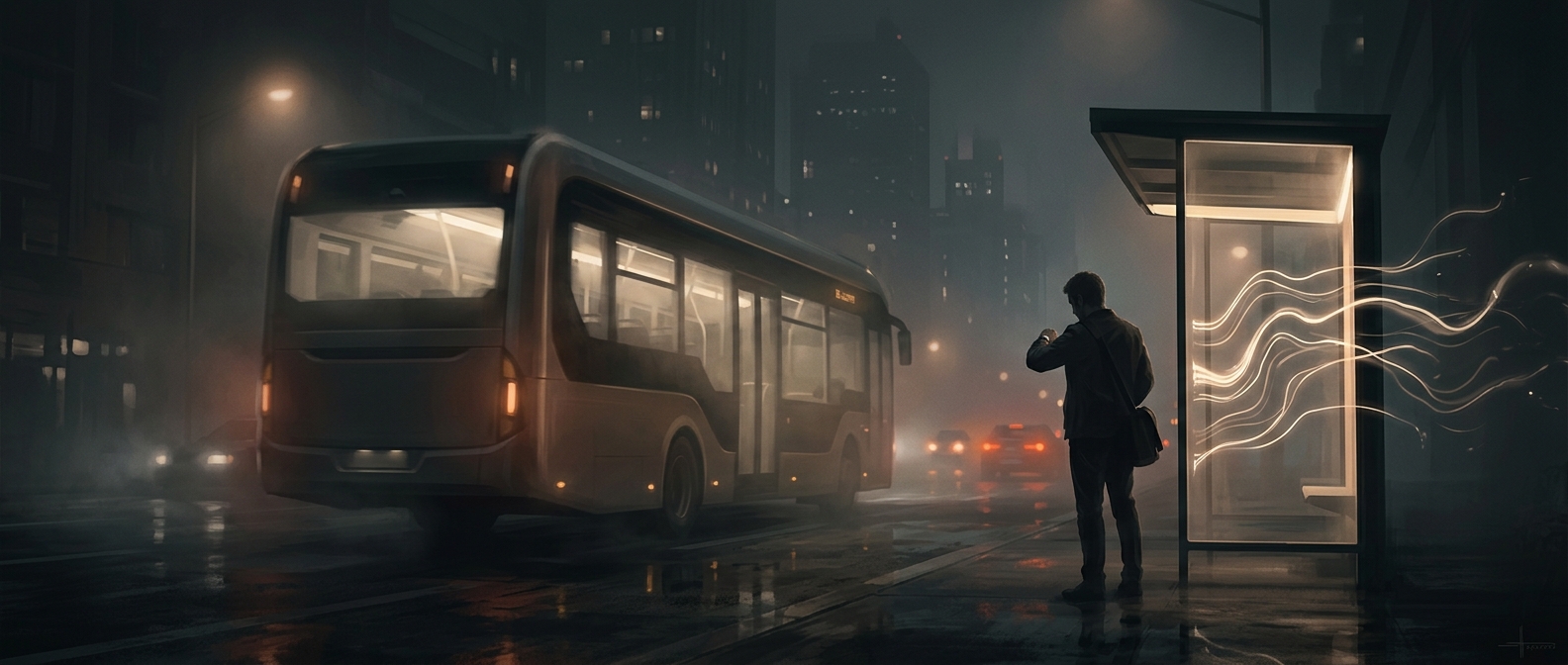
Public transit ignores schedules
A bus schedule gives each vehicle a target, but traffic and long boarding lines keep changing the trip. Transit agencies manage the gaps between vehicles as…
Discover more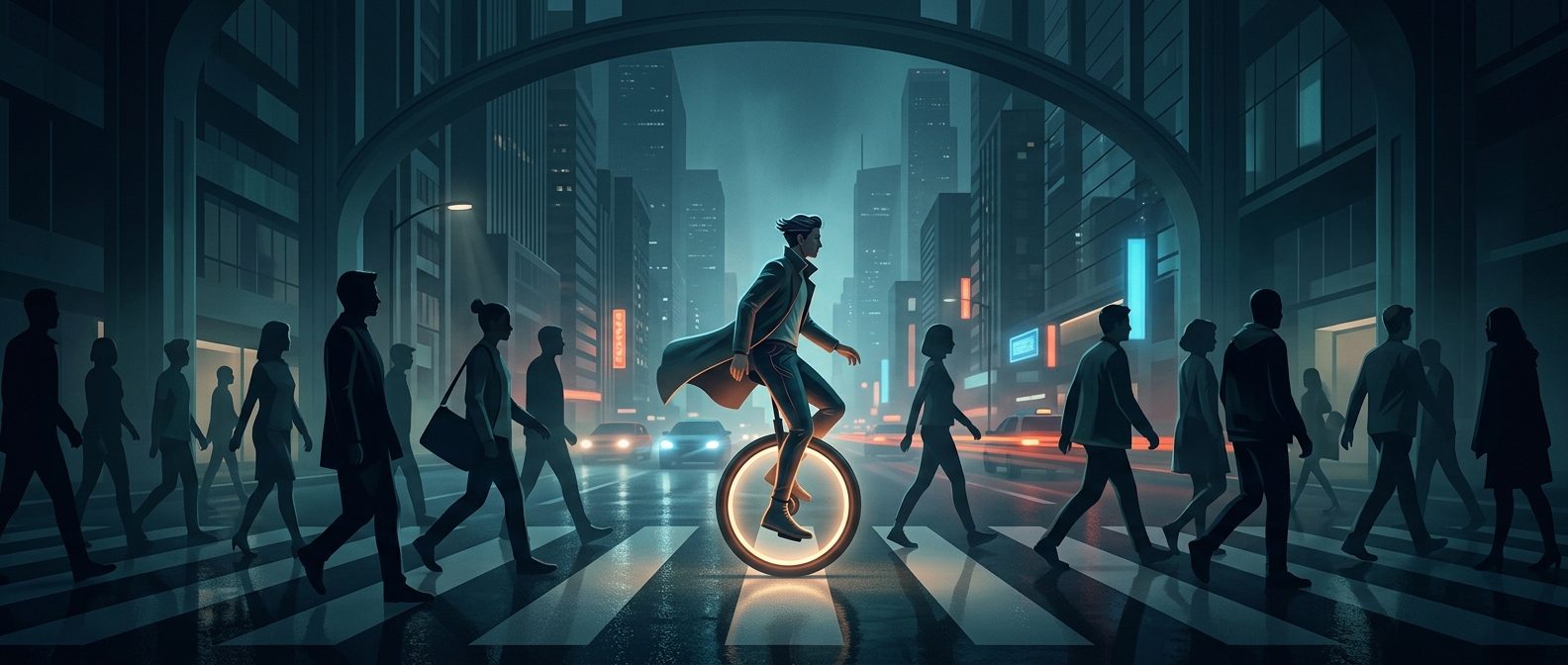
A unicycle makes the rider part of its balancing system
With no second wheel holding the other end up, the rider continually adjusts the contact point beneath their weight by pedaling and leaning. Standing still is…
Discover more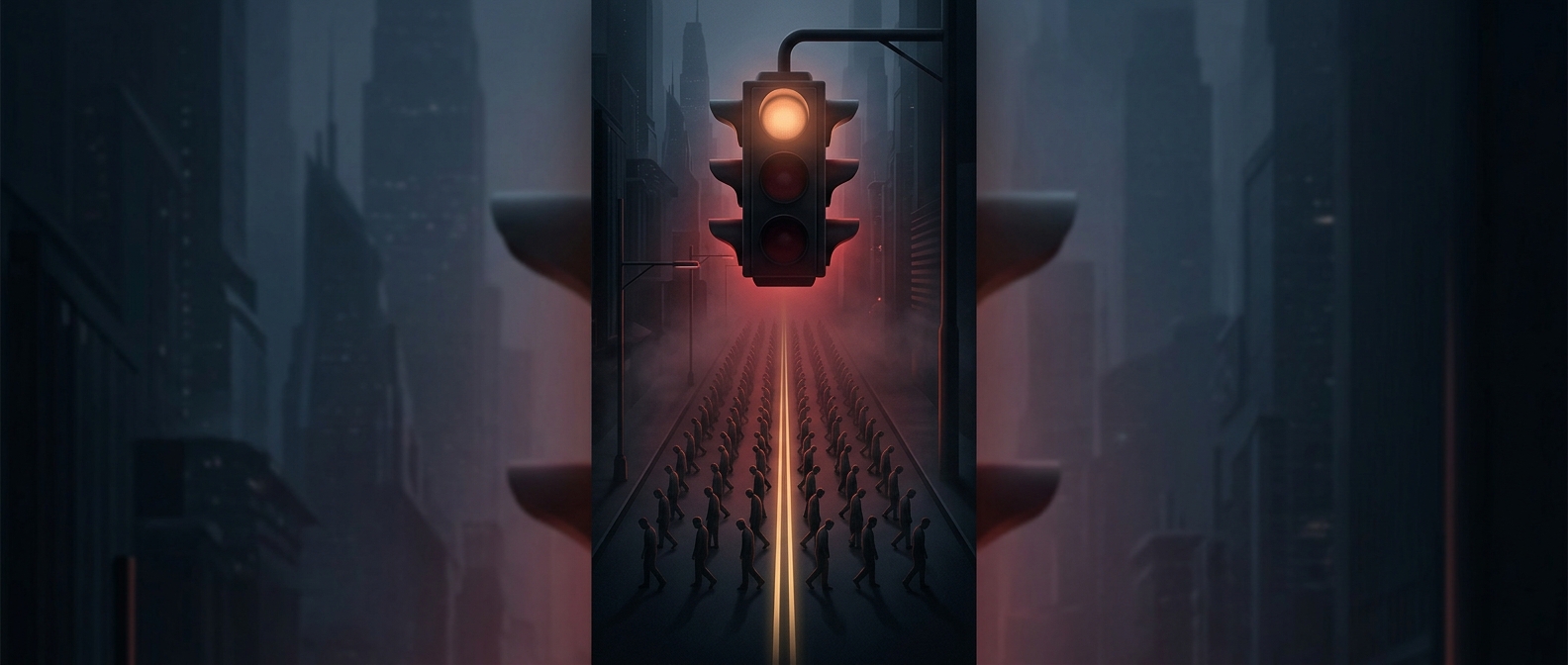
Traffic signals rely on pure conditioning
Red means stop and green means go because drivers learn the color code through repetition. After enough intersections, your foot gets the message before your…
Discover more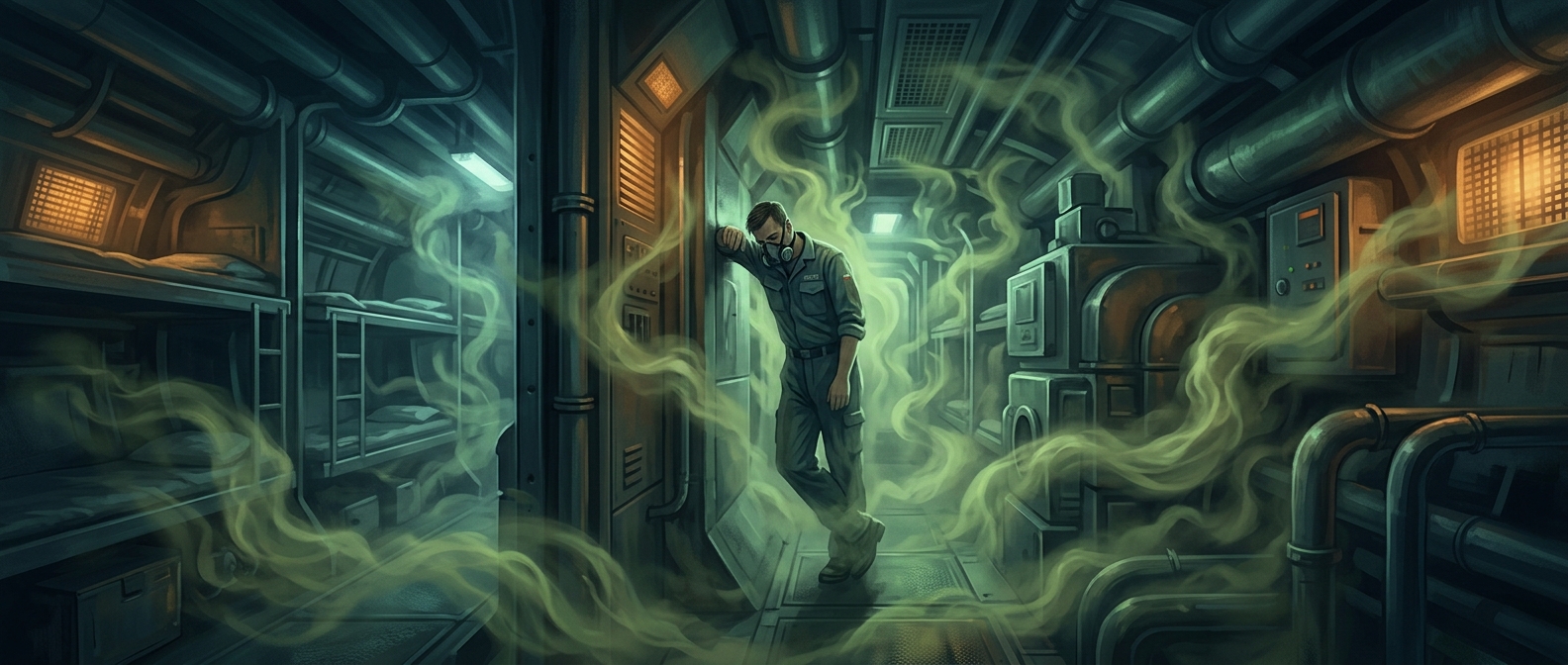
Submarine crews can stop noticing the smell visitors meet at the door
Smell receptors respond less to an odor that stays around, so submariners stop noticing the diesel and sweat that visitors detect at once. The air has not…
Discover more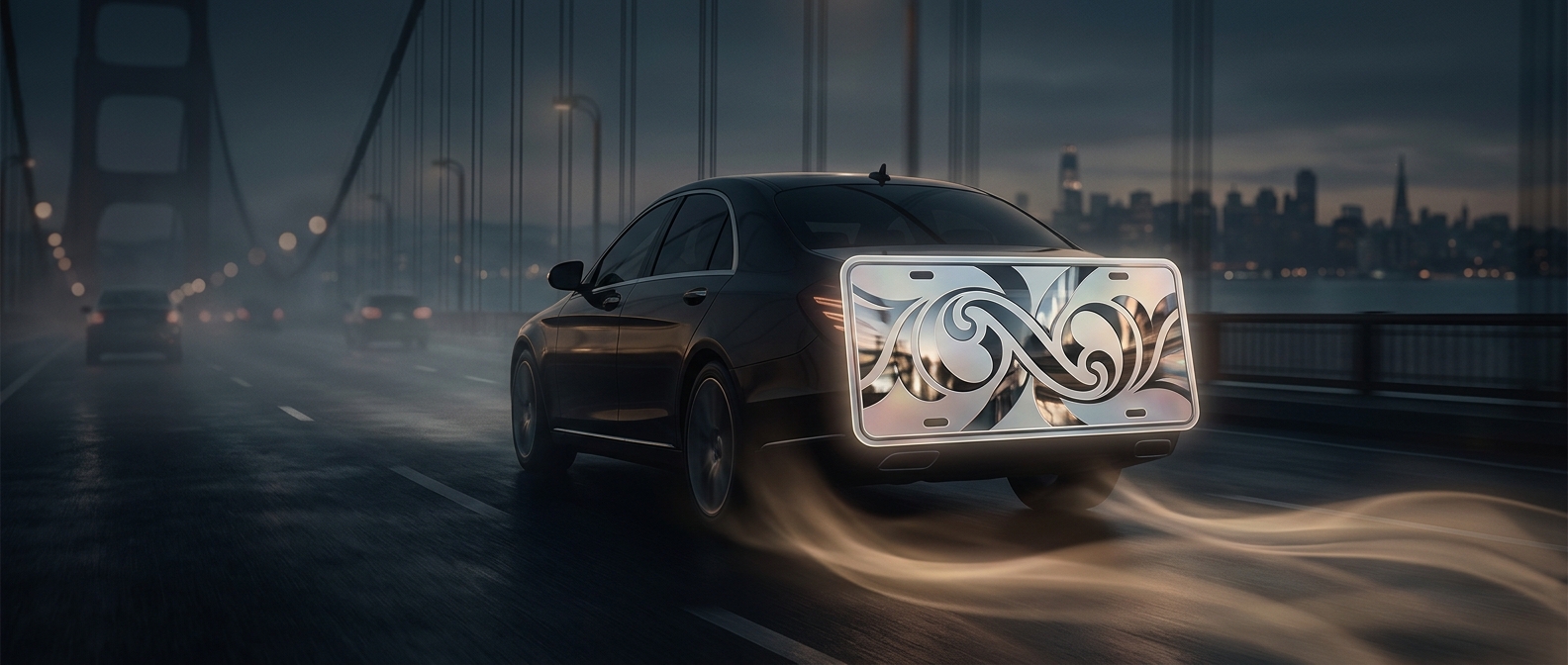
Vanity plates let drivers pay for personalized puns
A vanity plate charges extra for a short custom message, turning a state-issued rectangle into a tiny billboard. Drivers pay for the pun; everyone behind them…
Discover more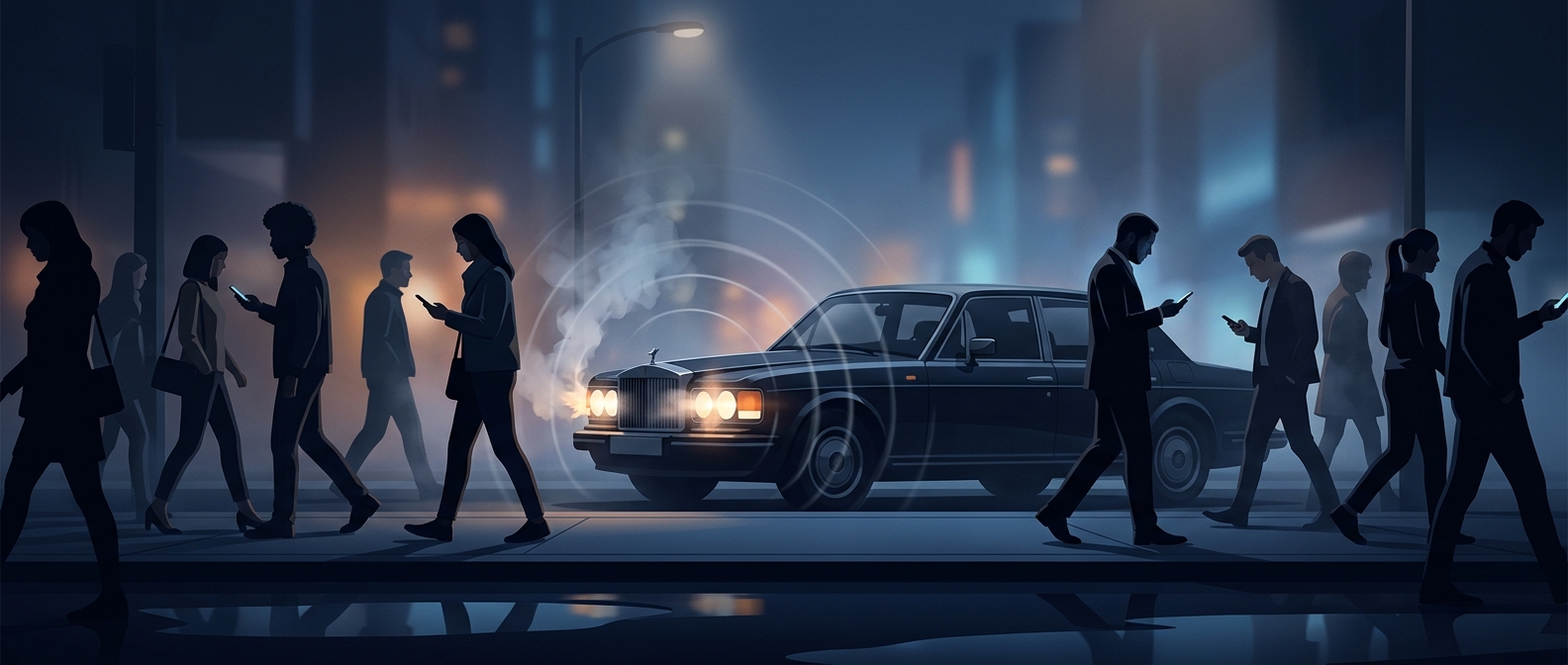
Why nobody rushes to a car alarm anymore
Car alarms became background noise because too many go off without a theft. After enough false alarms, people stop treating the siren as evidence and start…
Discover more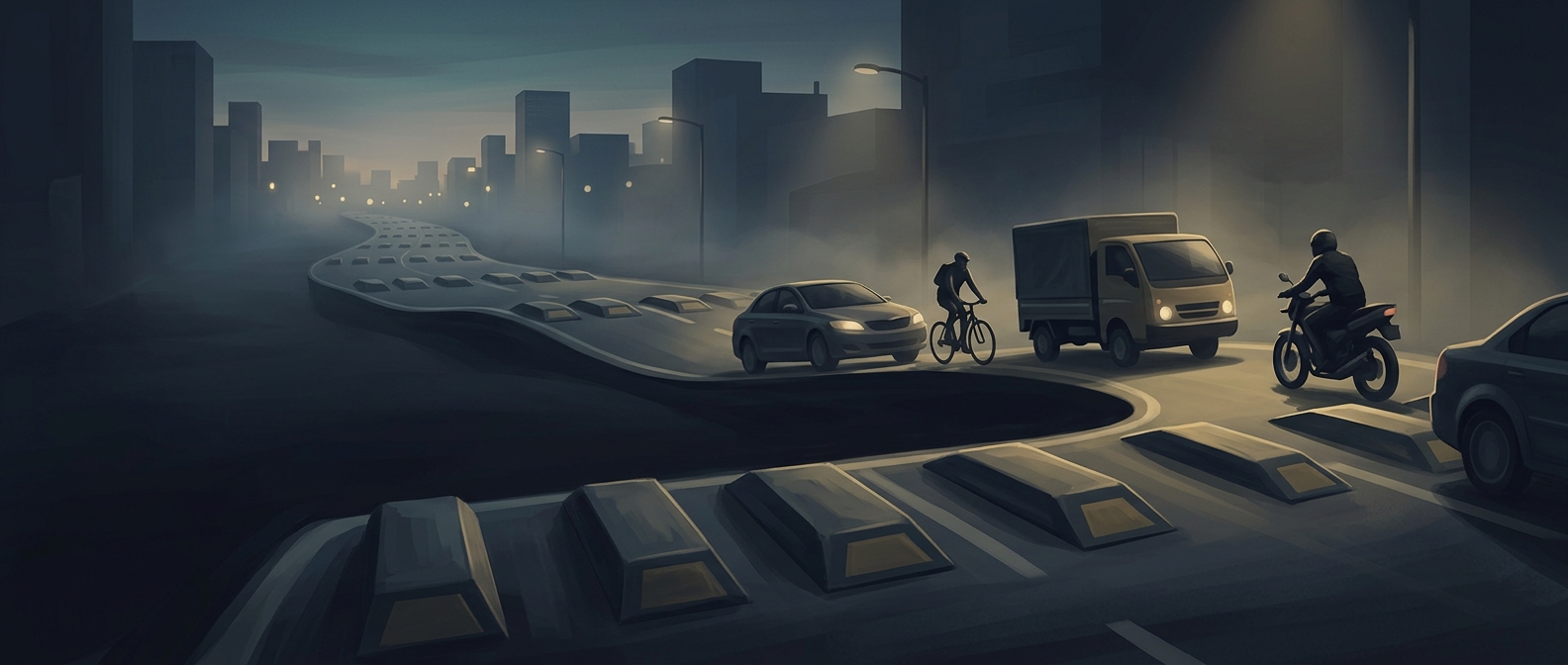
Why speed bumps punish everyone
The road itself becomes the warning: climb the hump too quickly and the suspension takes a sharp hit. That blunt bit of geometry keeps speeds down, though it…
Discover more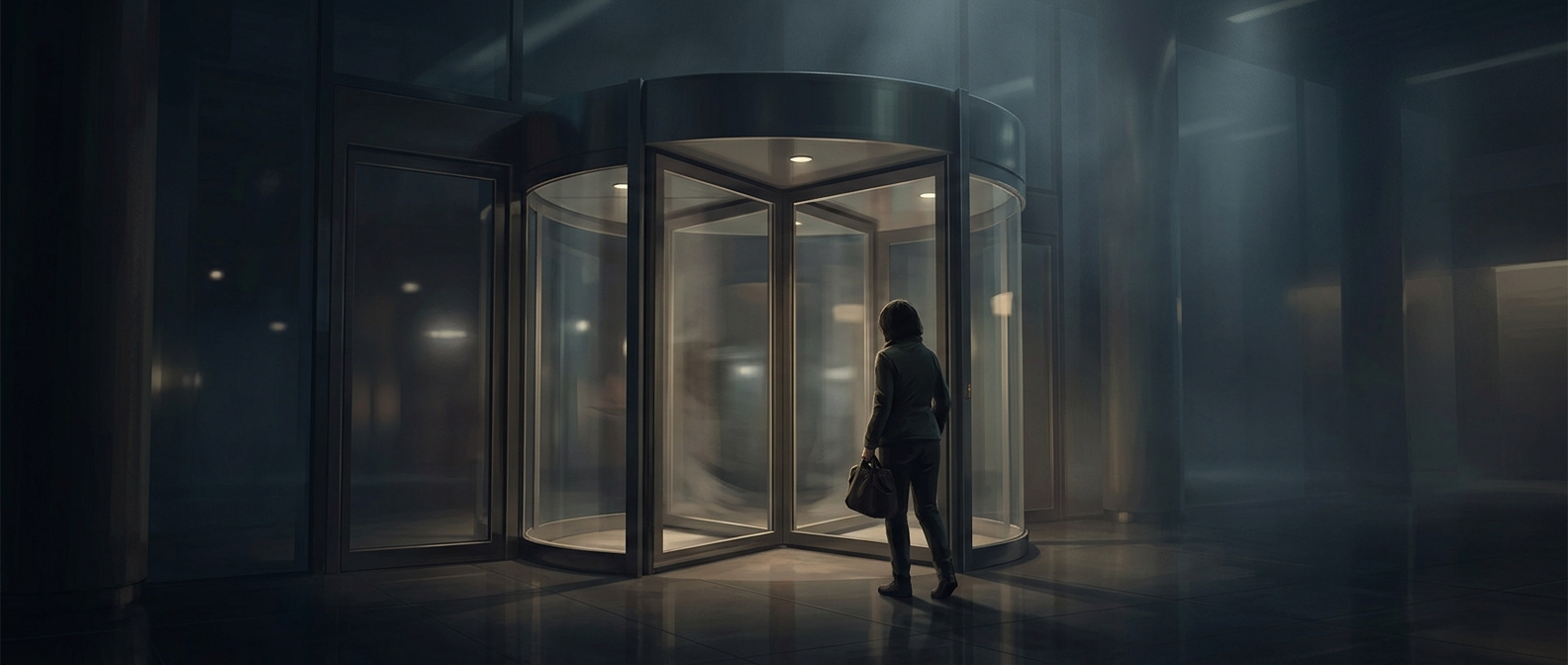
Why revolving doors make everyone hesitate
Each panel sweeps around the doorway, leaving a moving compartment to step into. People pause to match its pace—because apparently even entering a building…
Discover more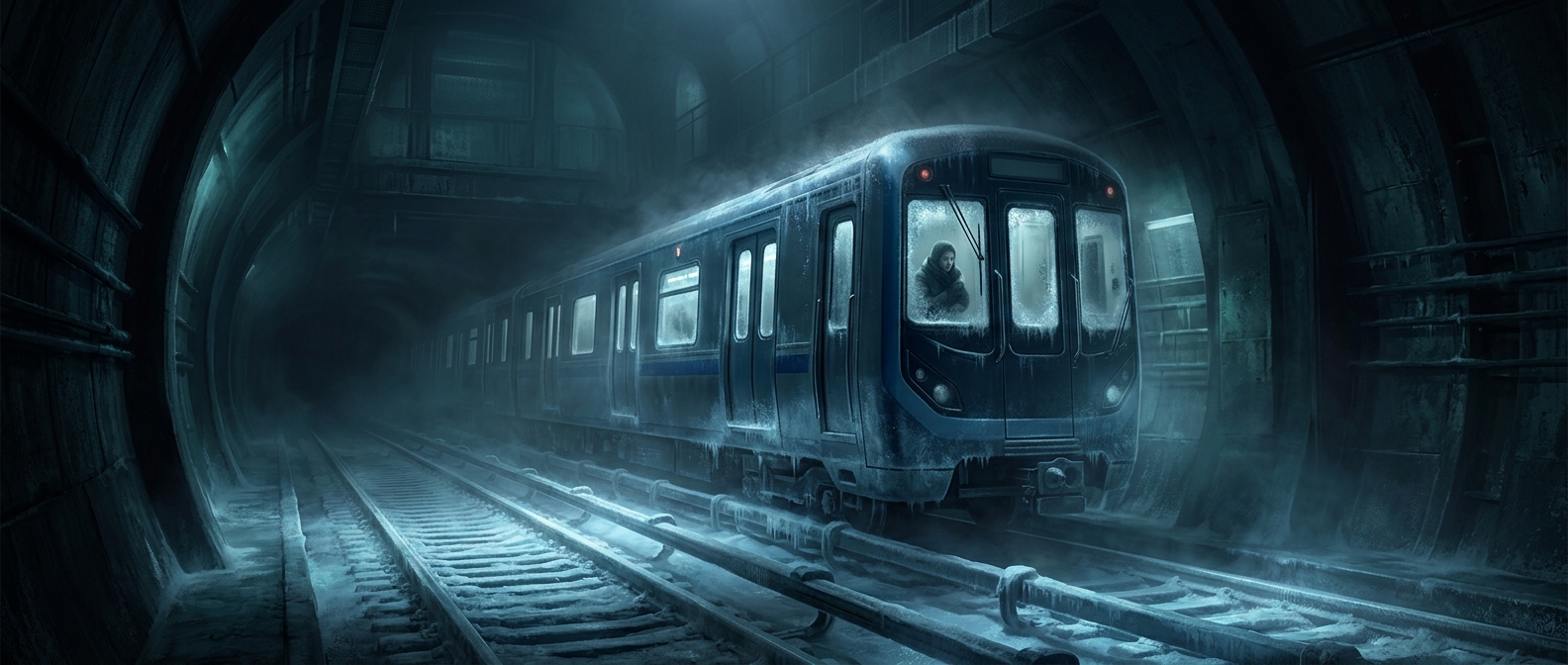
The unexplained pauses in subway tunnels
A train pauses because the track ahead is still occupied. Signals divide the line into safe sections, and a red signal holds the next train until the one in…
Discover more
Why bus timetables may be only suggestions
A timetable predicts the trip, but traffic and passenger stops change how quickly a bus moves. When one bus gets delayed, the next catches up and both arrive…
Discover more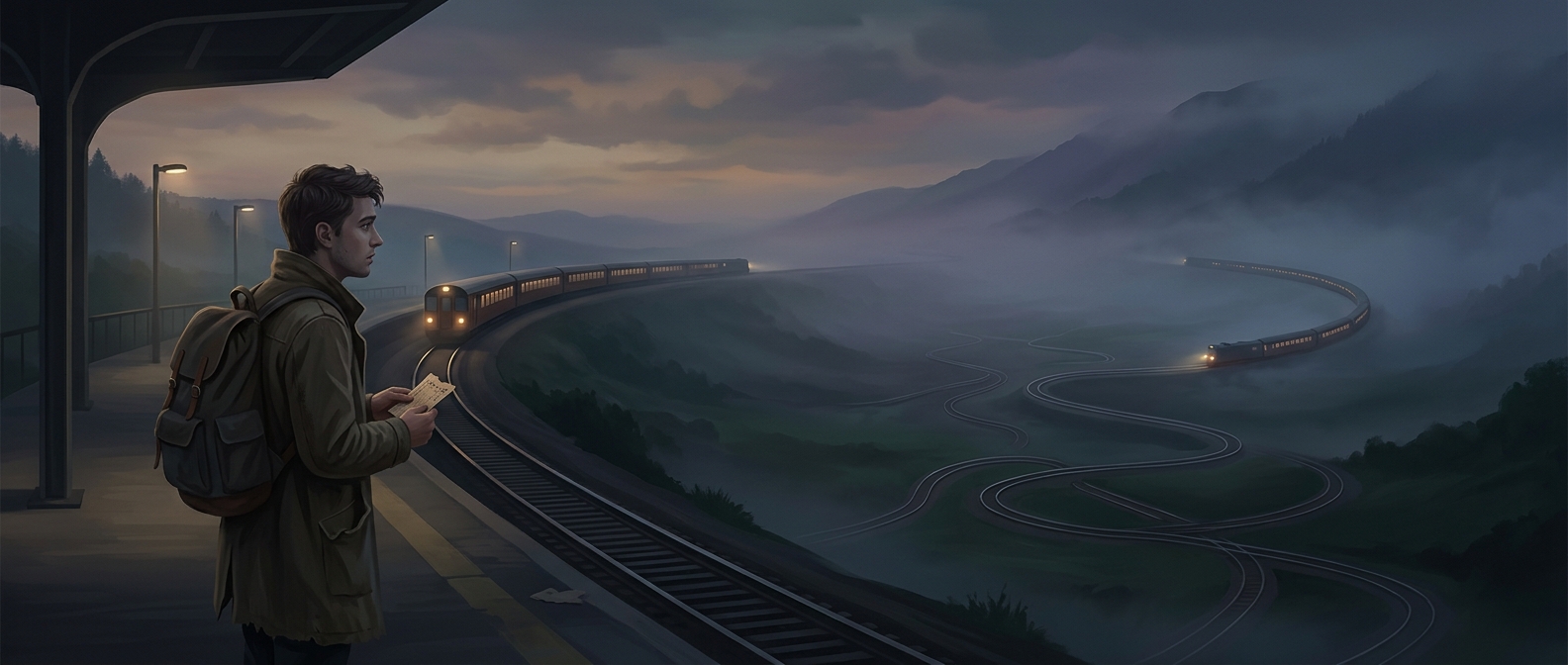
Boarding wrong trains provides unexpected lengthy detours
Rail lines meet at fixed junctions, and the train follows the route its tracks allow. Once the doors close, there’s no quick turn onto the correct line—just…
Discover more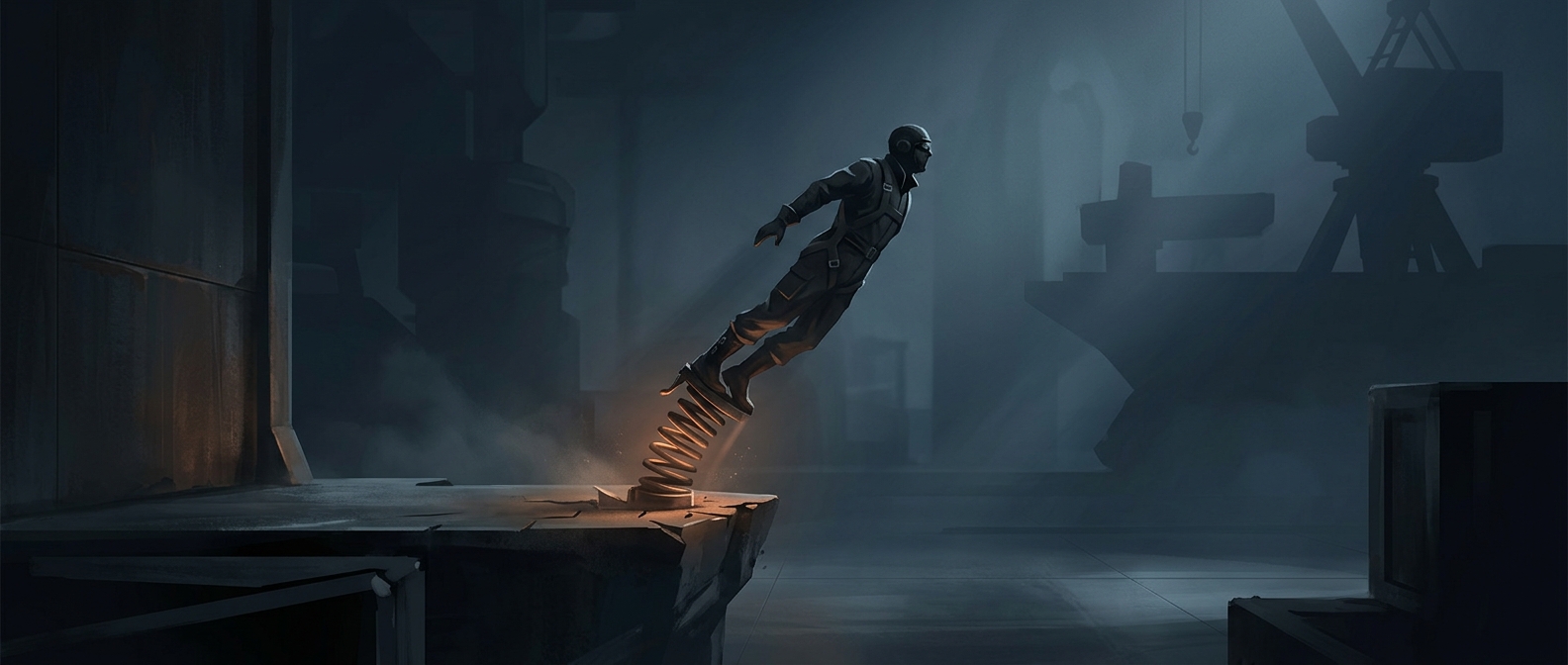
The Sinclair C5 put electric transport almost at road level
The small three-wheeler combined electric assistance with pedals and seated its rider very low. That helped create a compact vehicle but made riding among…
Discover more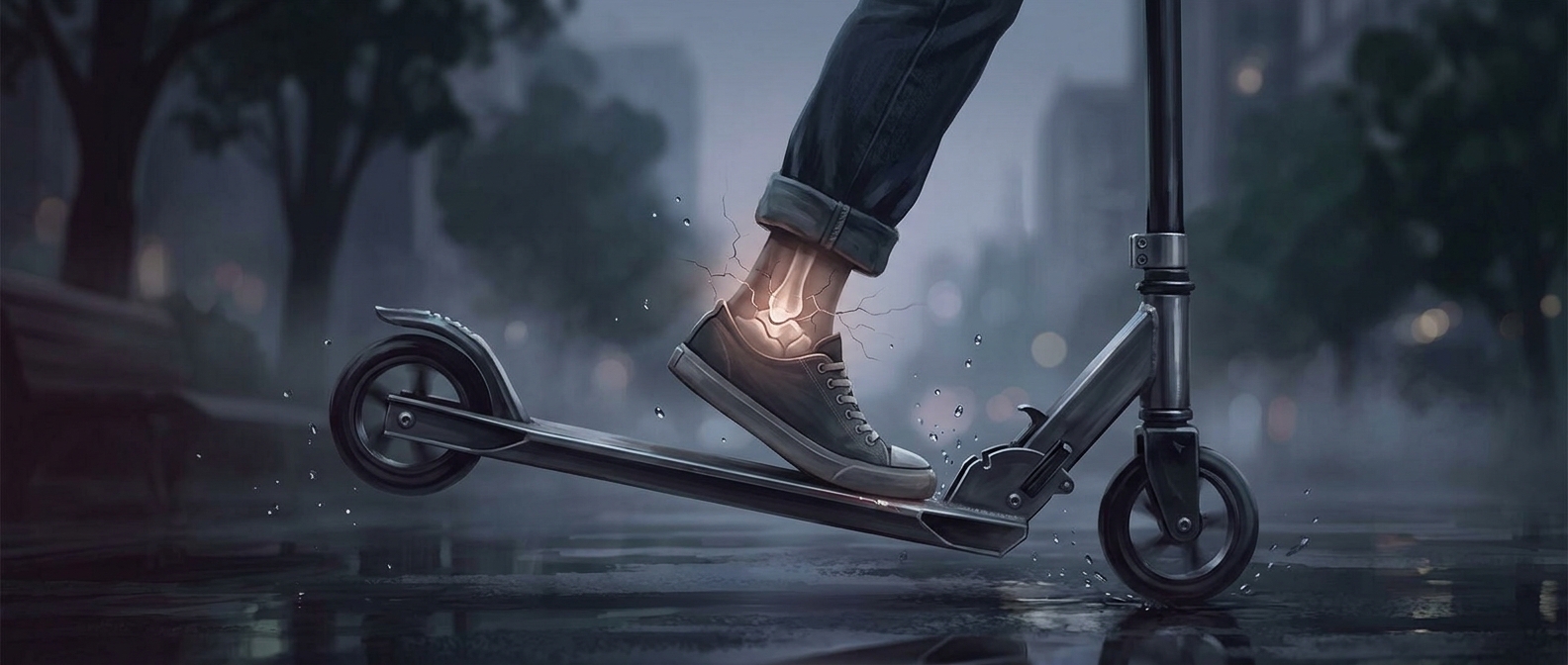
Why scooter decks always seem to find your ankle
A scooter’s heavy aluminum deck can swing back into your shin, turning a loose spin into a painful collision.
Discover more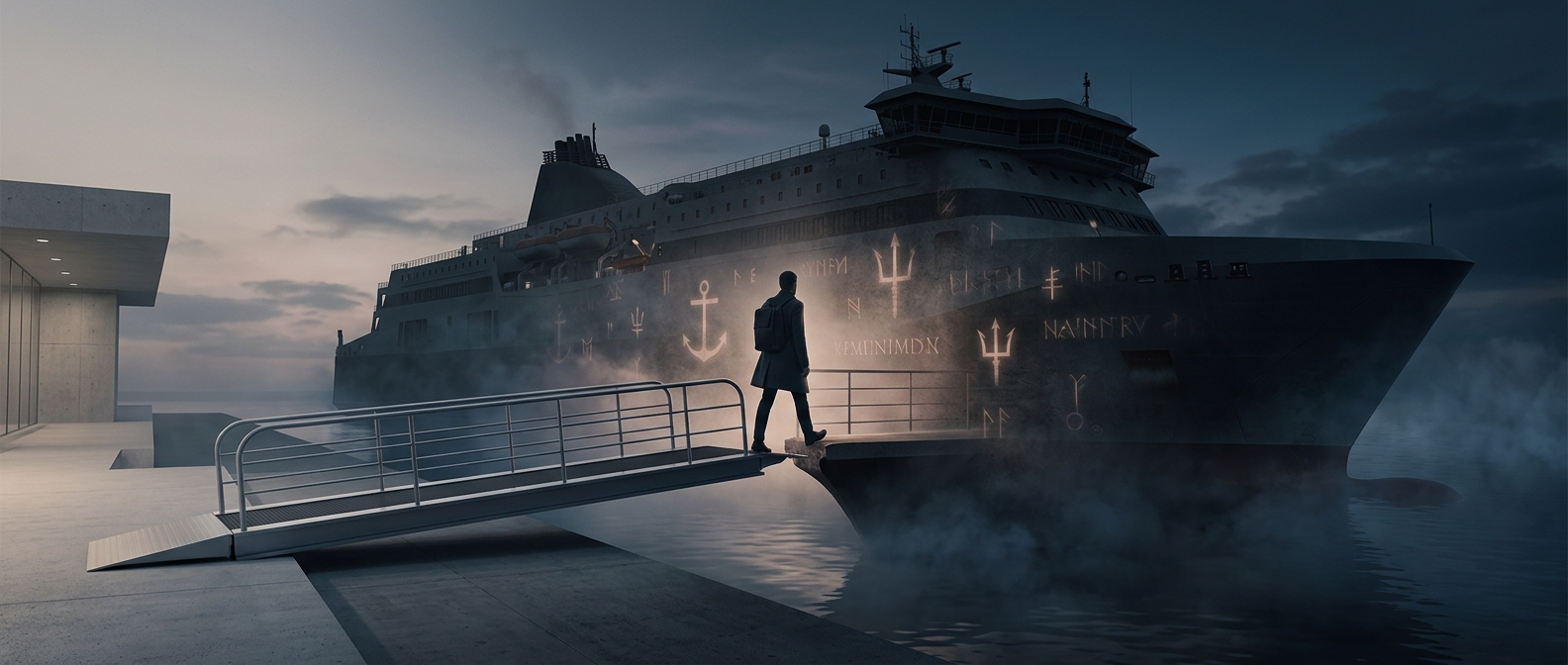
Why a ferry ride can put you under maritime law
A ferry travels on navigable water, where maritime law governs many shipboard accidents and duties. The shoreline can be in sight and the legal rulebook can…
Discover more