Transport
Discover facts about transport. Small discoveries that change the way you see familiar things.
Transport
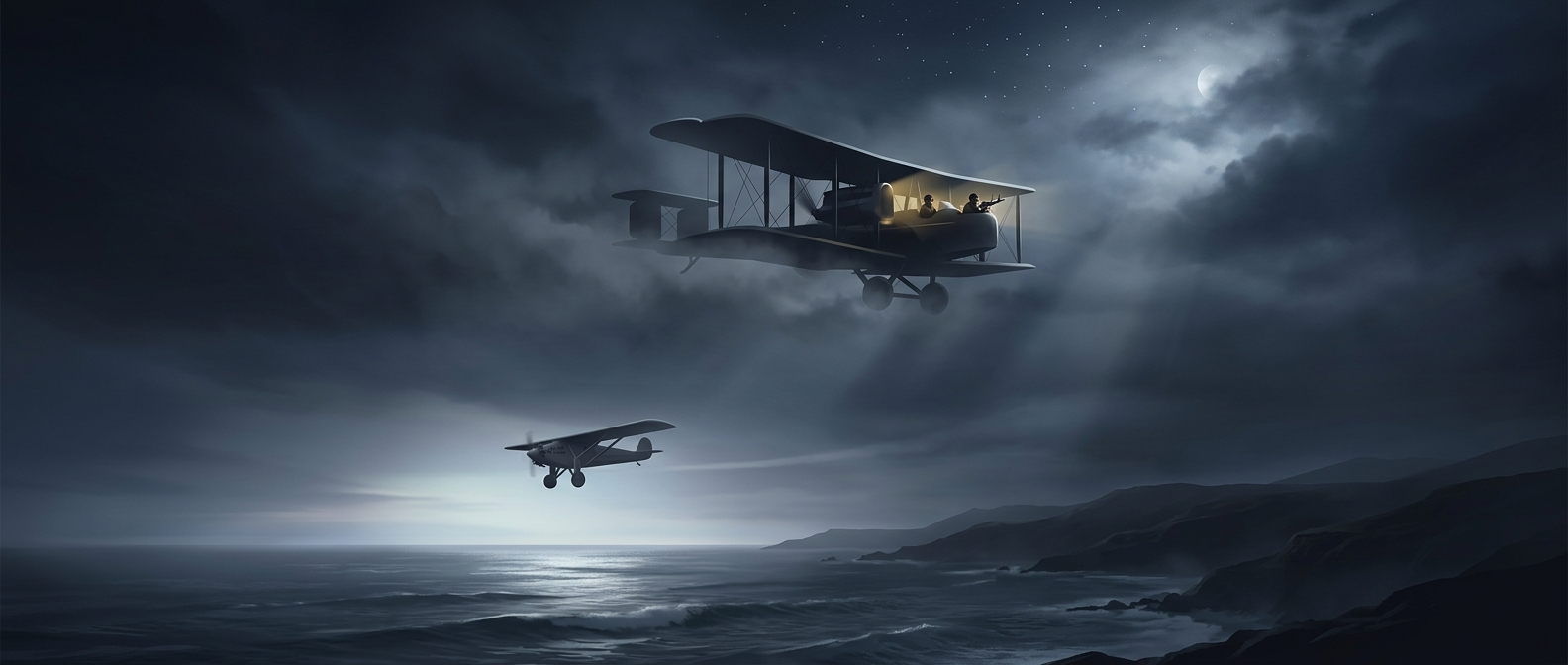
Lindbergh wasn't the first to fly the Atlantic nonstop
John Alcock and Arthur Brown crossed from Newfoundland to Ireland in 1919, landing their modified bomber in a bog. Lindbergh's 1927 achievement was a solo…
Discover more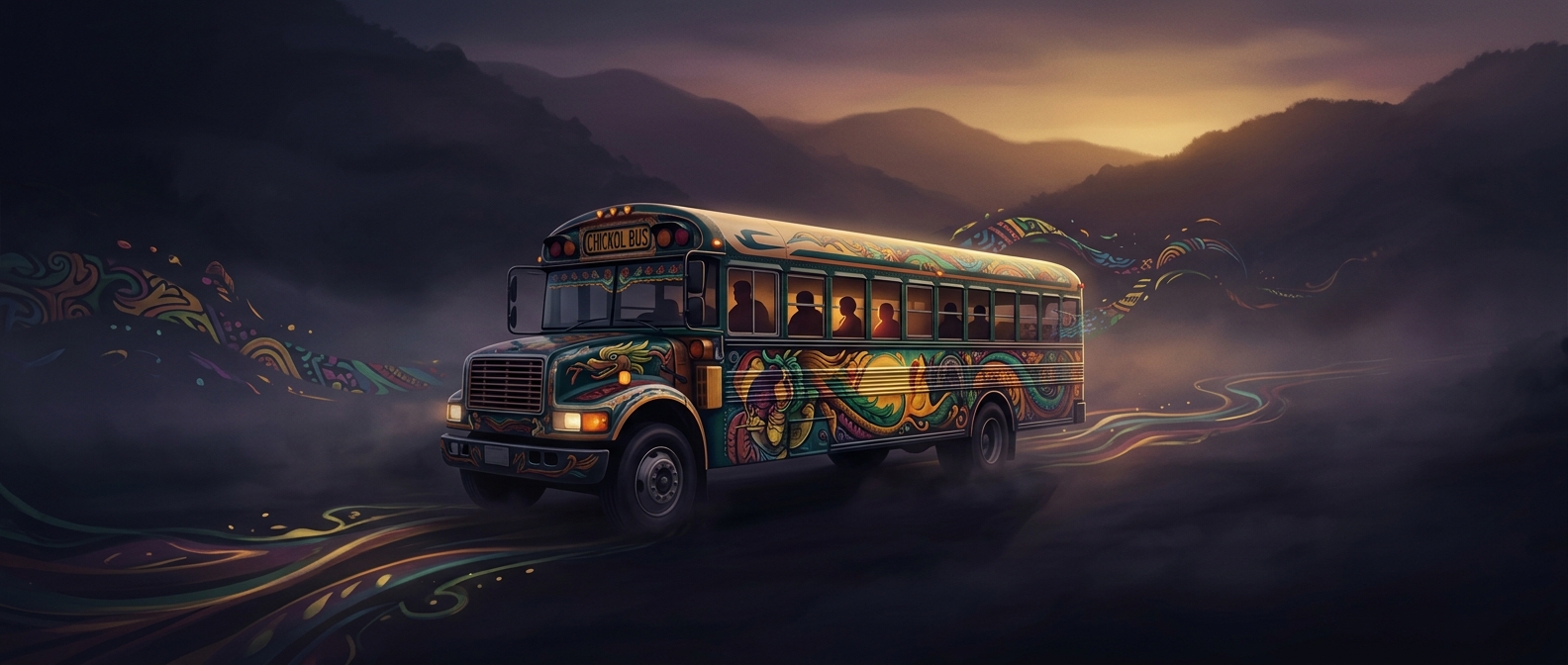
Why chicken buses look like rolling murals
Many chicken buses began as retired school buses, then local operators rebuilt and painted them in bold colors. The murals give each bus its own look amid the…
Discover more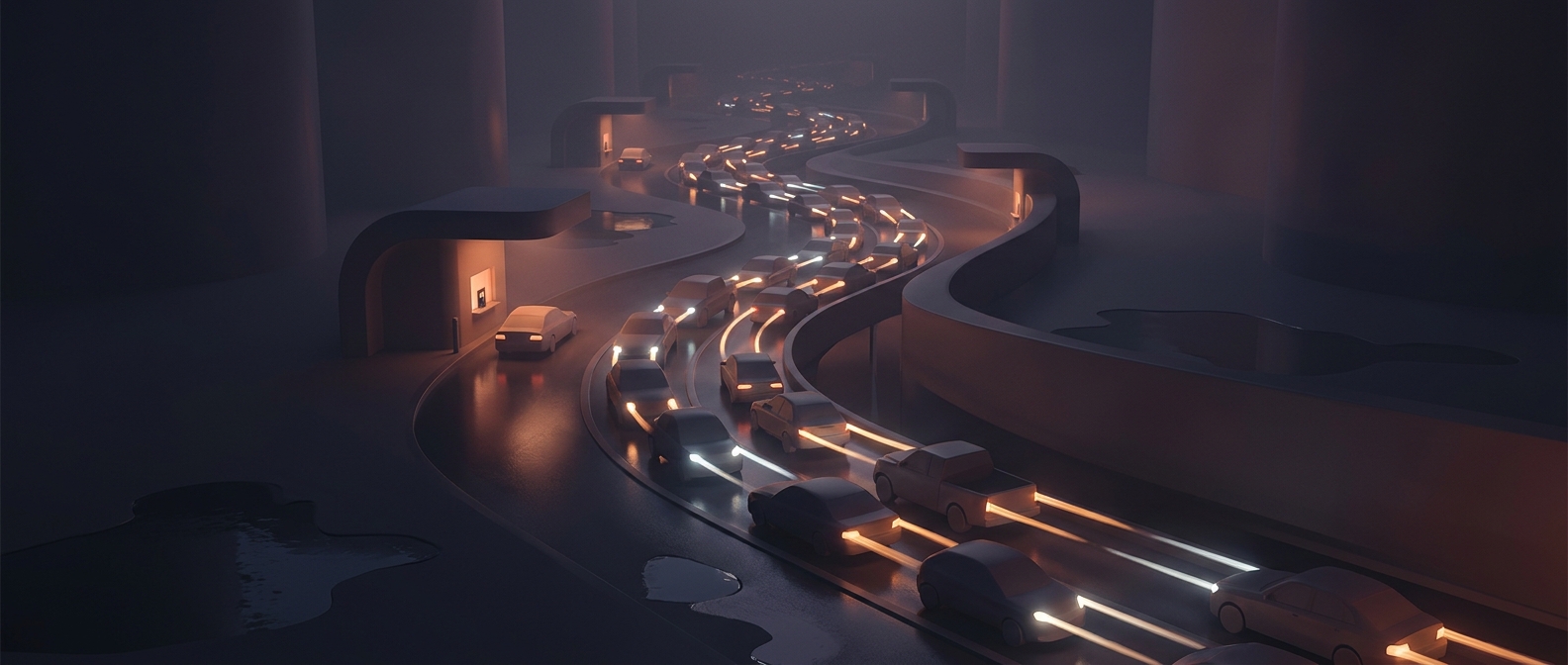
Drive-up window lanes trap idle vehicles in endless lines
Those cars are stuck in a single-file queue, so one slow order freezes the whole line. It’s a traffic jam with a speaker box and nowhere to go.
Discover more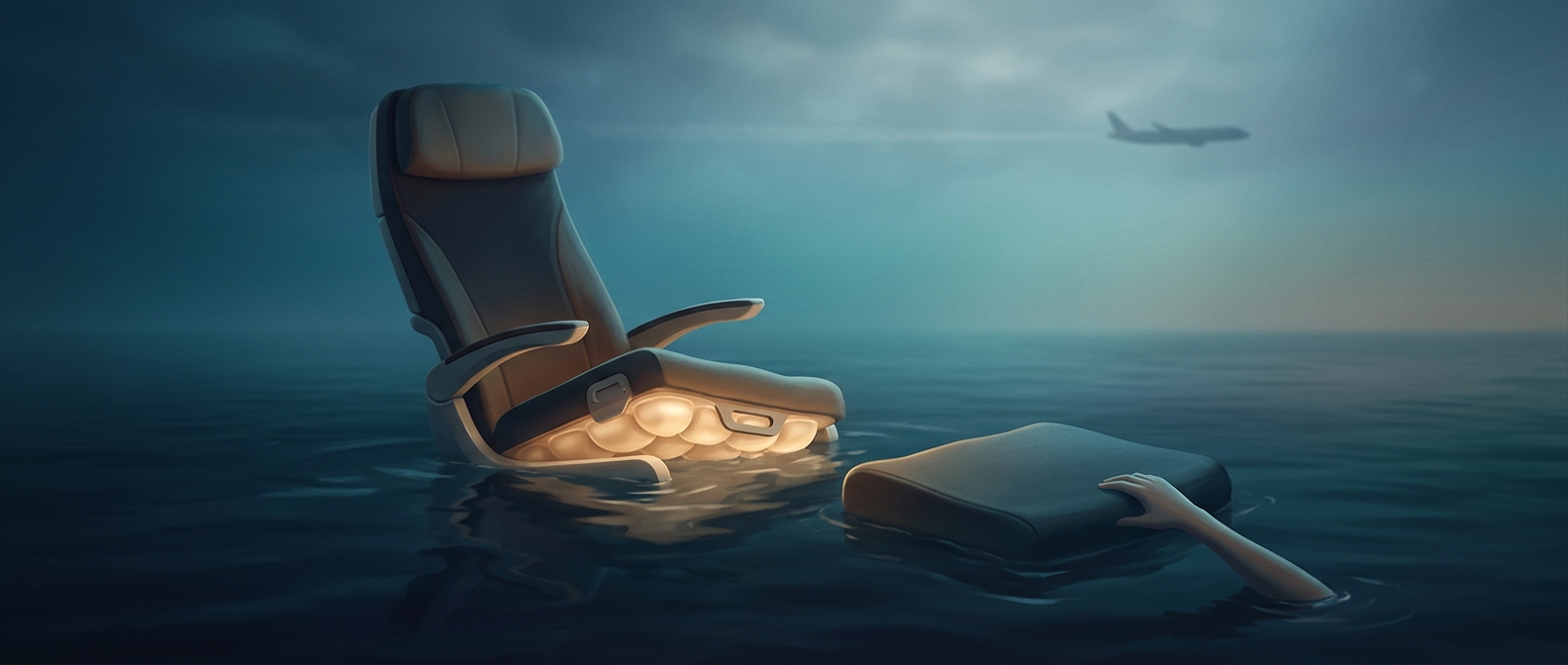
Seat cushions serve as actual flotation devices
Airline seat cushions are made to detach, so a passenger can take one into the water if the plane lands there. Buoyant foam helps it float; it’s an emergency…
Discover more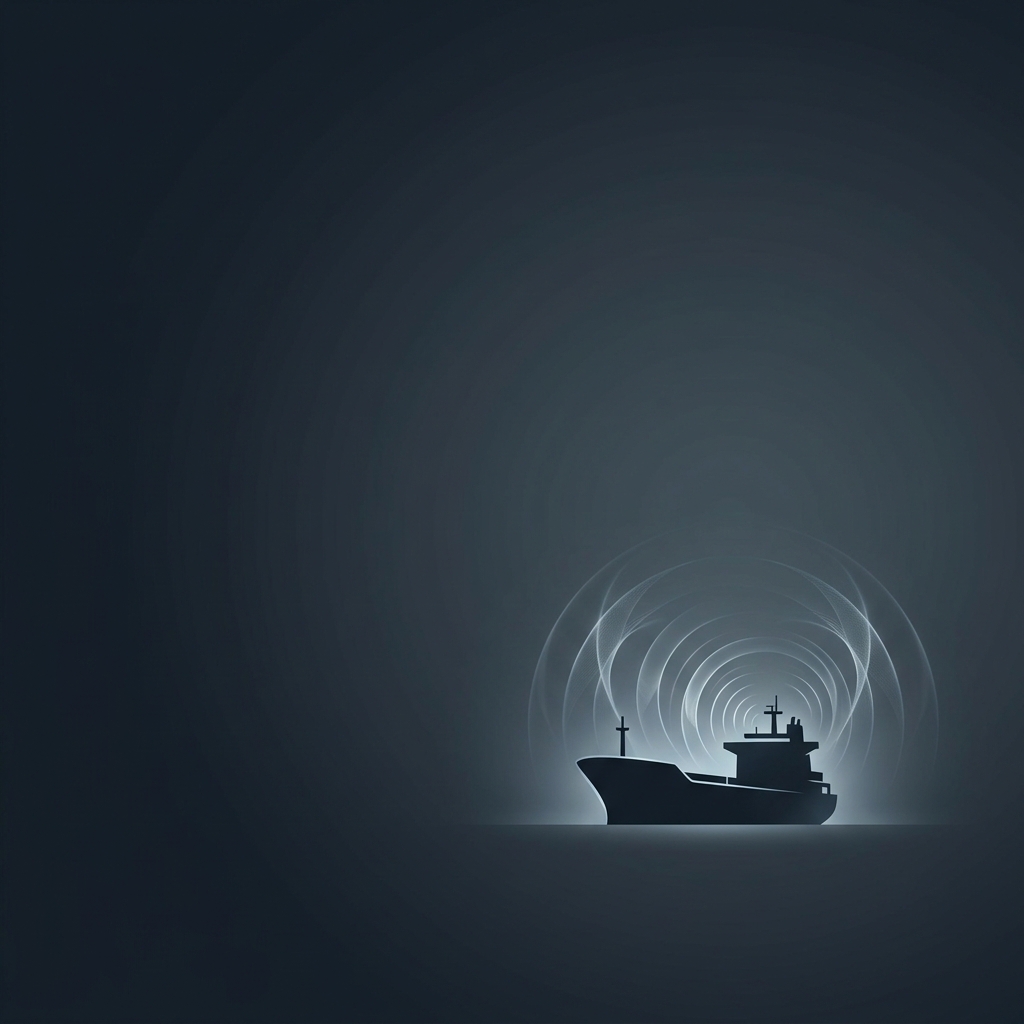
Pirates fled Britney Spears
Ship crews blasted Britney Spears songs at approaching pirates as a nonlethal deterrent. The loud pop music added an unexpected layer to the ship’s defenses:…
Discover more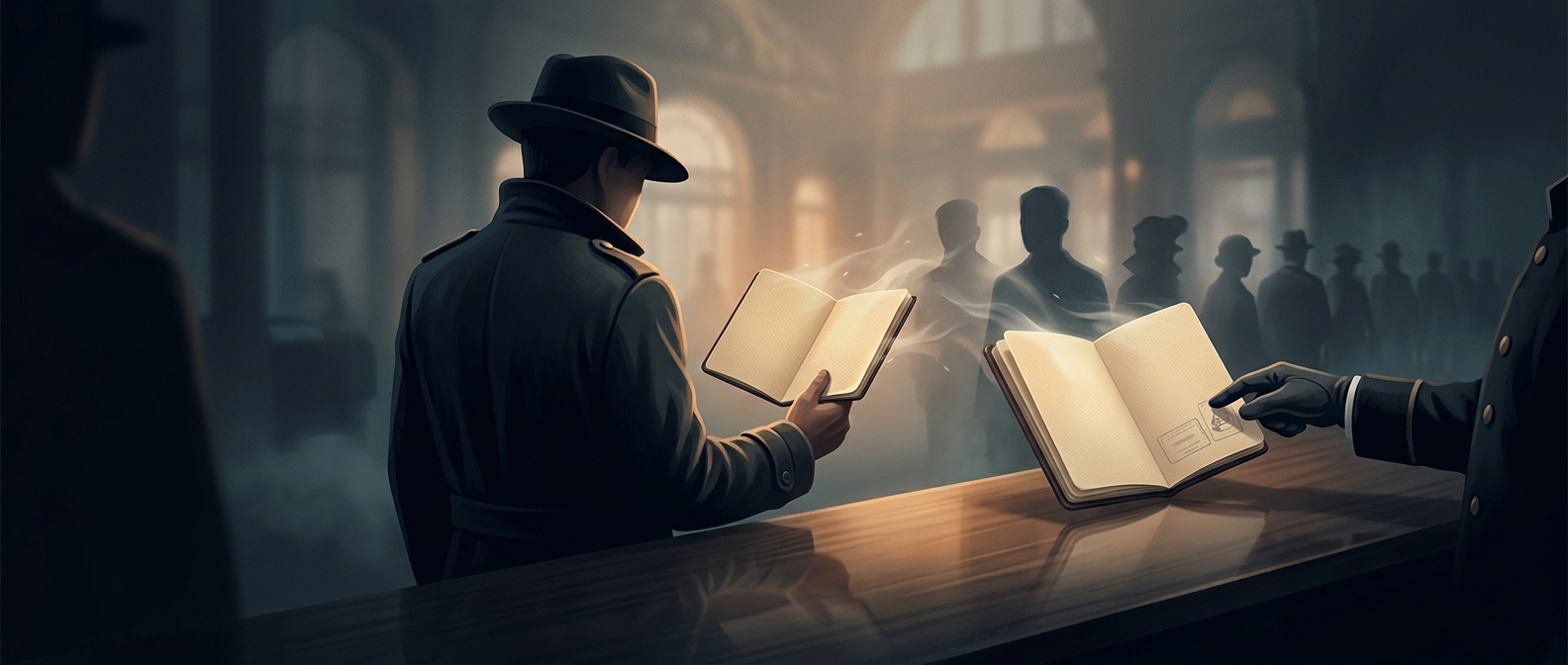
Why passports got photographs
As international travel grew, a name alone stopped being a convincing way to prove who stood at the border. A portrait gave officials a face to match, turning…
Discover more STACKY FOR IPHONE
A bigger world.
One discovery
at a time.
Keep discovering with Stacky. Interesting facts in an app that is always within reach.

Ski poles feature plastic baskets near their lower tips
The plastic basket spreads a ski pole’s push over a wider patch of snow, keeping the tip from plunging too deep. Without it, every pole plant risks becoming…
Discover more
The jetpack blast that's hard to see
The Bell Rocket Belt used hydrogen peroxide that broke down over a catalyst into hot steam and oxygen. That exhaust was hard to see, but it was still a blast…
Discover more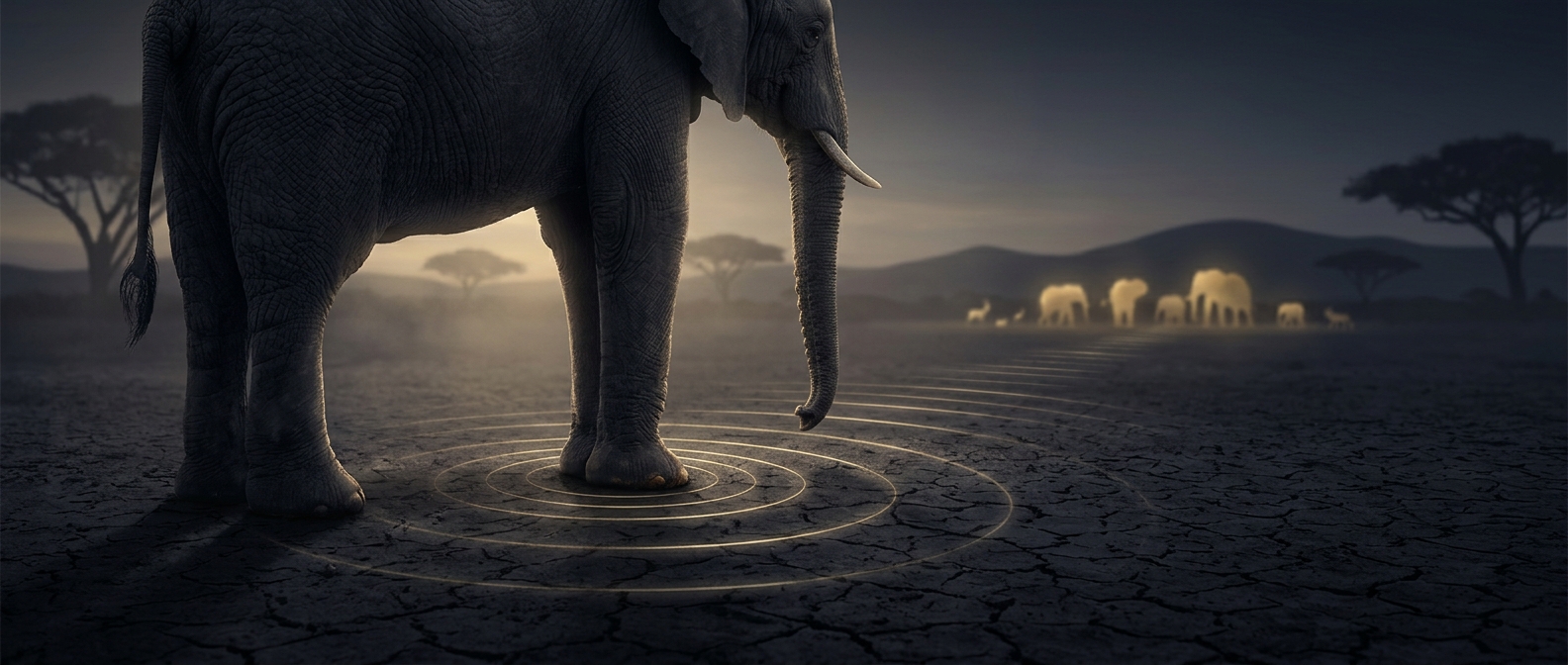
Elephants feel ground vibrations through foot pads
Vibrations travel through the ground, and sensitive nerve endings in an elephant’s foot pads pick them up. The feet act like seismic receivers; the elephant’s…
Discover more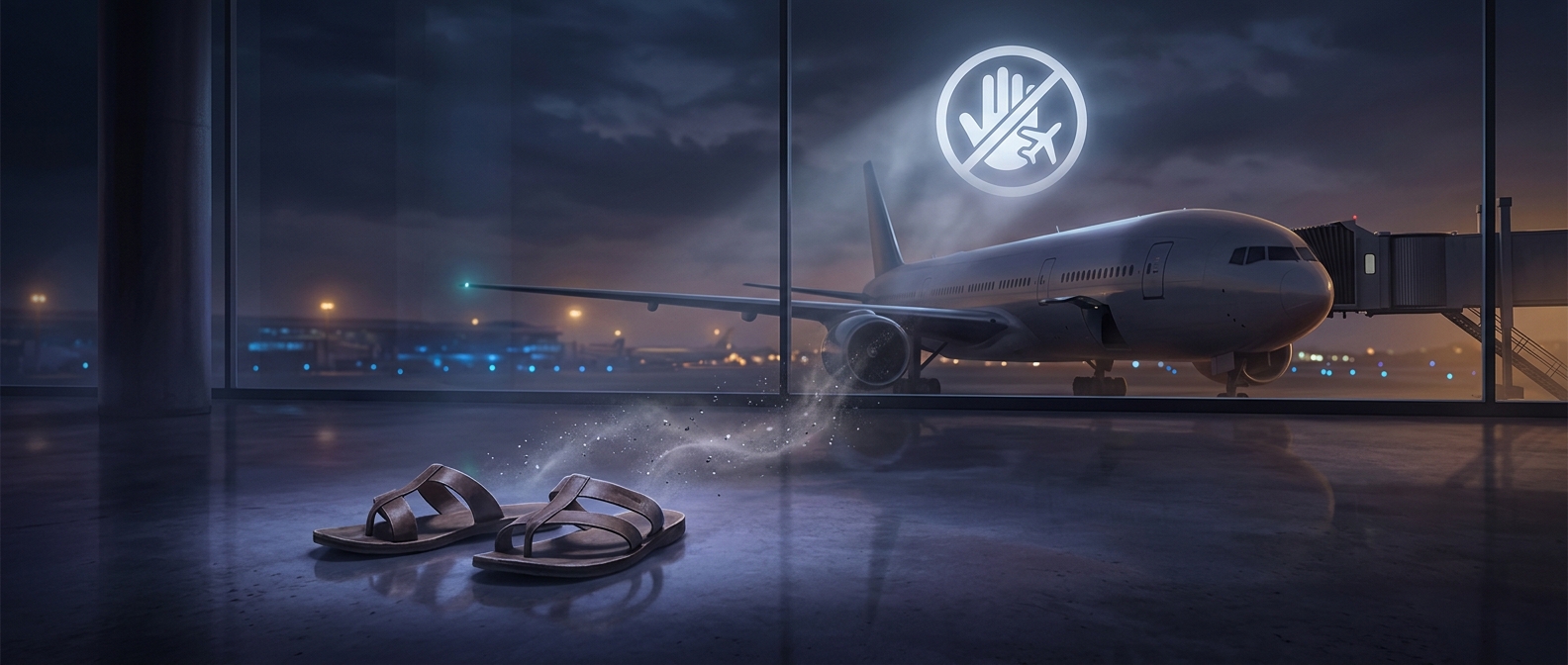
Why airlines may refuse barefoot passengers
Airlines set dress rules, and bare feet can violate them. Shoes also protect passengers during an evacuation, when a cabin floor may hold debris or hot…
Discover more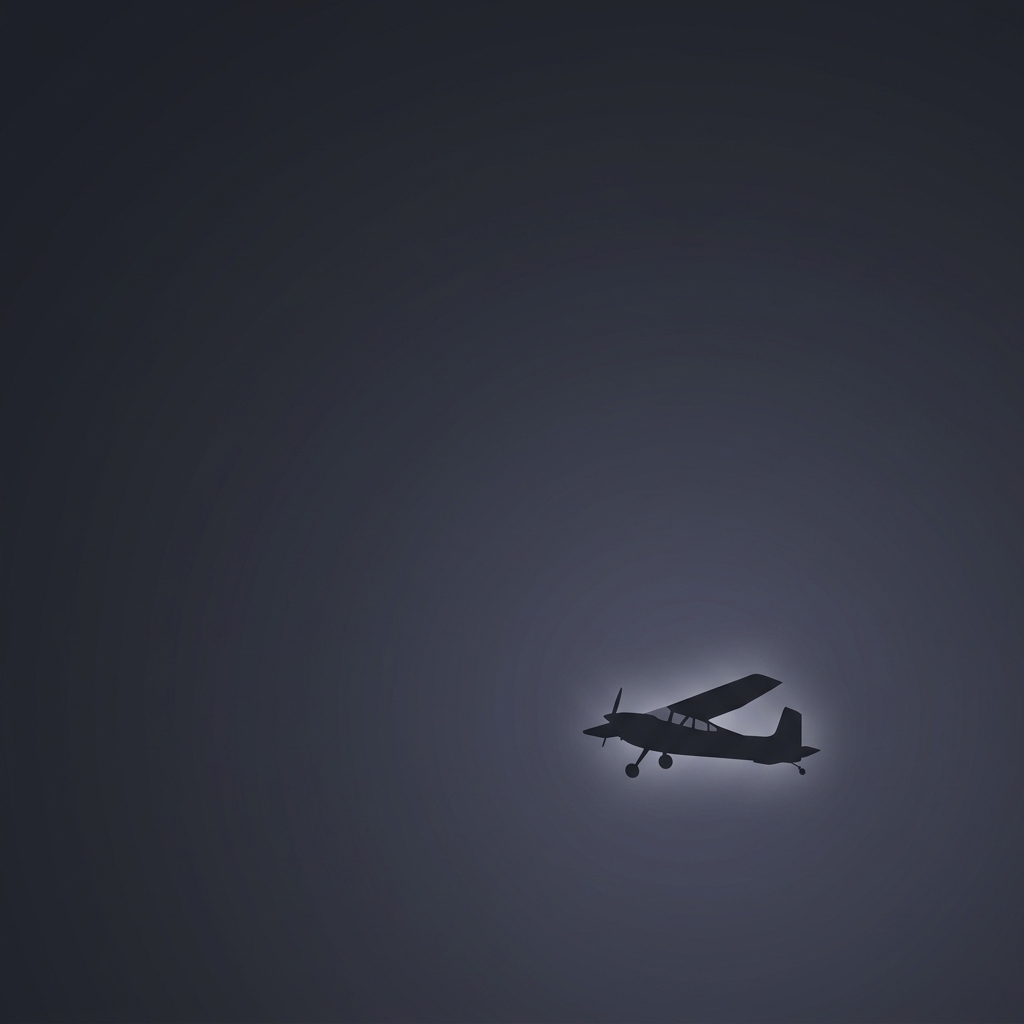
Jerrie Mock finished the flight Amelia Earhart never did
In 1964, Jerrie Mock became the first woman to fly solo around the world. She took a single-engine Cessna named Spirit of Columbus across oceans and…
Discover more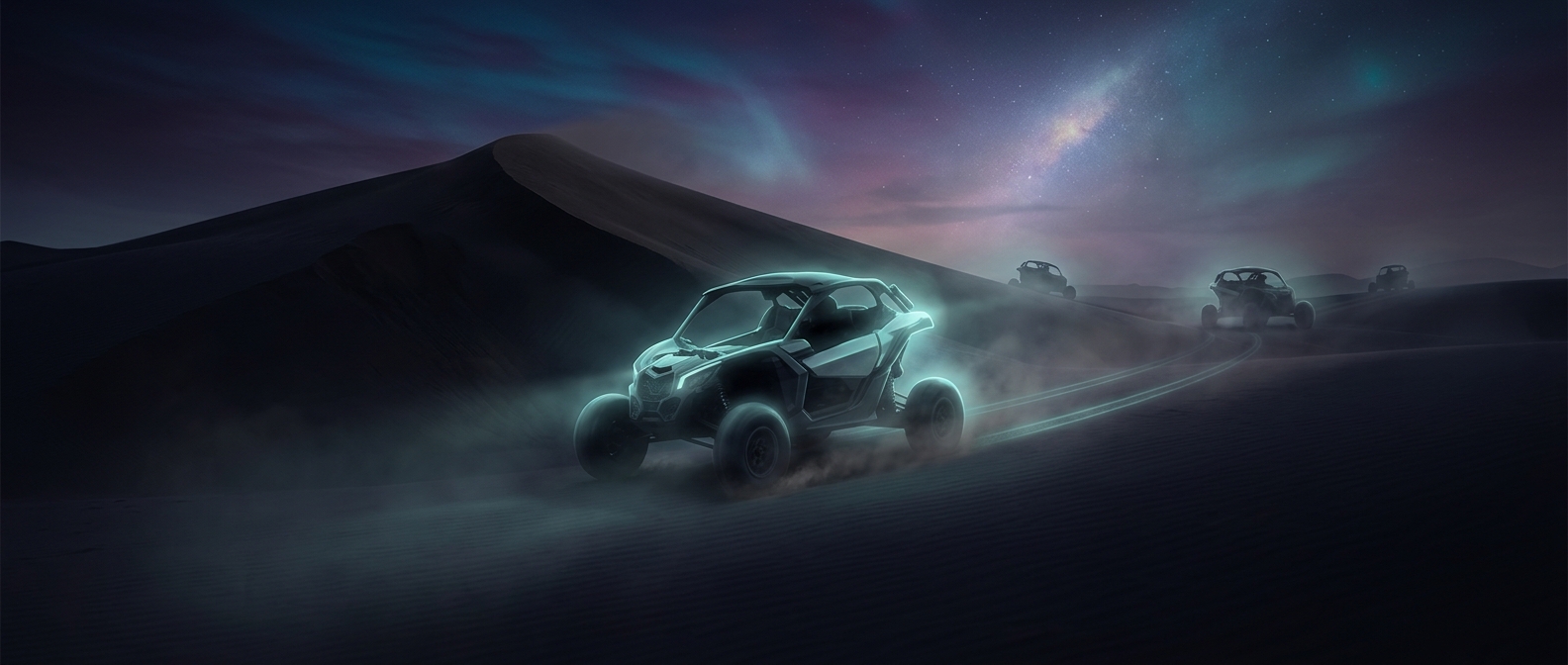
The farm vehicle that became a dune buggy
A dune buggy starts with a simple, light vehicle platform, often a Volkswagen Beetle, then sheds bodywork that adds weight without helping on sand. The…
Discover more
Why Alaska has so many pilots
Alaska’s communities sit far apart, with mountains, water, and roadless stretches between them. Planes carry people and supplies where roads don’t connect,…
Discover more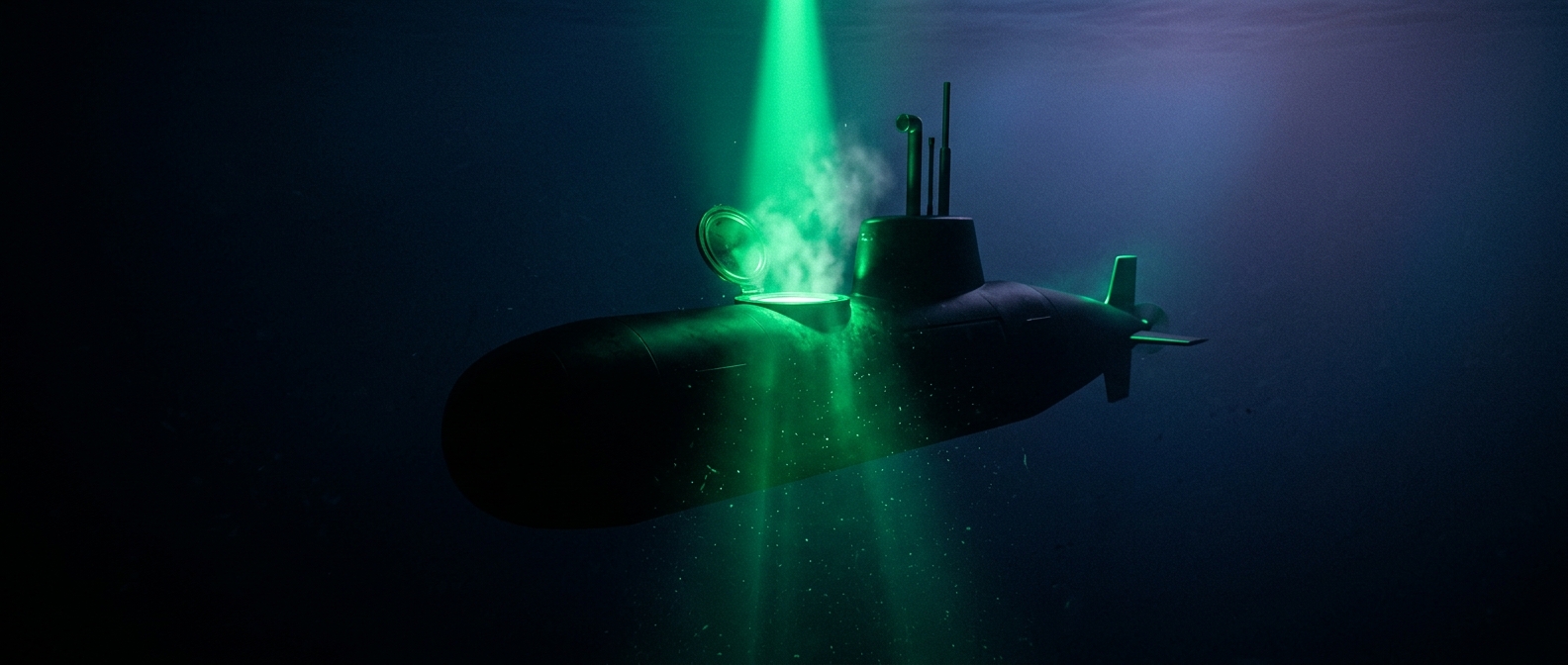
A submarine changes its buoyancy by changing what fills its tanks
Letting water into ballast tanks increases the boat's overall density; forcing water out with air helps it rise. Other controls and trim adjustments manage…
Discover more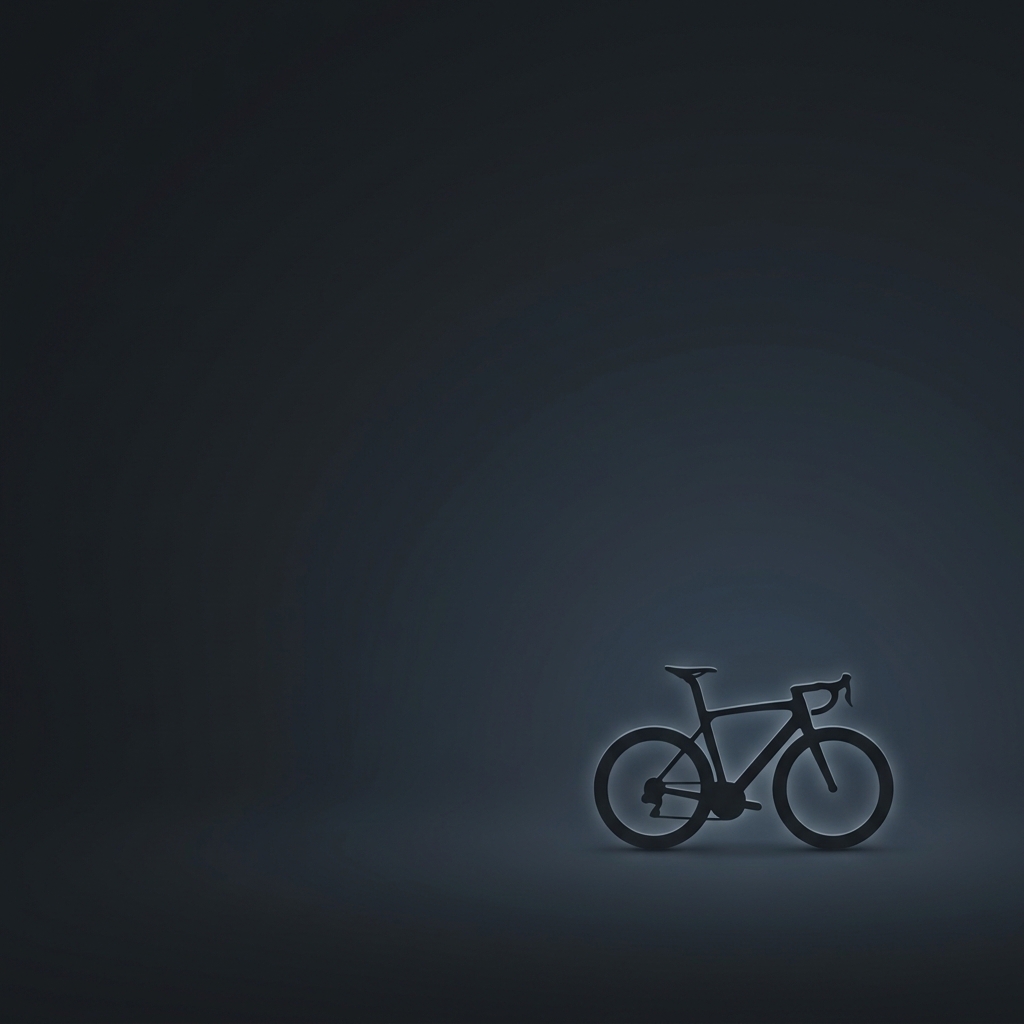
Denise Mueller-Korenek cycled at 183.9 mph behind a dragster
A vehicle ahead cleared much of the air resistance, creating a sheltered pocket for her specially geared bicycle. The 2018 record was motor-paced cycling:…
Discover more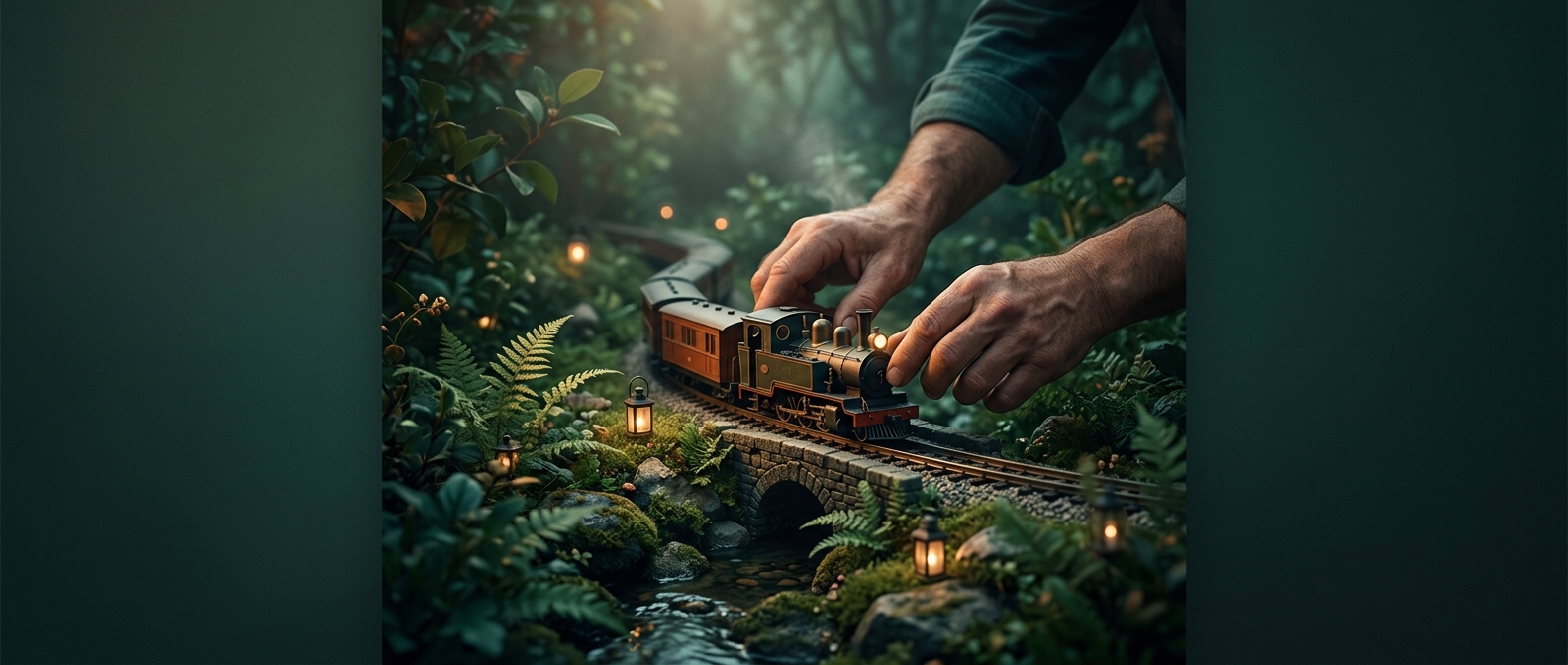
Narrowest garden railway fits in a backyard
A garden railway squeezes its tracks close together, so the trains and curves take up far less room than full-size rail. The result is a train ride where the…
Discover more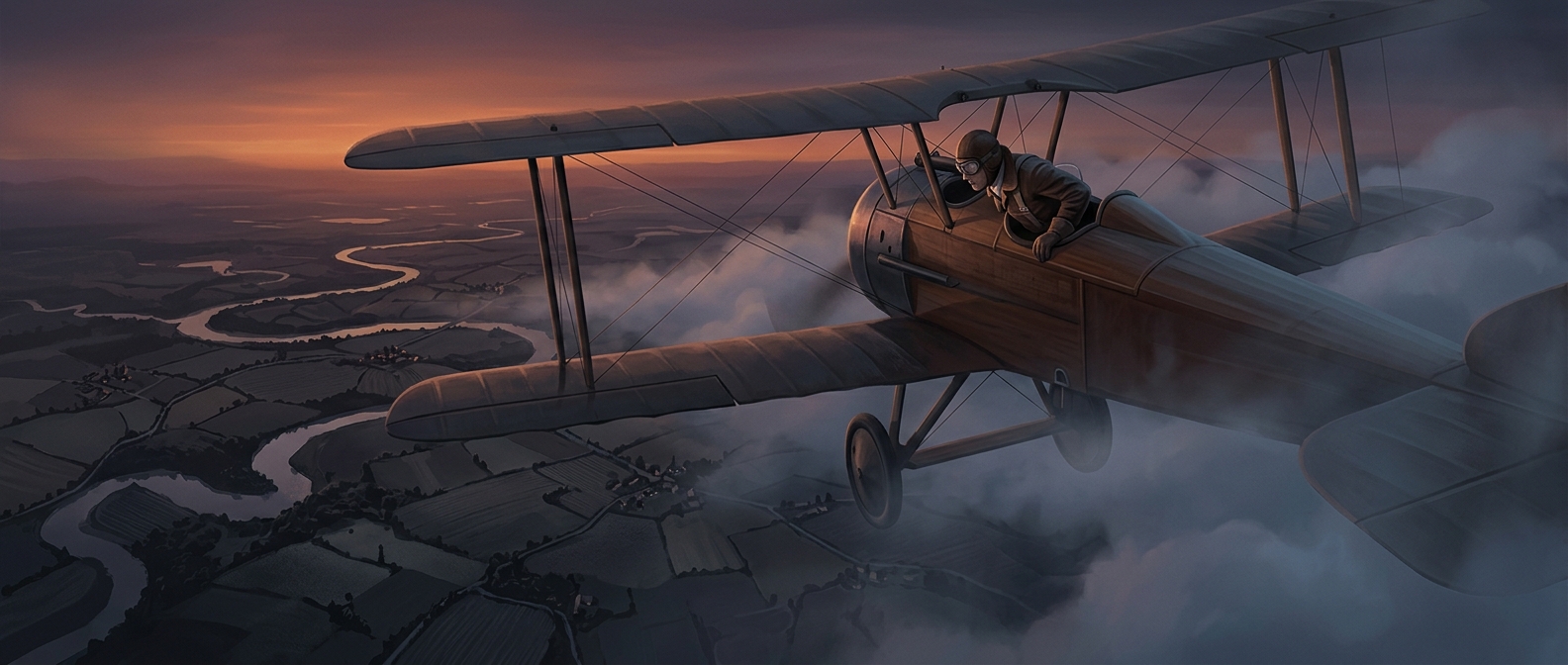
Early pilots navigated strictly by looking at the ground
Before reliable instruments, pilots matched rivers, roads, and rail lines to maps below. The ground was their navigation screen; clouds were the world's most…
Discover more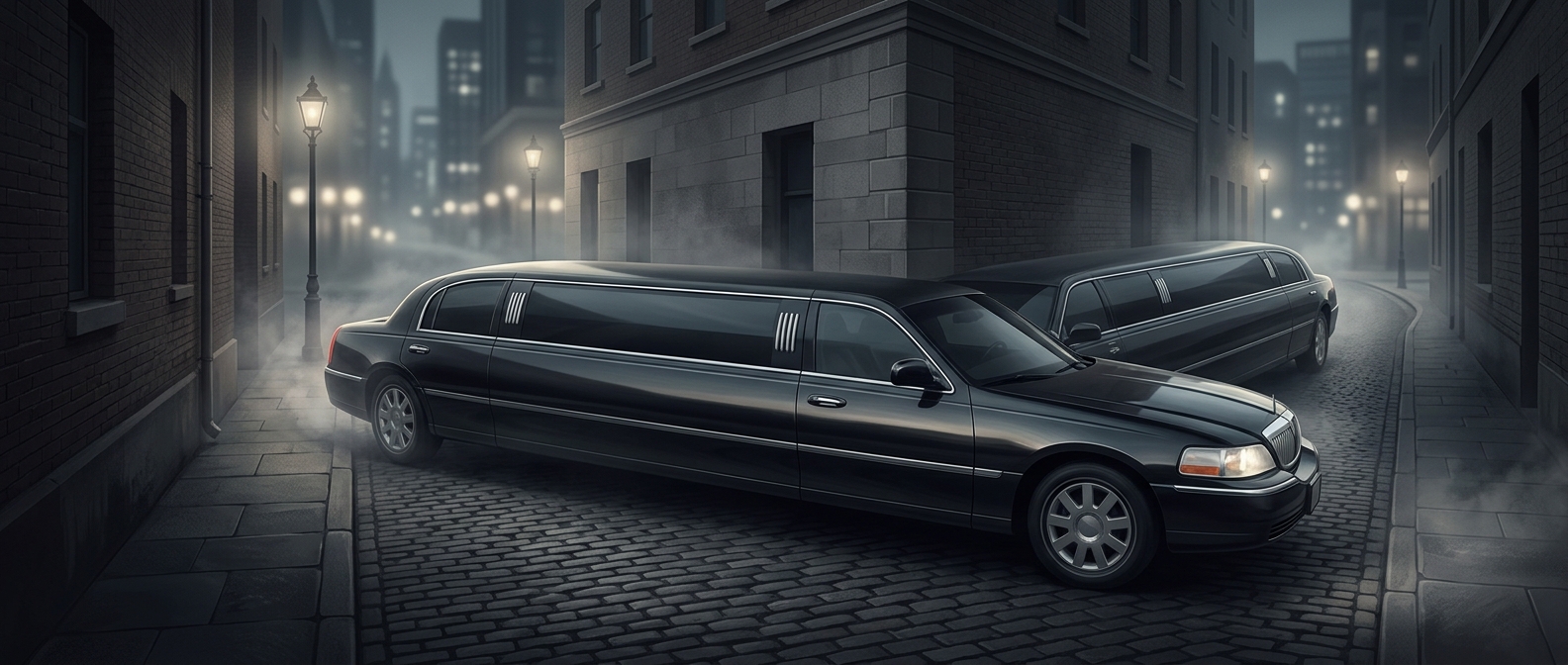
Stretch limousines struggle to turn tight street corners
The front wheels steer, but the back wheels follow a shorter path around the corner. Stretch the car and that gap grows: the limo needs extra room or its rear…
Discover more
A slow walk can signal a shorter lifespan
A brisk walk is a whole-body performance: the heart supplies the power, muscles move the legs, and the brain keeps the route steady. When that system slows,…
Discover more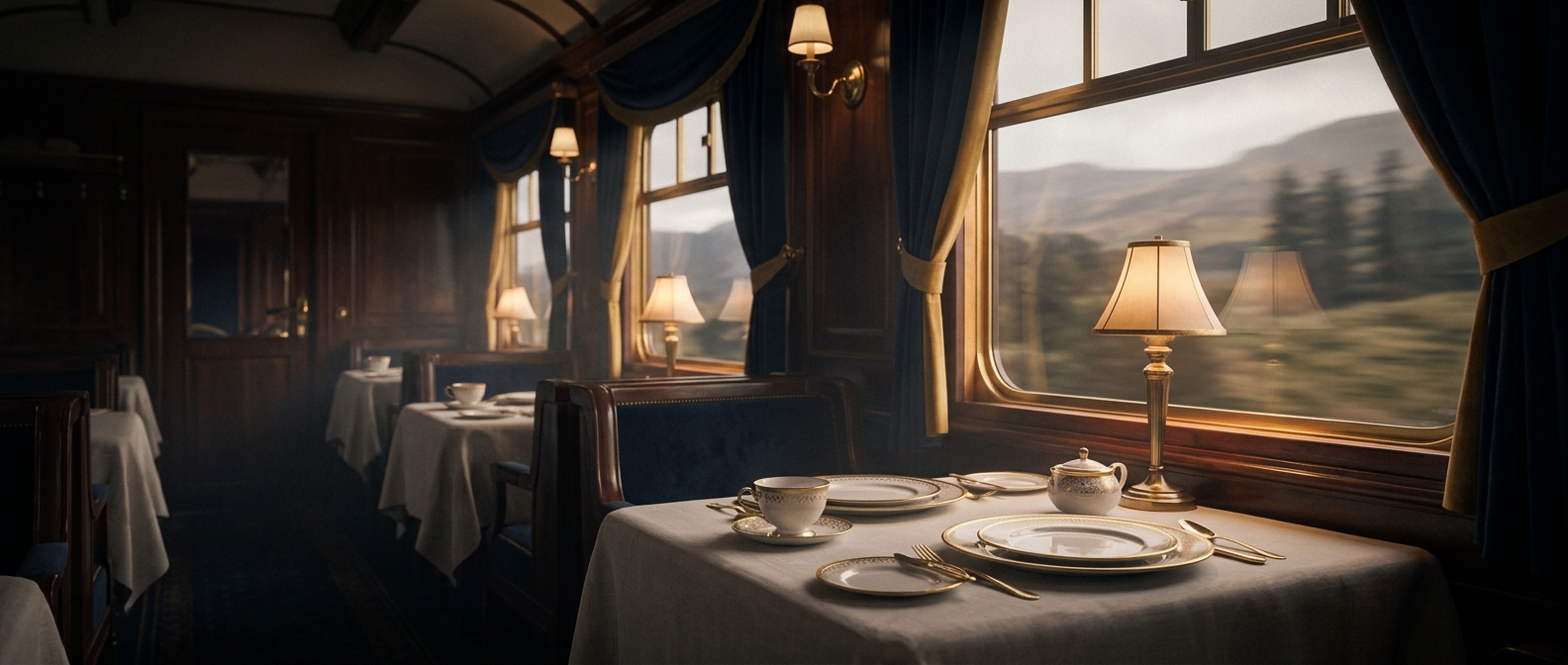
Luxury rail travel historically offered fine china dining
Fine china made a train meal feel like an occasion, not a snack balanced on your knees. When service ended, padded storage kept the plates from rattling into…
Discover more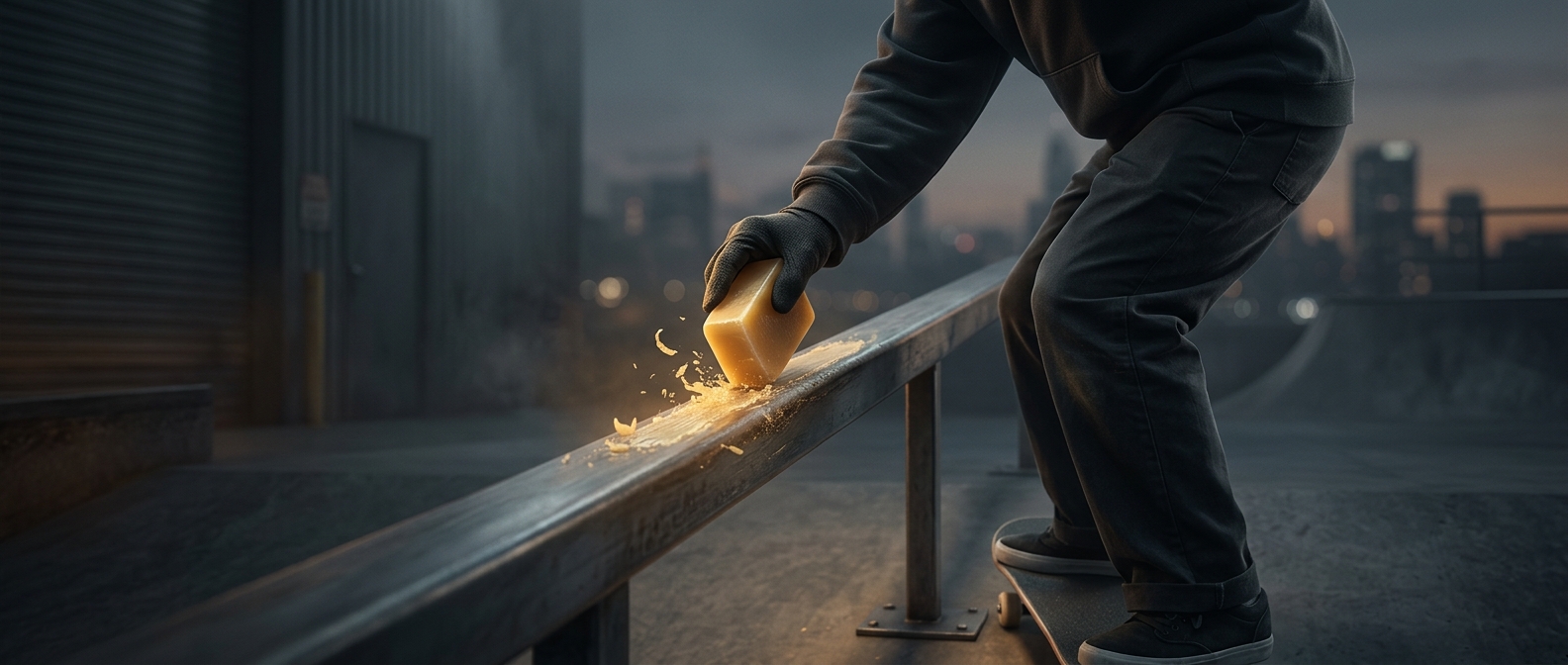
Grind rails are heavily waxed for sliding
Bare metal grabs at a skateboard’s trucks. Wax smooths the rail’s surface, letting the board glide across it. It’s the rare case where making a public surface…
Discover more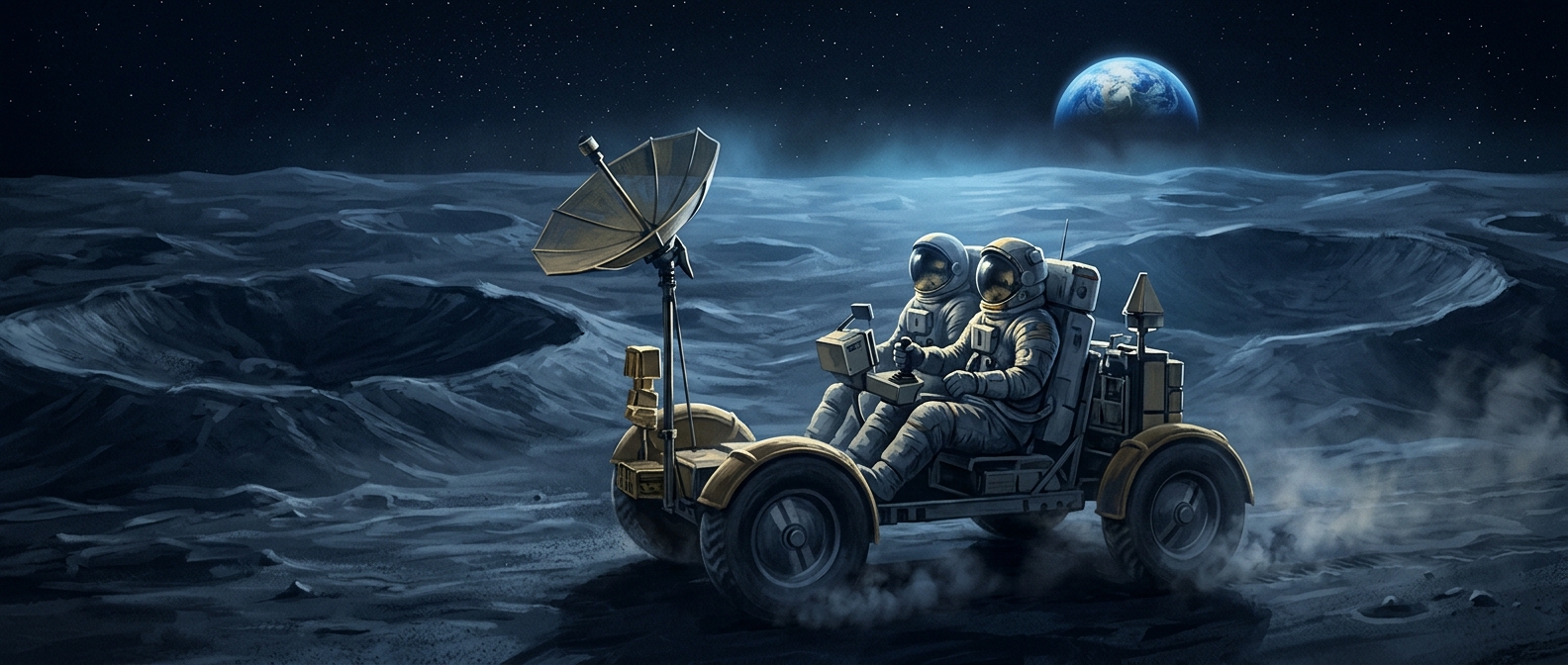
Moon driving was limited by the terrain as much as the rover
Apollo astronauts described small craters jolting the vehicle and ridges hiding the ground ahead. Low gravity did not remove the need to pick a careful route.…
Discover more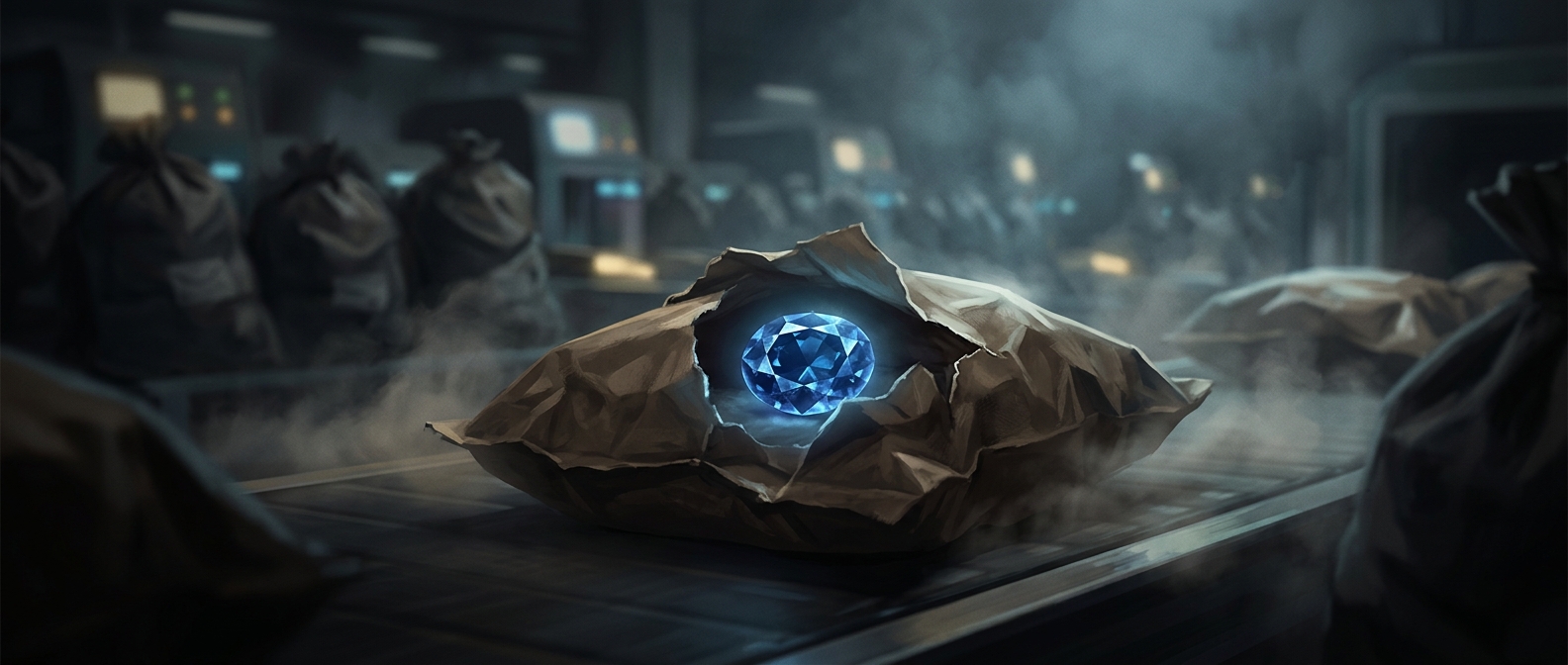
The Hope Diamond once traveled through ordinary mail
Jeweler Harry Winston sent the Hope Diamond to the Smithsonian by registered mail, wrapped in plain brown paper. The postal system supplied tracking and…
Discover more
How Dogecoin sent Jamaica's bobsled team to the Olympics
Jamaica’s bobsled team qualified for the 2014 Winter Olympics but needed money to get to Sochi. Dogecoin supporters raised funds online, turning a joke…
Discover more