Travel
Discover facts about travel. Small discoveries that change the way you see familiar things.
Travel
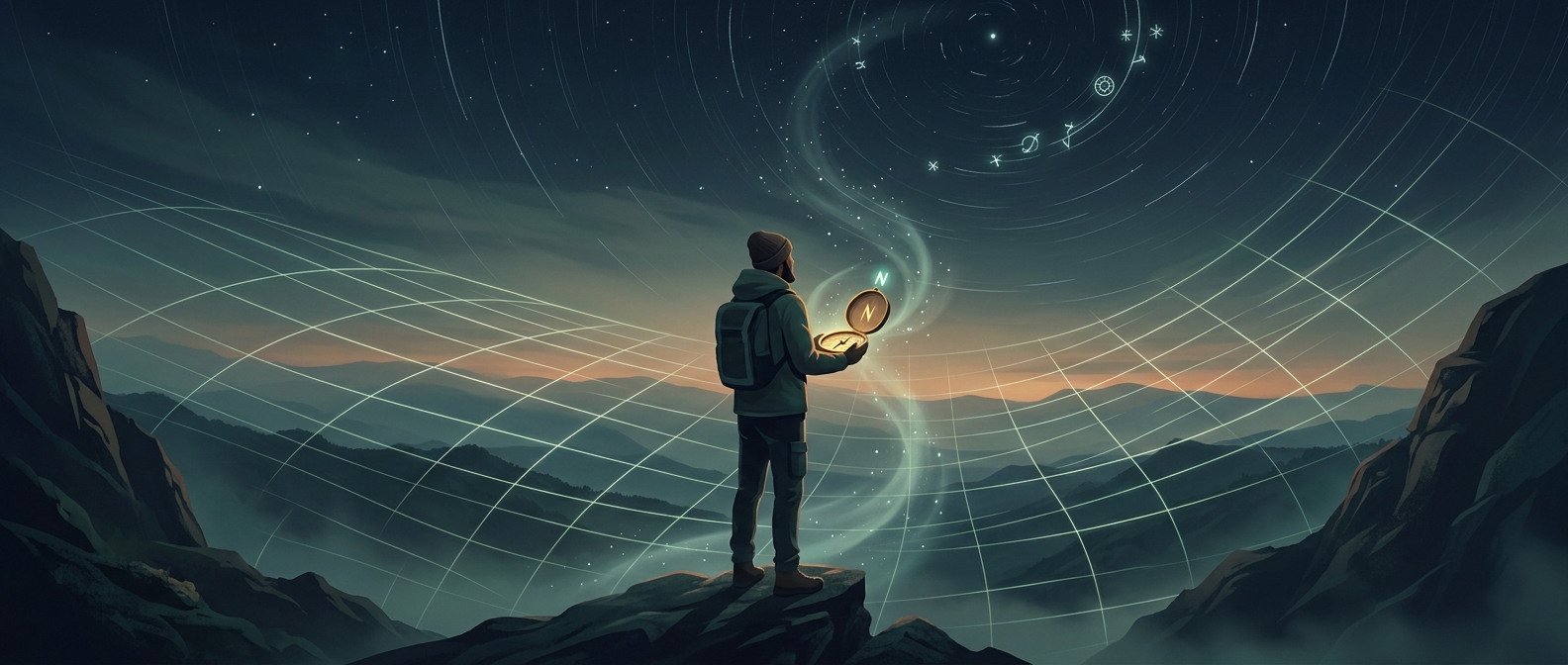
North is on top of maps for a surprisingly human reason
European cartographers favored north-up maps partly because they placed their own countries in the prominent upper half of the page. Earlier Egyptian maps put…
Discover more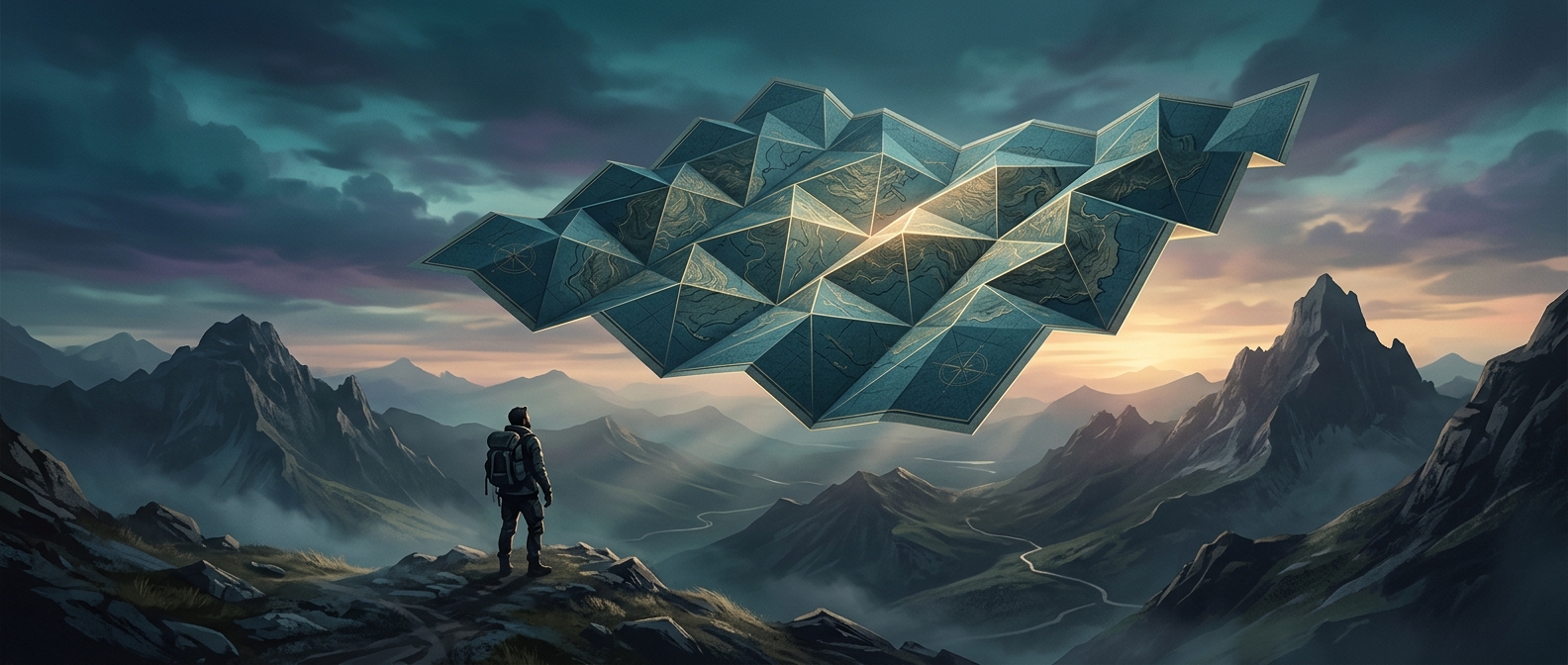
The Miura fold lets a whole sheet open with one pull
Astrophysicist Koryo Miura's pattern of linked parallelograms lets a sheet expand or collapse with one pull while reducing the risk of tearing.
Discover more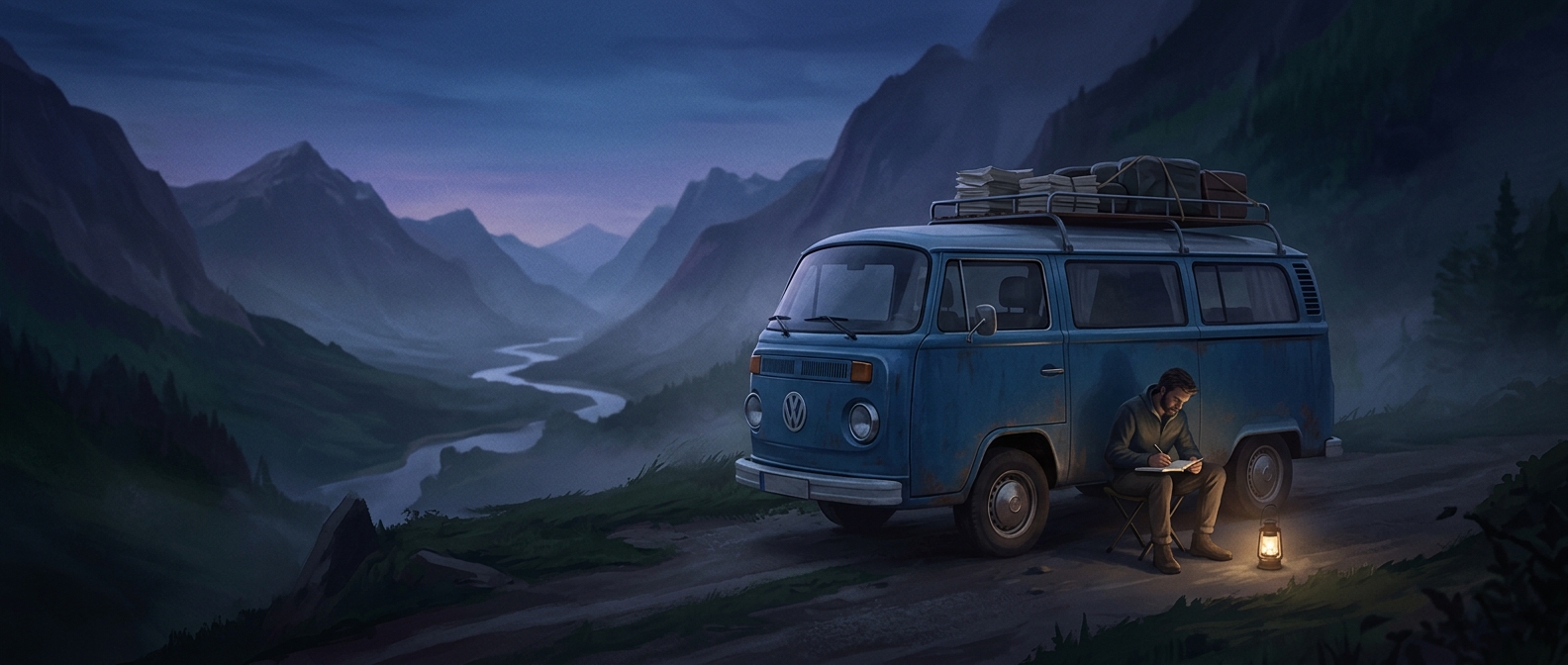
Lonely Planet began with the Wheelers' own overland trip
Tony and Maureen Wheeler traveled across Europe and Asia in 1972, then turned their experience into Across Asia on the Cheap in 1973. Advice gathered while…
Discover more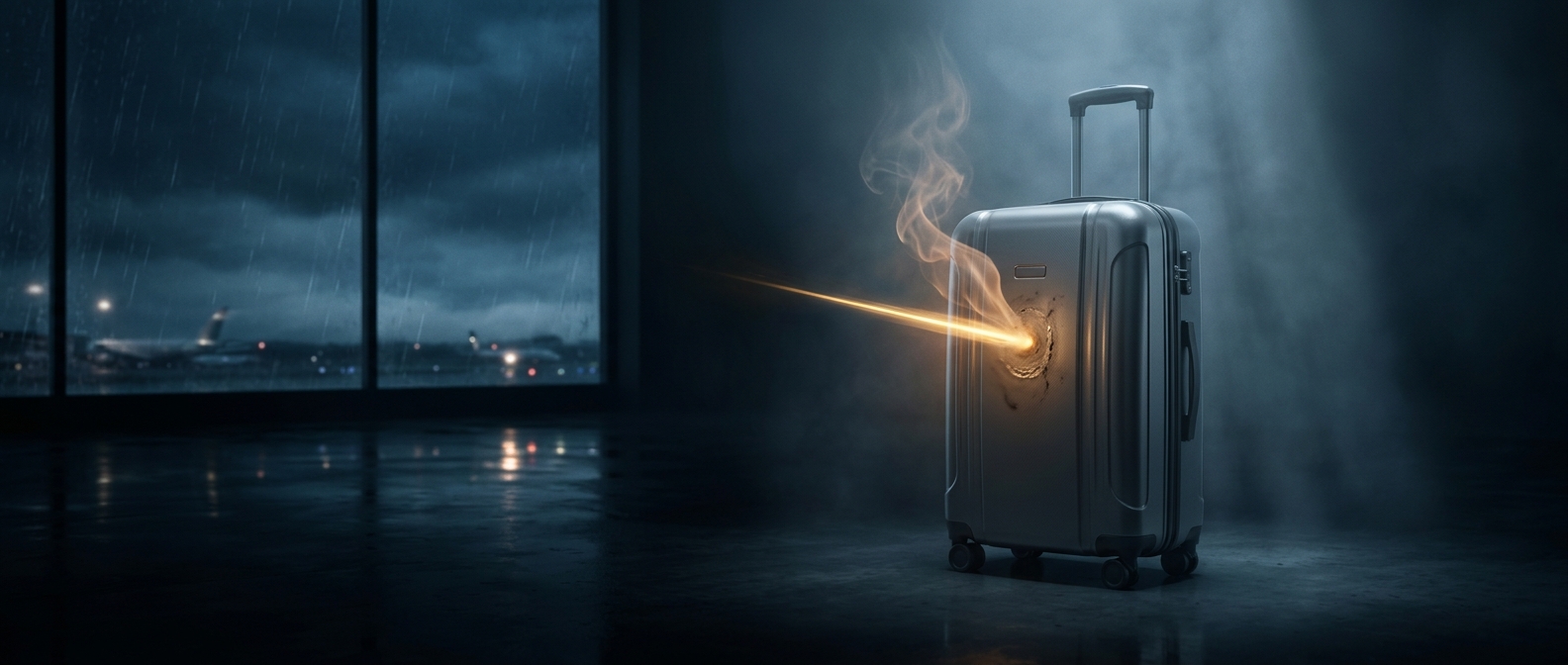
A clear shield can be tough without being glass
Polycarbonate combines transparency with high impact resistance, making it useful for protective shields. It can deform under a blow instead of responding…
Discover more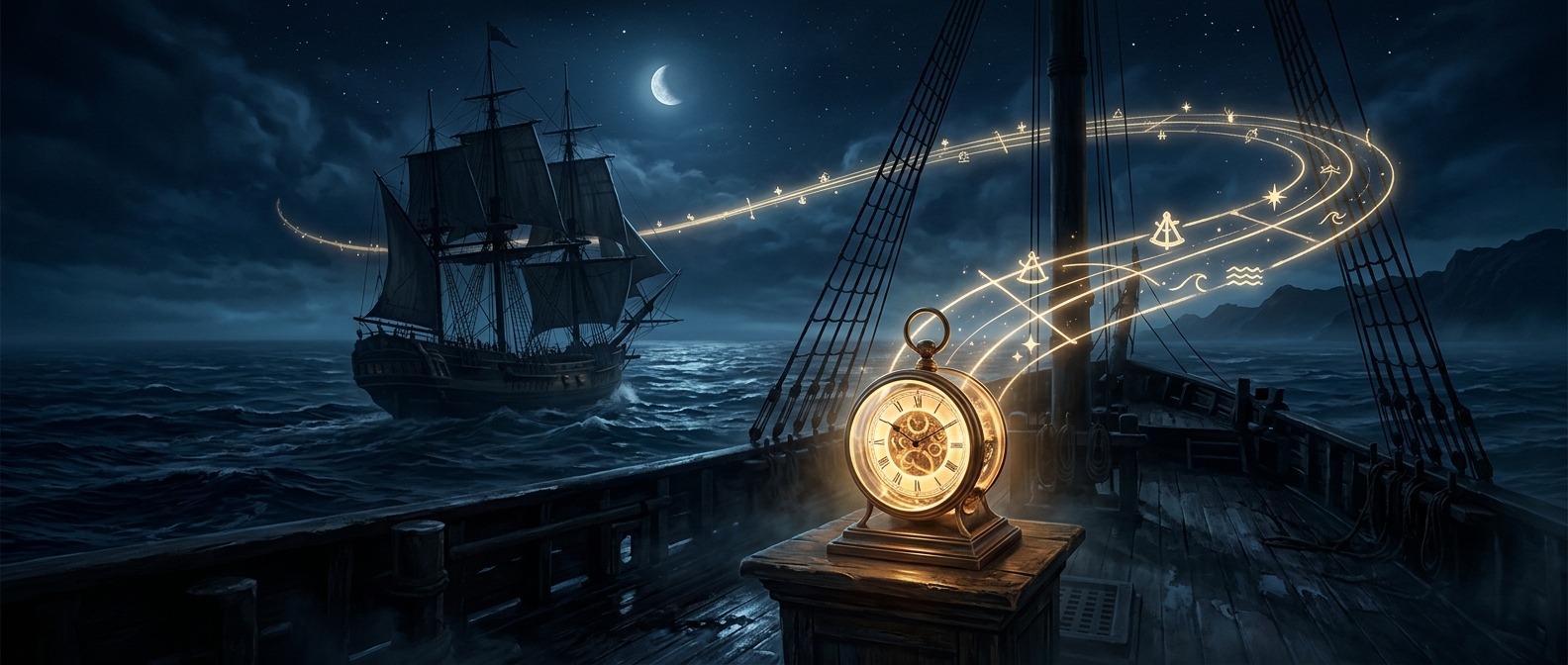
Calculating longitude required a clock
Latitude could be found from the sun or stars, but longitude depended on comparing local time with the exact time at a known starting point. John Harrison's…
Discover more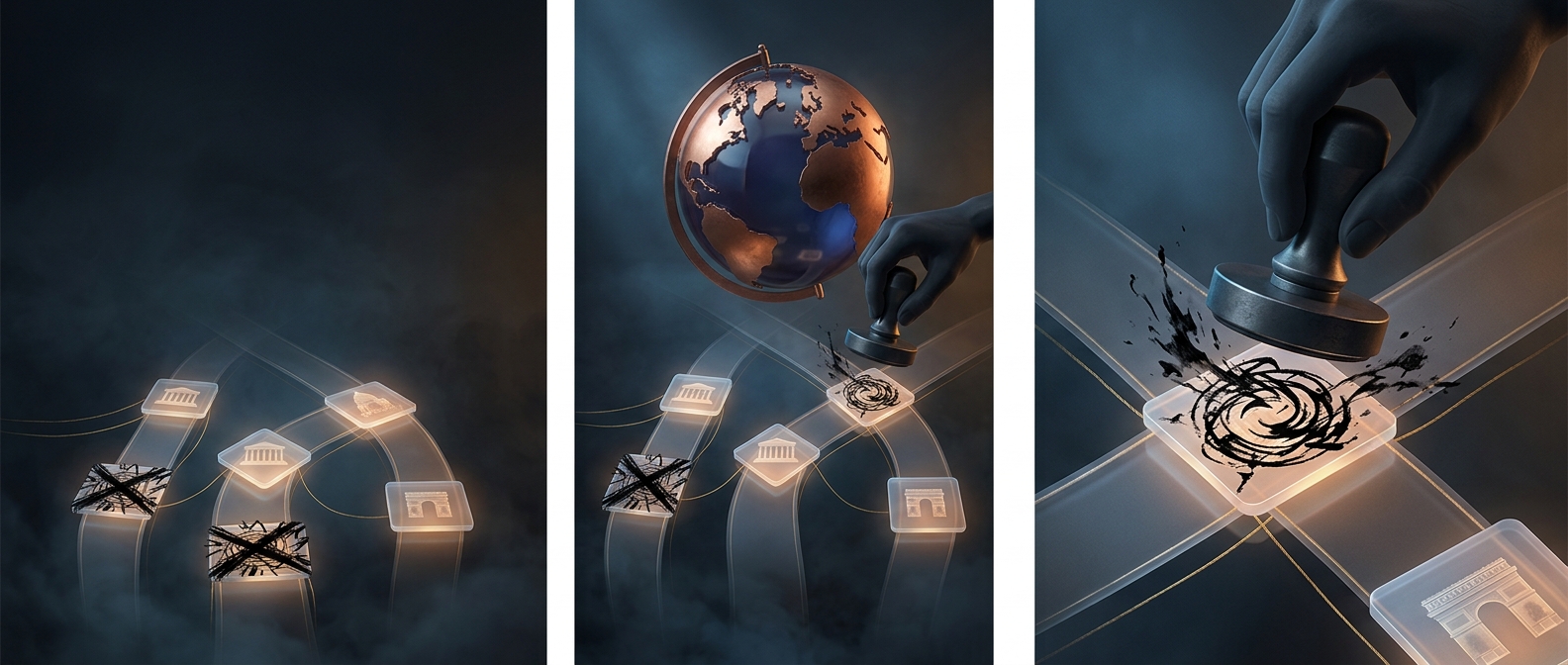
Postmarks prevent reusing the exact same stamp
A postmark defaces the stamp so it can’t be used again, while also recording when and where the mail was processed.
Discover more STACKY FOR IPHONE
A bigger world.
One discovery
at a time.
Keep discovering with Stacky. Interesting facts in an app that is always within reach.
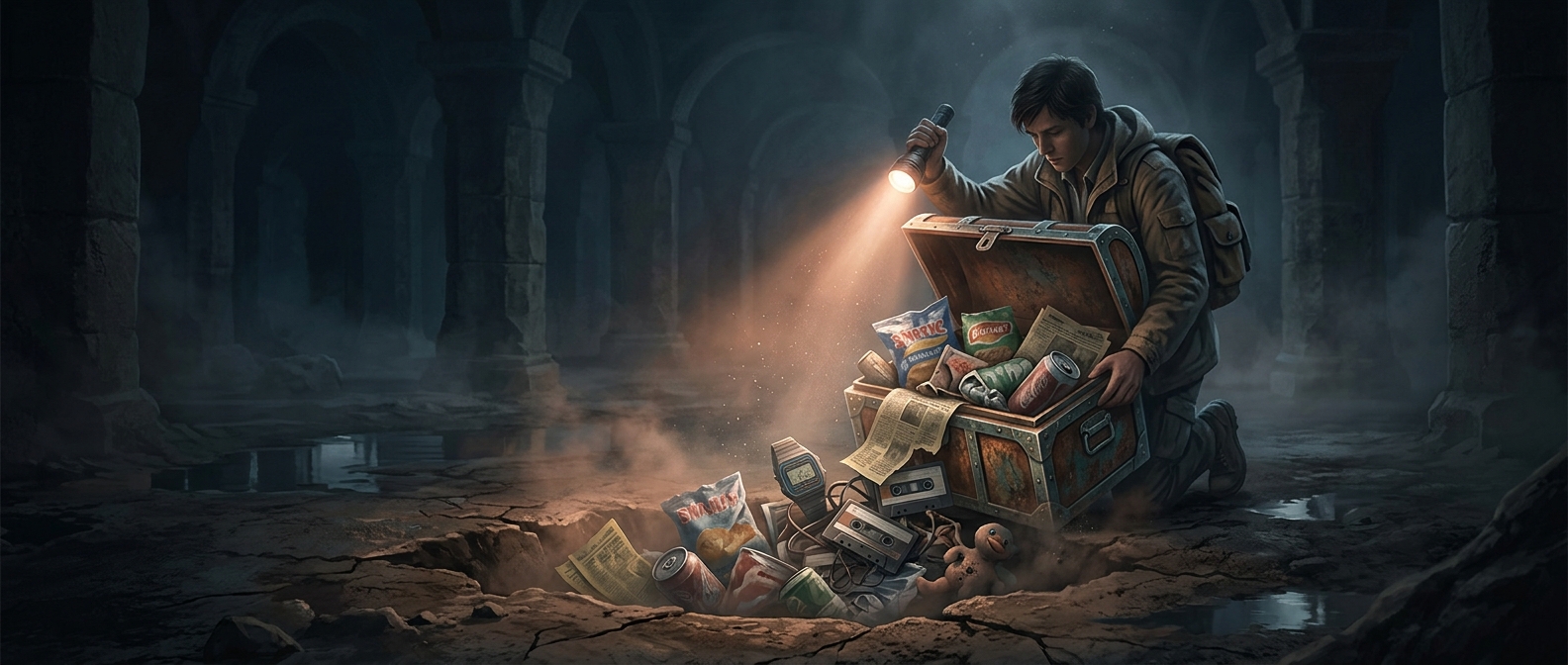
A time capsule needs a future reader, not just a sealed box
Objects can survive while their meaning disappears: an unlabeled photograph gives no names, and a storage device may need equipment nobody has. A useful…
Discover more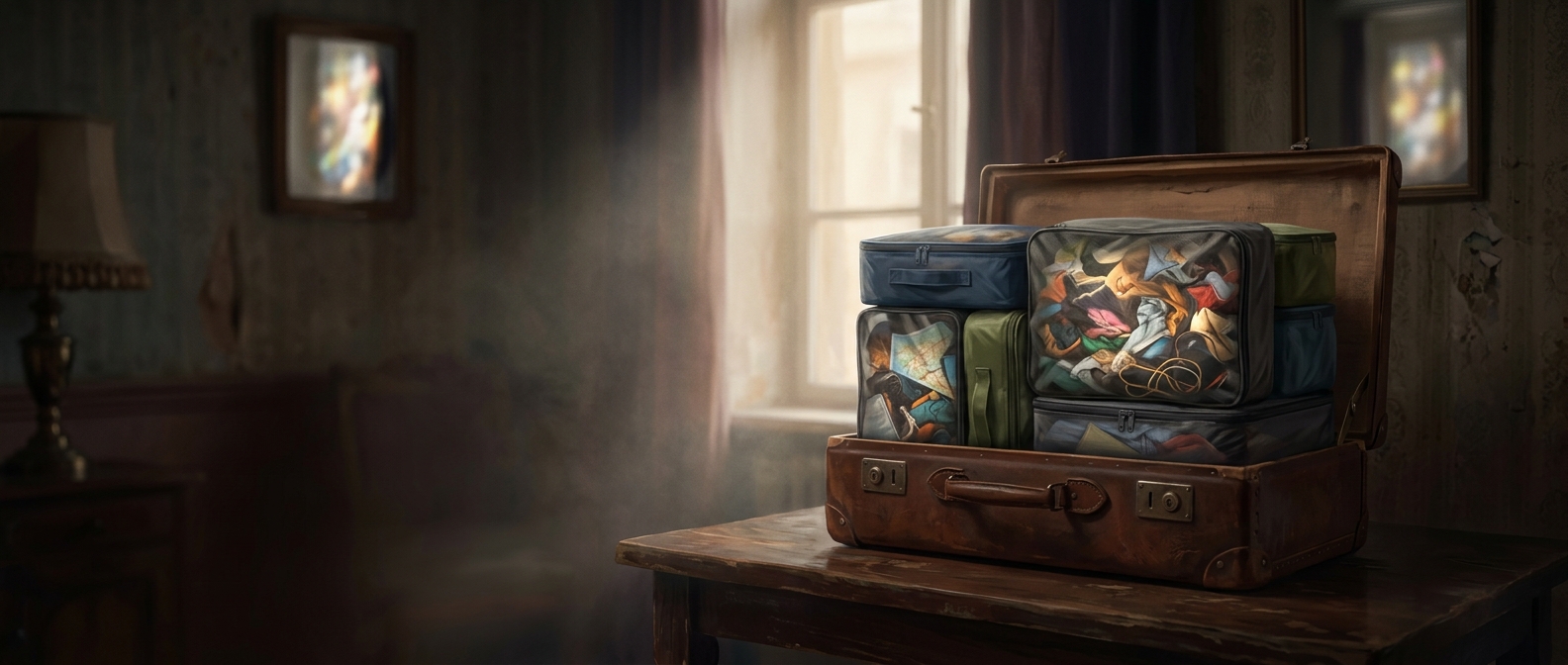
Packing cubes merely organize your chaos
They keep clothes such as socks and shirts in separate compartments, but don’t reduce the weight of what you pack.
Discover more
Your photos may reveal where you took them
When location tagging is enabled, a smartphone photo may contain GPS coordinates in its EXIF data. Anyone who can access the original file may be able to…
Discover more
Indiana once had a time zone problem
Parts of the state rejected daylight saving time while some counties followed different time zones. In some places, crossing a county line could mean changing…
Discover more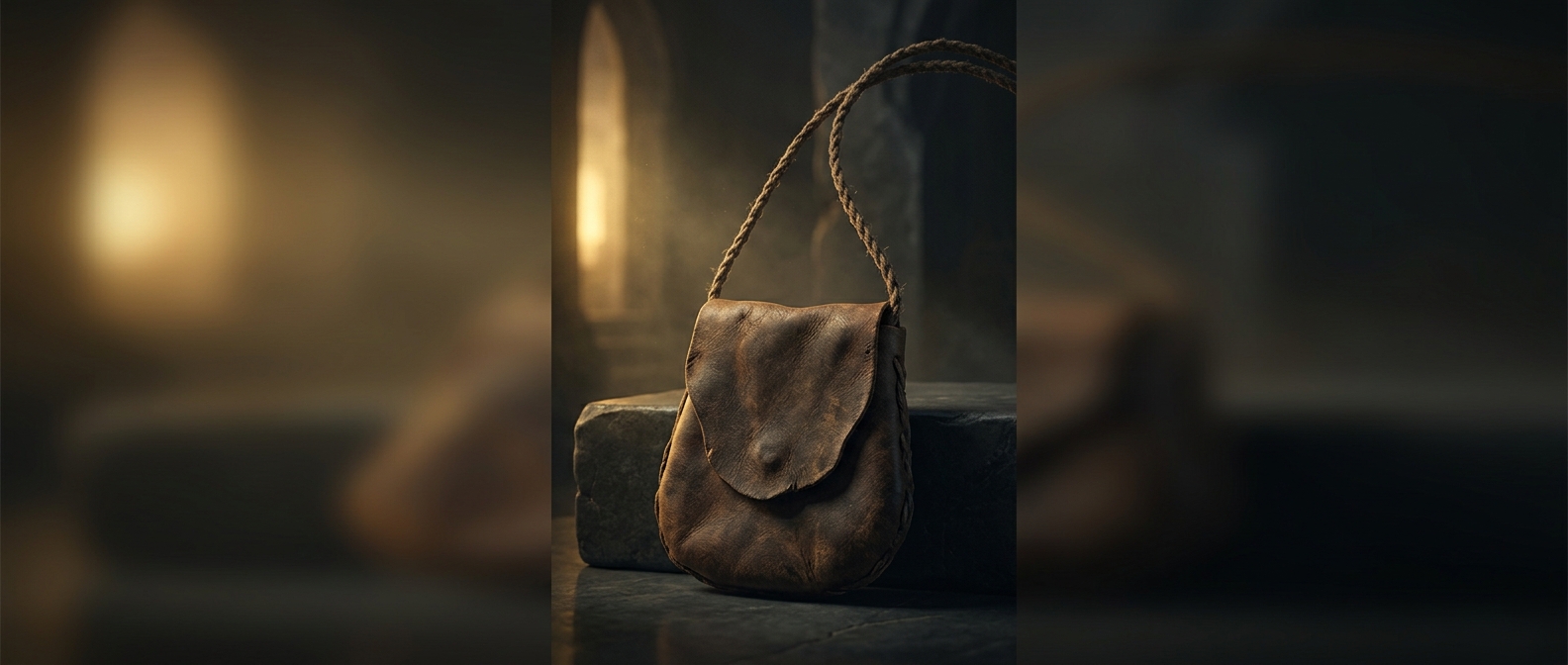
Belt bags started as ancient leather pouches
Long before neon nylon belt bags, ancient nomads and medieval people carried coins and tools in leather pouches worn at the waist.
Discover more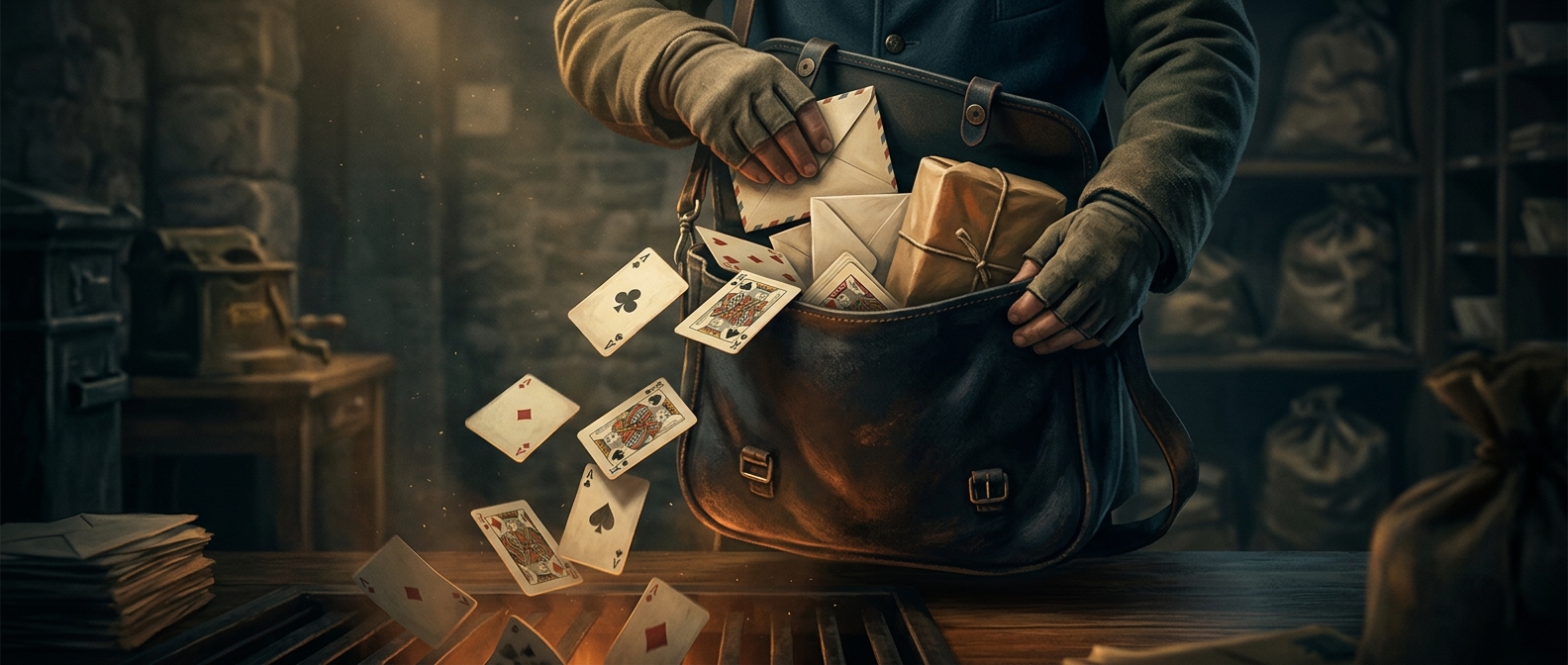
Why playing cards were once banned from the mail
Authorities taxed or banned mailed playing cards in some early postal systems to curb gambling and evasion of luxury taxes.
Discover more
Why foam earplugs can make your ears ache
Foam earplugs expand after insertion to fit the ear canal, and that steady pressure against its delicate walls can make ears ache.
Discover more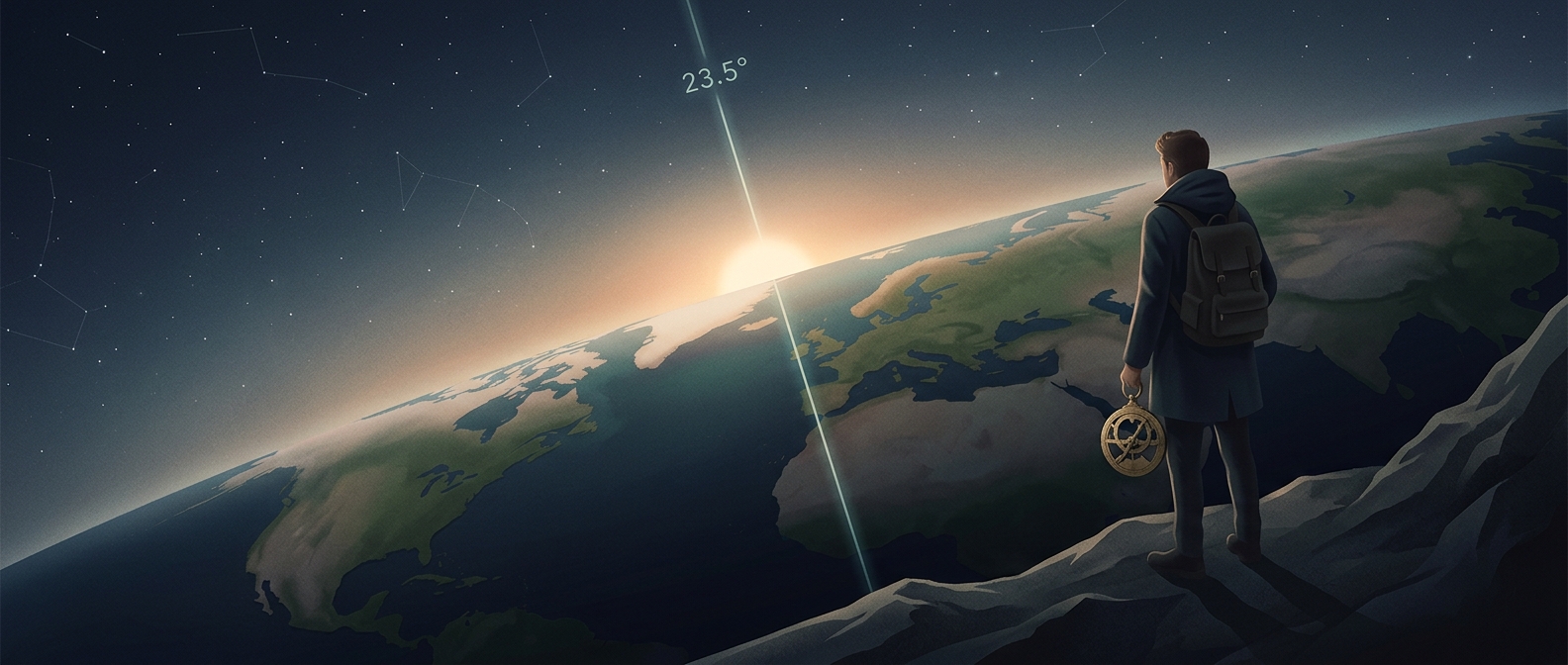
Globes tilt at exactly 23.5 degrees
Earth’s tilted axis changes how directly sunlight reaches each hemisphere during the year, producing the seasons.
Discover more
Post office boxes hide true residential addresses
P.O. boxes were created to serve areas without home delivery, but they also let people receive mail without sharing their residential address.
Discover more
First picture postcard featured a literal drawing
In 1840, writer Theodore Hook hand-painted a caricature of postal workers on a card and mailed it to himself.
Discover more
Vintage travel guides graded locations with stars
His red guidebooks became so trusted that “Baedeker” came to mean a guidebook.
Discover more
More pockets can make a bag harder to search
Compartments help when each has a clear job. When several look alike, finding one small object means remembering which of many possible locations you chose.…
Discover more
Summer solstice provides endless daylight
Earth’s tilt keeps the sun above the horizon for a period near the poles, so midnight can look like noon and make it hard to sleep.
Discover more
The compass rose inherited its points from the winds
Early navigators named winds by where they came from, then subdivided the main directions into a 32-point wind rose. Those points carried into the familiar…
Discover more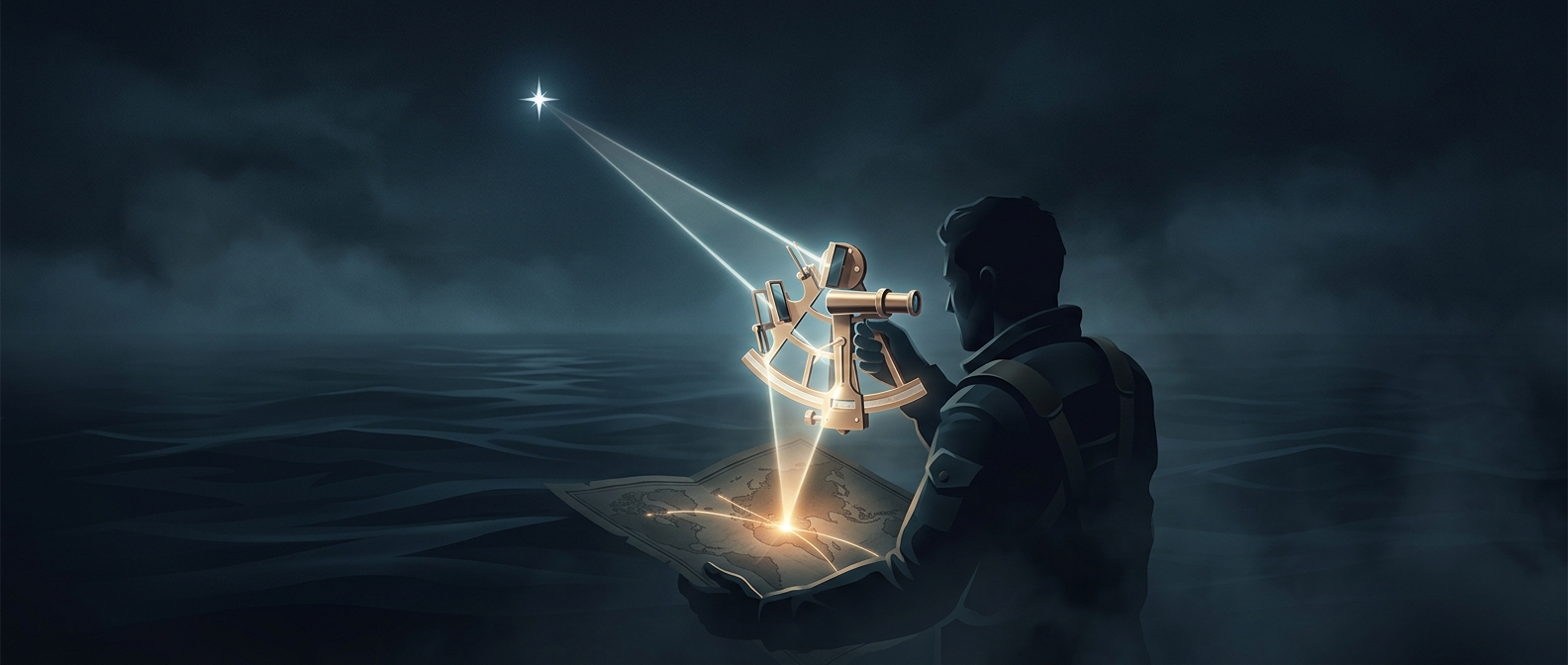
Sextants use mirrors to find your spot
A small mirror reflects a celestial body, such as the sun or a star, down to the horizon. Measuring the angle between them lets navigators calculate their…
Discover more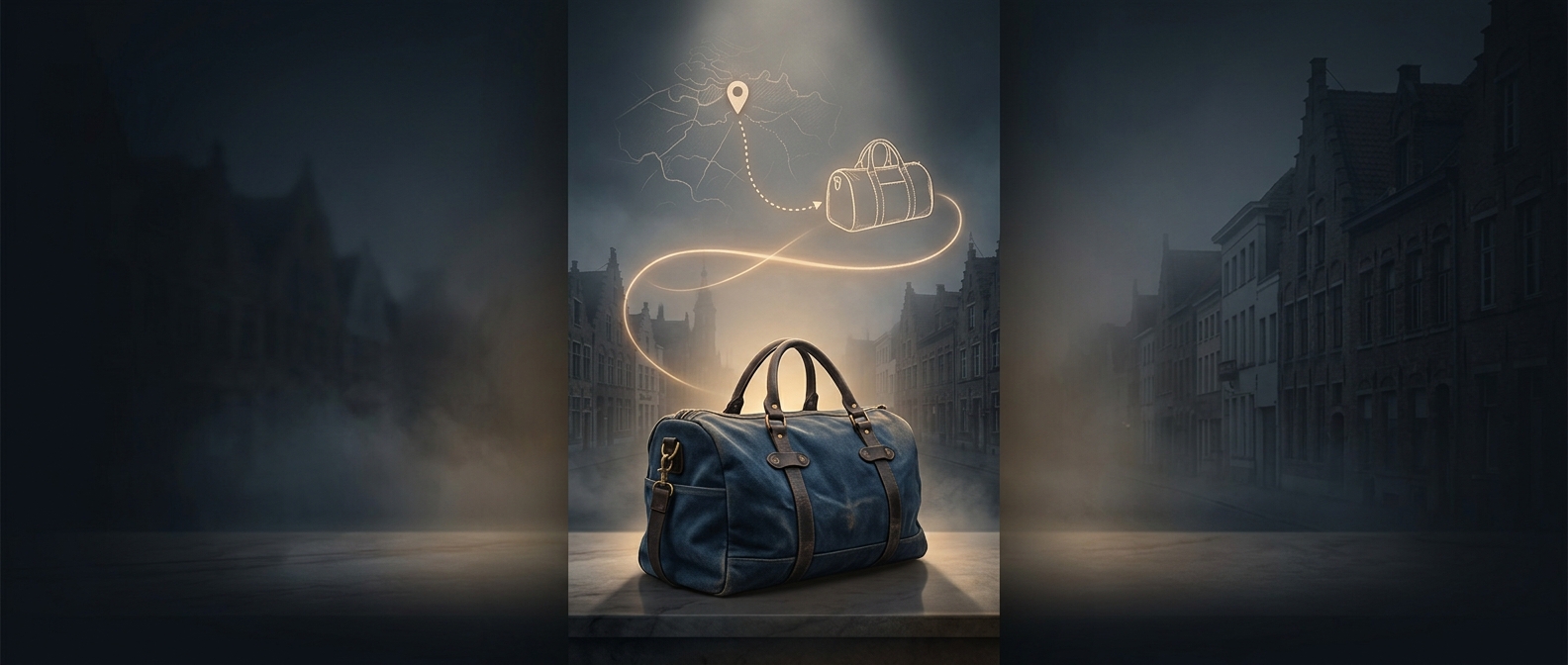
Your duffel bag is named after a Belgian town
The word comes from Duffel, a town in Belgium where thick wool cloth was made in the 17th century. Soldiers later used the durable fabric for bags.
Discover more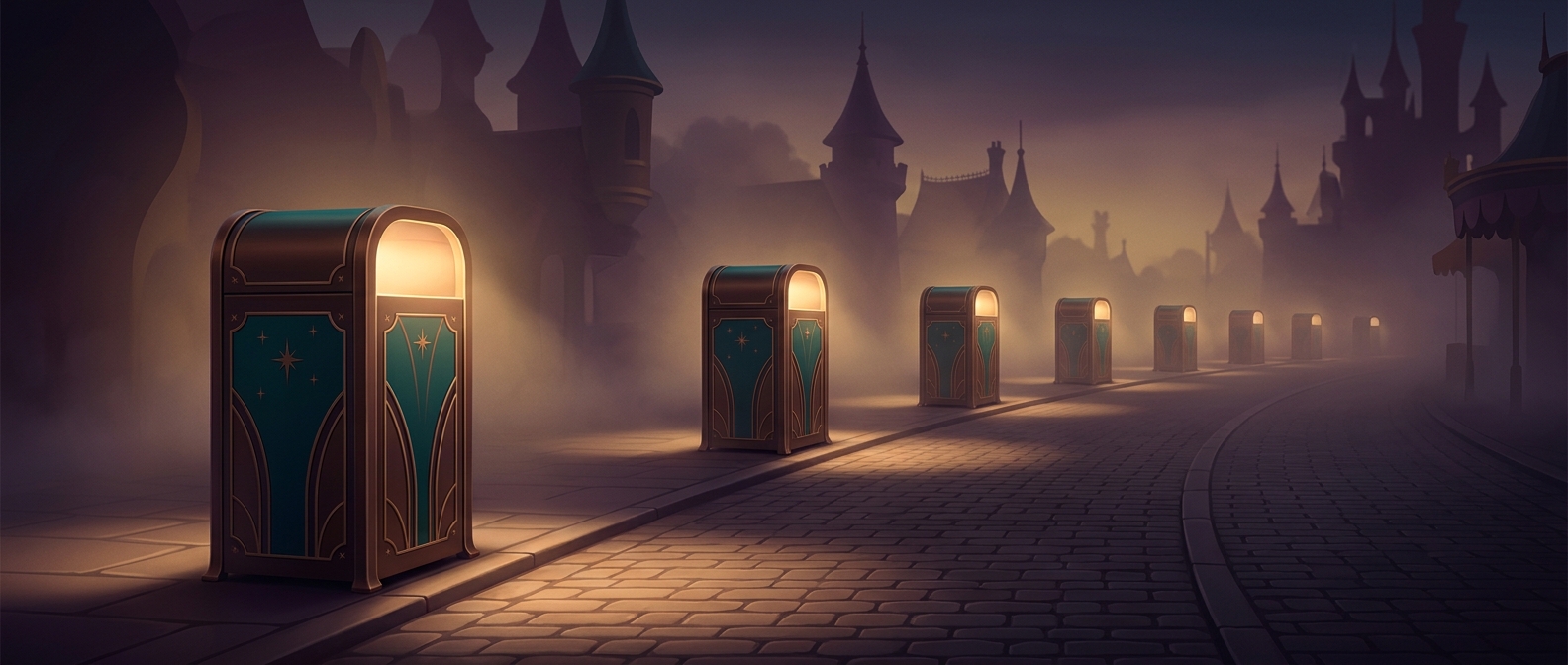
Why Disney parks put trash cans 30 steps apart
Walt Disney reportedly settled on 30 steps after observing how far guests would carry trash before dropping it.
Discover more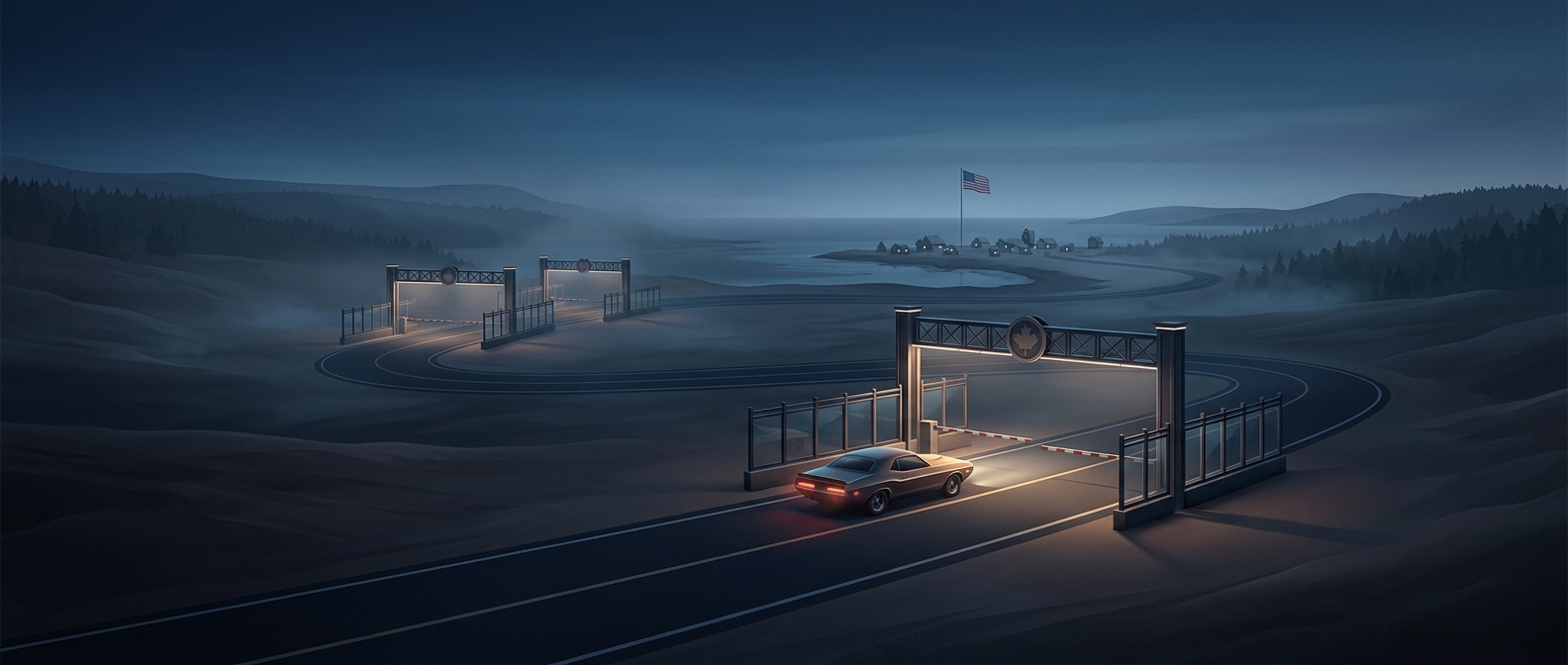
This U.S. town's road home runs through Canada
Point Roberts sits at the southern tip of a Canadian peninsula, below the 49th parallel that marks the border. Driving to the rest of Washington means…
Discover more