The world is more interesting than you think.
Unexpected facts, big ideas, and little discoveries. Find something that sparks your curiosity today.
A little more wonder
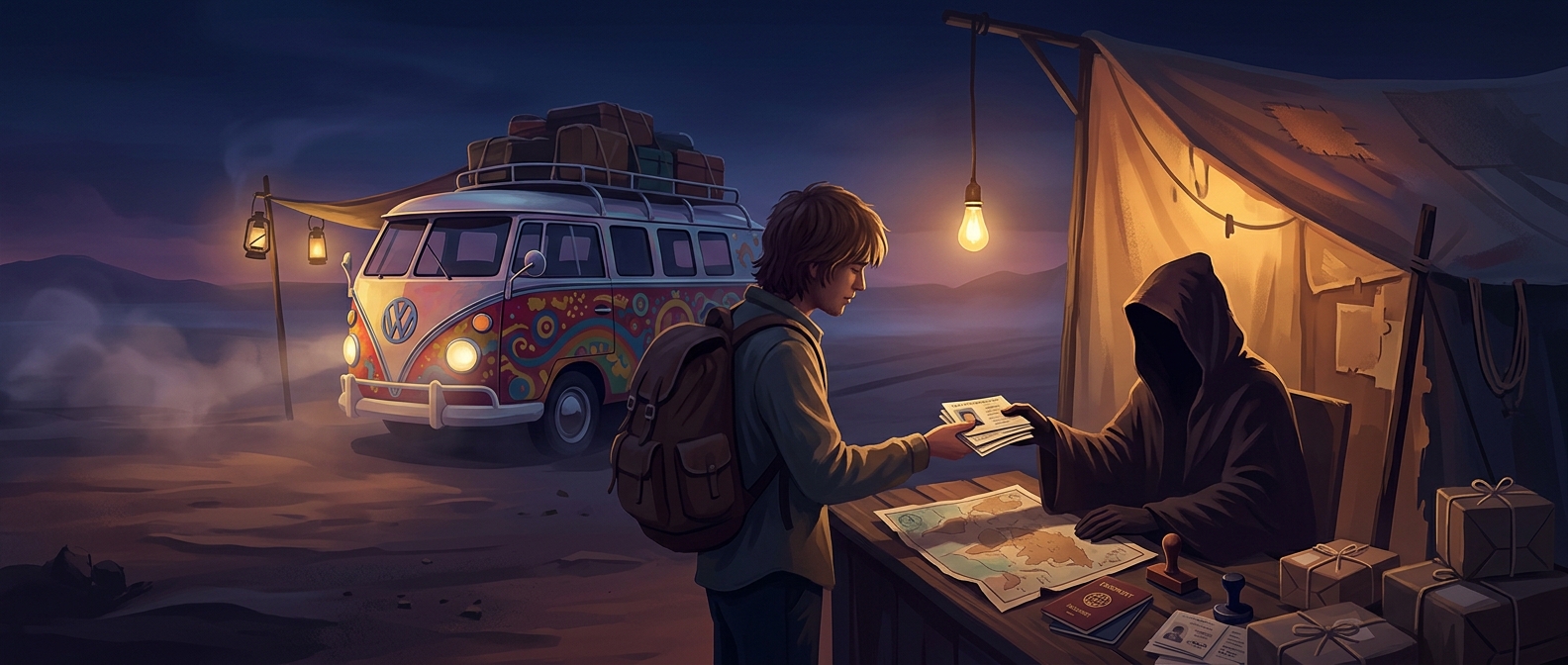
A double-decker bus carried travelers from London to Kathmandu
Topdeck's company history records a bus called Grunt making that overland journey in 1975. The vehicle turned a familiar piece of British public transport…
Discover more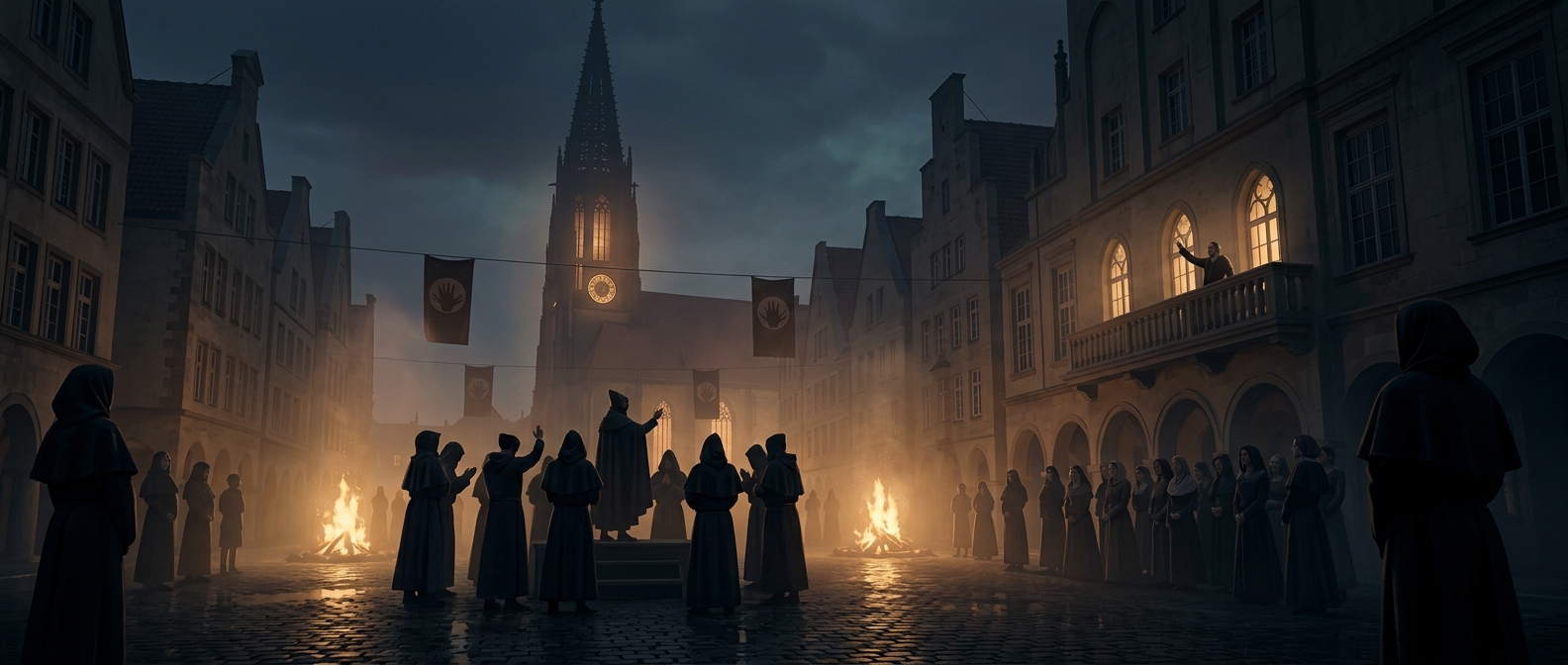
Münster's failed religious takeover left cages on a church
Anabaptist rulers seized Münster in 1534, imposed a radical religious order, and introduced polygamy. After the city fell, three leaders were executed and…
Discover more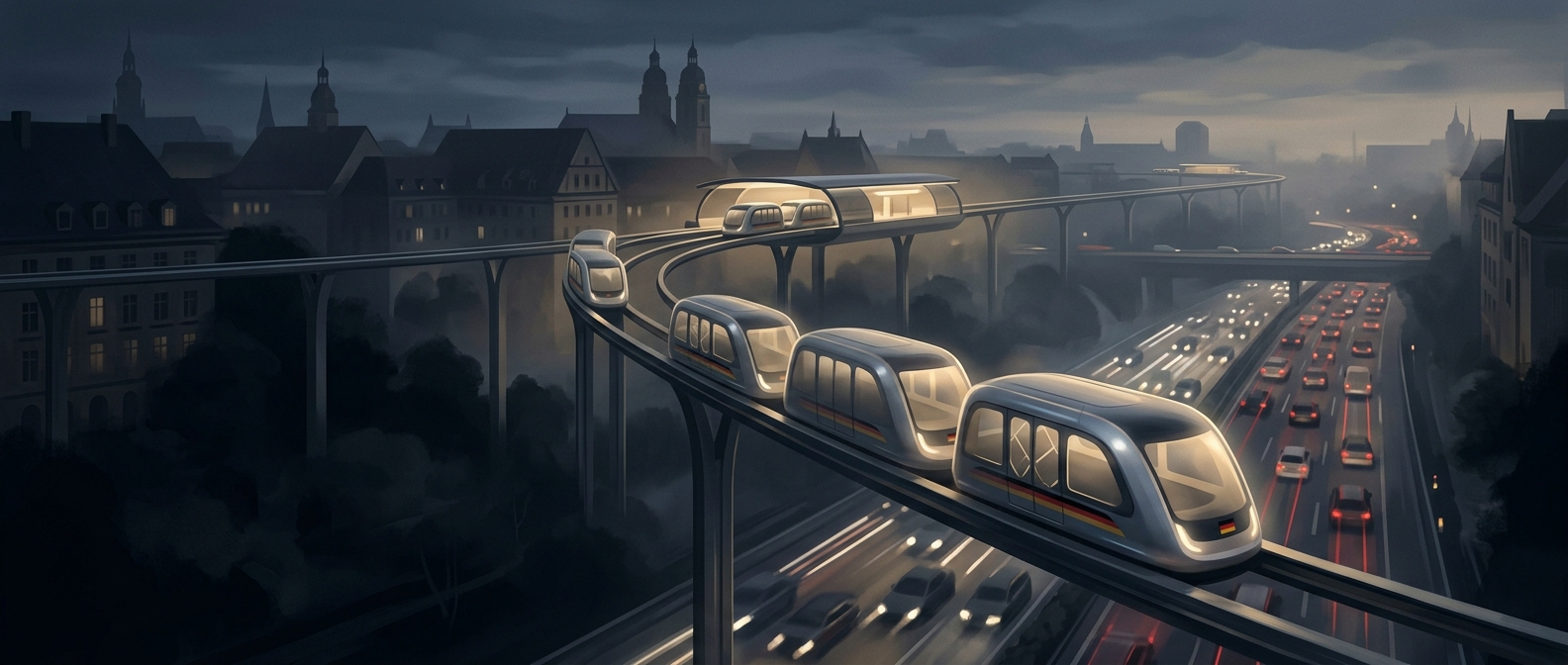
Germany once tested driverless pods above traffic
The pods ran on an elevated guideway, so they skipped traffic instead of joining it. Computer control handled their movement along a fixed route, with small…
Discover more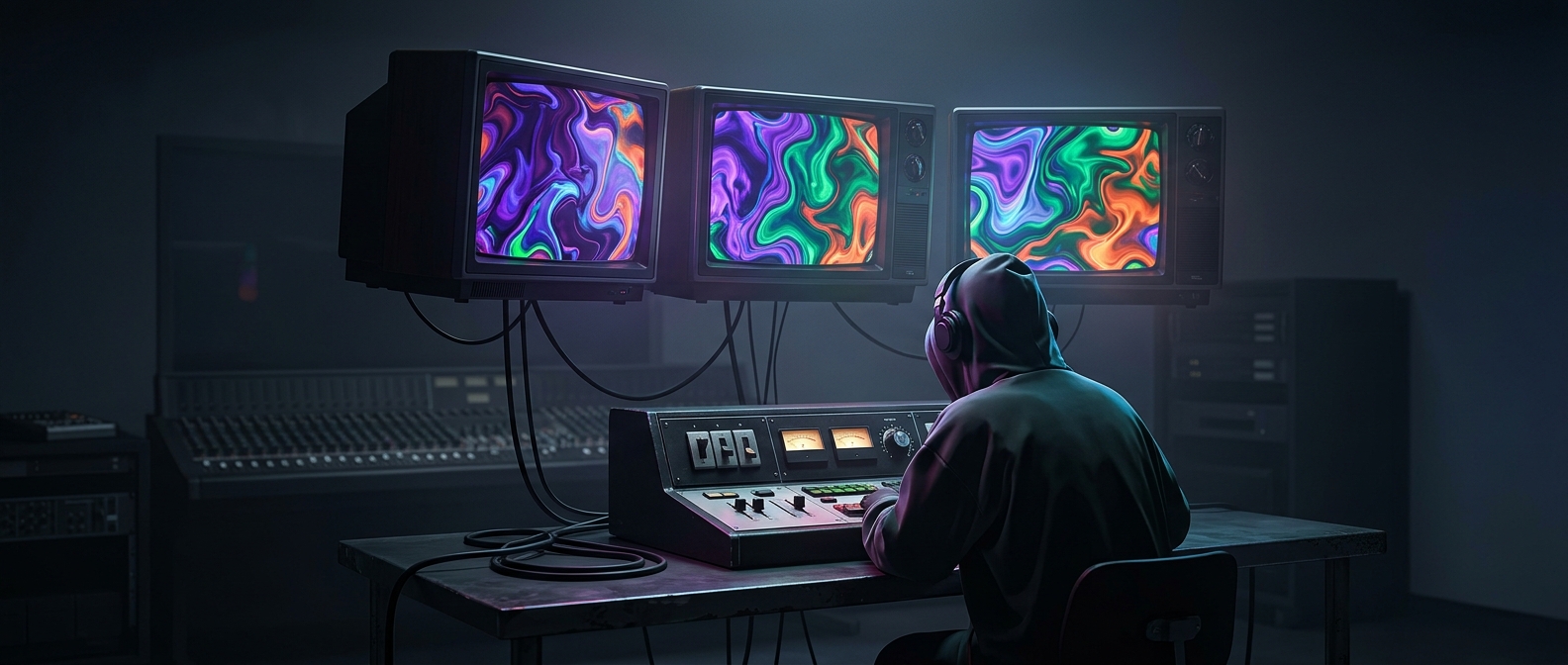
In 1969, a TV broadcast became an experimental art gallery
WGBH's The Medium Is the Medium presented work by six artists, including Nam June Paik and Allan Kaprow. Instead of using television only to show another art…
Discover more
Pinscreen animation draws with shadows instead of ink
Artists push thousands of pins to different depths in a board and light them from the side. The shadows form an image that can be changed slightly for each…
Discover more
The doctor behind Down syndrome built a theater for his patients
John and Mary Langdon Down established Normansfield in 1868 and later added an elaborate entertainment hall. Performances, music, and dances formed part of…
Discover more STACKY FOR IPHONE
A bigger world.
One discovery
at a time.
Keep discovering with Stacky. Interesting facts in an app that is always within reach.
The black urine that revealed a genetic disease
In alkaptonuria, a missing enzyme prevents the body from fully breaking down a substance called homogentisic acid. It can build up in urine and darken when…
Discover more
The first nuclear reactor hid under Chicago bleachers
In 1942, scientists built Chicago Pile-1 beneath the University of Chicago's football stands. Graphite slowed the neutrons released by splitting uranium…
Discover more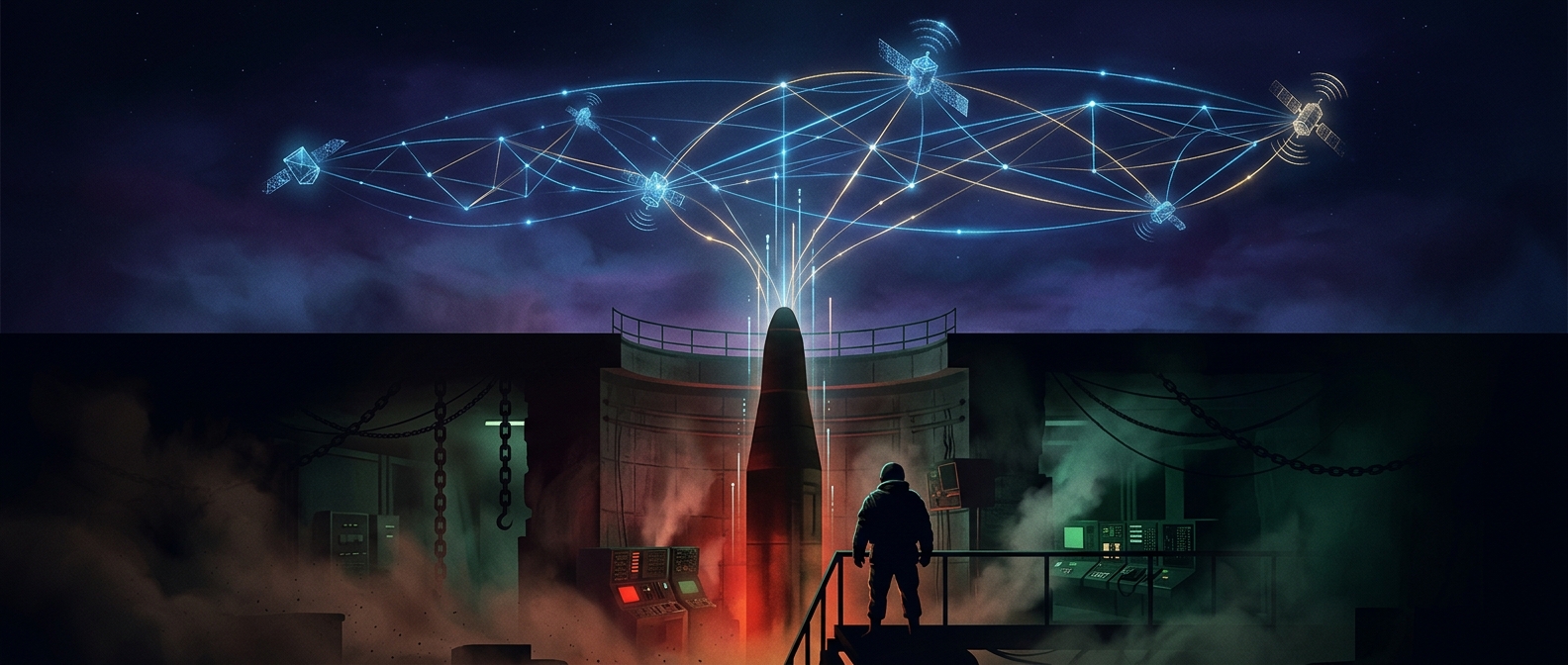
How nuclear fears shaped the internet
To keep military communications working after a nuclear strike, Paul Baran proposed a distributed network in the early 1960s: data packets could travel…
Discover more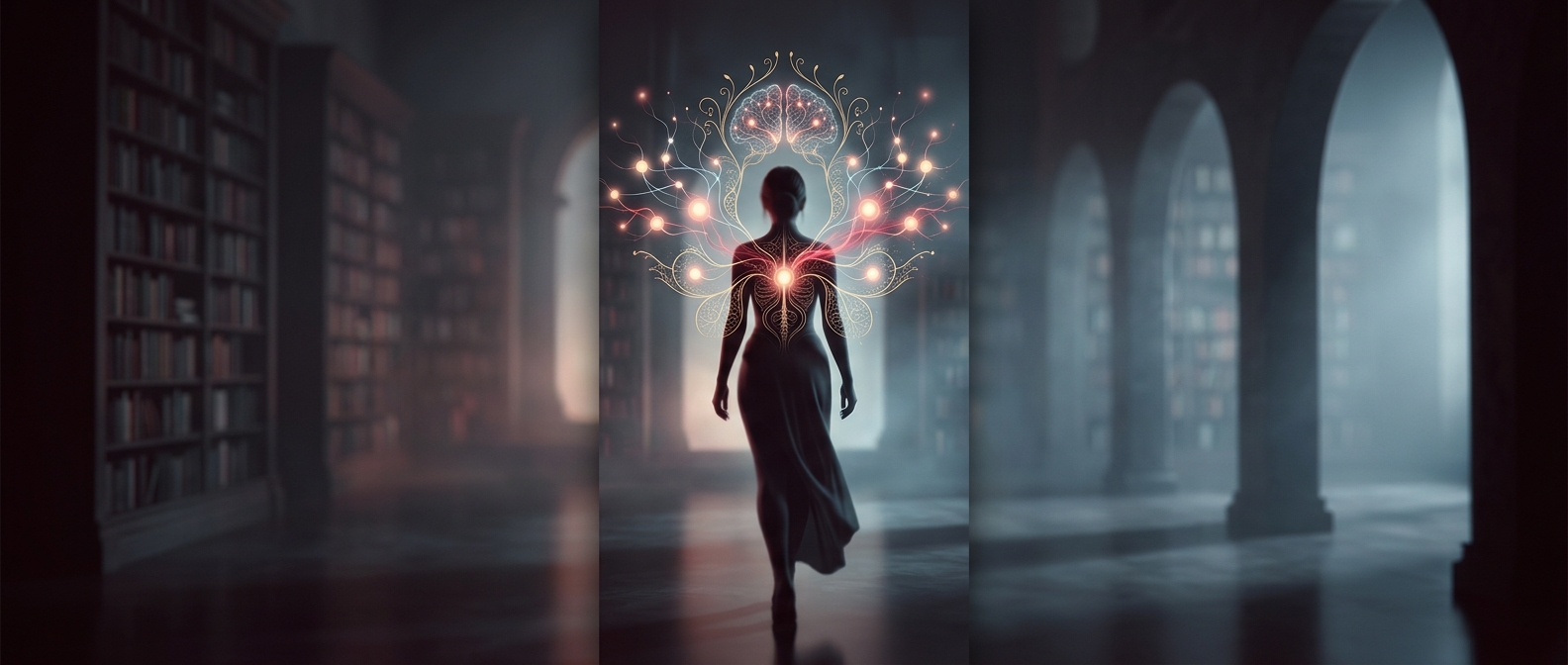
Proving menstruation does not melt female brains
A menstrual cycle can change hormone levels without switching the mind off. When researchers test memory, attention, and other cognitive skills across the…
Discover more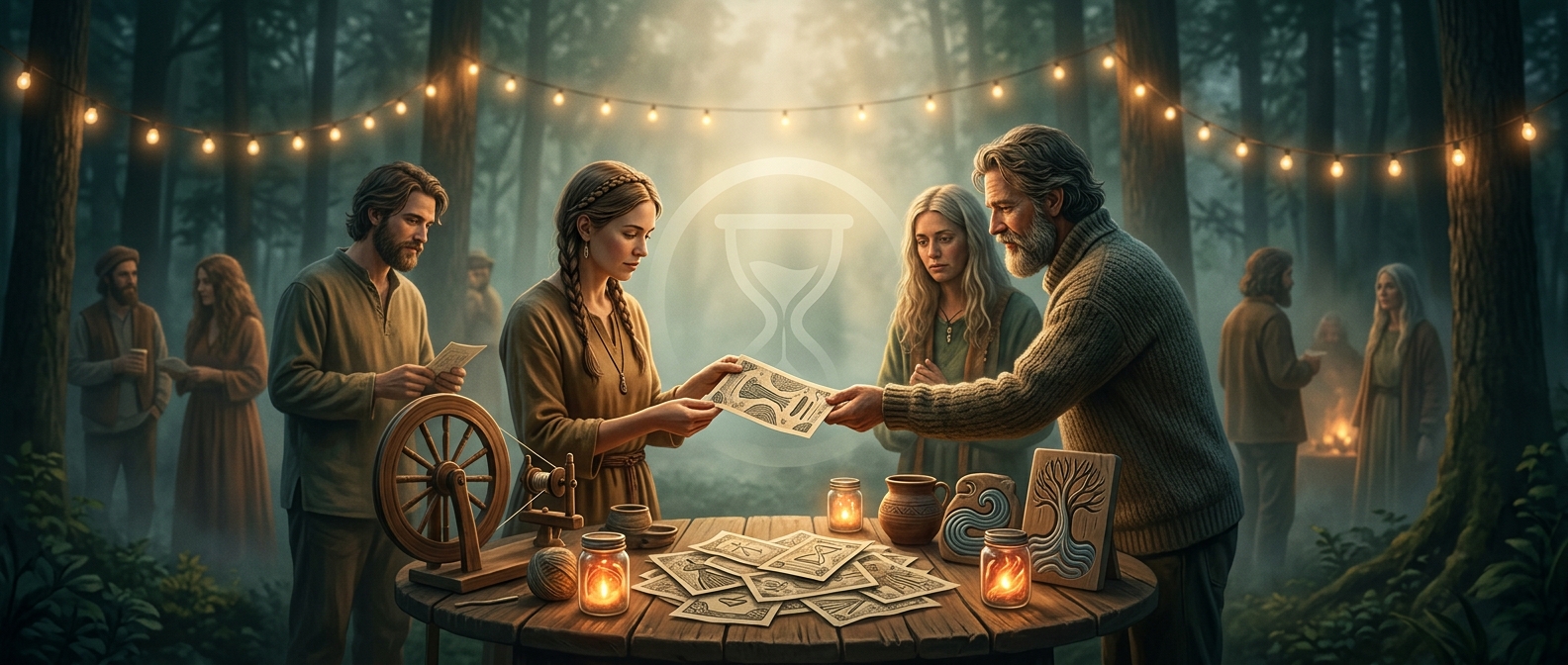
What if your town paid in hours
Residents could pay a neighbor in Ithaca HOURS instead of dollars: one HOUR counted as $10, about the local average hourly wage. People traded the local…
Discover more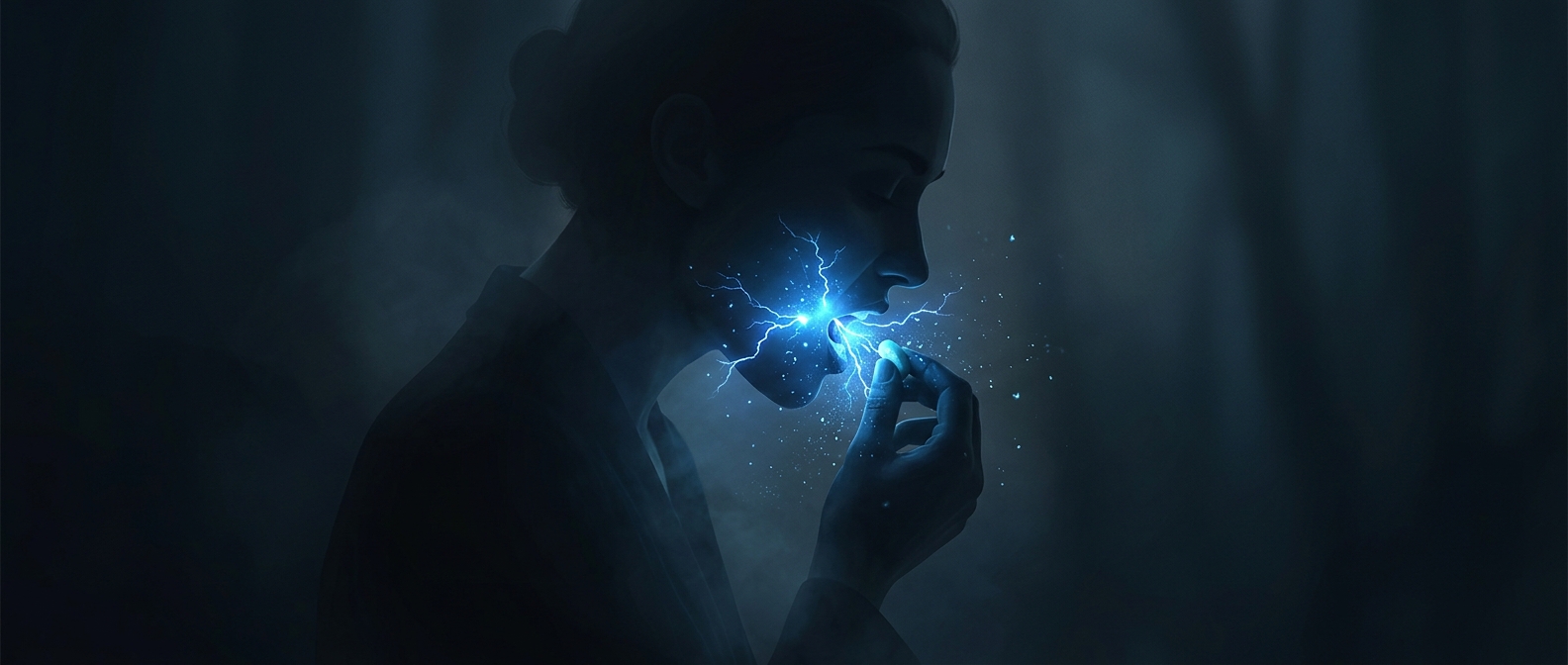
Why wintergreen mints spark in the dark
Biting cracks sugar crystals and separates electrical charges, producing a tiny spark. Wintergreen oil catches some of the spark’s ultraviolet light—normally…
Discover more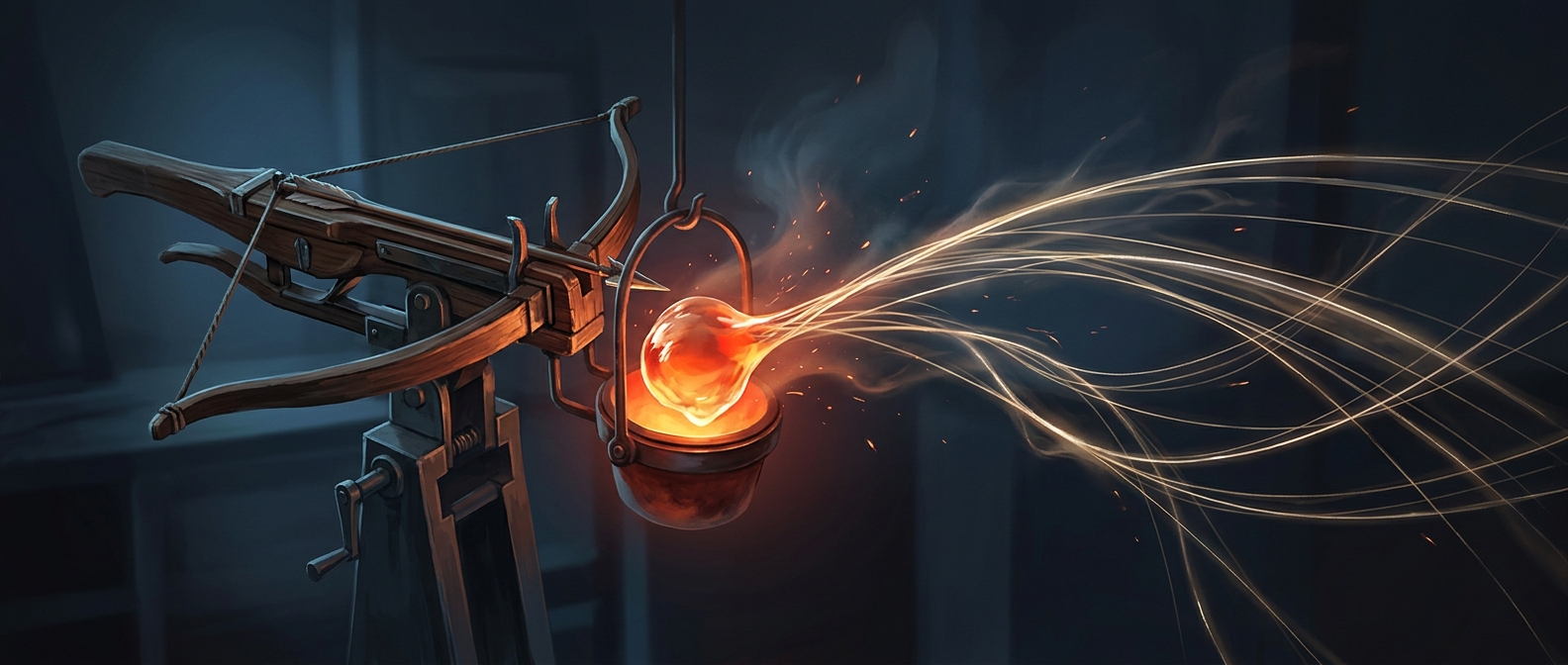
A crossbow helped Charles Vernon Boys measure gravity
Boys used a crossbow to draw heated quartz into exceptionally fine fibers. A suspended mass could twist one of these threads under an extremely small force,…
Discover more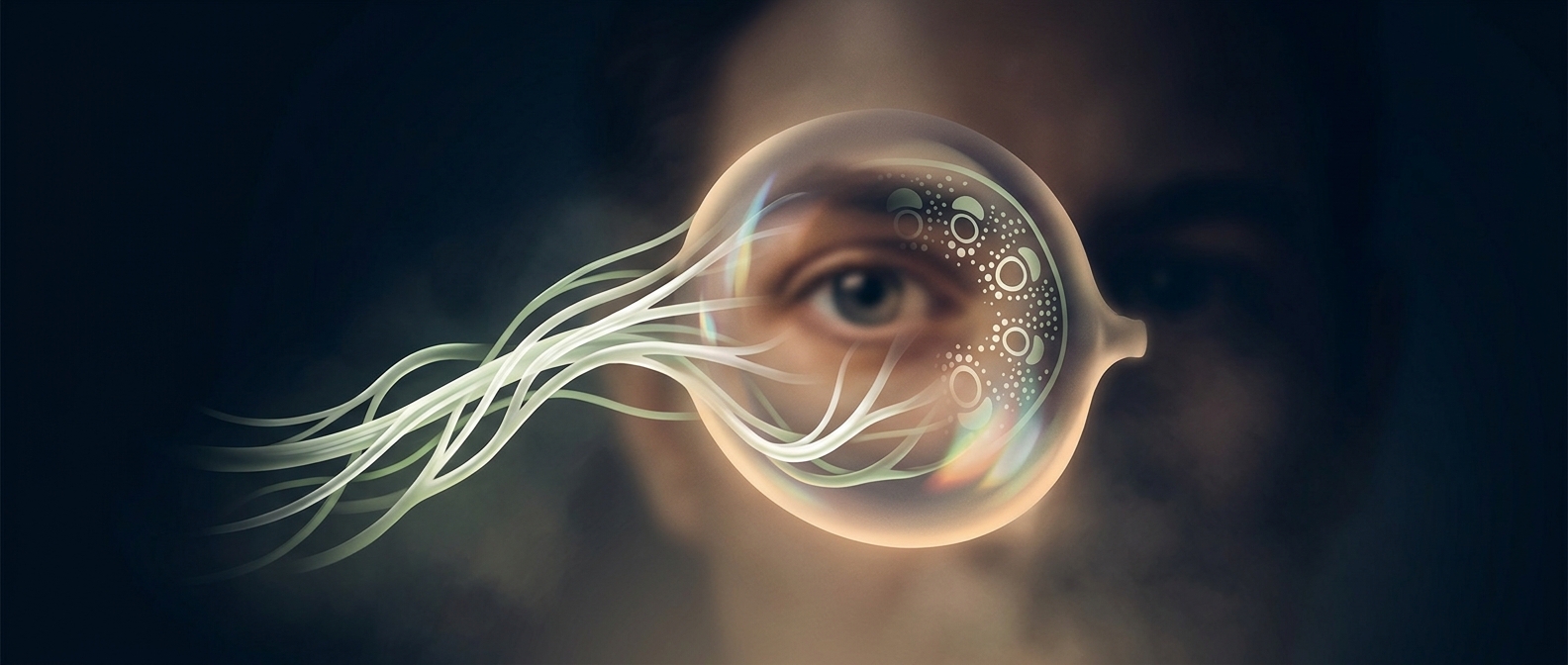
How pig bladders helped reveal osmosis
A pig bladder acts like a selective gate: water can pass through, while larger molecules are held back. Water moves toward the more concentrated alcohol…
Discover more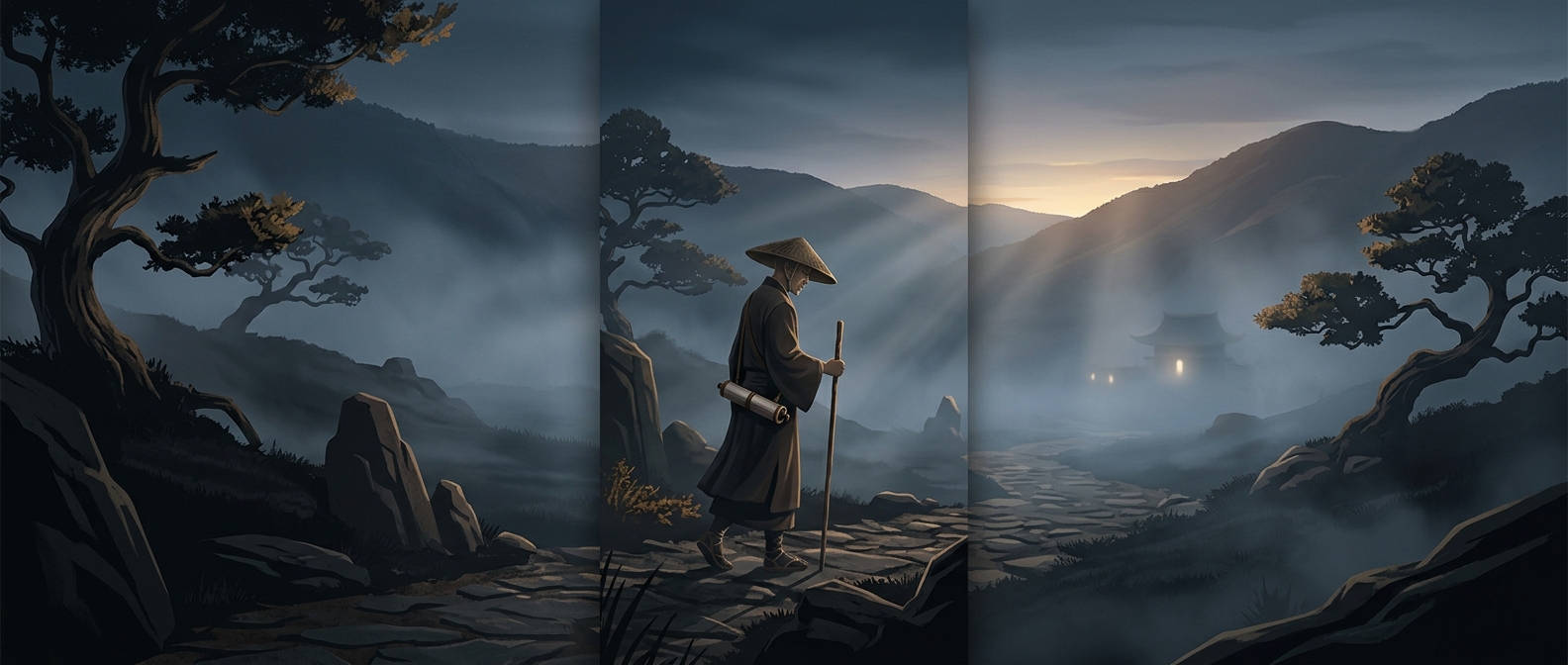
A medieval monk thought unfinished things had more life
In Essays in Idleness, the Japanese monk Kenkō praised worn objects and incomplete collections. Leaving something unfinished, he suggested, gives it room to…
Discover more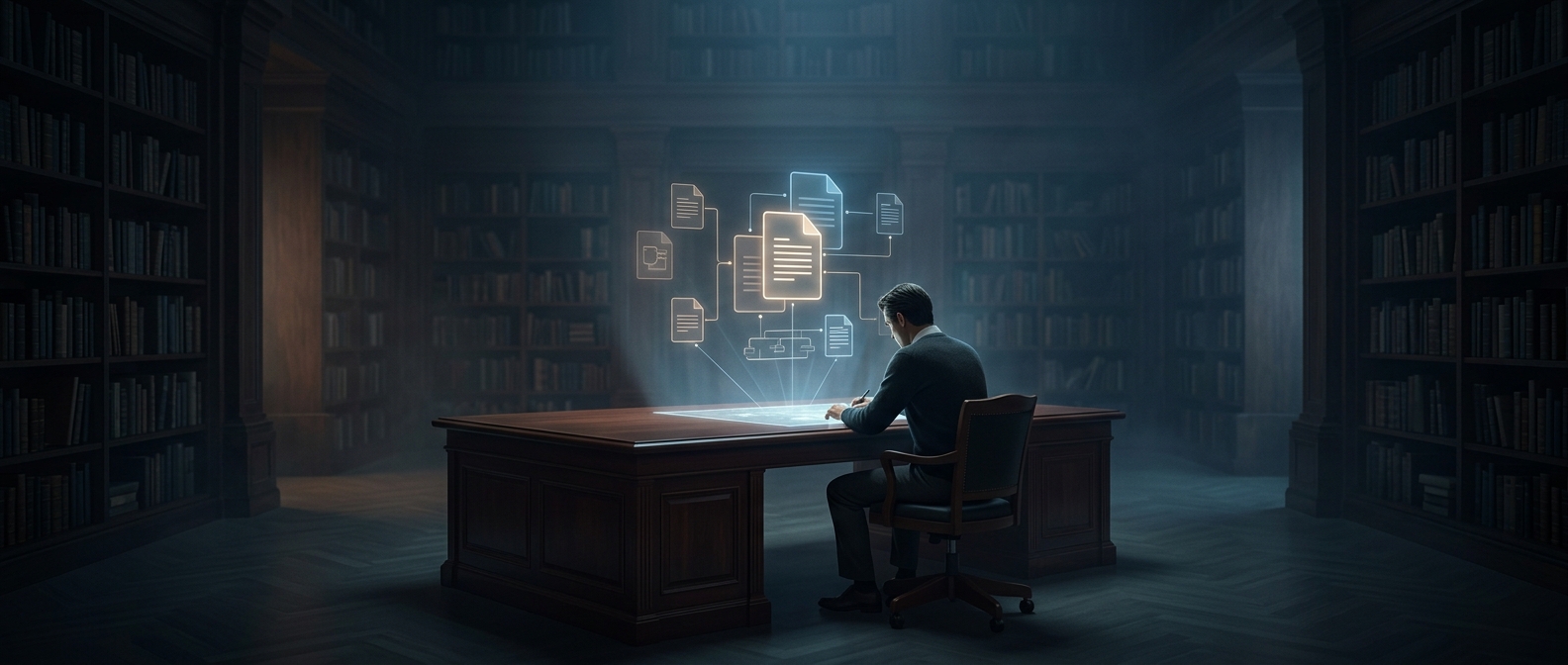
Google Docs' collaboration trick has a 1989 ancestor
Clarence Ellis and Simon Gibbs described operational transformation for their GROVE group editor in 1989. The problem sounds small: if you insert a word while…
Discover more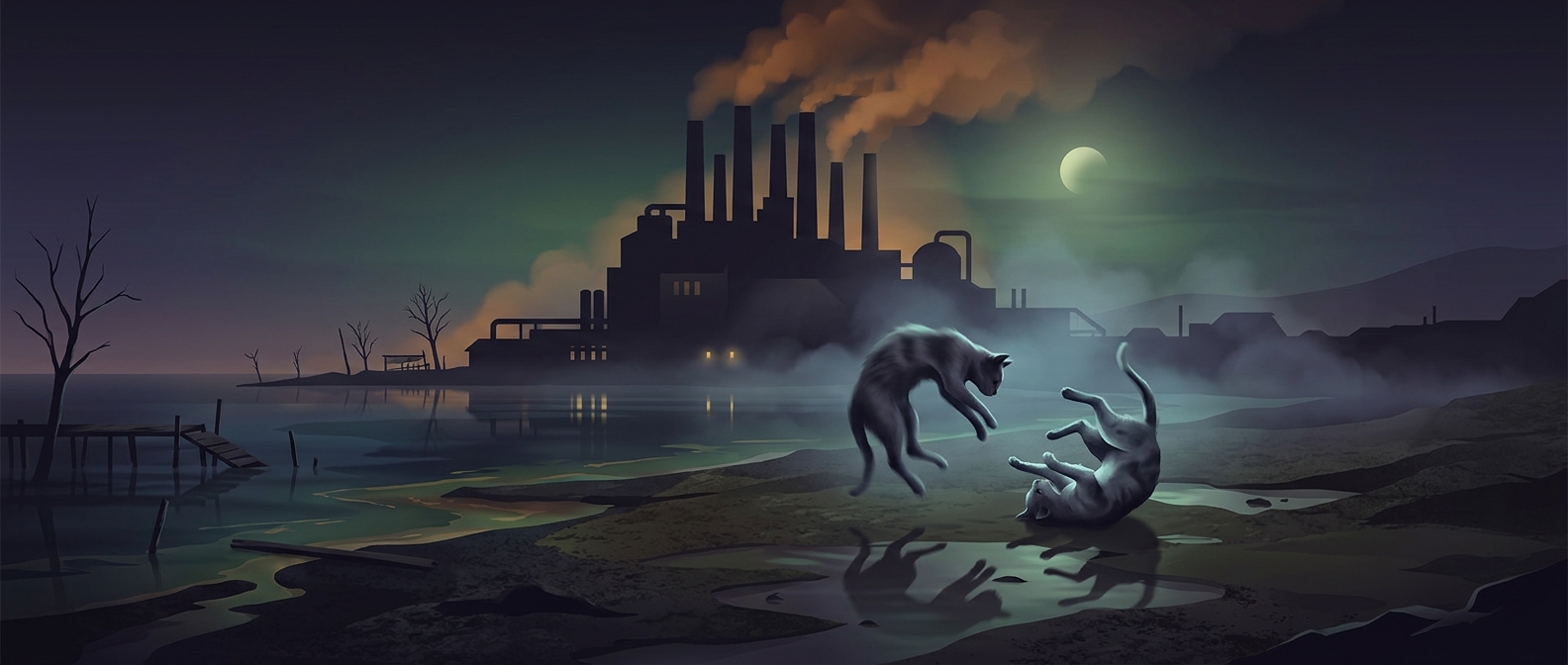
Minamata’s poisoned cats danced before humans fell ill
Once methylmercury from the plant entered the bay, it passed into fish and then into the cats that ate them. Neurological damage caused the erratic movements…
Discover more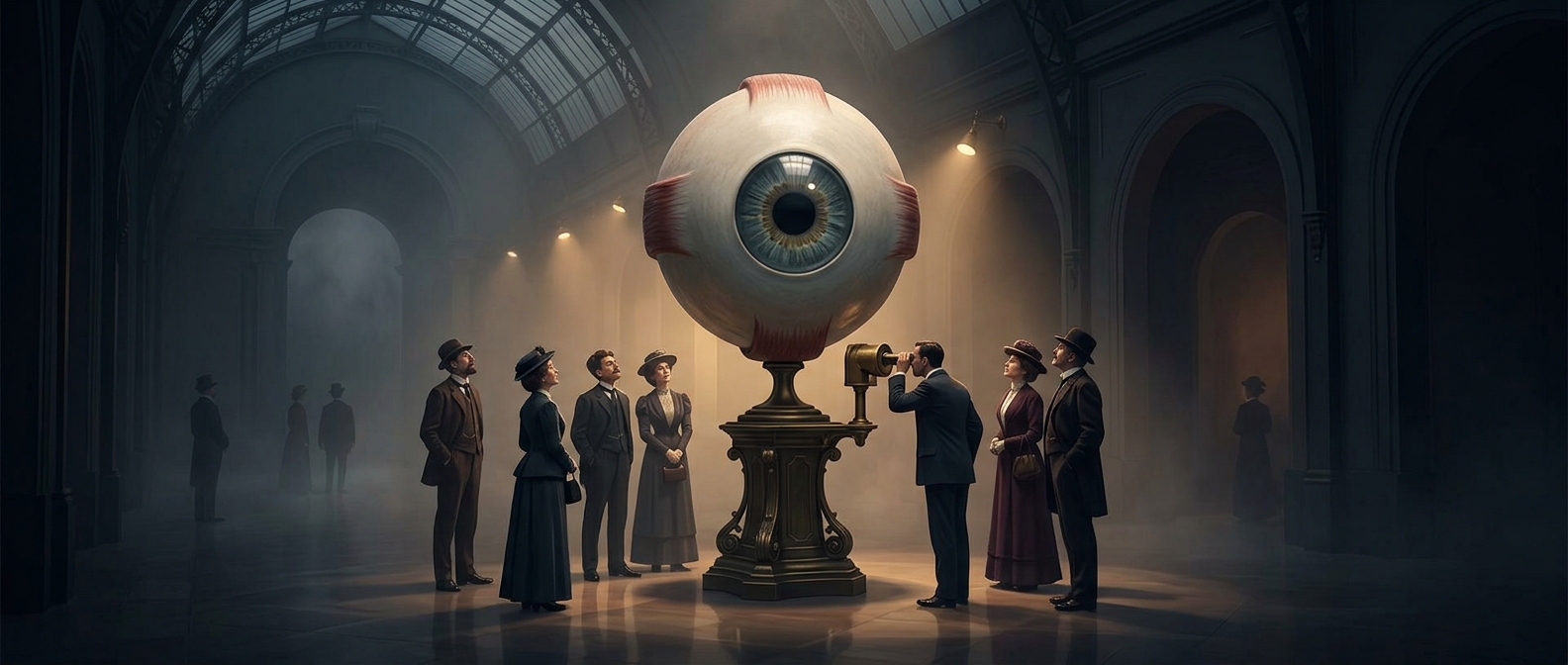
A giant eye advertised a fair about the human body
Franz von Stuck's striking eye poster promoted Dresden's 1911 International Hygiene Exhibition. The event drew more than five million visitors to displays on…
Discover more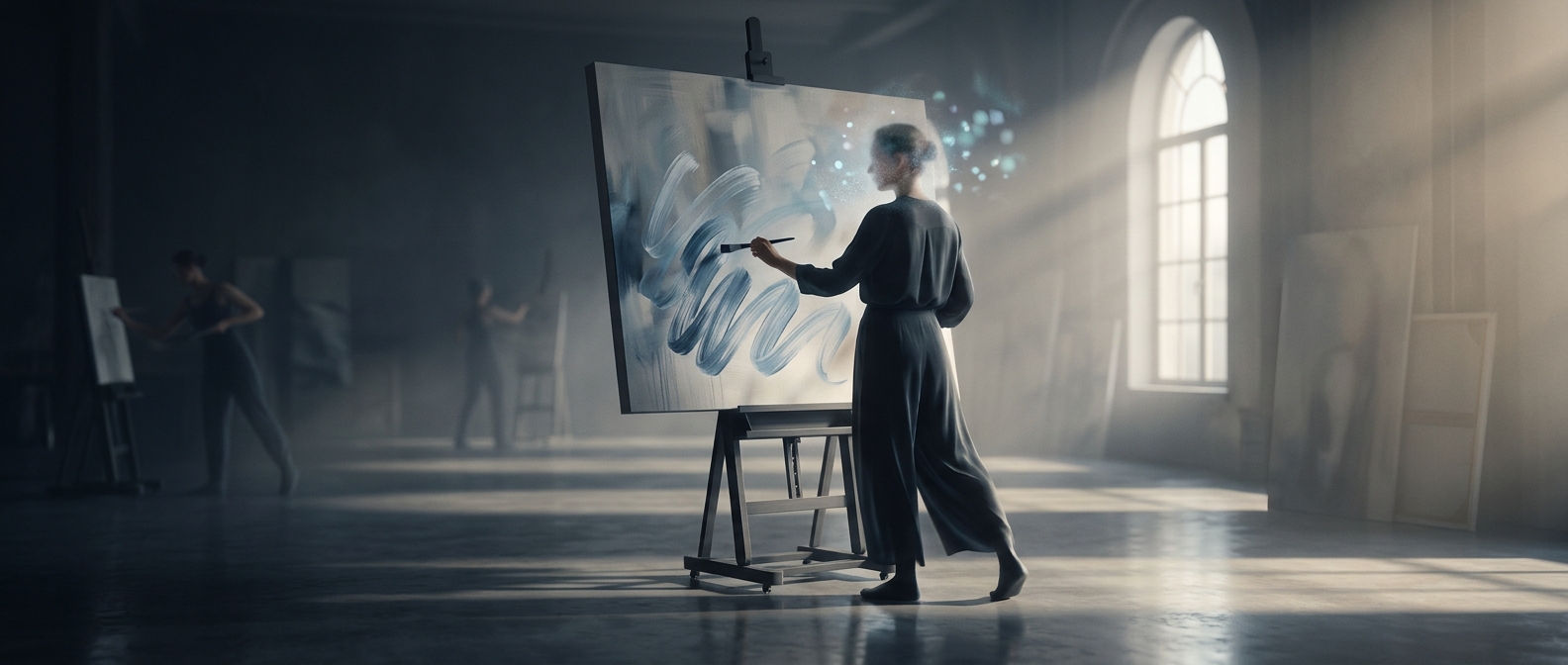
You can learn skills without remembering practice
Practice can change what your body can do without leaving you with a clear memory of doing it. Skills rely partly on procedural memory—the learning behind a…
Discover more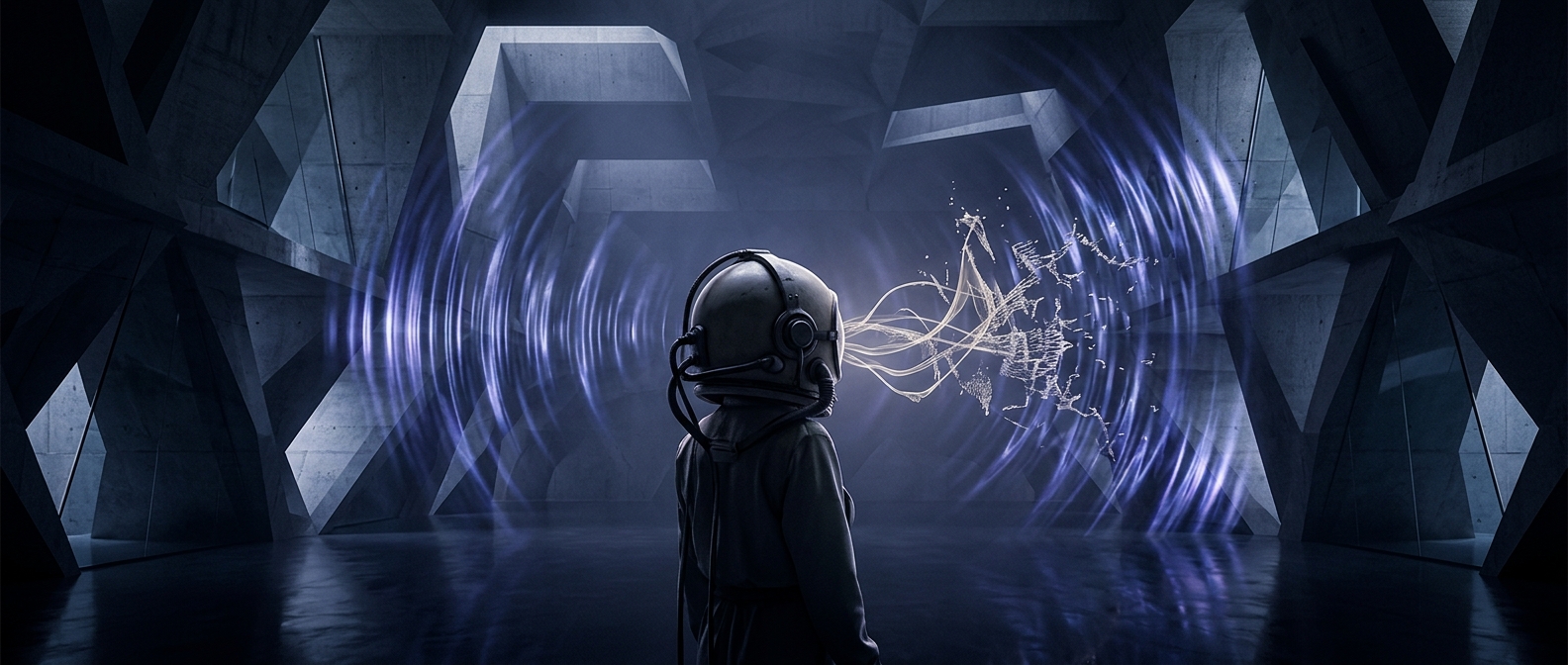
The artwork that makes a voice disappear
Alvin Lucier’s 1969 piece begins with him recording himself speaking, then repeatedly playing and rerecording that recording in the same room. The room’s…
Discover more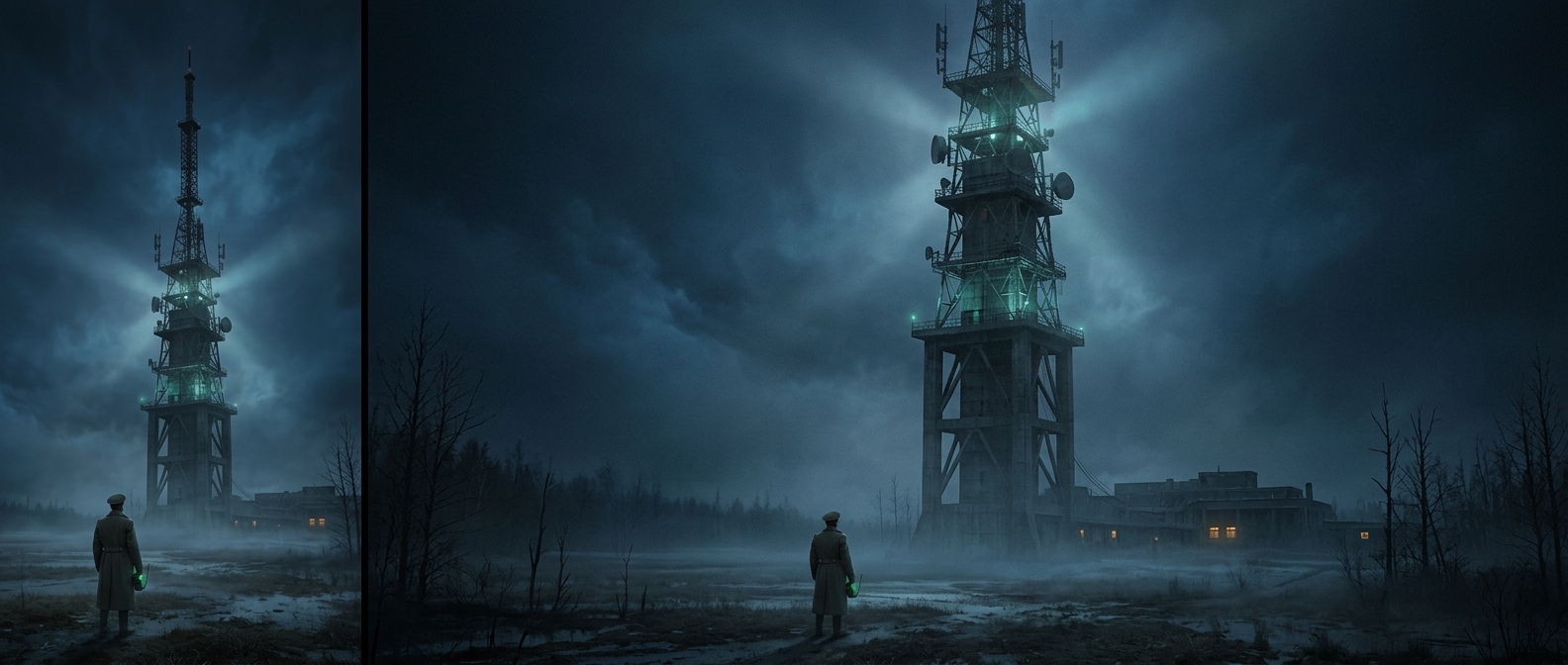
A Russian radio frequency has buzzed for decades
Listeners know the shortwave signal on 4625 kHz as the Buzzer, often associated with the name UVB-76. Its repetitive sound is occasionally interrupted by…
Discover more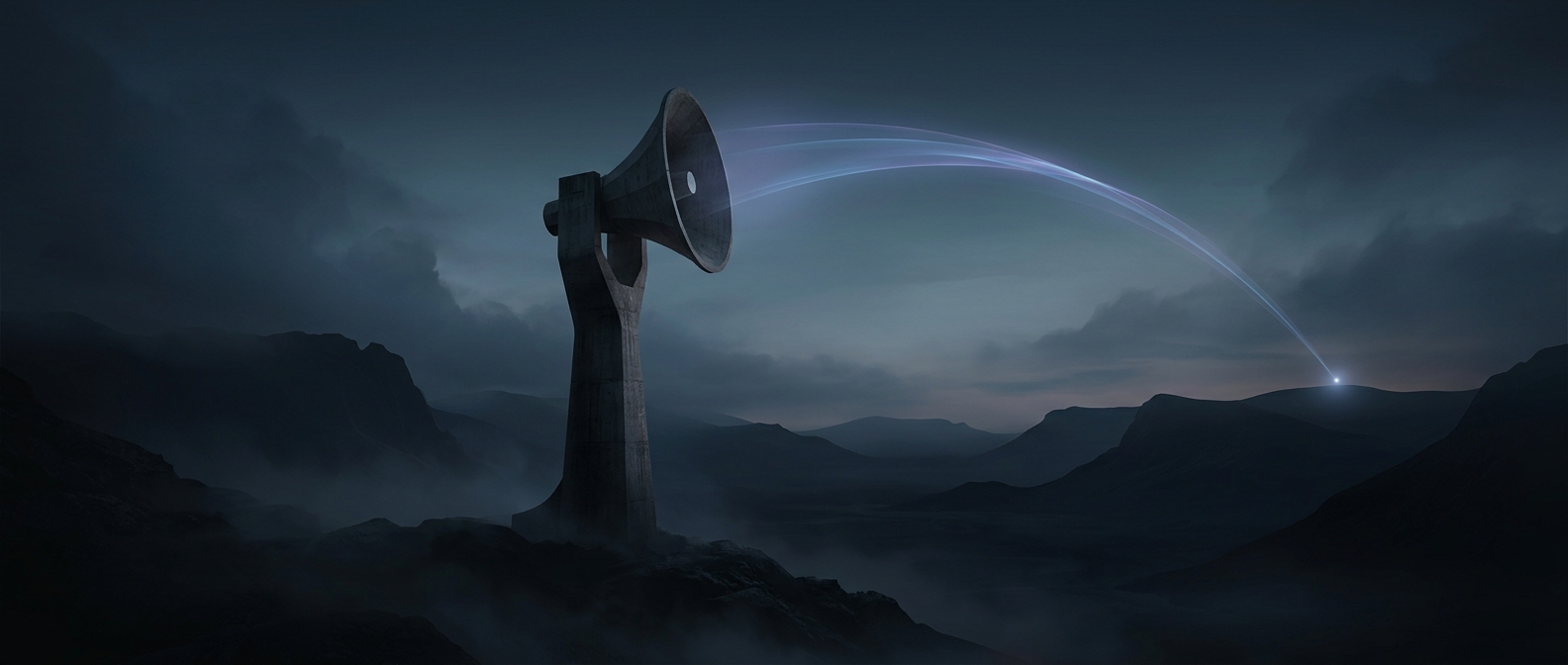
The towers that carried calls across America
Before fiber optics, AT&T’s Long Lines network used thousands of horn-shaped antennas on towers spaced about 30 miles apart to relay analog calls across the…
Discover more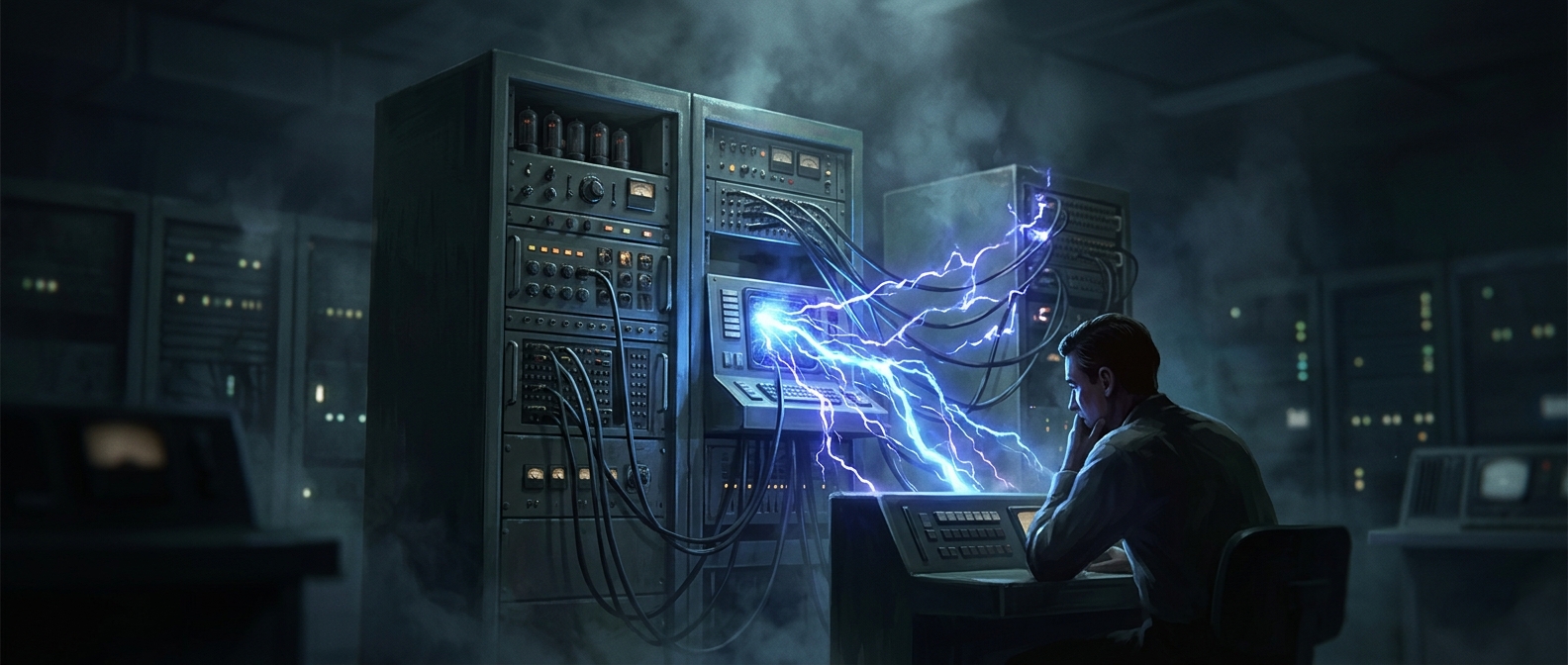
How one bad update nearly broke the early internet
A single flipped bit corrupted a routing node's status message, which other nodes repeatedly relayed and updated, creating a loop that brought the network down.
Discover more
An Ottoman sultan's signature could become a miniature artwork
The tughra combined the ruler's name, his father's name, titles, and a formula of victory in a highly stylized design. It authenticated imperial documents…
Discover more