The world is more interesting than you think.
Unexpected facts, big ideas, and little discoveries. Find something that sparks your curiosity today.
A little more wonder

She cycled around the world twice—without fixing a flat
At 54, retired headmistress Anne Mustoe set out despite not knowing how to fix a flat. She cycled around the world twice, paying local helpers to repair her…
Discover more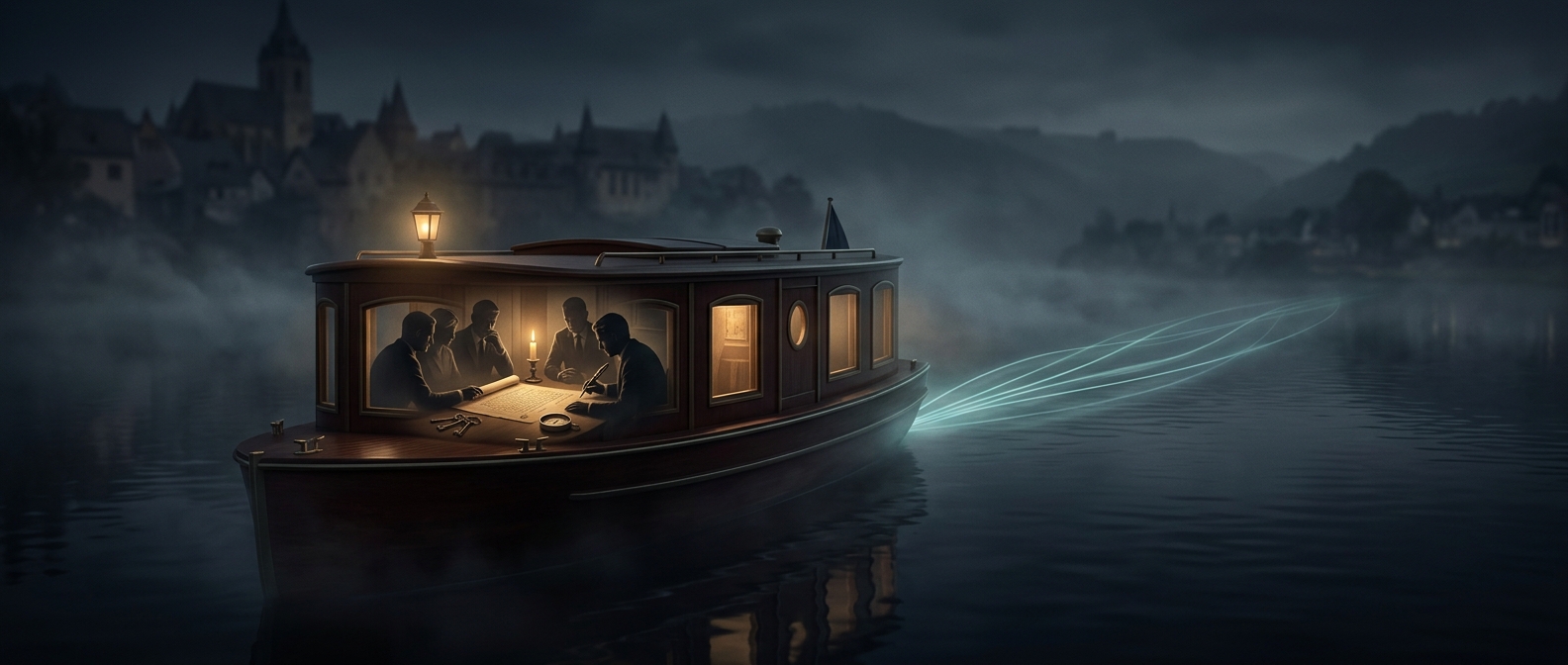
The Schengen Agreement was signed on a boat
In 1985, representatives from five European countries signed the foundational treaty aboard a small cruise ship on the Moselle River, away from the public eye.
Discover more
The Orient Express had more than one route into its legend
The Simplon Orient Express began in 1919 on a southern route through Switzerland and Italy, reaching Istanbul from 1920. The name therefore refers to more…
Discover more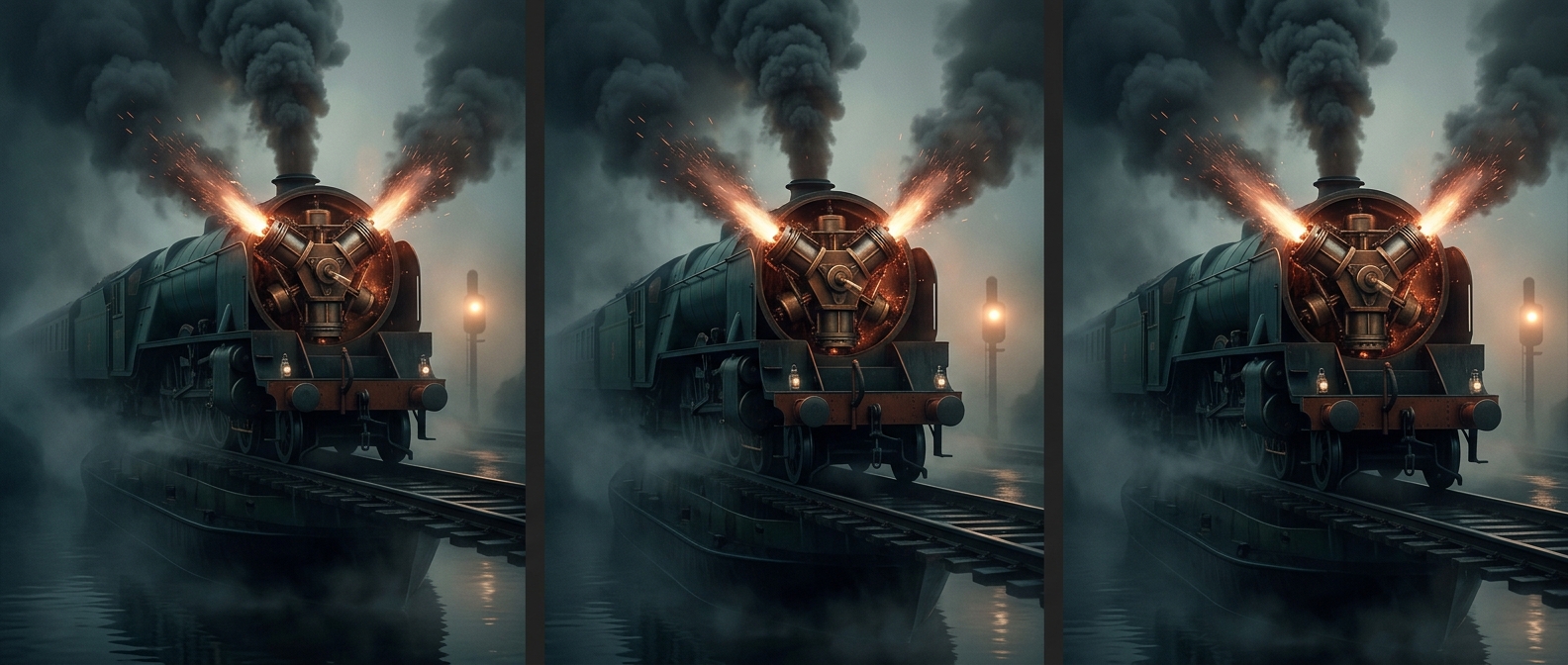
The train engine borrowed from a torpedo boat
The Napier Deltic began as a compact, powerful engine for torpedo boats. Its unusual three-sided layout packed three crankshafts into a light engine, then…
Discover more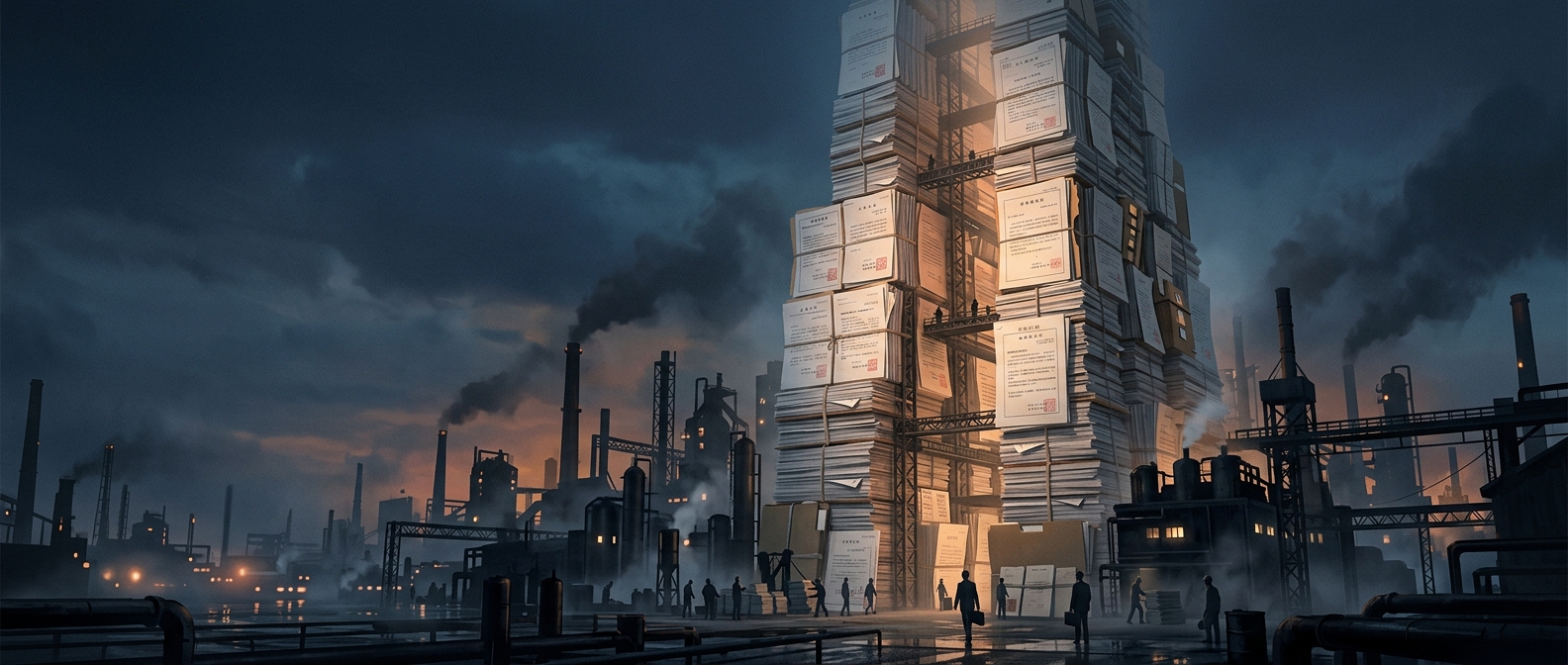
How polite memos steered Japan's economic boom
Japan’s boom-era bureaucrats didn’t need a legally binding order to get businesses to listen. They could cut a company’s import quota or delay its loan…
Discover more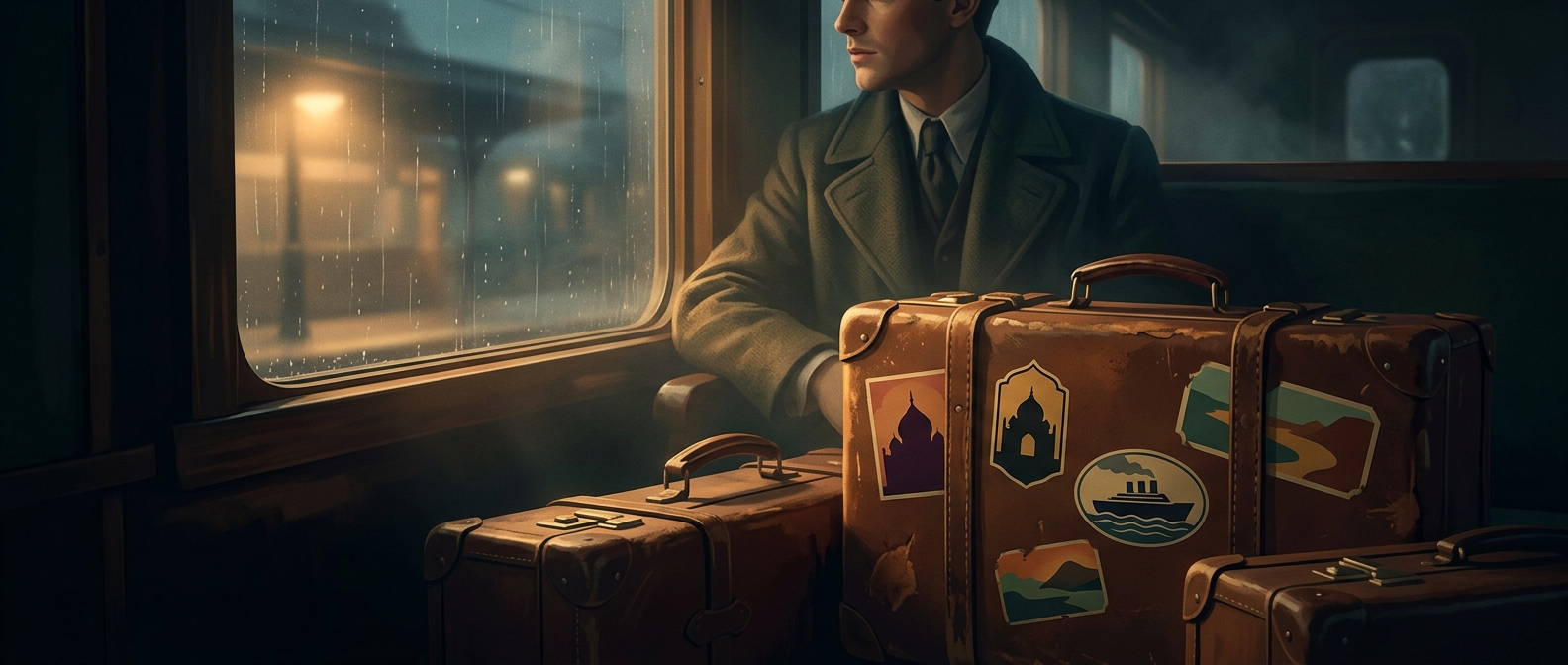
A hotel label turned your suitcase into an advertisement
Grand hotels issued decorative luggage labels that displayed their names and destinations as guests traveled onward. A well-covered trunk could advertise both…
Discover more STACKY FOR IPHONE
A bigger world.
One discovery
at a time.
Keep discovering with Stacky. Interesting facts in an app that is always within reach.
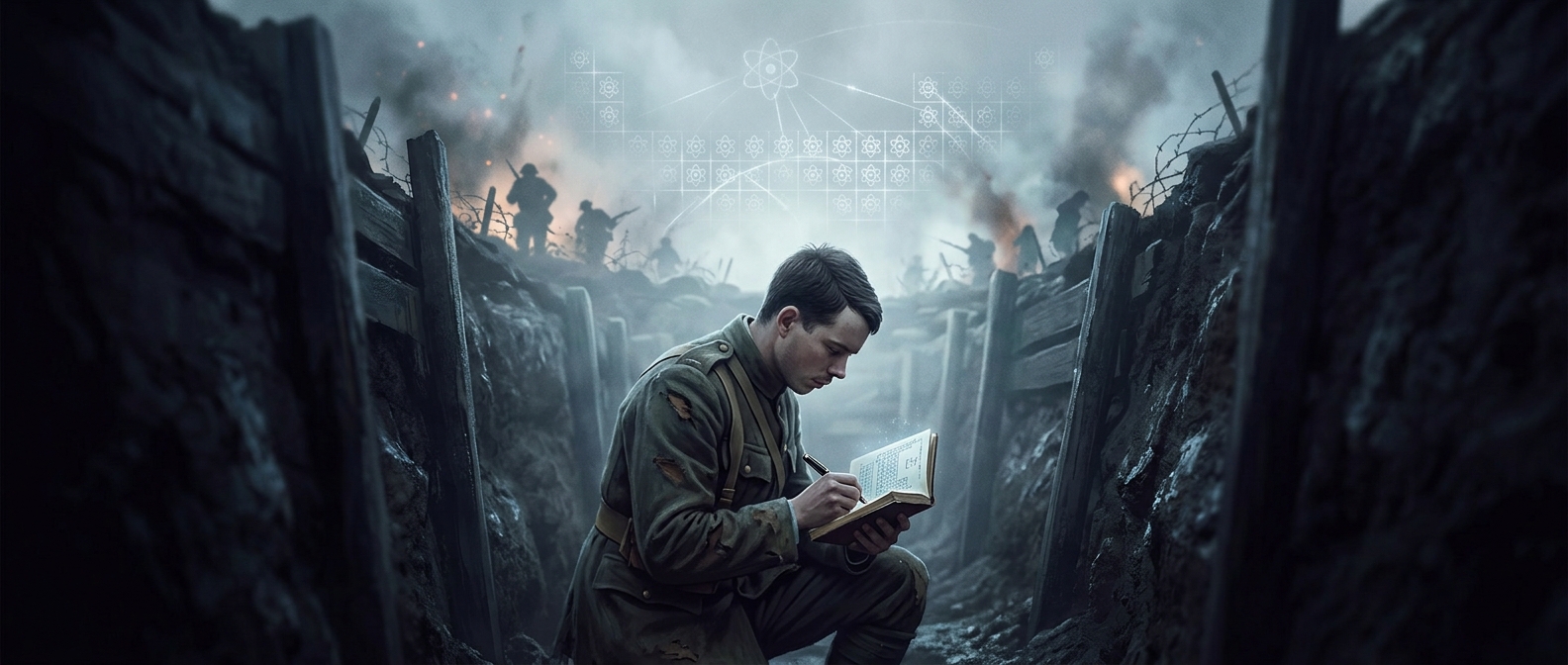
X-rays gave the periodic table a better order
Henry Moseley's measurements in 1913 and 1914 linked each element's X-ray frequencies to its atomic number. That gave the table a physical ordering principle…
Discover more
A drop of liquid metal can beat like a tiny heart
Researchers have made gallium droplets repeatedly spread and contract using an applied voltage in a surrounding liquid. Electrical and chemical changes at the…
Discover more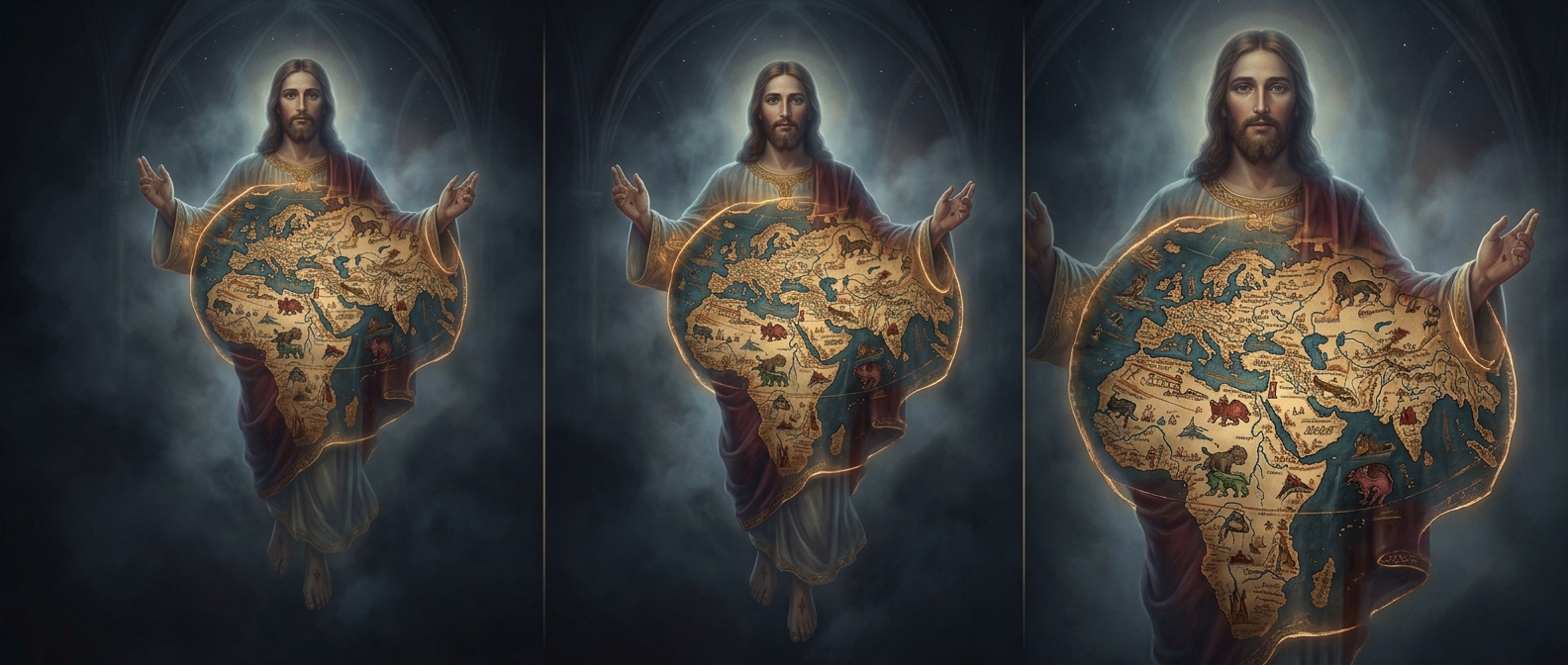
A medieval map placed the world inside Christ's body
The Ebstorf map showed Christ's head, hands, and feet at the edges, with Jerusalem at the center and east at the top. It organized geography through a…
Discover more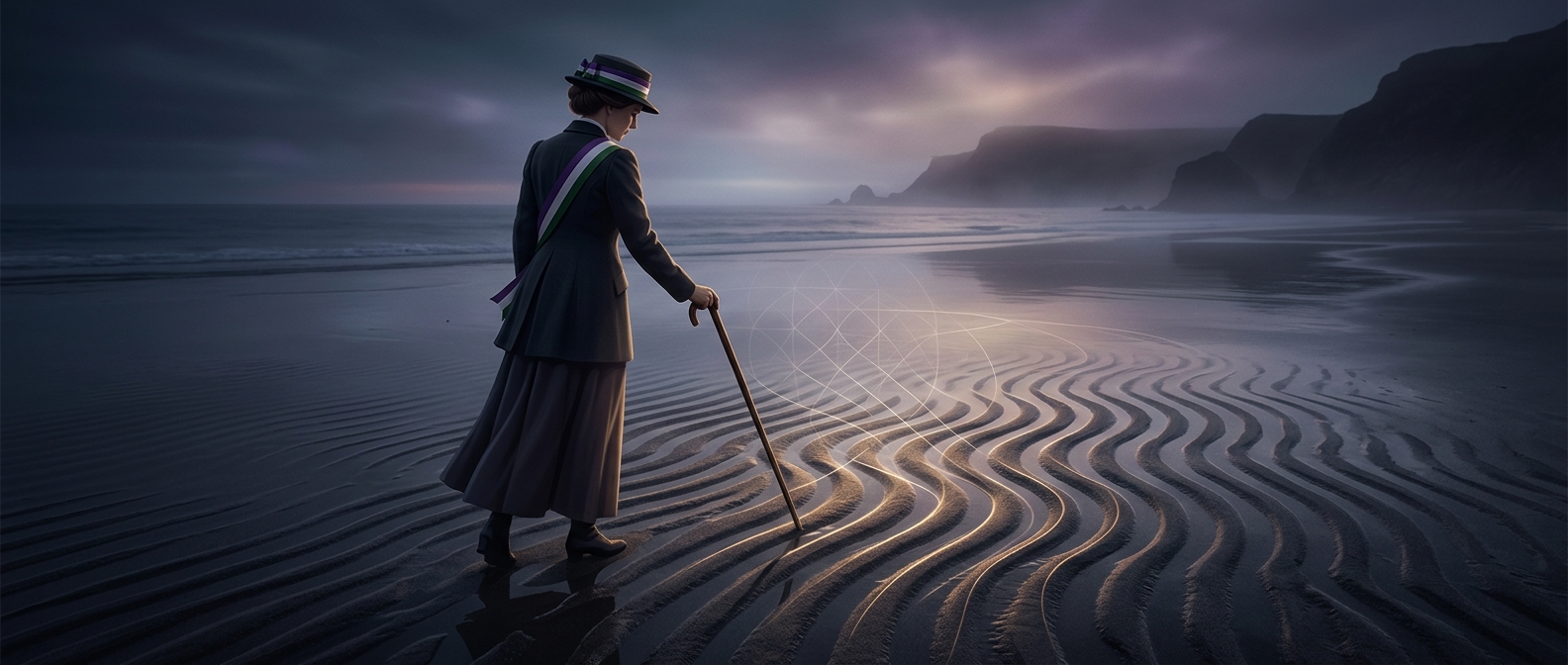
How Hertha Ayrton explained ripples in beach sand
As waves move across a beach, they push grains back and forth. That motion builds ridges at right angles to the waves, rather than parallel to them. Hertha…
Discover more
The mathematician who turned down a million dollars
The Fields Medal and a $1 million Clay prize followed Perelman’s solution, but he declined both and returned to live quietly with his mother. Mathematics had…
Discover more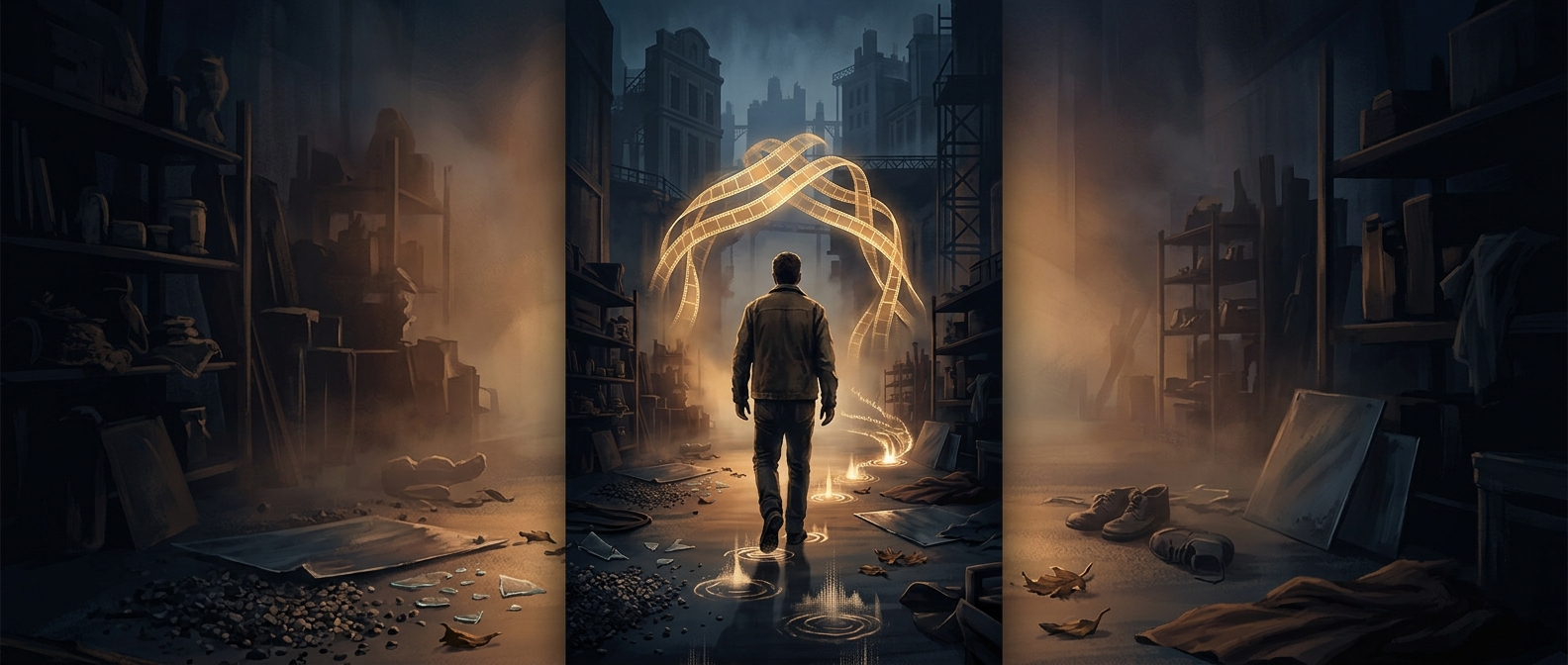
Movie footsteps became a performance of their own
Jack Foley helped add synchronized effects to Show Boat as cinema moved into sound. Watching the picture, performers supplied noises that matched what the…
Discover more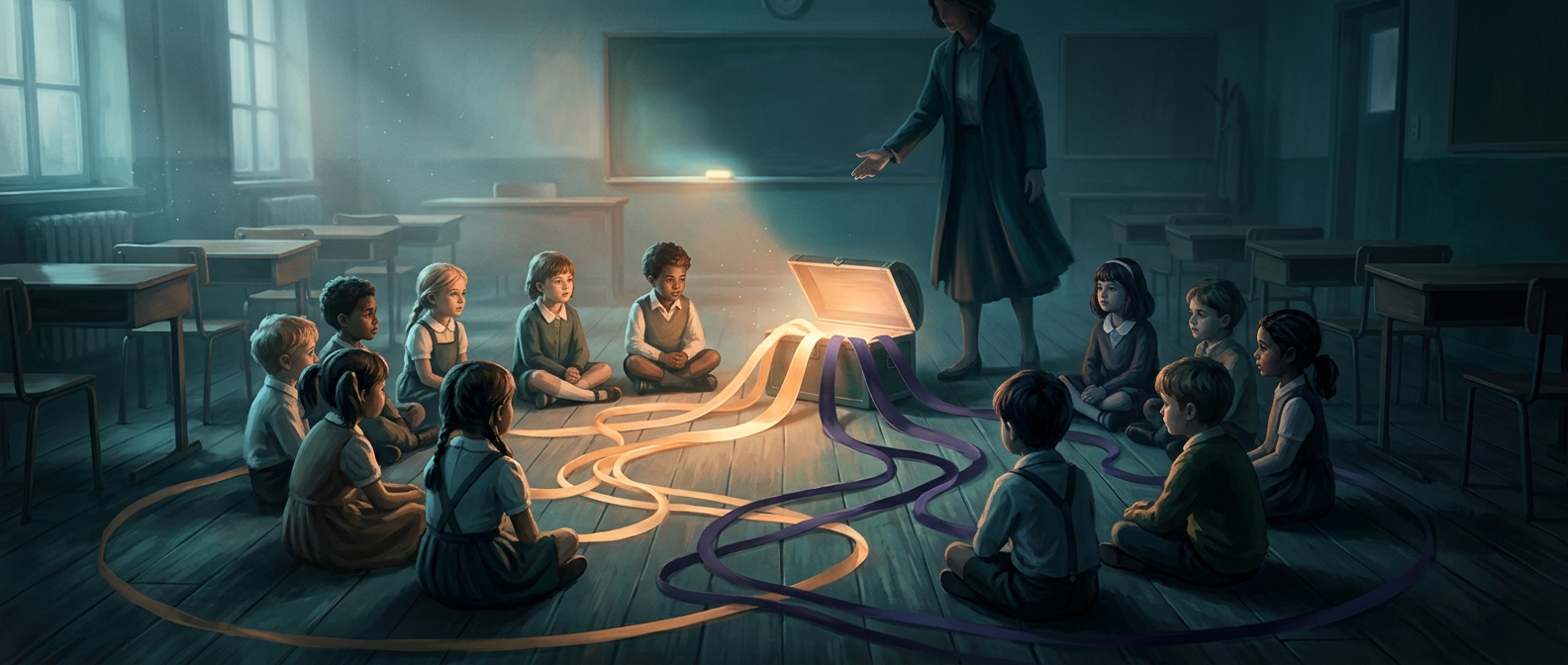
How quickly prejudice took hold in one classroom
A teacher can make a distinction as trivial as eye color feel important by giving one group extra status and the other extra scrutiny. Students soon absorb…
Discover more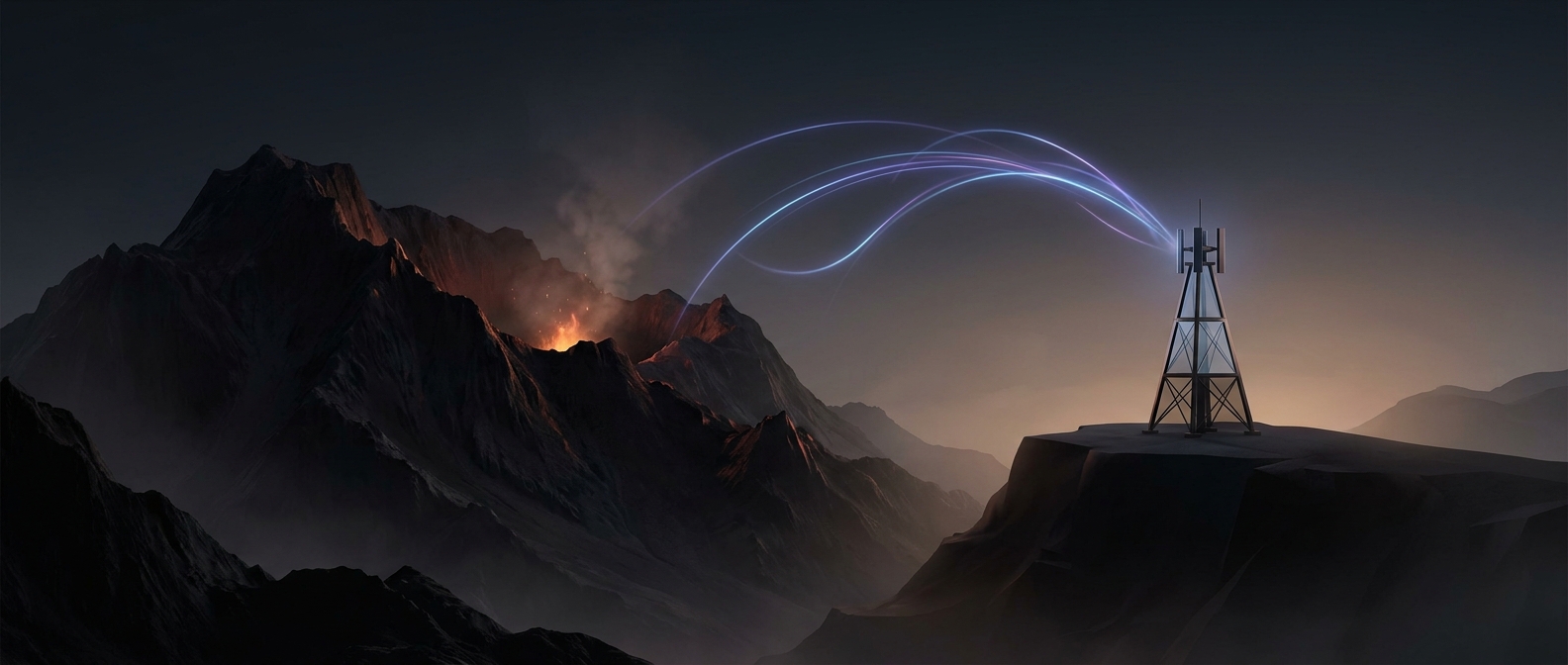
How a Hawaiian radio network helped create Wi-Fi
In 1971, University of Hawaii researchers built ALOHAnet to connect computers by radio. It sent packets whenever a computer had data, retransmitting after…
Discover more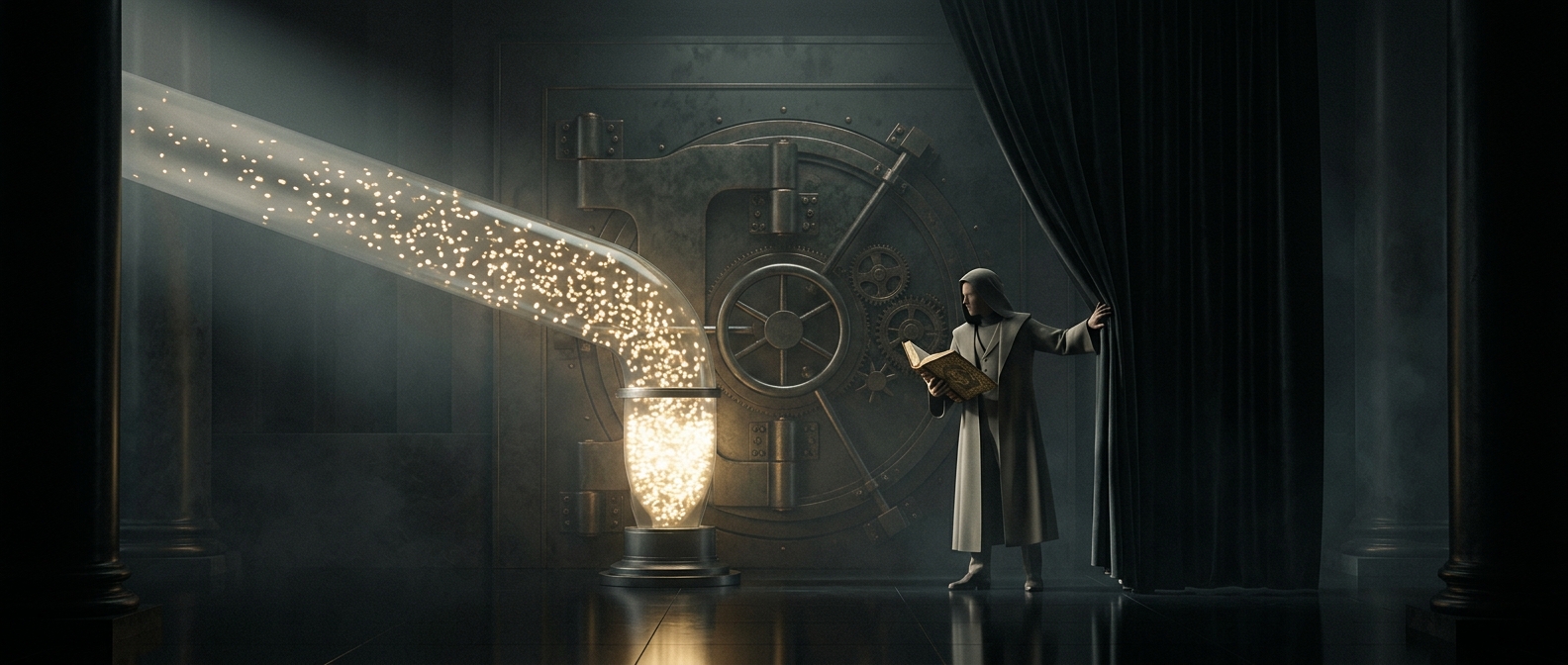
The Chicago Plan tried to separate your money from bank lending
The Depression-era proposal called for full reserve backing of transaction deposits. Lending would need separate funding rather than being bundled with…
Discover more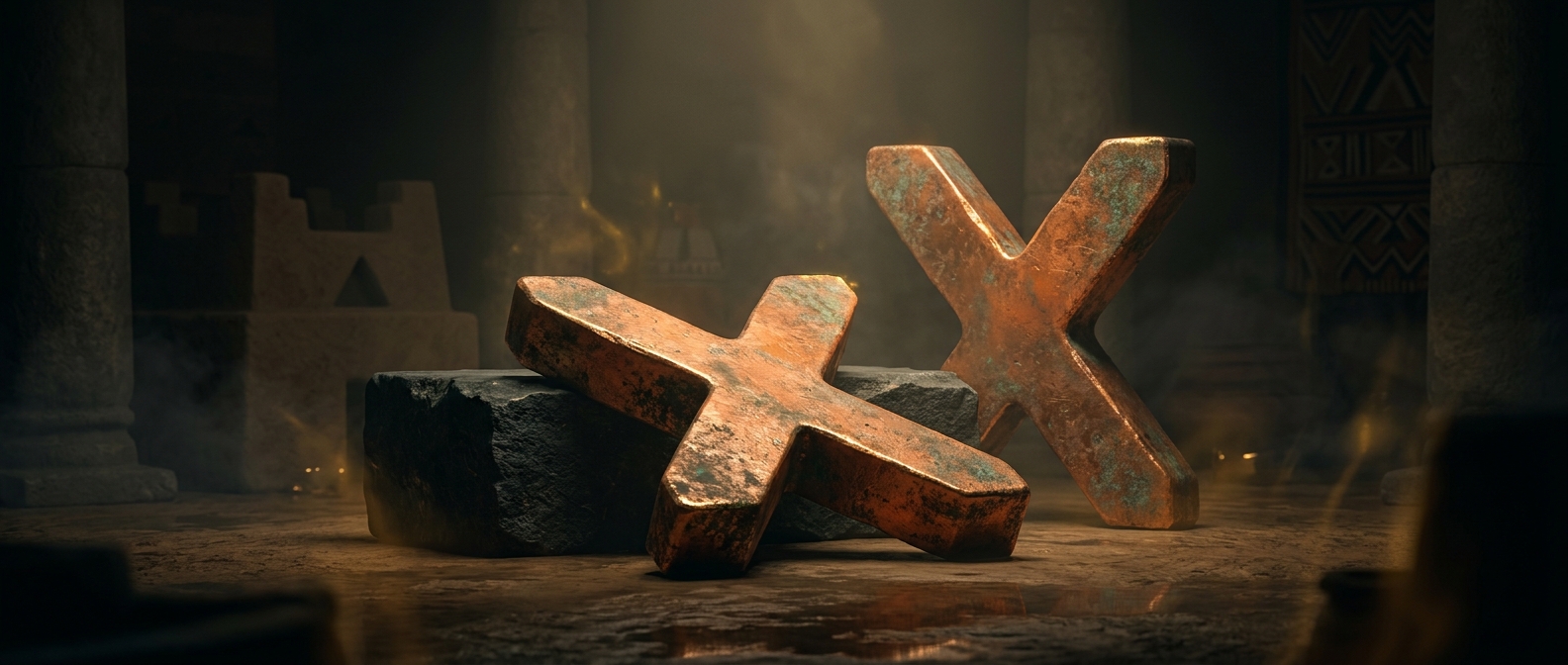
When copper crosses were money
These were not coins for a pocket: Katanga crosses were copper ingots up to two pounds each. People used them for major deals, including land purchases, slave…
Discover more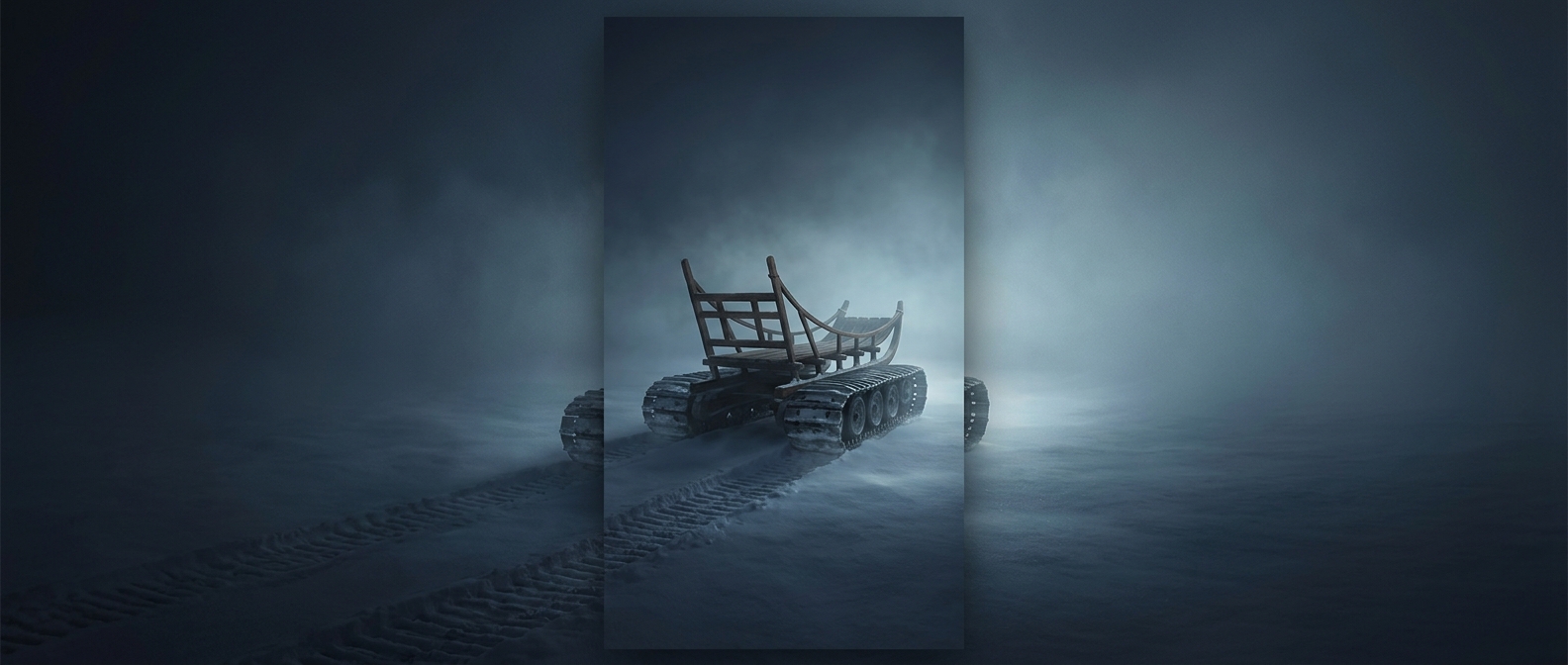
Bombardier put seven passengers on tracks and skis
Joseph-Armand Bombardier's B7 snow vehicle used front skis for steering and rear tracks for propulsion. Its rubber-covered sprocket system helped the tracks…
Discover more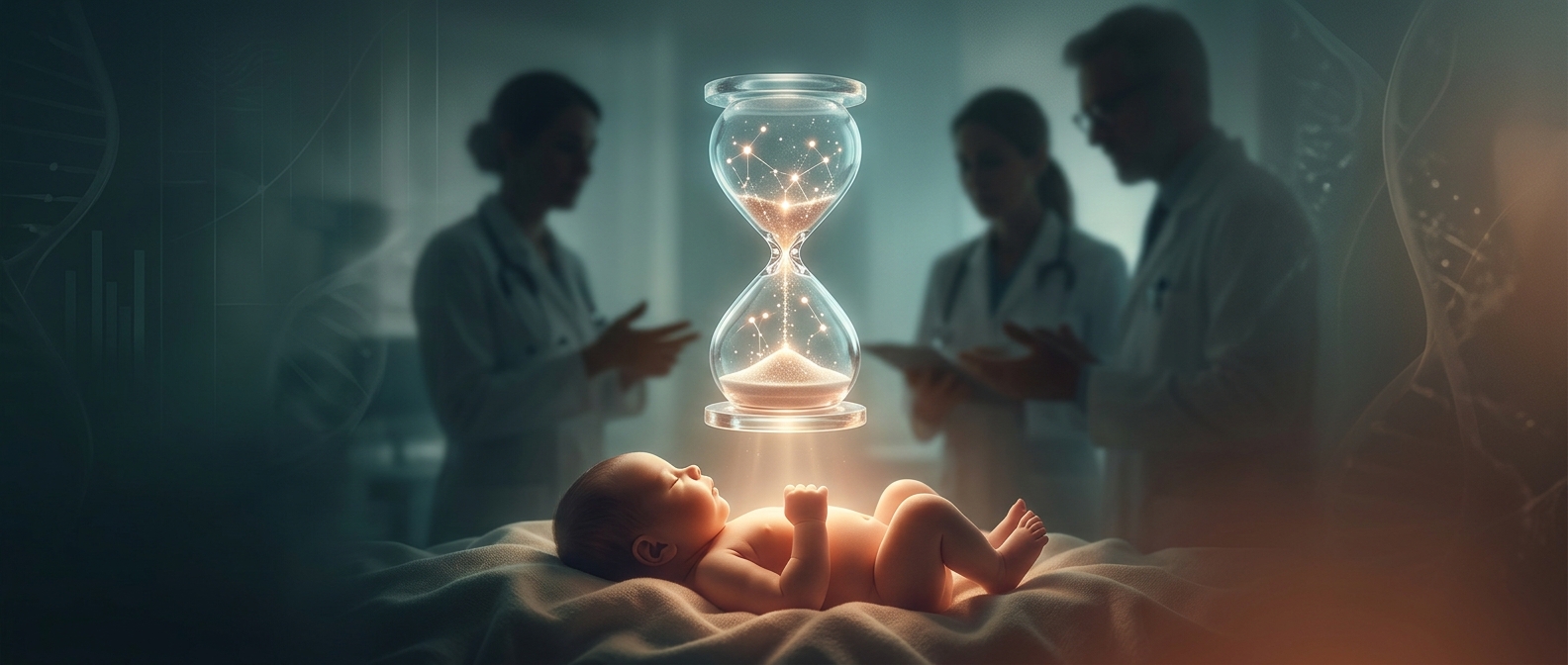
A newborn's Apgar score is a snapshot taken twice
At one and five minutes after birth, five signs—including heart rate, breathing and muscle tone—receive scores adding up to ten. Comparing the assessments…
Discover more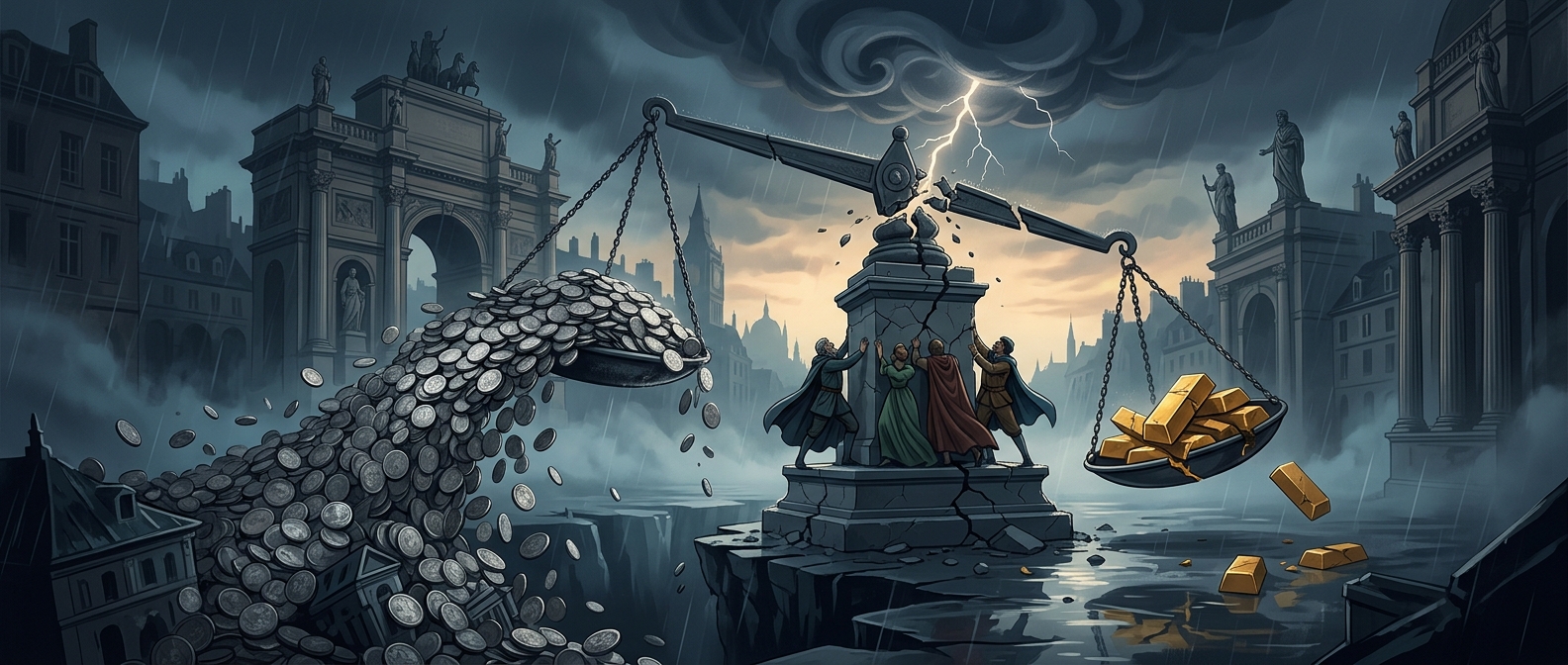
Europe tried a shared currency long before the euro
The members agreed to standardize gold and silver coins, but the value depended on the metal inside. The Papal States issued lighter silver coins, breaking…
Discover more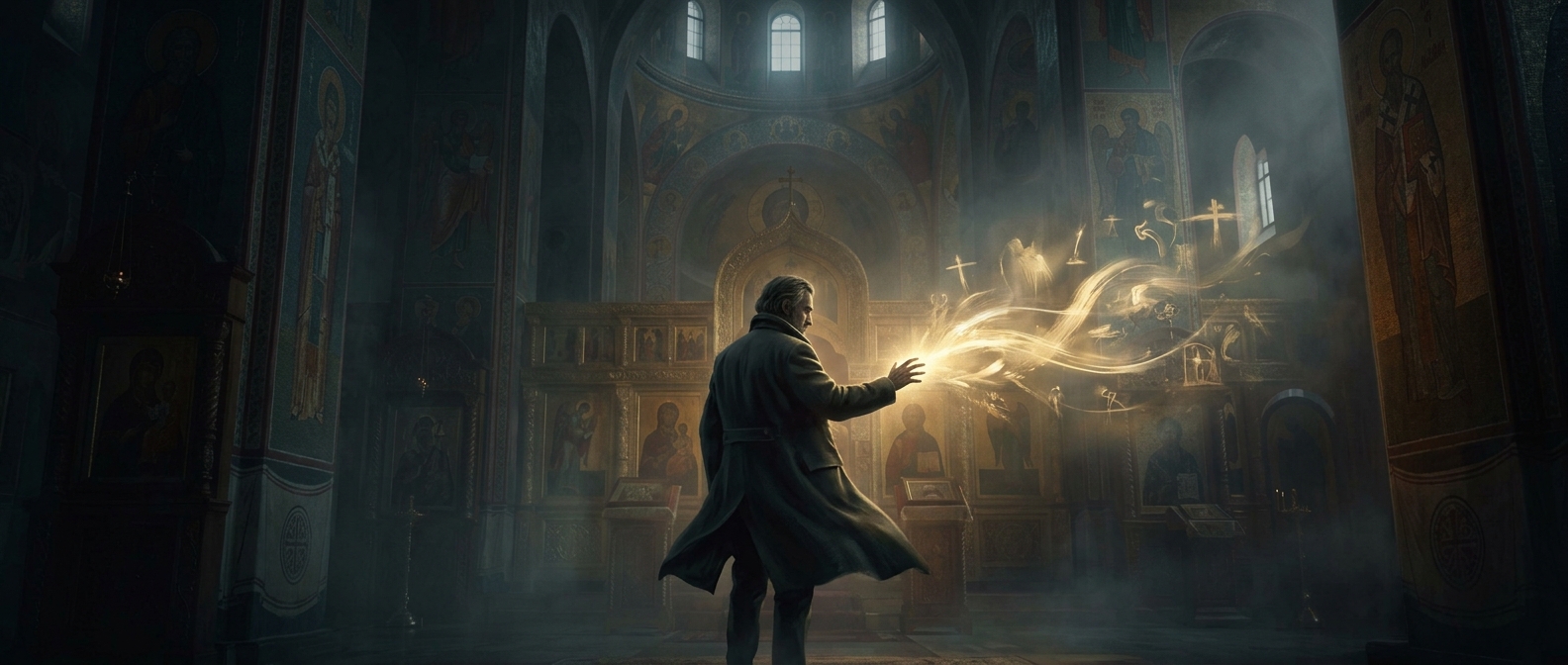
Russian exiled thinker made art a holy weapon
Exiled from Soviet Russia for rejecting Marxist materialism, Berdyaev saw human creativity as a spiritual power. He argued that the unfinished universe calls…
Discover more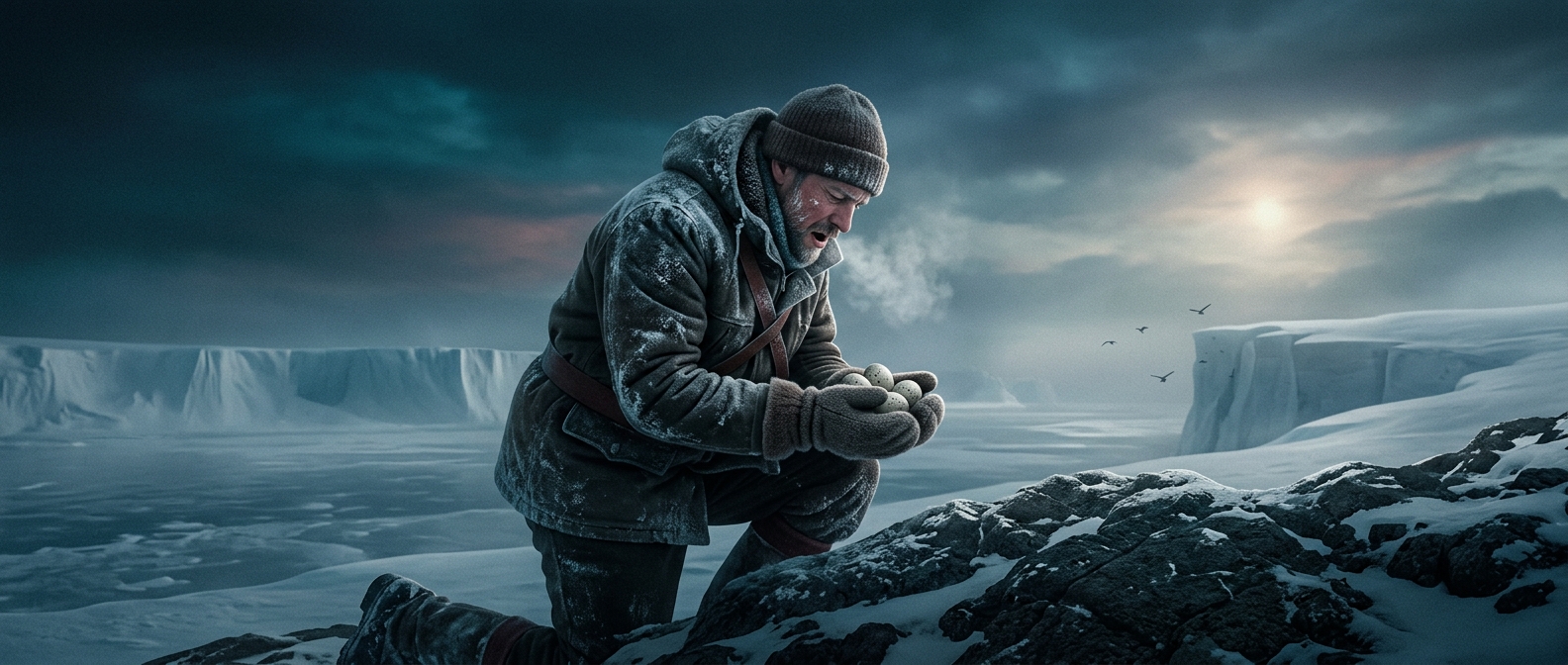
Three explorers crossed Antarctic winter to bring back penguin eggs
In 1911, Edward Wilson, Henry Bowers and Apsley Cherry-Garrard sought emperor penguin embryos for research on bird development. They collected five eggs after…
Discover more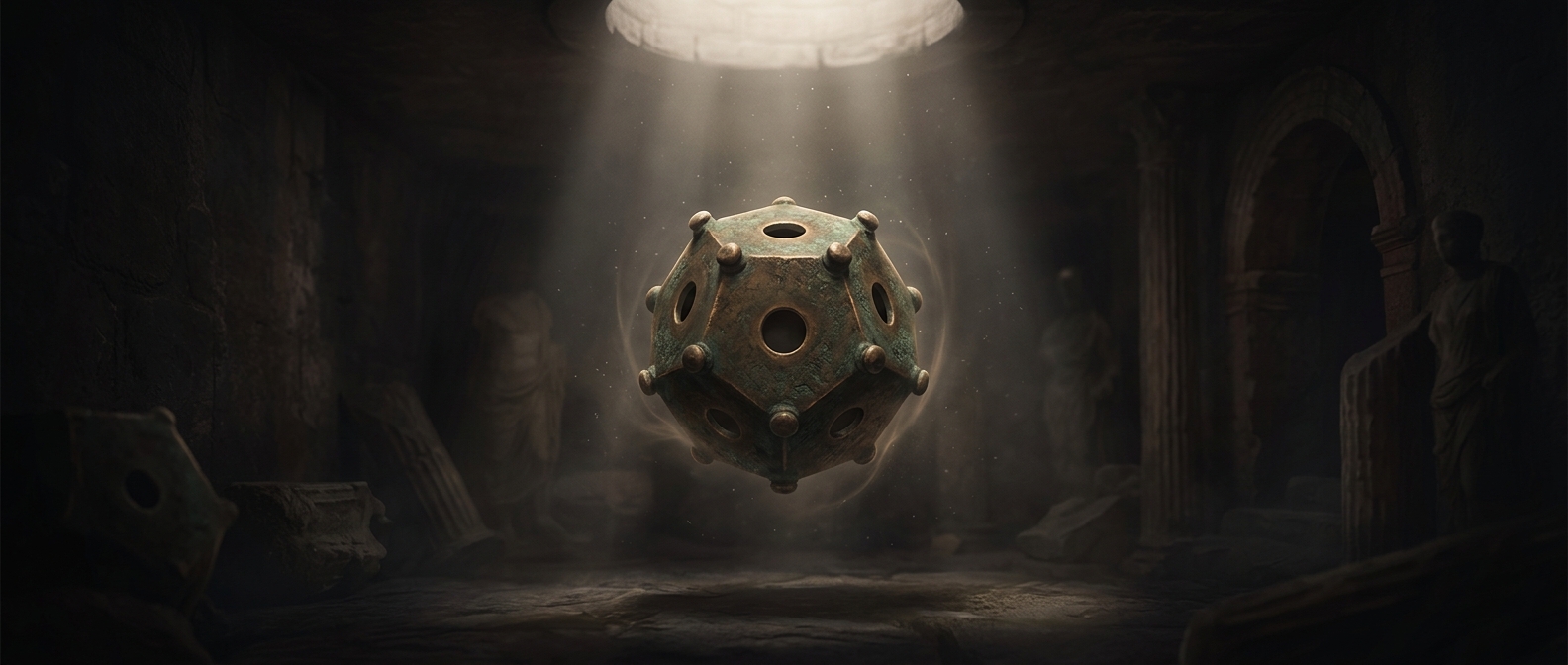
Roman dodecahedra still have no known purpose
Their holes vary in size, and examples appear across Europe, leaving researchers with theories but no use that fits them all. They are a rare ancient…
Discover more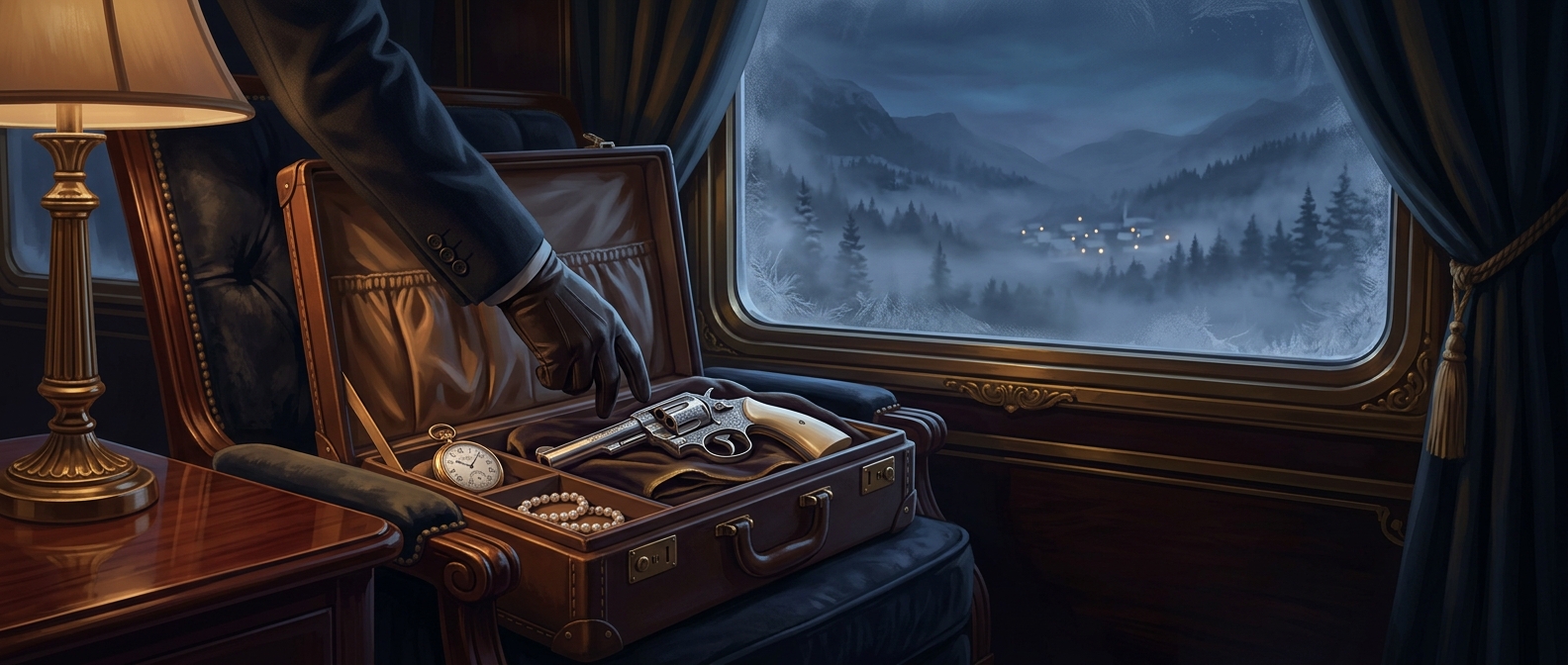
Orient Express passengers were told to pack revolvers
The train crossed the bandit-infested Balkans, so its founder, Georges Nagelmackers, advised wealthy passengers on the 1883 inaugural trip to bring revolvers.
Discover more
A glacier hid a missing plane for 50 years
The pilots misjudged their position after flying into the jet stream, then descended into a glacier. An avalanche buried the wreckage, which remained hidden…
Discover more