The world is more interesting than you think.
Unexpected facts, big ideas, and little discoveries. Find something that sparks your curiosity today.
A little more wonder
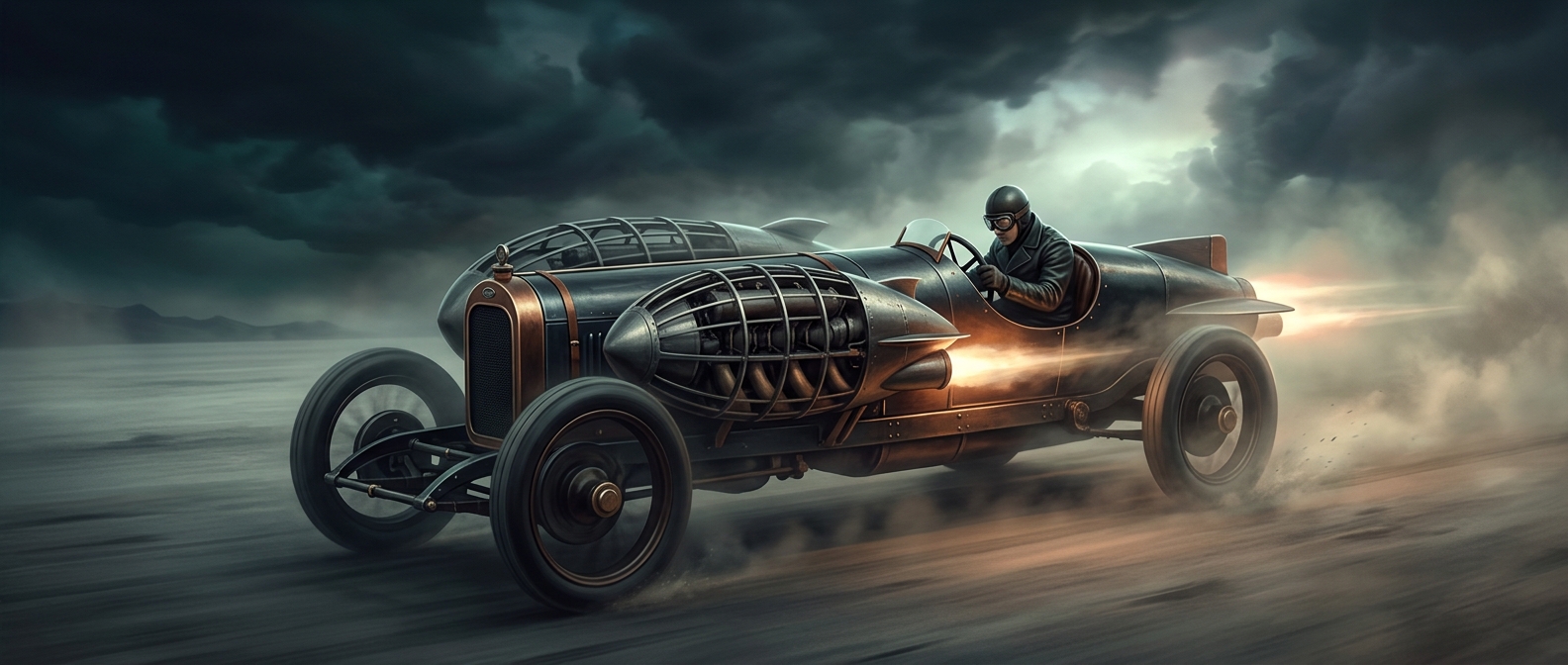
Chitty Bang Bang had a 23-liter aircraft engine
Count Louis Zborowski's first Chitty racing car combined a Mercedes chassis with a giant six-cylinder Maybach aero engine in the 1920s. Instead of squeezing…
Discover more
The animator who made films with salt and feathers
Aleksandra Korejwo made animations by moving dyed salt across a backlit glass plate with condor feathers. She had to photograph each frame before the salt…
Discover more
Before smartphones, Cincinnati told time with a giant ball
A time ball high above the city dropped at a set hour, giving people below a visible signal to set their clocks. Before phones put the time in every pocket,…
Discover more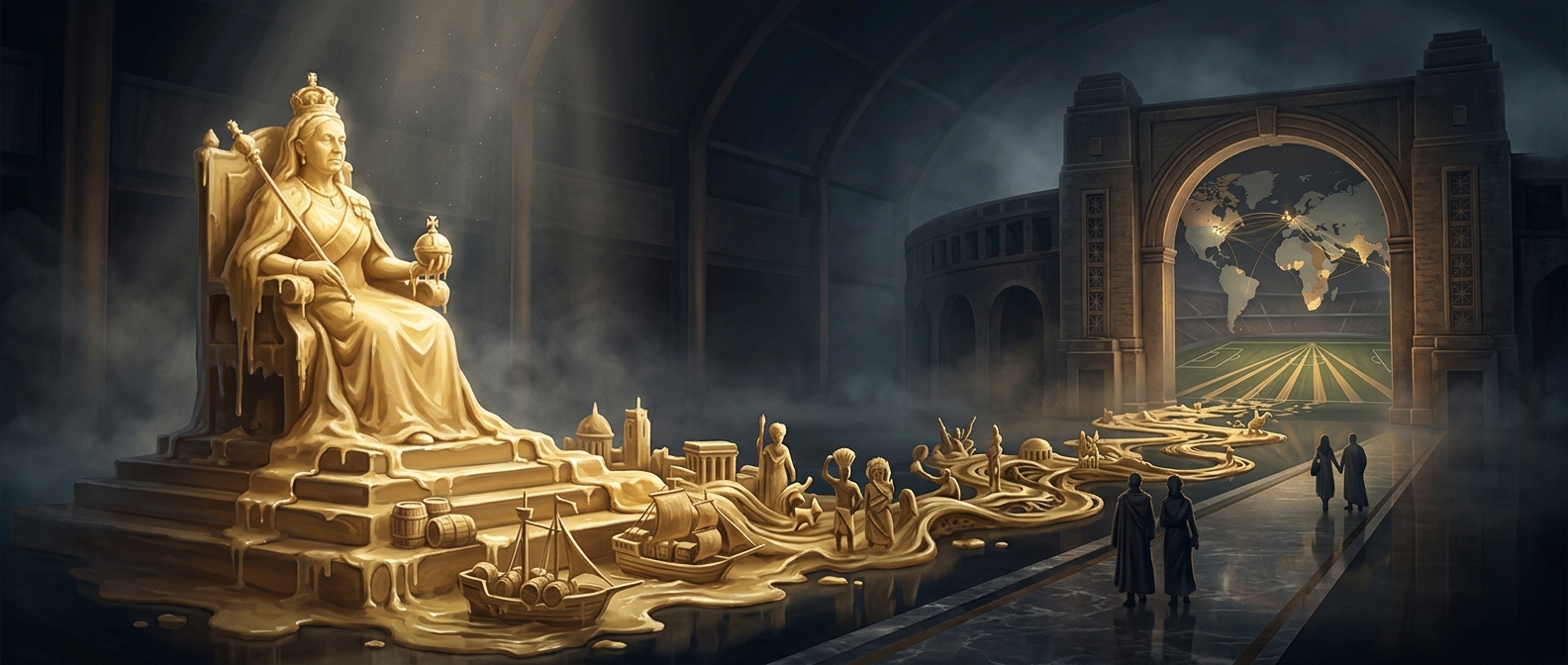
Butter royalty sold colonialism at Wembley
The 1924 Wembley Exhibition featured a life-size butter statue of the Prince of Wales as part of an imperial-themed spectacle that drew millions of visitors.
Discover more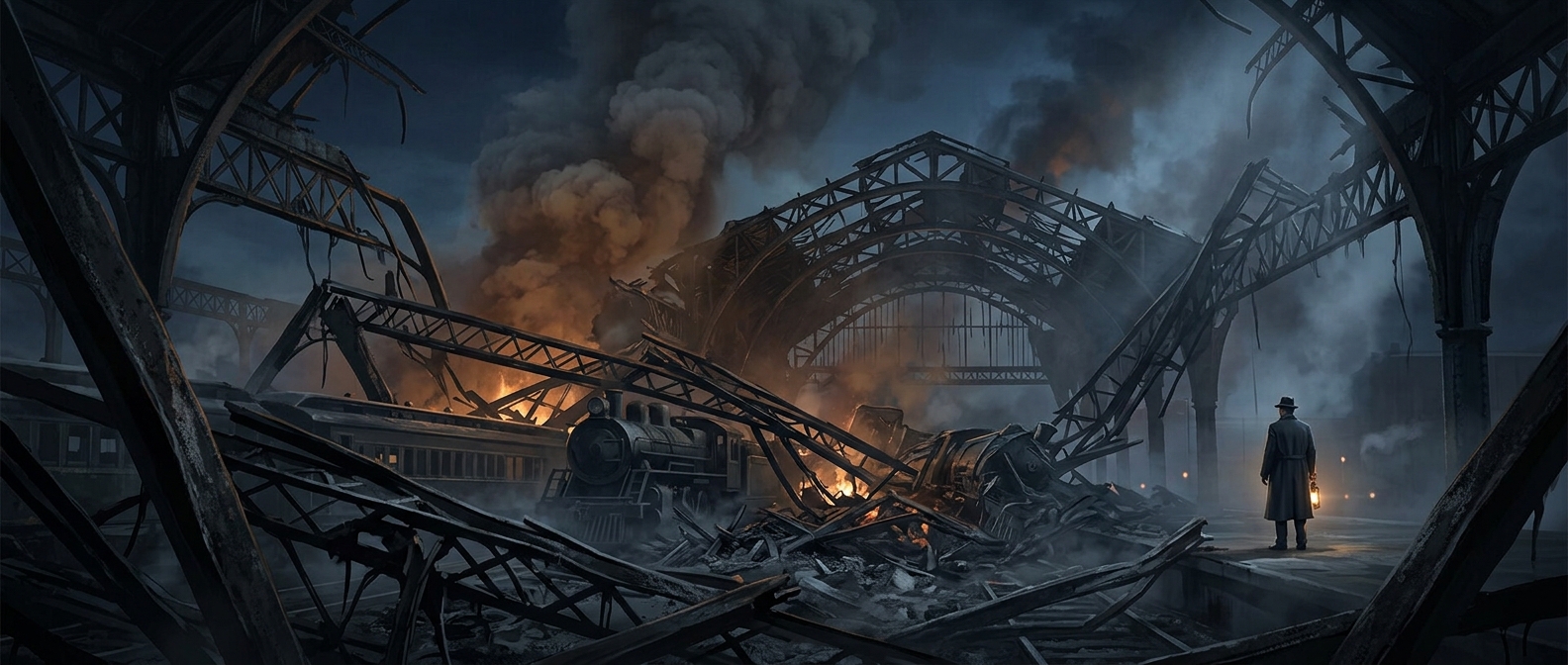
Philadelphia's train-shed fire destroyed the ground beneath the trains
In June 1923, fire consumed timber in Broad Street Station's huge covered shed. Supporting tracks buckled and collapsed, and at least one train fell with…
Discover more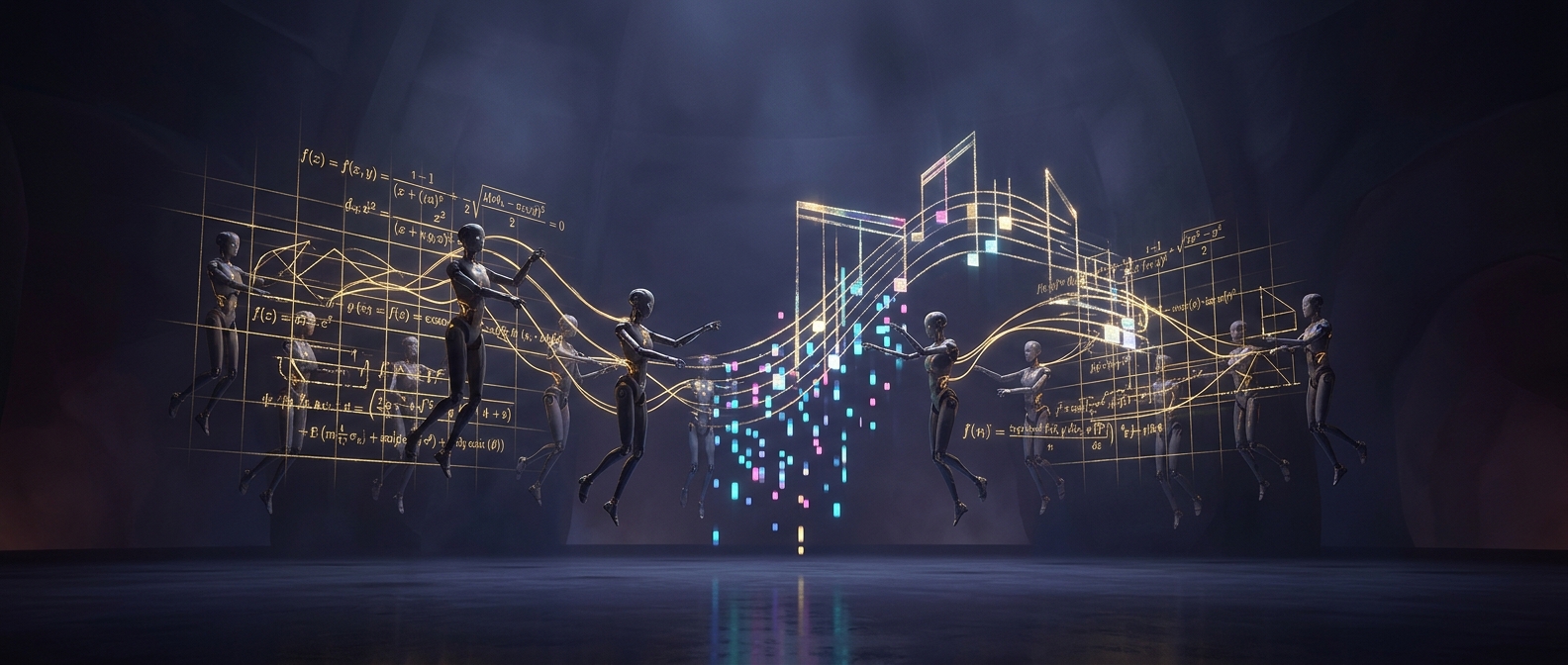
How math made virtual robots play MIDI music
Animusic used custom software to make MIDI data drive the physics of 3D objects, so each note triggered a matching movement—like a robot striking a xylophone.
Discover more STACKY FOR IPHONE
A bigger world.
One discovery
at a time.
Keep discovering with Stacky. Interesting facts in an app that is always within reach.
The first Disneyland Hotel was not owned by Disney
Jack Wrather developed the hotel in 1955 under an agreement to use the Disneyland name. Disney acquired it in 1988 as part of its purchase of the Wrather…
Discover more
The computer that modeled Britain’s economy with water
Bill Phillips built the 1949 MONIAC with clear tanks, sluices, and colored water. Pumps sent water through tubes representing taxes, savings, and investments,…
Discover more
How Disney softened Oskar Fischinger’s wildest ideas
For Fantasia, Oskar Fischinger developed geometric animations to accompany Bach, but Disney’s team softened the abstract shapes into recognizable forms such…
Discover more
The Mongol Rally makes finding the route part of the race
Drivers choose their own path rather than follow a closed racing circuit. Borders, road conditions, and breakdowns become part of the adventure. It is not a…
Discover more
The economist who blamed sunspots for crashes
Jevons tried to forecast crashes by modeling sunspots. His reasoning ran from solar activity to weather, from weather to crop yields, and from poor harvests…
Discover more
The man who became a priest, spy, MP, and abbot
Born to an Orthodox Jewish family in Hungary, he crossed religious and political worlds repeatedly, eventually spying for the German Empire before reinventing…
Discover more
The man who saved Britain's canals from roads
Tom Rolt took Britain’s canals from nostalgia to organized action. His book about living aboard a narrowboat helped inspire the Inland Waterways Association,…
Discover more
Paracelsus accidentally mapped out fantasy lore
In the 16th century, Paracelsus classified elemental spirits into four types: gnomes for earth, undines for water, sylphs for air, and salamanders for fire.
Discover more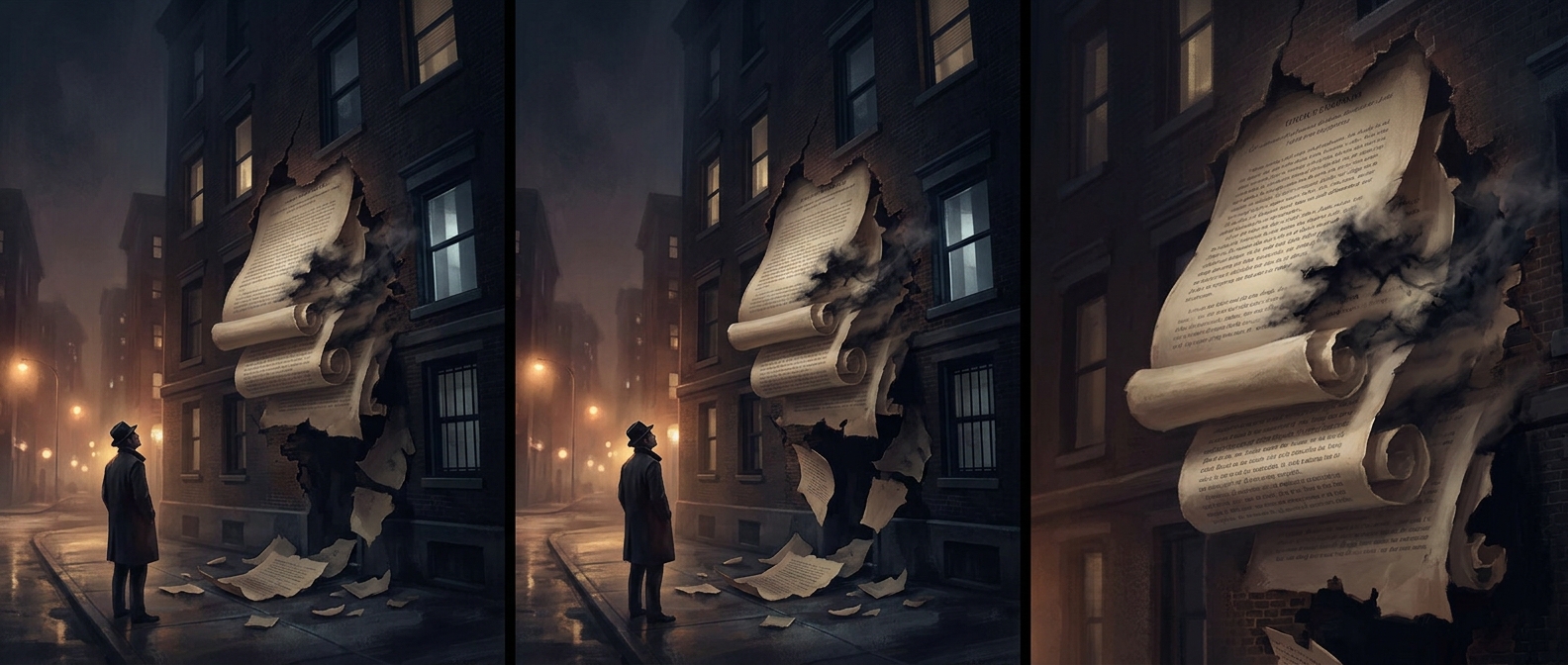
The Kitty Genovese story was wildly exaggerated
The famous account claimed that 38 people watched Kitty Genovese’s murder and did nothing. Later reporting found that the story had been distorted: the…
Discover more
Why some brain damage can erase fear and trigger hypersexuality
Damage to parts of the temporal lobes, including areas involved in processing fear and social cues, can change what feels frightening and what feels…
Discover more
Lozen reportedly felt cavalry through her hands
According to legend, she stood with her arms outstretched and sang a prayer, sensing the direction and distance of approaching U.S. cavalry as a tingling in…
Discover more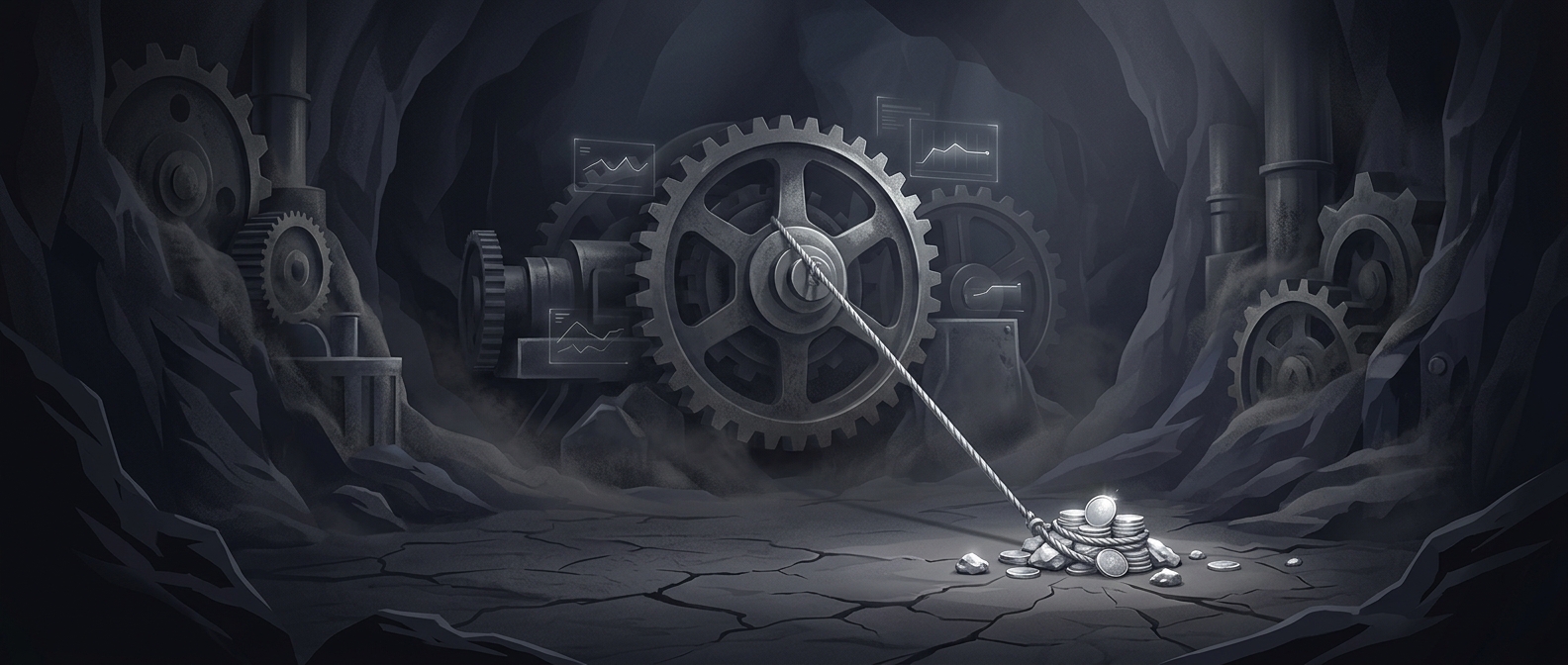
Falling prices can make an unchanged debt harder to repay
In the late nineteenth century, the international shift toward gold coincided with prolonged deflation in gold-standard countries. A farmer could receive…
Discover more
Folding scooters were around a century before rental apps
The early Autoped had a motor and a steering column that folded down for storage. A surviving 1918 example shows the compact-transport idea in recognizable…
Discover more
The WWII gun attachment that destroyed its own bullets
The Krummlauf was a curved attachment for the StG 44, designed to let soldiers fire from behind cover or inside tanks. The bend could make bullets shatter,…
Discover more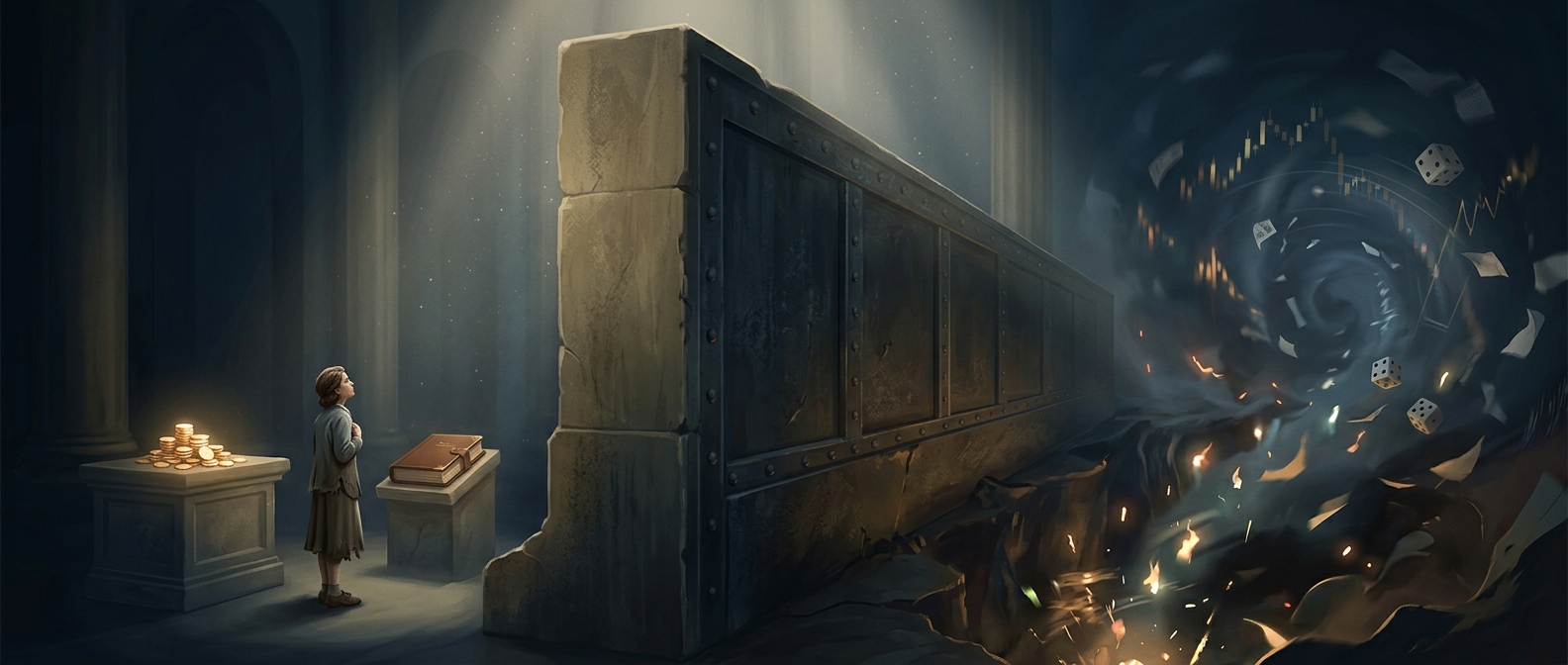
Glass-Steagall put a legal wall between parts of banking
Provisions of the 1933 U.S. law separated commercial banking from important securities activities, changing how firms could combine those businesses. Key…
Discover more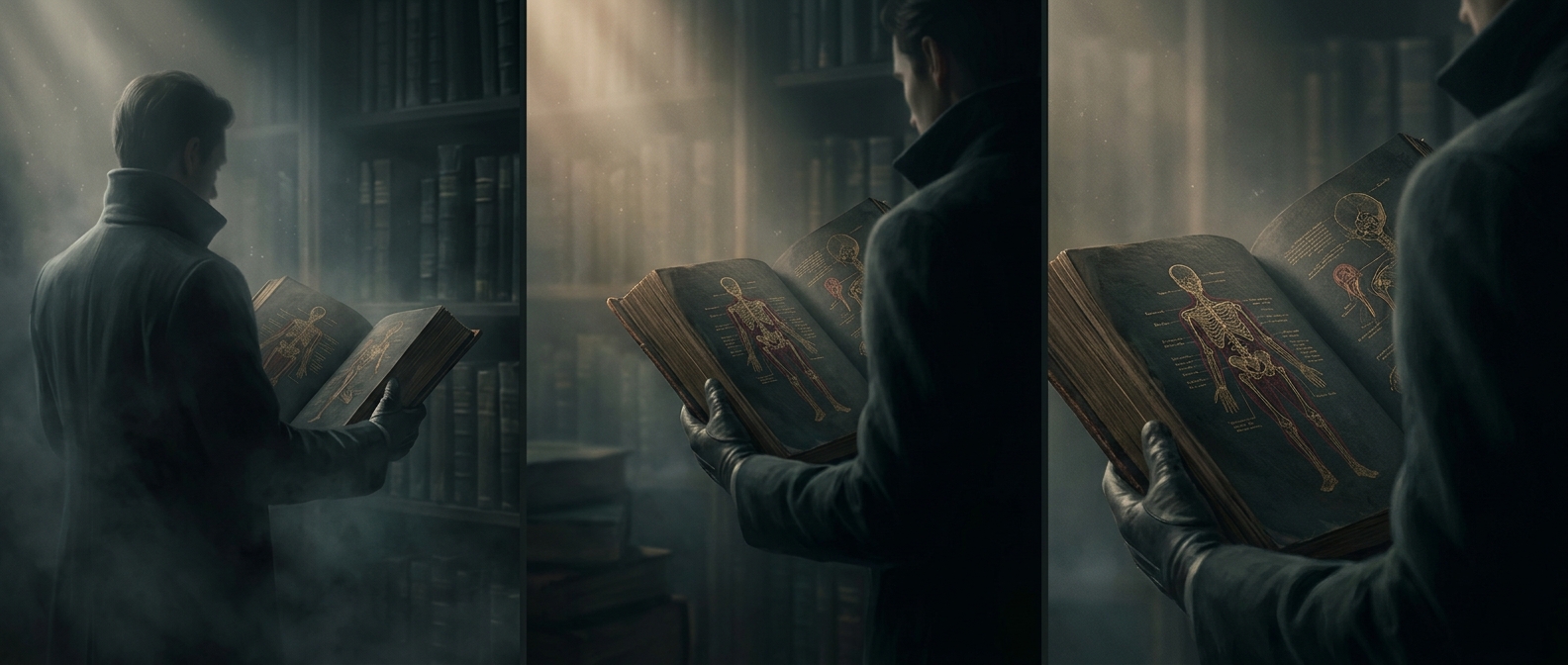
Obsolete medical diseases hidden in print
“Drapetomania” made a political judgment look like a medical one: enslaved people who wanted freedom were labeled ill for resisting captivity. The same old…
Discover more
Japan's “Youth 18” pass has no age limit
Despite its name, the Seishun 18 pass has no age limit. It offers cheap travel on slow local trains, making it appealing to older travelers with time to spare.
Discover more
IBM paid $500,000 for An Wang's memory patent
Wang's work helped make magnetic-core memory practical, storing information in tiny magnetized rings. In 1955, IBM paid $500,000 for rights to his patent. The…
Discover more