The world is more interesting than you think.
Unexpected facts, big ideas, and little discoveries. Find something that sparks your curiosity today.
A little more wonder

How a metal ball appears to float around a magician
A nearly invisible Kevlar thread controls the sphere, with its tension managed by a rig hidden behind the ear or attached to the thumb.
Discover more
A subway’s value is bigger than its fare revenue
Tickets pay for rides, but the system also helps people reach jobs and reduces pressure on crowded roads. Building and maintaining tunnels, tracks, and…
Discover more
Didgeridoo demands circular breathing
To keep a didgeridoo playing continuously, performers inhale through the nose while pushing air from their cheeks.
Discover more
When fire extinguishers were glass grenades
Before modern fire extinguishers became common, some households kept glass spheres filled with fire-suppressing liquid. In a fire, someone threw a sphere into…
Discover more
How trapeze catchers hold on midair
Catchers hook their knees over the swinging bar, leaving their hands free to grab the flyer.
Discover more
Tying knots in handkerchiefs permanently binds memory
The old custom held that tying a knot in a handkerchief could trap a passing thought until the knot was untied.
Discover more STACKY FOR IPHONE
A bigger world.
One discovery
at a time.
Keep discovering with Stacky. Interesting facts in an app that is always within reach.

The oddly lucrative business of vacuuming slimes
Players vacuum up bouncing slimes and feed them carrots; the slimes then produce valuable crystals.
Discover more
An ambulance bill pays for more than the miles
The vehicle must be staffed and equipped to respond before anyone calls, and treatment can begin during the ride. Those costs help explain why dividing the…
Discover more
Lens flares are beautiful optical mistakes
Bright light reflects off glass elements inside a camera lens, producing a flare that isn’t actually in the scene.
Discover more
Speaking an entity's true name summons it
Folklore warned that speaking a malicious entity’s exact name could act like a beacon, drawing its attention to the speaker.
Discover more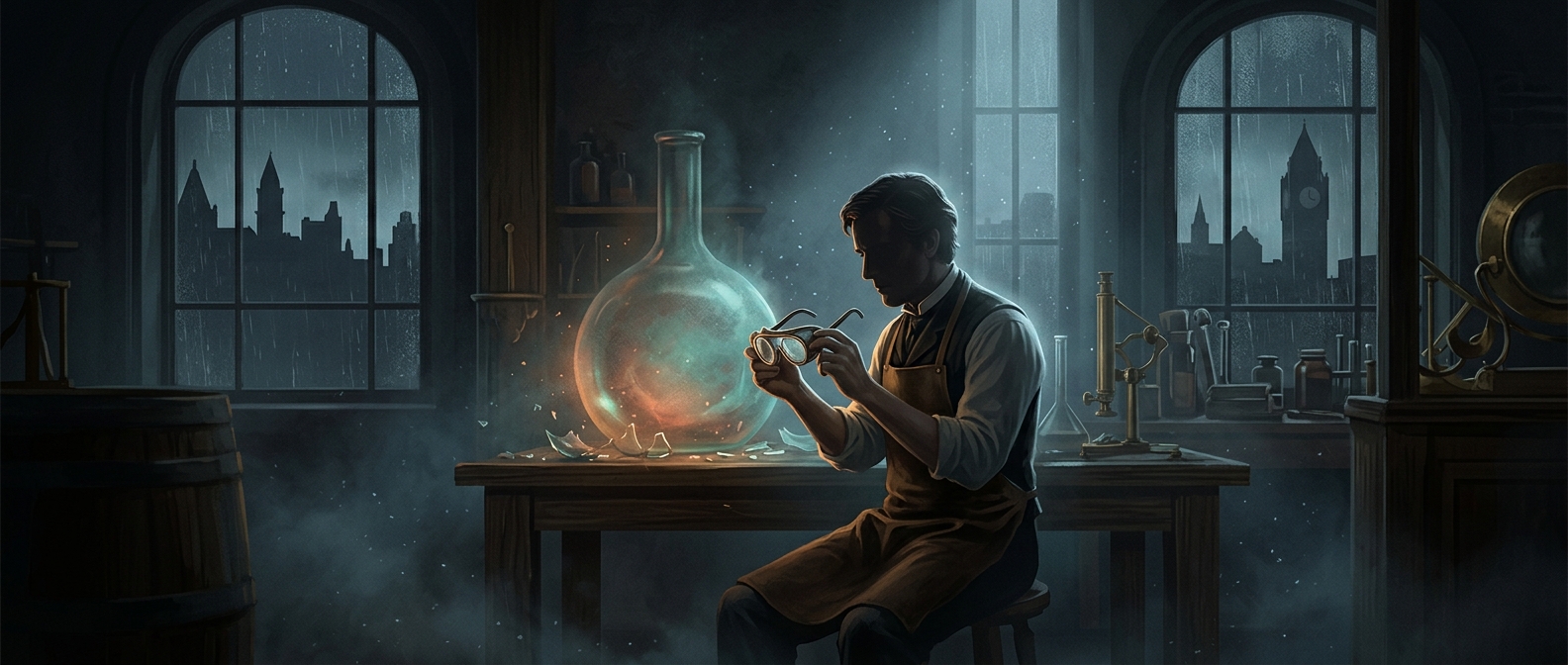
An 1880 eye-protector patent targeted furnaces, not a school lab
Powell Johnson designed protection for furnace workers, firefighters, and others exposed to intense glare. His patent describes layers and adjustable openings…
Discover more
Ancient sailors used beeswax as earplugs
Sound has to travel through the ear canal to make the eardrum vibrate, and beeswax can obstruct that route. The Odyssey’s sailors were using a simple physical…
Discover more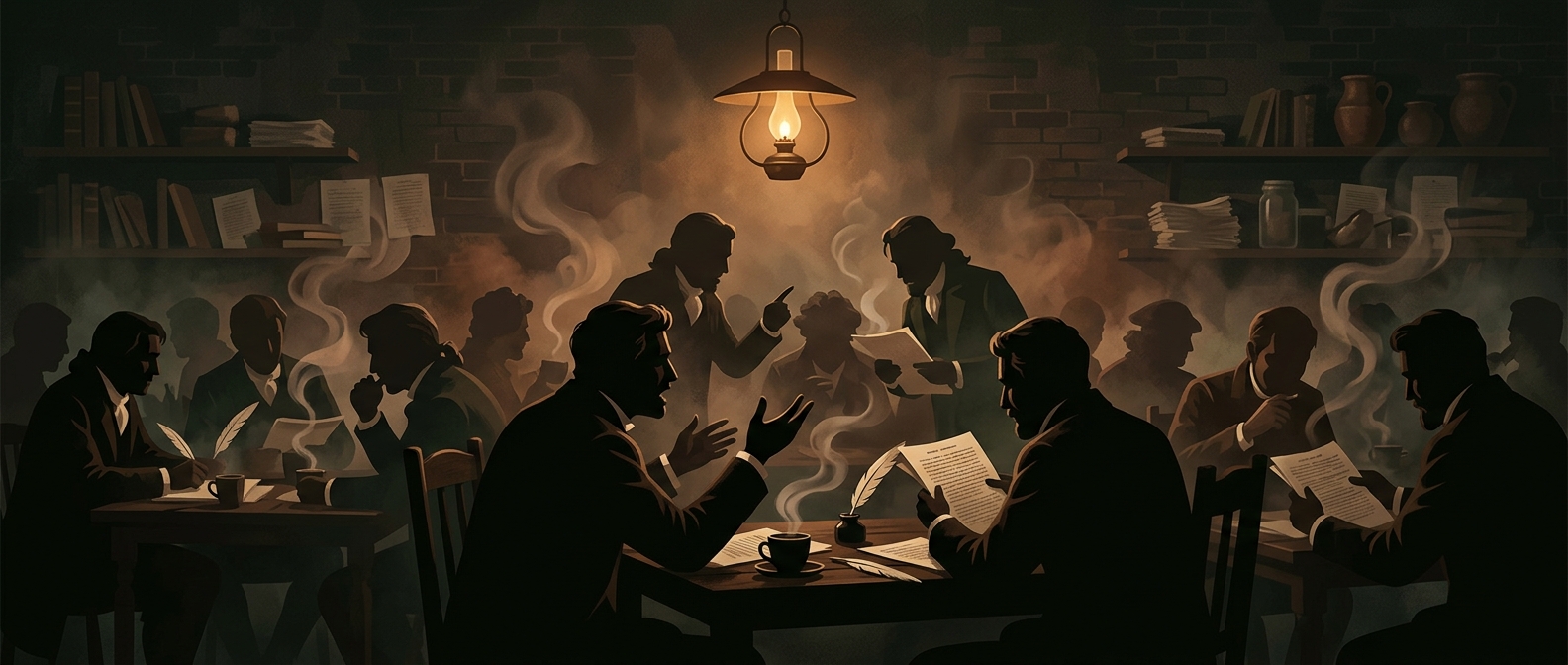
A penny at a coffeehouse bought access to the room
In early London coffeehouses, reading, argument, news, and business mixed around the tables. A customer could encounter information through the other people…
Discover more
Why hearing aids cost so much
People who rely on hearing aids face steep prices partly because the devices can carry some of the medical field’s highest markups. The extra charge lands on…
Discover more
One ruler's tomb gave mausoleums their name
The monumental tomb of Mausolus at Halicarnassus became one of the Seven Wonders of the Ancient World. Its name outlived the building as a word for grand…
Discover more
Tango requires a constant chest connection
The follower feels subtle shifts in the leader’s core weight through that contact, using them to anticipate quick leg movements.
Discover more
Vignetting naturally darkens image corners
A curved lens can deliver less light to the frame’s extreme edges, creating dark borders even when they aren’t intentional.
Discover more
When loud audio gets its tops chopped off
When a digital signal is pushed beyond its limit, the waveform's rounded peaks get clipped flat, creating harsh distortion.
Discover more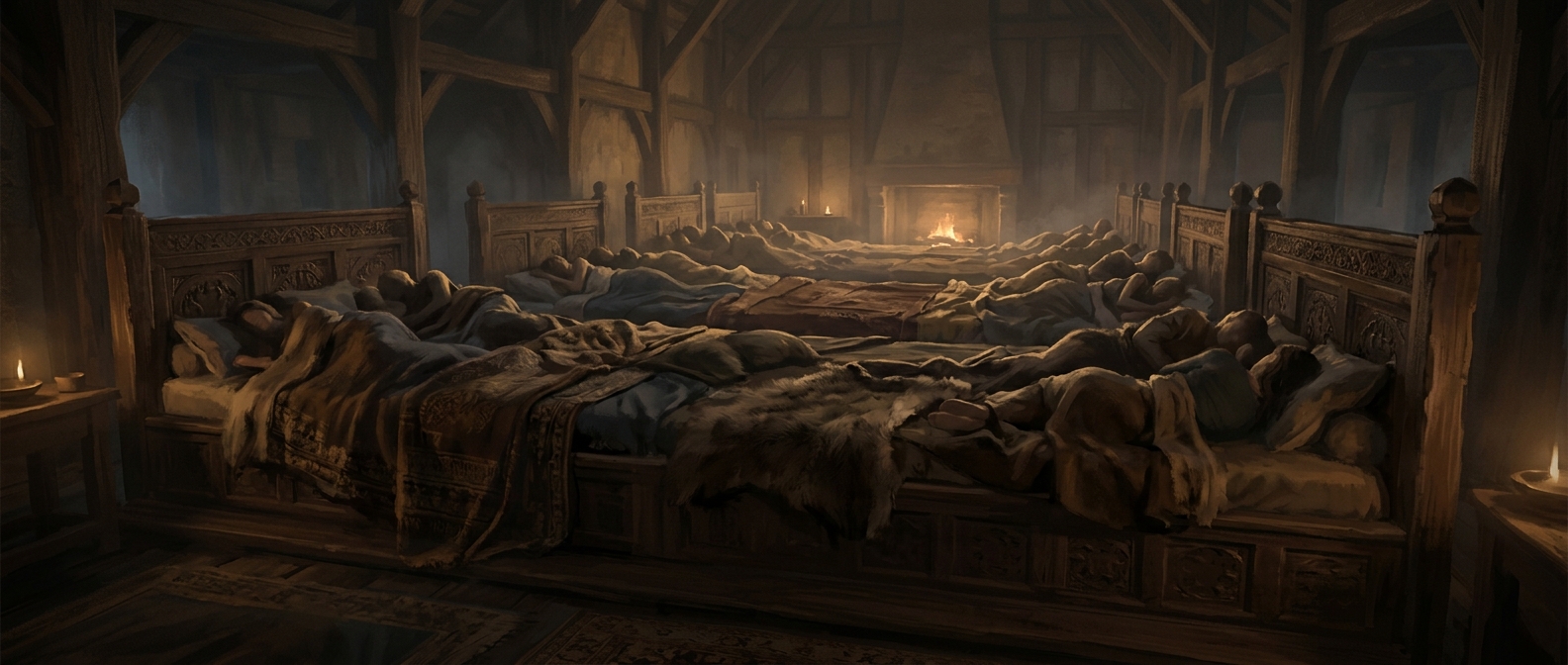
When the whole family shared one bed
For many households, a bed was a major purchase, so it had to earn its keep. Children—and sometimes travelers passing through—might share it with the family.…
Discover more
Water treatment plants consume massive amounts of energy
A treatment plant has to pump millions of gallons through sediment tanks, chemical treatment, and ultraviolet purification. Moving and cleaning all that water…
Discover more
Early fire alarms waited for the room to heat up
The first fire detectors waited for heat to build up in a room before sounding an alarm. Patented in the 1890s, they could warn of dangerous temperatures—but…
Discover more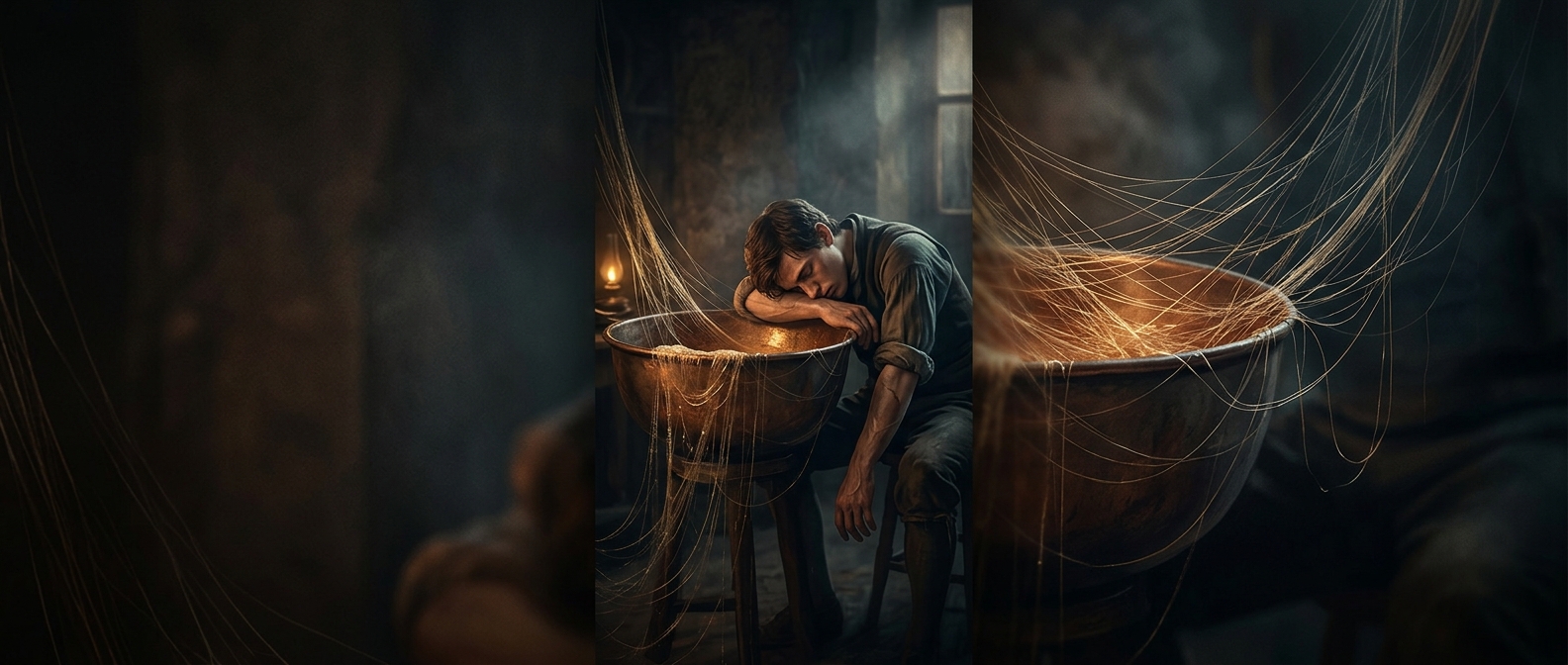
Spun sugar required intense exhausting manual labor
Before machines did the spinning, cooks had to draw hot syrup into fine strands by hand, repeating the motion until enough airy sugar collected. The result…
Discover more
Why Europeans once feared tomatoes
Tomatoes were acidic enough to draw lead from pewter plates, poisoning some aristocrats. Because the danger sat in the tableware, not the fruit, they blamed…
Discover more
Tombstones require highly specialized stonecutting skills
A large marker starts as a block of granite, then has to be carved or laser-etched with industrial equipment. Skilled stonecutters do the work, adding labor…
Discover more