Health
Discover facts about health. Small discoveries that change the way you see familiar things.
Health
Overhydration, also known as water intoxication, occurs when excessive liquid consumption dilutes the sodium levels in your bloodstream, leading to a potentially fatal condition…
Overhydration, also known as water intoxication, occurs when excessive liquid consumption dilutes the sodium levels in your bloodstream, leading to a…
Discover more
Your front teeth are eight tiny chisels built to slice through food
Your eight incisors have thin, flat edges that slice off bites, like little chisels meeting an apple. The molars take over afterward, crushing and grinding…
Discover more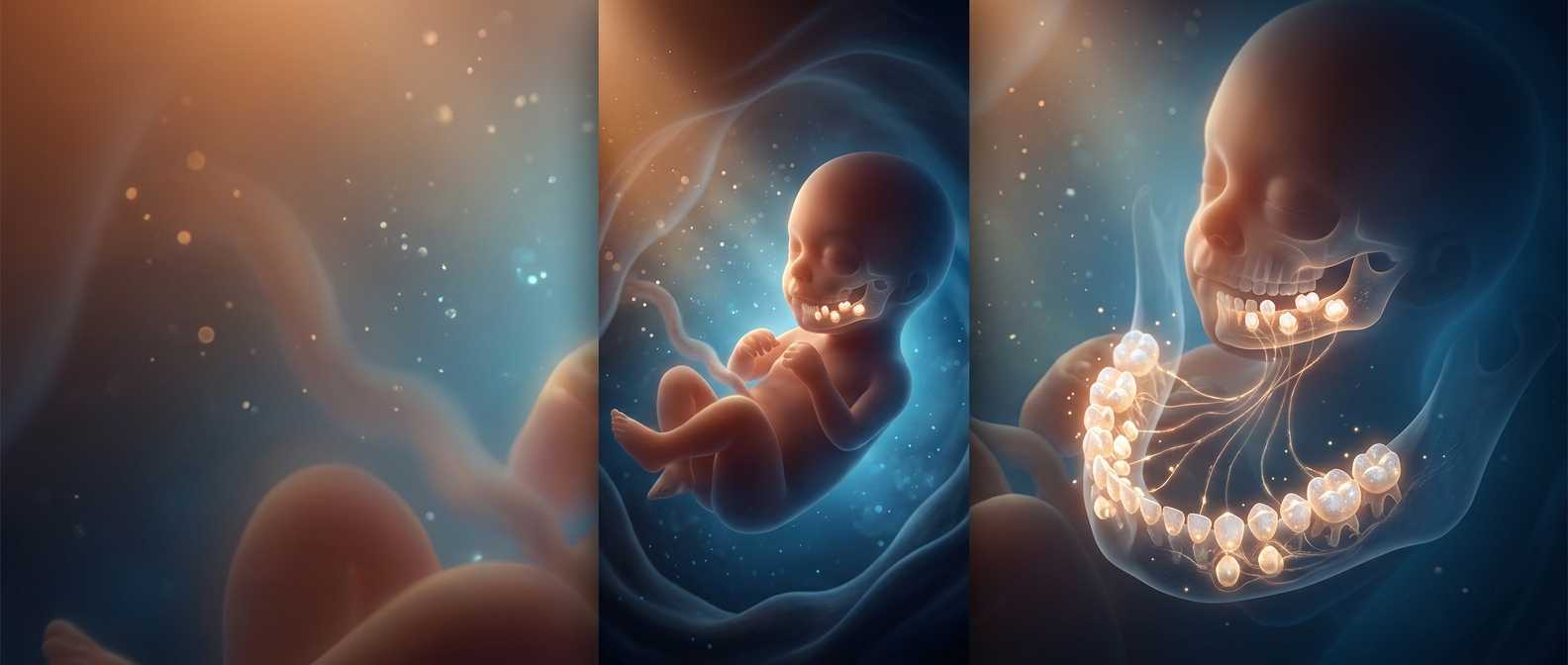
Your baby teeth start forming before birth
A baby’s primary teeth begin forming in the jaw months before birth, tucked beneath the gums. Their crowns stay hidden until later, when the teeth push up…
Discover more
Umbilical cords run on three isolated conduits
The umbilical cord has three blood vessels, not one: a vein delivers oxygen-rich blood to the fetus, and two arteries return blood toward the placenta. They…
Discover more
Your bladder has its own waterproof lining
Urine sits against the bladder wall, but a close-fitting layer of cells called the urothelium keeps it from leaking into surrounding tissue. Think of it as a…
Discover more
Why a shorter urethra raises UTI risk
Bacteria that enter the urinary tract have to travel up the urethra to reach the bladder. A shorter urethra means a shorter route, which helps explain why…
Discover more STACKY FOR IPHONE
A bigger world.
One discovery
at a time.
Keep discovering with Stacky. Interesting facts in an app that is always within reach.
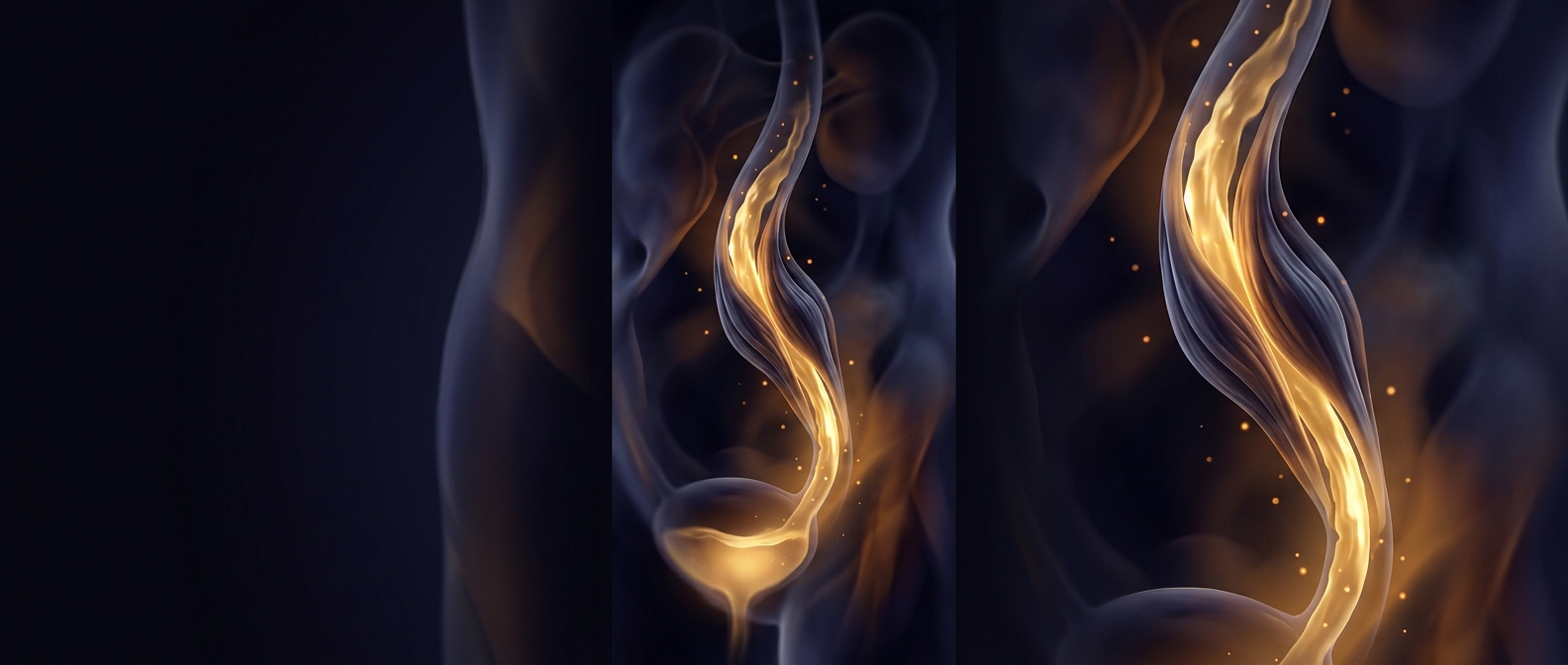
Ureters forcefully push liquid downward
The ureters move urine with rhythmic waves of muscle contraction, squeezing it from each kidney toward the bladder. That means the trip depends on muscular…
Discover more
Water dominates your saliva composition
Saliva is almost all water—about 99%—so it can spread across your mouth and keep tissues moist. The remaining 1% carries mucus and proteins for lubrication,…
Discover more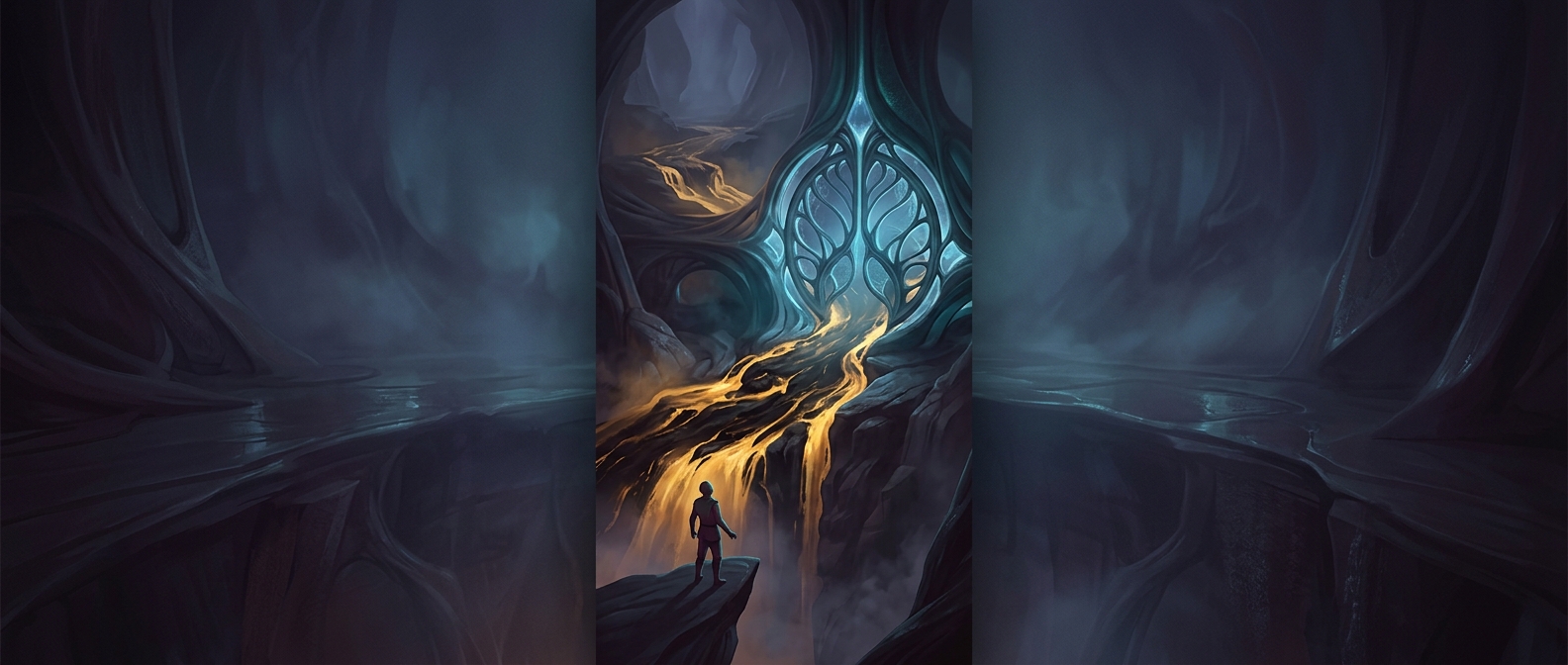
The bladder valve you never have to control
A ring of muscle at the bladder's outlet stays tightened automatically, so urine stays in without you having to think about it. When it's time to pee, the…
Discover more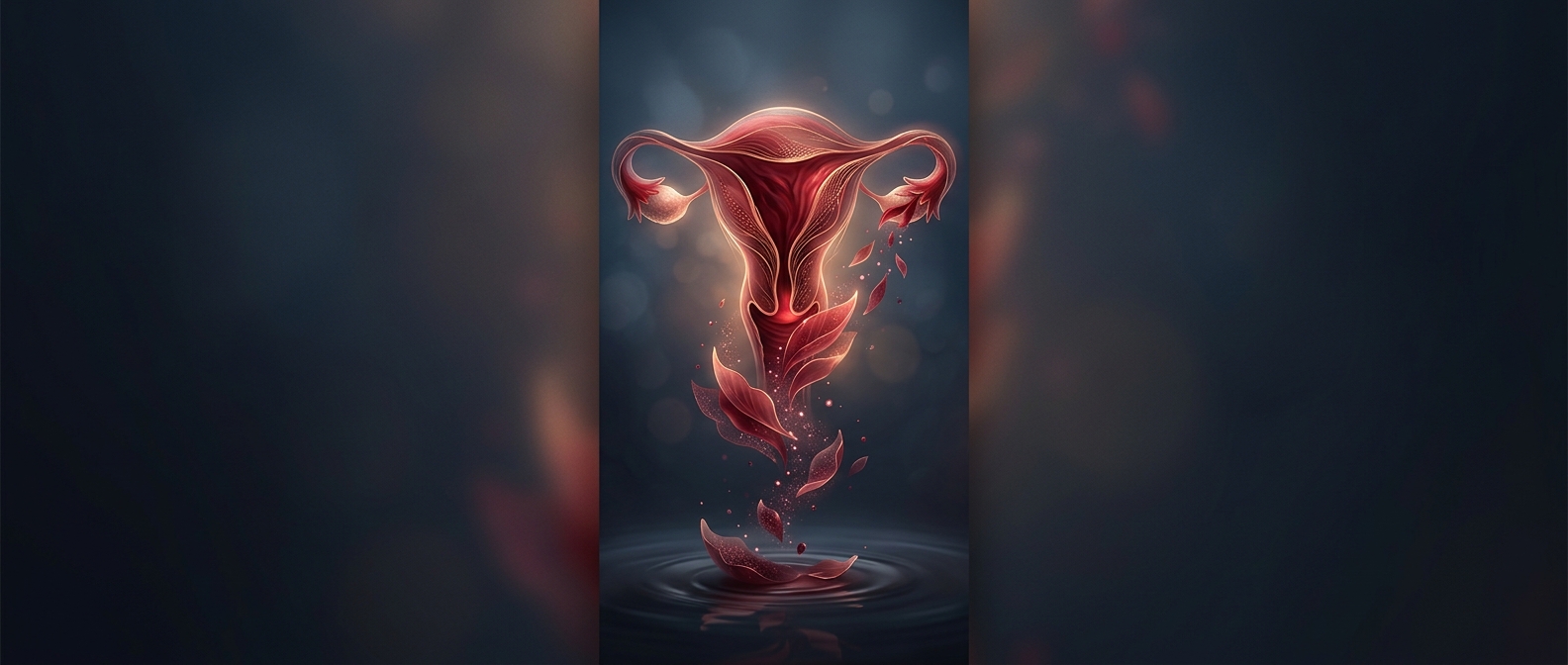
Menstrual waste consists of discarded lining
If pregnancy does not occur, the uterus sheds the lining it had built to support a fertilized egg. That lining leaves through the vagina as menstrual flow, so…
Discover more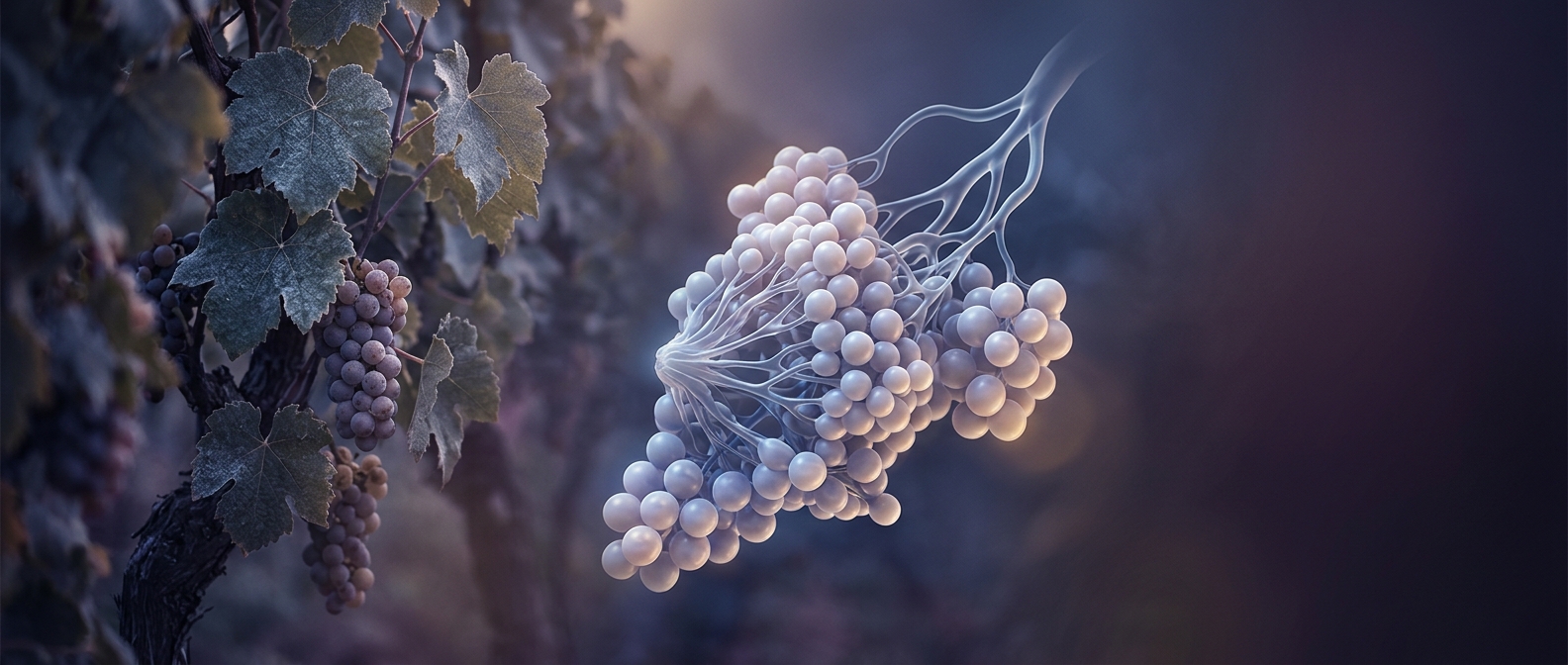
Breast tissue is arranged like tiny grape clusters
Inside the breast, milk-producing lobules sit in small clusters, like grapes, and connect to branching ducts. The lobules make the milk; the ducts carry it…
Discover more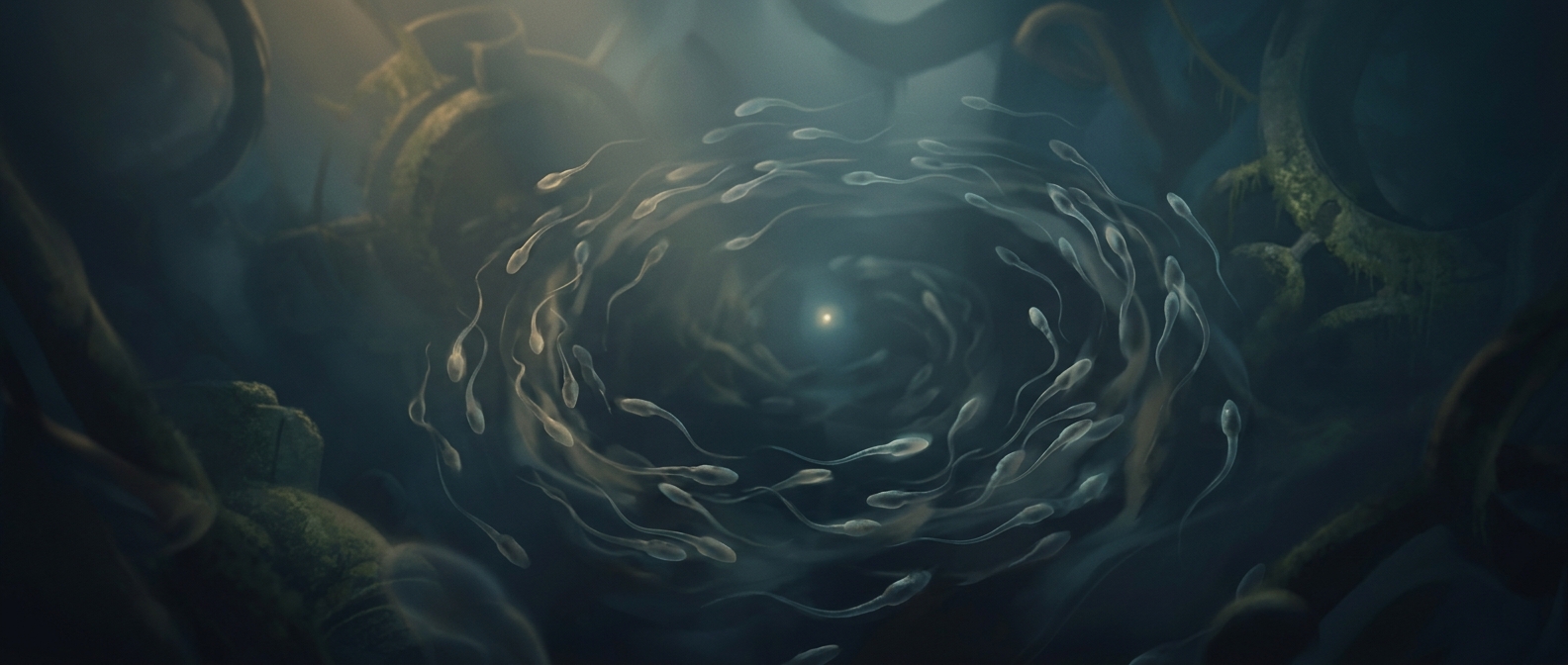
Reaching an egg is an obstacle course, not a straight sprint
Sperm move through a changing environment of fluids, narrow passages, and chemical signals. Only a small fraction of those released get near the site of…
Discover more
Urination demands muscular cooperation
To empty your bladder, its wall has to squeeze while the sphincters below it loosen. If the squeeze and release do not happen together, urine can stay trapped…
Discover more
A bladder can stretch until it struggles to empty
Chronic urinary retention can leave the bladder overfull and damage its muscle, making it harder to push urine out. That is a medical emptying problem, not a…
Discover more
Vaginal canals remain aggressively hostile
Helpful bacteria contribute to the vagina’s acidic environment, which can inhibit many microbes that arrive from outside. It is more like an obstacle than a…
Discover more
Why amniotic fluid is partly fetal urine
Later in pregnancy, a fetus swallows amniotic fluid, absorbs what it can, and sends some of the rest through the kidneys into the fluid again as urine. The…
Discover more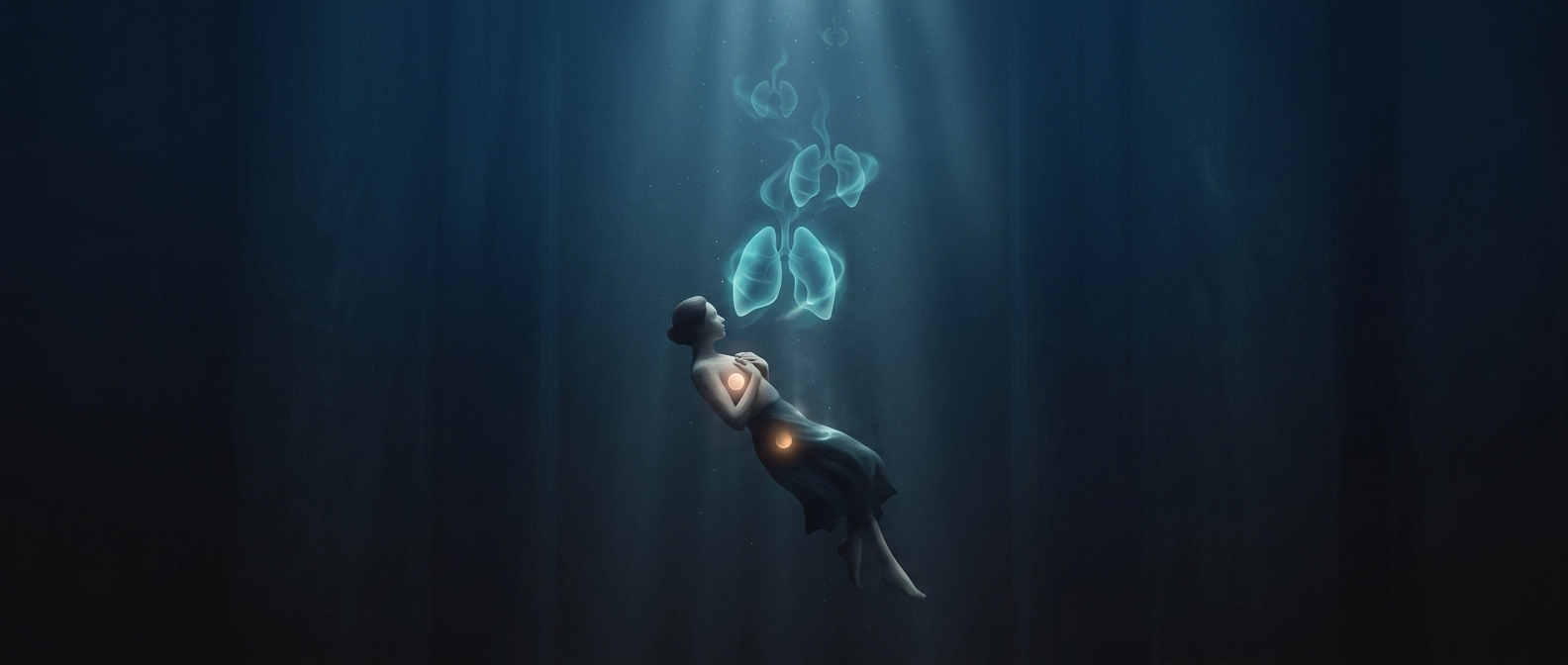
Standing still includes compensating for your own breathing
Expanding the chest moves parts of the body and changes its balance slightly. Research on upright posture finds coordinated adjustments across joints that…
Discover more
Ear cartilage is completely elastic and forever flexible
Elastic fibers in the outer ear’s cartilage let it bend and then spring back toward its original shape. That built-in rebound is why the ear can flex without…
Discover more
How human hair can soak up oil
Hair repels water but can bind to oil, so strands of hair can soak up oily material while water runs off. Cleanup groups turn salon clippings into mats that…
Discover more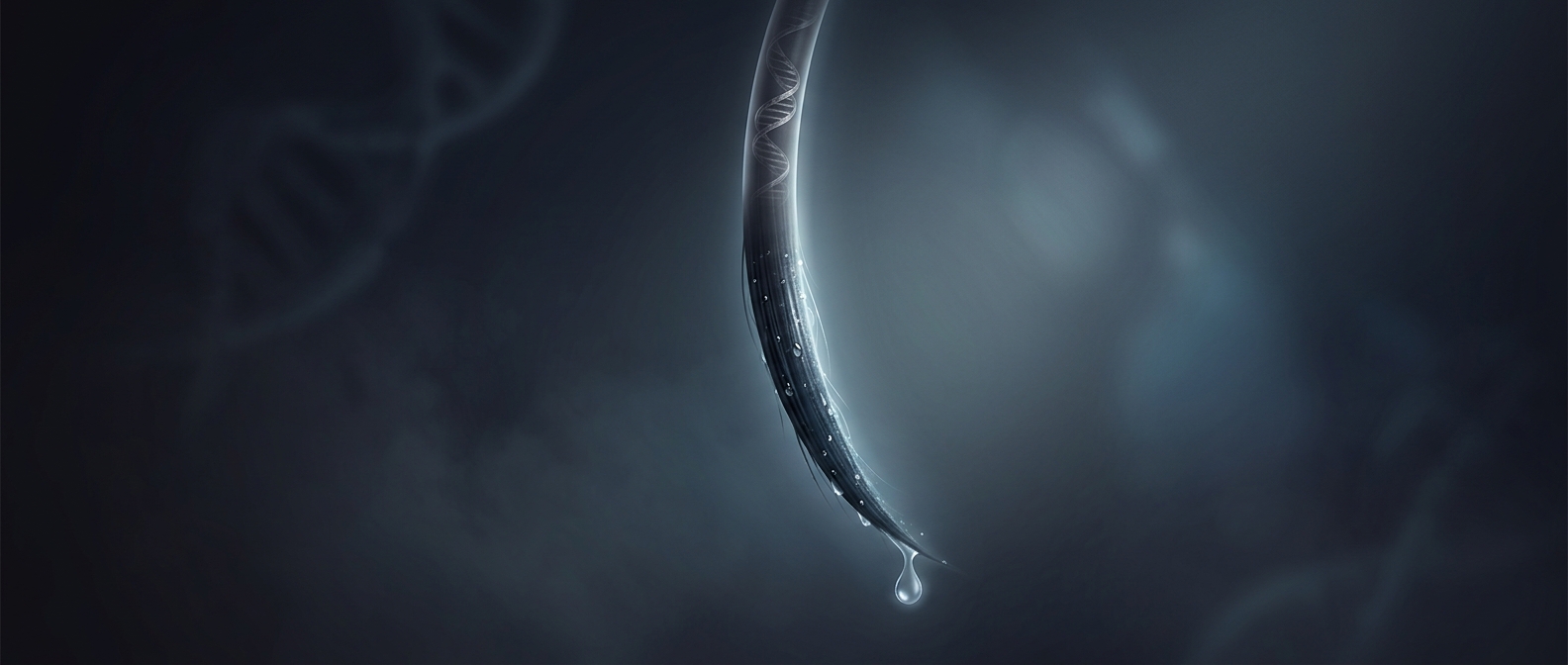
Why wet hair stretches when you pull it
Water temporarily disrupts bonds inside the hair strand, making it more flexible and able to stretch up to 30 percent farther. But flexibility isn’t the same…
Discover more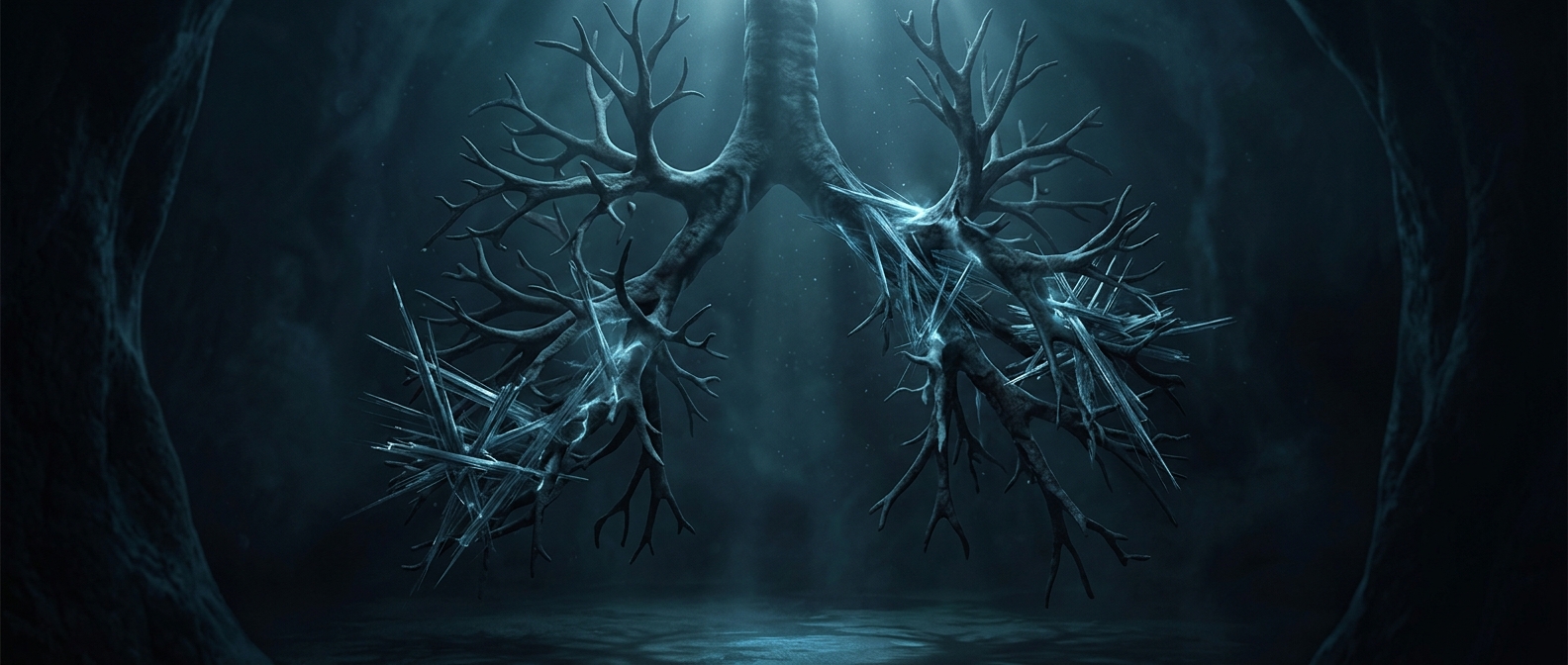
Why asbestos fibers stay in your lungs for decades
Asbestos fibers can lodge deep in lung tissue, where the body has difficulty breaking them down or clearing them away. Some can remain there for decades,…
Discover more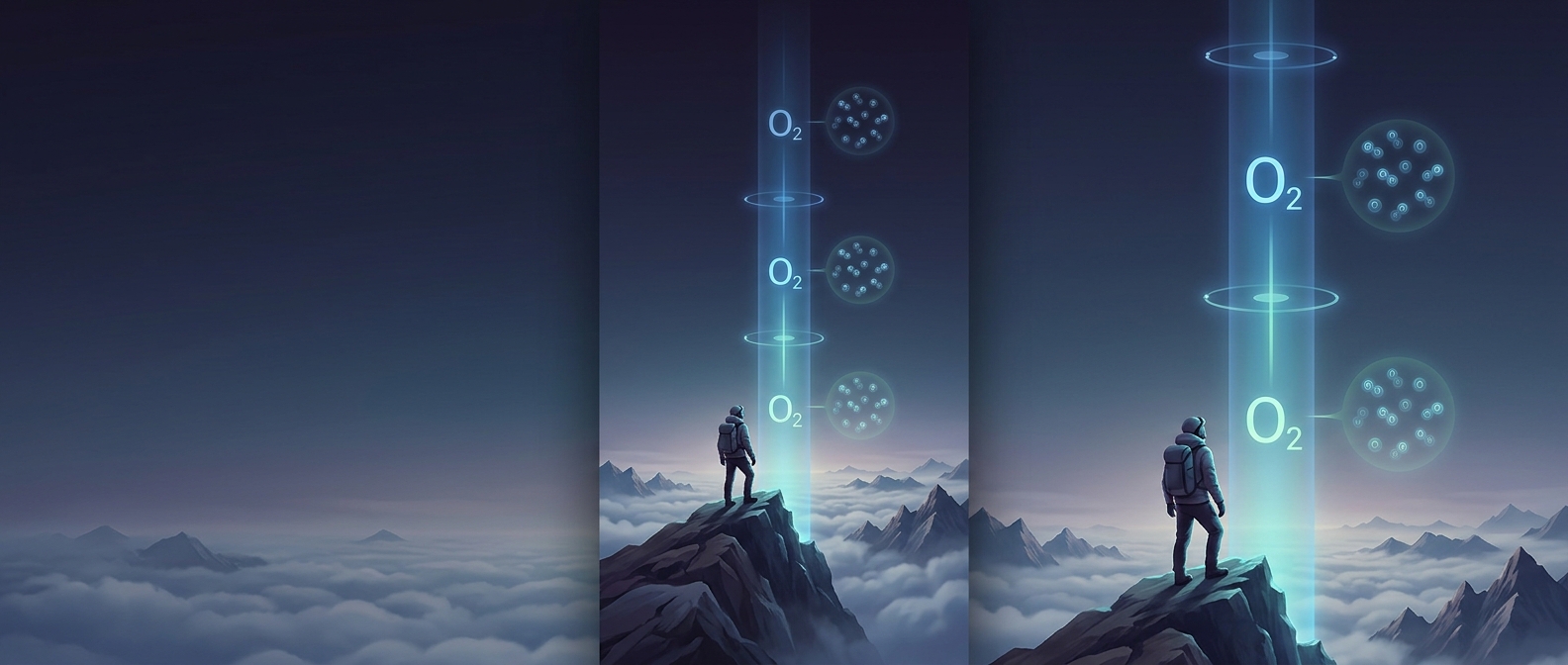
Everest has the same oxygen mix—just far less of it
At Everest's summit, oxygen still makes up about 21% of the air, but the air pressure is much lower. Each breath contains fewer oxygen molecules, so your…
Discover more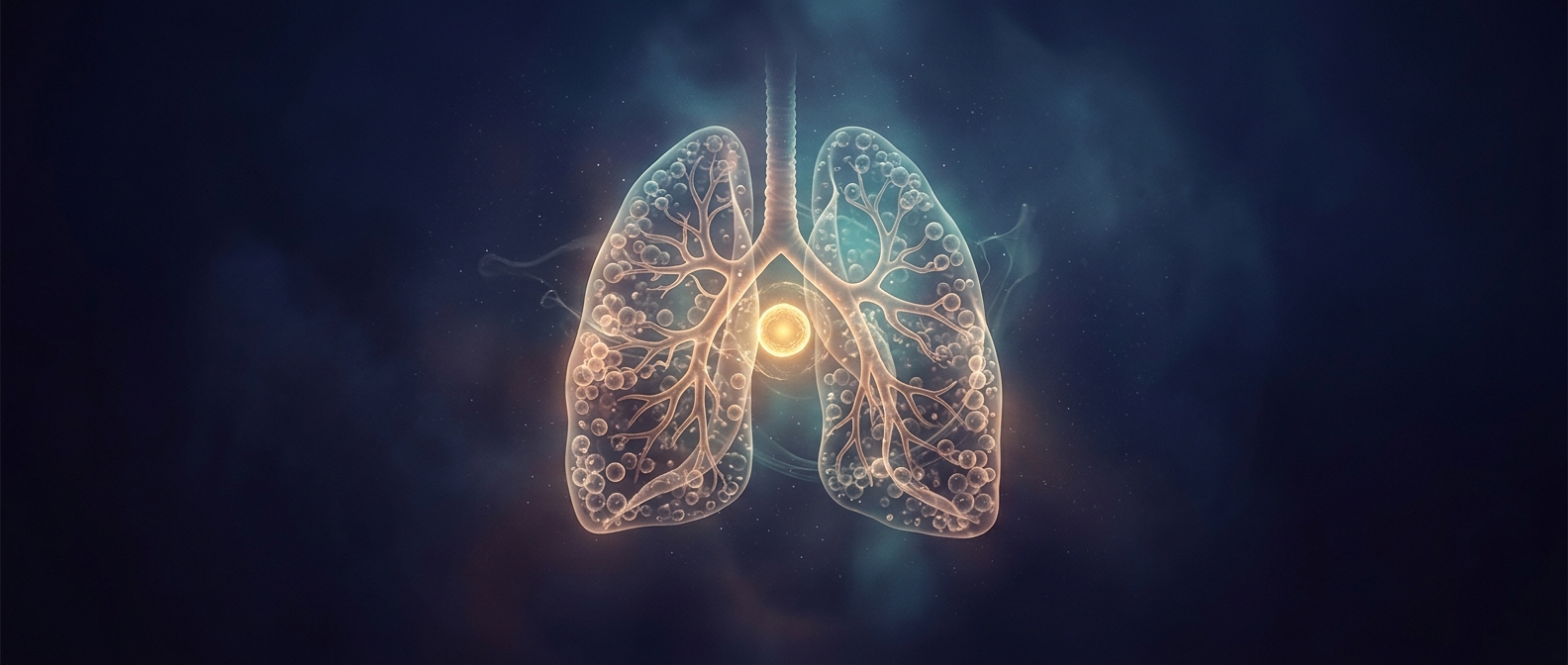
Why your lungs never empty completely
Exhaling doesn’t squeeze every bit of air out of your lungs—and that’s useful. The remaining air helps hold the tiny air sacs open, keeping the lungs from…
Discover more
Terminal and vellus hair serve completely different roles
Terminal hairs are the thicker, more visible hairs that form eyebrows and beards; vellus hairs are the fine, soft fuzz covering most of the body. Your skin…
Discover more