History
Discover facts about history. Small discoveries that change the way you see familiar things.
History

Famous classical composer relocated eighty times
During 35 years in Vienna, Beethoven moved about 80 times, often after his noisy piano playing and chaotic habits angered landlords.
Discover more
Ancient scholars memorized entire philosophical texts without modern search
In some early schools, oral teaching made memory the retrieval system: students learned lengthy philosophical works word for word. The lesson didn’t end when…
Discover more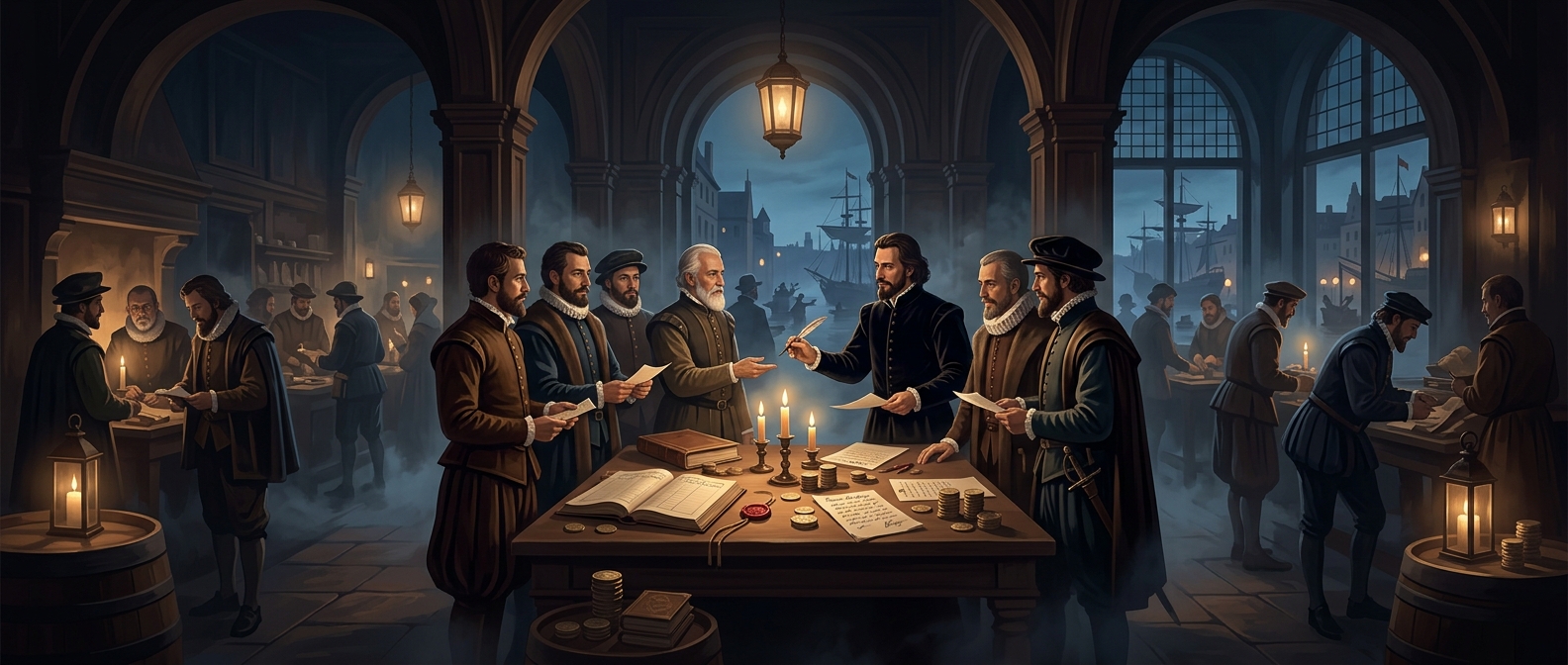
World's first financial market opened in the 1500s
Antwerp’s exchange opened in 1531, giving brokers a place to trade promissory notes and municipal bonds. It made debts and promises something merchants could…
Discover more
Two boxers fought 110 rounds without producing a winner
Andy Bowen and Jack Burke's 1893 bout lasted more than seven hours before being declared no contest. The number sounds like a typing error beside a modern…
Discover more
Modern decathlons require extreme physical versatility
A decathlete has to switch from sprinting and hurdling to throwing heavy objects and jumping into sandpits—all across two days. Ten events reward range, not a…
Discover more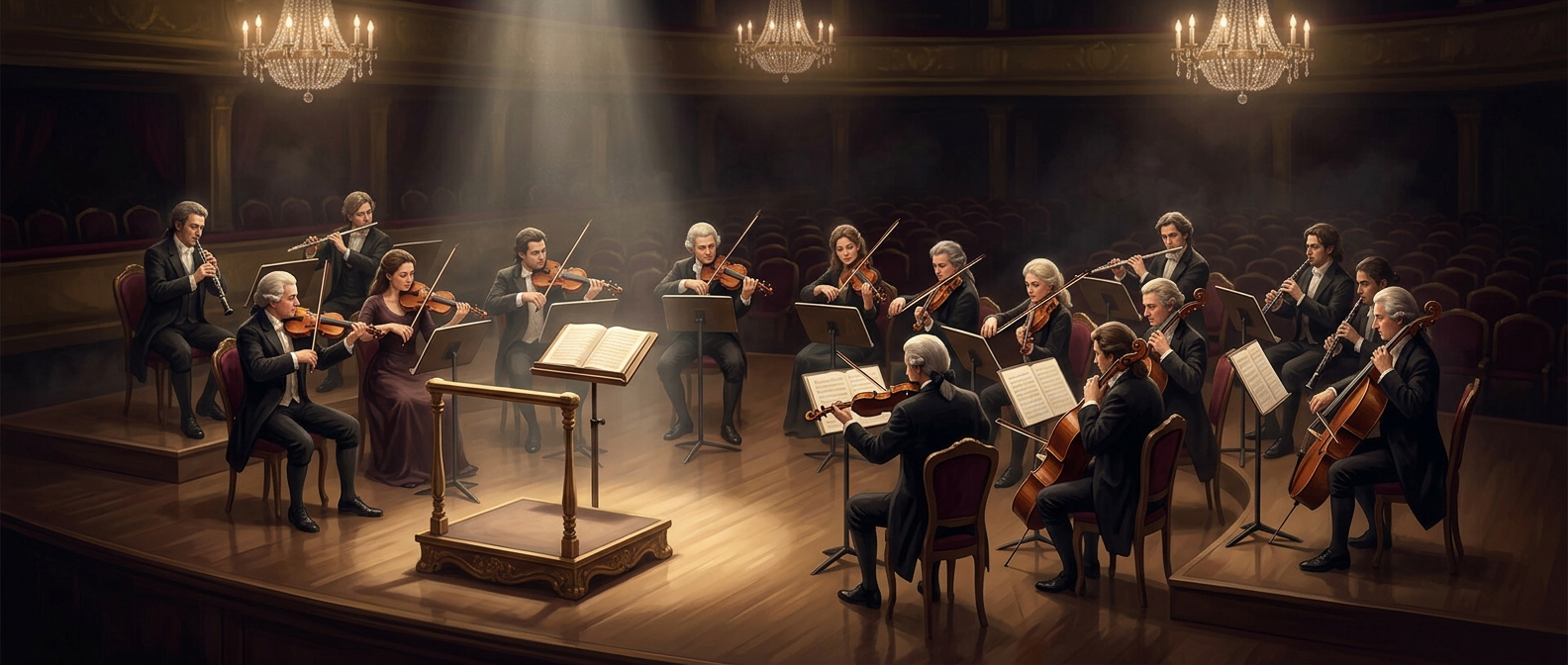
Classical orchestras frequently performed without conductors
Before a conductor stood out front, the first violinist or a keyboard player often kept time from inside the orchestra, cueing musicians while playing. The…
Discover more STACKY FOR IPHONE
A bigger world.
One discovery
at a time.
Keep discovering with Stacky. Interesting facts in an app that is always within reach.
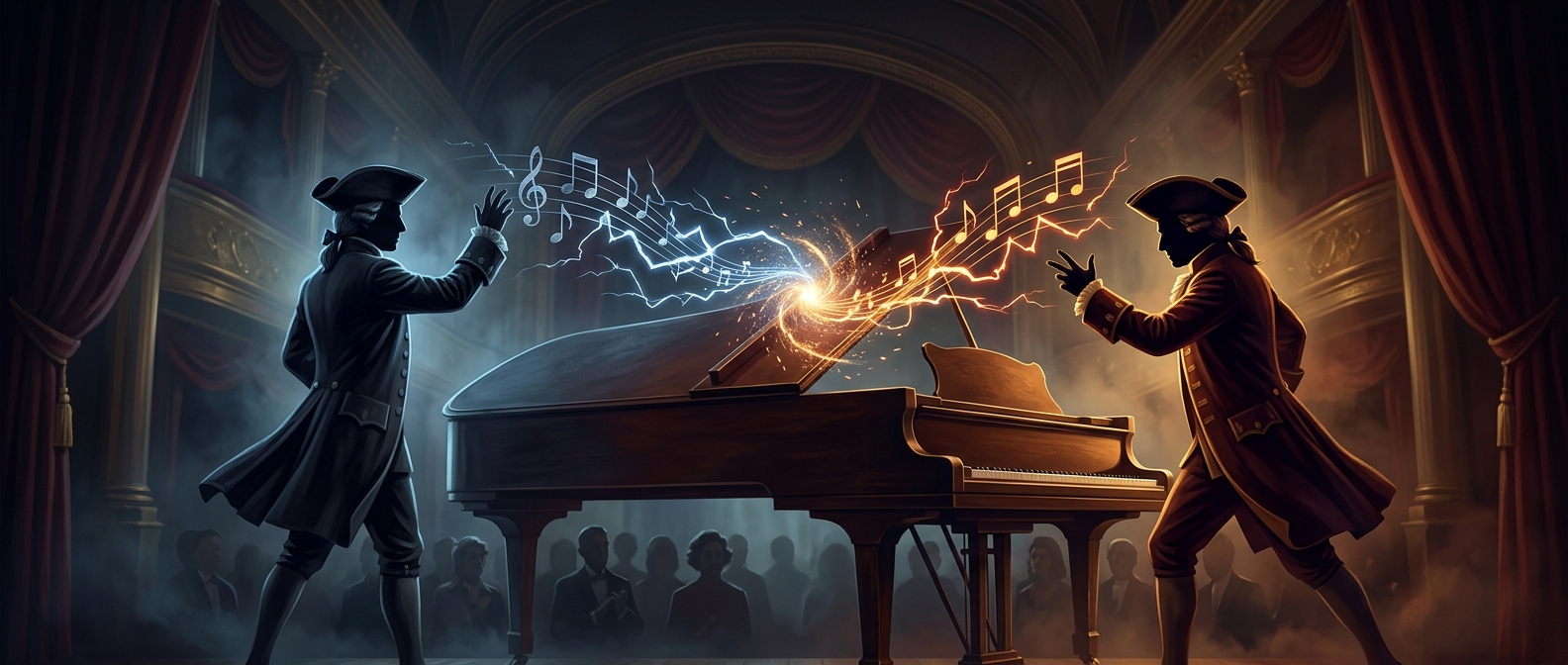
Prominent composers engaged in fierce public rivalries
Their supporters carried the feud into the press, turning disputes between composers into public battles between fan camps.
Discover more
Professional wrestling outcomes were predetermined early
Real wrestling matches could last for hours, a hard sell for promoters trying to keep audiences and ticket revenue. In the early 1900s, they choreographed the…
Discover more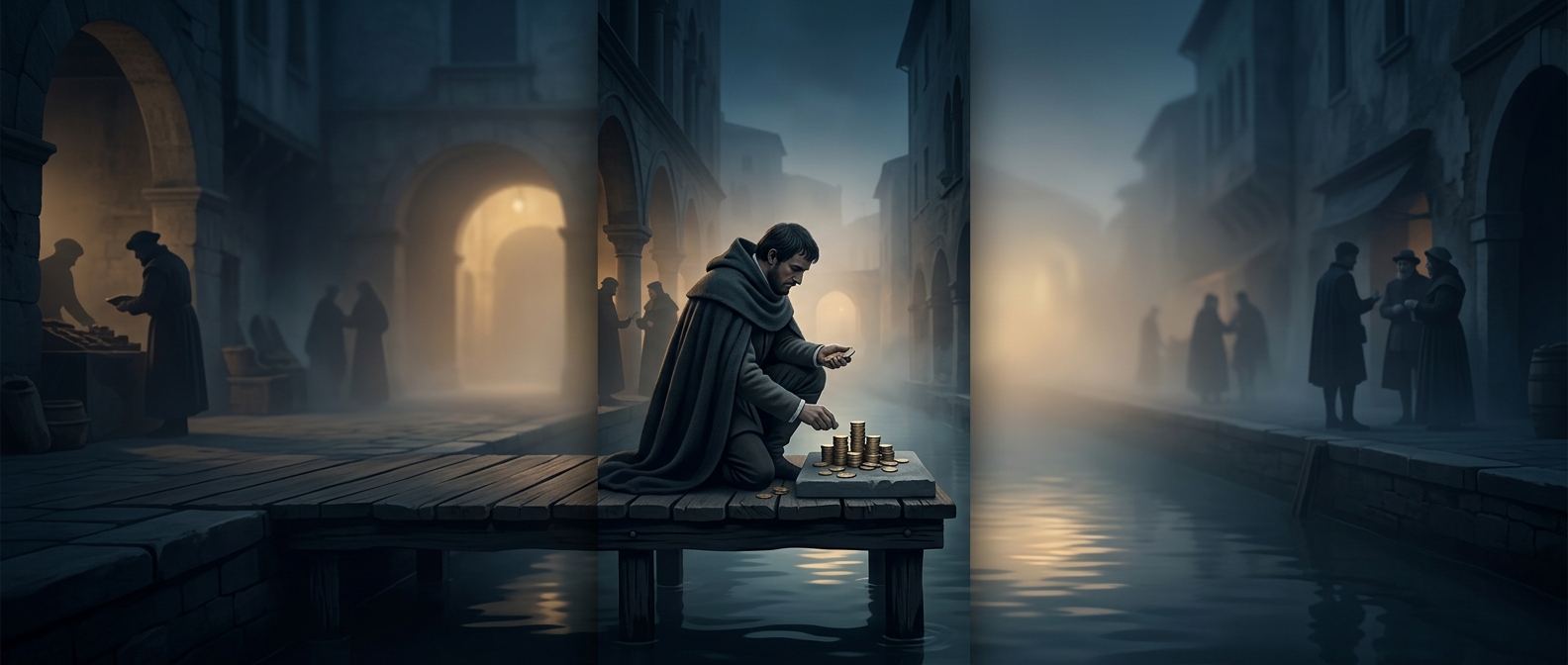
Early financial trades were conducted entirely outdoors
Before dedicated exchange buildings, brokers made deals outdoors—sometimes under a buttonwood tree—shouting agreements in the street.
Discover more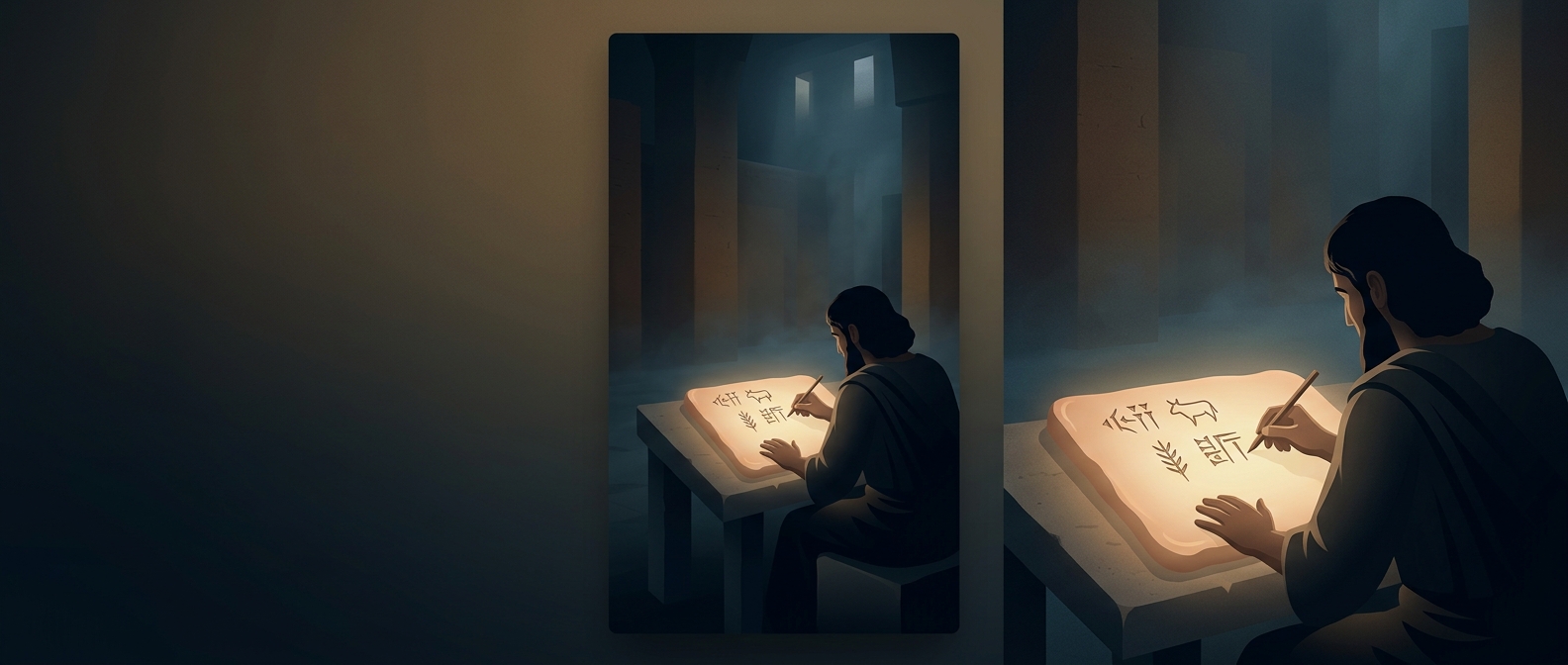
The first recorded name belonged to an accountant
“Kushim,” the earliest known recorded personal name, appears on a Sumerian clay tablet documenting a barley transaction. The first name preserved in writing…
Discover more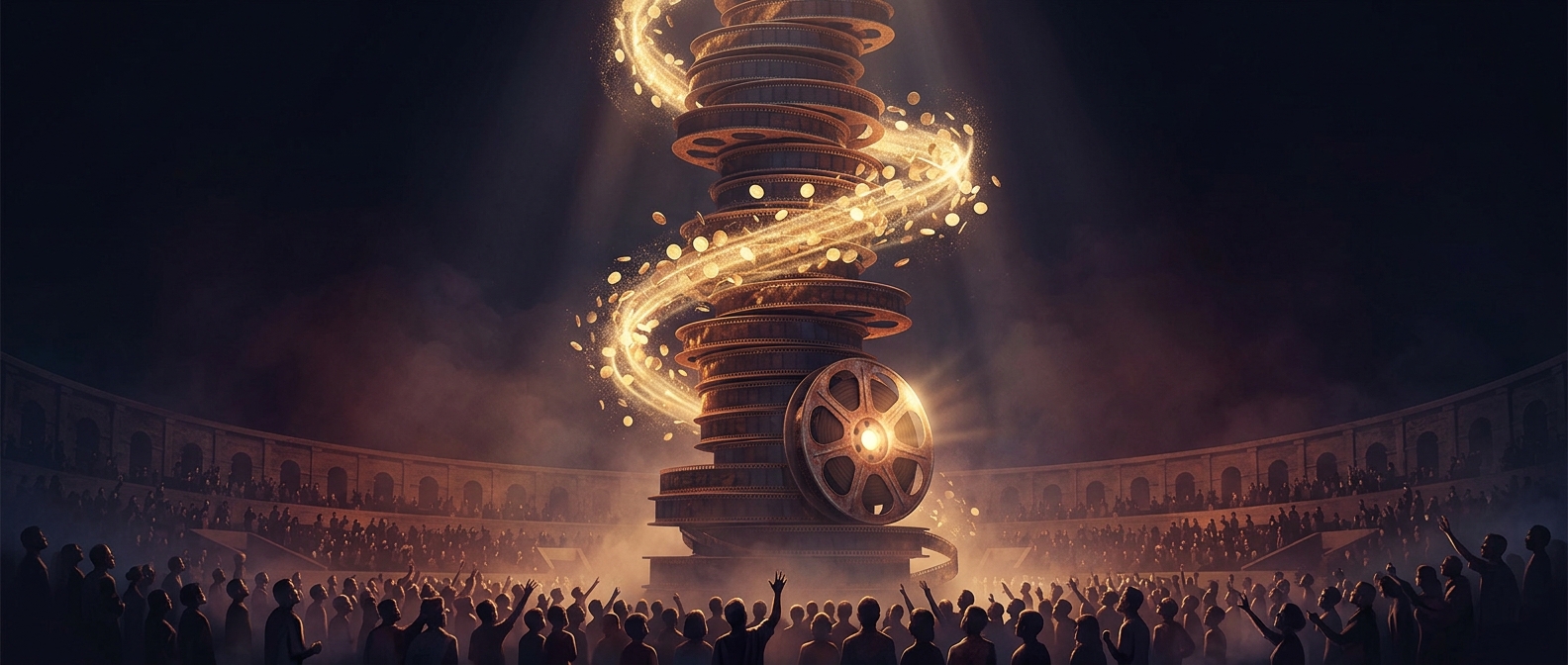
Why Gone with the Wind still tops the box office
Its 1939 release sold hundreds of millions of tickets, and that enormous audience keeps it at the top when box-office totals are adjusted for inflation. Later…
Discover more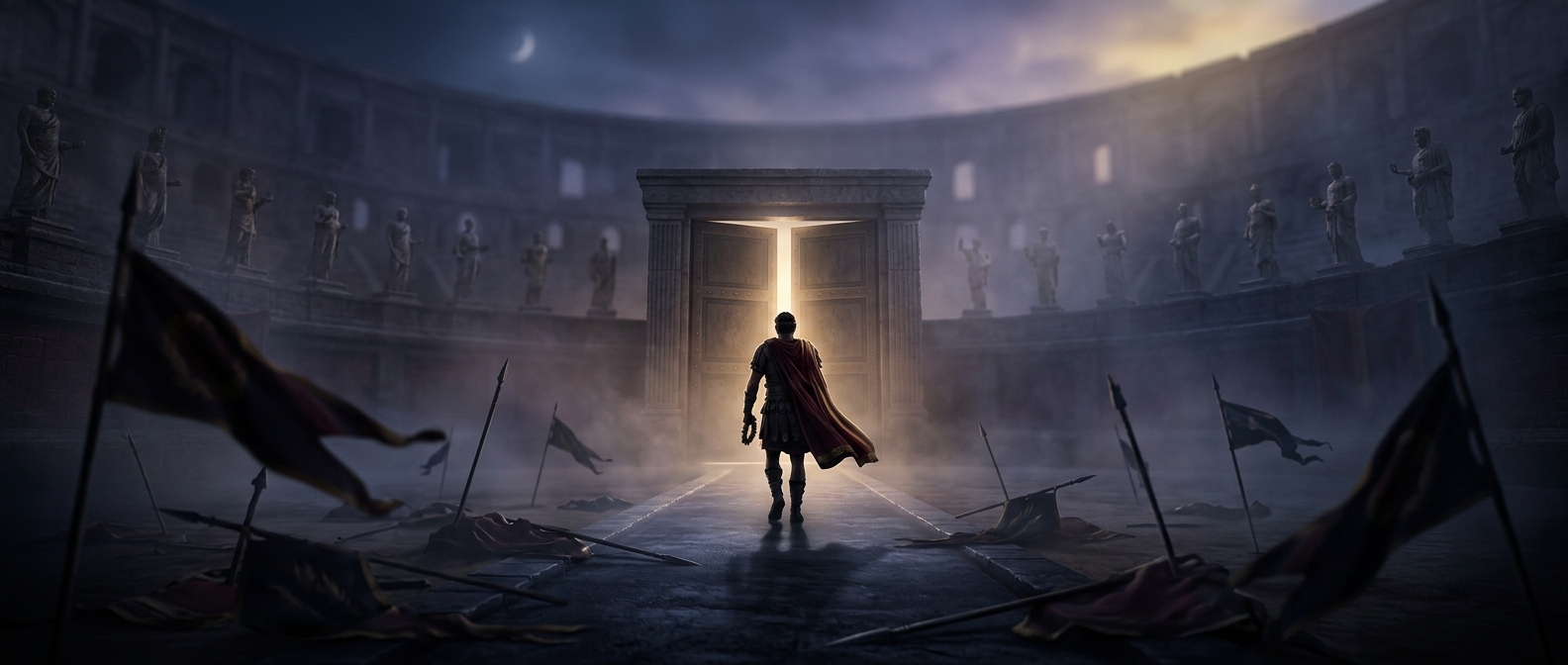
Rocky Marciano retired with a perfect 49–0 record
He walked away from boxing before anyone could hand him a defeat.
Discover more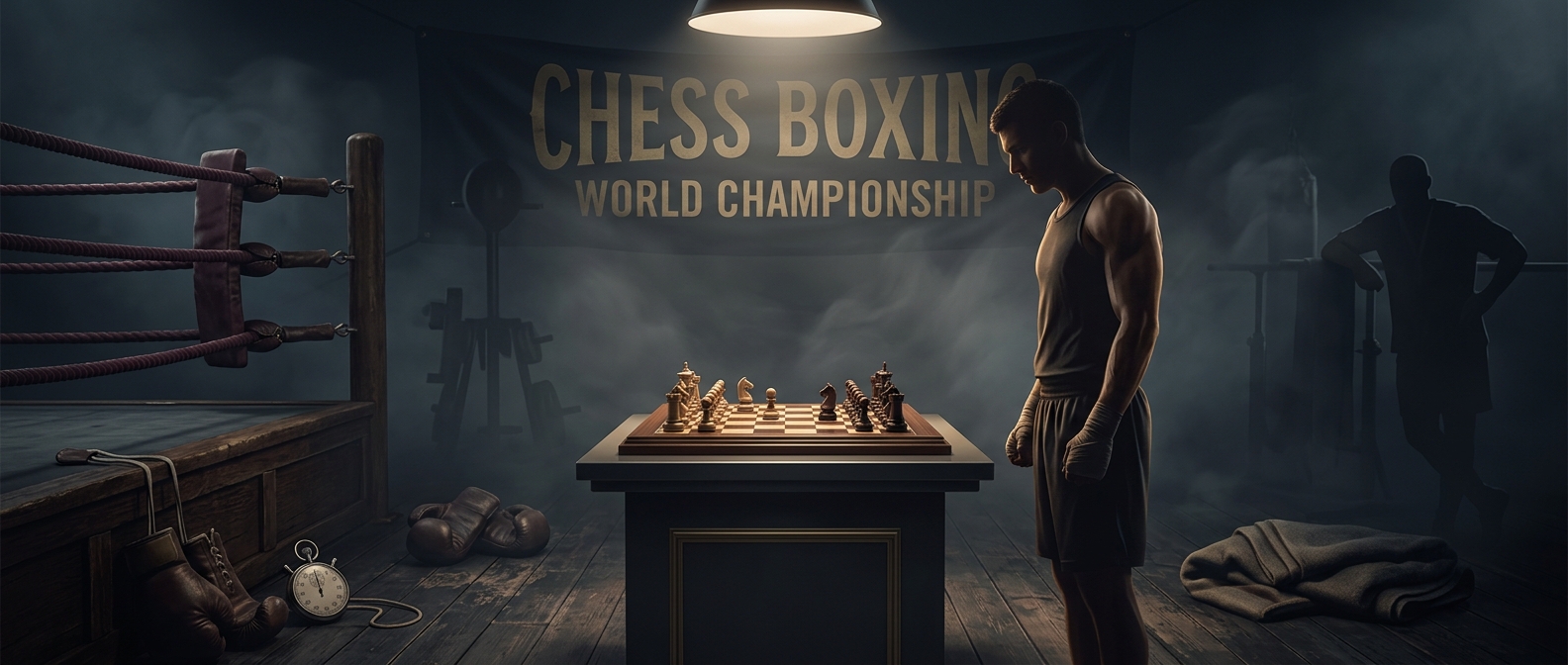
Chess boxing: where checkmate follows a punch
Competitors alternate three-minute boxing rounds with chess; a match can end by knockout or checkmate.
Discover more
Summer vacation wasn't simply a break for farm work
Nineteenth-century rural schools often ran in summer and winter, leaving spring and fall for farm work. City schools had different calendars, while heat and…
Discover more
Early college students were mostly wealthy teenagers
Wealth bought early college students more than a place in class: it could let them riot, skip lectures, and terrorize townspeople with little fear of…
Discover more
First university degrees served as teaching licenses
In medieval universities, earning a master's degree qualified someone to join the faculty guild and teach.
Discover more
Hollywood studios once controlled actors for seven years
A studio could assign an actor a role, shape their public image, and keep them under contract for seven years. Refusing a part meant suspension without pay—a…
Discover more
The shortest song lasts just 1.316 seconds
Napalm Death’s “You Suffer” holds the record at 1.316 seconds. The track packs in a blast beat, a guitar riff, and a scream.
Discover more
First film actor to earn a million dollars in one year
Instead of taking a standard salary, Pickford negotiated a million-dollar deal that gave her a share of film profits. She wasn’t just selling her performance;…
Discover more
Metropolis was cut apart to make its expensive future sell
Fritz Lang's 1927 film underwent major cuts and reworking for different releases while its studio, UFA, struggled financially. Some versions removed story…
Discover more
When university exams meant public arguments
Students had to defend their ideas aloud, answer objections, and argue face-to-face with professors. The exam was less a test booklet than a live debate, with…
Discover more
Professional sports drafts stopped bidding conflicts
A draft assigned rookies to teams instead of letting the richest clubs bid freely. It curbed bidding wars and gave smaller-market teams a shot at top…
Discover more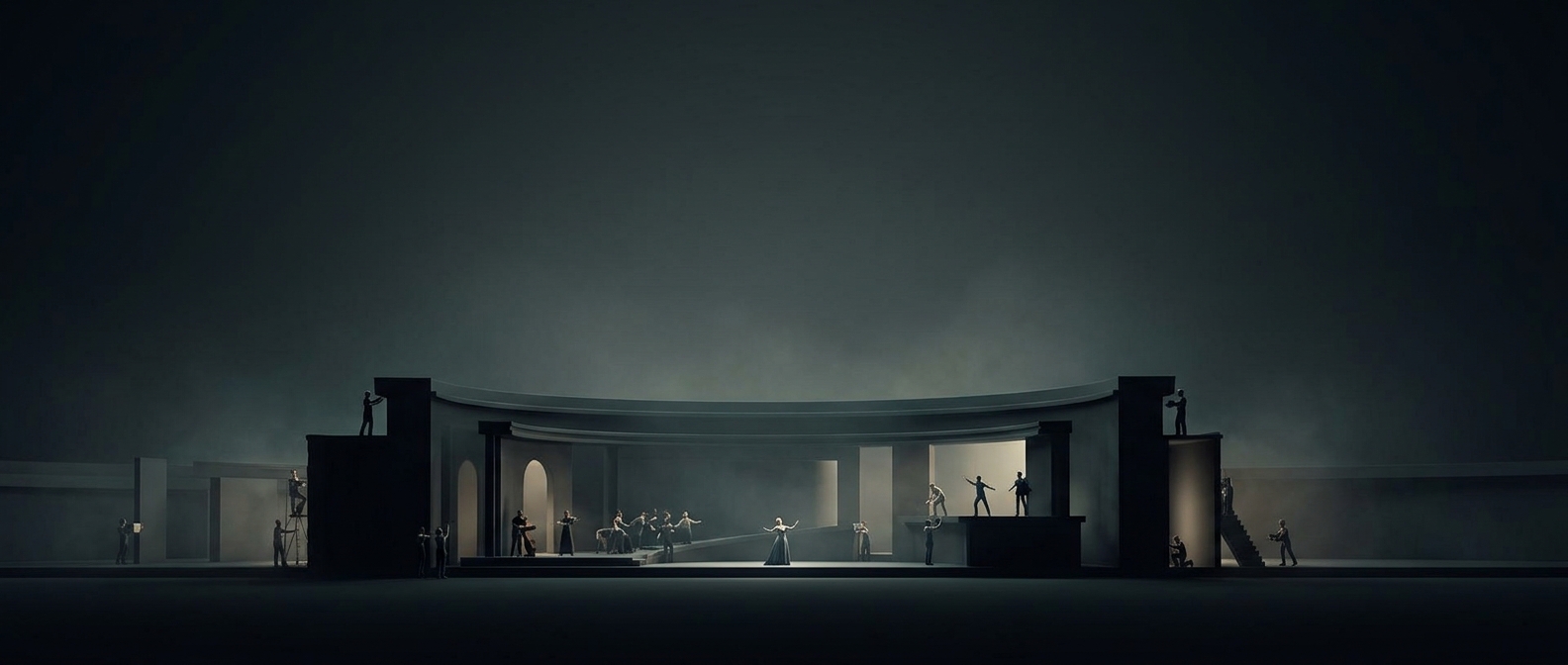
Stockhausen wrote an opera cycle longer than a day
Licht consists of seven operas, one for each day of the week, totaling about 29 hours of music. Composed over decades, the individual operas received their…
Discover more
Why adults played teenagers in early movies
Studios often cast adults because child labor laws complicated hiring young performers, and grown actors brought more acting experience. Makeup helped sell…
Discover more