Culture & entertainment
Discover facts about culture & entertainment. Small discoveries that change the way you see familiar things.
Culture & entertainment
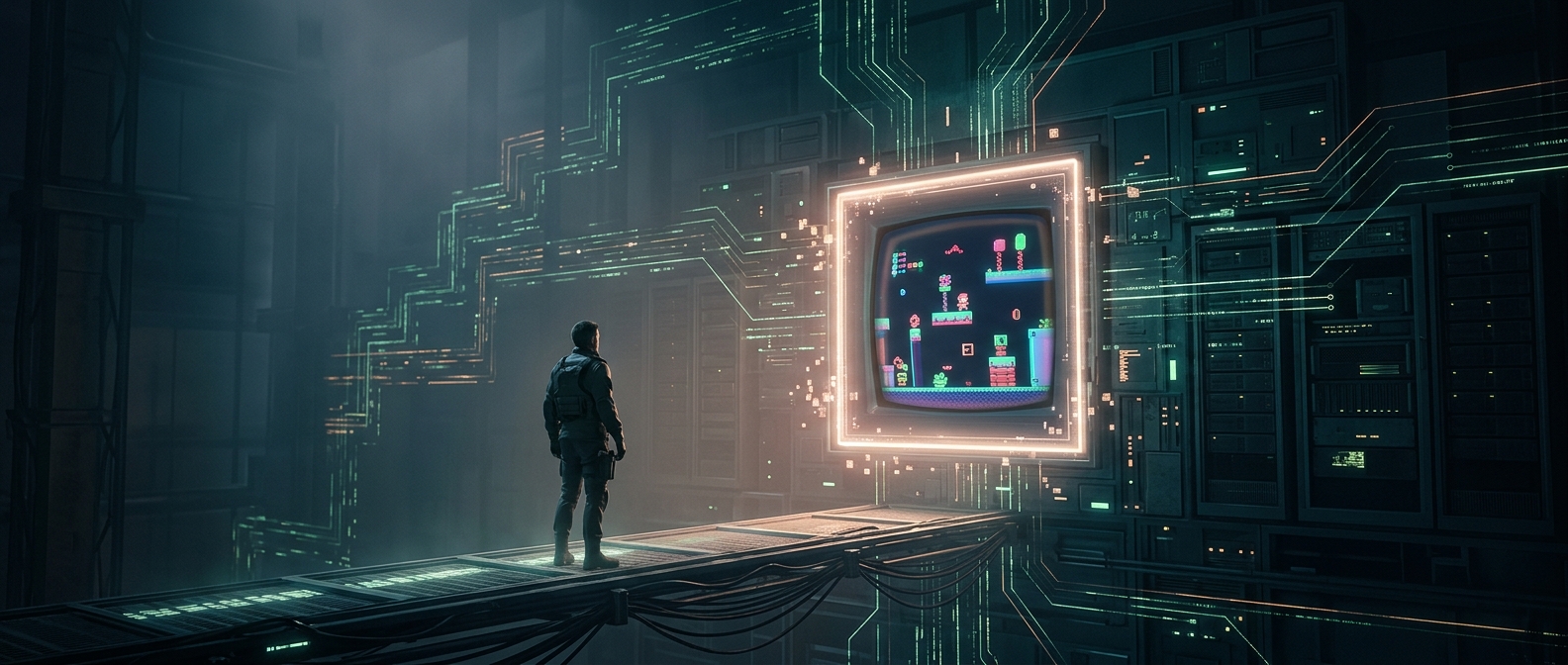
GoldenEye secretly contained a playable ZX Spectrum emulator
Because optimizing a groundbreaking 3D multiplayer shooter for the Nintendo 64 wasn't incredibly difficult enough, developers at Rare decided to secretly…
Discover more
Why Rod Serling hid social criticism in science fiction
Rod Serling didn't actually care much about aliens, monsters, or spooky parallel dimensions; he just wanted to complain about corporate greed and war. But…
Discover more
Marvel and DC own the word superhero
Try to name your independent vigilante comic after a generic hero, and you will get aggressively sued. Two massive publishing giants jointly own the actual…
Discover more
Why intricate coloring books feel meditative
Trading stressful adult responsibilities for a pack of crayons is practically a therapeutic hack. Intricate mandala patterns demand just enough cognitive…
Discover more
How poetry's line breaks control your breathing
Chopping sentences into seemingly random fragments isn't just an aesthetic choice by tormented artists. By forcing unnatural pauses at the edge of the page,…
Discover more
Why choose-your-own-adventure books need math
Those nostalgic books where you decide whether to open the door or run away aren't just child's play. They require rigorous mathematical flowcharting to…
Discover more STACKY FOR IPHONE
A bigger world.
One discovery
at a time.
Keep discovering with Stacky. Interesting facts in an app that is always within reach.

Accelerated audio playback artificially corrects human pitch
Listening to spoken word content at double speed should technically make the speaker's voice resemble a hyperactive chipmunk. Thankfully, playback software…
Discover more
The surprising audience for teen books
The angst-filled, dystopian love triangles explicitly marketed toward high schoolers are secretly sustaining an entirely different demographic. Market…
Discover more
Why webcomics keep you scrolling endlessly
Swiping downward is a deeply ingrained behavioral addiction. Modern digital comic platforms abandon traditional page turns entirely, utilizing a single,…
Discover more
Why some books are sold without showing the cover
Independent bookstores figured out how to sell their least popular inventory by wrapping it in brown paper. By scribbling a few mysterious adjectives on the…
Discover more
High-end magazines use heavy paper to seem important
The intellectual weight of a fashion or architecture publication is entirely fabricated by literal weight. Publishers intentionally print on unnecessarily…
Discover more
Crime magazines thrived before forensic science
Before standard DNA testing ruined the fun, pulpy rags could confidently publish the most unhinged, heavily fictionalized theories as absolute, unquestionable…
Discover more
Why mail-order hardcovers use cheaper paper
That exclusive hardcover you received in the mail is actually a highly optimized knockoff. To save massive amounts on shipping weight and manufacturing, these…
Discover more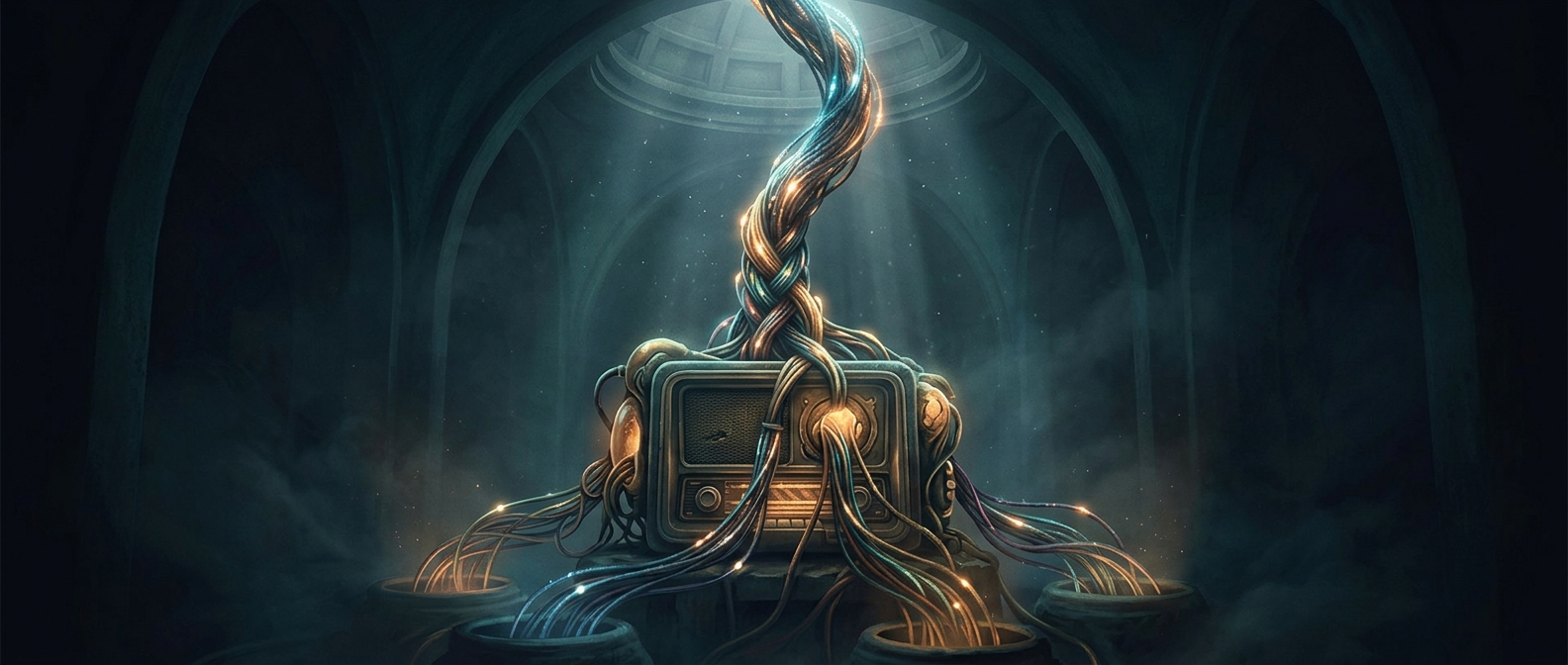
How podcast networks inflate their listener numbers
Your favorite independent audio show was likely swallowed by a massive corporate network just to harvest its download numbers. By packaging dozens of…
Discover more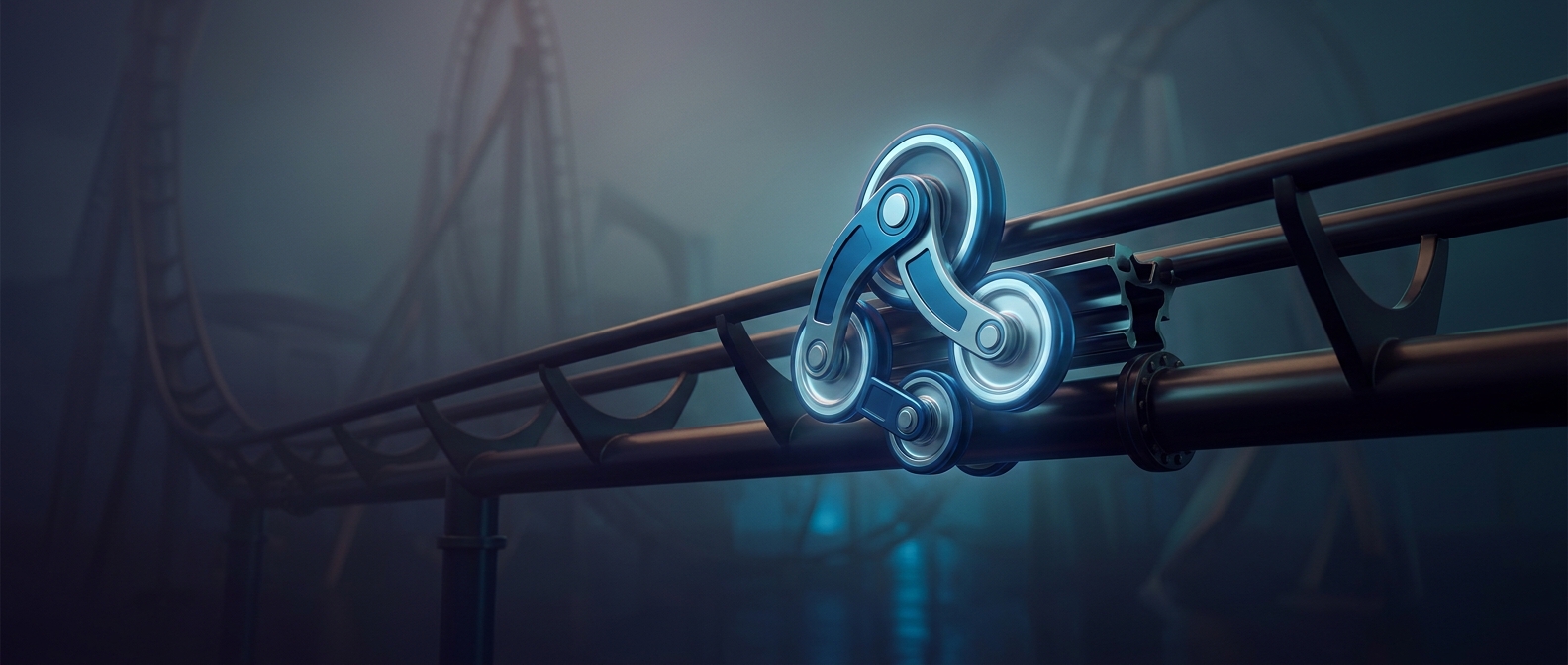
Why roller coasters need three kinds of wheels
Defying gravity requires an aggressively paranoid wheel assembly. Every single cart utilizes a main wheel to roll, a side wheel to stop lateral shaking, and…
Discover more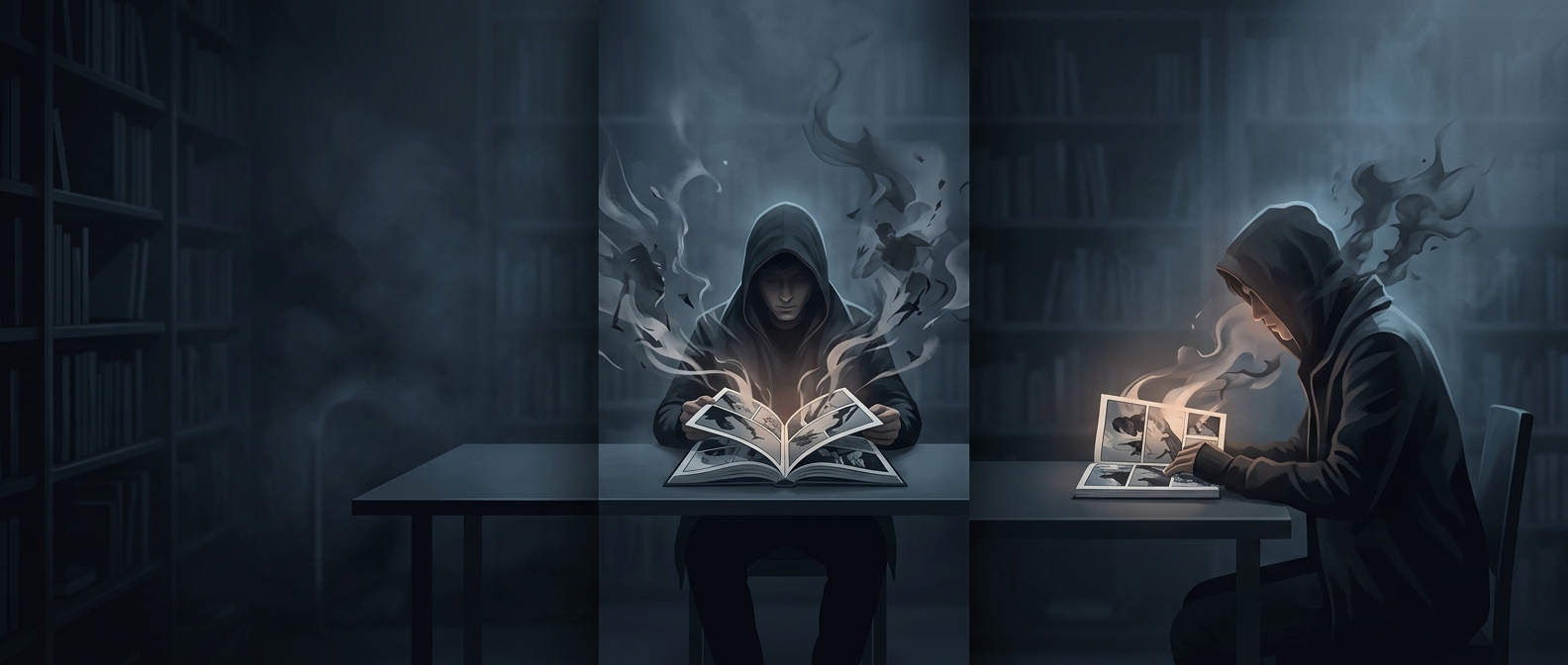
The blank space where comics make you imagine the violence
The blank white space between comic panels is officially called the gutter, and it's where the actual violence happens. Because the artist only draws the…
Discover more
Why old books have gold-edged pages
That stunning, shiny gold leaf slathered on the edges of a fancy hardcover isn't just a desperate cry for aesthetic attention. It originally served a deeply…
Discover more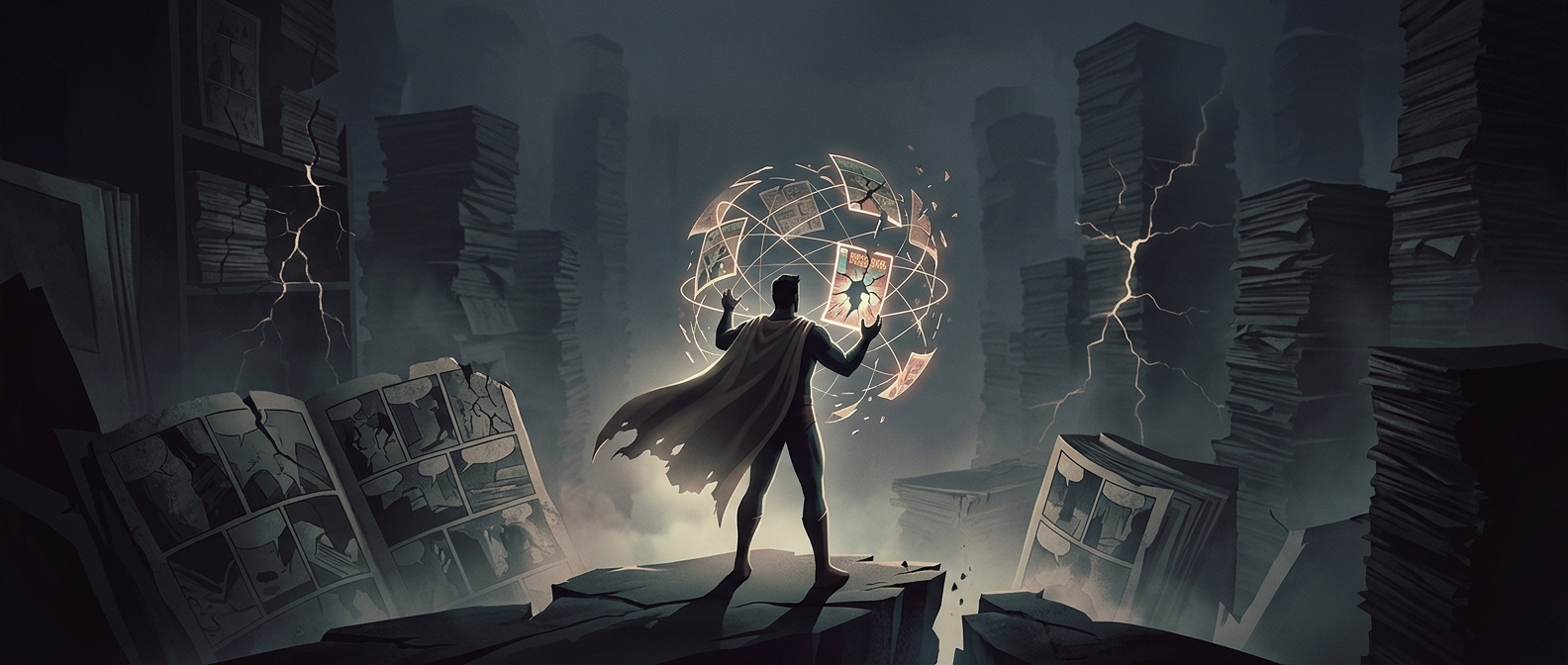
Superhero continuities are constantly rebooted out of panic
After decades of overlapping storylines, alternate dimensions, and resurrected characters, maintaining a coherent timeline becomes mathematically impossible.…
Discover more
Three-dimensional books rely on complex tab-and-slot physics
Opening a children's pop-up book triggers a highly sophisticated feat of mechanical engineering. The aggressive unfolding of a cardboard dragon relies…
Discover more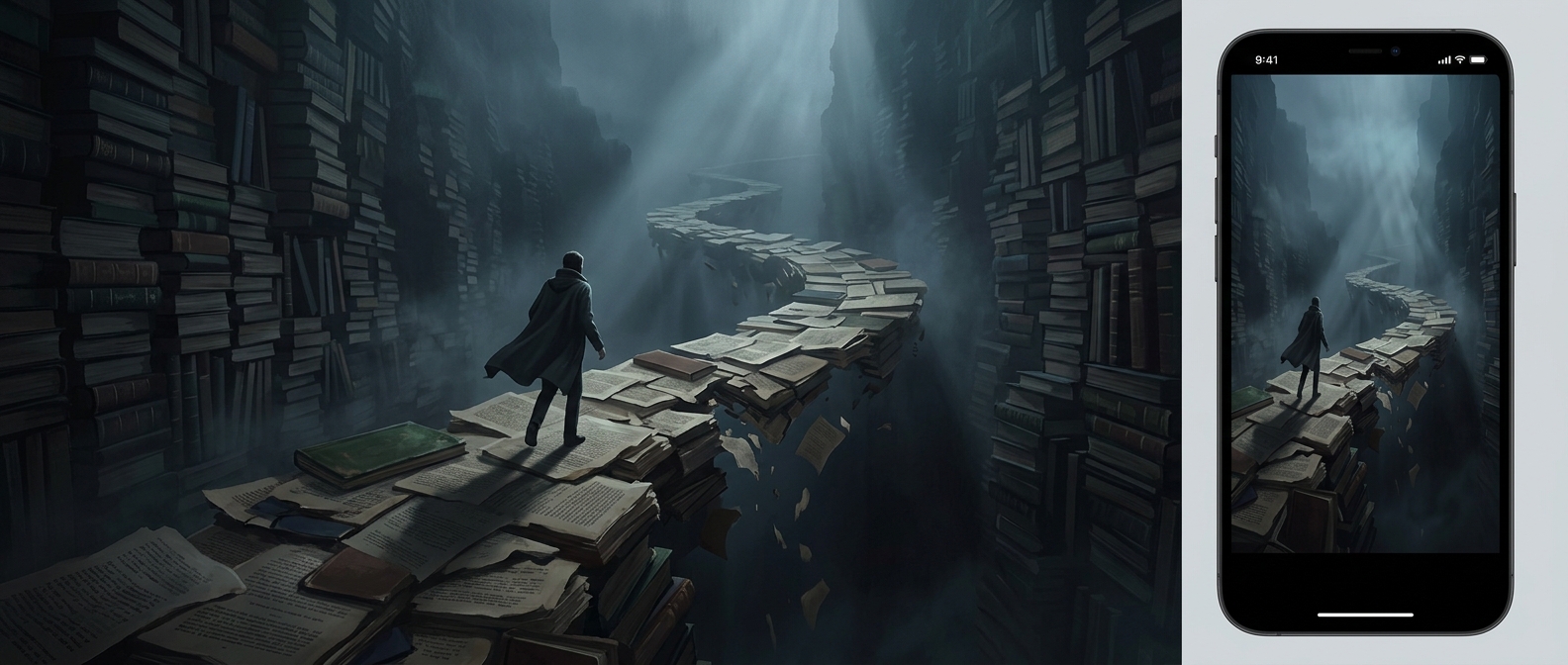
Shorter chapters can make thrillers feel faster
Authors of suspense fiction are essentially manipulating your heart rate through formatting. By drastically chopping down chapter lengths as the climax…
Discover more
Massive coffee table books are manufactured purely as decor
Nobody actually reads those enormous, fifty-pound photographic tomes sitting in their living room. Publishers design these oversized monoliths strictly as…
Discover more
Light novels rely heavily on massive dialogue blocks
Pumping out hundreds of pages a month requires brutal efficiency. To meet completely unhinged deadlines, authors of these rapid-fire pocket books virtually…
Discover more
Why your e-reader suddenly flashes black
Occasionally, your sleek digital reader has a miniature seizure, aggressively flashing the entire screen jet black. This isn't a malfunction; it is violently…
Discover more
Independent zines intentionally misalign colors for aesthetics
While corporate printers strive for absolute perfection, underground publishers actively court disaster. By running cheap paper through ancient risograph…
Discover more