Culture & entertainment
Discover facts about culture & entertainment. Small discoveries that change the way you see familiar things.
Culture & entertainment
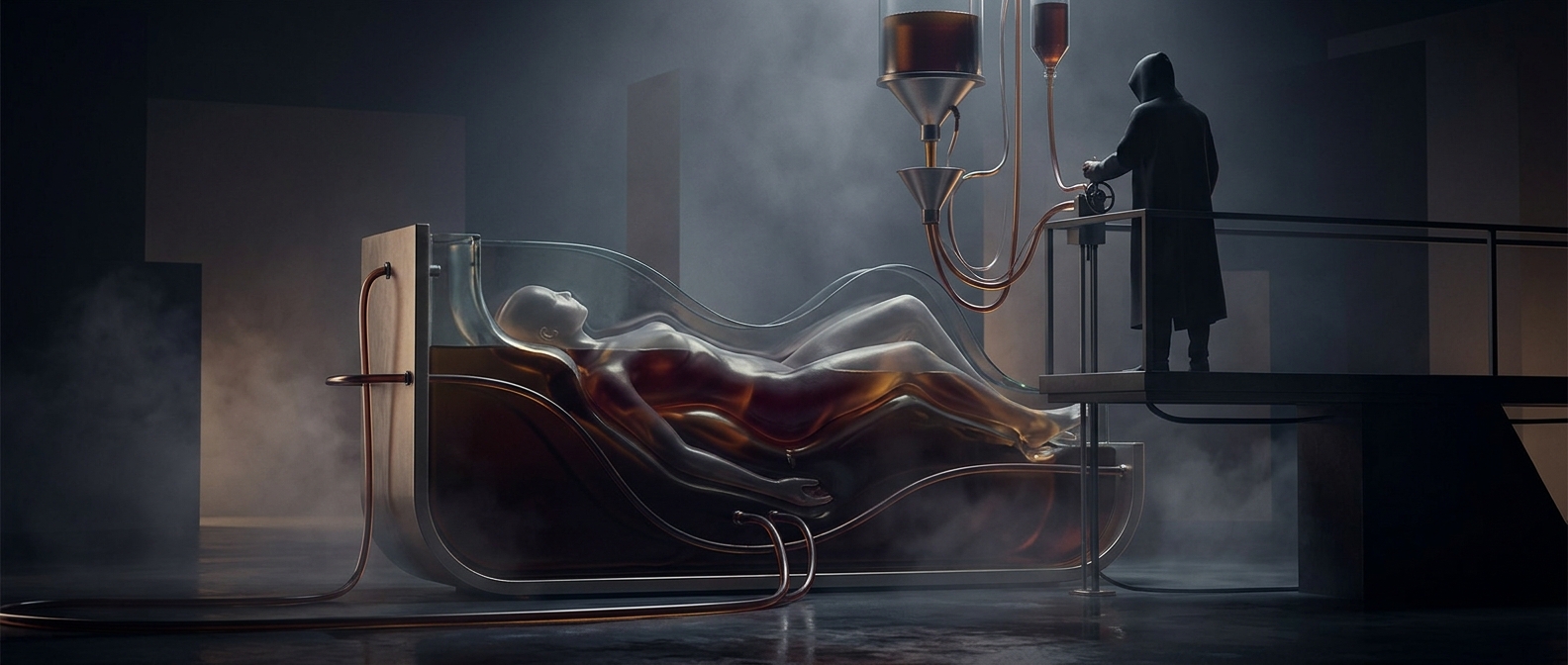
Fake dead bodies are meticulously cast in heavy silicone
Weighted metal armatures keep the dummies from flopping like cheap pool floats, but make them nearly as heavy as real people.
Discover more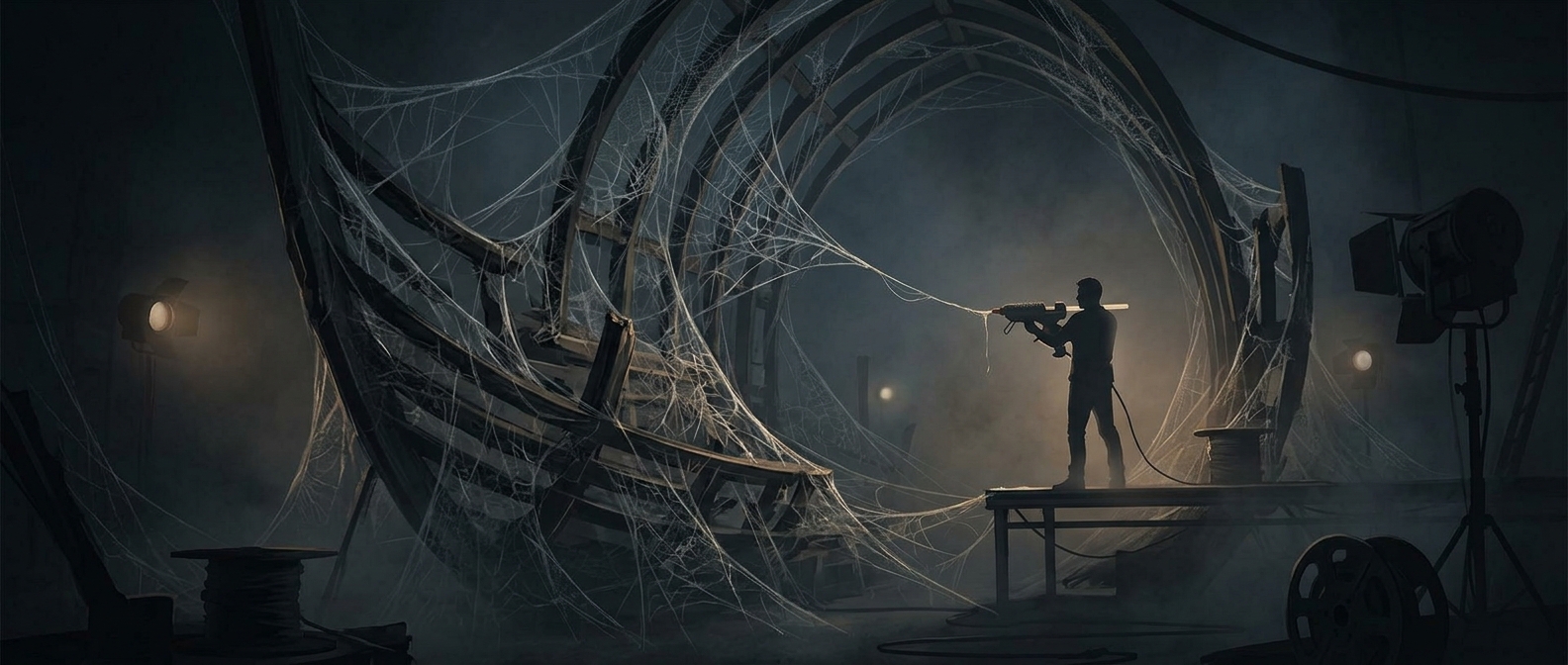
How film crews make fake cobwebs
Prop decorators can drip hot glue while a handheld fan blows it into fine, sticky strands that look like dusty old cobwebs.
Discover more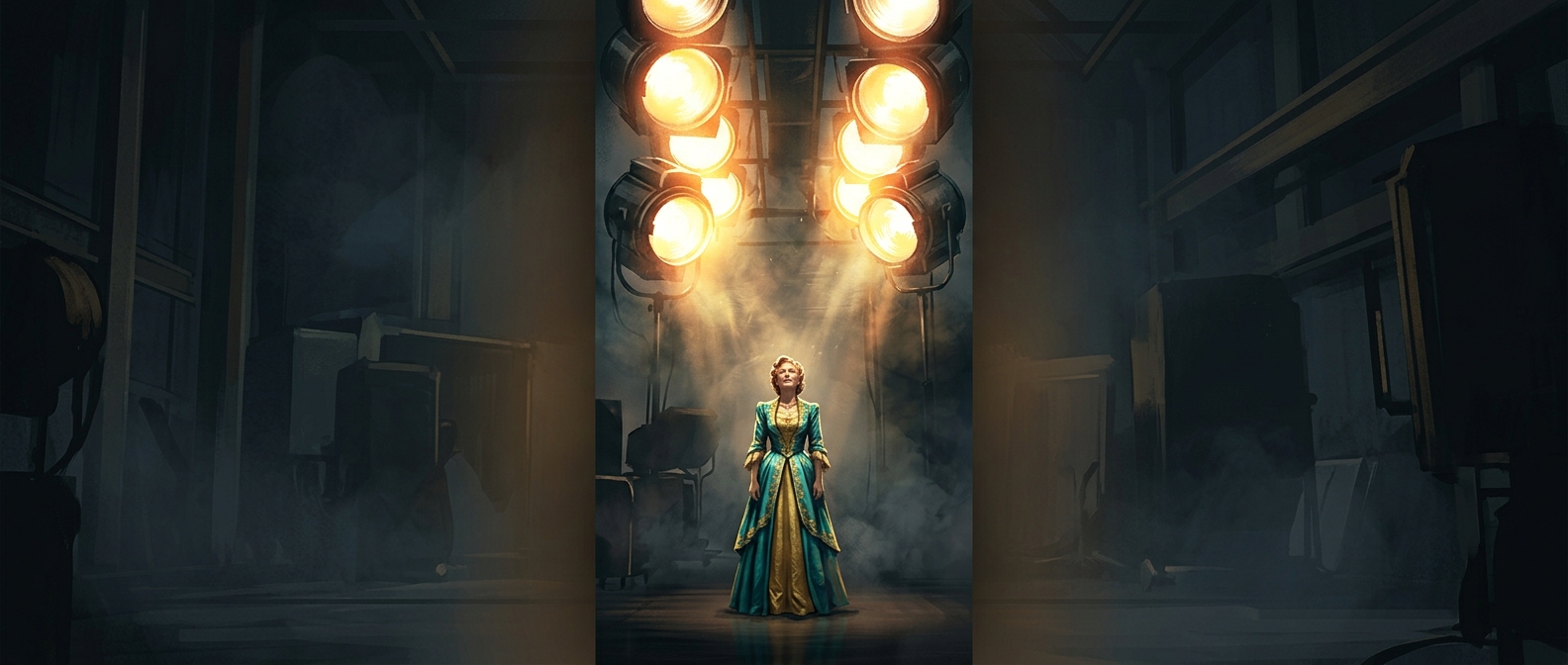
Early color films made movie sets unbearably hot
Early color film was so insensitive to light that studios needed powerful arc lamps to capture vivid hues. Set temperatures could soar past 100 degrees,…
Discover more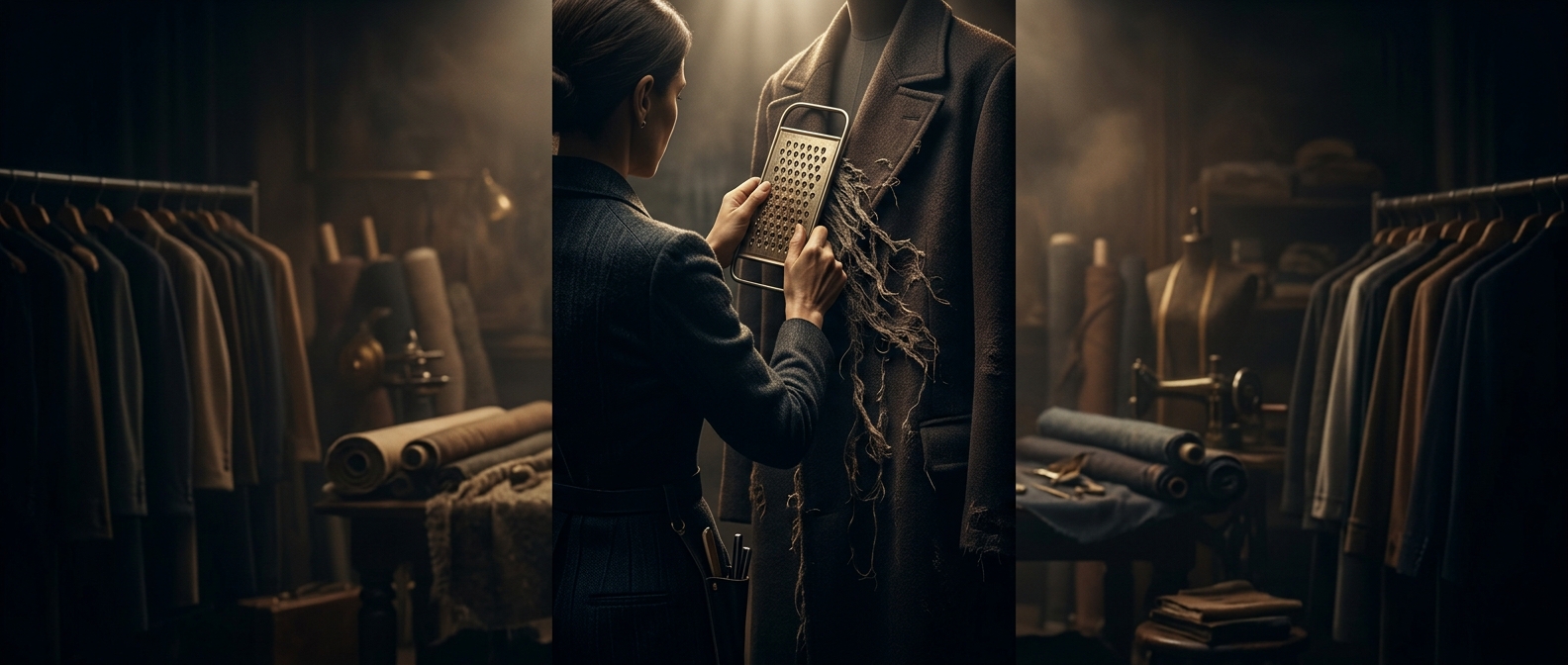
How costume designers make new clothes look decades old
Costumers rough up new clothes with cheese graters, sandpaper, or pumice stones, breaking down the fibers to make a fresh jacket look weather-beaten in about…
Discover more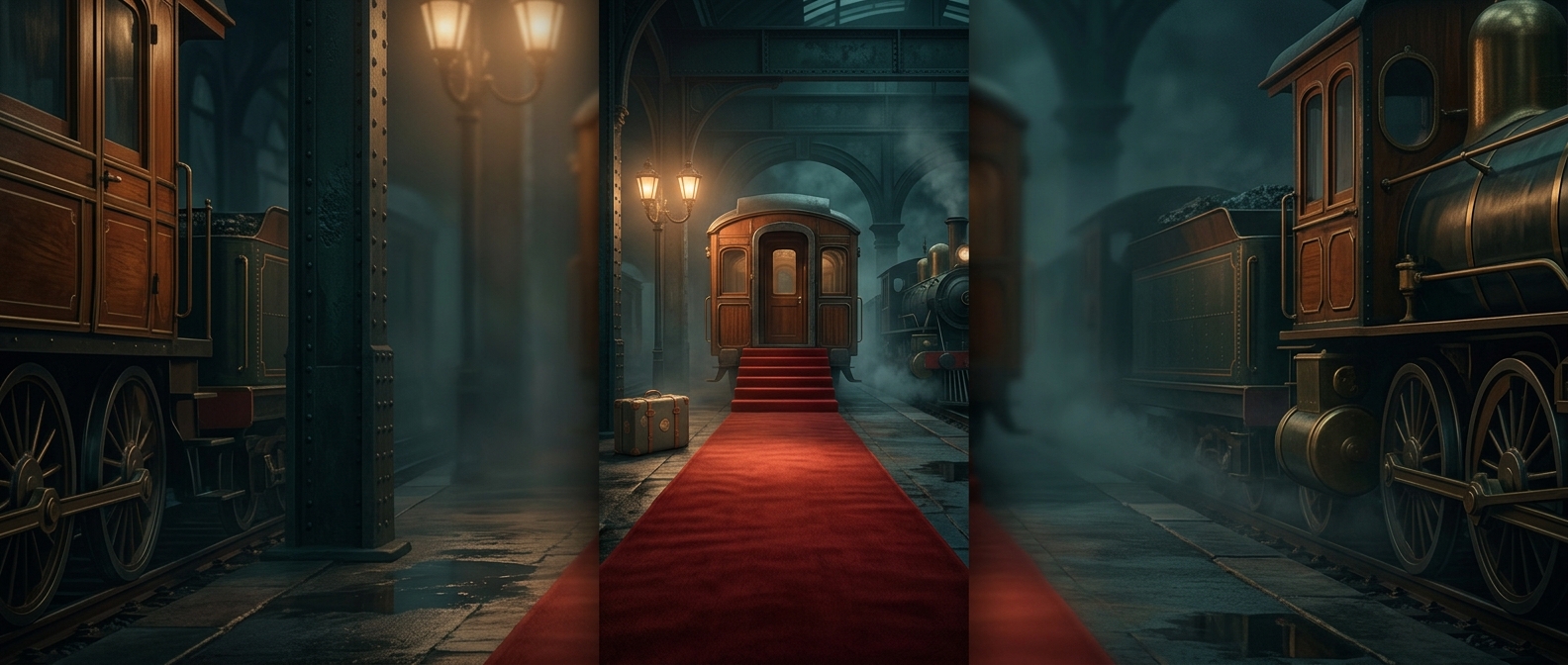
A luxury train helped popularize red-carpet treatment
New York Central rolled out a red carpet for passengers boarding the 20th Century Limited, which began service in 1902. The walkway made arrival part of the…
Discover more
That medieval armor may be painted foam
High-density EVA foam can be carved, heat-sealed, and painted with a metallic finish, giving actors armor that looks like steel without the weight or clanging.
Discover more STACKY FOR IPHONE
A bigger world.
One discovery
at a time.
Keep discovering with Stacky. Interesting facts in an app that is always within reach.
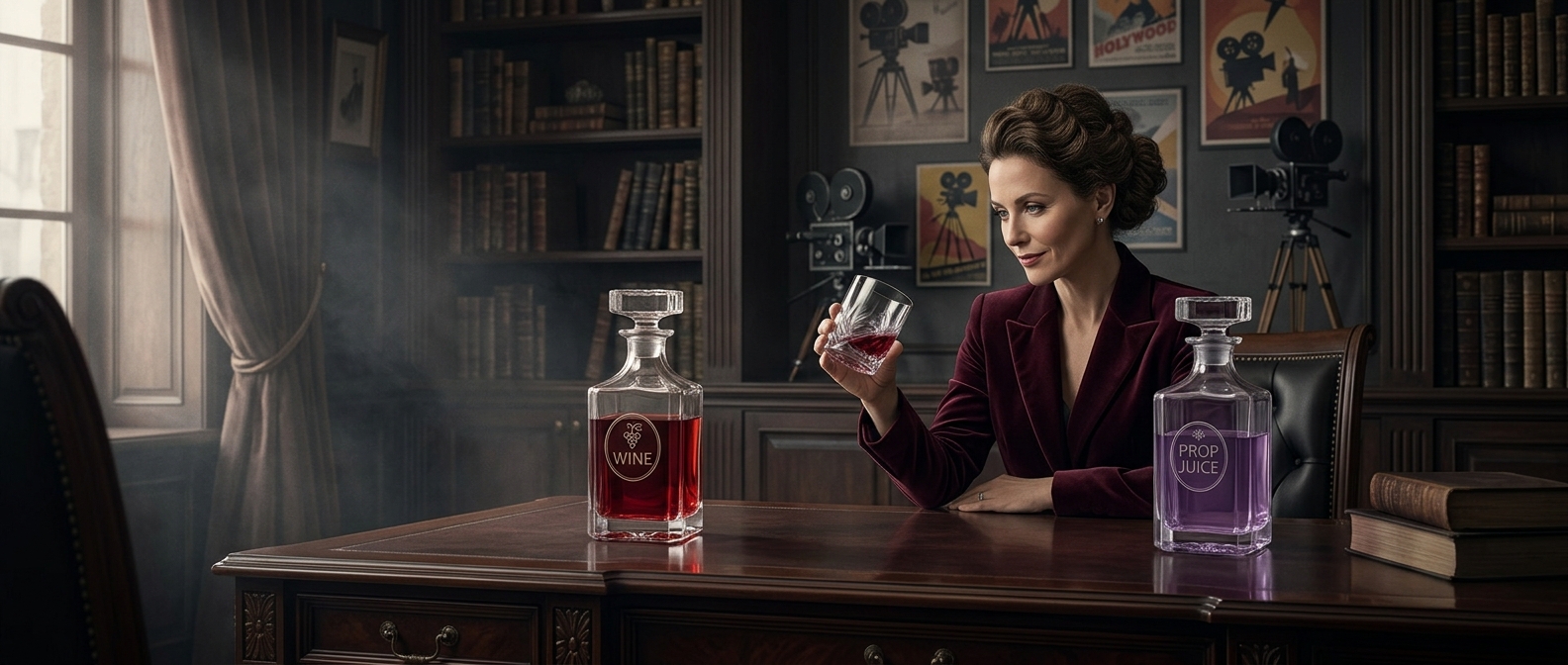
Why movie wine is usually grape juice
Actors may have to repeat a scene dozens of times, so real alcohol is avoided. Prop teams dilute dark grape juice with water so it coats the glass convincingly.
Discover more
Why fanny packs took off on ski slopes
Skiers needed hands-free storage for small essentials such as lip balm and snacks without carrying a bag that could interfere with their balance. A waist-worn…
Discover more
Why movie titles get weird abroad
To market a film in another language, distributors may replace English wordplay with a literal or entirely different title.
Discover more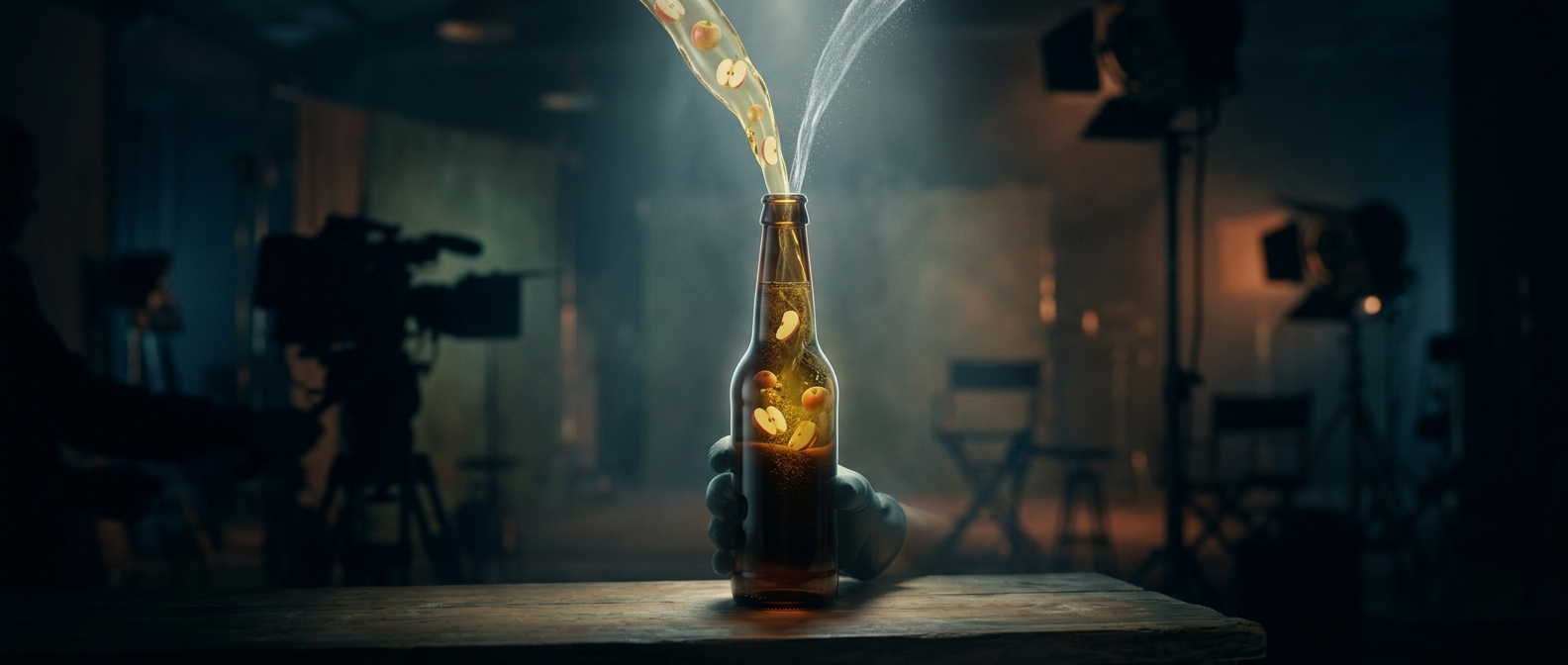
The surprising drink used as movie beer
On some sets, flat apple juice mixed with water stands in for draft beer, with chemically induced foam added on top.
Discover more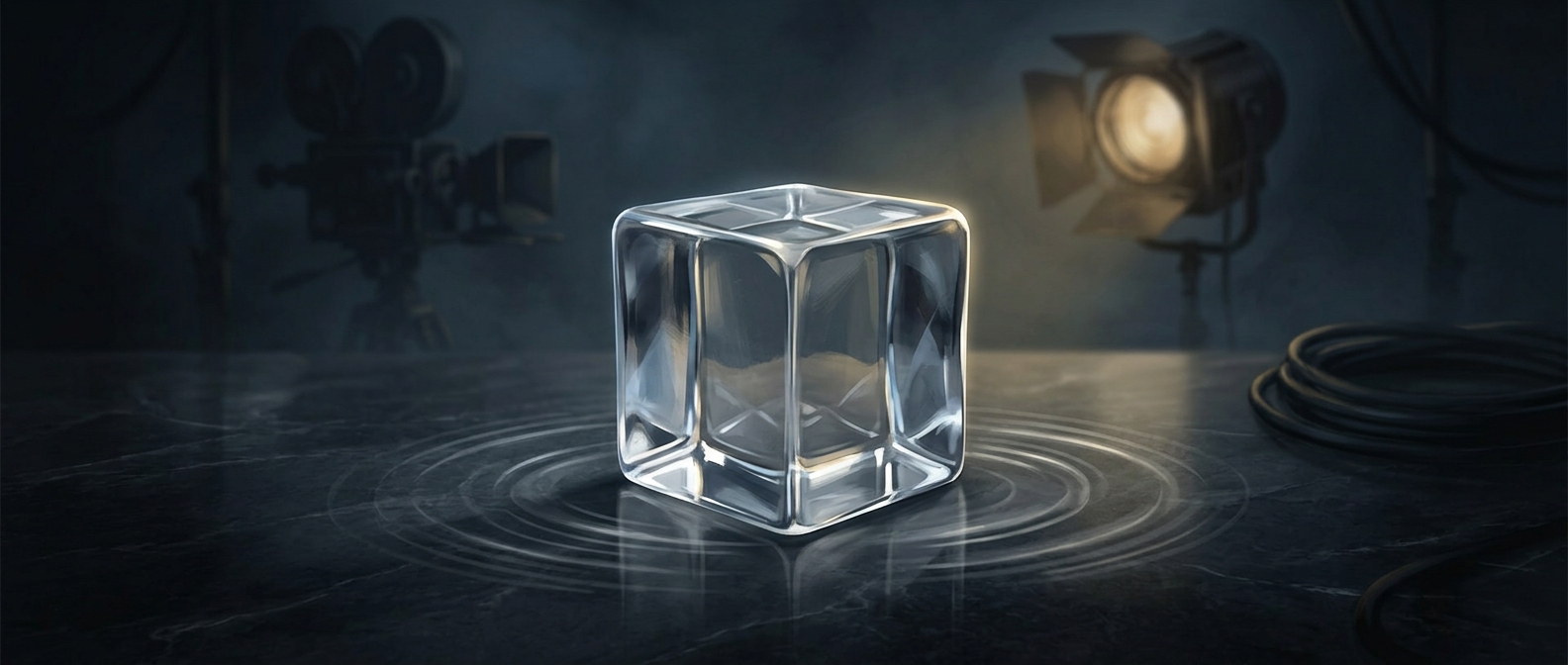
Why movies use ice cubes that never melt
Real ice cracks, melts under studio lights, and dilutes drinks, so filmmakers use carved acrylic cubes that stay intact between takes.
Discover more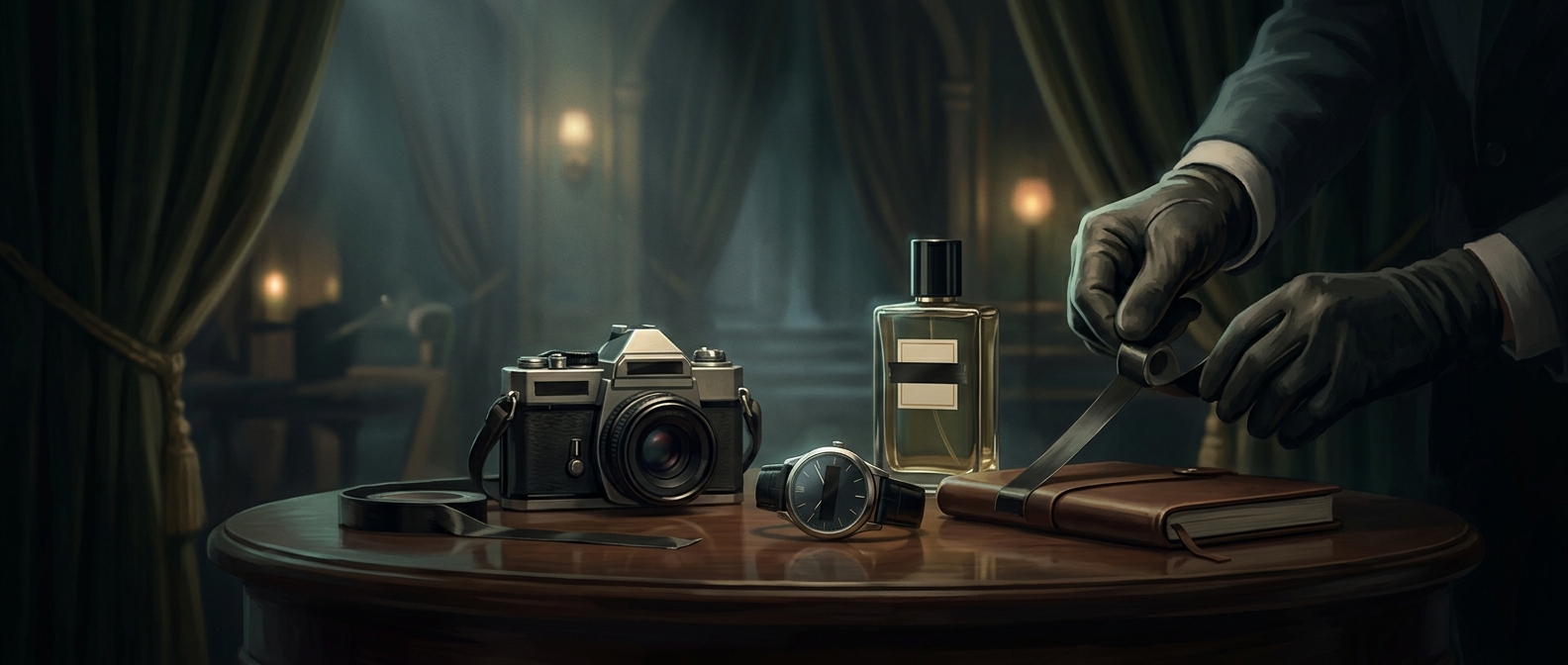
A strip of tape can turn a famous brand into a generic prop
Crews conceal logos when they want control over what appears in the frame, whether for clearance, story, or commercial reasons. Covering a mark is often…
Discover more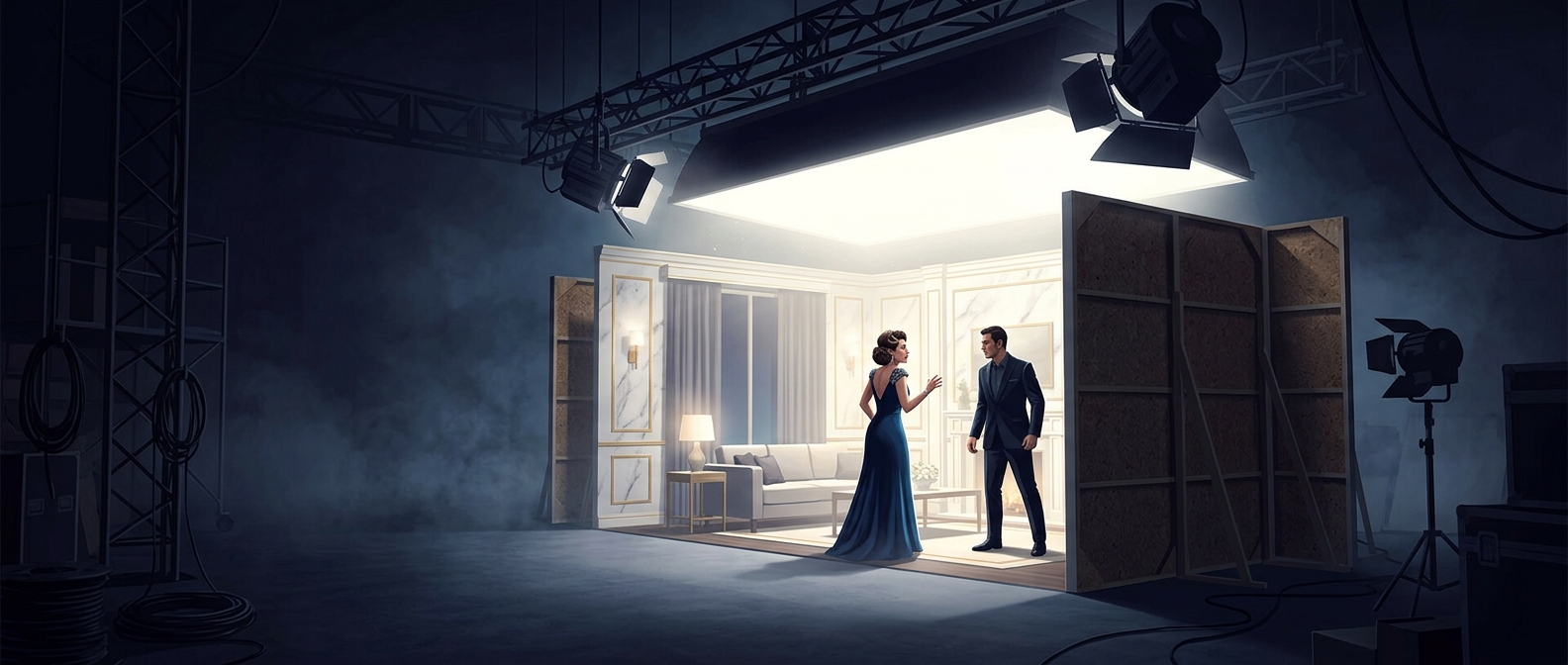
Soap-opera lighting has to flatter several cameras at once
A dramatic shadow can look perfect from one angle and wrong from the next. Multicamera productions therefore use broad, relatively even lighting that works…
Discover more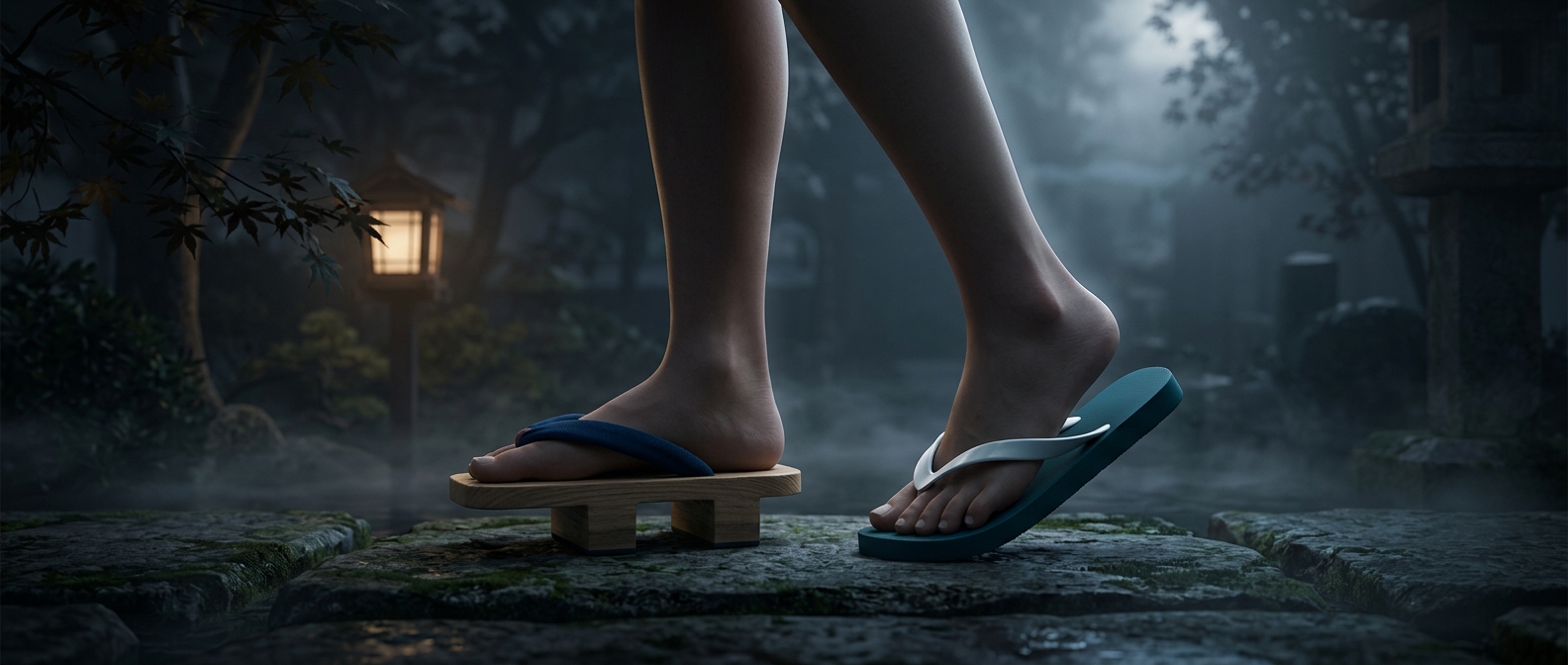
Your flip-flops have Japanese roots
The thong-style flip-flop was inspired by Japanese zori sandals, but modern versions are often mass-produced from rubber or foam.
Discover more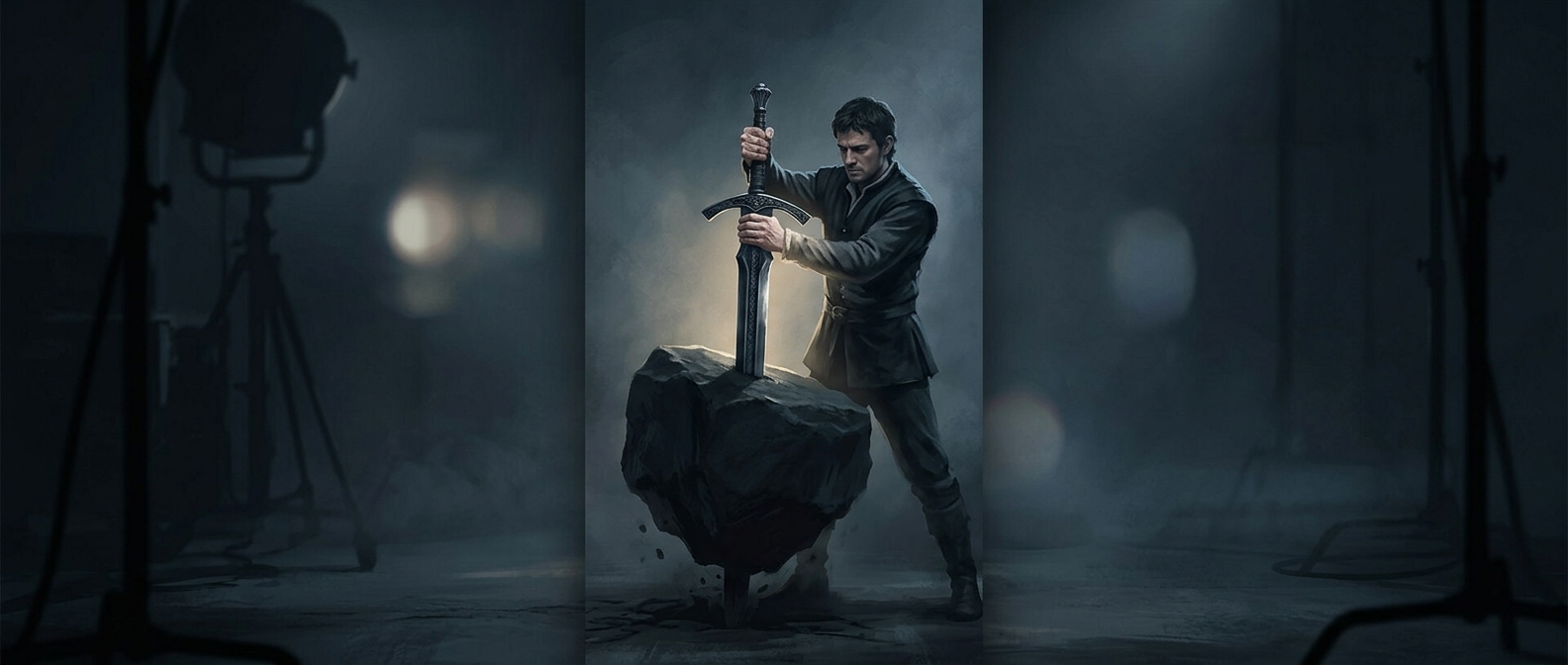
Conan's brutal-looking swords were lighter than they looked
The 1982 film used aluminum sword props rather than making Schwarzenegger swing equivalent steel weapons through every take. On camera, size and performance…
Discover more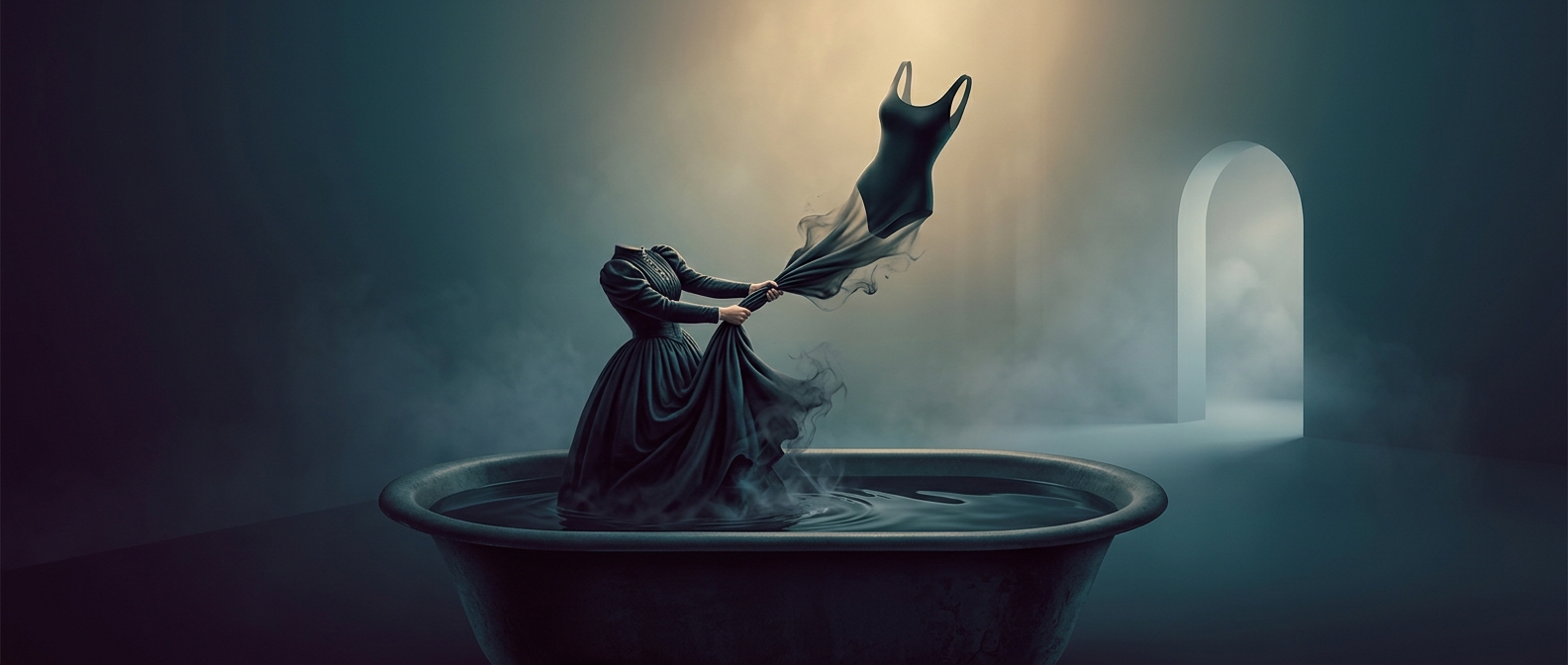
How bathing suits went from woolen dresses to swimwear
Showing knees at the beach could once be punishable by law. As attitudes toward modesty changed, woolen bathing dresses were gradually cropped into functional…
Discover more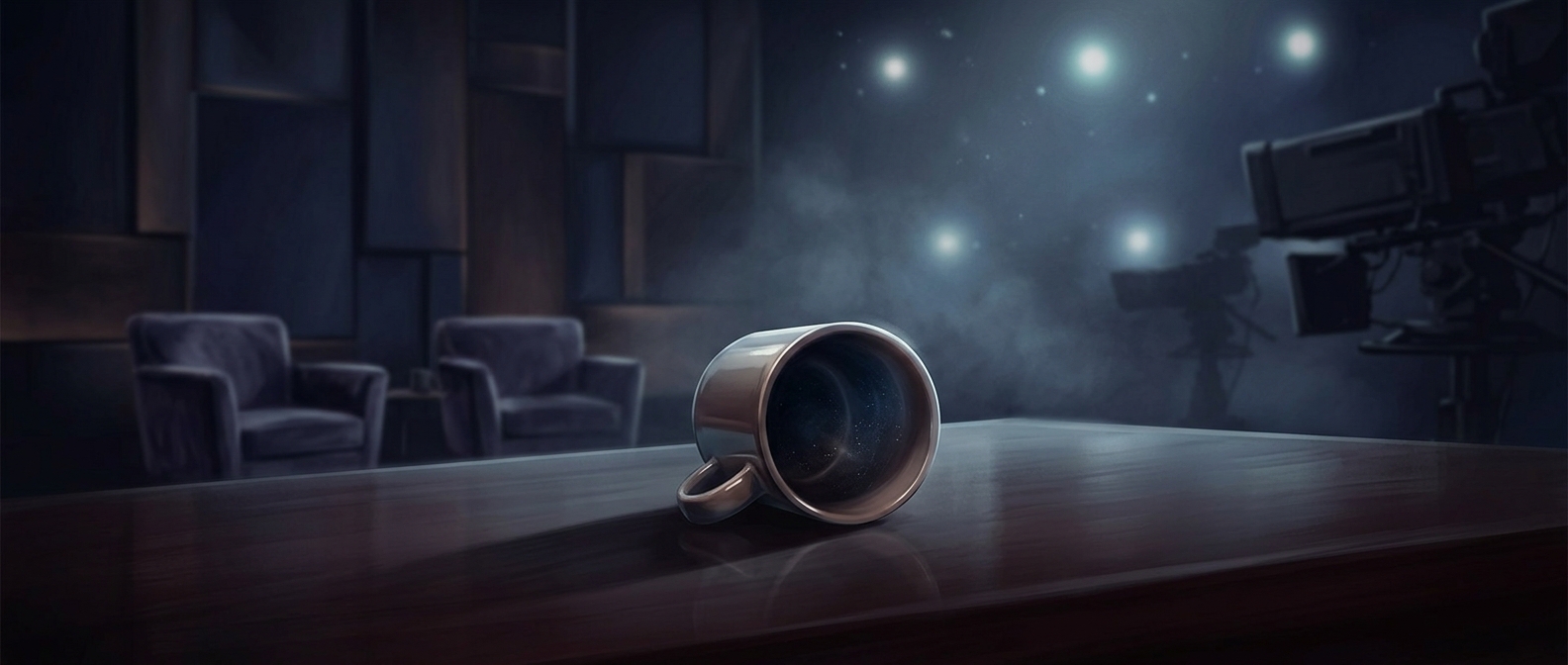
A talk-show mug is also a piece of production design
The mug can carry a show's logo, provide a drink, and give a host a natural action between questions. Taking a sip creates a moment of movement without…
Discover more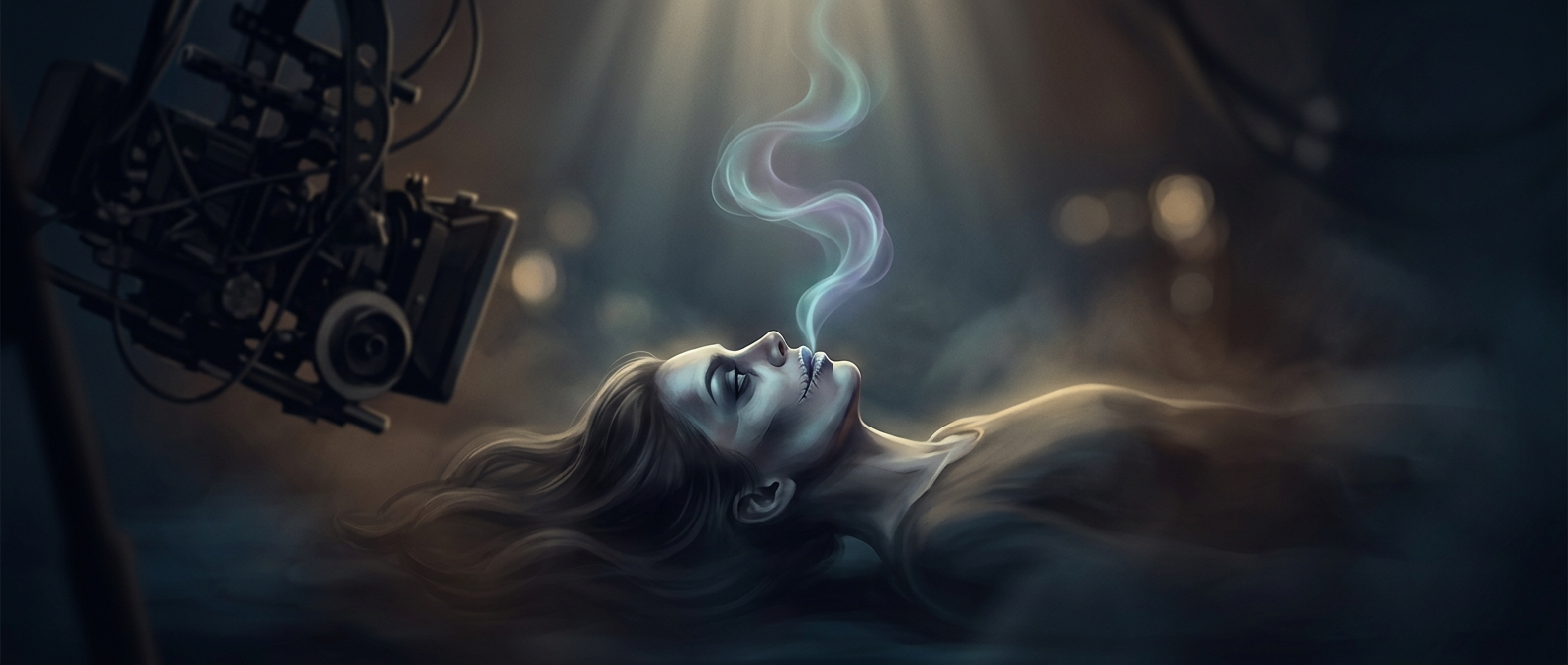
Actors playing fresh corpses have to actively hold breath
Even a slight chest movement can show up on camera, so actors playing corpses may have to hold their breath and keep their eye muscles still during a take.
Discover more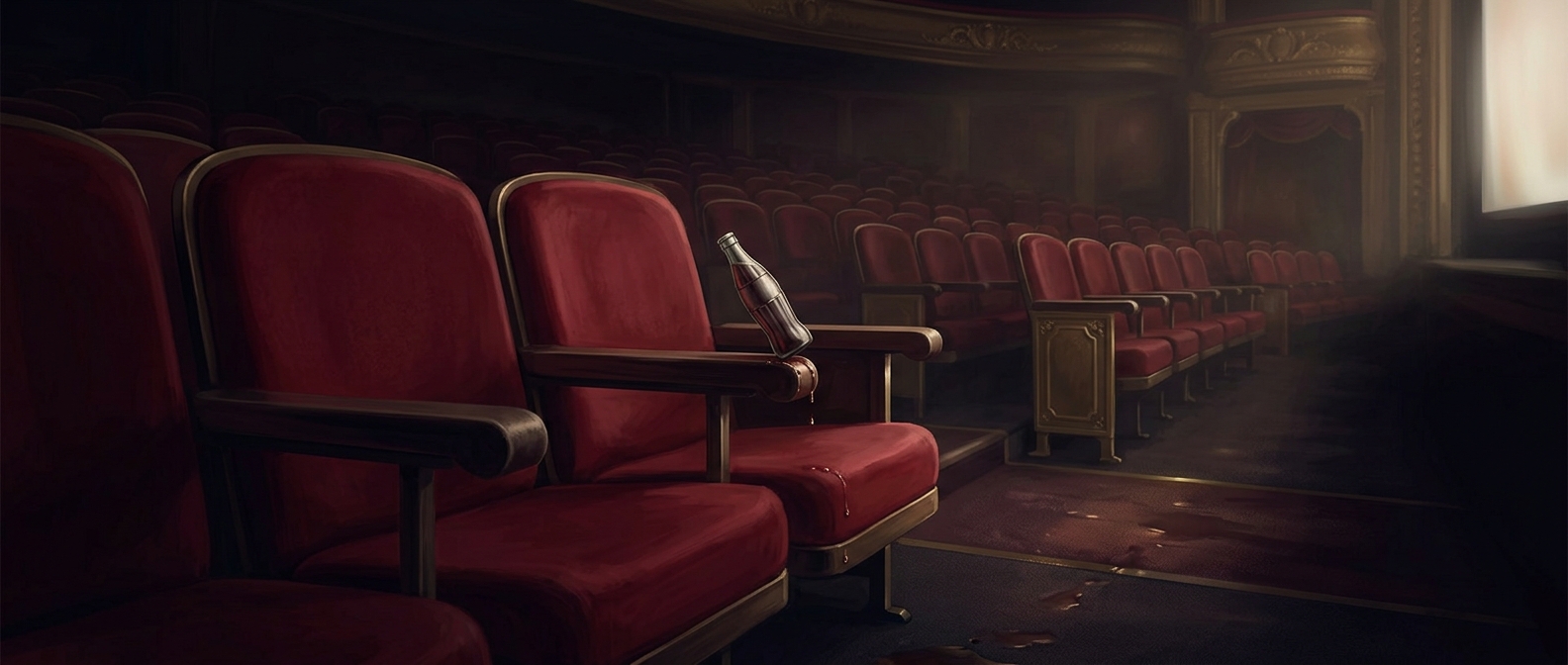
Why movie theaters added cup holders
The cup holders made larger drinks easier to manage, and theaters saw an opportunity to sell more of them. A plastic ring gave customers a place to put their…
Discover more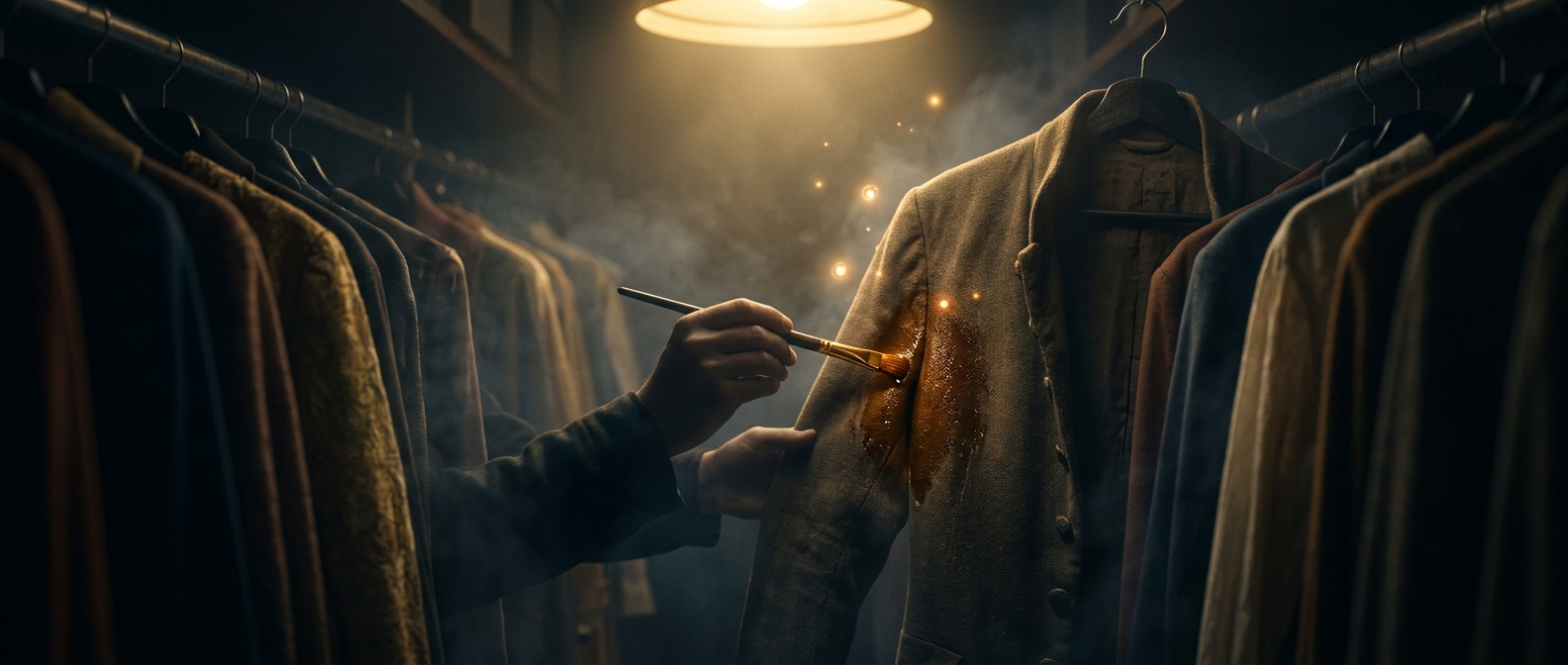
Movie sweat can be applied instead of worked up
Makeup artists use products such as glycerin to create a wet, sweaty appearance on skin. It lets a close-up match the intended exertion without requiring the…
Discover more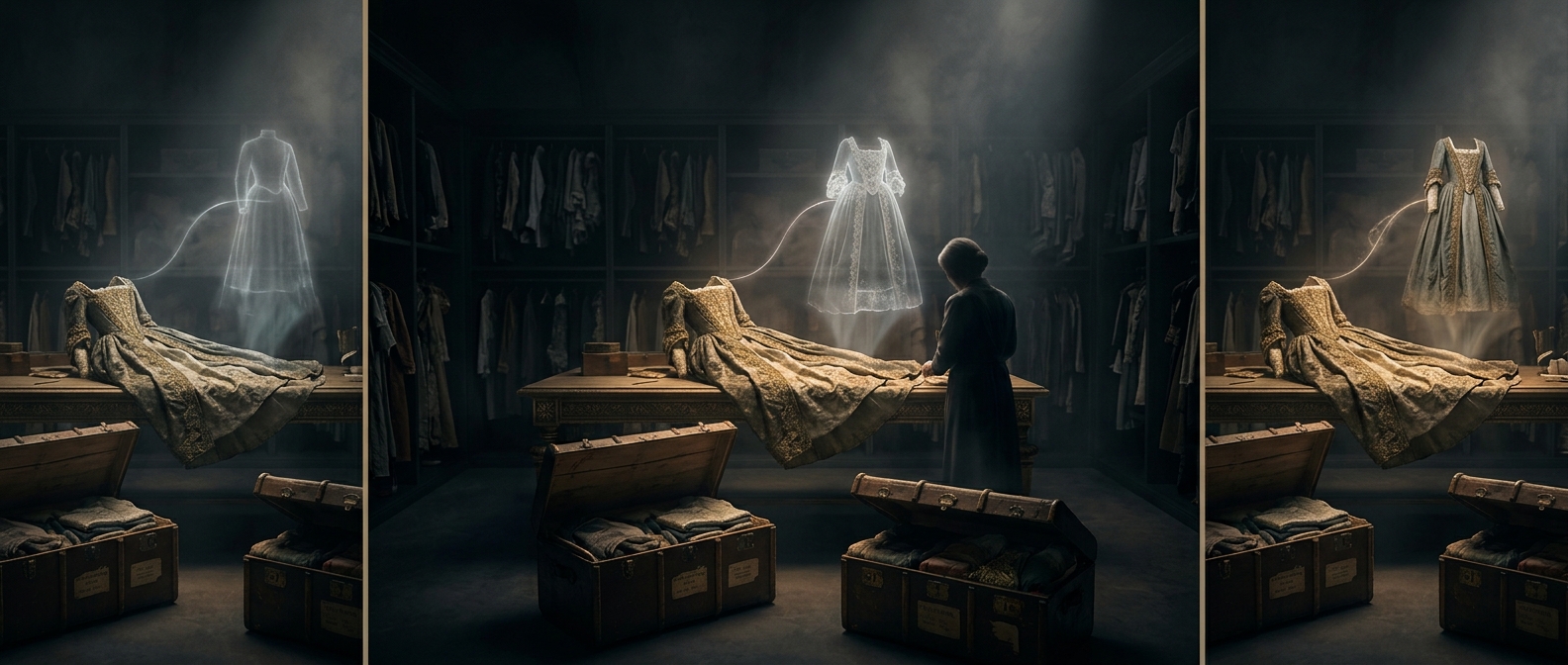
That period costume may have appeared in a dozen films
Because period costumes are expensive to make, rental houses reuse the same corsets, armor, and cloaks across productions—sometimes changing only the buttons.
Discover more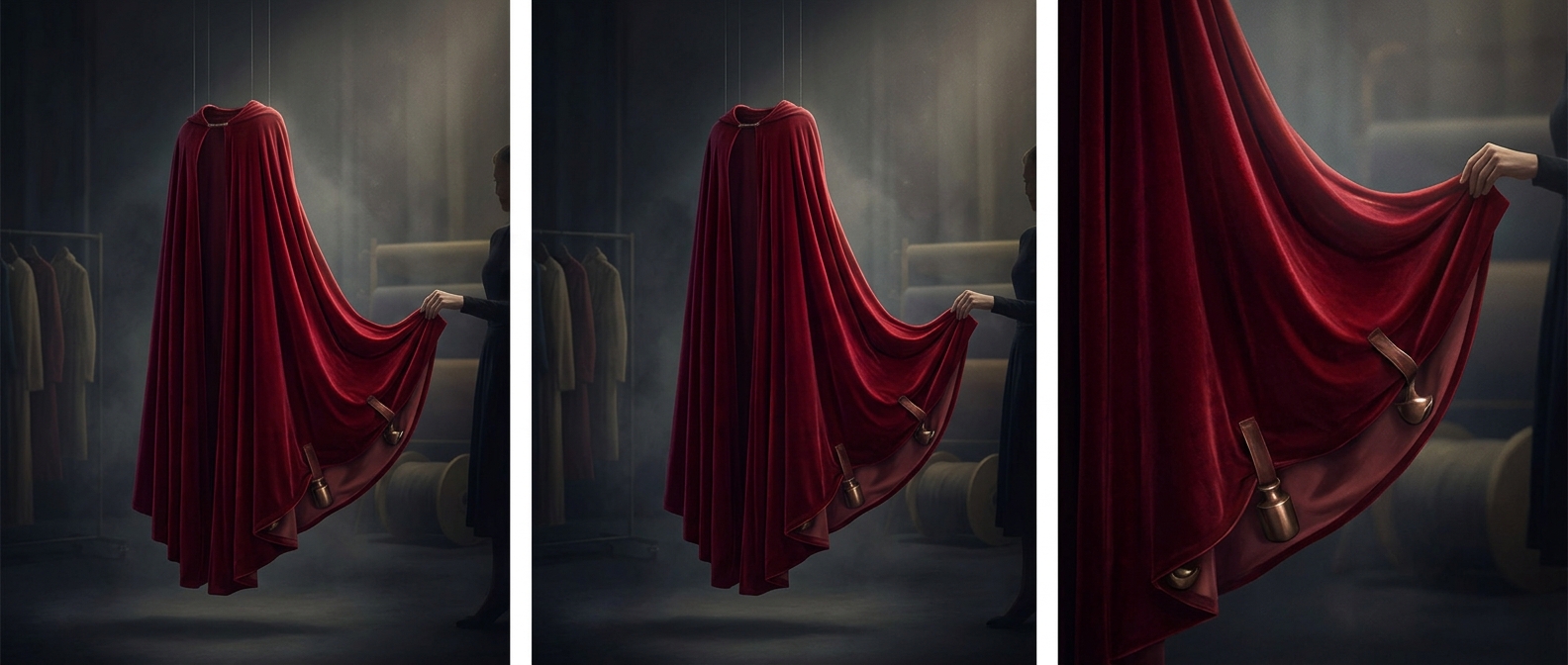
The hidden trick behind a villain’s cape swish
Costumers sew lead fishing weights into the hem, pulling the fabric down so it swishes instead of flapping.
Discover more
Shrek turned an ogre into a major studio asset
The 2001 film earned hundreds of millions of dollars worldwide and gave DreamWorks a franchise built around mocking fairy-tale conventions. An abrasive…
Discover more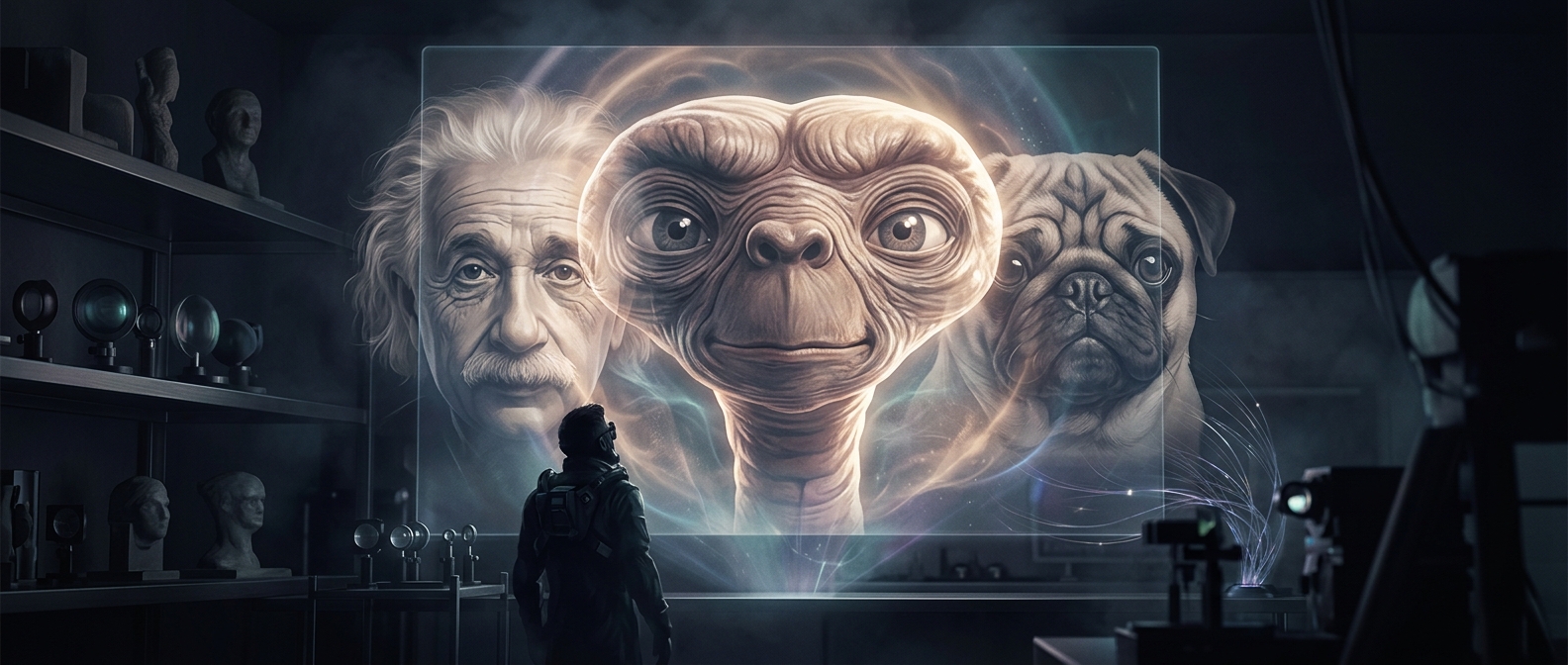
E.T.'s alien face borrowed from very human celebrities
Albert Einstein, Ernest Hemingway, and poet Carl Sandburg were among the faces associated with Carlo Rambaldi's design. Familiar signs of age and character…
Discover more