Culture & entertainment
Discover facts about culture & entertainment. Small discoveries that change the way you see familiar things.
Culture & entertainment
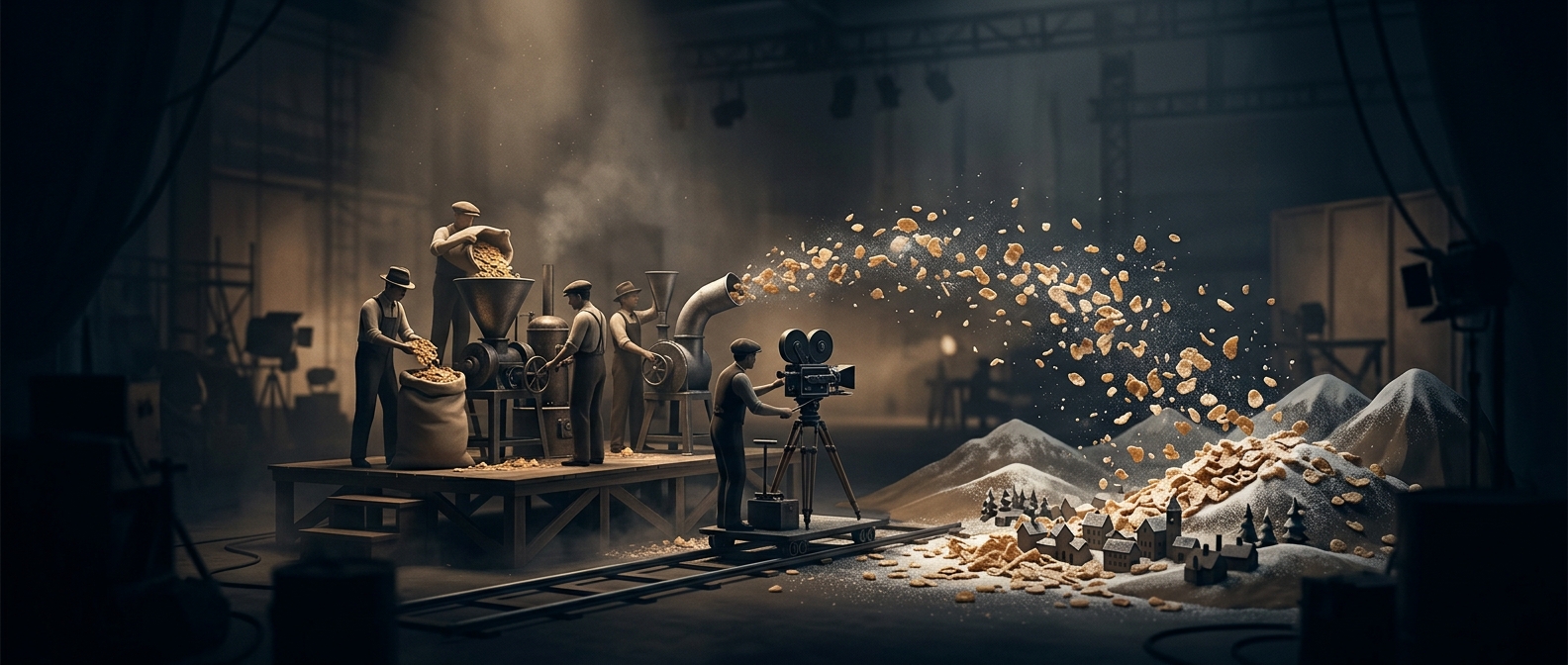
Hollywood once made snow from painted cornflakes
The flakes were so loud underfoot that actors had to overdub their dialogue after filming.
Discover more
Movie posters love making warm faces stand out from cool backgrounds
Orange skin tones and blue-green surroundings create a strong warm–cool contrast. It can make the people remain prominent even in a crowded image. The…
Discover more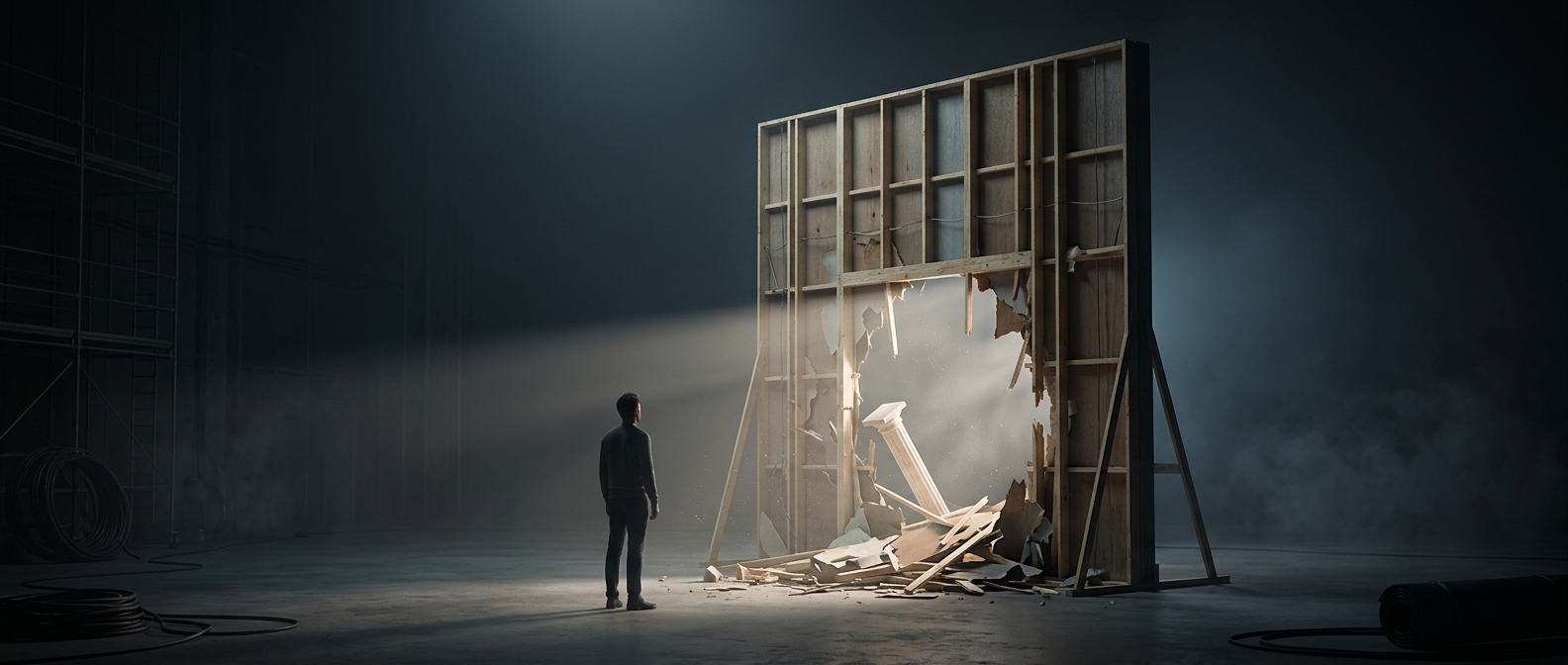
Set walls are notoriously hollow and break fairly easily
Most are quarter-inch plywood over thin pine frames, so even a door slammed too hard can make a wall wobble.
Discover more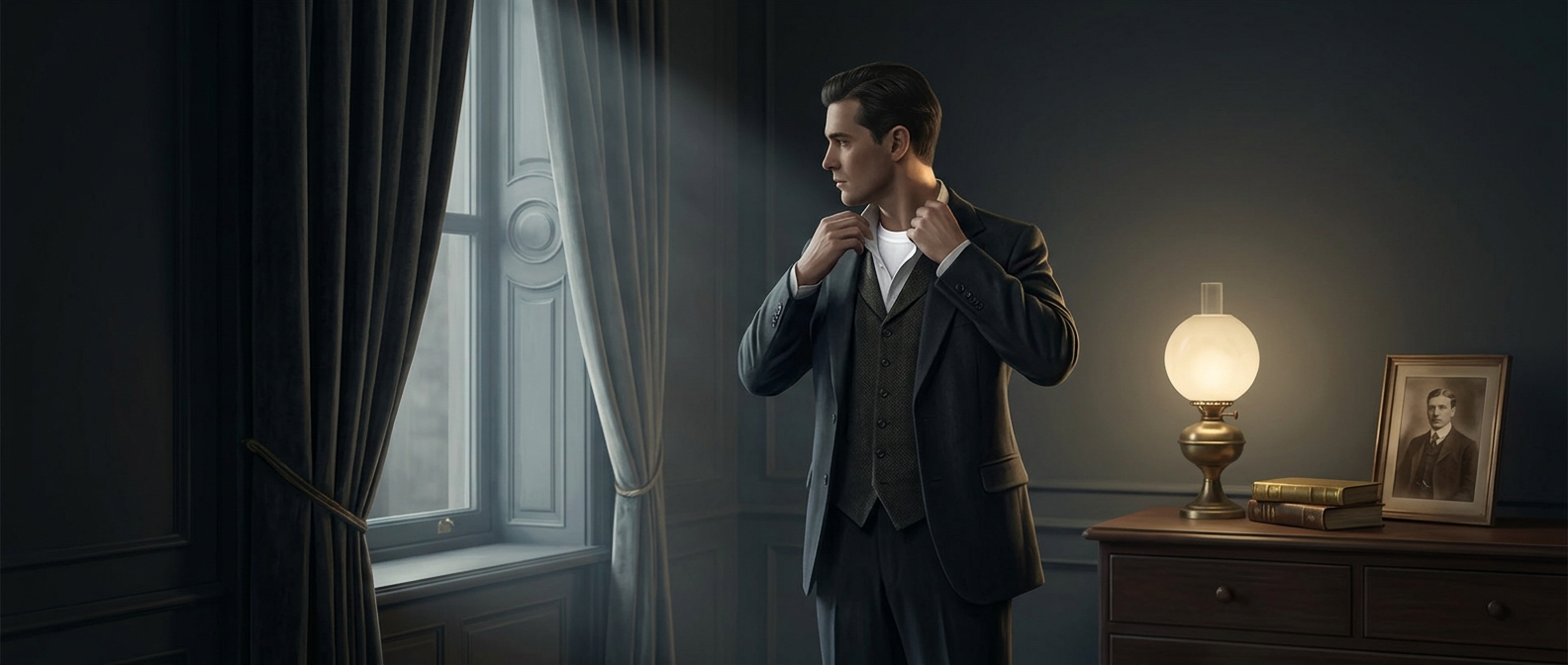
When white T-shirts counted as underwear
They were designed to absorb sweat and protect outer clothes, so wearing one in public was once considered as improper as going out in your underwear.
Discover more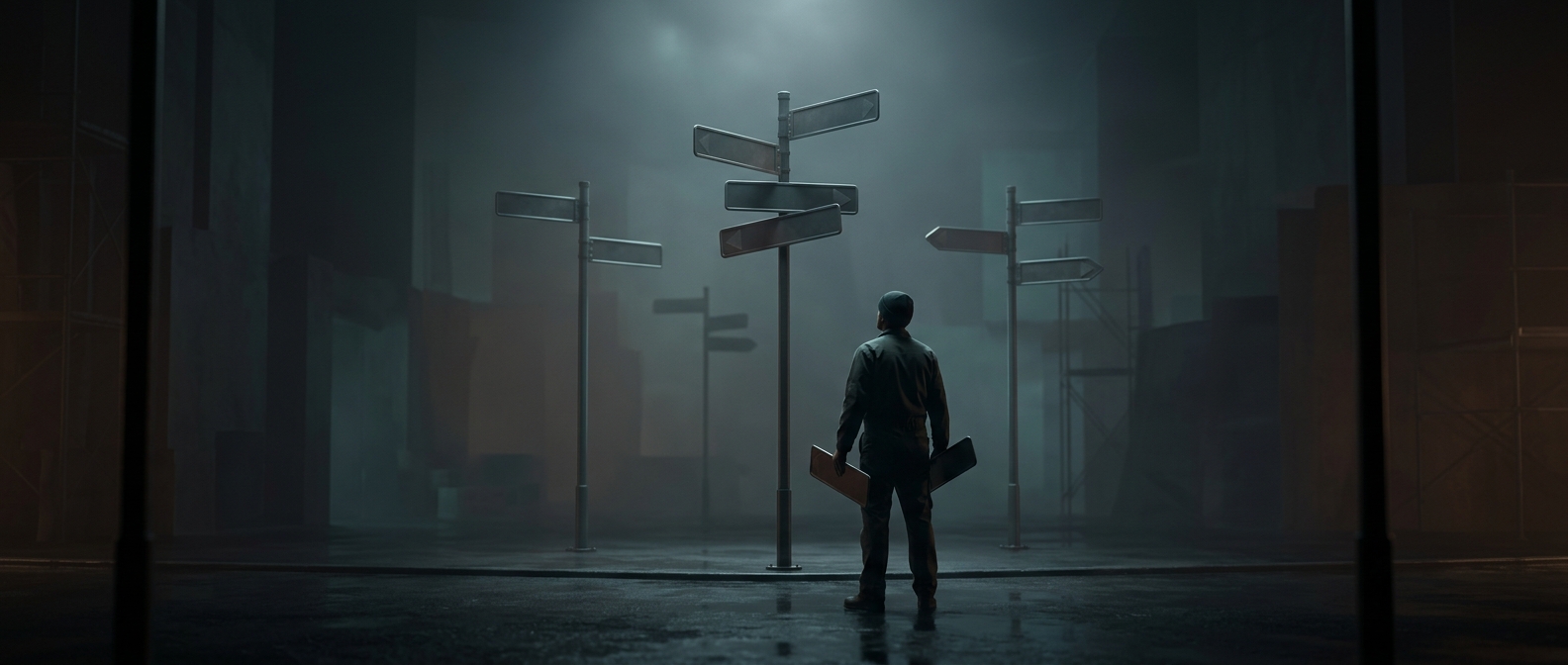
Fake street signs use completely fictitious intersections
Film crews use invented intersection names on street signs so they can dress a real neighborhood without pointing viewers to an actual crossing.
Discover more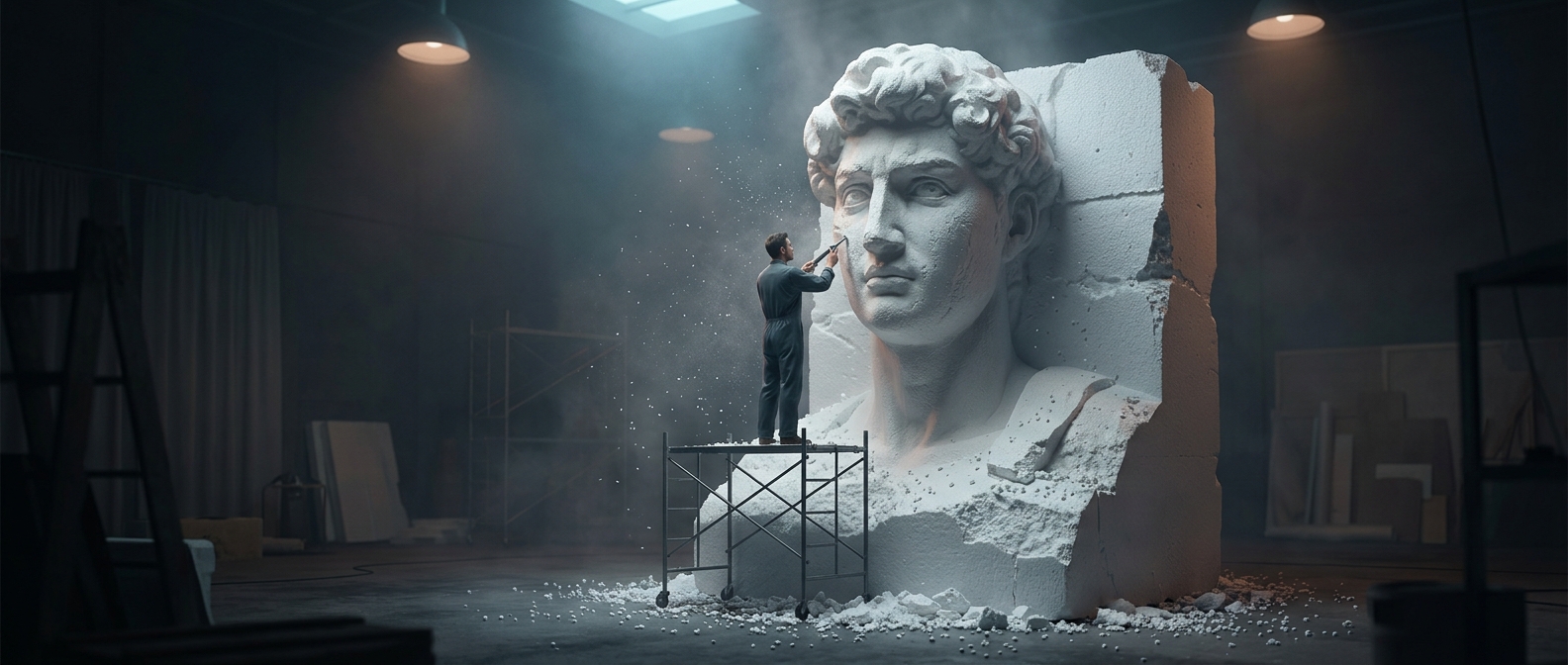
Movie statues may be made from Styrofoam
Set pieces are often carved from cheap Styrofoam and coated with textured paint; real stone or metal is costly and can damage studio floors.
Discover more STACKY FOR IPHONE
A bigger world.
One discovery
at a time.
Keep discovering with Stacky. Interesting facts in an app that is always within reach.
School dress codes were established to force conformity
Some school dress codes were meant to enforce conformity and help staff identify students trying to leave campus.
Discover more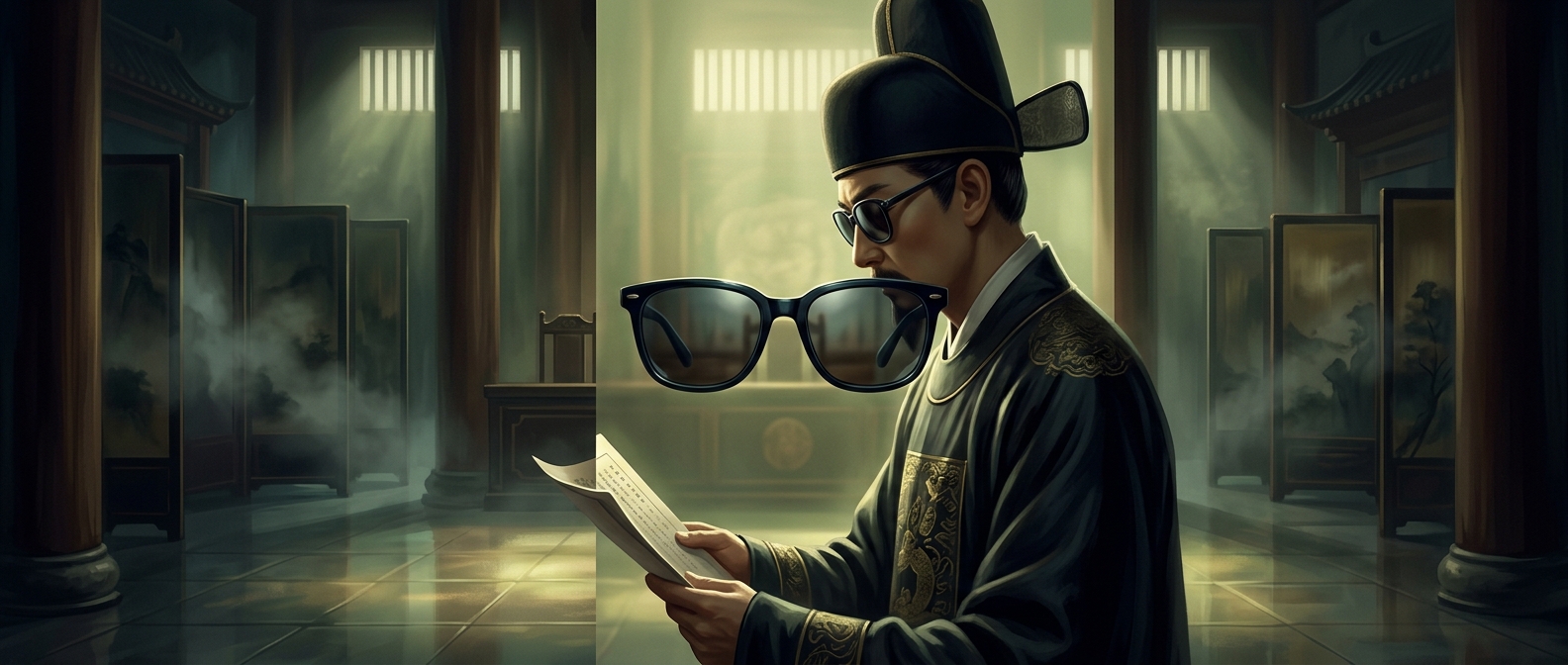
Why Chinese judges wore sunglasses in court
Chinese magistrates wore flat panes of smoky quartz to hide their facial expressions while questioning witnesses.
Discover more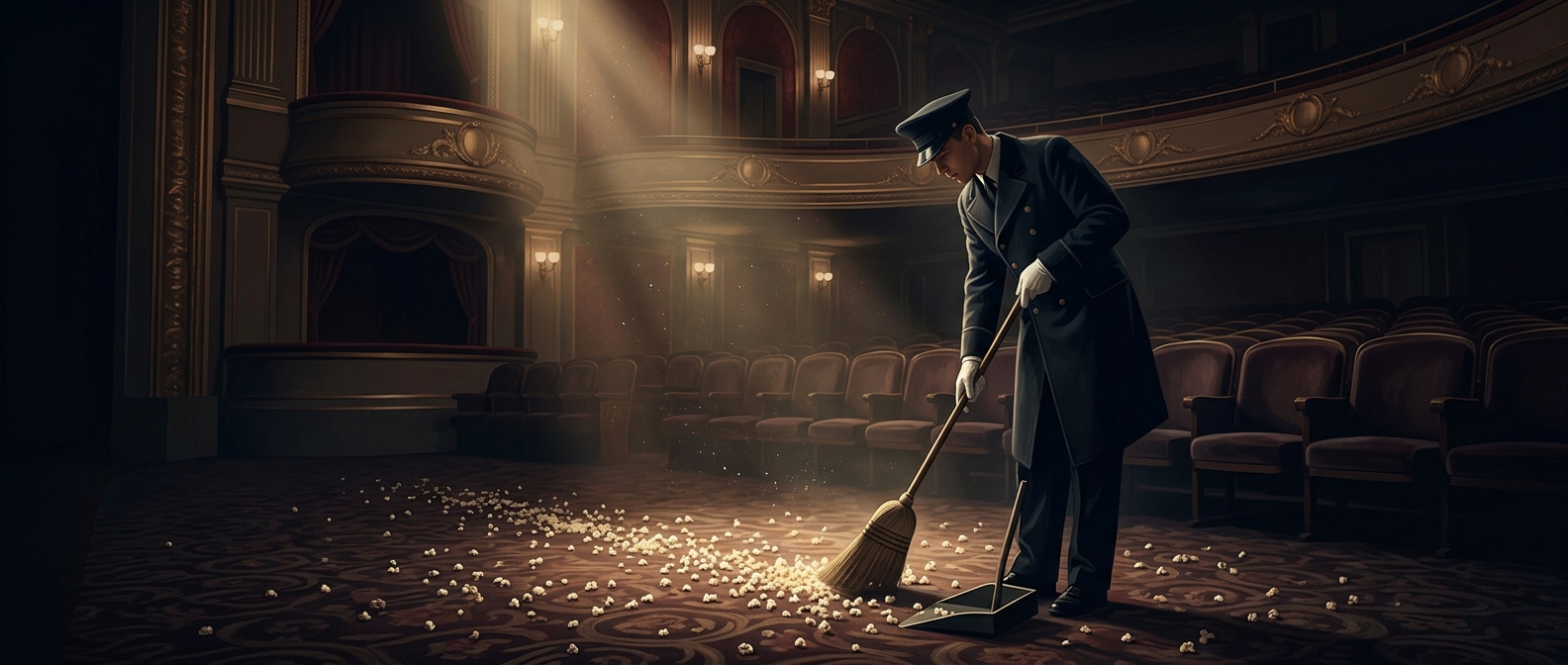
Why early movie theaters banned popcorn
Early theater owners banned popcorn because its crunch disrupted silent films and kernels could damage their imported carpets. During the Great Depression,…
Discover more
Why cinemas love red seats
In dim light, the eye becomes less sensitive to red, so red seats appear much darker and less distracting when the lights go down.
Discover more
Movie bottles are engineered to break on cue
Breakaway props can use specially formulated brittle resins instead of ordinary glass. Their job is to fracture with less force while looking convincing on…
Discover more
1950s 3-D offered something television couldn't easily deliver
Studios used stereoscopic films to help distinguish a cinema visit from watching a small home screen. Glasses sent different images to the two eyes, adding a…
Discover more
Hollywood has a reserved block of fake phone numbers
In the North American numbering system, 555-0100 through 555-0199 are reserved as nonworking numbers for entertainment and advertising. That lets a writer put…
Discover more
Dick Cavett found that too much research could spoil an interview
His staff prepared information about guests, but Cavett reduced how much material he wanted after finding himself referring to notes too often. A thoroughly…
Discover more
Copying dollar bills for a camera has real-world rules
U.S. rules for color illustrations require a one-sided image outside specified life-size dimensions, along with disposal of reproduction materials after use.…
Discover more
Denim jeans were heavily marketed as rugged workwear
Rivets and thick denim were designed to keep miners' pants from tearing during hard labor; high society initially ignored the rugged workwear.
Discover more
Some movie boulders can bounce
Some heavy-looking movie boulders are made of polyurethane foam under a hard coating, so they can bounce if dropped.
Discover more
DVD menus were actively designed to loop infinitely
The menus were programmed to replay a short soundtrack clip indefinitely so the player wouldn't time out; if you fell asleep, that loop could greet you when…
Discover more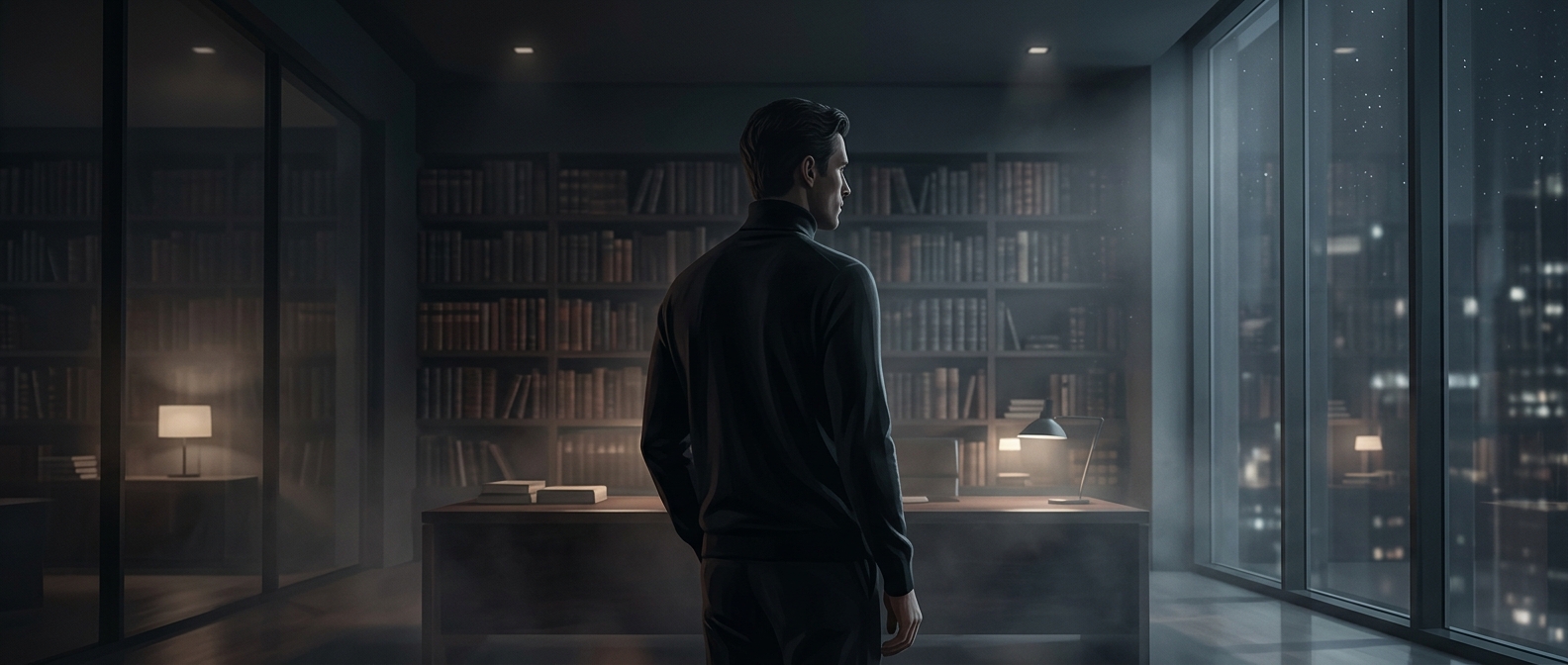
Turtlenecks became the ultimate intellectual uniform
High-collared shirts once kept manual laborers warm; beatniks and academics later adopted them as a signal of intellectual seriousness.
Discover more
Elaborate set plants are almost exclusively made of silk
On a soundstage, hot lights can make real foliage wilt, so decorators often use detailed, fire-retardant silk plants instead. Those fakes stay camera-ready…
Discover more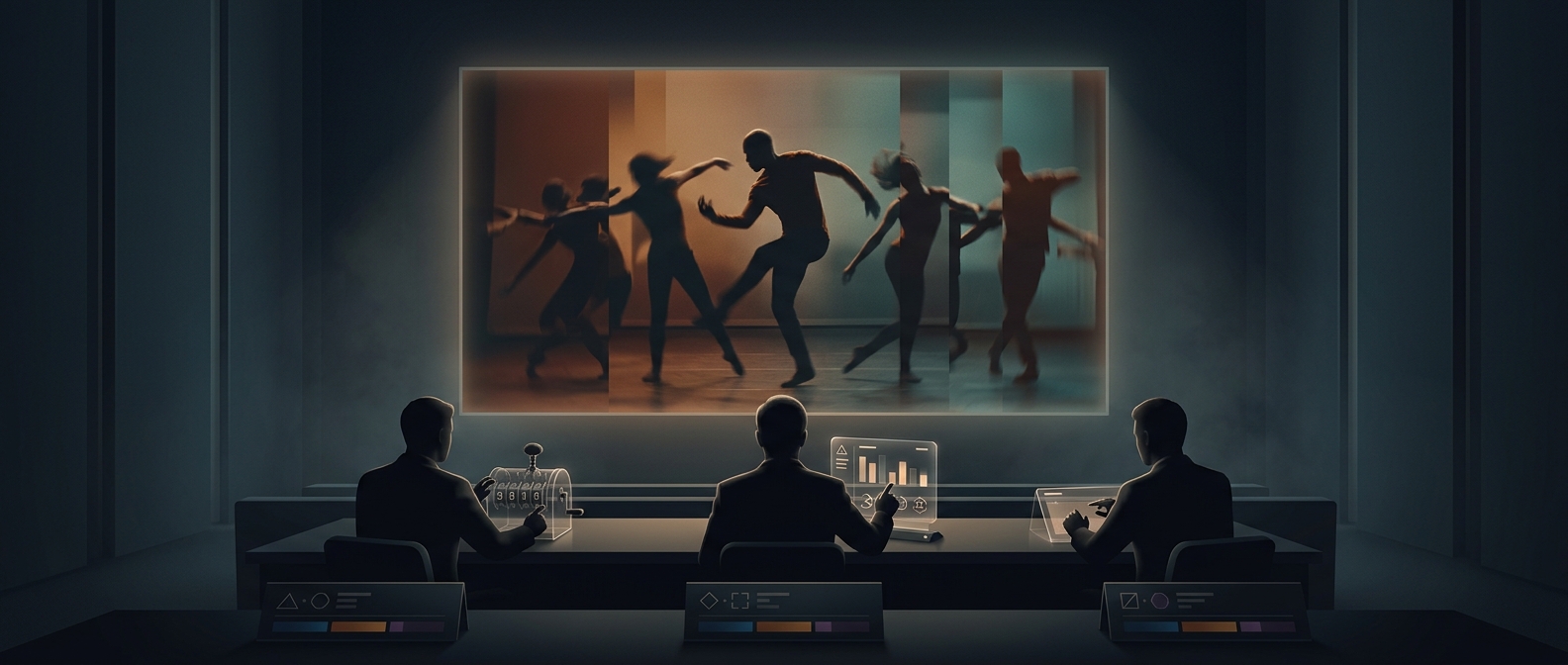
How pelvic thrusts can affect a film's rating
Some film-rating boards count pelvic thrusts in intimate scenes; too many can push a movie from an R rating into the adults-only category.
Discover more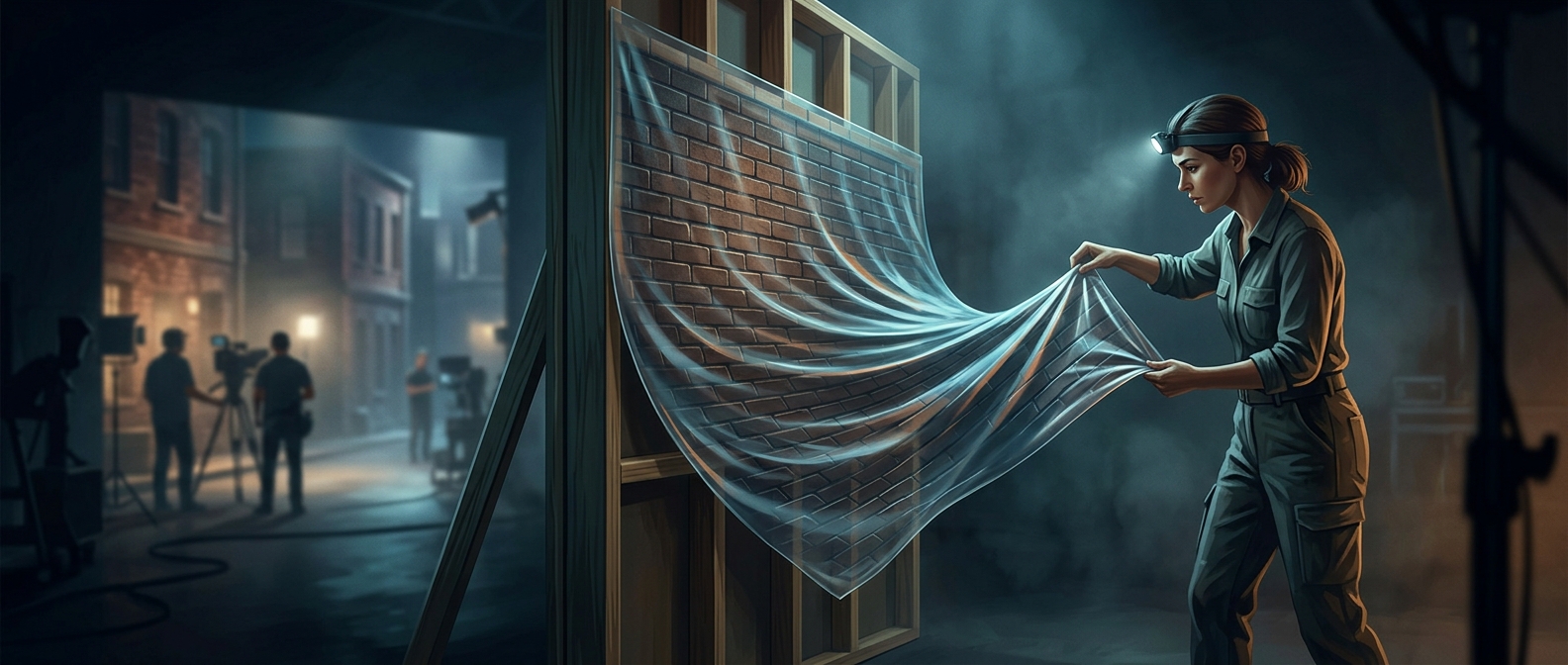
Fake brick walls are flimsy vacuum-formed plastic sheets
Film sets can create convincing brick walls with thin, vacuum-formed plastic panels attached to wooden frames. They look solid on camera but are light enough…
Discover more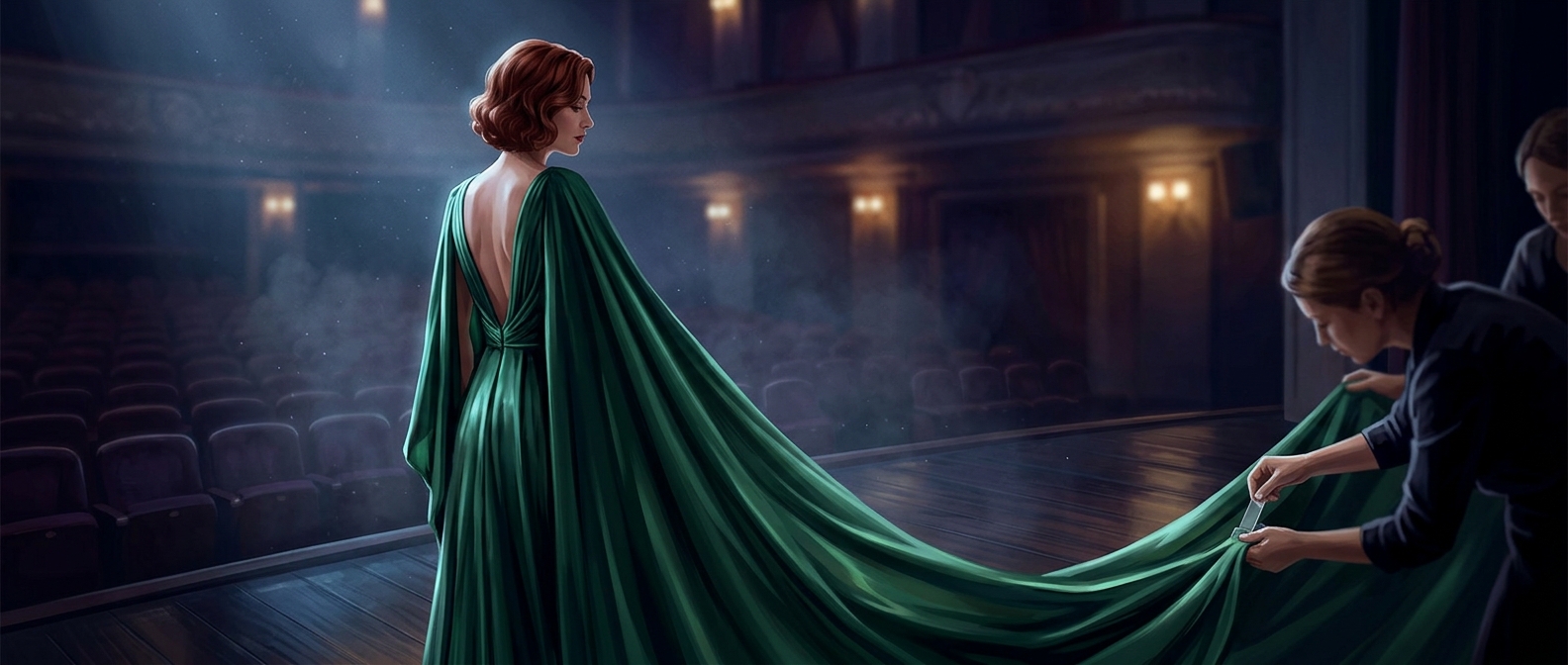
How plunging necklines stay in place on set
Wardrobe crews use double-sided tape to fasten fabric to an actor’s skin; removing it can hurt.
Discover more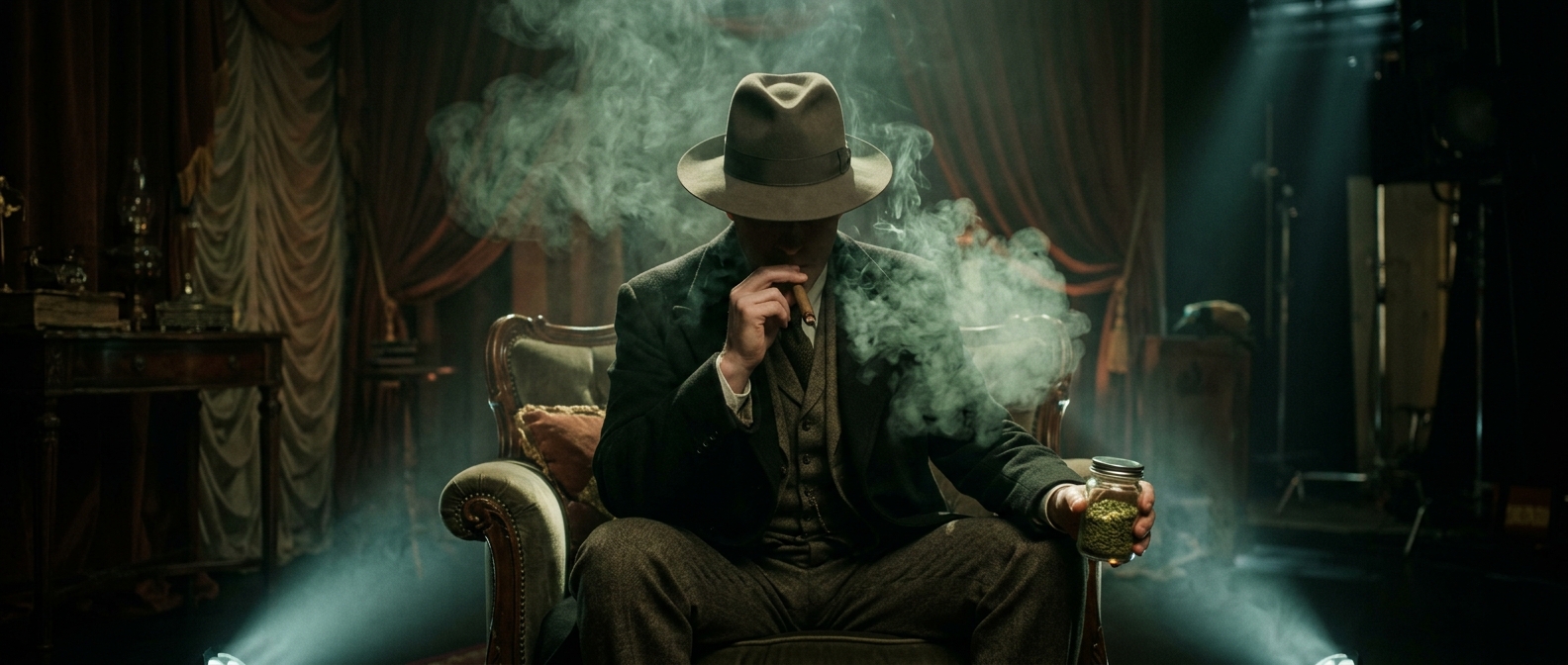
What actors really smoke in movie scenes
Prop masters often use oregano or other herbal blends instead of real drugs. The scene may look convincing, but the set can end up smelling like an Italian…
Discover more