Culture & entertainment
Discover facts about culture & entertainment. Small discoveries that change the way you see familiar things.
Culture & entertainment
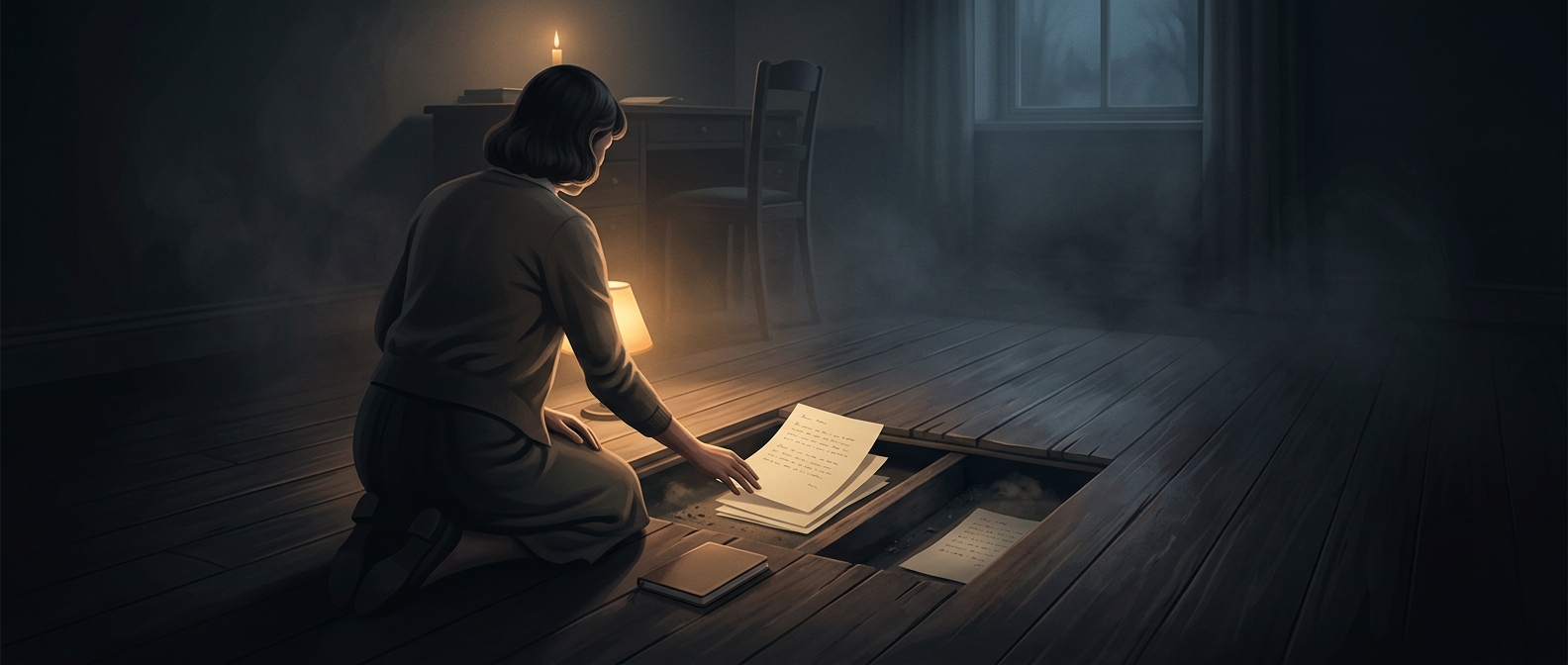
Sylvia Plath's Ariel reached readers in a different order
The collection published after Plath's death differed from the selection and sequence she had prepared. In 2004, a restored edition reproduced her arrangement…
Discover more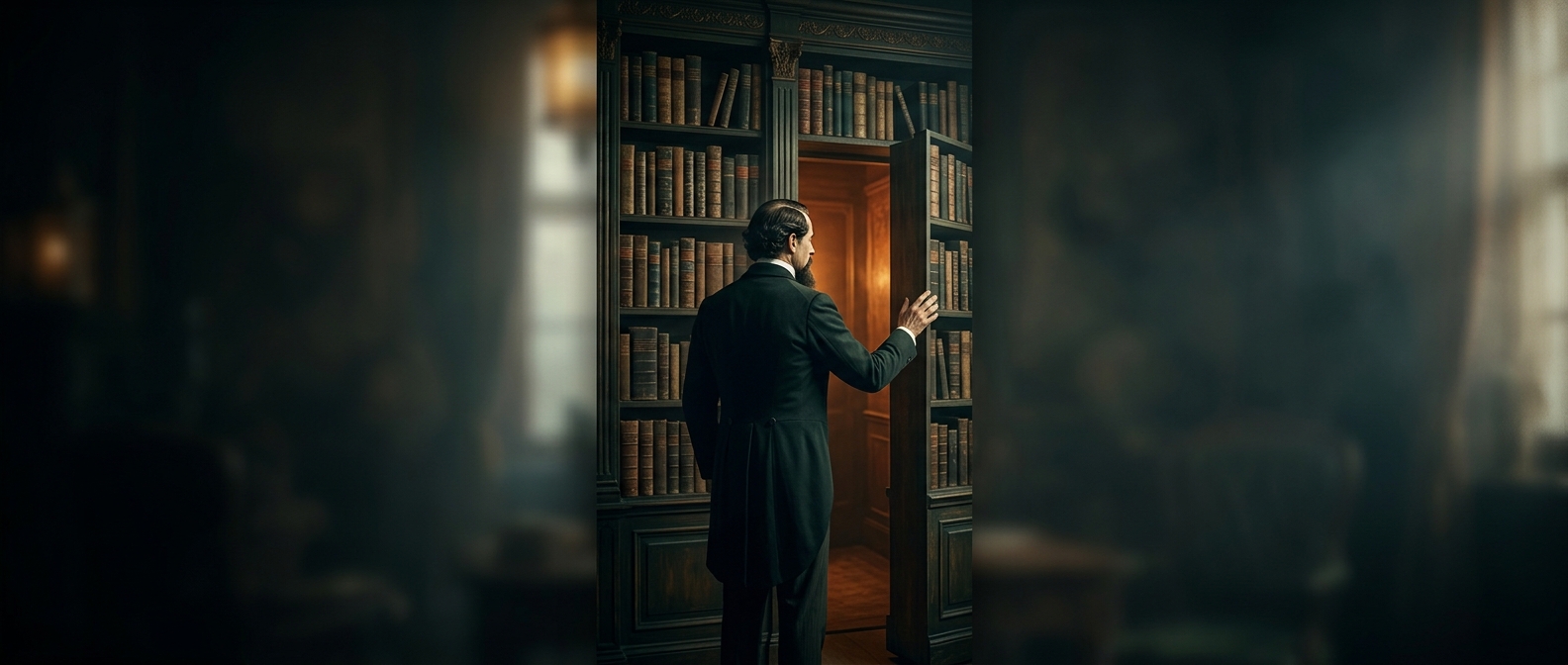
Dickens hid a door behind fake books
Dickens disguised the door as a bookshelf with fake book spines, including a nine-volume set called “Cat’s Lives” and a book titled “The Art of Tearing Up…
Discover more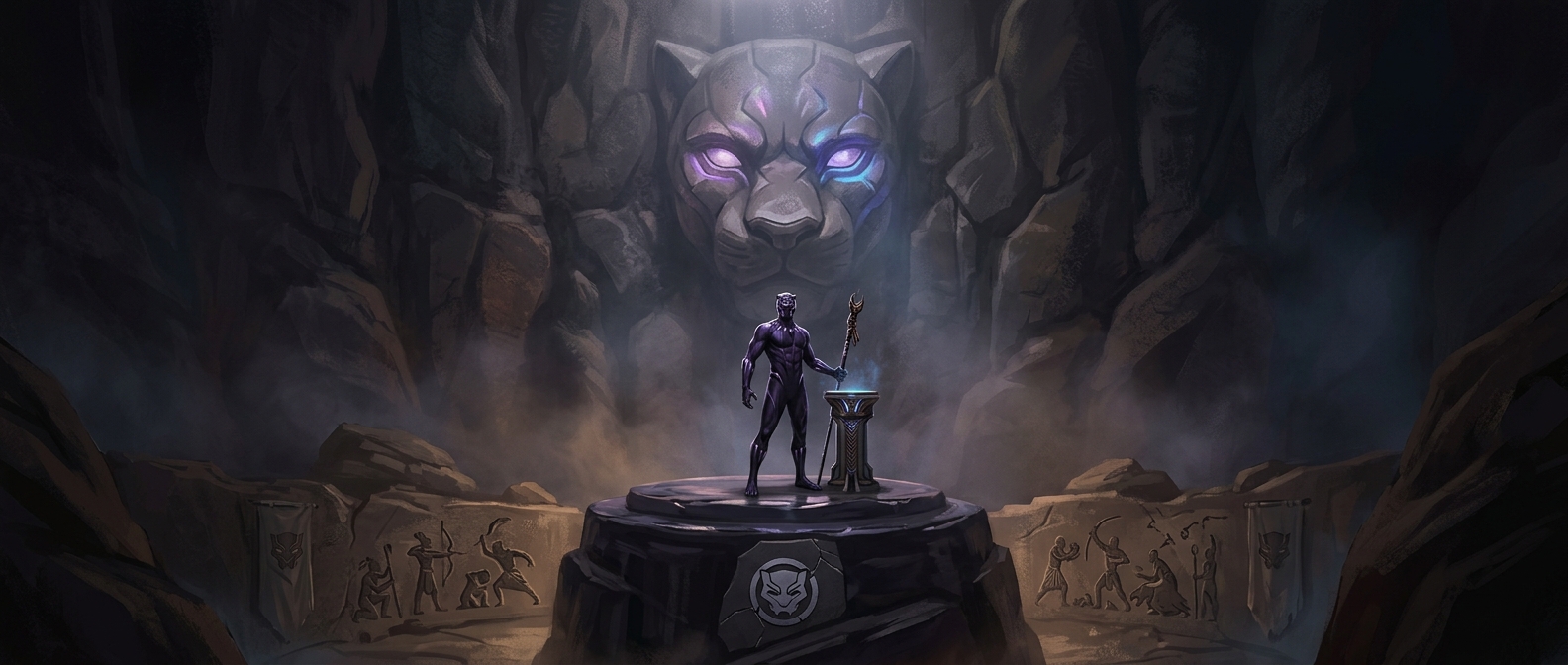
Black Panther appeared before the Black Panther Party
T'Challa debuted in Fantastic Four #52 in July 1966, months before the Black Panther Party was founded that October. Marvel briefly renamed him Black Leopard…
Discover more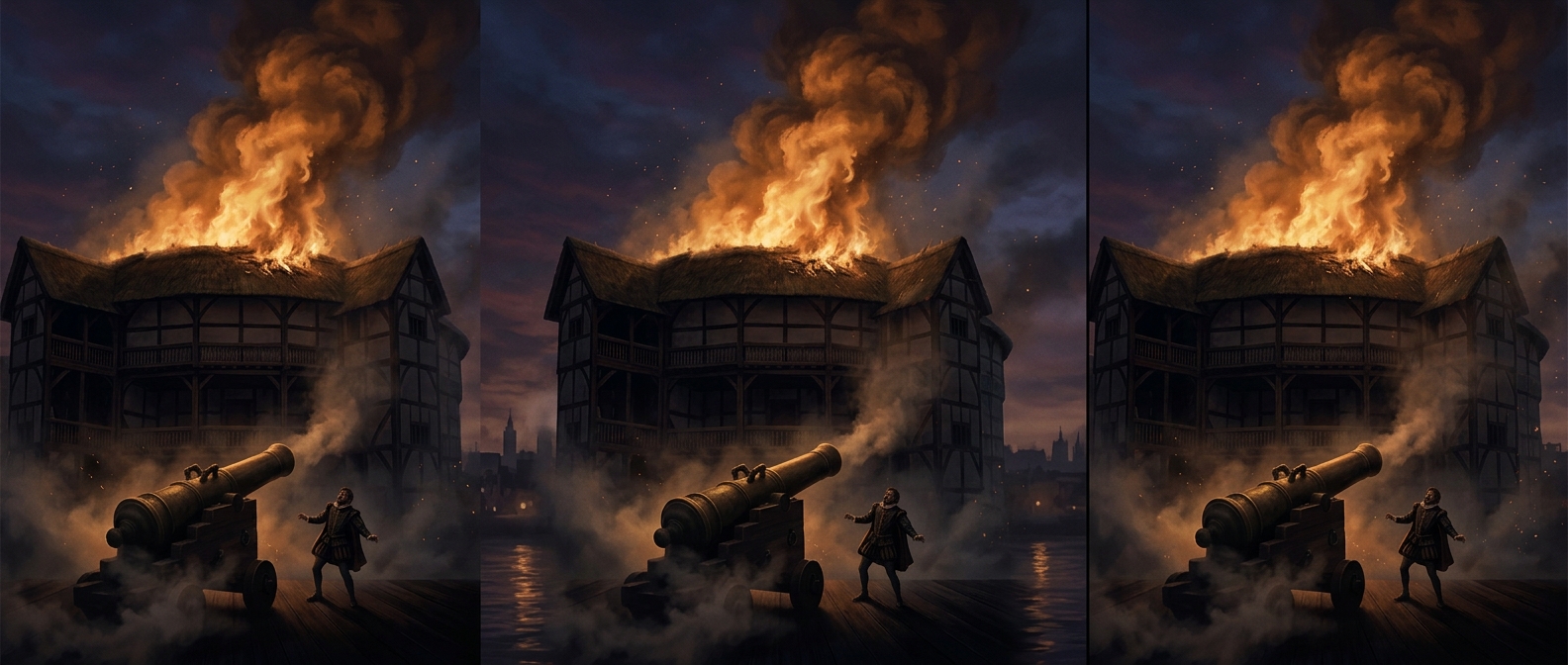
A misfired cannon burned Shakespeare's Globe
The cannon’s wadding caught the thatched roof, and the Globe burned down in under an hour. No one died, though one man’s pants caught fire.
Discover more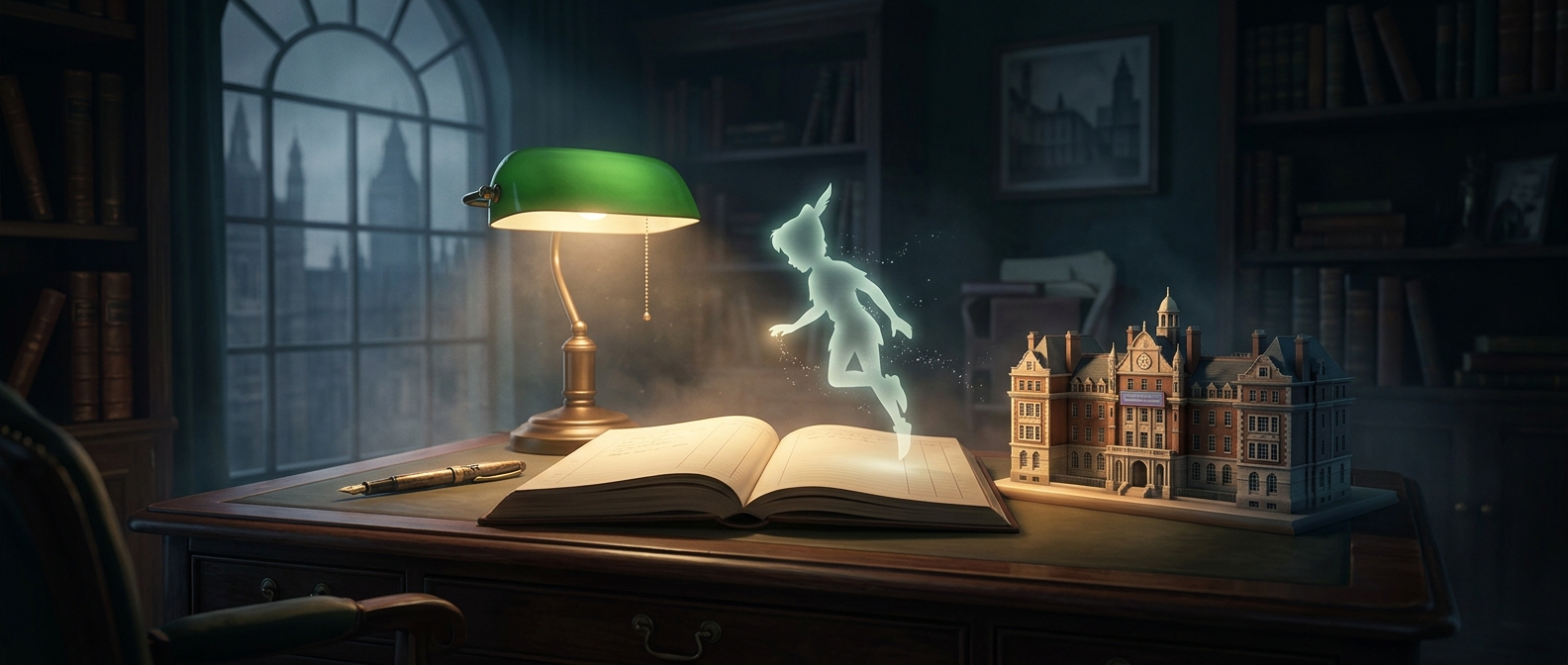
Peter Pan's royalties were given to a children's hospital
J. M. Barrie donated the rights to Great Ormond Street Hospital in 1929 and asked that the money raised remain private. A special provision in Britain's 1988…
Discover more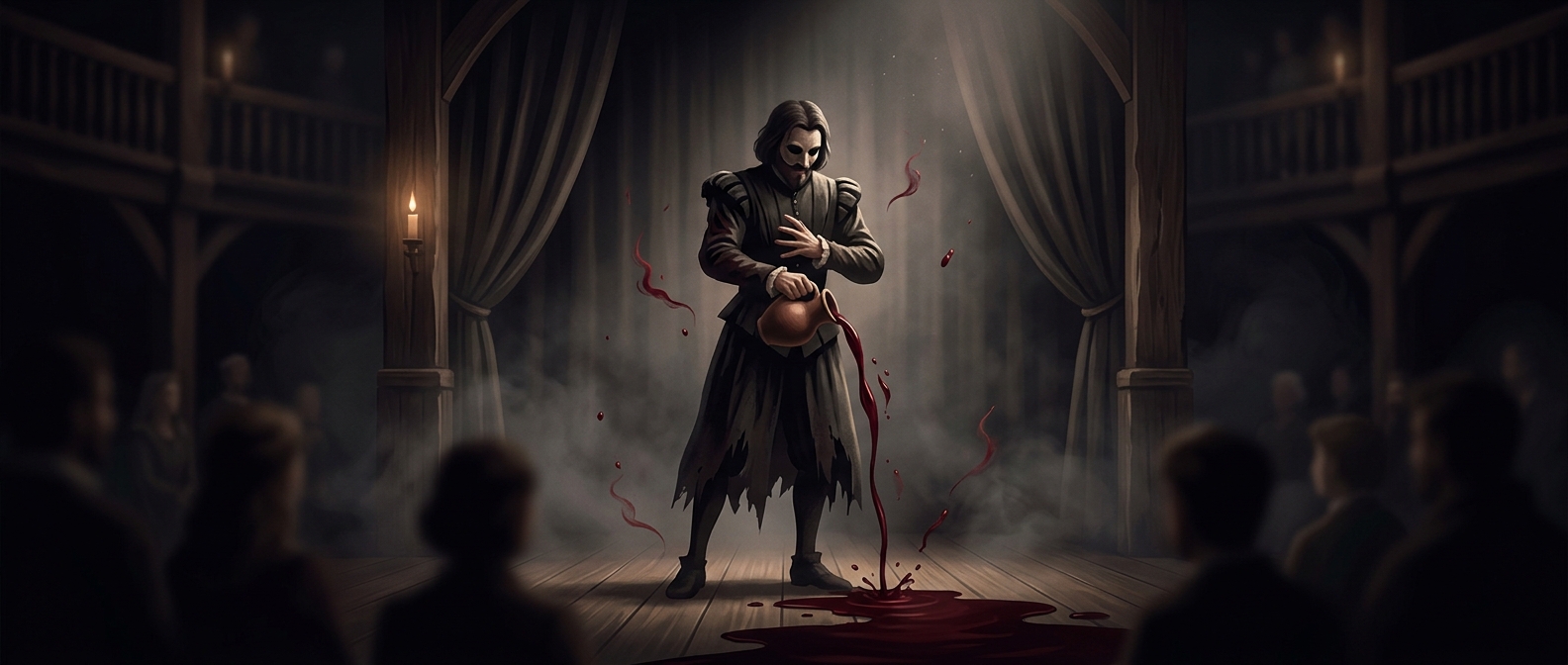
Shakespearean gore could come packed in an animal bladder
Stage effects used bladders filled with blood to create visible wounds or bloody severed heads. Breaking the hidden container released the effect at the…
Discover more STACKY FOR IPHONE
A bigger world.
One discovery
at a time.
Keep discovering with Stacky. Interesting facts in an app that is always within reach.
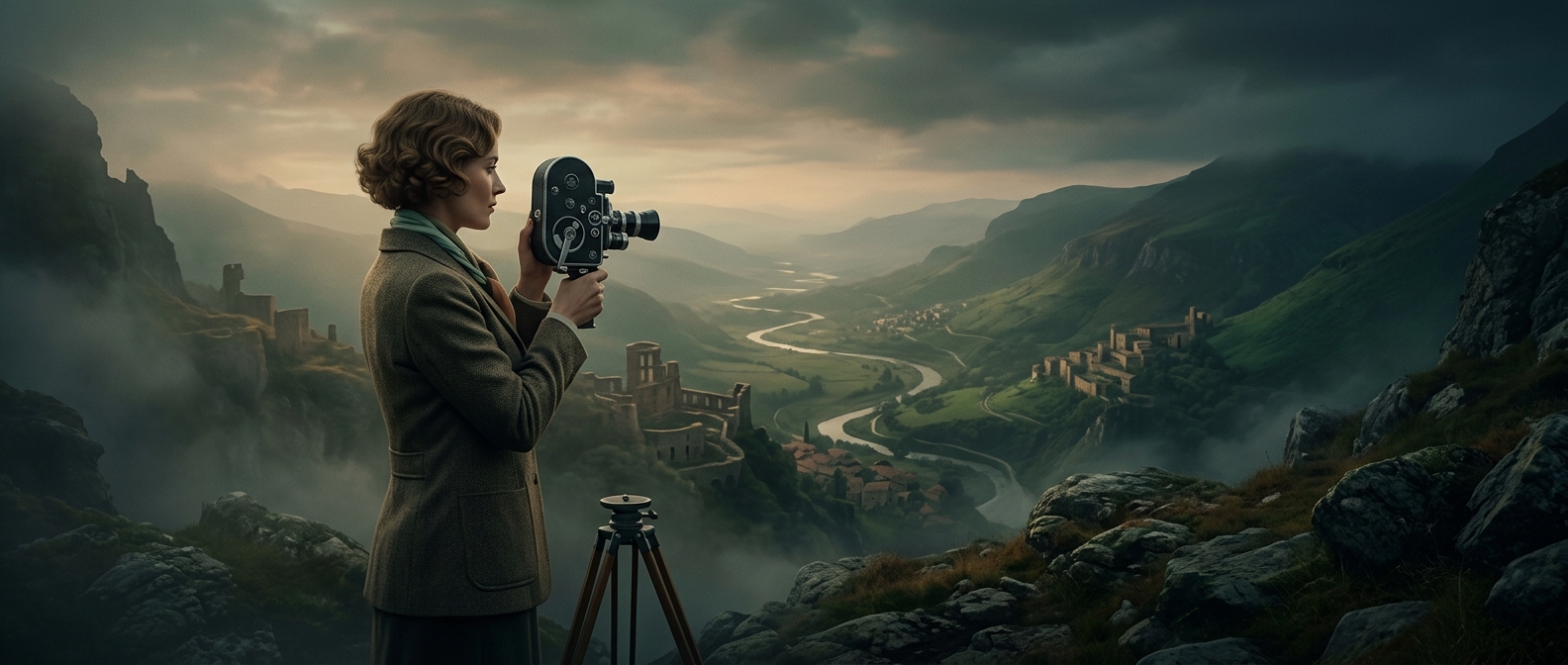
Travel stories had moving pictures long before the internet
Burton Holmes's travel lectures used hand-colored slides in the 1890s and began including motion pictures in 1897–1898. Audiences could sit in a theater while…
Discover more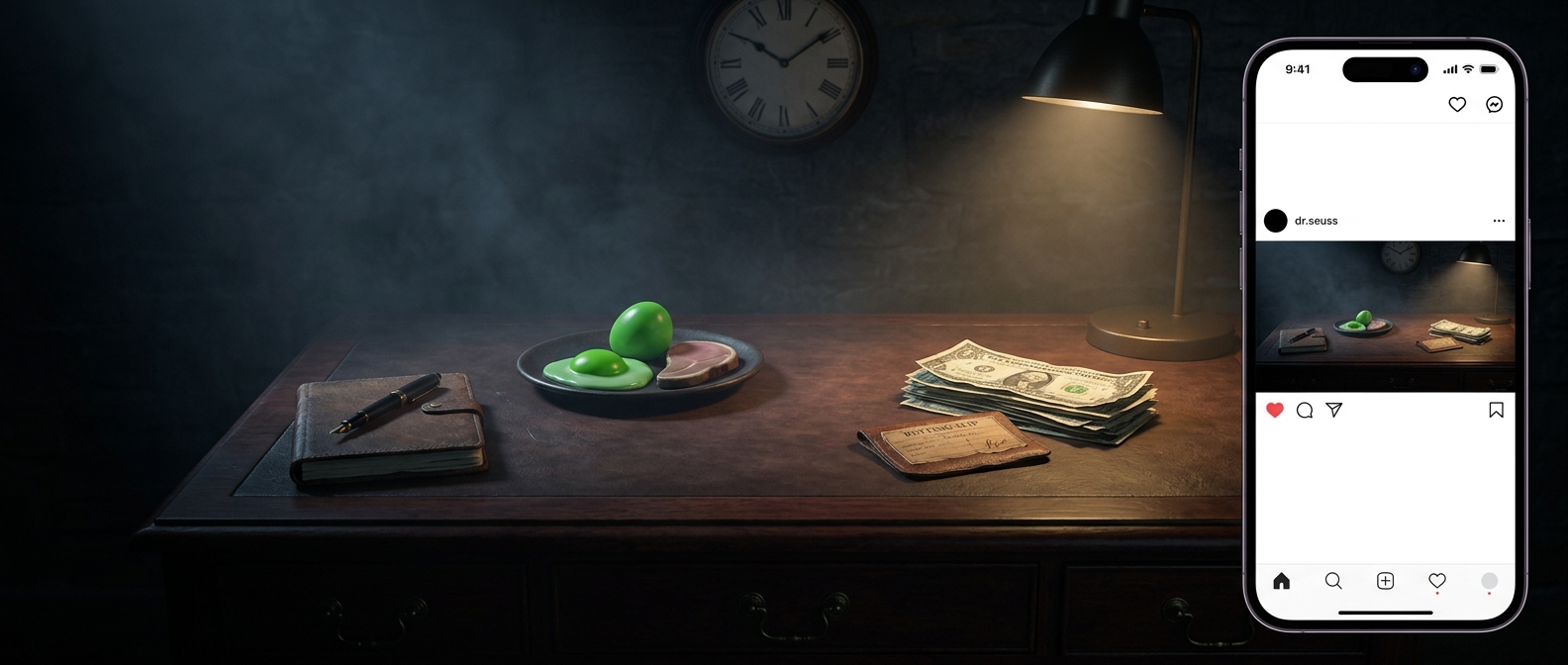
How a $50 bet produced Green Eggs and Ham
Publisher Bennett Cerf bet Dr. Seuss $50 that he couldn’t write a children’s book using exactly 50 unique words. Seuss wrote Green Eggs and Ham for the…
Discover more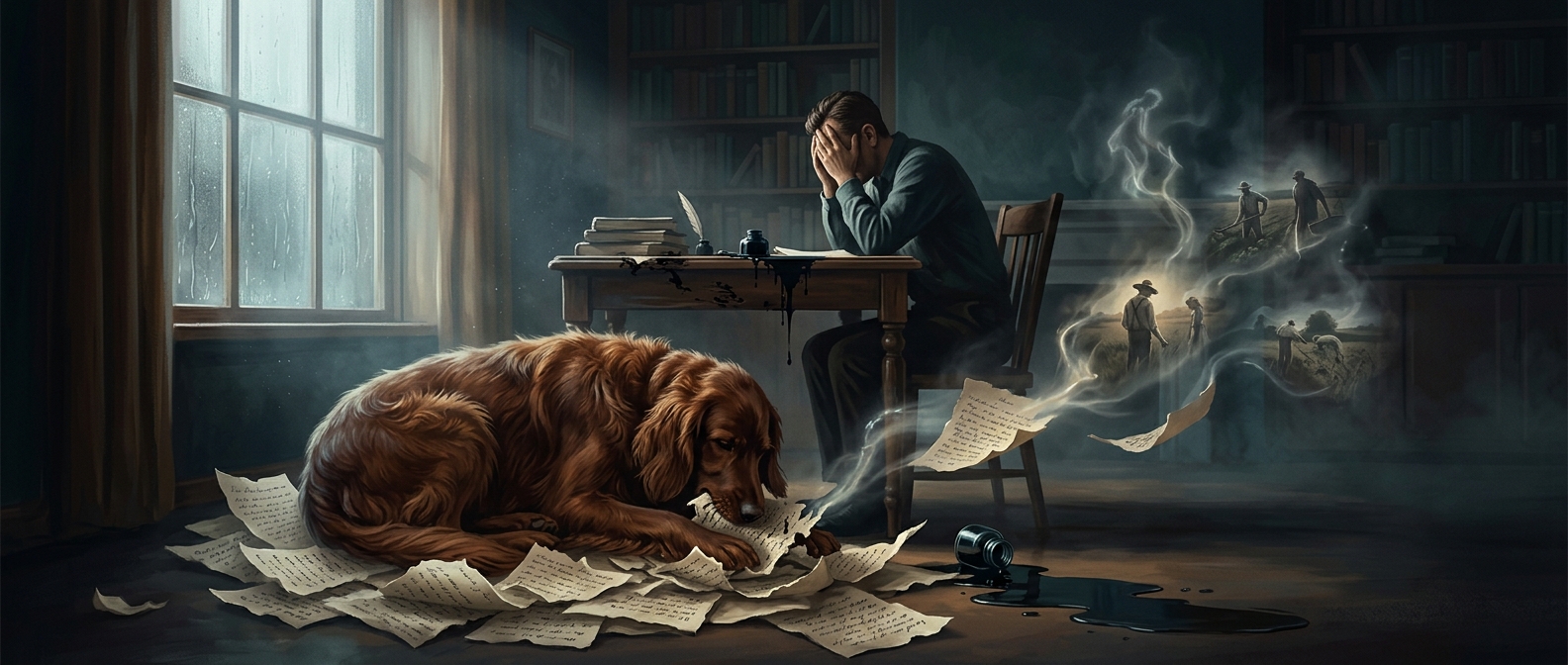
Steinbeck's puppy really did chew up his manuscript
Toby damaged a substantial portion of the work that became Of Mice and Men. Steinbeck described the incident in a 1936 letter and had to reconstruct the lost…
Discover more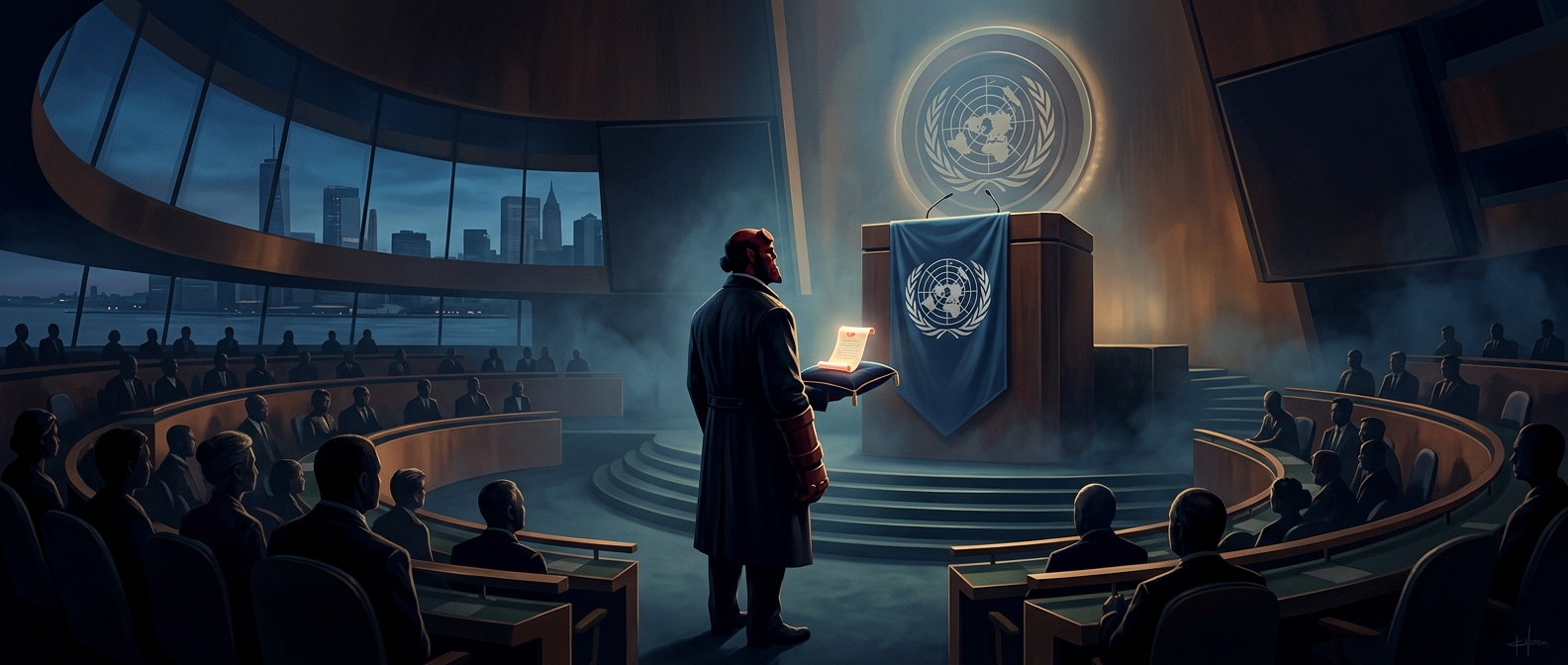
Hellboy's fictional paperwork made a demon officially human
Within the comics' backstory, the United Nations grants Hellboy honorary human status. It is a bureaucratic joke built into a supernatural world: the…
Discover more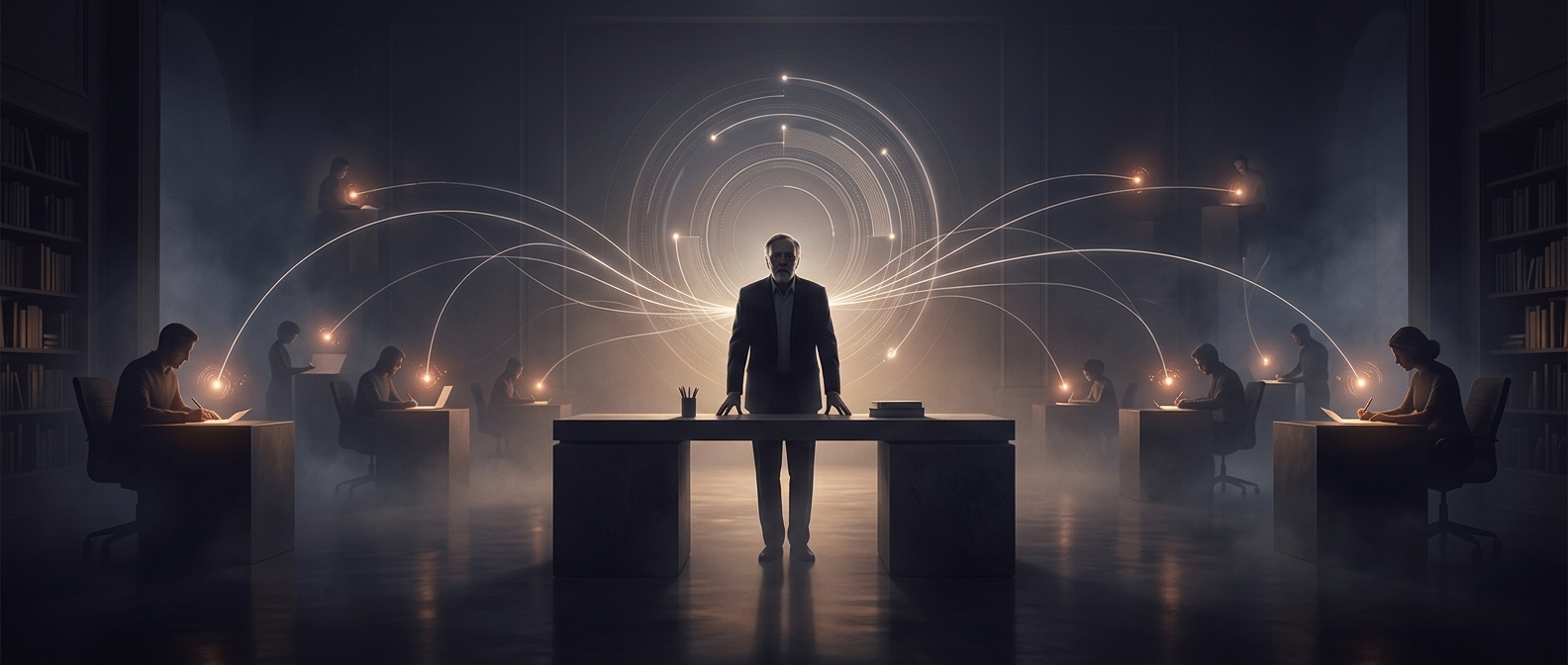
How James Patterson publishes so many novels
Patterson develops outlines with coauthors, who draft the books; he then reviews their manuscripts.
Discover more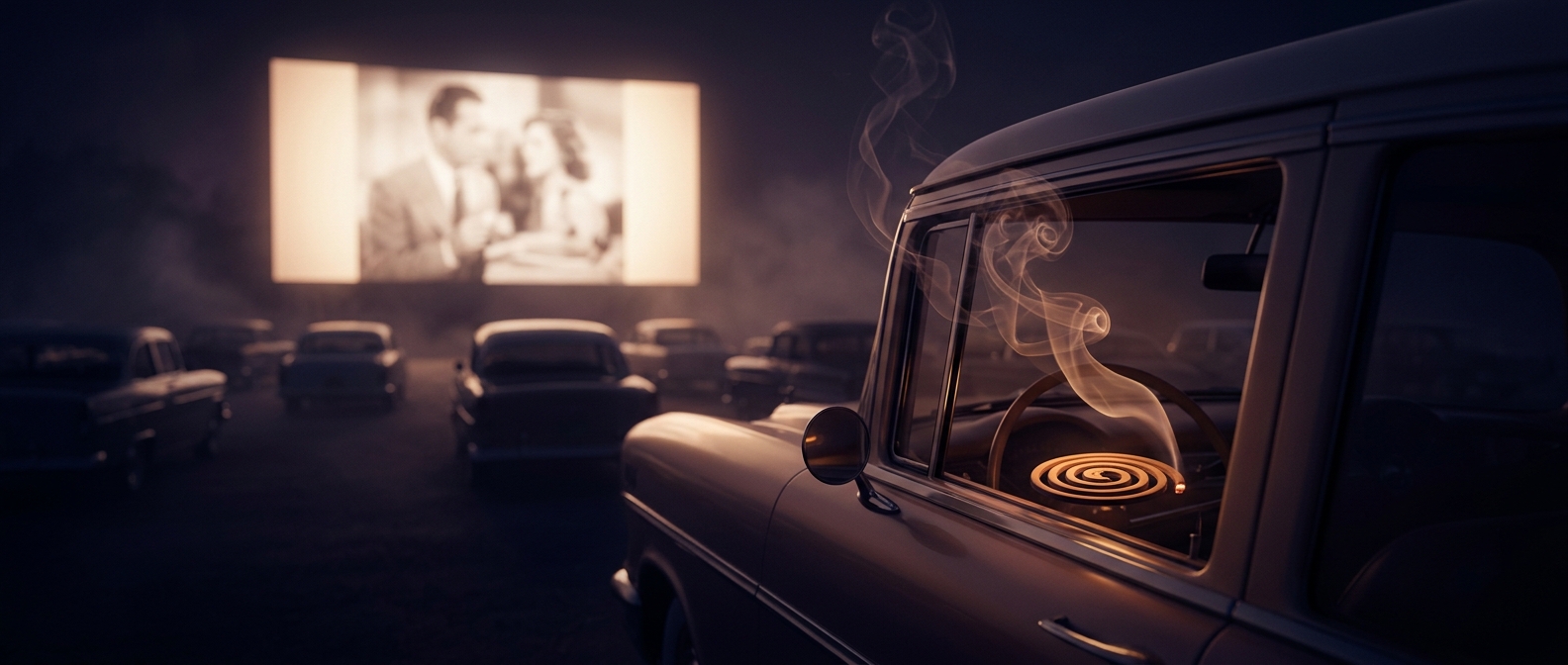
Early drive-ins had to solve a parking problem before a movie problem
Richard Hollingshead experimented with ramps so cars behind other cars would still have a view of the screen. His 1933 New Jersey theater combined the film…
Discover more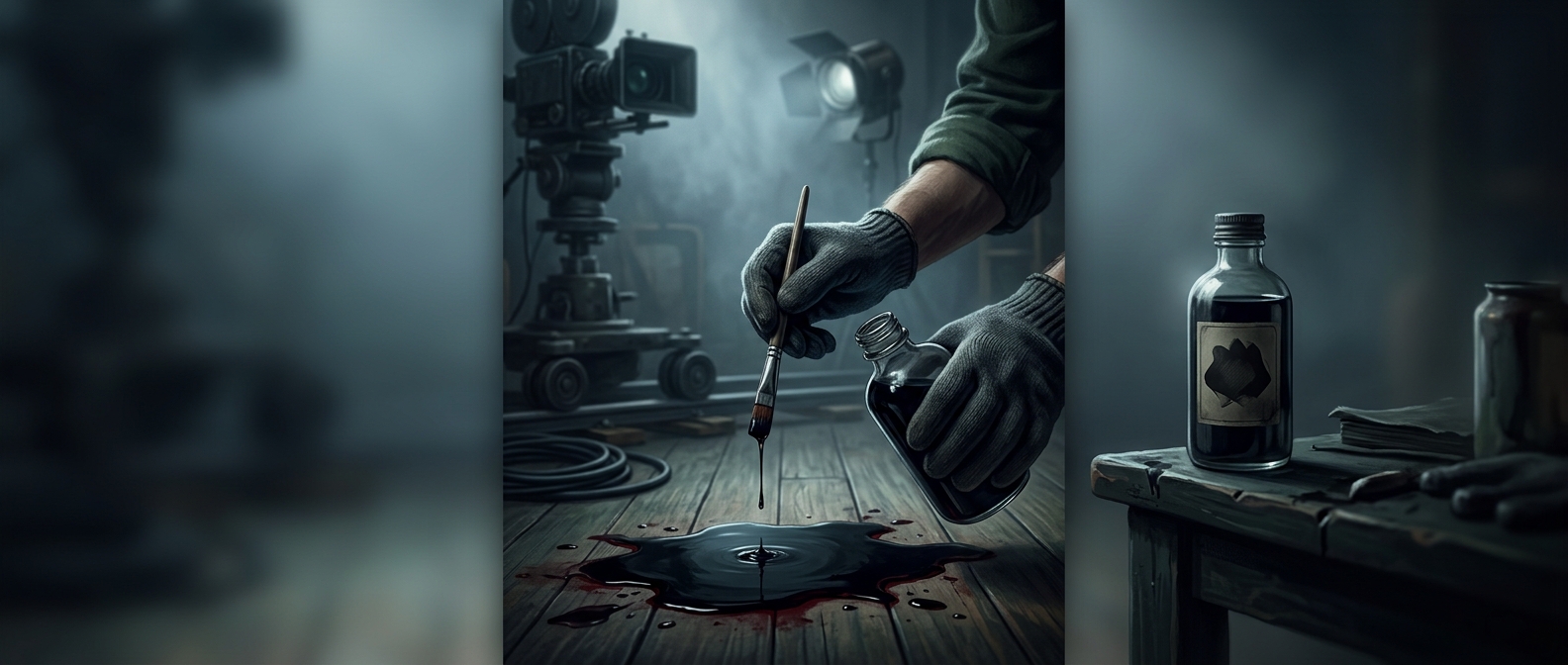
Kill Bill drained the color from a blood-soaked fight
Much of the House of Blue Leaves battle appeared in black and white in the original international release, while the Japanese version kept the sequence in…
Discover more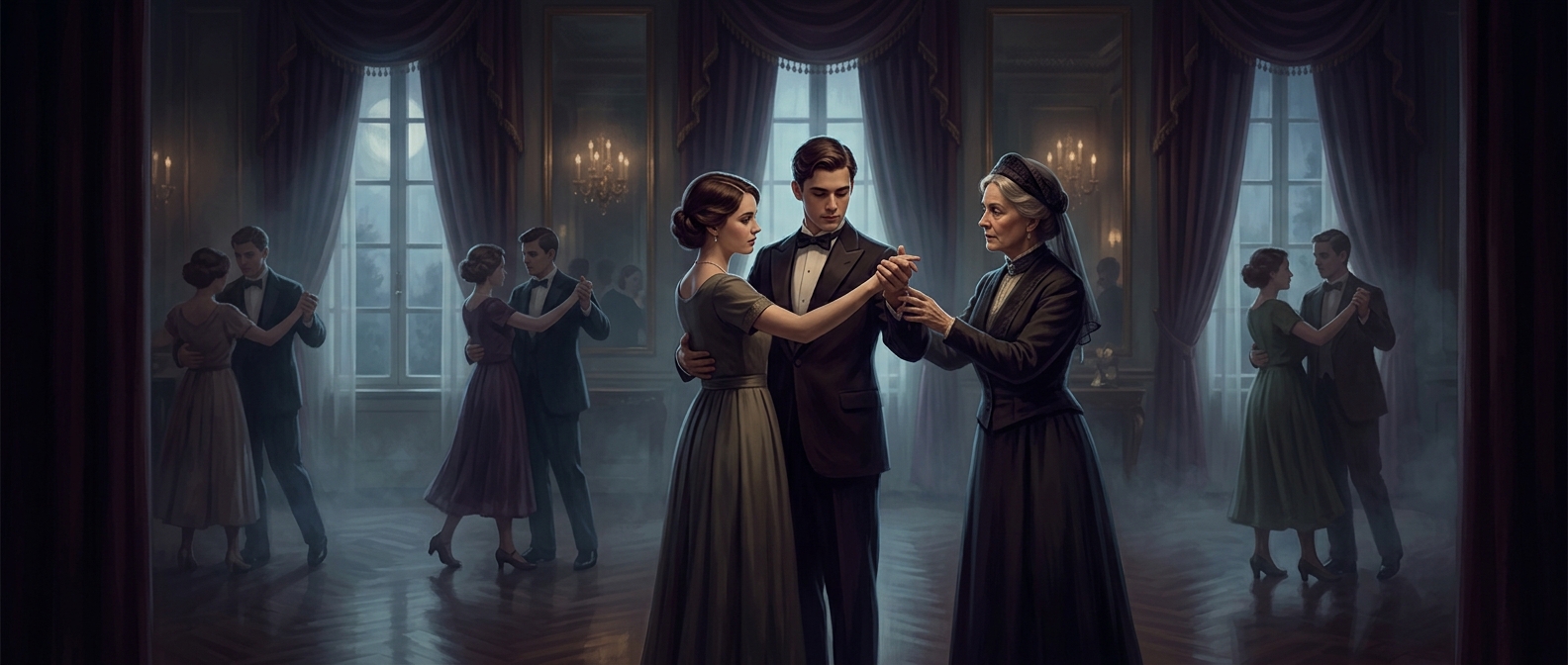
Prom's formal tradition began before it belonged to high school
The name comes from promenade, and early references appear in college social life during the nineteenth century. Formal dances later became a major…
Discover more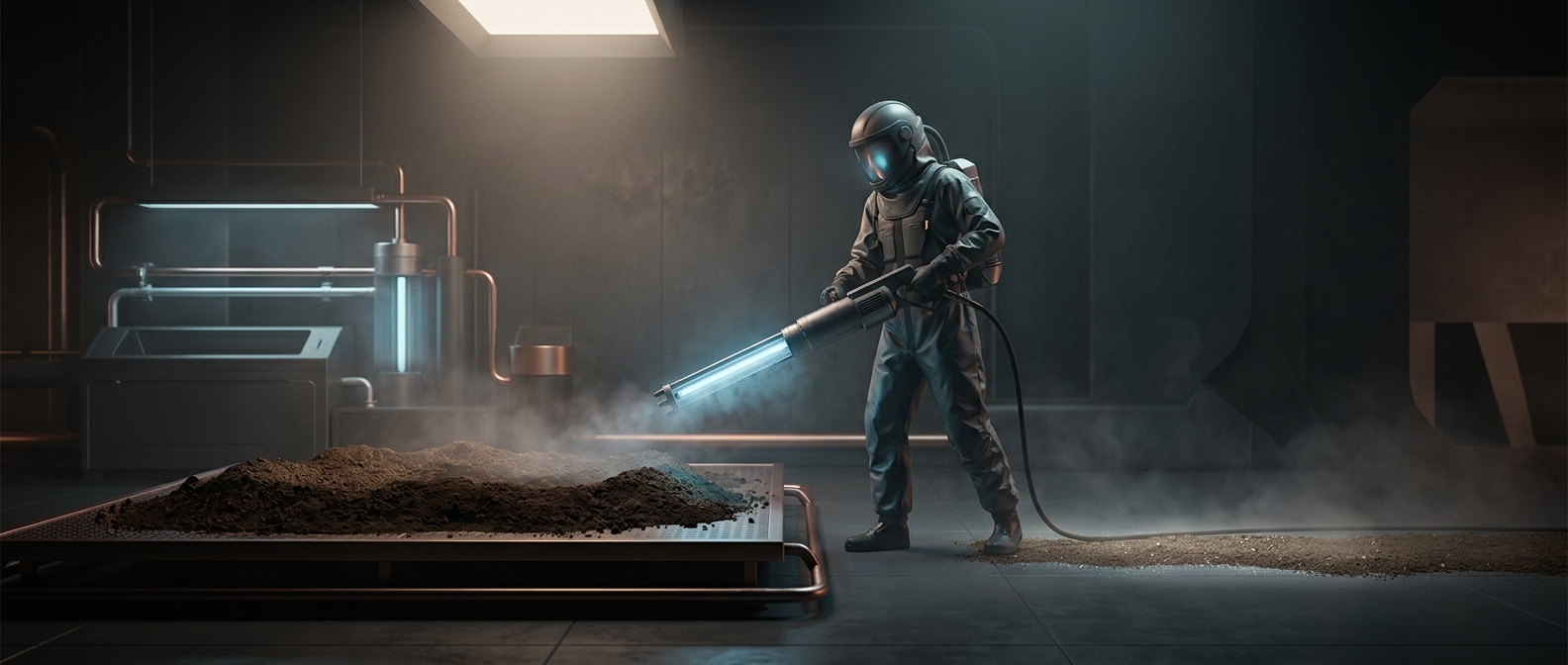
Movie dirt is sometimes cleaner than your kitchen floor
Studios sterilize, sift, and sometimes bake prop dirt before it reaches the set, keeping bugs, mold, and bacteria out. That means the gritty trench in a movie…
Discover more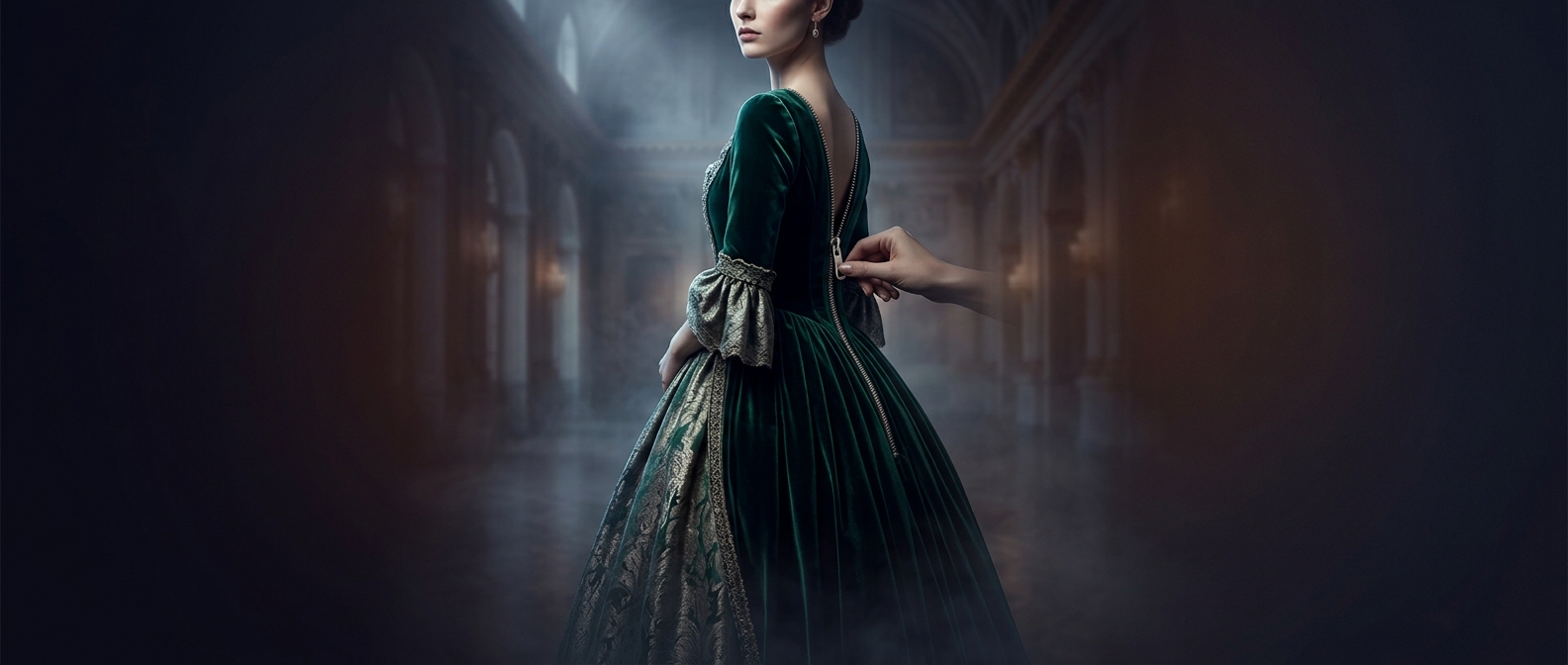
A corset's 'whalebone' was not actually bone
Many historical garments used baleen, the flexible filtering material from a whale's upper jaw, to give support while allowing some movement. Metal, cording,…
Discover more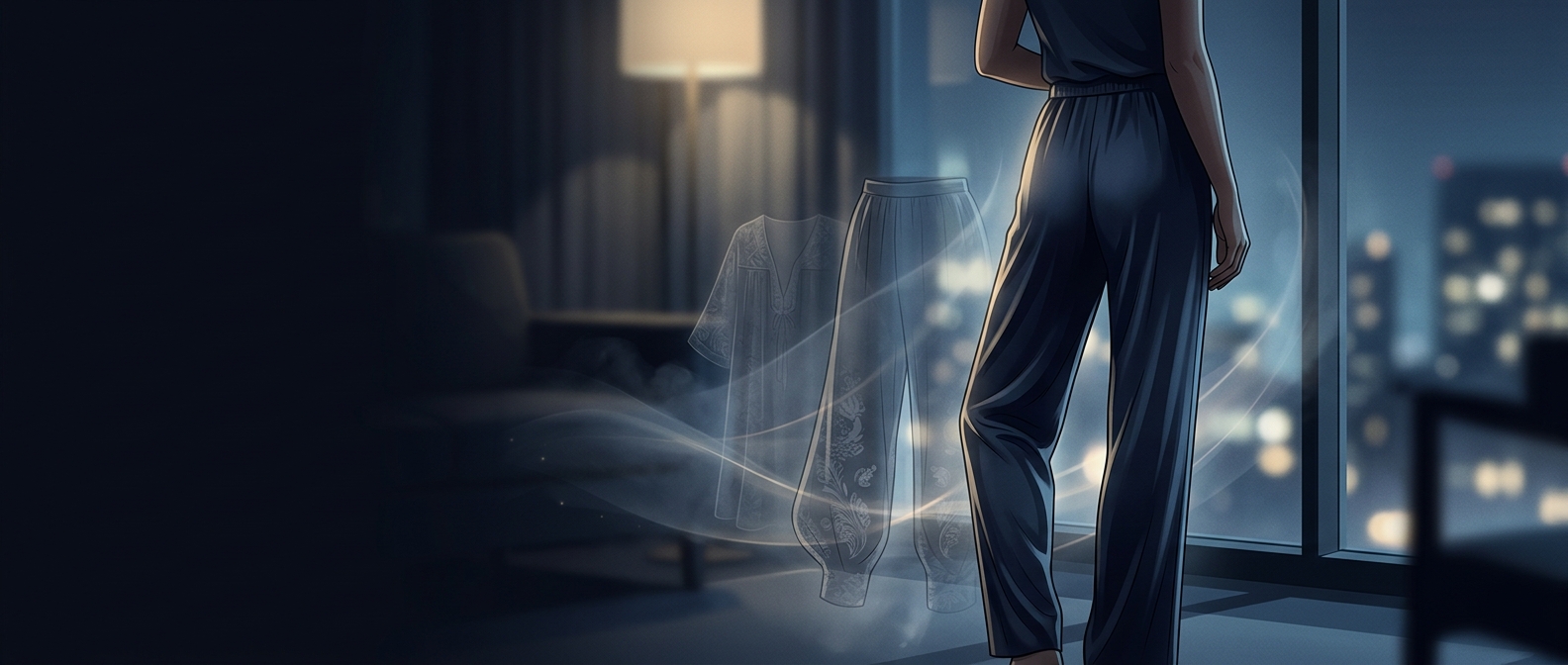
Modern pajamas evolved from lightweight lounging pants
Their divided-leg design came from loose, lightweight leisurewear worn in hot climates, replacing long, drafty nightgowns.
Discover more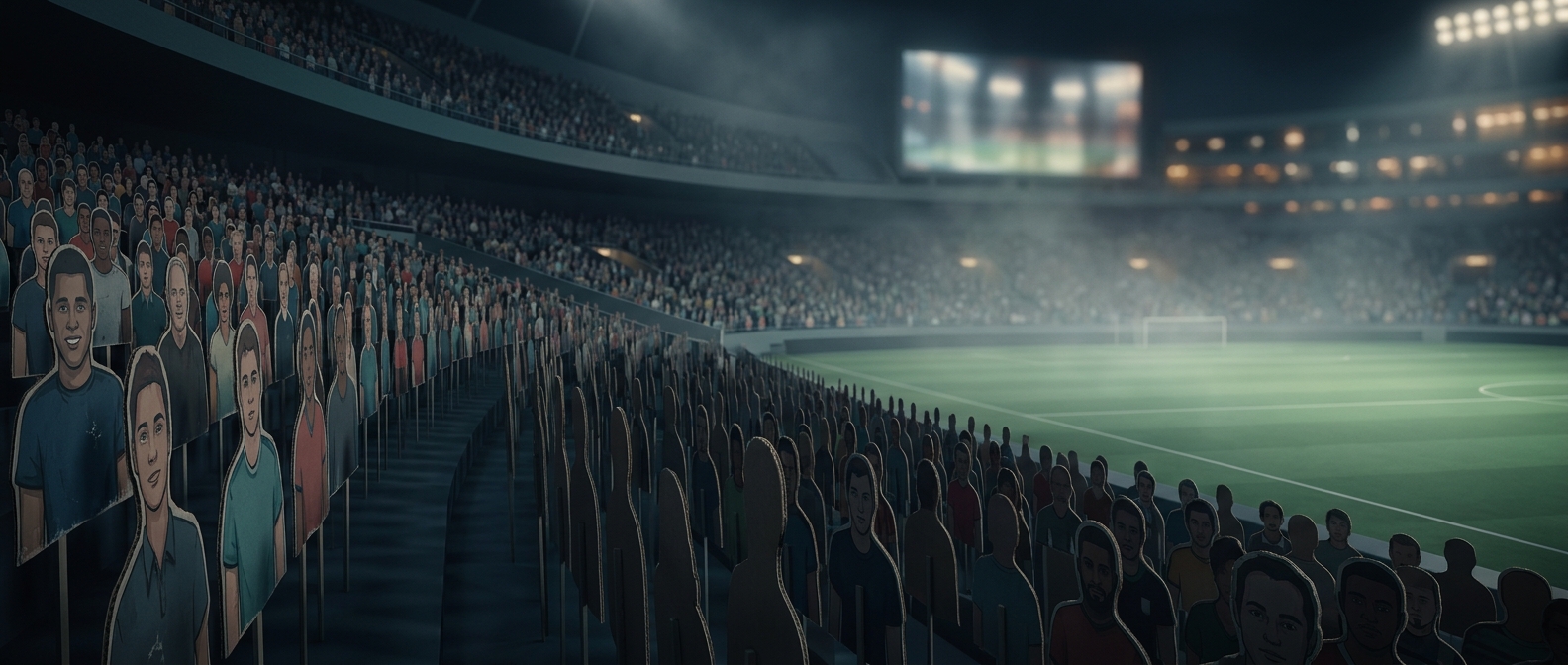
Why stadium crowds are sometimes made of cardboard
When productions needed distant crowds, decorators sometimes stapled blurry, life-size photos of people to cardboard and placed them in the seats. From a…
Discover more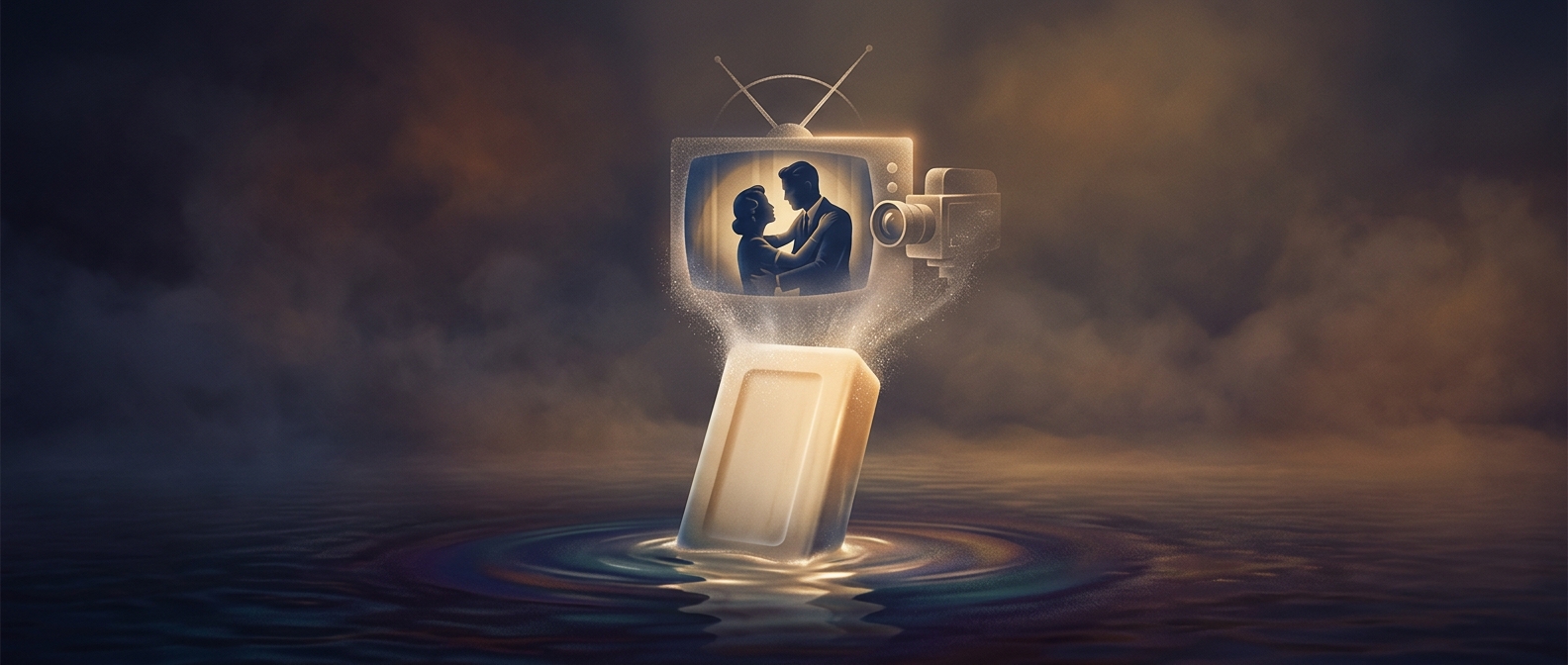
Soap operas really were created to sell soap
Detergent makers sponsored daytime radio and television dramas to reach housewives, weaving cleaning-product ads into the entertainment.
Discover more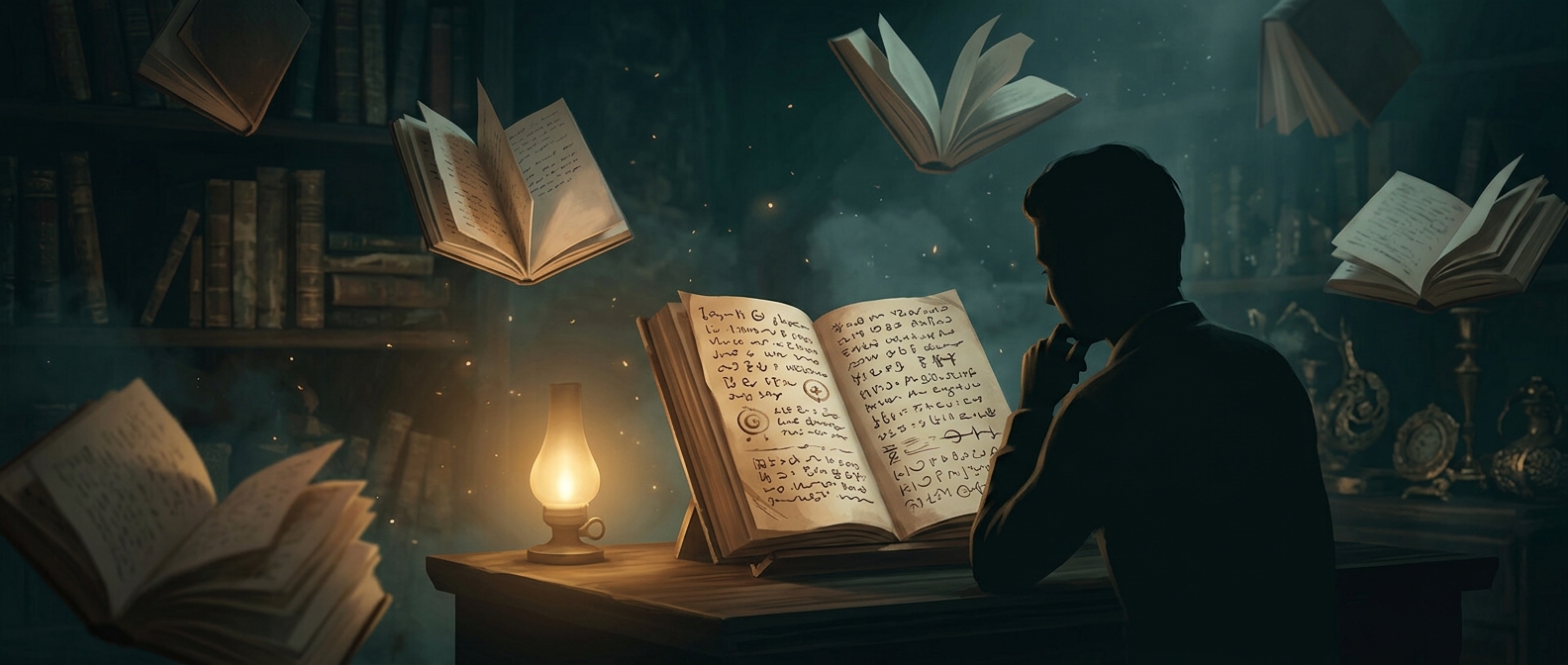
Prop diaries are filled with completely random gibberish
Prop makers may write one readable paragraph for the page shown on camera, then fill the rest of a diary with gibberish or public-domain poetry.
Discover more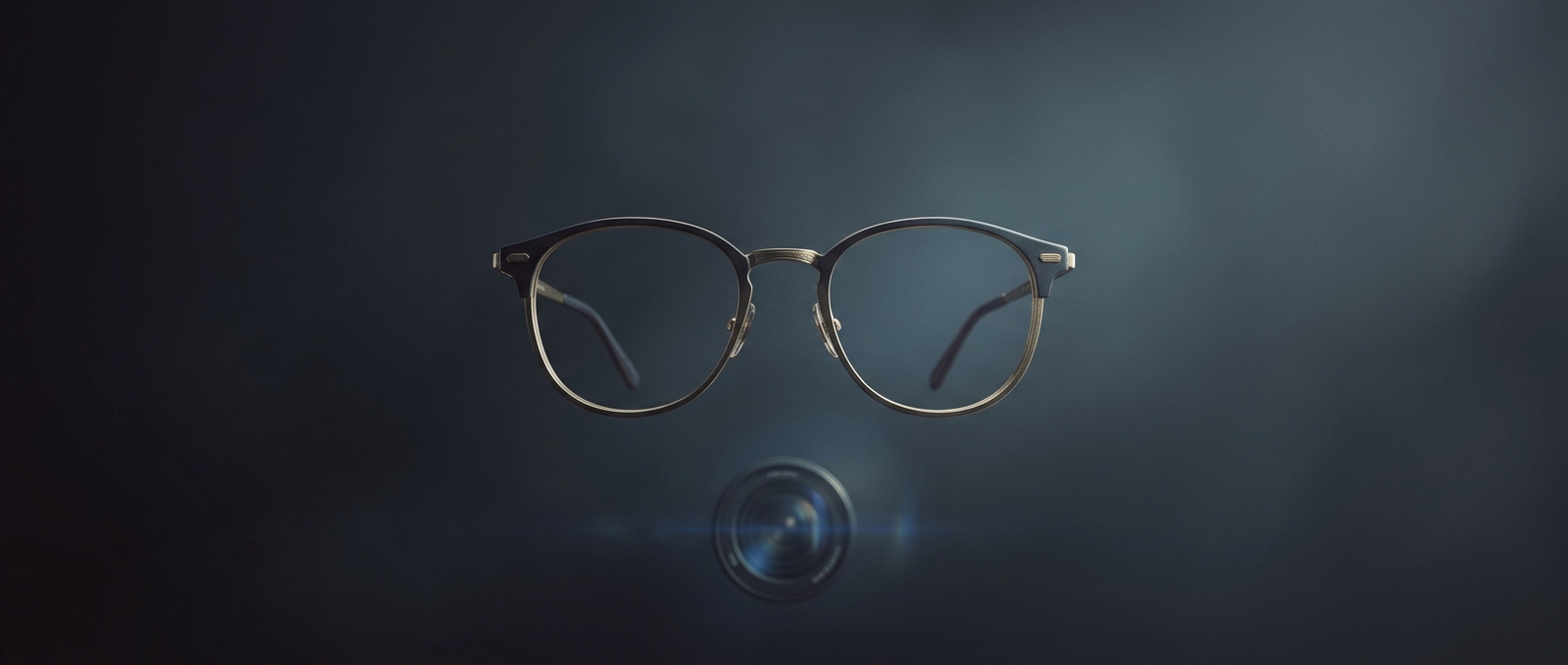
Why movie glasses often have no lenses
Real lenses can reflect studio lights and obscure actors’ eyes, so prop glasses often have empty frames. Actors risk poking themselves if they forget there…
Discover more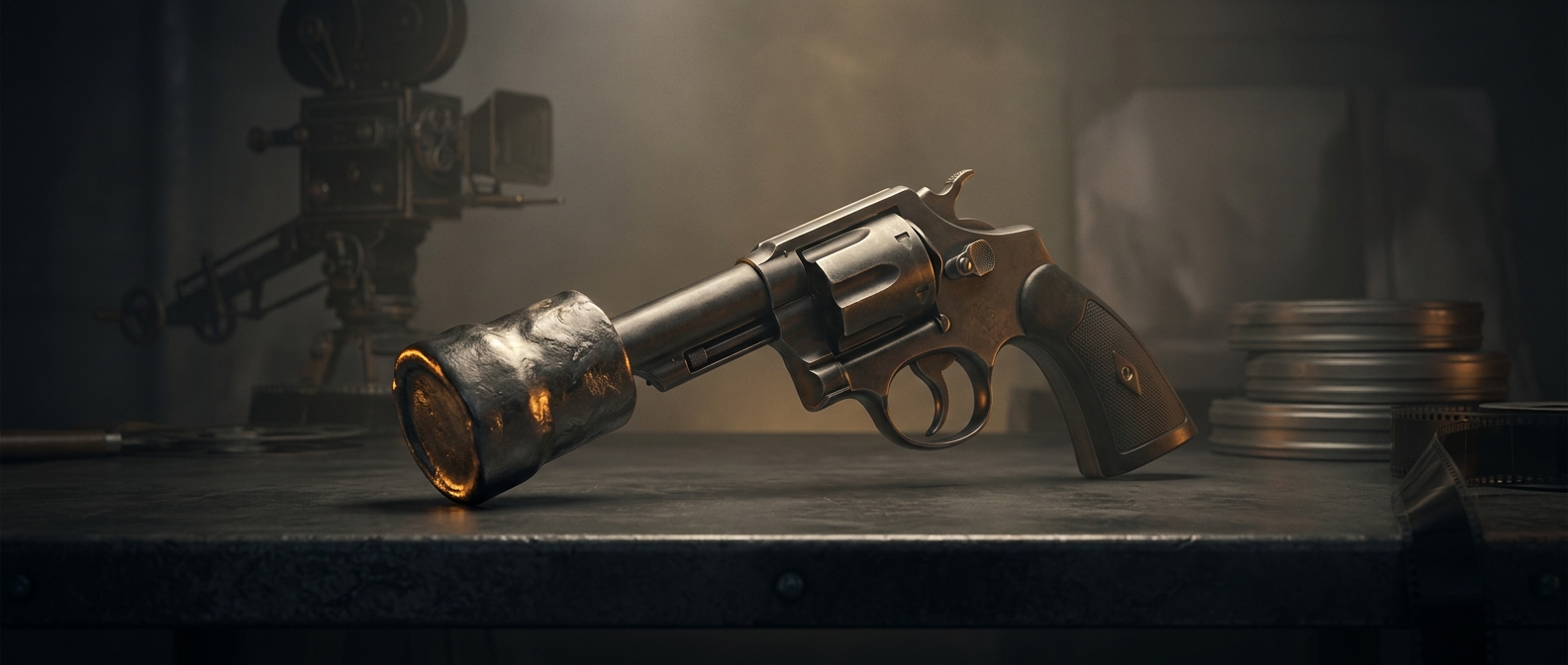
Prop firearms are heavily plugged to prevent actual firing
Some real firearms used as non-firing props have barrels permanently blocked with steel pins or lead, making them unable to fire live ammunition.
Discover more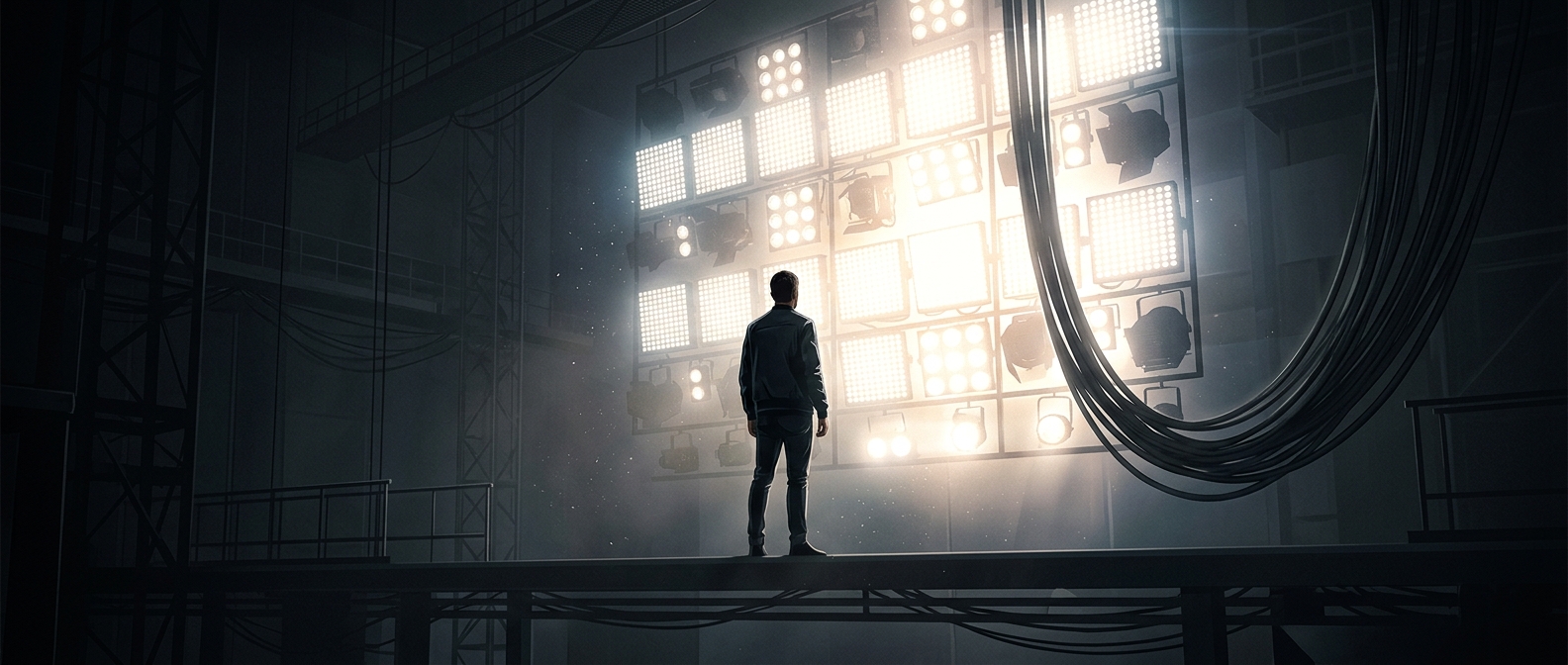
A movie room can need huge lights to look naturally lit
Cameras must handle the contrast between a bright window and a much darker interior. Film crews add and shape light so faces remain readable while the scene…
Discover more
Blockbuster was a bomb before it was a movie
The word described a bomb powerful enough to devastate a city block before becoming a label for an enormous entertainment hit. The metaphor carried explosive…
Discover more