Culture & entertainment
Discover facts about culture & entertainment. Small discoveries that change the way you see familiar things.
Culture & entertainment
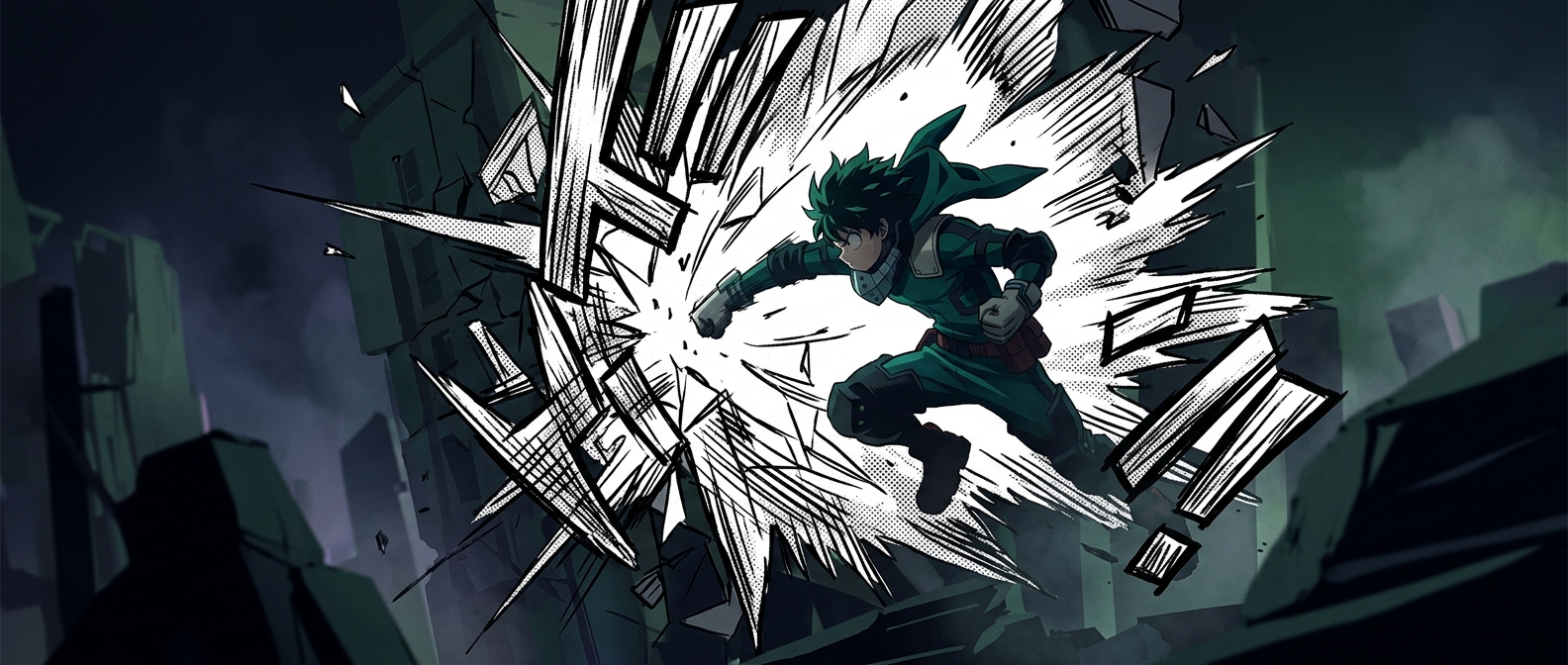
How My Hero Academia makes punches feel heavier
Brief black-and-white impact frames interrupt the animation at the moment of collision, making a punch feel heavier without 3D physics.
Discover more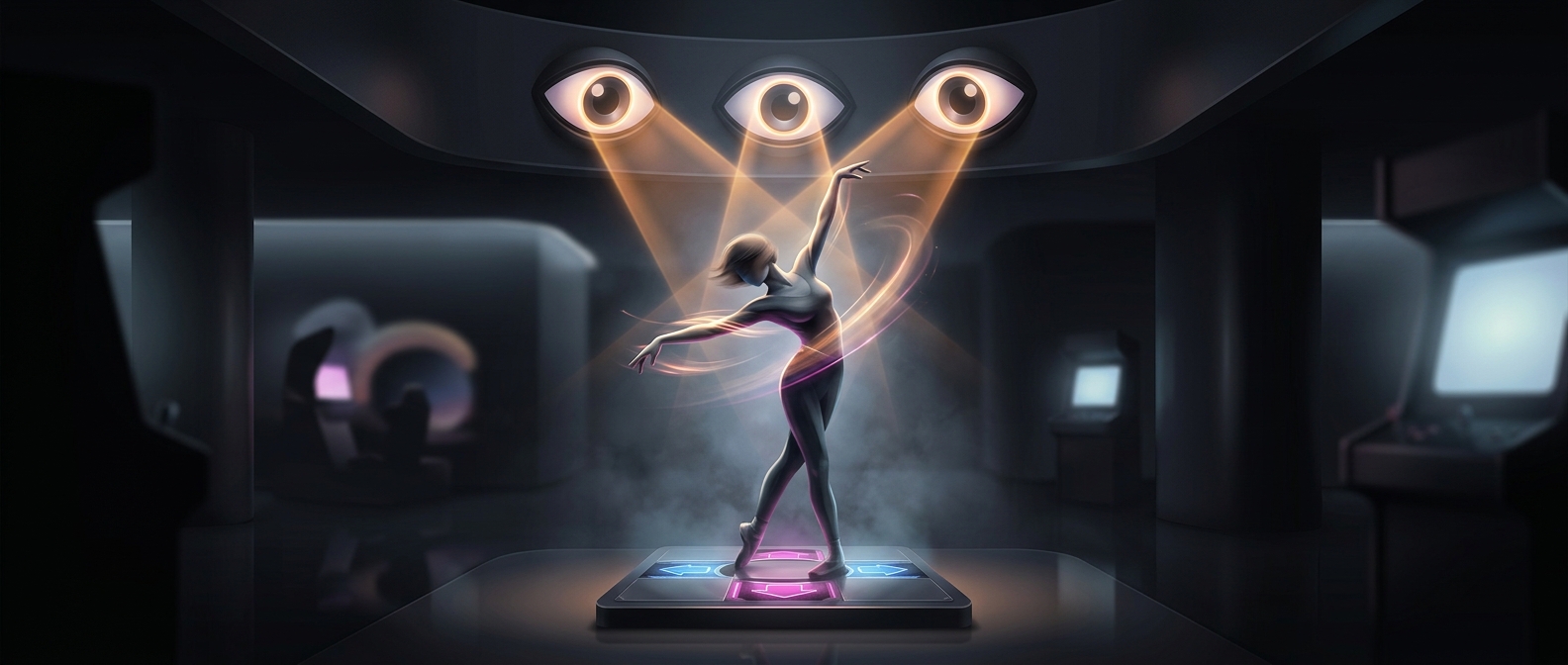
In DDR freestyle, the footwork is only half the battle
In freestyle play, judges score more than arrow accuracy: players add gymnastics, breakdancing, and costumes to turn a rhythm chart into a performance.
Discover more
Betty's office humiliation became a worldwide TV template
Colombia's Yo soy Betty, la fea inspired versions including Ugly Betty in the United States and Jassi Jaissi Koi Nahin in India. Each adaptation relocated the…
Discover more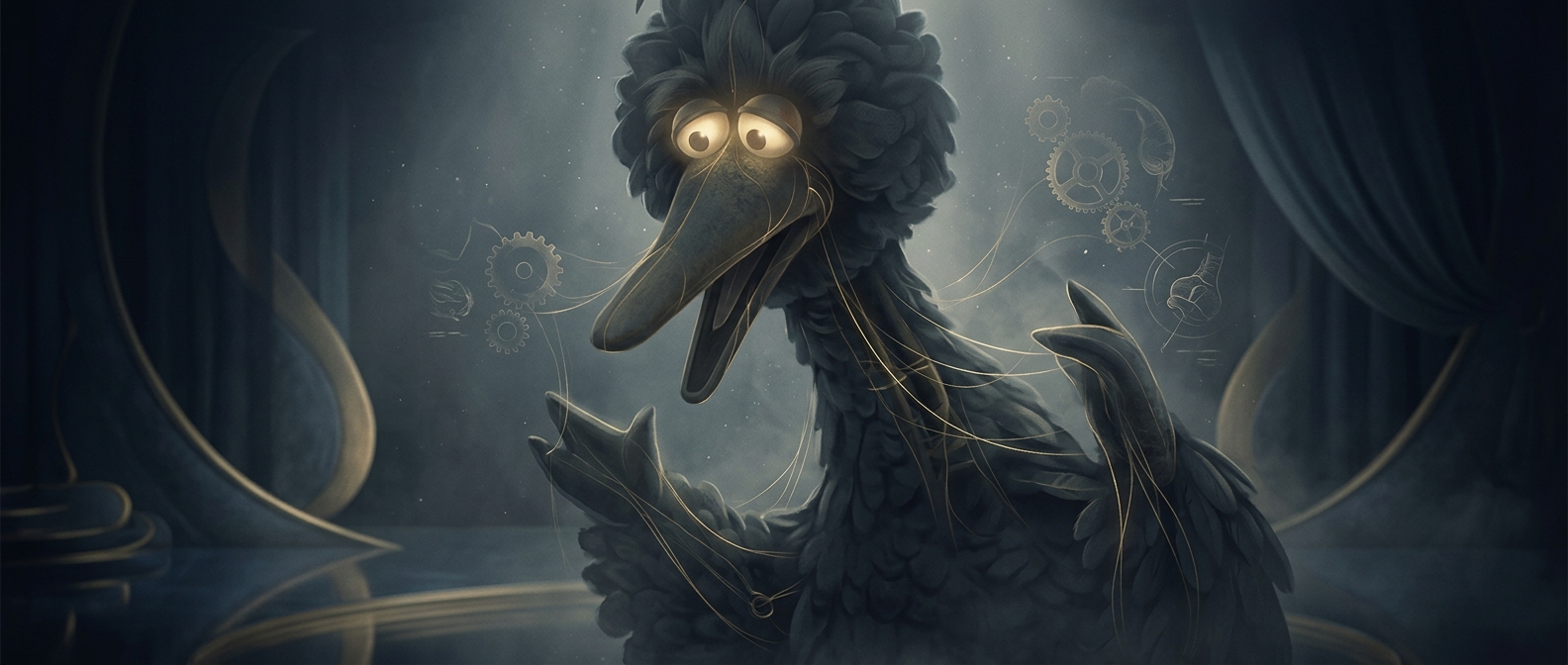
Why Big Bird was designed to look harmless
Big Bird’s oversized head tilts down, and his loose limbs and waddling walk make him seem clumsy rather than threatening. Jim Henson and Kermit Love designed…
Discover more
Why The Office camera keeps snapping to faces
Cinematographer Randall Einhorn designed it to mimic an underfunded documentary crew, with abrupt, sometimes late snap-zooms that make the camera feel like…
Discover more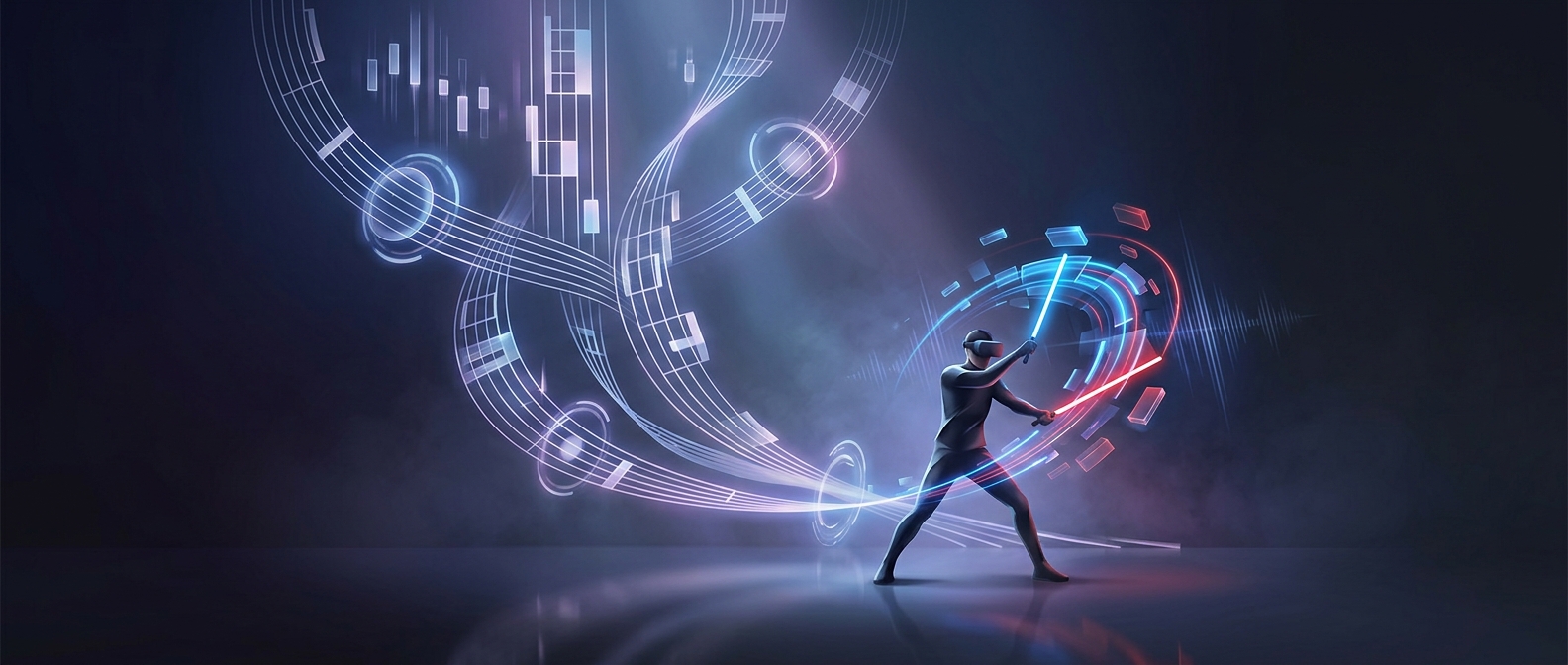
Beat Saber turns choreography into a playable score
A level maps blocks to moments in a song, including the direction your hands must move to cut them. Designers can make the same track feel flowing, awkward,…
Discover more STACKY FOR IPHONE
A bigger world.
One discovery
at a time.
Keep discovering with Stacky. Interesting facts in an app that is always within reach.
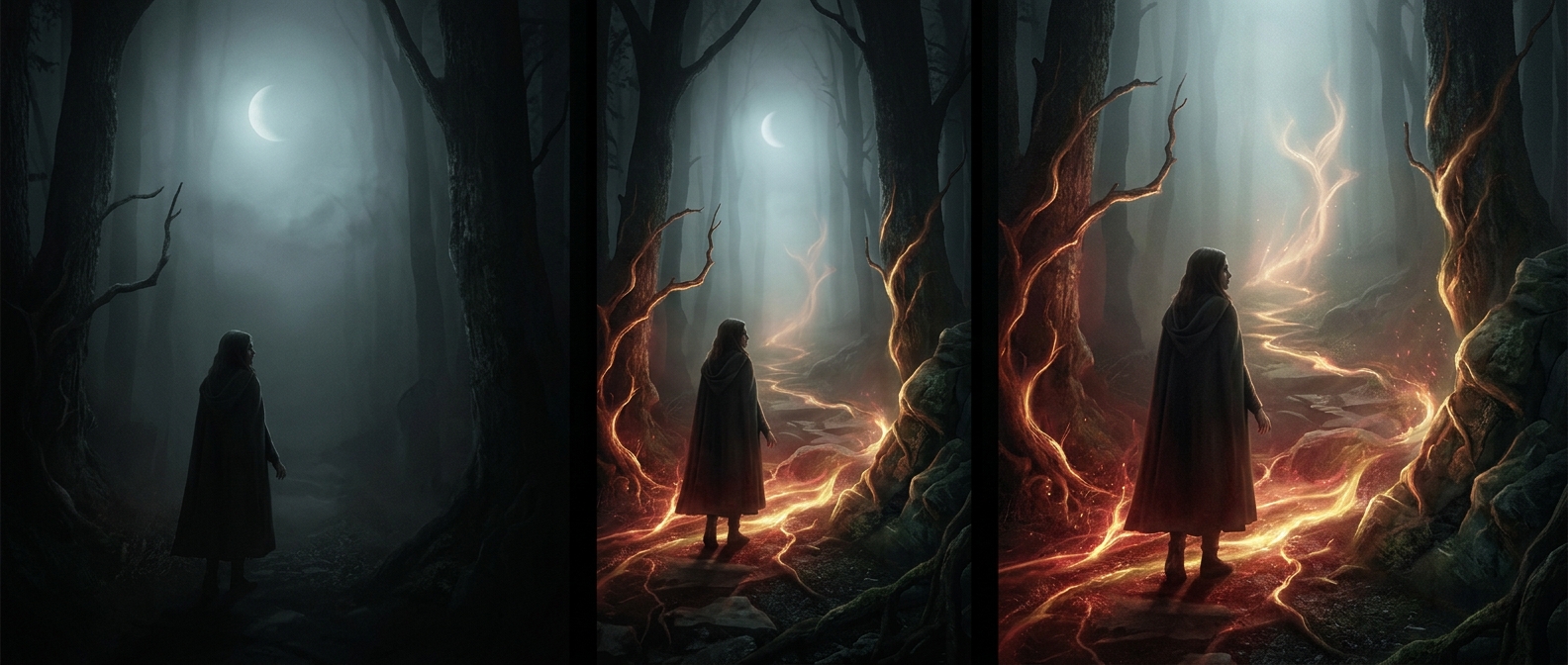
How a backyard movie became a folk-horror hit
The Adams family made a microbudget folk-horror film in their backyard, then reached fans through niche streaming platforms such as Shudder. Those services…
Discover more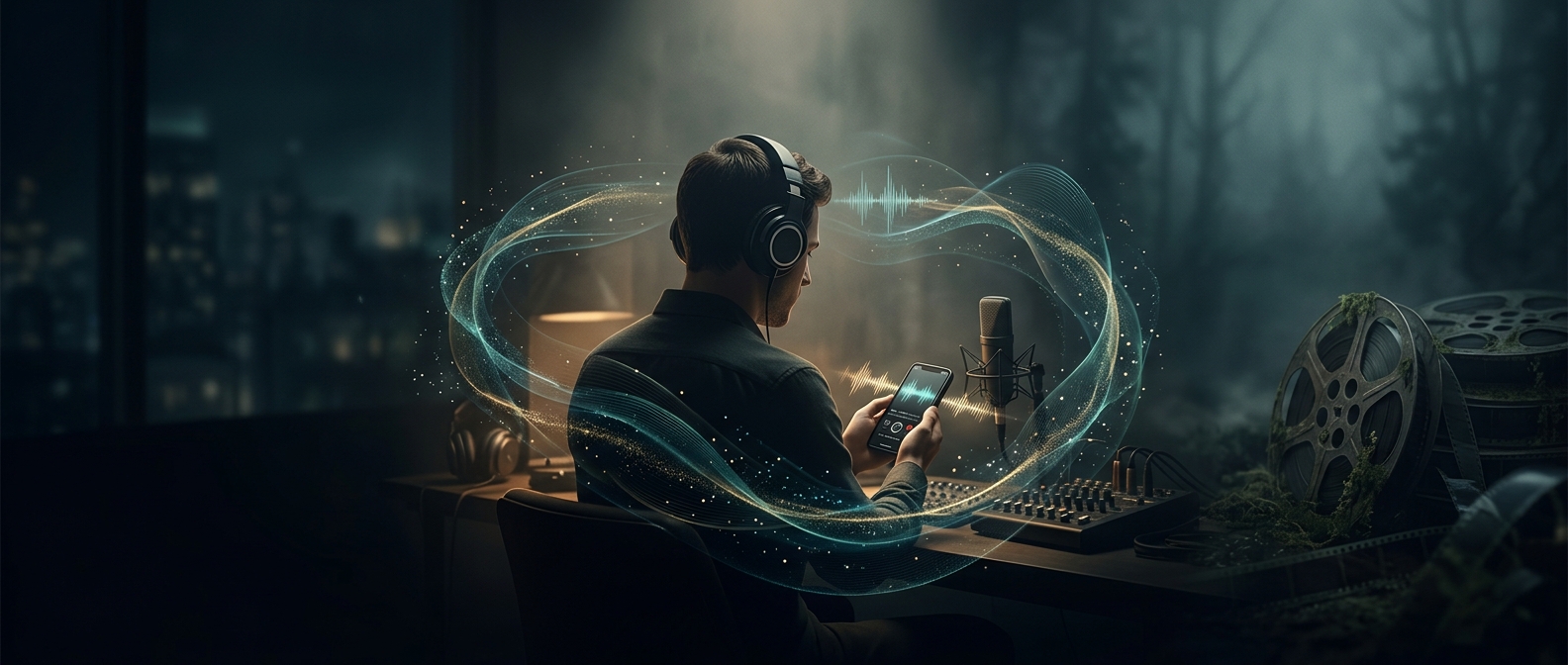
How Serial changed the podcast cold open
Sarah Koenig’s Serial helped popularize the true-crime cold open: starting with a gripping audio clip before listeners know its context, then revealing the…
Discover more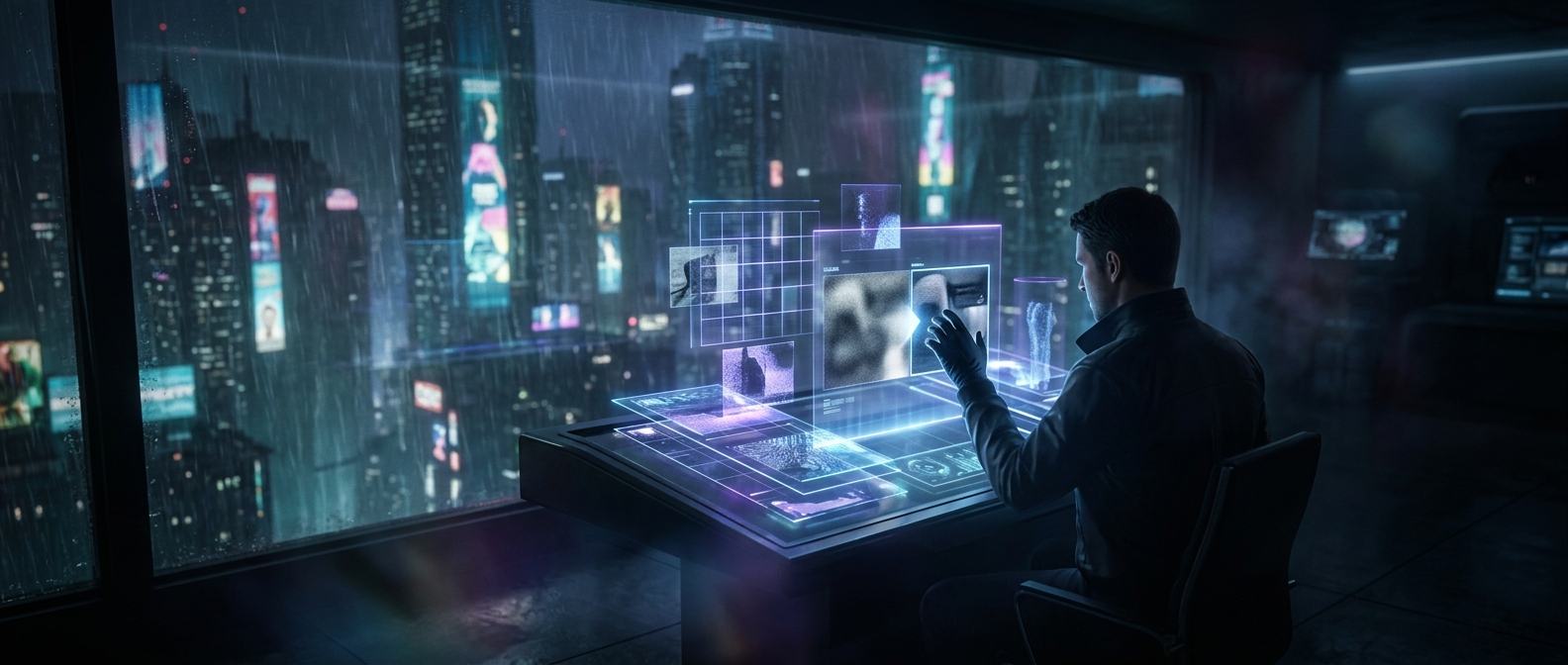
Blade Runner made photo enhancement a scene you could follow
Deckard speaks commands to the ESPER machine, moving into and around details in a photograph. The audience watches the investigation through the device rather…
Discover more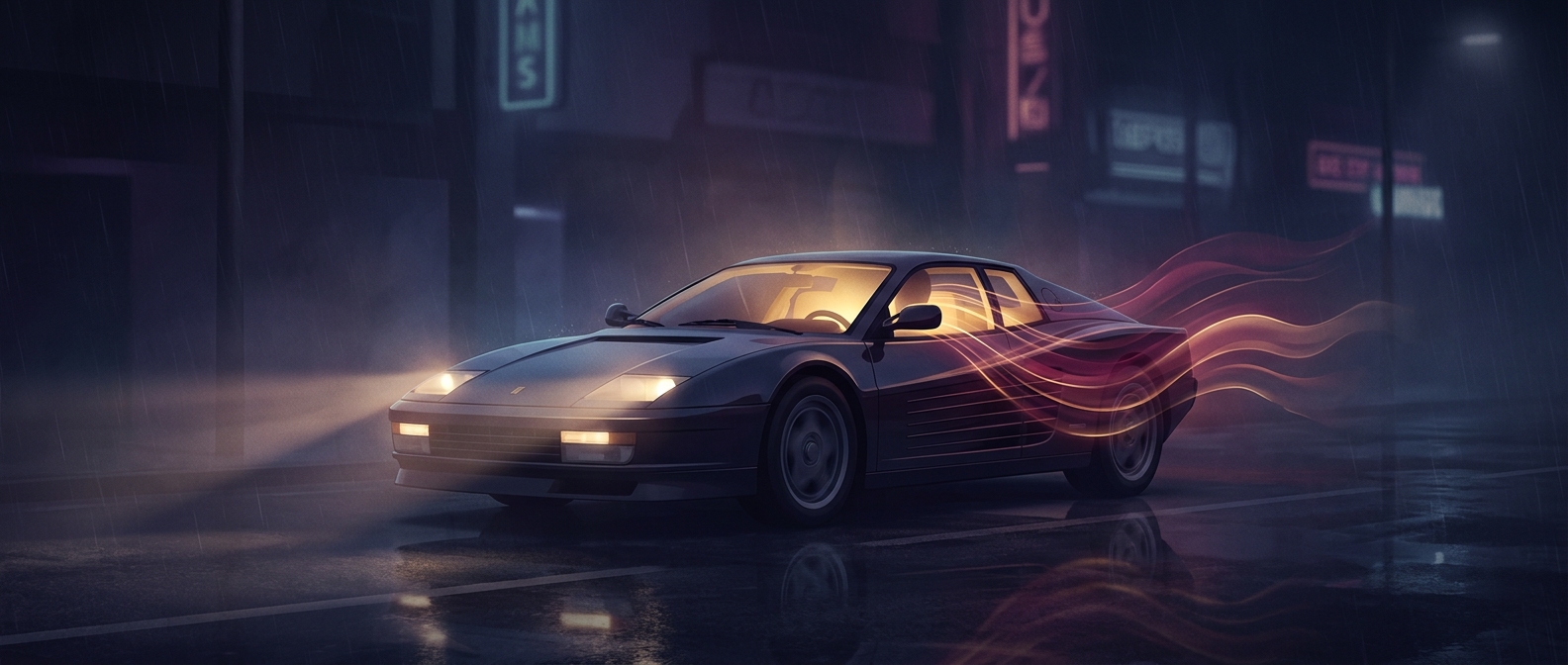
A car stereo can make a movie song part of the scene
When characters can hear the music too, it becomes a choice made inside their world rather than only a score for the audience. The track can reveal taste, set…
Discover more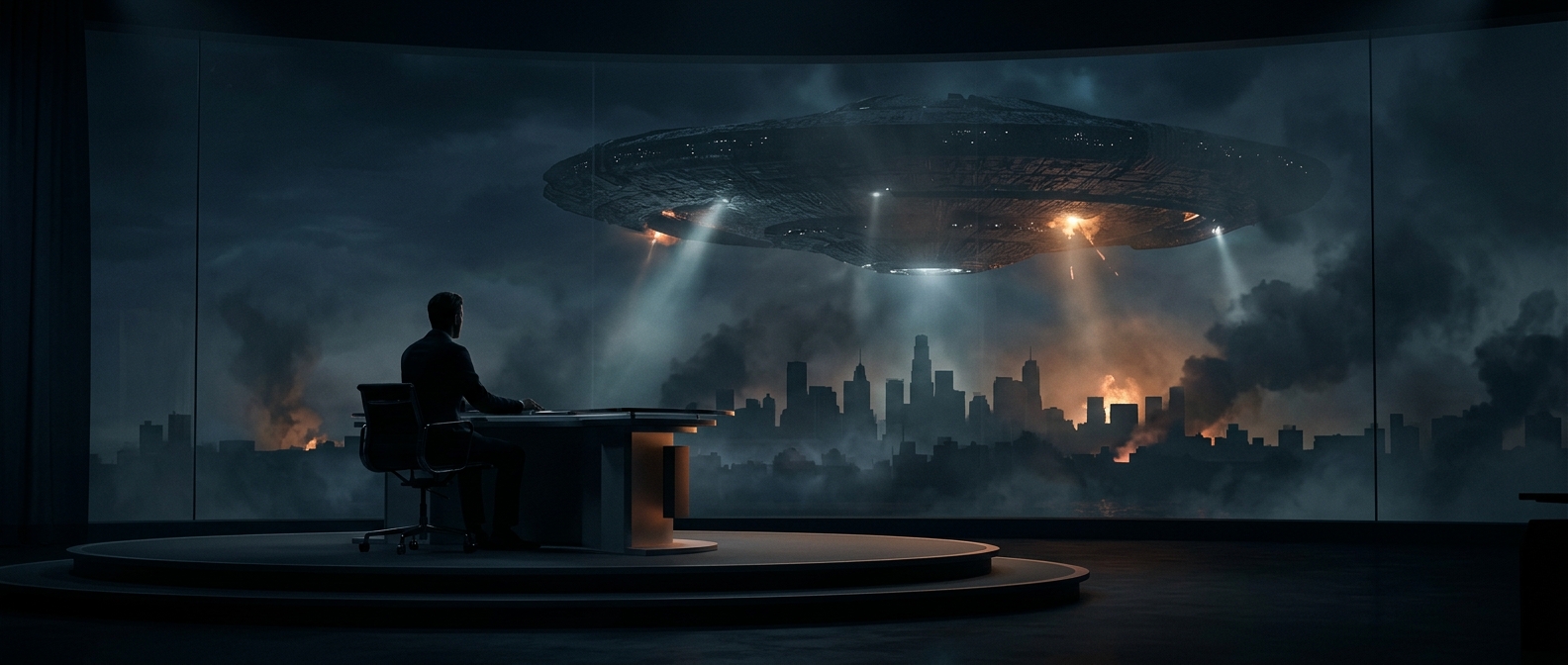
Why Independence Day used real news anchors
Recognizable real-life journalists made the alien invasion feel like breaking news instead of a fictional report.
Discover more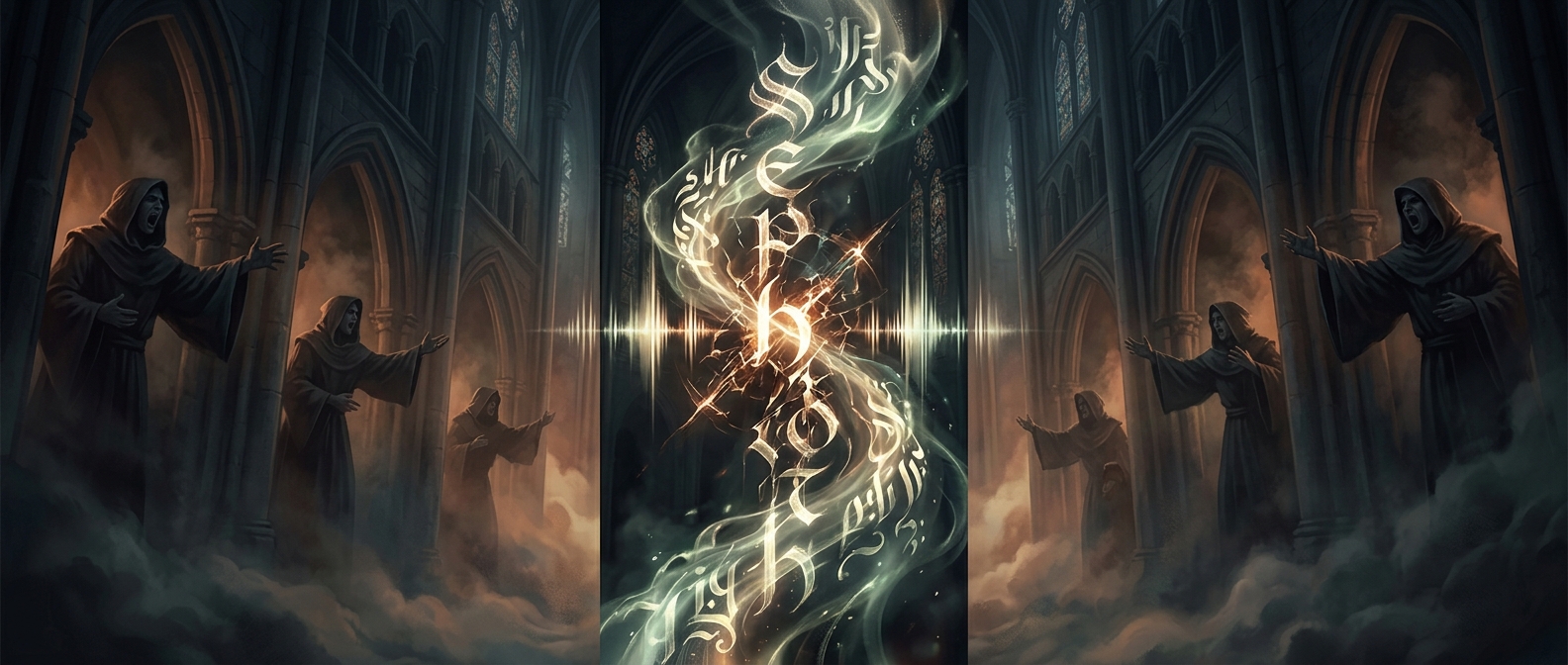
Sephiroth's theme literally chants his name
An aggressive Latin choir repeatedly chants Sephiroth’s name in “One-Winged Angel,” the Final Fantasy VII villain’s iconic theme.
Discover more
The “Blade Runner curse” that followed its billboards
Atari, Pan Am, and RCA were among the billboard brands that later faced major financial trouble or bankruptcy, giving rise to the so-called Blade Runner curse.
Discover more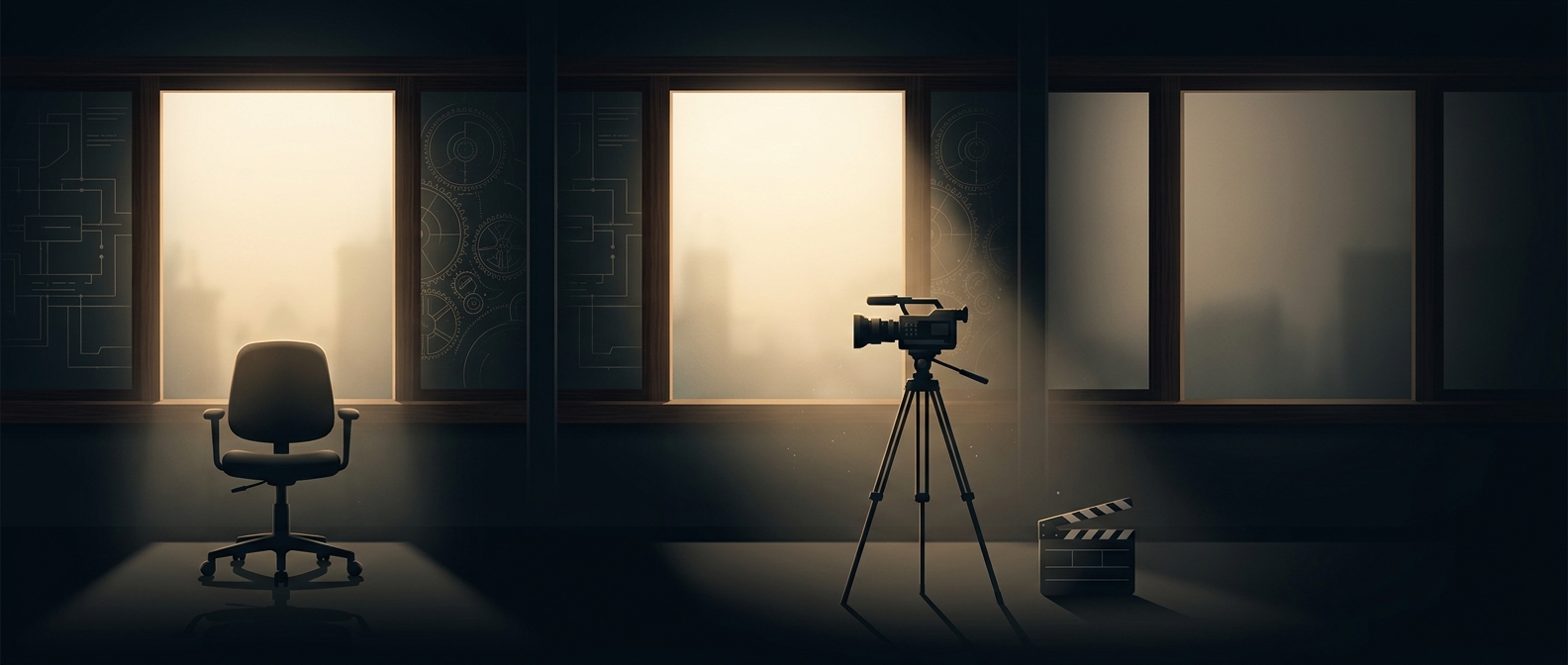
How The Office hinted at who would escape Dunder Mifflin
The show’s framing placed characters with a future beyond the paper company, such as Jim Halpert, in front of an exterior window. Michael Scott, by contrast,…
Discover more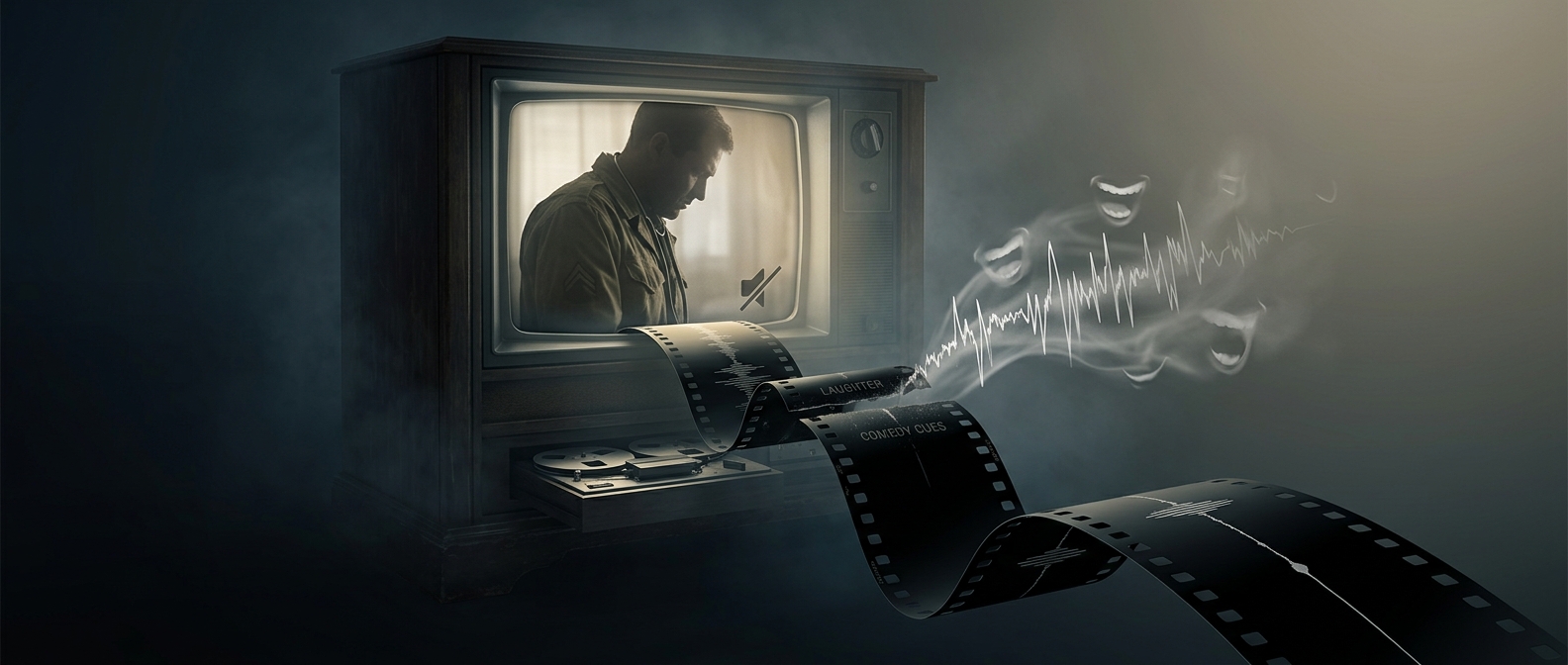
British M*A*S*H aired without a laugh track
Larry Gelbart fought the network’s laugh-track requirement, but the U.S. version kept canned laughter outside the operating room. The BBC’s British broadcasts…
Discover more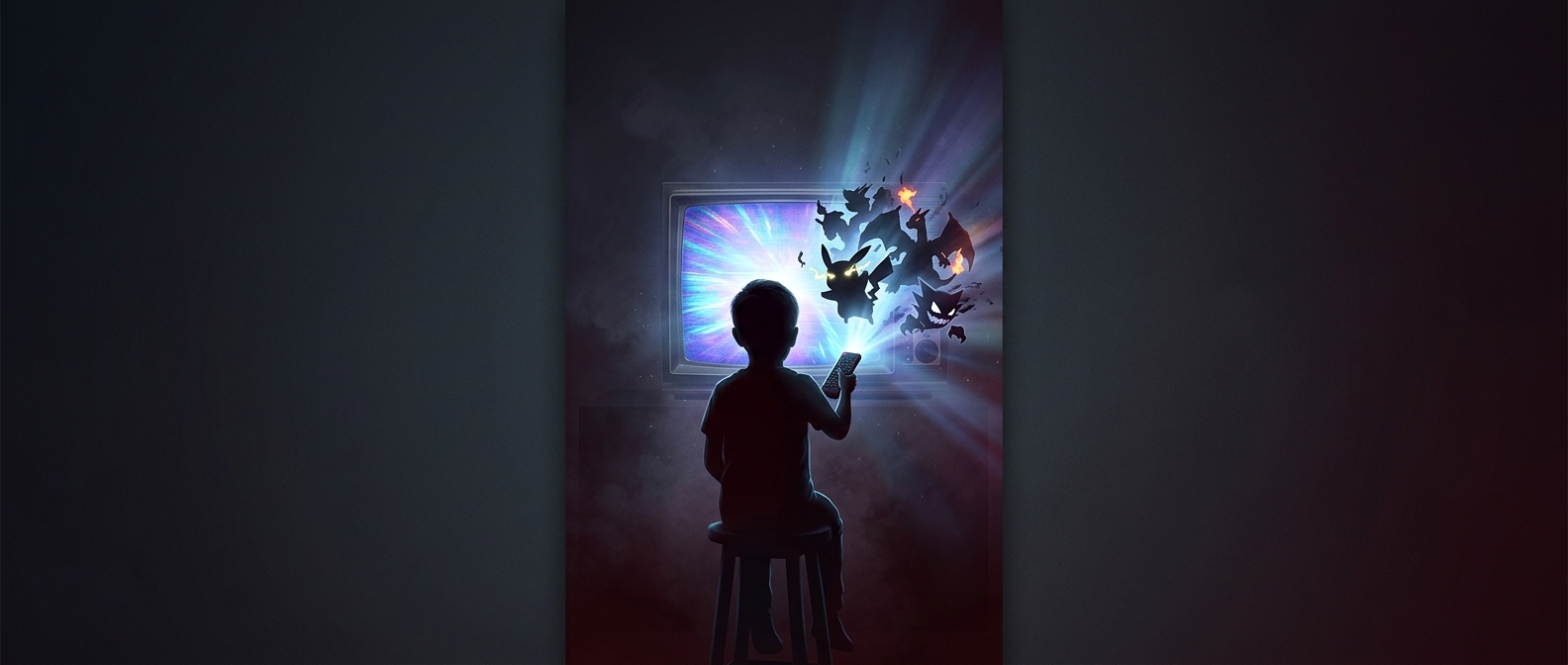
Why Pokémon's mystery silhouettes appeared before commercials
The segment was an “eyecatch,” a bumper that bracketed commercial breaks. Turning it into a silhouette quiz gave viewers a game to follow during the ads.
Discover more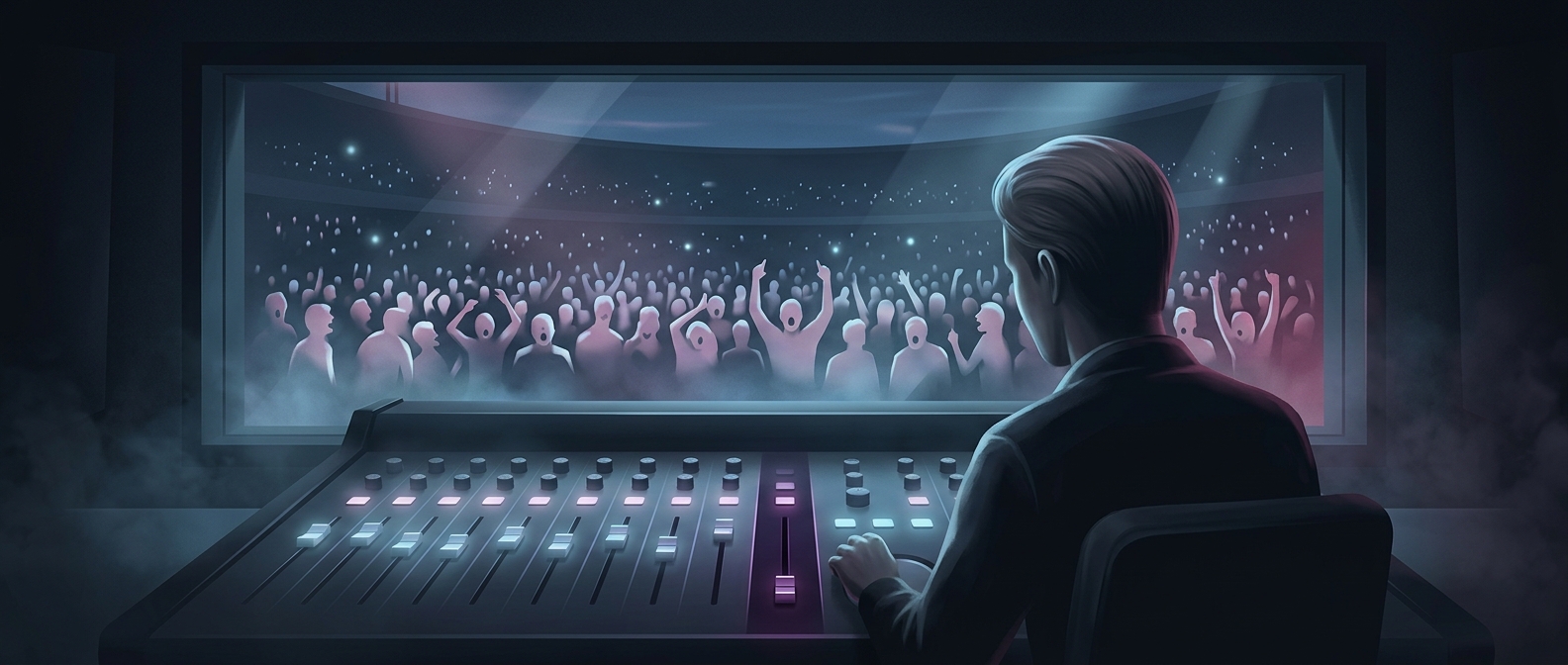
A concert recording needs the crowd without drowning in it
A direct feed captures the performers clearly, while separate microphones capture applause and the room. Engineers balance those ingredients for the recording…
Discover more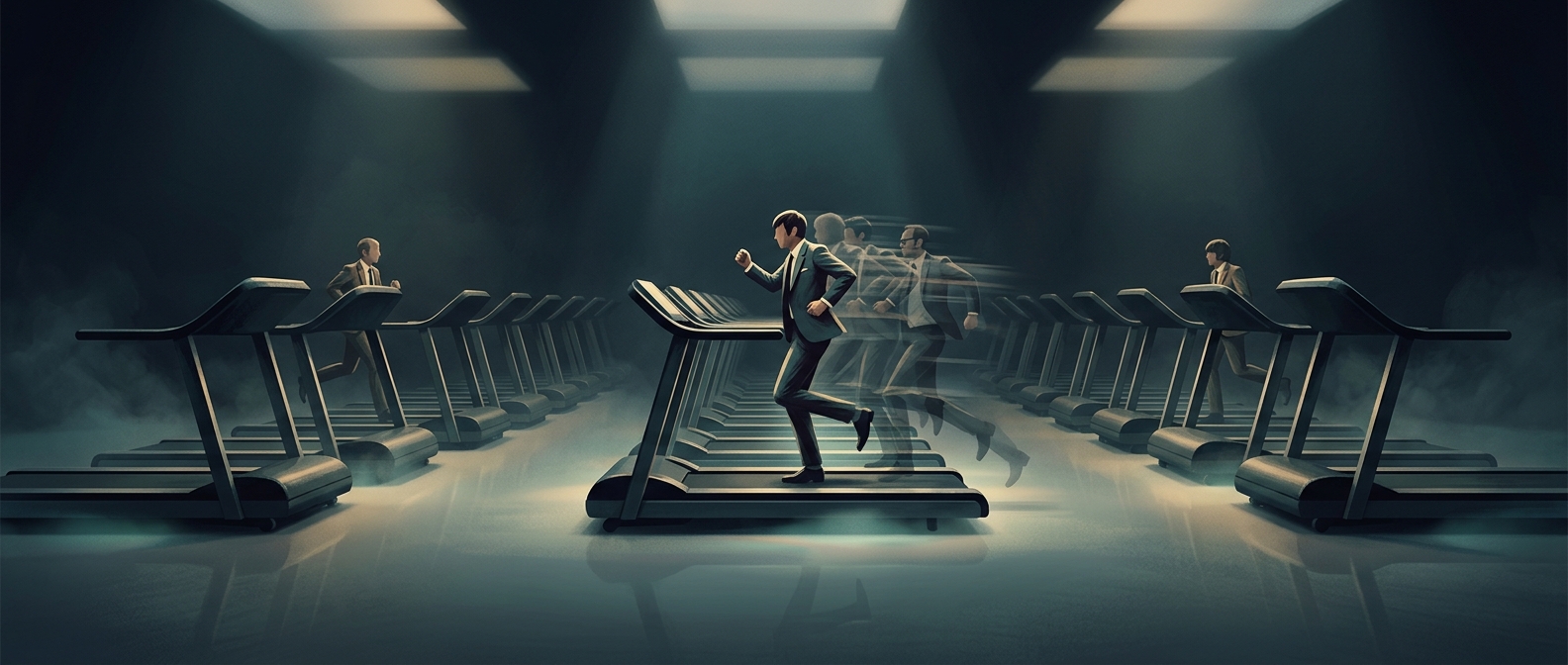
OK Go turned eight treadmills into a single-shot dance floor
The 'Here It Goes Again' video follows the band through a choreographed routine on moving belts without cutting between moves. The camera stays put while the…
Discover more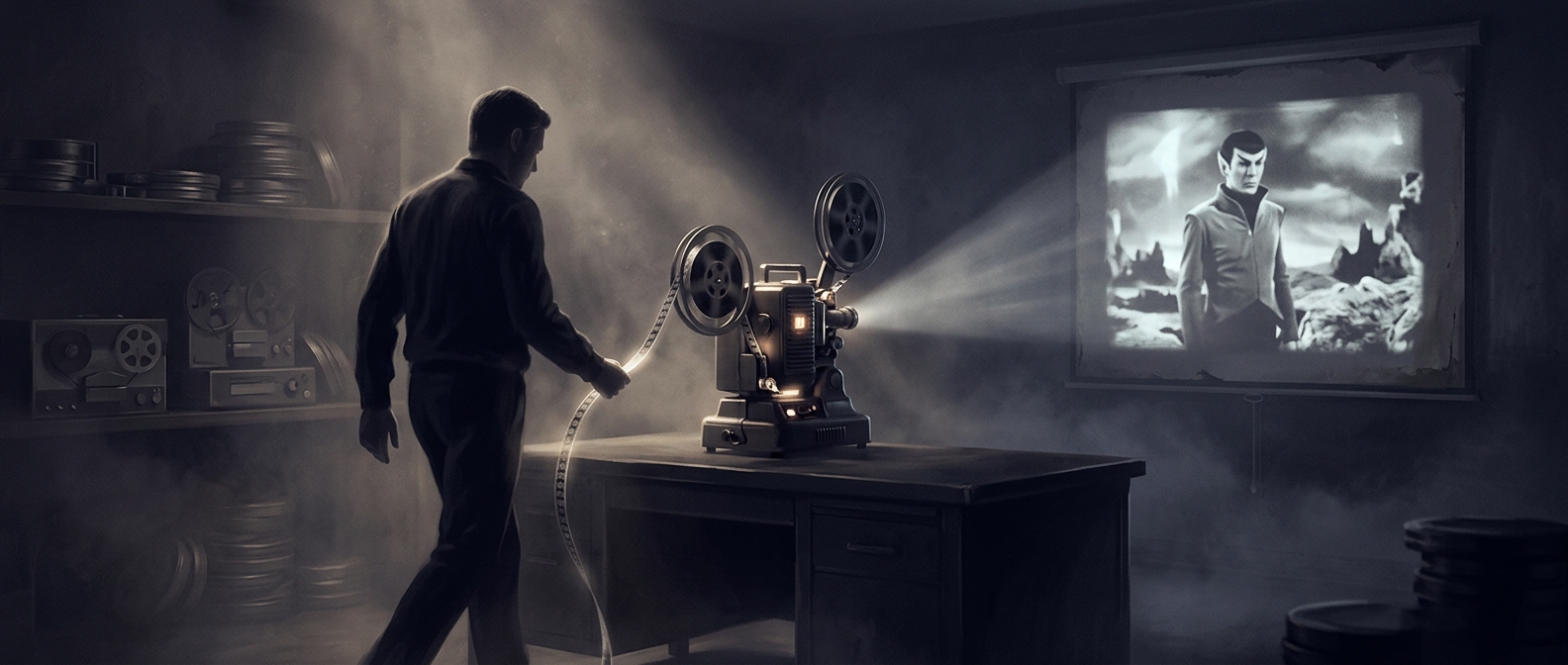
Star Trek's rejected pilot returned in black and white—and then color
The first home-video version of The Cage combined color material reused in The Menagerie with footage from a surviving black-and-white print. Later recovery…
Discover more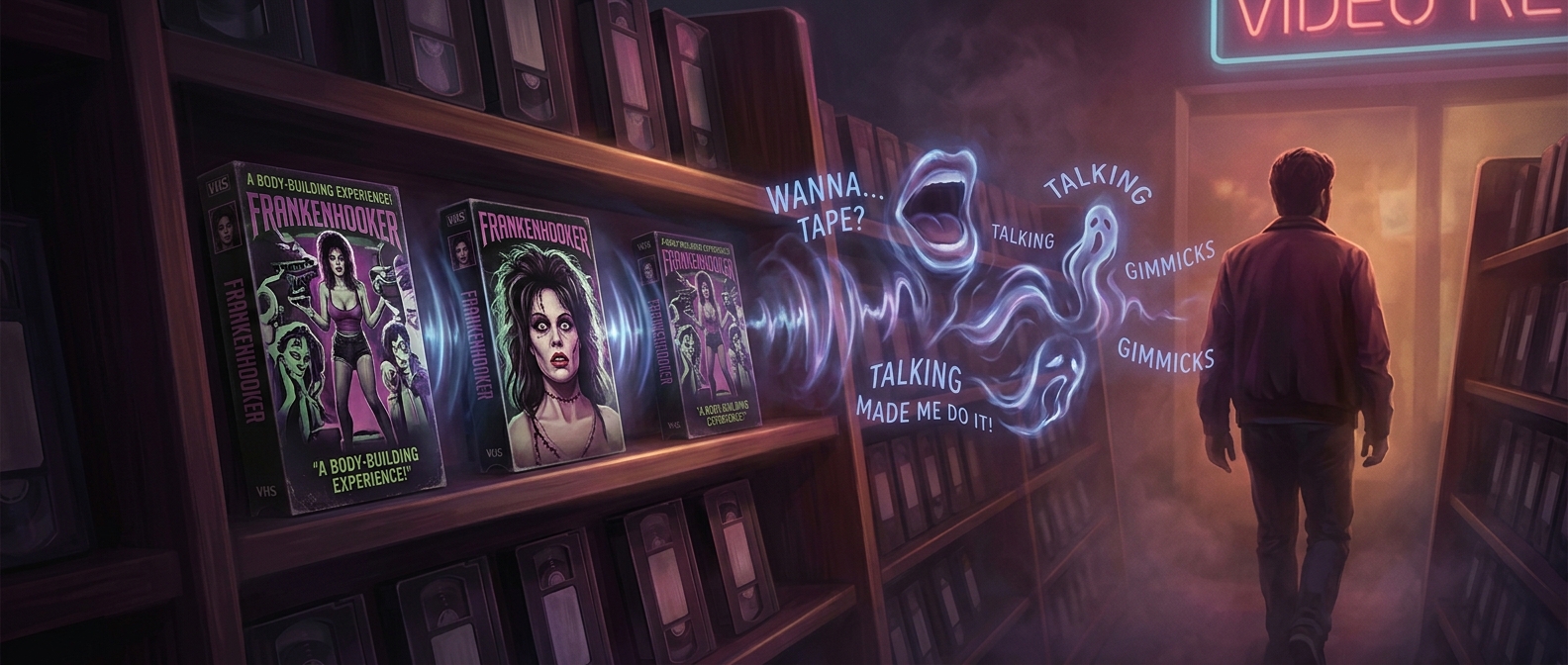
Frankenhooker's VHS cover could talk
A battery-powered chip in the VHS sleeve played the title character’s sleazy catchphrase when viewers pressed a button—an attention-grabbing gimmick that…
Discover more
How Dallas turned a TV shooting into a global obsession
The 1980 season finale left viewers waiting eight months to learn who shot J.R. Ewing, sparking betting pools, magazine covers, and international outrage.
Discover more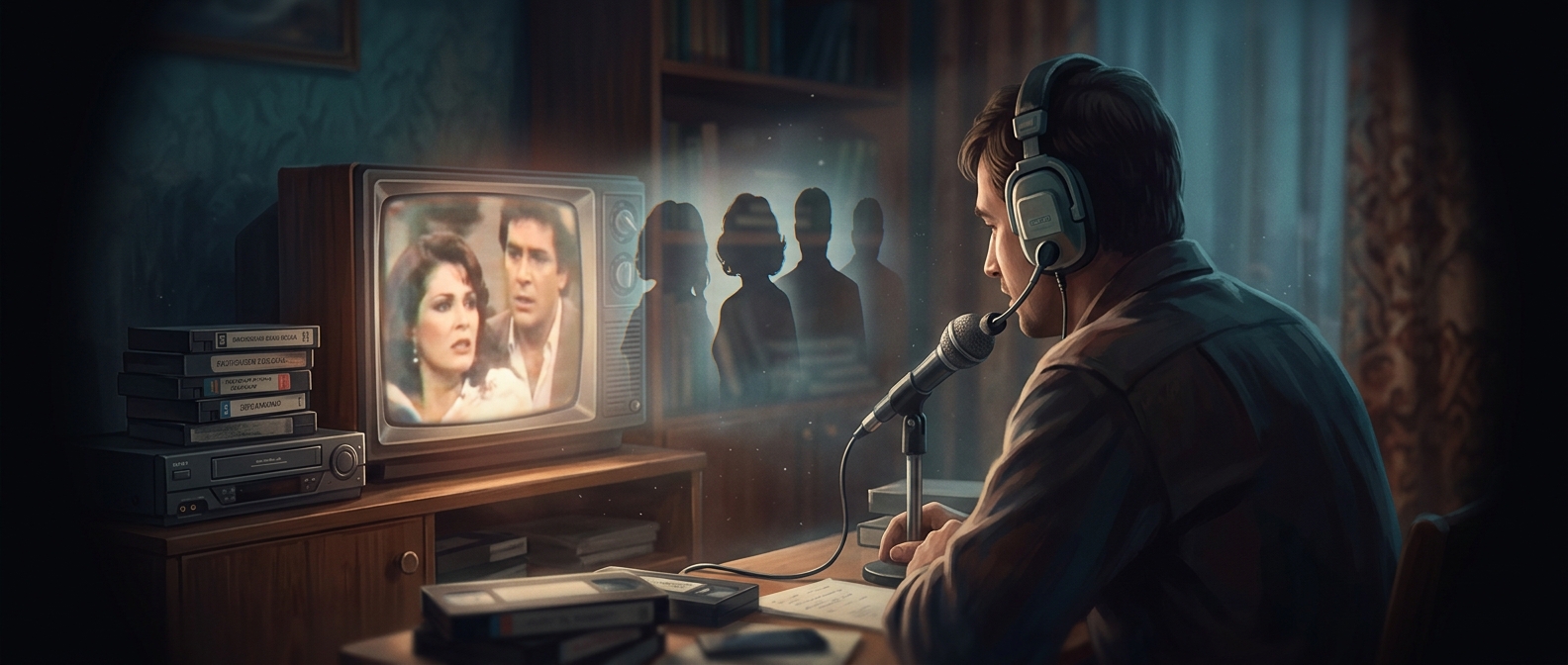
Why Russian dubs used one voice for everyone
During the post-Soviet VHS boom, dubbed films often used one narrator for every character, speaking over the still-audible original track.
Discover more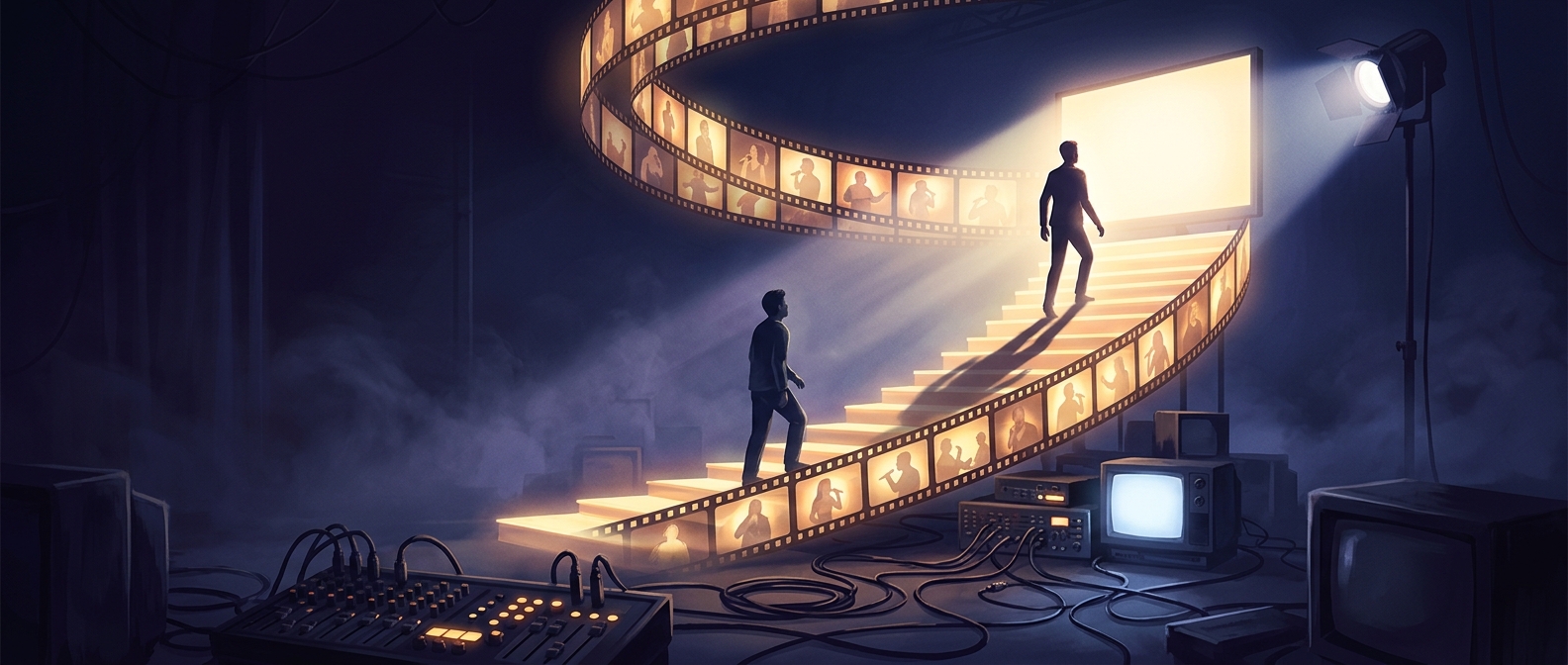
Stairway to Stardom gave amateurs cable fame
The late-night public-access show ran from the late 1970s to the early 1990s, giving amateur singers, dancers, and other performers an unpolished stage on…
Discover more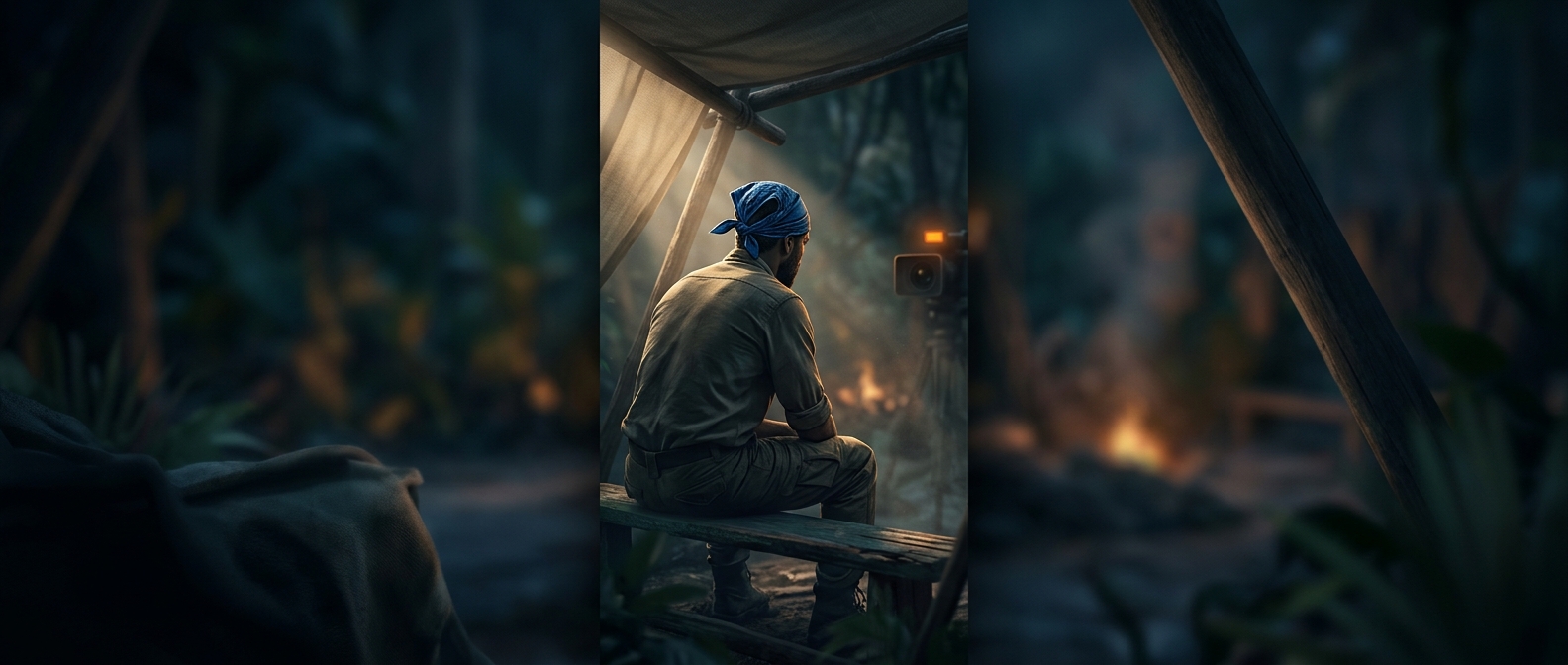
Survivor confessionals use tight framing to make contestants feel alone and exposed
The producer stays out of frame while the contestant looks just off-camera, creating an intimate, confessional feel that can encourage personal disclosures.
Discover more