Myths & mysteries
Discover facts about myths & mysteries. Small discoveries that change the way you see familiar things.
Myths & mysteries
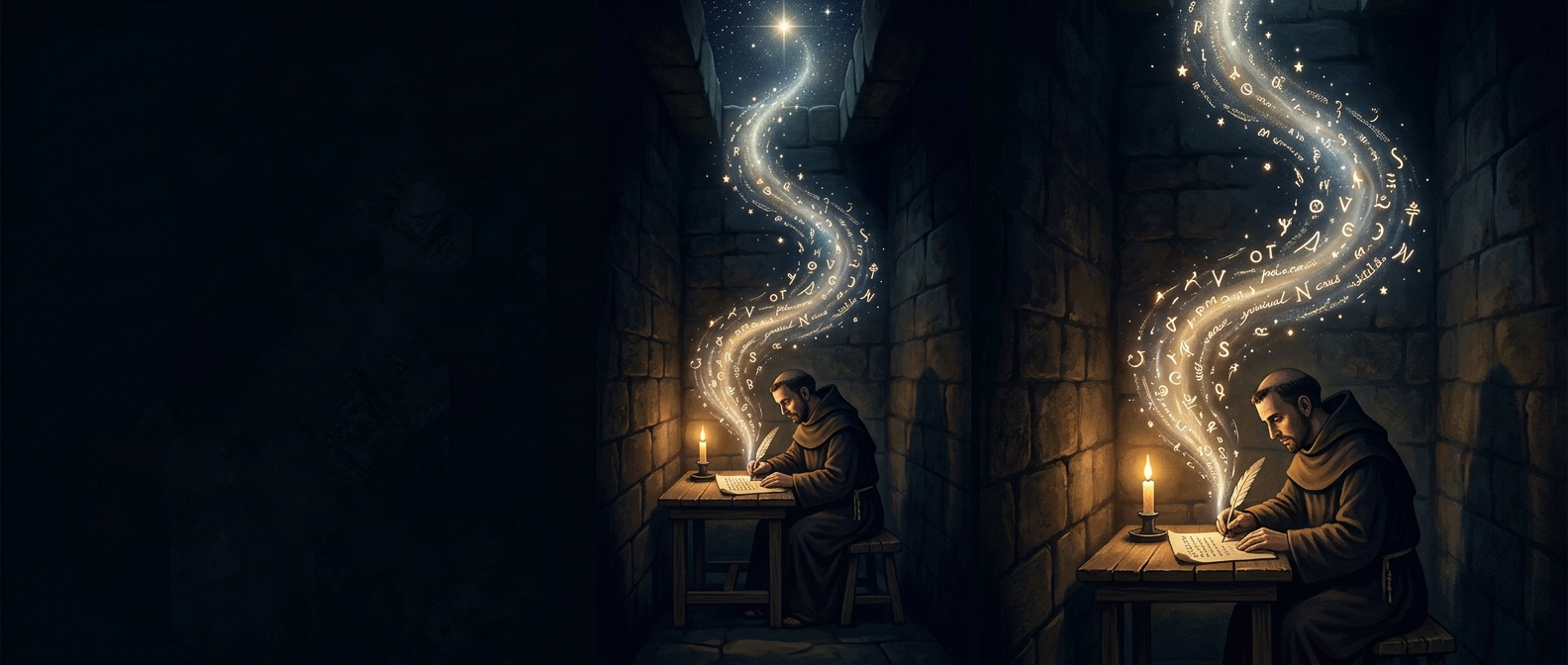
Saint John of the Cross wrote his darkest mystical poetry while locked in a closet-sized prison cell
Rival monks opposed to his reforms kidnapped him and kept him in a freezing six-by-ten-foot cell, beating him weekly. He composed the poems in his head, using…
Discover more
Devotional beads count repetitions by touch
Strands such as malas provide a tactile way to track each repetition, freeing practitioners to focus on the rhythm of their devotion instead of keeping count…
Discover more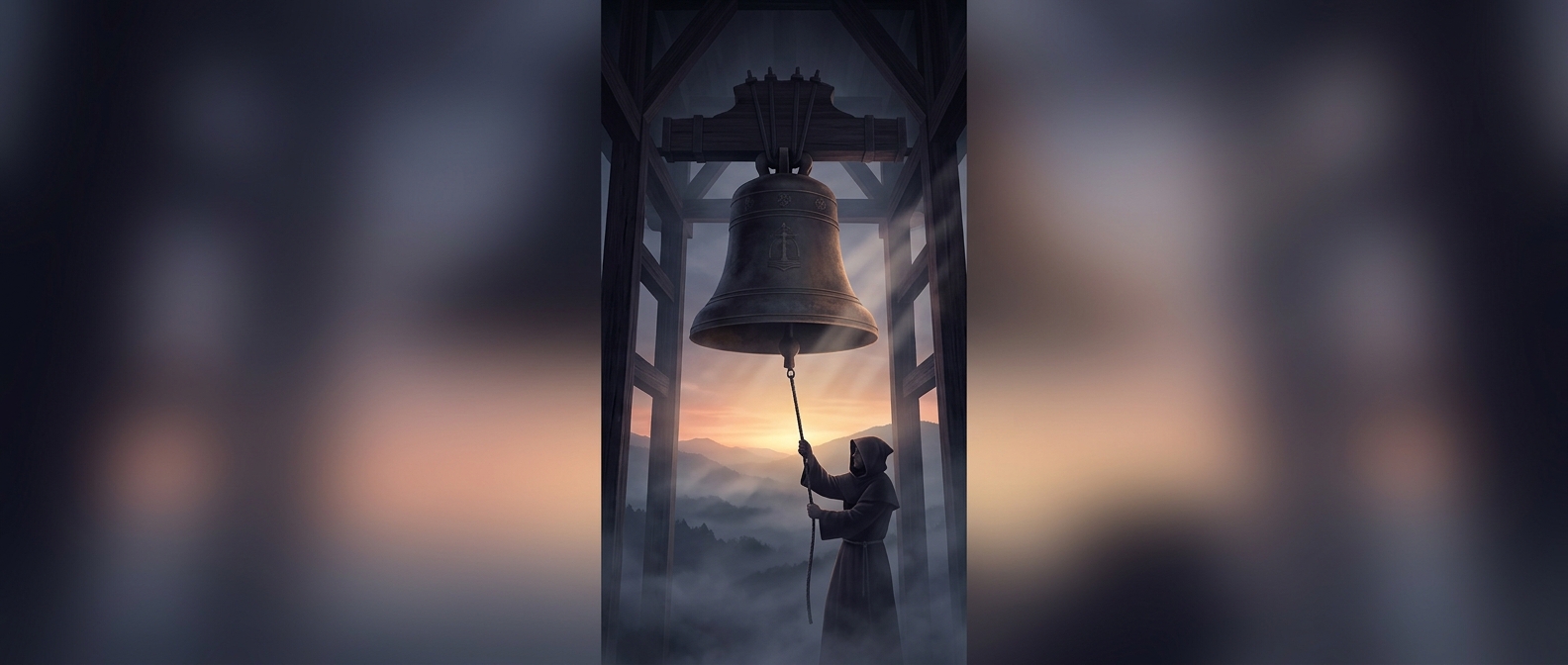
Dawn bells carry across the courtyard
The bells’ booming resonance carries across the courtyard, making the dawn summons hard to ignore.
Discover more
Walking meditation turns an ordinary stroll into a deliberate practice of presence
Practitioners focus on each movement and bodily sensation instead of hurrying toward a destination, using the walk to train their attention.
Discover more
Ascetics limit their worldly possessions to a single bowl
They relied on whatever strangers placed in the bowl, rather than carrying supplies of their own.
Discover more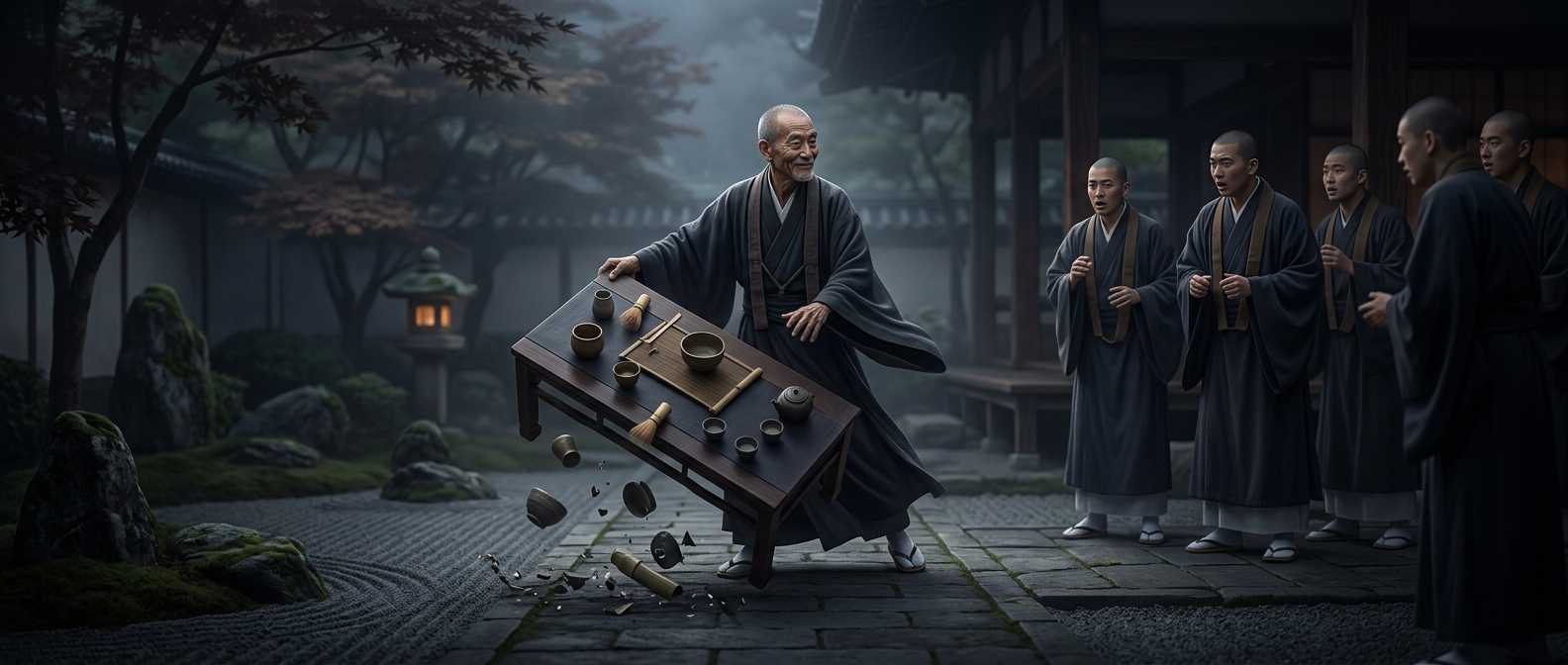
Spiritual masters deliberately break rigid social etiquette
Some traditions describe breaking etiquette as a shock tactic: the jolt is meant to disrupt a student's habitual assumptions, not simply excuse bad manners.
Discover more STACKY FOR IPHONE
A bigger world.
One discovery
at a time.
Keep discovering with Stacky. Interesting facts in an app that is always within reach.
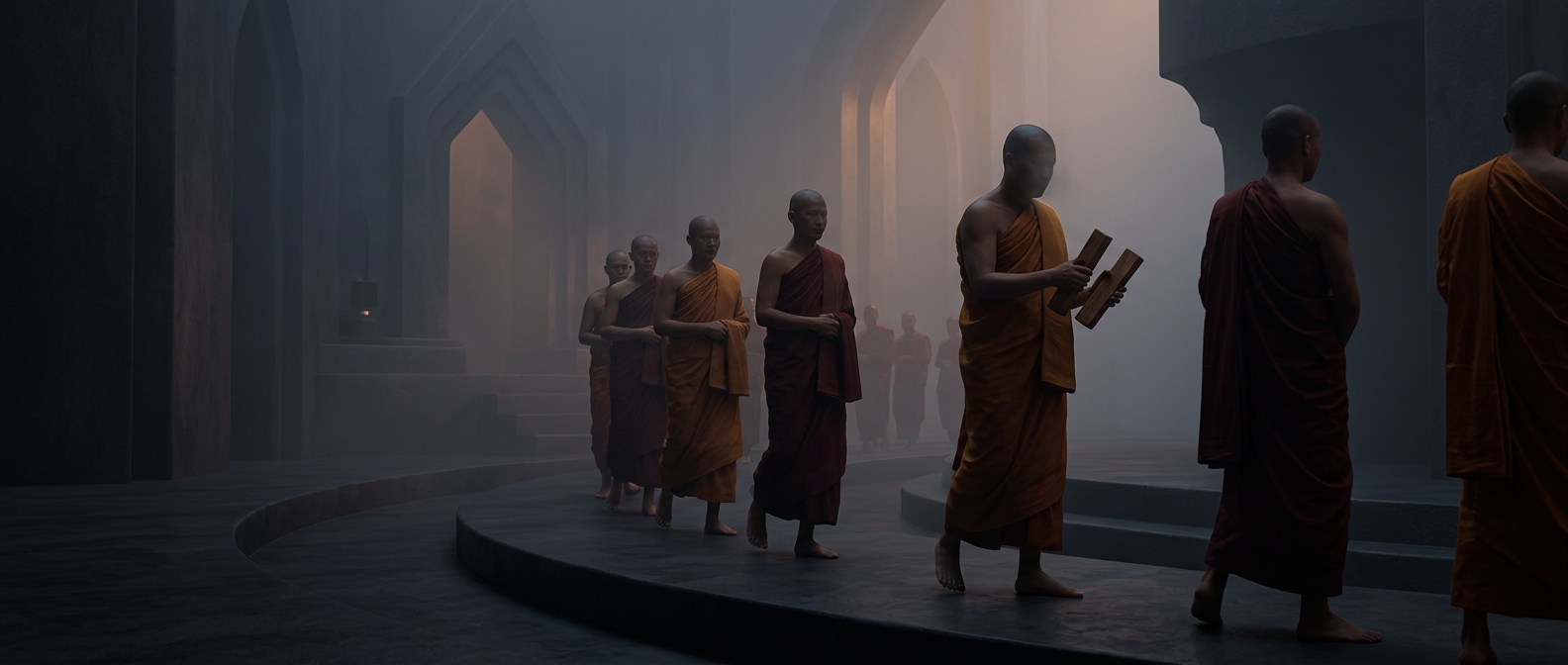
Monks strike wooden blocks to perfectly synchronize walking
A timekeeper strikes a resonant wooden block to set the pace, keeping the group together during a slow, deliberate march.
Discover more
Mystics compare intense spiritual journeys to mountain climbs
For ascetic writers, climbing from a comfortable valley through harsh conditions to a mountain peak represents the effort to leave ordinary life and reach…
Discover more
Pilgrims intentionally leave small stones at mountain passes
At dangerous high-altitude crossings, each pebble added to a cairn was a gesture of thanks for safe passage and a plea for protection on the way ahead.
Discover more
Spiritual seekers surrender completely all personal autonomy
Disciples may hand over major life decisions to a spiritual master, practicing absolute obedience as a way to let go of pride and worldly attachments.
Discover more
Mystics heavily rely on absolute physical stillness
Some mystics practice prolonged stillness, believing it quiets bodily distractions and prepares them for spiritual insight.
Discover more
Tibetan spinning wheels process millions of written texts
The scrolls inside are covered in sacred text; devotees believe one turn is equivalent to reading every prayer on them.
Discover more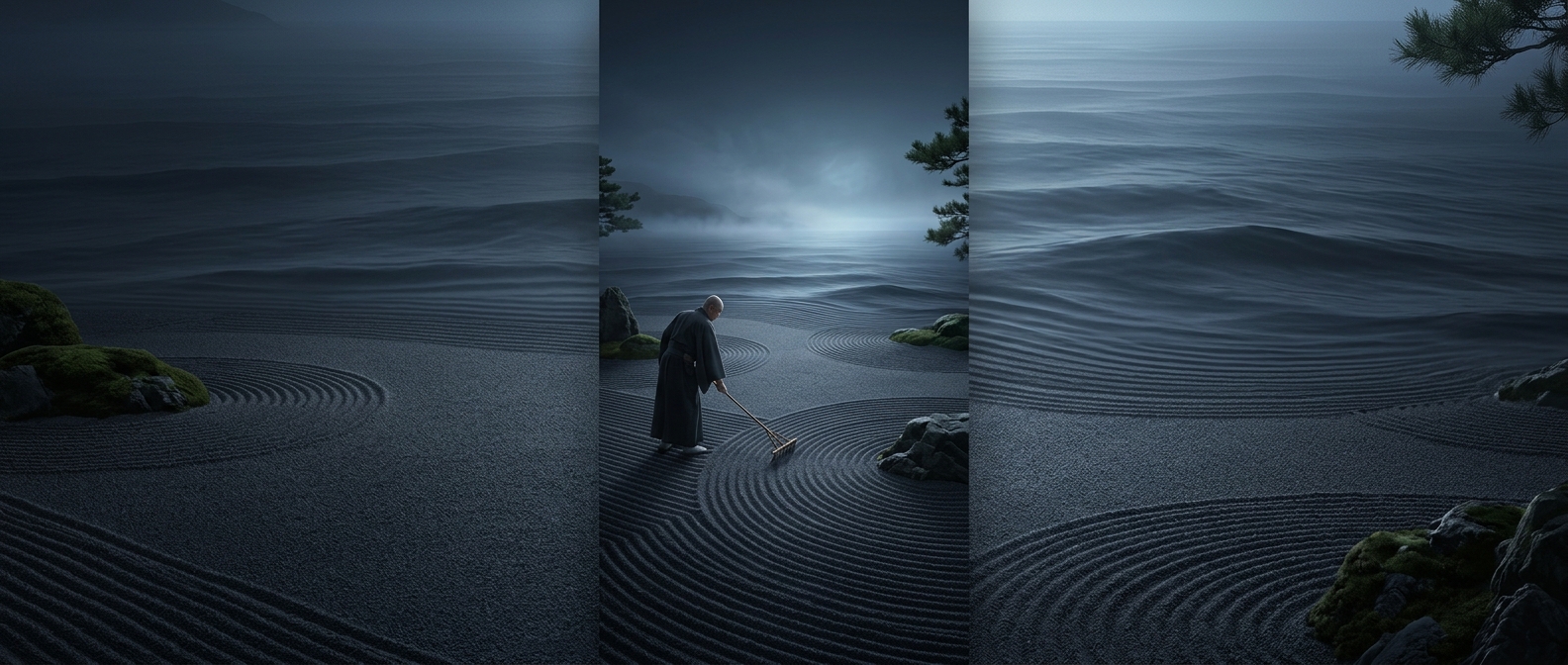
Monks rake dry gravel to mimic oceanic ripples
Raking the gravel gives practitioners a focus for concentration while its lines suggest rippling water, without using a drop.
Discover more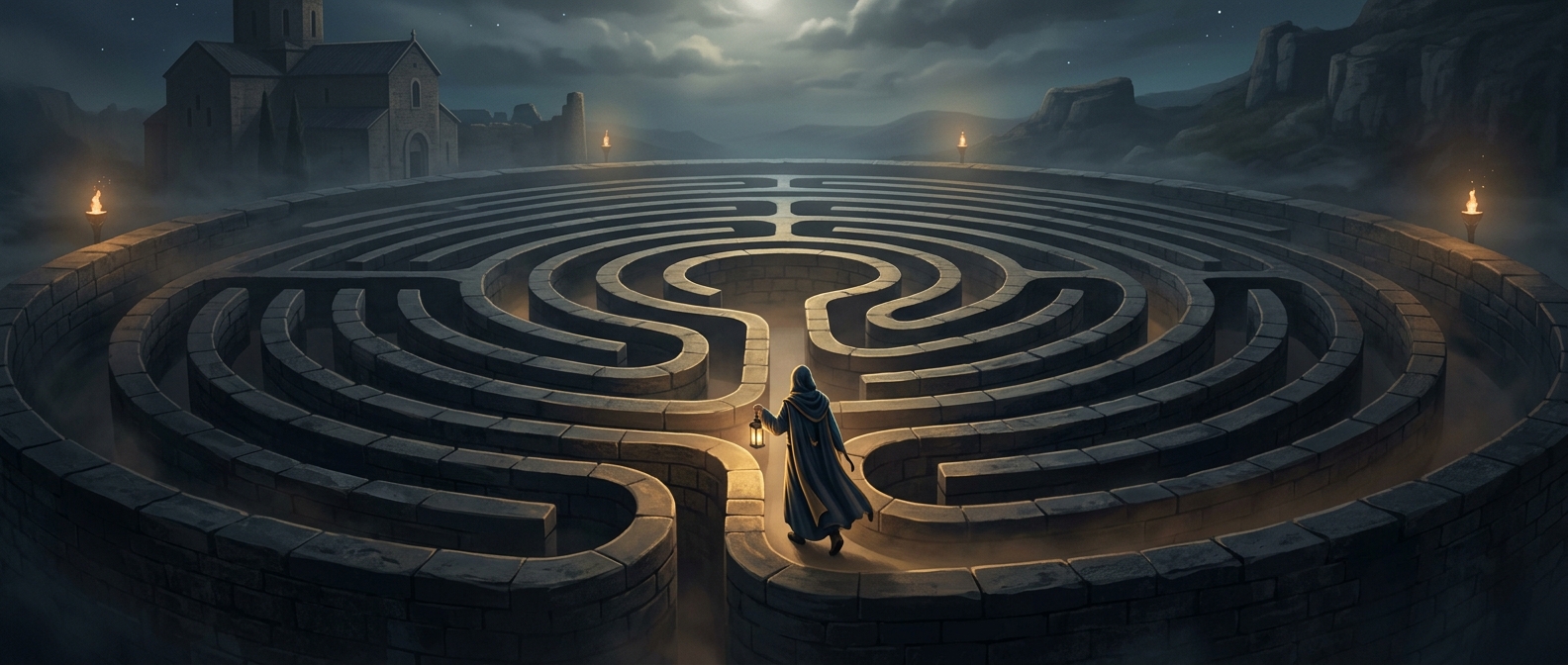
Walking labyrinths only ever have one continuous path
Unlike a maze, a spiritual labyrinth has one winding route to the center and back, with no dead ends; walking it is meant to encourage calm and reflection.
Discover more
Spiritual traditions view deep silence as a powerful presence
Some contemplative traditions treat silence not as emptiness but as a medium for receiving profound spiritual truths.
Discover more
Monasteries strictly restrict access to the outside world
Cloistered communities use enclosure to limit distractions from secular life and protect time for contemplation. The boundary is meant to separate residents…
Discover more
Devotees explicitly circumambulate mountains clockwise
In some traditions, walking clockwise around a sacred mountain is considered purifying and earns spiritual merit. The direction follows the path of the sun.
Discover more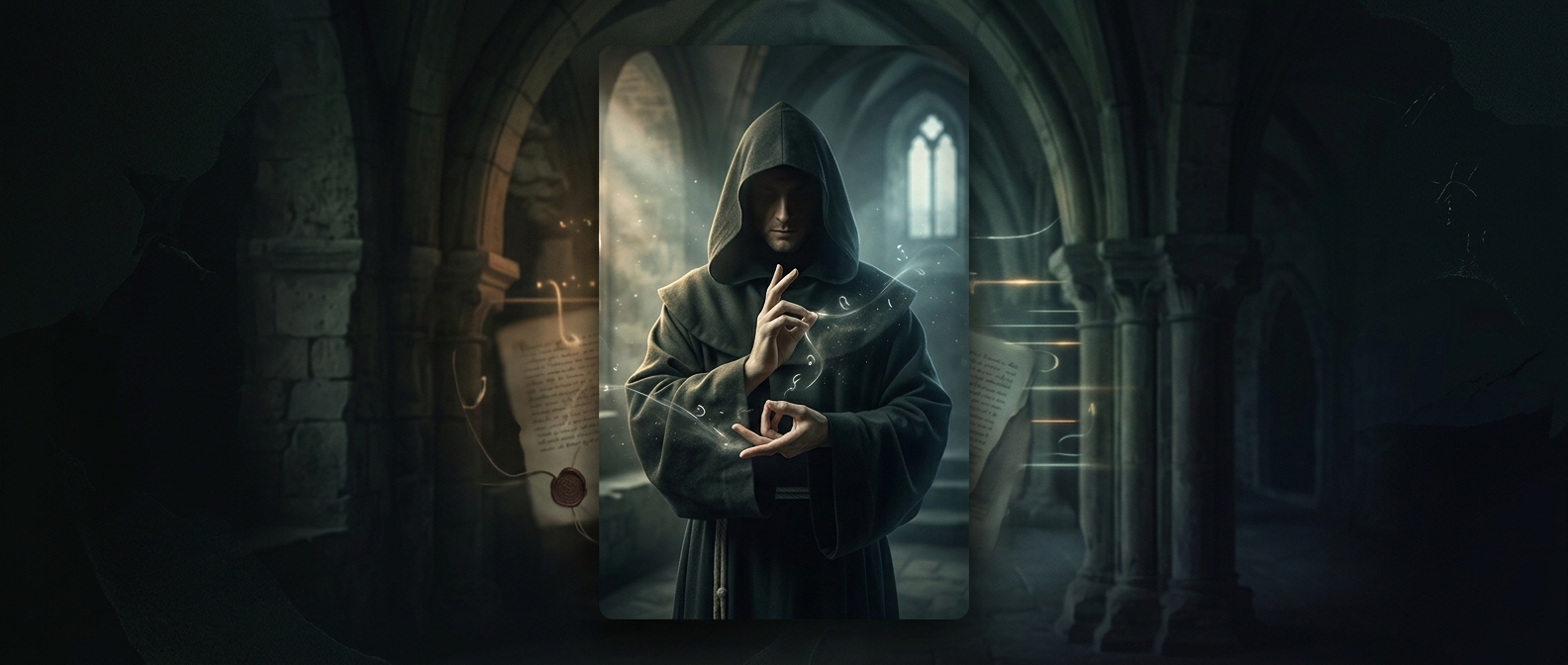
Vows of silence permit using complex hand signals
Trappist monks used an intricate system of gestures to share essential information about daily chores without speaking.
Discover more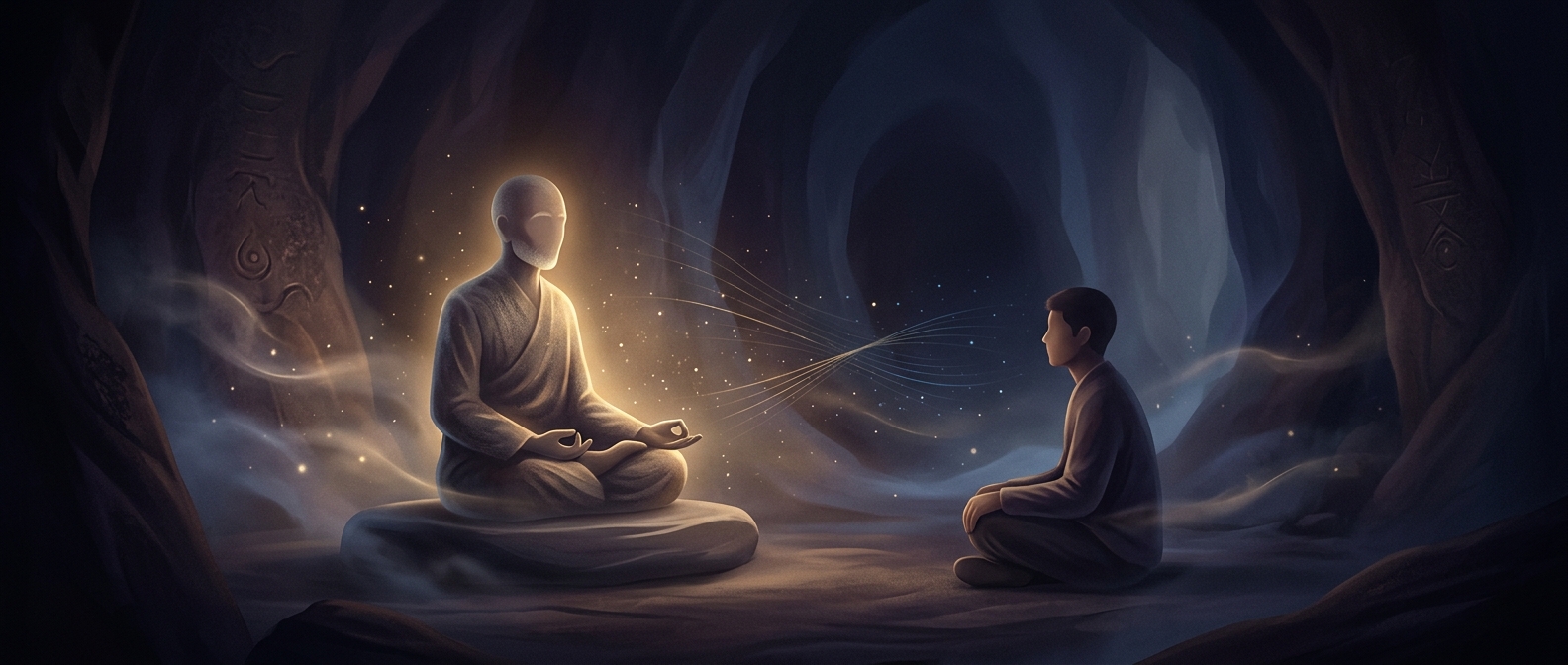
Spiritual masters teach crucial lessons through total silence
Their stillness was treated as a teaching in itself: peace was transmitted without words rather than through a conventional lecture.
Discover more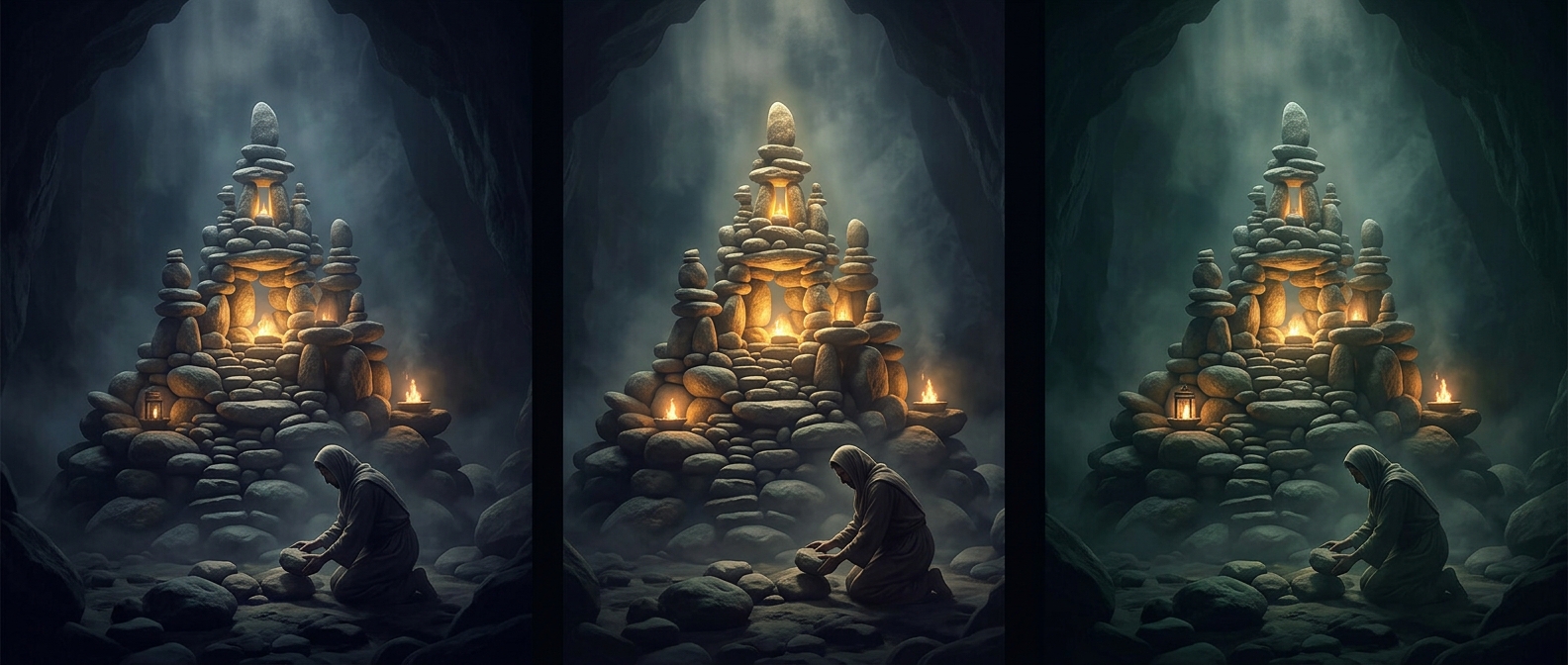
Devotees build incredibly elaborate altars using simple rocks
Practitioners use focus and patience to make ordinary stones into sacred spaces, carefully stacking them into balanced shrines.
Discover more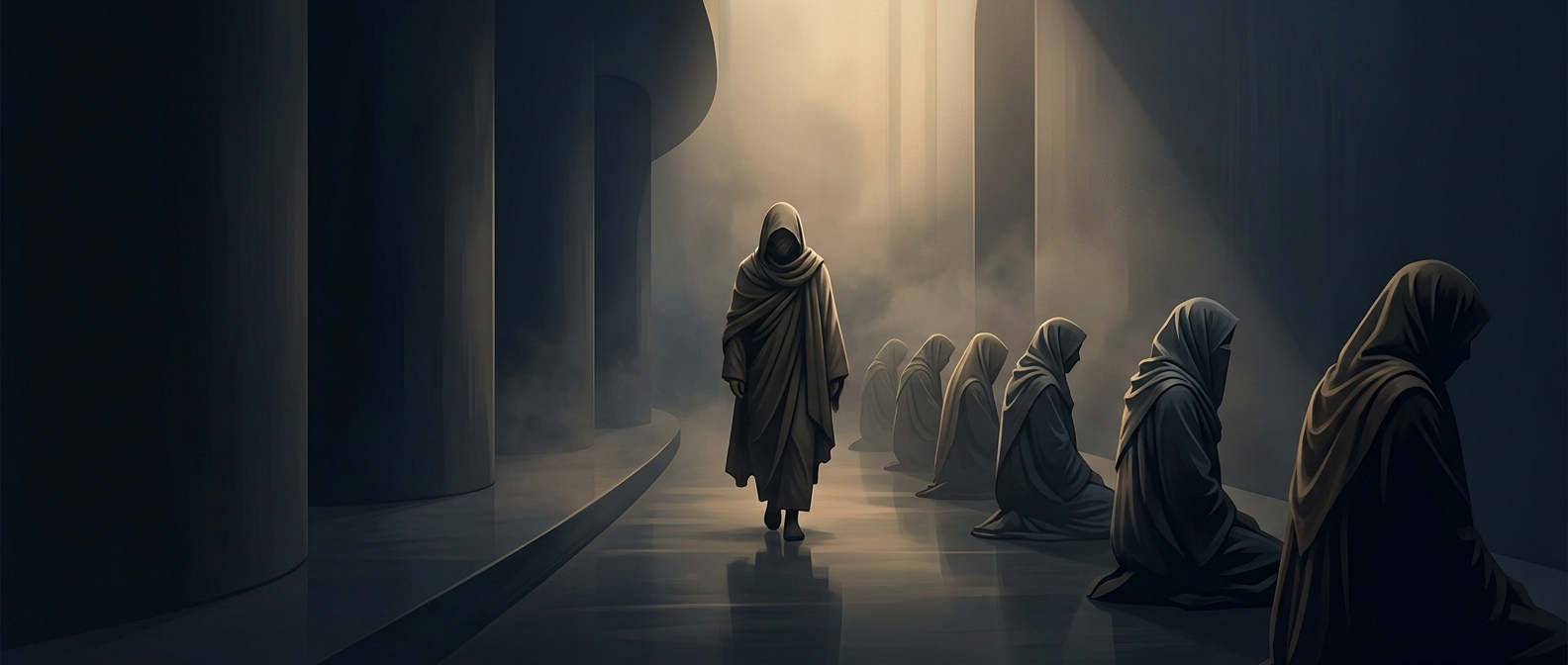
Spiritual retreats actively forbid any direct visual contact
Silent meditation retreats may prohibit eye contact to limit nonverbal interaction and help participants remain inwardly focused.
Discover more
Mystics actively seek a dark night of the soul
In the tradition associated with St. John of the Cross, this period of spiritual dryness and doubt is seen as a necessary stripping away of worldly…
Discover more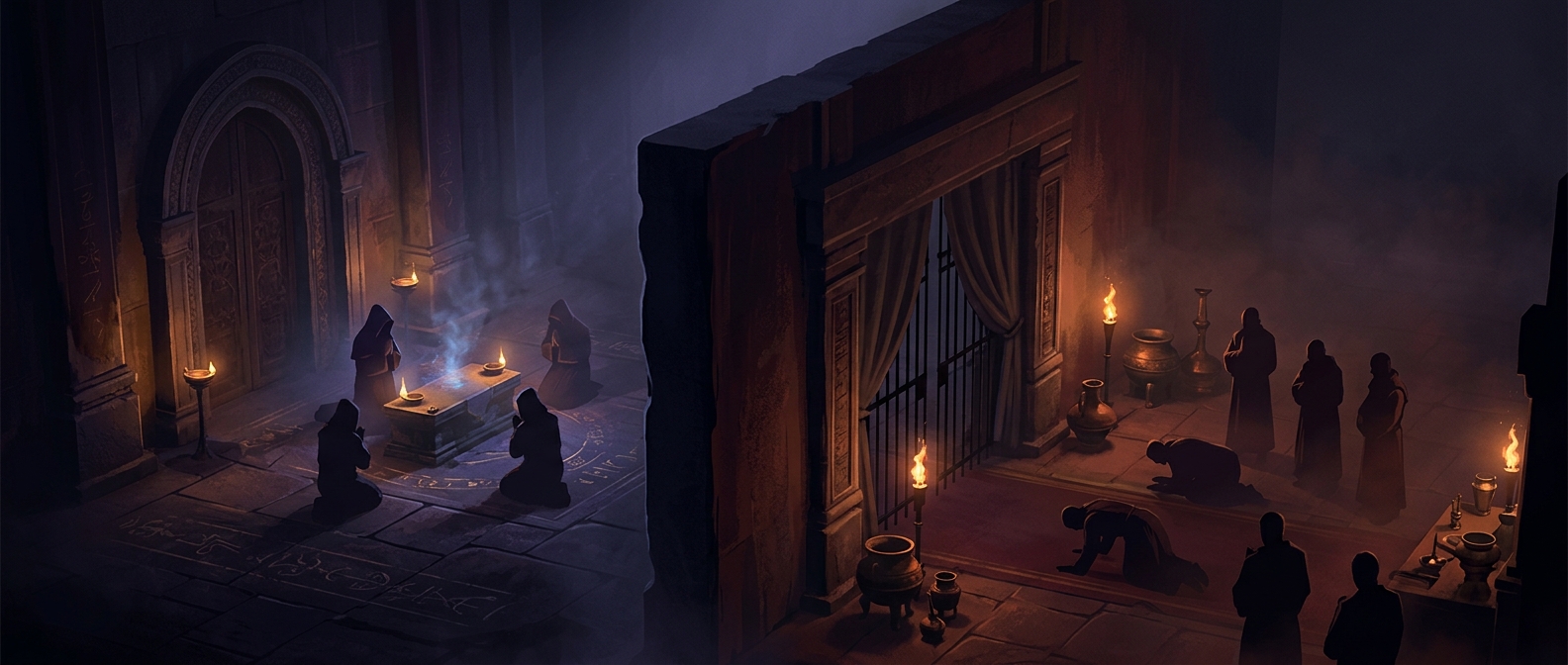
Monasteries strictly divide space into separate ritual zones
Access can depend on a visitor's status: uninitiated guests stay in outer courtyards, while inner chambers are reserved for advanced spiritual practice.
Discover more
Sufi poets use moths flying into flames as divine metaphors
The moth’s self-destruction symbolizes a devoted soul surrendering its separate self to merge with the divine.
Discover more