The world is more interesting than you think.
Unexpected facts, big ideas, and little discoveries. Find something that sparks your curiosity today.
A little more wonder

How one blood test can end years of misdiagnoses
Whole-exome sequencing reads the protein-coding portions of thousands of genes, rather than checking just one suspected gene. That wider search can connect…
Discover more
Some medications can mimic dementia symptoms
Acetylcholine helps brain cells pass signals used for memory and learning. Some allergy and bladder-control drugs block that messenger; taking several can…
Discover more
Black Death victims were buried with surprising order
At London’s East Smithfield cemetery in 1348, bodies were laid in parallel rows, carefully oriented and spaced. Even in a plague emergency, burial followed a…
Discover more
How RNA changes shape to control genes
A bacterial RNA switch can sense when a nutrient is plentiful because the nutrient binds directly to the RNA. That binding makes the RNA fold into a new…
Discover more
How intense training can weaken teenage athletes' bones
If training burns more energy than a teenager eats, the body may not have enough fuel for normal hormone production. Estrogen can fall, disrupting the process…
Discover more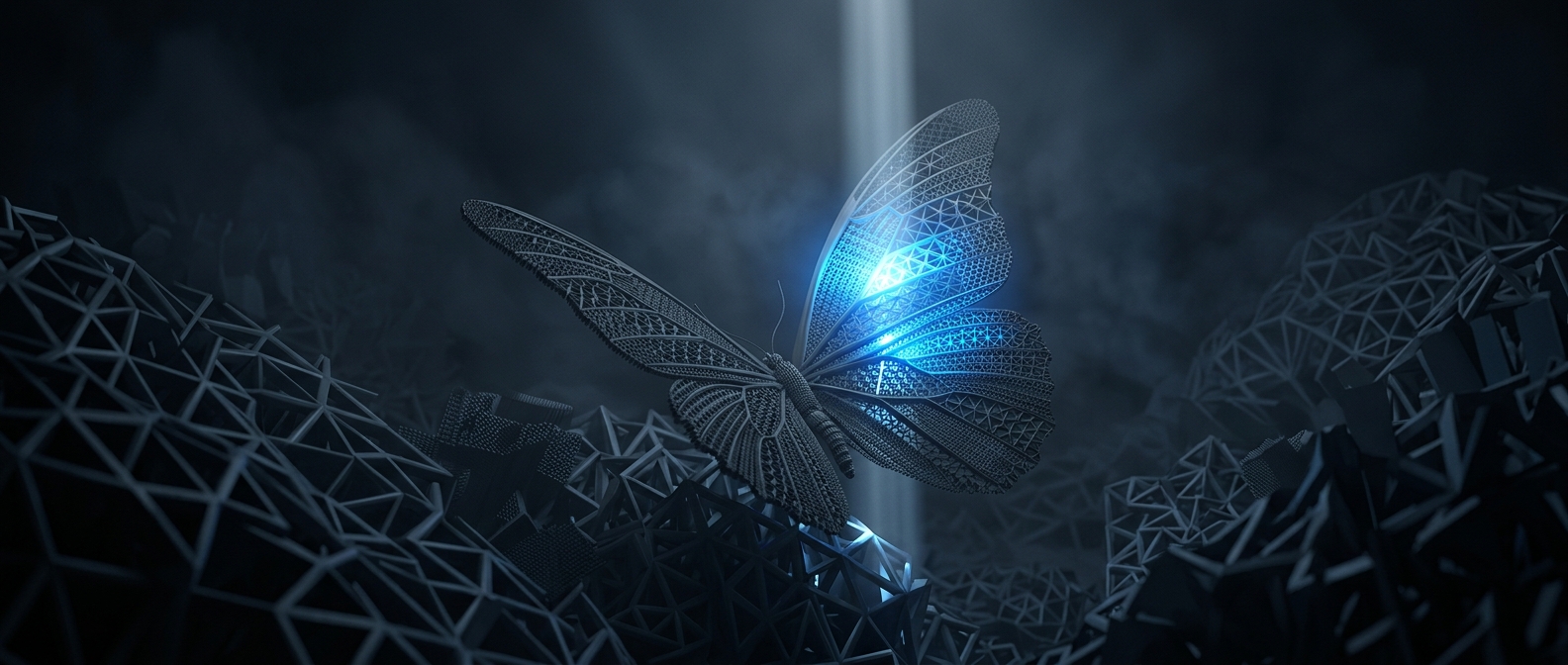
A Morpho's blue comes from architecture, not blue dye
The blue comes from tiny ridges and layers on the Morpho’s wing, which reflect some wavelengths of light more strongly than others. Tilt the wing, and a…
Discover more STACKY FOR IPHONE
A bigger world.
One discovery
at a time.
Keep discovering with Stacky. Interesting facts in an app that is always within reach.
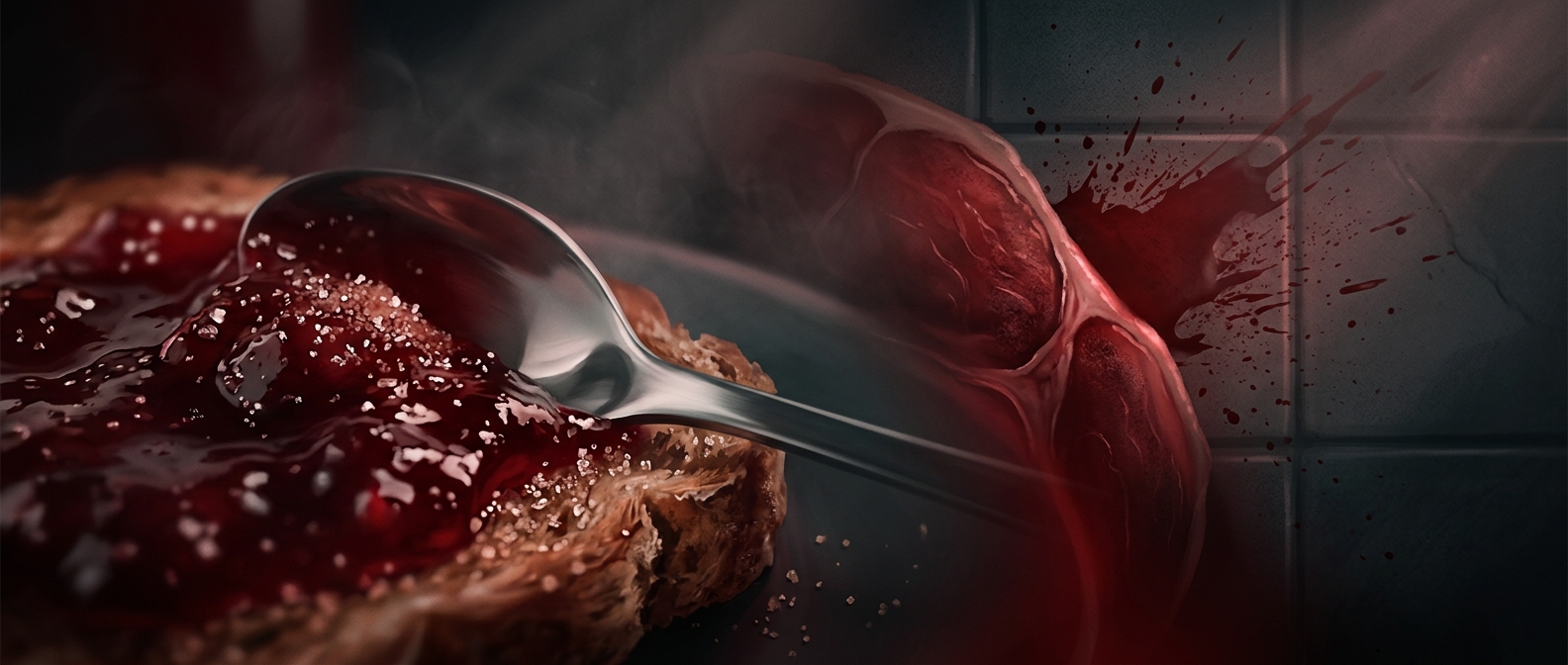
How Dexter made breakfast look like a murder
The credits turn ordinary acts—flossing, squeezing a blood orange, and chopping ham—into something gruesome with extreme close-ups and squelching sound. The…
Discover more
How spacecraft memory survives cosmic rays
Magnetoresistive RAM stores bits as magnetic states rather than electrical charges, making it more resistant to cosmic-ray-induced bit flips that can disrupt…
Discover more
Spend the night in a tea plucker’s home above Darjeeling
Guests stay in tea pluckers’ homes, share family meals and learn to pick the precise “two leaves and a bud.” They can also wake to views of the Himalayas.
Discover more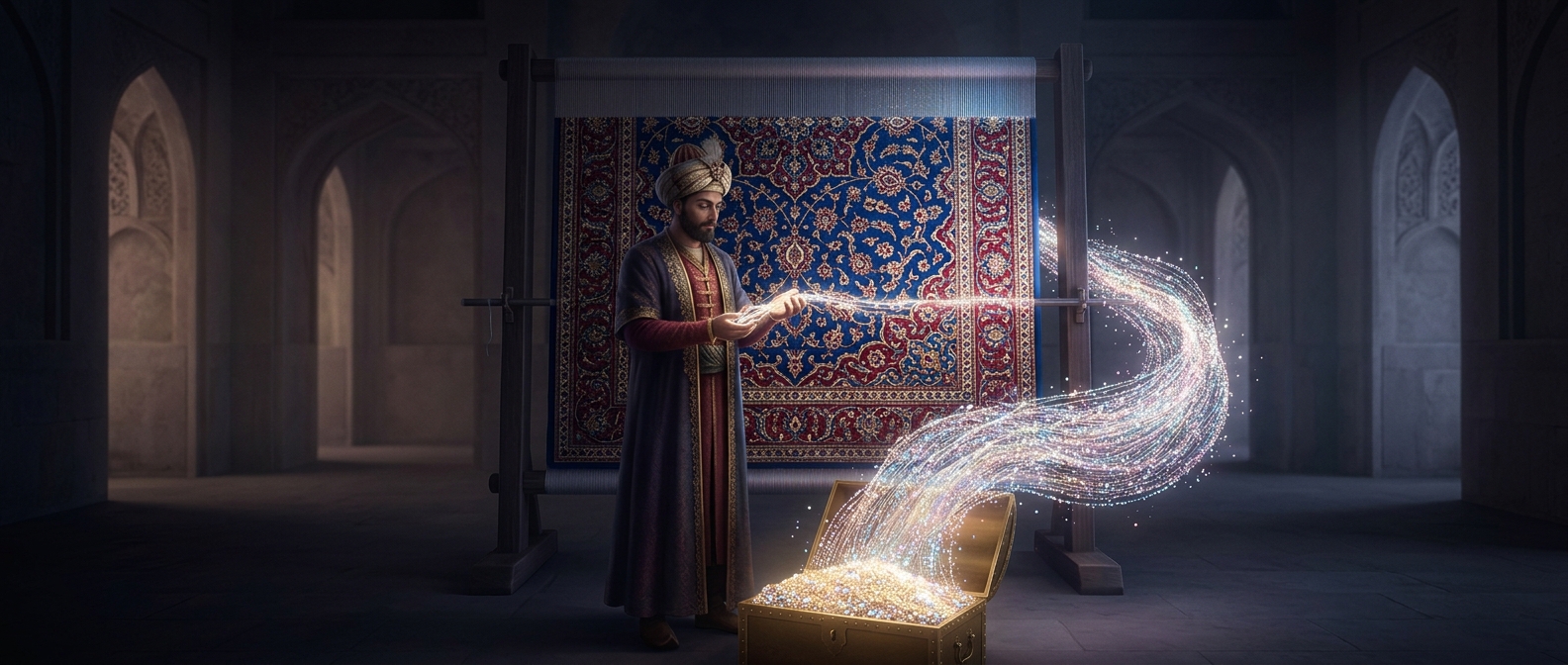
The carpet made with 26 million tiny knots
Shah Tahmasp commissioned the carpet in the 1530s for a religious shrine. Up to ten skilled weavers worked side by side for years, tying 340 knots into every…
Discover more
Mara Wilson became the Faceless Old Woman in Welcome to Night Vale
The podcast casts her as a character whose ordinary-sounding place in the town hides a deeply unsettling premise: she secretly lives in your home. Wil Wheaton…
Discover more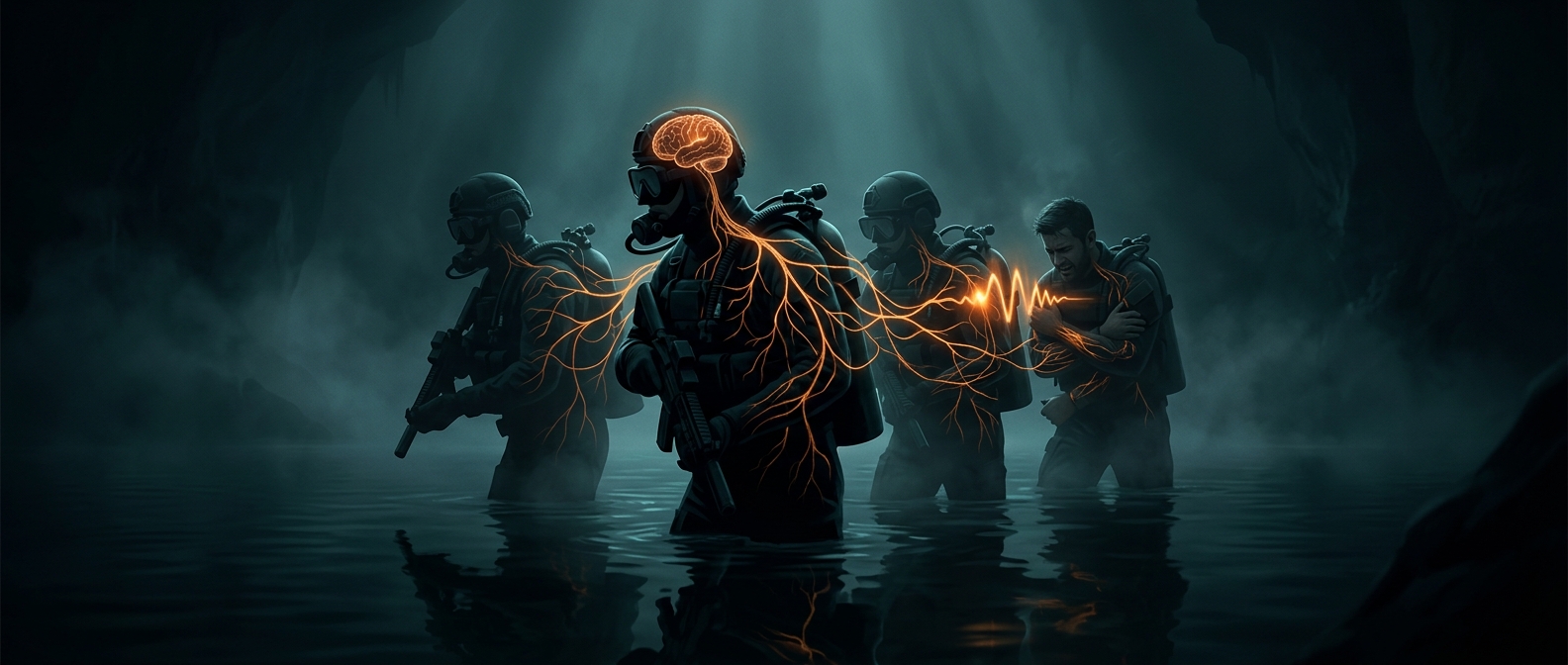
When a teammate's pain feels like your own
A teammate’s injury can land differently from a stranger’s because “us” changes how you read the scene. Your mind uses its own bodily signals to make sense of…
Discover more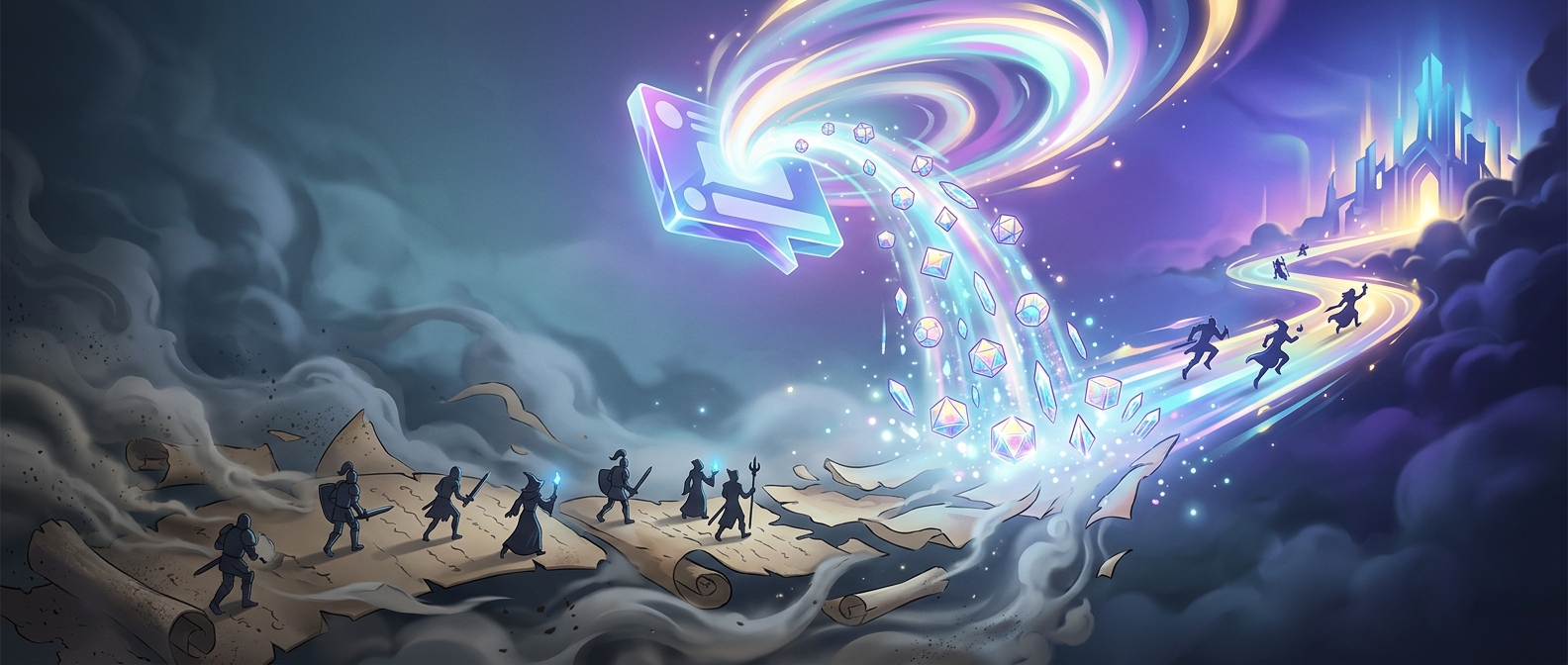
How dice bots sped up text-based D&D
Dice bots post rolls instantly in the chat, replacing honor-system dice rolling and cutting the wait between turns in text-based D&D campaigns.
Discover more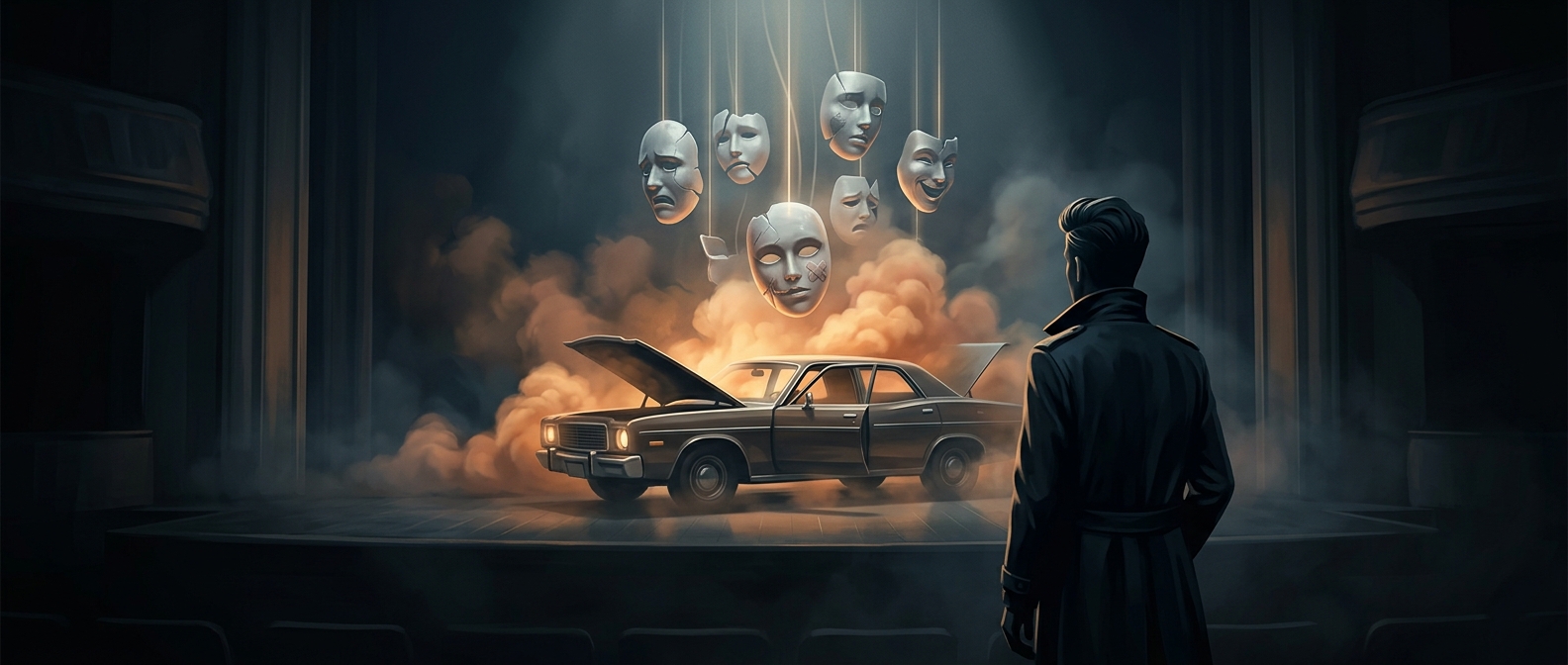
How soap operas bring dead characters back with new faces
When an actor leaves, the character may be presumed dead after an accident, then return months later with a new actor and a story about reconstructive surgery.
Discover more
George Town in Penang features welded iron caricatures and interactive mural installations
Its UNESCO-listed streets double as an open-air gallery: wrought-iron caricatures recount local history, while Ernest Zacharevic’s murals let visitors pose…
Discover more
Why cruise ships plug into giant power cables
At the dock, a cable feeds electricity from shore so the ship can shut down its engines instead of burning fuel to run lights, kitchens, and air-conditioning.…
Discover more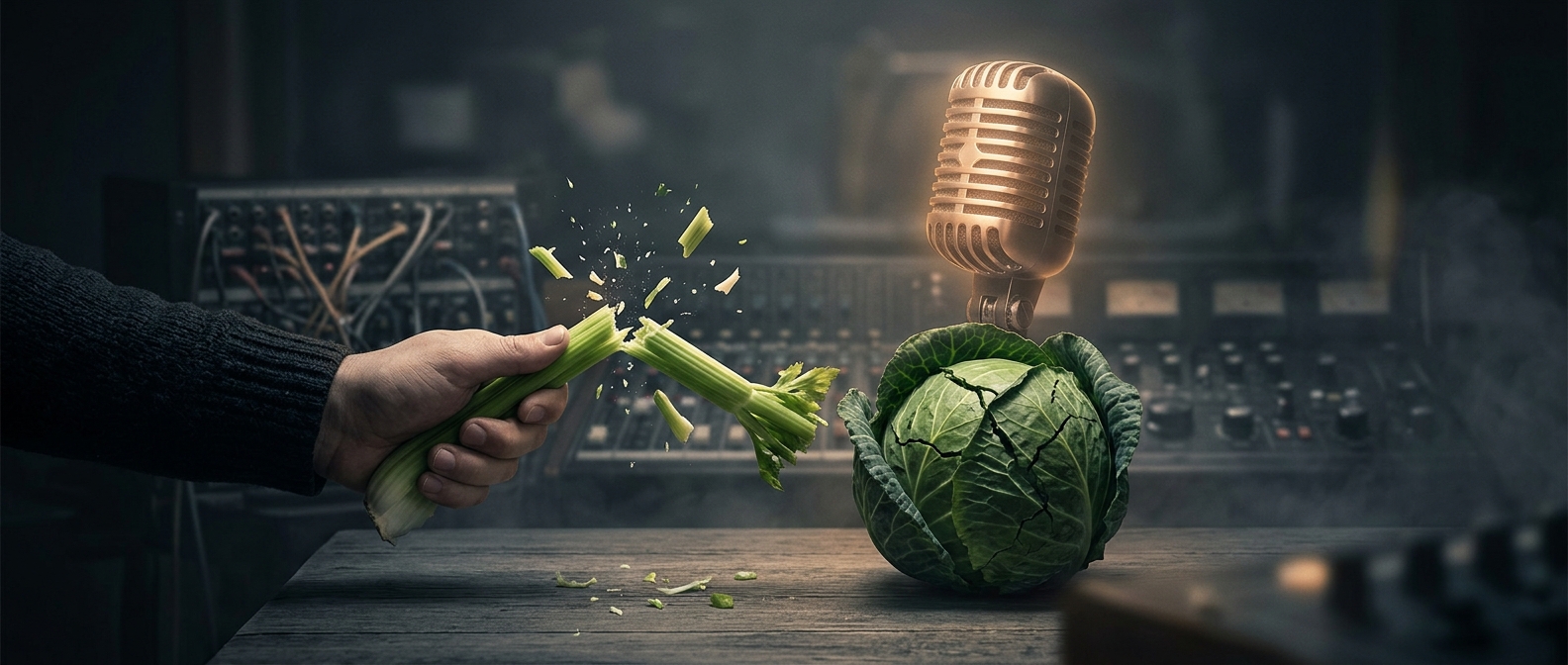
Why horror sounds like something from the salad aisle
Foley artists can snap celery or crush vegetables beside a microphone to create convincing crunches for fictional injuries. Close recording makes a small,…
Discover more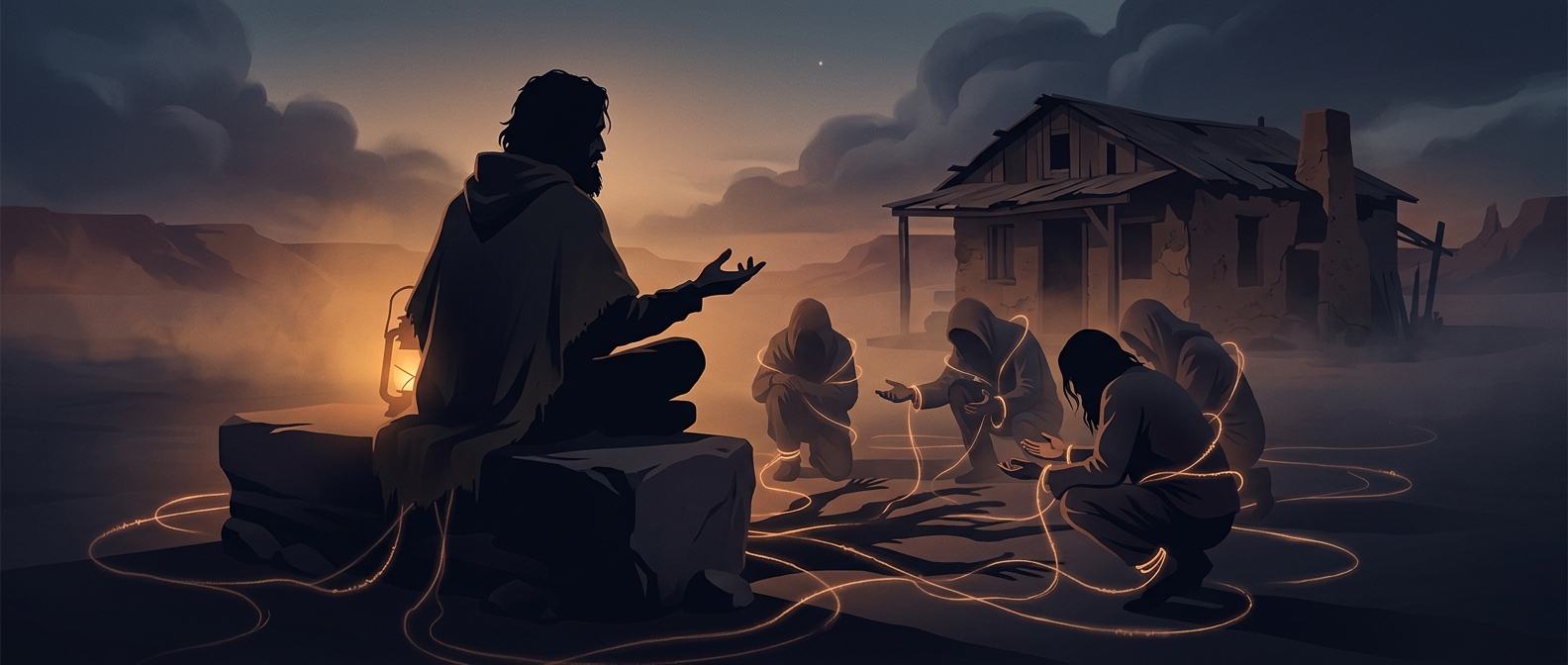
Why abuse can make people seek comfort from the abuser
A person who alternates cruelty with comfort can become the person you turn to when you’re scared. The brain learns both “this person is dangerous” and “this…
Discover more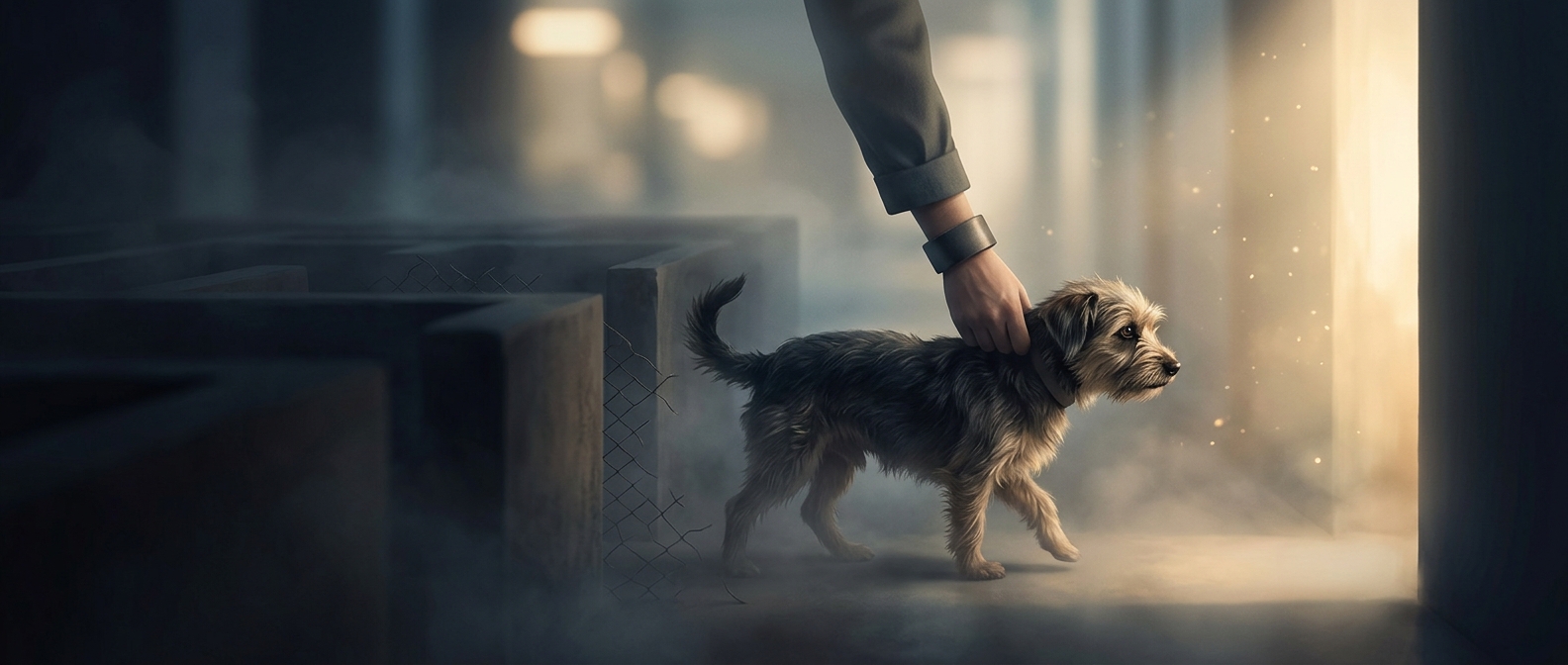
How helpless dogs were shown how to escape
When dogs that had learned they couldn’t escape shocks were later put where escape was possible, many still didn’t try. Researchers showed some how to cross a…
Discover more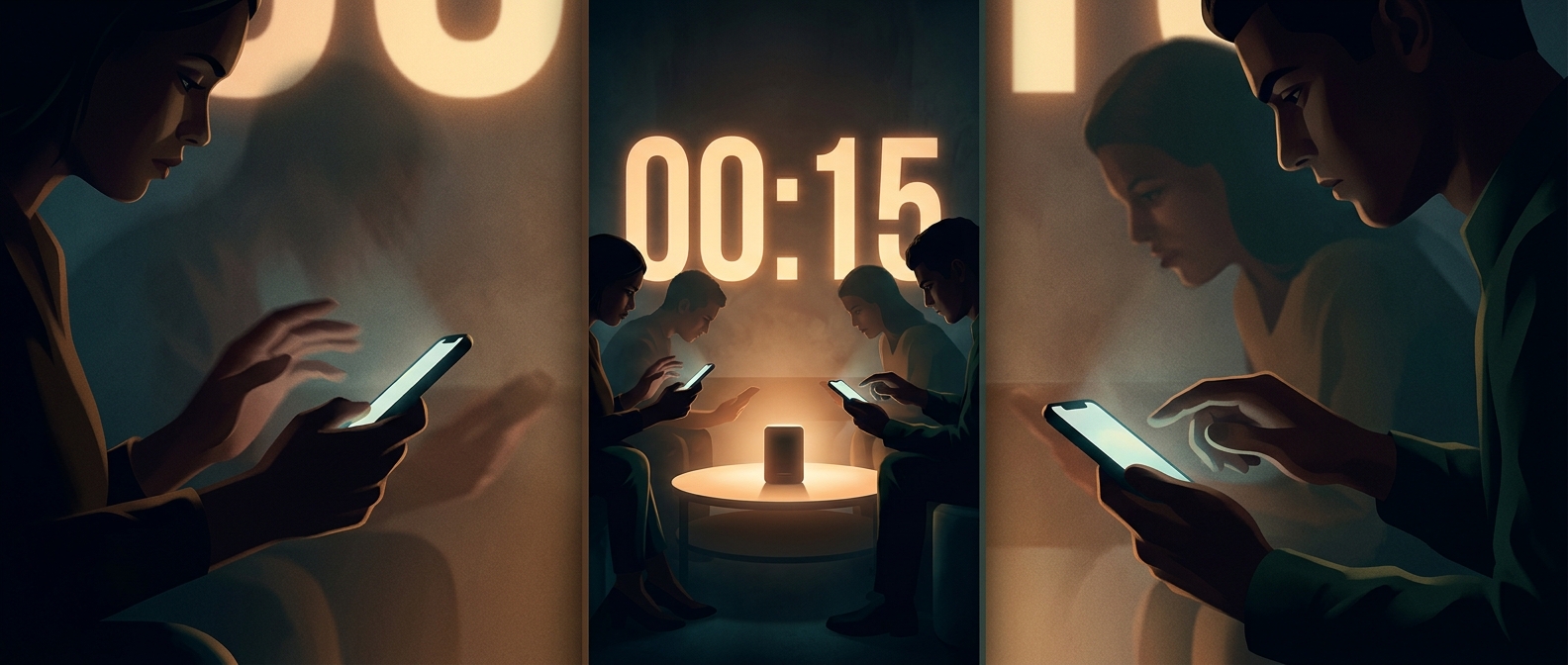
Why Jackbox gives you barely any time to write
A tight countdown leaves little time to overthink, so players are more likely to type the first absurd idea that comes to mind. The pressure helps break…
Discover more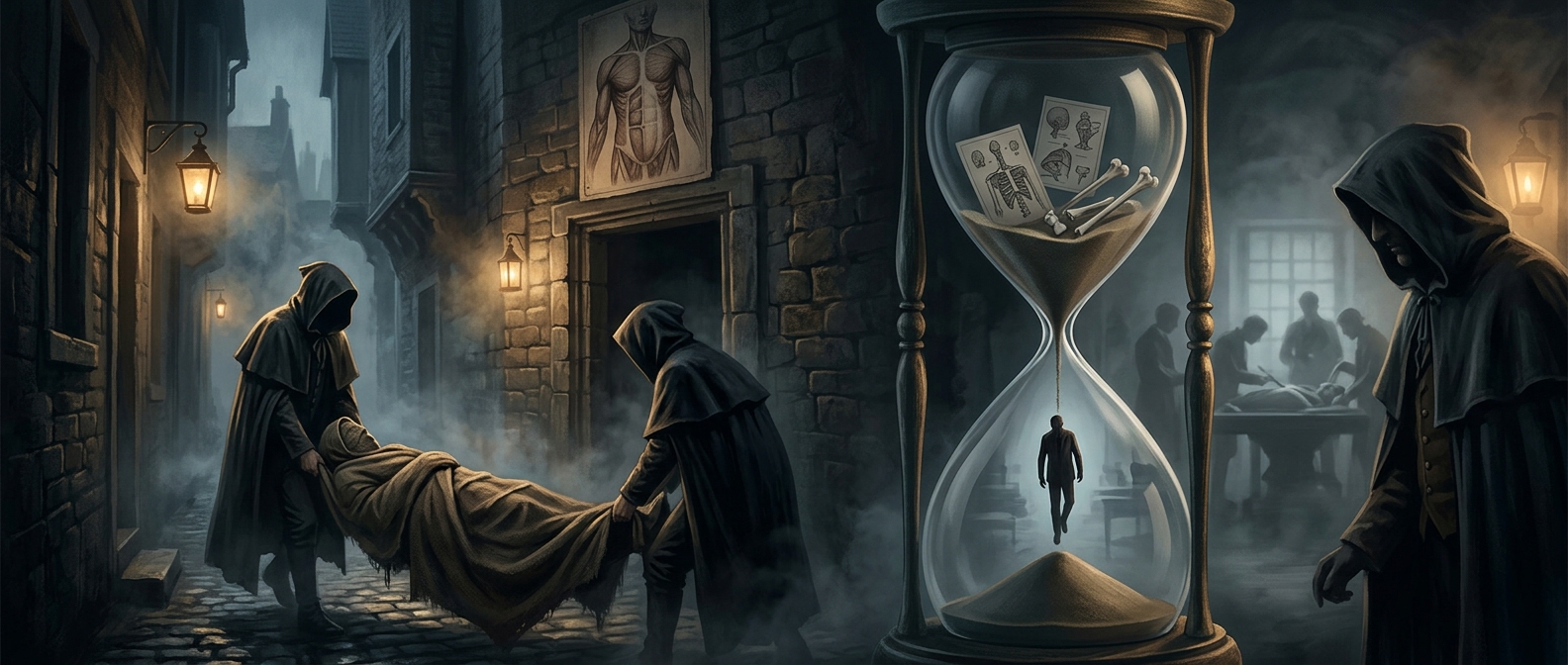
Burke and Hare killed 16 people in 10 months for cadavers
Medical schools wanted fresh bodies for dissection, and William Burke and William Hare chose murder over the slower business of robbing graves. They killed 16…
Discover more
Virtual Insanity moved the room, not the floor
The floor was stationary; the camera sat inside a three-sided room on wheels, which stagehands pushed back and forth to make the room appear to move around him.
Discover more
This Swiss train tilts its cabins to keep your floor flat
The Stoos funicular climbs a maximum gradient of 110%—about 48 degrees, not 110 degrees. Its barrel-shaped cabins rotate relative to the chassis as the track…
Discover more
A gene test can make Warfarin safer
Some CYP2C9 variants slow the liver’s breakdown of warfarin. That can leave more of the drug in the body for longer, which may increase the chance of…
Discover more