The world is more interesting than you think.
Unexpected facts, big ideas, and little discoveries. Find something that sparks your curiosity today.
A little more wonder

In 2023, engineers pulled off what sounds like sci-fi: the first transatlantic flight powered entirely by waste oil and plant fat.
In 2023, engineers pulled off what sounds like sci-fi: the first transatlantic flight powered entirely by waste oil and plant fat. Grease from waste fats and…
Discover more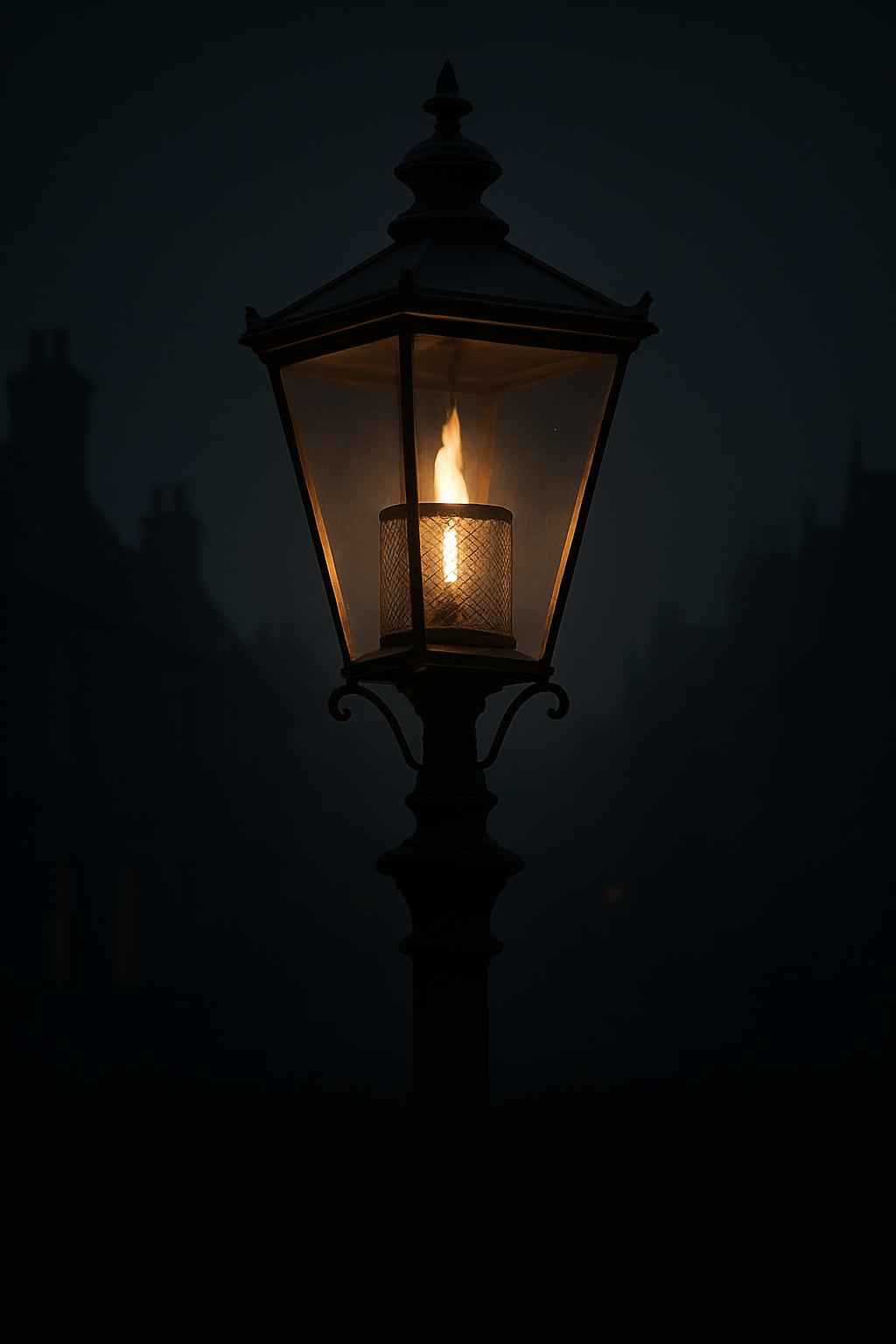
In Victorian London, the fear wasn’t darkness — it was explosion.
In Victorian London, the fear wasn’t darkness — it was explosion. A child’s dropped match could ignite leaking gas beneath the streets. Inventors enclosed…
Discover more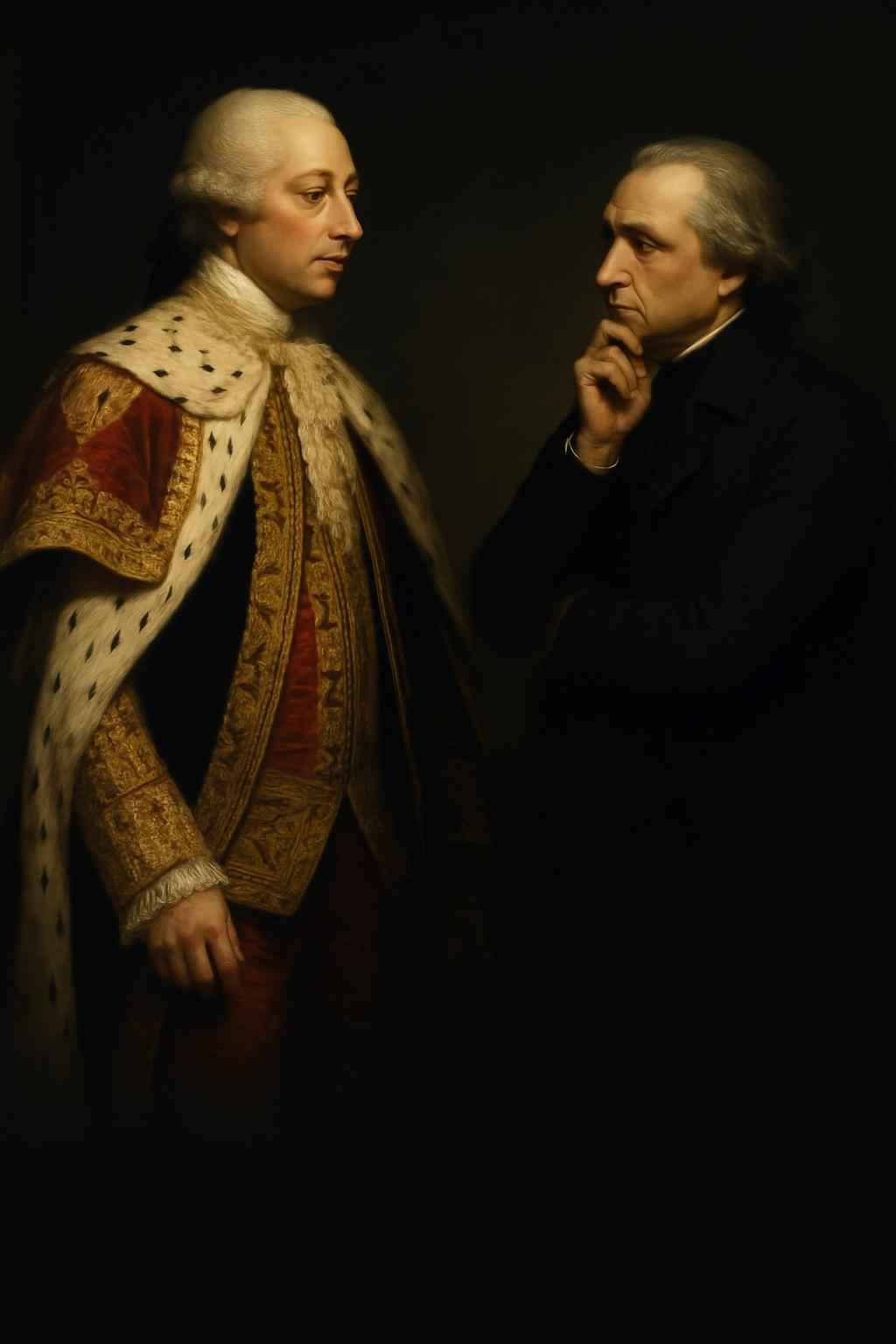
George III reportedly admired Washington for giving up power.
George III reportedly admired Washington for giving up power. Painter Benjamin West told the king that Washington intended to return to private life after the…
Discover more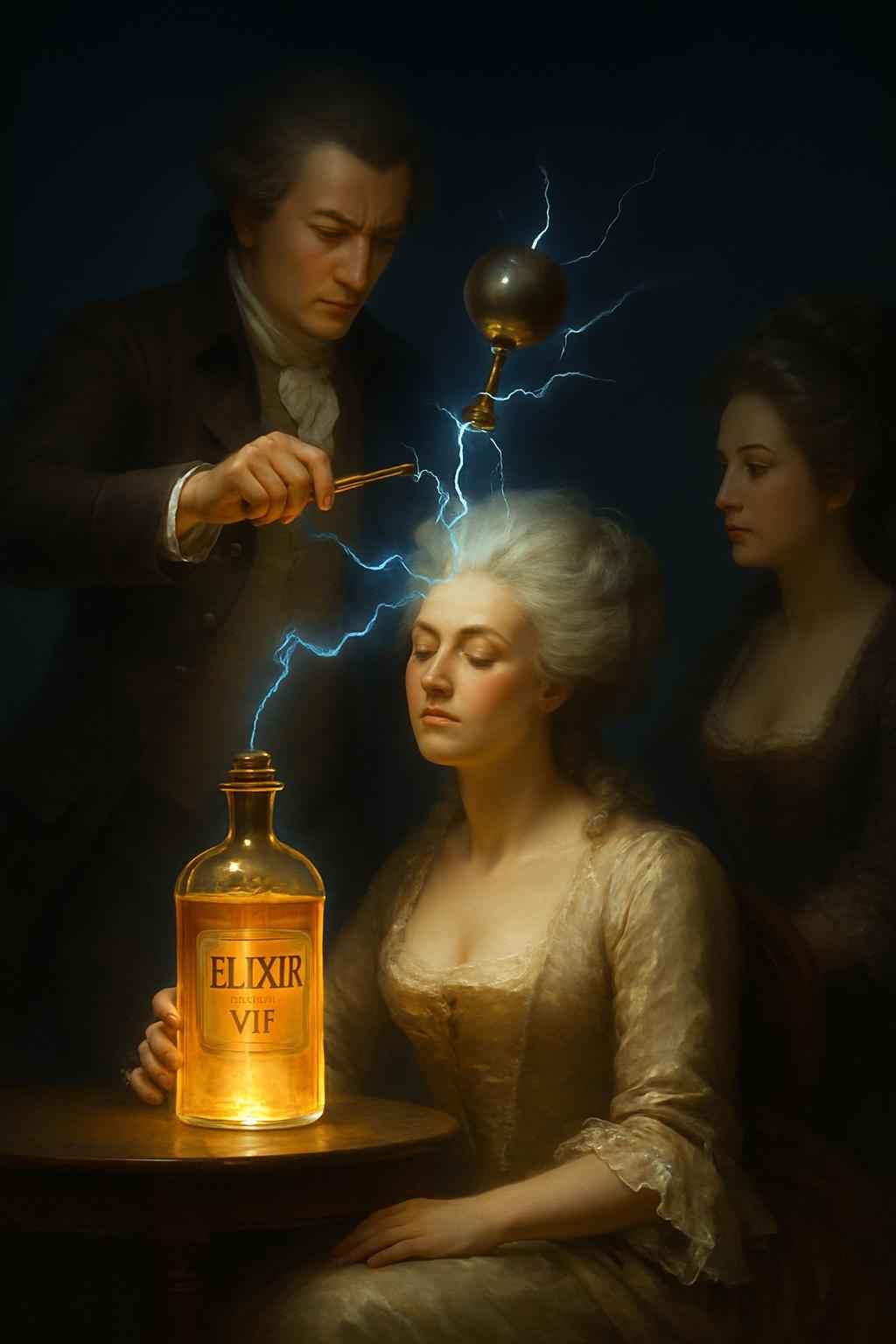
A Victorian electric cure failed the most basic electricity test.
A Victorian electric cure failed the most basic electricity test. Medical belts were sold with promises of relief from illness and restored vitality. In an…
Discover more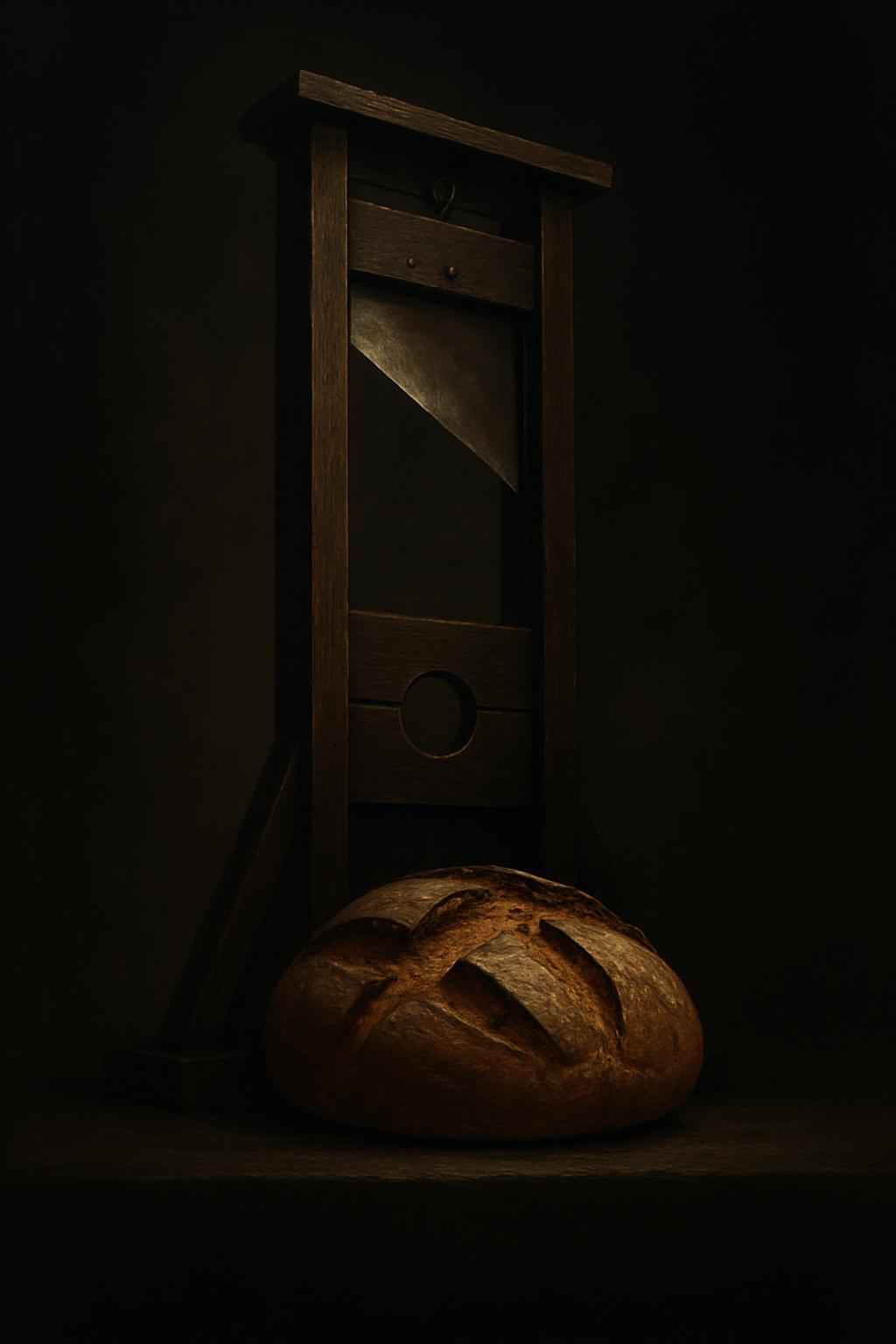
Revolutionary Paris tried to put equality into the bread.
Revolutionary Paris tried to put equality into the bread. In 1793, the Paris Commune called for one common kind of bread instead of separate loaves associated…
Discover more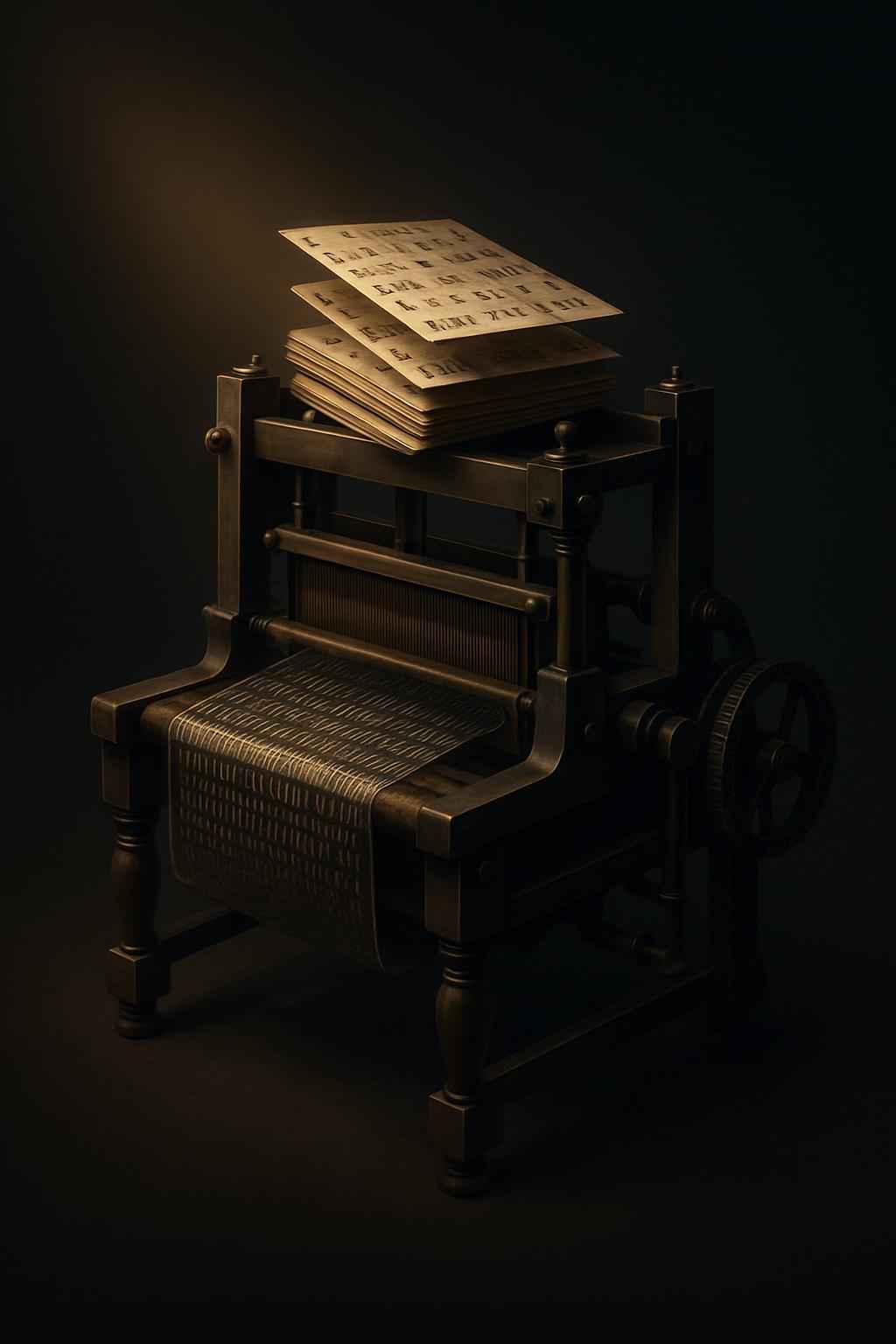
A loom could read instructions from holes before computers did.
A loom could read instructions from holes before computers did. Joseph Jacquard developed his mechanism in France in the early nineteenth century. Punched…
Discover more STACKY FOR IPHONE
A bigger world.
One discovery
at a time.
Keep discovering with Stacky. Interesting facts in an app that is always within reach.
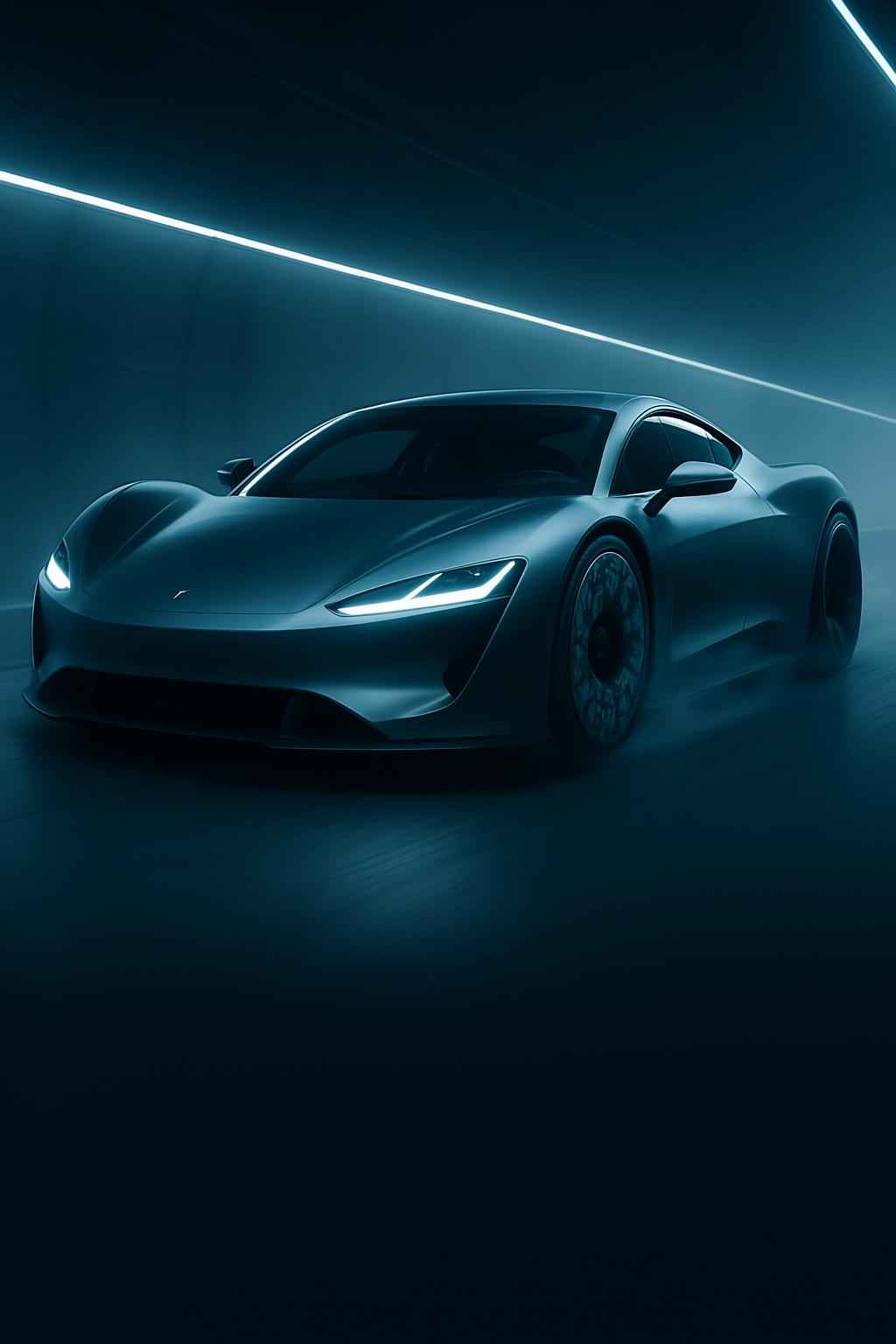
Students built an electric car that hit 62 mph in under a second.
Students built an electric car that hit 62 mph in under a second. In 2023, the Swiss-built mythen accelerated from 0 to 100 km/h in 0.956 seconds over just…
Discover more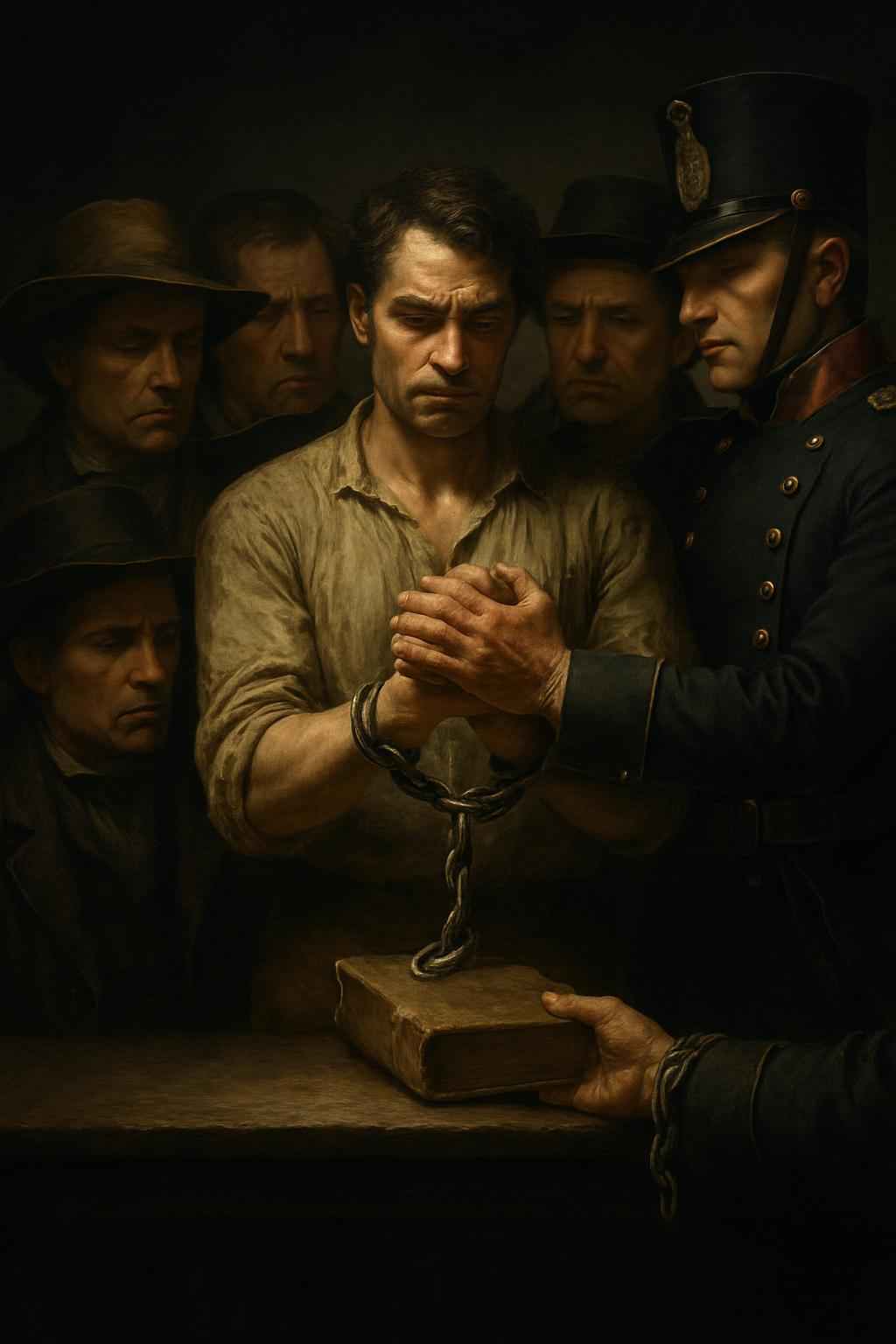
In 1834, a group of British workers calling themselves the Tolpuddle Martyrs were arrested — not for violence, but for forming a secret union.
In 1834, a group of British workers calling themselves the Tolpuddle Martyrs were arrested — not for violence, but for forming a secret union. Their oath to…
Discover more
London's matchworkers fought a system that fined them for talking.
London's matchworkers fought a system that fined them for talking. At Bryant & May, poor pay came with deductions for things such as dirty feet or an untidy…
Discover more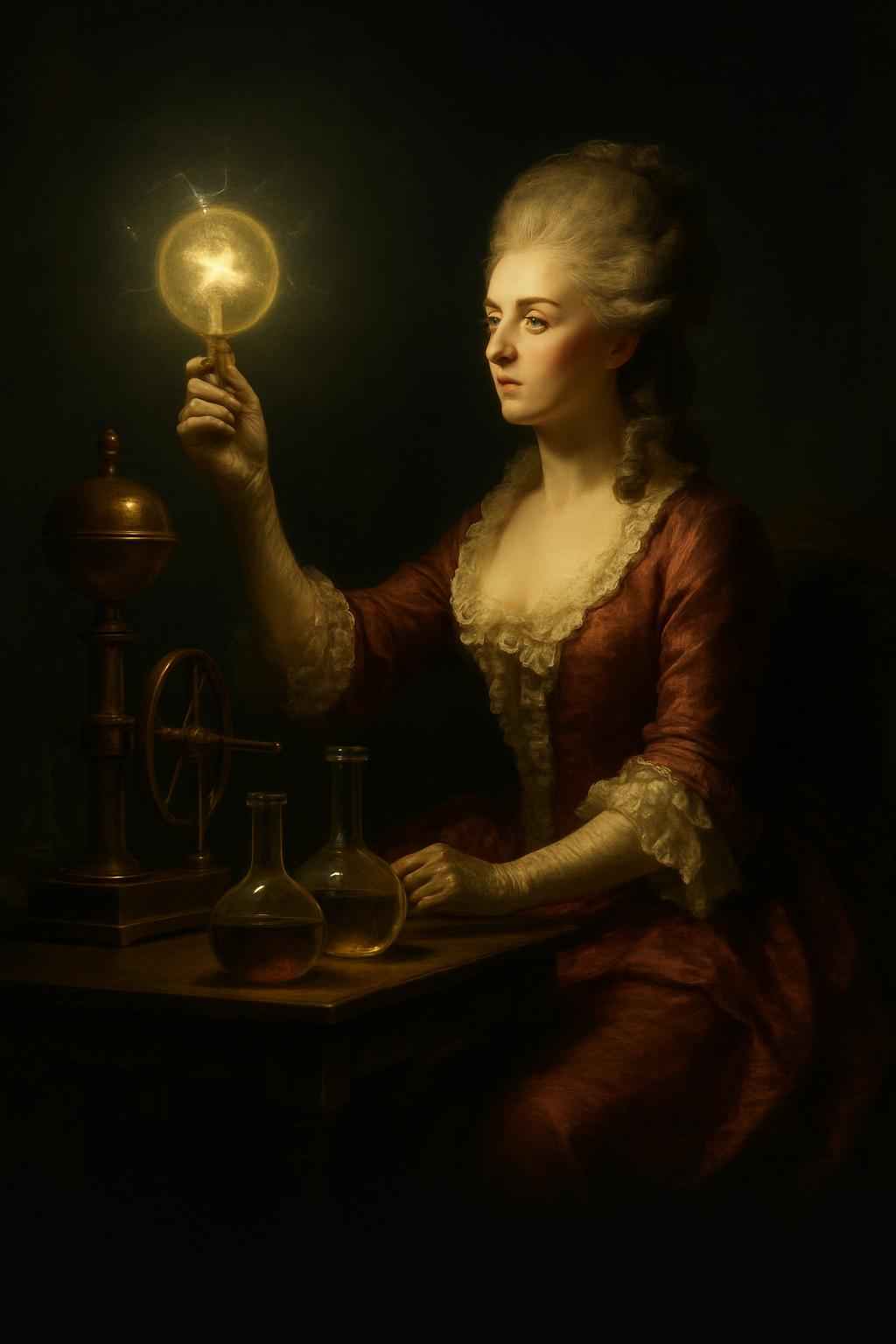
In 18th‑century France, women in silk gloves steered technological rebellion.
In 18th‑century France, women in silk gloves steered technological rebellion. Their salons gave inventors patrons and audiences: noblewomen financed projects,…
Discover more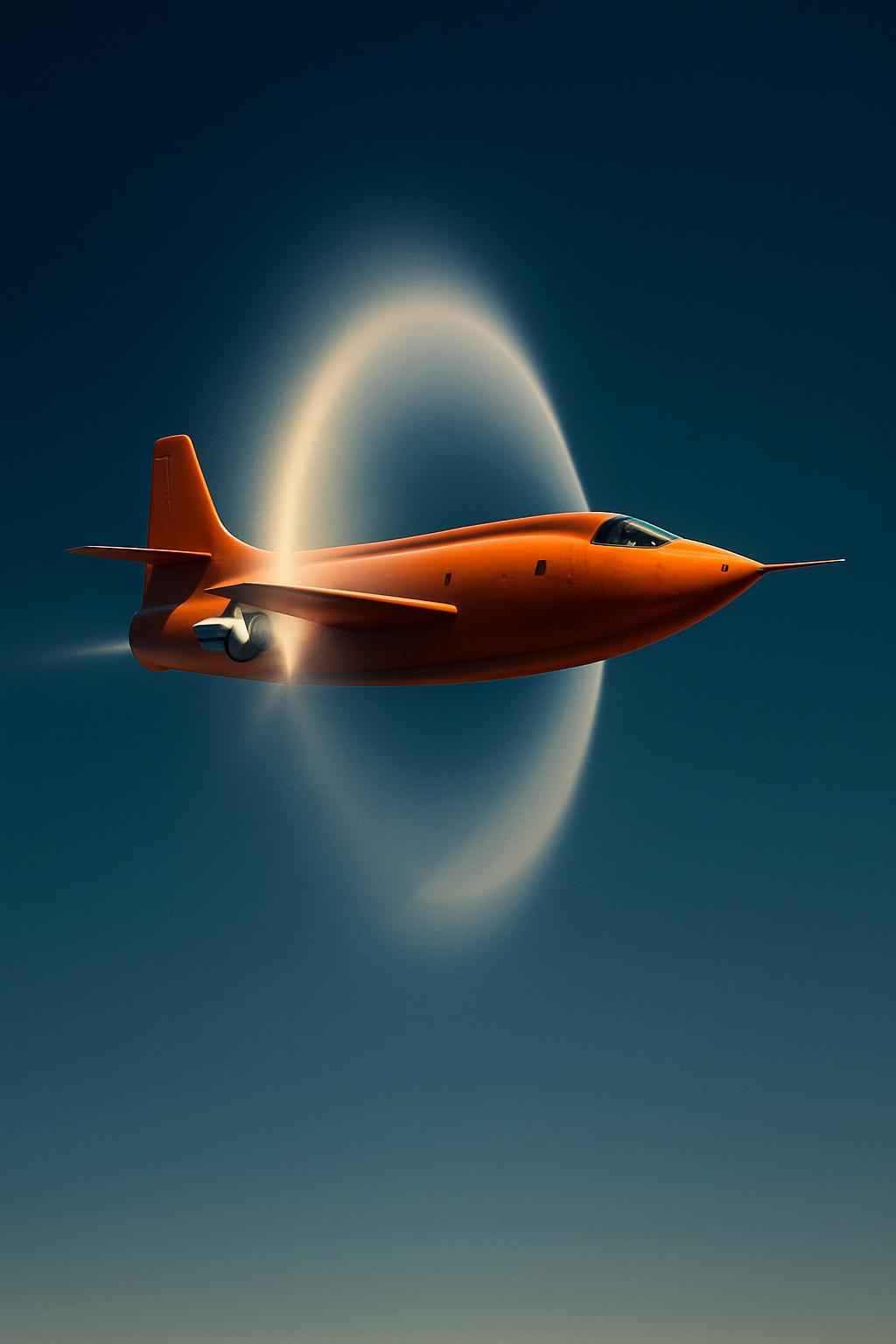
Before breaking the sound barrier, pilots described it like hitting an invisible wall—the aircraft shuddered, instruments balked, metal screamed.
Before breaking the sound barrier, pilots described it like hitting an invisible wall—the aircraft shuddered, instruments balked, metal screamed. Near the…
Discover more
When Roman glassmakers accidentally created transparent panes in the 1st century CE, elite homes flooded with new possibilities—light, privacy, surveillance.
When Roman glassmakers accidentally created transparent panes in the 1st century CE, elite homes flooded with new possibilities—light, privacy, surveillance.…
Discover more
You’re Breathing Nanobots and Don’t Even Know It—Well, Almost.
You’re Breathing Nanobots and Don’t Even Know It—Well, Almost. A molecular-scale device is surrounded by molecules that keep colliding with it, so its path…
Discover more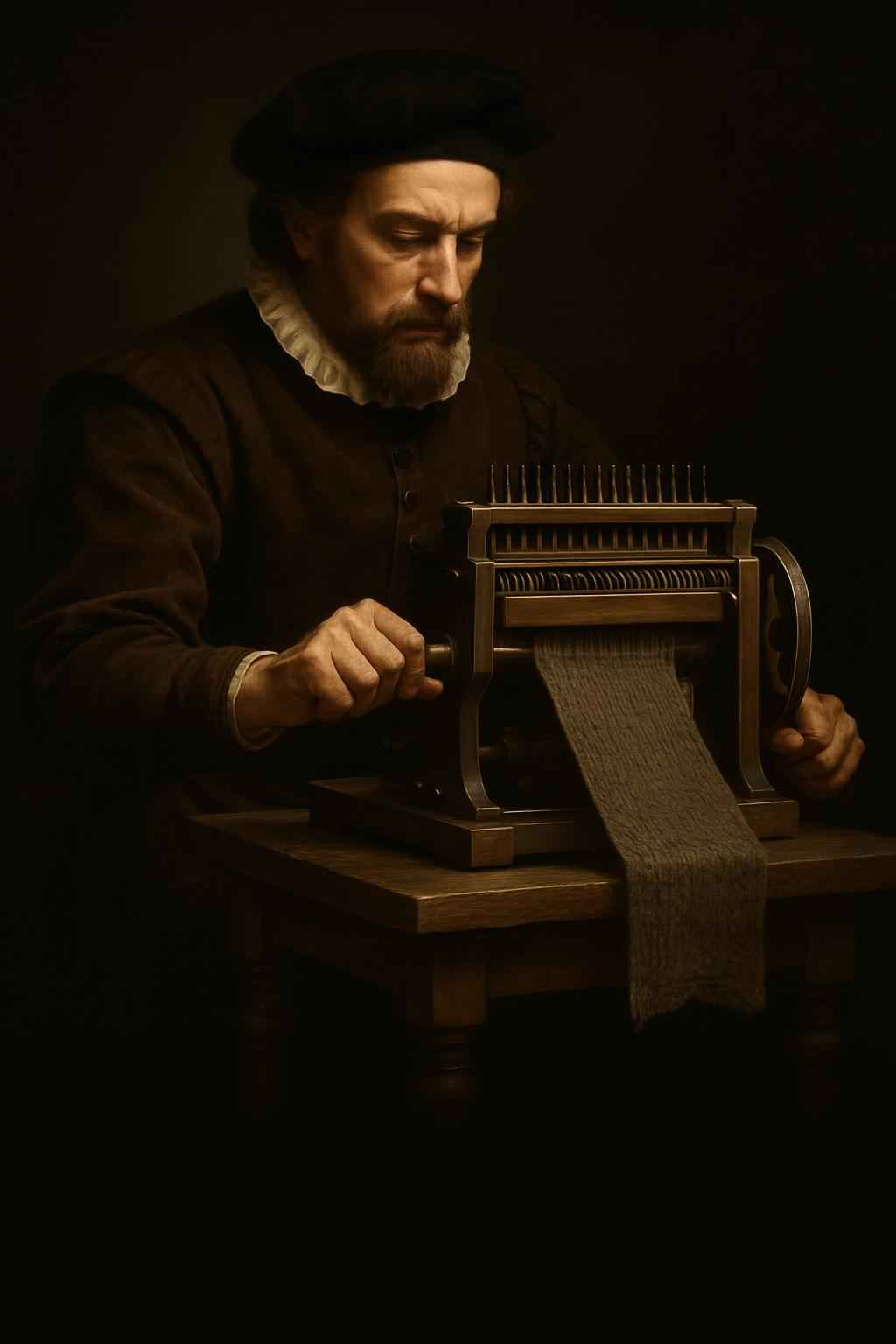
In 1589, an Englishman named William Lee invented the knitting machine — a device promising to clothe the poor faster than hands ever could.
In 1589, an Englishman named William Lee invented the knitting machine — a device promising to clothe the poor faster than hands ever could. Elizabeth refused…
Discover more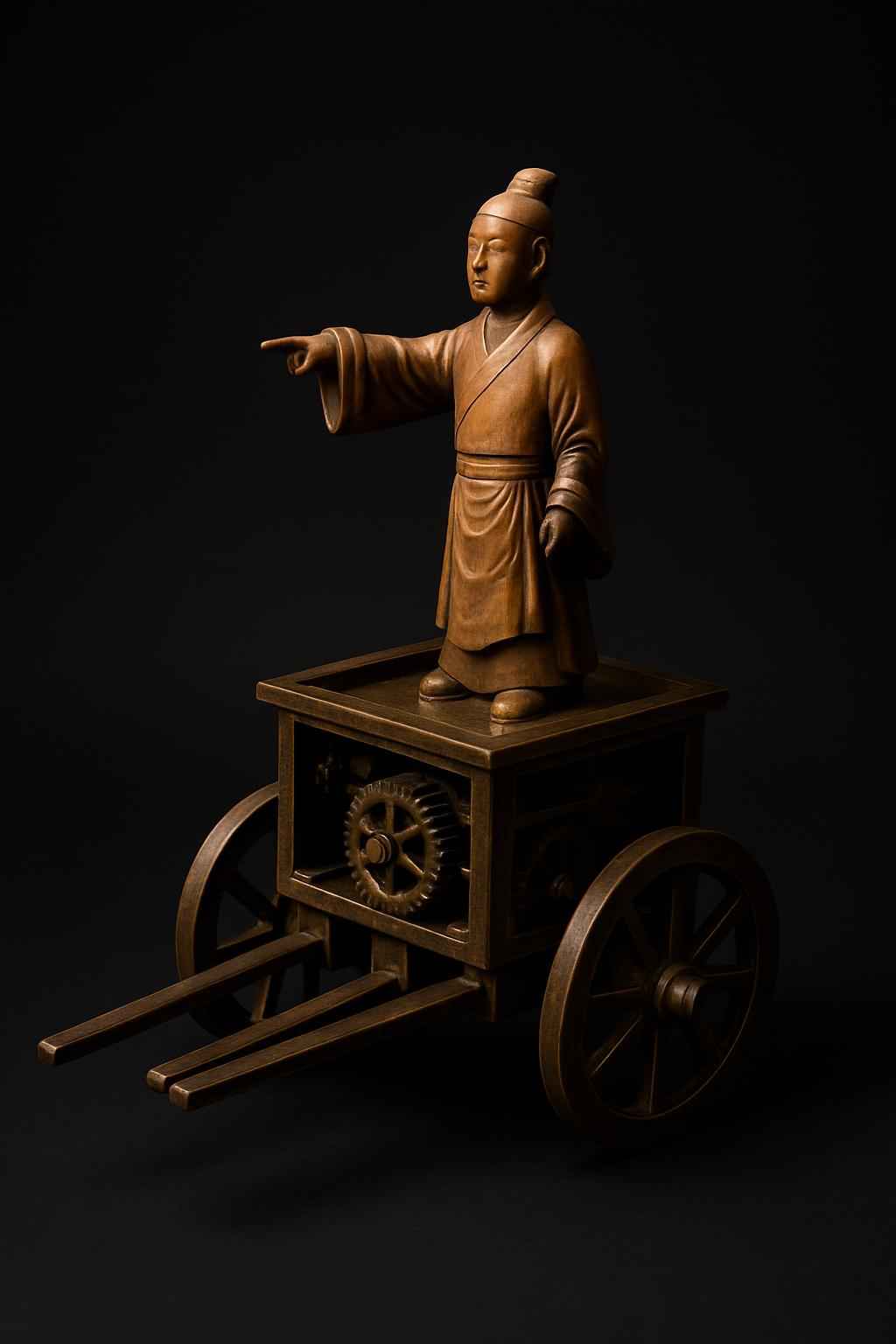
China built a direction pointer that needed no magnet.
China built a direction pointer that needed no magnet. A south-pointing chariot used wheel motion and gears to counteract its turns, keeping a figure aimed in…
Discover more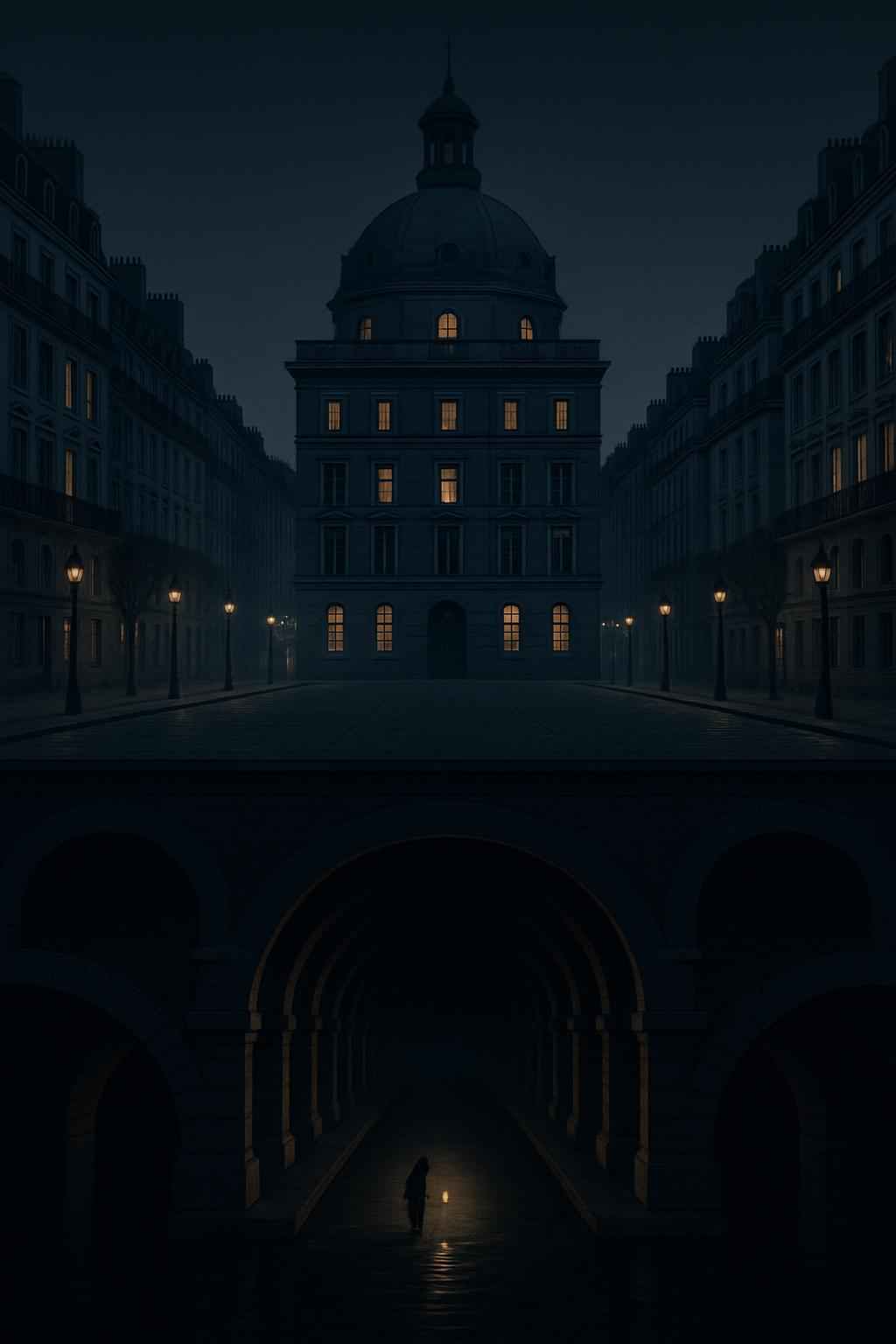
Paris's elegant boulevards replaced whole neighborhoods.
Paris's elegant boulevards replaced whole neighborhoods. Haussmann's rebuilding program demolished more than 20,000 buildings while adding broad roads and…
Discover more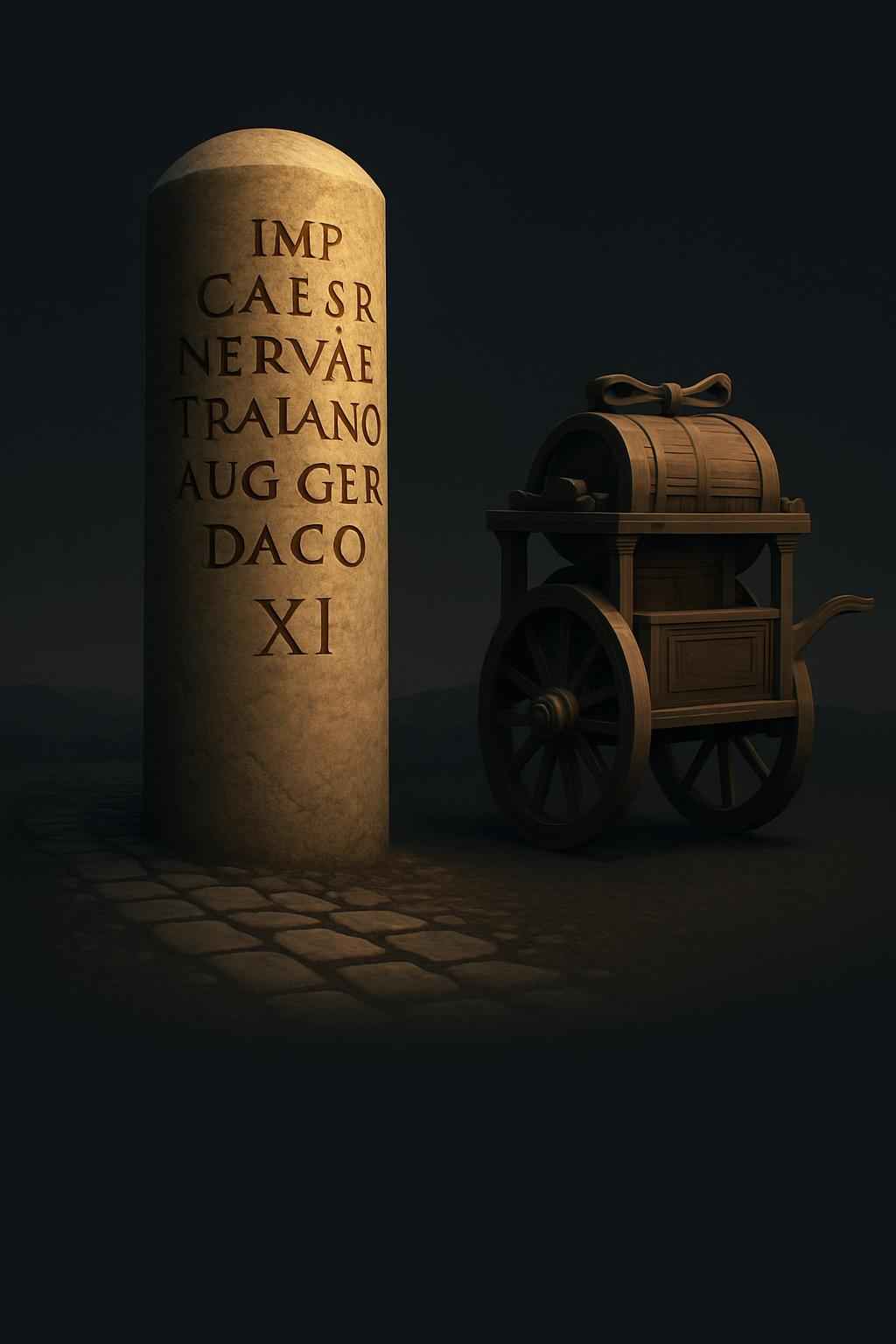
Centuries before GPS, ancient Romans carved milestones naming the emperor and exact distances to Rome.
Centuries before GPS, ancient Romans carved milestones naming the emperor and exact distances to Rome. In Han-dynasty China, geared trip meters tracked…
Discover more
Why planning a vacation now feels like a gamble
Floods, wildfires, and extreme heat can upend plans for beaches, hikes, or ski trips, even when brochures promise ideal conditions.
Discover more
Why hot weather makes you so irritable
When you’re hot, even a shirt sticking to your back keeps demanding attention. That steady discomfort can crowd out patience, so the same slow line or loud…
Discover more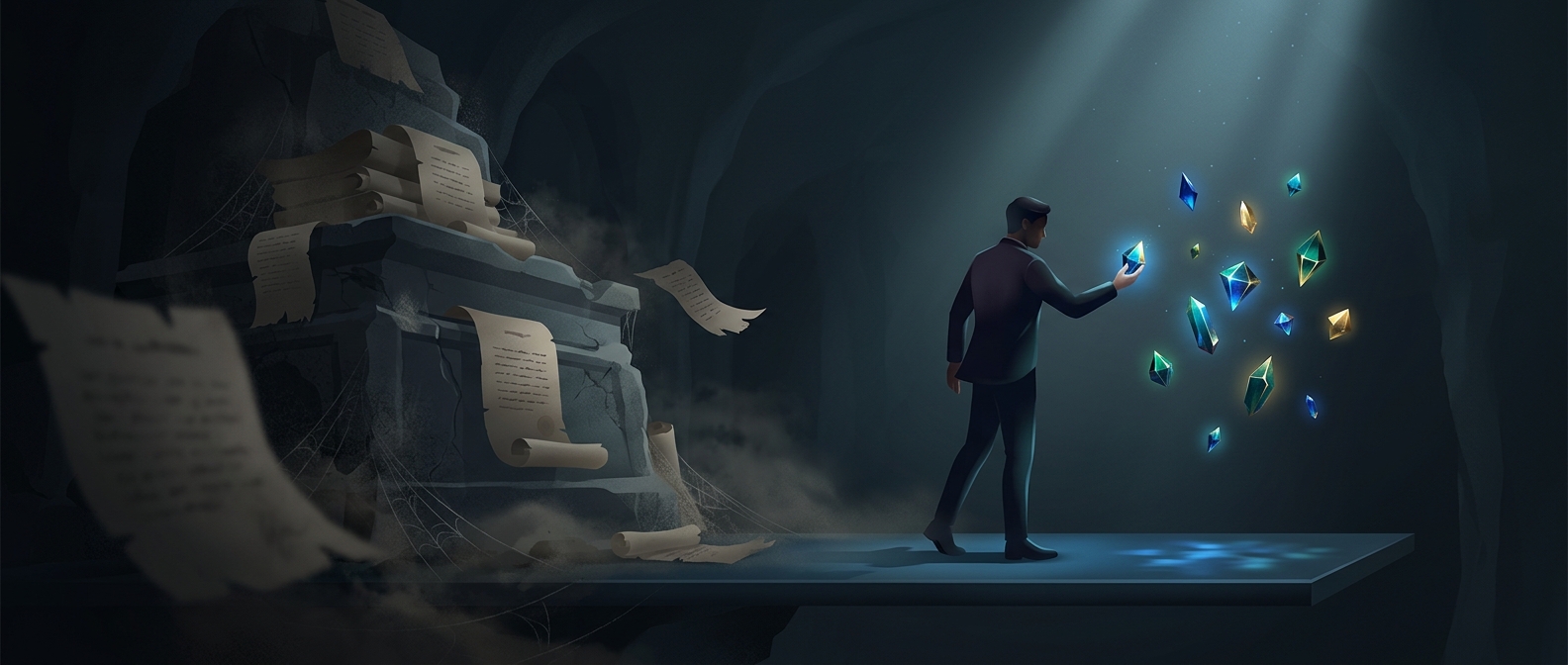
A certificate is useful only if it tells an employer something
A short credential can document training in a specific tool or skill. Its value depends on the assessment behind it and whether the employer recognizes it—not…
Discover more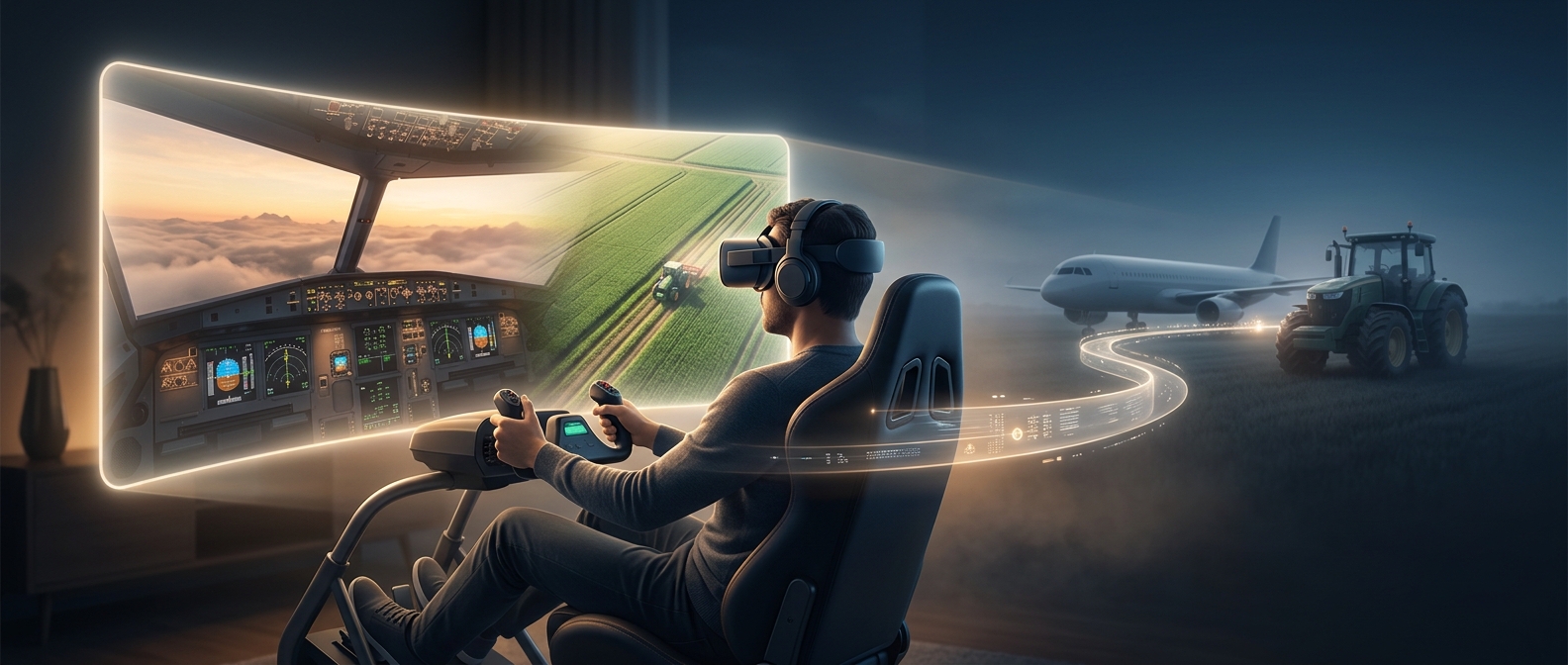
When video games become practice for real life
Detailed simulators can teach practical skills: aspiring farmers may learn planting tips, while flight-game players can recognize cockpit controls before…
Discover moreHumans have adapted to global crises, AI reshaping jobs, and nonstop news bombardments, yet many of us panic when our phone battery hits 3 percent.
Humanity has survived plagues, wars, and technological revolutions—yet a blinking red battery icon can make us sweat like we’re facing certain doom. Why?…
Discover more
Crypto winter is over but its trust issues still freeze investors, leaving regulators scrambling too
Crashes, lost coins, and exchange scandals left investors wary even after crypto’s winter ended. Regulators are still trying to catch up with an industry that…
Discover more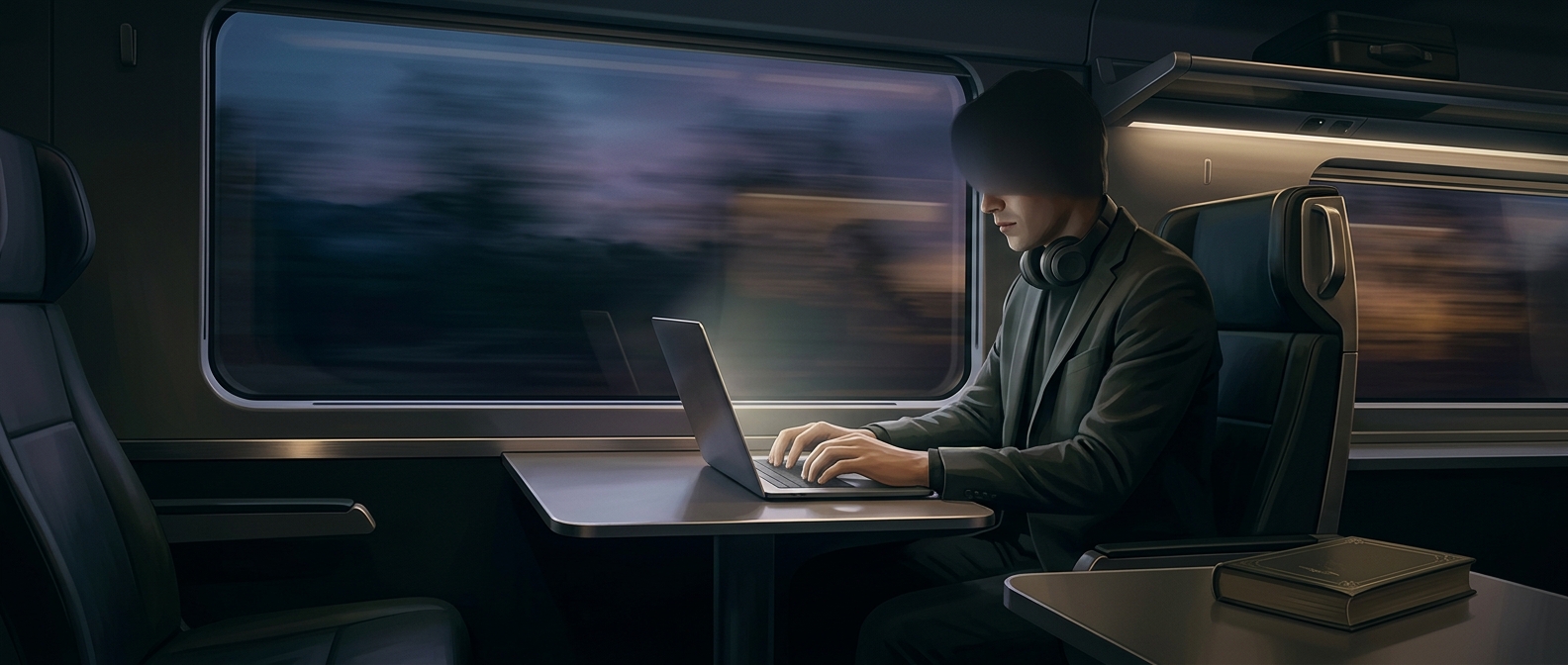
Japan's bullet train changed what fit into one day
The Tokyo–Shin-Osaka journey took four hours when the Tokaido Shinkansen opened in 1964, then fell to three hours ten minutes the following year. Trips that…
Discover more