Culture & entertainment
Discover facts about culture & entertainment. Small discoveries that change the way you see familiar things.
Culture & entertainment
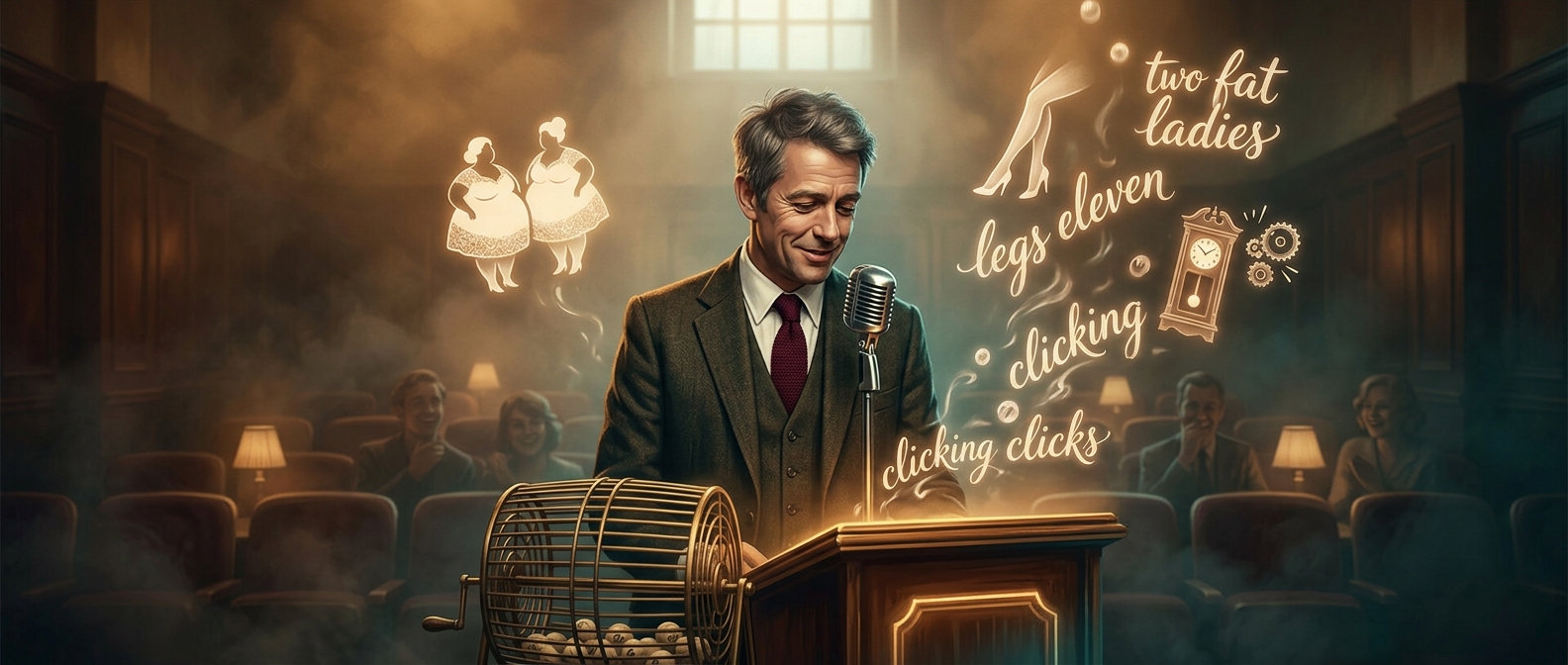
Why British bingo callers say “two fat ladies”
Shouting numbers isn't festive enough for the United Kingdom. Decades of tradition birthed an entire lexicon of bizarre calls where 88 is 'two fat ladies' and…
Discover more
Pictionary began with a bored waiter’s party game
Exhausted service industry workers are practically engines of innovation. A struggling waiter stitched together words from a dictionary and forced his friends…
Discover more
Why craps has such an undignified name
The boisterous centerpiece of casino floors has heavily botched etymology. Evolving from an old English dice game known as 'Hazard', the worst possible roll…
Discover more
Why a roulette wheel adds up to 666
Just in case you needed a glaring metaphor for casinos harvesting your soul, the math provides one. If you add up all the numbers on a standard roulette…
Discover more
Why opposite sides of dice always add up to seven
If you ever thought rolling dice was purely chaotic, think again. The modern six-sided die is designed with a very specific, rigid mathematical rule where…
Discover more
Traditional Mahjong requires exactly 144 playing tiles
A game so incredibly layered it makes poker look like amateur hour. The classic setup demands exactly 144 intricately carved pieces representing distinct…
Discover more STACKY FOR IPHONE
A bigger world.
One discovery
at a time.
Keep discovering with Stacky. Interesting facts in an app that is always within reach.

Braille versions of Scrabble exist for the blind
Spelling obscure words to infuriate your relatives is a universal human right. Specially manufactured boards feature a tactile grid to hold the tiles securely…
Discover more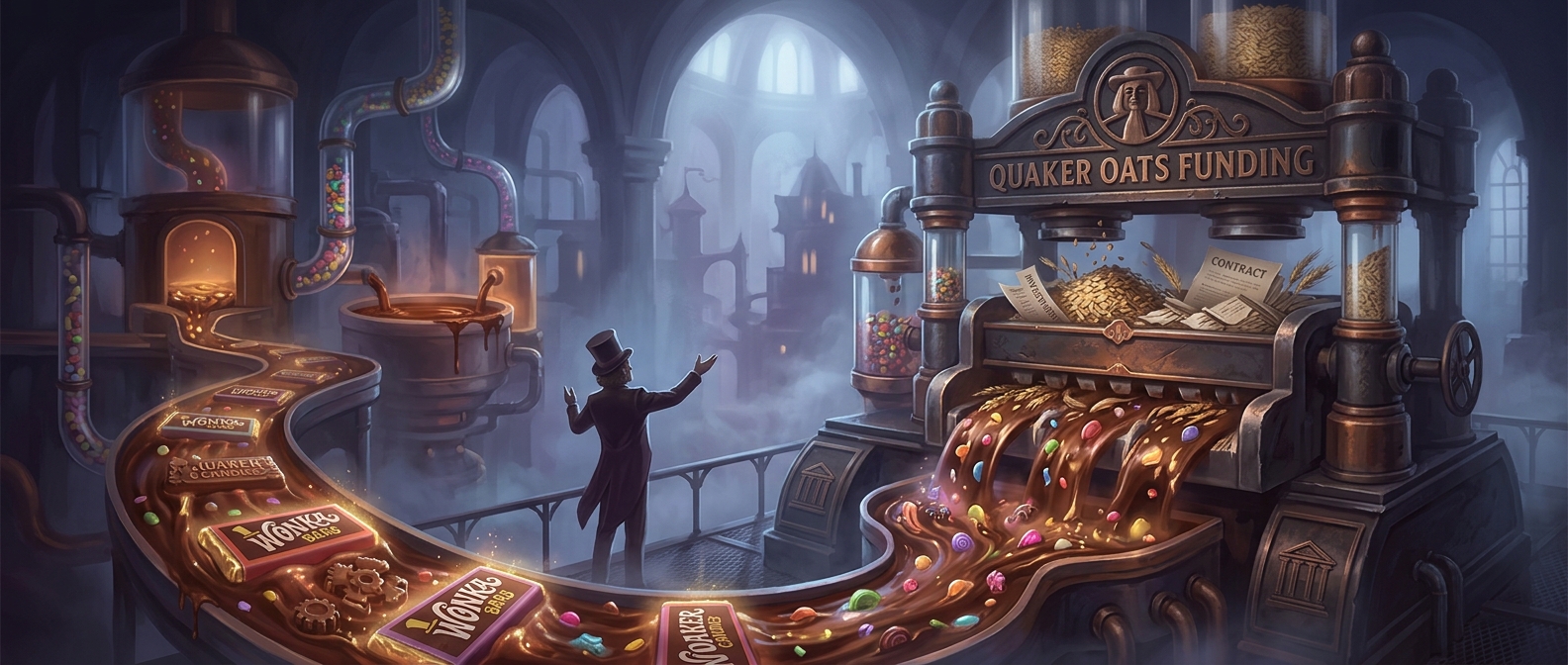
Willy Wonka began as a candy-bar commercial
Forget the whimsical magic of Roald Dahl's imagination; this classic film was a glorified, feature-length commercial. The Quaker Oats Company fully financed…
Discover more
The sitcom character who hijacked his own show
It only took one episode for a profoundly irritating neighbor with high-water pants to completely hijack an entire family sitcom. Family Matters was…
Discover more
Sponsored creators hide required disclosure hashtags at the bottom of long captions
That casual endorsement of a skin cream was an aggressive corporate transaction. Because the law forces creators to disclose when they are being bribed to…
Discover more
Reaction videos can turn someone else's work into profit
The most profitable digital strategy is to simply sit in a chair and stare at someone else's hard work. Internet creators bypass massive production costs by…
Discover more
Marketing emails legally abuse the definition of consent
Giving a company your email for a receipt somehow legally translates into a lifelong blood oath. Marketers use pre-checked hidden boxes and incredibly vague…
Discover more
News aggregators actively steal traffic from original writers
Doing the actual reporting is for suckers. Massive digital platforms scrape entirely original investigations, rewrite the headline, summarize the key points,…
Discover more
Why that plumbing blog is really for Google
That plumbing company does not actually care about sharing helpful pipe maintenance tips with the community. They pay freelancers to stuff generic articles…
Discover more
When publicity stunts become the morning news
Why pay real journalists when a corporation will hand you a free segment? Morning broadcasts routinely present promotional events, product launches, and…
Discover more
Infographics violently oversimplify highly complex global conflicts
Nuance does not get massive internet shares. Digital media companies heavily condense decades of incredibly tense geopolitical history into a wildly…
Discover more
Some executive wisdom is written by interns
That profound morning thought about leadership was written by a twenty-year-old intern. High-level executives routinely hire freelance writers to craft…
Discover more
Why that product review may be a sales pitch
That highly detailed review of a kitchen appliance is not just a friendly recommendation. Publishers embed specialized tracking URLs into their articles,…
Discover more
Why live TV is a few seconds behind
Live television is almost never actually live. Networks utilize a mandated several-second delay buffer specifically to give a panicked intern enough time to…
Discover more
Paywalls deliberately fracture global digital news access
Truth is now a luxury subscription item. While highly reputable news organizations lock their thoroughly verified reporting behind expensive monthly paywalls,…
Discover more
Why brands sometimes make typos on purpose
Grammar mistakes are now a wildly effective growth strategy. Digital marketers intentionally misspell words in their promotional copy because thousands of…
Discover more
Digital publishers format headlines strictly for clicks
Information is no longer the goal; withholding it is. Modern digital publishers weaponize the curiosity gap, intentionally leaving out the most crucial piece…
Discover more
How copyright bots punish creators without warning
Guilty until proven innocent is the standard digital law. Massive corporations use aggressive automated bots to instantly delete videos and issue severe…
Discover more
Geoblocking restricts media by your physical location
The global internet is actually heavily segregated by invisible digital borders. Media conglomerates use your IP address to violently lock you out of viewing…
Discover more