Culture & entertainment
Discover facts about culture & entertainment. Small discoveries that change the way you see familiar things.
Culture & entertainment
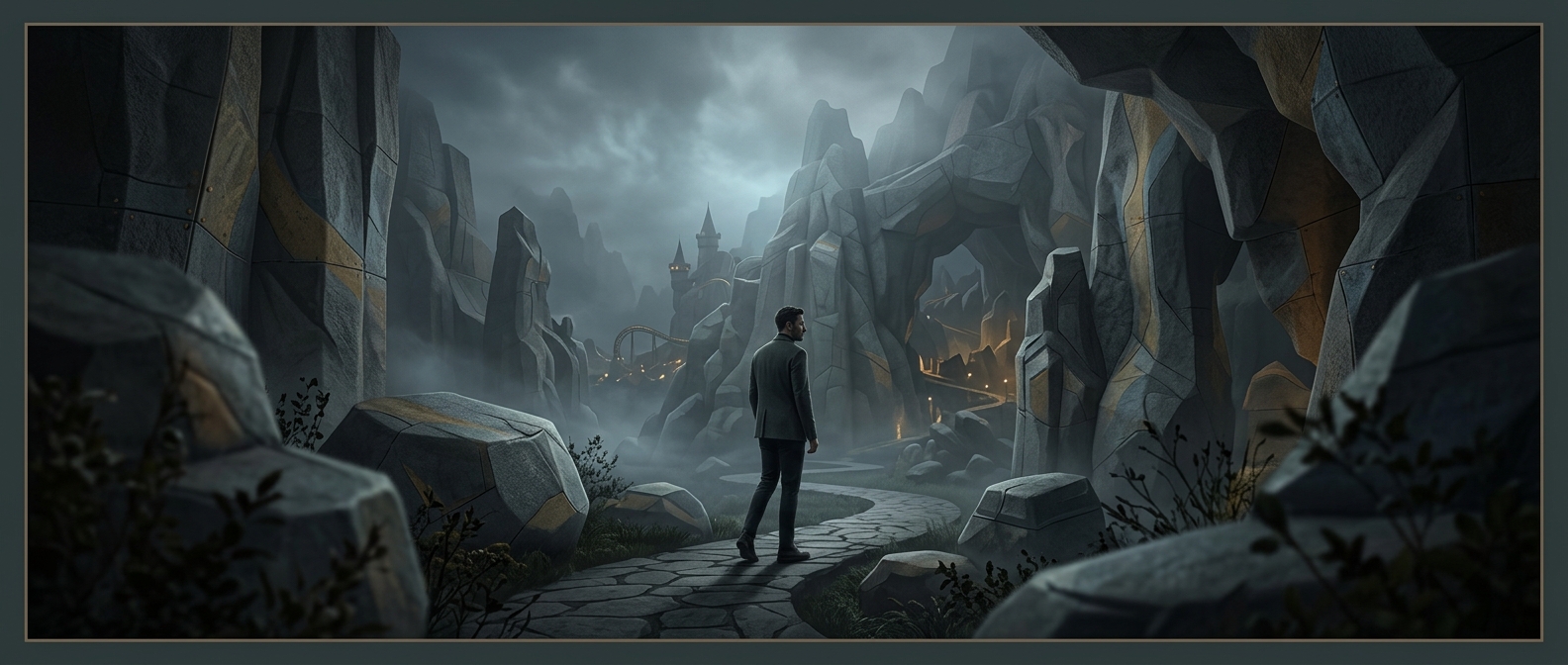
Fake concrete rocks dominate theme park landscapes
A theme-park mountain may be hollow behind its dramatic exterior. Crews shape steel rebar and coat it with dyed concrete to create artificial rockwork.
Discover more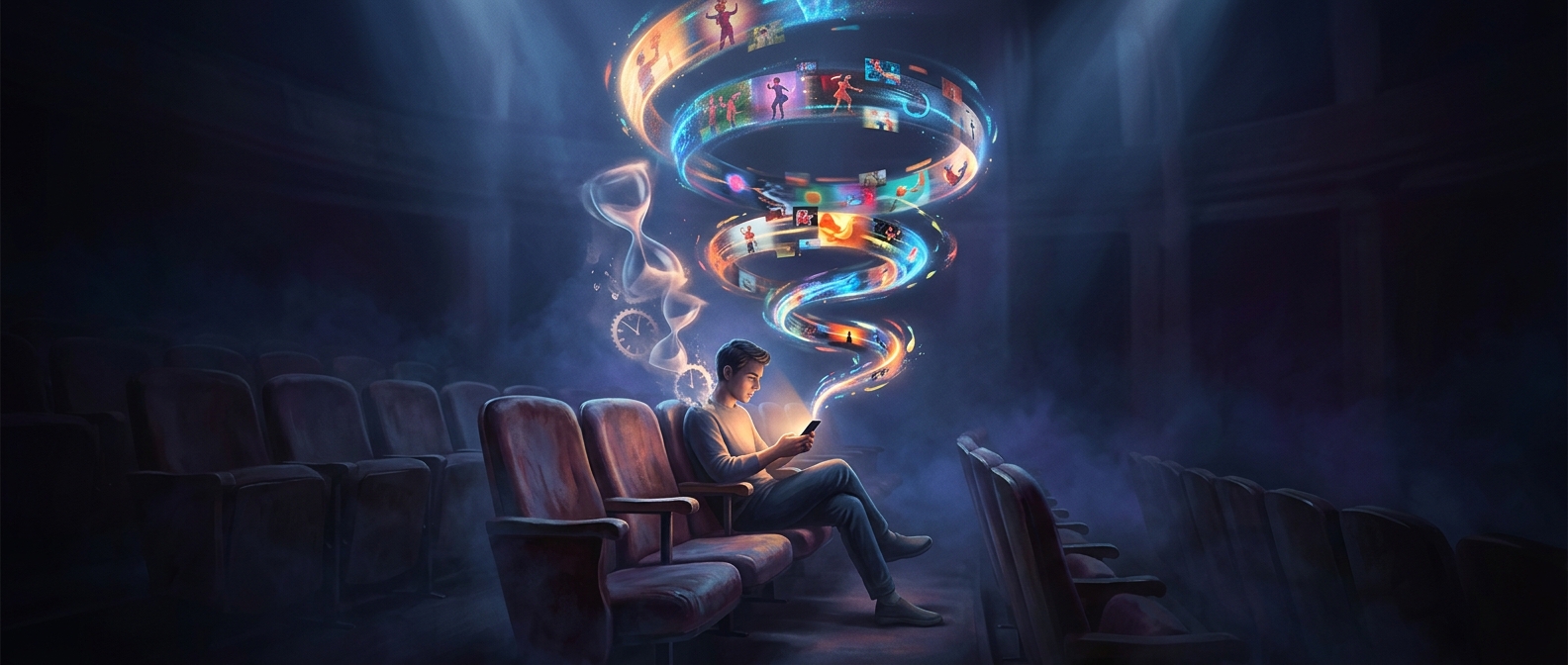
Short videos remove the moment when you decide to keep watching
An endless feed offers the next clip immediately, so there is no chapter ending or episode break demanding a new choice. Each individual commitment feels…
Discover more
Elephant sanctuaries replaced controversial riding
Many visitors now choose to observe elephants rather than ride them, watching the animals from a respectful distance.
Discover more
Parasocial bonds thrive on podcast intimacy
Hours of intimate-sounding conversation can make listeners feel close to podcast hosts who don't know them, a one-sided bond known as a parasocial relationship.
Discover more
How swiping right escaped dating apps
The swipe-to-approve interface spread from dating apps to job applications and real-estate listings, turning choices in those settings into rapid…
Discover more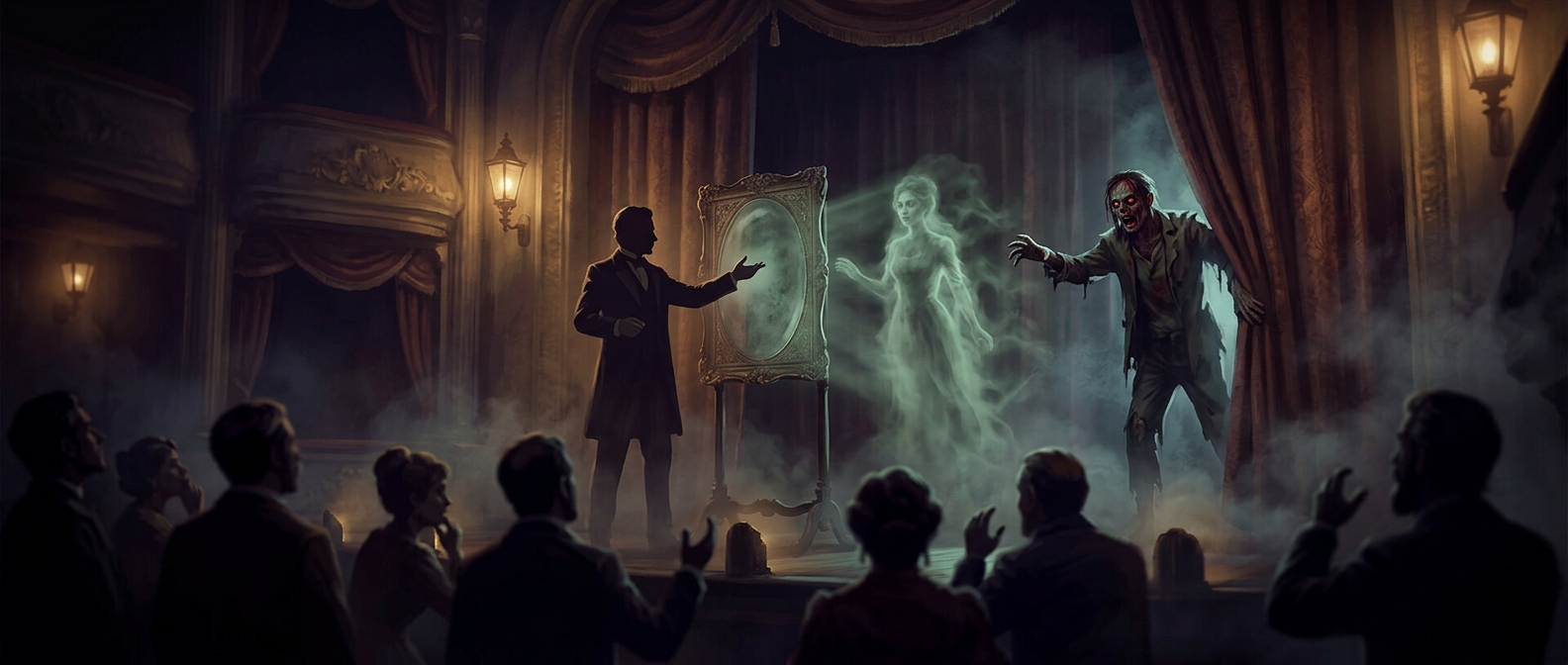
How haunted houses evolved from stage magic
Modern walkthrough scare attractions drew on Grand Guignol theater in Paris and Victorian stage magic. Many stripped away the plot and focused on the…
Discover more STACKY FOR IPHONE
A bigger world.
One discovery
at a time.
Keep discovering with Stacky. Interesting facts in an app that is always within reach.
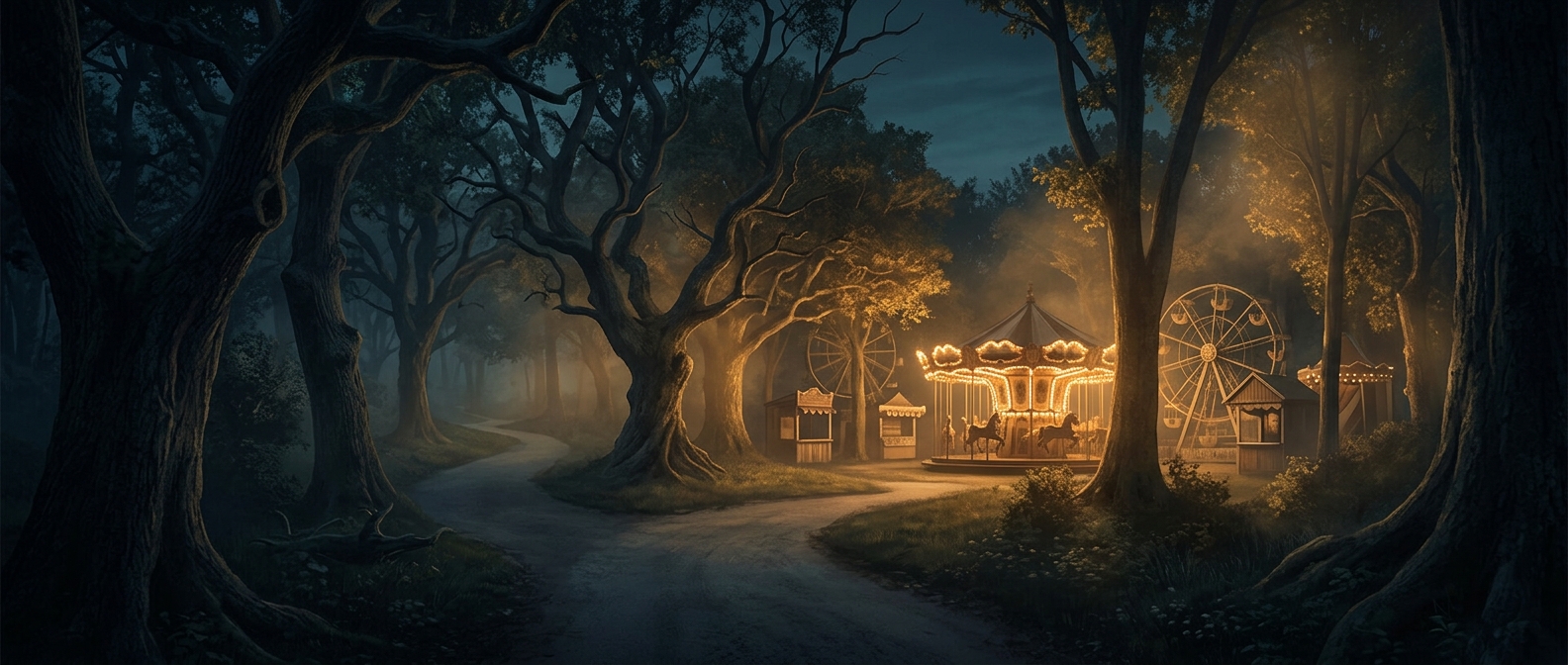
The amusement park that opened in 1583
Bakken opened in Denmark in 1583, drawing visitors to a nearby fresh spring. Local businesses found a way to profit from the crowds.
Discover more
Why social media feeds stopped having an end
Platforms filled feeds with suggested posts instead of letting users reach a clear end to the timeline. The endless, unpredictable stream is designed to keep…
Discover more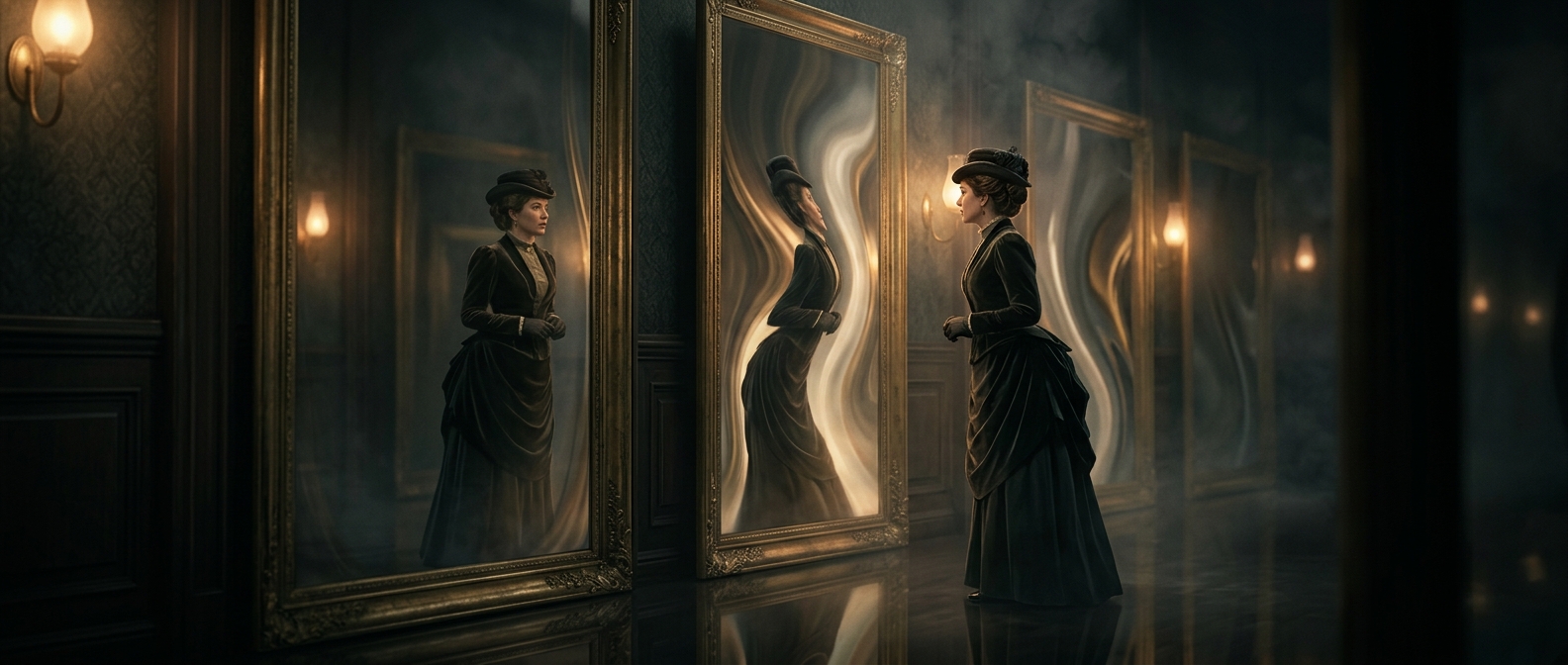
How funhouse mirrors became carnival classics
Curved mirrors began as sophisticated optical illusions and were once high-society entertainment. In the 19th century, they spread to traveling carnivals,…
Discover more
Messaging apps serve as global news platforms
In many parts of the world, messaging apps are a primary news source for billions, so political updates can arrive in the same group chat as family memes.
Discover more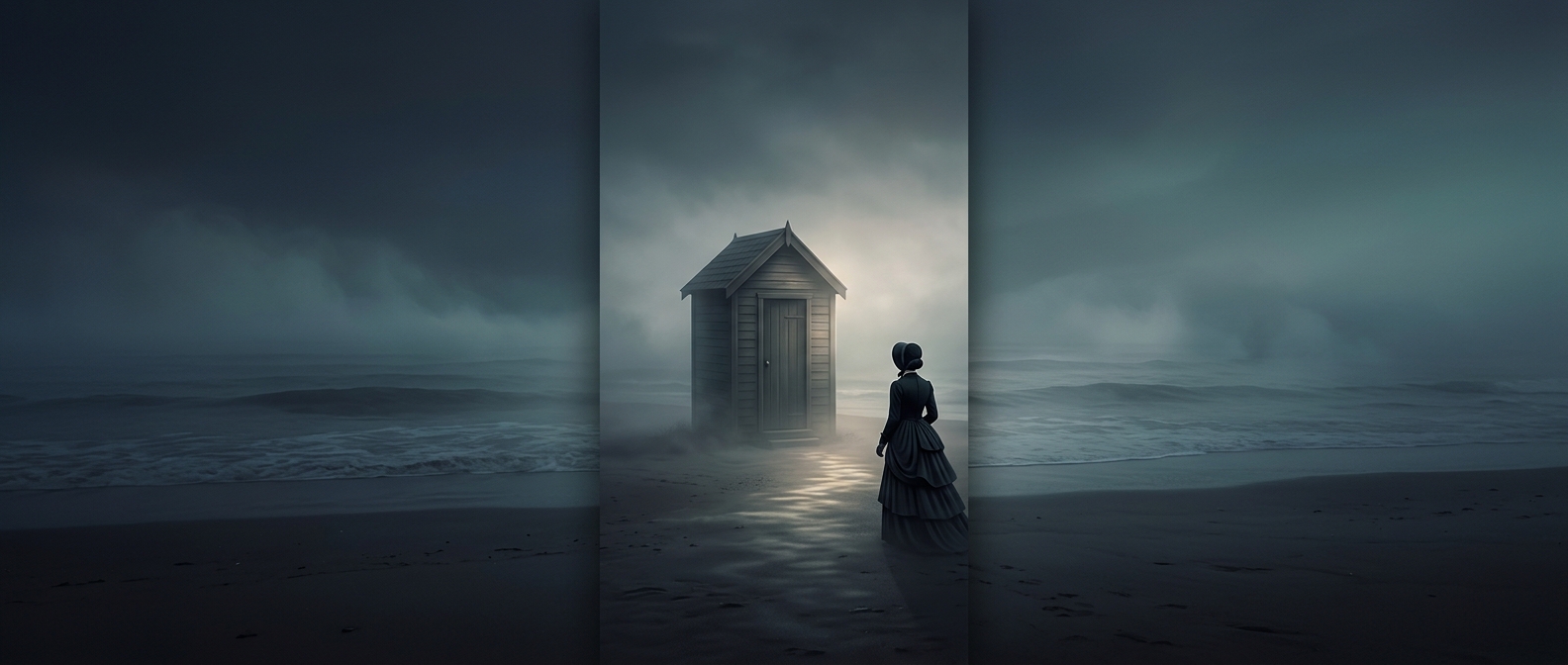
Why old beach huts had wheels
In the 19th century, some huts had wheels so they could be rolled into the water, letting bathers change and enter the sea without being seen in their bathing…
Discover more
Why theme-park mascots never speak
Parks often require fully costumed characters to stay silent so they don't break the illusion. The actors communicate through exaggerated pantomime instead.
Discover more
Most self-published books sell fewer than a few dozen copies
The average self-published book sells fewer than a few dozen copies over its lifetime, often to the author’s friends and family.
Discover more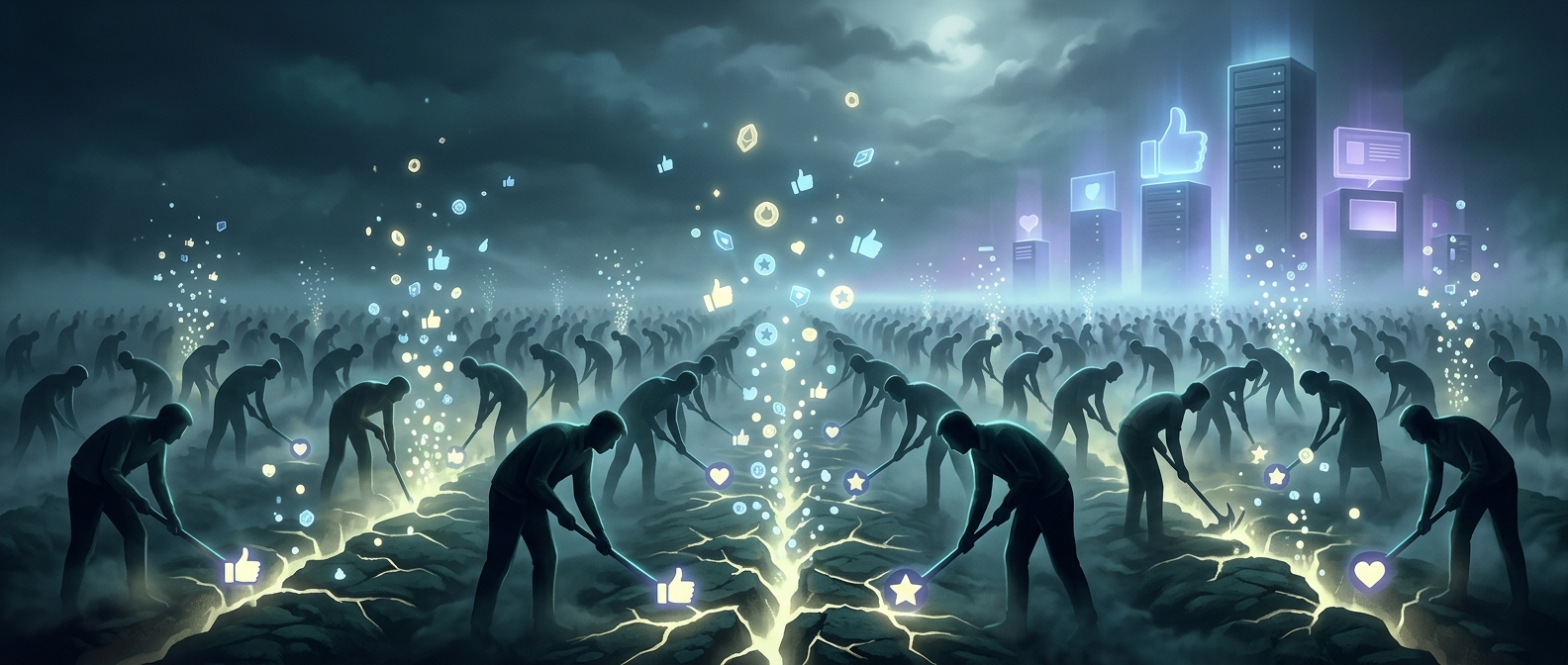
Why people work for worthless internet points
Karma and upvotes have no cash value, but they work like digital gold stars, keeping users competing for points and contributing to online forums.
Discover more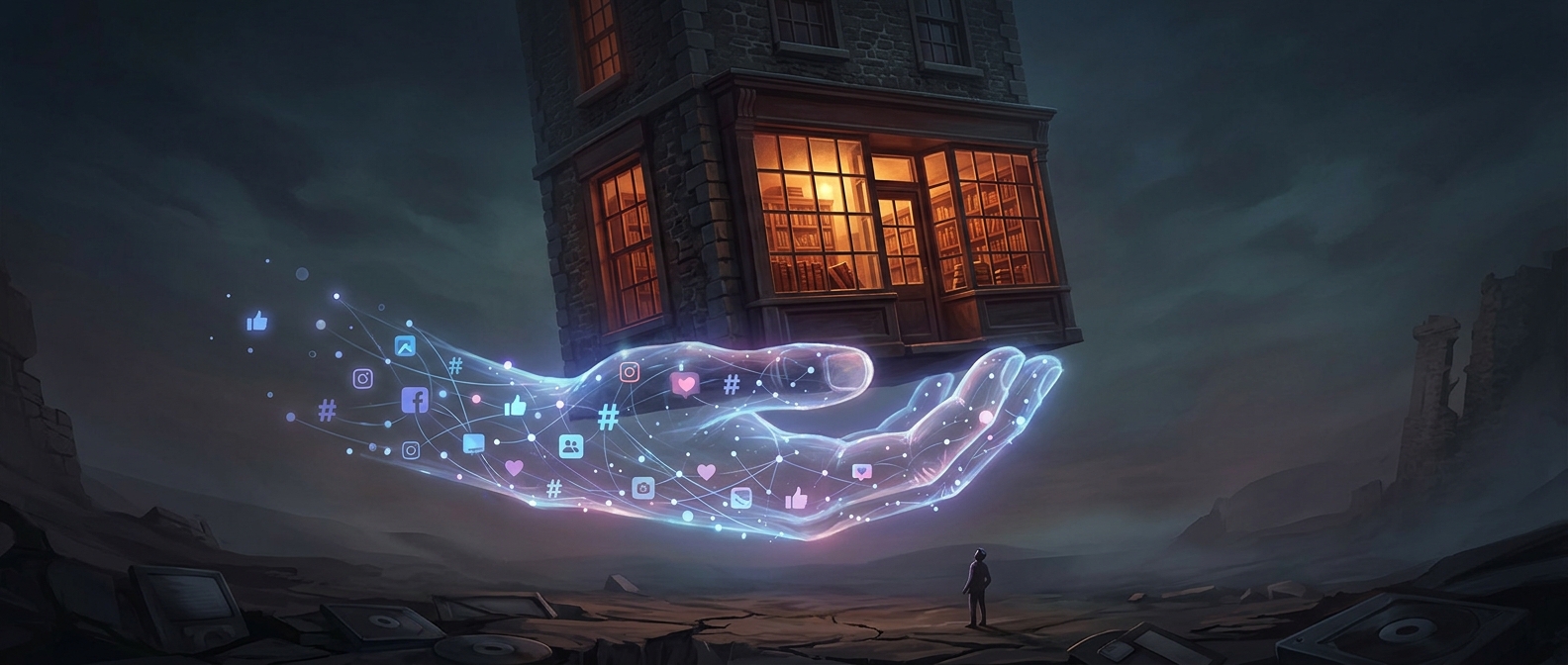
BookTok can send online attention into a physical bookstore
A short video can make an older title newly discoverable, and bookshops can group viral recommendations on a display table. The recommendation travels…
Discover more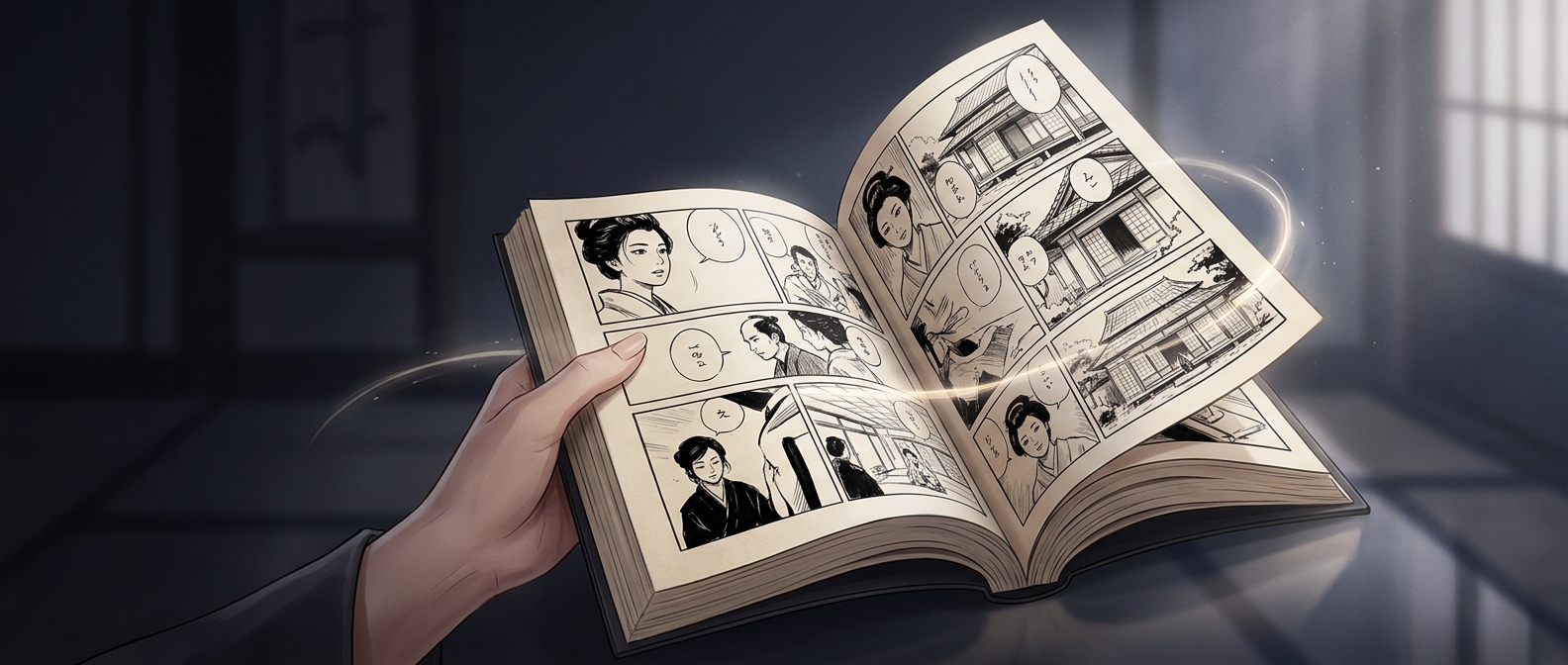
An unflipped manga keeps everyone's hands on the right side
Mirroring pages to read left to right also reverses the artwork: a right-handed character becomes left-handed, and signs or asymmetrical designs change.…
Discover more
In France, new books can't be heavily discounted
France's fixed-price law limits discounts on new books, including those sold by large online retailers. The aim is to help independent bookshops compete.
Discover more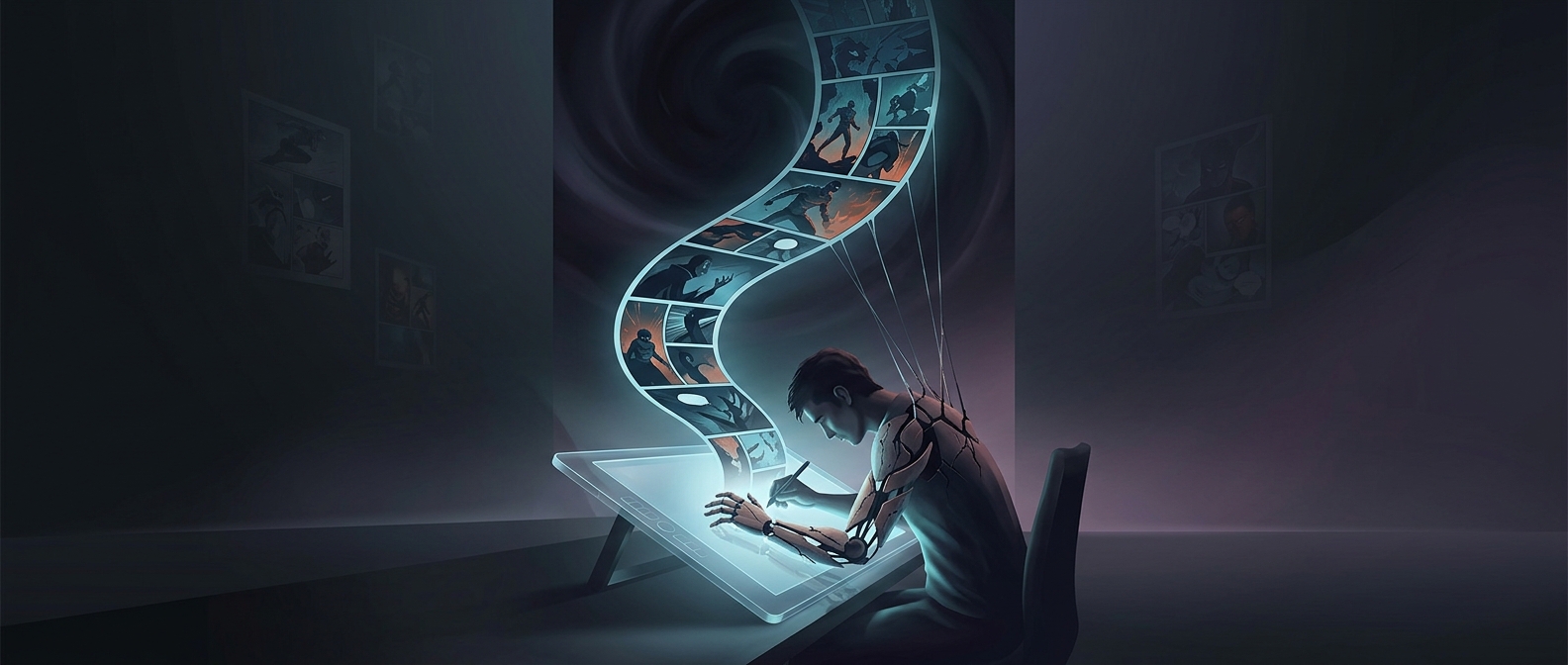
Scrolling comic creators face chronic injuries
The pressure to produce massive weekly panels can lead to chronic wrist injuries and burnout.
Discover more
Word podcast combines iPod and broadcast
A journalist coined the term by combining “broadcast” with Apple’s “iPod,” before smartphones existed.
Discover more
Why teenagers share passwords to keep a streak alive
Daily streak counters reward consecutive days of messaging, creating pressure to keep them alive. Some teenagers share passwords so friends can send a message…
Discover more
Most podcast listening happens during chores
People often listen while doing household chores or commuting, making podcasts a soundtrack for everything from scrubbing the bathroom to sitting in traffic.
Discover more
How Impact became the meme font
Impact’s bold, readable letters stand out over busy images, helping make it a meme staple.
Discover more
Premium digital news is paying for long emails
Some readers pay monthly subscriptions for long, opinionated email newsletters—a digital format that has a lot in common with a mailed magazine.
Discover more
Japan sold manga anthologies the size of small bricks
A Japan Foundation account of the early-1990s industry described magazines running from around 350 pages to more than 1,000, carrying many stories at once.…
Discover more