Culture & entertainment
Discover facts about culture & entertainment. Small discoveries that change the way you see familiar things.
Culture & entertainment

The Simpsons helped turn meh into a widely recognized shrug
The show used the word in the 1990s, and Lisa later spelled it out to underline her indifference. Collins added it in 2008, although the expression has older…
Discover more
Leave It to Beaver needed a toilet to hide an alligator
In the 1957 episode Captain Jack, the boys put their new pet in a toilet tank. Showing the fixture caused trouble with television censors, so the tank…
Discover more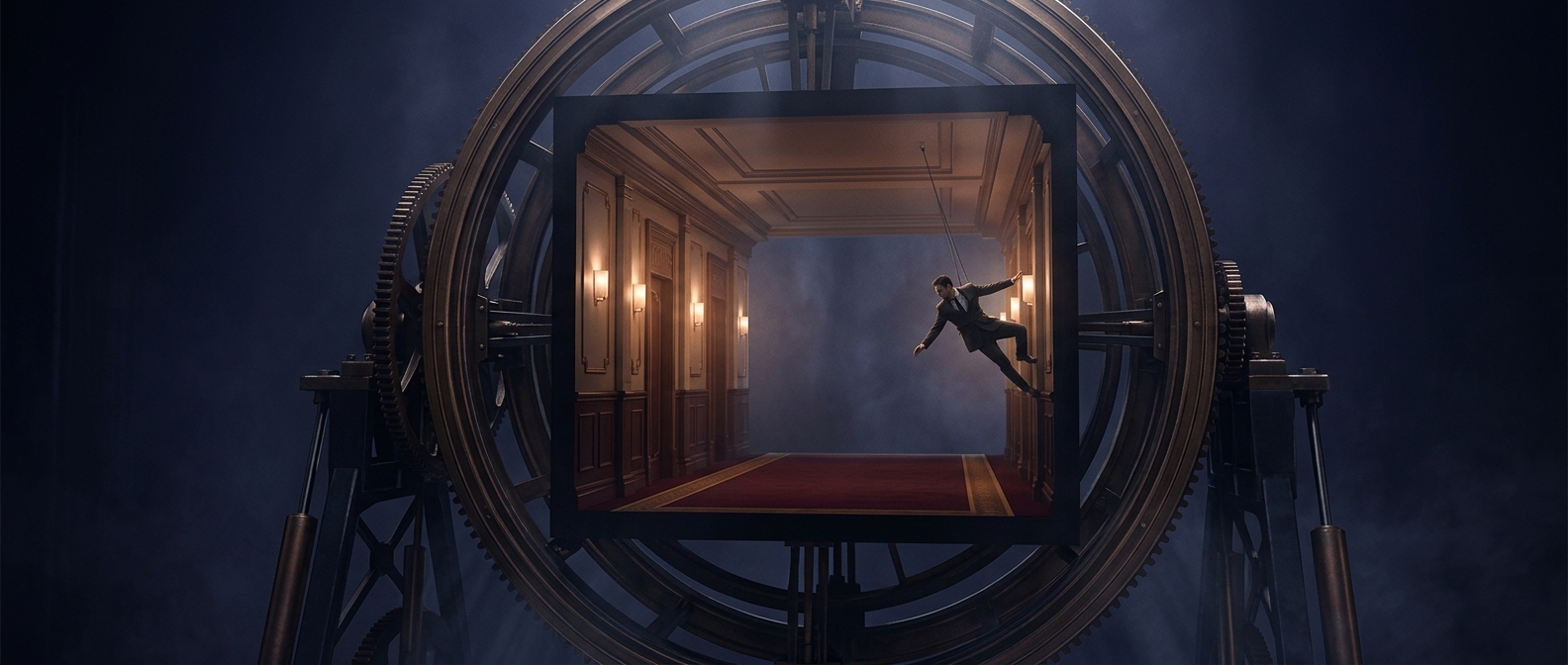
Inception's rotating hallway was a real set
The crew built a 100-foot hotel corridor inside a steel centrifuge that rotated 360 degrees, so Joseph Gordon-Levitt could fight stuntmen while the room spun…
Discover more
Twilight's route to publication depended on one interested agent
Stephenie Meyer describes receiving repeated rejections and unanswered queries before finding representation. An unpublished manuscript didn't need unanimous…
Discover more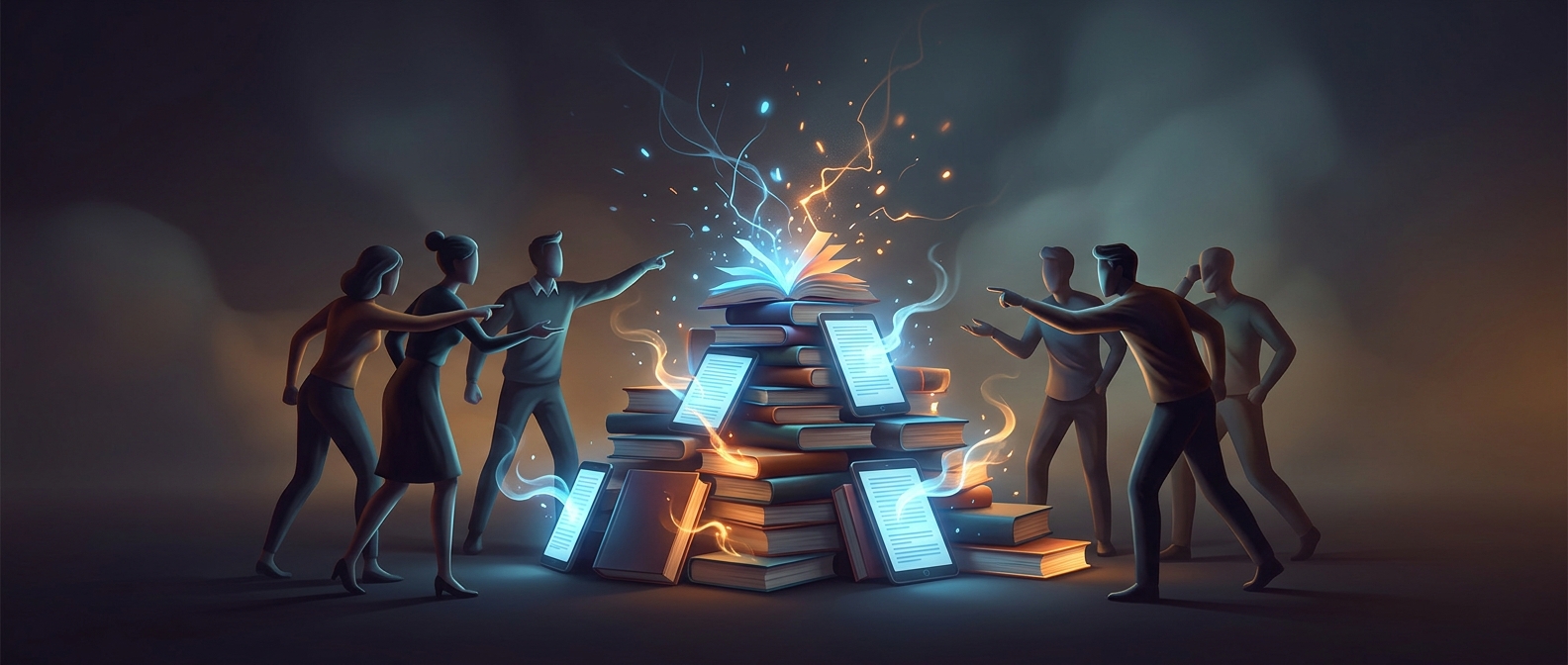
Most article sharers argue without reading past the headline
A majority of users who share and argue over articles never scroll past the headline, leaving much of the debate based on just a few words.
Discover more
Pinterest is organized daydreaming
Pinterest lets people organize visual plans for weddings they aren't having or houses they don't own—a highly organized form of daydreaming.
Discover more STACKY FOR IPHONE
A bigger world.
One discovery
at a time.
Keep discovering with Stacky. Interesting facts in an app that is always within reach.
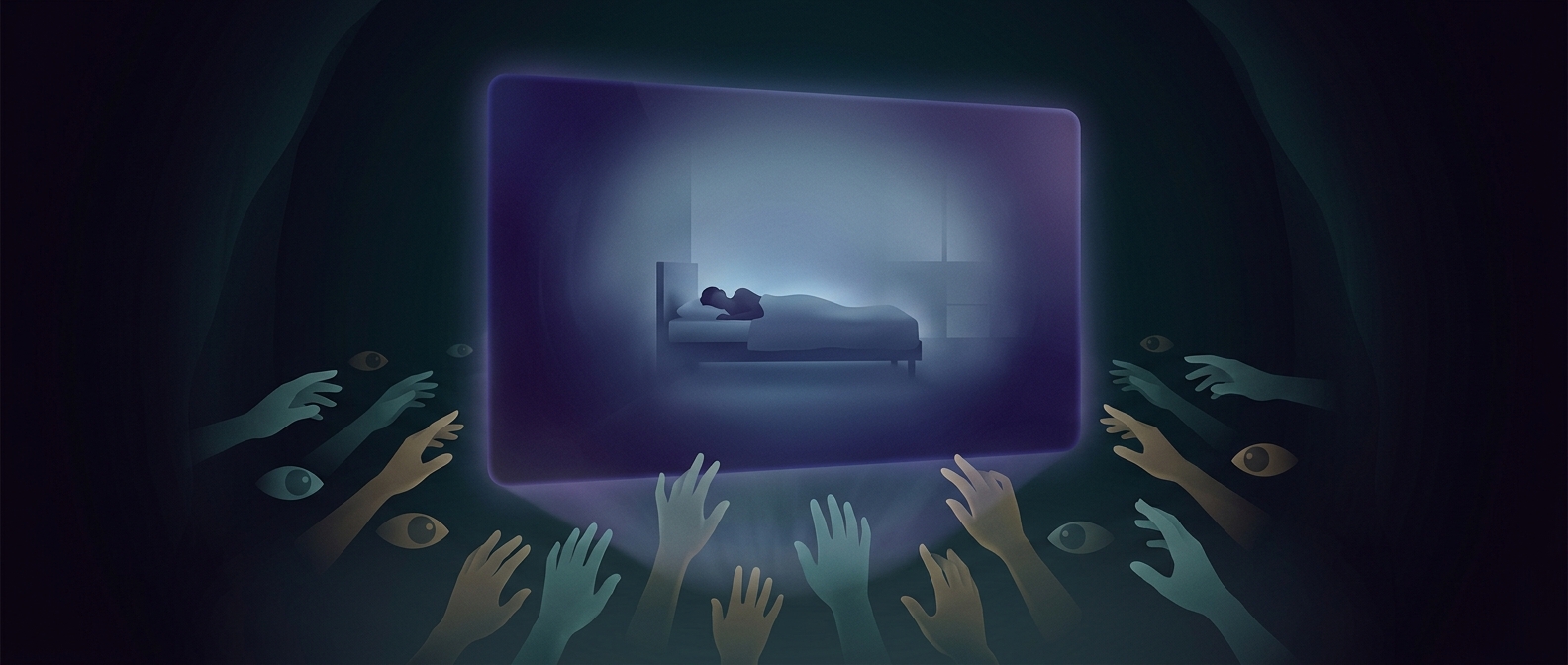
Why thousands of people watch strangers sleep
Sleep streamers turn on a camera and go to bed while viewers watch. Some viewers donate money to trigger loud noises and wake them up.
Discover more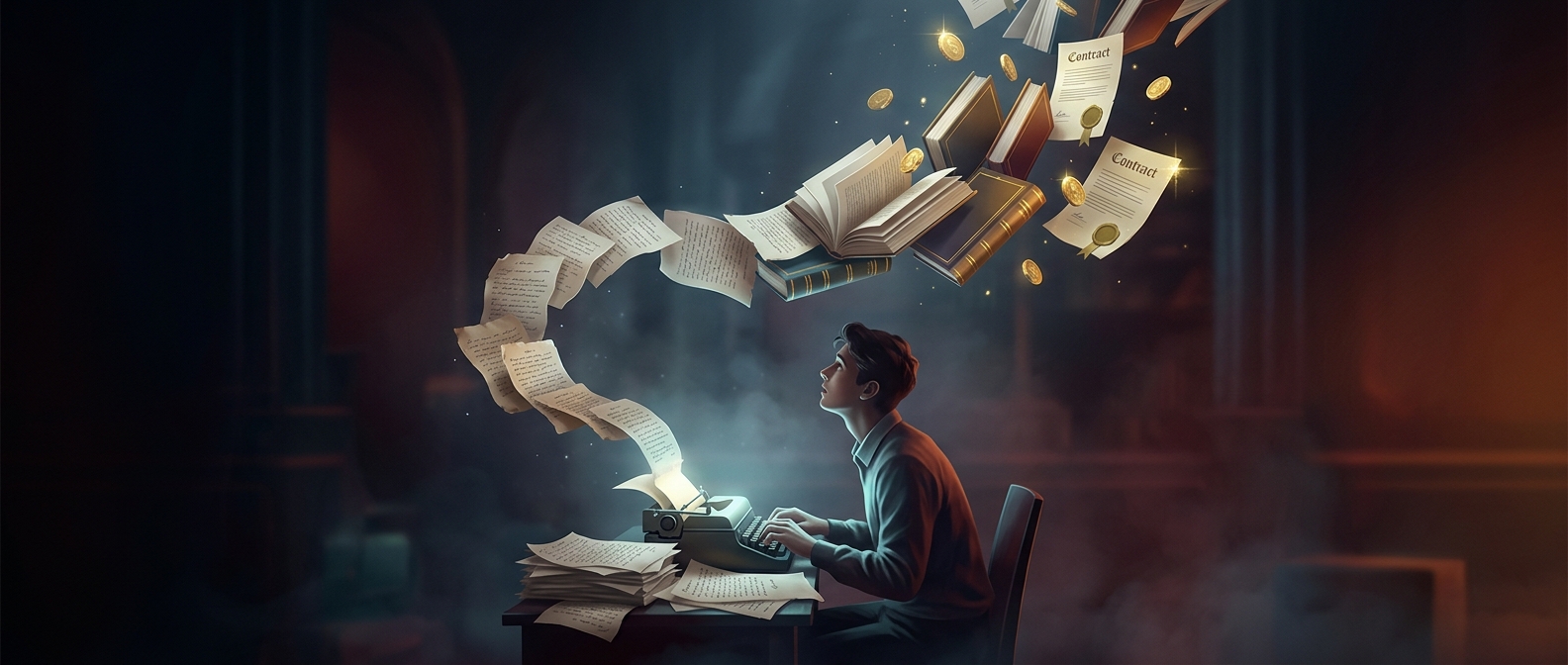
Popular fanfiction can lead to book deals
Some publishers have turned popular fanfiction into book deals by removing copyrighted character names and publishing the stories as original novels.
Discover more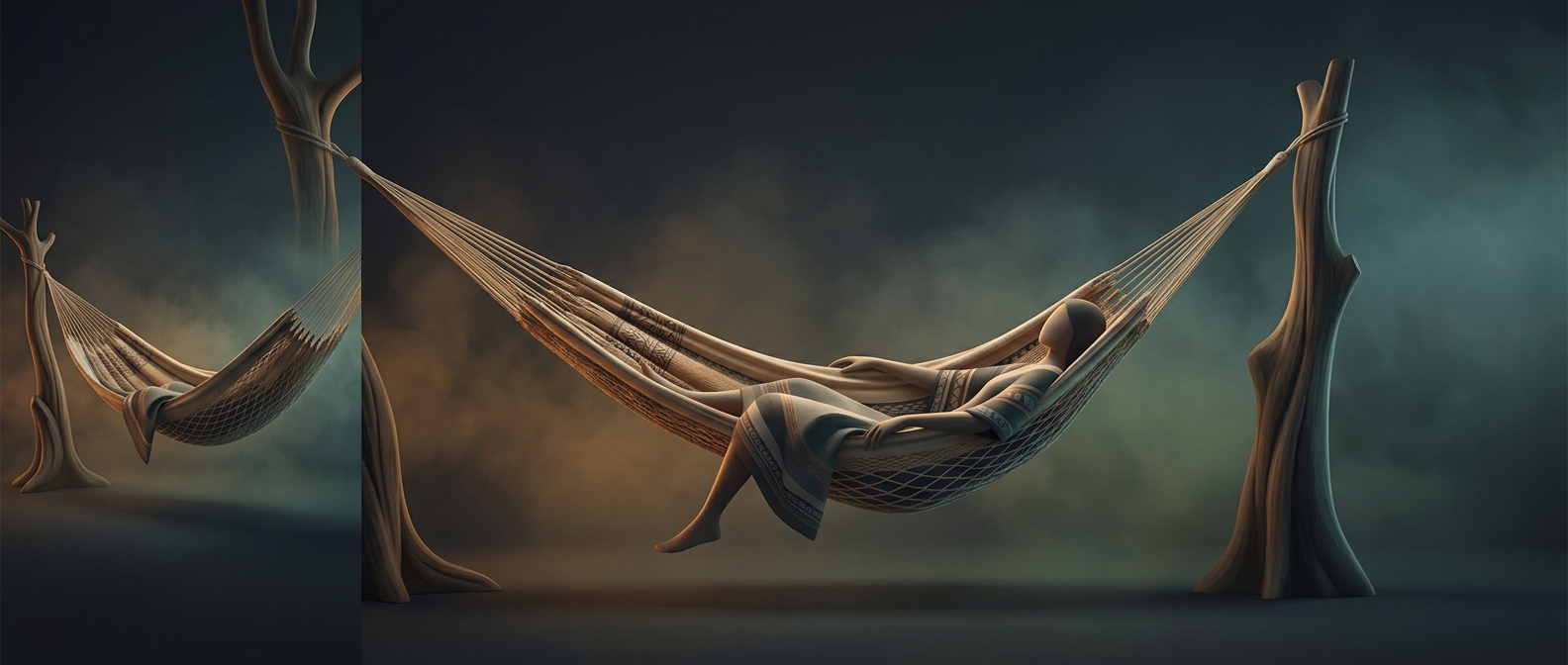
Hammocks were adapted from indigenous bedding
Indigenous peoples in Central and South America wove hammocks from bark to suspend sleepers above ground insects. Europeans later adopted the design.
Discover more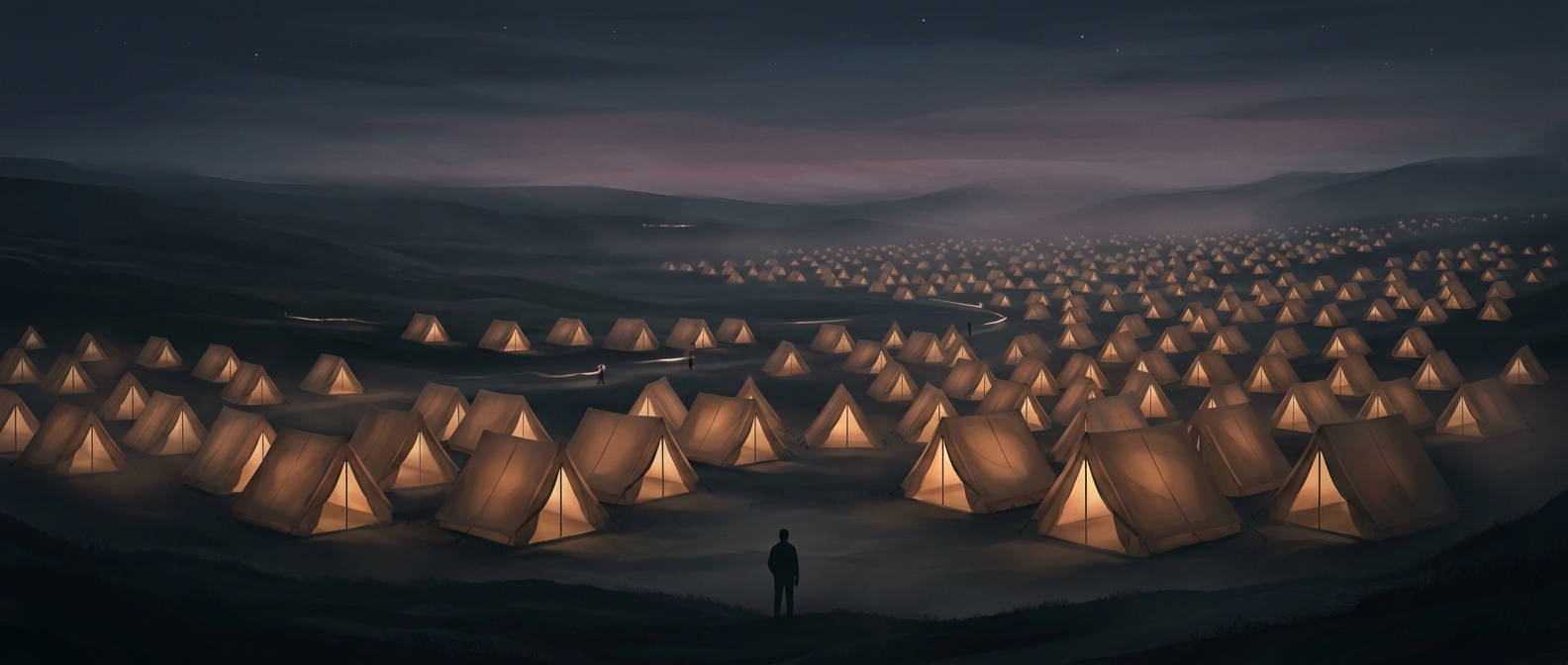
Why the A-frame tent took over camping
After mid-century conflicts, surplus military pup tents flooded the civilian market, making the simple canvas A-frame cheap and widely available.
Discover more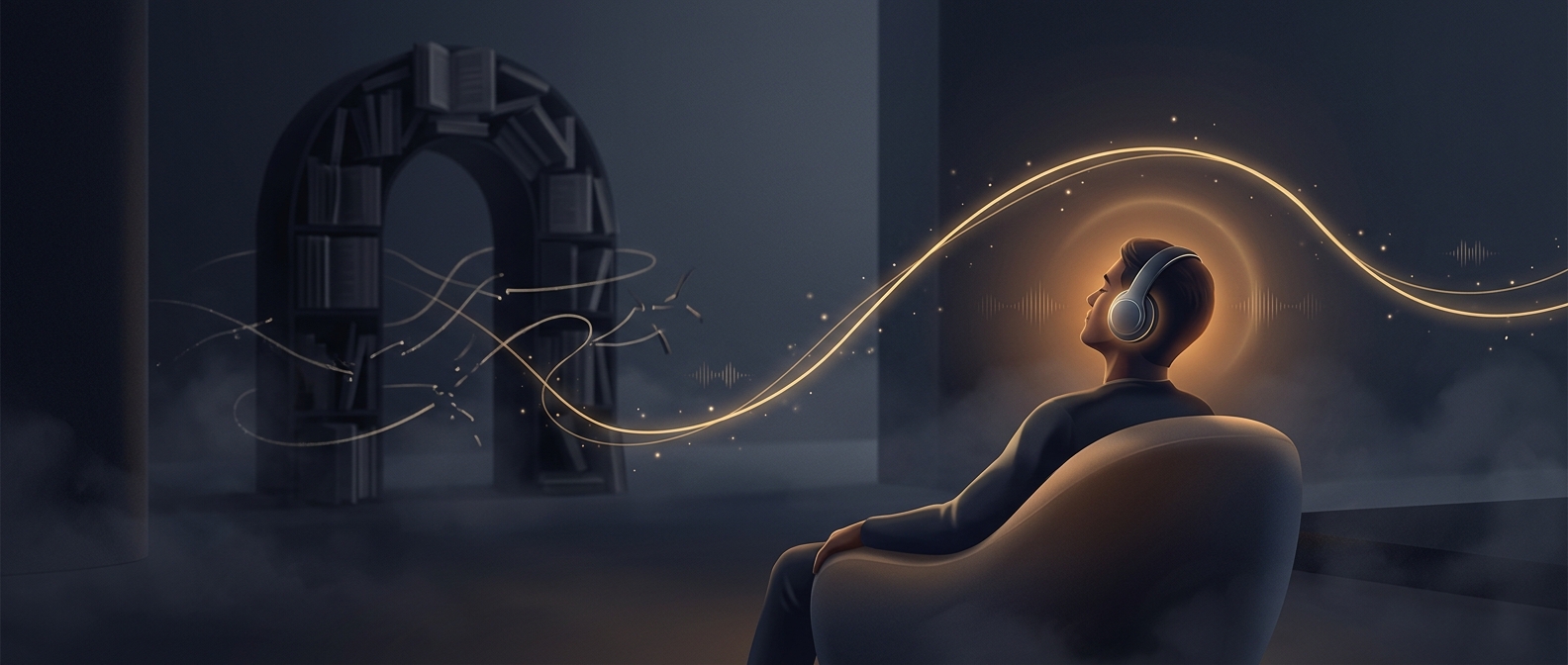
Audiobooks win because reading takes effort
Audiobooks let listeners take in stories while doing other tasks, bringing literature into moments when sitting down to read isn’t convenient.
Discover more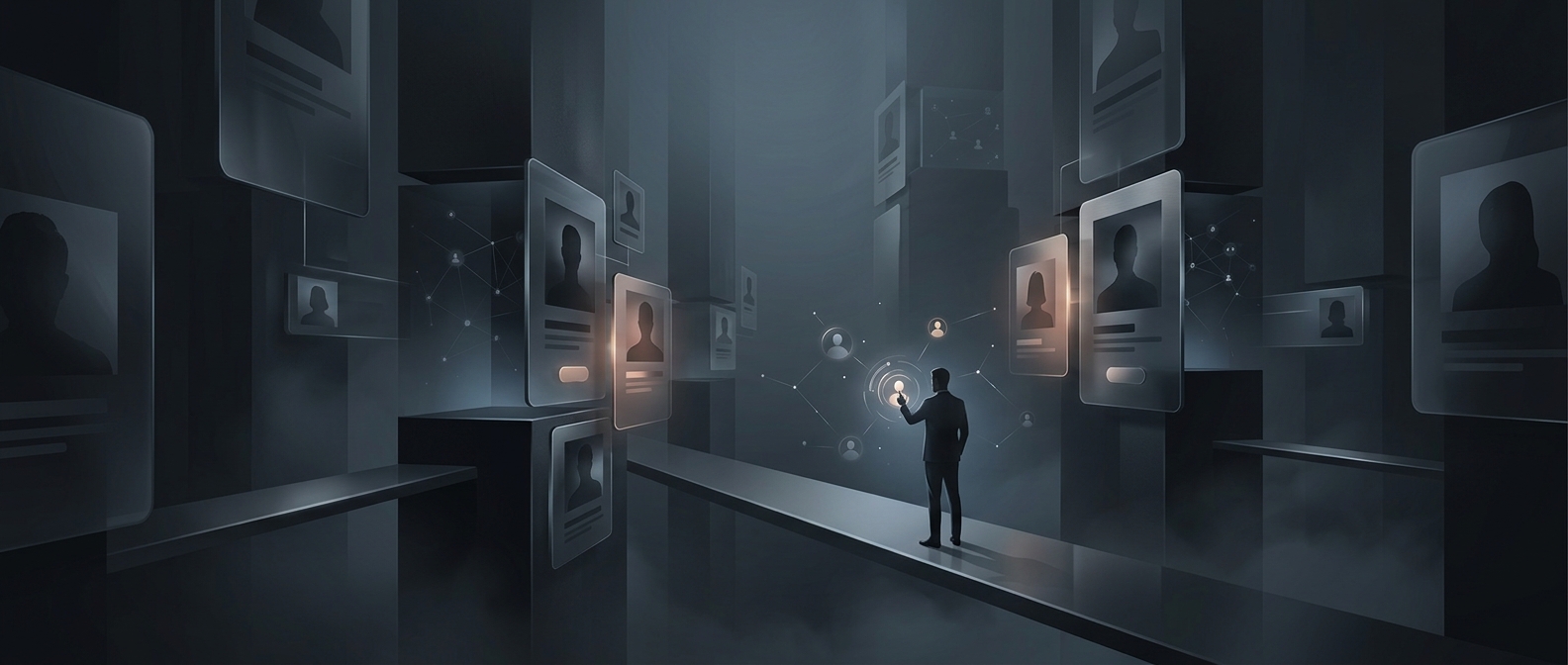
When professional networking turns into dating
Some users treat professional networking connections as dating prospects, even opening with compliments about someone’s quarterly reports.
Discover more
Artificial wave machines run on manufactured timers
Some wave pools run their pneumatic chambers on a schedule, with waves typically on for ten minutes and off for ten. The pause gives swimmers a chance to…
Discover more
Sun loungers evolved from indoor parlor daybeds
The poolside lounger traces back to plush indoor daybeds, including fainting couches. Their upholstery gave way to weather-resistant slats and straps.
Discover more
Disney's giant tree is a sculpture in disguise
The Tree of Life at Disney's Animal Kingdom stands 145 feet tall, but it is an artificial structure. More than 300 animal figures are carved into its trunk…
Discover more
Alpine chalets began as humble herder huts
They began as simple seasonal shelters for dairy farmers tending cattle. Winter tourism later helped turn the chalet into a polished symbol of wealth.
Discover more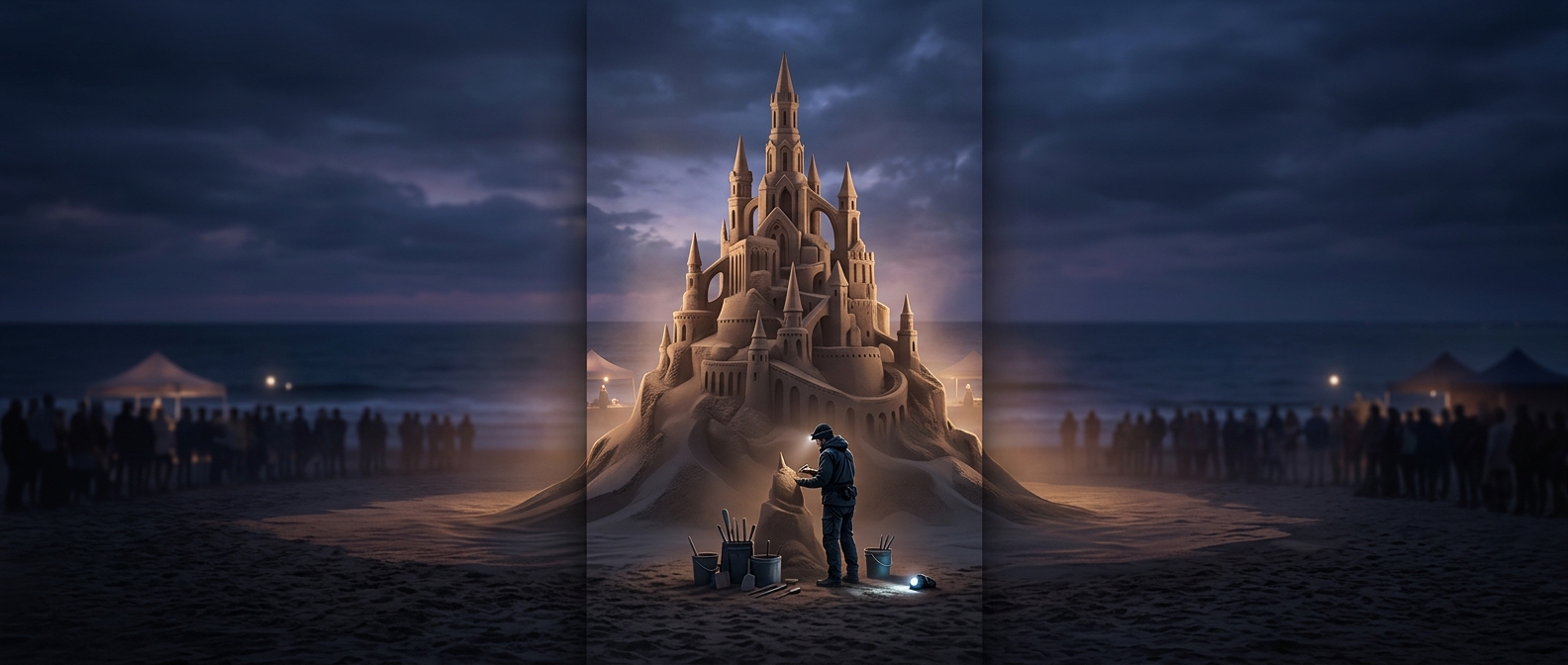
Sandcastle building has serious world championships
Competitive sand sculptors travel to world championships, using specialized tools and carefully measured water to build elaborate works the tide will…
Discover more
Video formats dominate basic audio platforms
Major audio-streaming services are prioritizing video podcasts, betting that audiences would rather watch hosts at a table than just listen—a talk show with a…
Discover more
Blogs combined personal voices with a running record of the web
Early weblogs mixed links, commentary, and personal updates in a sequence of dated entries. Readers could return to follow one person’s continuing…
Discover more
Social platforms aggressively clone competitors
When an app introduces a feature such as disappearing photos or short-form video, larger platforms often copy it. Their bigger user bases give them an…
Discover more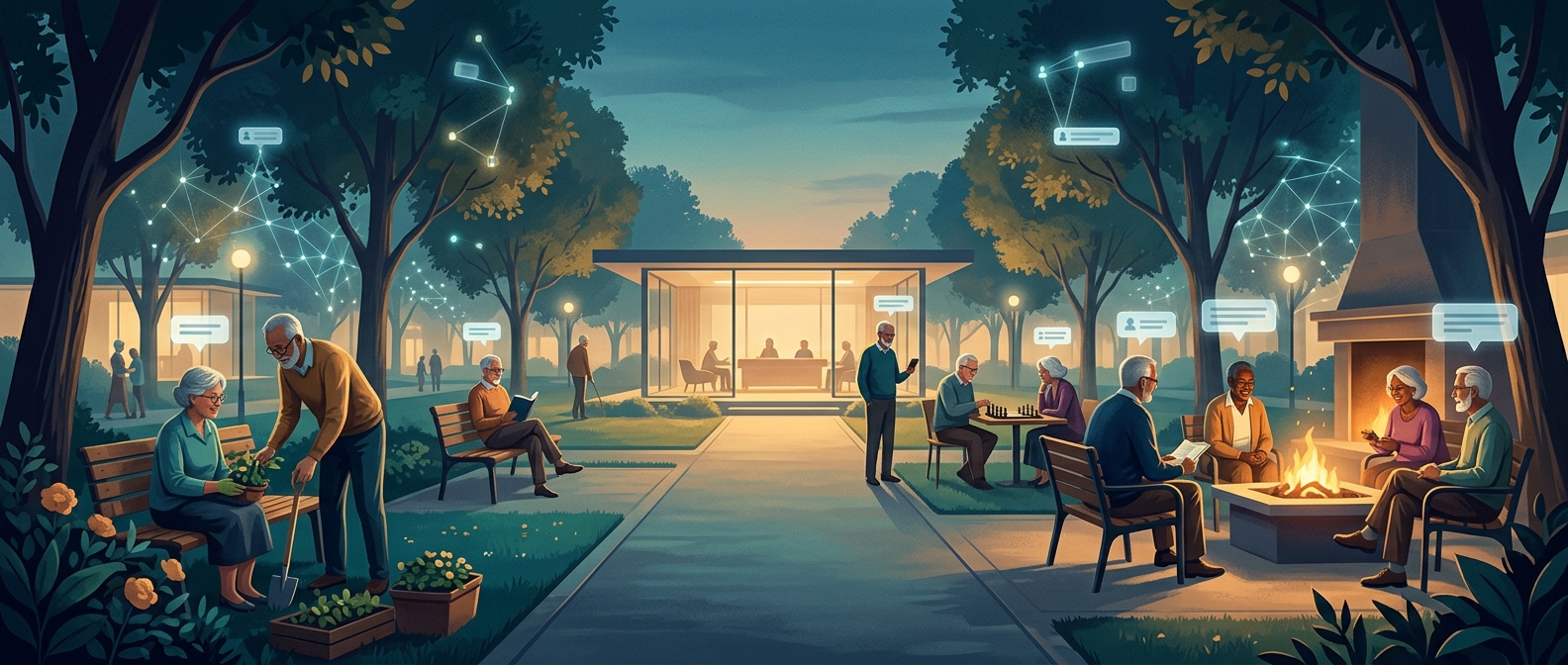
Facebook is now a digital retirement community
It began as an exclusive network for college students, but its user base has aged; local-news debates and inspirational quotes are now familiar sights in the…
Discover more
First artificial wave pool was built in 1927
At Hungary's Gellért Baths, a mechanized system churned the water, bringing waves to a landlocked city.
Discover more
Face filters are sending people to cosmetic surgeons
Some cosmetic surgery patients bring filtered selfies as references, asking surgeons to recreate digitally slimmed noses or enlarged eyes. The trend links…
Discover more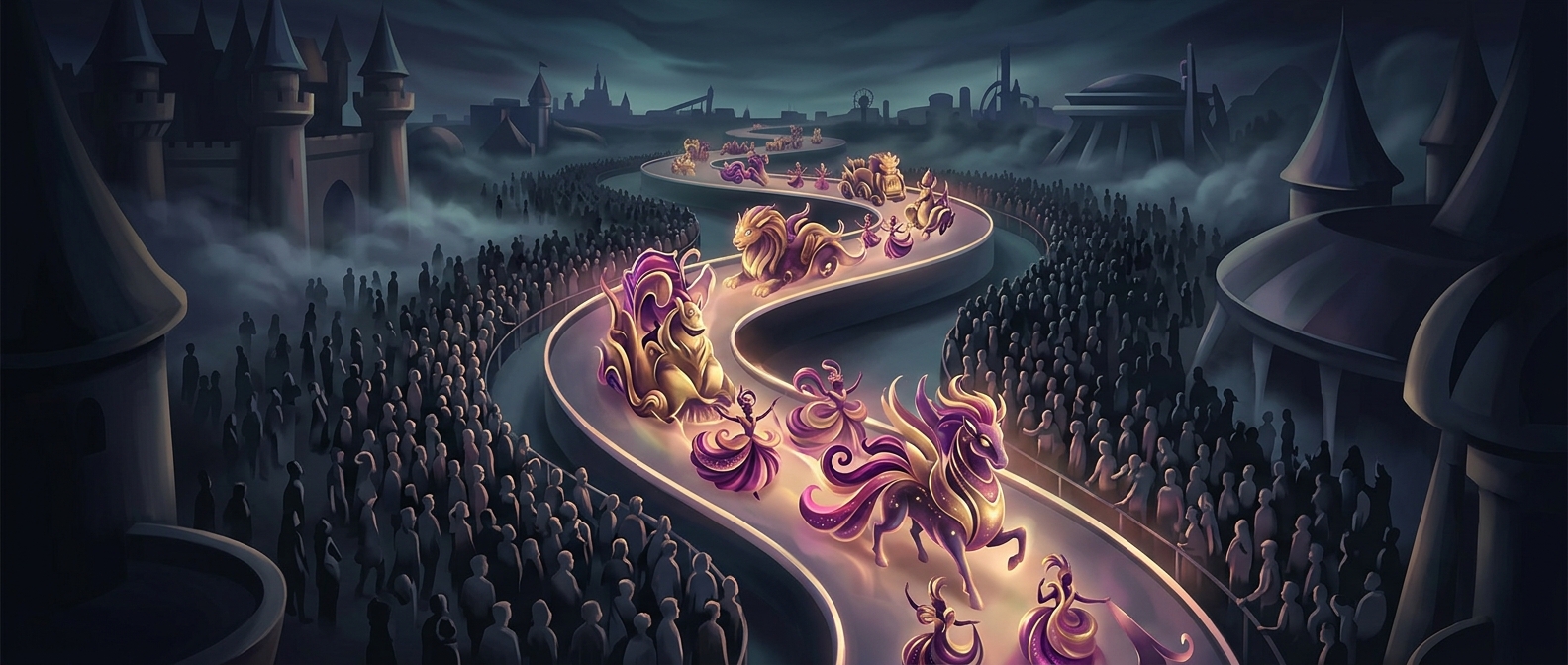
A theme-park parade temporarily redraws the map
Floats and performers turn an ordinary path into a route visitors cannot freely cross. Staff manage crossing points and redirect walkers while crowds gather…
Discover more