Culture & entertainment
Discover facts about culture & entertainment. Small discoveries that change the way you see familiar things.
Culture & entertainment
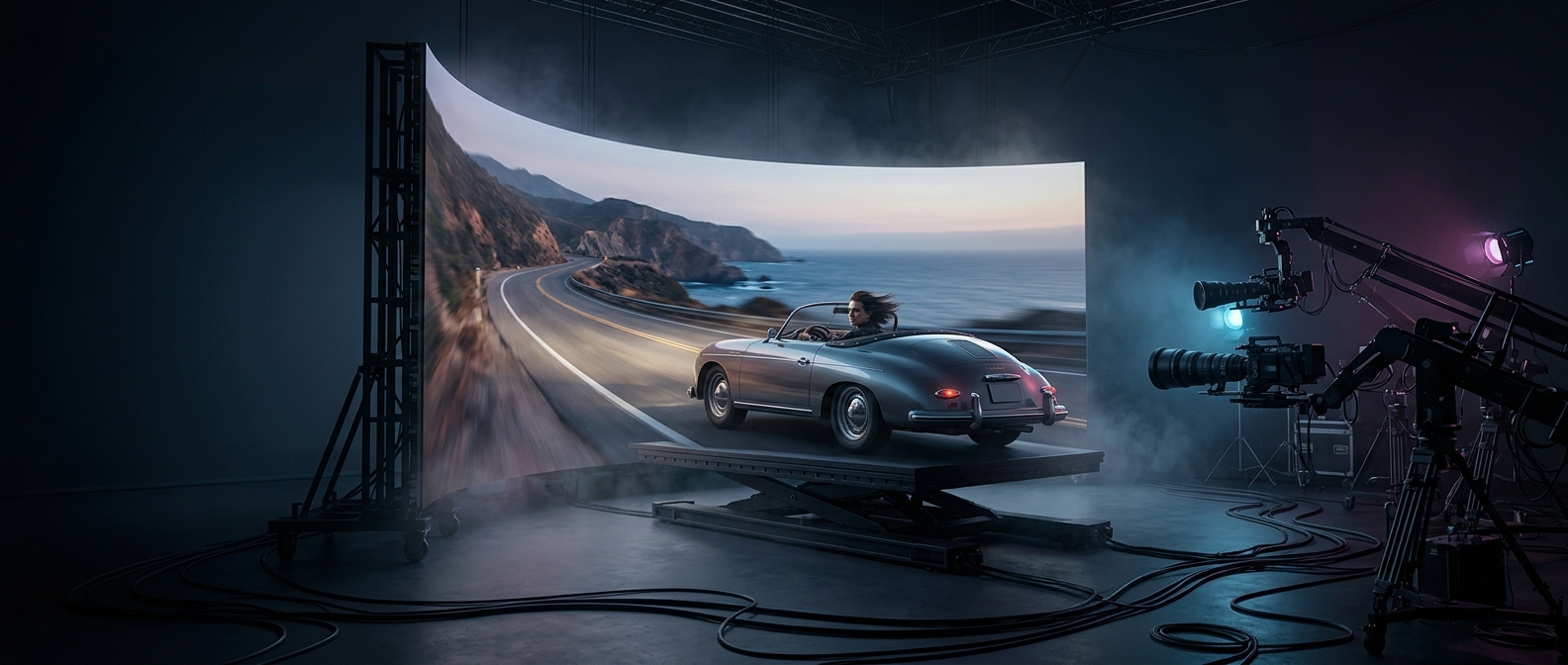
Why actors rarely drive in movie scenes
For moving shots, productions can tow a car on a flatbed, letting the actor perform without actually navigating traffic.
Discover more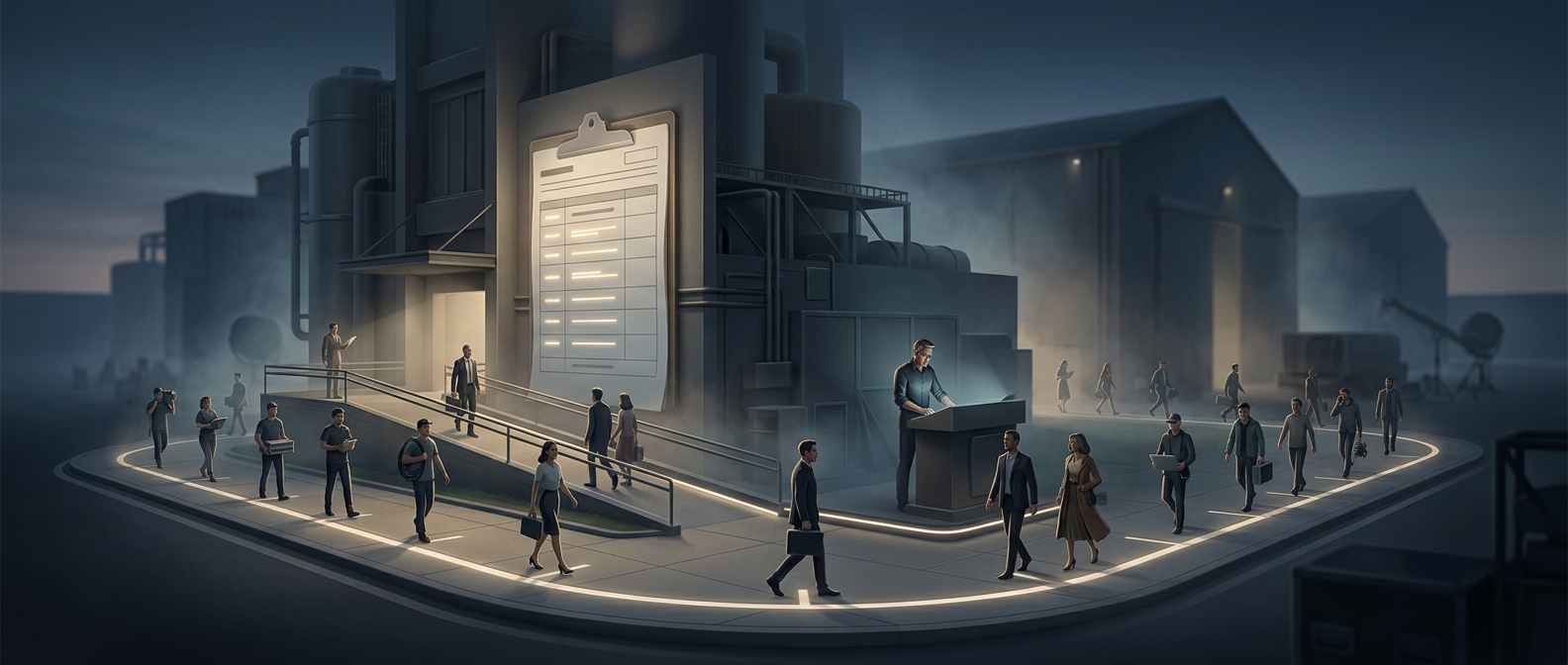
Call sheets dictate the exact arrival time for everyone
A film call sheet lists when cast and crew must report, sometimes as early as 4 a.m. Misreading the schedule can delay production.
Discover more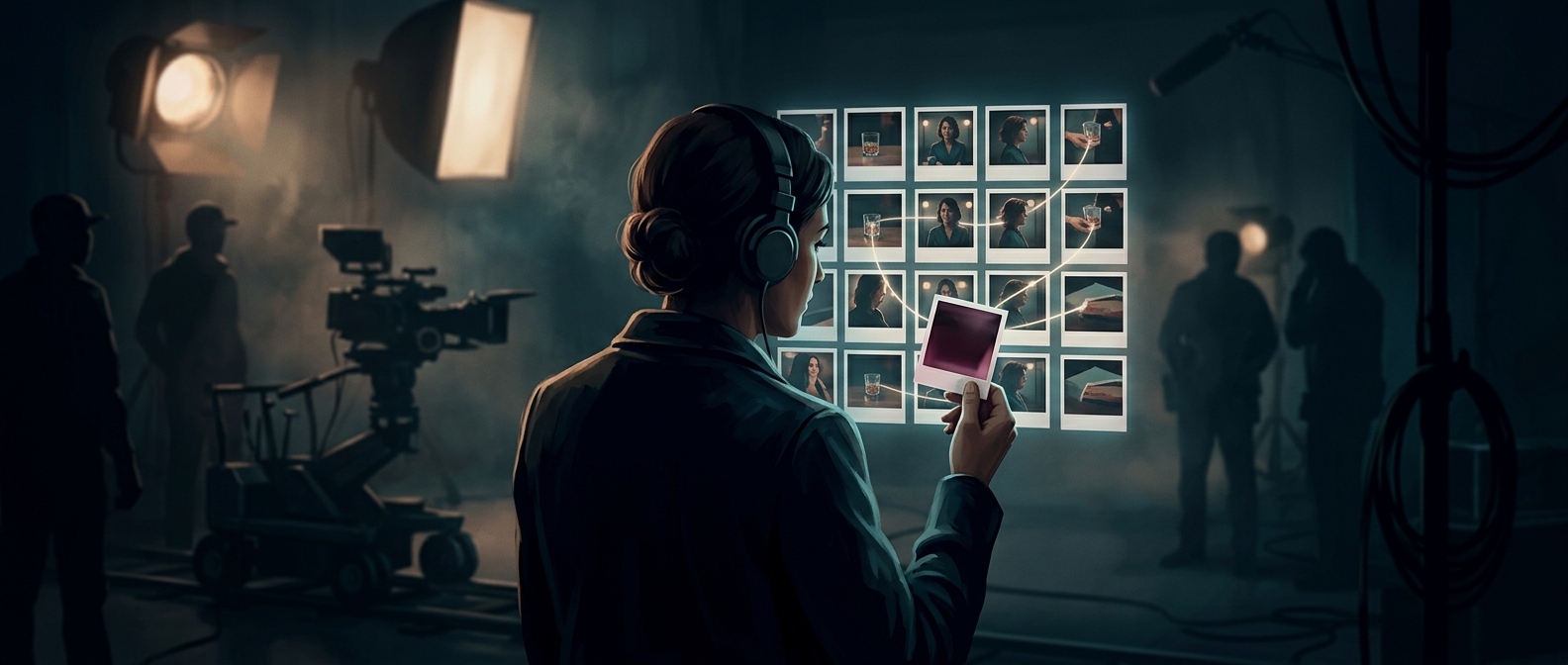
A movie can need a photo to remember an unbuttoned collar
Scenes are often shot out of order, with close-ups and wider shots filmed separately. Continuity photos preserve details such as a collar, sleeve, or stain so…
Discover more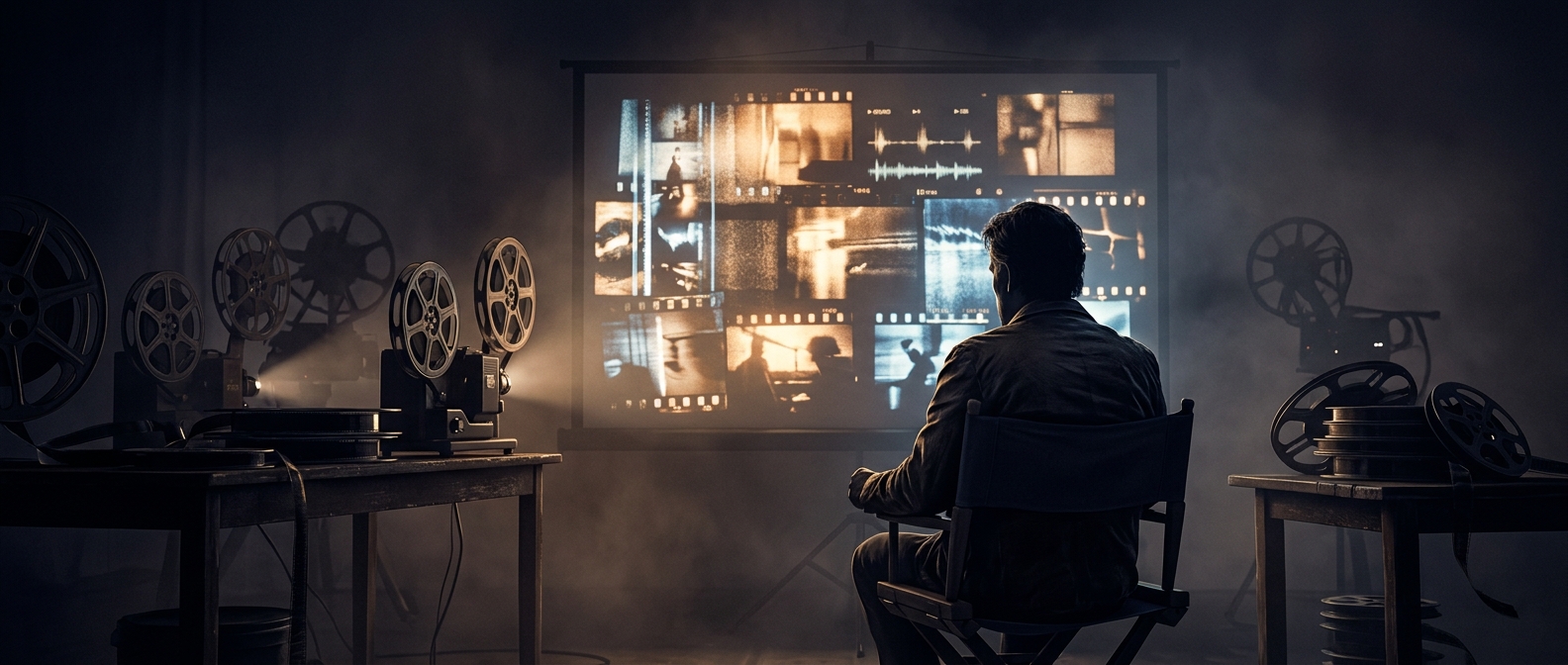
Dailies force directors to review raw footage nightly
After a long day on set, directors review unedited footage to catch problems like mismatched lighting or a peeling fake mustache before the set is dismantled.
Discover more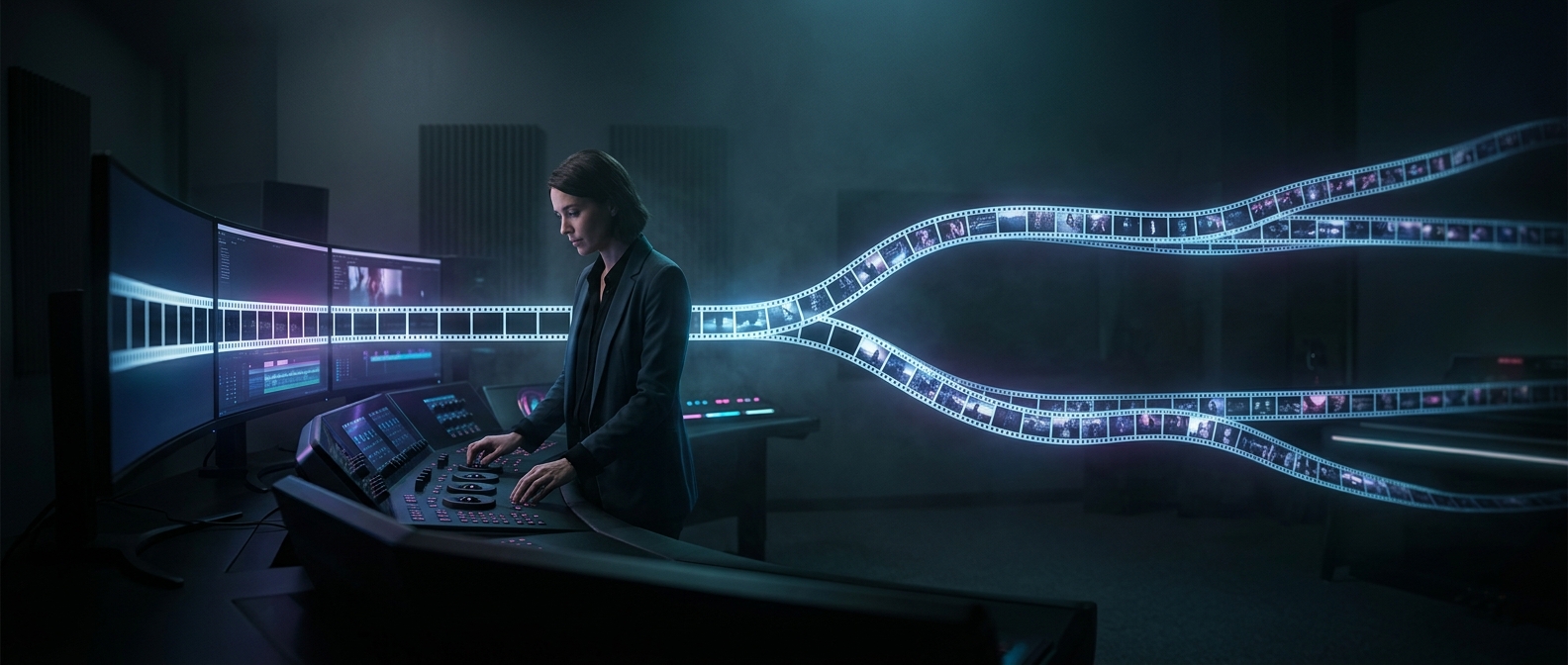
Director cuts often double the runtime of a movie
A director’s cut can restore footage trimmed by a studio, sometimes adding about 40 minutes—even if the longer version doesn’t necessarily improve the plot.
Discover more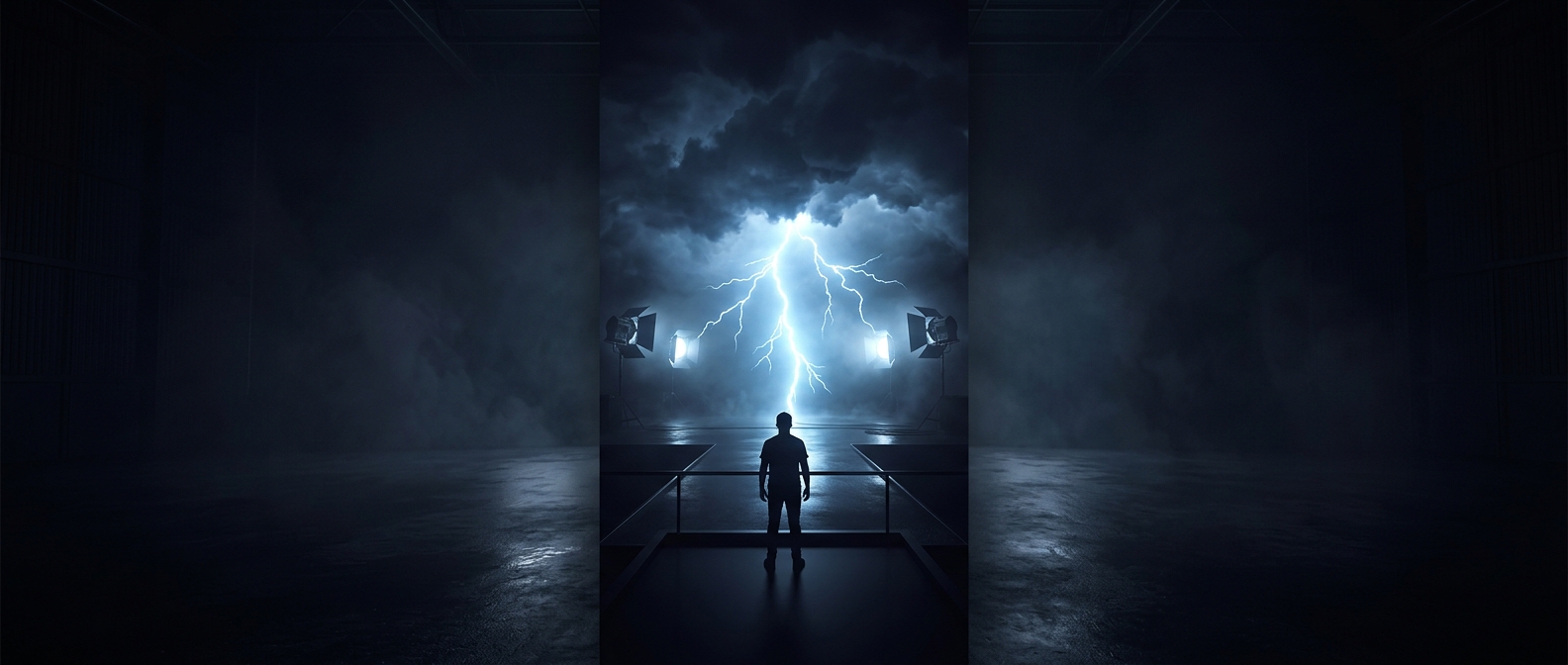
Strobe lights simulate intense lightning storms
Technicians place industrial flashbulbs outside a fake window and trigger them to flood the set with artificial lightning.
Discover more STACKY FOR IPHONE
A bigger world.
One discovery
at a time.
Keep discovering with Stacky. Interesting facts in an app that is always within reach.
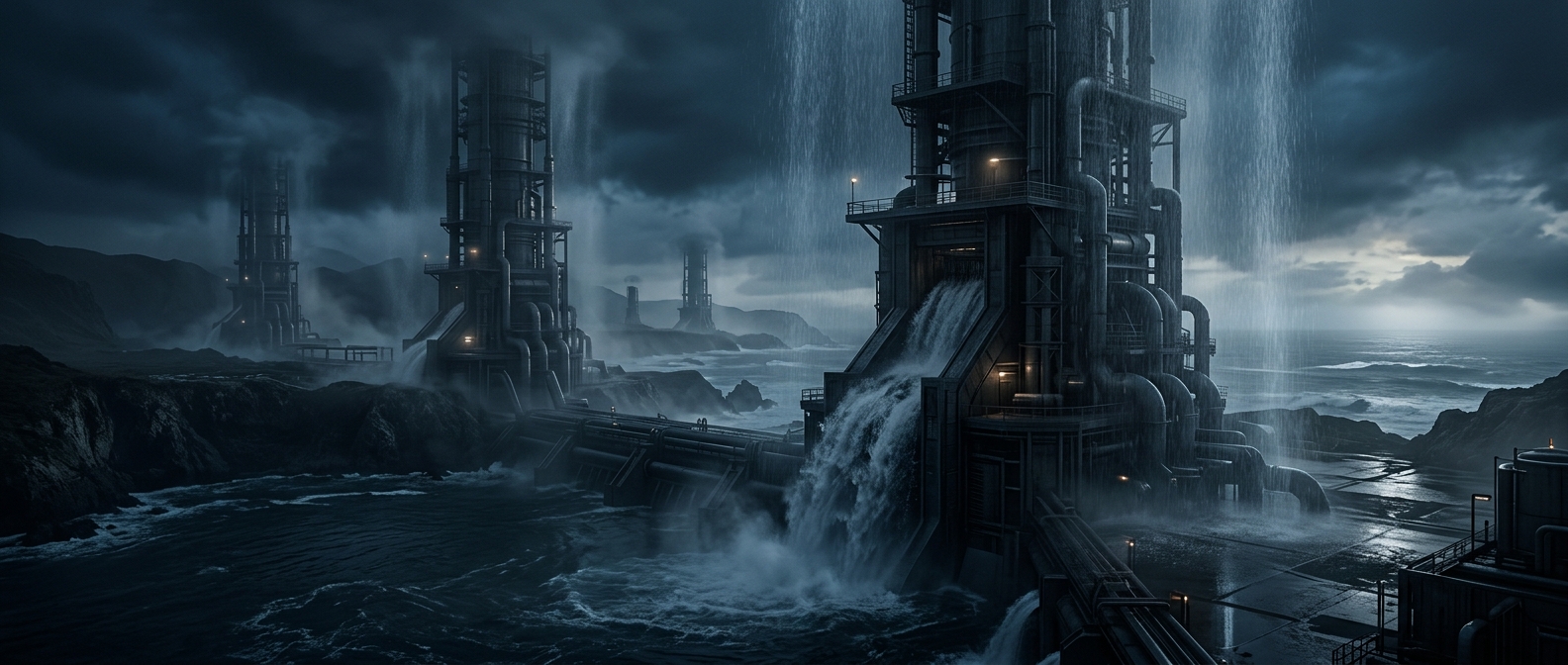
Rain towers consume thousands of gallons of water
Rain towers pump water high above a backlot, then release it to create a downpour in minutes. The cast gets soaked while waiting for the director to call…
Discover more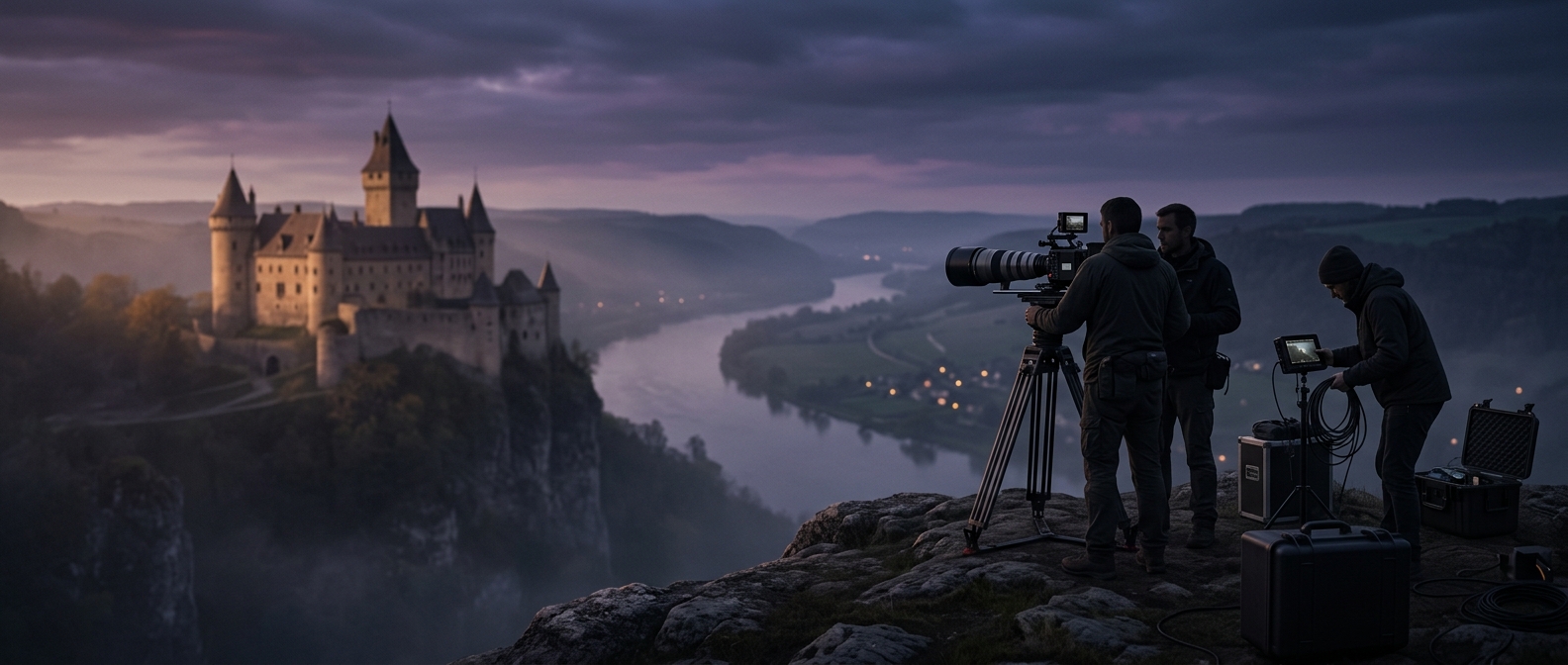
Second units shoot establishing shots without stars
A second unit films landscapes and insert shots—like a hand opening a door—without the lead actors, avoiding the cost of bringing stars along for shots they…
Discover more
Why movie cars have fake license plates
Prop departments invent license plates to avoid accidentally matching real vehicles. They use odd character placements or nonexistent county codes, helping…
Discover more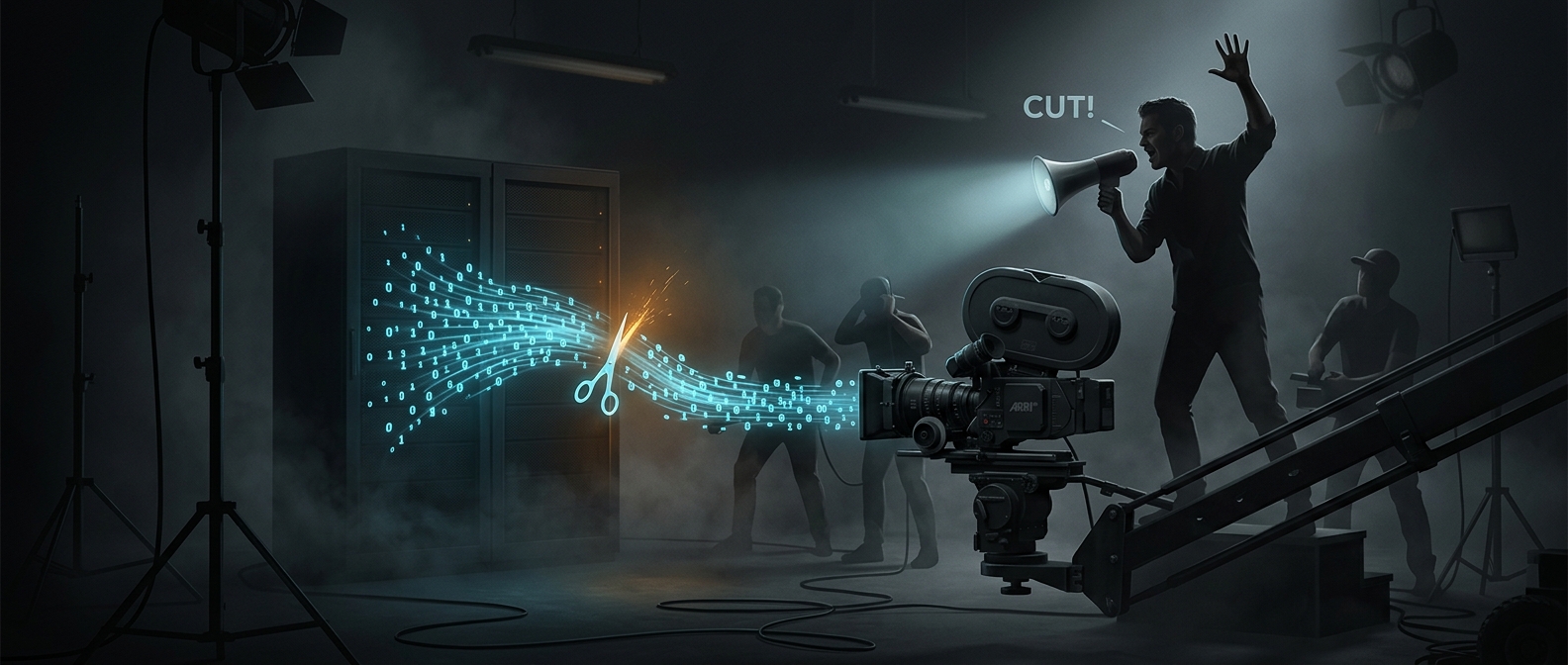
Directors yell cut to save expensive camera media
Calling “cut” tells the crew to stop recording, conserving expensive digital storage or film. Otherwise, the camera could keep rolling long after a take is…
Discover more
Film scenes are shot completely out of sequence
Crews often group scenes by location to limit rental costs, so actors may film a character’s death before shooting how that character first appeared.
Discover more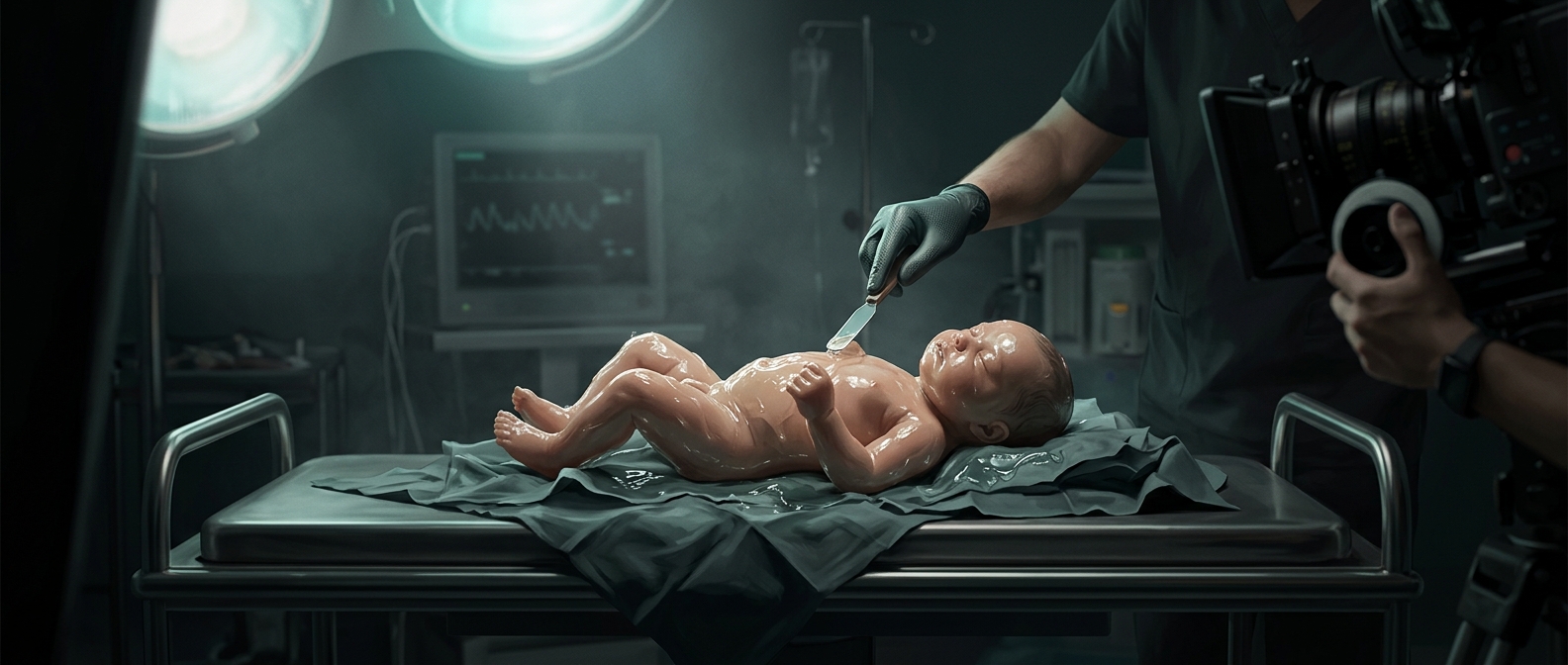
Call the Midwife combines real babies with prosthetic ones
The BBC production described using newborns for authenticity and a prosthetic baby for a difficult delivery scene. Editing lets those different shots become…
Discover more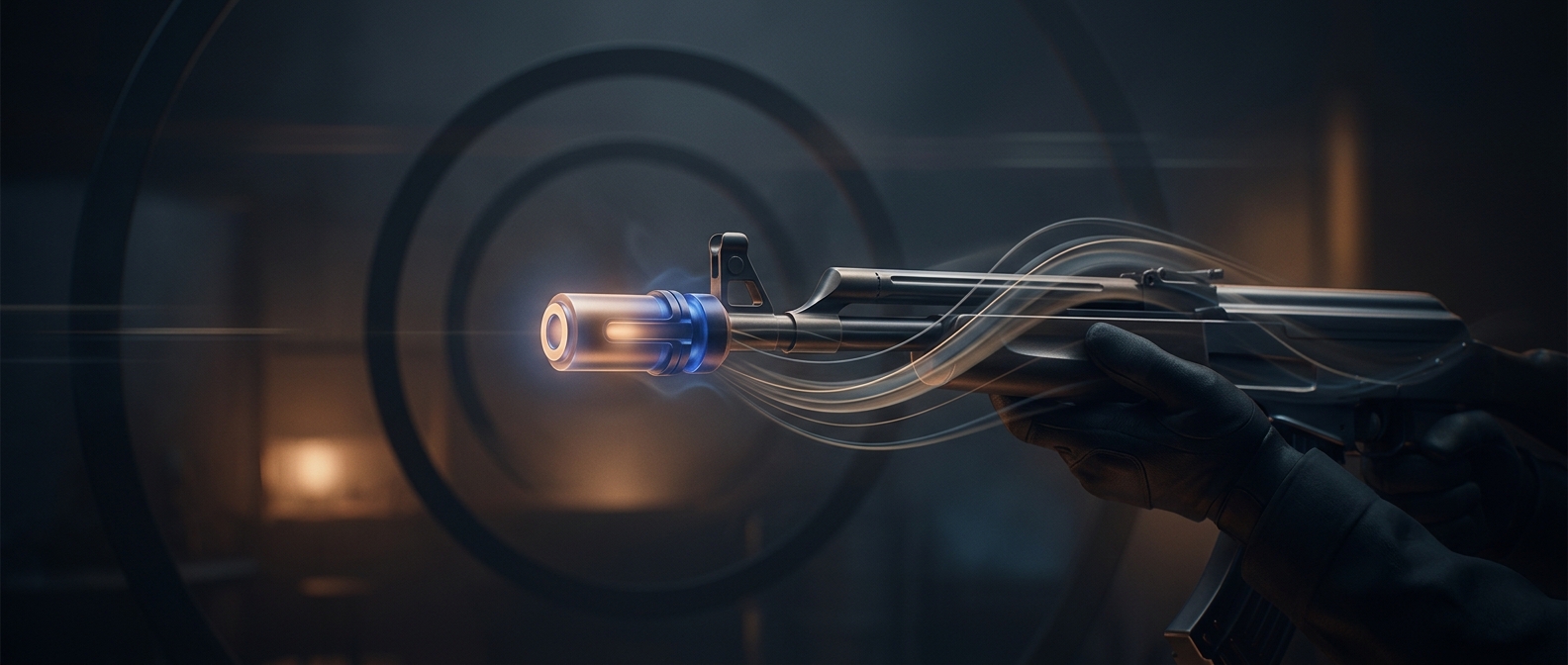
Blank firing adapters allow guns to cycle safely
A barrel-mounted adapter redirects gas from a blank cartridge to cycle the slide, letting the gun operate on camera without firing a lethal projectile.
Discover more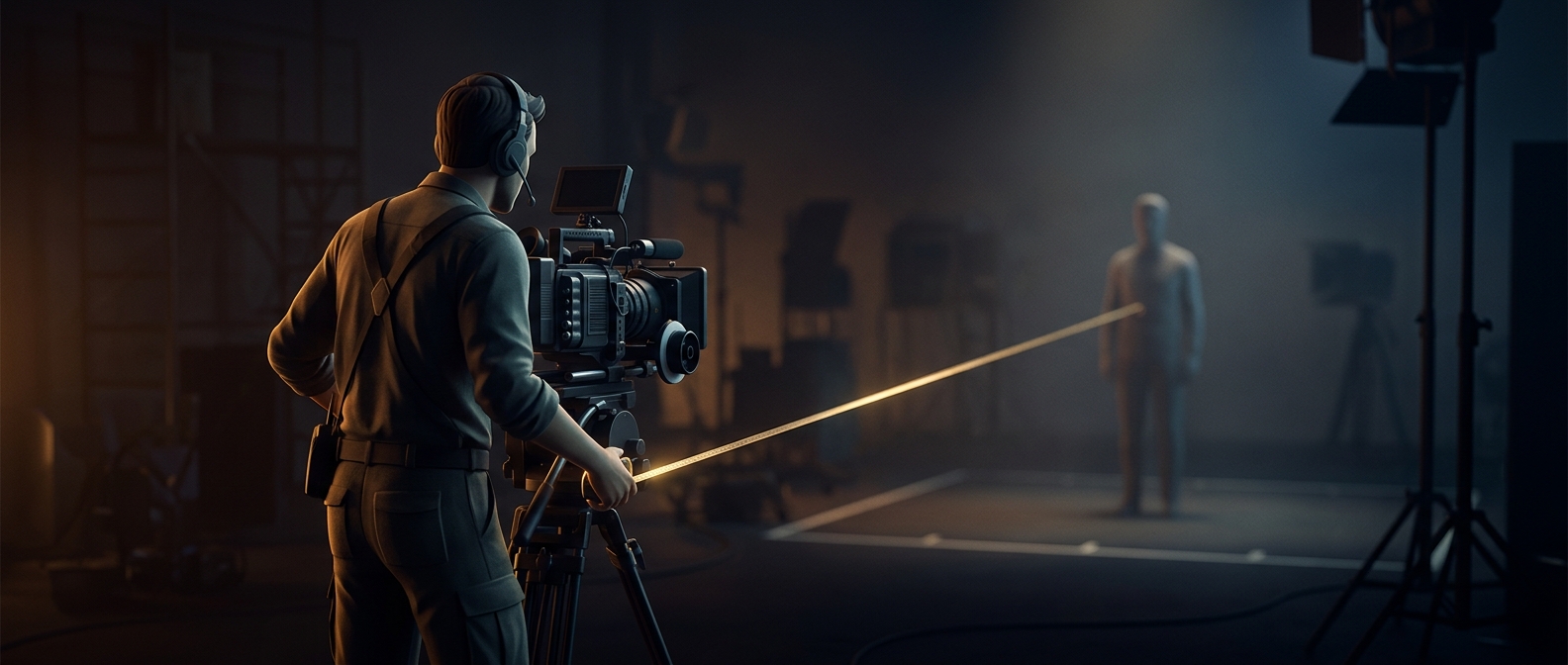
How filmmakers keep a moving face in focus
Focus pullers may measure the distance from the camera to an actor before a take, then turn the lens's focus ring as the actor moves to keep their face sharp.
Discover more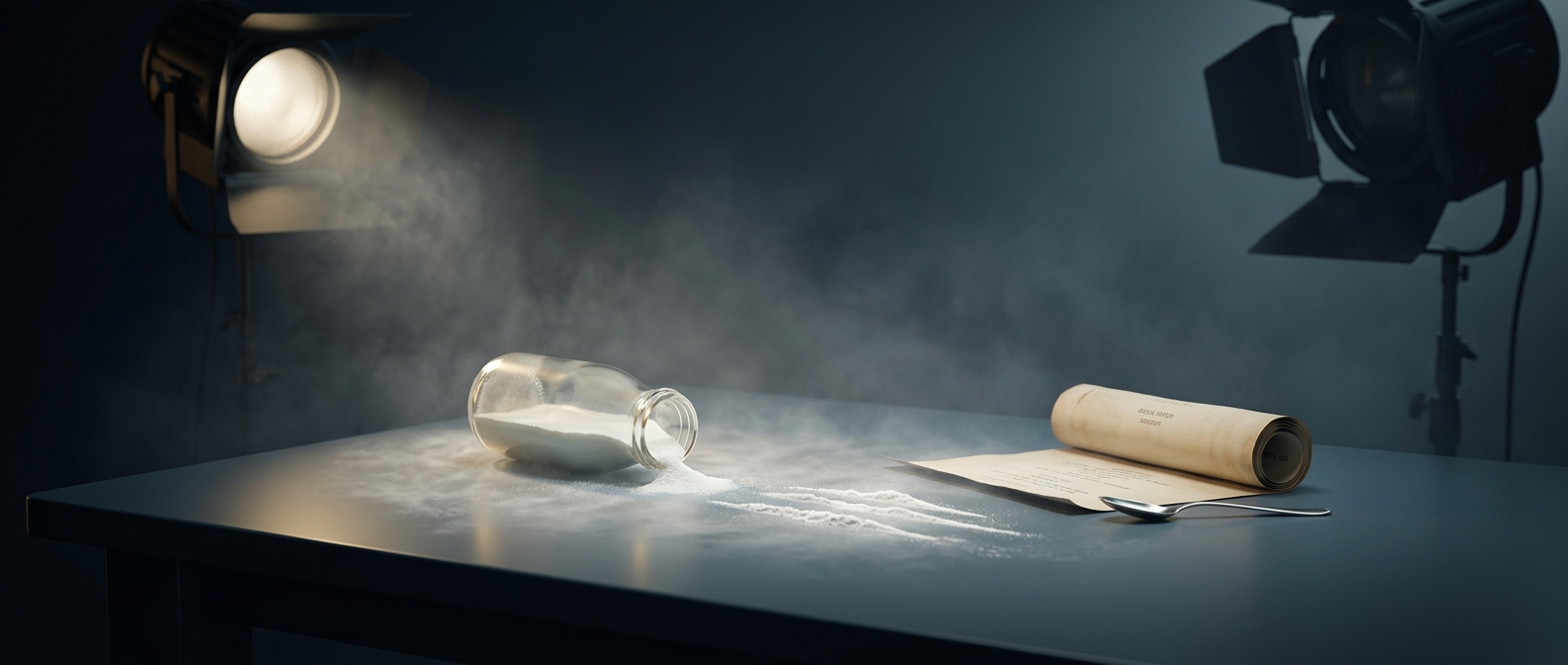
What movie fake cocaine is really made of
Prop teams use crushed vitamin B pills or powdered baby formula to stand in for cocaine in movie scenes.
Discover more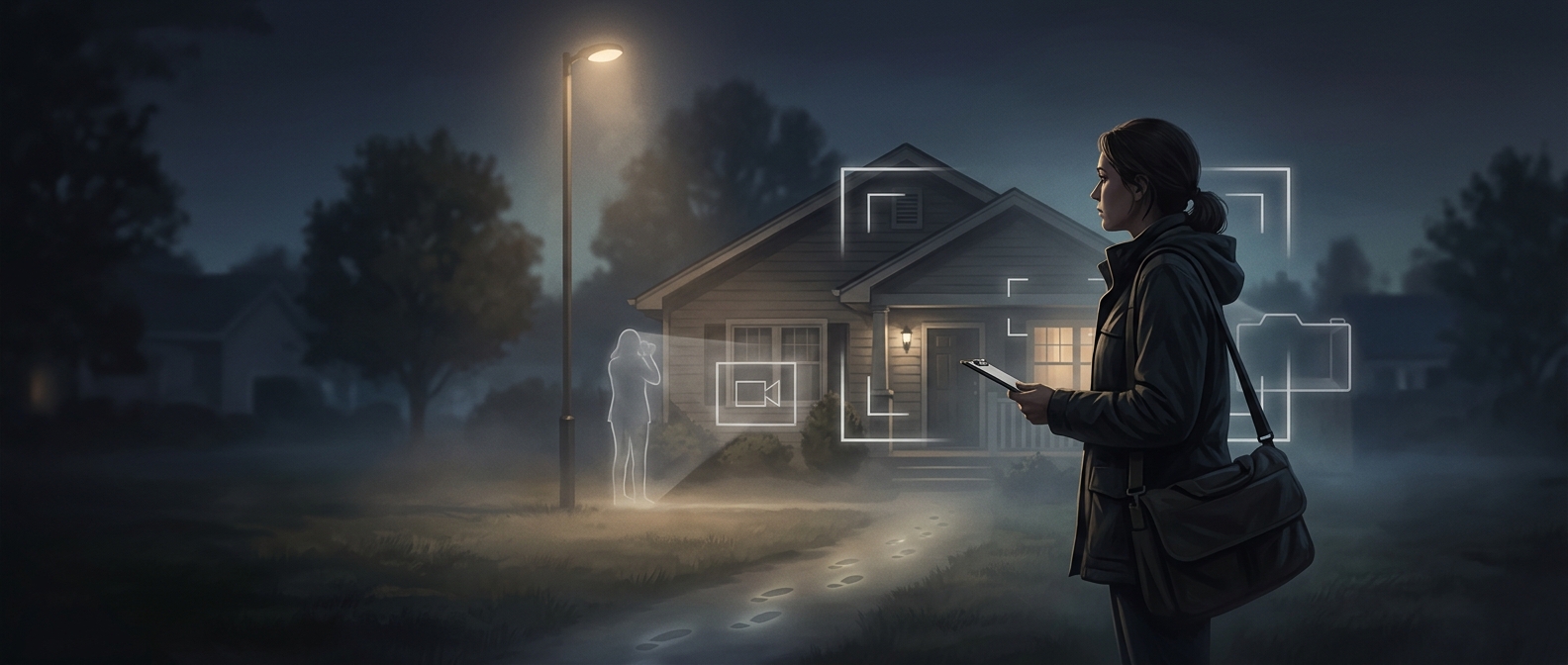
Location scouts spend weeks finding ordinary houses
Scouts may spend weeks finding real suburban homes to film in rather than building one for a single afternoon. Crews can rearrange the furniture, shoot for 12…
Discover more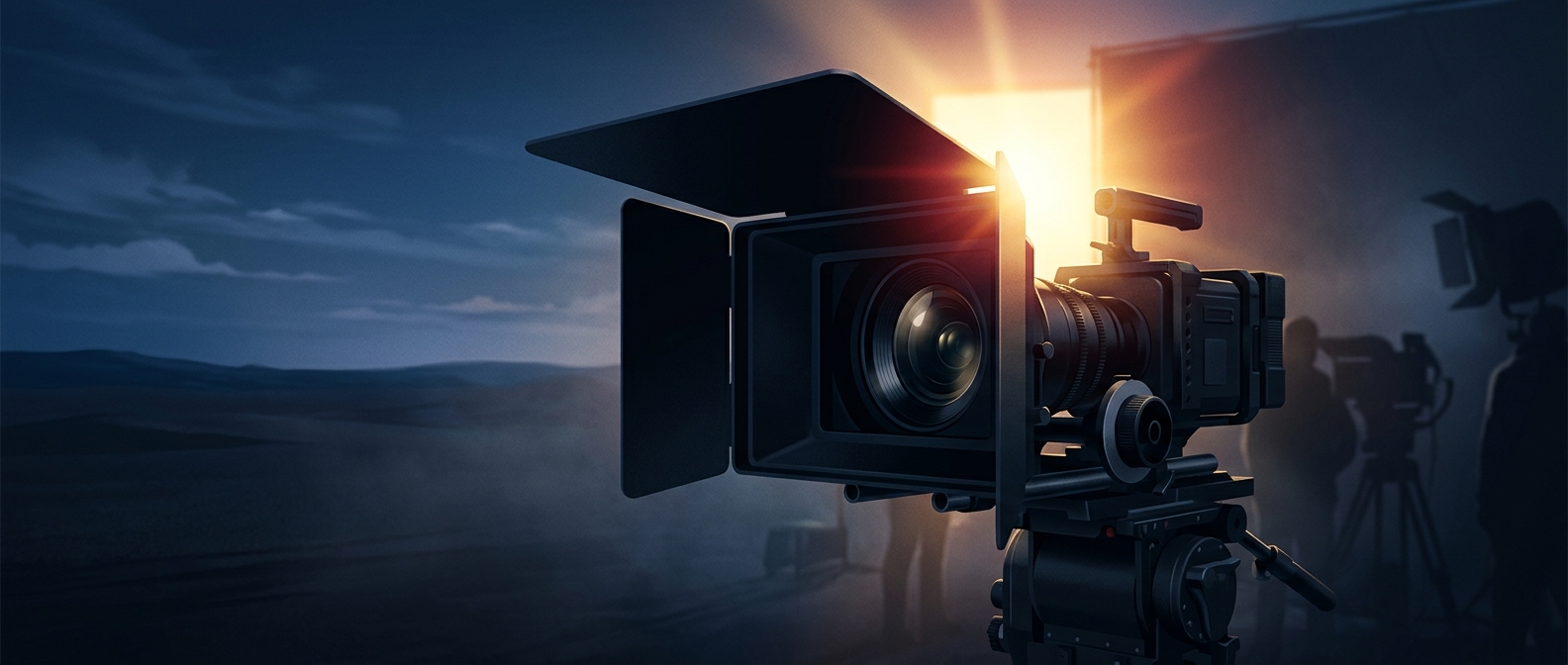
Matte boxes shield camera lenses from direct flares
Adjustable black flaps block stray sunlight before it reaches the lens, helping preserve the image’s contrast.
Discover more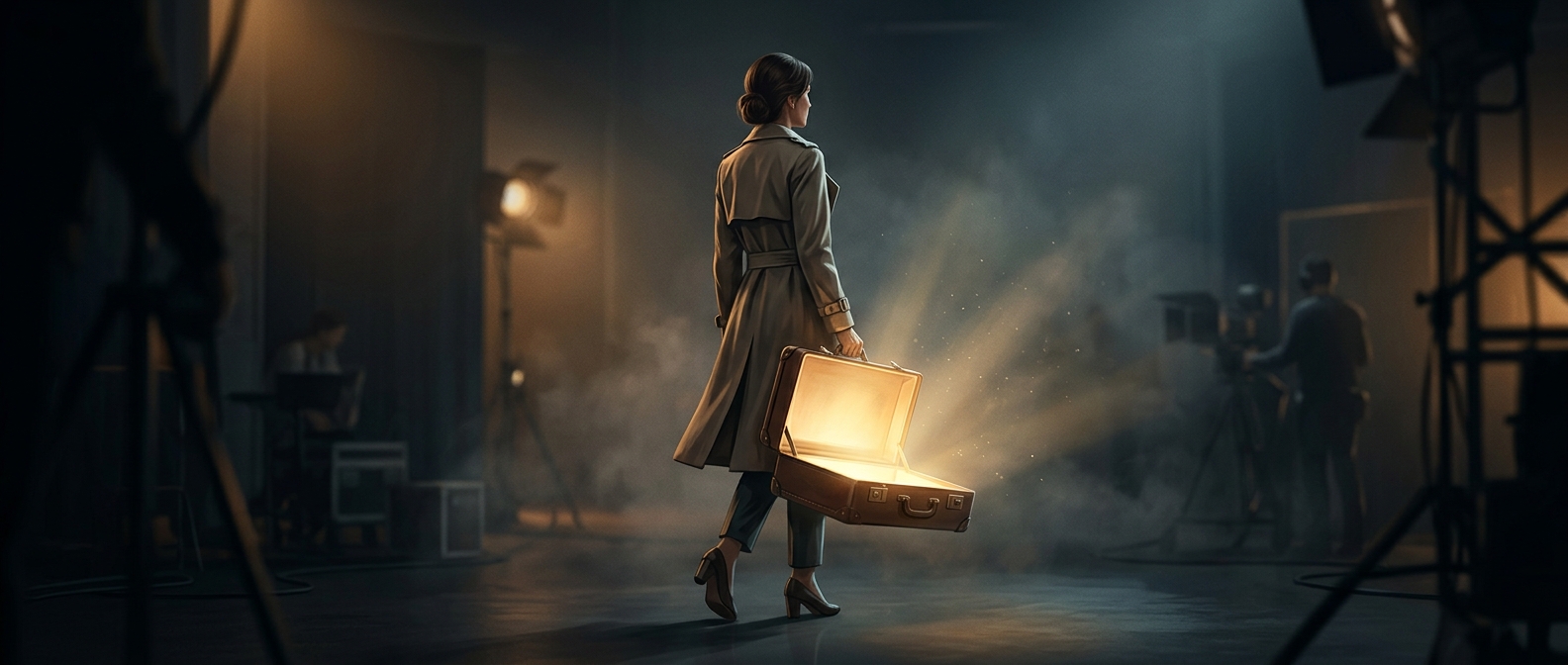
Why movie suitcases are so easy to throw
A take may be reset 20 times, so prop masters gut the bags rather than make actors repeatedly haul heavy luggage.
Discover more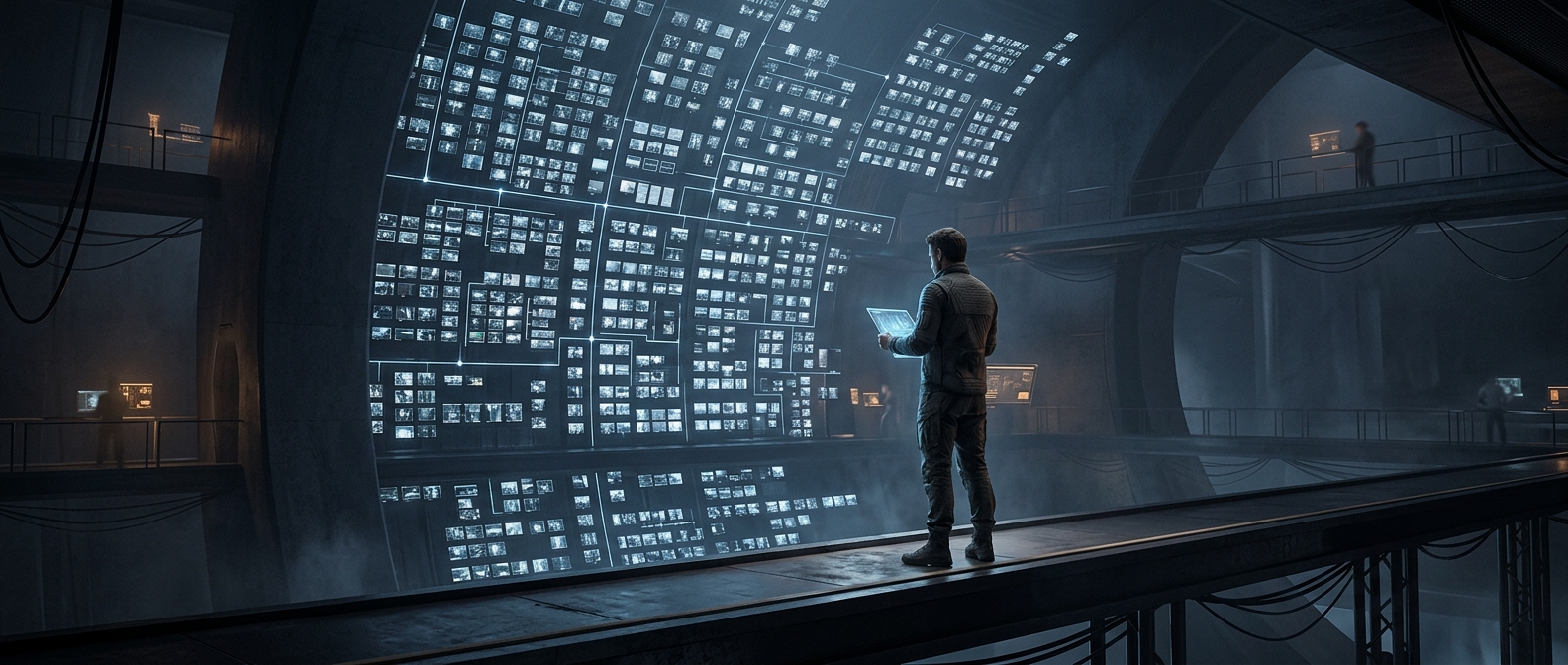
Shot lists breakdown every single required angle
They specify required close-ups and wide shots, giving the editor enough footage to assemble the story.
Discover more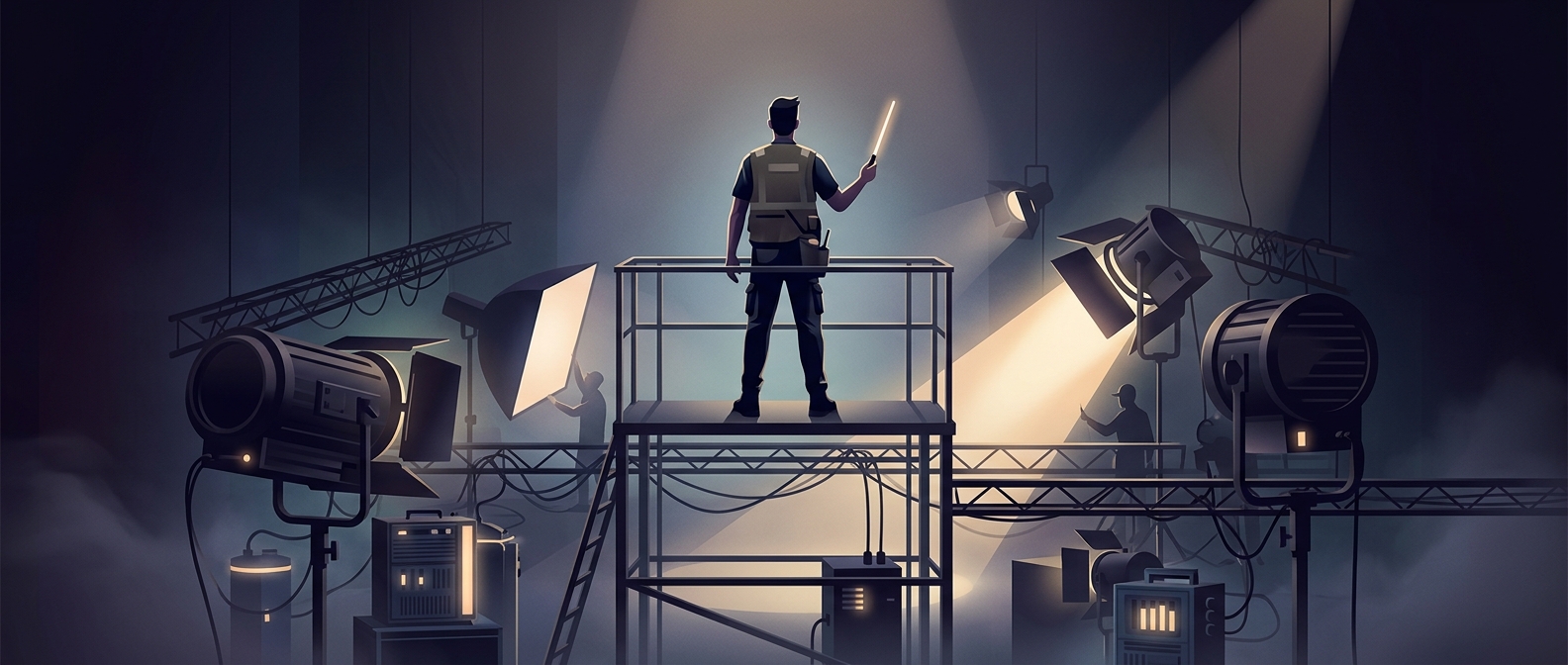
Best boys act as foremen for lighting departments
The best boy is the gaffer’s second-in-command, coordinating equipment rentals and crew labor so the lighting department can run smoothly.
Discover more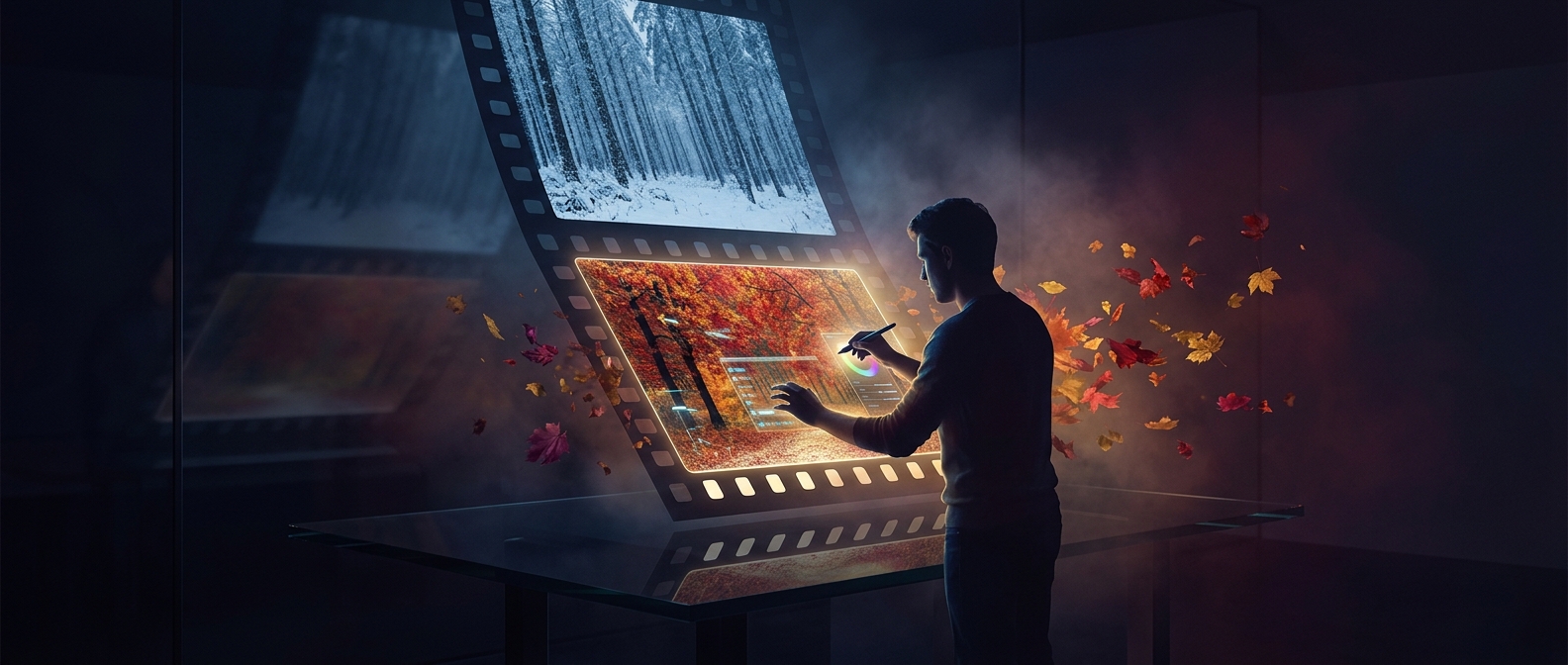
Colorists manipulate footage to change seasons
They can shift green hues toward orange in post-production, making a location look like autumn without waiting for the leaves to change.
Discover more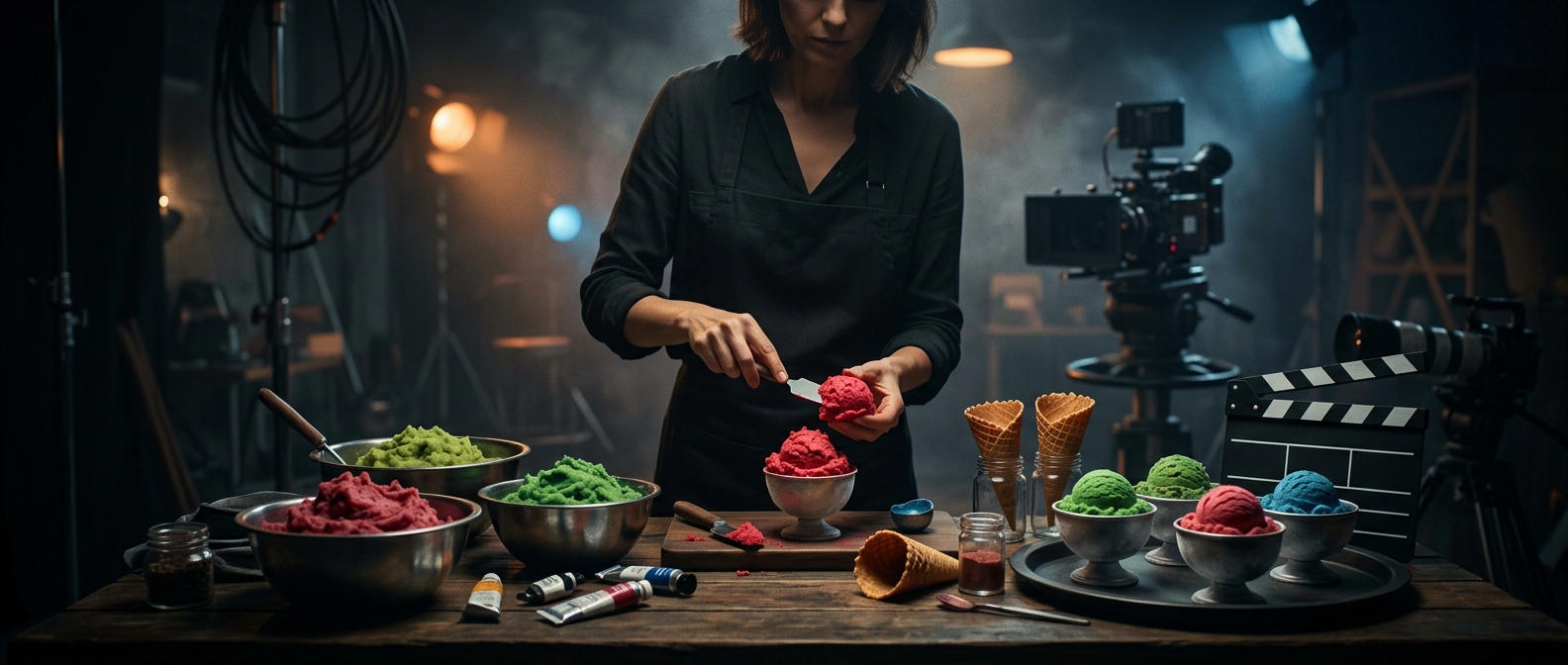
A scoop of fake ice cream can survive a photo shoot
Food stylists can mix shortening, powdered sugar and corn syrup into a scoopable stand-in that does not melt like ice cream. It buys time to arrange lighting…
Discover more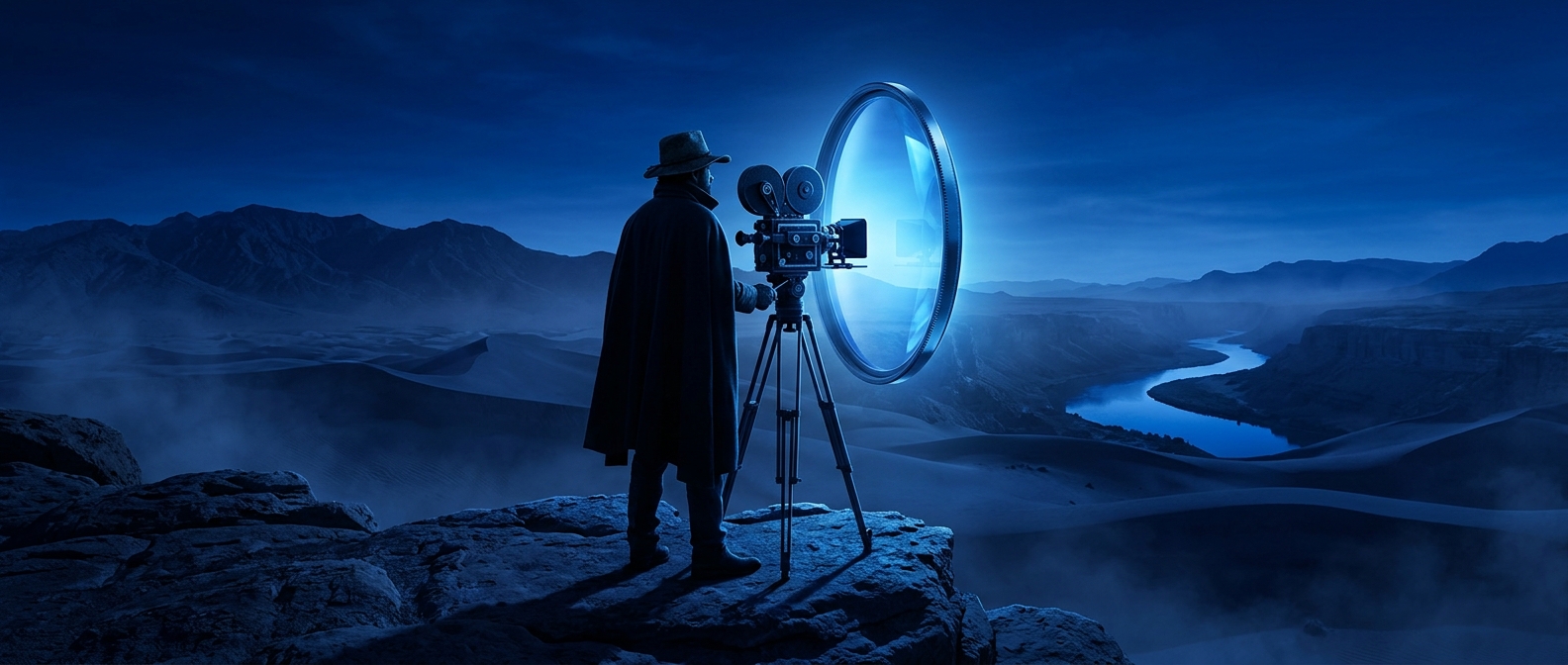
Day-for-night shooting uses blue filters for darkness
The trick can look implausible when sharp daylight shadows remain visible beneath a moonlit sky.
Discover more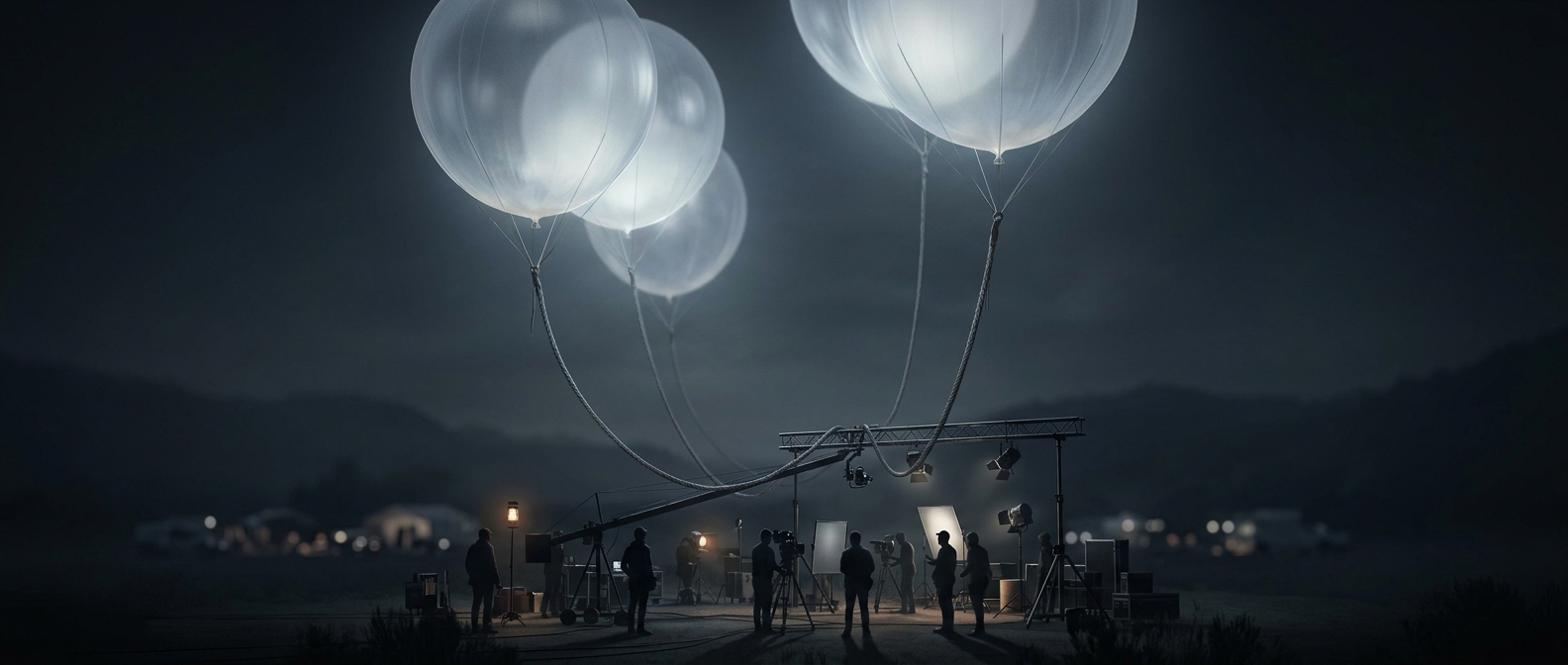
Film crews fake moonlight with giant balloons
Crews float glowing spheres above the trees to spread artificial twilight across a neighborhood block. From the ground, the balloons can look like a…
Discover more