Culture & entertainment
Discover facts about culture & entertainment. Small discoveries that change the way you see familiar things.
Culture & entertainment
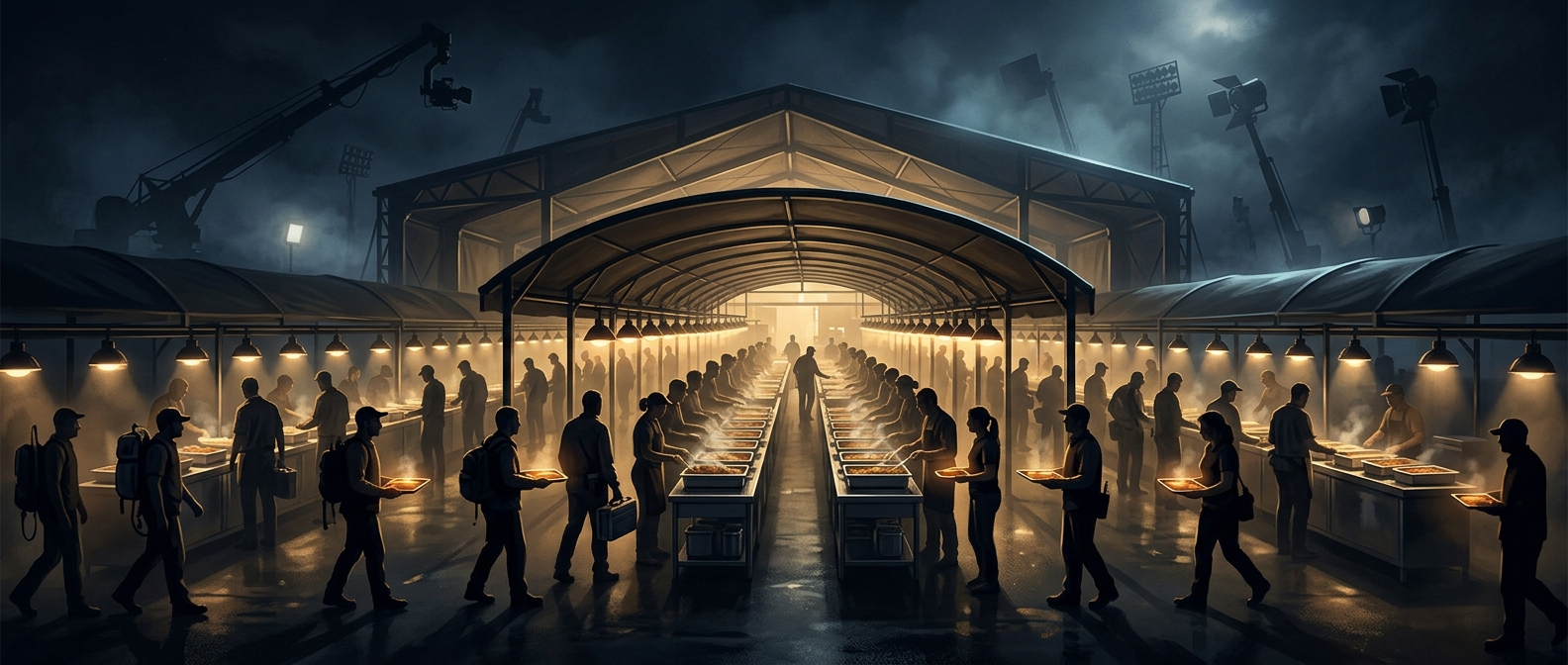
Catering feeds hundreds of crew members twice a day
Mobile kitchens set up in muddy fields or concrete lots to serve hot food to film crews. A dry chicken breast can quickly hurt crew morale.
Discover more
Fog machines use heated glycol to create mist
A fog machine heats a glycol-based fluid and releases the vapor; as it cools, it condenses into visible droplets that spread through the air.
Discover more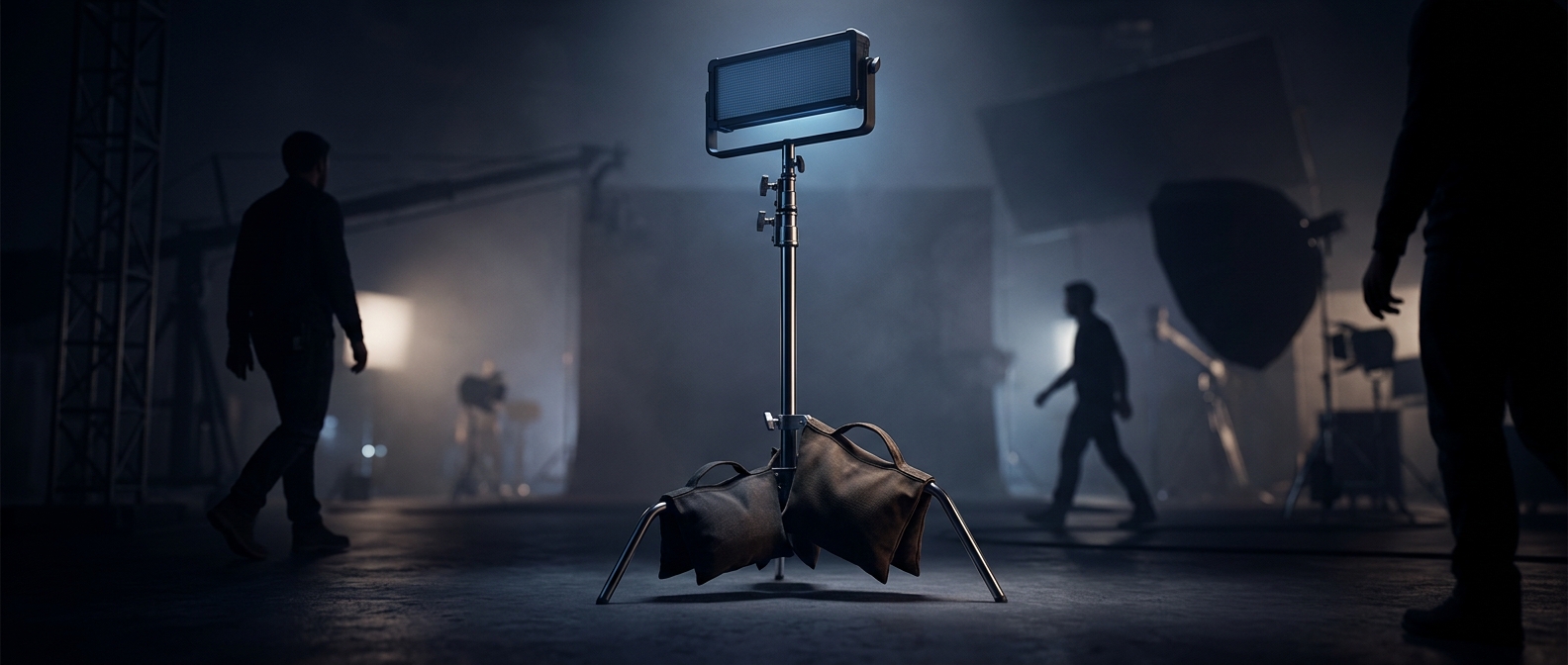
Sandbags anchor lighting stands to prevent crushing
A sandbag acts as a counterweight, helping keep a lighting stand from tipping under heavy fixtures.
Discover more
How filmmakers control flames in an on-screen fire
Technicians route metal pipes to the spots where flames should appear, then feed gas through them so the fire can be timed and shut off quickly.
Discover more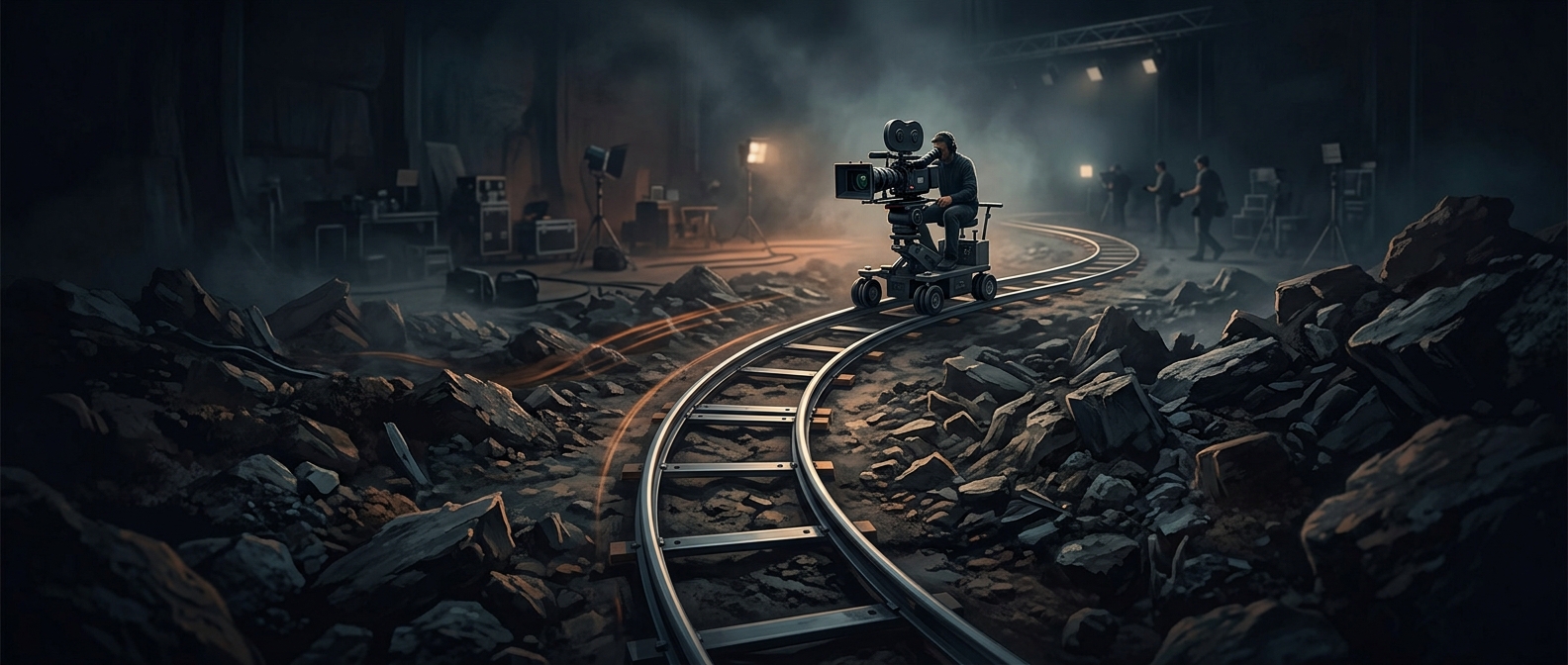
Dolly tracks lay smooth paths across uneven terrain
Crews level steel rails over dirt, grass, or carpet so a heavy camera cart can roll smoothly; even a brief push-in may require building a miniature track.
Discover more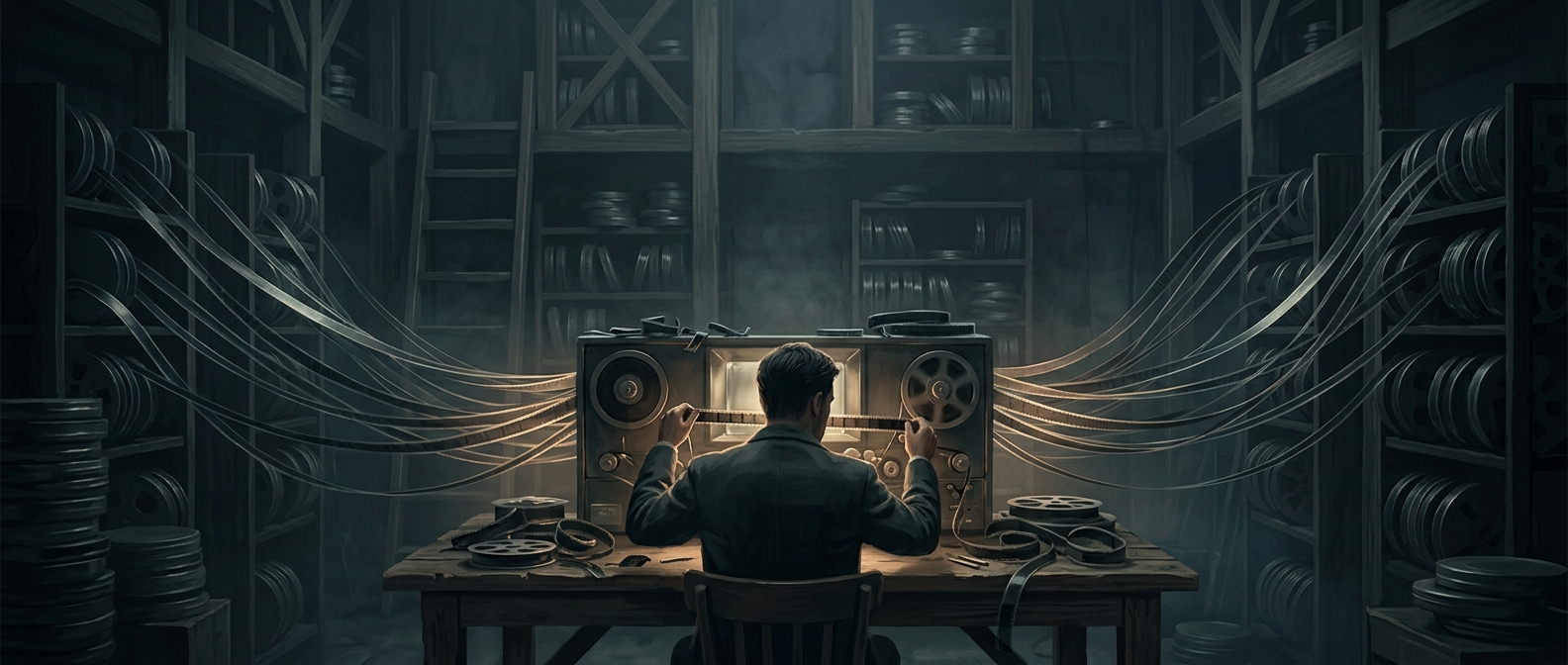
Rough cuts assemble footage before final polishing
Without color grading or tightened pacing, a rough cut can feel slow and unfinished. Editors use it to decide which scenes to remove.
Discover more STACKY FOR IPHONE
A bigger world.
One discovery
at a time.
Keep discovering with Stacky. Interesting facts in an app that is always within reach.
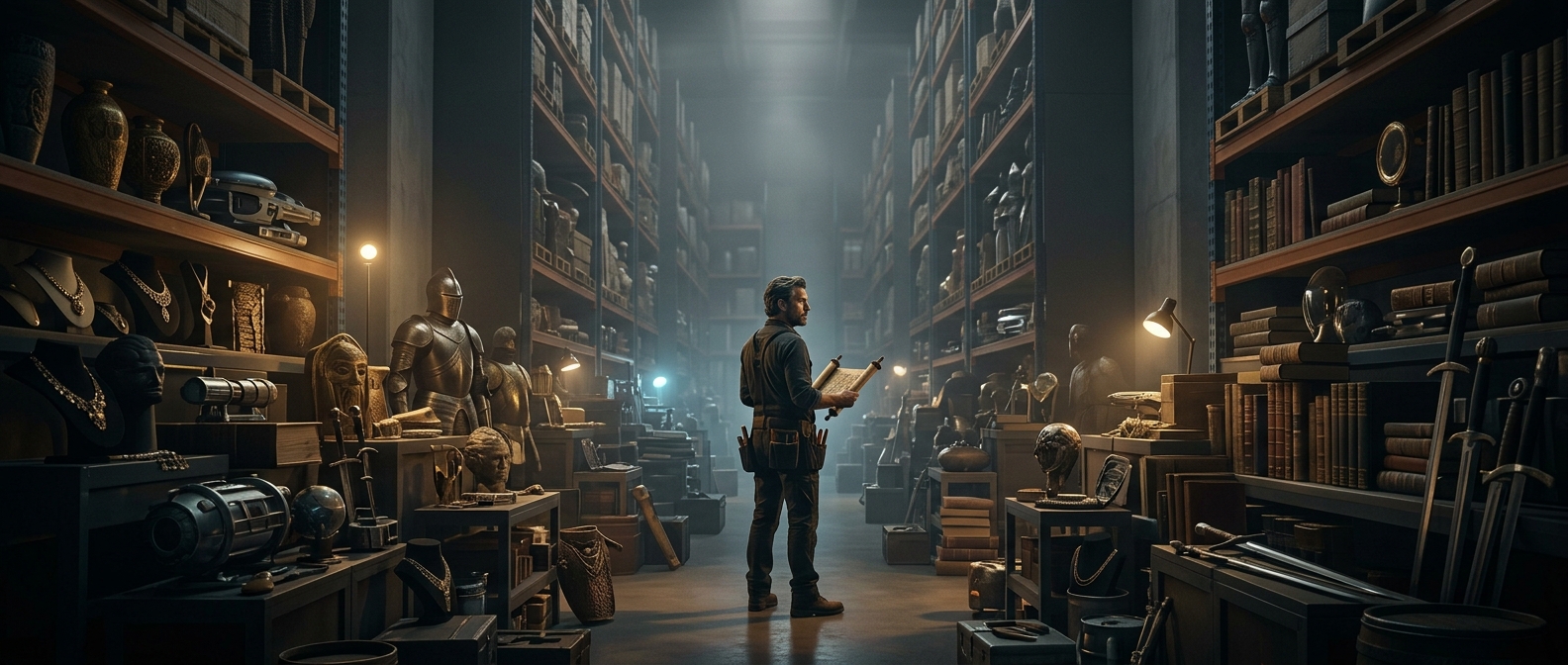
Prop master storage contains thousands of fake items
Prop houses stock detailed replicas—from historical documents to futuristic gadgets—so productions can avoid renting costly or fragile originals.
Discover more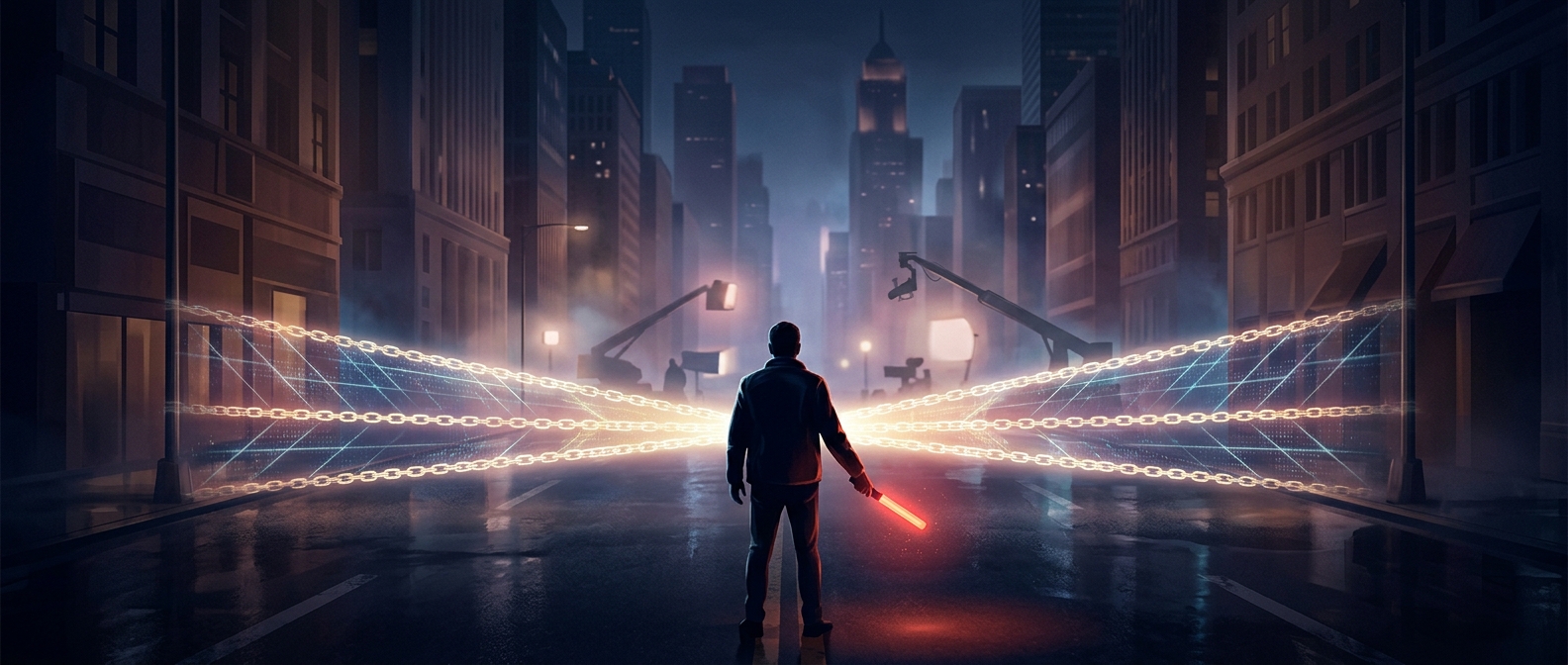
Production assistants lock down streets for filming
When a scene needs an empty avenue, production assistants may block intersections and ask commuters to keep their engines quiet during filming, coordinating…
Discover more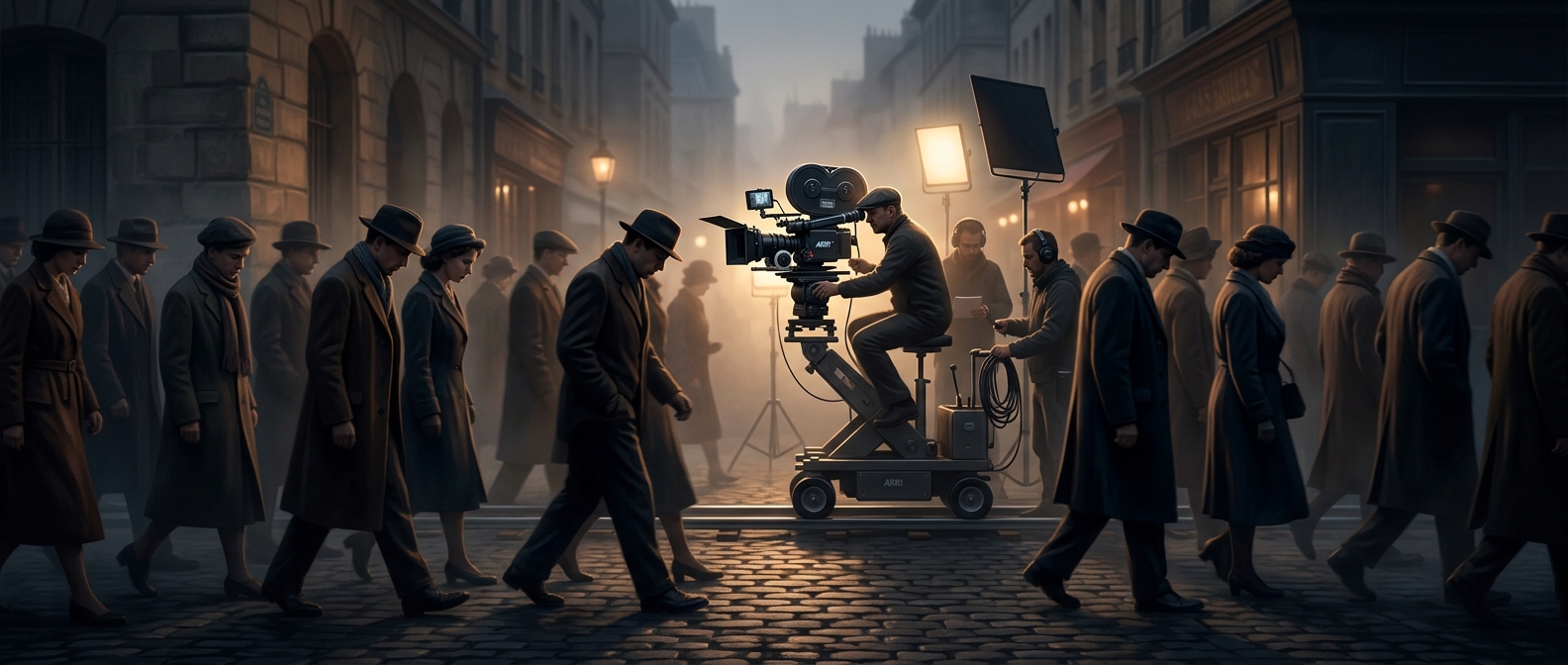
Why movie extras must avoid the camera
Extras are told to look away from the camera so they don't break the illusion of the scene. Even one accidental glance can force the crew to reset a take.
Discover more
Aspect ratios dictate the literal shape of the screen
A wider frame can give a film a greater sense of scale, but it also changes how much vertical space is available for composing a shot.
Discover more
Golden hour provides five minutes of perfect light
A crew may spend ten hours setting up for just 15 minutes of filming in that warm light before the sun drops below the horizon.
Discover more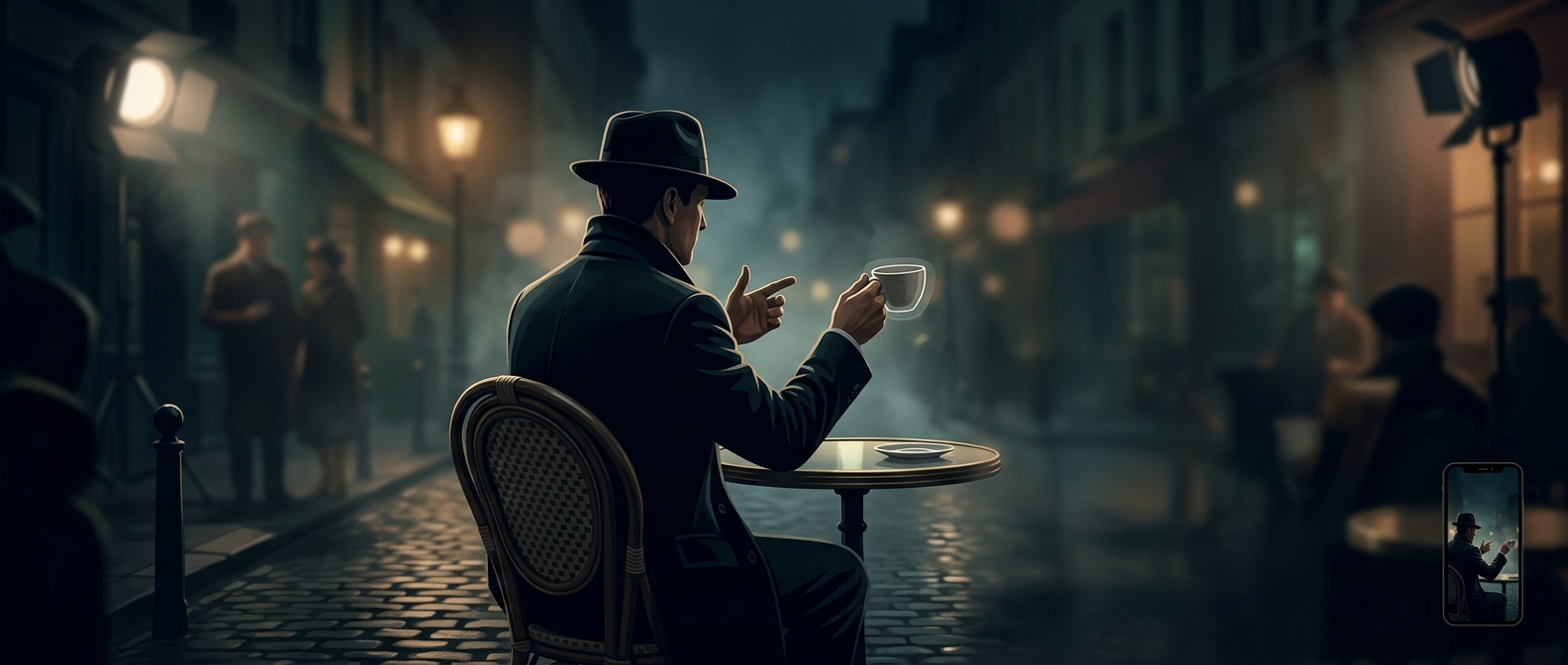
Why movie coffee cups are usually empty
Real liquid can slosh loudly and spill on expensive equipment, so actors often use empty cups and pretend they have weight.
Discover more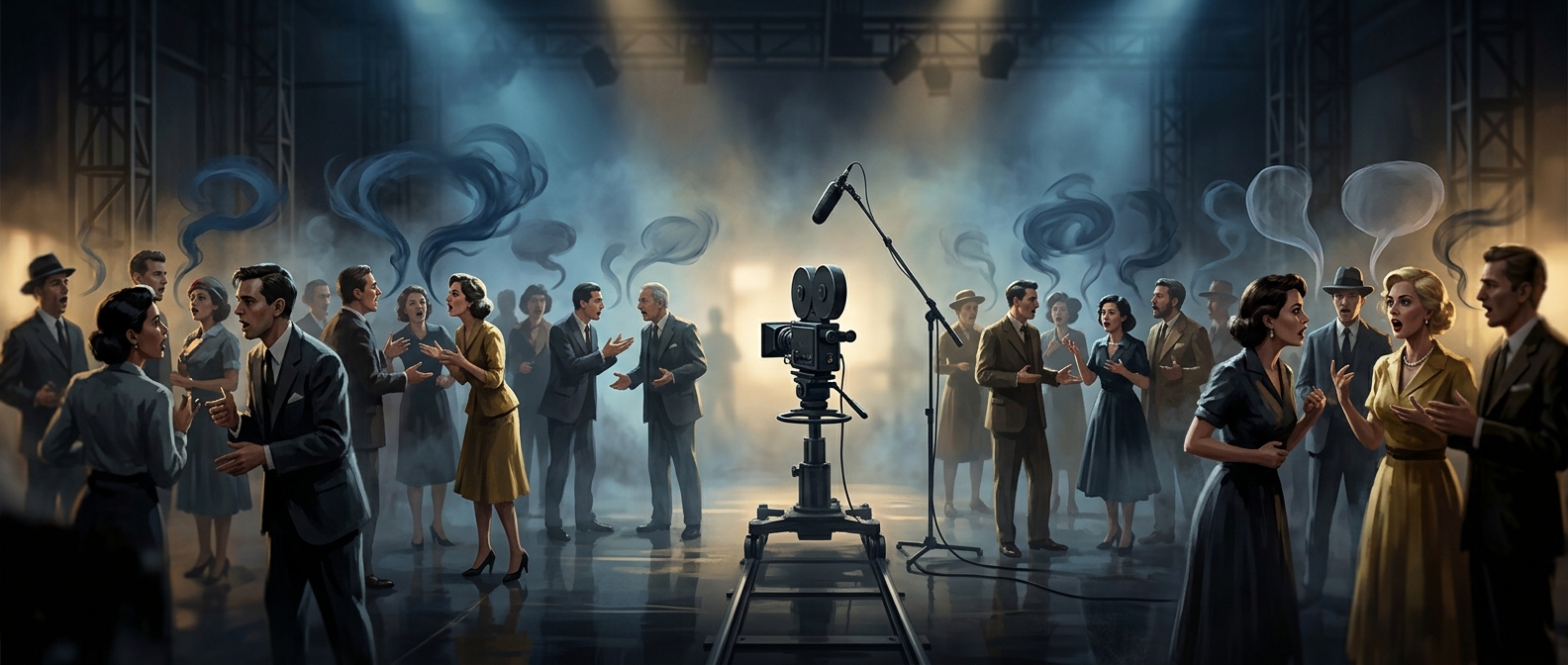
Why movie extras silently mouth nonsense
Background actors often mime conversations so their voices won't interfere with the main dialogue recording.
Discover more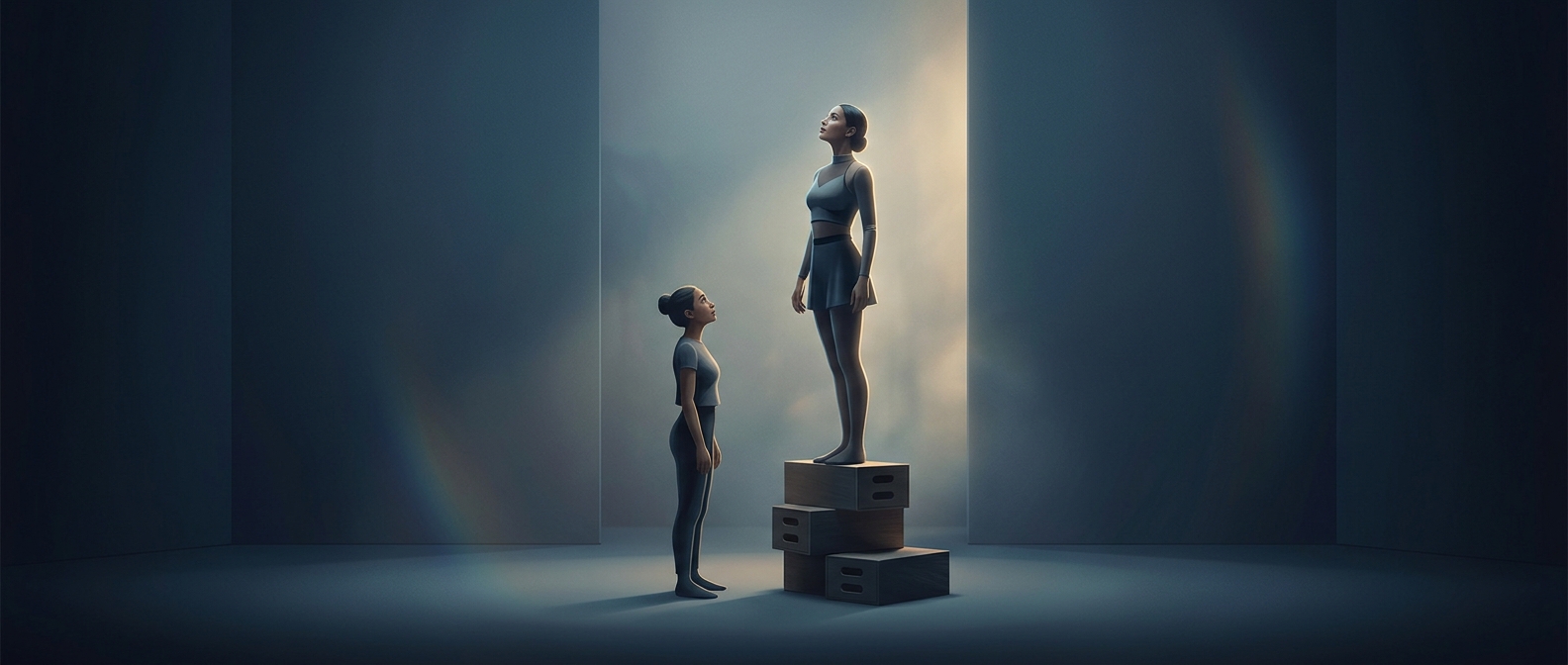
How movie stars get taller without CGI
A sturdy wooden crate just outside the frame can give an actor extra height during a confrontation—no CGI required.
Discover more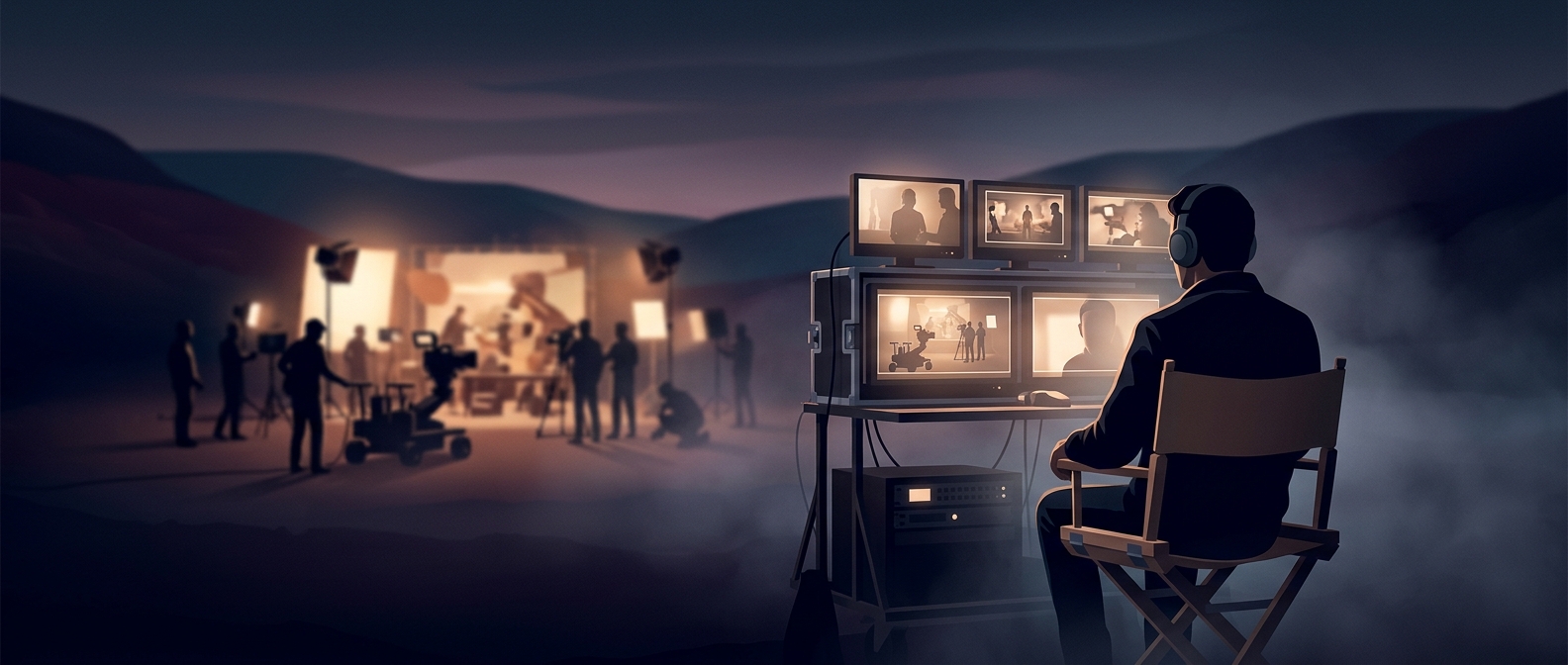
Video villages let producers watch monitors off set
A video village is a group of chairs and monitors set away from the camera, letting producers watch each take without crowding the crew. It gives them a place…
Discover more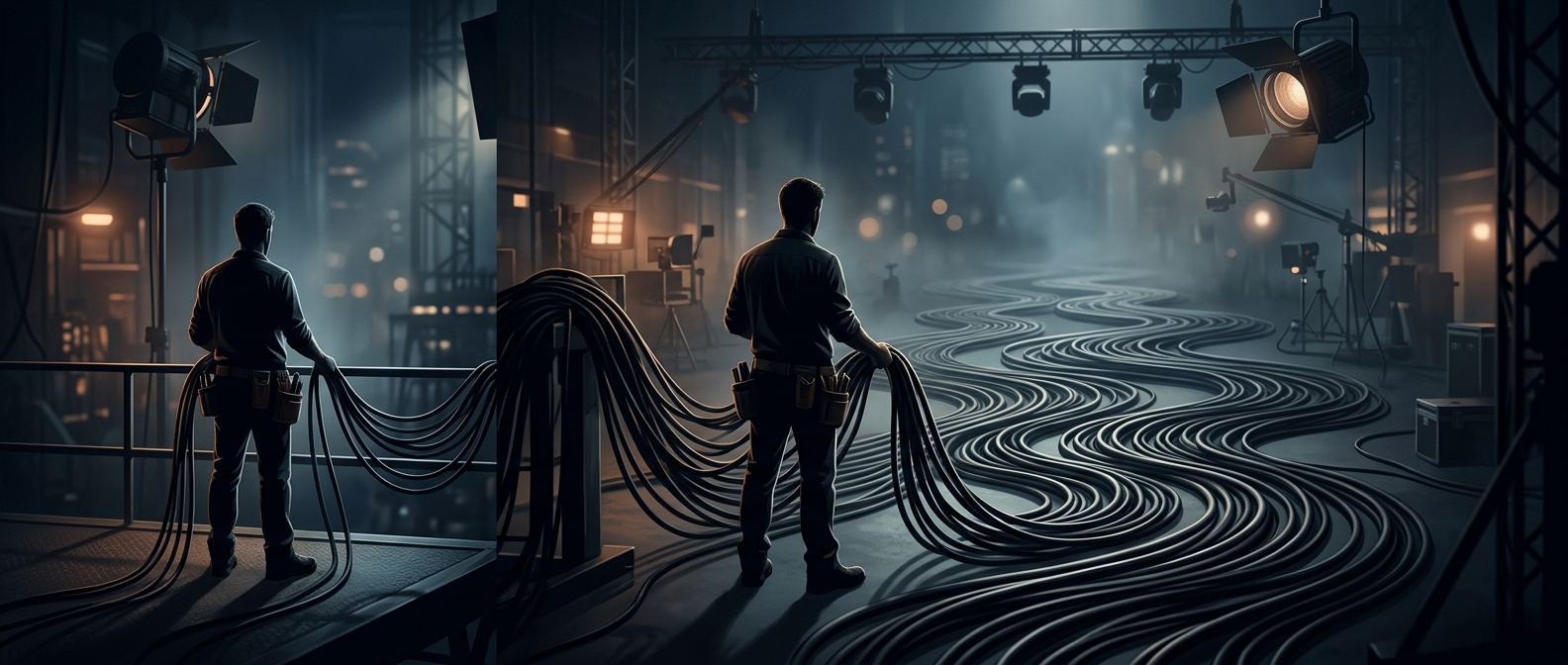
Gaffers manage miles of electrical cable per shoot
Gaffers route heavy electrical cables around sets and away from puddles, often taping them down to reduce hazards for the crew.
Discover more
Basecamps consist of parked motorhomes for cast
These RVs give cast members private, air-conditioned dressing rooms between setups, creating a temporary backstage village on location.
Discover more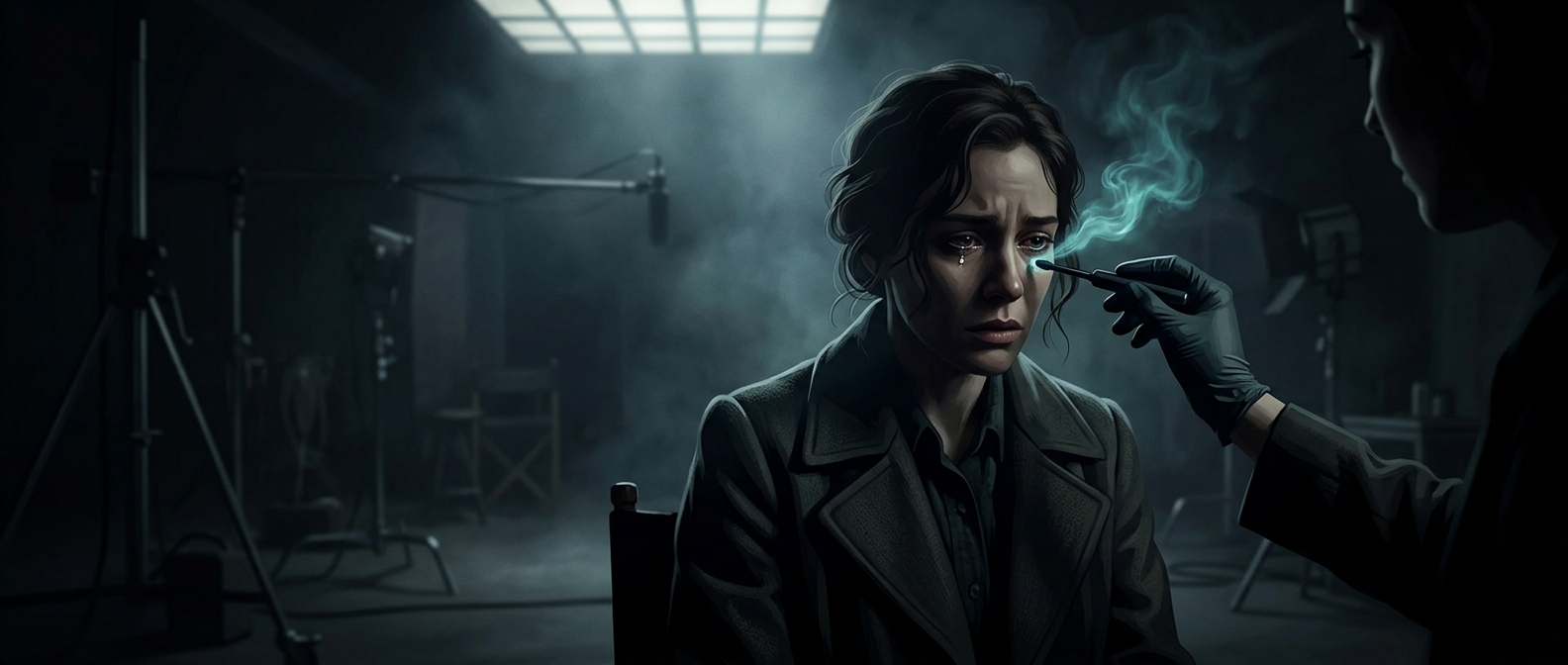
How actors cry on cue without feeling sad
When an actor can’t summon tears, makeup artists can use menthol crystals. Their vapors irritate the eyes and trigger involuntary watering.
Discover more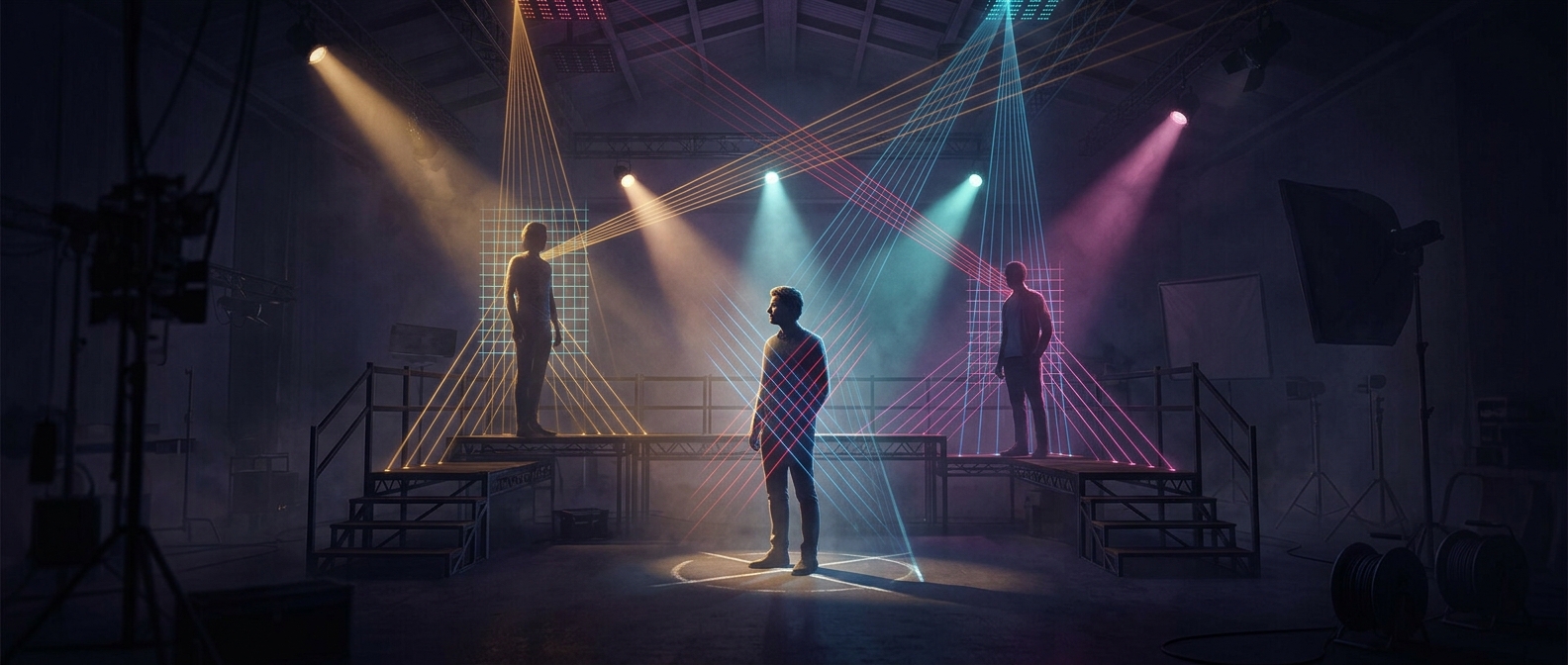
Why film crews use stand-ins for lighting
Stand-ins match an actor's approximate height and complexion so the crew can set the lighting and framing without keeping the star on set.
Discover more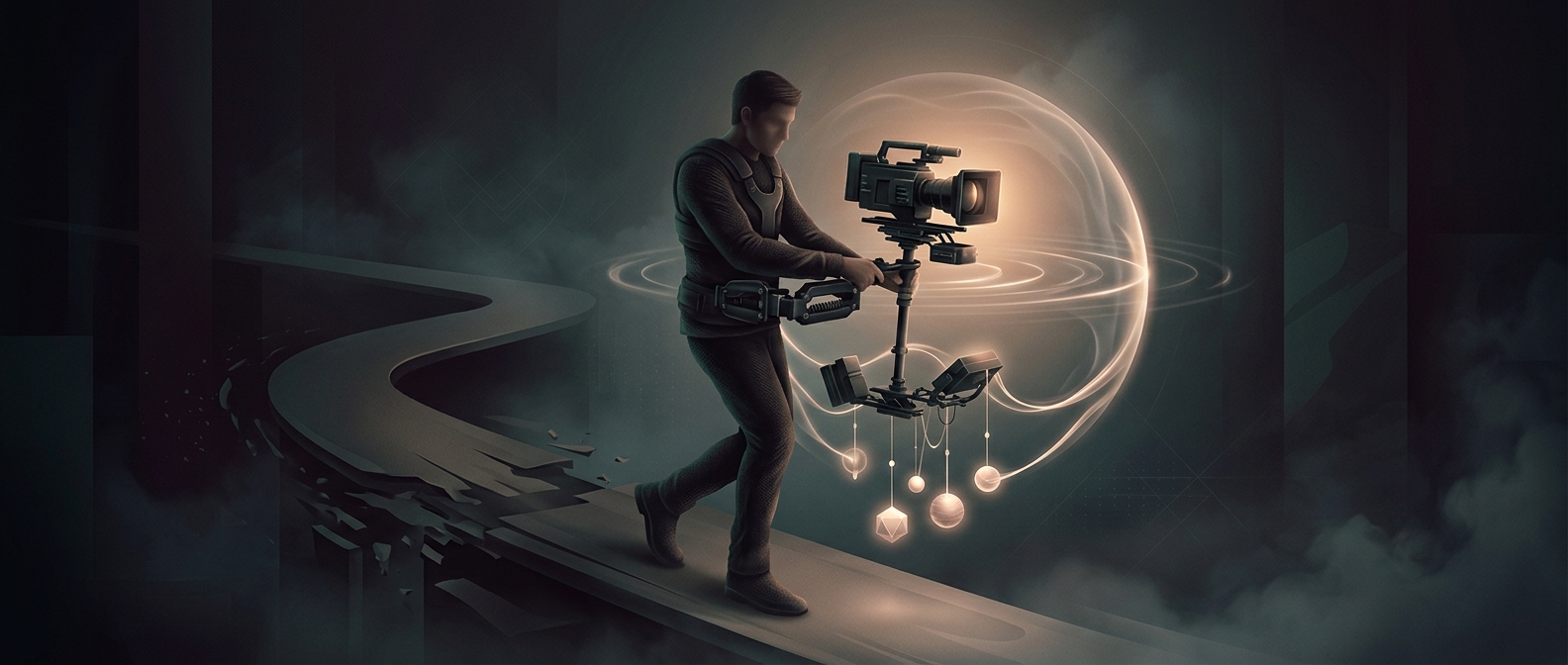
Steadicams use counterweights to isolate movement
A spring-loaded arm and harness absorb much of the operator’s footstep movement before it reaches the camera, creating a smooth, floating shot. The rig can be…
Discover more
A screen corpse can be a custom-built silicone prop
A body sold from Piranha 3DD was a life-size silicone figure altered with wounds, makeup and removable sections. Different scenes call for different materials…
Discover more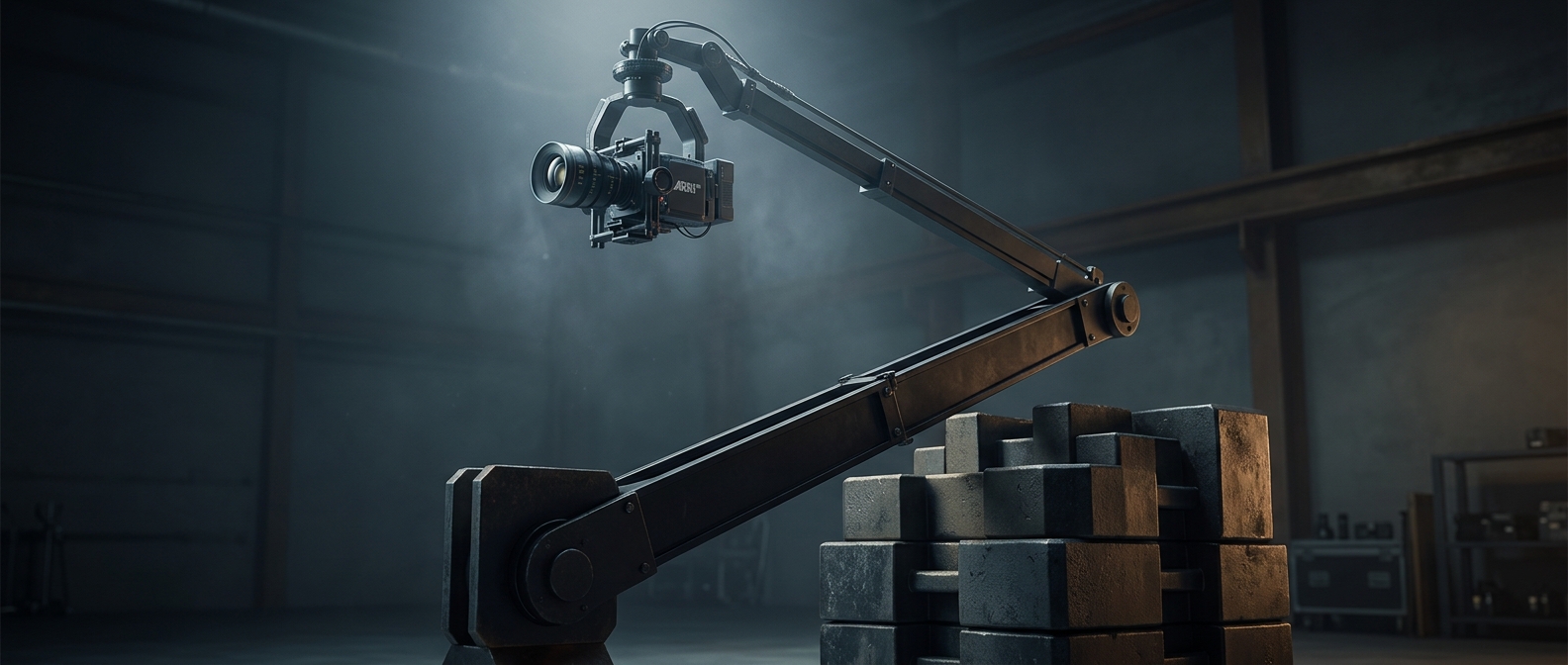
Crane shots require massive counterbalance weights
The counterweights balance the camera arm and help keep the rig from tipping; some setups use tons of dense lead blocks.
Discover more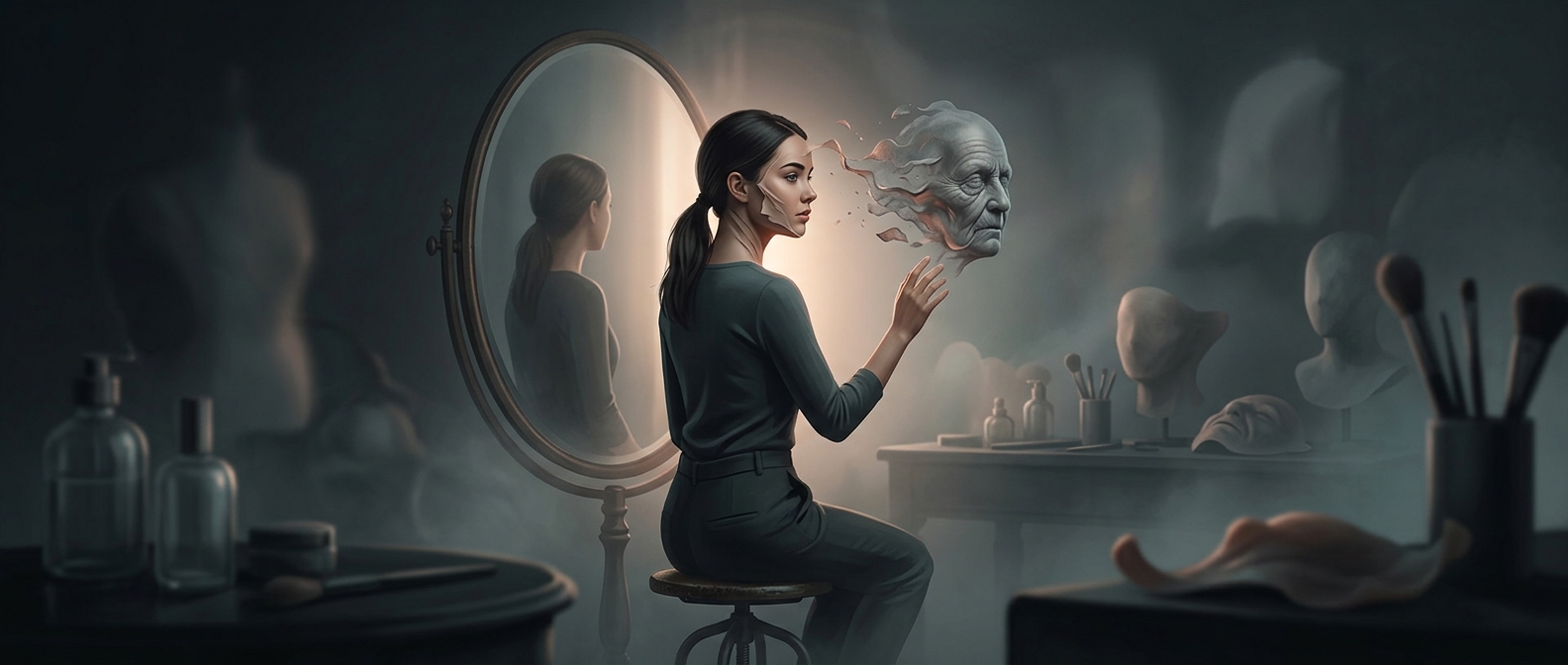
Makeup artists apply silicone prosthetics for aging
Aging makeup can take six hours to apply: artists glue textured silicone pieces to an actor’s face, which can leave them sweating under an unbreathable mask…
Discover more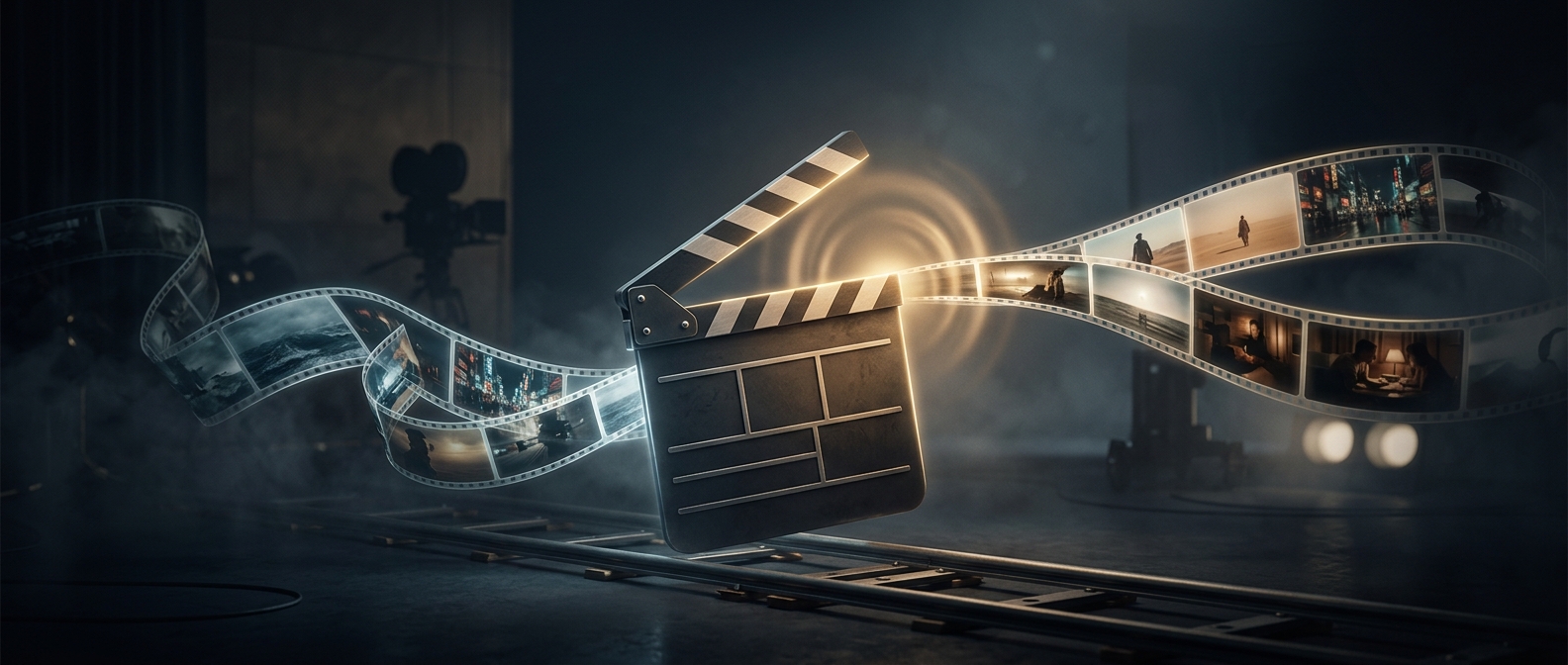
Clapperboards visually sync unlinked camera footage
That iconic striped slate isn't just smacked aggressively for dramatic flair. Because high-end cameras often record visual tracks entirely separate from the…
Discover more