Culture & entertainment
Discover facts about culture & entertainment. Small discoveries that change the way you see familiar things.
Culture & entertainment

Red walkways make green landscaping stand out
Reddish pavement contrasts with the grass and planting around it, adding a strong color boundary to a theme-park scene. The ground becomes part of the visual…
Discover more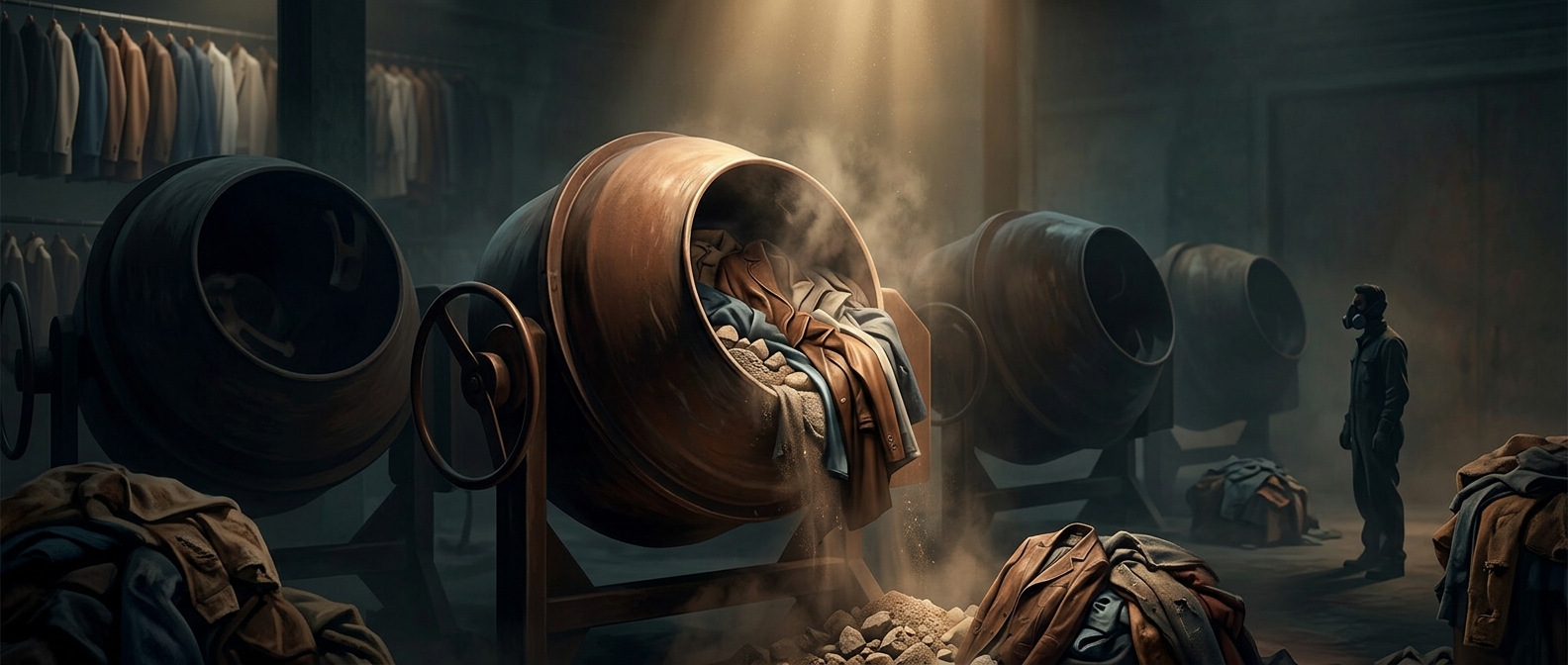
Why film crews destroy brand-new clothes
Wardrobe crews tumble new clothes with heavy rocks in industrial cement mixers to make them look worn and suited to a gritty survival story.
Discover more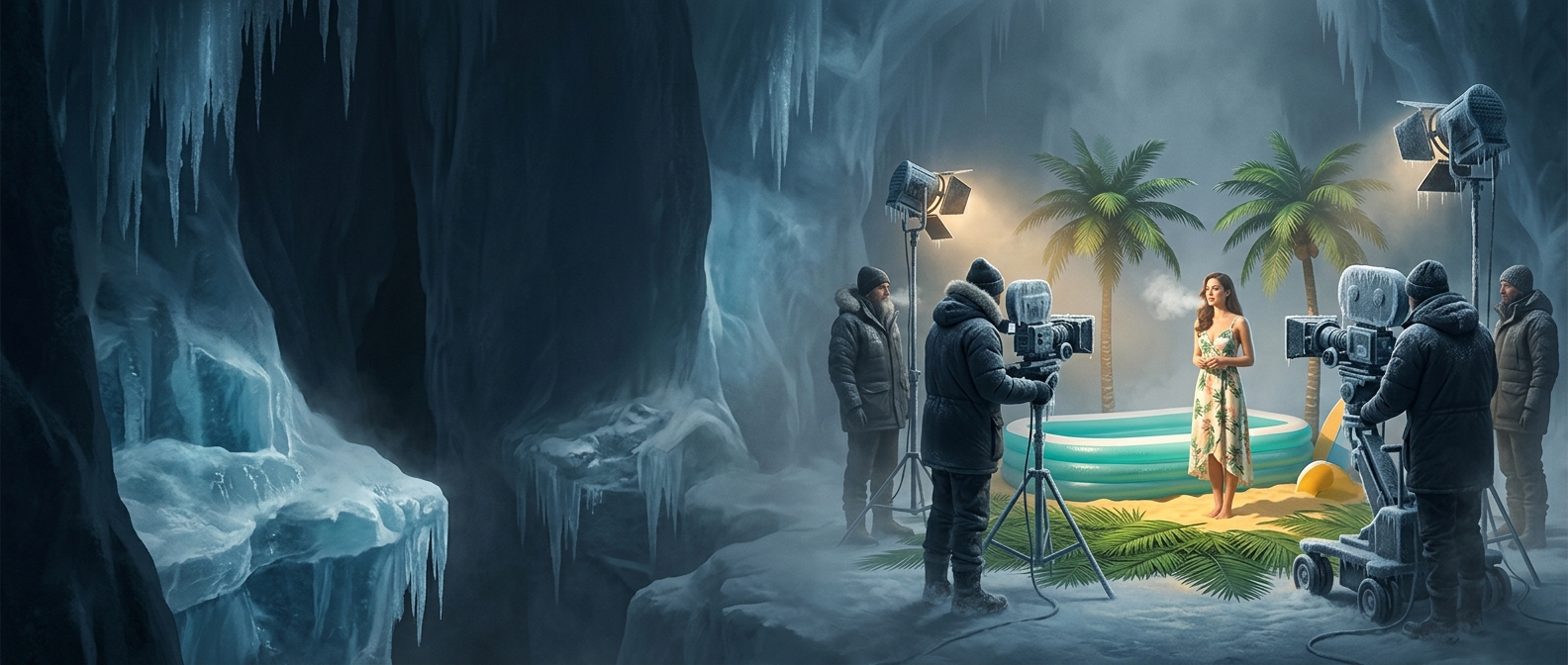
Why films shoot in freezing locations
Local tax rebates can be worth millions, so studios may shoot in a cold, overcast region even when a story is set in sunny California.
Discover more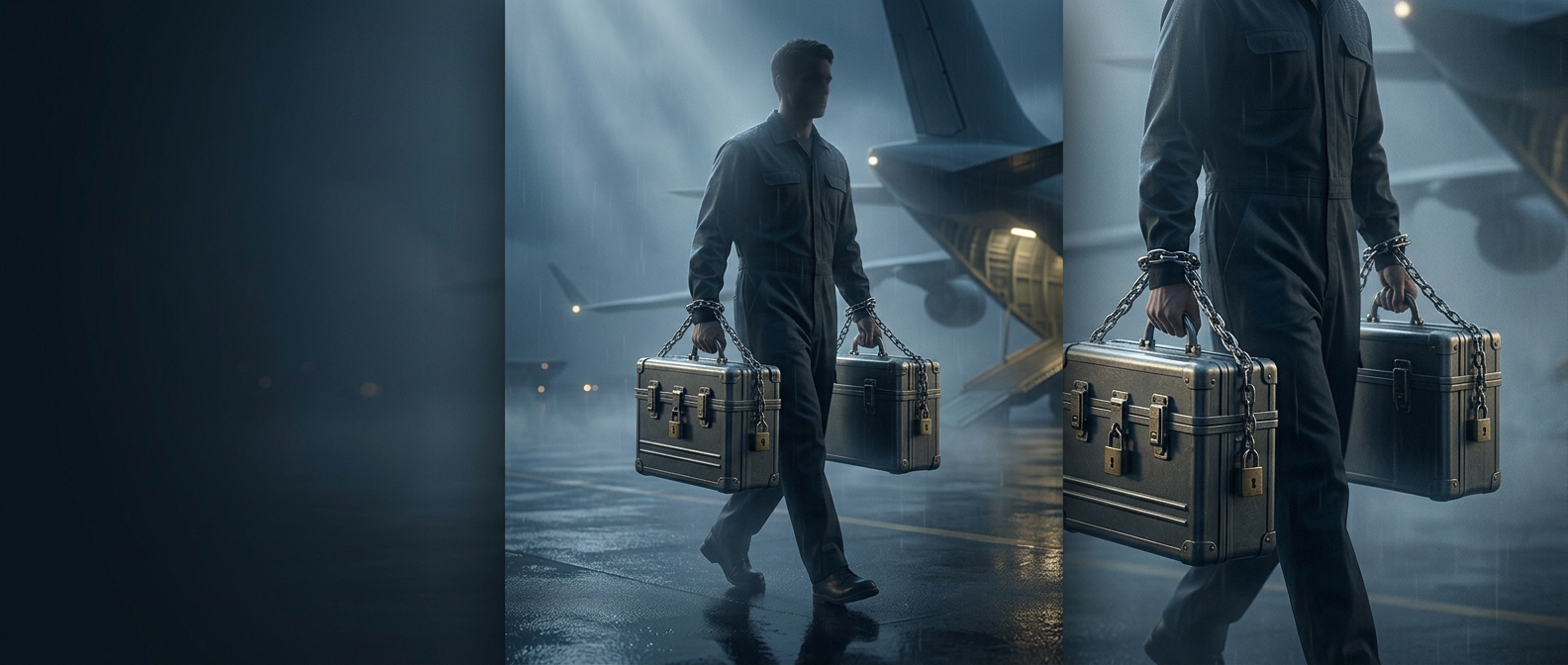
Why movie reels once traveled under armed guard
Studios used armed couriers and handcuffed heavy film canisters to their wrists to prevent piracy before major worldwide releases.
Discover more
Disney's carefully kept greenery is not always alive
Reports from Disney properties document artificial turf replacing or renewing grassy-looking spaces. It can preserve a designed appearance in places where…
Discover more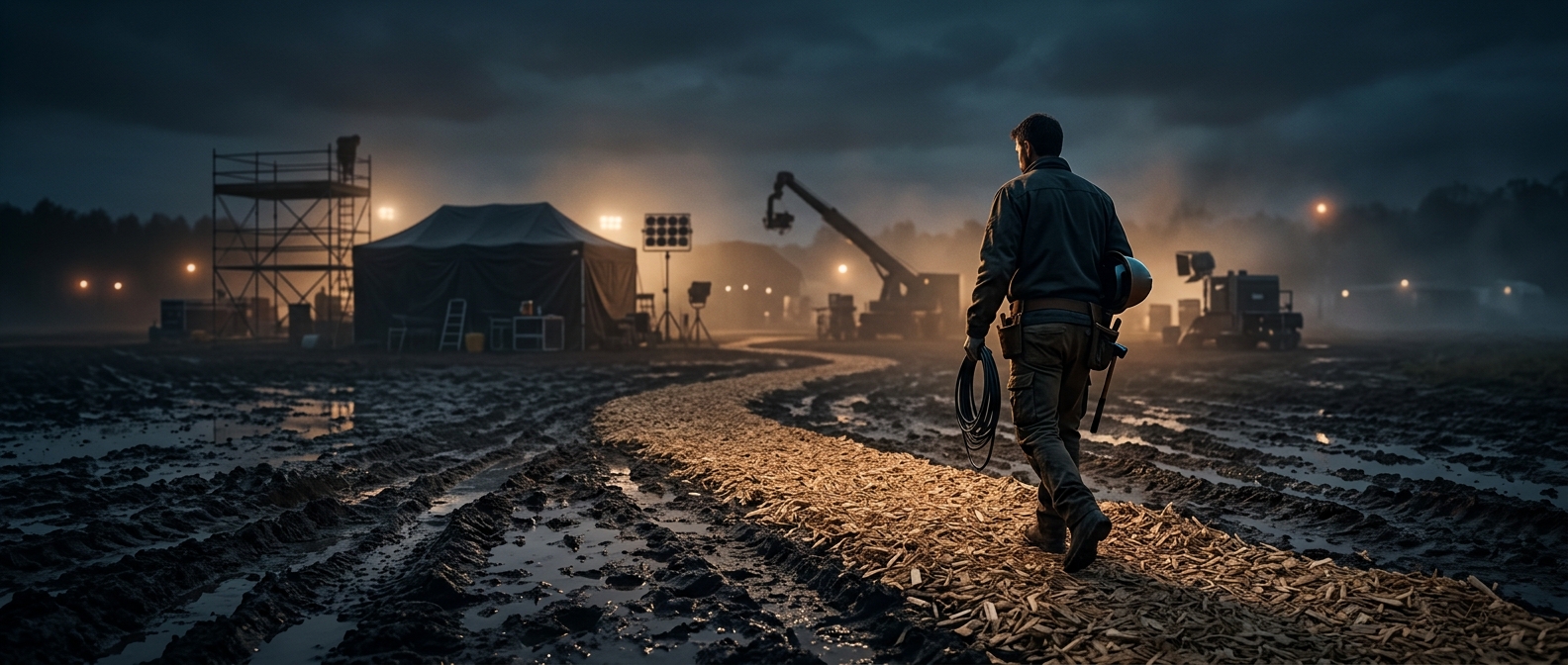
Covering muddy fields in woodchips to prevent sinking
To keep heavy equipment from sinking into wetland mud, logistics crews may spread thousands of pounds of woodchips across miles of field, making a temporary,…
Discover more STACKY FOR IPHONE
A bigger world.
One discovery
at a time.
Keep discovering with Stacky. Interesting facts in an app that is always within reach.
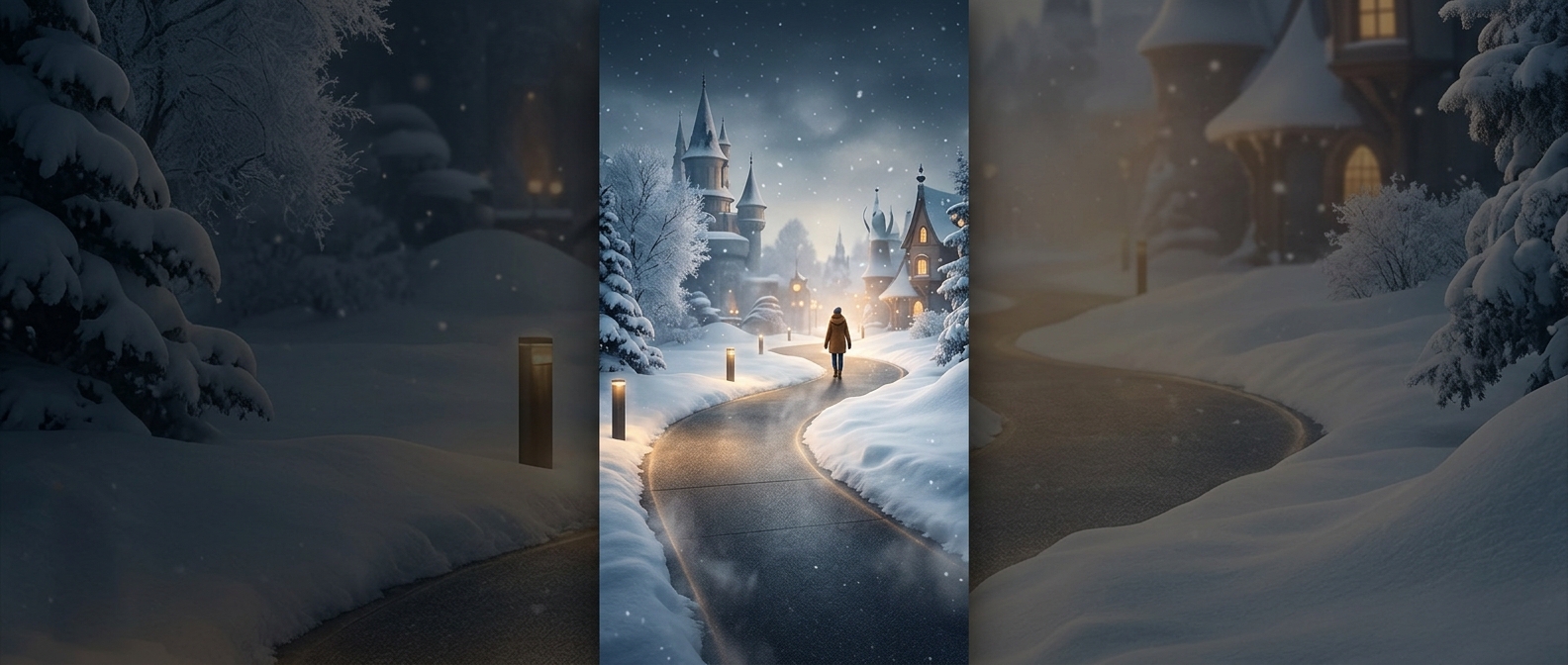
Heating outdoor sidewalks to melt winter snow
Networks of hot-water pipes embedded in the concrete melt snow on contact, so visitors can keep walking through the park during a blizzard.
Discover more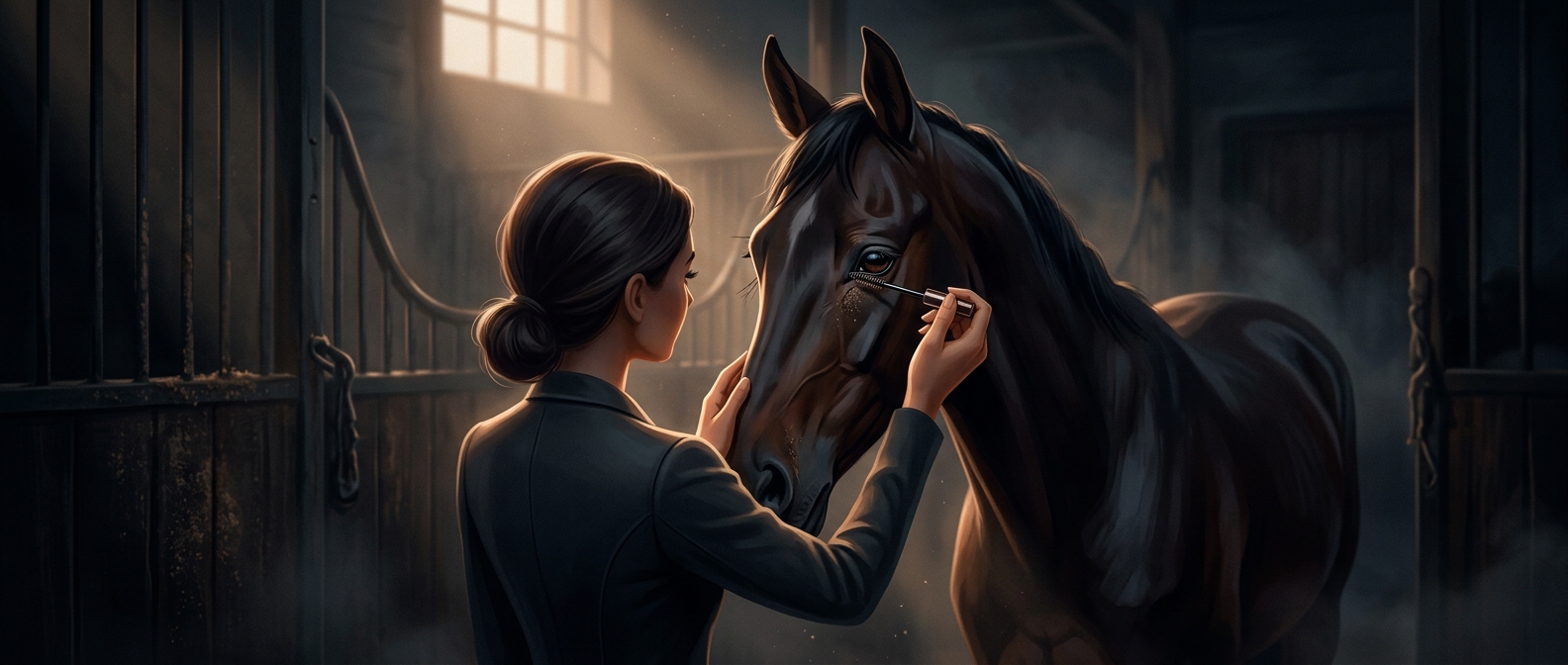
Why movie horses get their eyelashes brushed
Between muddy battle scenes, crew members use mascara wands to brush dried dirt from horses’ eyelashes so their eyes look clean in close-ups.
Discover more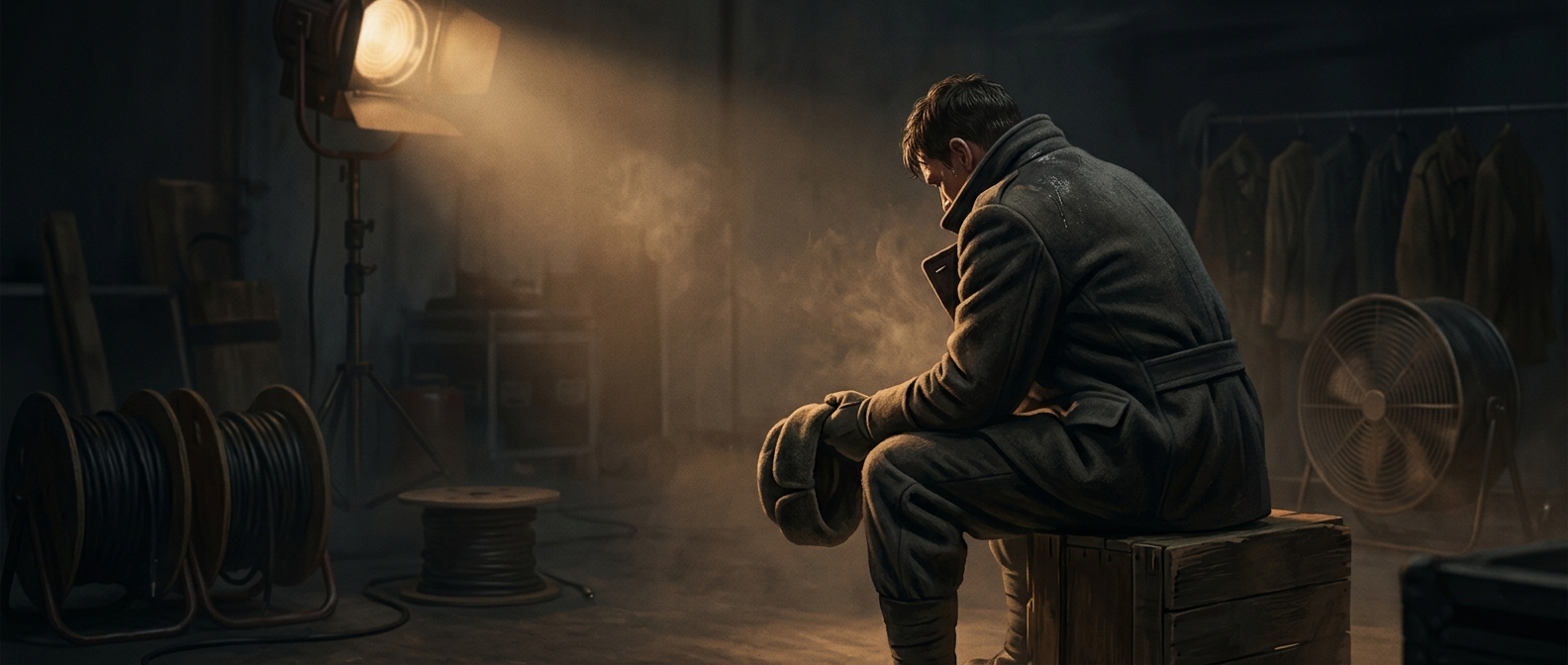
Movie extras can swelter in real wool uniforms
Productions sometimes use genuine vintage uniforms to save money, leaving extras to march in thick, non-breathable wool.
Discover more
A lion can help with its own checkup—from behind a barrier
Keepers train big cats to approach a target and present body parts in exchange for rewards such as meat. At the Smithsonian's National Zoo, a red sphere on a…
Discover more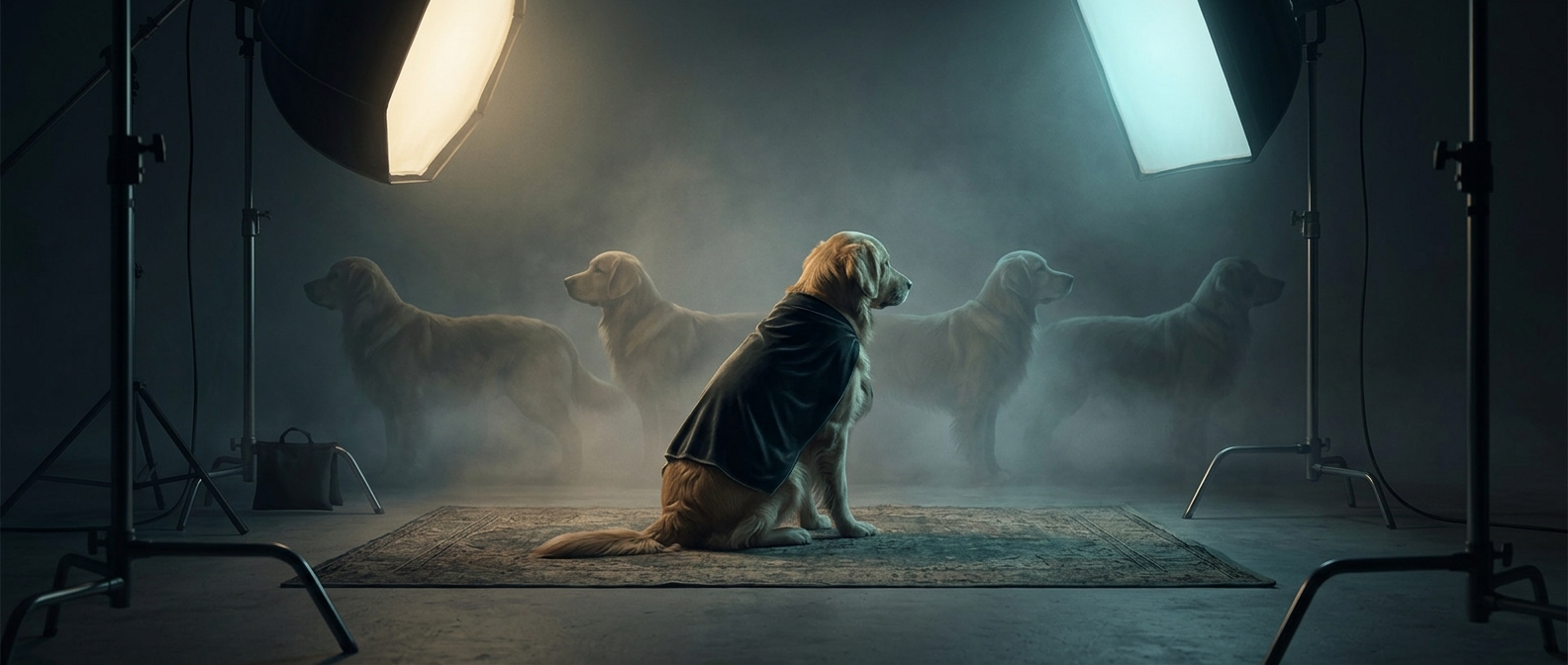
One screen dog can be played by several real dogs
Productions can use look-alike animals for different trained actions or rotate them so one animal doesn't have to do every take. Editing then joins the…
Discover more
Why some resorts ban chewing gum
Some large park resorts don't sell gum because banning it is cheaper than having workers scrape wads off the pavement.
Discover more
The filmmakers who maxed out credit cards
Some low-budget horror filmmakers financed equipment and catering by maxing out credit cards, gambling that box-office returns would arrive before the bills…
Discover more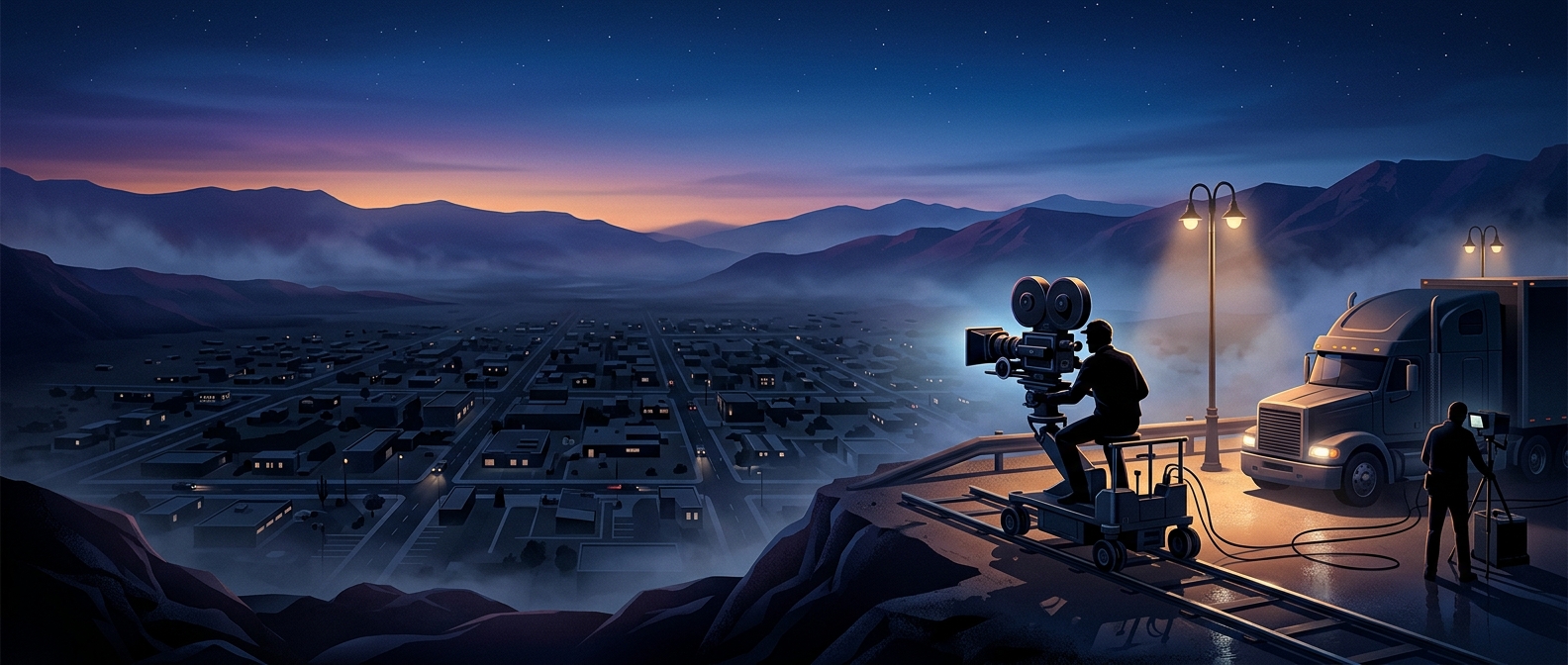
Paying towns to turn off their streetlights
For historical dramas set before electricity, production crews may pay municipalities to shut down the power grid for a night, leaving residents in the dark.
Discover more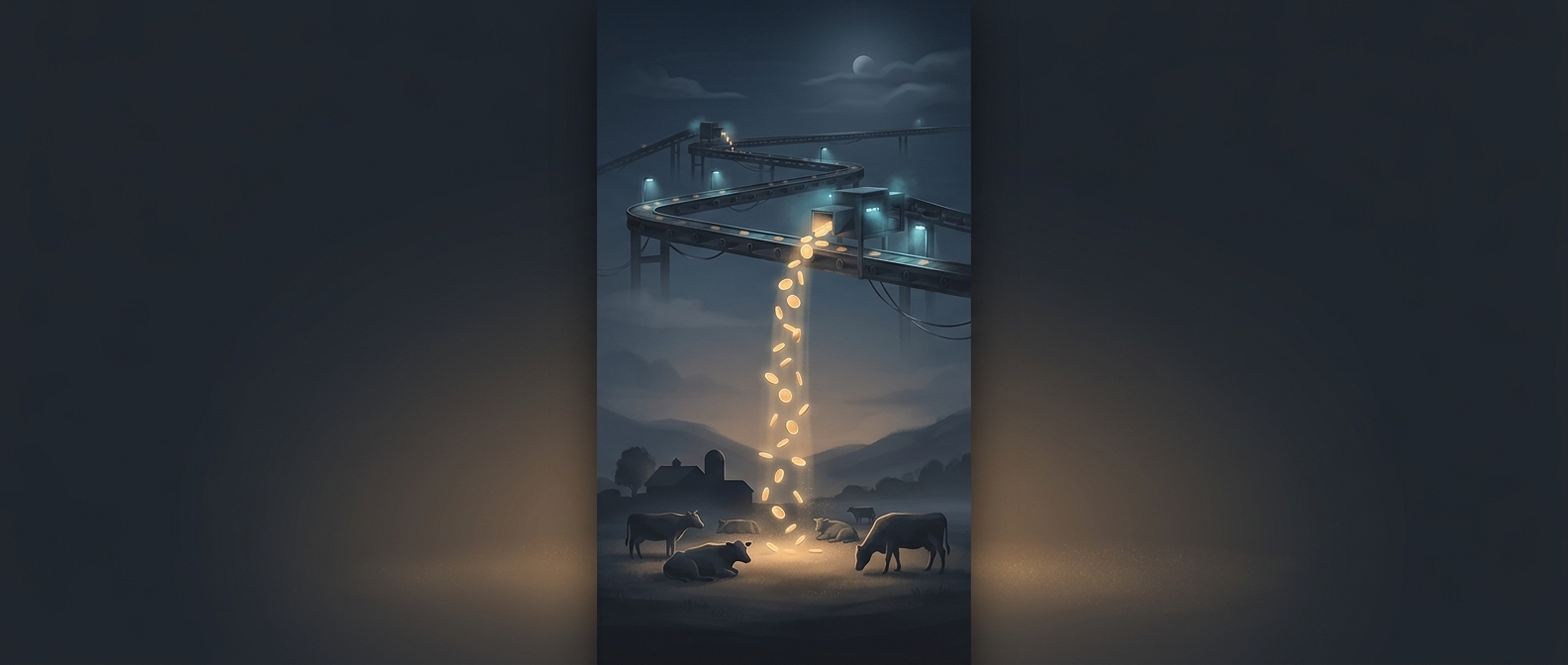
Why film crews pay farmers after night shoots
Loud nighttime explosions can disturb nearby cattle and reduce milk production, so film crews compensate farmers whose herds are affected.
Discover more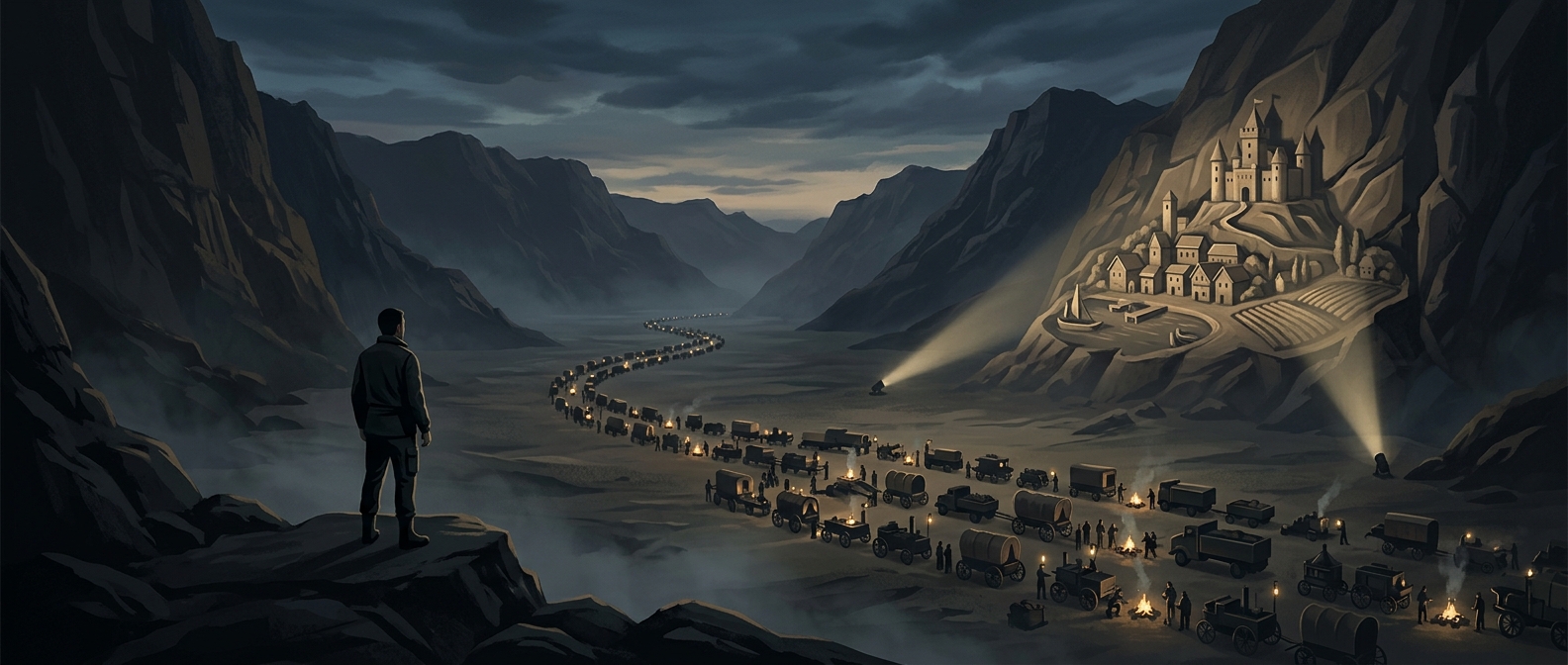
Even Middle-earth needed a catering crew
Flying Trestles catered the Lord of the Rings films from 1999 to 2003. Behind those remote landscapes was another operation moving kitchens and feeding…
Discover more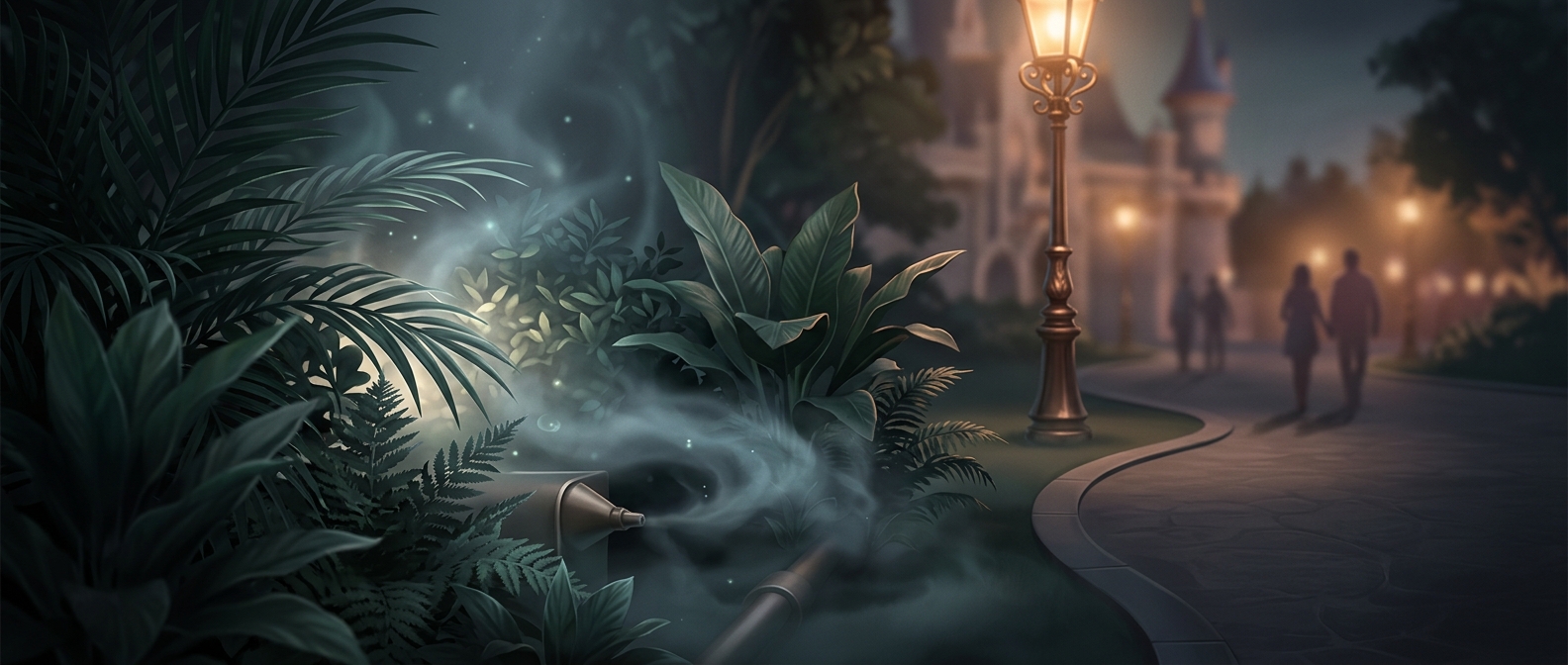
How resorts hide their mosquito control
Some resorts conceal exhaust vents in artificial plants and use them to disperse chemical mosquito deterrents around the grounds.
Discover more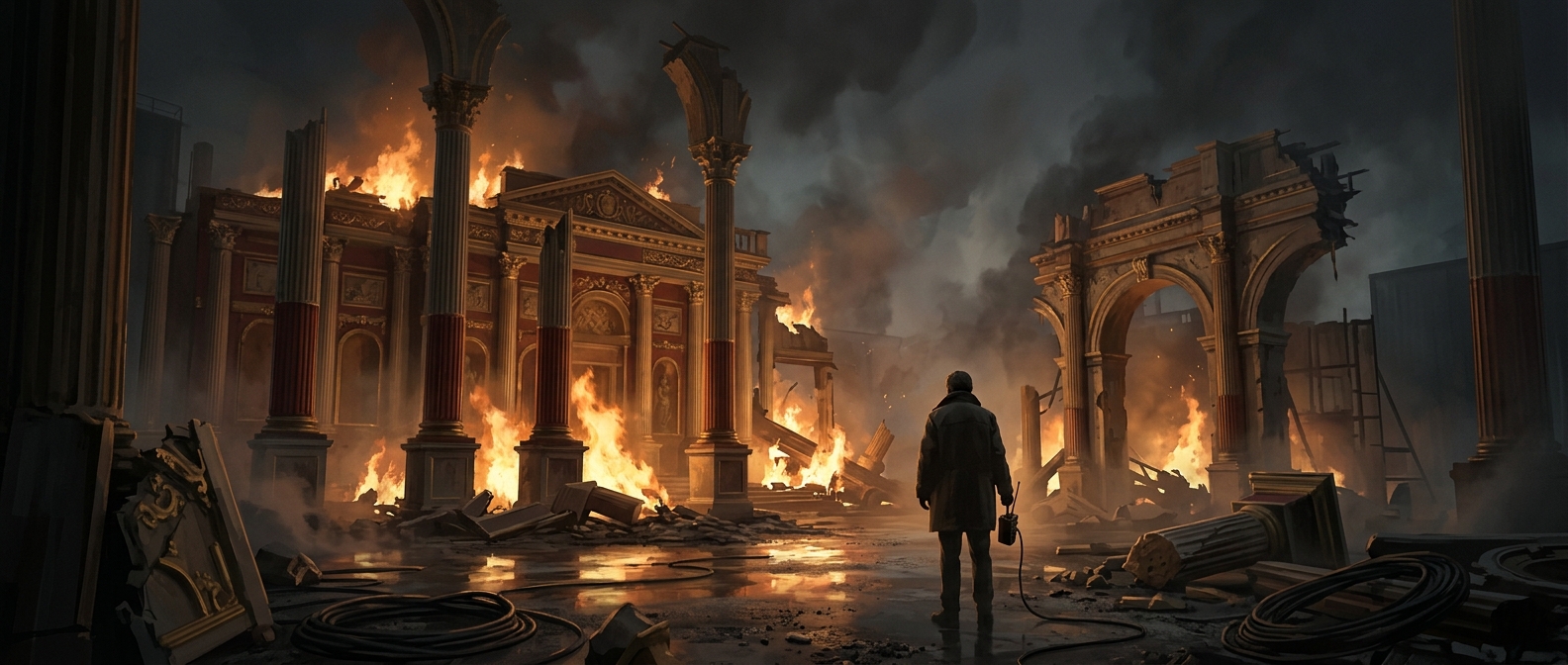
Why Hollywood destroys million-dollar sets
Storing a set for a possible sequel can cost more than destroying it, so studios sometimes dismantle elaborate sets rather than rent warehouse space.
Discover more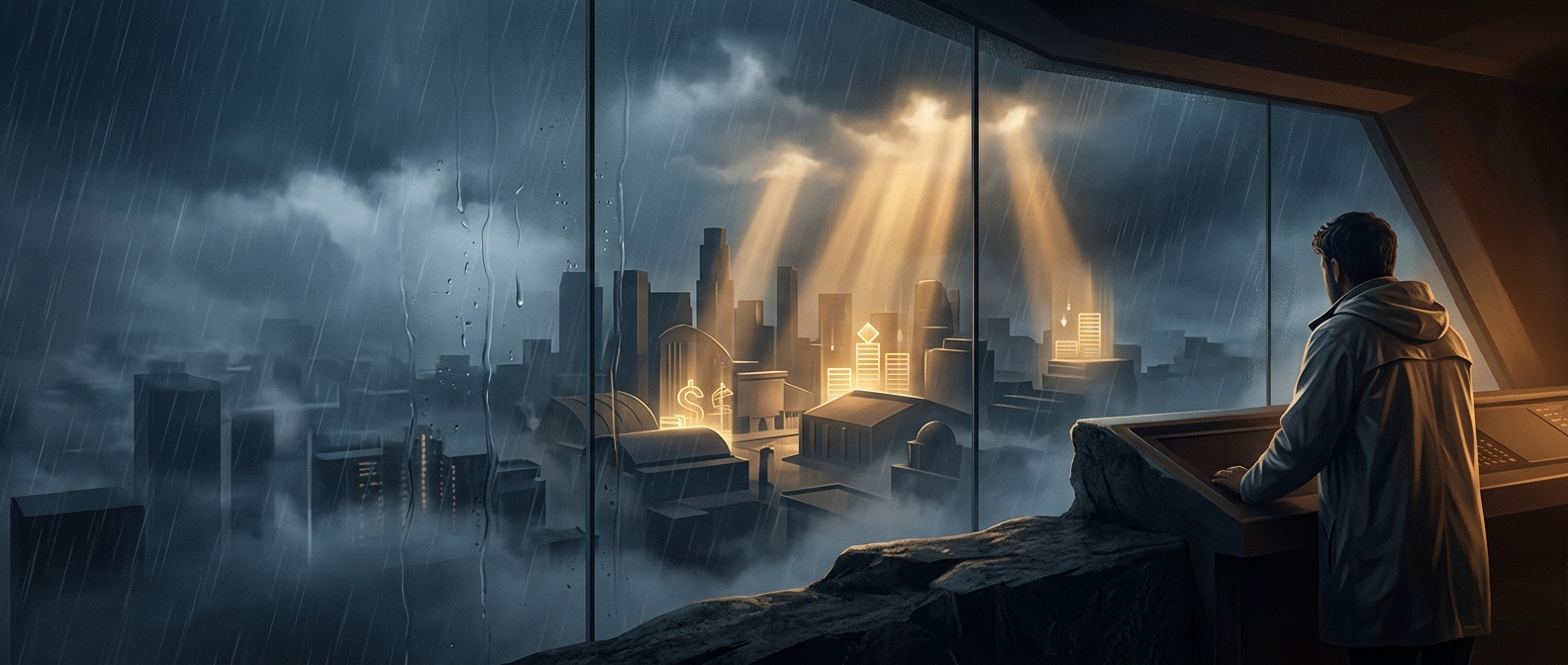
Allocating specific budget bonuses for miserable weather
Union rules can require a “wet pay” bonus when a production deliberately exposes background performers to simulated rain or swamp conditions.
Discover more
Changing international titles due to accidental insults
A dramatic title in one language can become offensive or embarrassing when translated literally, so studios sometimes choose a different name for overseas…
Discover more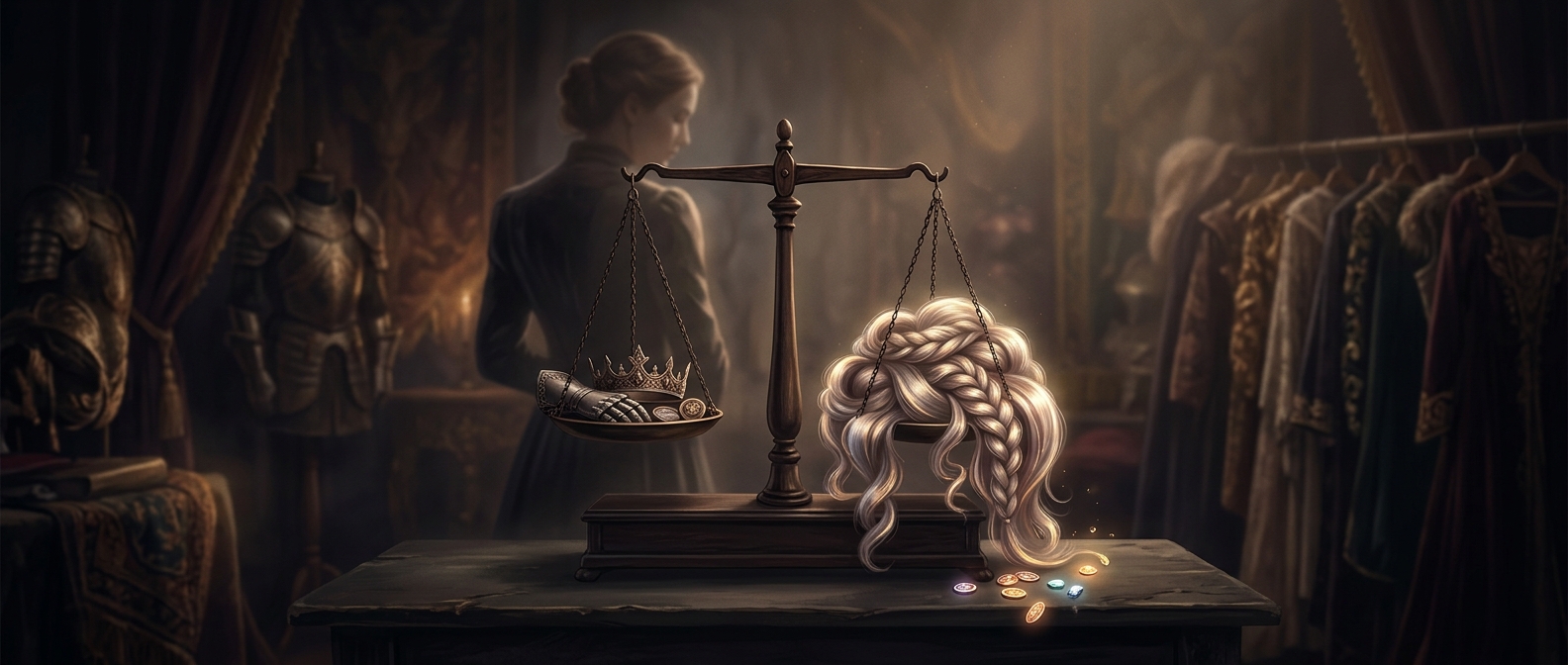
The Hobbit needed different-sized versions of the same hair
Actors, stunt doubles, and scale doubles needed matching wigs and beards so a dwarf looked like the same person across shots. Hair designer Peter Swords King…
Discover more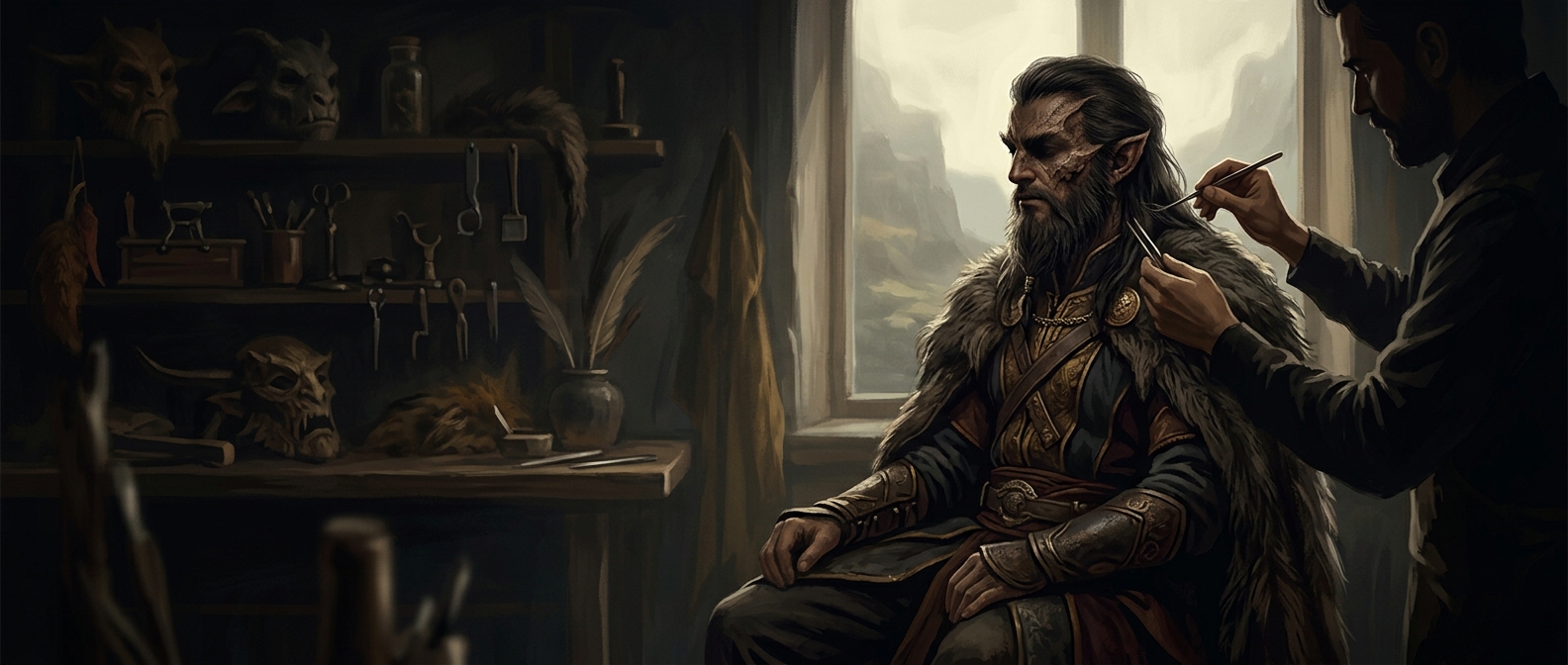
Why fantasy dwarves wear yak hair
High-end fantasy productions use coarse, imported yak hair for its rugged look, hand-gluing it onto actors’ faces instead of using synthetic hair.
Discover more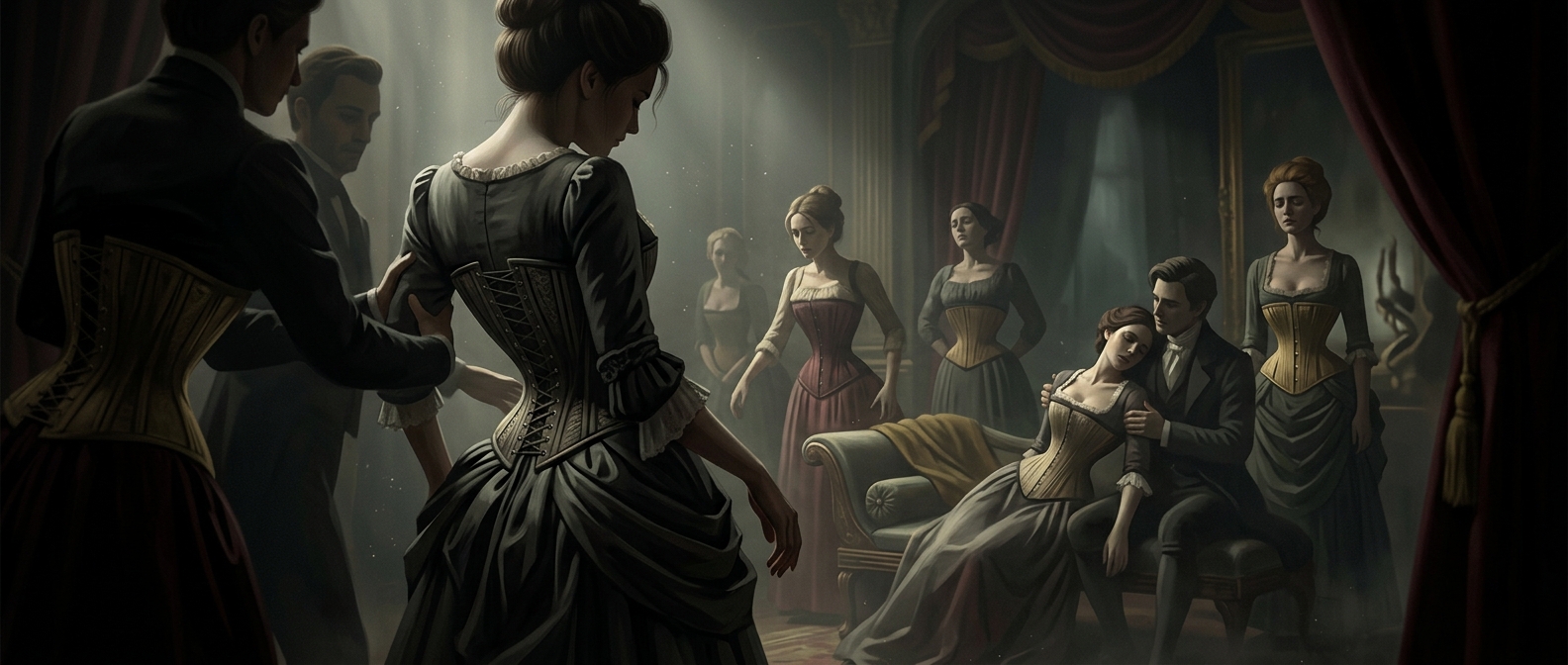
Why period costumes sometimes make performers faint
Period-accurate corsets can be so constricting that performers faint, forcing production to stop. The risk can be worse under hot studio lights.
Discover more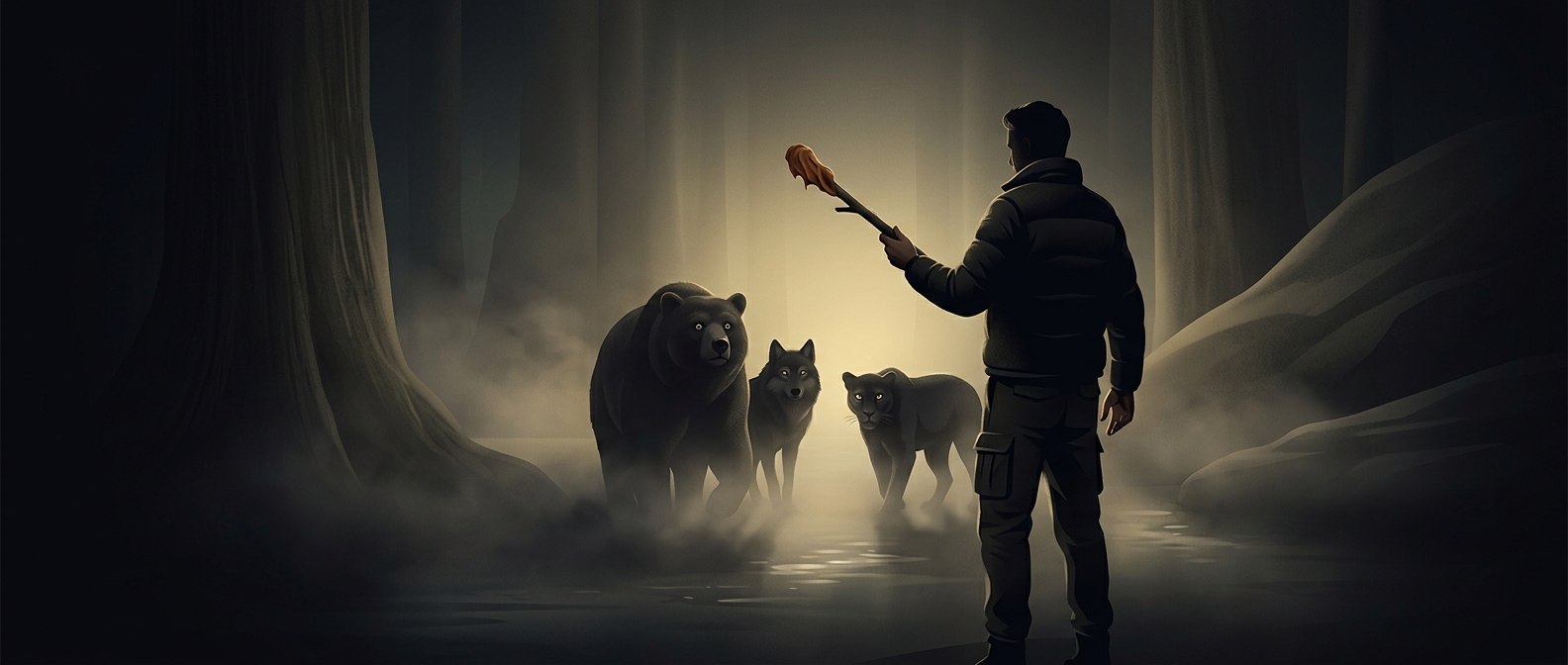
How filmmakers make animals stare on cue
Crews can smear peanut butter on a pole and hold it just off-camera to draw an animal's gaze.
Discover more