Culture & entertainment
Discover facts about culture & entertainment. Small discoveries that change the way you see familiar things.
Culture & entertainment
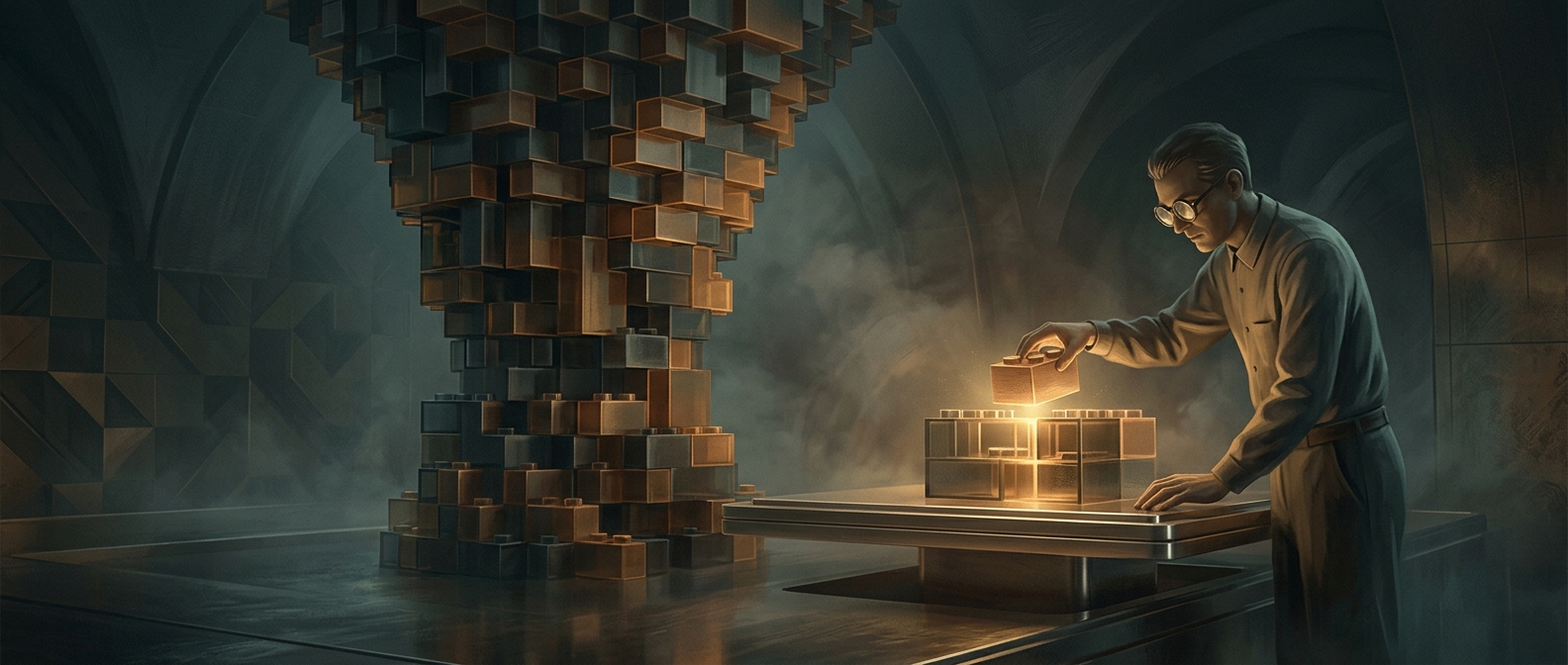
Lego bricks grip together via clutch friction
The tubes under each brick press against the studs below, creating friction that holds the bricks together. The tight fit can make them stubborn to pull…
Discover more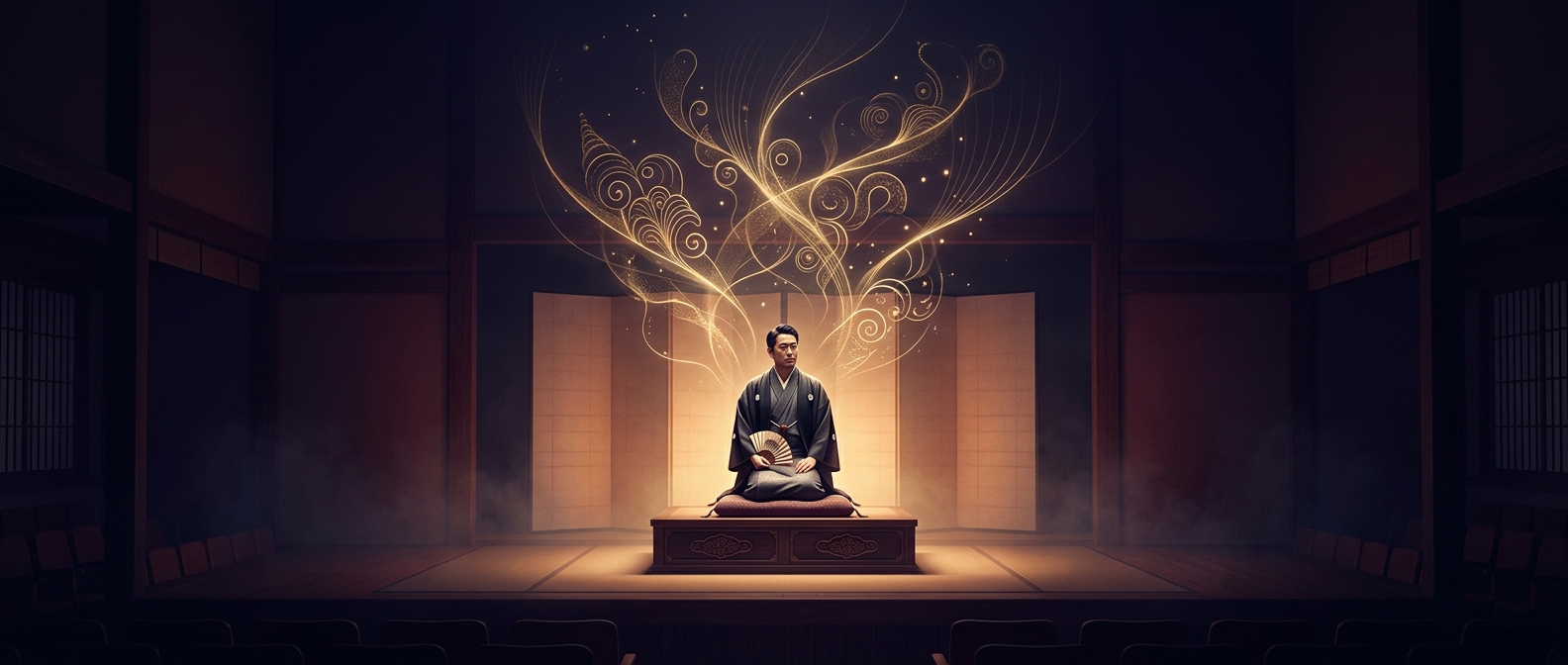
The comedy show where the performer never stands
In Japanese Rakugo, a solo storyteller sits on a cushion throughout the show, using only a paper fan and a small cloth.
Discover more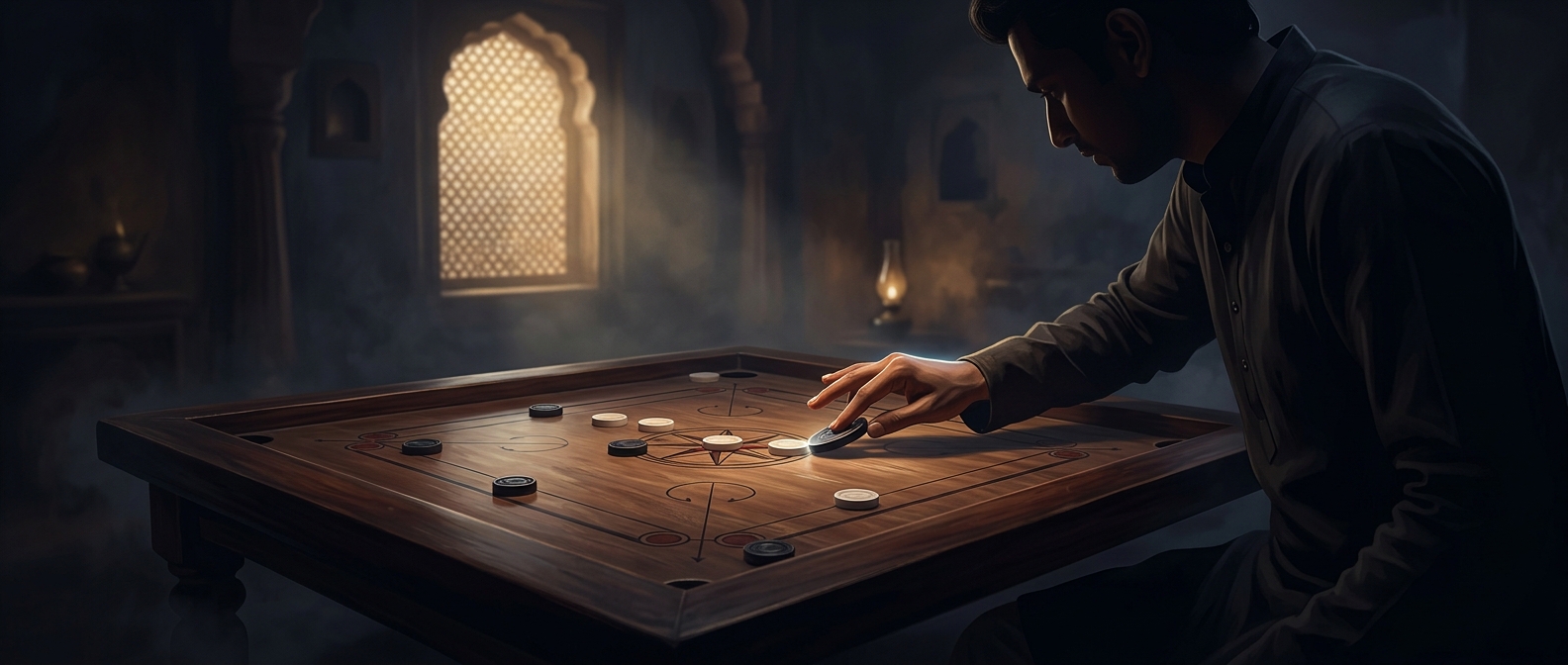
Carrom is an Indian tabletop game played by flicking disks
Players flick a striker with a finger to knock wooden disks into corner pockets, much like billiards without a cue.
Discover more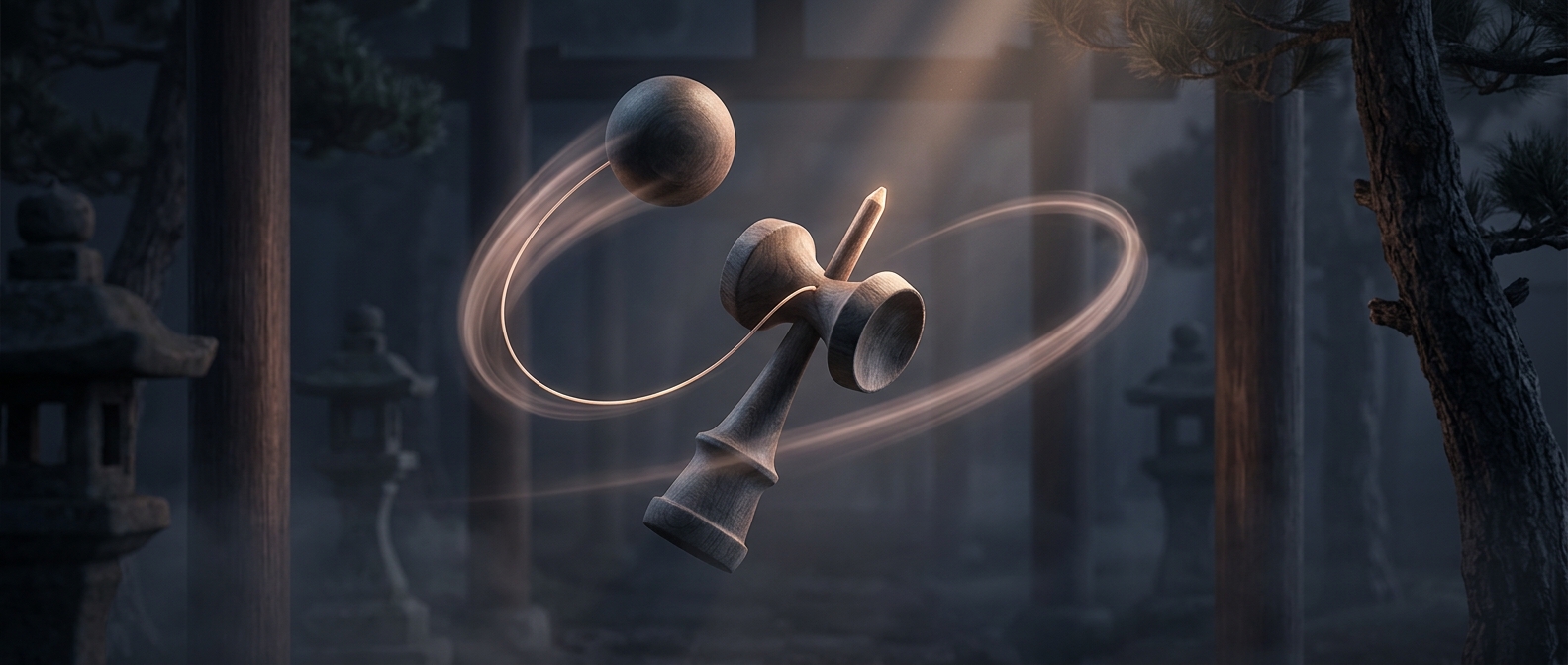
Kendama is a Japanese toy featuring three cups and a spike
Players must catch the attached ball on one of the cups or spear it on the spike, turning a simple catch into a test of hand-eye coordination.
Discover more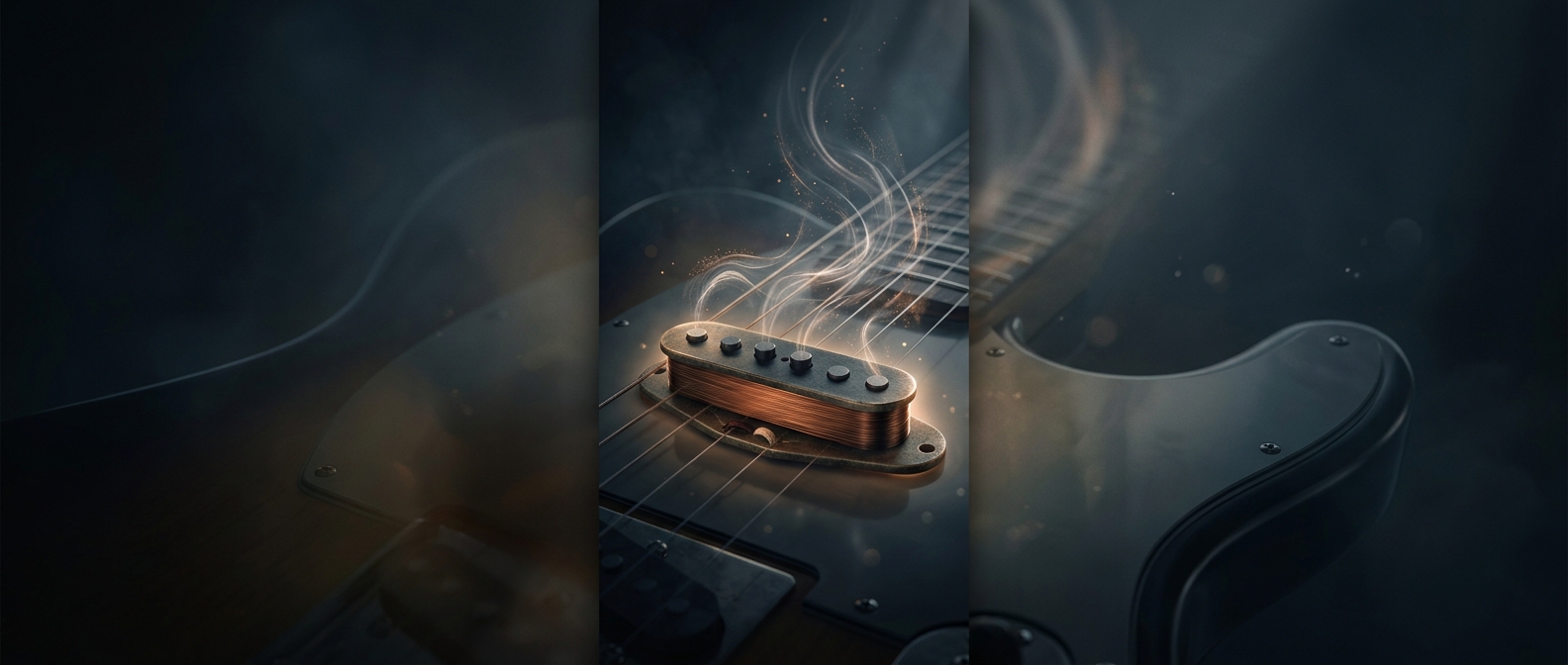
Electric guitars catch vibrations with magnets
Vibrating metal strings disturb the pickups’ magnetic fields, inducing a small current in their copper coils. An amplifier boosts that signal into sound.
Discover more
Why Vine’s six-second limit was inspired by texting
The founders wanted the video equivalent of a short text message, so six seconds was a design choice, not a technical limit.
Discover more STACKY FOR IPHONE
A bigger world.
One discovery
at a time.
Keep discovering with Stacky. Interesting facts in an app that is always within reach.
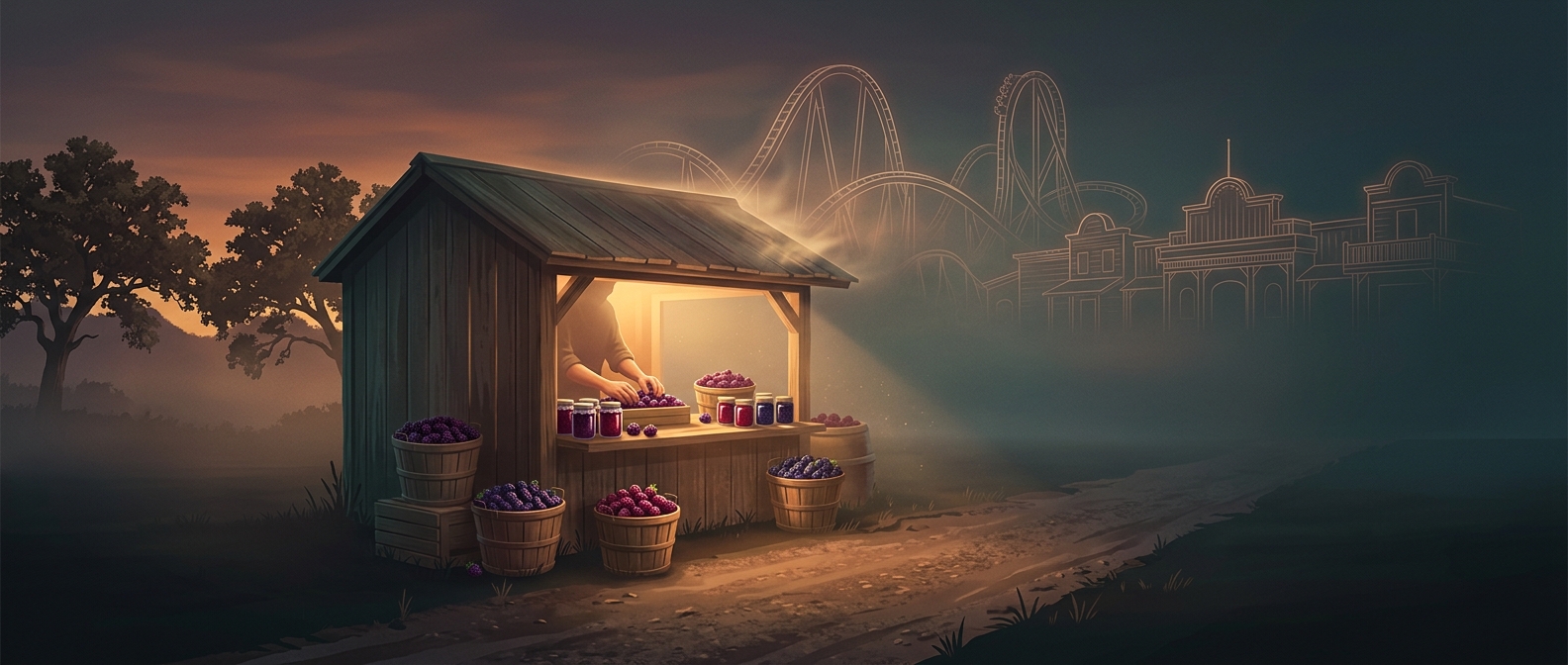
A chicken-dinner queue helped create Knott's theme park
Cordelia Knott's fried-chicken meals drew crowds to the family's roadside business. Walter Knott added attractions to entertain people waiting, including the…
Discover more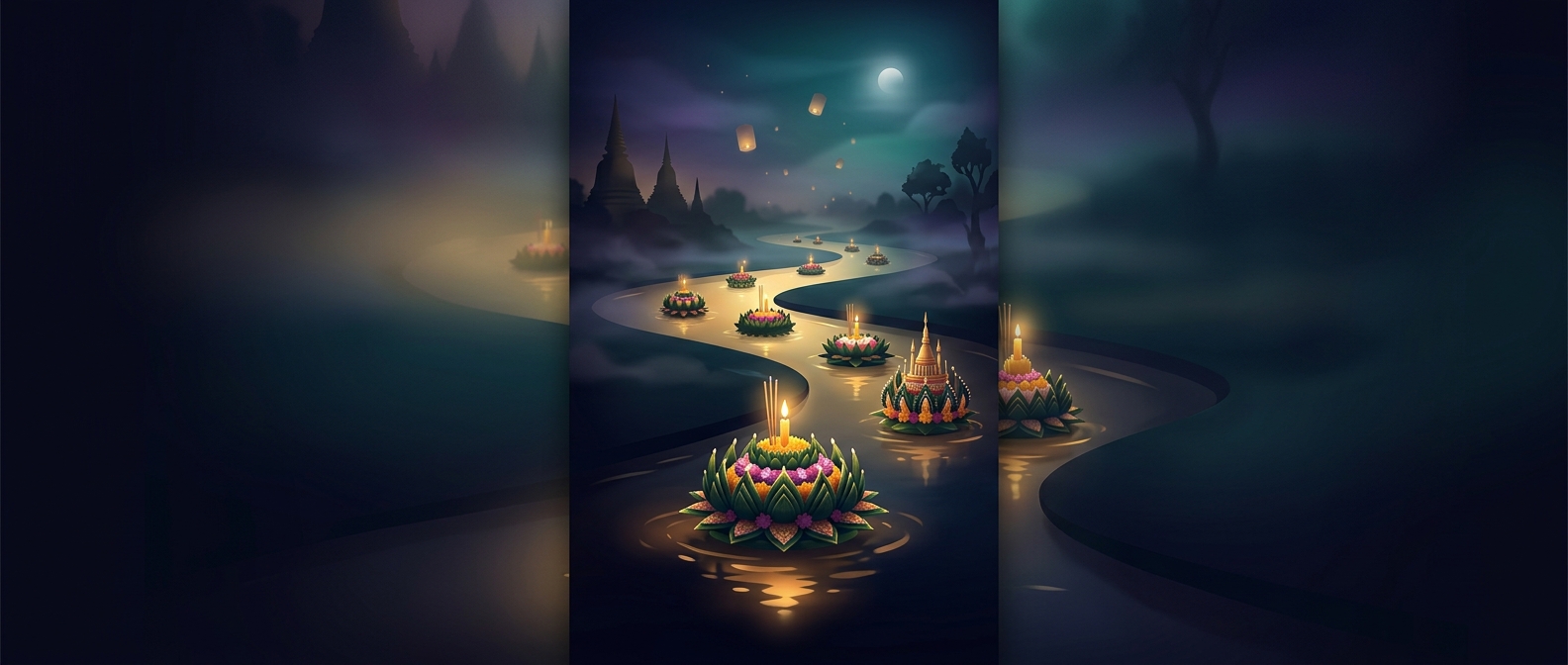
Thai festival Loy Krathong floats decorated stem baskets
People release small vessels made from plant stems and decorated with flowers and candles onto the water, where thousands of lights drift together.
Discover more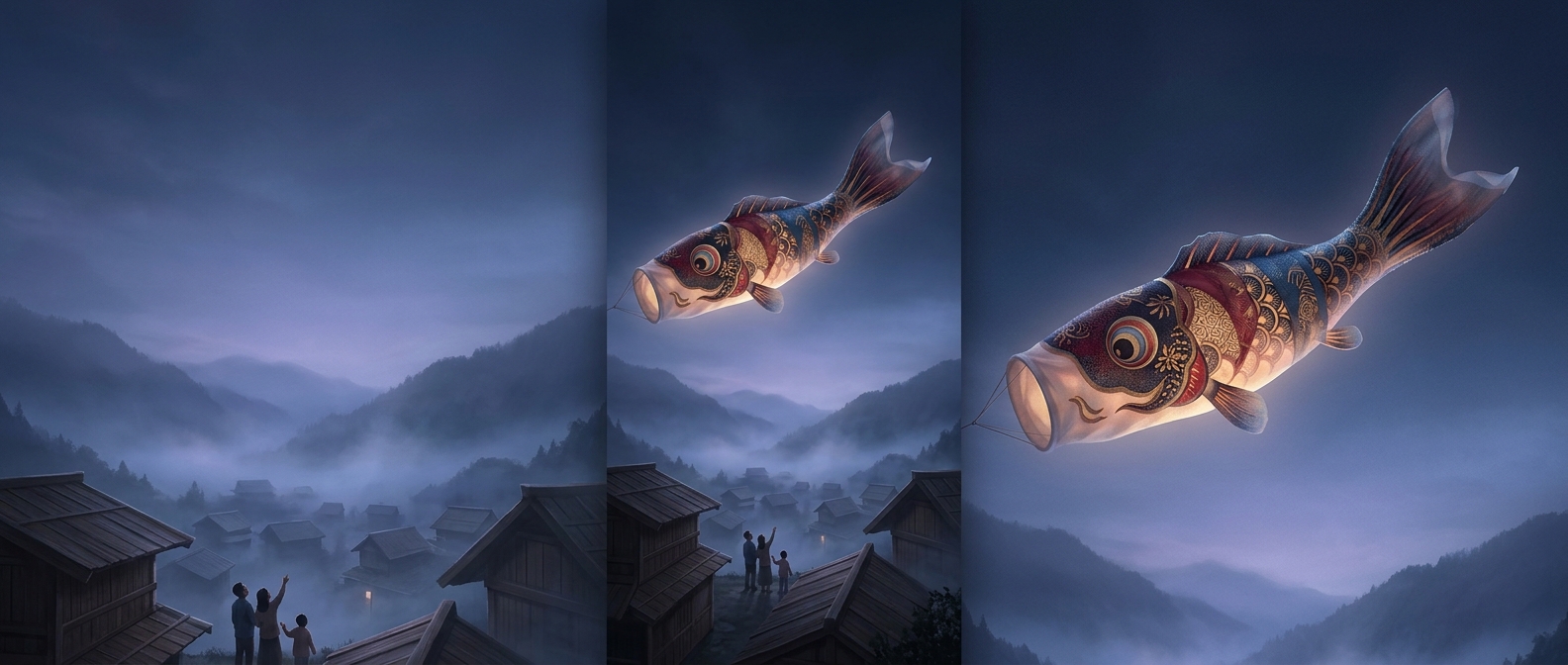
Japanese Koinobori streamers are flown to celebrate children
Japanese families fly carp-shaped koinobori windsocks on tall poles during festivals celebrating children. Their bright, fish-shaped forms can turn a…
Discover more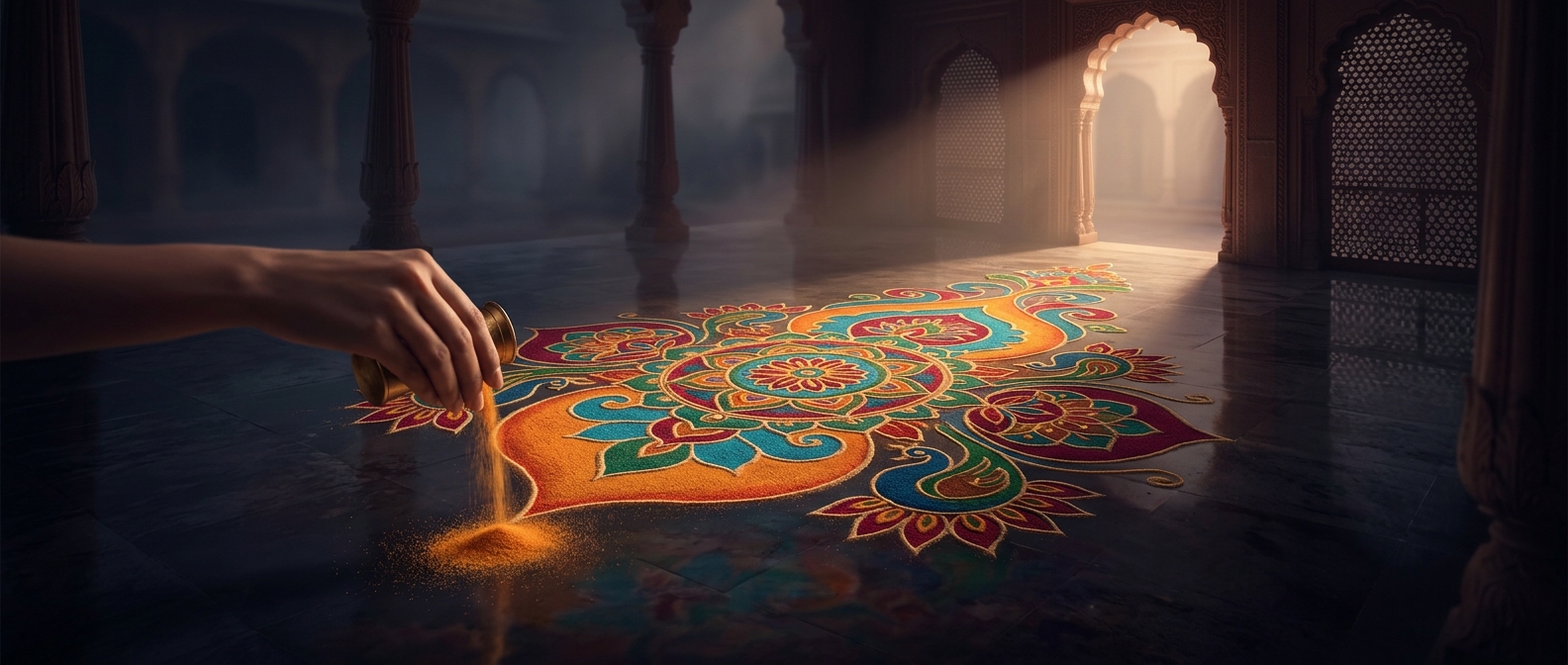
Rangoli art uses colored sand to decorate Indian floors
Rangoli artists create elaborate geometric floor patterns with colored sand or rice flour, knowing a breeze or a careless step can erase hours of work.
Discover more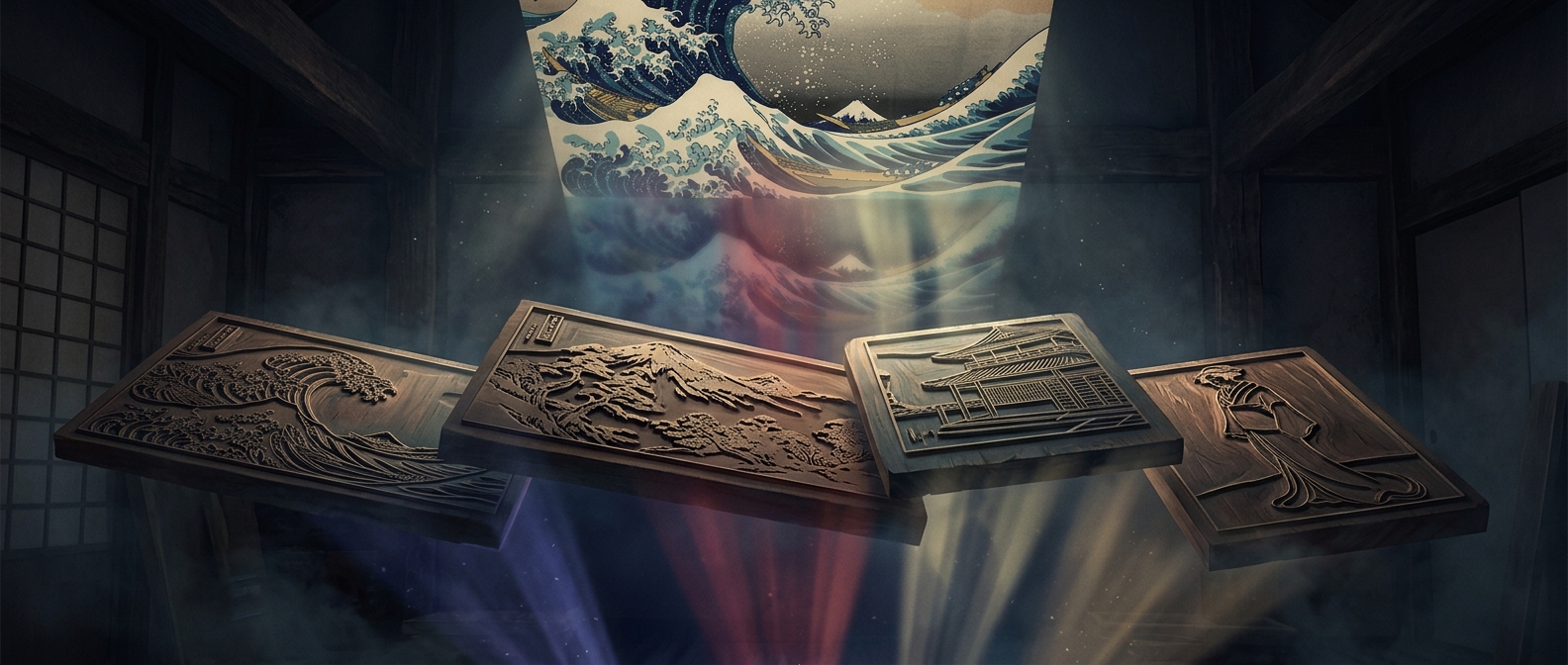
Japanese Ukiyo-e prints require separate carved woodblocks
Each color needed its own carved block, aligned precisely so the colors landed in the right places on the print.
Discover more
The puppeteers hidden underwater in Vietnam
Performers stand waist-deep in a pool behind a bamboo screen, using long submerged rods to move heavy wooden puppets across the water's surface.
Discover more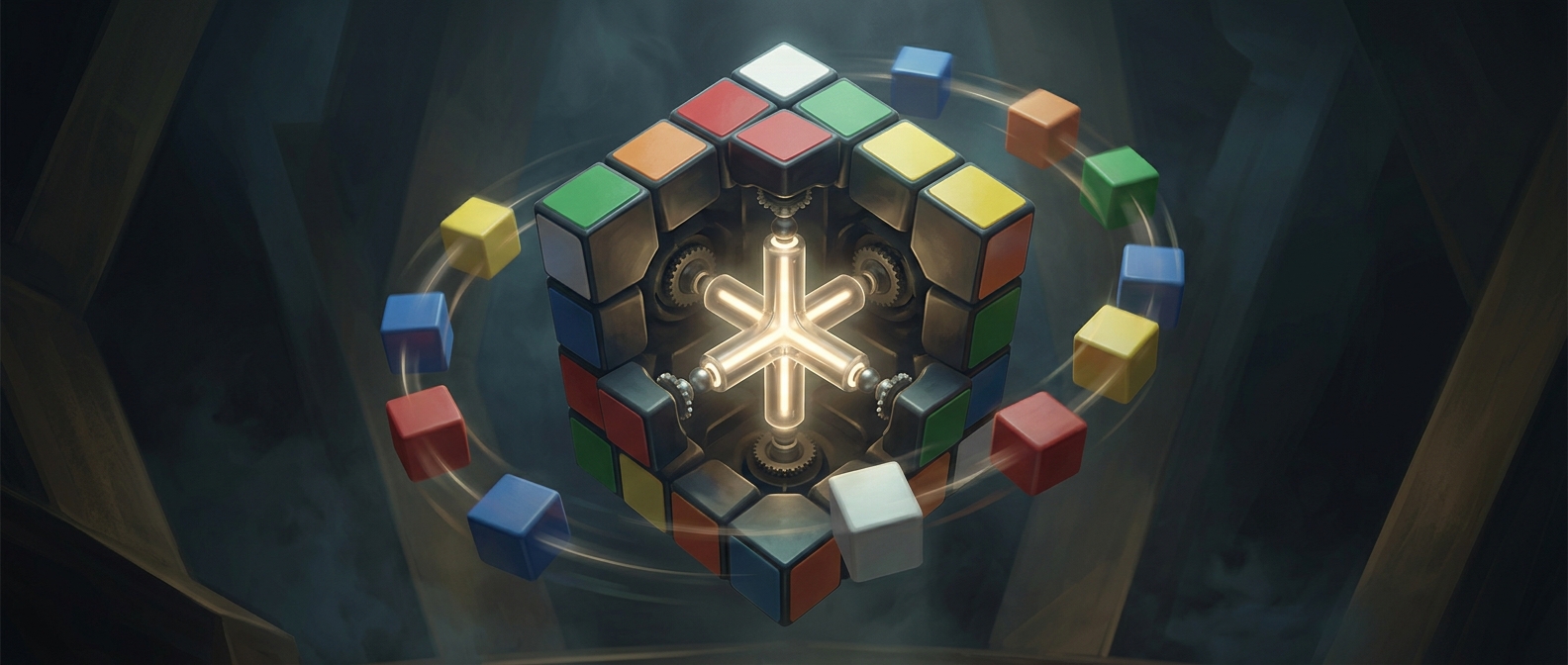
The hidden mechanism inside a Rubik’s Cube
A fixed six-pronged spindle at the center holds the cube together; the colored outer pieces aren't attached to one another, but slide around it on…
Discover more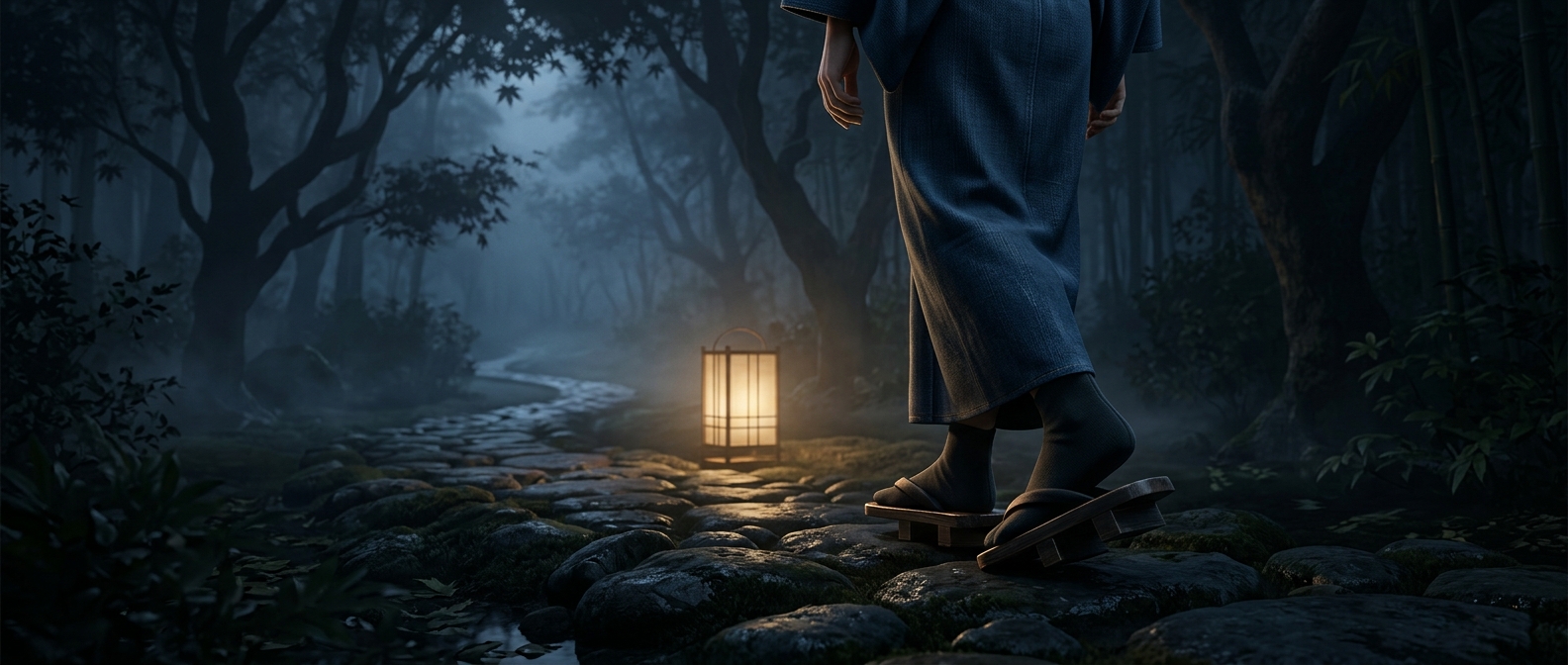
Japanese Tabi socks feature a divided front to fit sandals
A split between the big toe and the other toes lets the fabric fit around a sandal’s thong instead of bunching underfoot.
Discover more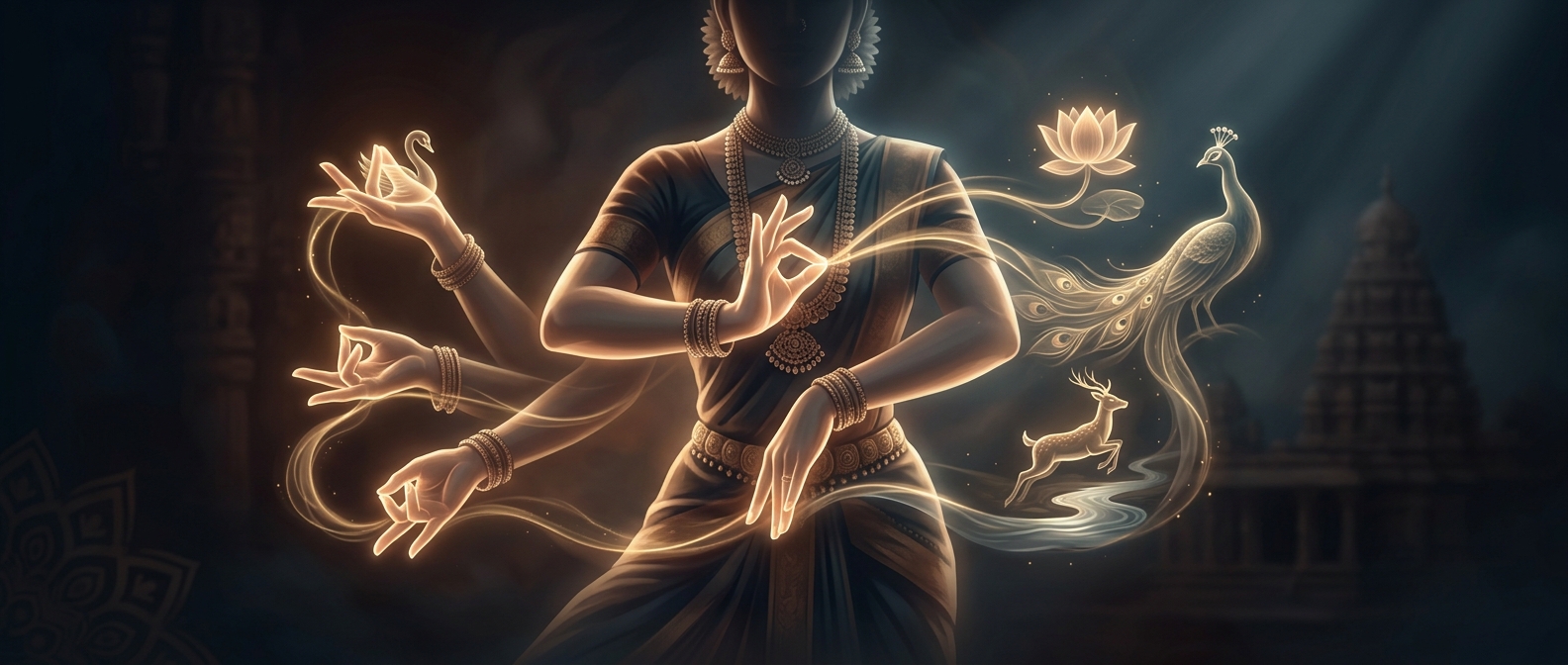
Bharatanatyam dance uses specific mudras for storytelling
These hand gestures, called mudras, let Bharatanatyam dancers convey parts of epic stories without spoken dialogue.
Discover more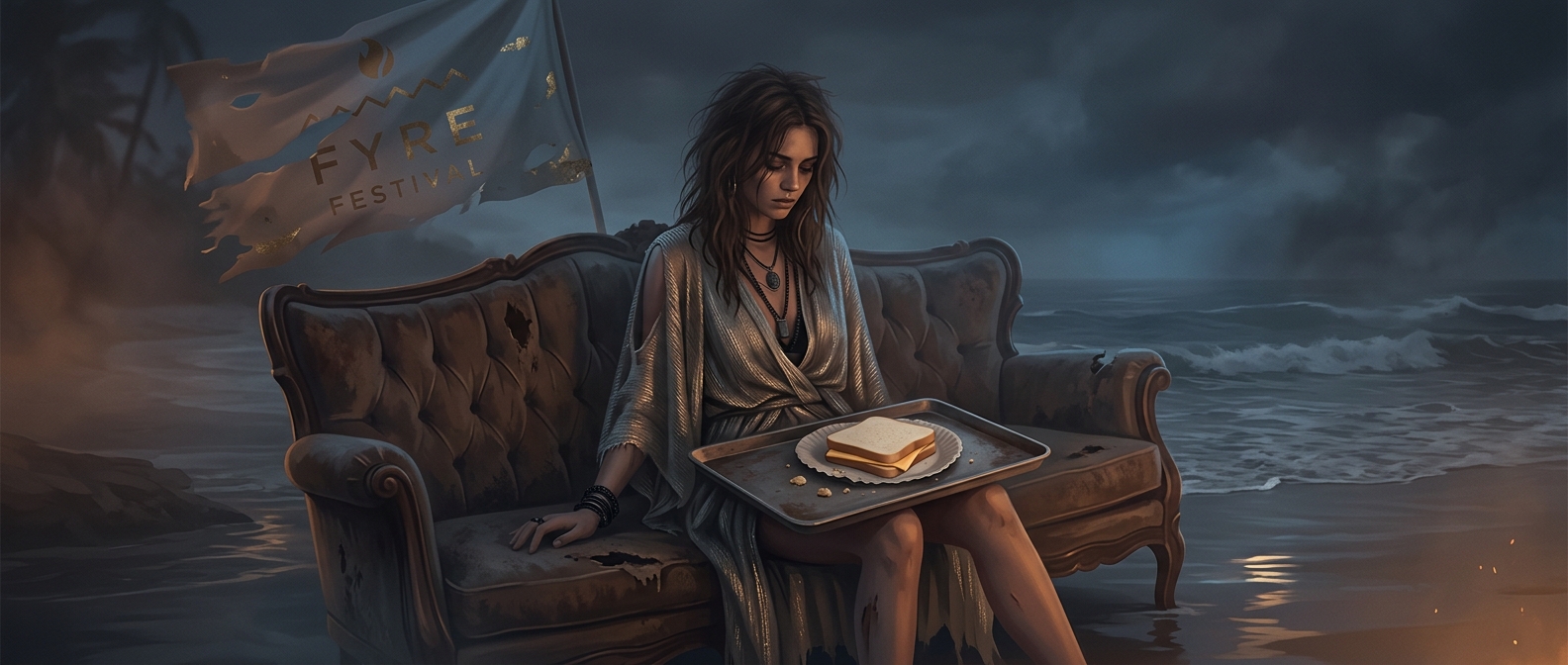
A cheese-sandwich photo became Fyre Festival's defining image
The event sold the promise of an exclusive island experience, but arriving guests encountered chaotic accommodation and food arrangements. One photograph of a…
Discover more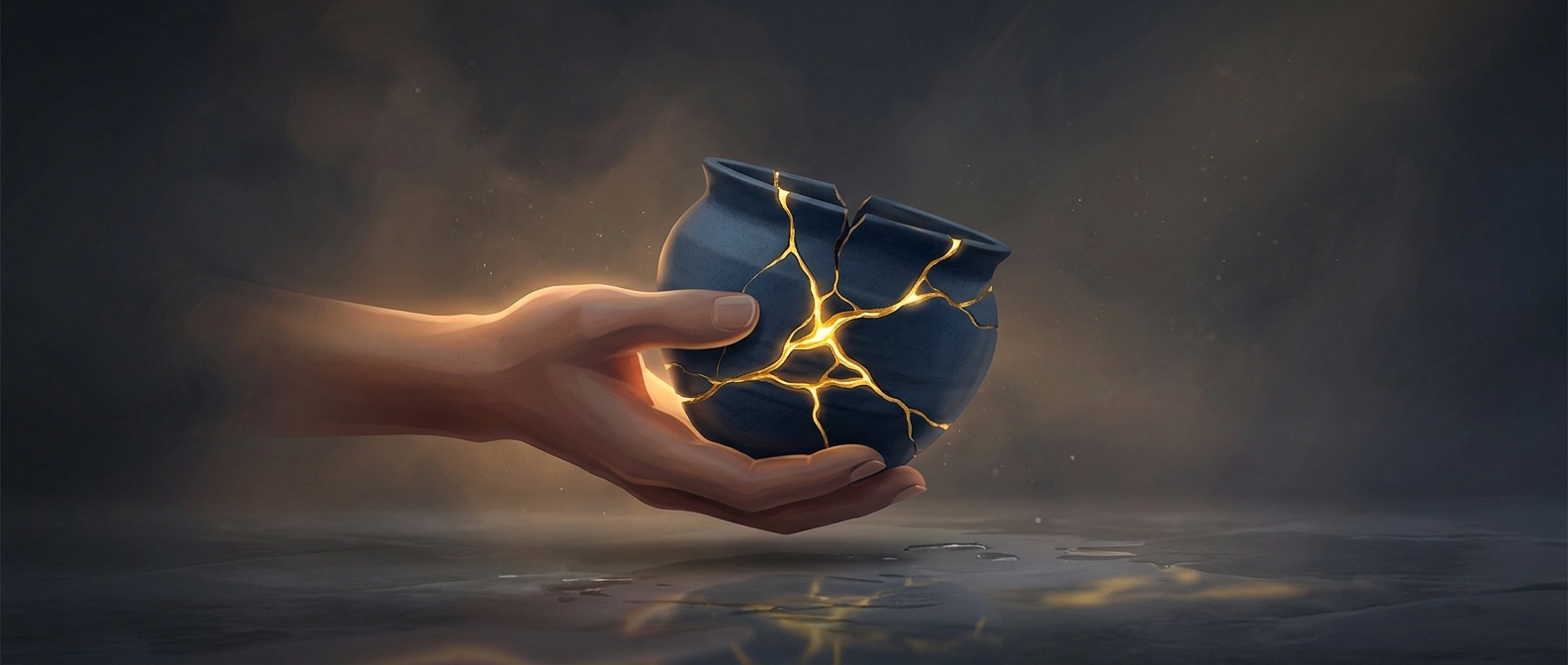
Why Japanese artisans fill cracks with gold
Kintsugi repairs broken ceramics with lacquer dusted in powdered gold, making the cracks part of the object’s appearance rather than hiding them.
Discover more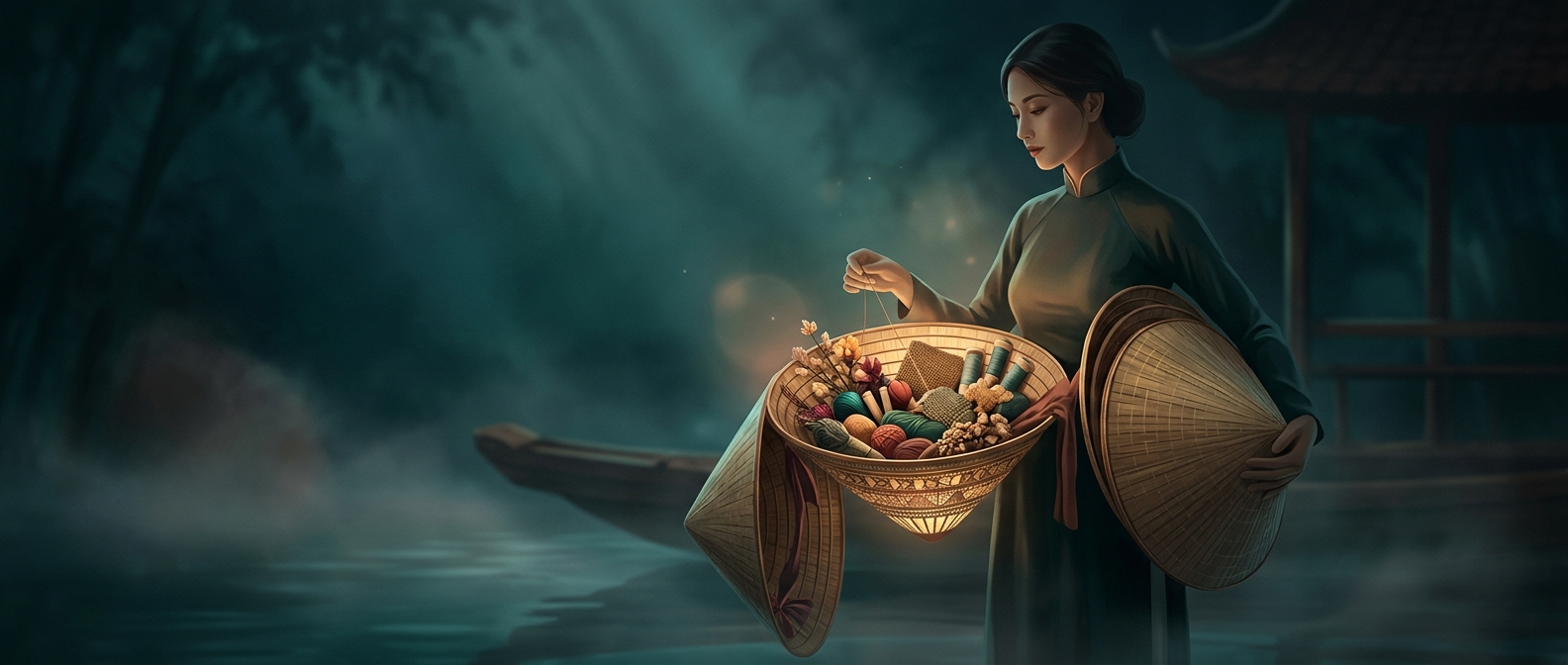
Vietnamese conical hats Non La are used as makeshift baskets
Turned upside down, the woven palm-leaf Non La can double as a basket for carrying vegetables.
Discover more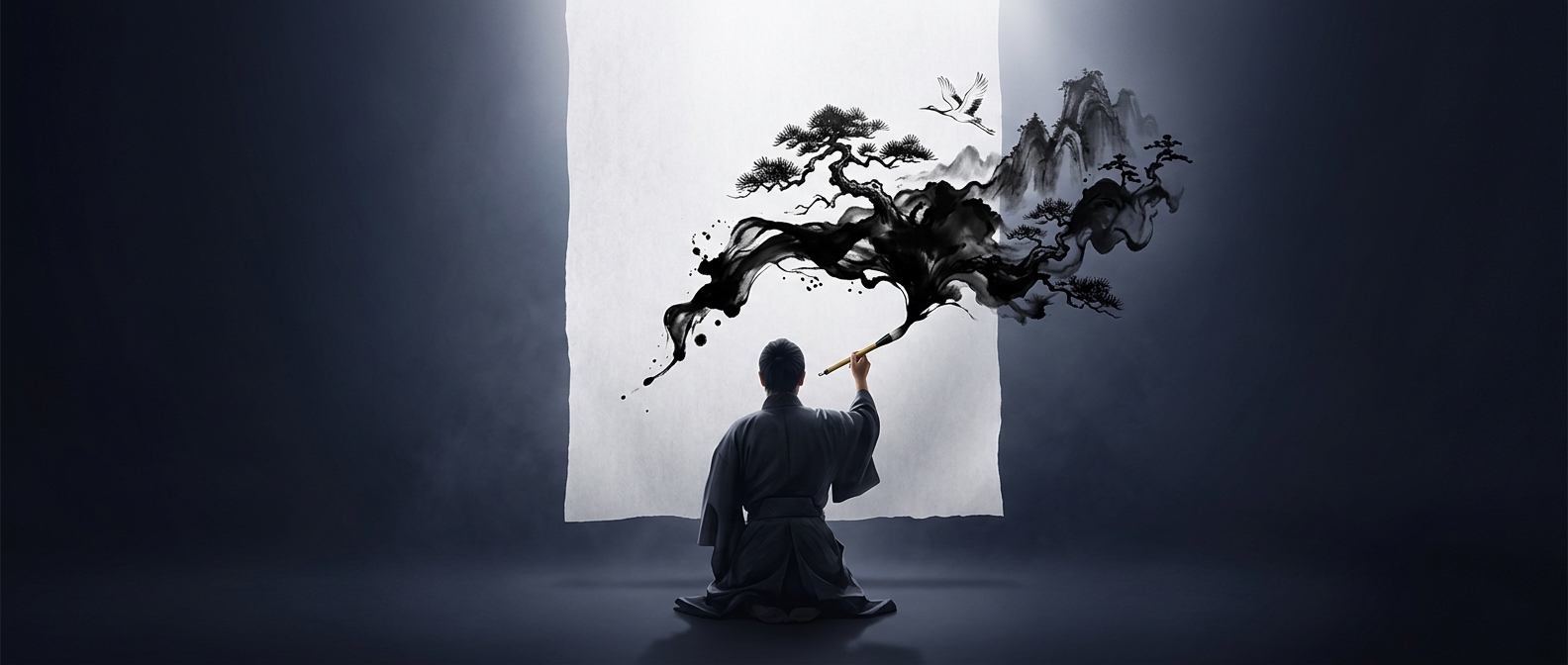
Sumi-e painting uses only black ink to capture subjects
Sumi-e relies on different concentrations of black ink and confident brushstrokes. With no vibrant colors or easy corrections to hide behind, even simple…
Discover more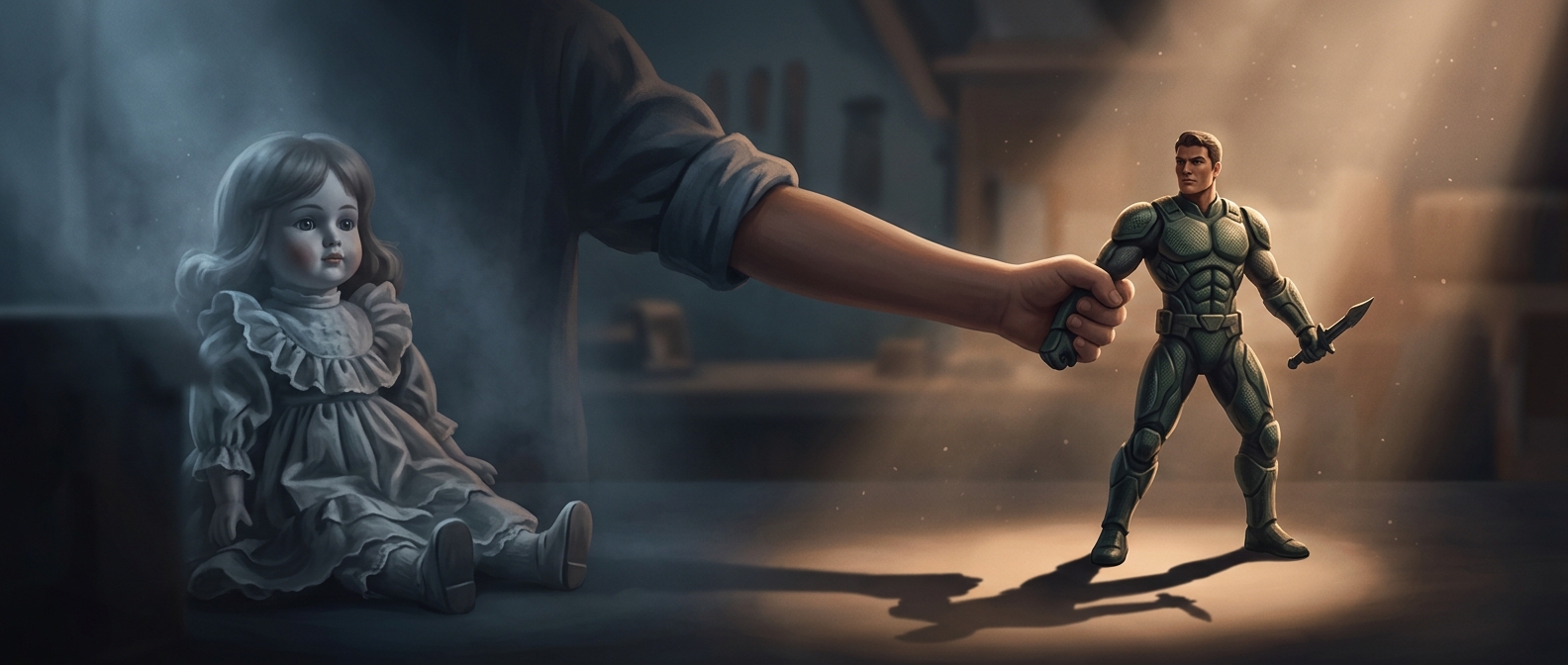
G.I. Joe sold boys a doll by changing its job title
G.I. Joe's creators marketed it as an “action figure” rather than a doll, hoping boys in the 1960s would be more willing to play with it.
Discover more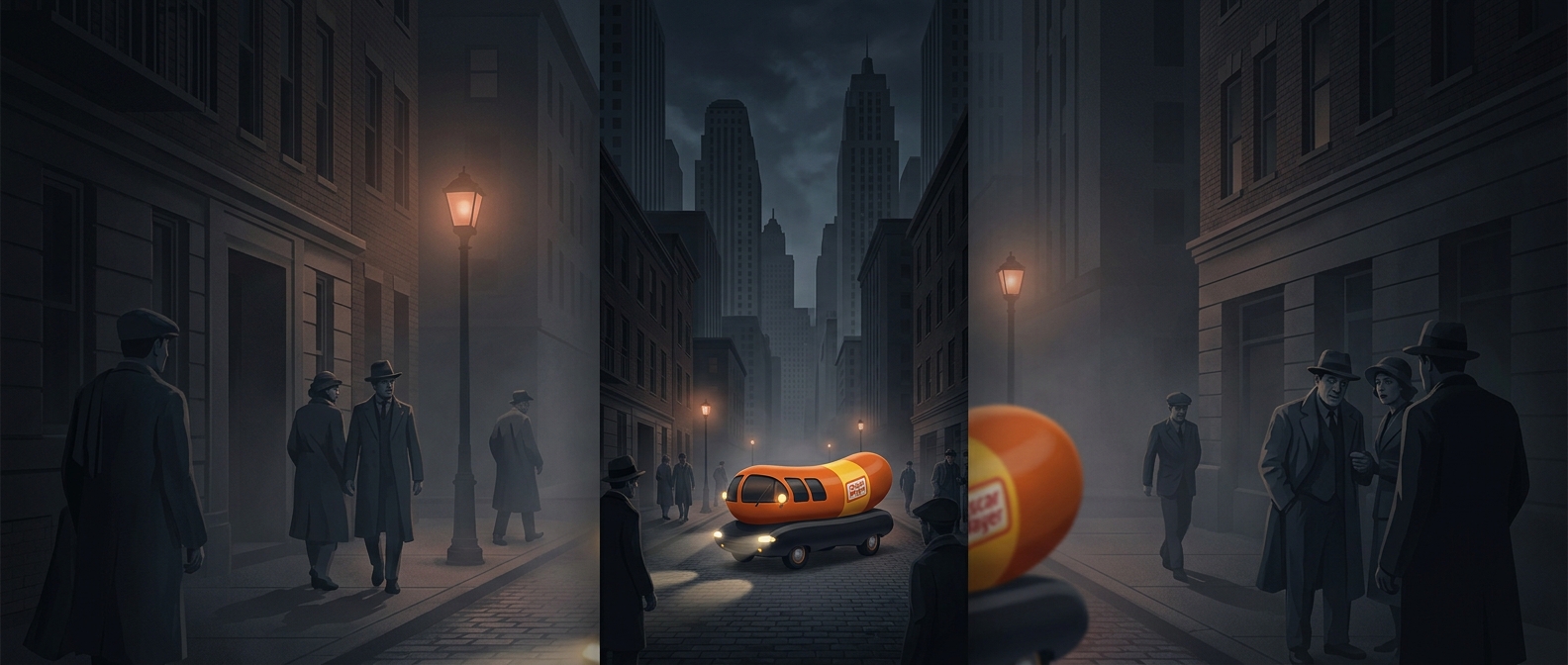
The Wienermobile began as a thirteen-foot advertising idea
Carl Mayer proposed the hot-dog-shaped vehicle in 1936 to promote Oscar Mayer products around Chicago. The shape did the explaining before anyone read a sign.…
Discover more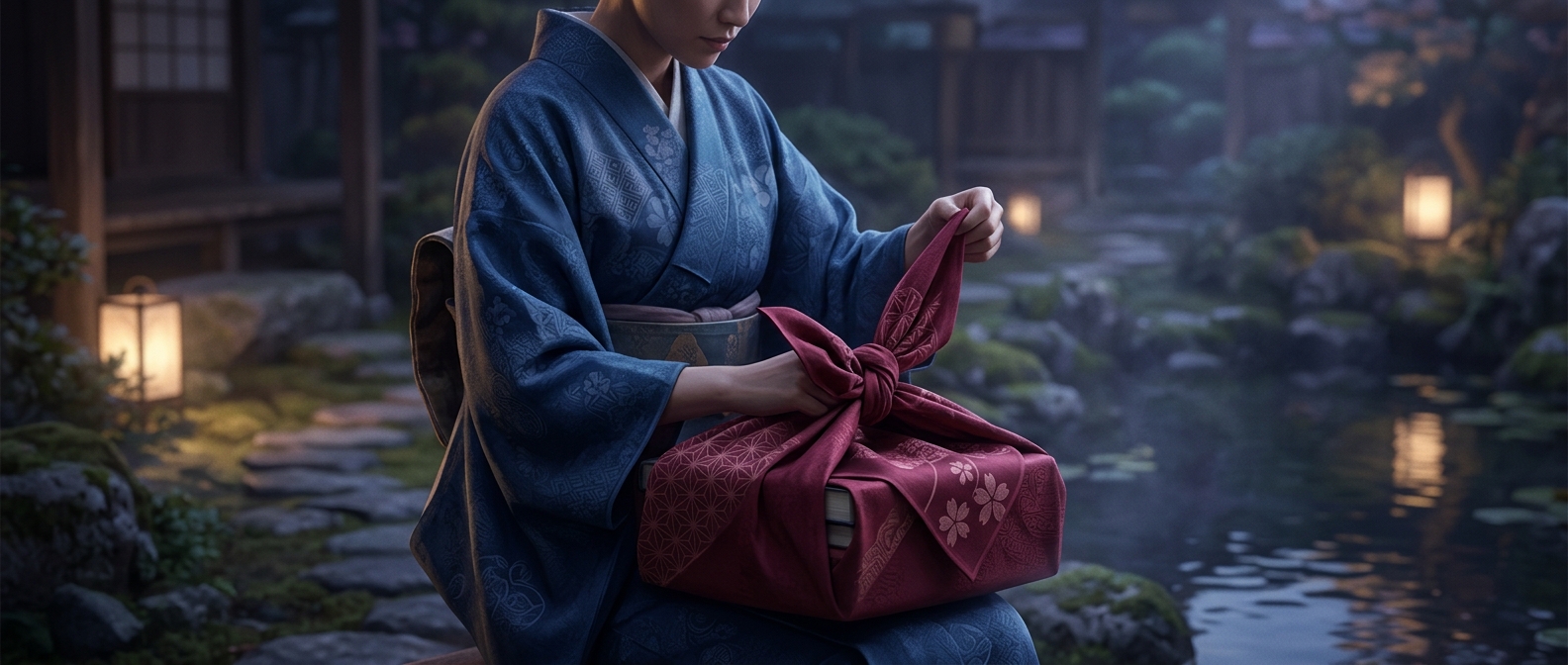
Japanese Furoshiki are cloths used entirely to wrap items
With folding and knotting, one square cloth can bundle awkward items such as watermelons, bottles, and boxes into a portable package.
Discover more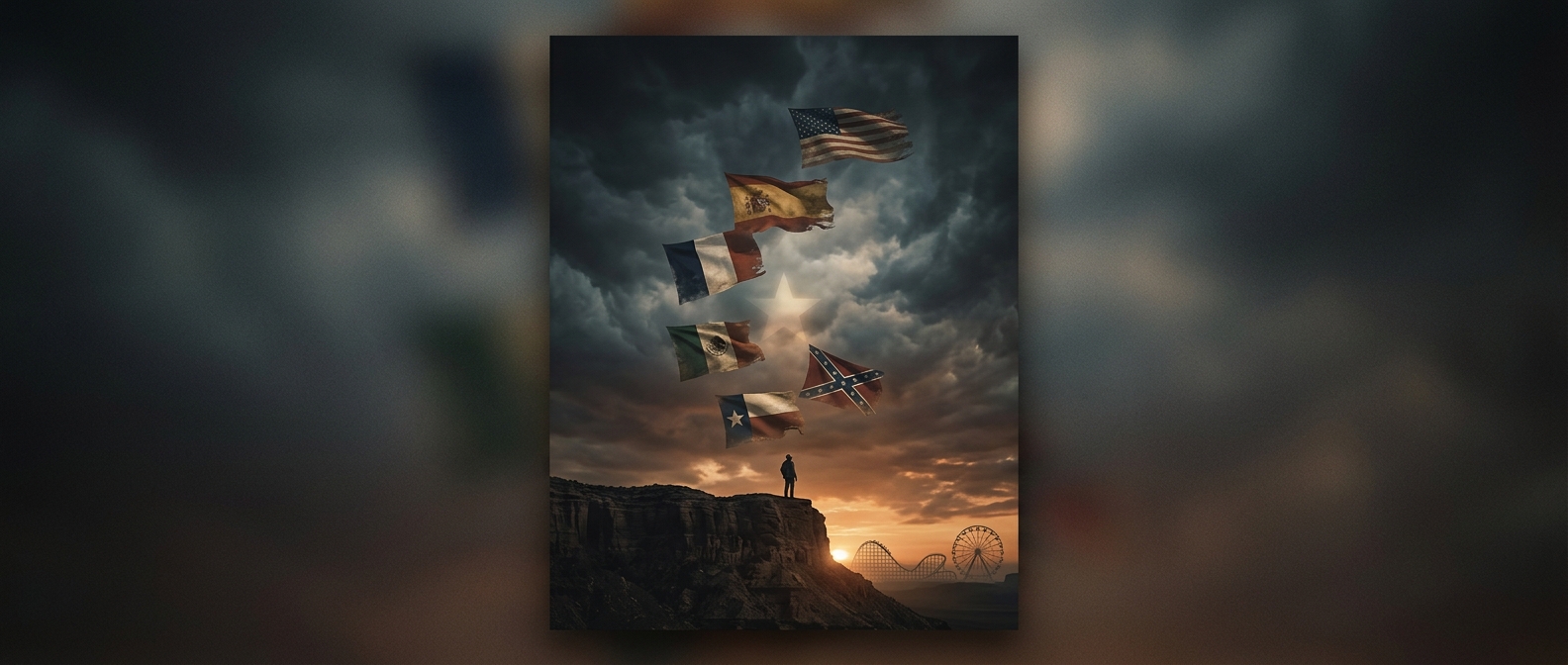
Six Flags is named after six claims to Texas
The original park's name refers to Spain, France, Mexico, the Republic of Texas, the United States, and the Confederacy. Those flags represented different…
Discover more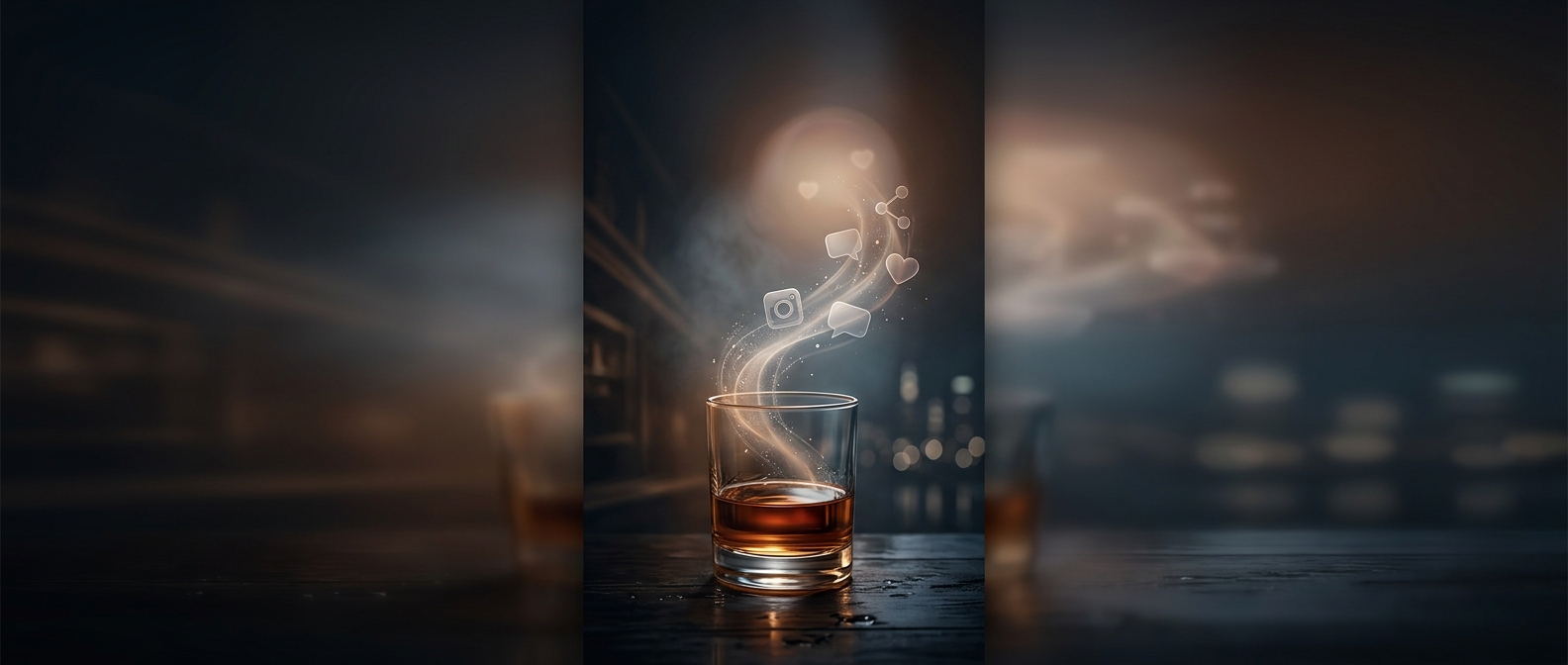
Instagram grew out of an app with too many features
Its predecessor, Burbn, mixed location check-ins, social plans, and photo sharing. The founders stripped the idea down around photographs instead of keeping…
Discover more